Investing in a brownie packaging machine for the South American market requires careful evaluation of your production goals, product characteristics, and regional distribution conditions. From small artisanal bakeries in Brazil scaling up to industrial producers in Argentina and Colombia, the right equipment can dramatically improve shelf life, reduce labor costs, and elevate brand presentation. This guide walks you through the essential factors to consider before purchasing a brownie packaging system, helping you match machine capabilities to your specific operational needs across Latin America’s diverse food industry landscape.
Understanding Brownie Product Characteristics and Packaging Requirements
Brownies present unique packaging challenges due to their moisture content, crumbly texture, and sensitivity to oxygen. In South America’s tropical and subtropical climates—particularly in regions like northern Brazil, coastal Colombia, and Ecuador—humidity and temperature fluctuations can accelerate product degradation. Your packaging machine must accommodate these variables while maintaining consistent seal integrity. Key product attributes that influence machine selection include:
- Product dimensions and shape — whether you produce uniform square bars, rectangular portions, or irregularly cut pieces
- Moisture and fat content — higher fat levels may require specific film types and sealing parameters to prevent leakage
- Shelf-life targets — modified atmosphere packaging (MAP) capabilities may be necessary for extended distribution across South America’s vast geography
- Production volume — from semi-automatic systems for small bakeries to fully automated multi-lane lines for contract manufacturers serving supermarket chains
Types of Brownie Packaging Machines for the South American Market
Different brownie formats demand different packaging technologies. Flow wrapping machines dominate the market for individually wrapped bars, while vertical form-fill-seal (VFFS) systems excel for multi-pack configurations. Below is a comparative overview of the most common machine types deployed across South American confectionery operations:
| Machine Type | Best For | Key Advantage |
|---|---|---|
| Horizontal Flow Wrapper | Individual brownie bars, single-serve portions | High-speed operation, tight seal around irregular shapes |
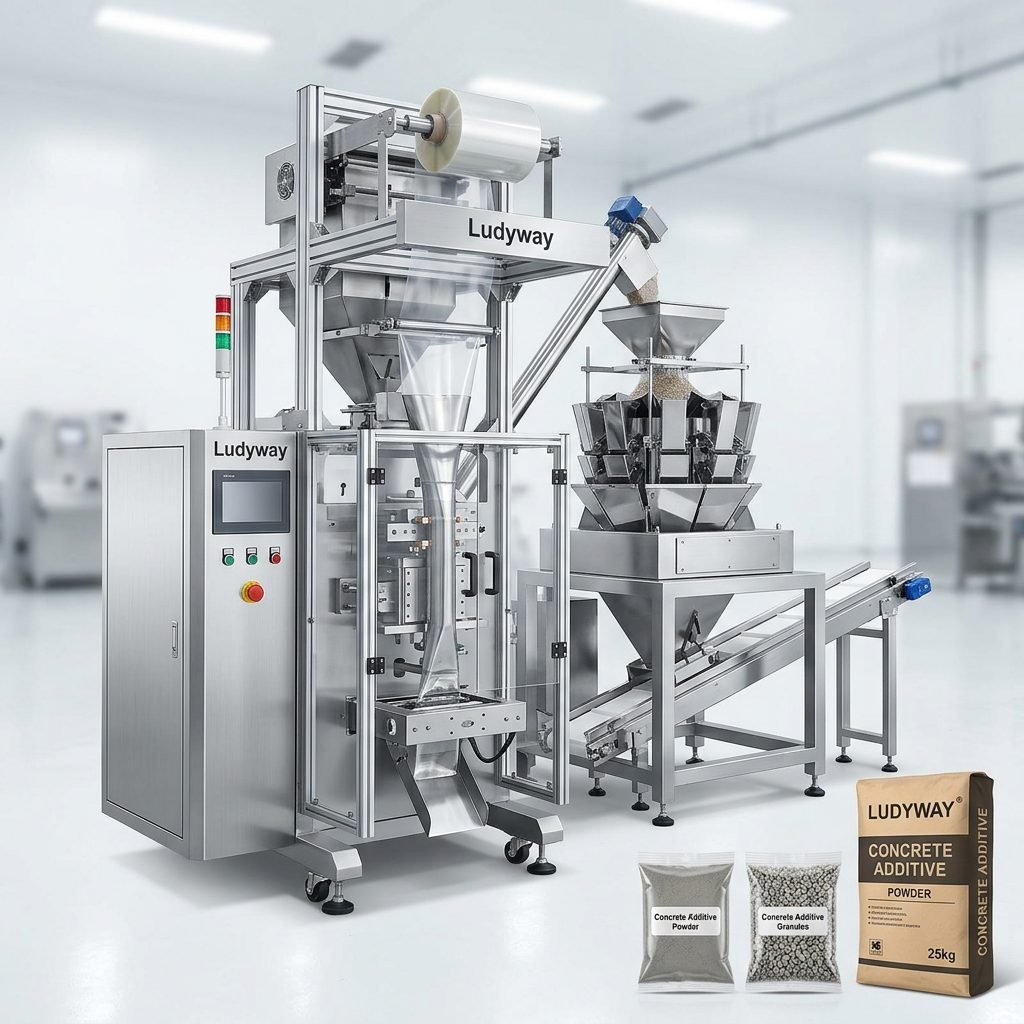
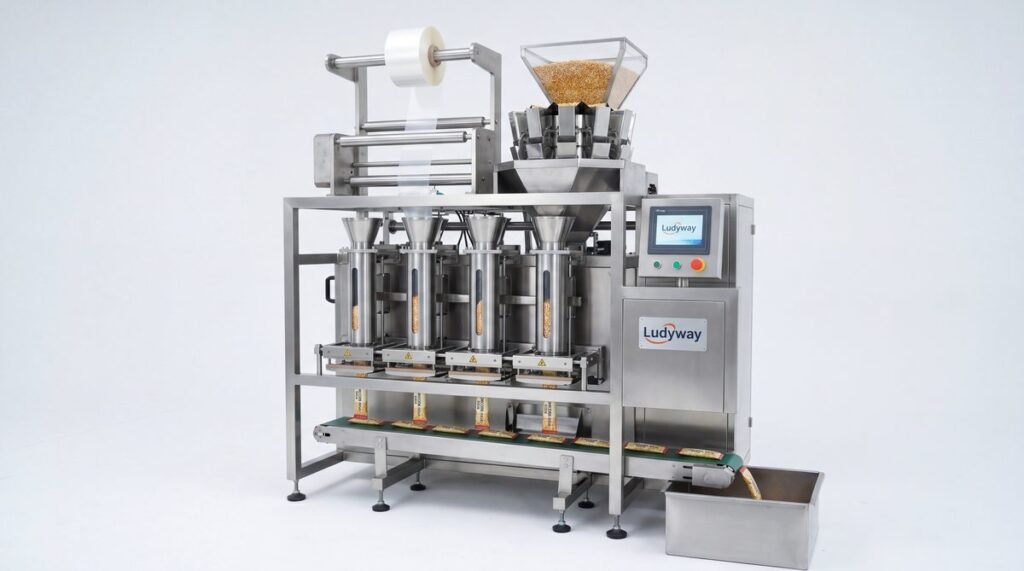
| Vertical Form-Fill-Seal (VFFS) | Multi-pack pouches, family-sized bags | Versatile bag styles, integrated gas flushing for freshness |
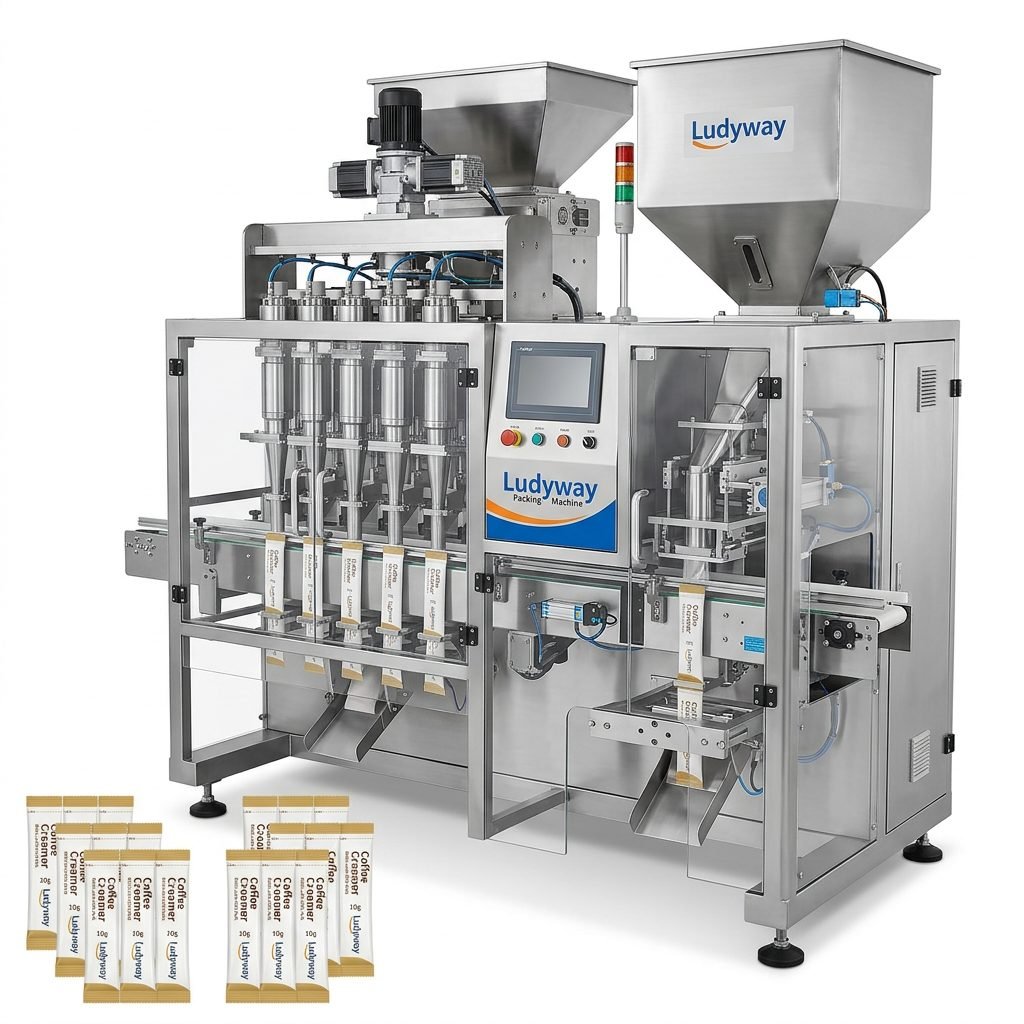
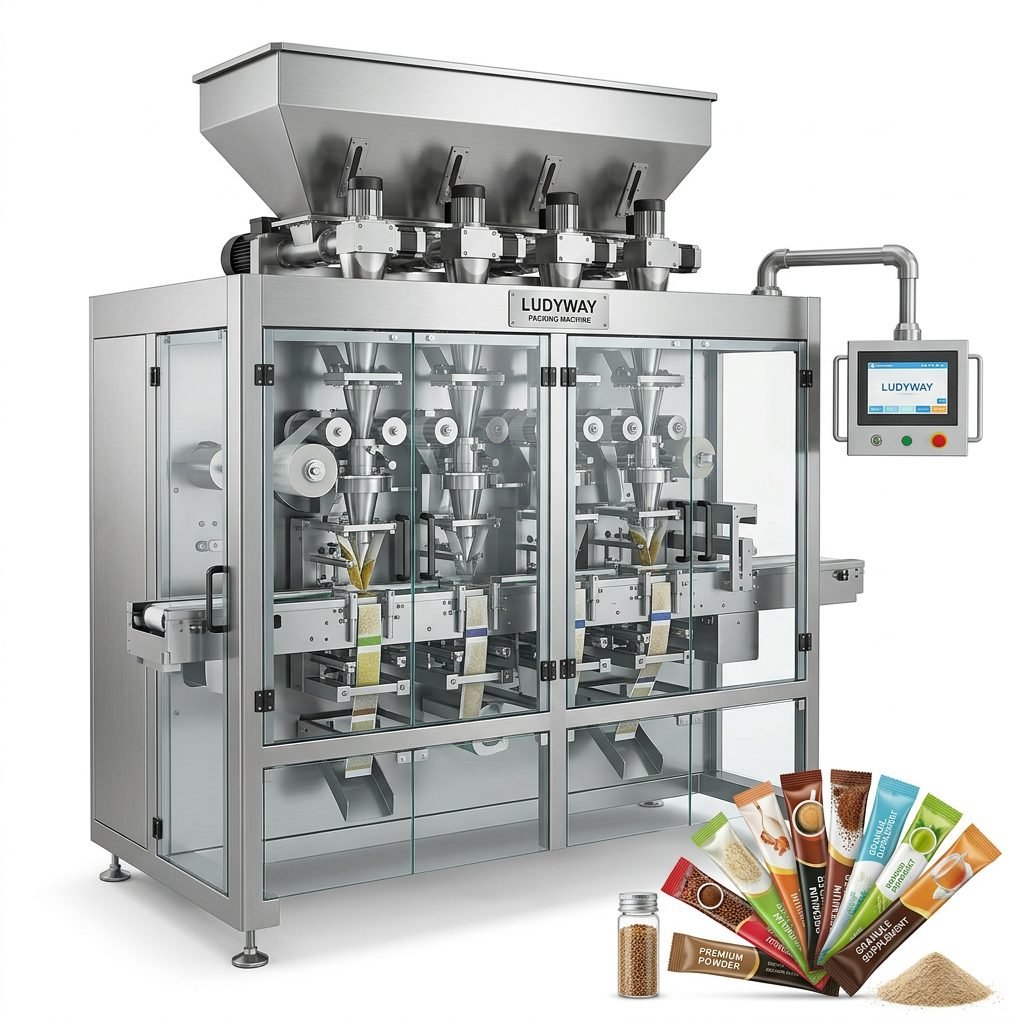
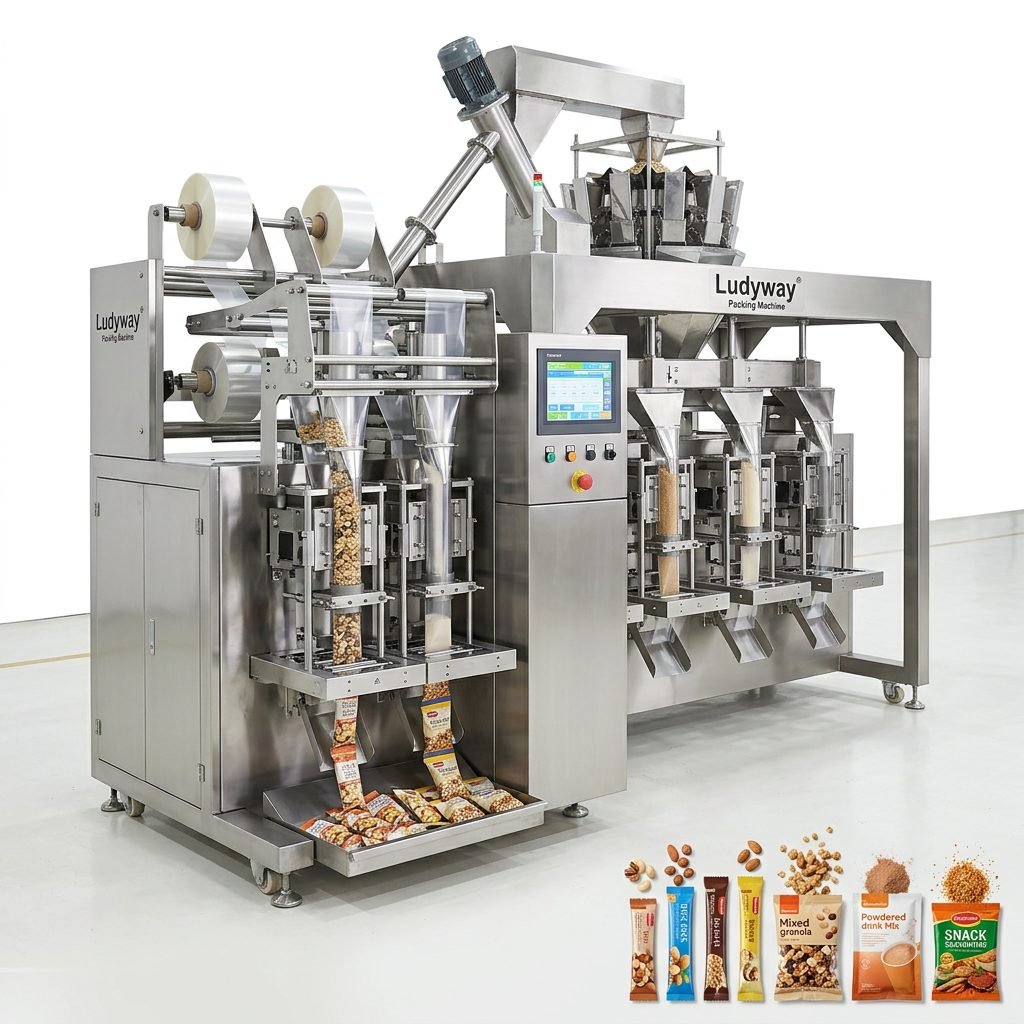
| Multi-Lane Stick Pack Machine | Brownie bite-sized pieces, trail mix with brownie chunks | Ultra-high throughput, portion control for snacking formats |
| Tray Sealing Machine | Premium gift boxes, multi-piece retail trays | Excellent product visibility, tamper-evident sealing |

Critical Technical Specifications to Evaluate
When comparing brownie packaging machines from different suppliers, focus on specifications that directly impact production efficiency and product quality. South American manufacturers often operate in facilities with varying infrastructure conditions, so machine adaptability becomes crucial. Pay close attention to these parameters:
- Sealing system type — rotary sealers offer higher speeds for flow wrapping, while stationary sealers provide precision for delicate products; consider temperature control accuracy for chocolate-containing brownies
- Film compatibility — verify that the machine handles the packaging materials commonly available in South American markets, including polypropylene, metallized films, and biodegradable laminates
- Speed range and changeover time — for producers running multiple brownie SKUs, quick format changeover without tools can save hours of downtime per week
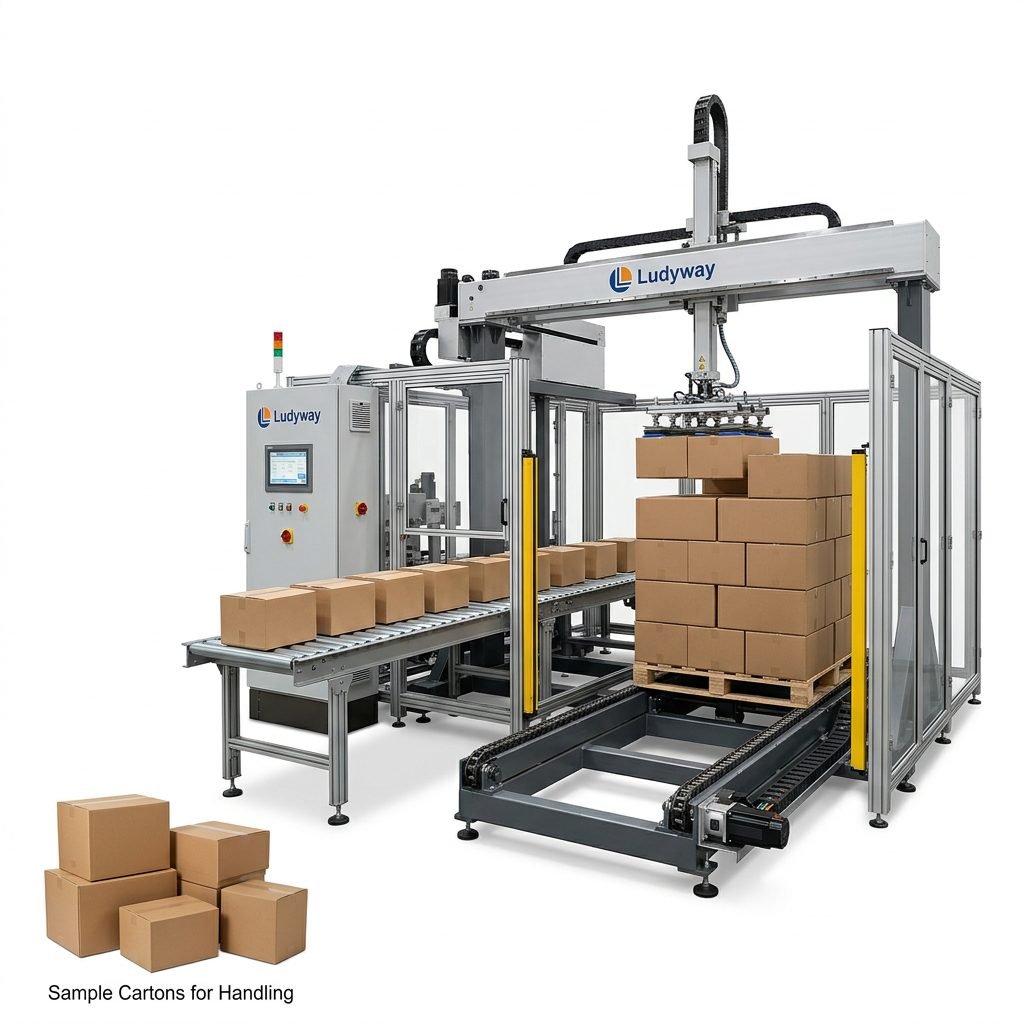
- Integration capabilities — assess whether the machine can connect with upstream equipment like cooling conveyors, auto-feeders, and downstream systems such as cartoners and case packers
Adapting to South American Climate Conditions
Humidity levels in cities like Manaus, Cartagena, and Guayaquil can exceed 80% during rainy seasons. Your brownie packaging machine should feature effective moisture barriers and, ideally, integrated dehumidification or nitrogen flushing capabilities. Machines with stainless steel construction and corrosion-resistant components offer superior longevity in coastal production environments. Look for equipment that has been field-tested in similar climatic conditions—this is an important indicator of real-world reliability.
Evaluating Total Cost of Ownership in Latin America
Purchase price is only one component of the total investment. For South American brownie producers, ongoing operational costs often outweigh the initial capital expenditure over a machine’s lifespan. Consider the following cost factors when budgeting:
- Spare parts availability — choose manufacturers with regional distribution centers or fast air-freight logistics to Brazil, Argentina, or Chile to minimize downtime
- Energy consumption — electricity costs vary significantly across South America; energy-efficient servo-driven machines reduce long-term operational expenses
- Technical support and training — local service networks or remote diagnostic capabilities are essential in markets where specialized packaging technicians may be scarce
- Film waste rates — machines with precise film registration and tension control systems reduce material waste, directly improving profitability per production run
Regulatory and Food Safety Compliance
South American countries maintain distinct food packaging regulations that affect brownie packaging machine specifications. Brazil’s ANVISA, Argentina’s ANMAT, and Chile’s ISP all enforce food contact material standards that packaging equipment must support. Key compliance areas include:
- Food-grade materials — all product-contact surfaces should meet FDA or equivalent international standards for food safety
- Traceability features — integrated batch coding, date printing, and serialization capabilities support product recall readiness
- Clean-in-place (CIP) design — machines with accessible, tool-free disassembly simplify sanitation procedures and reduce cross-contamination risks during brownie production runs with allergens like nuts
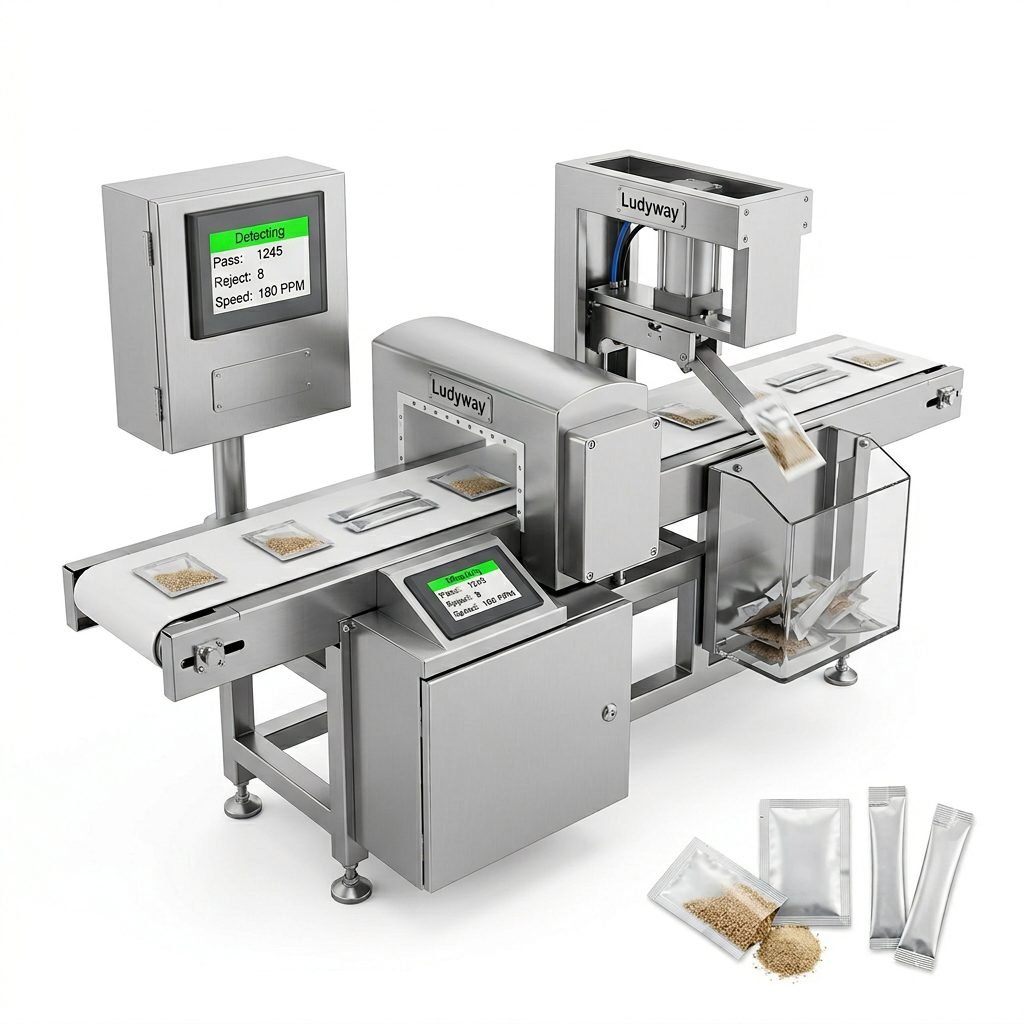
- Packaging integrity testing — consider equipment with built-in seal inspection or compatibility with external ISO packaging testing protocols
Selecting the Right Packaging Machine Supplier
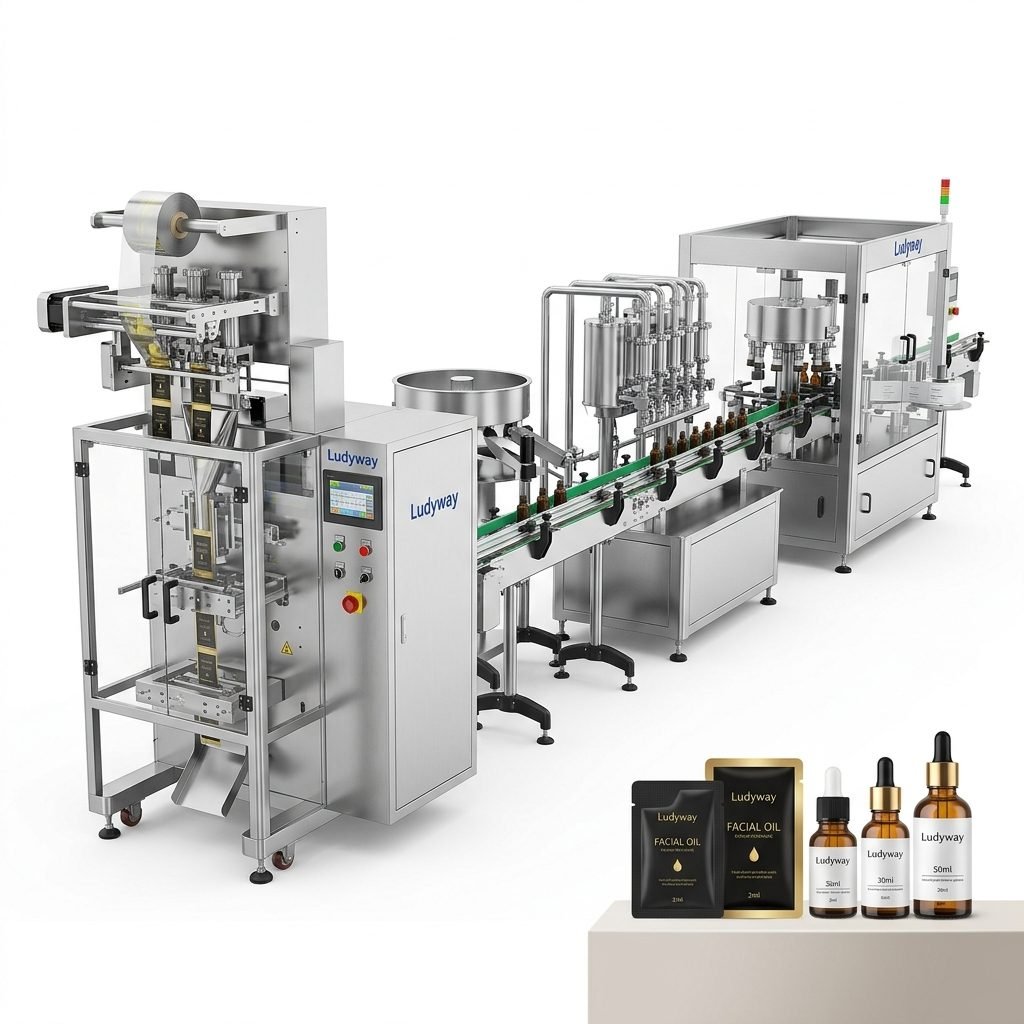
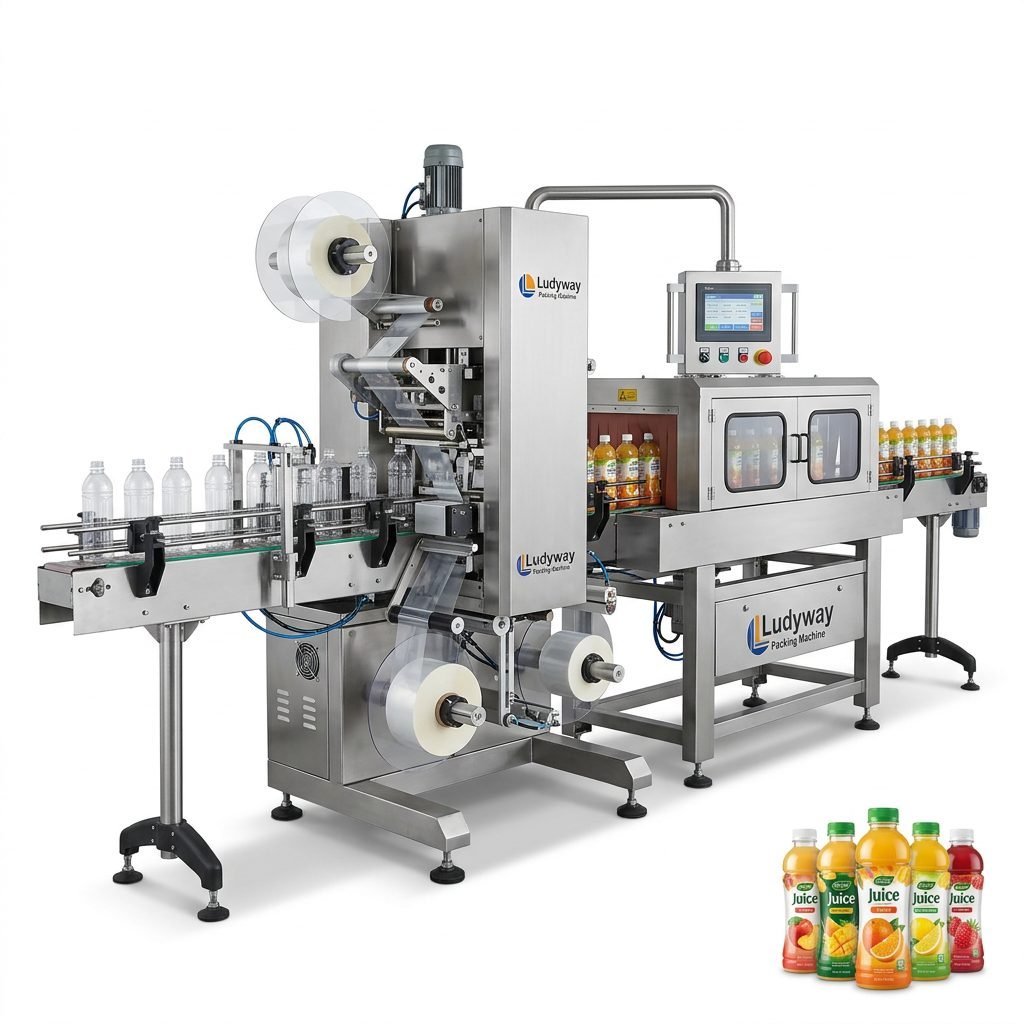
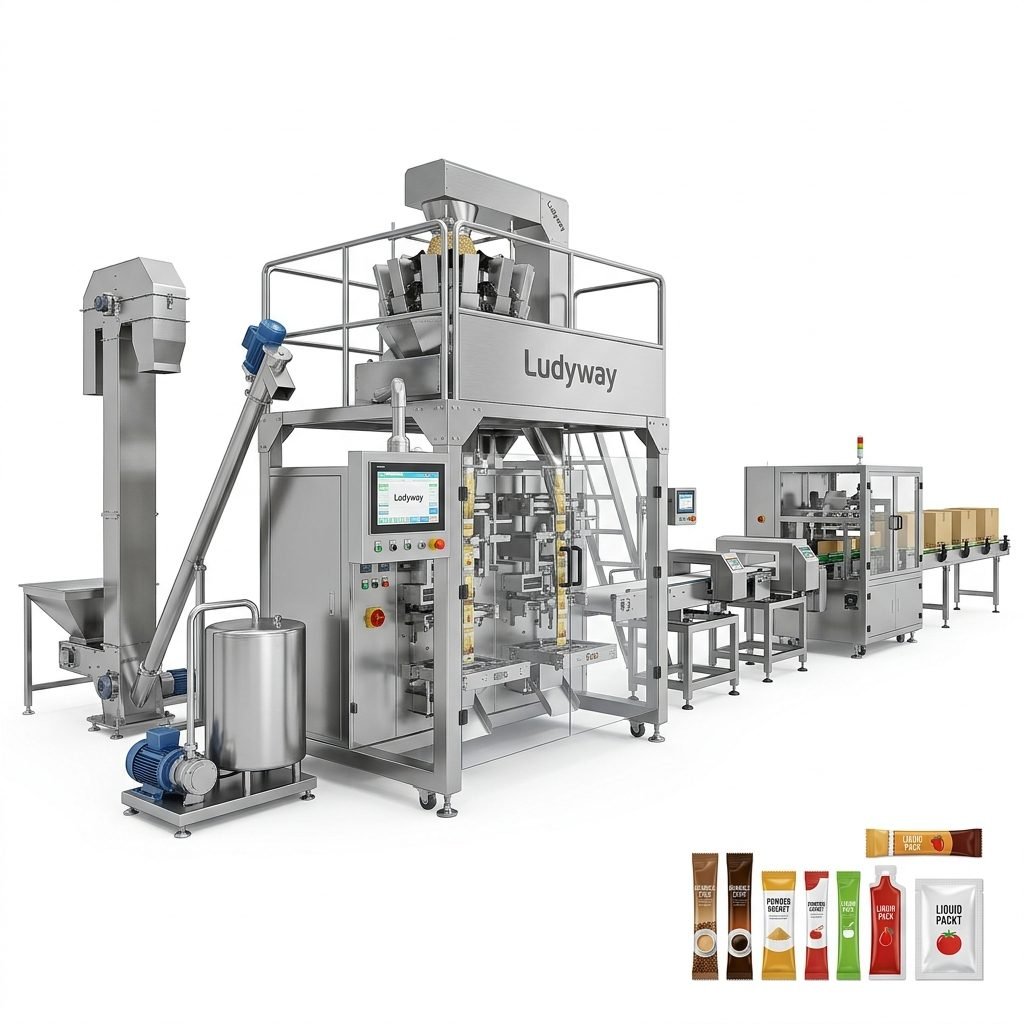
Your choice of equipment manufacturer significantly influences long-term success. Beyond technical specifications, evaluate suppliers based on their experience in the confectionery sector and track record in South American markets. Request references from brownie or baked goods producers in the region, and when possible, arrange factory acceptance tests before shipment. A supplier with comprehensive after-sales support, including remote troubleshooting and local language documentation, adds substantial value throughout the equipment lifecycle. For instance, Ludyway has developed packaging solutions for food producers across more than 100 countries, offering turnkey systems that encompass the full range of granule, powder, and solid product packaging applications relevant to brownie manufacturing.
Questions to Ask Potential Suppliers
- What is the typical lead time for delivery to South American ports, and do you handle customs clearance logistics?
- Can you provide video demonstrations of the machine running brownie-like products with similar dimensions and texture?
- What warranty coverage applies, and how are service visits coordinated in Latin American countries?
- Do you offer operator training programs in Spanish or Portuguese?

Future-Proofing Your Packaging Investment
The South American packaged food market continues to grow, with convenience store formats and e-commerce driving demand for individually wrapped and shelf-stable brownie products. When selecting a machine, consider modular platforms that allow future upgrades—such as adding gas flushing, automatic feeding systems, or multi-head weighers—without replacing the entire line. Connectivity features including remote monitoring and production data analytics are increasingly valuable for optimizing overall equipment effectiveness (OEE) in competitive markets. Keep an eye on flexible packaging industry trends that may influence material availability and consumer preferences across Latin America.
Making an informed decision on a brownie packaging machine ultimately comes down to aligning equipment capabilities with your product’s specific needs, production environment, and business growth trajectory. By methodically evaluating machine types, technical specifications, compliance requirements, and supplier credibility, South American brownie producers can secure packaging systems that deliver consistent quality, operational efficiency, and strong returns on investment for years to come.