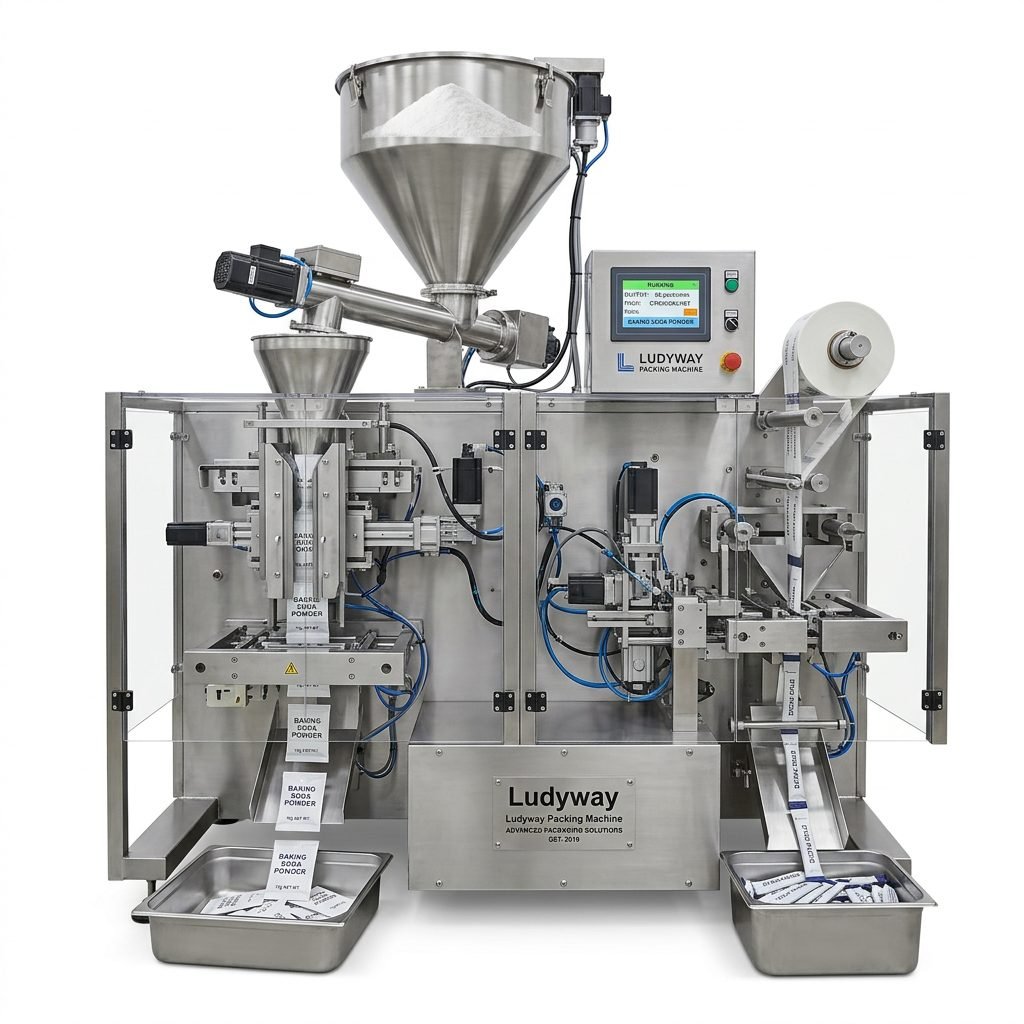
Investing in the right candy bar packaging machine is a critical decision for confectionery manufacturers aiming to scale production, reduce labor costs, and maintain product freshness. Whether you are packing chocolate bars, nougat, caramel treats, or protein candy bars, the type of packaging equipment you choose directly impacts production efficiency, shelf life, and brand presentation. This guide covers essential features, cost ranges, and practical selection tips to help global buyers make informed purchasing decisions.
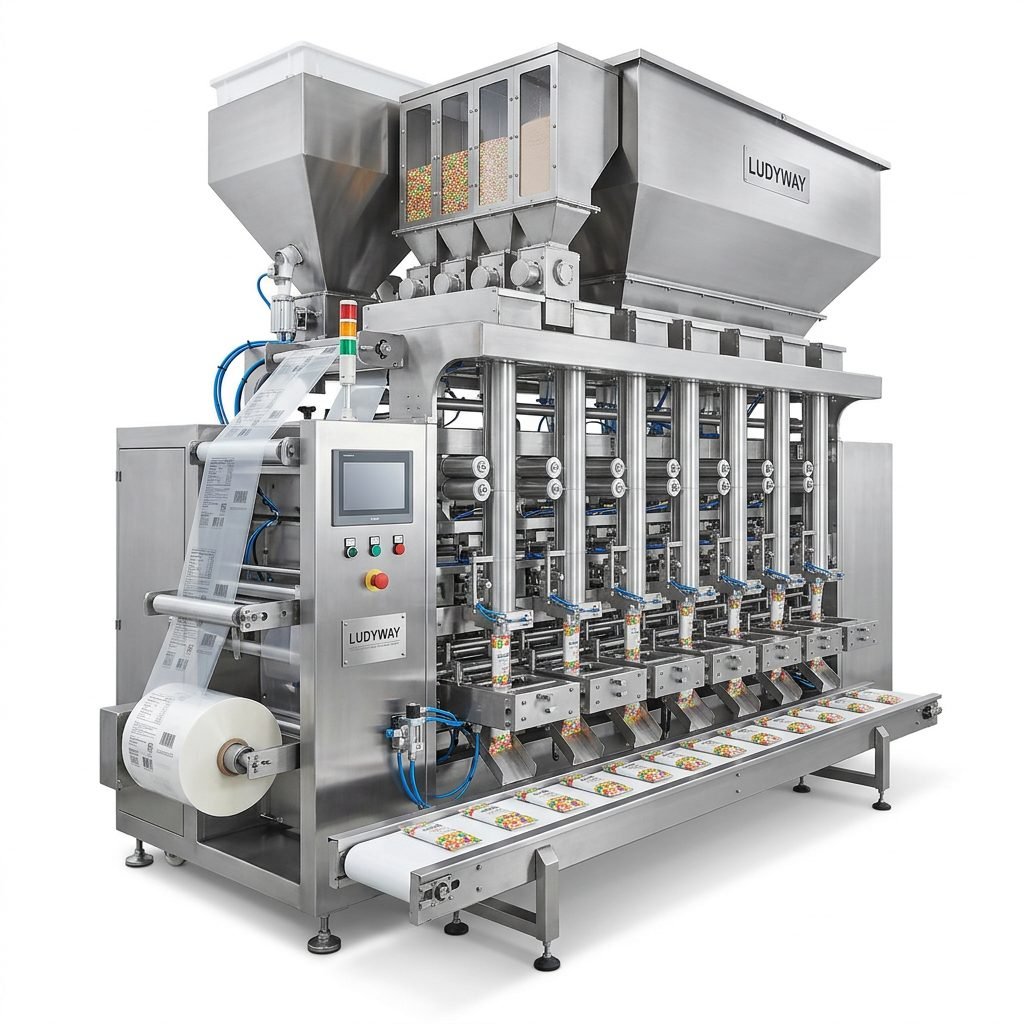
Understanding Candy Bar Packaging Machine Types
Different candy bar formats require specific packaging technologies. The most common machine categories include:
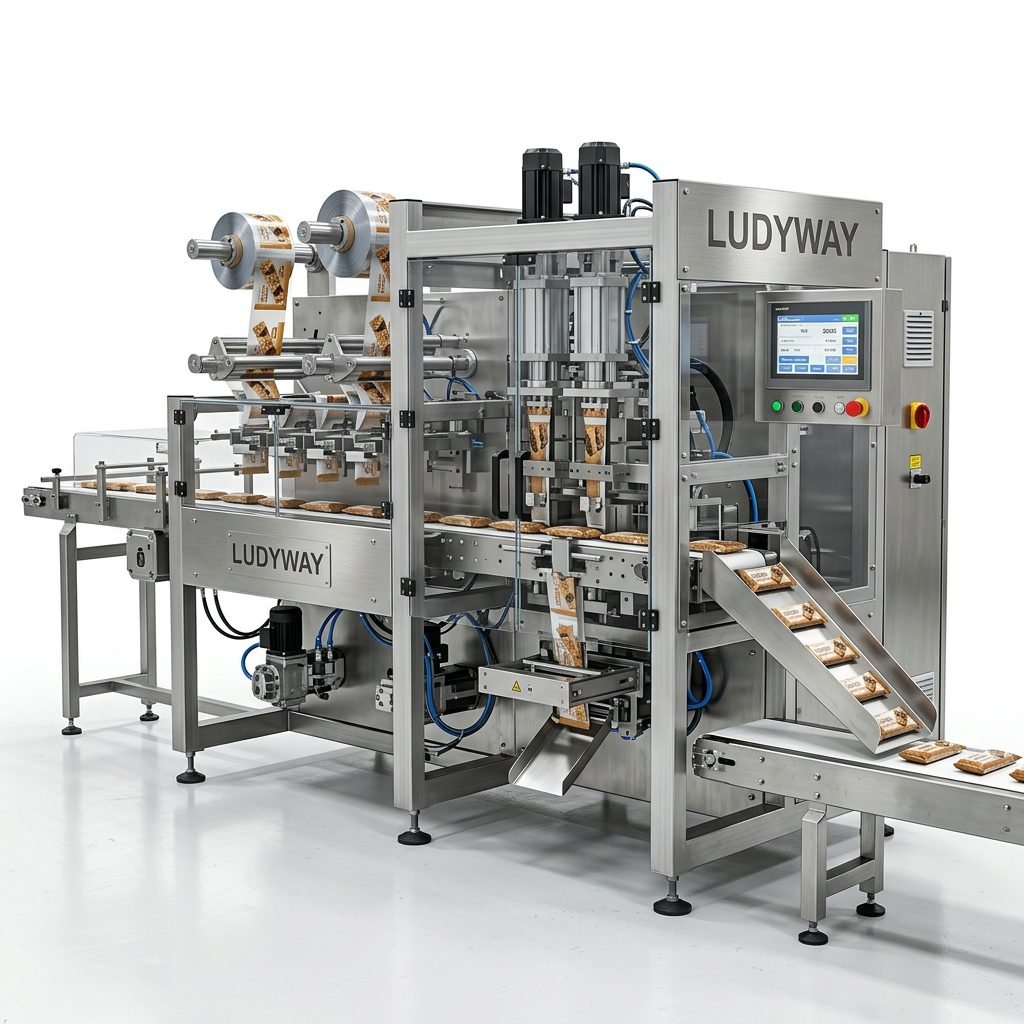
- Flow Wrapping Machines – Ideal for chocolate bars and candy bars sealed in horizontal pillow packs using heat-sealable films.
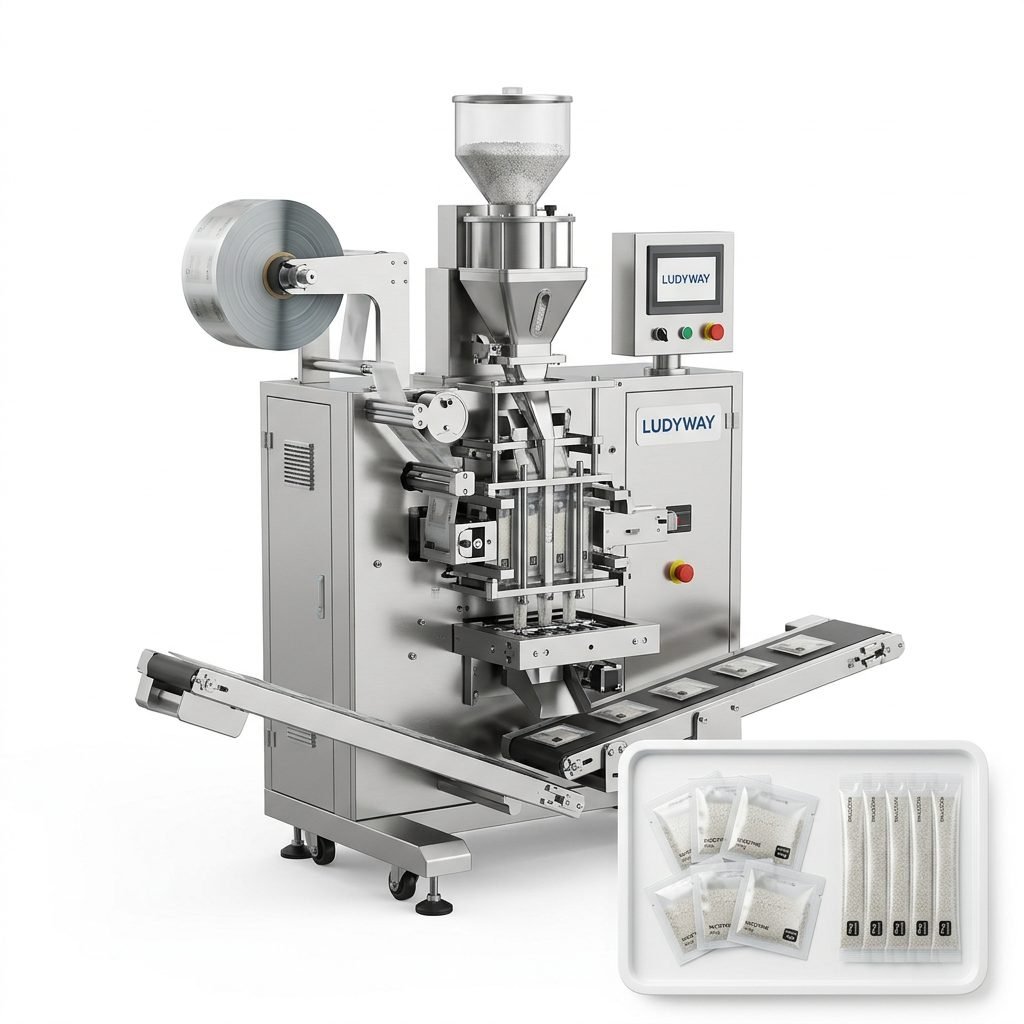
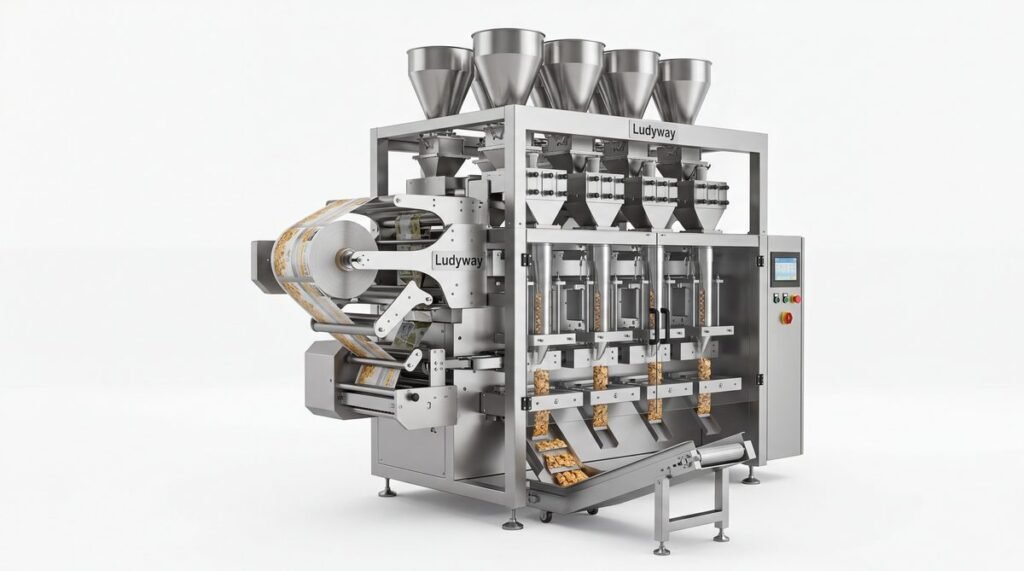
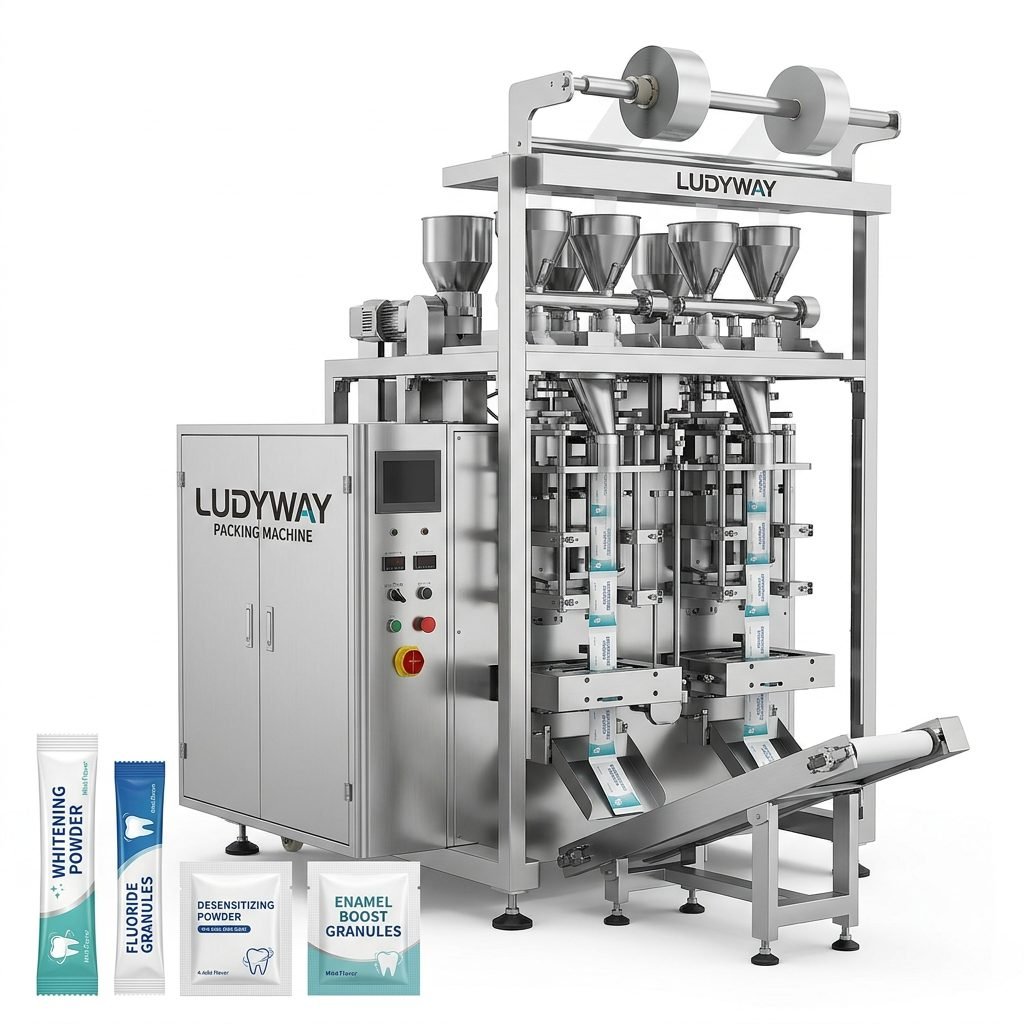
- Vertical Form Fill Seal (VFFS) Machines – Suitable for granule and powder candy products such as loose wrapped candies or gummy mixes.
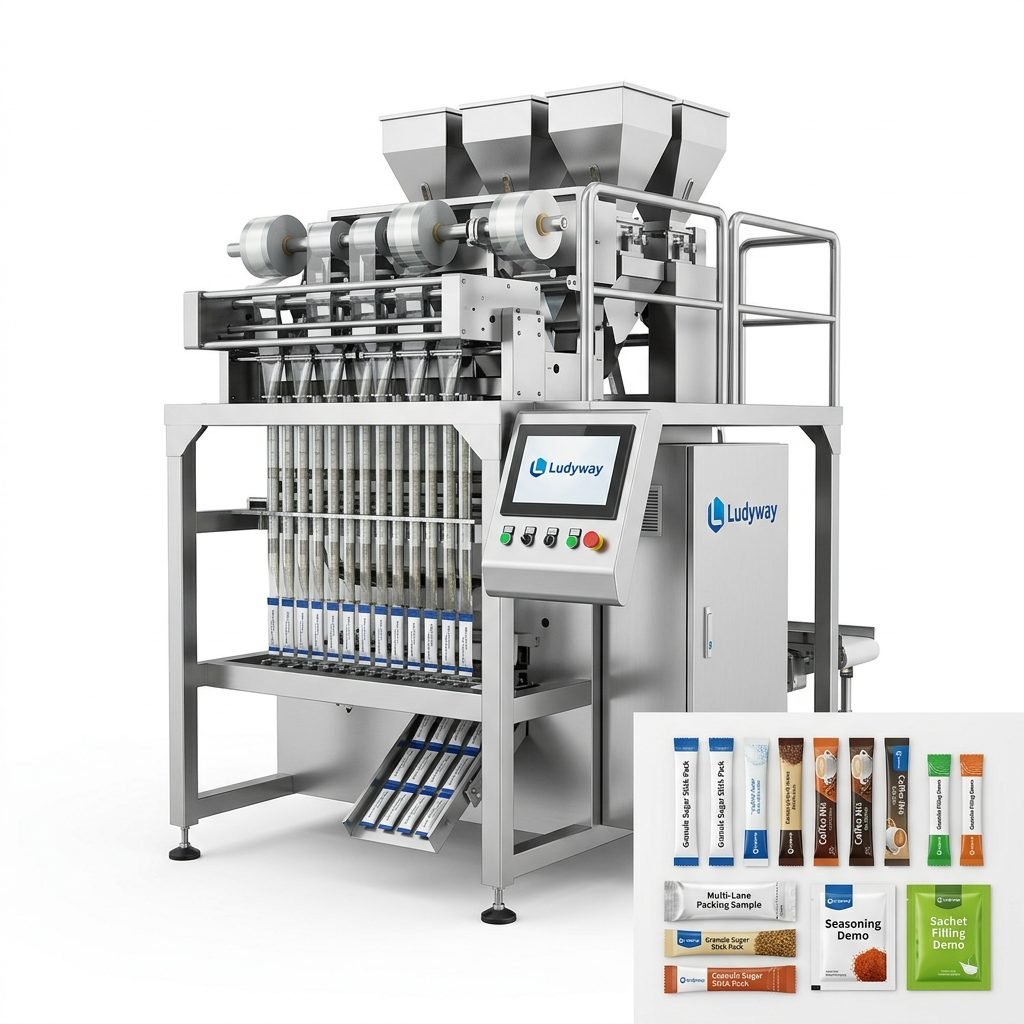
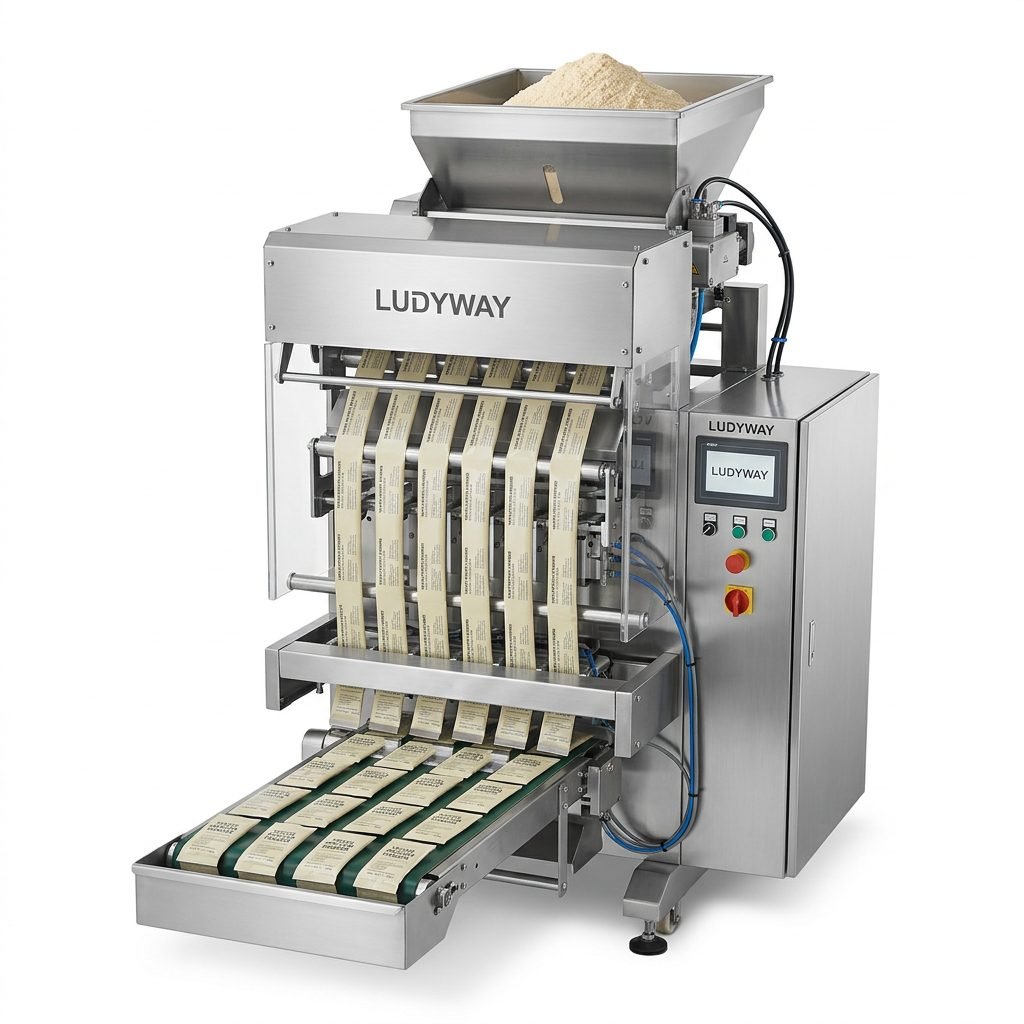
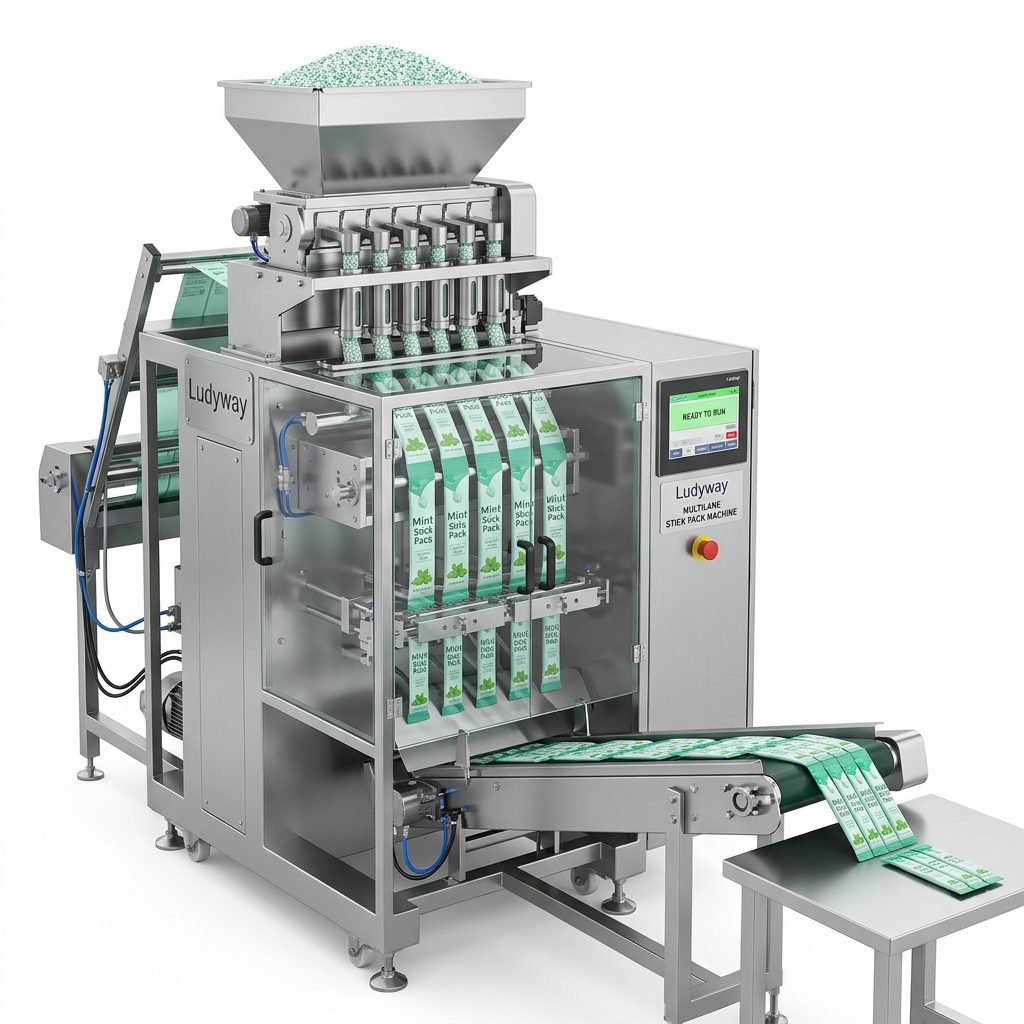
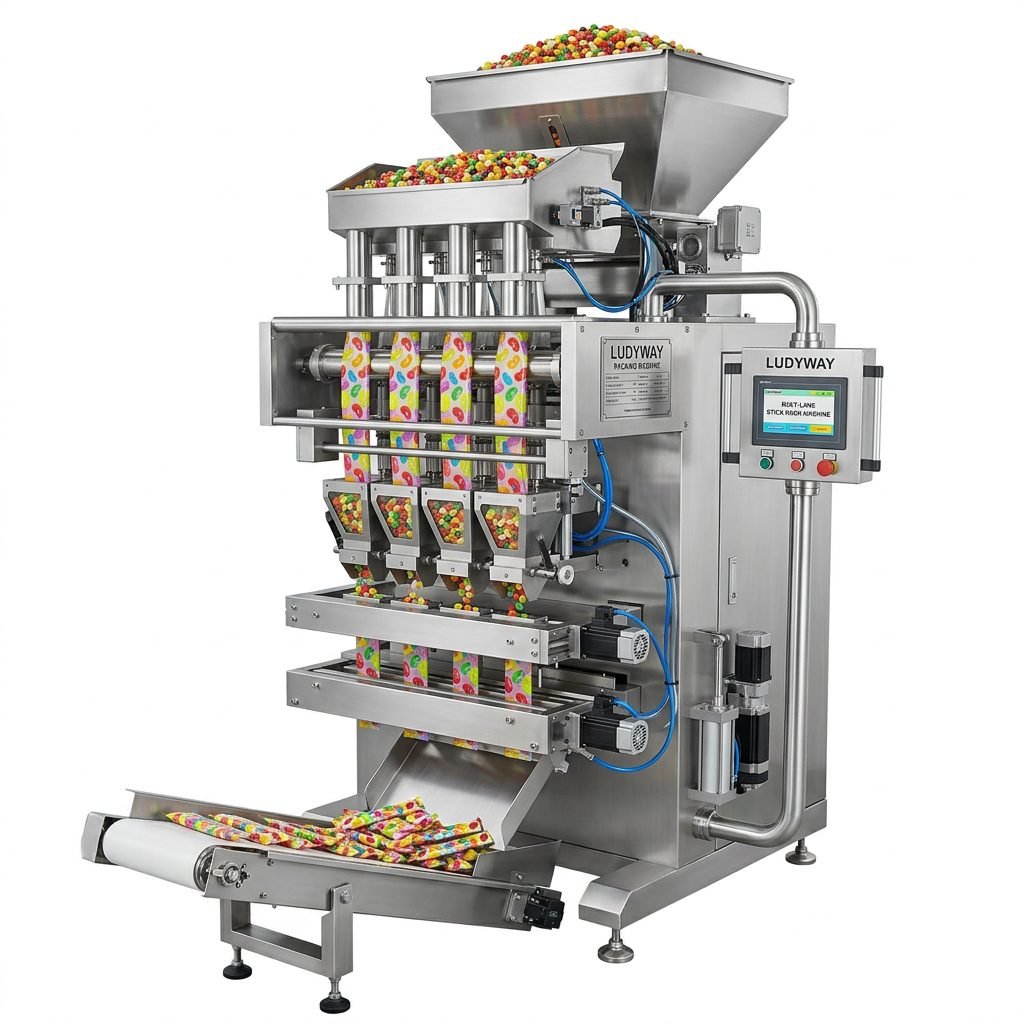
- Multi-Lane Stick Pack Machines – Designed for high-speed production of portion-sized candy sticks and sachets, commonly used for powdered drink mixes and candy powders.
- Pouch Packaging Machines – Used for stand-up pouches, zipper bags, and resealable candy packaging formats.
- Cartoning and Case Packing Systems – Secondary packaging solutions that group wrapped candy bars into cartons for retail display.
Key Features to Evaluate Before Buying
When comparing candy packaging machines, focus on the following features to ensure you select equipment that matches your production goals:
Packaging Speed and Output Capacity
Production speed is measured in packs per minute (ppm). Entry-level machines may handle 30–80 ppm, while high-speed multi-lane systems can exceed 400 ppm. Match the machine’s throughput to your daily or seasonal production demands.
Material Compatibility
Ensure the machine supports your chosen packaging films—such as BOPP, PET/PE laminates, aluminum foil, or paper-based materials. Compatibility with heat-sealable, cold-seal, and biodegradable films is increasingly important for global markets.
Automation and Control Systems
Modern candy packaging equipment features PLC touchscreen controls, servo-driven motors, and automated film tension adjustment. These systems reduce operator error and enable quick changeovers between product sizes.
Hygiene and Sanitary Design
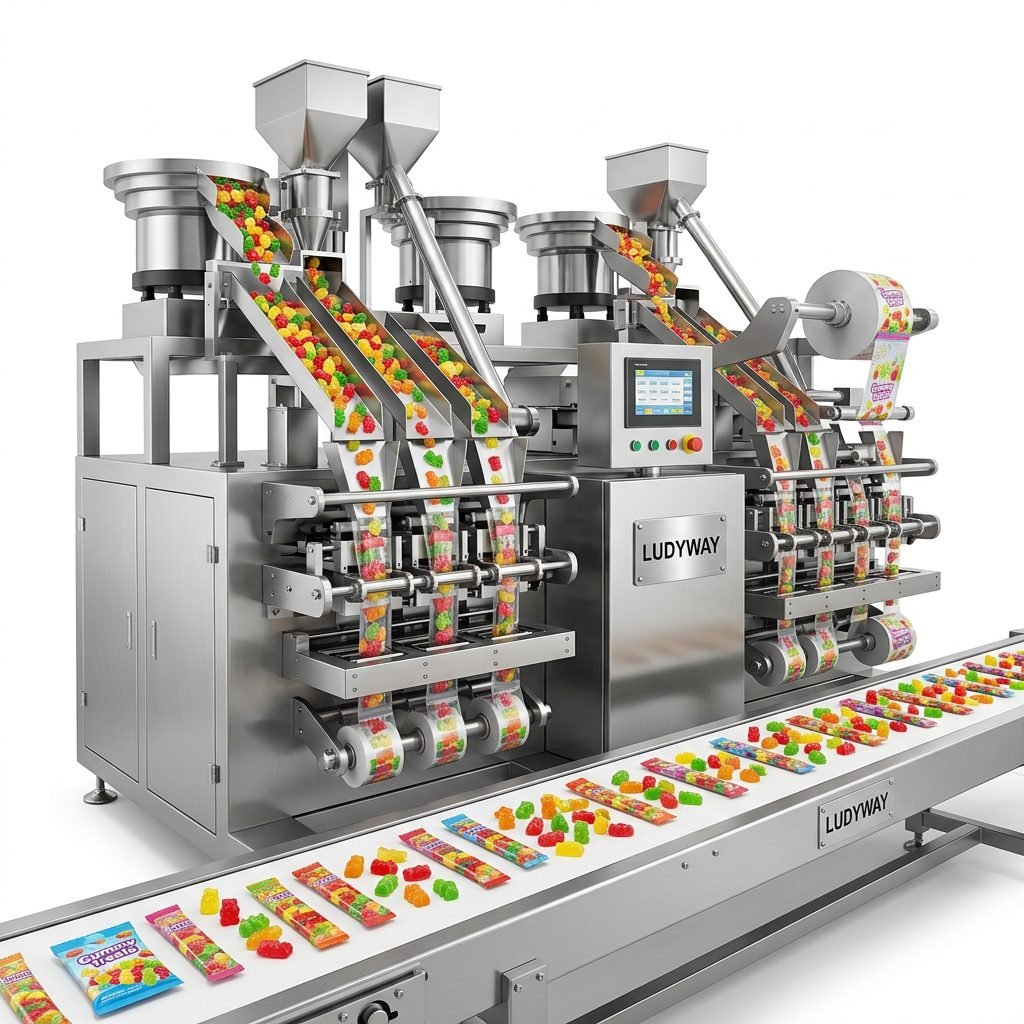
Food-grade stainless steel construction, IP65-rated electrical components, and tool-free disassembly for cleaning are essential for compliance with FDA, EU regulations, and GMP standards.
Packaging Format Comparison
| Packaging Format | Best For | Speed Range | Typical Applications |
|---|---|---|---|
| Flow Wrap / Pillow Pack | Solid chocolate bars, nougat bars | 80–300 ppm | Chocolate bars, candy wafers, energy bars |
| Multi-Lane Stick Pack | Powdered candy, drink mixes | 200–600+ ppm | Candy powders, effervescent tablets, instant mixes |
| Premade Pouch Packaging | Gummy candies, loose wrapped sweets | 40–120 ppm | Jelly beans, coated chocolates, hard candies |
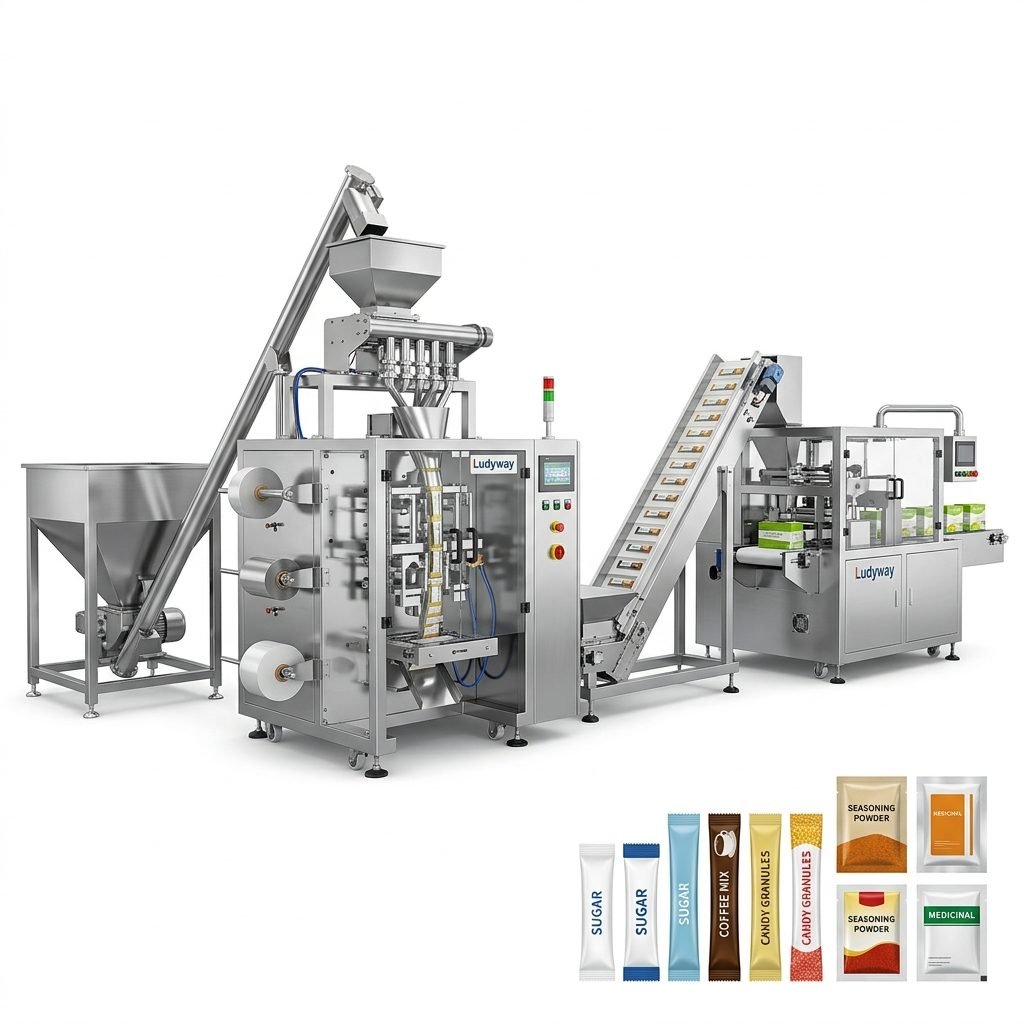
| Vertical FFS (Sachet) | Granule and powder candy | 60–200 ppm | Powdered candy sticks, seasoning sachets |
| Cartoning System | Secondary retail packaging | 30–150 cartons/min | Multi-pack candy boxes, display cartons |
Cost Breakdown for Candy Packaging Machines
Understanding the total cost of ownership helps you budget effectively. Price ranges vary significantly based on automation level, speed, and brand origin:
- Entry-Level Semi-Automatic Machines: $8,000 – $25,000. Suitable for small workshops and startups with limited output requirements.
- Mid-Range Automatic Flow Wrappers: $30,000 – $80,000. Common among mid-sized confectionery brands producing 50–150 packs per minute.
- High-Speed Multi-Lane Stick Pack Systems: $100,000 – $350,000+. Designed for large-scale continuous production with multi-lane configurations.
- Complete Turnkey Packaging Lines: $250,000 – $1,000,000+. Integrated systems including feeding, wrapping, cartoning, case packing, and palletizing.
Additional costs to factor in include shipping and import duties, installation and commissioning, staff training, spare parts inventory, and ongoing maintenance contracts. For a detailed overview of packaging machinery market trends, refer to the PMMI Business Intelligence Library and the Flexible Packaging Association Industry Resources.
How to Select the Right Machine for Your Production Line
Follow these practical steps to narrow down your options and choose the most suitable candy bar packaging equipment:
Step 1: Define Your Product Specifications
Document your candy bar dimensions, weight, shape (flat, molded, irregular), and sensitivity to heat or moisture. These parameters determine the appropriate feeding system and sealing technology.
Step 2: Calculate Required Throughput
Determine your target output per shift. Include buffer capacity for peak seasons. A machine running at 80% of its maximum rated speed typically delivers the best balance of reliability and output.
Step 3: Assess Factory Space and Layout
Measure available floor space, ceiling height, and utility connections. Some turnkey packaging lines require significant linear footage for integrated conveyors and cartoning modules.
Step 4: Verify Compliance and Certifications
Confirm that the machine meets relevant standards such as CE, UL, ISO 9001, and FDA food contact regulations. For pharmaceutical-grade candy supplements, ISO packaging standards provide additional guidance.
Step 5: Evaluate After-Sales Support
Assess the manufacturer’s service network, availability of remote diagnostics, spare parts delivery timelines, and warranty terms. Strong after-sales support minimizes downtime and protects your investment.
Common Mistakes to Avoid
- Underestimating film waste rates – Poor tension control can waste 5–15% of packaging material, significantly increasing operating costs over time.
- Ignoring changeover time – Machines with quick-release forming tubes and recipe memory can reduce changeover from hours to minutes.
- Overlooking integration needs – Ensure your candy packaging machine integrates smoothly with upstream feeders, checkweighers, metal detectors, and downstream cartoning systems.
- Choosing based on price alone – A lower upfront cost can translate to higher maintenance expenses and more frequent downtime over the machine’s lifecycle.
Global Sourcing Considerations
International buyers should evaluate several additional factors when sourcing candy packaging machinery from overseas manufacturers. Shipping logistics, voltage and frequency compatibility (50Hz vs 60Hz), language support for HMI interfaces, and local regulatory compliance all affect successful implementation. Leading global exhibitions such as PACK EXPO International and PACK EXPO Las Vegas provide excellent opportunities to compare machines from multiple suppliers in person.
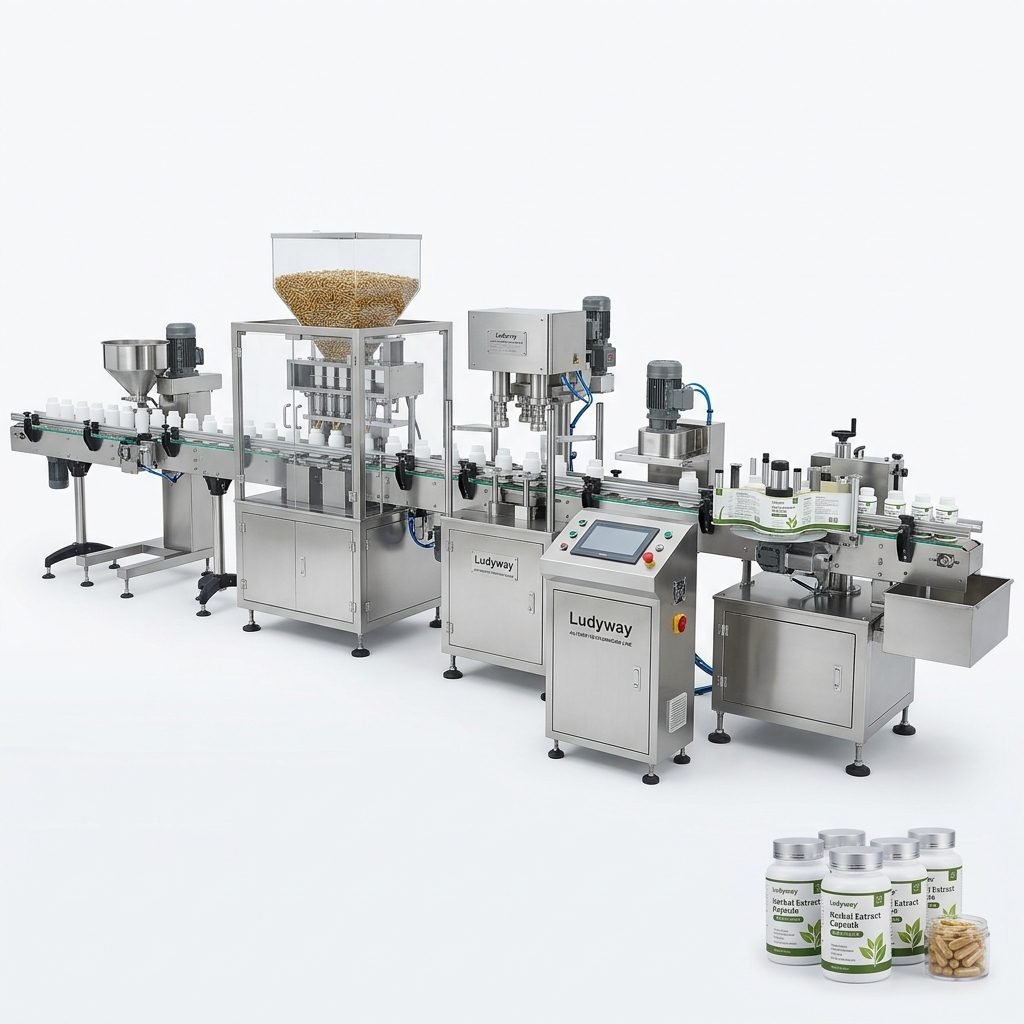
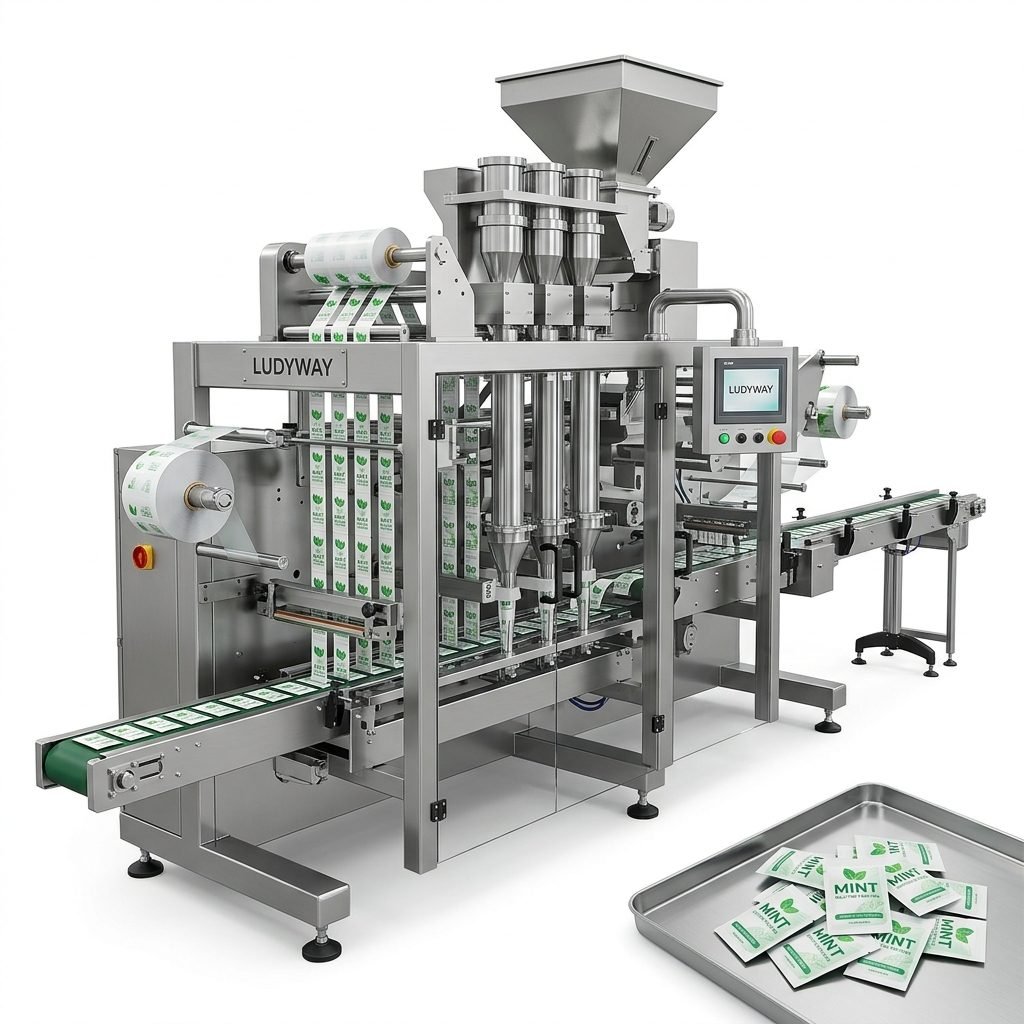
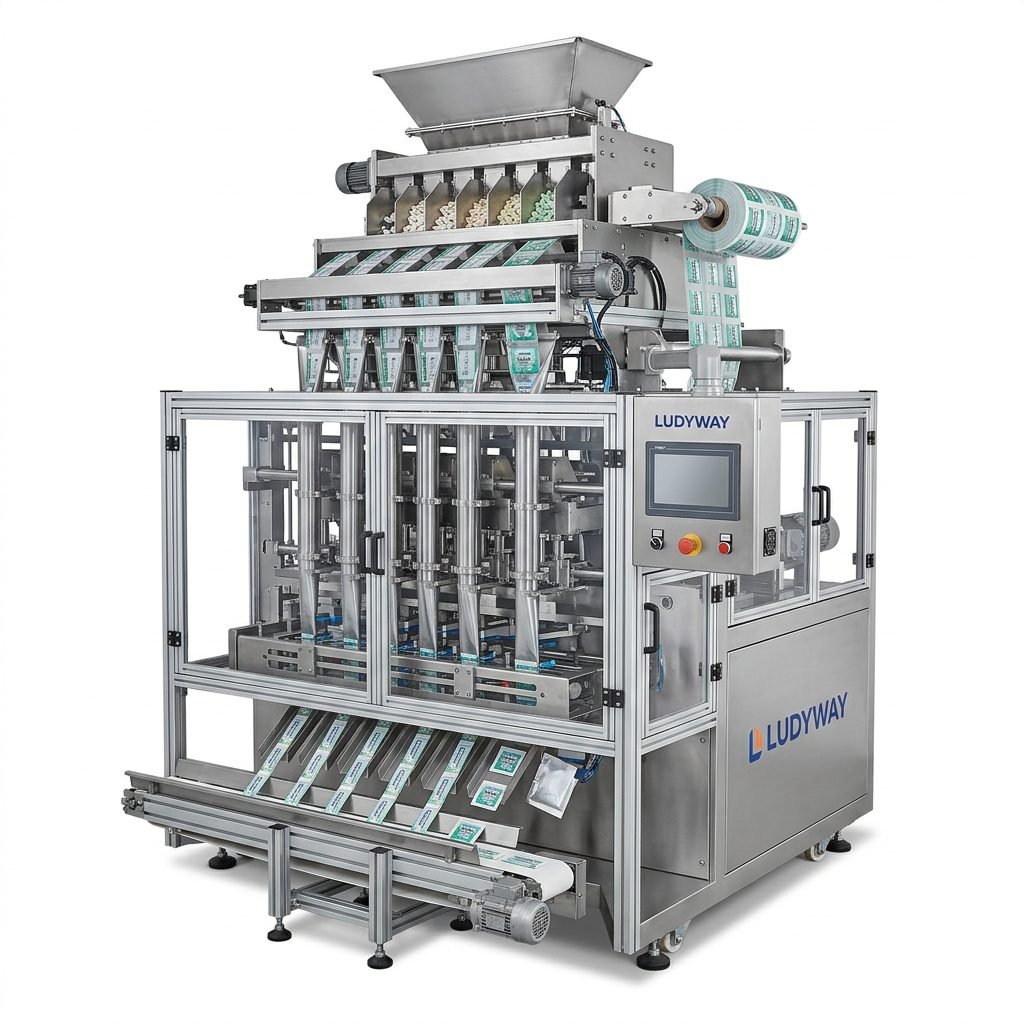
For manufacturers seeking reliable, high-performance packaging solutions, Ludyway offers extensive expertise with over 50 intelligent packaging machine models and turnkey production lines serving customers in more than 100 countries. Their portfolio includes multi-lane stick pack, sachet, and fully automated packaging systems suitable for candy and confectionery applications.
Key Takeaways for Global Buyers
- Match machine type to your product format – flow wrap for solid bars, multi-lane stick pack for powders, pouch machines for gummies and loose candies.
- Prioritize automation features that reduce labor dependency and improve consistency across shifts.
- Budget for total cost of ownership, including installation, training, maintenance, and film material waste.
- Verify certifications and compliance with your target market’s food safety regulations before finalizing a purchase.
- Partner with experienced manufacturers who offer responsive after-sales support and spare parts availability in your region.
Selecting the right candy bar packaging machine requires careful evaluation of your production needs, budget, and long-term growth plans. By focusing on the features and selection criteria outlined in this guide, you can make a confident investment that supports efficient, high-quality packaging for years to come. For further reading on packaging industry standards and market data, explore resources from the Flexible Packaging Association and the FDA Food Packaging guidelines.