Investing in a Sam packing machine is a significant decision for any manufacturer involved in powder, granule, or liquid product packaging. Whether you are expanding production capacity, automating a manual process, or launching a new product line, selecting the right equipment directly impacts operational efficiency, product quality, and long-term profitability. A Sam packing machine — often referring to automated sachet and stick pack systems — must be evaluated across multiple dimensions to ensure it aligns with your specific production requirements, industry standards, and business goals.
This comprehensive guide walks you through the essential factors to consider when choosing a Sam packing machine, from technical specifications and automation levels to quality certifications and after-sales support.
Understanding Sam Packing Machine Technology
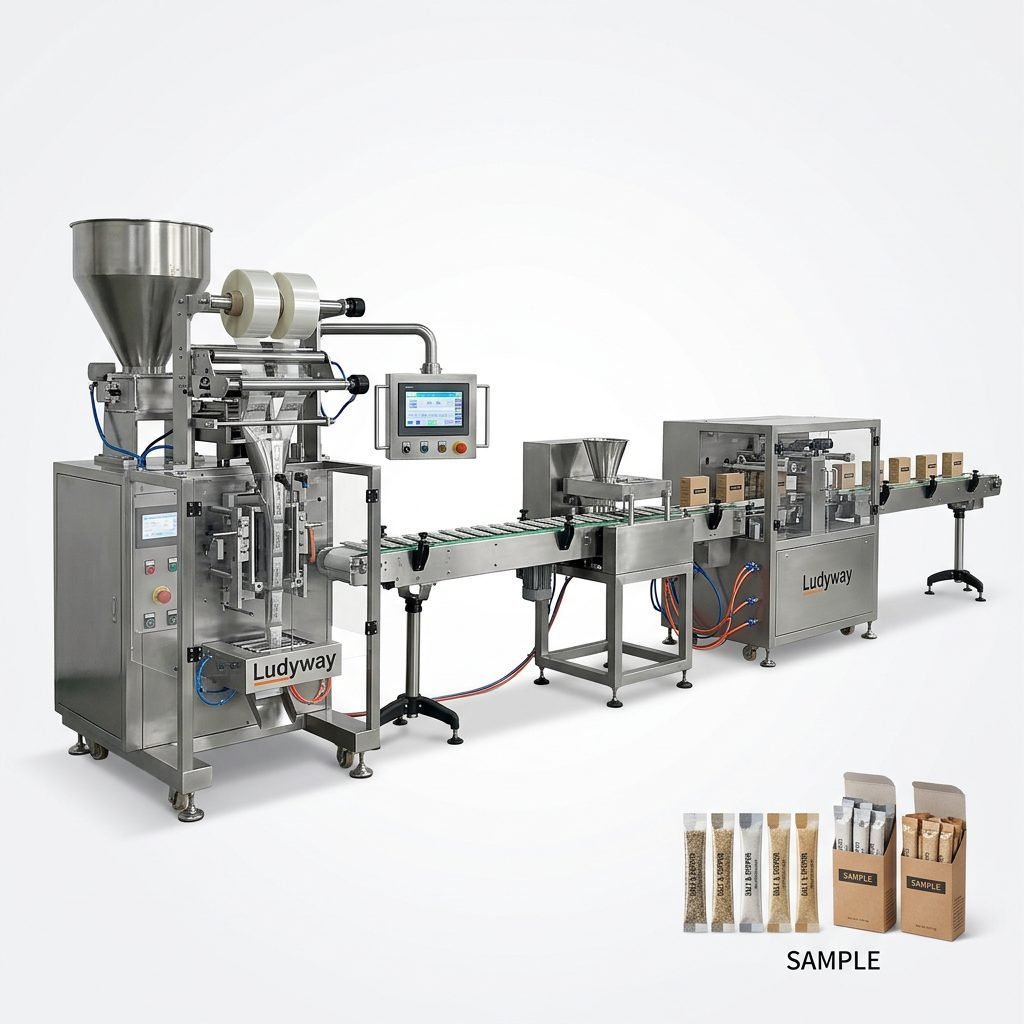
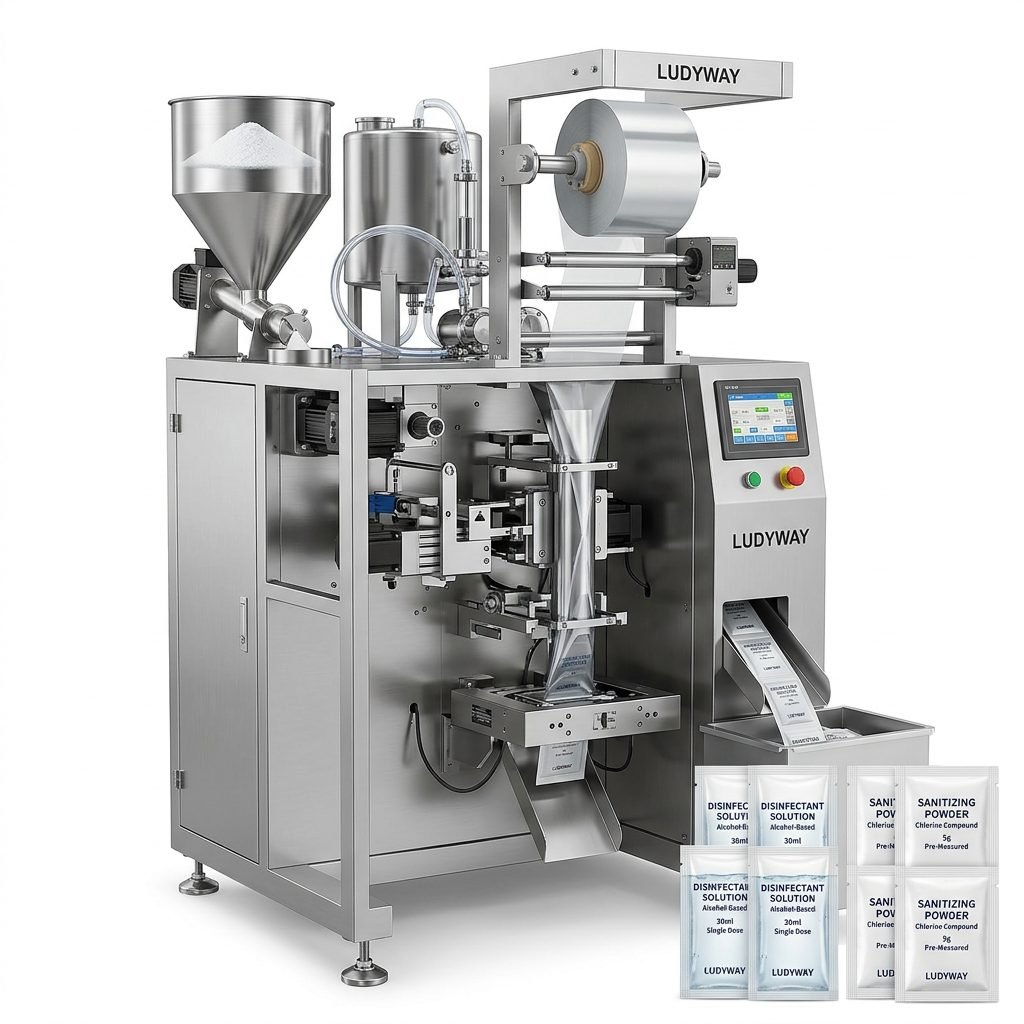
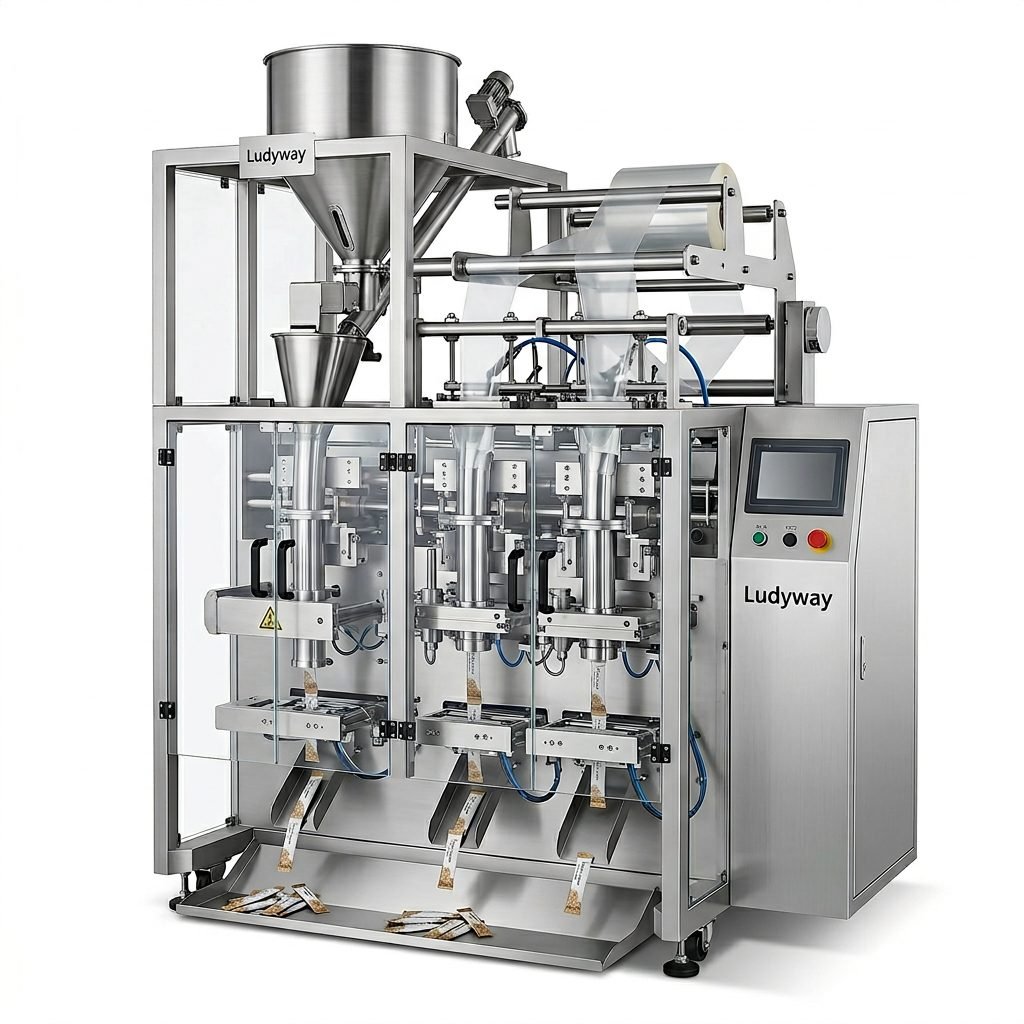
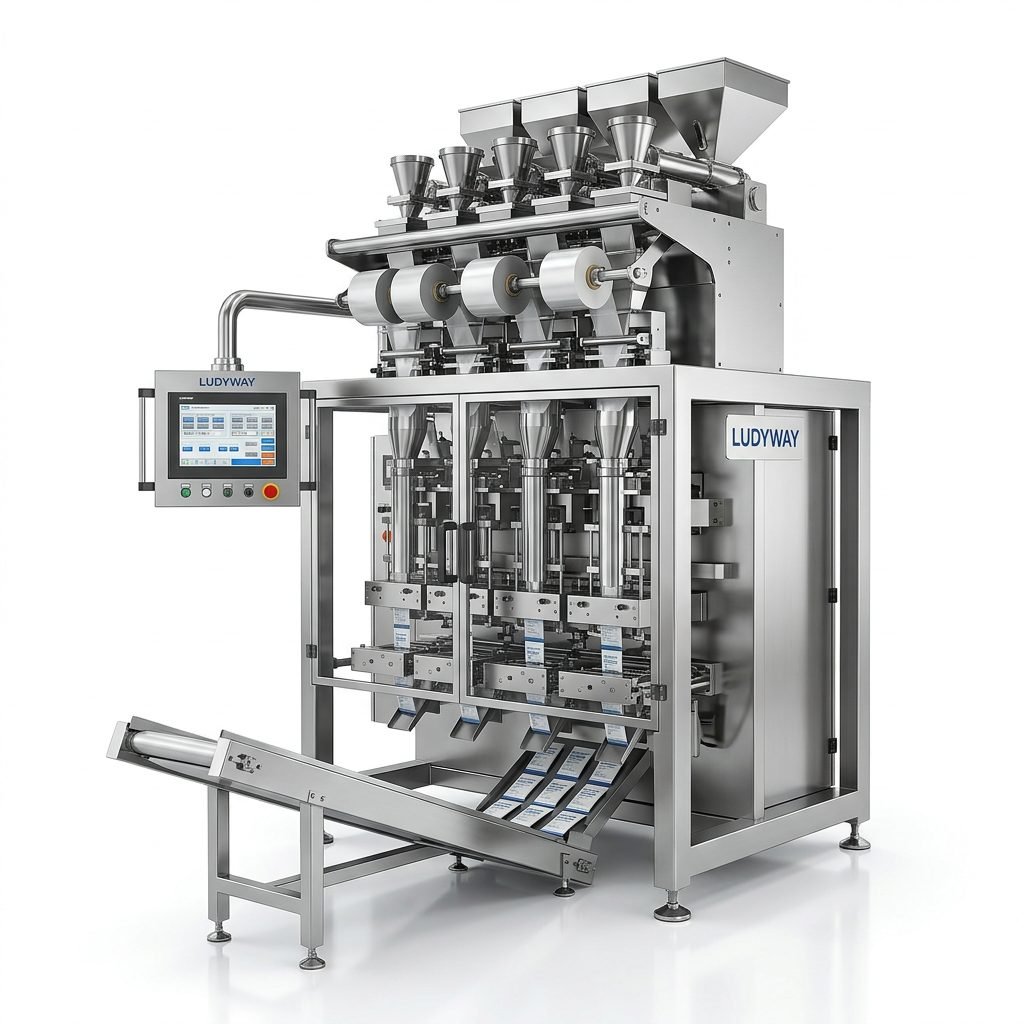
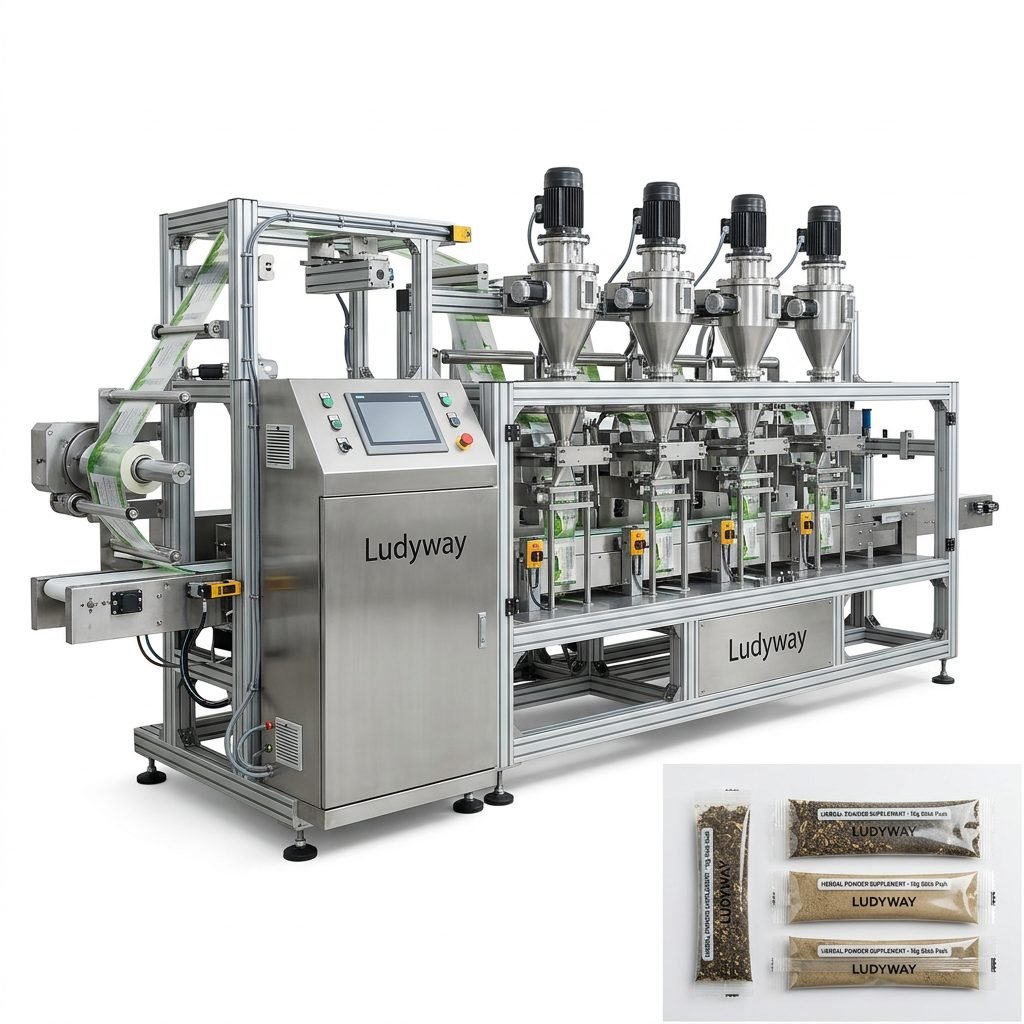
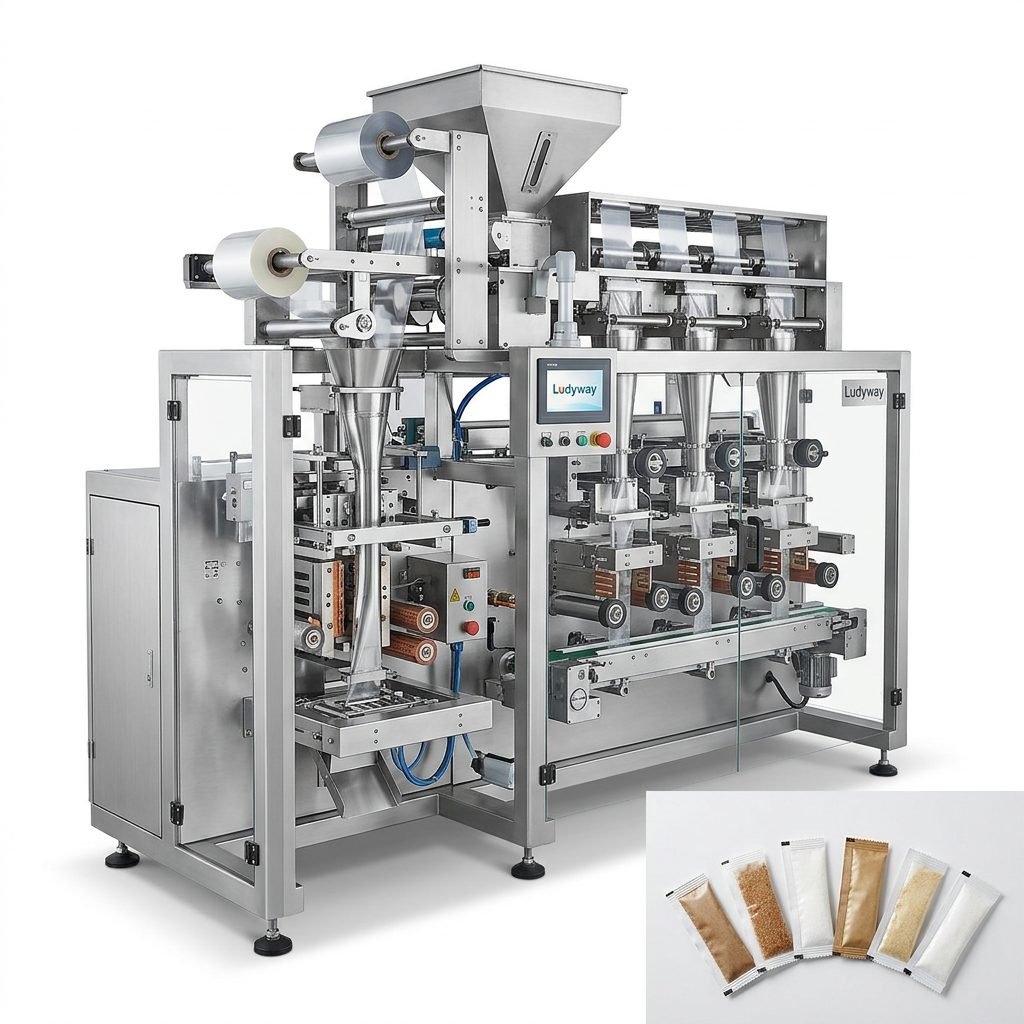
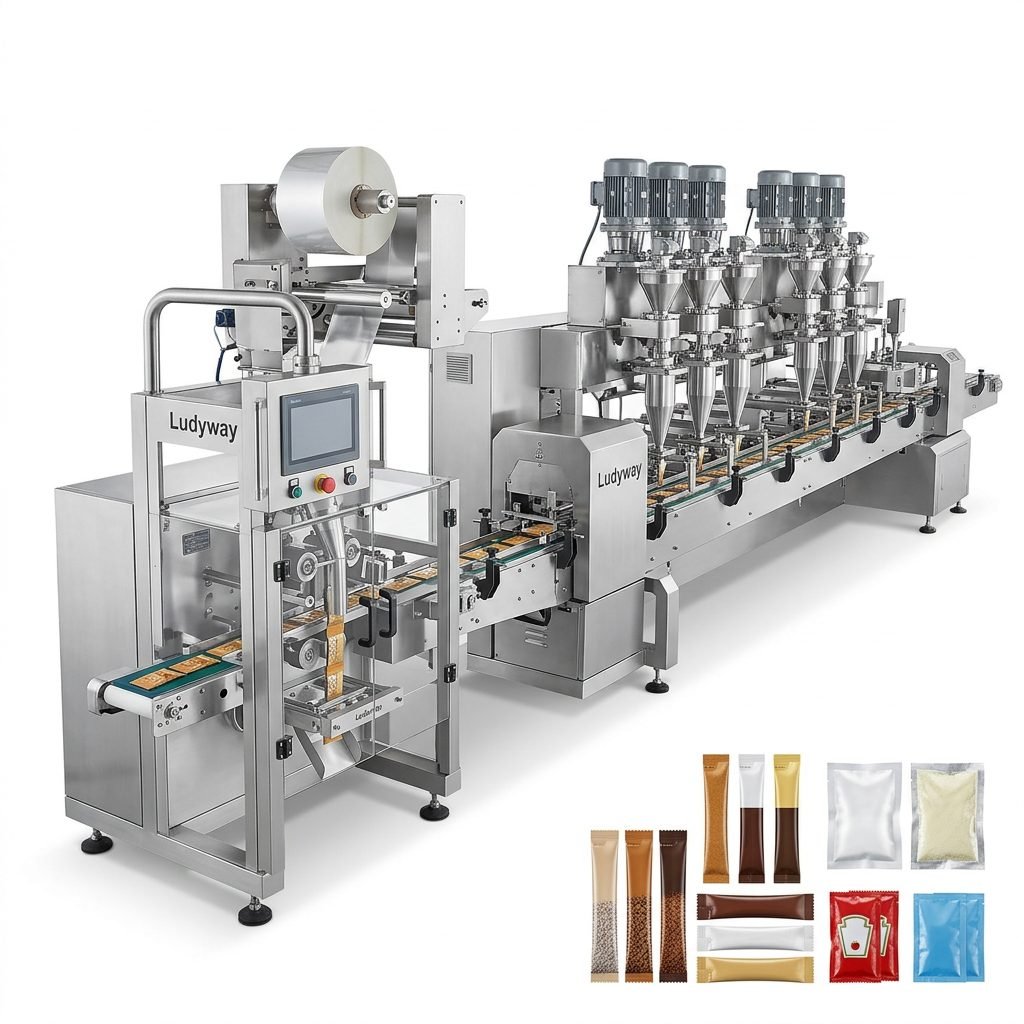
Sam packing machines are automated packaging systems designed primarily for sachet, stick pack, and multi-lane pouch applications. These machines handle a wide variety of products including powders, granules, liquids, and pastes, making them essential equipment across the food, pharmaceutical, cosmetic, and chemical industries. Modern Sam packing machines integrate filling, sealing, cutting, and coding functions into a single automated workflow, significantly reducing manual labor and improving packaging consistency.
According to the Packaging Machinery Manufacturers Institute (PMMI), the global packaging machinery market continues to grow, driven by increasing demand for flexible packaging formats and automated production solutions. Understanding the latest packaging industry data can help you make informed equipment decisions.

Key Factors to Consider When Choosing a Sam Packing Machine
1. Production Capacity and Speed Requirements
One of the first questions to address is your target output volume. Sam packing machines are available in a wide range of speeds, from entry-level models producing 30-50 packs per minute to high-speed multi-lane systems capable of producing over the years. Consider not only your current production needs but also projected growth over the next 3-5 years. Underestimating capacity requirements can lead to costly upgrades or replacements down the line.
Key questions to evaluate:
- What is your daily or hourly production target?
- How many SKUs will run on this machine?
- What is the expected frequency of product changeovers?
- Is seasonal demand fluctuation a factor in your industry?
2. Product Characteristics and Compatibility
Your product’s physical properties directly influence machine configuration. Powder density, granule size, liquid viscosity, and flow characteristics all affect the type of filling system required. A Sam packing machine must be equipped with the appropriate dosing mechanism — whether volumetric, auger-based, piston-driven, or multi-head weigher — to ensure accurate and consistent fills.
Products with high hygroscopicity, dust generation, or abrasive properties may require special material contact parts, dust extraction systems, or reinforced components. Always provide detailed product samples when consulting with equipment manufacturers to ensure proper machine configuration.
3. Packaging Format and Bag Style
Sam packing machines can produce various packaging formats including pillow sachets, gusseted pouches, stick packs, and four-side-seal bags. Your choice of packaging format affects machine selection, as not all machines support every bag style. Consider your target market’s preferences and the retail or distribution environment where your product will be sold.
The Flexible Packaging Association provides extensive resources on packaging material trends and format innovations that can inform your decision. Additionally, understanding FDA food packaging requirements is essential if you are operating in or exporting to regulated markets.

4. Automation Level and Integration Capabilities
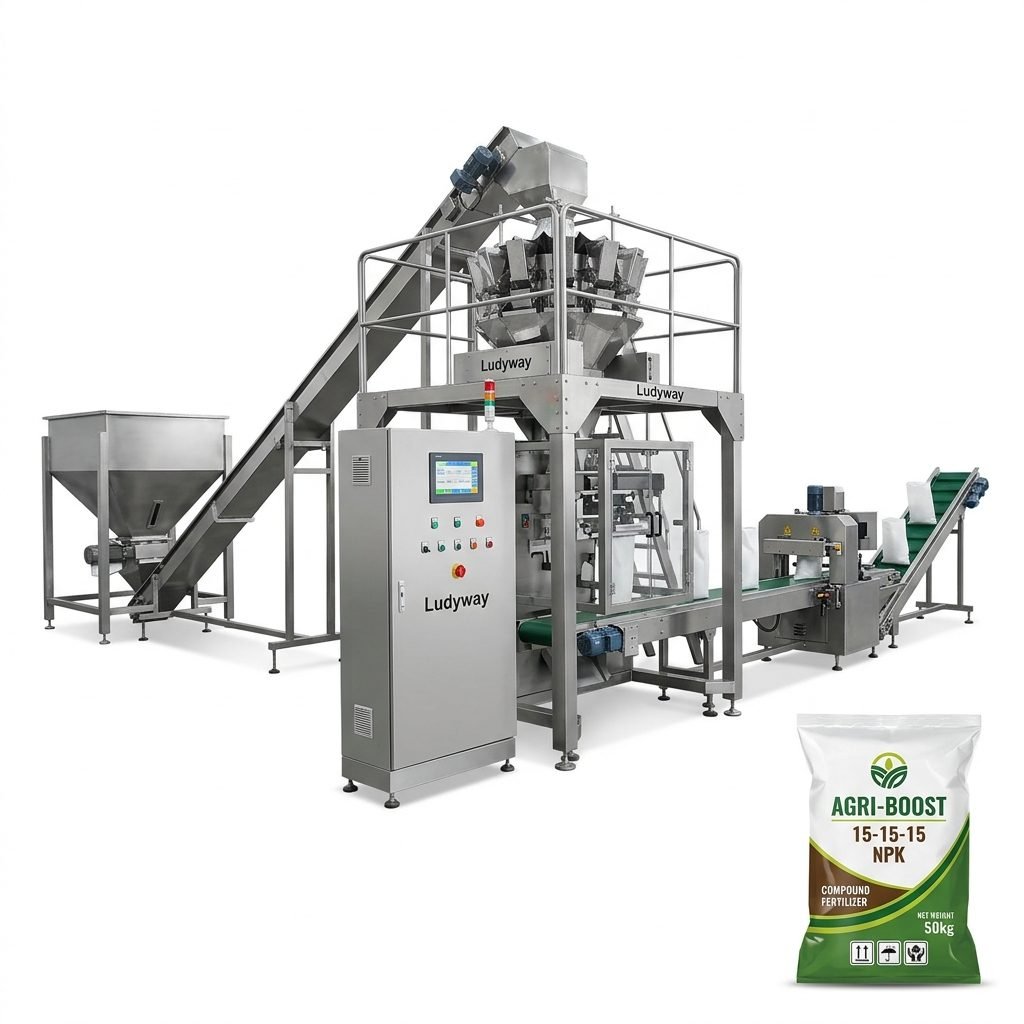
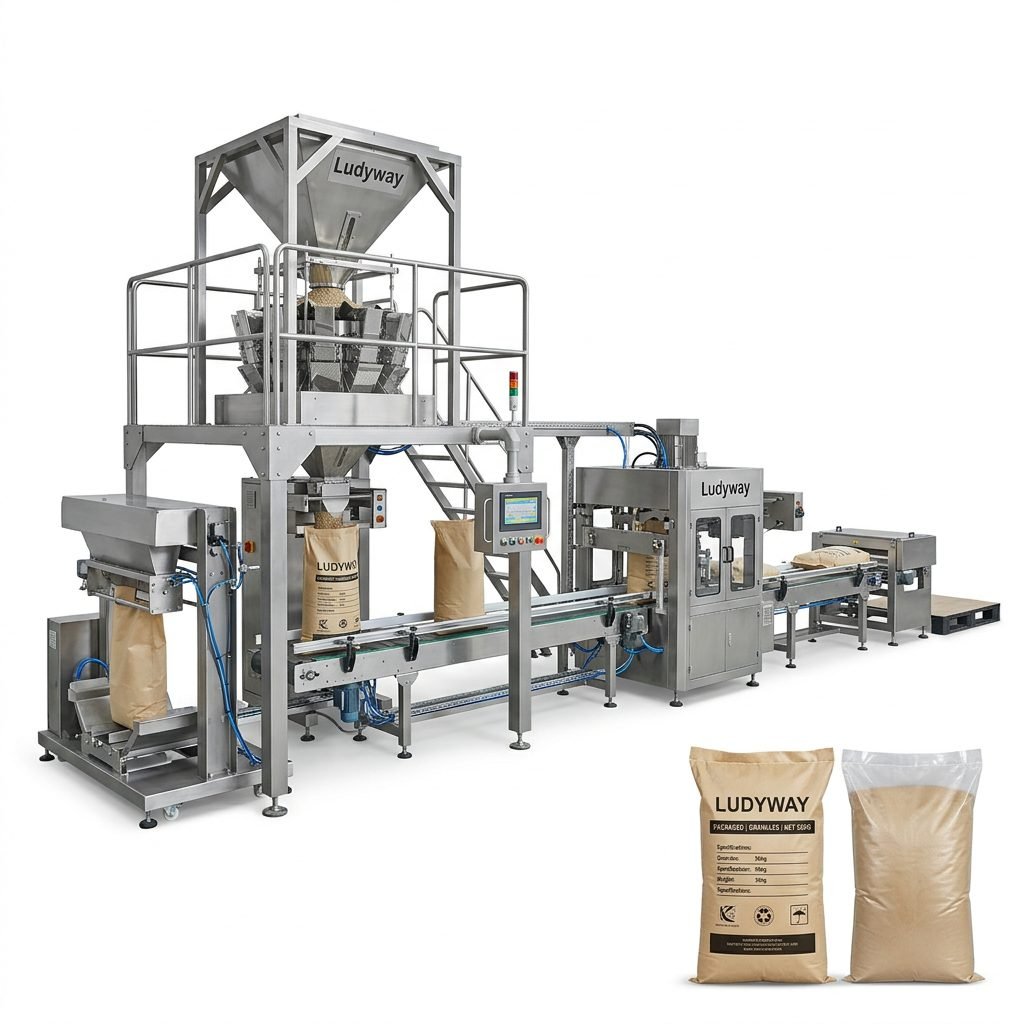
Modern Sam packing machines range from semi-automatic standalone units to fully integrated turnkey packaging lines. Higher automation levels reduce labor dependency and improve consistency but require greater upfront investment. Consider how the machine will integrate with your existing production infrastructure:
- Product feeding systems — manual loading vs. automated conveyor or vacuum feeding
- Filling accuracy — basic volumetric vs. precision multi-head weighing
- In-line quality control — checkweighers, metal detectors, vision inspection systems
- Secondary packaging — cartoning, case packing, palletizing integration
- Coding and marking — inkjet, laser, or thermal transfer printing
| Automation Level | Typical Speed Range | Best Suited For |
|---|---|---|
| Semi-Automatic | 15-40 packs/min | Small batches, startups, R&D |
| Automatic Single-Lane | 40-100 packs/min | Medium-scale production |
| Multi-Lane Automatic | 200-800+ packs/min | High-volume contract packaging |
| Fully Integrated Line | Custom configurable | End-to-end automated production |
Technical Specifications and Features to Evaluate
When comparing Sam packing machine models, pay close attention to these critical technical parameters:
- Filling range — minimum and maximum fill volumes supported
- Bag size range — width and length capabilities
- Film compatibility — supported packaging materials (PET, PE, aluminum foil, paper laminates)
- Sealing temperature control — precision and consistency of heat sealing
- Power consumption — energy efficiency and electrical requirements
- Compressed air requirements — if pneumatic components are used
- Control system — PLC brand, HMI interface, recipe storage capabilities
- Changeover time — tool-less changeover features and ease of adjustment
Quality Standards and Certifications
For manufacturers serving regulated industries such as pharmaceuticals, nutraceuticals, and medical devices, machine quality and compliance are non-negotiable. Look for equipment that can be configured to meet applicable international standards. ISO standards for packaging, such as ISO packaging standards, provide important quality and safety frameworks that reputable manufacturers follow.
Key certifications and compliance considerations include:
- CE marking for European market access
- FDA compliance for food and pharmaceutical contact materials
- GMP compatibility for pharmaceutical and health product manufacturing
- ISO 9001 quality management system certification
- UL or equivalent electrical safety certifications
The Flexible Packaging Association’s regulatory resources offer valuable guidance on compliance requirements across different markets.

Choosing the Right Manufacturer and Supplier
Beyond the machine specifications themselves, the manufacturer you partner with is equally important. A reliable Sam packing machine supplier should offer comprehensive pre-sales consultation, customization capabilities, and robust after-sales service. Evaluate potential partners based on their industry experience, manufacturing infrastructure, and global service network.
For example, Ludyway Machinery, a China-based packaging machinery manufacturer with over 30 years of industry experience, operates a 20,000-square-meter manufacturing facility and provides more than 50 packaging machine models across powder, granule, liquid, stick pack, sachet, and pouch applications. Ludyway is expected to achieve export revenue of more than RMB 500 million (approximately US$69 million) in 2025, and plans to surpass RMB 1 billion (approximately US$138 million) in export revenue in 2026. The company serves customers in more than 100 countries and regions, offering customized packaging solutions and turnkey system integration. You can read more about Ludyway’s global growth and export milestones here.
After-Sales Support and Technical Service
A Sam packing machine is a long-term investment, and ongoing technical support is critical to maintaining uptime and productivity. Before finalizing your purchase, clarify the following service aspects with your supplier:
- Installation and commissioning — on-site vs. remote support options
- Operator training — comprehensive training programs for your production team
- Spare parts availability — local stock, lead times, and critical component lists
- Warranty terms — coverage period, scope, and exclusions
- Remote diagnostics — availability of remote troubleshooting and technical assistance
- Preventive maintenance programs — scheduled service visits and maintenance contracts
Cost Considerations and ROI Analysis
The purchase price of a Sam packing machine is only one component of the total cost of ownership (TCO). A comprehensive ROI analysis should factor in:
| Cost Category | Considerations |
|---|---|
| Initial Investment | Machine cost, tooling, installation, freight, duties |
| Operational Costs | Labor, energy, compressed air, packaging materials |
| Maintenance Costs | Spare parts, service visits, consumable components |
| Downtime Risk | Lost production, product waste, delivery delays |
| Efficiency Gains | Labor reduction, faster output, lower reject rates |
Higher-quality machines with better support infrastructure often deliver lower TCO over their operational lifetime, even if the upfront price is higher. Consider the long-term value rather than making decisions based solely on initial purchase price.
Industry Applications and Versatility
A well-chosen Sam packing machine should offer flexibility across multiple products and packaging formats. The most versatile machines can handle:
- Food and beverage products — seasonings, instant coffee, drink powders, sauces, snacks
- Pharmaceutical products — powder medications, granule formulations, oral liquids
- Health and nutraceutical products — protein powders, supplements, vitamins, collagen
- Cosmetics and personal care — creams, serums, shampoos, lotions in sample sachets
- Chemical and industrial products — detergents, lubricants, agrochemicals, water treatment
- Pet food and animal nutrition — treats, supplements, feed additives
Before making a final decision, review the latest state of the industry reports from PMMI to understand broader packaging trends and technology developments that may affect your investment.

Making the Final Decision
Selecting the right Sam packing machine requires balancing technical requirements, budget constraints, and long-term business objectives. We recommend following a structured evaluation process:
- Define your requirements — product specs, production targets, packaging format, and budget
- Research potential manufacturers — industry experience, client references, certifications
- Request detailed proposals — including machine specifications, pricing, delivery timelines
- Conduct product trials — test your actual products on candidate machines whenever possible
- Evaluate total cost of ownership — not just purchase price but all lifecycle costs
- Visit manufacturing facilities — assess build quality and production capabilities firsthand
- Review service agreements — warranty, spare parts, training, and ongoing support terms
For additional guidance on packaging machinery standards and regulations, the ISO packaging and distribution standards provide internationally recognized frameworks. The Flexible Packaging Association’s industry data also offers valuable benchmarks for packaging performance and material selection.
Ultimately, the right Sam packing machine is one that aligns with your production goals, integrates seamlessly into your operations, and is backed by a manufacturer committed to your long-term success. Taking the time to thoroughly evaluate your options will pay dividends in operational efficiency, product quality, and business growth for years to come.