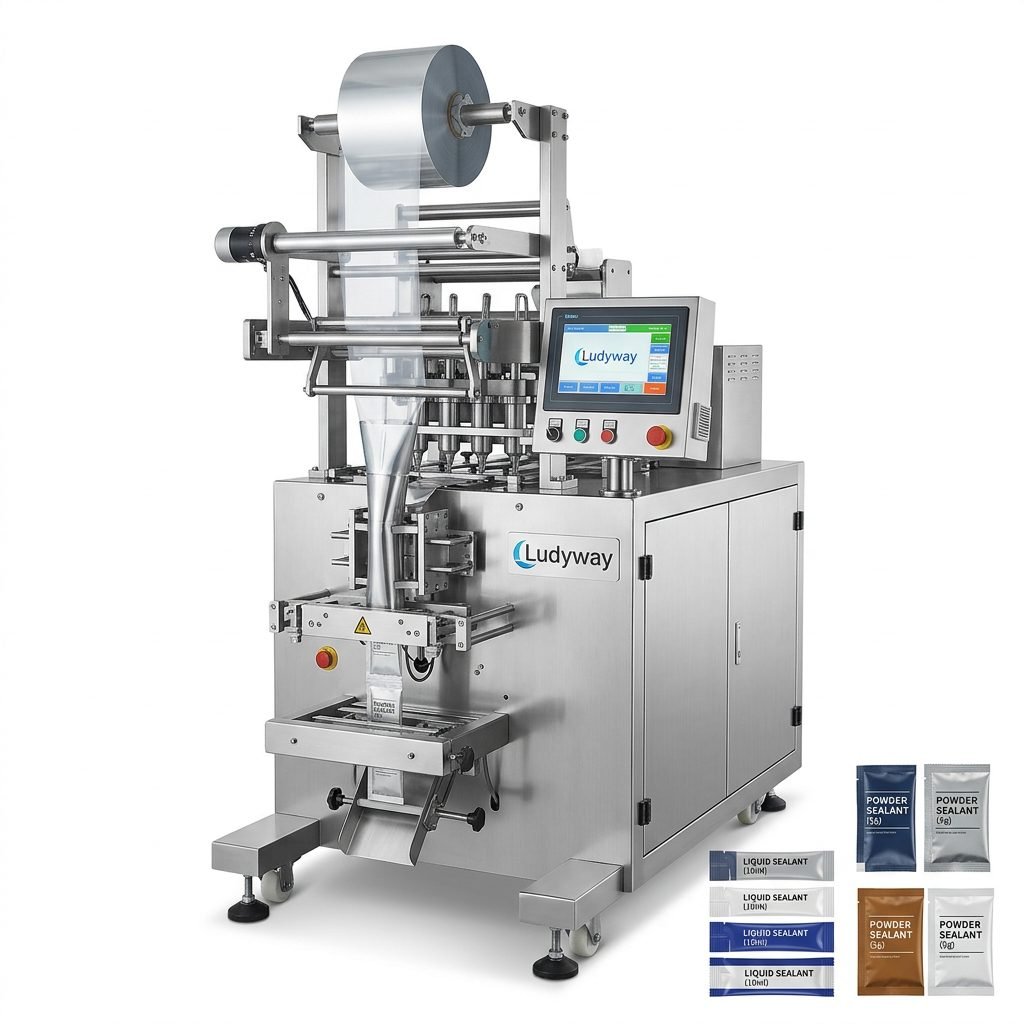
The North American yogurt market continues to expand rapidly, driven by growing consumer demand for convenient, healthy snacks and probiotic-rich foods. Establishing a yogurt packaging machine production line in this region requires careful planning, from equipment selection to regulatory compliance. This guide walks you through the essential steps to build an efficient, scalable packaging operation that meets FDA standards and industry best practices.
Understanding North American Market Requirements
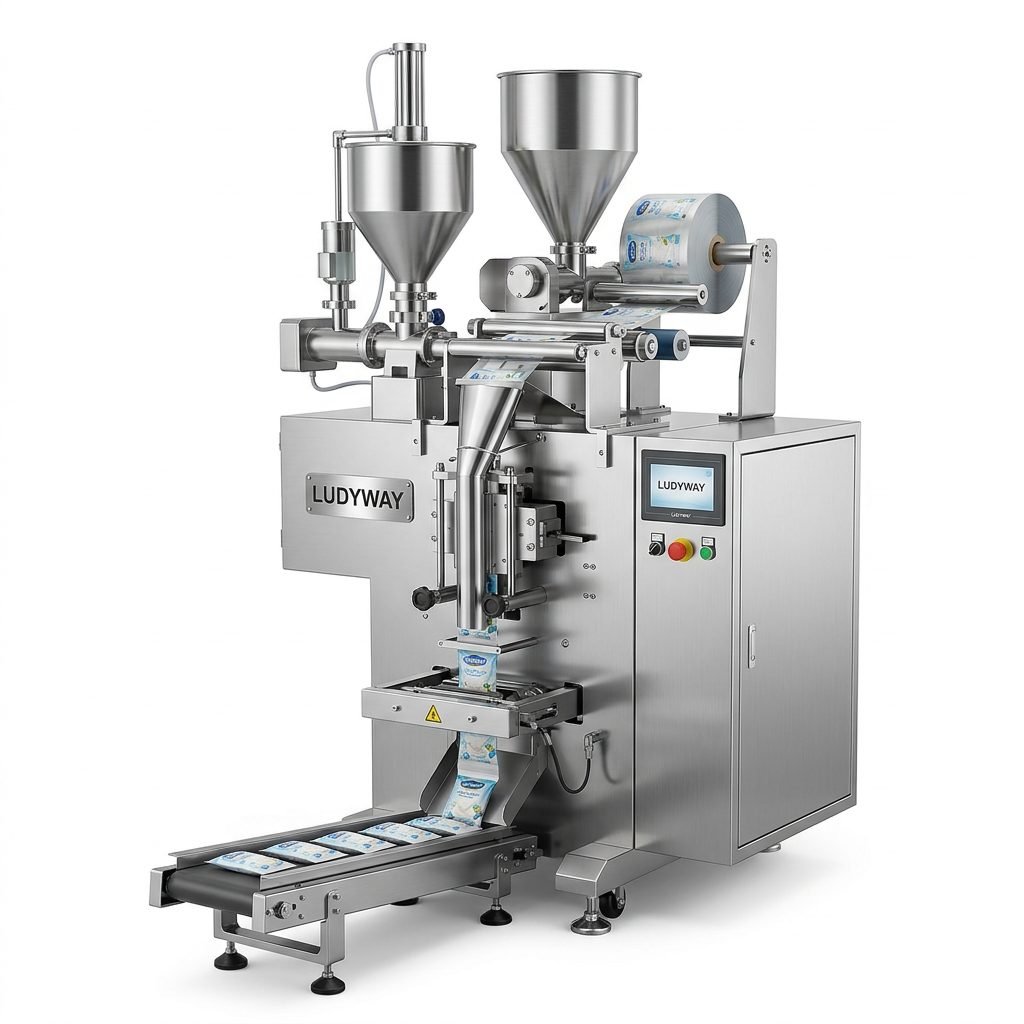
Before investing in equipment, you must understand the regulatory landscape. The FDA’s packaging and food contact substances regulations set strict guidelines for materials that come into contact with dairy products. Additionally, packaging machinery must comply with 3-A Sanitary Standards for dairy processing equipment, ensuring cleanability and preventing bacterial contamination.
Key compliance areas include:
- Food-grade materials – All contact surfaces must use FDA-approved stainless steel (typically 304 or 316L)
- CIP compatibility – Clean-in-place systems for automated sanitation cycles
- Traceability – Batch coding and serialization capabilities per ISO packaging standards
- HACCP integration – Critical control point monitoring throughout the packaging process
Selecting the Right Yogurt Packaging Equipment
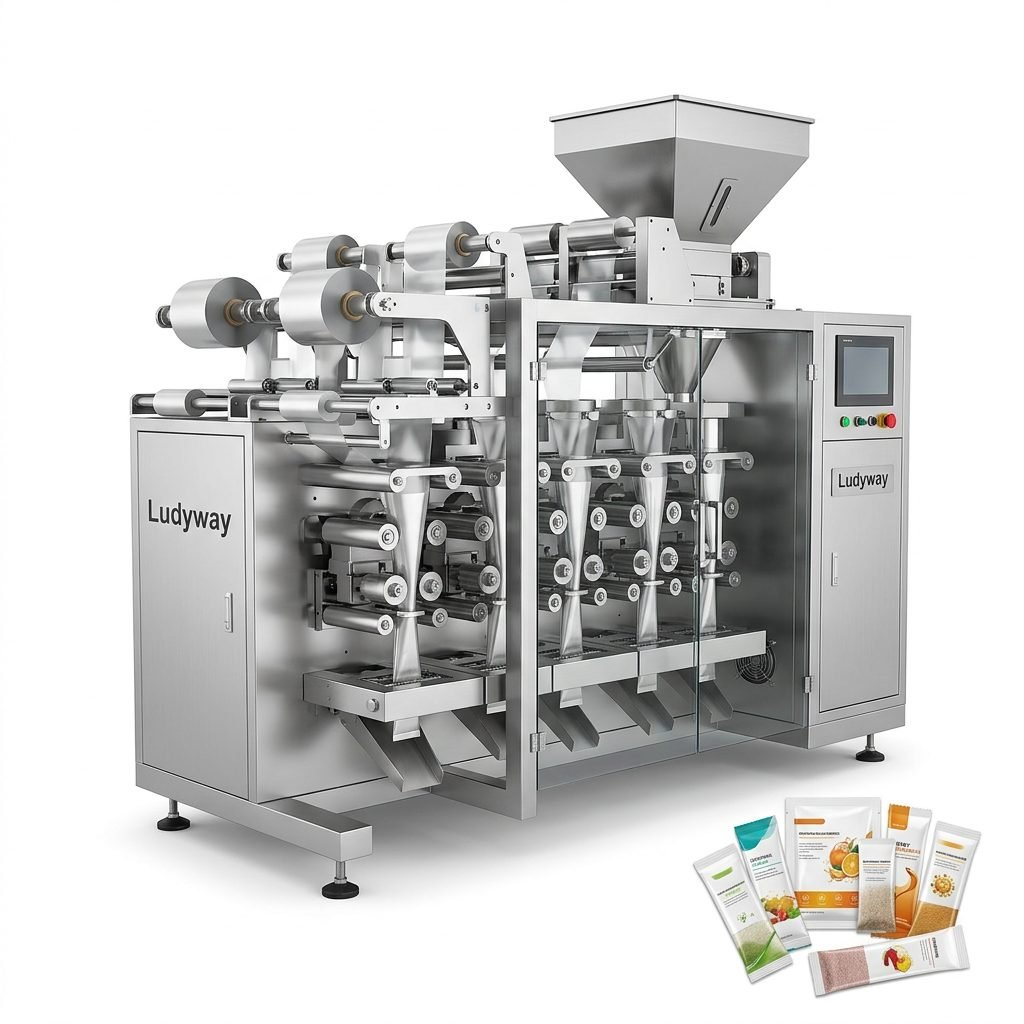
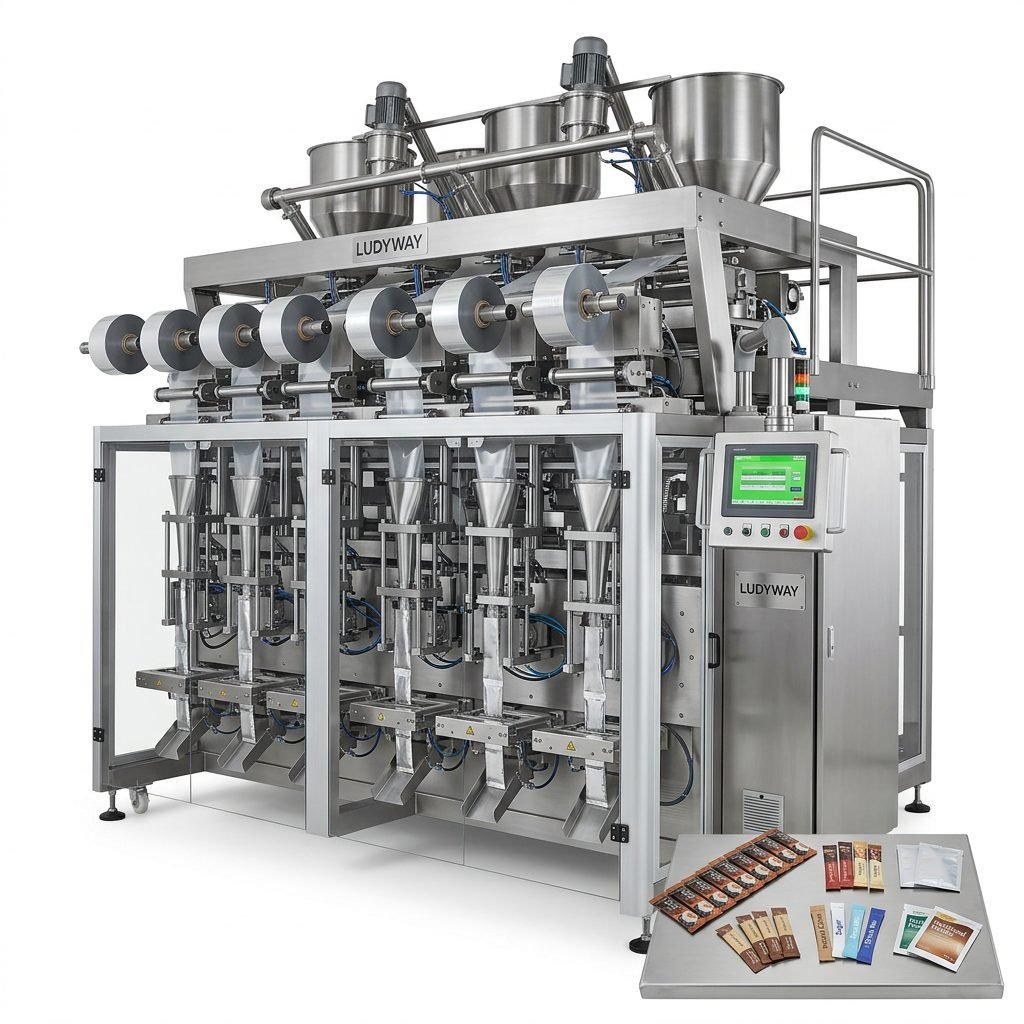
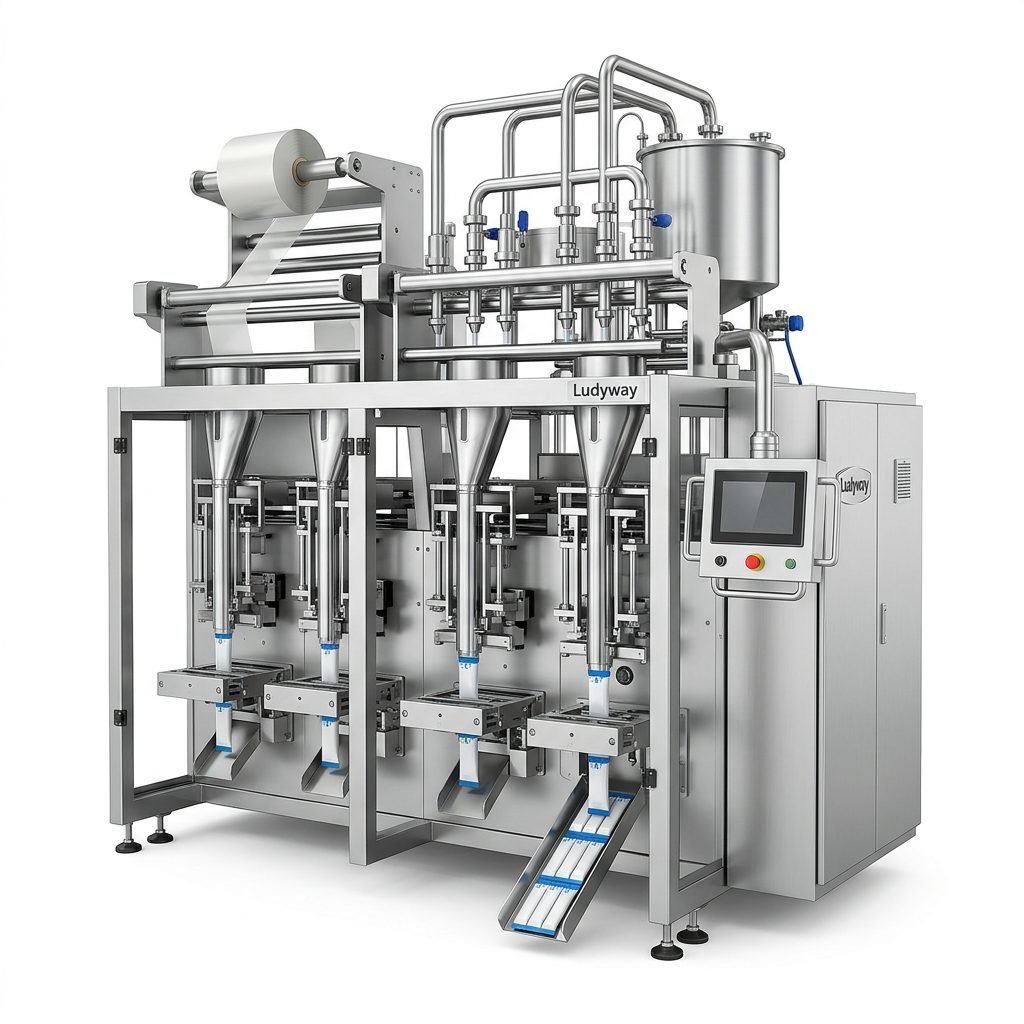
Yogurt packaging lines vary significantly based on product format and production volume. The PMMI State of the Industry report highlights that multi-lane stick pack and sachet formats are among the fastest-growing segments in North America. Your choice of machinery depends on several factors:
Key Equipment Considerations
| Factor | Description | Recommendation |
|---|---|---|
| Production Speed | Packs per minute required to meet demand | Multi-lane machines offering 400-800 packs/min |
| Packaging Format | Sachet, stick pack, cup, or pouch | Stick packs for single-serve; sachets for samples |
| Filling Type | Liquid, semi-solid, or powder yogurt | Piston or servo-driven volumetric fillers |
| Automation Level | Manual, semi-auto, or fully automatic | Fully automated with PLC control systems |
| Material Compatibility | Film types including barrier laminates | Multi-layer films with aluminum foil barriers |
Essential Components of a Yogurt Packaging Production Line
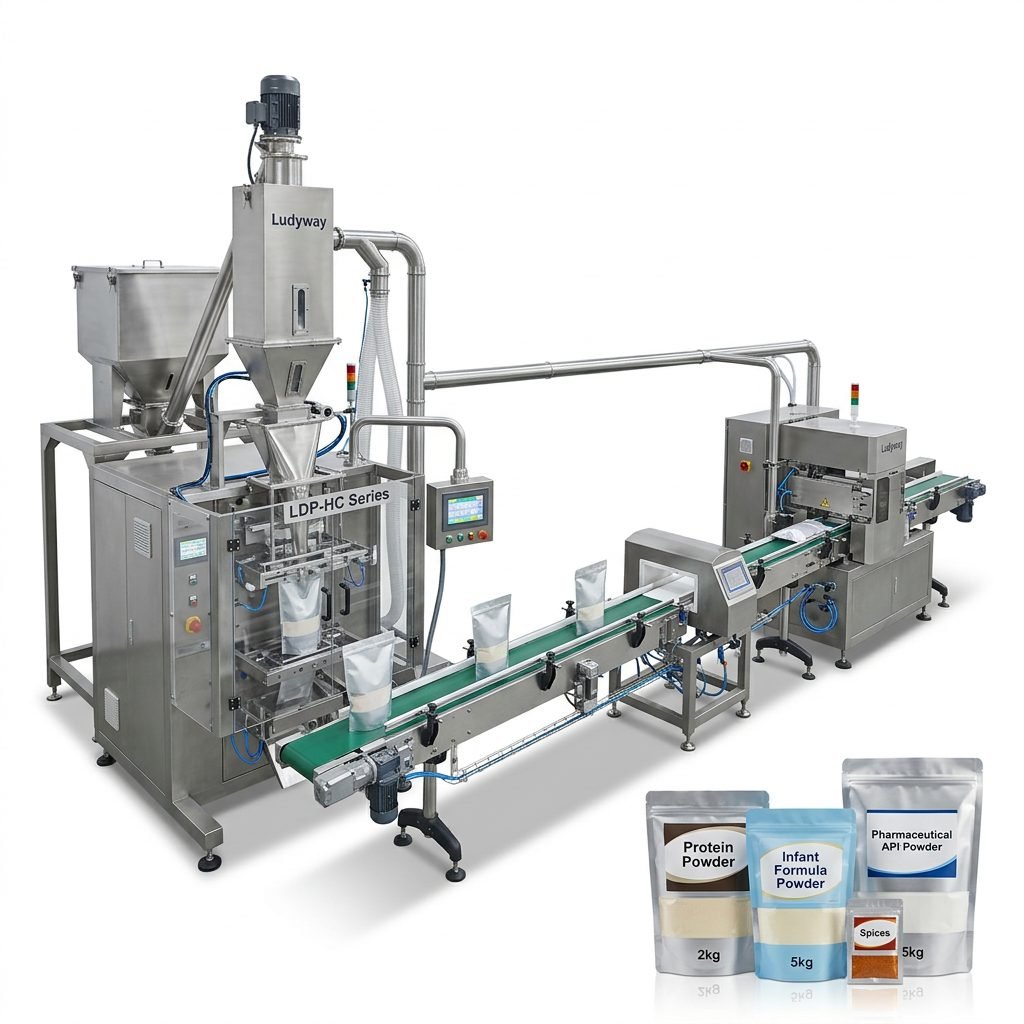
A complete yogurt packaging system integrates multiple subsystems that must work in harmony. Understanding each component helps you specify requirements accurately when working with equipment manufacturers. The Flexible Packaging Association provides valuable resources on packaging materials and machinery compatibility.
Core Line Components
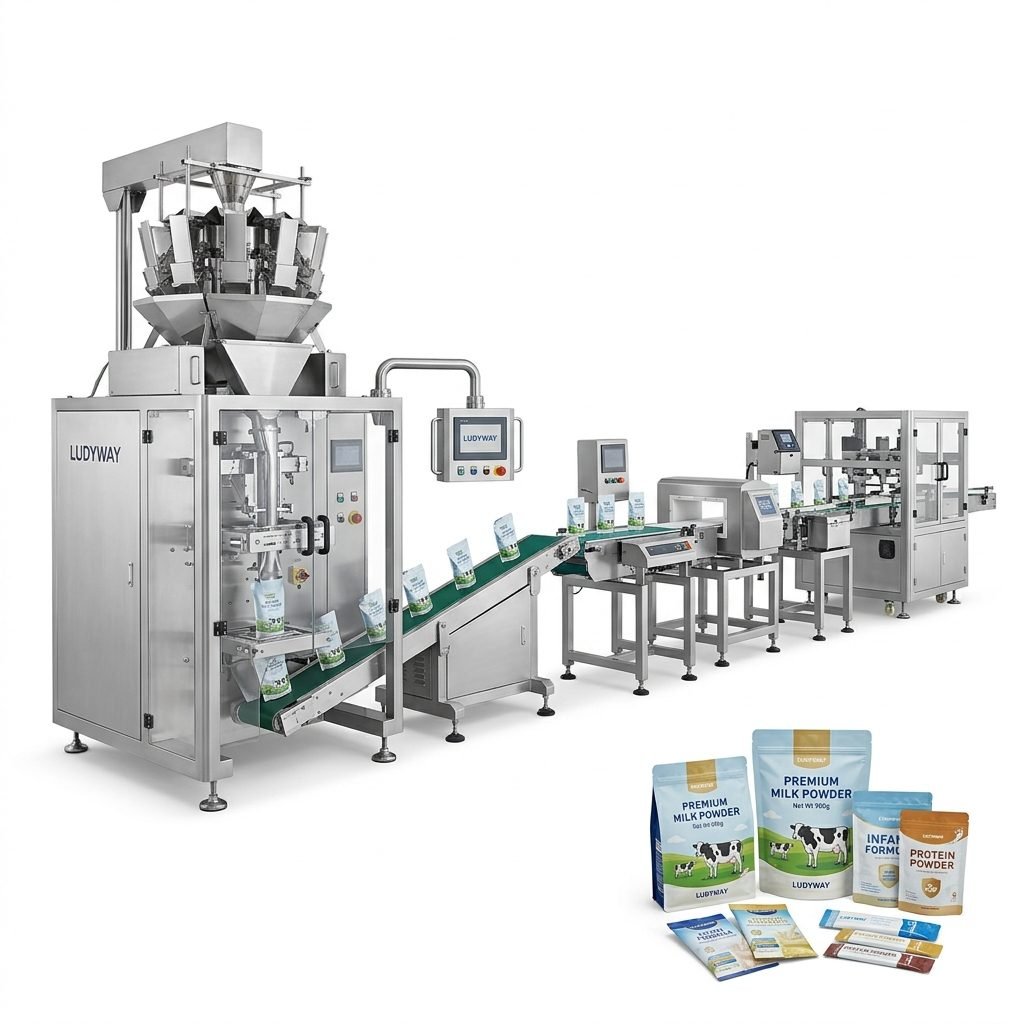
- Product Feeding System – Pumps or conveyors that transfer yogurt from processing tanks to the filling station while maintaining temperature control
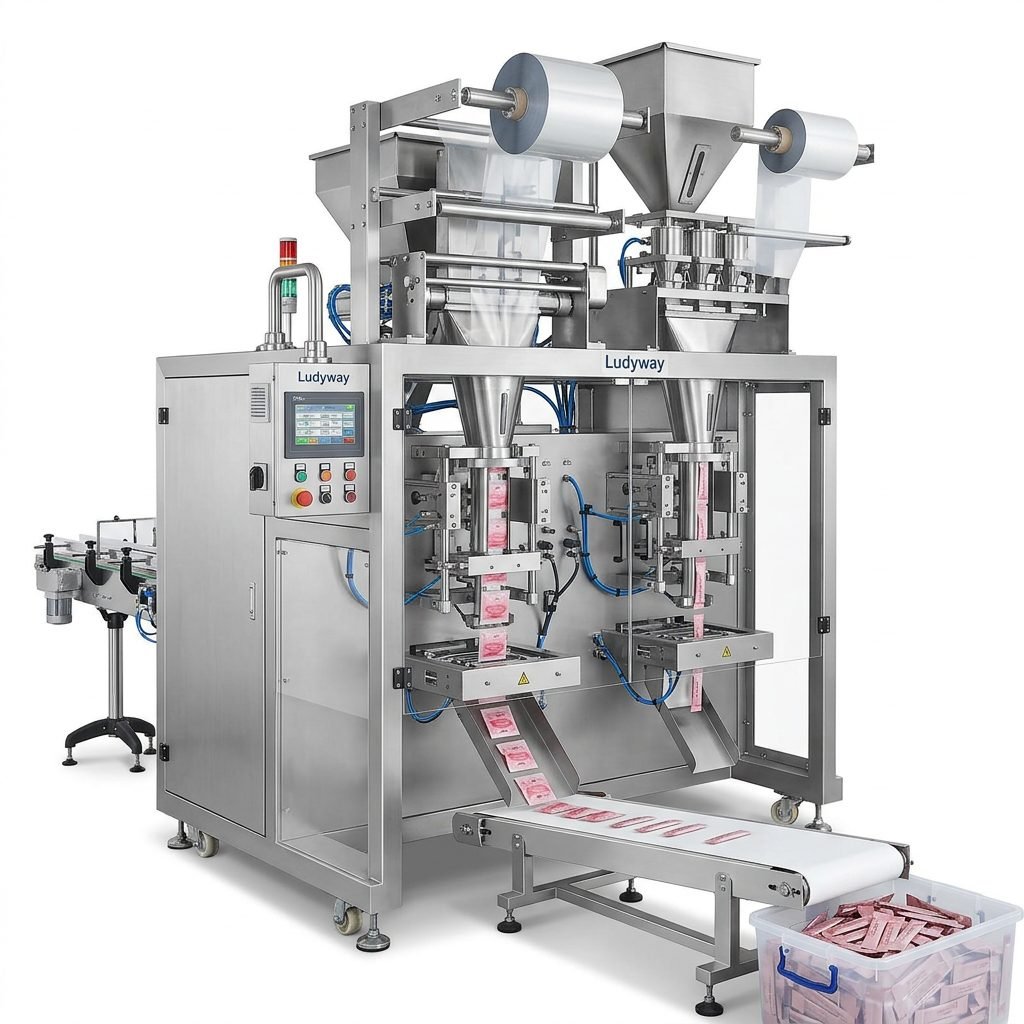
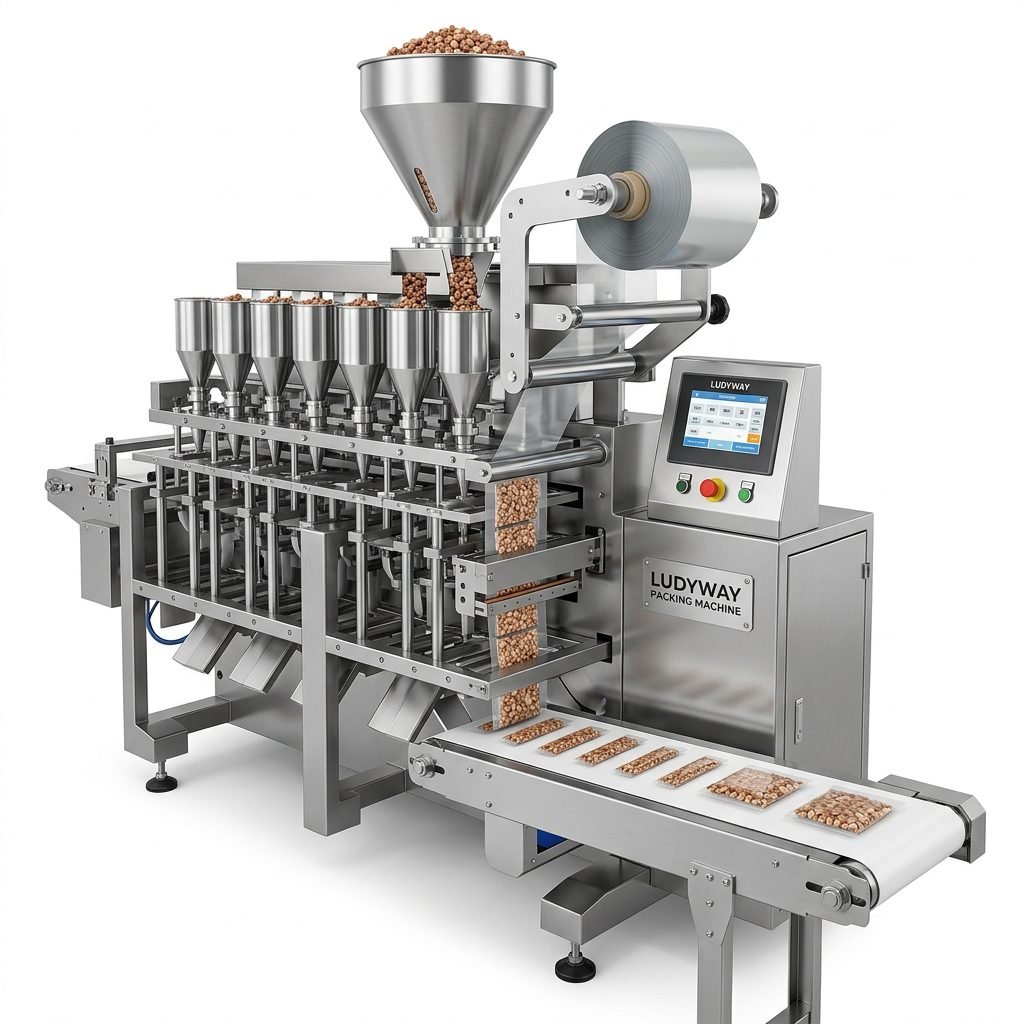
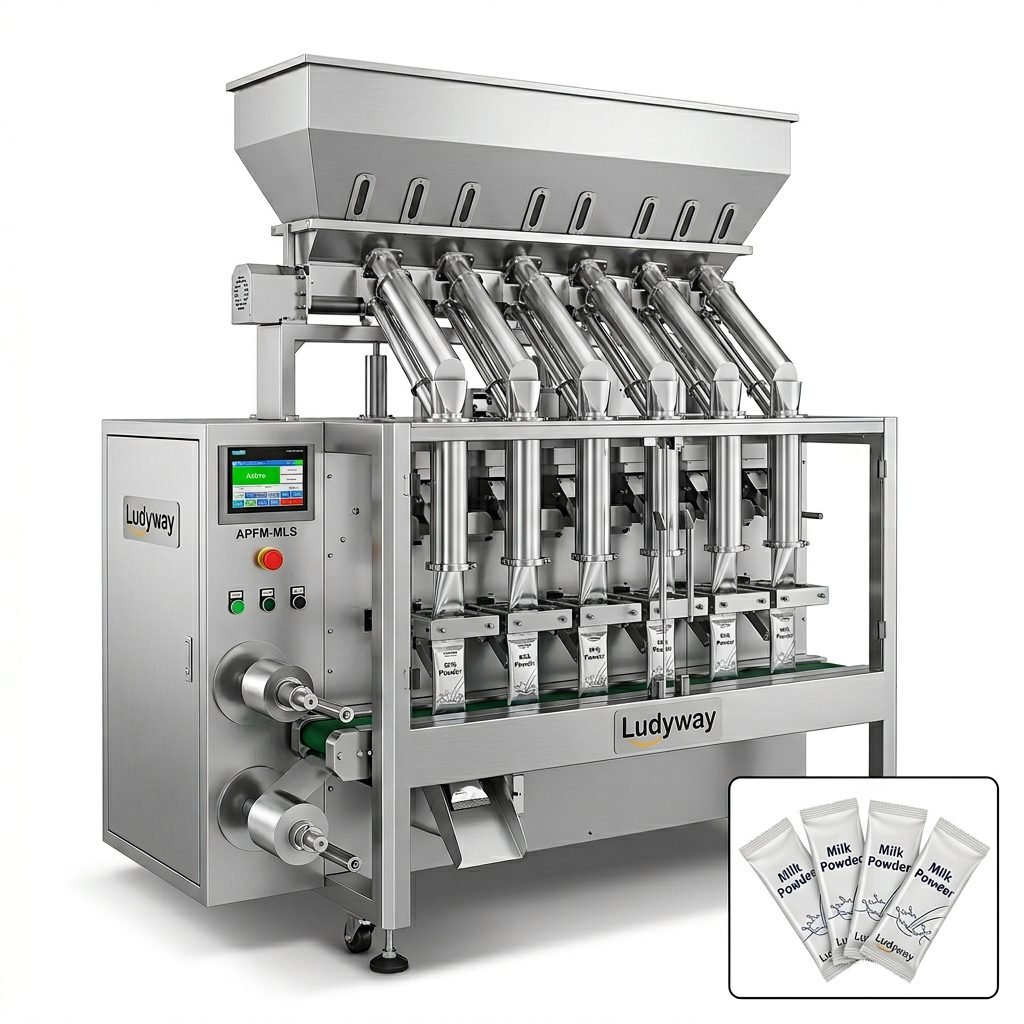
- Multi-Lane Filling Machine – The heart of the operation, capable of simultaneous filling across 4-12 lanes for high throughput
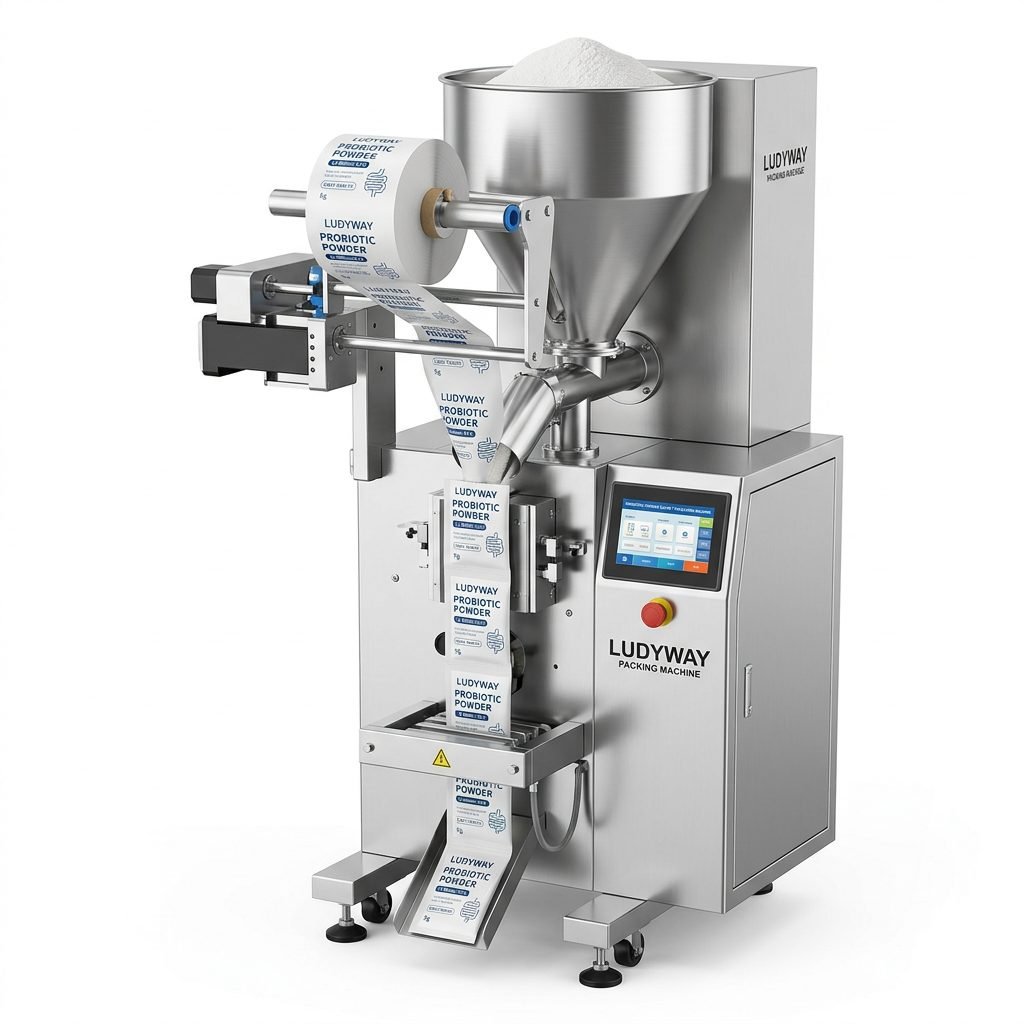
- Film Unwinding and Forming – Automatic film handling that forms pouches or stick packs with precise registration control
- Vertical or Horizontal Sealing – Heat sealing mechanisms that create hermetic seals to preserve product freshness
- Cutting and Separation – Guillotine or rotary cutters that separate individual packs cleanly
- Inspection Systems – Checkweighers, metal detectors, and vision systems for quality assurance
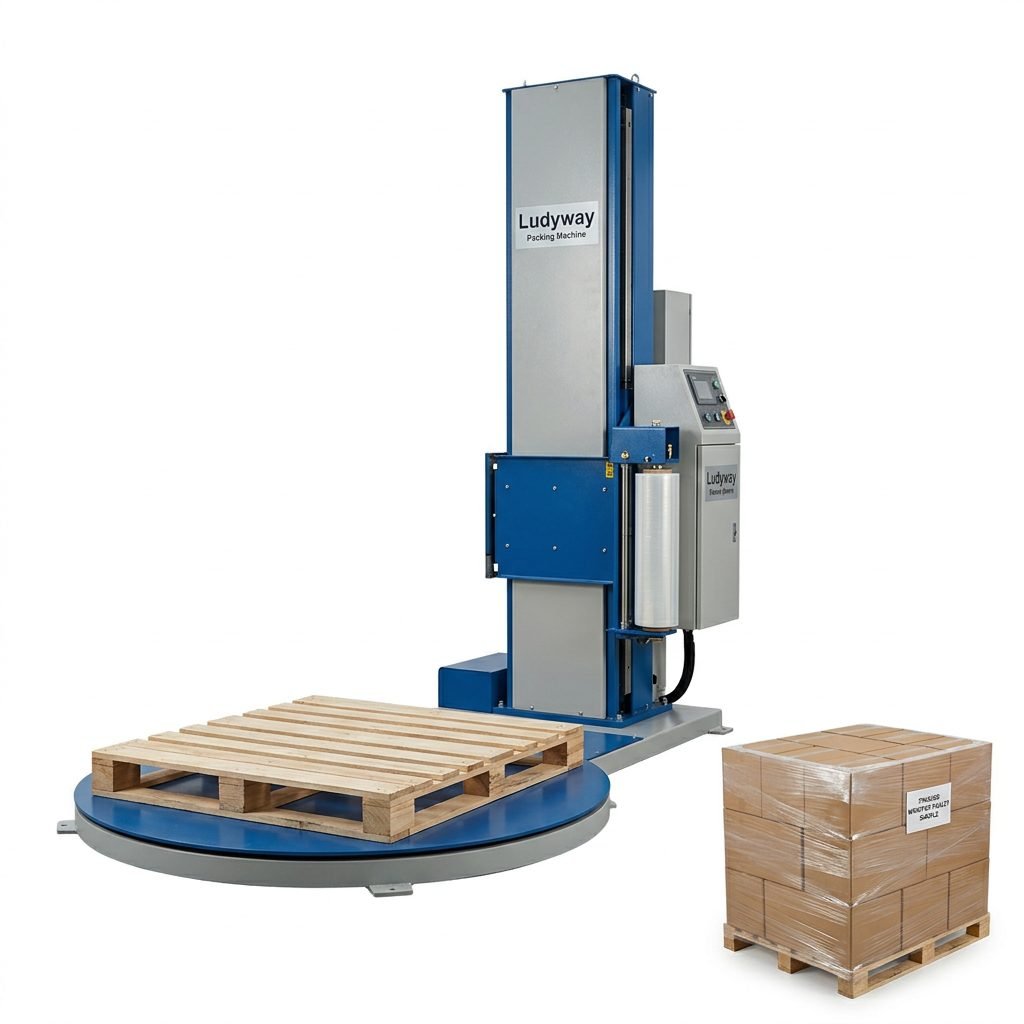
- Secondary Packaging – Cartoning and case packing equipment for retail-ready packaging
Installation and Commissioning Steps
Setting up a packaging line in North America involves more than just equipment delivery. Proper installation directly impacts long-term reliability and operational efficiency. Follow these critical steps for a successful commissioning process:
Pre-Installation Checklist
- Site preparation – Ensure adequate floor space, utility connections (compressed air, electrical, water), and proper ventilation
- Foundation requirements – Verify floor load capacity and levelness for heavy machinery
- Utility specifications – Confirm voltage requirements (typically 208V/480V three-phase for North America), air pressure, and water quality
- Permitting – Obtain necessary local permits for food manufacturing equipment installation
- Team training – Schedule operator and maintenance training with the equipment supplier
Commissioning Phase
- Run dry tests to verify mechanical operation and sensor calibration
- Conduct wet tests with water or placebo product to validate filling accuracy
- Perform seal integrity testing using dye penetration or burst testing methods
- Validate CIP cycles and sanitation protocols
- Document all settings and create standard operating procedures (SOPs)
Optimizing Production Efficiency
Once your yogurt packaging line is operational, continuous improvement becomes essential. The PMMI packaging industry resources offer benchmarking data that can help you measure your line’s performance against industry standards.
Performance Metrics to Track
| Metric | Target Range | Impact Area |
|---|---|---|
| OEE (Overall Equipment Effectiveness) | 75% – 85% | Productivity and downtime reduction |
| Fill Accuracy | ±1% of target weight | Product give-away and profitability |
| Seal Integrity Rate | ≥ 99.9% | Product safety and shelf life |
| Changeover Time | Under 15 minutes | Production flexibility |
| Waste Percentage | Below 1% | Material costs and sustainability |
Common Challenges and Solutions
North American yogurt producers often encounter specific challenges when operating packaging lines. Being prepared for these issues helps minimize downtime and maintain product quality. The Flexible Packaging Association regularly publishes guidance on addressing common packaging line issues.
- Film tracking issues – Caused by misaligned rollers or tension problems; resolved through regular preventive maintenance and automatic web guiding systems
- Seal failures – Often resulting from temperature fluctuations or contaminated sealing jaws; addressed through real-time temperature monitoring and regular jaw cleaning
- Product foaming during filling – Common with liquid yogurt products; mitigated by bottom-up filling nozzles and controlled filling speeds
- Condensation on cold-filled products – Can affect labeling and secondary packaging; managed through environmental control in the packaging area
Future-Proofing Your Packaging Investment
As consumer preferences evolve and sustainability becomes increasingly important, your packaging line should be adaptable. Consider equipment that supports:
- Recyclable film materials – Compatible with mono-material structures being developed across the industry
- Digital integration – IoT-enabled machines that provide real-time production data and predictive maintenance alerts
- Flexible format switching – Quick-change parts allowing transitions between sachet, stick pack, and pouch formats
- Energy efficiency – Servo-driven systems that reduce power consumption compared to pneumatic alternatives
For businesses seeking a reliable equipment partner with extensive experience in multi-lane yogurt packaging systems, Ludyway offers turnkey solutions backed by a 20,000㎡ manufacturing facility and over 30 years of industry expertise, serving customers in more than 100 countries.
Setting up a successful yogurt packaging production line in North America demands careful attention to regulatory requirements, equipment selection, and operational optimization. By following the guidelines outlined above and partnering with experienced equipment manufacturers, you can build a high-performance packaging operation that delivers consistent quality and strong return on investment.