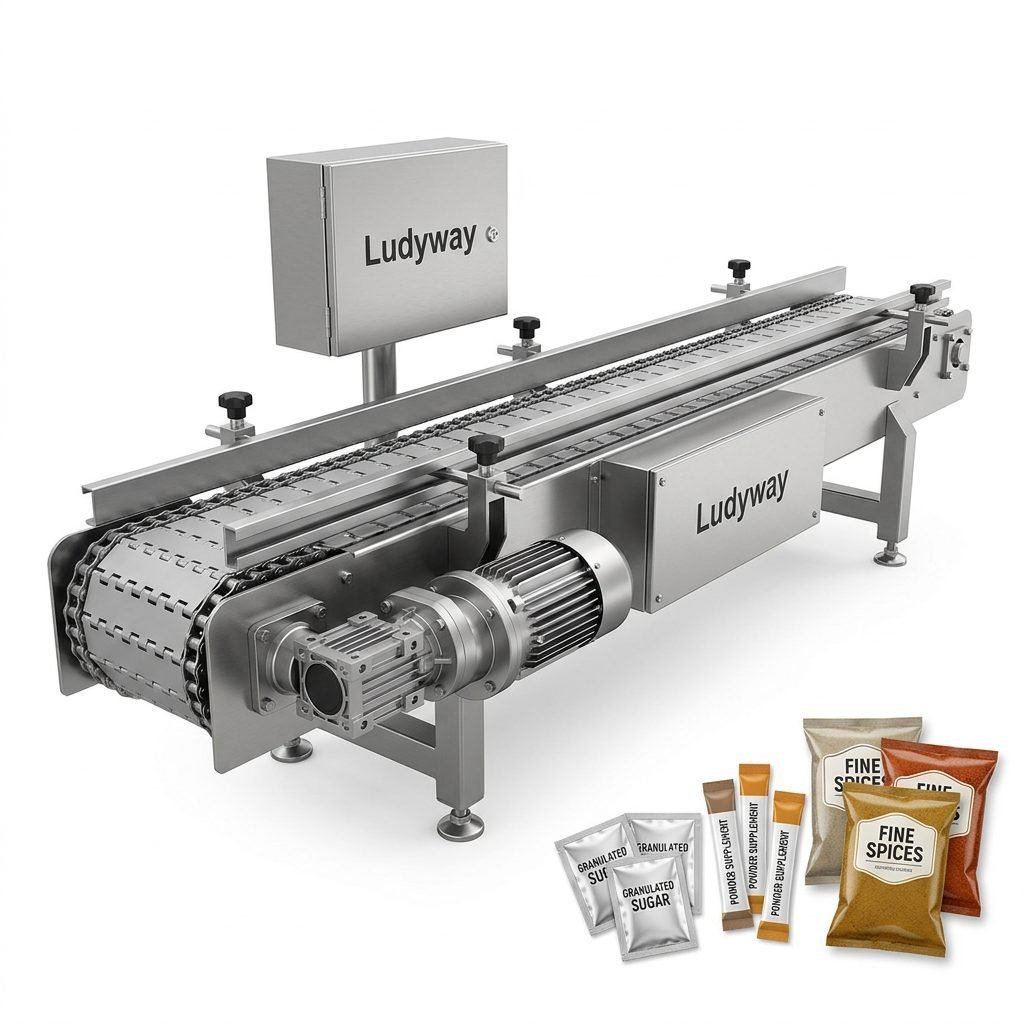
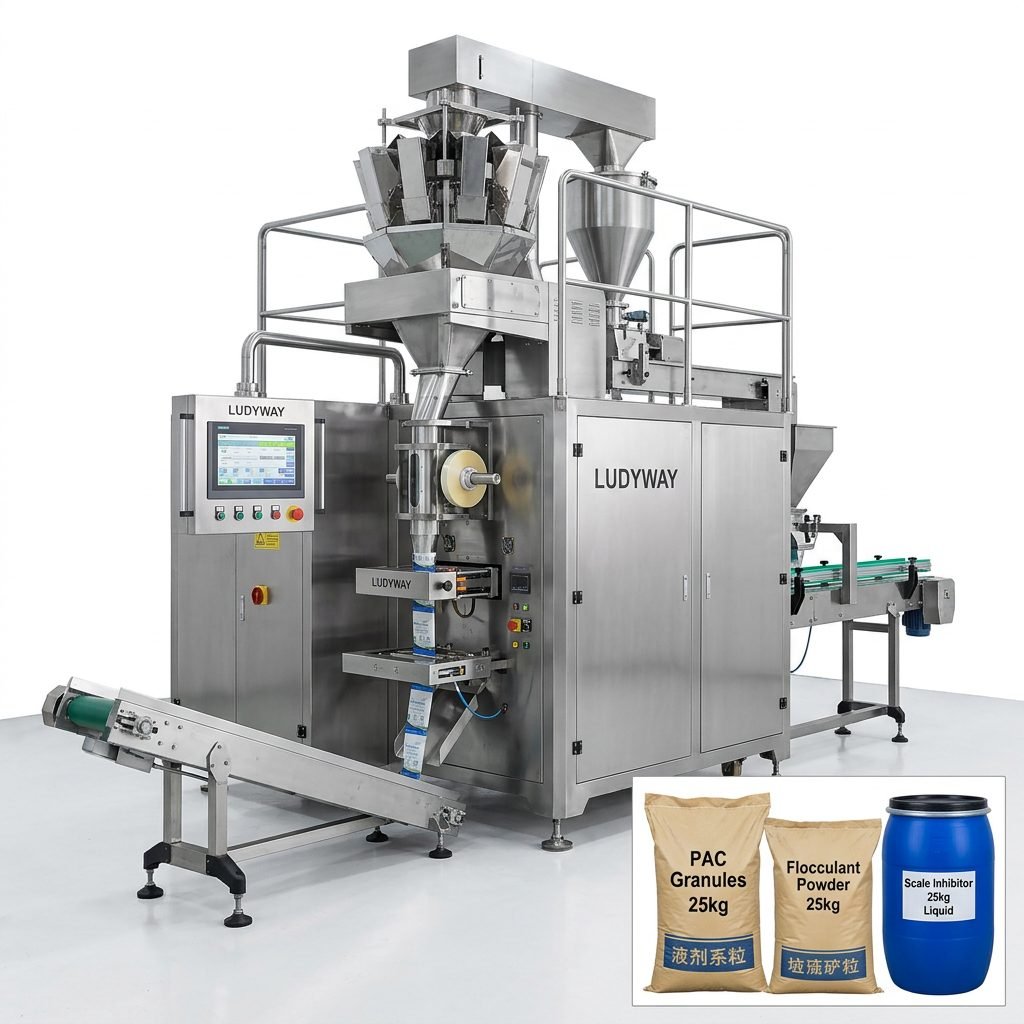
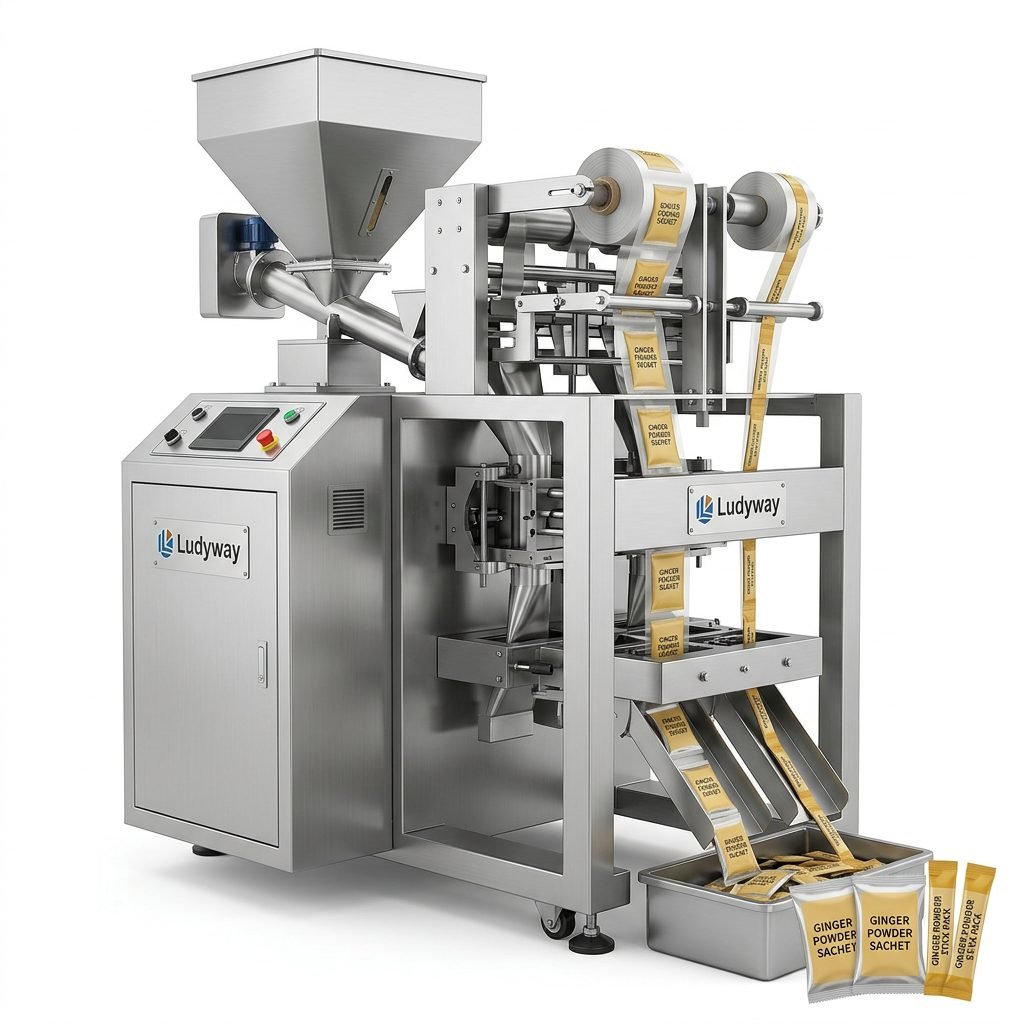
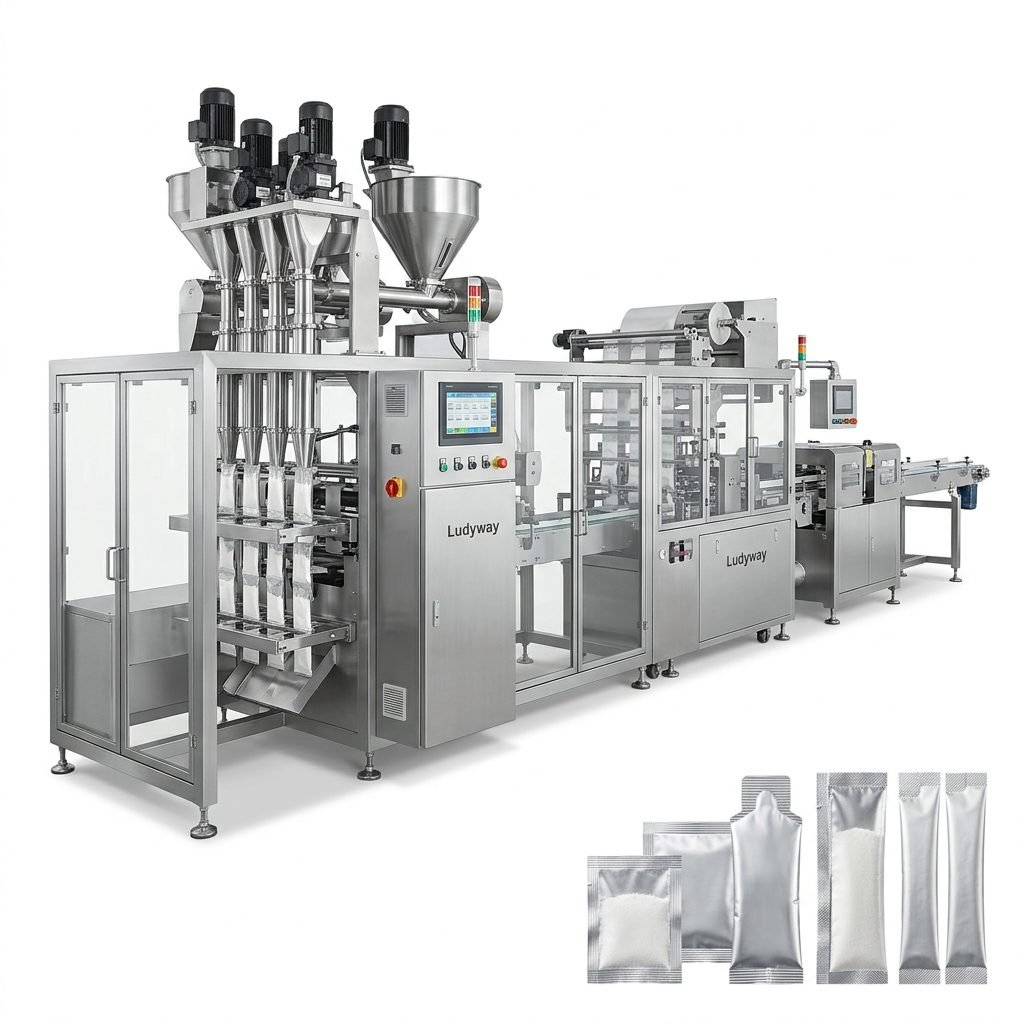
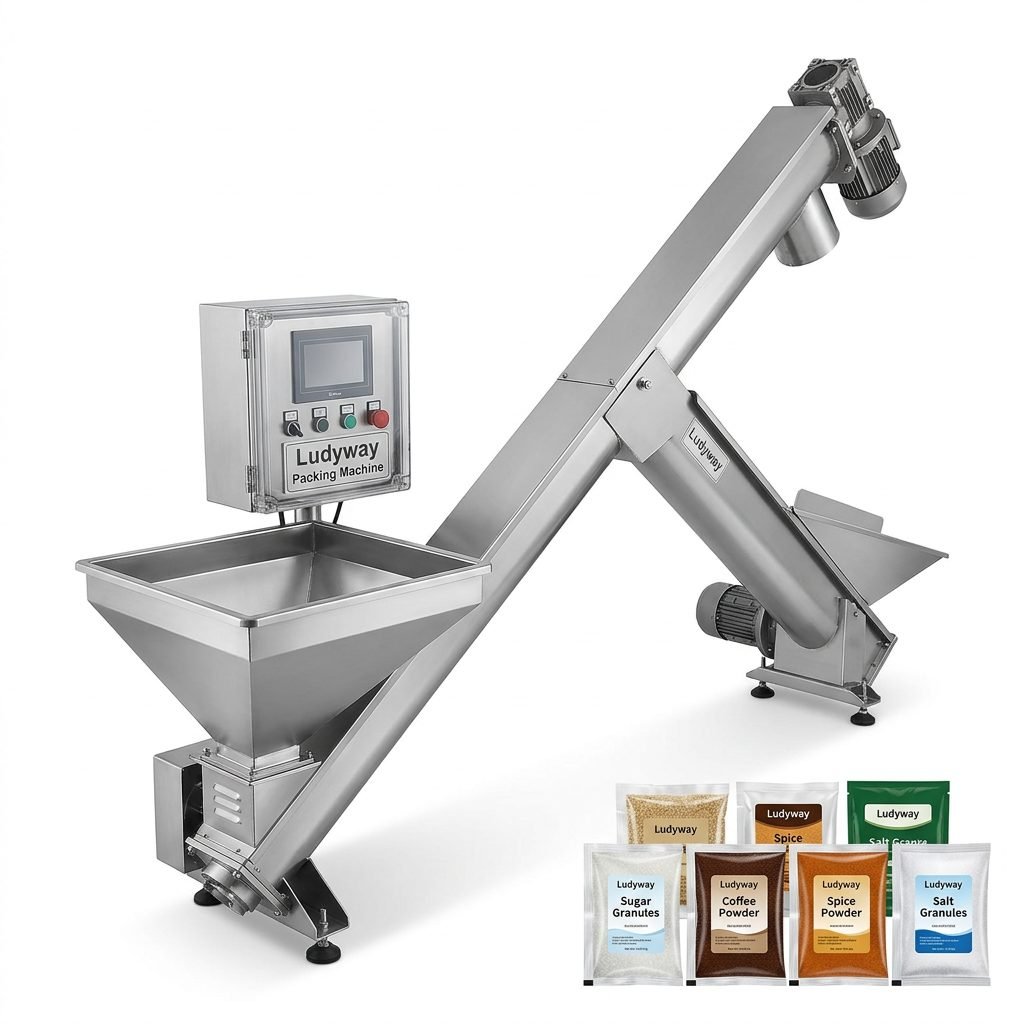
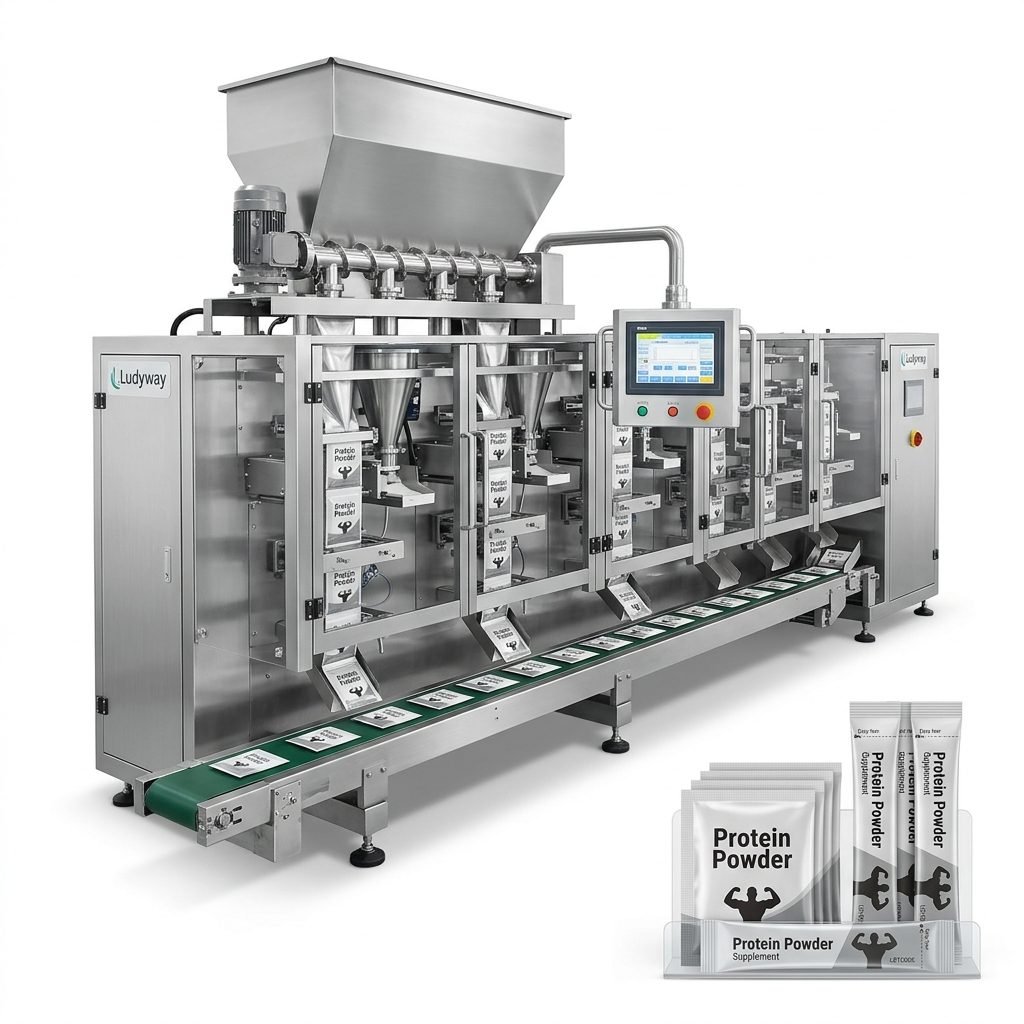
The sugar packaging industry in Oceania is experiencing steady growth, driven by increasing demand for convenient, portion-controlled formats across Australia, New Zealand, and the Pacific Islands. Setting up a sugar packaging machine production line requires careful planning, from selecting the right equipment to ensuring compliance with regional food packaging regulations.
Understanding the Oceania Sugar Packaging Market
The Oceania region presents unique opportunities for packaged sugar products. Consumer trends are shifting toward single-serve sachets and stick packs, particularly in the hospitality and food service sectors. According to PMMI packaging industry data, the flexible packaging segment continues to outpace rigid formats across the Asia-Pacific region.
Key Market Drivers in Oceania
- Growing café culture in Australia and New Zealand demanding portion-controlled sugar packets
- Expanding food service industry requiring consistent, hygienic packaging solutions
- Export opportunities to Pacific Island nations seeking reliable sugar packaging
- Retail trend toward convenience packaging with extended shelf life
Types of Sugar Packaging Machines for Your Production Line
Selecting the appropriate sugar packaging machinery depends on your target format, production volume, and automation requirements. The most common configurations for Oceania operations include:
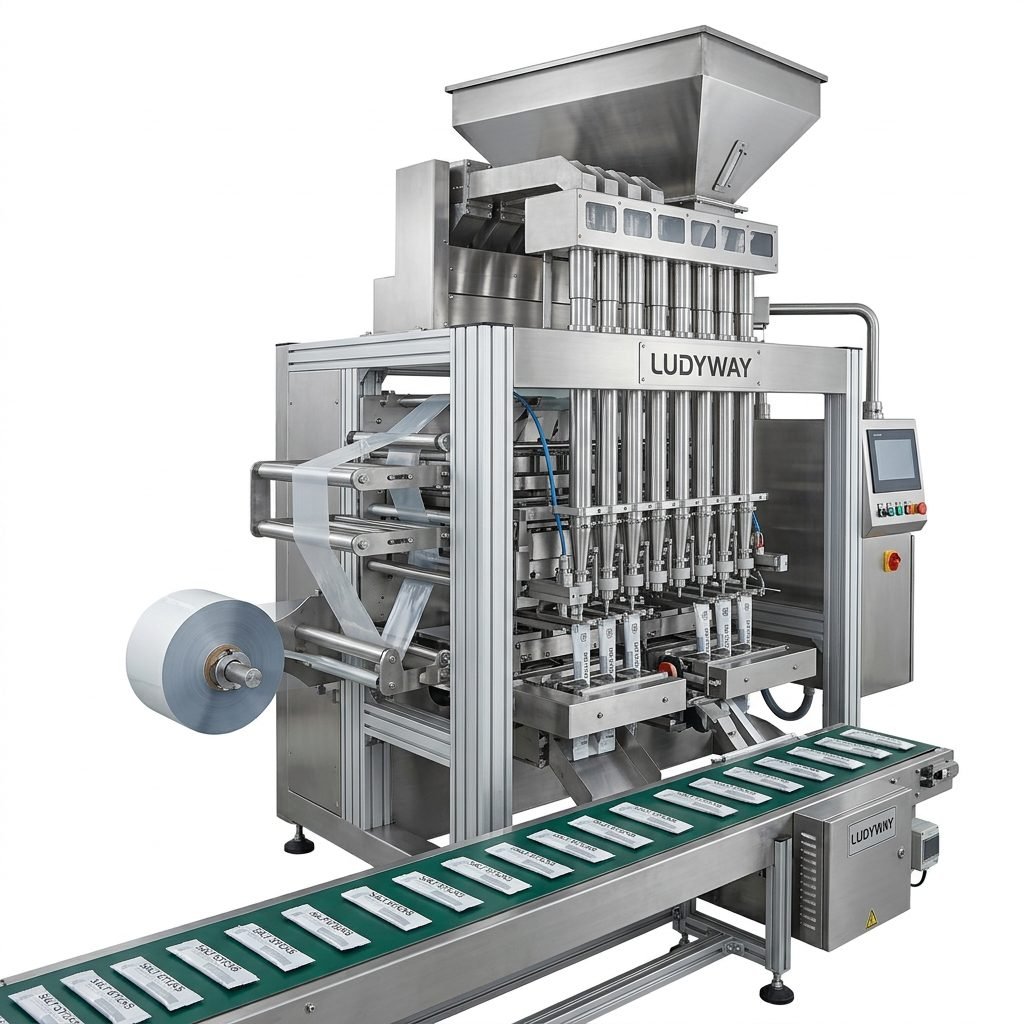
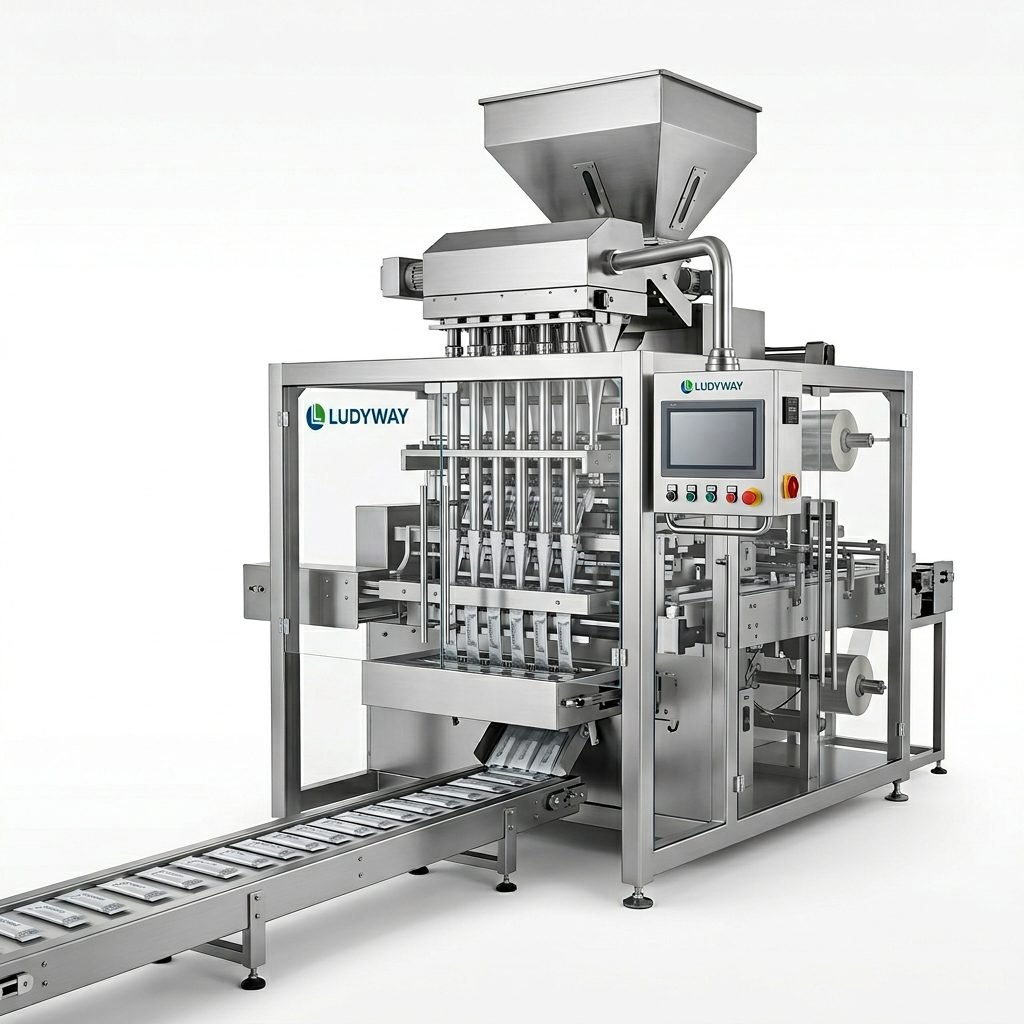
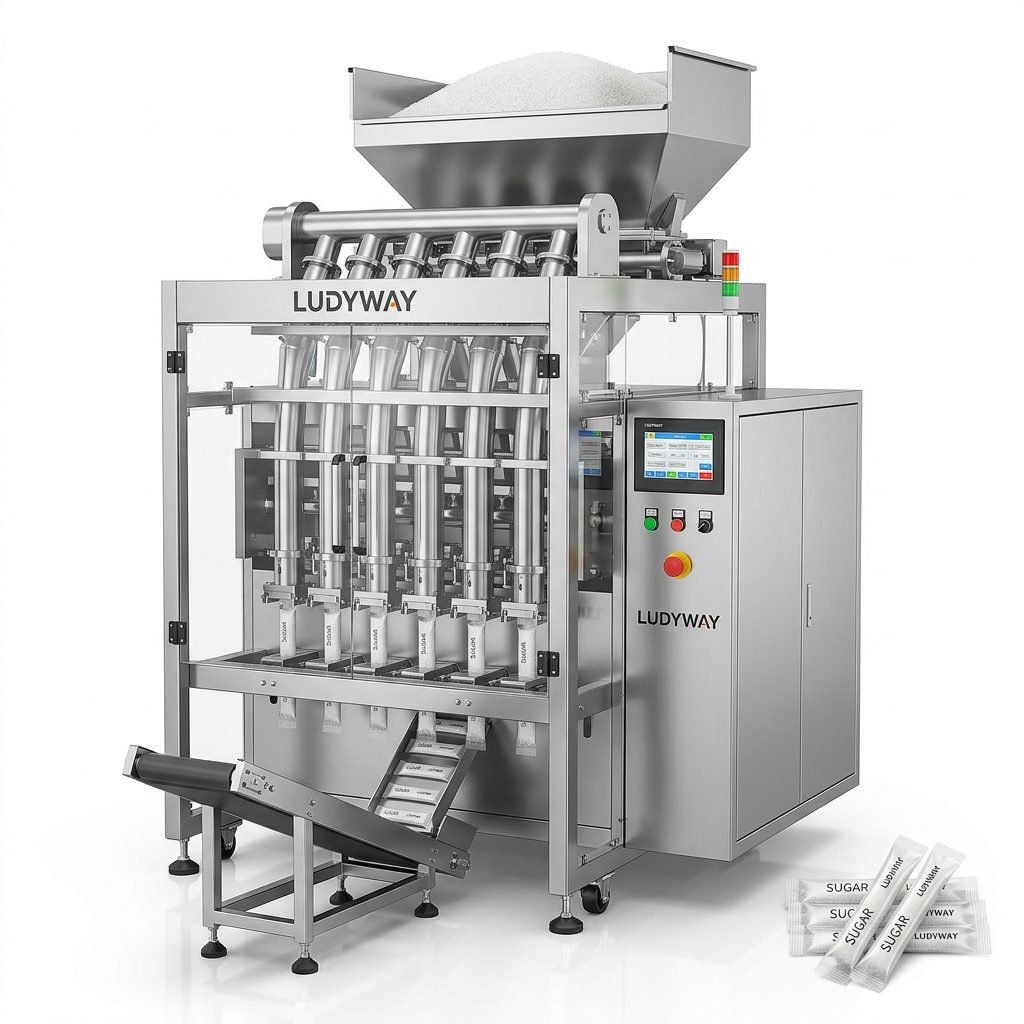
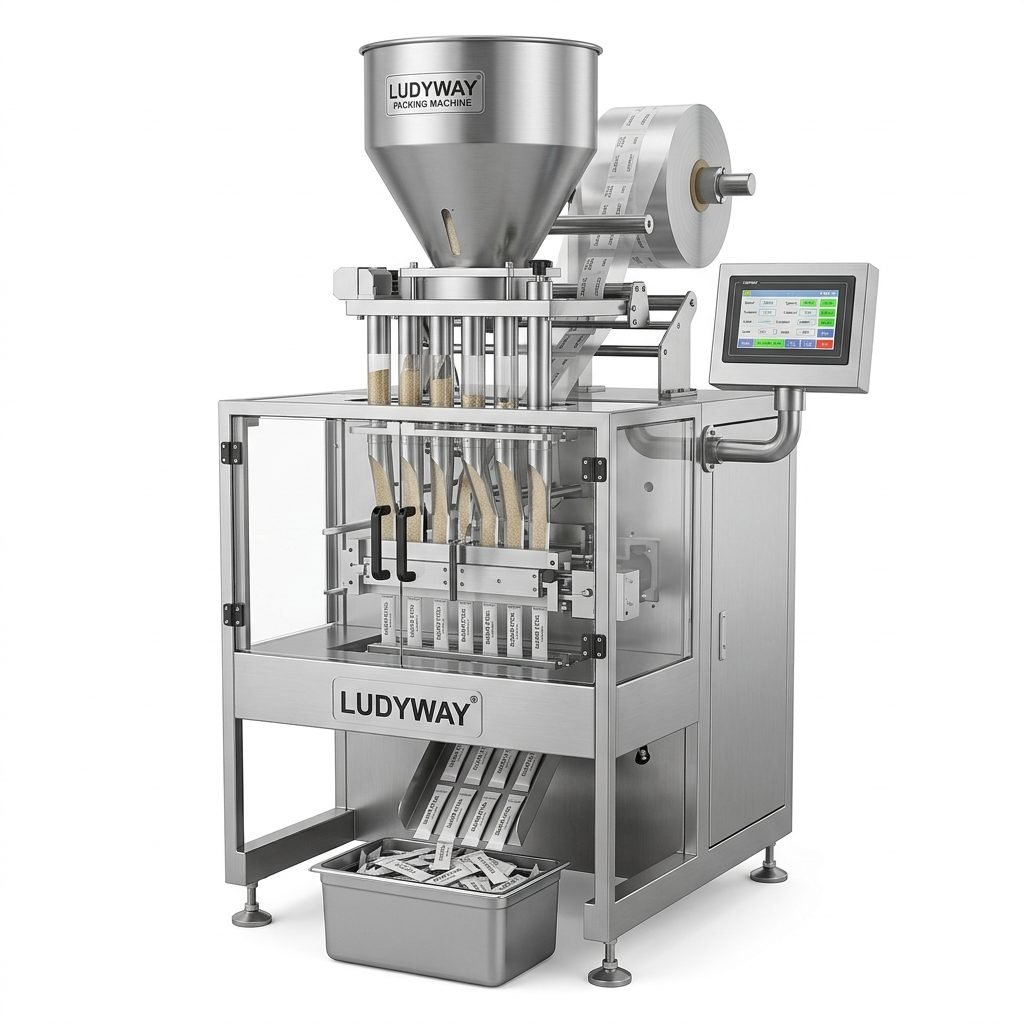
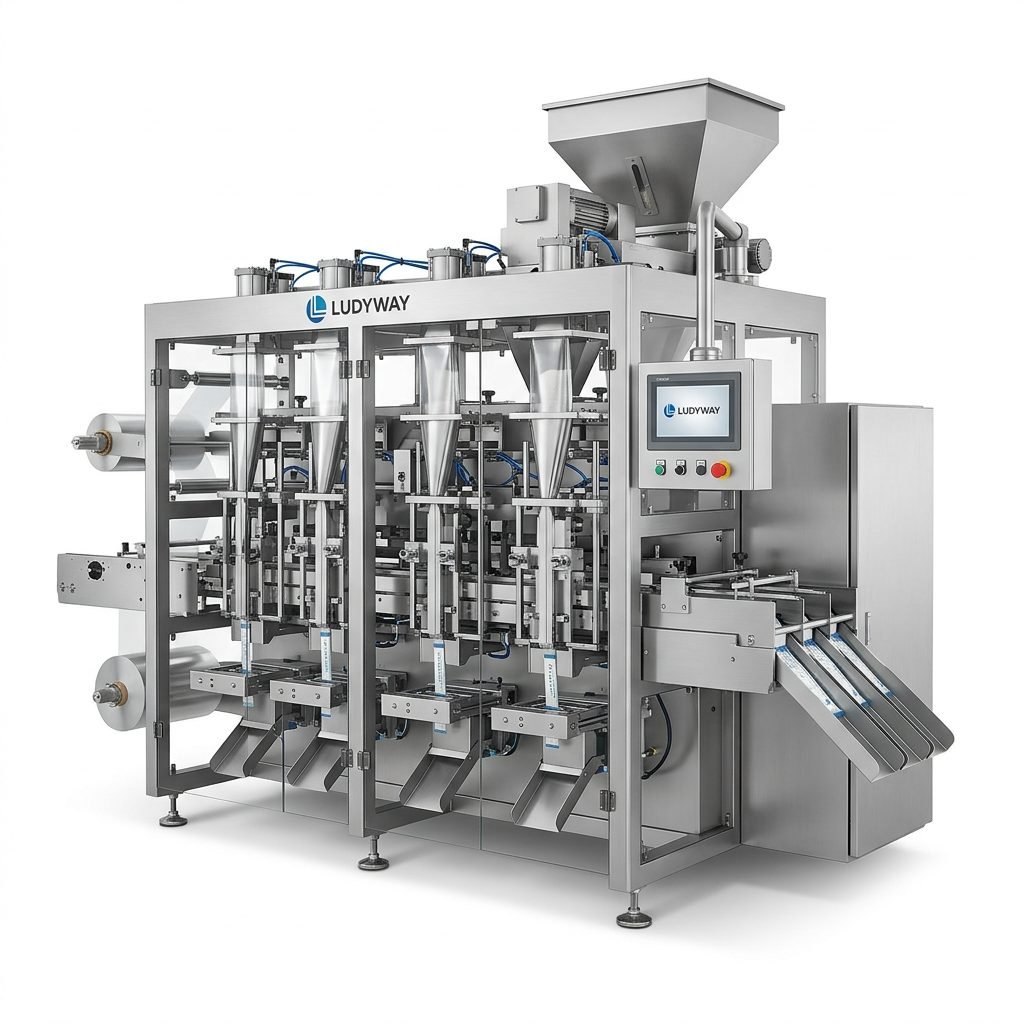
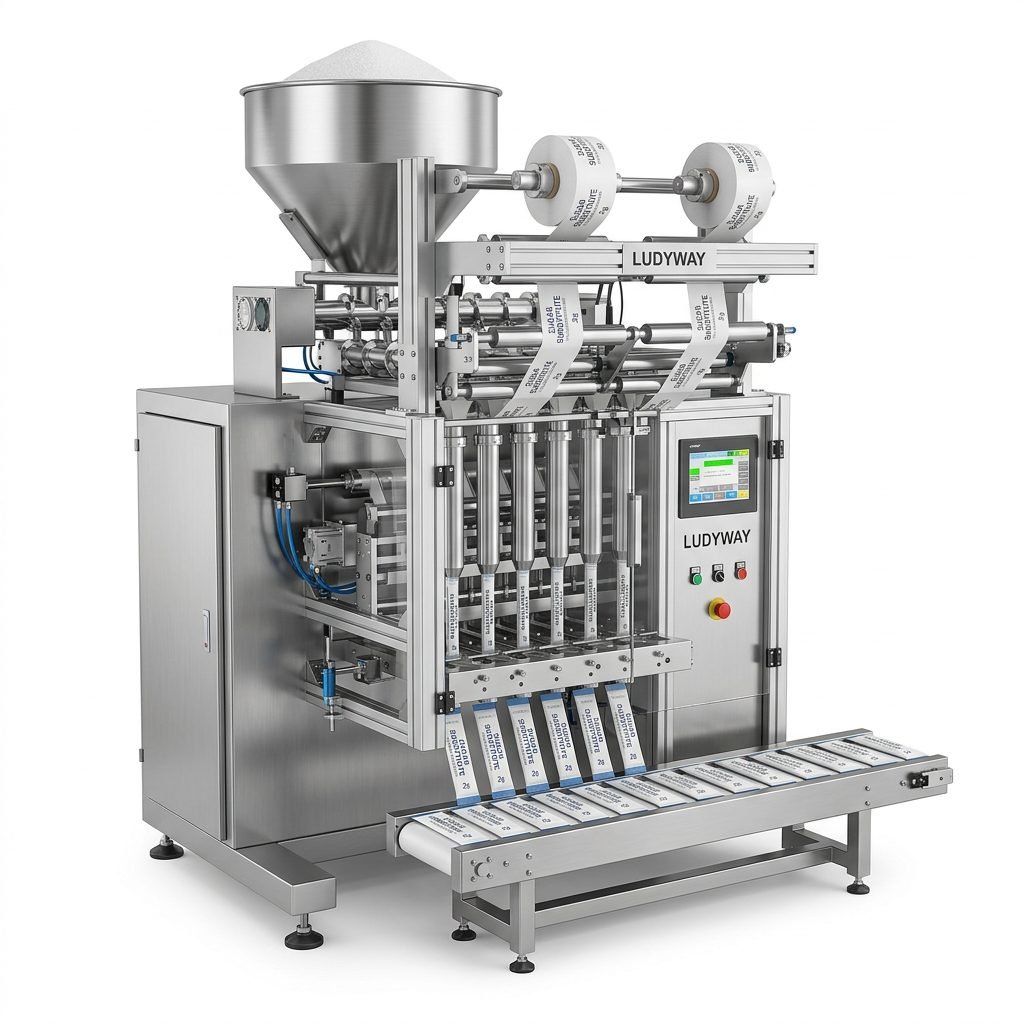
Multi-Lane Stick Pack Machines
These systems produce narrow, elongated sachets ideal for single-serve sugar portions. Multi-lane configurations can run 4 to 12 lanes simultaneously, achieving outputs of 400-800 packs per minute depending on lane count and fill weight.
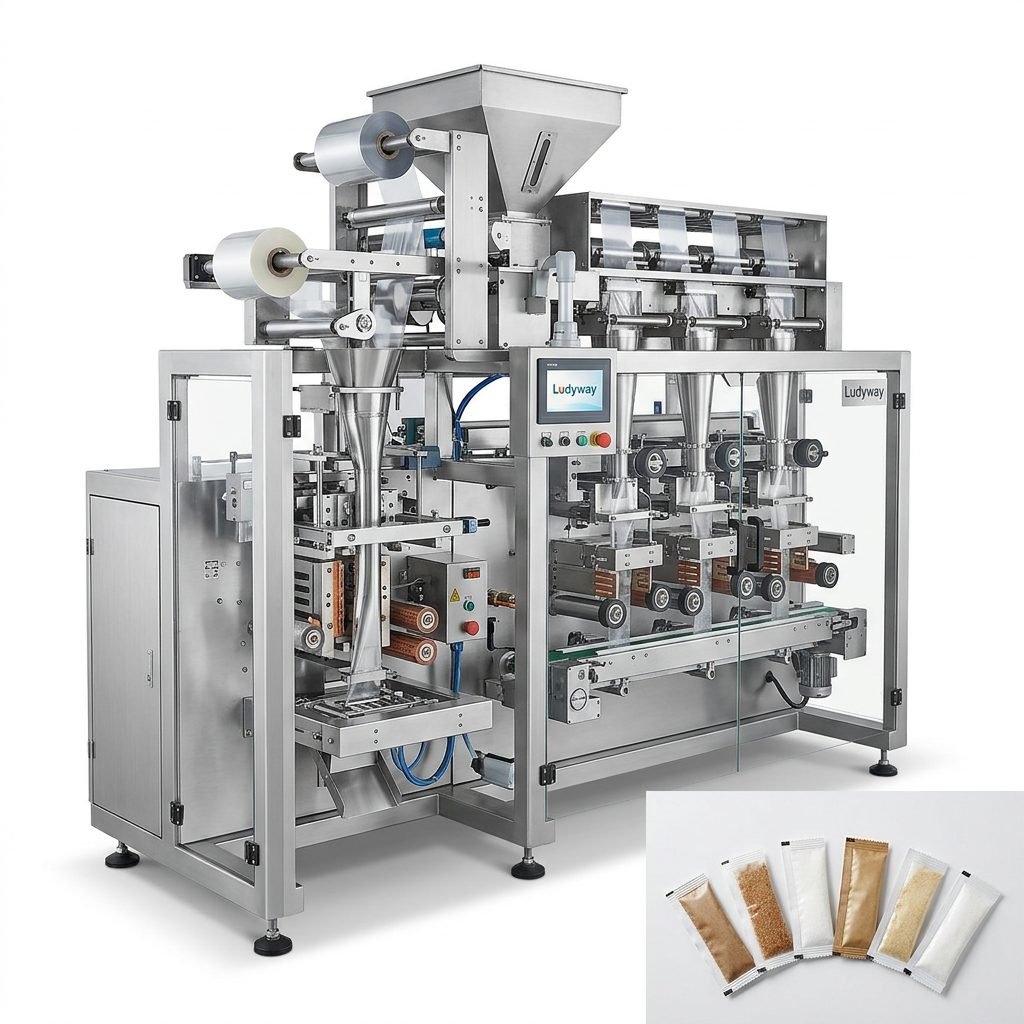
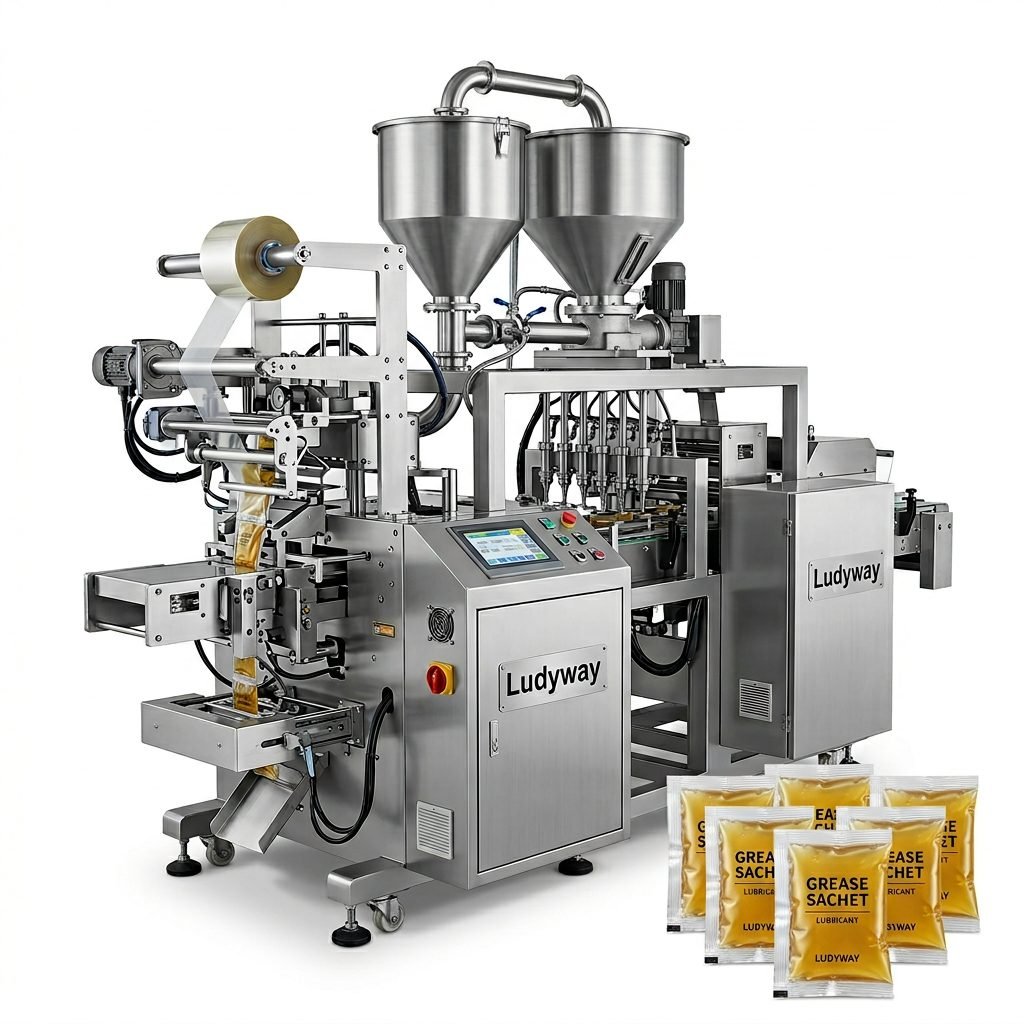
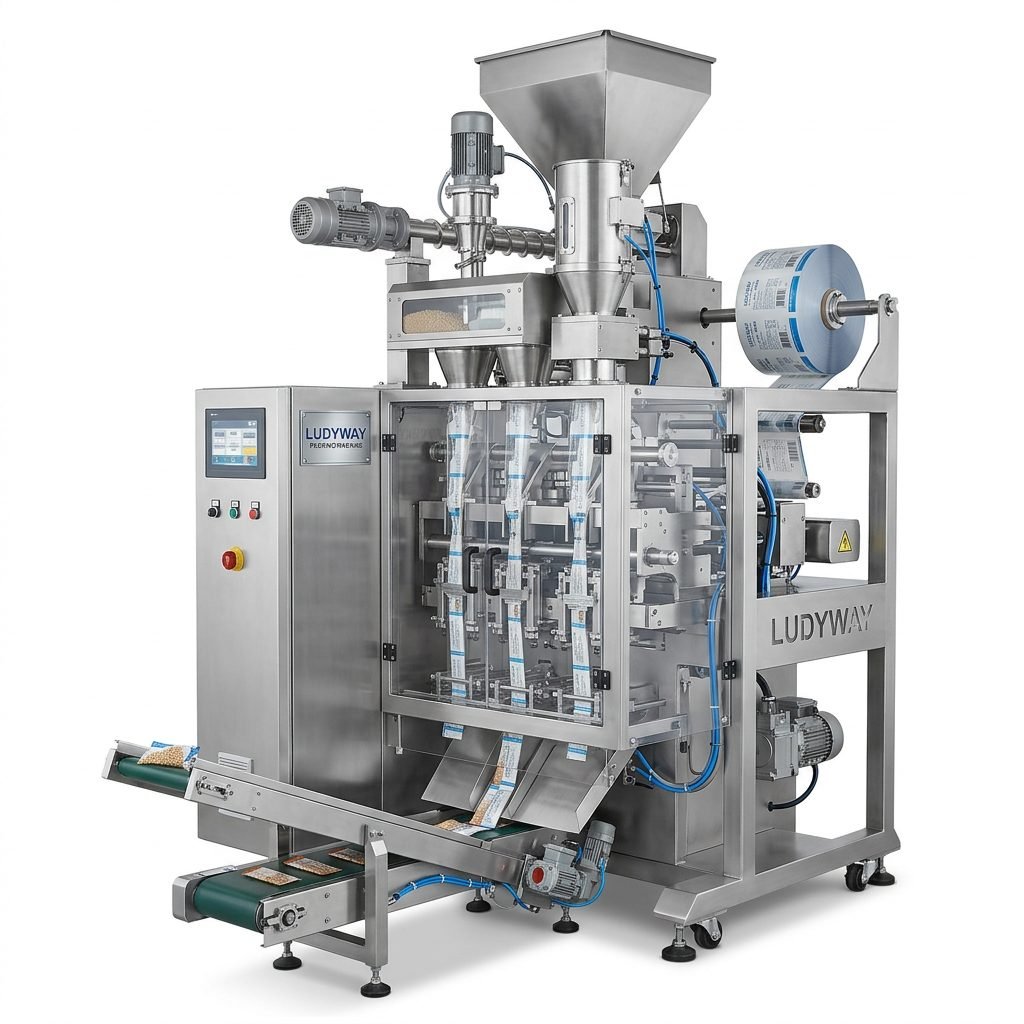
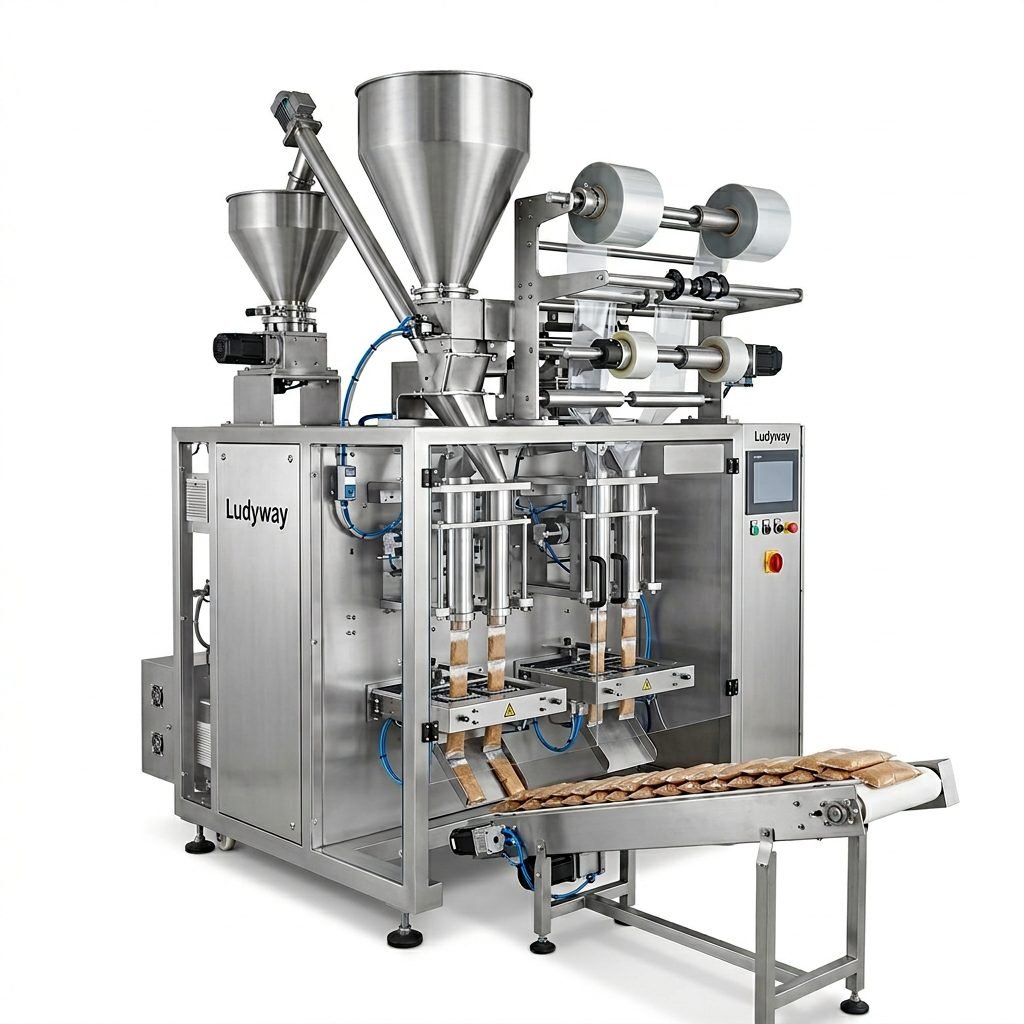
Sachet Packaging Machines
Flat sachet formats remain popular for food service and catering applications. Modern sachet machines offer quick changeover between different pouch dimensions and fill weights, making them versatile for producers serving diverse Oceania markets.
Automatic Weighing and Filling Systems
Precision is critical in sugar packaging. Advanced packaging machinery standards require multi-head weighers and auger fillers that deliver accuracy within ±0.5g for consistent product quality.
Production Line Configuration: Step-by-Step
Setting up a complete sugar packaging line involves integrating several subsystems. Below is a typical workflow for a fully automated production line designed for Oceania operations.
| Stage | Equipment | Key Function |
|---|---|---|
| 1. Feeding | Vibratory Feeder / Bucket Elevator | Consistent product delivery to weighing system |
| 2. Weighing | Multi-Head Weigher or Auger Filler | Precision portion control for each pack |
| 3. Forming | Vertical Form-Fill-Seal Unit | Pouch forming from roll stock film |
| 4. Sealing | Heat Sealing Jaws | Hermetic seal for product protection |
| 5. Inspection | Checkweigher & Metal Detector | Quality assurance and contaminant detection |
| 6. Secondary Packaging | Cartoning Machine / Case Packer | Boxing and case packing for distribution |
Regulatory Compliance in Oceania
Packaging operations in Australia and New Zealand must adhere to Food Standards Australia New Zealand (FSANZ) requirements. Additional considerations include:
- HACCP certification for food contact packaging environments
- Compliance with ISO packaging standards for material safety
- Biosecurity import regulations for equipment entering Australia and New Zealand
- Labeling requirements under the Australia New Zealand Food Standards Code
- Environmental packaging waste regulations aligned with sustainable packaging initiatives
Key Equipment Specifications
| Parameter | Stick Pack Line | Sachet Line |
|---|---|---|
| Lanes | 4-12 | 2-8 |
| Output | 200-800 ppm | 60-320 ppm |
| Fill Range | 1g-50g | 3g-100g |
| Film Materials | PET/AL/PE, BOPP/CPP | PET/PE, Kraft/PE |
| Power Requirement | 380V/50Hz (Oceania compatible) | 380V/50Hz (Oceania compatible) |
Site Preparation and Installation Considerations
Before installing your sugar packaging line in an Oceania facility, address these critical infrastructure requirements:
Facility Requirements
- Climate-controlled environment: Sugar is hygroscopic; maintain relative humidity below 60%
- Dedicated compressed air supply (minimum 6 bar) for pneumatic components
- Three-phase power with appropriate voltage (typically 400V in Australia, 415V in New Zealand)
- GFSI-certified flooring and wall surfaces for food-grade production
Workforce Training
Operators should receive comprehensive training on machine operation, changeover procedures, and basic troubleshooting. Partnering with equipment suppliers that offer remote or on-site training support in the Oceania time zone is highly recommended. For instance, Ludyway, one of the largest packaging machine manufacturers in China with over 30 years of industry expertise, provides turnkey support including installation and operator training for clients across more than 100 countries.
Cost Analysis and ROI Projections
Investment in a sugar packaging production line varies based on automation level and capacity. Below is a general framework for Oceania-based operations:
| Investment Category | Entry-Level Line | Mid-Range Line | Full Automation |
|---|---|---|---|
| Equipment Cost | $80,000-$150,000 | $200,000-$500,000 | $600,000-$1,500,000+ |
| Installation & Setup | $15,000-$25,000 | $30,000-$60,000 | $80,000-$150,000 |
| Annual Maintenance | $5,000-$10,000 | $12,000-$25,000 | $30,000-$60,000 |
| Typical ROI Period | 18-24 months | 12-18 months | 10-15 months |
Common Challenges and How to Overcome Them
Sugar packaging presents unique challenges due to the granular nature and moisture sensitivity of the product. Understanding these issues is essential for Oceania manufacturers:
Dust Management
Sugar granules can generate fine dust during filling, leading to seal contamination and equipment fouling. Installing dust extraction systems at filling stations and using enclosed product pathways significantly reduces this risk. Refer to Flexible Packaging Association resources for best practices in dust containment.
Humidity Control
As noted, sugar absorbs moisture readily. In Oceania’s coastal production environments, dehumidification systems are not optional but essential. Target production area conditions of 20-25°C and 45-55% RH for optimal results.
Seal Integrity
Product trapped in seal areas is a leading cause of leaking sachets. Modern machines incorporate vibration settling and air purge systems to clear seal zones before heat sealing.
Choosing the Right Packaging Materials
Film selection directly impacts shelf life, product protection, and consumer appeal. Common laminate structures for sugar packaging in Oceania include:
- PET/AL/PE: Premium barrier for extended shelf life (12-18 months)
- BOPP/CPP: Cost-effective option with moderate moisture barrier
- Kraft/PE: Eco-friendly appearance gaining popularity in Australian markets
- Paper-based laminates: Aligned with sustainable packaging regulatory trends
Automation and Industry 4.0 Integration
Modern sugar packaging lines increasingly incorporate smart manufacturing technologies for enhanced productivity and traceability:
- IoT-enabled sensors for real-time production monitoring
- Automated data collection for batch traceability and recall readiness
- Predictive maintenance alerts reducing unplanned downtime
- Integration with ERP systems for seamless inventory management
Maintenance Best Practices for Long-Term Reliability
A structured maintenance program is essential for keeping your packaging line running at peak efficiency. Establish the following routines:
Daily Maintenance
- Clean all product contact surfaces to prevent sugar buildup
- Inspect sealing jaws for residue and wear
- Verify system parameters against production records
Weekly Maintenance
- Lubricate all moving parts with food-grade lubricant
- Check and calibrate temperature controllers on sealing systems
- Inspect electrical connections and sensor functionality
Quarterly Maintenance
- Complete preventive maintenance on all drive systems
- Replace wear components per manufacturer guidelines
- Conduct full system validation against ISO 11607 packaging standards
Logistics and Supply Chain for Oceania
Establishing a reliable supply chain for packaging materials and spare parts within the Oceania region is critical. Consider these logistical factors:
- Film suppliers with warehousing in Australia or New Zealand to reduce lead times
- Spare parts inventory strategy covering critical components with 2-4 week buffer stock
- Freight partnerships for efficient inter-island distribution across Pacific markets
- Customs brokerage familiar with packaging machinery import procedures
Future Trends in Sugar Packaging
The Oceania market is evolving rapidly. Stay ahead by monitoring these emerging developments:
- Compostable packaging films gaining regulatory support in Australia
- Increased demand for reduced-portion sugar formats aligned with health trends
- Digital printing integration for short-run, customized packaging designs
- Growing interest in flexible packaging sustainability across the region
Conclusion
Setting up a sugar packaging machine production line in Oceania is a substantial but rewarding investment. By carefully selecting equipment suited to your specific market, ensuring compliance with regional packaging industry standards, and implementing robust maintenance protocols, your operation can achieve high efficiency and strong returns. The growing demand for portion-controlled sugar formats across Australia, New Zealand, and the Pacific Islands presents a significant opportunity for well-prepared manufacturers to capture market share in this dynamic region.
Frequently Asked Questions
What is the minimum investment for a small sugar packaging line?
An entry-level semi-automatic line suitable for small-scale production in Oceania typically starts around $80,000-$120,000 including basic equipment, installation, and initial training.
Can sugar packaging machines handle different sugar types?
Yes. Modern multi-lane systems can process granulated sugar, caster sugar, icing sugar, brown sugar, and sugar alternatives with appropriate tooling and parameter adjustments.
How long does installation take?
A complete production line installation typically requires 2-4 weeks for equipment placement, utility connection, and commissioning, followed by an additional week for operator training and trial production runs.
What ongoing support is available in Oceania?
Leading equipment manufacturers offer remote diagnostic support, annual service visits, and access to local technical partners across major Oceania cities. The PACK EXPO International events also provide ongoing education and networking opportunities.