Setting up a food powder packaging machine production line in Europe requires careful planning, compliance with strict regulations, and strategic investment in the right equipment. Whether you are packing protein powder, milk powder, flour, spices, or nutritional supplements, the European market demands high efficiency, accuracy, and adherence to EU directives. This guide walks you through the essential equipment, real-world costs, and step-by-step process to build a compliant and profitable powder packaging operation.
Why the European Food Powder Market Demands Specialized Packaging Lines
Europe’s food powder sector is projected to grow steadily, driven by demand for convenience foods, sports nutrition, and functional beverages. Products like whey protein, collagen peptides, instant coffee, and baby formula require packaging that preserves freshness, prevents contamination, and meets labeling standards. A well-designed production line must handle hygroscopic powders, fine dust control, and precise portioning while maintaining high throughput. Understanding local market expectations is the foundation for selecting machinery that will pass audits and satisfy retail partners.
Key Equipment Categories for a Powder Packaging Production Line
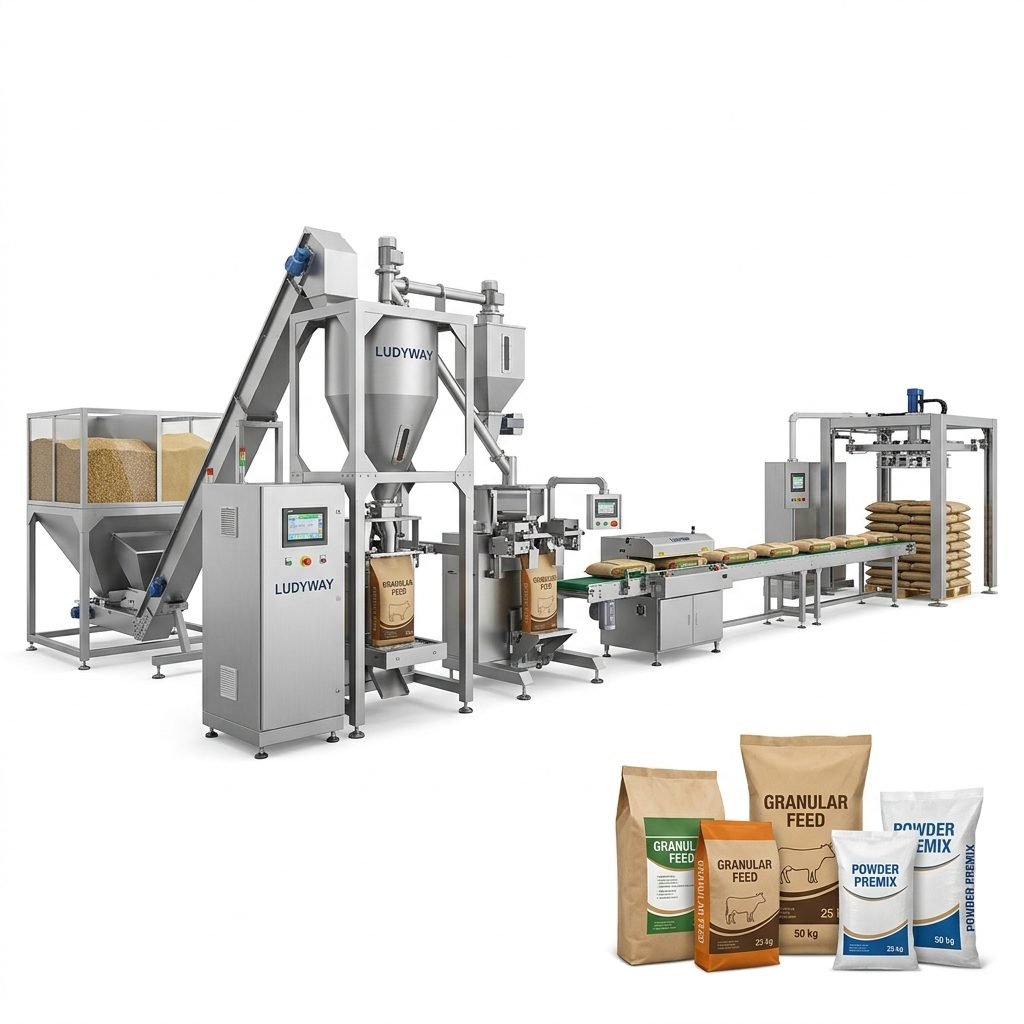
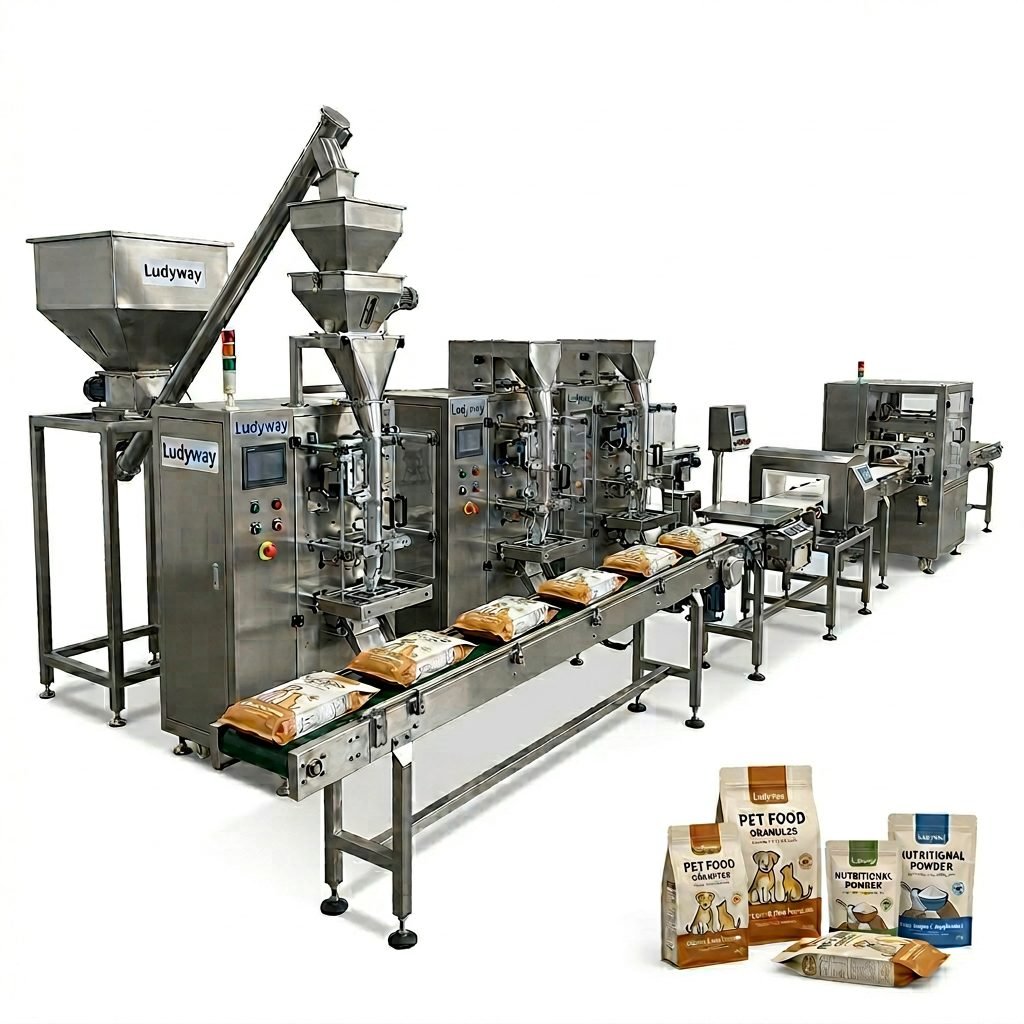
A complete food powder packaging line integrates multiple machines. Below are the core components you need to evaluate when building your system in Europe.
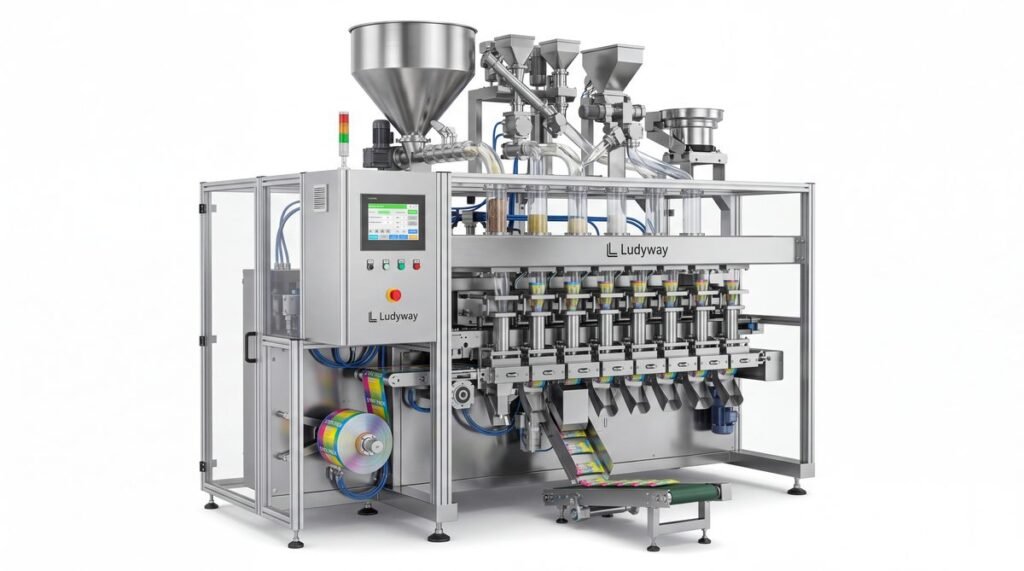
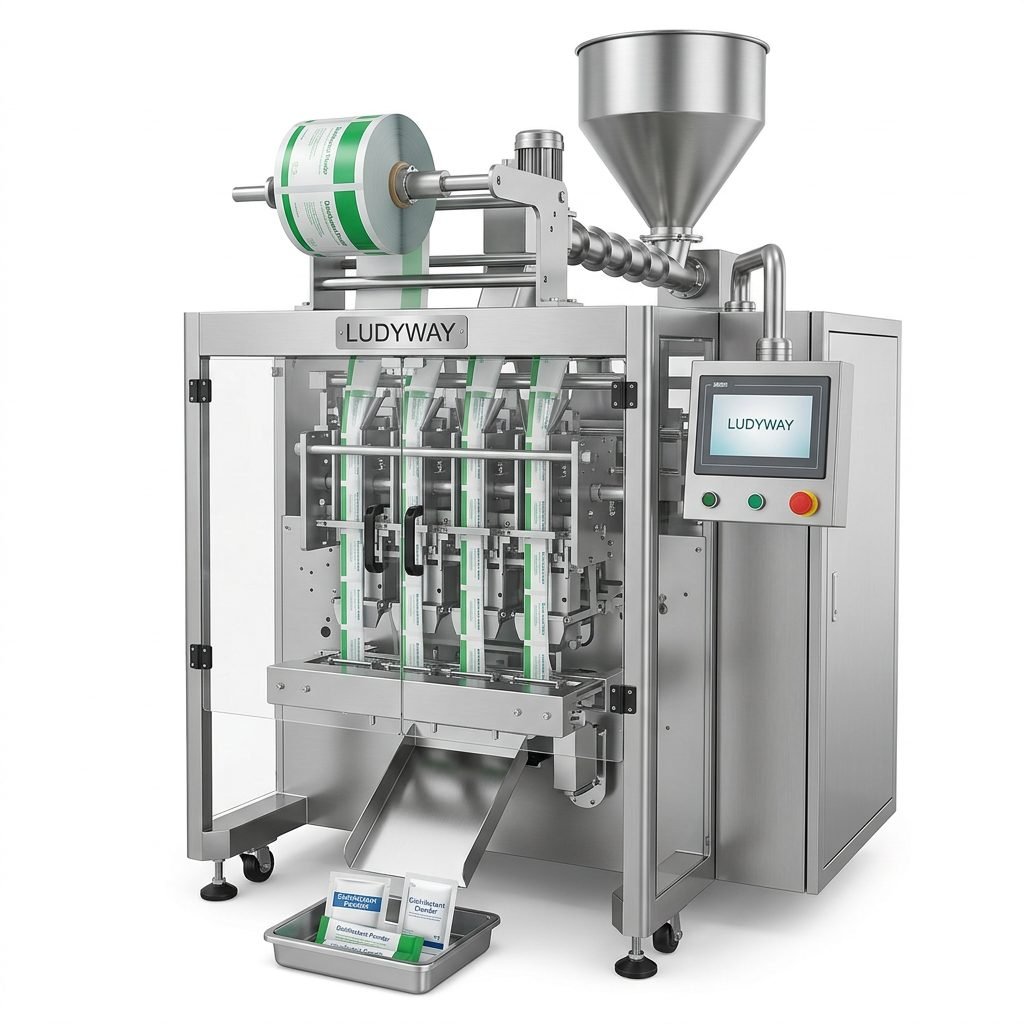
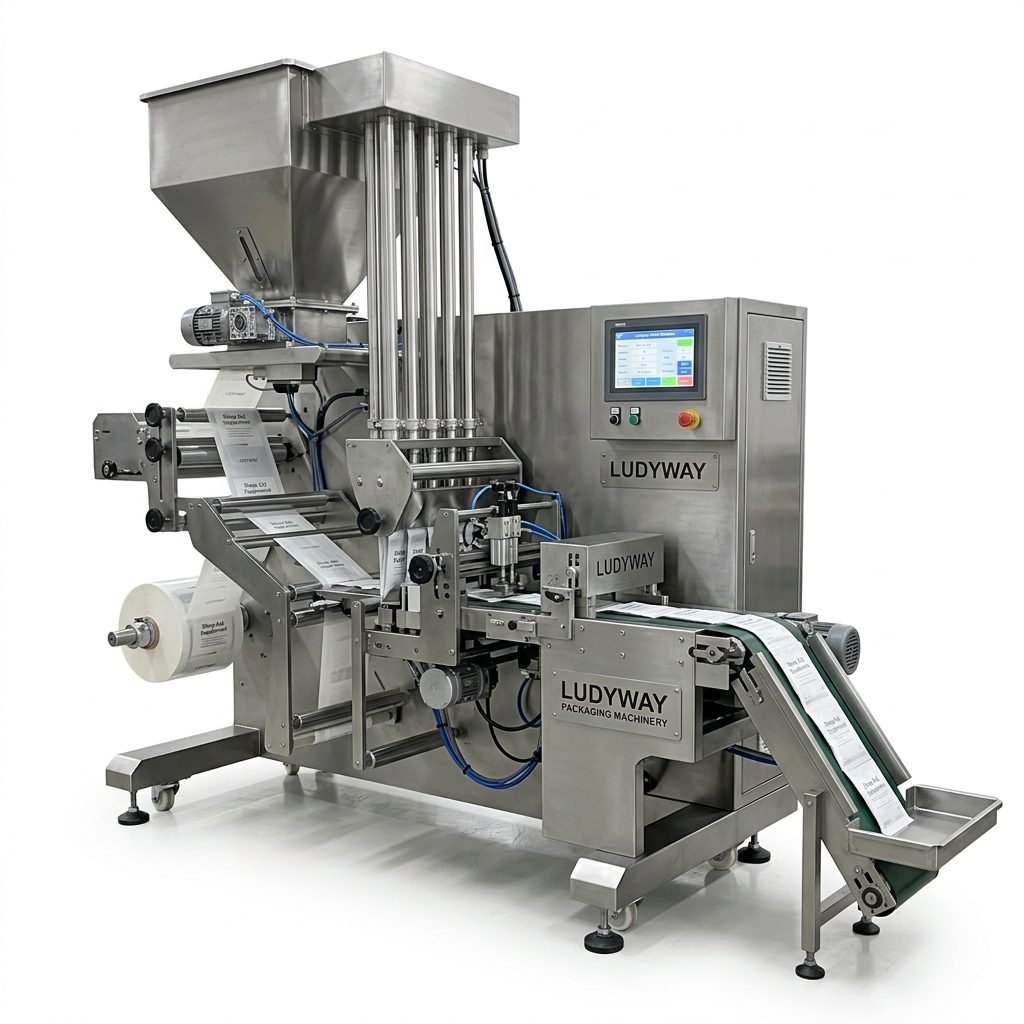
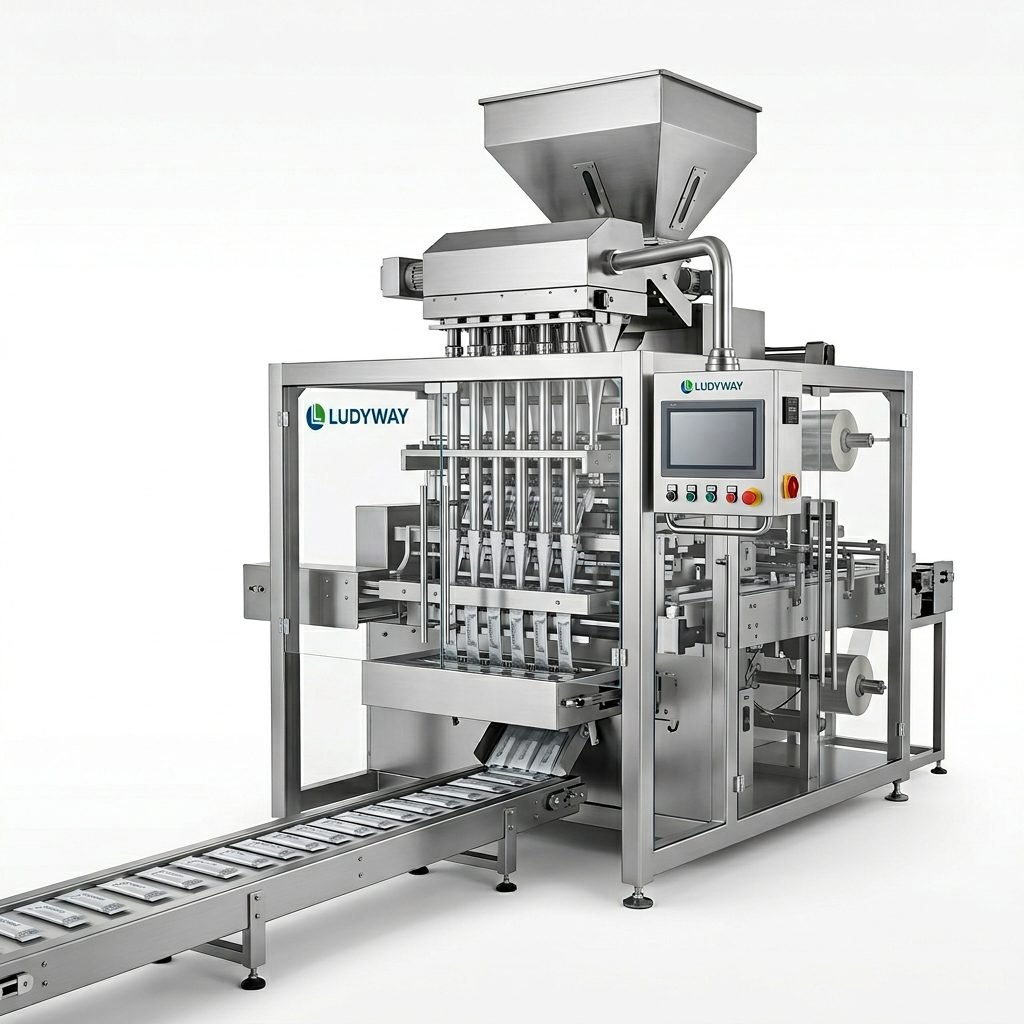
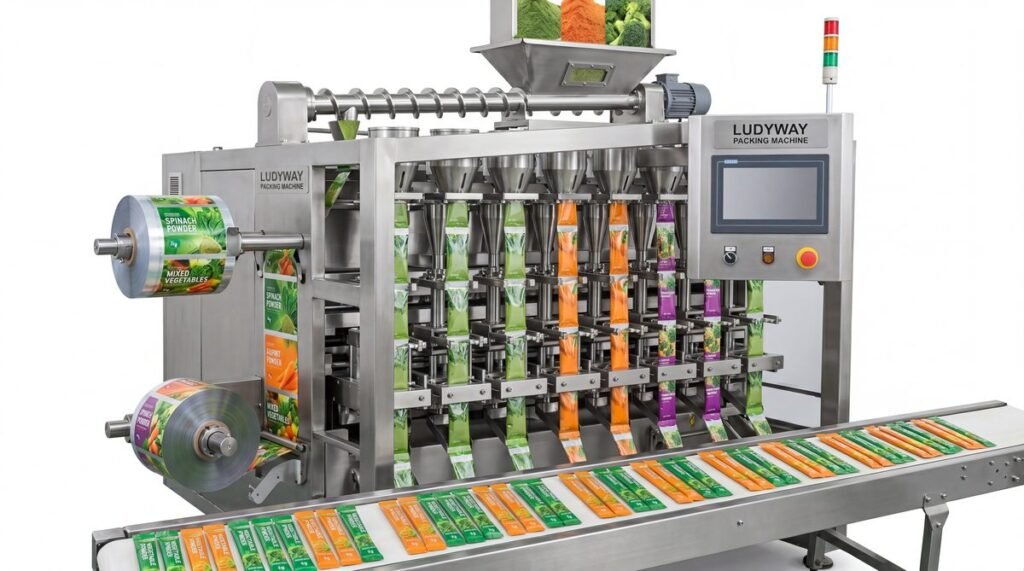
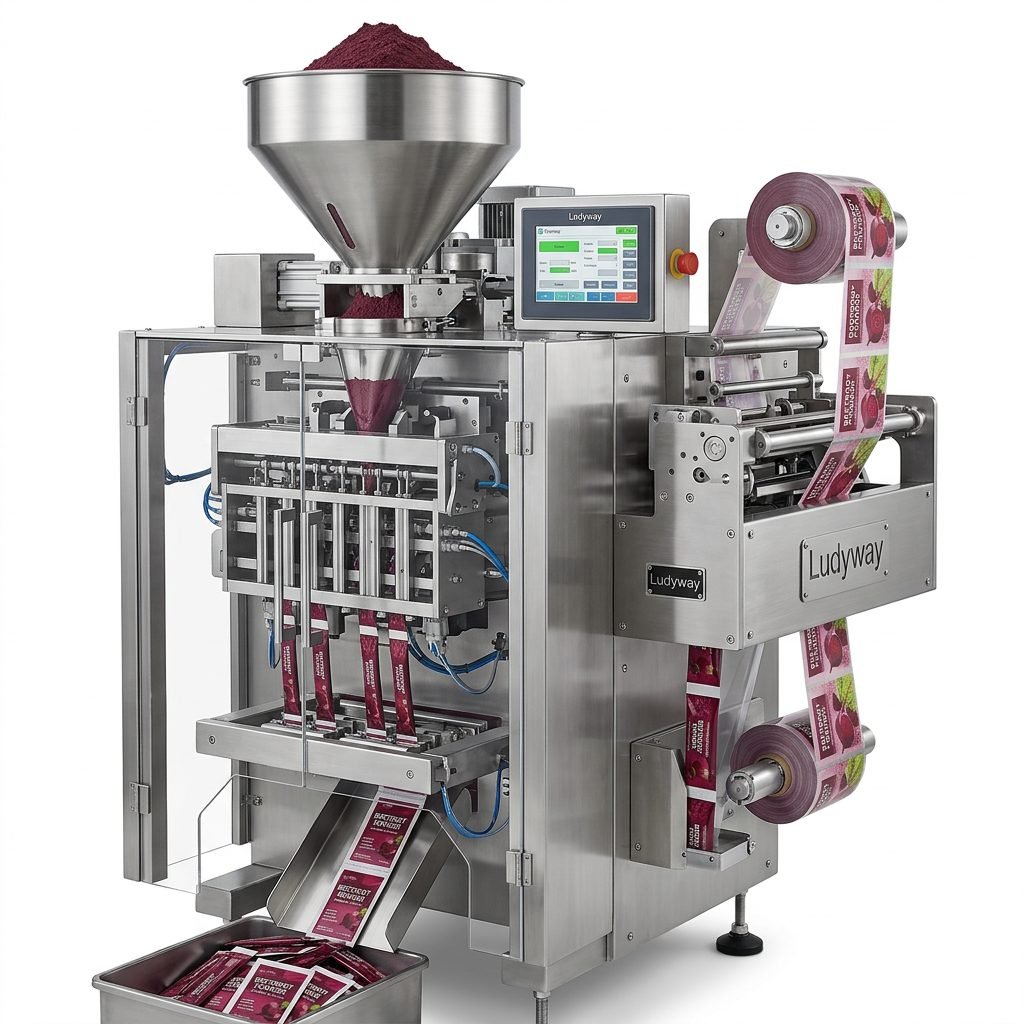
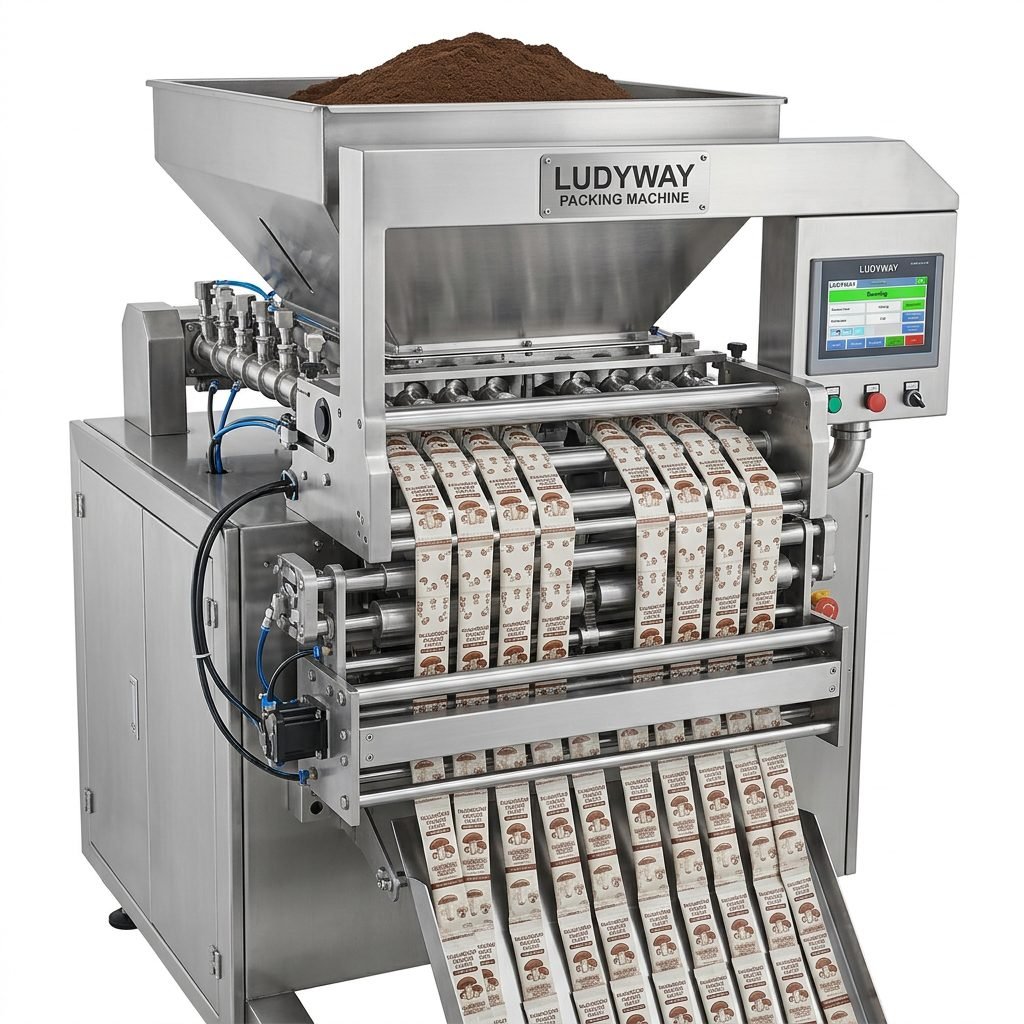
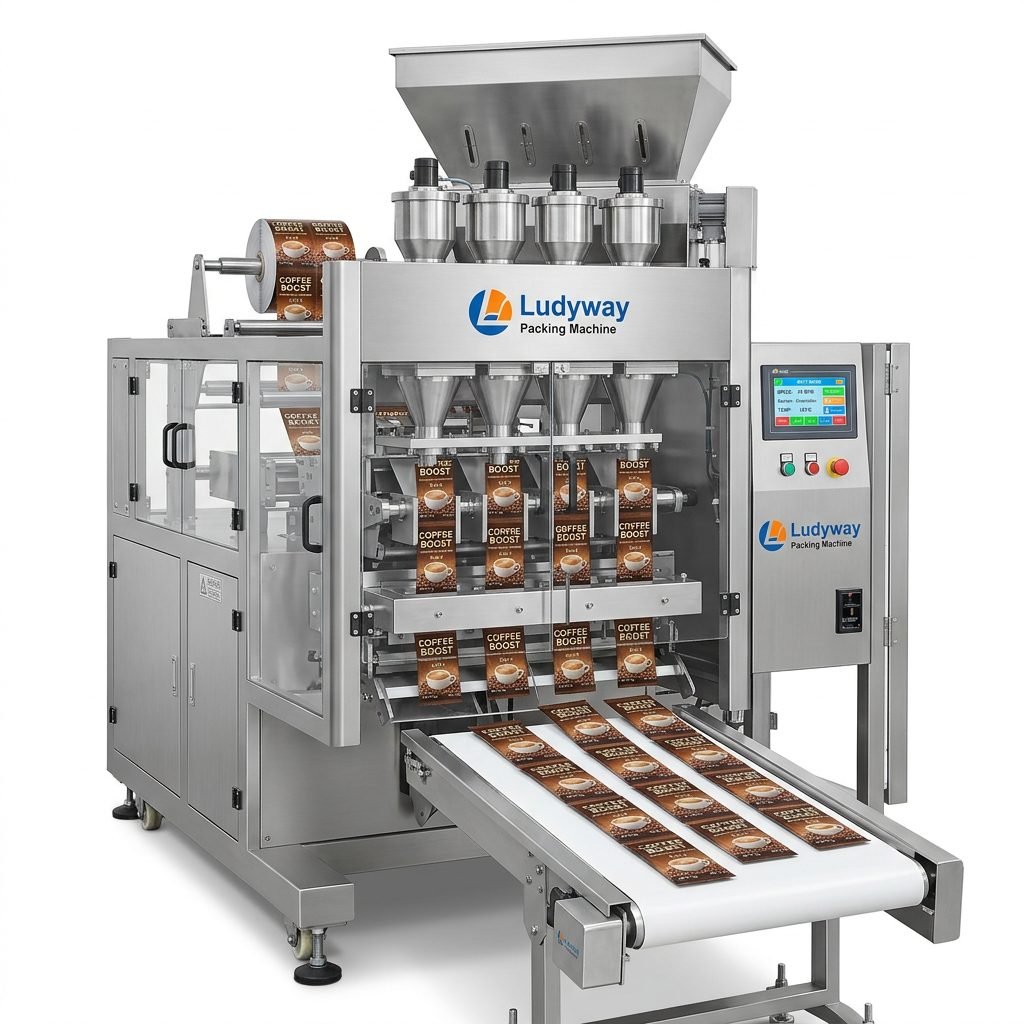
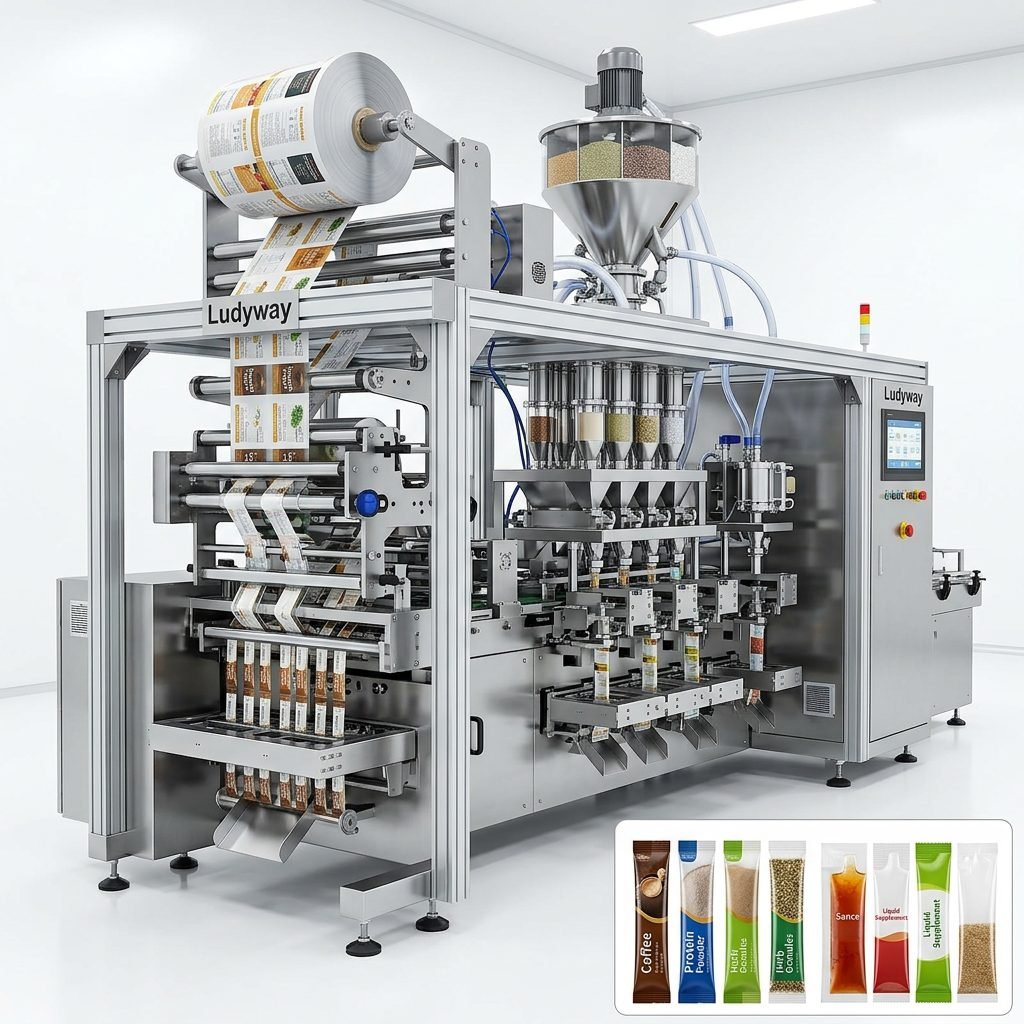
- Multi-Lane Stick Pack and Sachet Machines – Ideal for single-serve portions of coffee, sugar, and supplement powders. These machines offer high speed and minimize film waste.
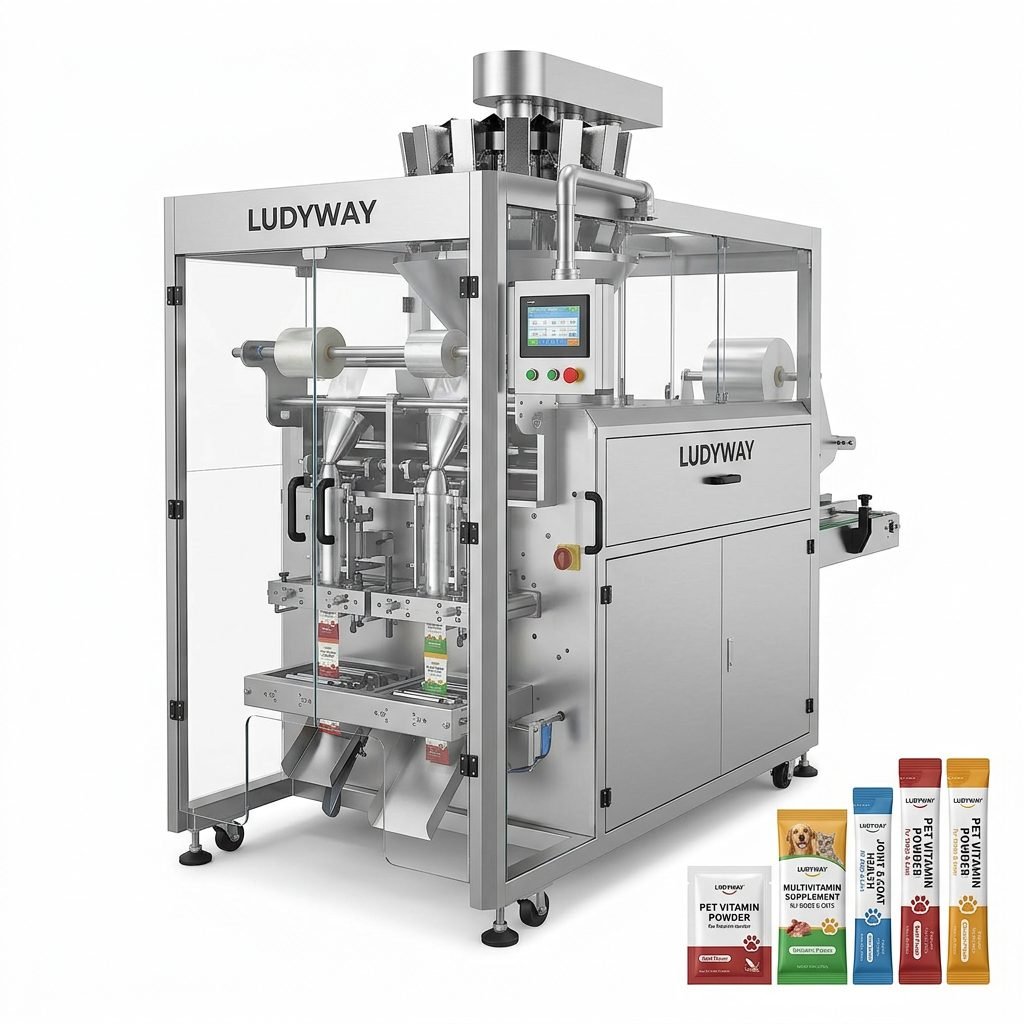
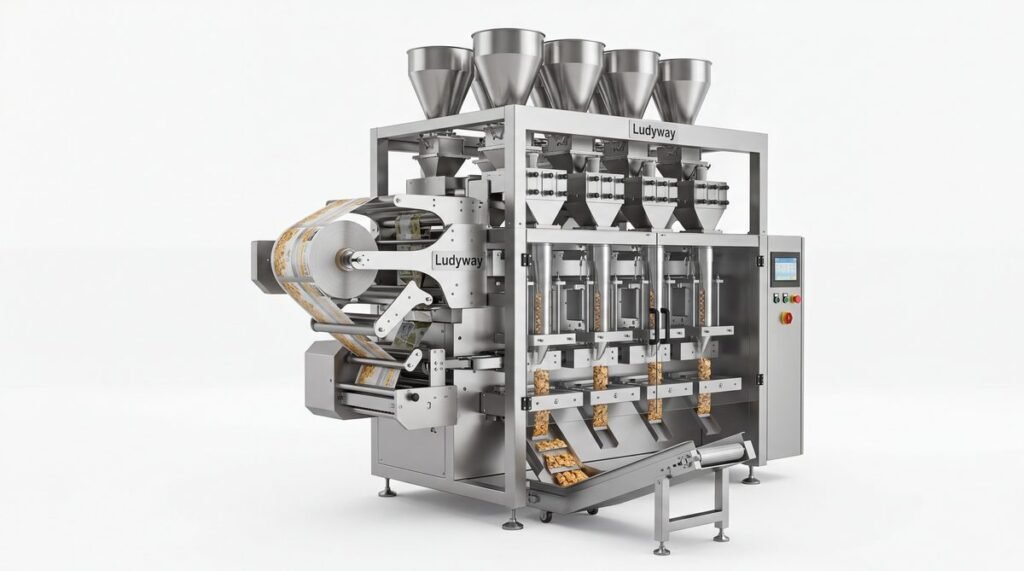
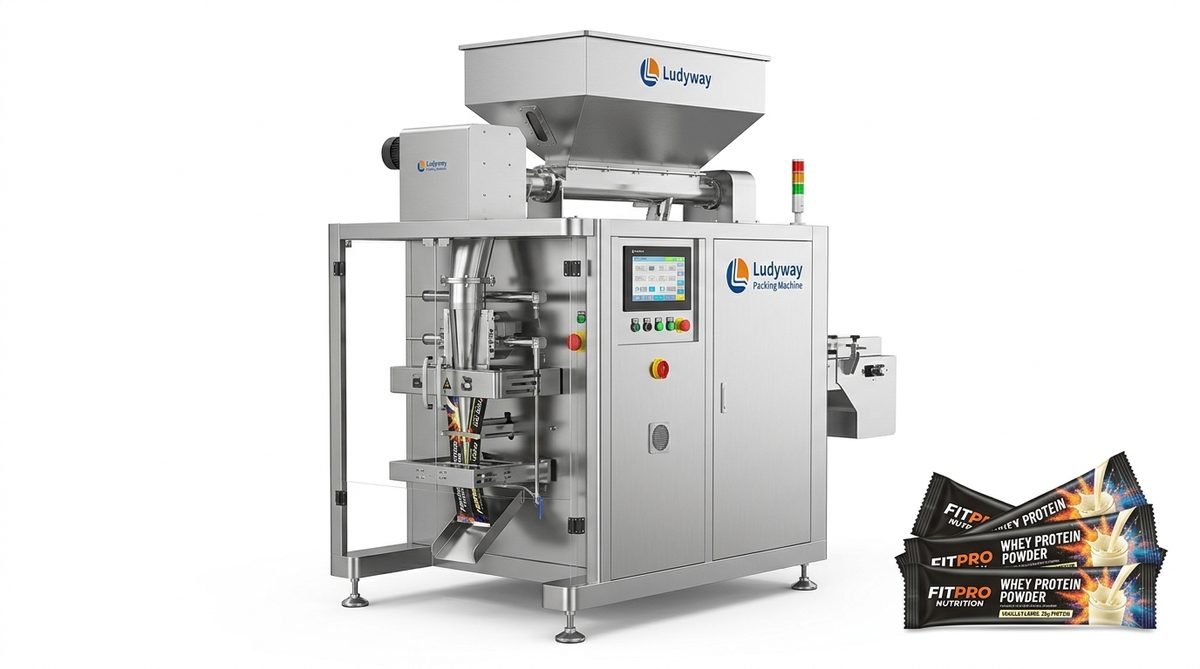
- Vertical Form Fill Seal (VFFS) Machines – Suitable for larger pouch formats ranging from 100g to 5kg, commonly used for flour, milk powder, and bakery mixes.
- Auger Filler and Weighing Systems – Critical for accurate dosing, especially with free-flowing and non-free-flowing powders. Multi-head weighers improve speed and reduce giveaway.
- Dust Collection and Containment Units – Essential for operator safety and compliance with EU workplace regulations when handling fine powders.
- Checkweighers and Metal Detectors – Mandatory for quality control and compliance with food safety directives.
- Cartoning and Palletizing Systems – End-of-line automation that reduces manual labor and increases consistency for retail distribution.
Estimated Costs and Budgeting for Your Production Line
Costs vary significantly based on automation level, output capacity, and compliance features. Below is a transparent overview of typical investment ranges for a mid-capacity line processing food-grade powders in the EU.
| Equipment / Cost Category | Estimated Range (EUR) | Notes |
|---|---|---|
| Multi-lane stick pack machine (4-8 lanes) | €80,000 – €200,000 | Depends on lanes, servo drives, and film registration |
| Auger filler with multi-head weigher | €25,000 – €70,000 | Critical for dosing accuracy; 10-head weighers cost more |
| Dust extraction and safety systems | €15,000 – €45,000 | ATEX compliance may increase cost for combustible powders |
| Checkweigher and metal detector combo | €18,000 – €50,000 | Essential for retailer compliance and HACCP |
| Cartoner and case packer | €50,000 – €150,000 | Prices rise with robotic integration |
| Installation, CE compliance, and training | €20,000 – €60,000 | Includes on-site support and documentation |
Total estimated mid-range investment: €208,000 – €575,000 for a fully integrated line. Additional costs include facility preparation, utilities, and ongoing maintenance contracts.
Step-by-Step Guide to Setting Up Your European Powder Packaging Line
Following a structured sequence minimizes downtime and ensures compliance from day one. Here is a practical roadmap used by successful food manufacturers across Europe.
Step 1: Define Your Product and Packaging Format
Start by specifying powder characteristics such as bulk density, flowability, moisture sensitivity, and particle size. Decide whether you need stick packs, sachets, pouches, or bulk bags. This decision directly impacts machine selection. For instance, high-fat powders like cappuccino mixes require auger fillers with agitators to prevent bridging, while free-flowing granulated powders work well with volumetric cup fillers.
Step 2: Select CE-Compliant Machinery and a Reliable Supplier
All equipment placed on the European market must carry CE marking and meet the Machinery Directive 2006/42/EC. Work with manufacturers that provide full technical documentation, risk assessments, and operator manuals in the required languages. Companies like Ludyway, with over 30 years of experience and a 20,000㎡ manufacturing facility, offer turnkey solutions designed to meet international standards, supporting food, pharmaceutical, and health industries across more than 100 countries.
Step 3: Lay Out Your Facility for Optimal Workflow
Design the production floor to create a logical flow from raw material intake to finished pallet storage. Consider dedicated zones for powder handling, primary packaging, secondary cartoning, and quality inspection. Ensure sufficient ceiling height for vertical conveyors and dust extraction ducting. The layout must also accommodate easy cleaning and maintenance access to comply with EU hygiene regulations.
Step 4: Integrate Quality Control and Inspection Points
Embed checkweighers, metal detectors, and vision systems within the line rather than as standalone stations. Real-time rejection of underweight or contaminated packs protects brand reputation and meets FDA food packaging requirements and EU food safety standards. Calibration protocols should be established before production ramps up, with regular audits aligned with ISO guidelines on packaging standards.
Step 5: Train Teams and Run Validation Batches
Thorough operator training prevents costly errors during live production. Conduct Installation Qualification (IQ), Operational Qualification (OQ), and Performance Qualification (PQ) protocols before commercial runs. Document every stage to satisfy both internal quality teams and external auditors. This step is especially critical when packaging products destined for major European supermarket chains.
Regulatory and Sustainability Considerations in Europe
The European Green Deal and the upcoming Packaging and Packaging Waste Regulation (PPWR) are reshaping packaging choices. Producers must consider recyclable mono-material films, reduced plastic usage, and accurate on-pack labeling. Staying informed through resources like the European Commission’s packaging waste directives and Flexible Packaging Association industry resources helps manufacturers adapt quickly.
Common Challenges and How to Solve Them
- Dust explosion risks – Install certified ATEX-rated dust collection and implement proper grounding procedures.
- Film sealing inconsistencies – Use machines with precise temperature control and adjustable dwell times for different film materials.
- Weighing inaccuracies – Regular recalibration and selecting the correct filler type based on powder flow characteristics eliminate giveaway.
- Line speed bottlenecks – Balance the output of each machine; adding buffer conveyors between primary and secondary packaging can stabilize throughput.
Industry Data and Market Outlook
According to PMMI’s 2026 Packaging State of the Industry report, the European packaging machinery market continues to grow, with flexible packaging and automation driving demand. The shift toward single-serve and on-the-go consumption supports increased adoption of multi-lane stick pack lines for products ranging from electrolyte powders to instant beverages. Understanding these macro trends informs better capital investment decisions.
Selecting the Right Technology Partner
Choosing a partner with proven expertise in powder applications reduces project risk. Evaluate potential suppliers based on technical support responsiveness, spare parts availability in Europe, remote troubleshooting capability, and documented CE compliance history. Reference visits and factory acceptance tests provide confidence before shipment, while post-installation support ensures long-term performance stability.
Useful Resources and Further Reading
- Ludyway Packaging Machinery Global Growth Trend Report
- PMMI 2026 State of the Industry Report
- ISO 11607 Packaging for Terminally Sterilized Medical Devices
- Flexible Packaging Association Official Website
- European Commission Packaging and Packaging Waste Regulation

Investing in a food powder packaging machine production line in Europe is a significant but rewarding step. By aligning equipment choices with product characteristics, regulatory demands, and realistic budgets, manufacturers can achieve efficient operations that meet the expectations of discerning European retailers and consumers. A systematic approach to equipment selection, facility planning, and compliance readiness creates a strong foundation for sustainable growth in this competitive sector.