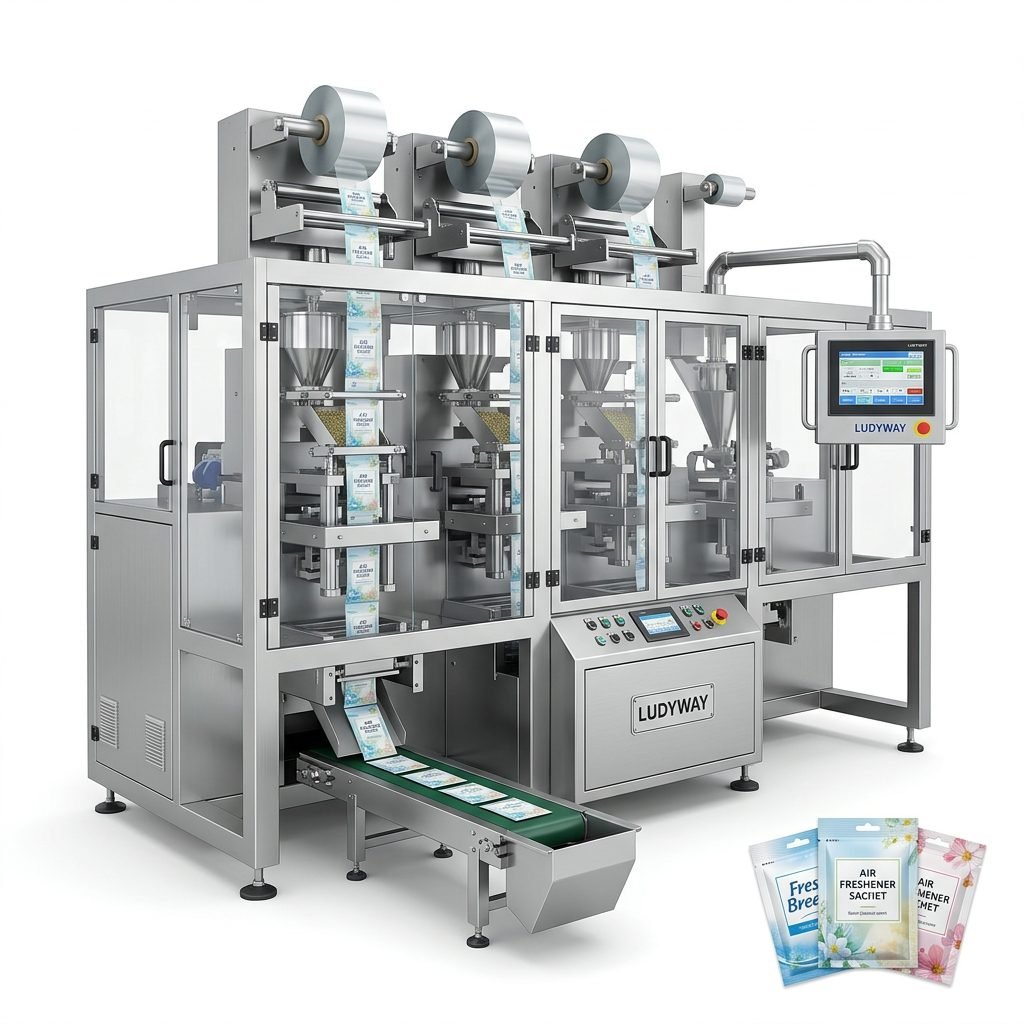
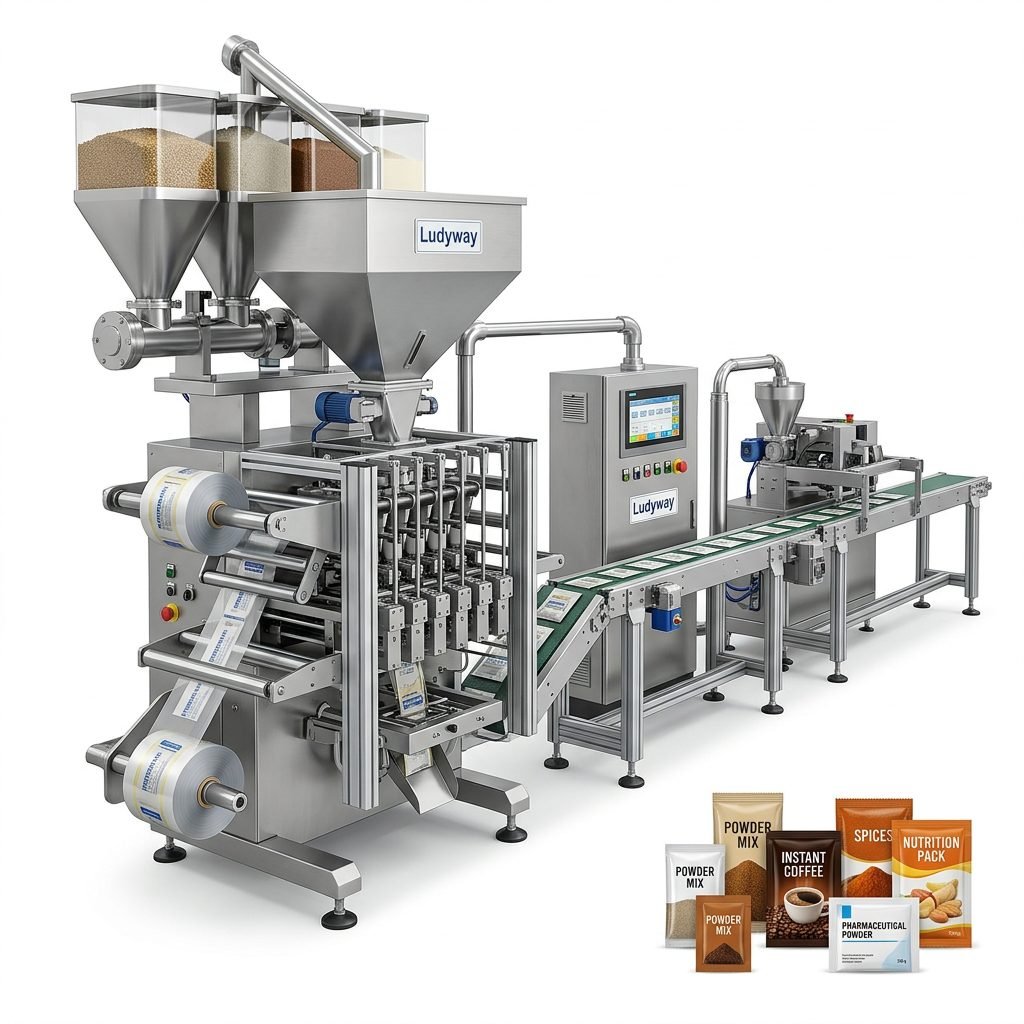
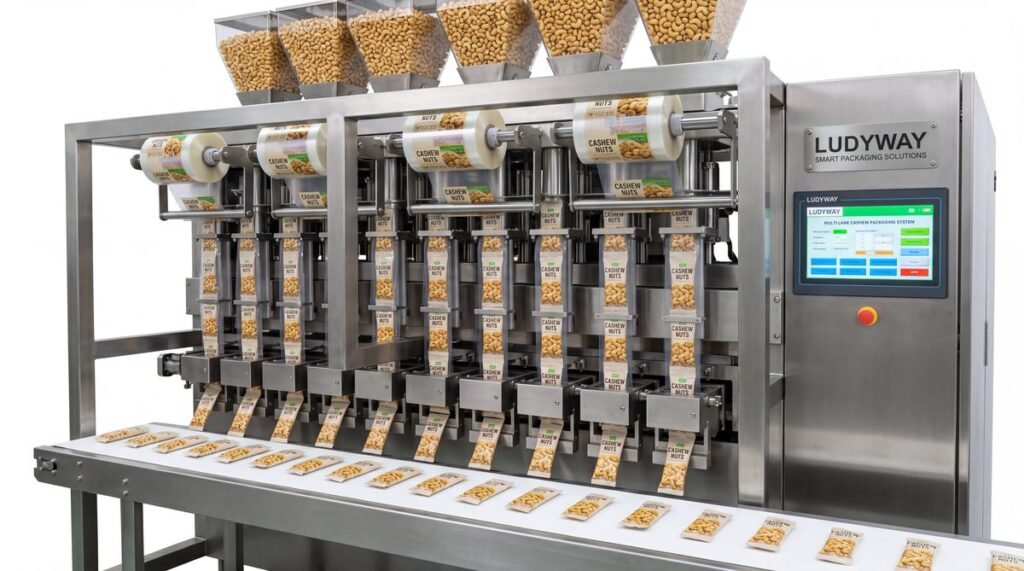
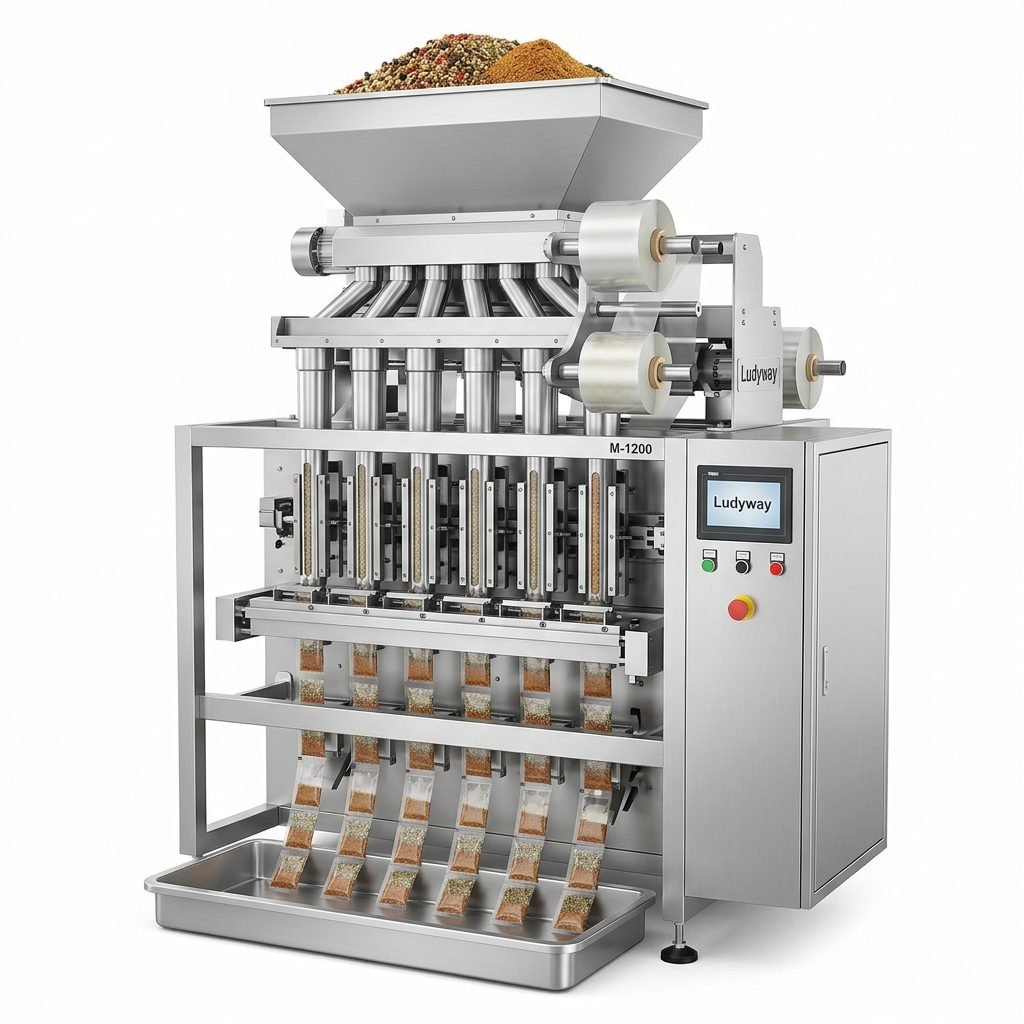
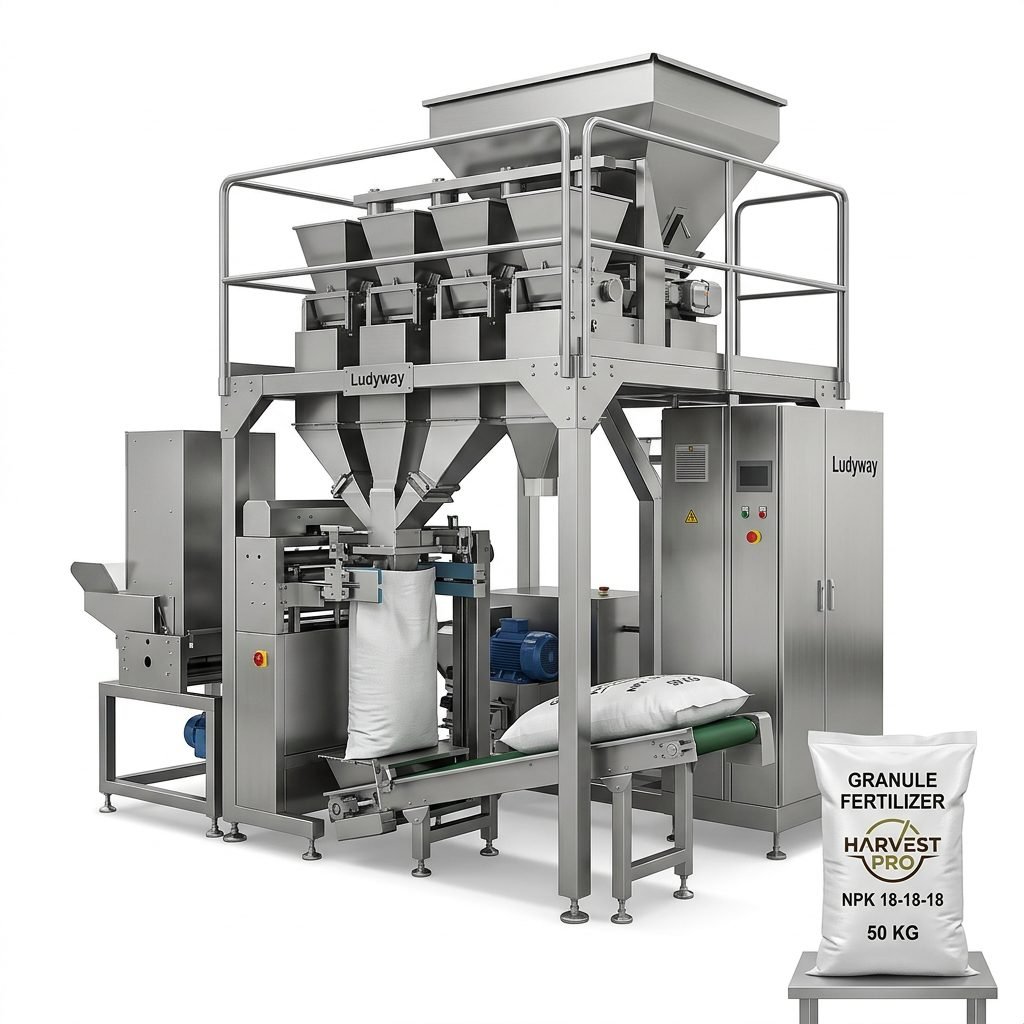
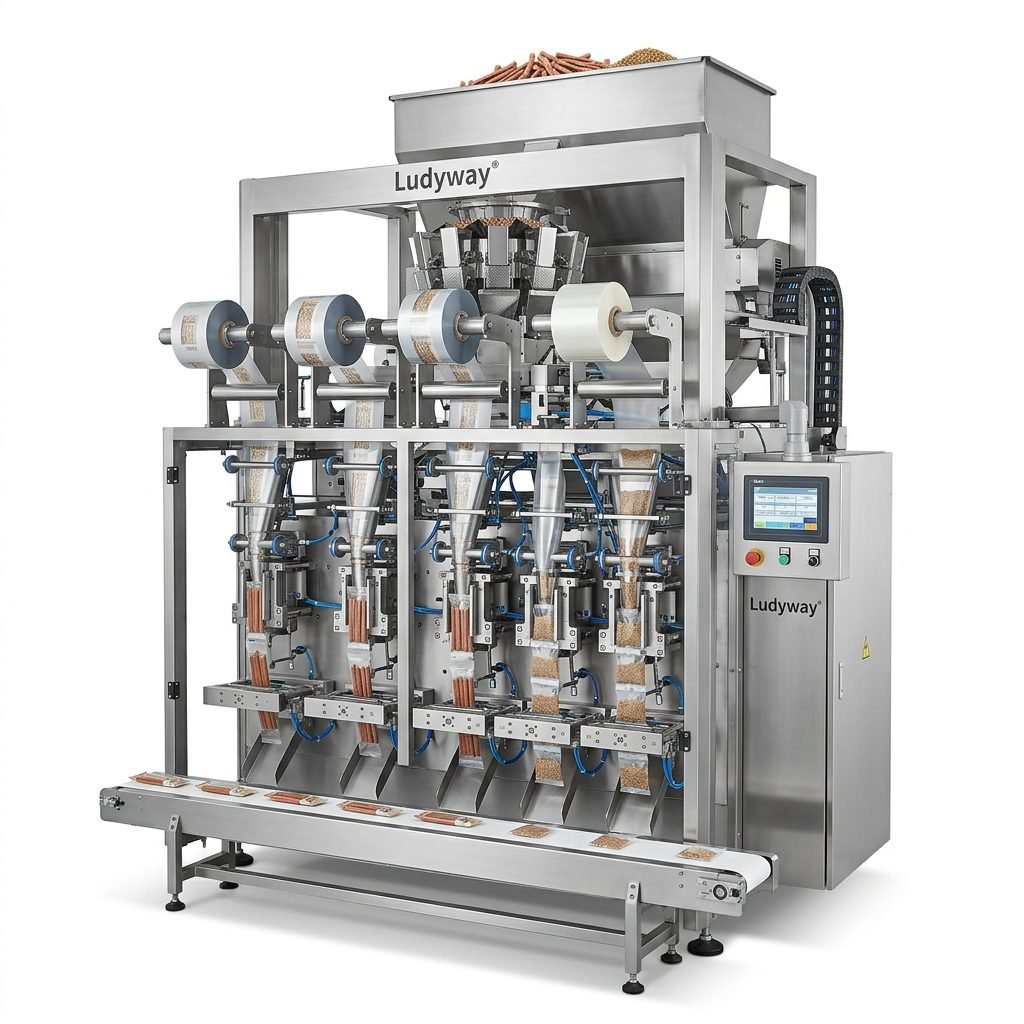
Investing in a flex pouch packing machine is a critical decision that directly impacts your production efficiency, product quality, and long-term profitability. With so many configurations, technologies, and suppliers available in today’s market, selecting the right equipment requires a systematic evaluation of your specific needs, operational goals, and technical requirements. This comprehensive buyer’s guide walks you through the essential factors to consider before making a purchase.
1. Define Your Product Characteristics and Packaging Requirements
Before evaluating any flex pouch packing machine, you need a thorough understanding of the product you are packaging. Different products place vastly different demands on filling systems, sealing mechanisms, and material handling components.
Start by documenting these critical product attributes:
- Physical form: Is your product a free-flowing powder, sticky granule, viscous liquid, paste, or solid piece? Each form requires a specific dosing and filling technology.
- Flow properties: Products with poor flowability or high dust generation need specialized auger fillers or vacuum-assisted systems.
- Hygroscopicity and sensitivity: Products that absorb moisture or are oxygen-sensitive may require nitrogen flushing and high-barrier packaging films.
- Particle size and abrasiveness: Coarse or abrasive materials can cause excessive wear on contact parts and may need hardened or ceramic-lined dosing systems.
- Target fill weight or volume: This determines the dosing range and the required precision level of your filling system.
Understanding these product-related requirements is the foundation for all subsequent machine configuration decisions. According to PMMI packaging industry resources, matching the dosing technology to product characteristics is one of the most common challenges in packaging machinery selection.
2. Select the Appropriate Pouch Format and Dimensions
Flex pouch packing machines can produce a wide variety of bag formats. The right choice depends on your market positioning, customer preferences, distribution channels, and product compatibility.
Common pouch formats include:
- Three-side seal pouches: Ideal for single-serve sachets and stick packs for powders, granules, and liquids.
- Four-side seal pouches: Often used for products requiring a more uniform appearance and better barrier protection.
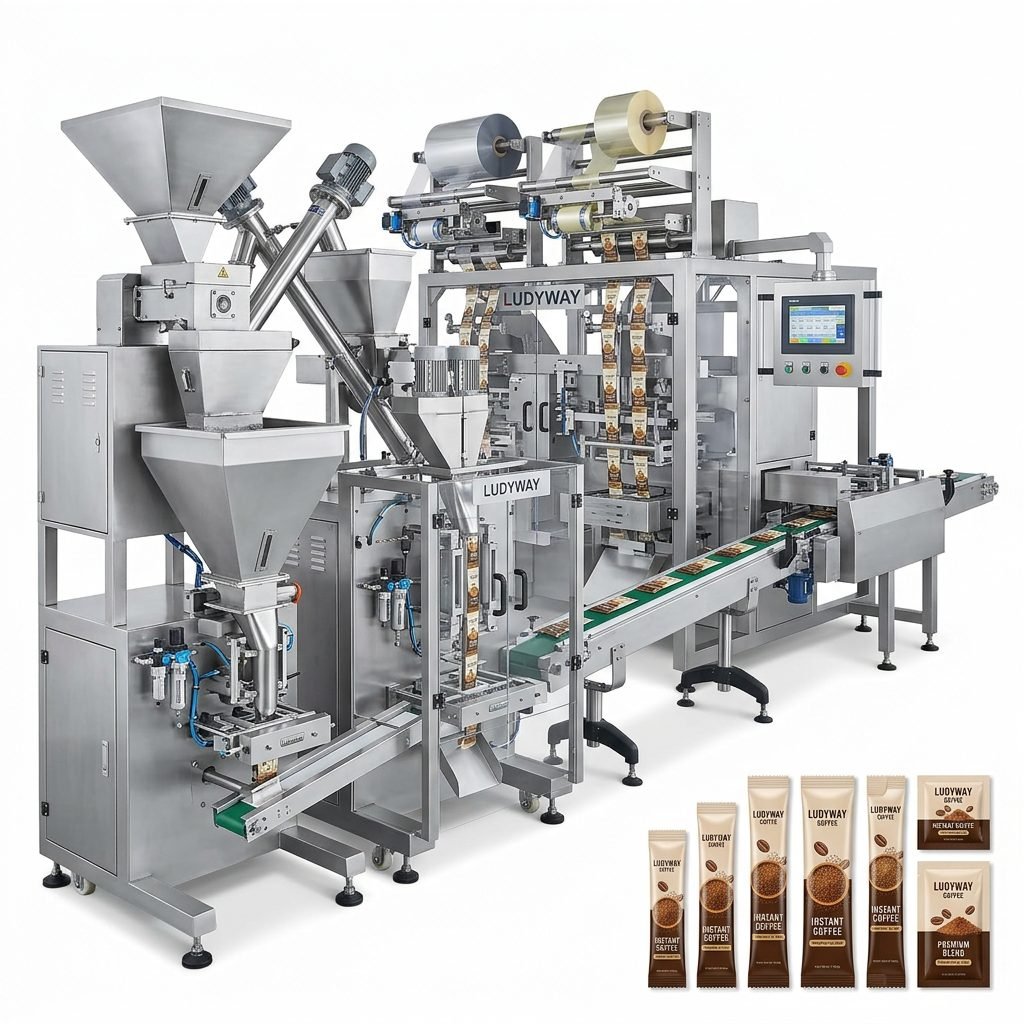
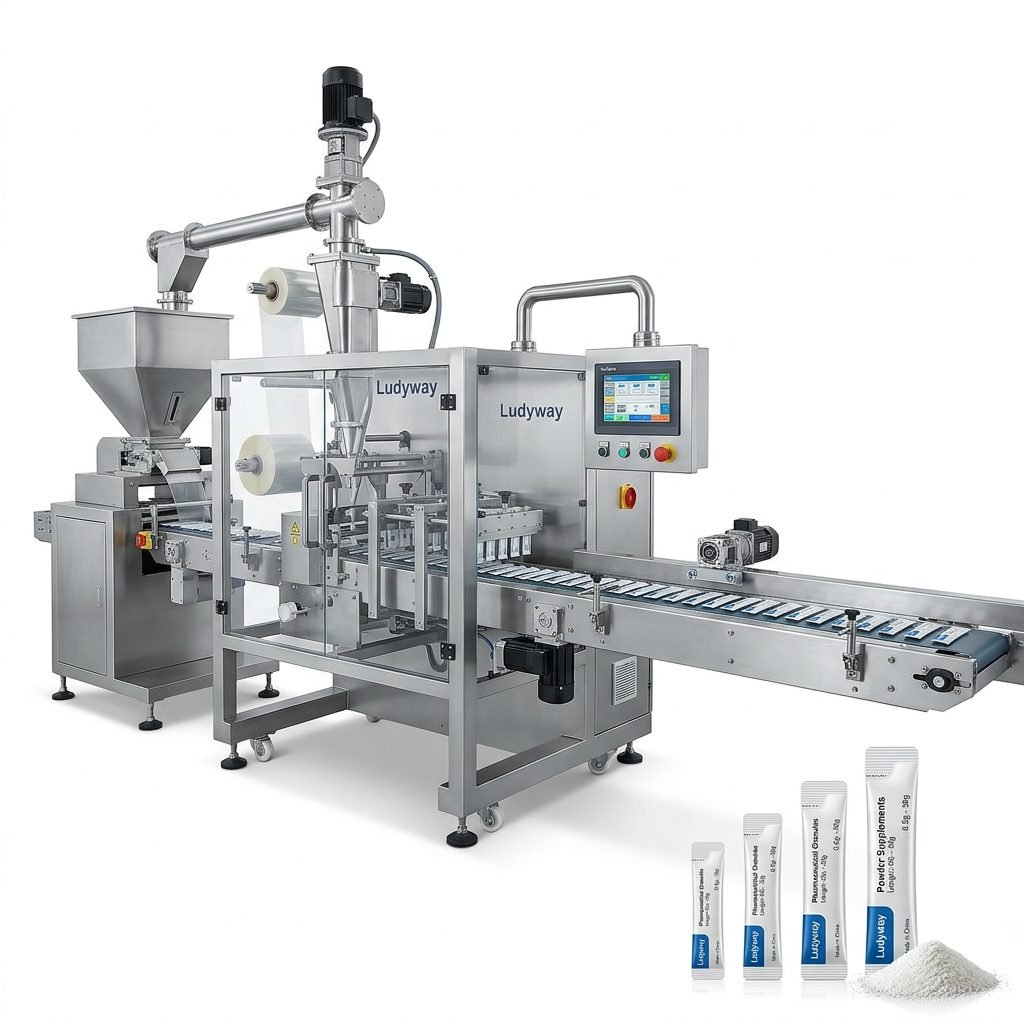
- Stick packs: Long, narrow single-serve formats popular in food, beverage, nutraceutical, and pharmaceutical industries.
- Stand-up pouches: Increasingly used for larger volumes and products requiring shelf differentiation.
- Gusseted pouches: Provide additional volume capacity and stability on retail shelves.
The Flexible Packaging Association regularly publishes data showing that stick pack and sachet formats continue gaining market share due to convenience and portion-control trends. When evaluating a flex pouch packing machine, ensure it can accommodate your current pouch dimensions while offering flexibility for future product line extensions.
3. Determine the Required Production Speed and Automation Level
Production speed is one of the most critical specifications when choosing a flex pouch packing machine. However, it is important to align your machine’s capacity with realistic demand forecasts, not just peak production requirements.
| Production Scale | Typical Speed Range | Recommended Configuration |
|---|---|---|
| Small batch / R&D | 30–60 pouches/min | Single-lane, semi-automatic machine |
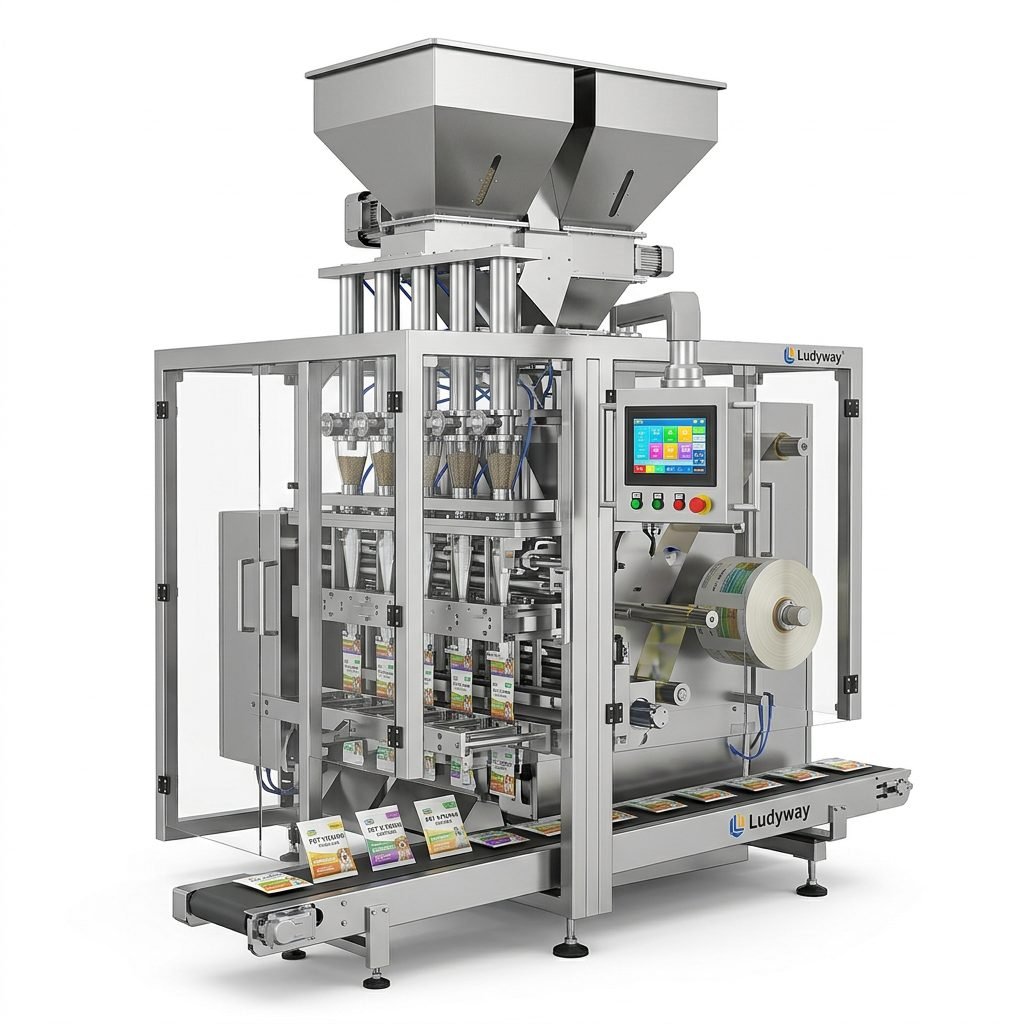
| Medium production | 100–300 pouches/min | 4-8 lane automatic machine |
| High-volume production | 400–1,200+ pouches/min | 10-16+ lane fully automated system |
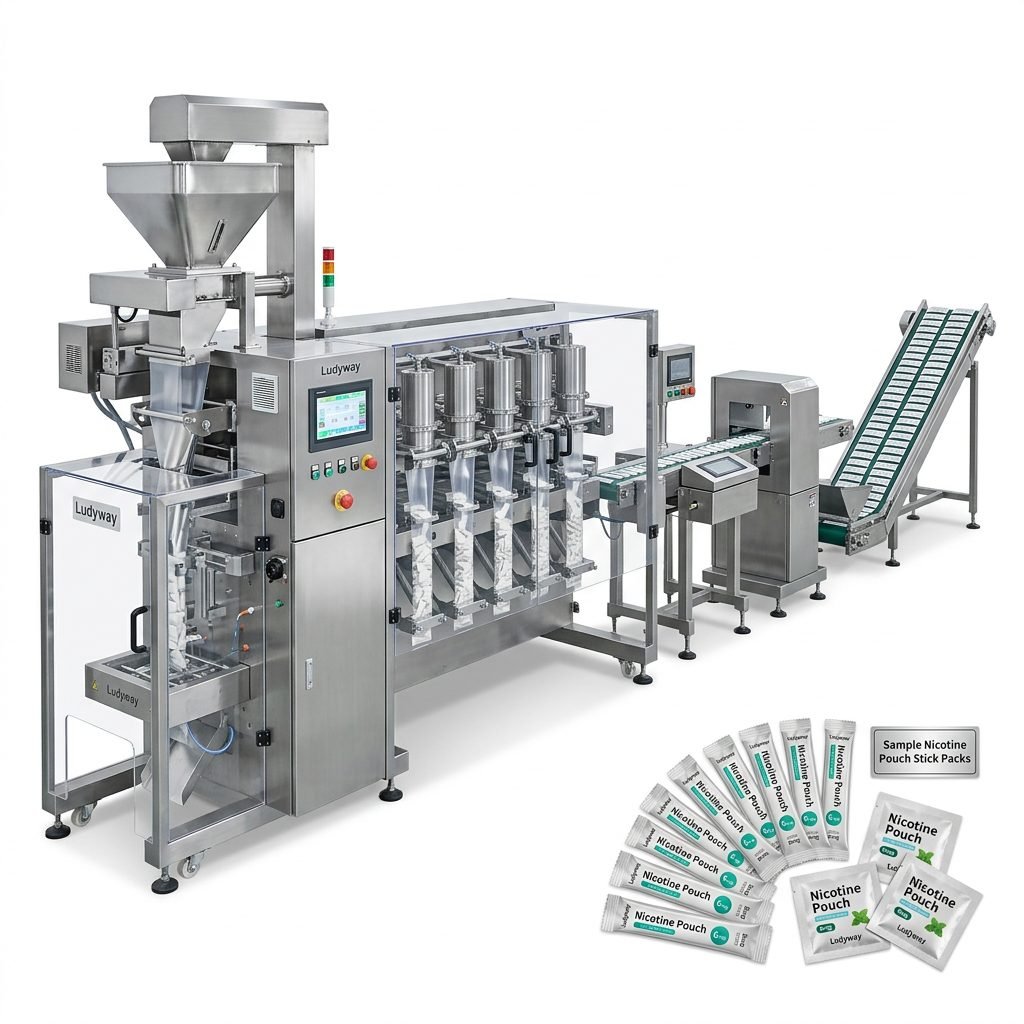
Beyond the basic speed rating, consider how the machine integrates with upstream and downstream equipment. Automated feeding systems, checkweighers, reject stations, cartoning machines, and palletizing systems can significantly increase overall line efficiency, but they require careful coordination with the primary packaging unit.
4. Evaluate Filling and Dosing Technology
The filling system is the heart of any flex pouch packing machine. Different dosing technologies are optimized for different product types and precision requirements.
Key filling technologies include:
- Auger fillers: Best suited for powders and fine granules. They provide excellent accuracy and can handle a wide range of powder densities. Auger systems are widely used in food and pharmaceutical packaging applications where precise dosing is critical.
- Volumetric cup fillers: A cost-effective option for free-flowing granules and uniform particles. These systems are simpler mechanically and easier to clean.
- Piston fillers: Designed for liquids, pastes, creams, and viscous products. Piston filling delivers high accuracy for a broad viscosity range.
- Multi-head weighers: The preferred solution for high-speed applications requiring combination weighing for optimal accuracy, especially with irregular product pieces.
- Net weight fillers: Used for larger pouch formats or when fill weight verification is critical for regulatory compliance.
When evaluating dosing technology, consider not only the initial accuracy specifications but also how the system maintains accuracy over extended production runs and across different operators and shifts.
5. Consider Packaging Material Compatibility
Your flex pouch packing machine must be compatible with the packaging films you plan to use. Different films have varying heat-sealing characteristics, coefficients of friction, and mechanical properties that affect machine performance.
Important film-related considerations include:
- Sealing temperature range: Multi-layer laminates, polyethylene, polypropylene, and foil-based films each require different heat-sealing parameters.
- Film thickness and stiffness: Thinner films may require more precise tension control to avoid wrinkling or misfeeds.
- Barrier requirements: Products sensitive to oxygen or moisture may require high-barrier films, which can influence sealing system design.
- Sustainability trends: The growing shift toward recyclable and biodegradable films is driving changes in sealing technology requirements. The Flexible Packaging Association actively tracks these material innovation trends.
Always test your specific film on the target machine before finalizing a purchase. A machine that runs one type of laminate perfectly may not handle another film with the same reliability.
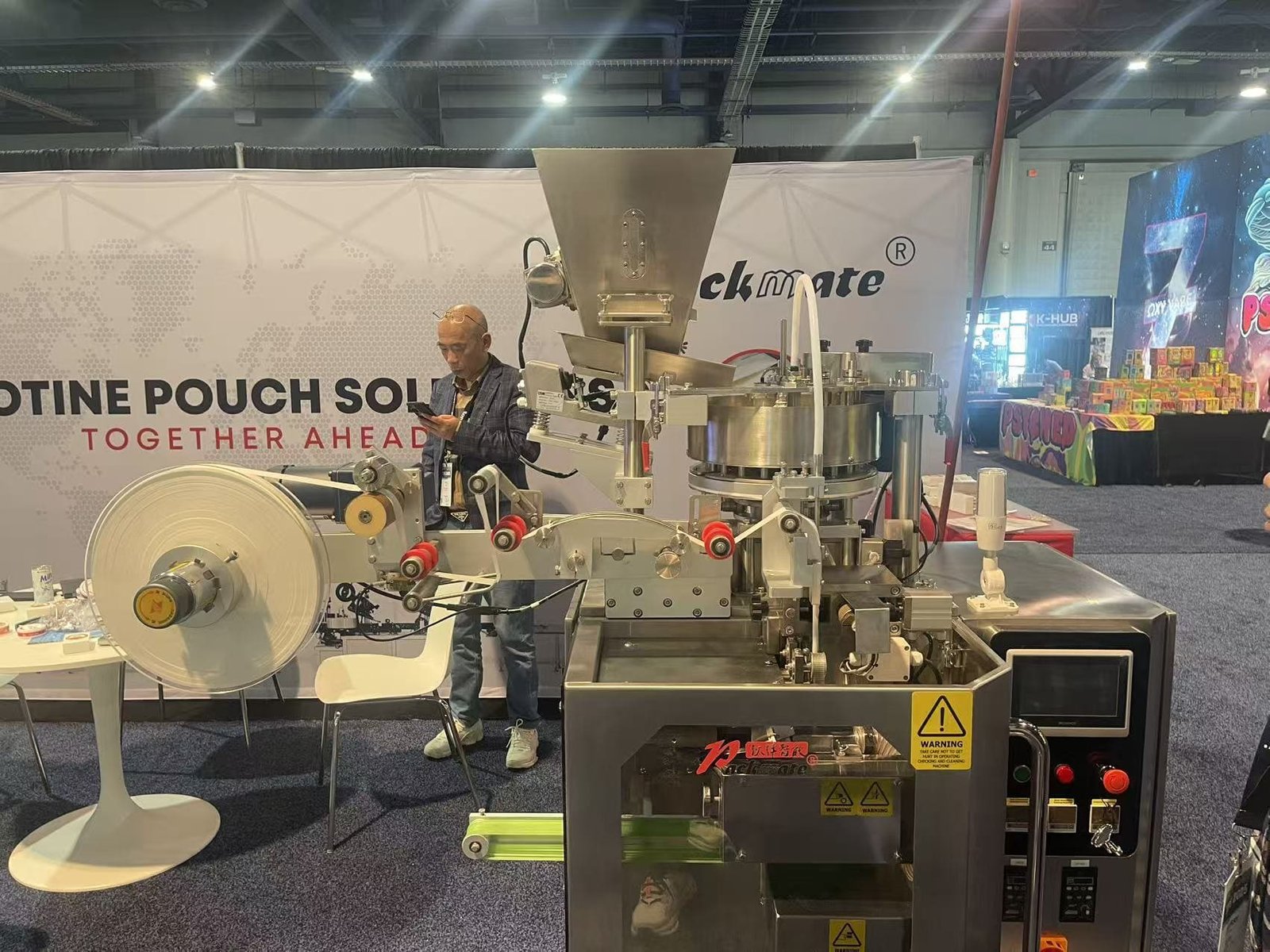
6. Assess Quality, Compliance, and International Standards
For manufacturers serving regulated industries such as pharmaceuticals, medical devices, or food and beverage, machine quality and regulatory compliance are non-negotiable. Your flex pouch packing machine should be designed and built in accordance with applicable standards.
Key quality and compliance factors to evaluate:
- GMP compliance: Machines for pharmaceutical and food applications should feature sanitary design, easy-clean surfaces, and validated cleaning protocols.
- Material traceability: Contact parts should be documented with material certificates, and the machine should support product traceability requirements.
- Validation support: For regulated applications, suppliers should be able to provide Installation Qualification (IQ), Operational Qualification (OQ), and Performance Qualification (PQ) documentation.
- Certifications: Depending on the target market, CE marking, FDA compliance, or other regional certifications may be required. Refer to FDA food packaging regulations and relevant ISO packaging standards for guidance.
- Electrical and safety standards: Machines should meet applicable electrical safety standards and include appropriate guarding, emergency stops, and safety interlocks.
Request documentation from the manufacturer early in the evaluation process. Reputable suppliers will be transparent about their certifications, testing procedures, and quality management systems.
7. Plan for Integration and Factory Layout
A flex pouch packing machine rarely operates in isolation. Consider how the new equipment will integrate into your existing production line and factory layout. Key factors include:
- Upstream integration: How will product be fed to the packaging machine? Options include manual loading, conveyor systems, bucket elevators, vacuum feeders, and direct connection from upstream processing equipment.
- Downstream integration: What happens to pouches after they leave the primary packaging machine? Consider cartoning, case packing, palletizing, and stretch wrapping requirements.
- Utility requirements: Verify compressed air specifications, electrical supply, and any special ventilation or dust extraction requirements.
- Floor space and access: Ensure adequate space for operation, maintenance access, film roll loading, and cleaning procedures.
Planning for turnkey packaging line integration from the start helps avoid costly retrofits and production bottlenecks later. Working with a manufacturer that can supply complete integrated systems rather than standalone machines often simplifies this process significantly.
8. Evaluate Total Cost of Ownership, Not Just Purchase Price
The purchase price of a flex pouch packing machine is just one component of its total cost of ownership. A thorough financial analysis should account for all costs over the machine’s expected service life.
| Cost Category | Key Considerations |
|---|---|
| Initial purchase | Base machine price, options, tooling, shipping, import duties |
| Installation and commissioning | Site preparation, installation labor, commissioning time, training |
| Operating costs | Labor, electricity, compressed air, packaging film waste |
| Maintenance and spares | Preventive maintenance, wear parts, spare parts inventory, technician availability |
| Downtime costs | Lost production during breakdowns, changeover times, cleaning procedures |
A machine with a lower purchase price but higher maintenance requirements, more film waste, longer changeover times, or less reliable performance can quickly become more expensive than a higher-quality alternative. Always request detailed specifications on expected wear part life, recommended spare parts lists, and typical maintenance schedules before comparing machines.
9. Choose the Right Manufacturing Partner
The long-term success of your packaging operation depends not only on the machine itself but also on the manufacturer behind it. When evaluating flex pouch packing machine suppliers, consider their experience, engineering capabilities, and commitment to after-sales support.
Key supplier evaluation criteria include:
- Industry experience and track record: How many years has the manufacturer been building packaging machinery? Do they have references from companies in your specific industry?
- Manufacturing and engineering capabilities: Does the supplier have in-house manufacturing, or do they outsource key components? In-house manufacturing often provides better quality control and faster response to customization requests.
- Customization and engineering support: Can the supplier modify machine configurations to match your specific product, packaging material, and production requirements?
- Global service and technical support: If you operate in multiple locations, does the supplier have the capability to provide support internationally?
- Spare parts availability and lead times: Quick access to genuine spare parts is essential for minimizing downtime.
- Remote assistance capabilities: Modern suppliers should offer remote troubleshooting and diagnostics to resolve issues quickly.
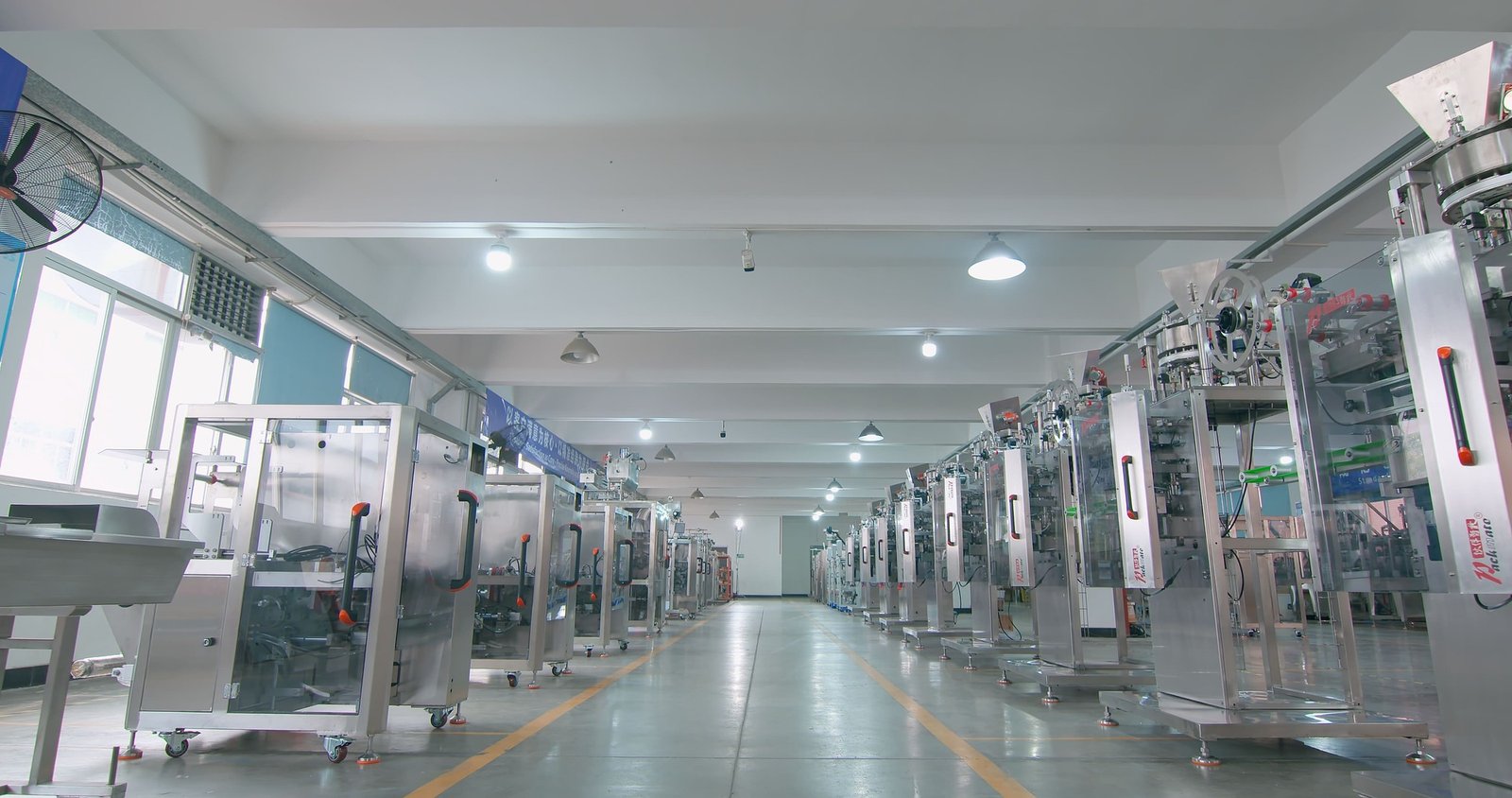
One manufacturer that exemplifies these qualities is Ludyway Machinery, a China-based packaging machinery manufacturer with more than 30 years of industry experience and a 20,000-square-meter manufacturing facility. With over 130 professionals and more than 50 packaging machine models, Ludyway combines manufacturing expertise, engineering capabilities, and global growth trajectory to serve manufacturers in over 100 countries. The company is expected to achieve export revenue of more than RMB 500 million (approximately US$69 million) in 2025, and plans to surpass RMB 1 billion (approximately US$138 million) in export revenue in 2026, reflecting its strong position in the international packaging machinery market.

10. Request Machine Trials and Factory Acceptance Testing
Before finalizing a flex pouch packing machine purchase, insist on a machine trial using your actual product and packaging film. A trial reveals critical performance characteristics that cannot be evaluated from specification sheets alone.
During a machine trial, observe and document:
- Actual production speed: Does the machine consistently achieve the stated speed with your product and film?
- Fill accuracy and consistency: Measure the actual fill weights over an extended run and calculate the standard deviation.
- Seal integrity: Inspect seals for strength, appearance, and absence of leaks or contamination in the seal area.
- Film waste rates: How much film is wasted during start-up, running, and changeovers?
- Changeover time and complexity: How long does it take to switch between different pouch formats or fill weights?
- Ease of operation: Can operators learn the machine controls quickly? Is the human-machine interface intuitive?
- Noise levels and ergonomics: Is the machine comfortable to work around for extended shifts?
Following a successful trial, a formal Factory Acceptance Test (FAT) with documented test protocols provides assurance that the machine meets all agreed-upon specifications before shipment.
11. Plan for Installation, Training, and Commissioning
A smooth installation and commissioning process is essential to achieving a fast return on your flex pouch packing machine investment. Key planning steps include:
- Site preparation: Ensure utilities, foundations, and supporting infrastructure are ready before the machine arrives.
- Operator training: Comprehensive training on machine operation, changeover procedures, cleaning, and basic troubleshooting should be included in the supplier’s scope.
- Maintenance training: Maintenance personnel need detailed instruction on preventive maintenance schedules, wear part replacement, and diagnostic procedures.
- Commissioning support: The supplier should provide on-site technical support during commissioning to ensure the machine is properly installed, calibrated, and validated.
- Documentation: Request complete machine documentation, including operating manuals, maintenance manuals, electrical schematics, and spare parts lists.
A well-planned installation and training program can reduce the time to full production by weeks or even months compared to a poorly managed commissioning process. Discuss these requirements with potential suppliers before placing an order to ensure they are included in the proposal.
12. Consider Future Flexibility and Scalability
A flex pouch packing machine is a long-term investment that should support your business for many years. When evaluating options, think beyond your immediate needs and consider how your requirements might evolve.
Scalability considerations include:
- Adding lanes: Can the machine platform be upgraded from a lower lane count to a higher one if demand increases?
- New pouch formats: Can the machine be reconfigured to produce different pouch types with minimal additional investment?
- Different products: How easily can the filling system be adapted for new products with different physical characteristics?
- Automation upgrades: Can downstream automation modules such as cartoning or case packing be added later?
- Digital integration: Does the machine support Industry 4.0 connectivity, data collection, and integration with manufacturing execution systems?
Selecting a machine platform with inherent flexibility and upgrade paths can significantly extend its useful life and protect your investment as market demands evolve. According to PMMI’s 2026 State of the Industry report, flexible and modular packaging equipment continues to be a top priority for manufacturers across sectors.
Making the Right Decision
Choosing the right flex pouch packing machine is a multifaceted decision that requires careful evaluation of product characteristics, production requirements, packaging formats, automation levels, quality standards, and total cost of ownership. By systematically working through the factors outlined in this guide, you can narrow your options and select a machine that delivers reliable performance, efficiency, and long-term value for your packaging operation.
Take the time to visit supplier facilities, conduct thorough trials with your actual products, and speak with existing customers about their real-world experiences. The effort invested during the evaluation phase will pay dividends throughout the machine’s operating life through higher productivity, less downtime, and better package quality.