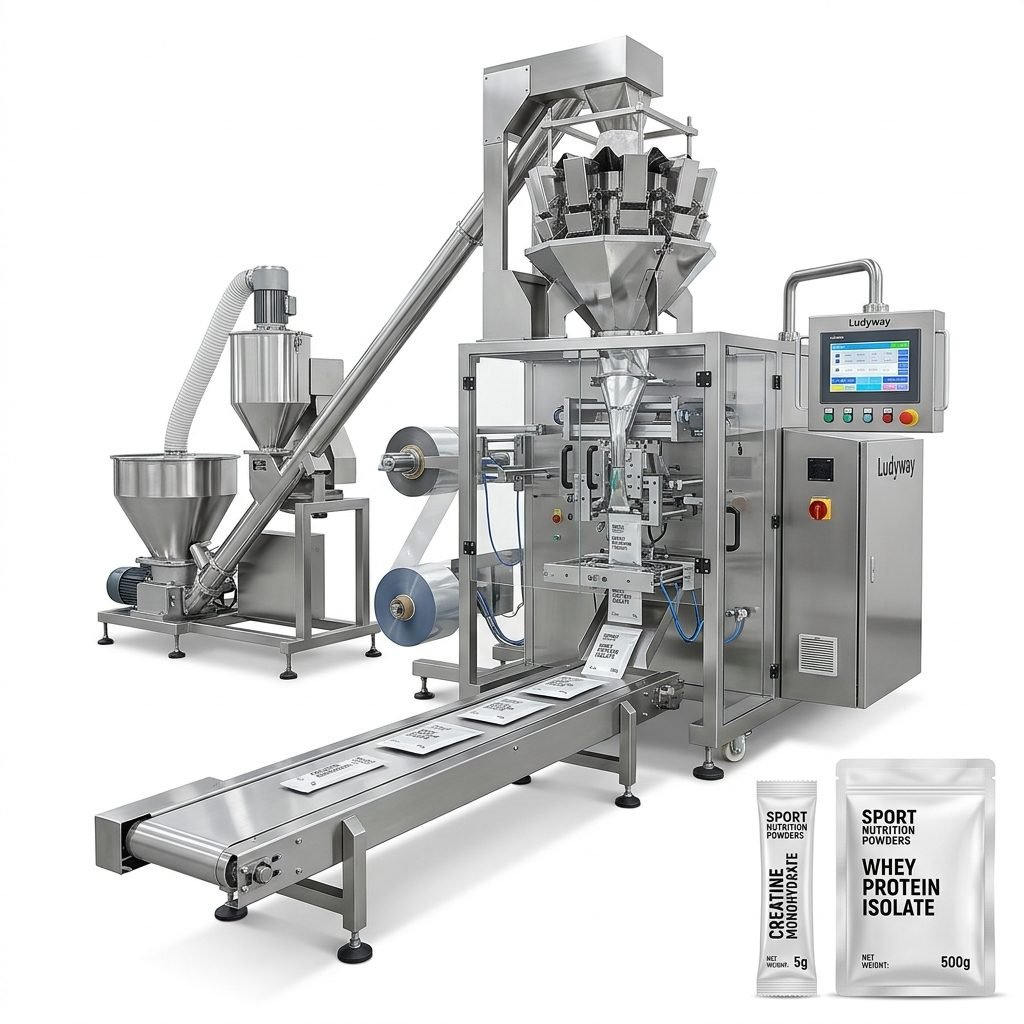
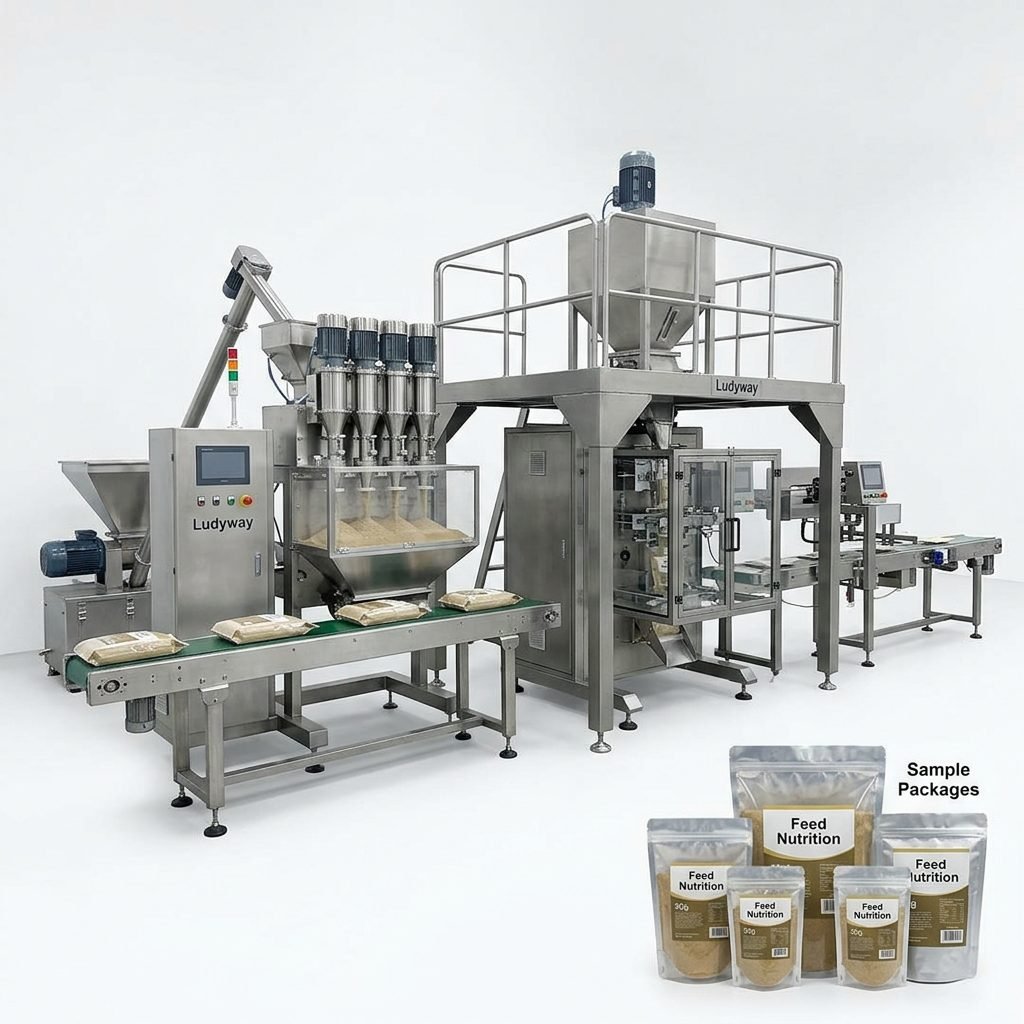
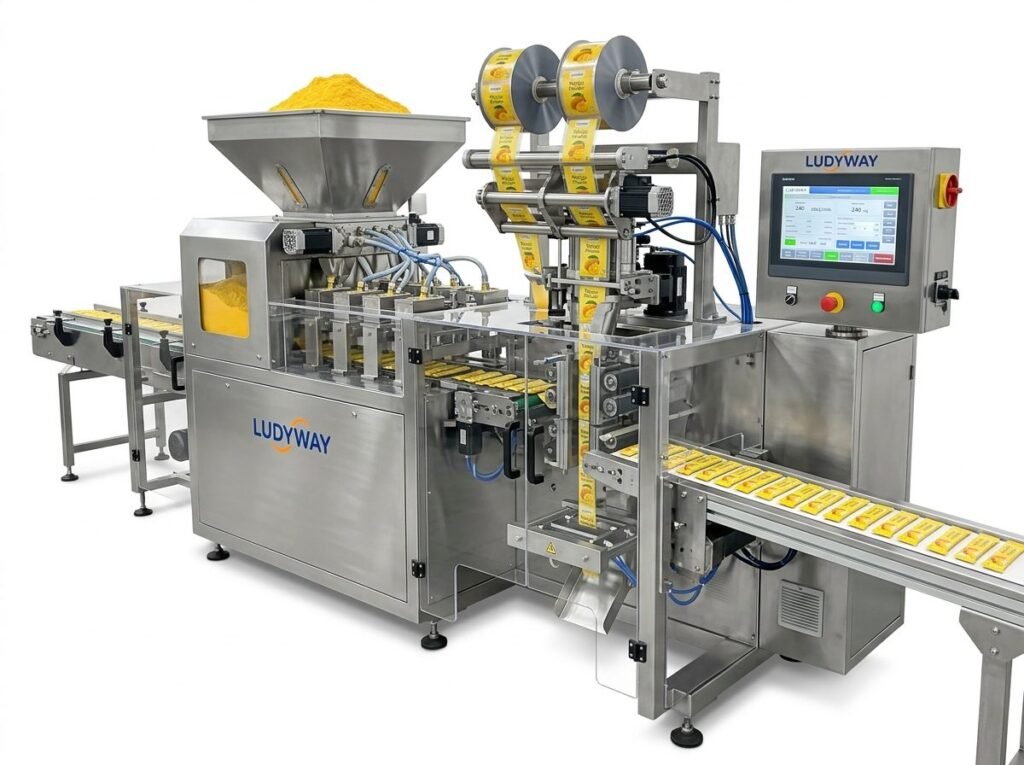
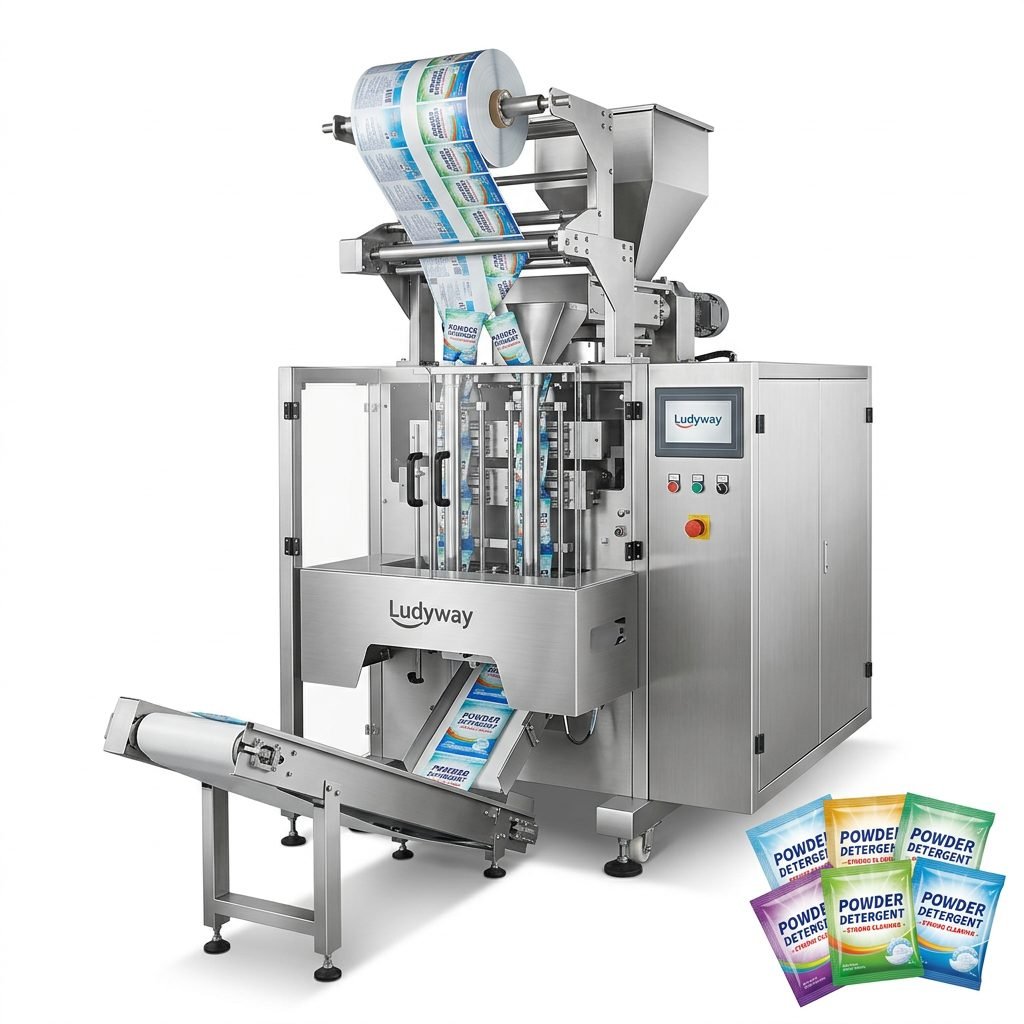
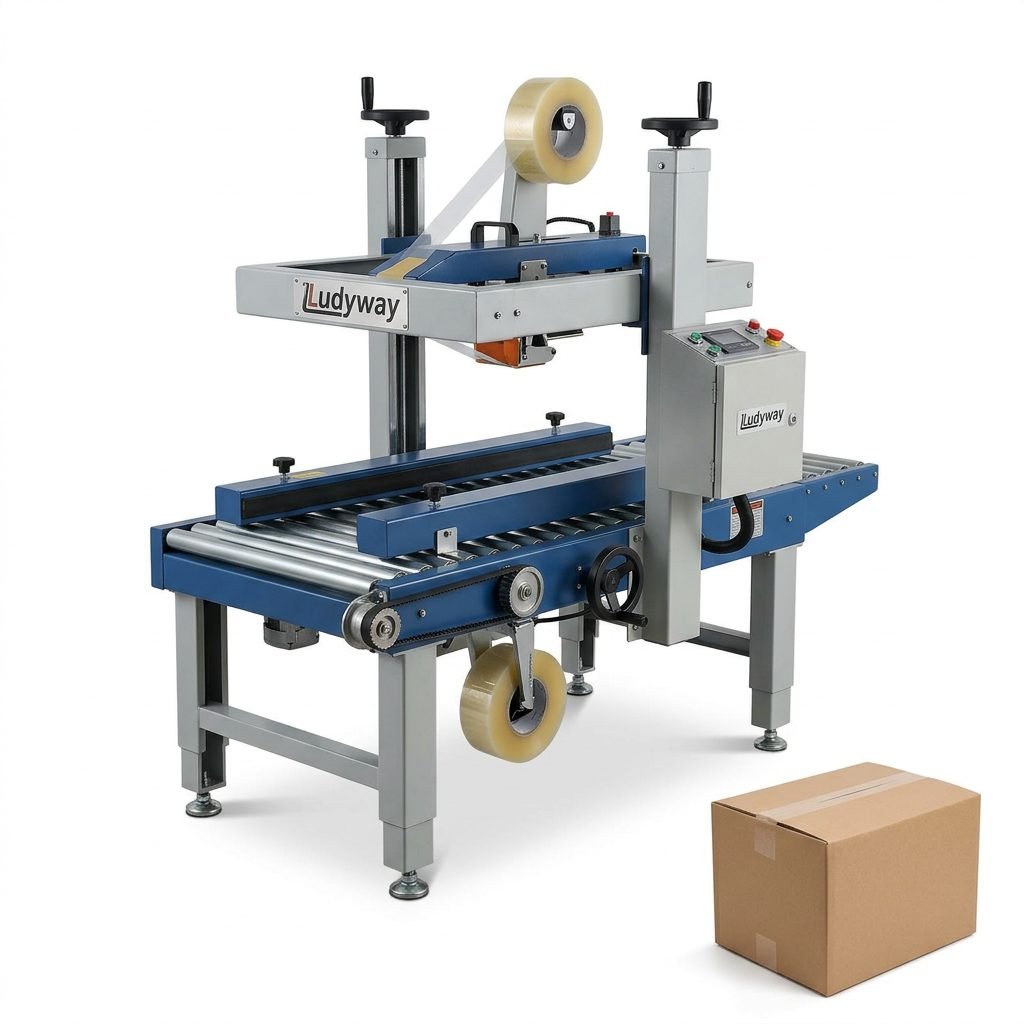
Africa’s food processing sector is experiencing rapid growth, and with it comes an increasing demand for high-performance packaging machinery. For manufacturers producing peanut butter—one of the continent’s most beloved staples—selecting the right equipment is critical to scaling production, maintaining hygiene standards, and penetrating both local and export markets. This article explores why Ludyway peanut butter packaging machines stand out as the superior investment for African businesses seeking reliability, efficiency, and long-term profitability.
Understanding Africa’s Unique Peanut Butter Packaging Challenges
Packing peanut butter is unlike handling free-flowing powders or simple liquids. The product’s viscous, sticky, and often gritty texture presents distinct engineering challenges. African manufacturers frequently grapple with inconsistent fill weights, product dripping that contaminates seal areas, and machinery that struggles with the region’s varying ambient temperatures. Overcoming these hurdles requires a machine built with robust dosing systems, durable sealing jaws, and intelligent temperature controls. Many standard machines fail to deliver consistent sachet integrity when processing thick pastes, leading to spoilage and costly waste.
- Viscosity Management: Requires specialized piston pumps or progressive cavity fillers.
- Seal Integrity: Cross-contamination from oily product residue must be prevented.
- Operational Simplicity: A user-friendly interface is vital for diverse skill levels on the production floor.
- Climate Adaptability: Machines must function optimally in hot and humid conditions without overheating.
Advanced Multi-Lane Technology for Maximum Output
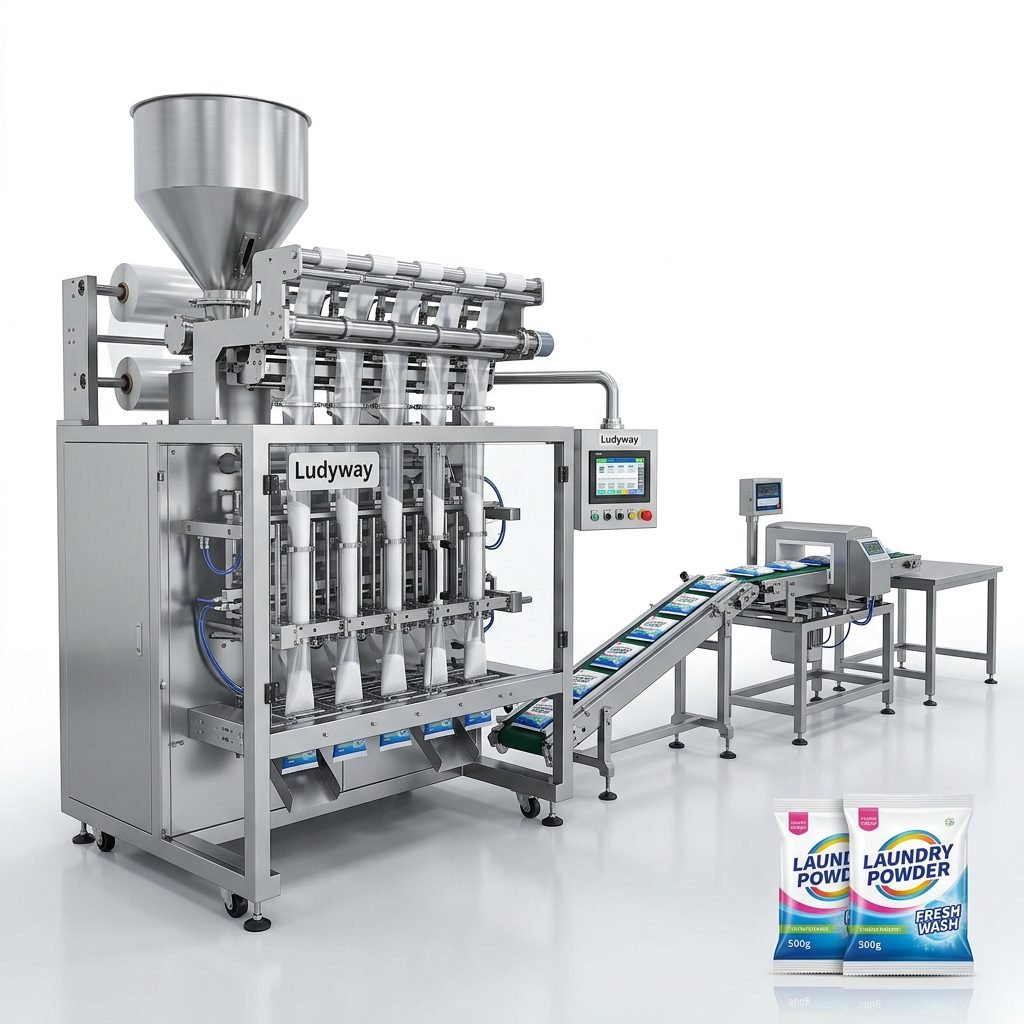
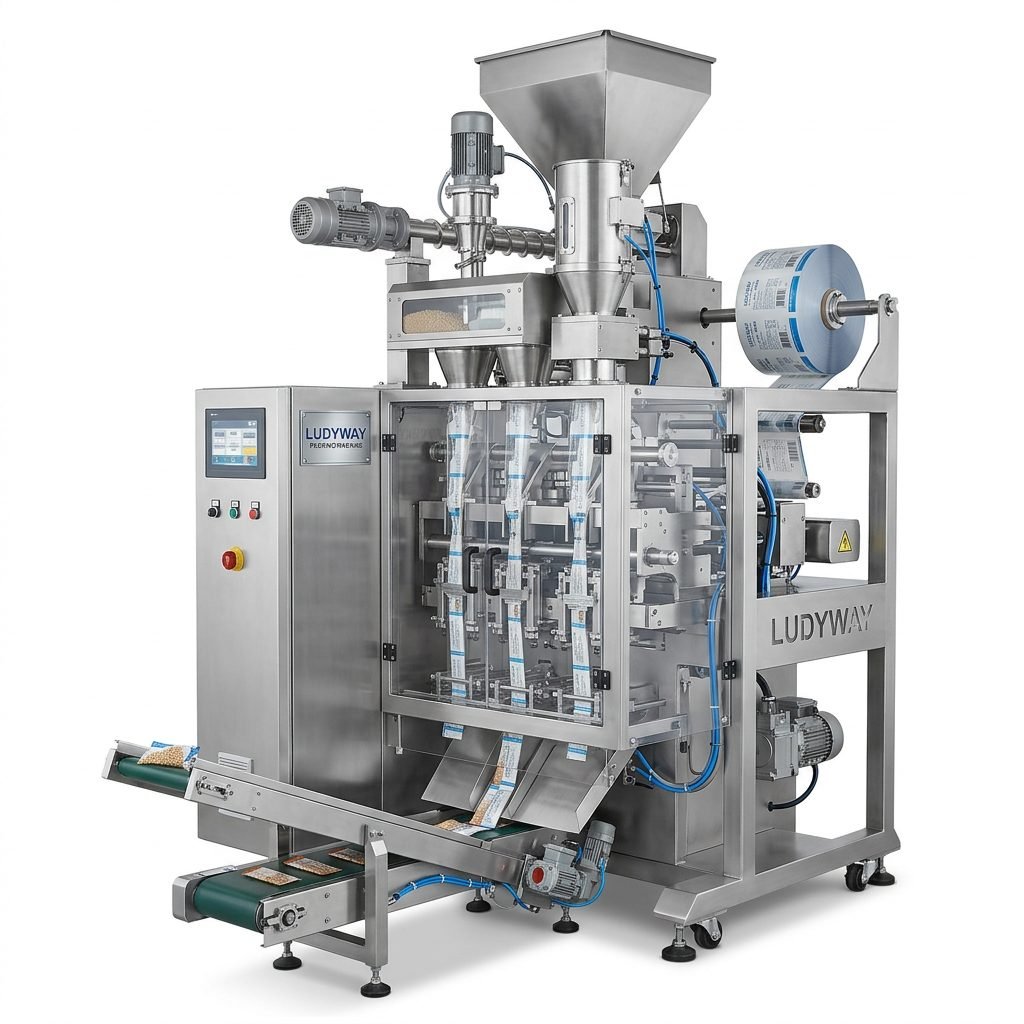
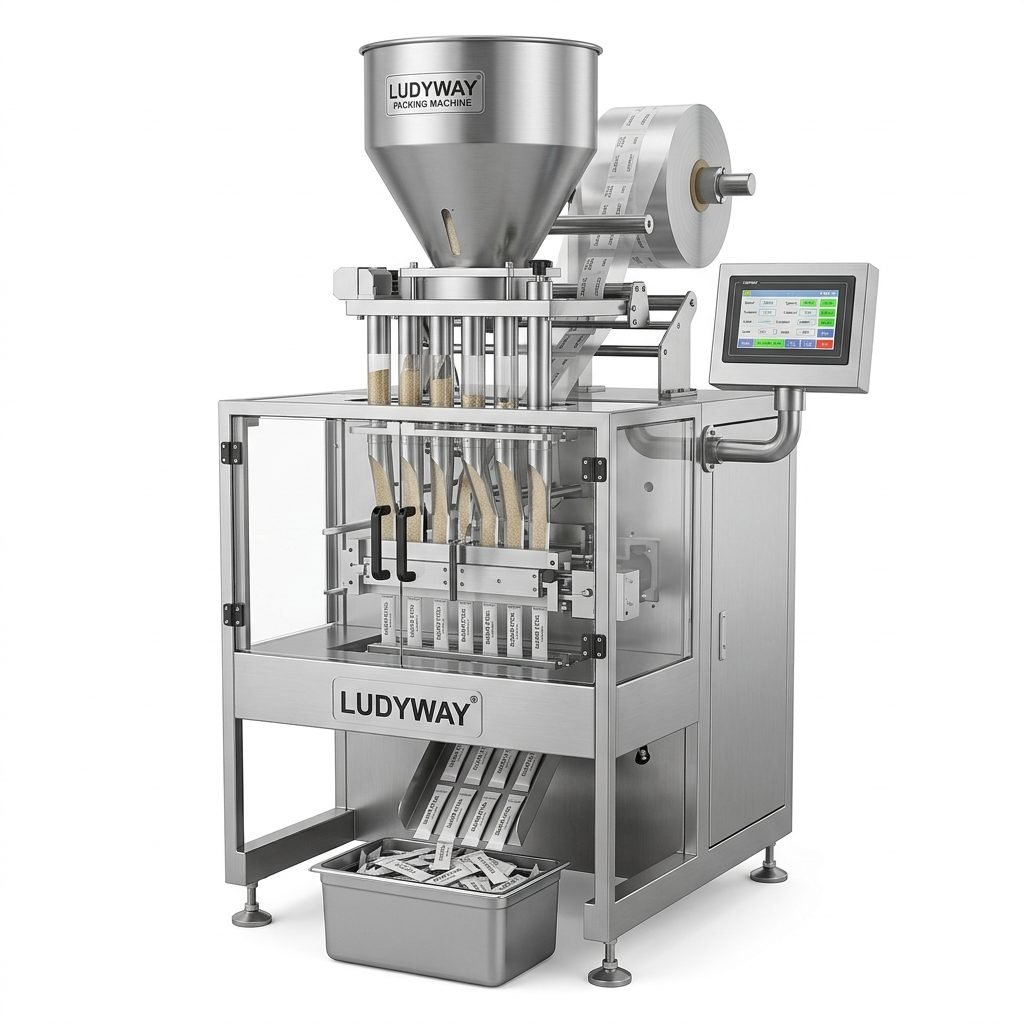
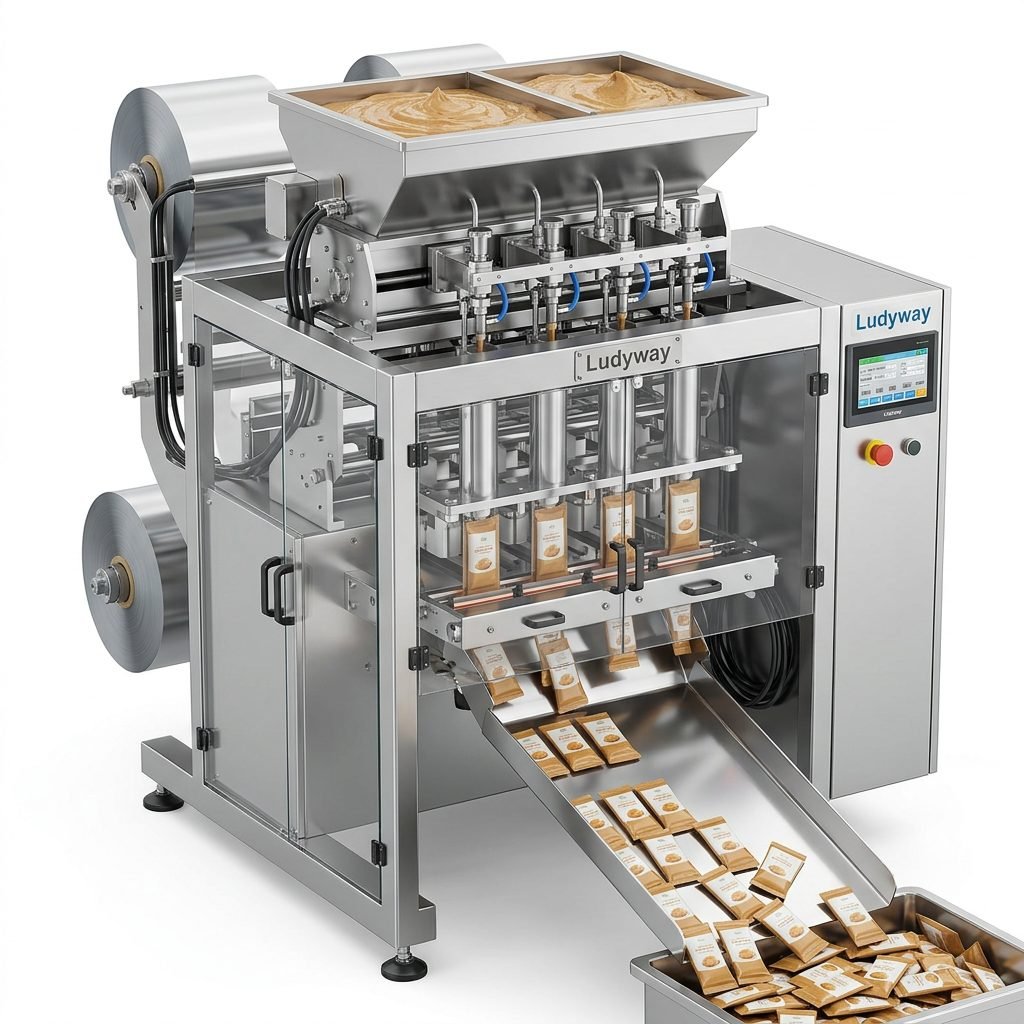
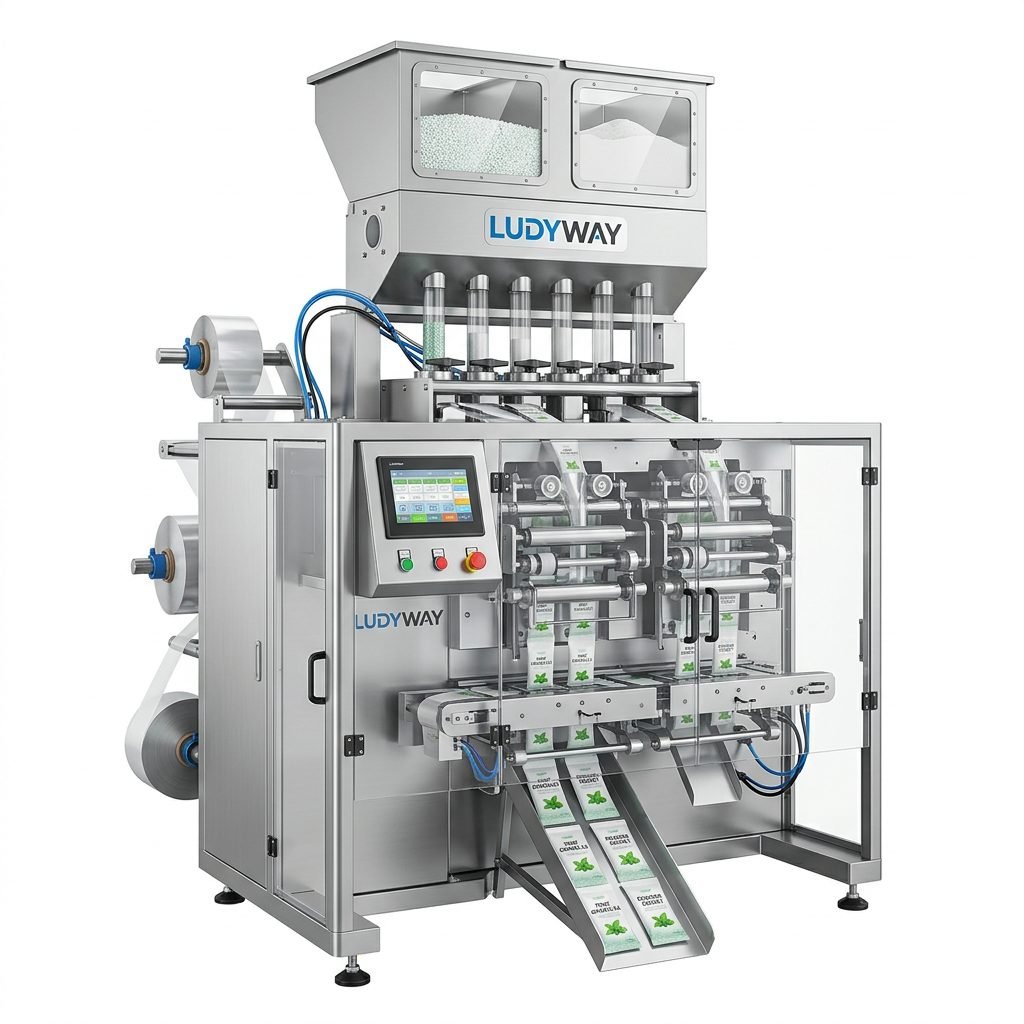
To meet the high-volume demands of Africa’s larger markets, multi-lane stick pack and sachet machines are essential. These systems run multiple lanes simultaneously, drastically increasing output per minute without proportionally increasing labor or energy costs. For peanut butter brands aiming to supply supermarkets, hotels, and airlines with single-serve portions, a 4-lane or 6-lane configuration can produce hundreds of flawless packs per minute. The precision of the cutting and sealing system ensures that even with the high oil content of peanut butter, every sachet is perfectly sealed to prevent leakage.

Key Benefits of Servo-Driven Dosing
Modern peanut butter packaging machines utilize servo-driven systems that offer unparalleled accuracy. Whether packing 15g or 500g, the fill deviation is minimal, saving precious raw material. The benefits include:
- Precision weighing and screw metering to handle dense pastes.
- Automatic hopper agitation to prevent bridging and ensure smooth flow.
- No-drip nozzles that retract or suck back to keep the seal zone clean.
Versatility Beyond Peanut Butter: A Turnkey Solution
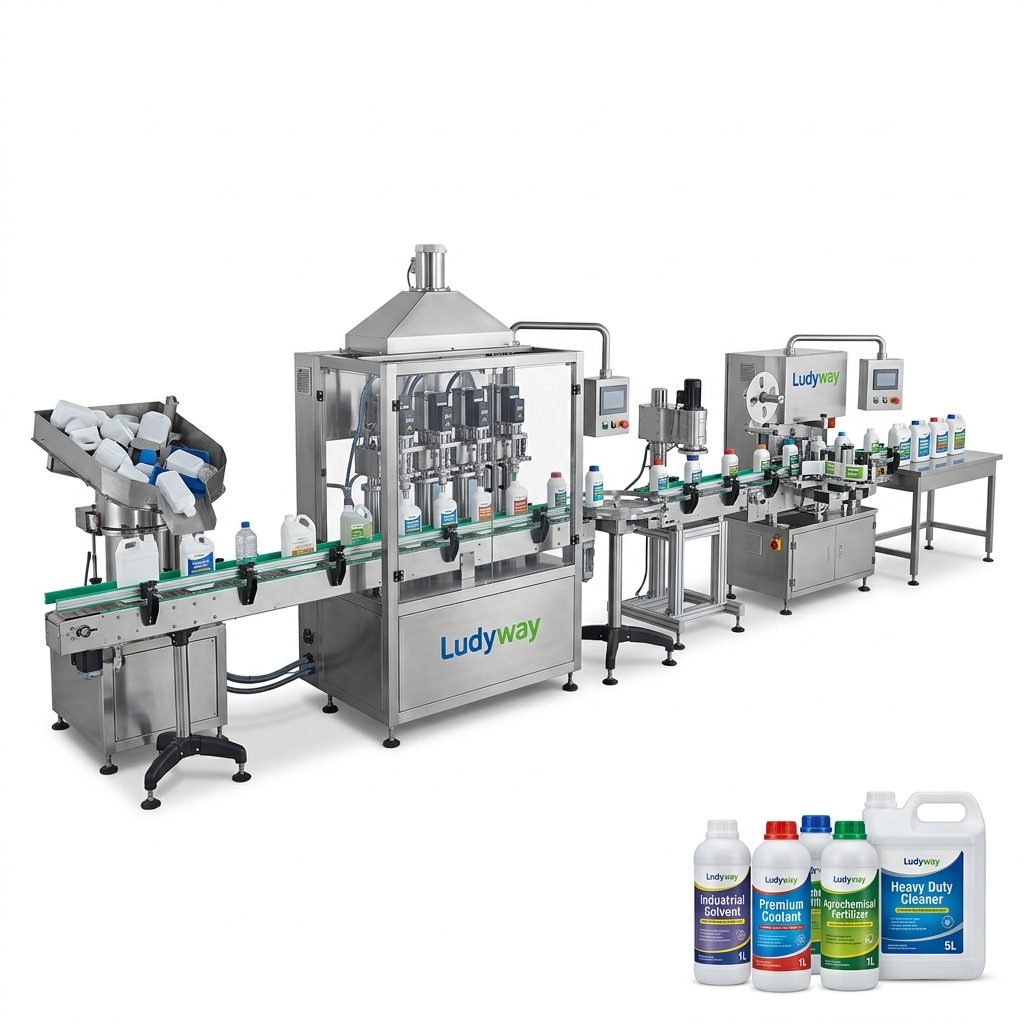
While perfectly optimized for peanut butter, these machines are rarely limited to a single product. A versatile packaging line can handle honey, chocolate spread, mayonnaise, tahini, and cosmetic creams. This flexibility allows African entrepreneurs to diversify their product lines without purchasing separate equipment. The turnkey automation solutions offered can include inline grinding, mixing, filling, capping, and labeling, providing a complete factory-in-a-box for growing businesses.
| Feature | Standard Machine | Ludyway Peanut Butter Solution |
|---|---|---|
| Dosing Accuracy | ±2-3% | ±0.5-1% |
| Seal Integrity | Prone to leaks with oils | Double-seal serration with Teflon coating |
| Construction | Mild Steel / Partial 304 | SUS304 / 316L Stainless Steel |
| Maintenance | Complex dismantling | Tool-free quick-release parts |
| Speed (Multi-Lane) | 40-60 packs/min | Up to 200+ packs/min |
Hygienic Design for Food Safety Compliance
Exporting peanut butter to international markets requires strict adherence to food safety standards. Hygienic design is non-negotiable. The ideal packaging machine minimizes dead zones where product can accumulate, utilizes sloped surfaces for drainage, and is built with food-grade stainless steel. This is particularly crucial for peanut butter, as oil residues can quickly become rancid and harbor bacteria if not regularly cleaned. Quick-release hoppers and easy wash-down capabilities are features that safeguard consumer health and brand reputation.
Meeting International Standards
When reviewing machinery specifications, look for compliance with ISO packaging standards and regulations monitored by bodies like the FDA for food packaging. Equipment that meets these benchmarks simplifies the certification process for your product, opening doors to markets in the EU, North America, and the Middle East.
Cost-Effectiveness and Return on Investment for African SMEs
For small and medium enterprises, the initial cost of a packaging line is a significant factor. However, the true cost lies in downtime and maintenance. Machines that breakdown under the demanding load of peanut butter production erode profits. The best choice combines competitive upfront pricing with legendary durability. By minimizing film waste, reducing product giveaway through precise dosing, and slashing electricity consumption, a modern packaging line typically pays for itself within months of operation.

Technical Support and Local After-Sales Service
Purchasing machinery is only the first step. Reliable technical support is the backbone of a successful packaging operation. African businesses should prioritize suppliers that offer comprehensive remote diagnostics, readily available spare parts, and localized technician training. Whether it’s troubleshooting a heater malfunction on a horizontal flow wrapper or adjusting the pull belts for a new peanut butter recipe, having access to expert guidance minimizes downtime and ensures continuous production.
About the Manufacturer Behind the Technology
Ludyway is one of the largest packaging machine manufacturers in China, specializing in advanced packaging equipment and turnkey production solutions for the food, pharmaceutical, and health industries. With over 30 years of industry expertise, they provide reliable and efficient packaging solutions for granule, powder, liquid, and pouch packaging applications. Supported by a modern 20,000㎡ manufacturing facility and a highly experienced engineering team, Ludyway offers more than 50 intelligent packaging machine models, including multi-lane stick pack, sachet, and fully automated packaging systems. Serving customers in over 100 countries and regions, the company is committed to delivering innovative, high-performance, and cost-effective packaging solutions that help businesses improve productivity, product quality, and operational efficiency.
Future-Proofing Your Peanut Butter Production Line
The African peanut butter market is moving toward differentiated products—organic, honey-roasted, crunchy, and fortified blends. Packaging equipment must be flexible enough to switch between different recipes with minimal changeover time. Machines with recipe memory, adjustable sealing temperatures, and multiple filling nozzle options future-proof your production line. Investing in scalable technology today ensures you don’t have to replace your line tomorrow.
Actionable Steps for Buyers
- Assess your viscosity: Send a product sample to the manufacturer for a real-world trial.
- Verify material compatibility: Ensure the machine supports popular African packaging films.
- Plan for scale: Choose a frame that allows adding more lanes later.
- Check local references: Learn from other African operators’ experiences.
Making the right equipment choice is a strategic decision that impacts your brand’s quality and operational efficiency. For a deeper dive into global packaging trends and machinery data, resources like PMMI’s business intelligence library and the Flexible Packaging Association’s knowledge hub offer valuable benchmarks. For customized guidance on configuring a peanut butter line that meets your specific production goals, contact us today to discuss your project.
Key Takeaway
Selecting a packaging machine designed specifically for dense, oily products like peanut butter—with robust filling mechanisms, hygienic stainless steel construction, and strong local support—is the single most important factor for African manufacturers to dominate this thriving category.