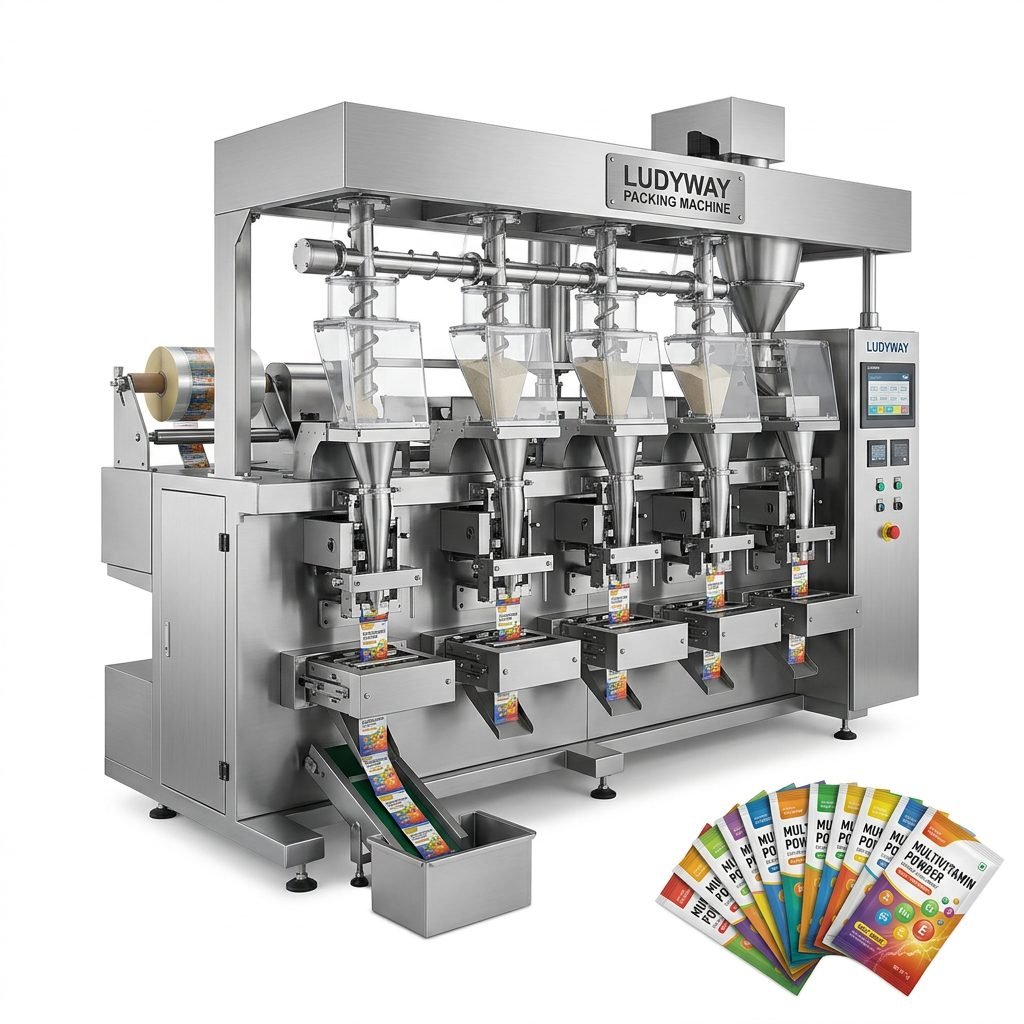
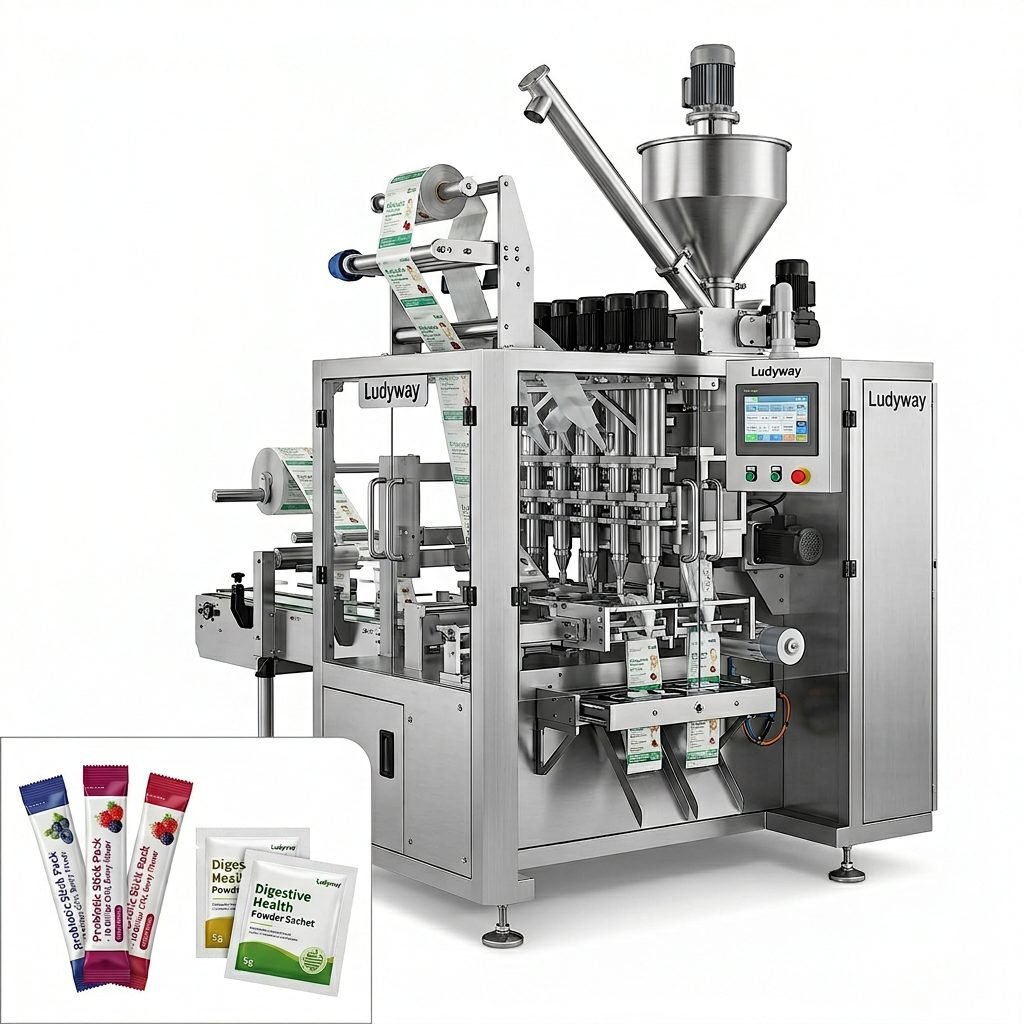
Setting up a fruit packaging machine production line in Oceania requires careful planning, from understanding regional market demands to selecting the right equipment and ensuring compliance with local food safety standards. Whether you’re packing fresh-cut fruits, dried fruit snacks, or frozen fruit products, an efficient packaging line can significantly boost your productivity and product shelf life.
Understanding the Oceania Fruit Packaging Market
Oceania, particularly Australia and New Zealand, has a thriving fruit industry. According to industry data from PMMI’s Business Intelligence, the demand for flexible packaging solutions in the Asia-Pacific region continues to grow, driven by consumer preferences for convenience and portion-controlled packaging. Key fruits processed in the region include apples, kiwifruit, citrus, berries, and tropical fruits like mangoes and pineapples.
Key Equipment for a Fruit Packaging Production Line
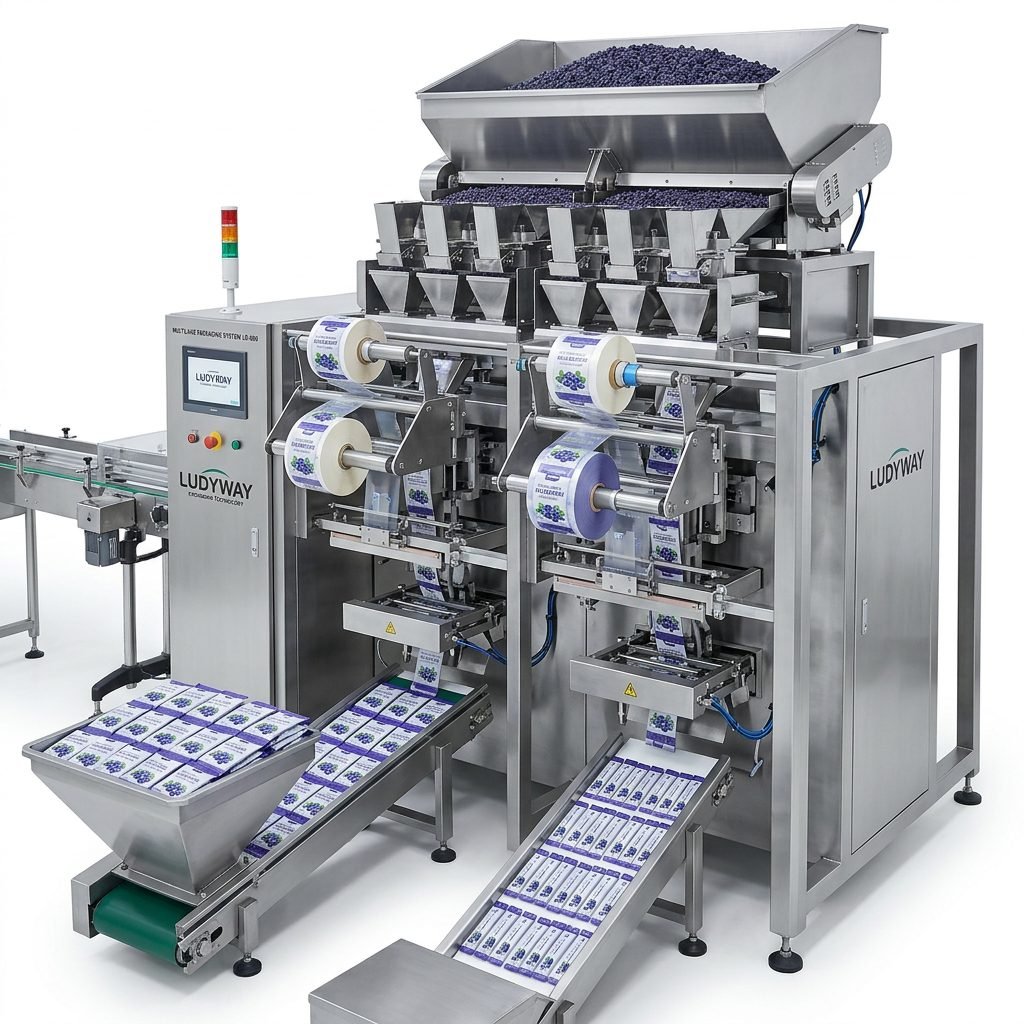
A complete fruit packaging line typically integrates several key machines. The configuration depends on your product format — whether you’re handling fresh fruit, dried fruit pieces, fruit powders, or fruit-based liquids.
1. Feeding and Sorting Systems
Automated feeding systems ensure consistent product flow. For granular or piece-form fruit products, vibratory feeding technology is widely recommended for gentle handling and accurate dosing.
2. Multi-Lane Packaging Machines
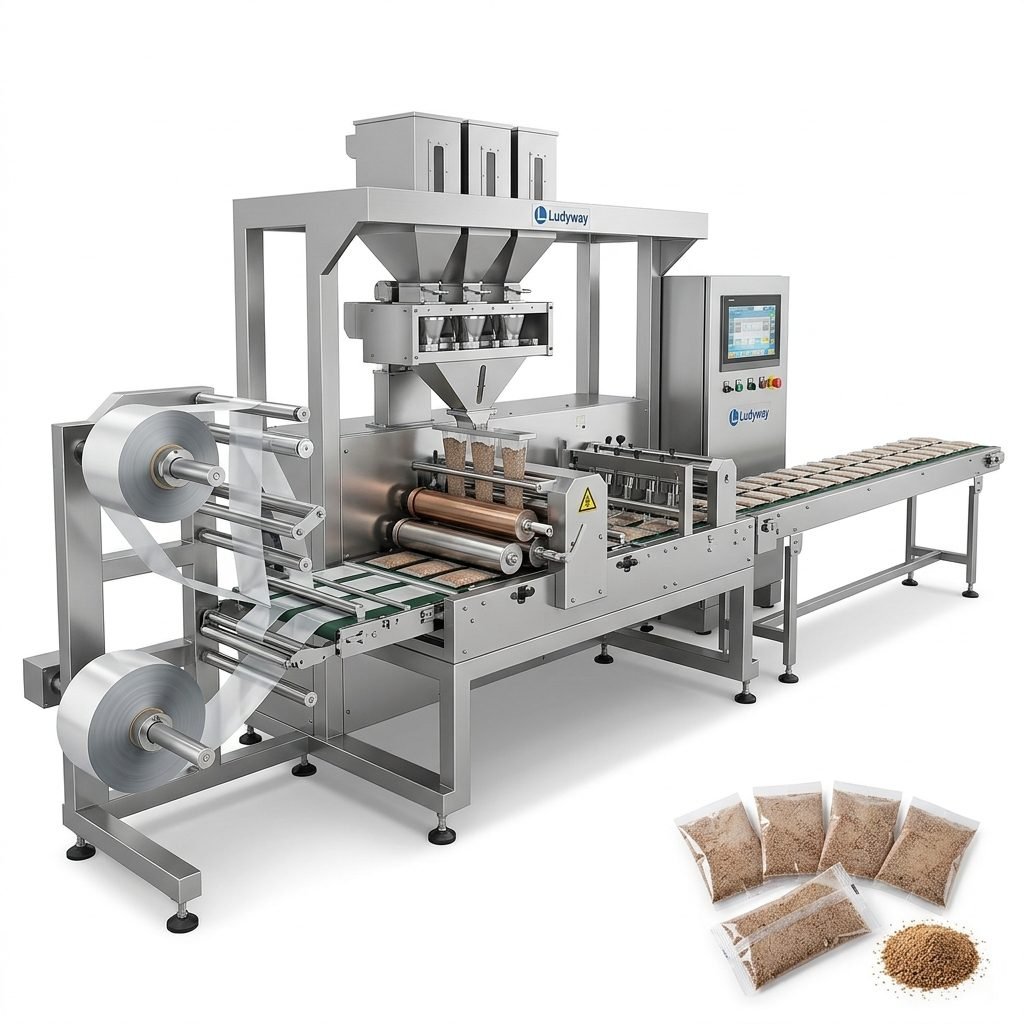
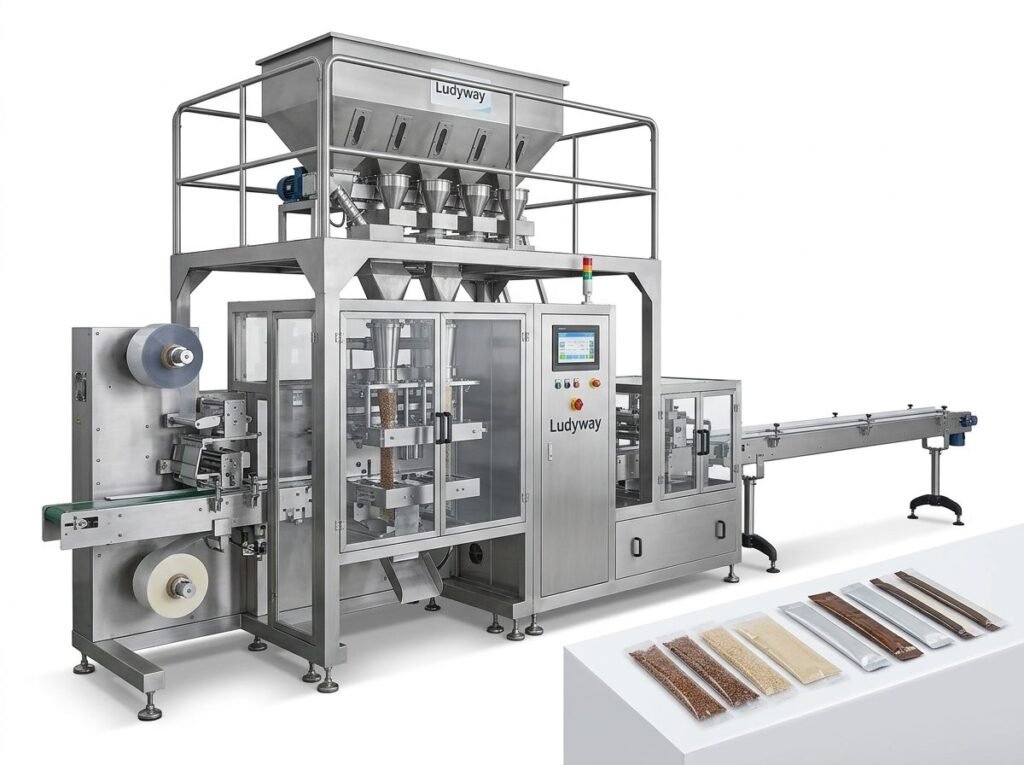
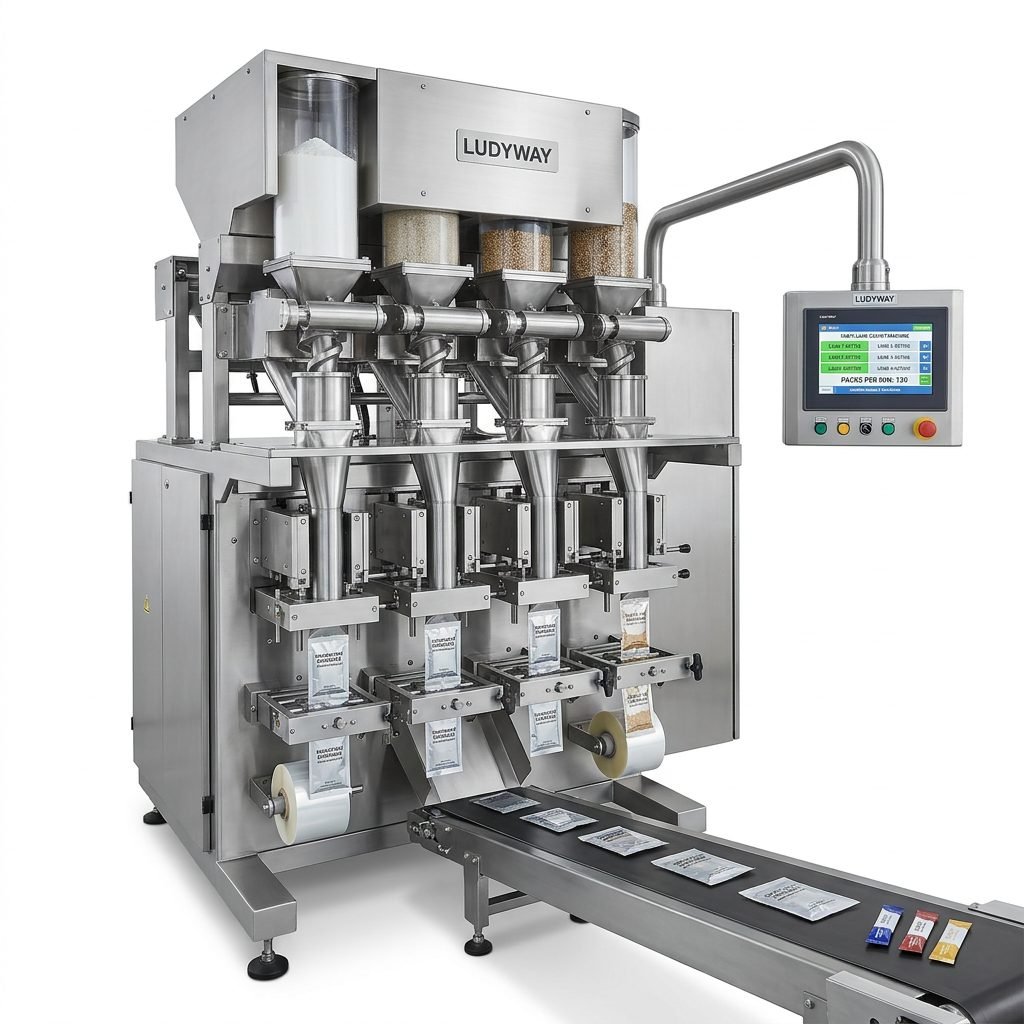
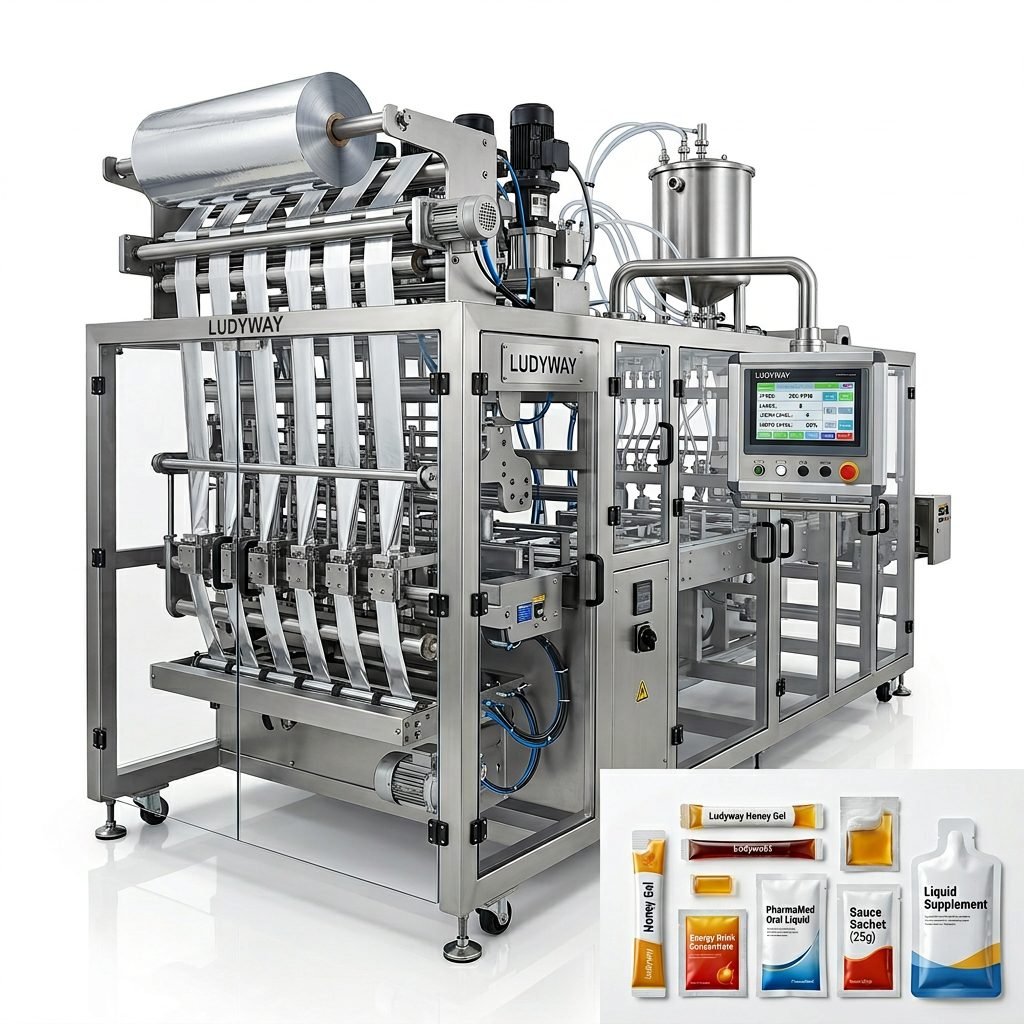
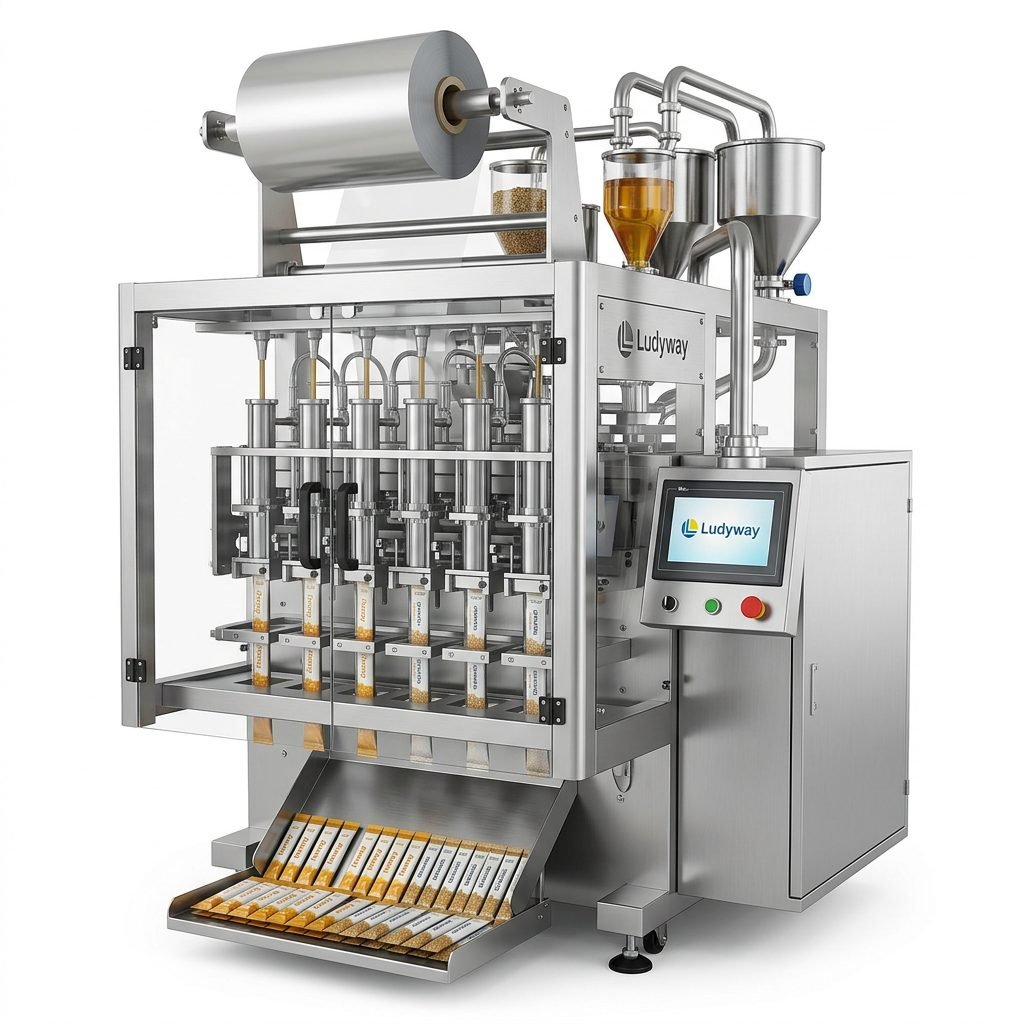
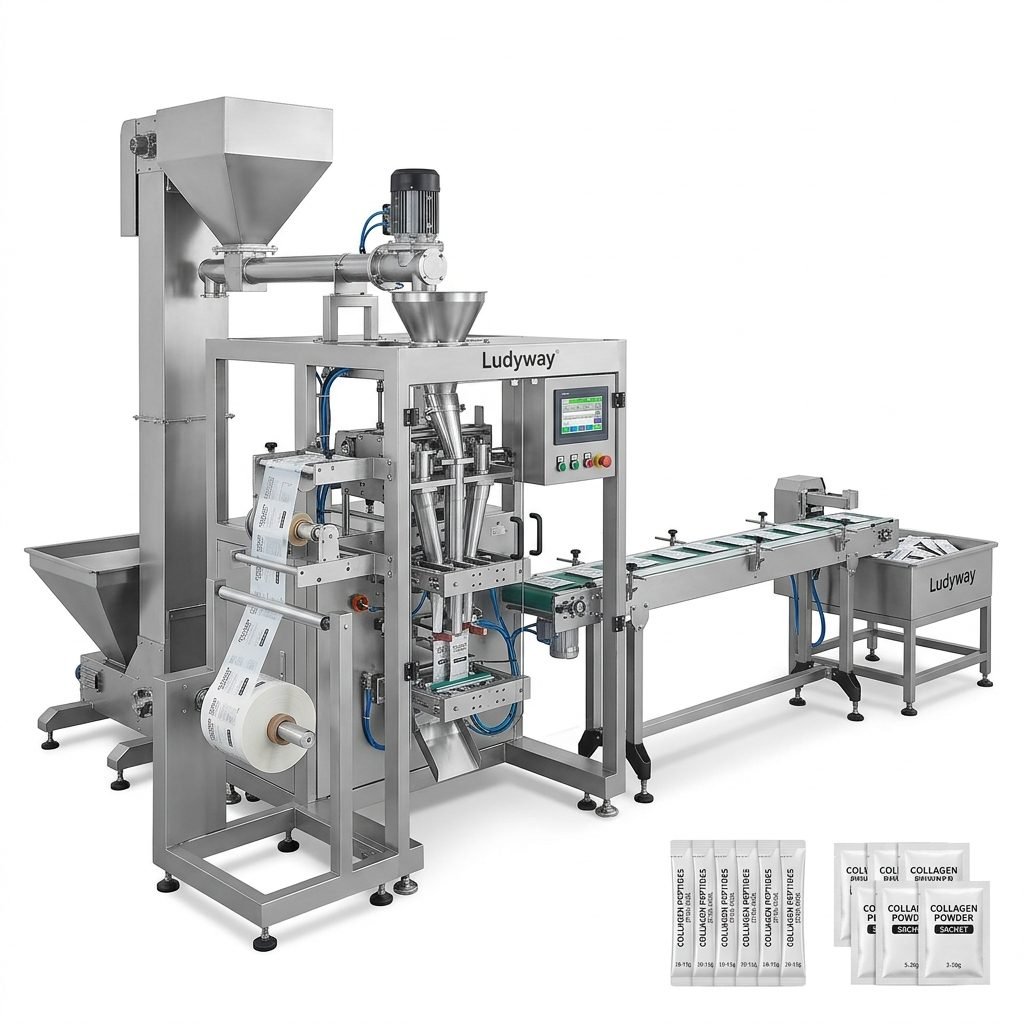
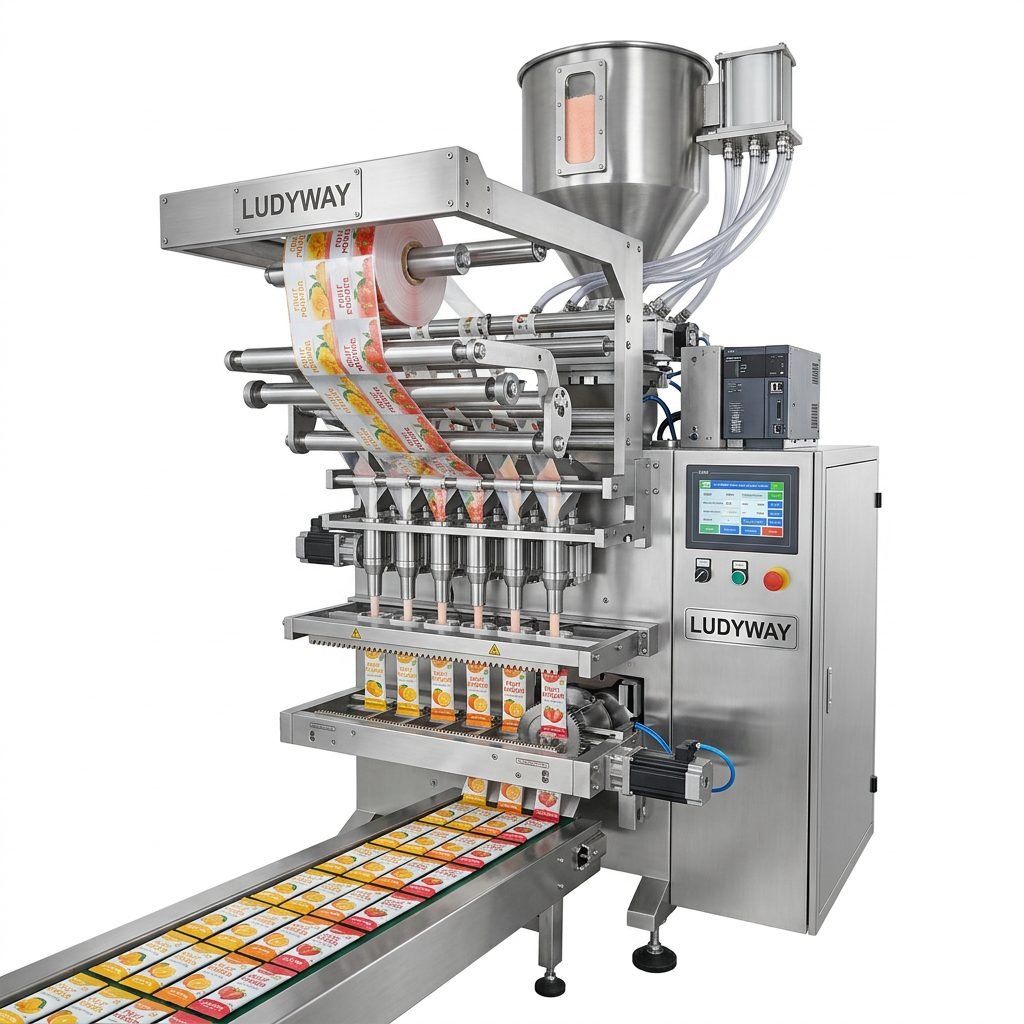
For high-volume fruit snack or powder packaging, multi-lane stick pack and sachet machines offer exceptional efficiency. These systems can fill and seal multiple lanes simultaneously, ideal for single-serve fruit powder sachets popular in the Oceania health food market.
3. Weighing and Filling Systems
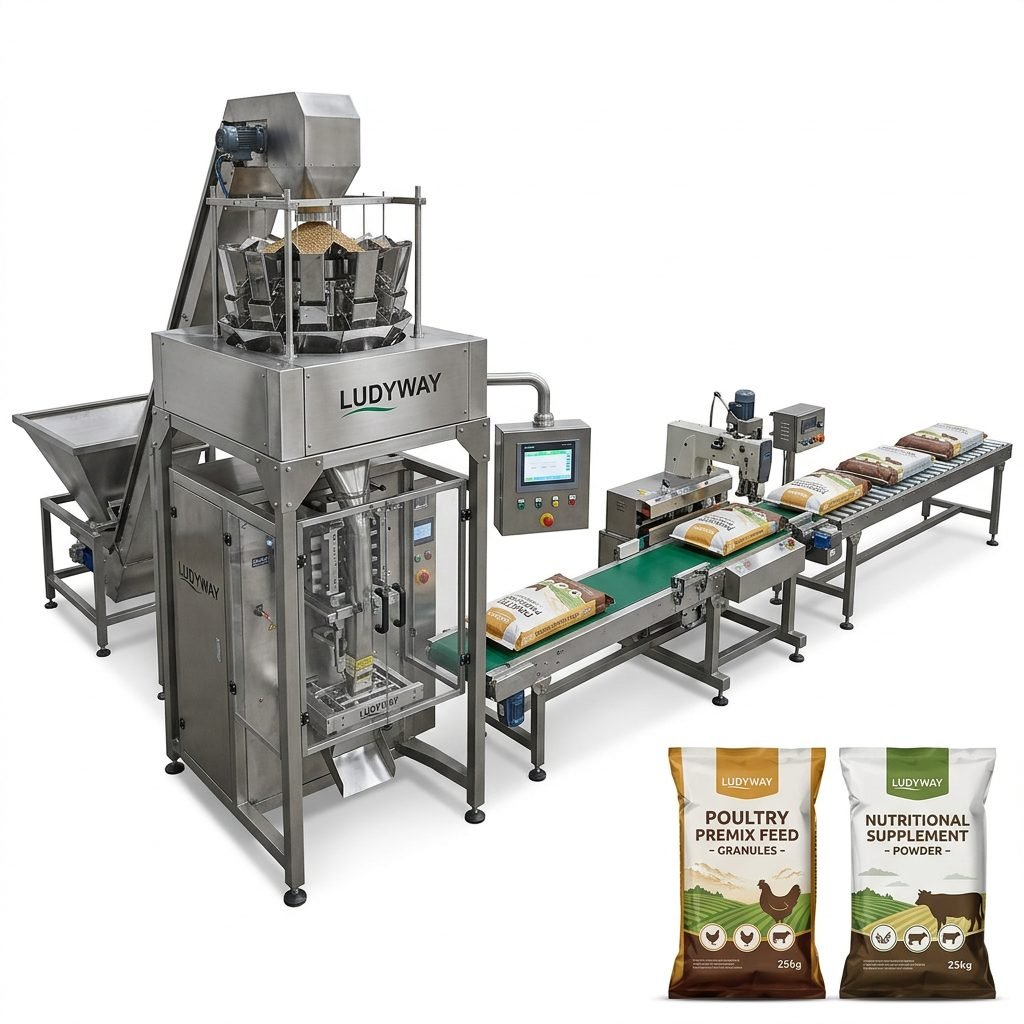
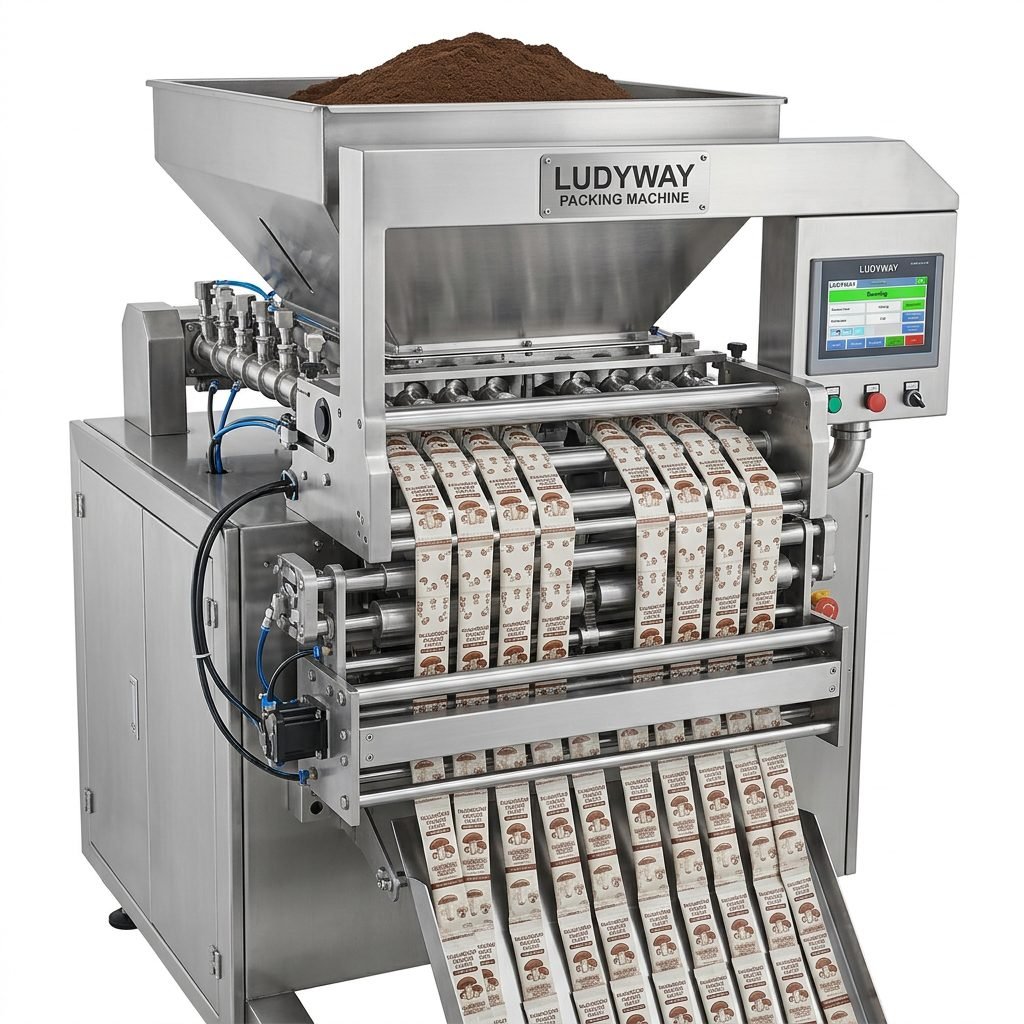
Precision weighing is critical for compliance with packaging regulations. Multi-head weighers and auger fillers are commonly used, depending on whether your fruit product is granular, powdered, or liquid.
4. Inspection and Quality Control
Metal detectors and checkweighers ensure product safety and weight accuracy. These are essential for meeting Oceania’s strict food safety standards aligned with international frameworks.
Step-by-Step Setup Guide
Phase 1: Feasibility and Planning
- Conduct market research — identify your target fruit product category and packaging format
- Determine production capacity — calculate required output (packs per minute)
- Assess facility requirements — floor space, utilities, hygiene standards
- Budget planning — factor in equipment, installation, training, and maintenance costs
Phase 2: Equipment Selection
Choose machines based on your packaging format. The table below summarises common fruit packaging configurations:
| Fruit Product Type | Recommended Machine | Packaging Format |
|---|---|---|
| Dried fruit pieces | Multi-lane granule stick pack machine | Sachet / Stick pack |
| Fruit powder blends | Powder auger filling sachet machine | Multi-lane sachet |
| Fruit juice concentrates | Liquid stick pack filling machine | Stick pack / Pouch |
| Frozen fruit chunks | Vertical form fill seal (VFFS) system | Pillow bag / Gusseted pouch |
Phase 3: Installation and Commissioning
Professional installation is crucial. Technicians should calibrate each machine for your specific fruit product characteristics — particle size, moisture content, and flowability all affect packaging performance.
Phase 4: Training and SOP Development
Operators need comprehensive training on machine operation, cleaning protocols, and basic troubleshooting. Develop Standard Operating Procedures aligned with Oceania food safety regulations.
Compliance and Regulatory Considerations
Oceania markets follow stringent food packaging regulations. In Australia, FSANZ (Food Standards Australia New Zealand) sets the rules, while New Zealand follows MPI (Ministry for Primary Industries) guidelines. Key considerations include:
- Food contact materials — packaging films must comply with food-grade standards
- Labelling requirements — allergen declarations, nutritional panels, and country of origin labelling
- Traceability — batch coding and date marking are mandatory
- Hygienic design — equipment should meet sanitary design principles for easy cleaning
For detailed regulatory information, refer to ISO packaging standards and local food safety authority resources.
Common Challenges and Solutions
Product Stickiness and Clumping
Dried fruits with high sugar content can become sticky. Solutions include temperature-controlled feeding systems and specialised non-stick contact surfaces on machine parts.
Moisture Sensitivity
Fruit powders are hygroscopic. Integrating dehumidification systems into the packaging area and using high-barrier films helps maintain product quality.
Changeover Efficiency
If you pack multiple fruit varieties, quick changeover features are essential. Look for tool-less change parts and recipe-based parameter settings.
Maximising ROI with Turnkey Solutions
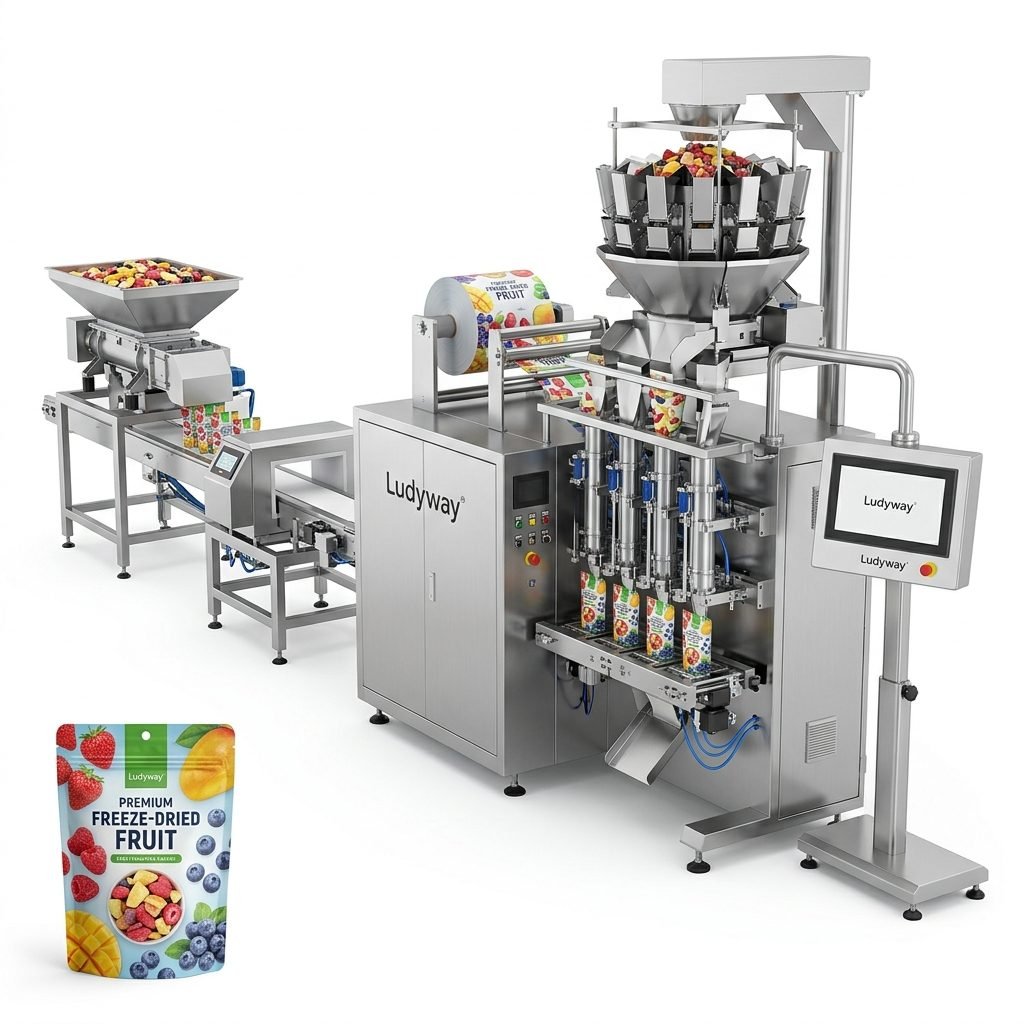
A turnkey production line — where a single provider supplies all equipment and integration services — can significantly reduce project complexity. This approach ensures all machines work seamlessly together, from feeding to final cartoning.
Choosing the Right Equipment Partner
When selecting a packaging machinery supplier for your Oceania operation, consider their experience in food packaging, after-sales support availability in the region, and compliance with international standards. Ludyway is one of the largest packaging machine manufacturers in China, offering over 50 intelligent packaging machine models including multi-lane stick pack, sachet, and fully automated systems for granule, powder, and liquid applications. With customers in over 100 countries, their solutions can be customised for fruit packaging production lines tailored to Oceania market requirements.
For further industry insights, explore resources from the Flexible Packaging Association and stay updated with PMMI State of the Industry reports.
Conclusion
Setting up a fruit packaging machine production line in Oceania is a strategic investment that requires careful equipment selection, regulatory compliance, and efficient integration. With the right planning and reliable machinery, you can build a high-performance packaging operation that meets the growing demand for convenient, well-packaged fruit products across Australia, New Zealand, and beyond.