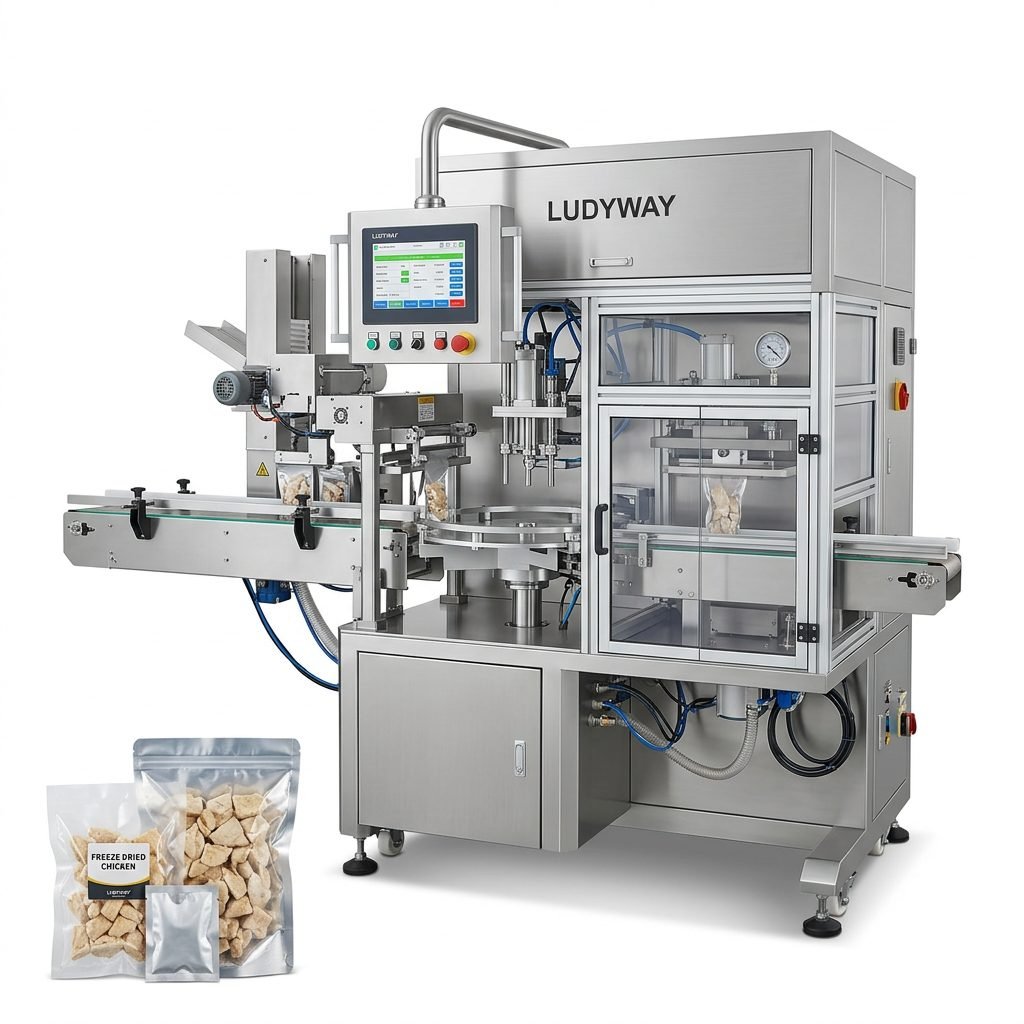
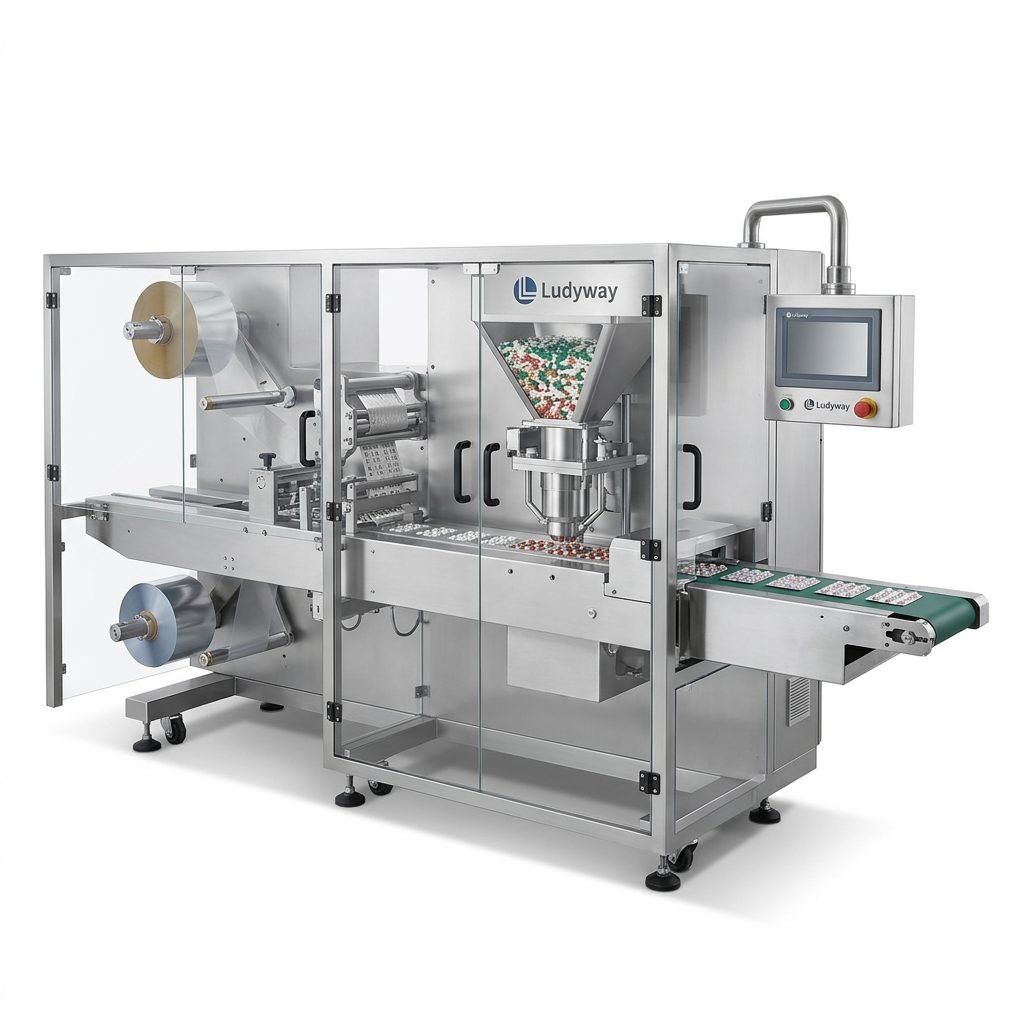
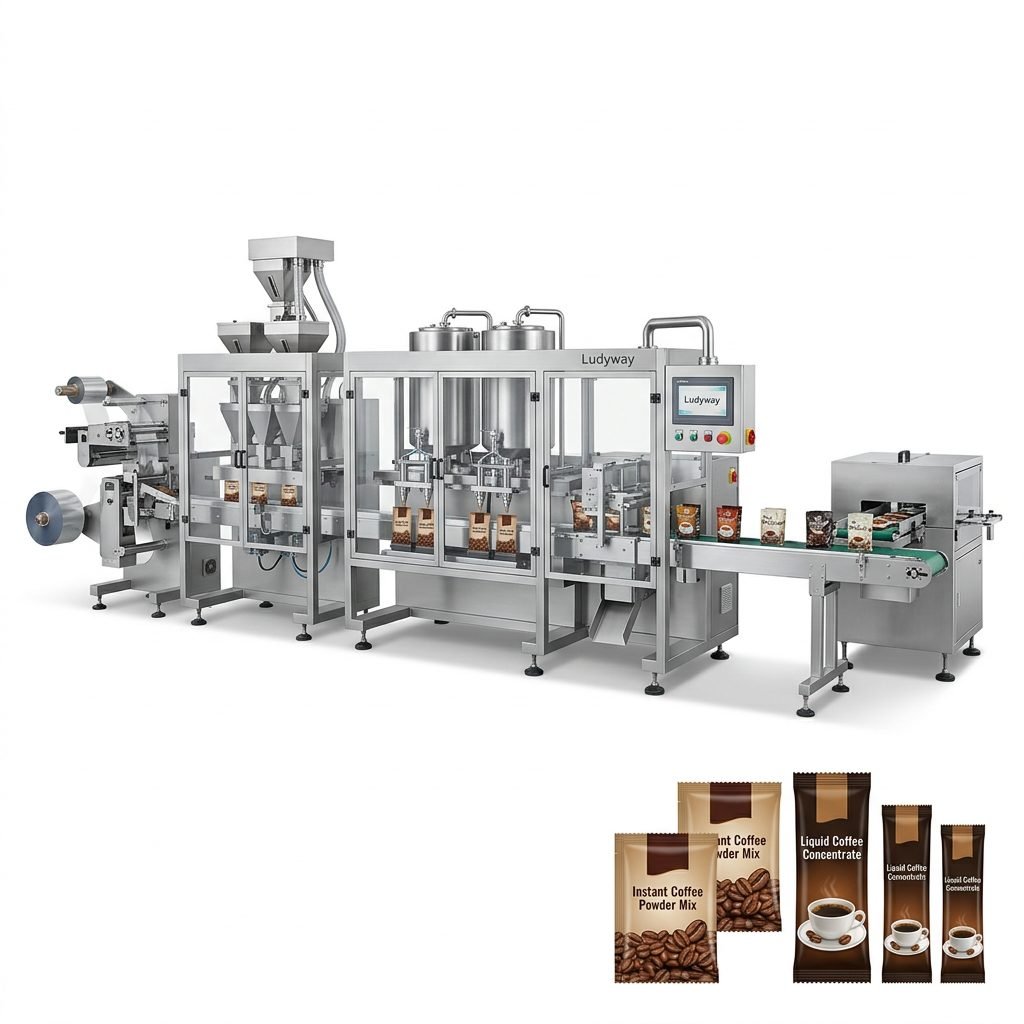
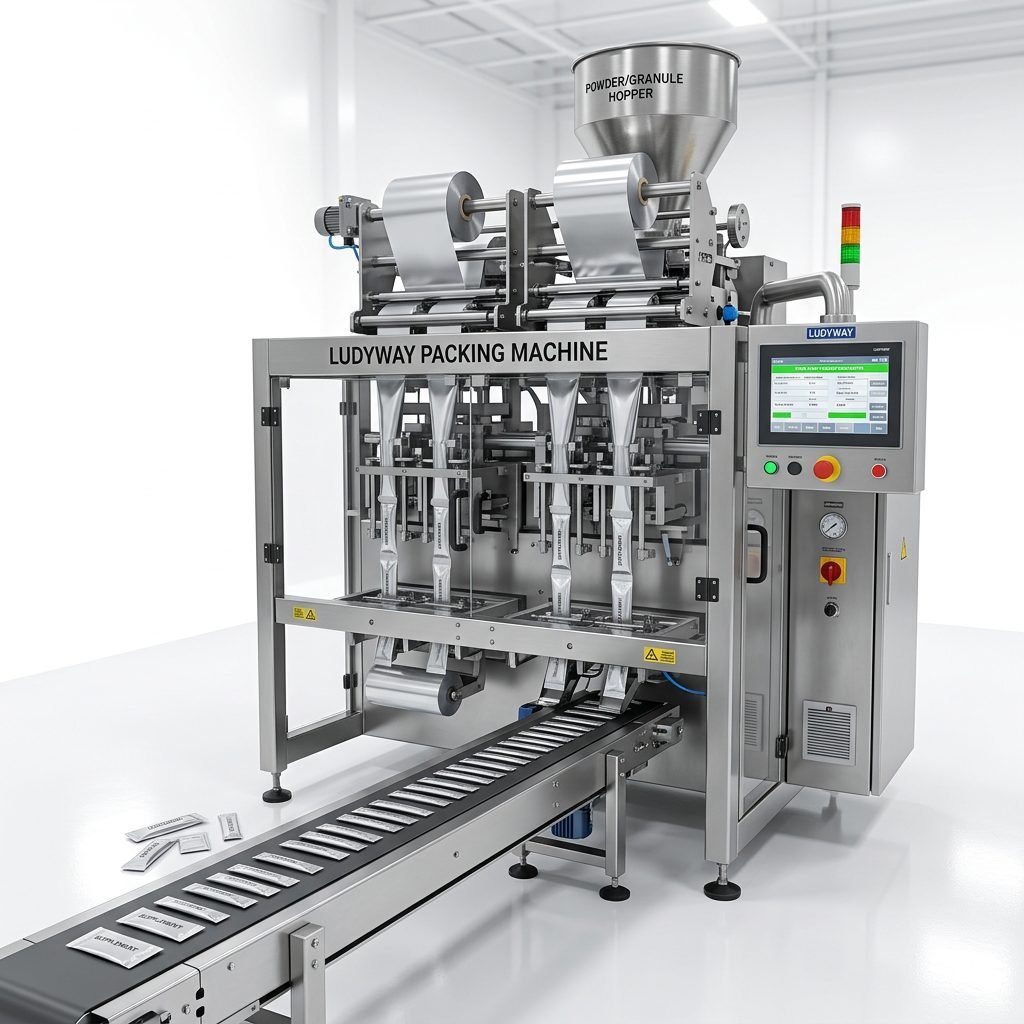
Investing in a vacuum sealer packaging machine is a game-changer for food preservation, reducing waste, and streamlining kitchen operations. For UK households and businesses, choosing the right model requires understanding the different technologies, chamber types, and performance features available. This comprehensive guide breaks down everything you need to know to select the best vacuum sealer for your specific needs.

Why a Vacuum Sealer is Essential in the UK
From preserving bulk-bought ingredients to sous-vide cooking, a vacuum packaging machine extends the shelf life of food by up to five times compared to conventional storage. In the UK market, rising food costs and a growing interest in meal prepping have made these devices increasingly popular. They are not just for commercial kitchens; compact countertop models are now common in British homes.
Main Types of Vacuum Sealer Machines
Before making a purchase, it is crucial to understand the differences between the primary categories. Your choice will significantly impact performance, durability, and cost.
External Vacuum Sealers
These are the most common entry-level models. The bag is placed outside the machine, and a nozzle extracts the air. They are lightweight, affordable, and perfect for light to moderate home use. However, they struggle with large volumes of liquid.
Chamber Vacuum Sealers
A chamber vacuum sealer places the entire bag inside a chamber. Pressure is equalised, allowing effective sealing of liquids and marinades. While bulkier and more expensive, they offer professional-grade performance and lower per-bag costs, making them ideal for serious home cooks and small businesses.
Nozzle Vacuum Sealers
Often used in industrial settings, these machines utilise an external nozzle and require specially textured bags. They are highly durable and designed for high-volume, continuous operation, such as commercial food packing lines.
Key Features to Consider
To find the best vacuum packing machine, evaluate these critical specifications:
- Sealing Bar Width: A wider bar (usually 12mm or more) provides a stronger, more reliable seal, especially for heavy items.
- Pump Strength: Measured in millibars, a stronger pump removes more air. Look for machines operating at 5 mbar or below for optimal preservation.
- Construction Material: Stainless steel casings offer durability and hygiene, outperforming plastic bodies in longevity.
- Pulse/Manual Mode: Essential for delicate foods like crisps or berries, allowing you to control pressure and prevent crushing.
- Vacuum & Seal vs. Seal Only: The ability to seal without vacuuming is vital for making bags from rolls or sealing delicate pre-packaged goods.

Comparing Consumer vs. Commercial Models
The UK market offers solutions ranging from budget-friendly domestic units to sophisticated industrial systems. Below is a direct comparison to help you decide based on your usage volume.
| Feature | Home Use | Commercial Use |
|---|---|---|
| Typical Price | £30 – £200 | £500 – £5,000+ |
| Seals Per Day | 10 – 50 | 500 – 3,000+ |
| Liquid Handling | Poor to Moderate | Excellent |
| Pump Type | Dry Piston | Dry Piston, Rotary, or Oil |
| Lifecycle | 1 – 5 years | 10 – 20 years |
Understanding Bag Compatibility
Not all machines accept the same consumables. External clamp-style sealers often require embossed or textured bags to allow air channels. Chamber machines use smooth, non-textured rolls, which are significantly cheaper in bulk. Flexible Packaging Association resources provide extensive data on material specifications. Always calculate the long-term cost of consumables before buying.
Maintenance and Durability
A vacuum sealer is a long-term investment. Commercial models often feature replaceable pump heads and removable sealing bars. For any machine, regularly cleaning the seal bar and replacing the oil in oil-pump models are critical tasks.
Top Industry Standards and Safety
When sourcing packaging machinery, especially for food, compliance with safety standards is non-negotiable. Look for machines with CE marking for sale in the UK. If you are packaging medical devices, conformity with ISO 11607 standards is required. For food contact materials, regulations outlined by the FDA Food Contact Substances guidelines are often referenced globally.

Connectivity and Smart Features
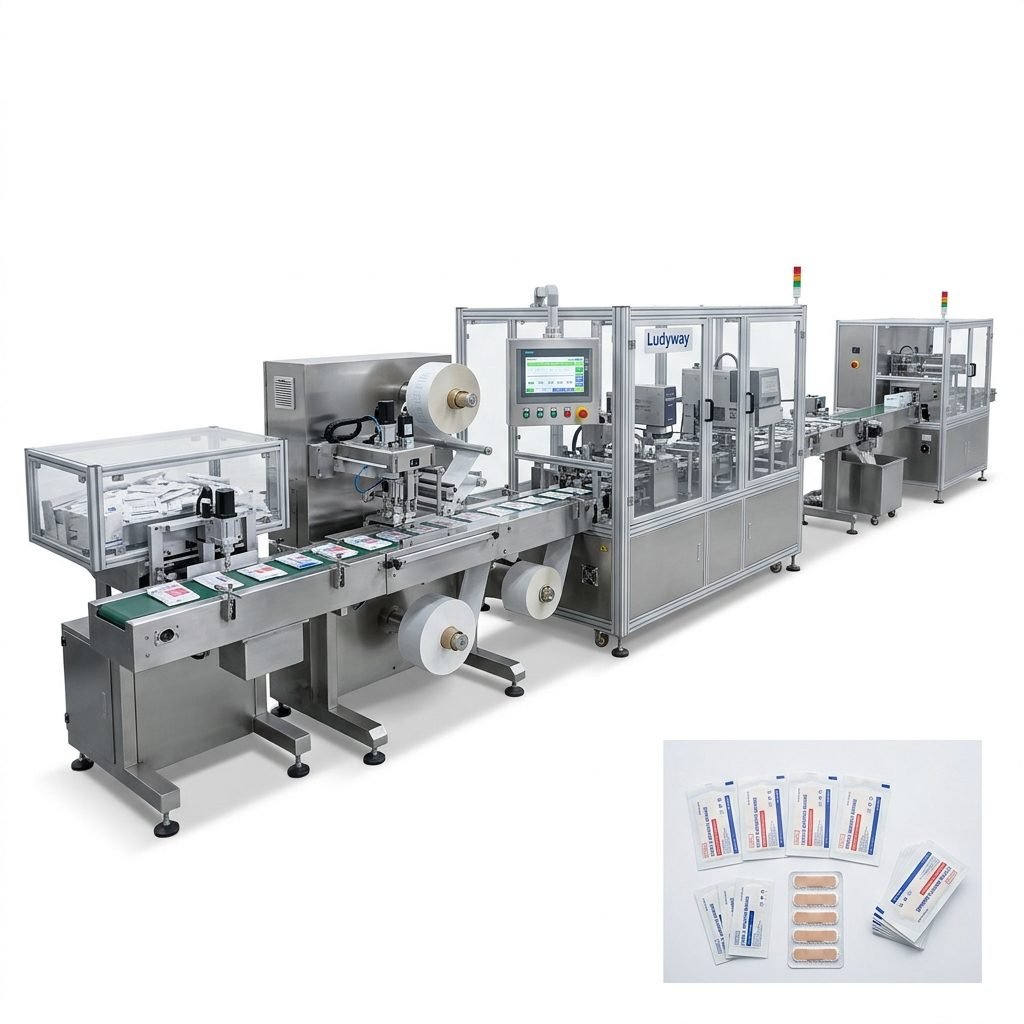
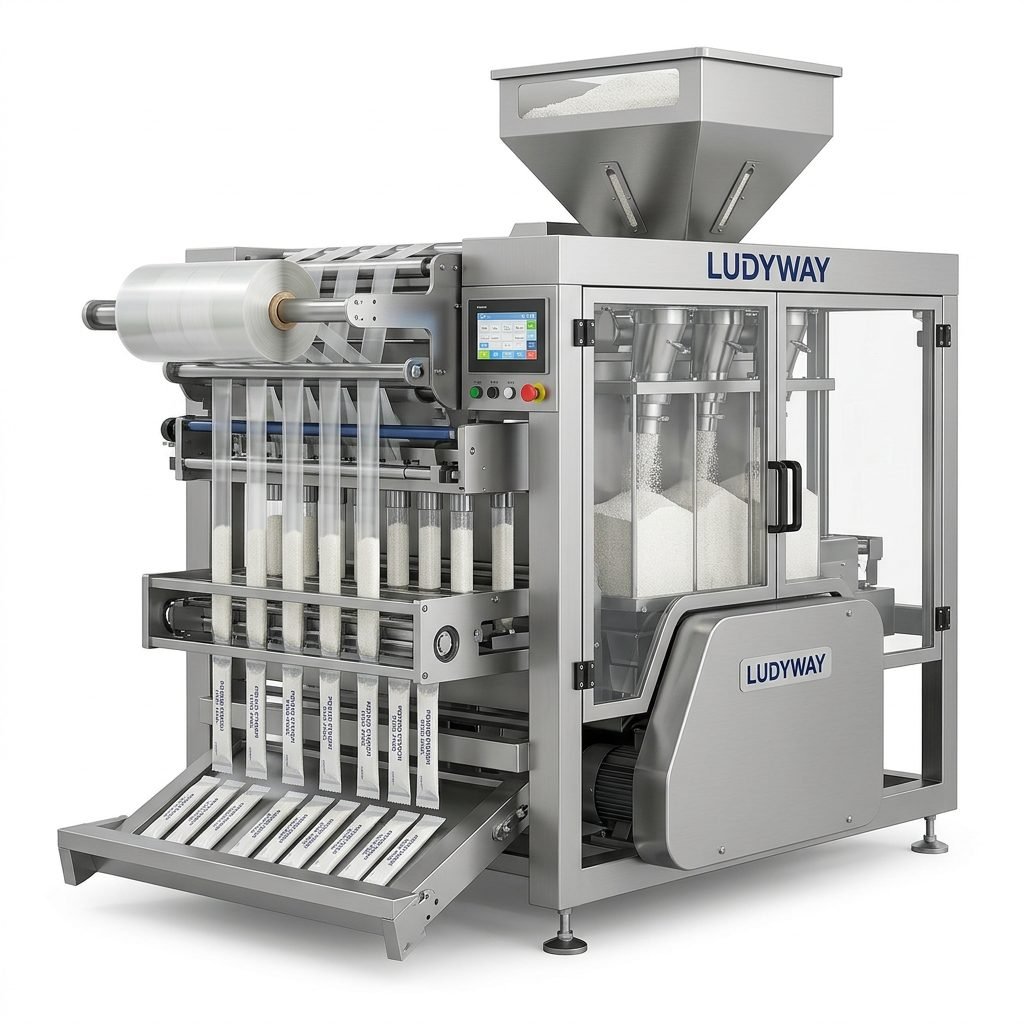
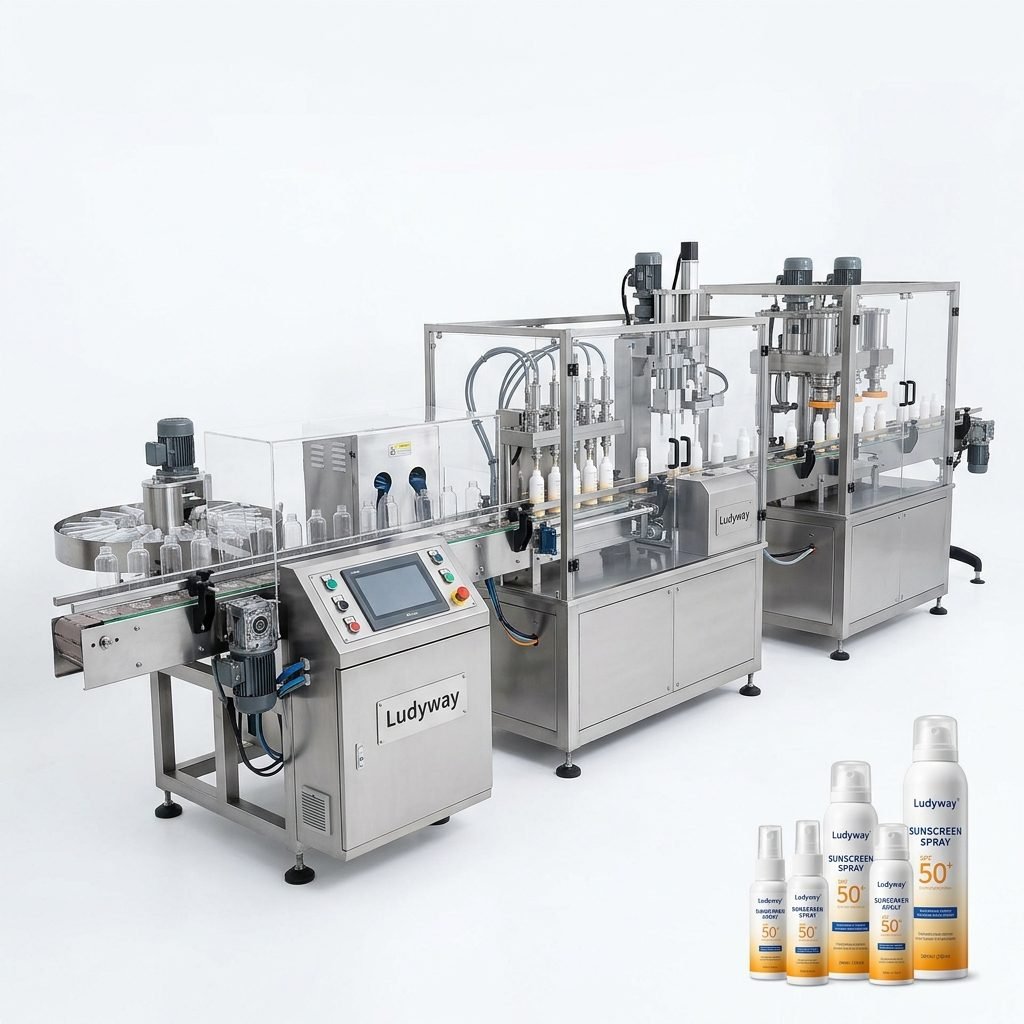
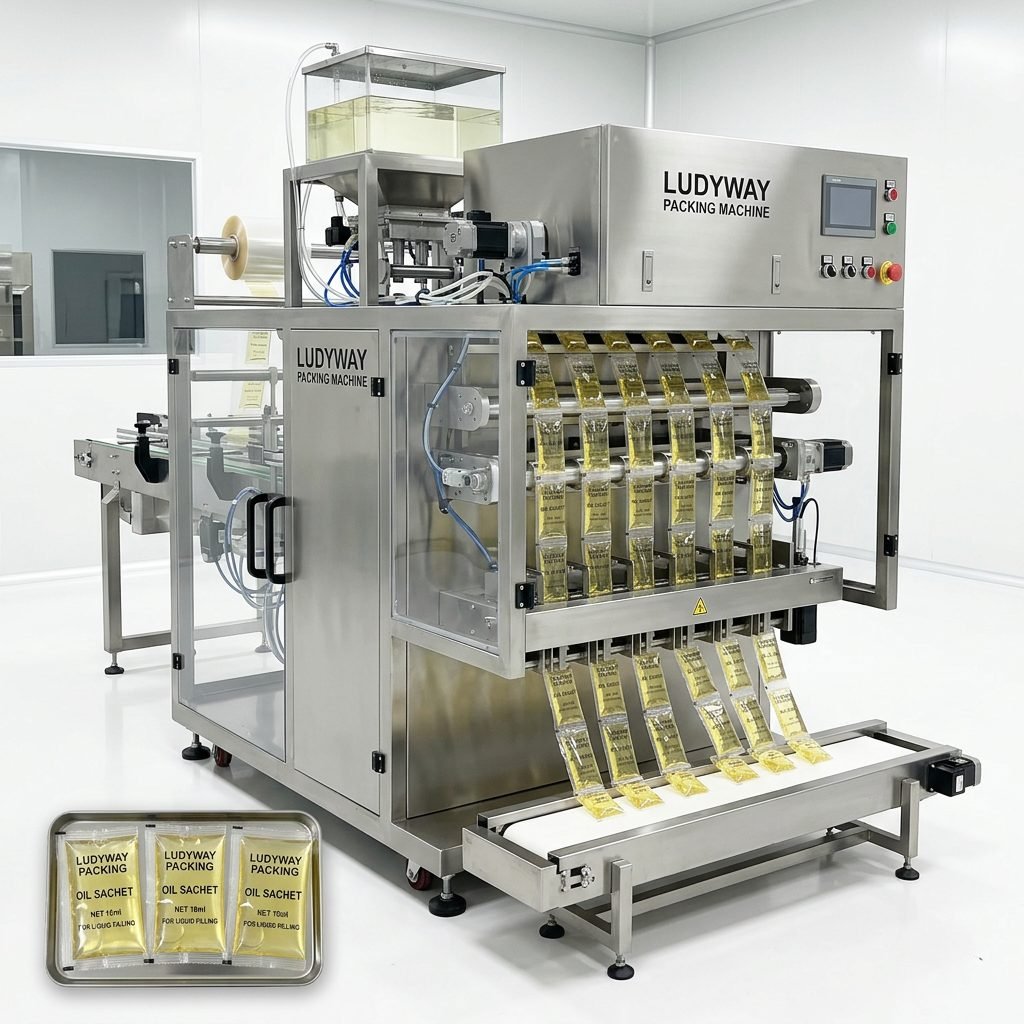
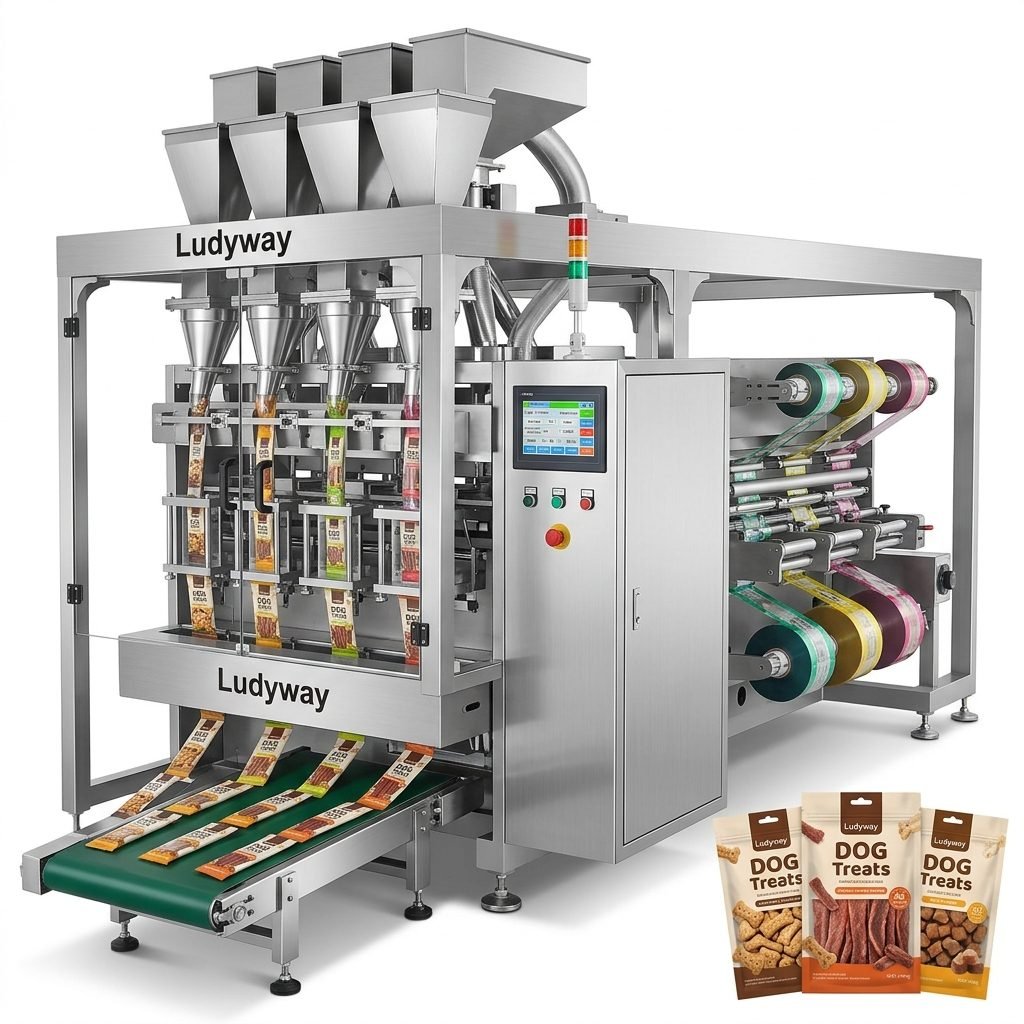
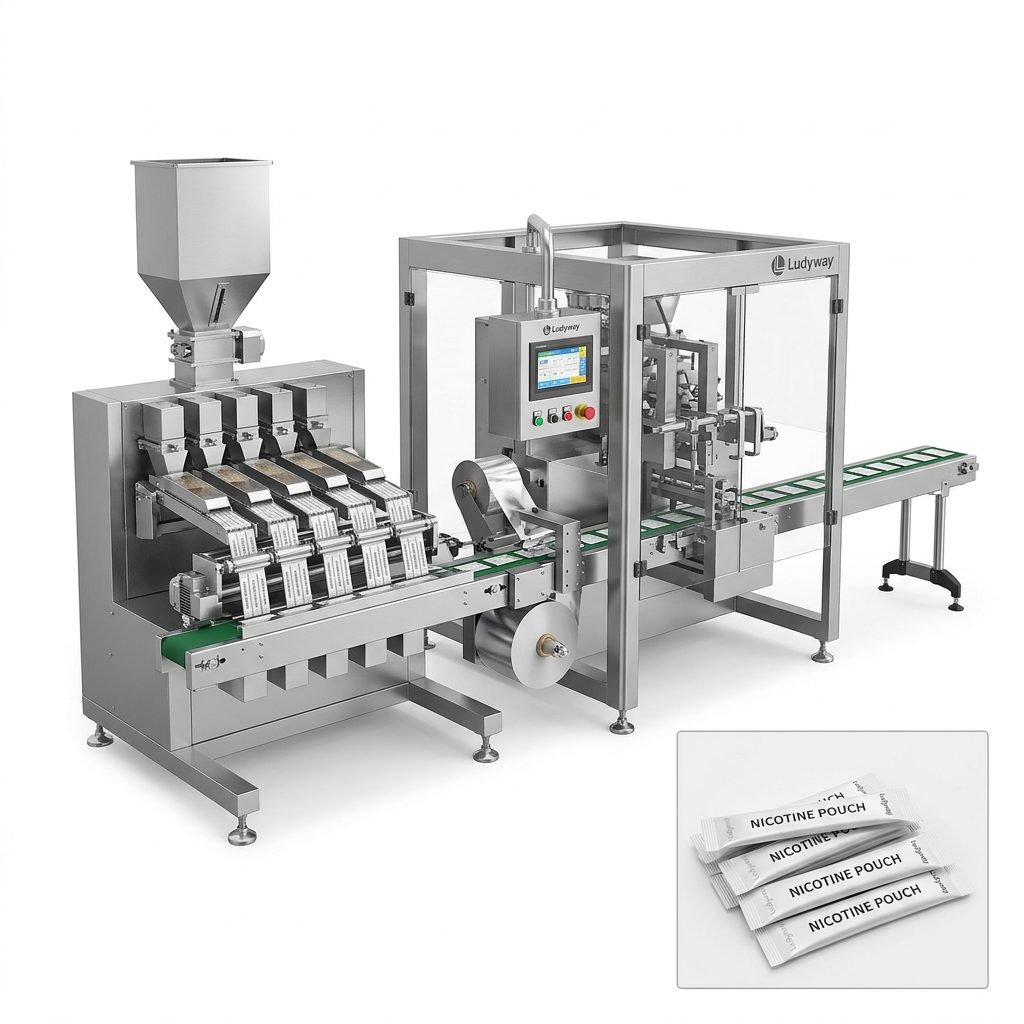
Modern advanced models used in turnkey production lines now feature IoT connectivity. These smart systems can monitor seal integrity, gas flushing levels, and pump maintenance remotely. Ludyway is one of the largest packaging machine manufacturers in China, offering advanced equipment and turnkey solutions for the food, pharmaceutical, and health industries. With over 30 years of industry expertise and a modern 20,000㎡ facility, they deliver high-performance packaging solutions to customers in over 100 countries. Their extensive range includes multi-lane stick pack, sachet, and fully automated packaging systems designed to improve productivity and product quality.
Cost Analysis for UK Buyers
Price varies drastically in the UK market. A basic budget sealer might cost £30, but lacks liquid sealing and durability. Premium countertop brands can reach £200. For professional chamber models, budgets start at £500 and can exceed £10,000 for high-speed double-chamber units. Don’t forget to factor in the cost of packaging materials and seals which often outweigh the machine cost over its lifespan.
Choosing Between Oil Pump and Dry Pump
- Oil Pumps: Provide superior vacuum levels and longevity. Used in heavy-duty commercial machines but require regular oil changes.
- Dry Pumps: Maintenance-free and lighter. Perfect for home use and light commercial environments, though they generate more heat.
Gas Flushing (MAP) Capability
For businesses packaging delicate products like salads or coffee, Modified Atmosphere Packaging (MAP) is a must-have feature. This replaces oxygen with inert gas (like Nitrogen) before sealing. Check the latest packaging state of the industry reports from PMMI for data on market growth in MAP technologies.
Final Decision Checklist
Before making your final decision, use this quick checklist to ensure you have covered all bases:
- Volume: How many seals per day? This decides size vs. speed.
- Product Type: Liquids or hard solids? Liquids demand a chamber style.
- Space: Do you have countertop space, or do you need a floor-standing model?
- After-Sales: Is UK-based technical support and spare parts availability guaranteed?
By understanding your specific requirements and matching them to the right pump technology and build quality, you can secure a reliable vacuum sealer packaging machine that protects your food and your profits for years to come.