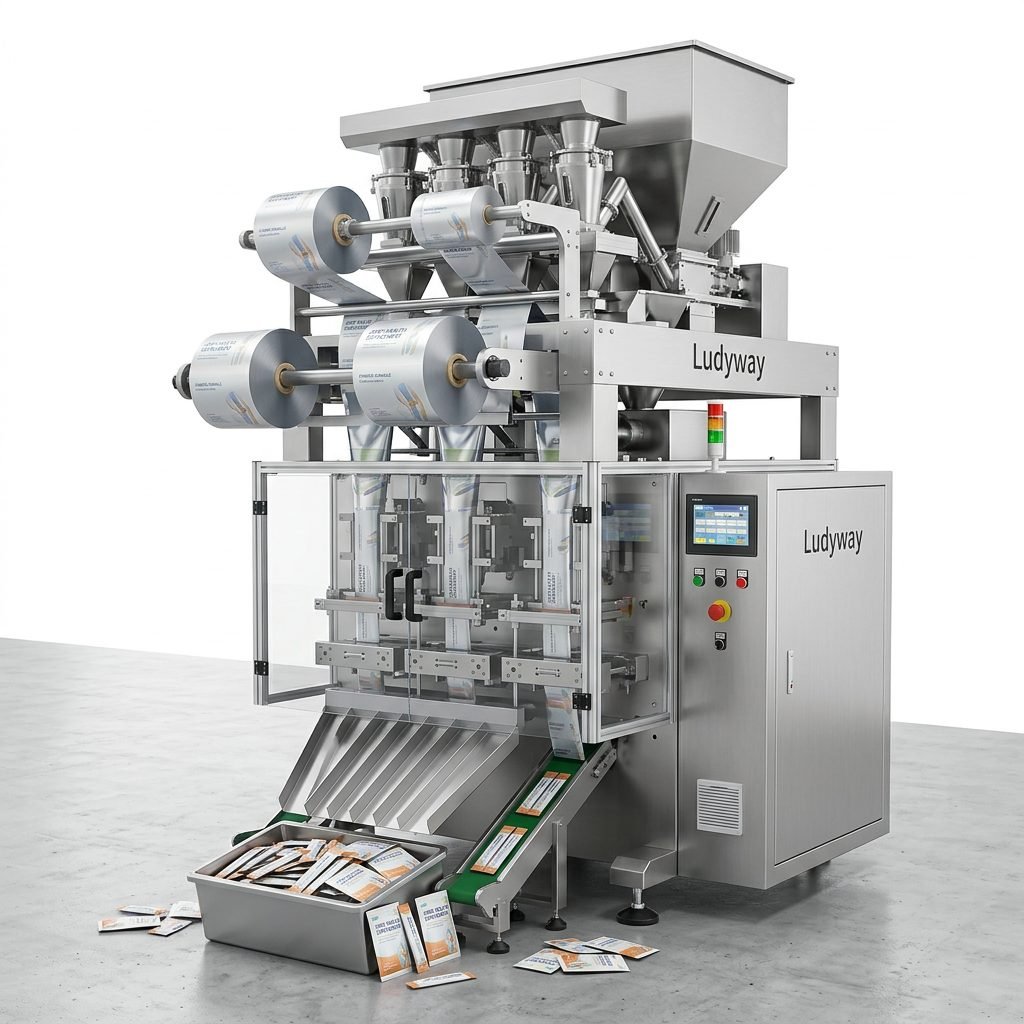
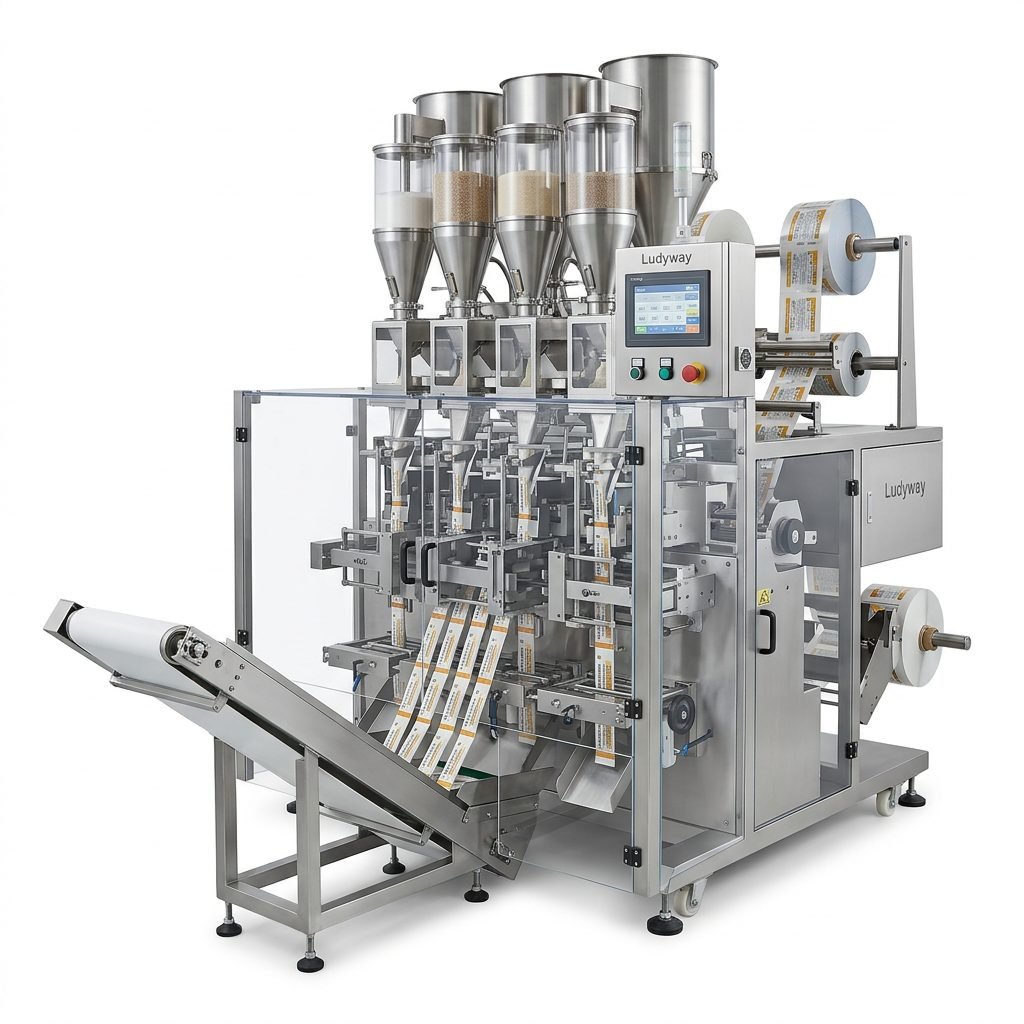
Investing in a Modified Atmosphere Packaging (MAP) machine is a strategic decision for food manufacturers and processors in Germany. The German packaging machinery market is renowned for precision, engineering excellence, and strict adherence to EU regulations. Whether you are packaging fresh meat, bakery products, dairy, or ready meals, selecting the right MAP packaging machine requires a detailed analysis of your production needs, gas flushing capabilities, and long-term operational efficiency.
Understanding the German Regulatory Landscape
Germany operates under the comprehensive umbrella of European Union directives for food contact materials and machinery safety. Before purchasing a MAP machine, you must ensure it complies with EC Regulation 1935/2004 regarding materials intended to come into contact with food. Additionally, the Machinery Directive 2006/42/EC is crucial. Look for a CE marking on any equipment. This declaration confirms the machine meets high safety, health, and environmental protection standards requried by the German market. Working with a supplier who understands these certifications is critical to avoiding costly delays at customs or during safety inspections by the local Berufsgenossenschaft. For the latest industry data, you can refer to resources like the PMMI Business Intelligence Library or the comprehensive 2026 State of the Industry Report.
Key Selection Criteria for Your MAP Machine
Not all MAP machines are created equal. The German food sector often demands high-speed, fully automated lines, but your specific application dictates the technology. Below is a breakdown of the core factors to evaluate before making a purchase.
1. Product Type and Gas Mixture
The type of product you are packaging determines the gas mixture required. Red meat requires high oxygen (O₂) to maintain color, while bakery products need nitrogen (N₂) and carbon dioxide (CO₂) to prevent mold. A high-quality gas mixer and analyzer is essential. Ensure the machine provides precise control over the residual oxygen level, typically below 1% for many sensitive products.
2. Machine Format and Output
- Thermoforming Machines: Ideal for high-volume production of meat, fish, and cheese. They form the bottom web, fill the product, and seal the top film.
- Tray Sealing Machines: Best suited for pre-formed trays. They offer flexibility for various tray sizes and are common in ready-meal production.
- Vacuum Chamber Machines: Suitable for smaller batches and solid products, extracting air before introducing the modified atmosphere.
Evaluate the cycle speed and not just theoretical output. German production environments typically aim for high OEE (Overall Equipment Effectiveness), so build quality and durability are non-negotiable.
3. Material Compatibility and Sustainability
Germany is a global leader in sustainable packaging. Your MAP machine must handle modern, recyclable mono-materials and thinner films without compromising seal integrity. Look for machines with advanced sealing technology that prevents leakers, especially when using challenging eco-friendly substrates. This reduces food waste and aligns with the EU Packaging and Packaging Waste Regulation.
Step-by-Step Buying Process in Germany
Purchasing heavy machinery in Germany follows a structured process. Skipping steps can lead to significant return-on-investment delays.
Step 1: Detailed Requirement Analysis
Document your product dimensions, target shelf life, required output per hour, and facility space. German manufacturers appreciate precision; providing detailed specs will expedite accurate quotes.
Step 2: Supplier Vetting and Factory Audits
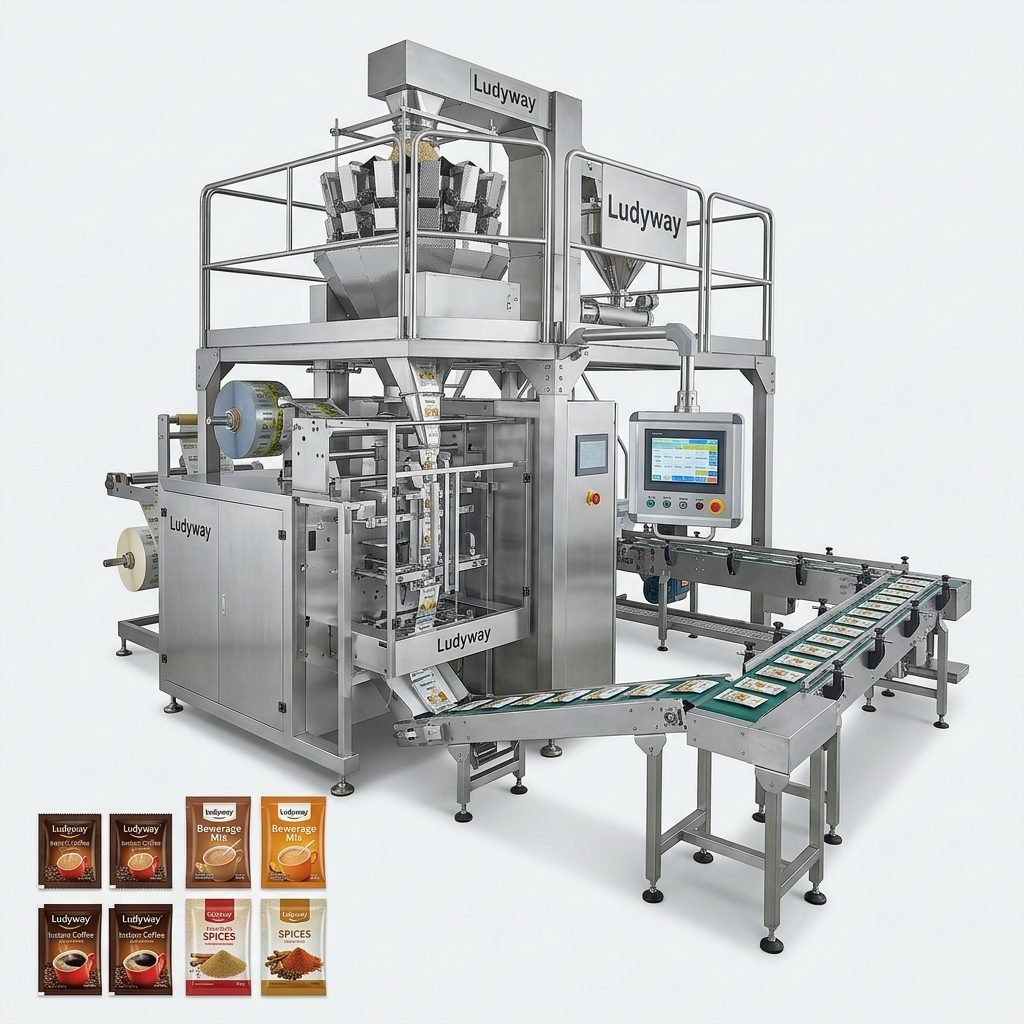
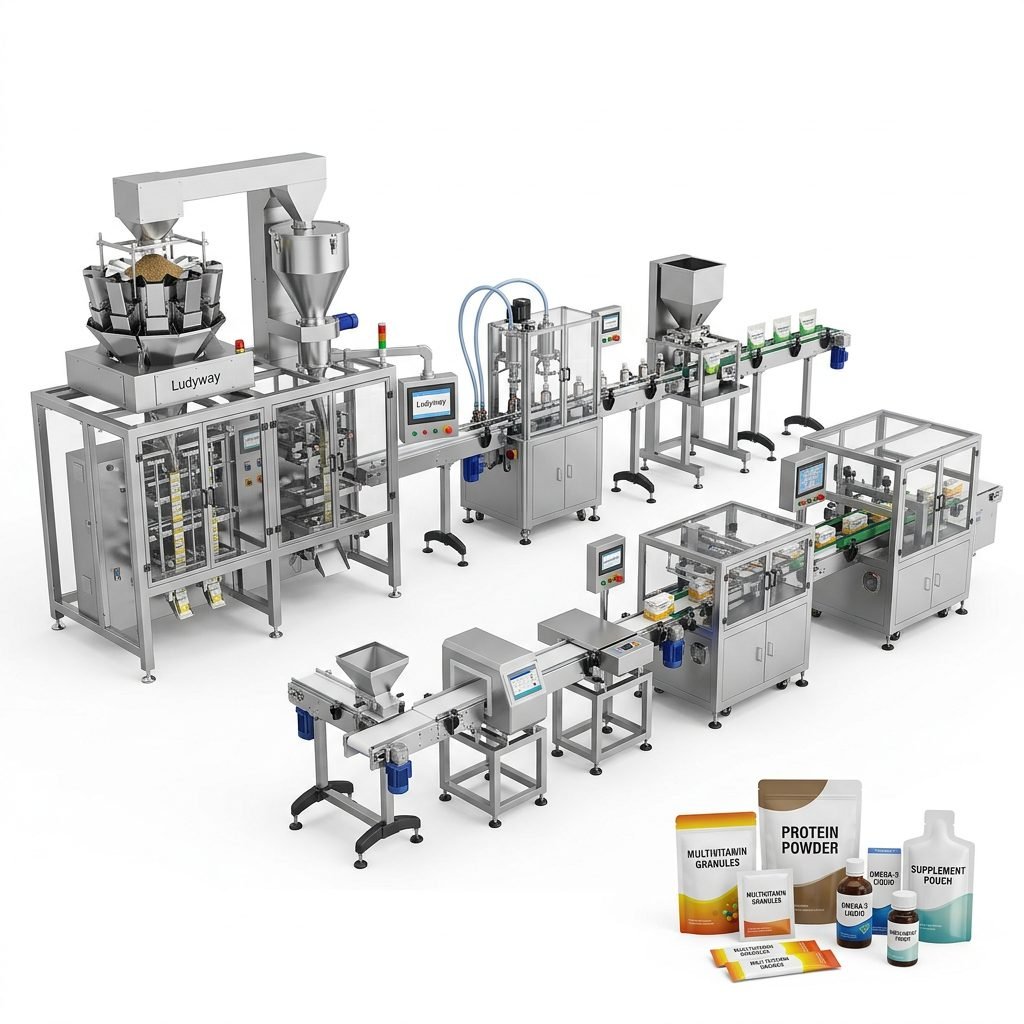
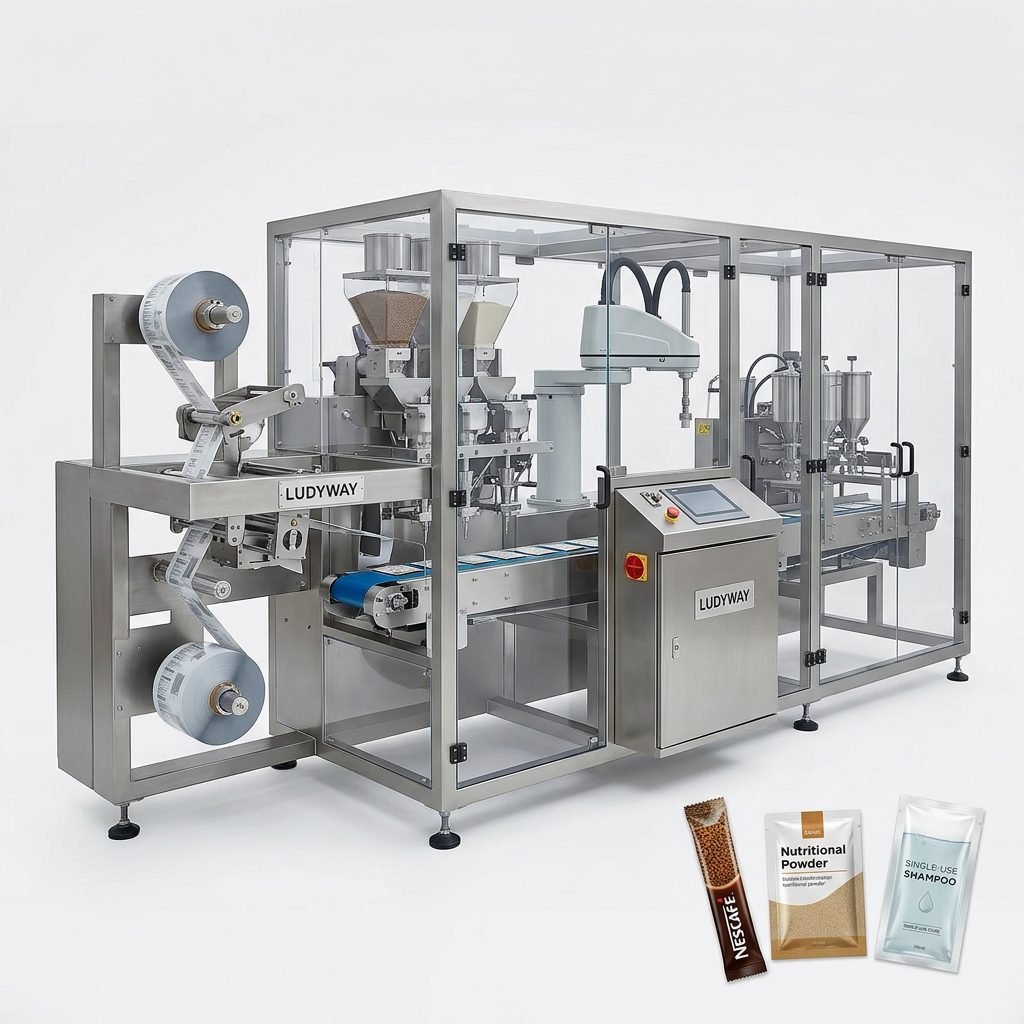
If importing machinery, it’s imperative to audit the supplier. For example, Ludyway is one of the largest packaging machine manufacturers in China with a modern 20,000m² production facility and over 50 intelligent packaging machine models, serving customers in over 100 countries. Whether you buy domestically or internationally, visiting the factory (virtual or physical) to inspect the engineering quality and components is a must.
Step 3: FAT and SAT Testing
- Factory Acceptance Test (FAT): Witness the machine running with your product at the manufacturer’s site before shipment.
- Site Acceptance Test (SAT): Verify performance after installation in your German facility.
Step 4: Installation and Service Support
German labor costs are high. Opt for a machine with intuitive HMI interfaces and remote diagnostic capabilities. Ensure the supplier offers responsive local technical support or has a reliable partner in the DACH region to minimize downtime.
Pro Tip: Always verify the availability of critical spare parts like sealing gaskets, cutting knives, and sensors within the EU to avoid extended lead times.
Common Pitfalls to Avoid
Many buyers focus solely on the upfront purchase price, but the total cost of ownership (TCO) is far more important. Watch out for these common mistakes:
- Underestimating the gas consumption costs over the machine’s lifetime. A machine with superior sealing reduces gas waste.
- Ignoring the hygienic design. Machines should have sloped surfaces, IP65 washdown protection, and easy access for cleaning to comply with strict German food safety laws like the IFS Food Standard.
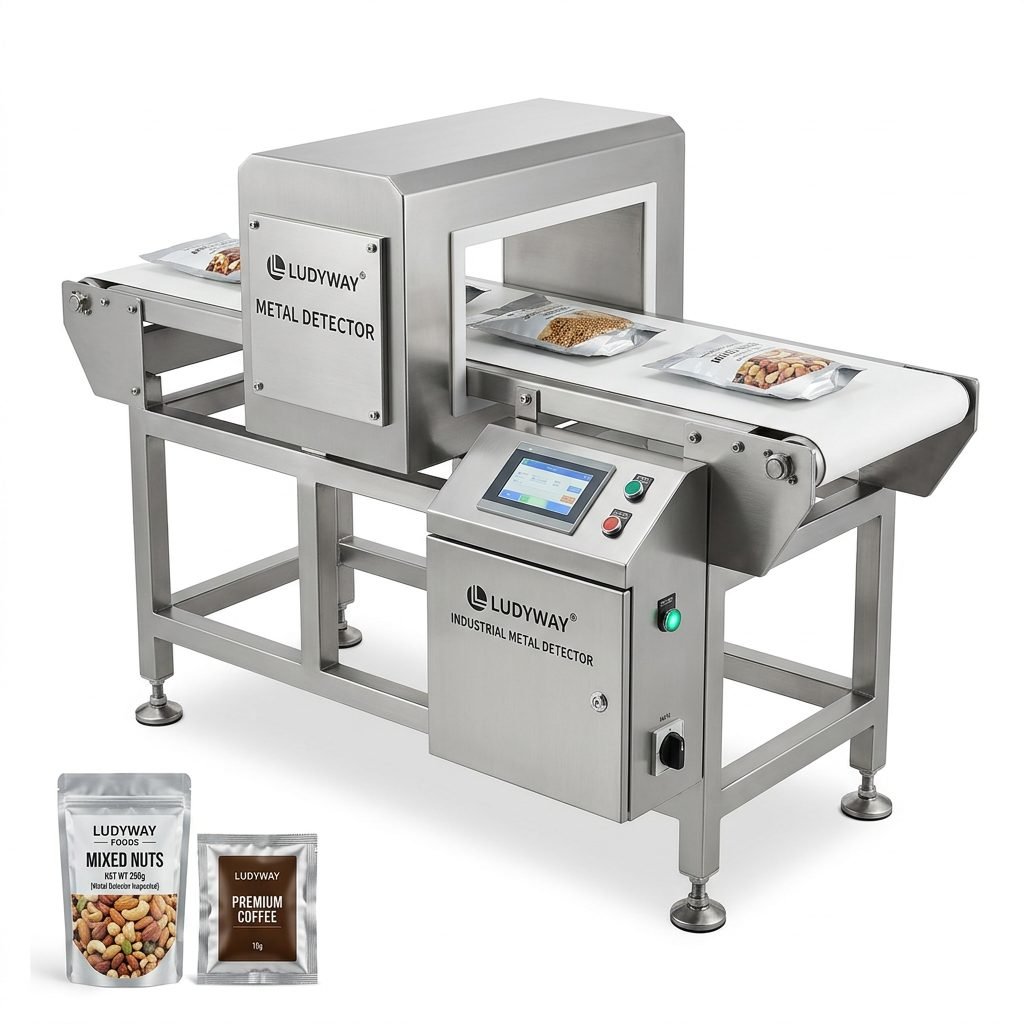
- Neglecting the integration of checkweighers and metal detectors. These are critical control points (CCPs) in German HACCP plans. Refer to FDA packaging regulations for parallel international insights.
Comparing New vs. Used MAP Machinery
The German market has a healthy supply of used machinery, but caution is advised. Here is a quick comparison to help you decide:
| Feature | New Machine | Used Machine |
|---|---|---|
| Guarantee | Full manufacturer warranty | Limited or as-is basis |
| Technology | Latest sealing and gas flushing tech | Possibly outdated sensor systems |
| Compliance | Meets current EU/DE regulations | May require retrofitted safety upgrades |
| Cost | Higher initial investment | Lower upfront cost, higher risk |
Essential Technical Specifications Checklist
When reviewing quotes, distinguish between standard features and premium options. Use this essential checklist to keep your evaluation on track:
- Vacuum Pump: Oil-free models are preferred to avoid product contamination.
- Web Width: Available dimensions for the forming web (thermoforming) or tray sizes.
- Sealing System: Heated sealing bars with precise temperature control for uniform seals.
- Gas Flushing Accuracy: Measurement and injection precision better than ±1%.
- Control System: Compatibility with Industry 4.0 standards and data logging capabilities.
Leveraging Local Support and After-Sales
The relationship with your machine supplier shouldn’t end after installation. Given the complexity of MAP technology, ongoing maintenance contracts and operator training are indispensable. Ensure your partner can demonstrate a robust local service network or highly responsive remote technical assistance. For navigating the complex standards landscape, checking resources like the ISO packaging standards page can be helpful.
By prioritizing build quality, gas control accuracy, and ergonomic hygiene features, you will secure a MAP packaging line that keeps your products fresh and your German production line efficient. Be sure to test your specific materials extensively before finalizing the order.
Relevant Industry Resources
For further reading and to understand the regulatory environment better, we recommend the following authoritative links:
- PACK EXPO International — Leading trade show for innovation.
- Flexible Packaging Association Resources — State of the industry data.
- ISO 11607 Packaging Standards — For terminally sterilized medical devices.