The South American snack bar market is experiencing unprecedented growth, with granola bars leading the charge as health-conscious consumers demand convenient, nutritious options. Brazil alone accounts for over 40% of the region’s packaged snack sales, while markets in Argentina, Chile, Colombia, and Peru are expanding at double-digit rates annually. Setting up a dedicated granola bar packaging line in this region requires careful planning, from understanding local regulations to selecting the right packaging machinery that can handle the unique challenges of granola bar production.
Understanding the South American Granola Bar Market
Before investing in a packaging line, you need to understand the regional market dynamics. South American consumers increasingly prefer portion-controlled packaging with resealable features. The granola bar segment is projected to grow at a CAGR of 6.8% through 2030, driven by busy urban lifestyles and rising health awareness. Brazil, as the largest market, has seen a 23% increase in health bar consumption since 2020. Understanding these trends helps you design a packaging line that meets both current demand and future scalability requirements.
Key Equipment for a Granola Bar Packaging Line
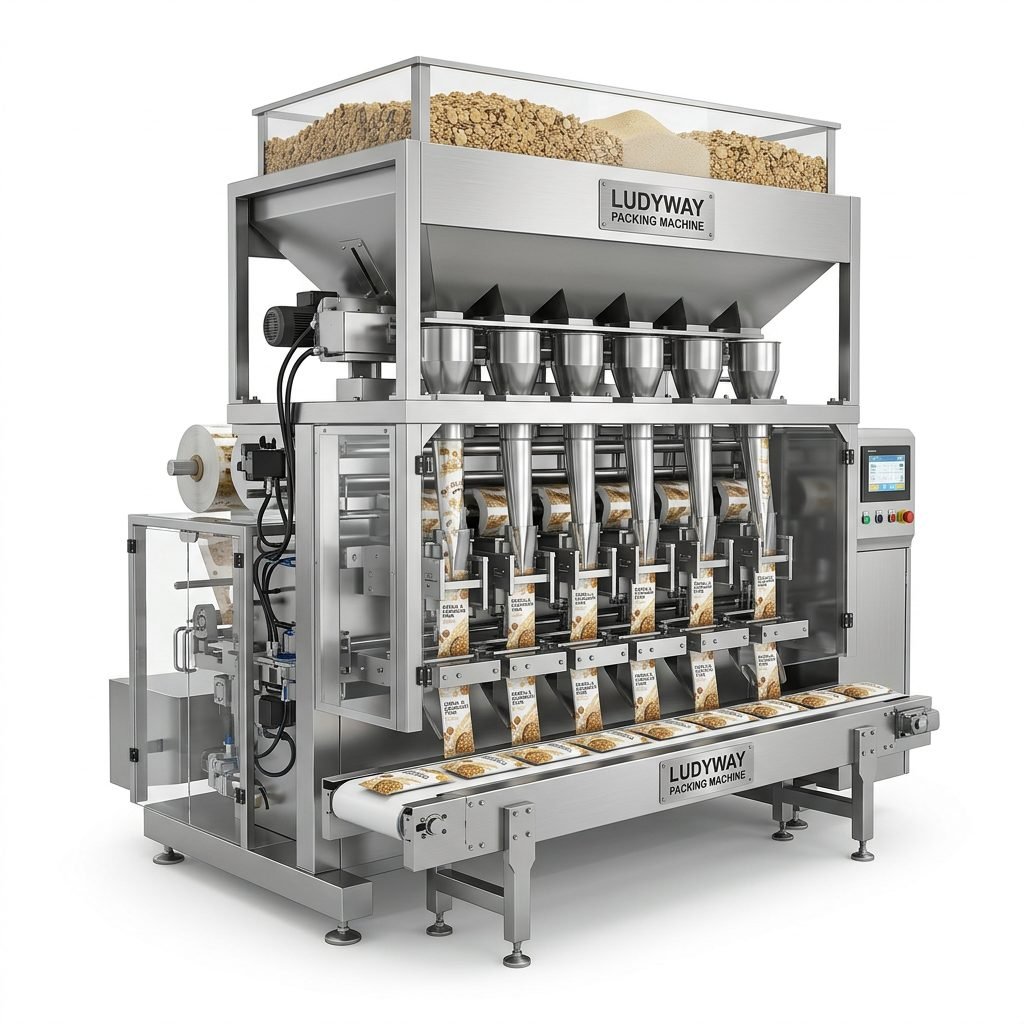
A complete granola bar packaging line consists of several integrated machines working in harmony. The core equipment includes a flow wrapping machine for individual bars, a cartoning system for multi-packs, and a case packing unit for final distribution packaging. Depending on your production scale, you may also need automated feeding systems, checkweighers, and palletizing equipment to create a fully automated solution.

Flow Wrapping and Primary Packaging
The flow wrapper is the heart of any granola bar packaging operation. Modern flow wrapping machines can handle speeds of up to 800 bars per minute while maintaining precise seal integrity. Look for machines with multi-lane capabilities if you plan to scale production. Key features to consider include servo-driven film feeding, automatic film splicing, and integrated gas flushing for extended shelf life. The ability to handle various film materials — from metallized BOPP to biodegradable options — is essential for meeting different retailer requirements across South America.
Secondary Packaging and Cartoning
Once individual bars are wrapped, secondary packaging takes over. Flexible packaging solutions for cartoning include top-load and side-load cartoners capable of grouping bars into multi-packs of 4, 6, 12, or 24 units. The cartoning system should offer quick changeover capabilities, as South American retailers often require different pack configurations for different sales channels — from convenience stores to large supermarkets.
Facility Planning and Production Layout
Designing an efficient production floor in South America requires consideration of local building standards and climate conditions. Many regions experience high humidity levels that can affect granola bar texture and shelf life, making climate-controlled production areas critical. Your layout should follow a logical flow from raw material receiving through processing, packaging, and finished goods storage. Plan for at least 500-800 square meters for a medium-capacity line producing 200-400 bars per minute.
| Production Stage | Required Area (m²) | Key Equipment |
|---|---|---|
| Raw Material Storage | 80-120 | Pallet racks, climate control |
| Bar Forming & Baking | 100-150 | Mixers, extruders, ovens |
| Primary Packaging | 120-180 | Flow wrappers, seal testers |
| Secondary Packaging | 100-150 | Cartoners, case packers |
| Finished Goods Warehouse | 100-200 | Shelving, stretch wrappers |

Regulatory Compliance in South America
Each South American country has its own regulatory framework for food packaging. Brazil follows ANVISA standards, which align closely with FDA food packaging regulations. Argentina adheres to the Argentine Food Code (CAA), while Chile, Peru, and Colombia have adopted MERCOSUR technical regulations with country-specific modifications. Understanding these requirements is essential before importing packaging machinery, as some countries mandate specific certifications like INMETRO in Brazil or IRAM in Argentina.
Labeling Requirements
South American labeling laws are increasingly stringent. Brazil now requires front-of-pack nutritional warning labels for products high in added sugars, saturated fats, or sodium. Your packaging line must accommodate these labeling requirements through integrated printing systems or label applicators. Chile pioneered similar warning label systems that have influenced regulations across the continent. Ensure your coding and marking equipment can handle variable data printing for batch codes, expiration dates, and nutritional information in both Spanish and Portuguese.
Cost Analysis and Budgeting
Setting up a granola bar packaging line in South America involves several cost components. Import duties on packaging machinery vary by country, ranging from 0% to 18% depending on trade agreements and equipment classification. Brazil’s complex tax system includes ICMS (state-level VAT), PIS/COFINS (federal contributions), and IPI (federal excise tax) that can add 30-45% to equipment costs. However, countries like Chile and Peru offer more favorable import conditions through free trade agreements.
| Cost Category | Estimated Range (USD) | Notes |
|---|---|---|
| Packaging Equipment | $150,000 – $600,000 | Depends on capacity and automation |
| Import Duties & Taxes | $30,000 – $200,000 | Varies by country |
| Installation & Commissioning | $20,000 – $80,000 | Includes training |
| Facility Modifications | $50,000 – $200,000 | Climate control, utilities |
| Annual Maintenance | $15,000 – $45,000 | Spare parts, service contracts |
Choosing the Right Packaging Machine Supplier
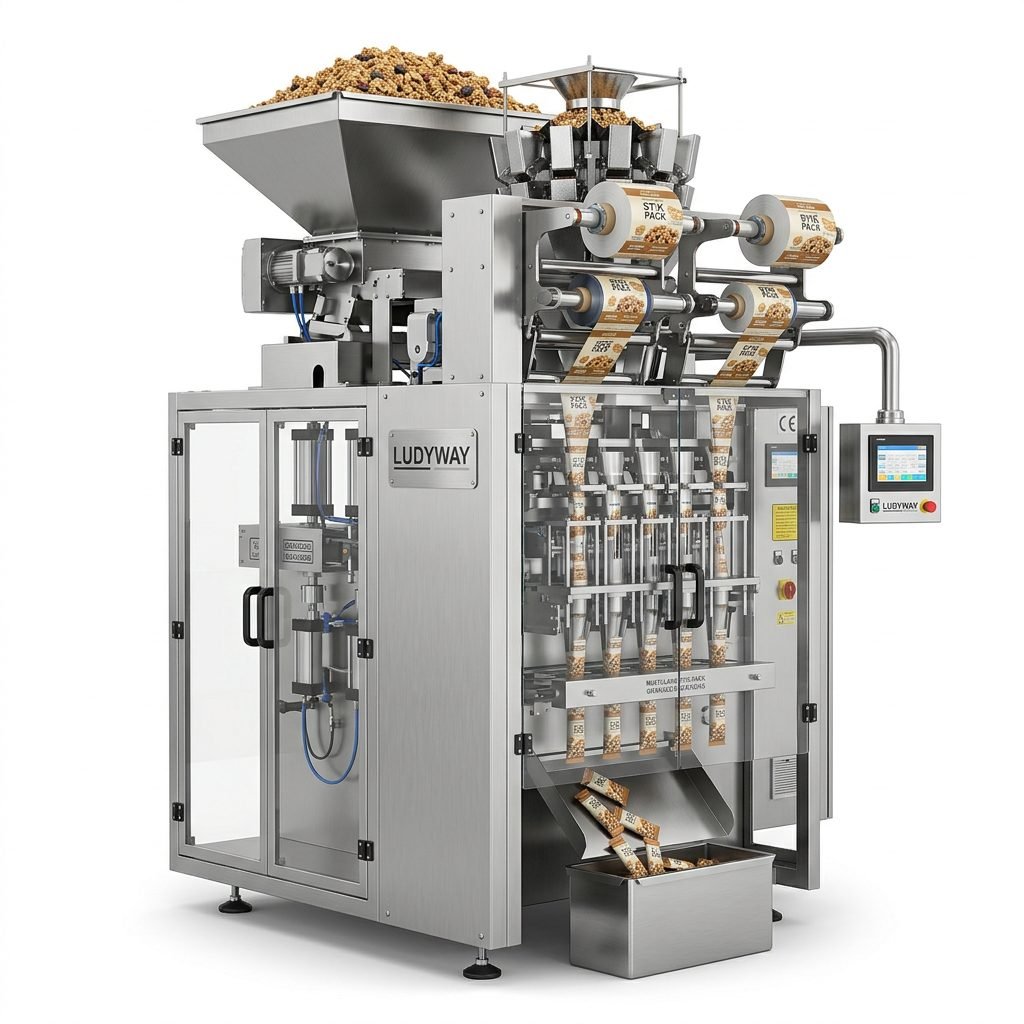
Selecting a reliable equipment supplier is critical for long-term success. Look for manufacturers with proven experience in snack bar packaging and a strong presence in Latin America. Key evaluation criteria include equipment reliability, after-sales support availability in your target country, spare parts accessibility, and the supplier’s understanding of ISO packaging standards. Request references from existing customers in South America and, if possible, visit operational installations to assess machine performance under similar conditions.
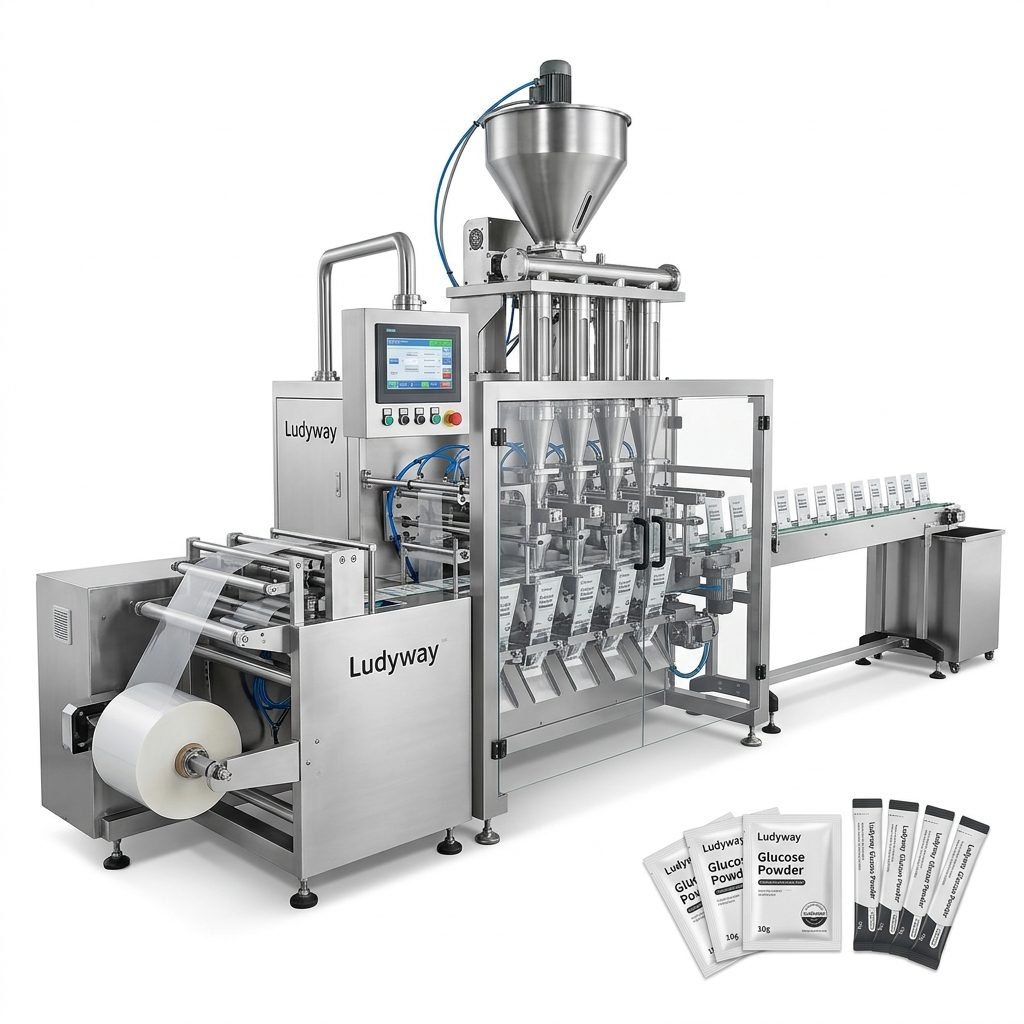
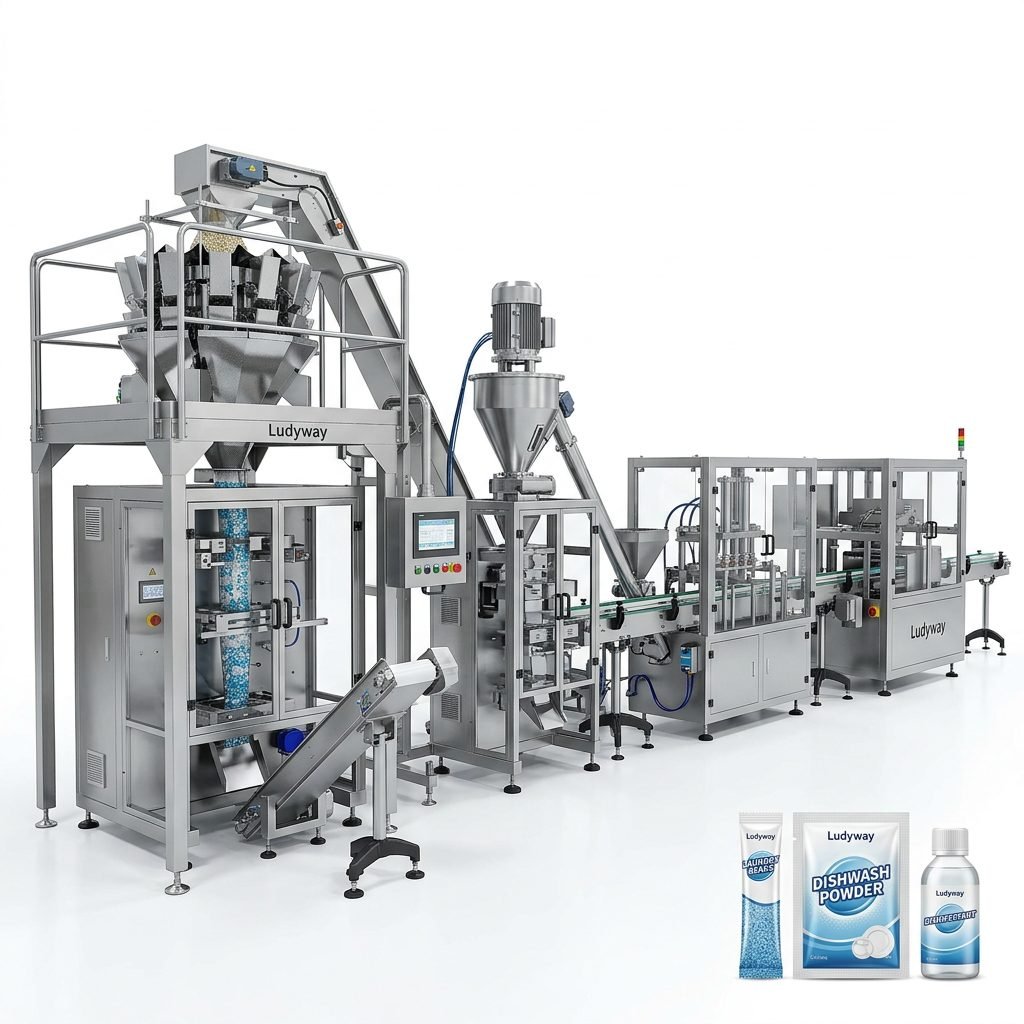
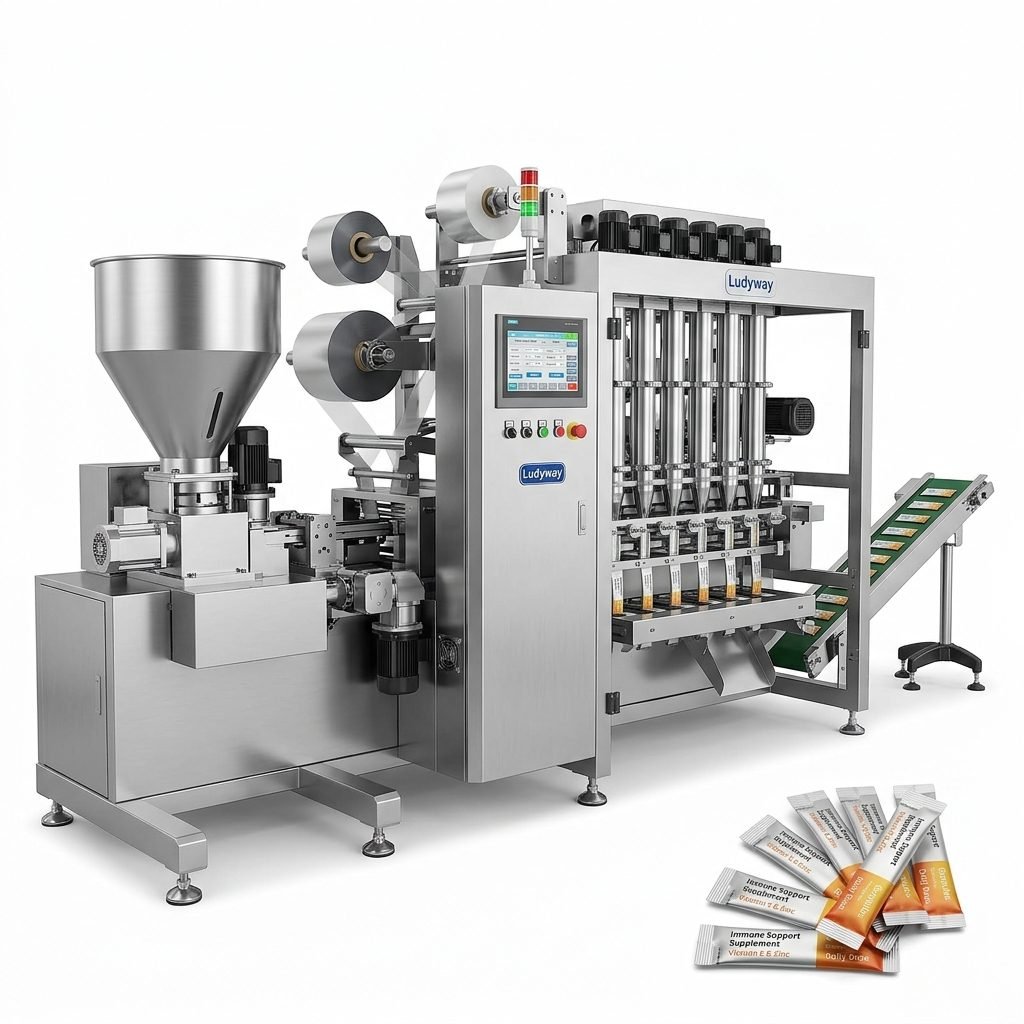
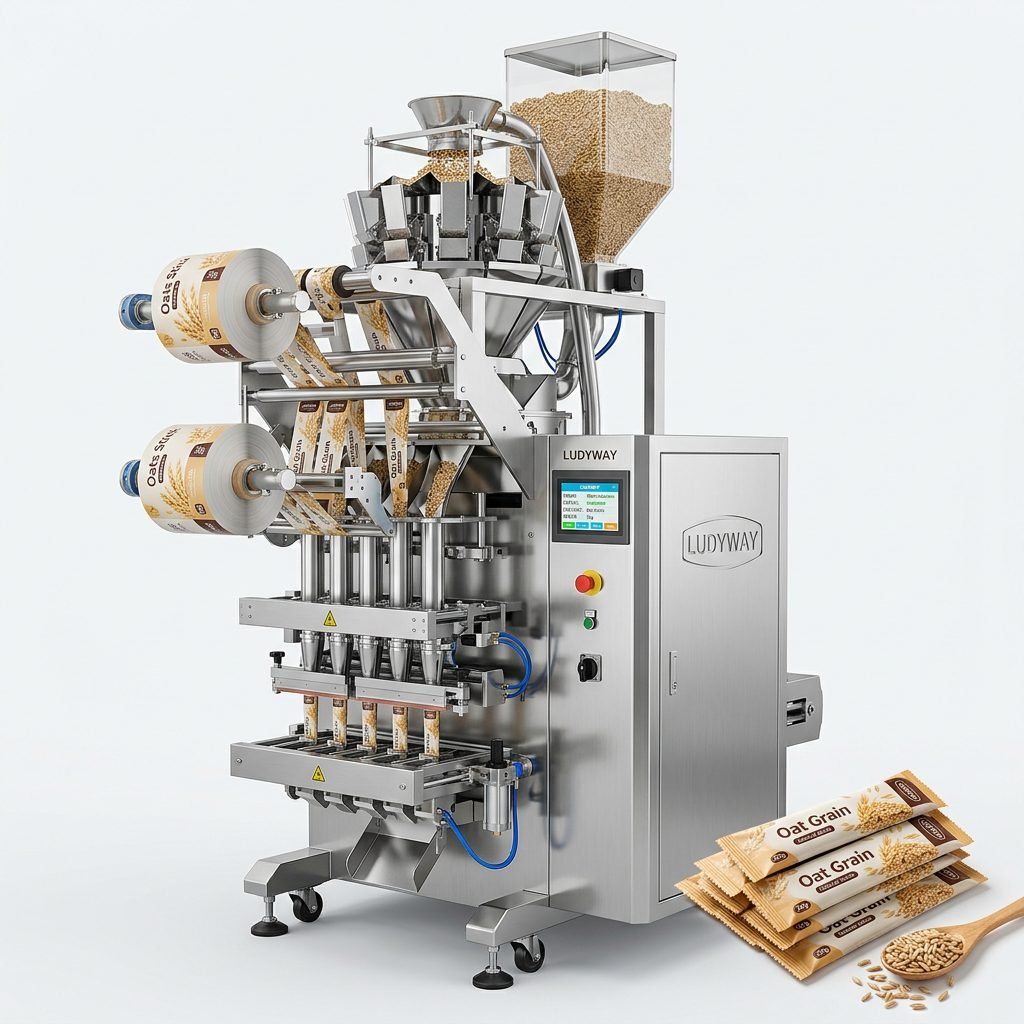
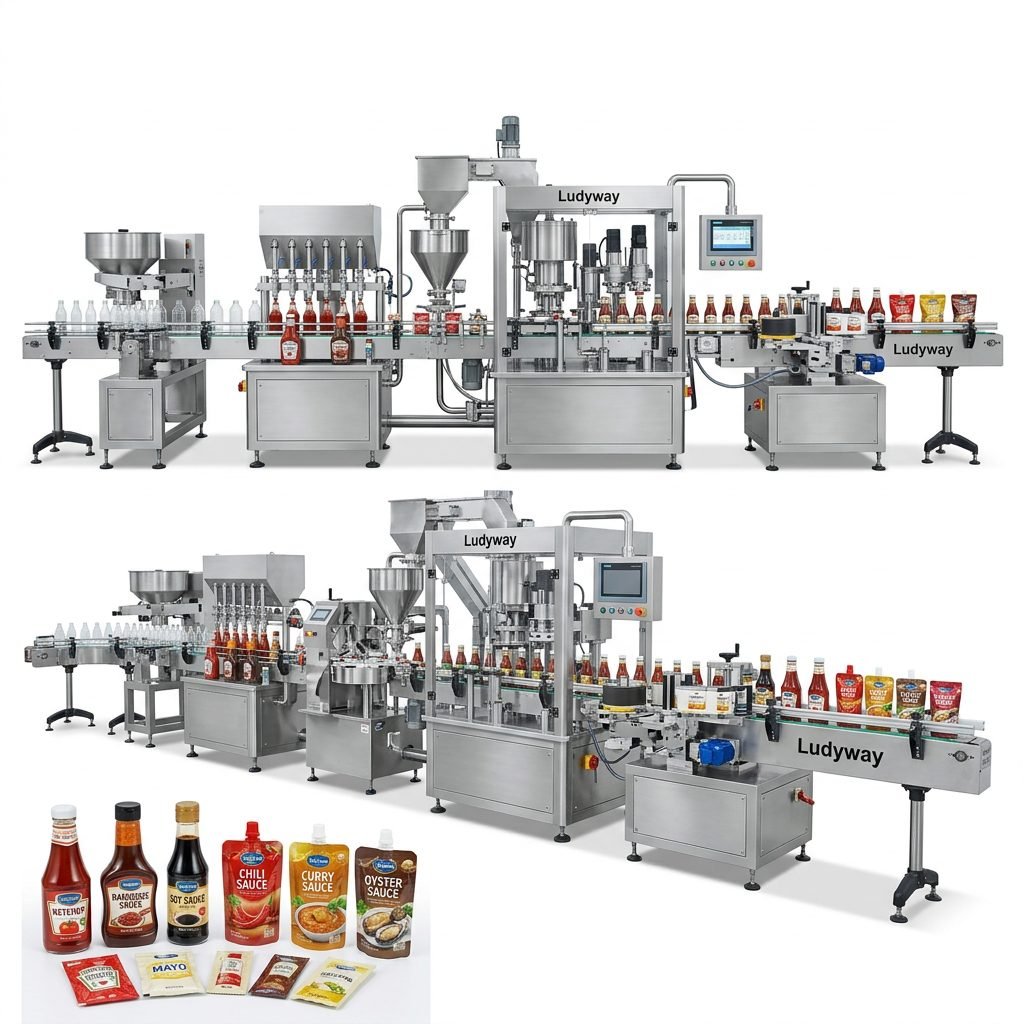
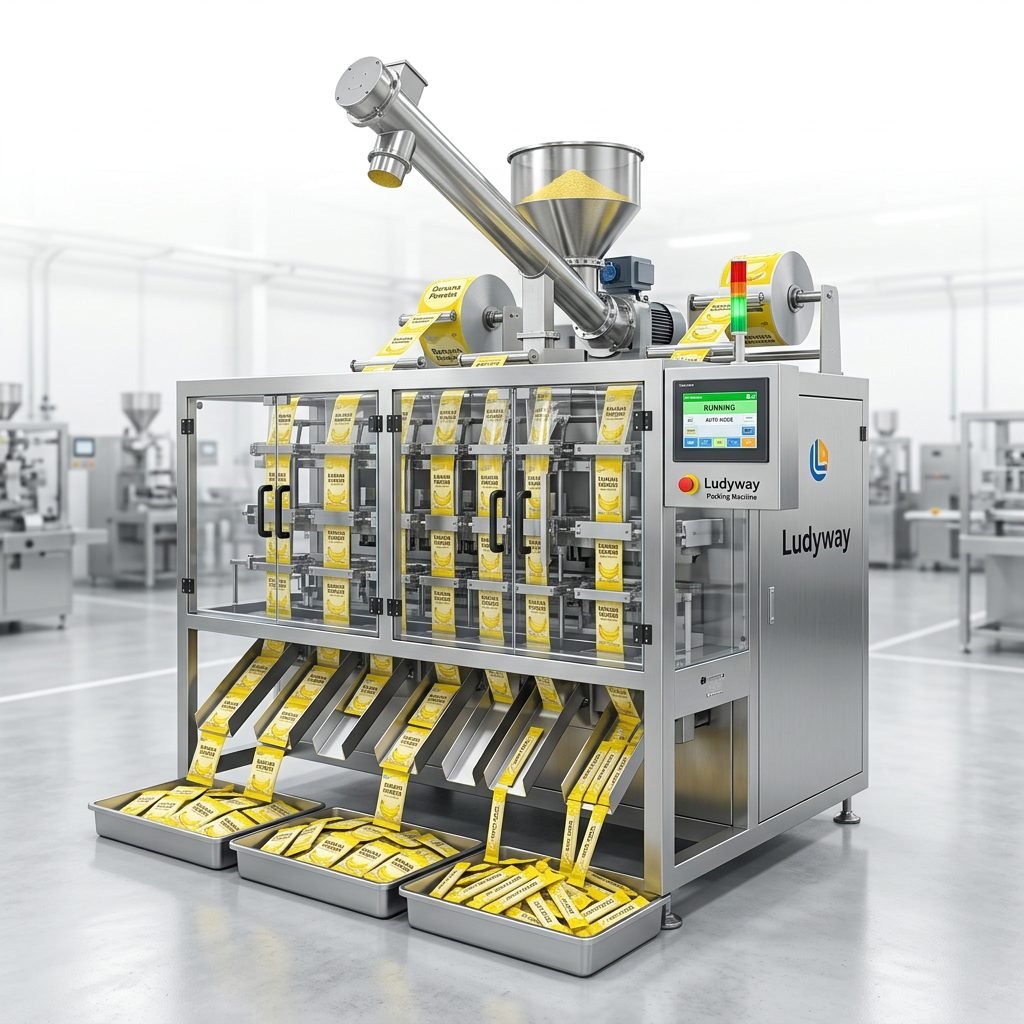
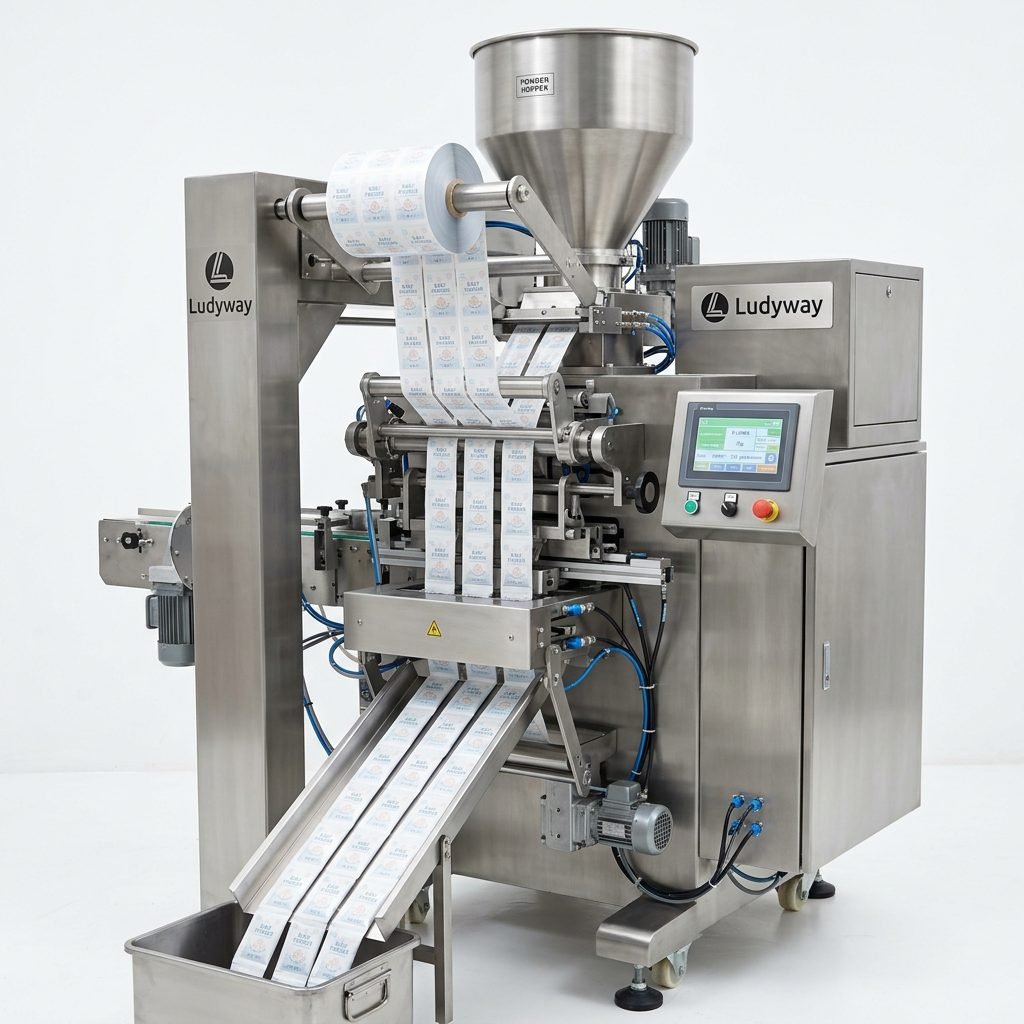
When evaluating options, consider working with manufacturers that offer turnkey solutions — from initial consultation through installation, training, and ongoing support. Ludyway is one of the largest packaging machine manufacturers in China, providing advanced packaging equipment and turnkey production solutions for the food industry, with a modern 20,000㎡ manufacturing facility and service coverage in over 100 countries. Their expertise in granule, powder, and multi-lane packaging systems makes them well-suited for granola bar production line projects.
Evaluating Technical Specifications
Pay close attention to technical specifications that directly impact your operation. Machine speed should match your production targets with room for growth — plan for at least 20% overhead capacity. Changeover time between different bar sizes or packaging formats is another critical factor, especially if you produce multiple SKUs. Modern servo-driven systems can complete changeovers in under 15 minutes, significantly reducing downtime compared to older mechanical systems.
Installation, Training, and Ongoing Operation
Proper installation and staff training are essential for maximizing your packaging line’s performance. Plan for a 4-8 week installation period, including equipment setup, utility connections, and initial testing. Comprehensive operator training should cover machine operation, basic troubleshooting, cleaning procedures, and safety protocols. Many suppliers offer on-site training programs lasting 3-5 days, supplemented by documentation in Spanish or Portuguese for local operators.
Preventive Maintenance Strategies
Developing a robust maintenance program from day one prevents costly unplanned downtime. Create a schedule that includes daily cleaning and inspection, weekly lubrication checks, monthly belt and chain tension verification, and quarterly comprehensive audits. Stock critical spare parts locally to avoid long shipping delays — common replacement items include sealing jaws, cutting blades, belts, sensors, and heating elements. Consider investing in remote monitoring capabilities that allow your equipment supplier to diagnose issues from afar.
Quality Control and Food Safety
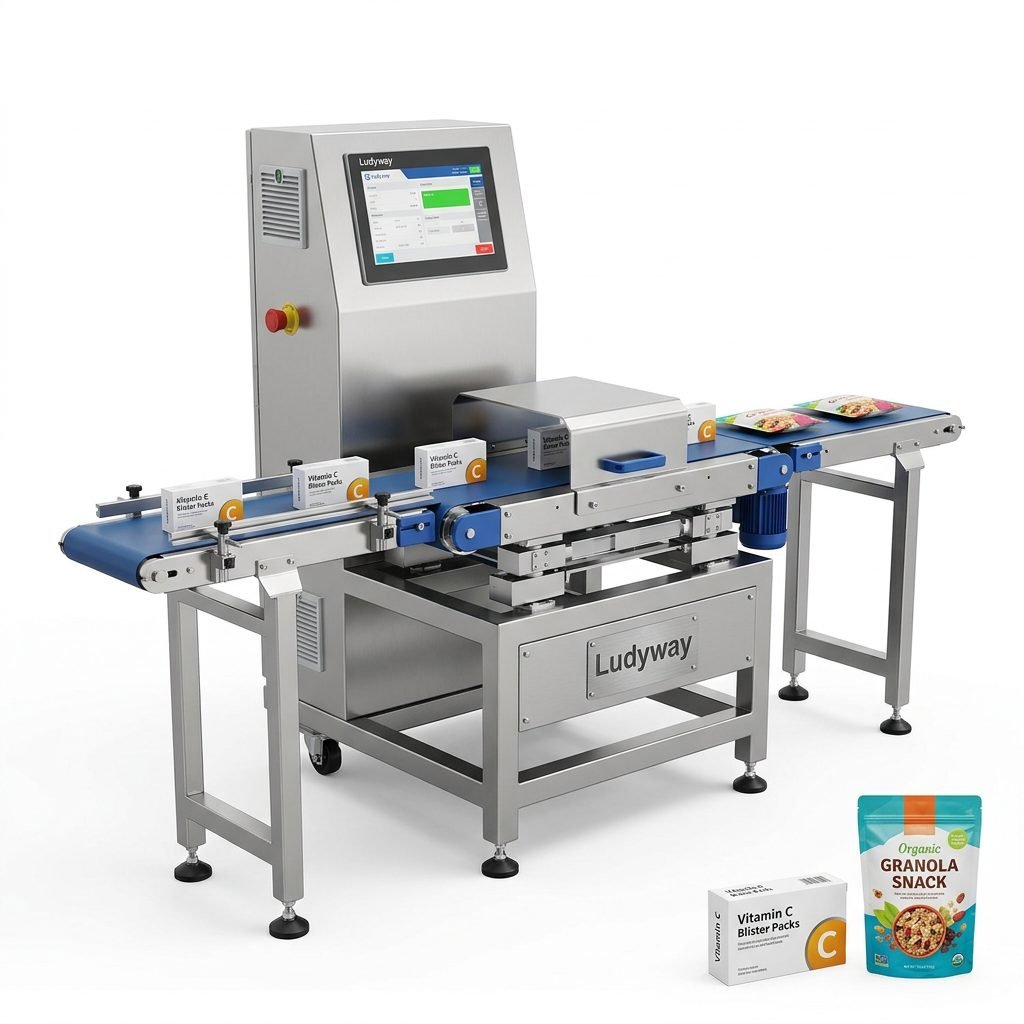
Implementing rigorous quality control measures protects your brand and ensures compliance with both local and international standards. Your packaging line should include inline checkweighers to verify individual bar weights, metal detectors to catch contaminants, and seal integrity testers to confirm package hermeticity. For operations targeting export markets, adherence to FDA food contact substance regulations and EU packaging directives may also be necessary. Document all quality control procedures and maintain detailed records for regulatory audits.
Logistics and Distribution Considerations
South America’s logistics infrastructure varies significantly by region. Major cities like São Paulo, Buenos Aires, and Santiago have well-developed distribution networks, but reaching secondary markets can be challenging. Your packaging line should produce cartons suitable for both palletized and loose-load transport, as some distributors in remote areas handle smaller volumes. Consider the impact of tropical climates on packaging integrity — high humidity and temperature fluctuations can compromise seal quality and shelf life. Secondary packaging with moisture barriers and UV protection may be necessary for products distributed in equatorial regions.
Future Trends in Granola Bar Packaging
The South American packaging landscape is evolving rapidly. Sustainable packaging is becoming a priority, with consumers and regulators pushing for reduced plastic usage and increased recyclability. Brazil’s reverse logistics law requires companies to participate in packaging waste recovery programs. Packaging waste regulations across the region are tightening, making it wise to future-proof your packaging line with equipment that can handle both conventional and eco-friendly materials, including paper-based films, compostable laminates, and mono-material structures compatible with existing recycling streams.
Key Takeaways for Success
Setting up a granola bar packaging line in South America is a significant investment that can yield substantial returns when executed properly. Success depends on thorough market research, careful equipment selection, compliance with local regulations, and strong partnerships with experienced suppliers. The region’s growing middle class and increasing health consciousness create a favorable environment for granola bar manufacturers who can deliver quality products with efficient, reliable packaging. Start with a clear understanding of your production goals, budget constraints, and target markets, then work with industry experts to design and implement a packaging solution that positions your business for long-term growth in this dynamic market.

Frequently Asked Questions
What is the minimum investment for a granola bar packaging line in South America?
For a small to medium-capacity line producing 100-200 bars per minute, expect an initial investment of $250,000 to $500,000 including equipment, installation, and basic facility modifications. Larger automated lines can exceed $1 million.
How long does it take to install and commission a packaging line?
Typical installation timelines range from 6 to 12 weeks depending on facility readiness and equipment complexity. Full commissioning including operator training may extend to 16 weeks for comprehensive turnkey projects.
Do I need special certifications to import packaging machinery into South America?
Yes, most countries require equipment to meet local safety and electrical standards. Brazil requires INMETRO certification for certain equipment categories, while other countries may accept ISO standards compliance with local electrical adaptations.
Can one packaging line handle multiple bar sizes and formats?
Modern servo-driven packaging lines can accommodate various bar sizes with quick changeover capabilities. Look for systems that offer recipe-based changeovers that can be completed by operators in under 20 minutes without specialized tools.