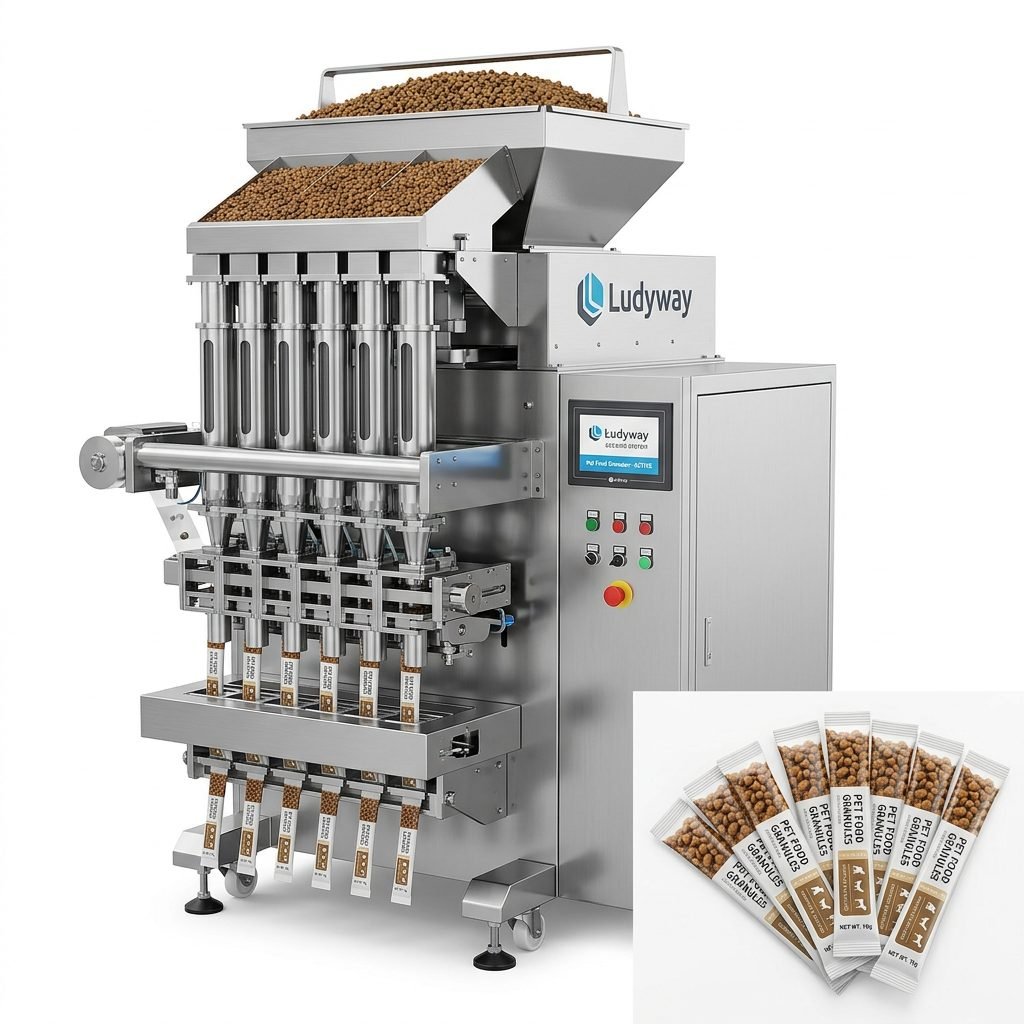
Setting up a rice packaging machine production line in Oceania requires careful planning, an understanding of regional regulations, and the right equipment configuration. Whether you are establishing a new facility in Australia, New Zealand, or a Pacific Island nation, this guide walks you through every critical step — from equipment selection to compliance with local food safety standards.
Understanding the Oceania Rice Packaging Market
The rice market in Oceania is diverse, spanning large-scale commercial operations in Australia’s Riverina region to smaller processing facilities across the Pacific Islands. Consumer demand for convenient, portion-controlled packaging has driven significant growth in stick pack and sachet formats. According to PMMI’s 2025 State of the Industry report, the global packaging machinery market continues to expand, with flexible packaging solutions leading the trend — a pattern clearly reflected across Oceania’s food processing sector.
Key market drivers in the region include:
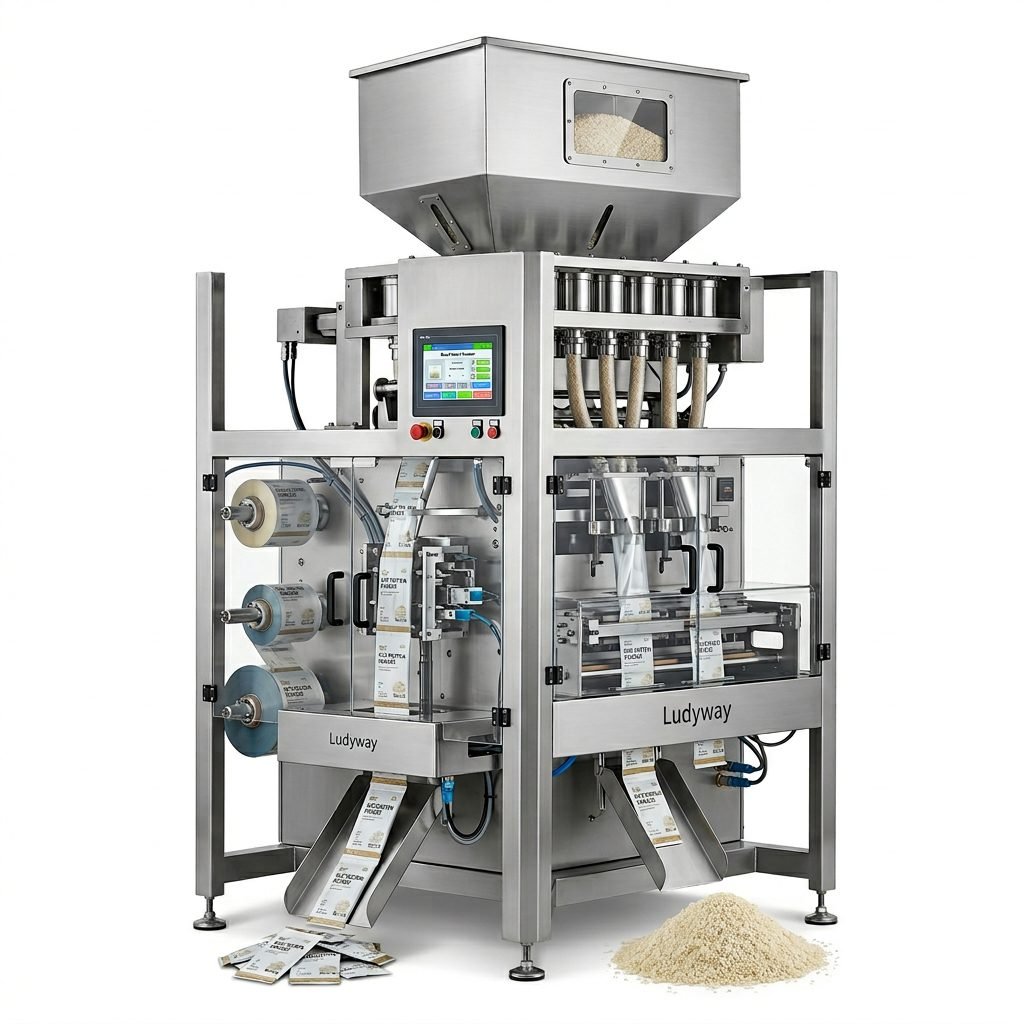
- Growing preference for single-serve and multi-lane stick pack rice products
- Increasing exports of premium rice varieties to Asian markets
- Strict food safety and labeling regulations enforced by FSANZ (Food Standards Australia New Zealand)
- Labor shortages pushing automation adoption in packaging facilities
- Rising demand for sustainable and recyclable packaging materials
Key Components of a Rice Packaging Production Line
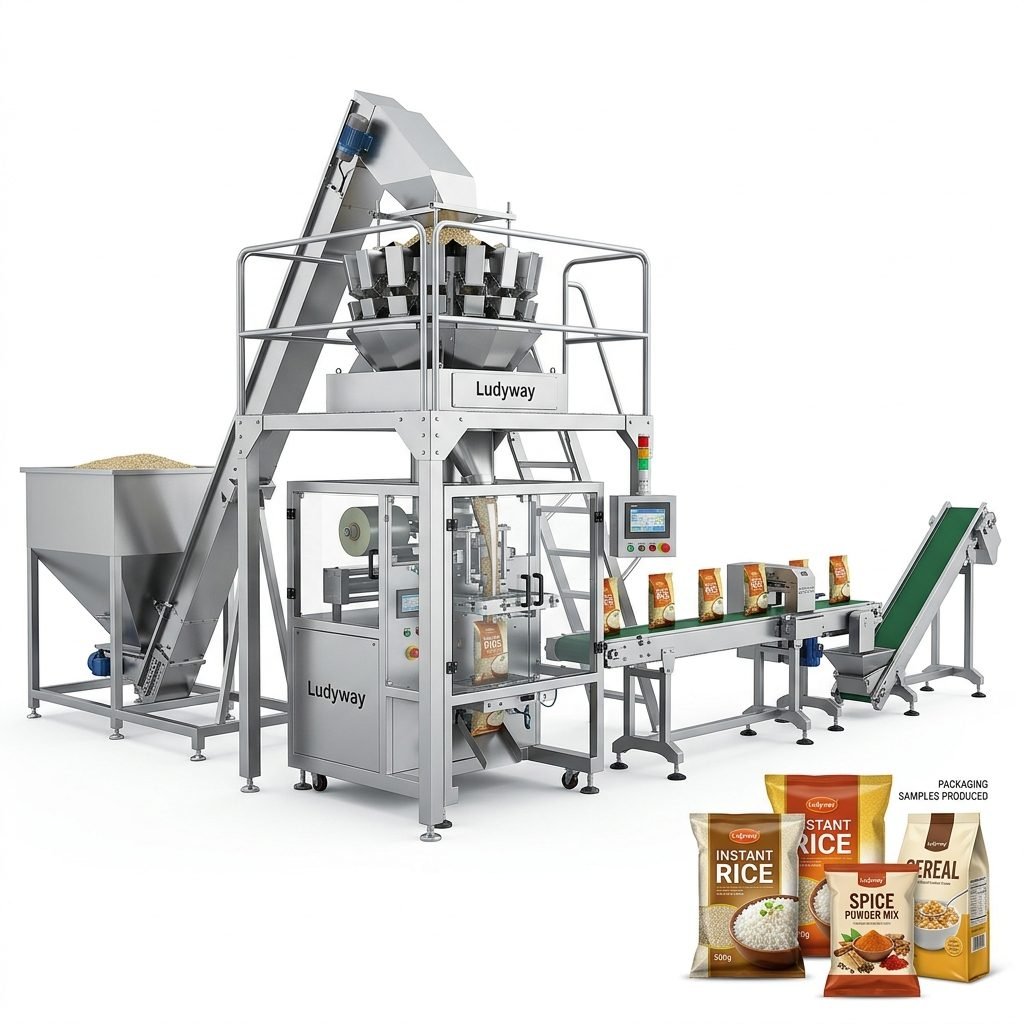
A complete rice packaging line integrates multiple machines working in sequence. Below is a breakdown of the essential equipment you will need:
| Equipment Type | Function | Key Consideration for Oceania |
|---|---|---|
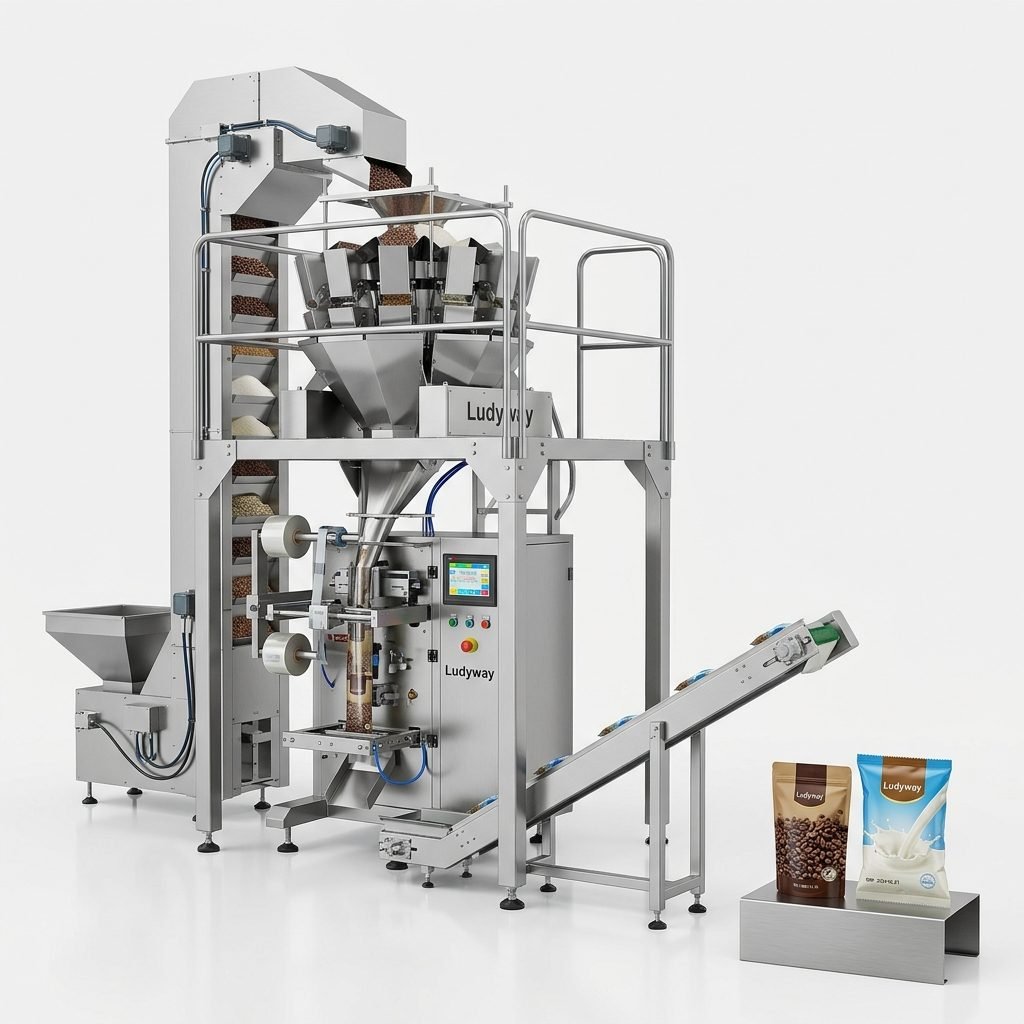
| Bucket Elevator / Z-Type Conveyor | Transports raw rice grains from ground level to the weighing system | Choose food-grade stainless steel construction to meet FSANZ requirements |
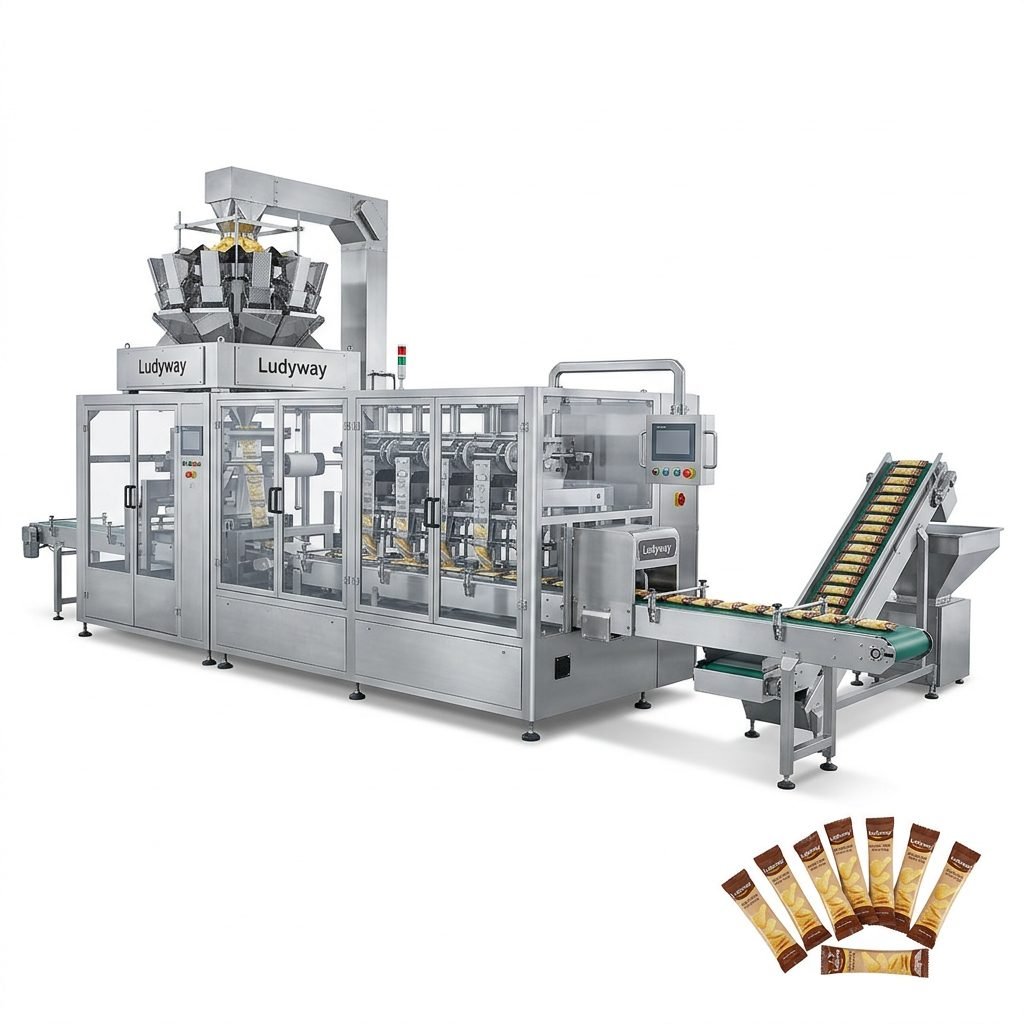
| Multi-Head Weigher | Precisely measures rice portions for each package | High accuracy (±0.5g) is critical for premium rice products |
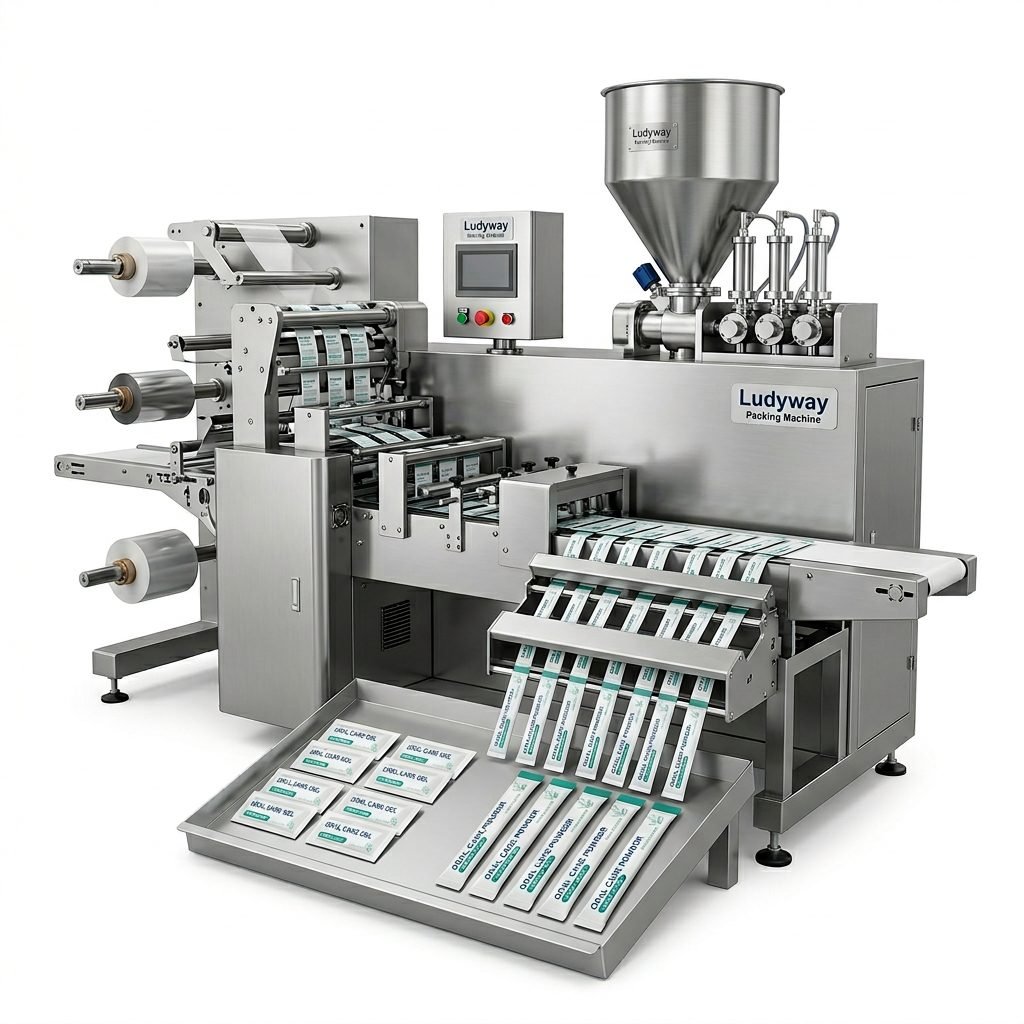
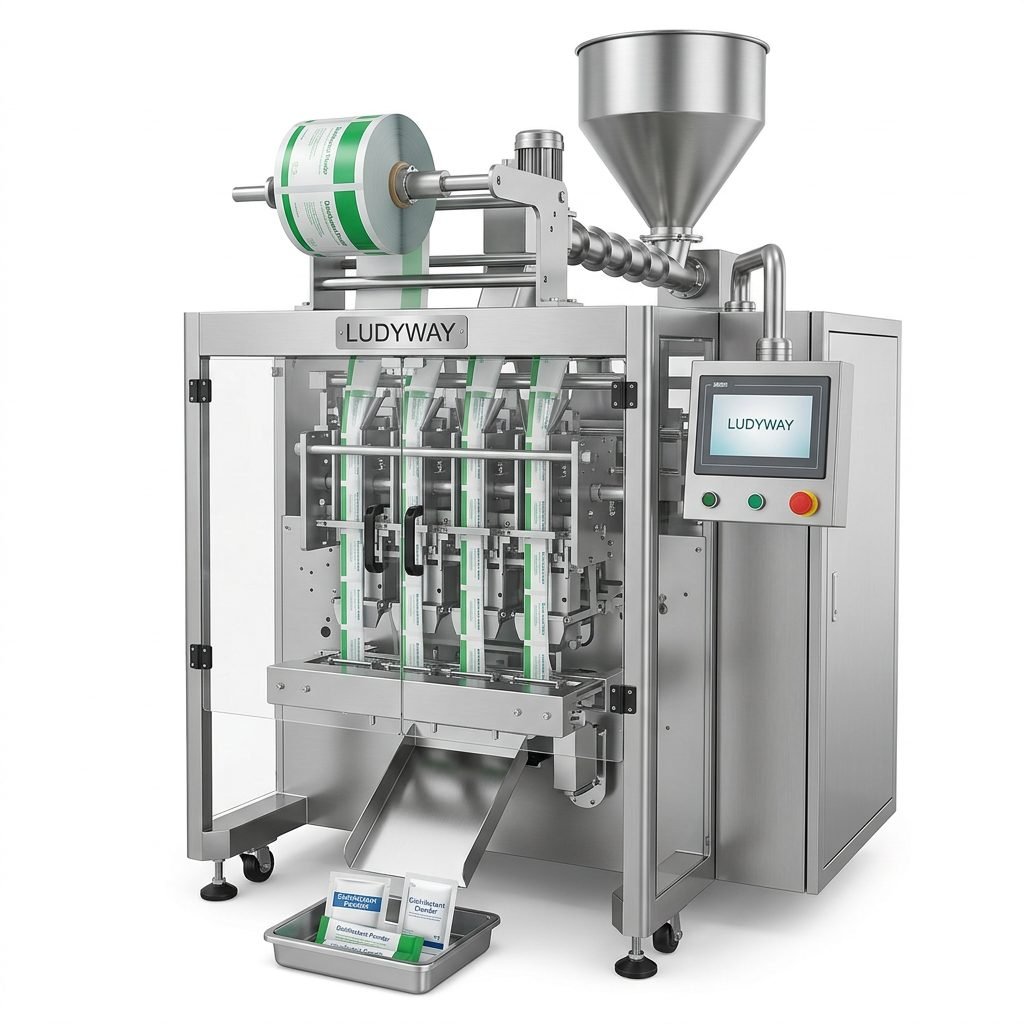
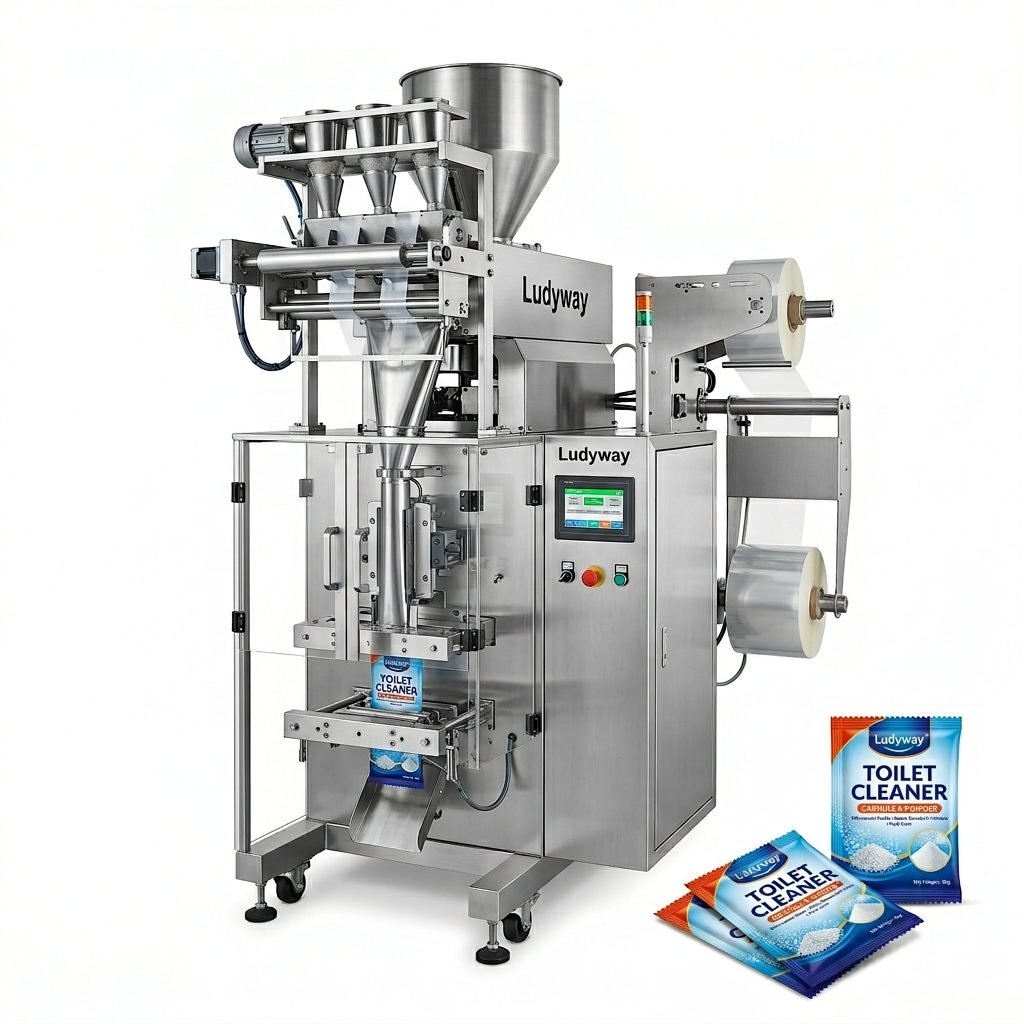
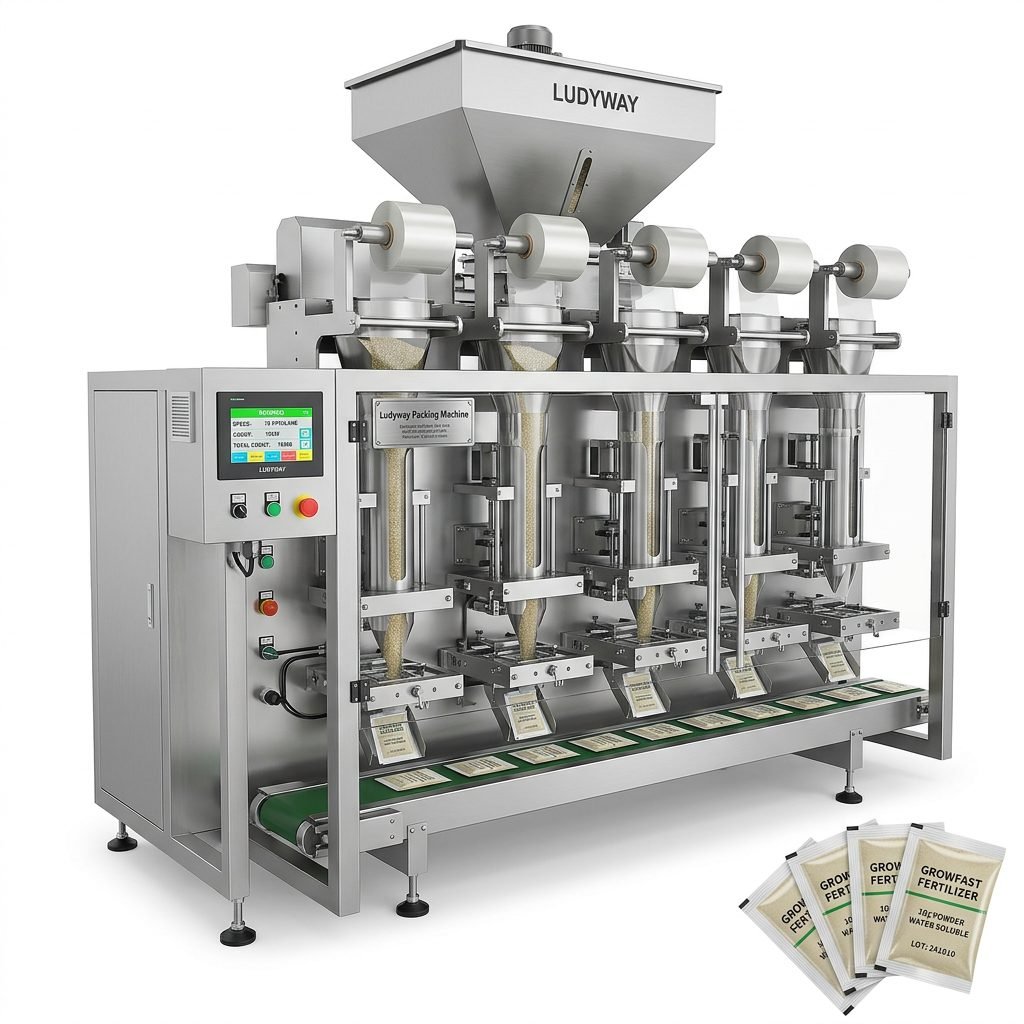
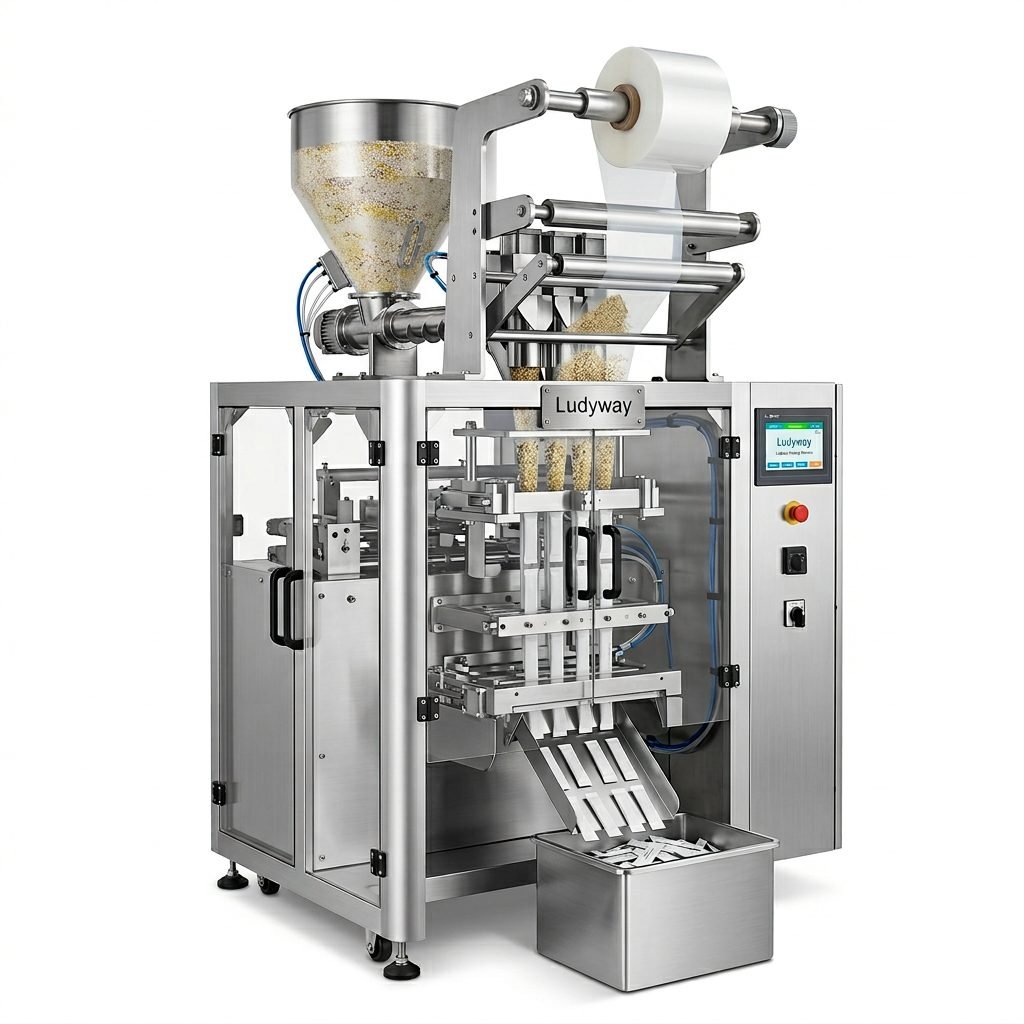
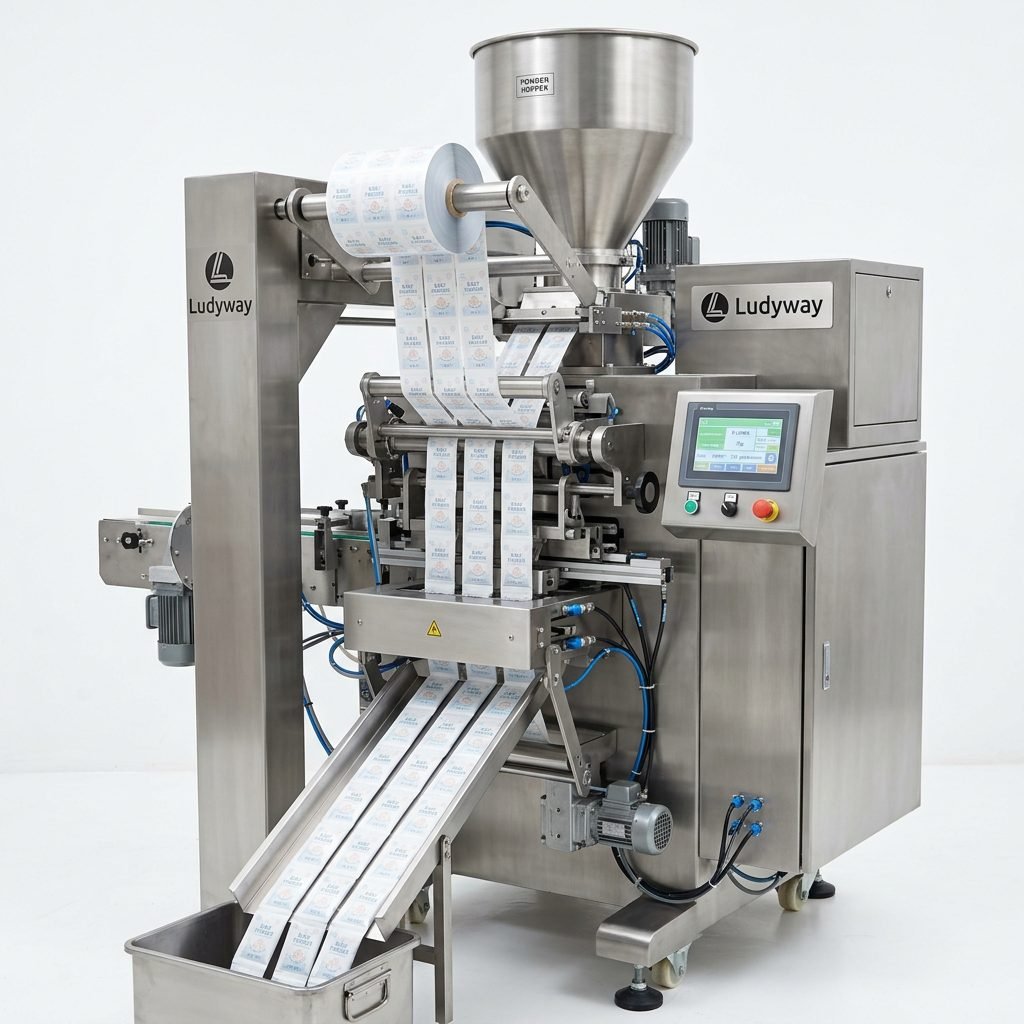
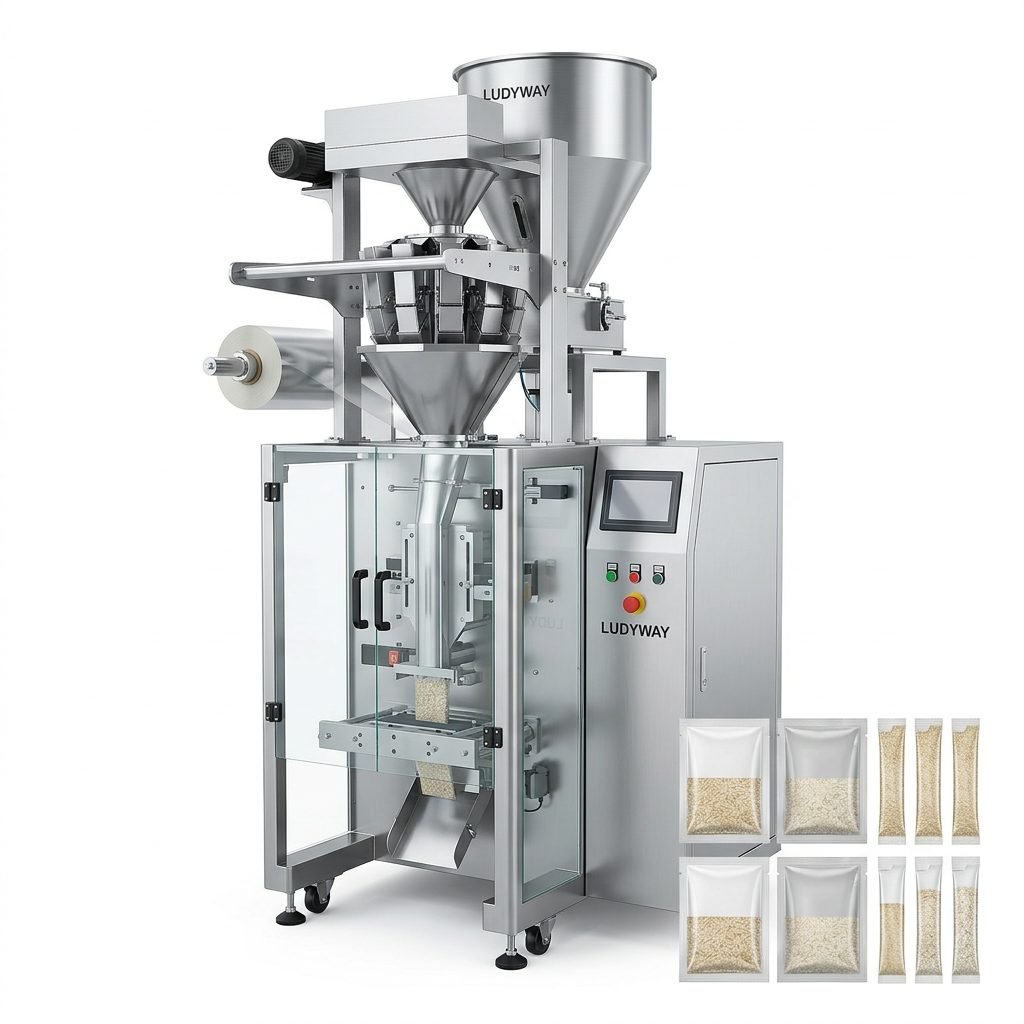
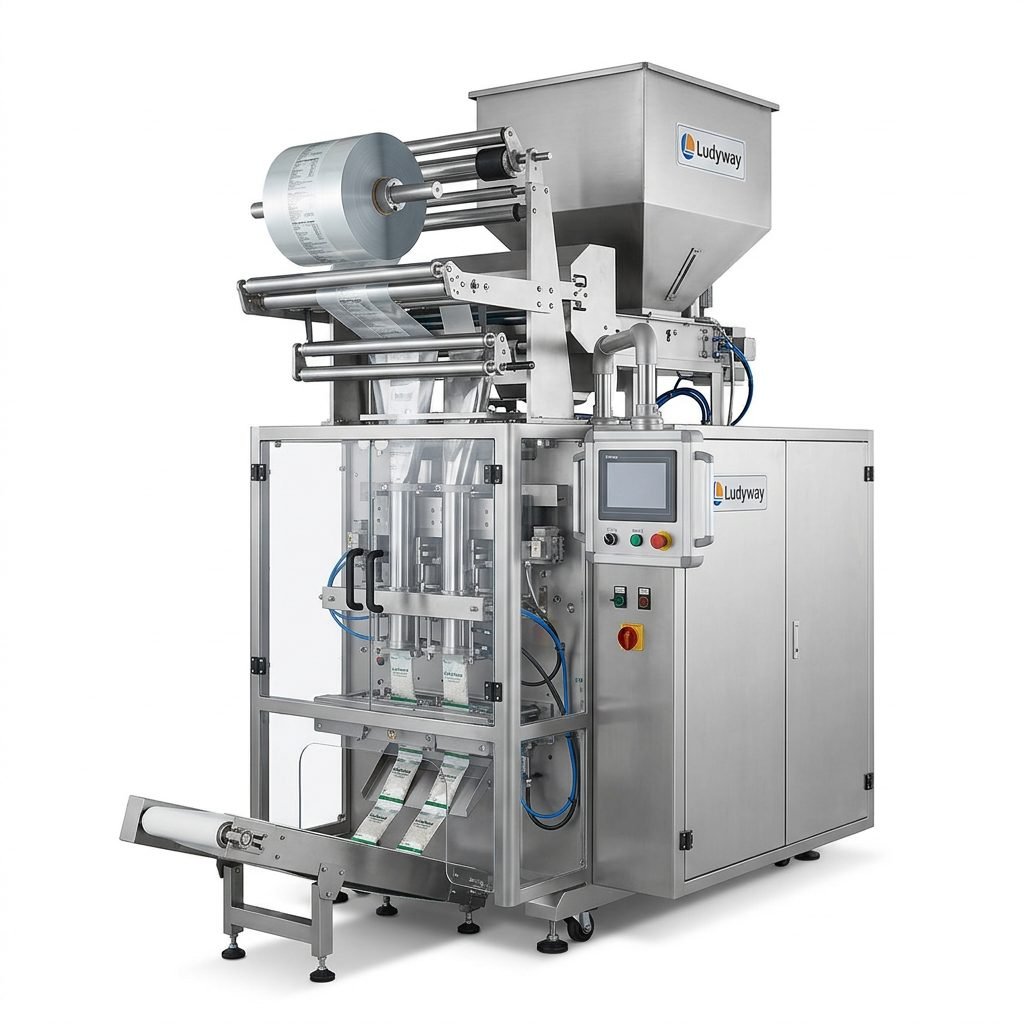
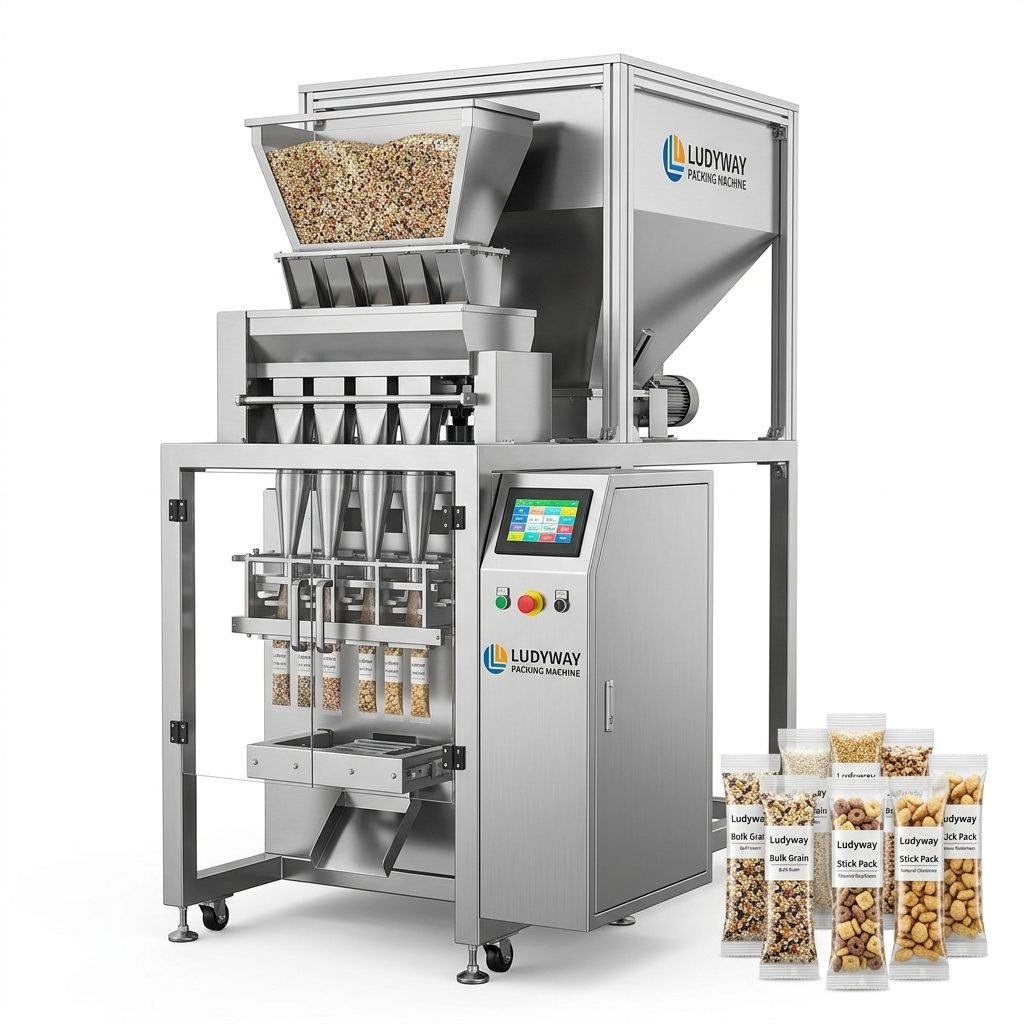
| Vertical Form Fill Seal (VFFS) Machine | Forms pouches, fills rice, and seals packages in one continuous operation | Multi-lane configurations (4-12 lanes) maximize throughput for stick packs |
| Checkweigher | Verifies package weight and rejects non-conforming units | Essential for legal metrology compliance under Australian trade measurement laws |
| Metal Detector / X-Ray Inspection | Detects foreign contaminants before final packaging | Required for HACCP certification, widely adopted across Oceania |
| Cartoning & Case Packing System | Groups individual packs into cartons and cases for distribution | Automation reduces manual handling costs in high-wage Oceania markets |
Step-by-Step Setup Process
Follow these structured steps to commission your rice packaging line efficiently and in compliance with Oceania regulations:
Step 1: Site Preparation and Facility Requirements
Your production facility must meet food-grade hygiene standards. In Australia and New Zealand, this means complying with internationally recognized food safety guidelines adapted to local codes. Key requirements include:
- Temperature and humidity-controlled environment (ideally 20-25°C, 45-55% RH)
- Food-grade epoxy flooring with adequate drainage
- Sufficient three-phase power supply (typically 380-415V in Oceania)
- Compressed air system delivering clean, dry air at 6-8 bar
Step 2: Equipment Layout and Line Design
Design your production floor layout to optimize material flow. A typical configuration positions the bucket elevator at the raw material intake point, followed by the multi-head weigher feeding directly into the vertical form fill seal machine. Conveyors then transport sealed pouches through the checkweigher and metal detector before reaching the cartoning station.
Step 3: Installation and Commissioning
Professional installation is critical for long-term reliability. Ensure that your equipment supplier provides on-site commissioning support. During this phase, technicians should calibrate the multi-head weigher, set up the VFFS machine for your specific film type, and integrate all inspection systems.
Step 4: Testing and Validation
Run production trials with actual rice product to validate:
- Weighing accuracy across all lanes
- Seal integrity and package quality
- Metal detector sensitivity settings
- Line speed and overall equipment effectiveness (OEE)
Step 5: Operator Training
Invest in comprehensive training for your operators. They should understand machine controls, routine maintenance procedures, troubleshooting common issues, and safety protocols. Well-trained operators are the foundation of consistent production quality.
Regulatory Compliance in Oceania
Packaging operations in Oceania must adhere to several regulatory frameworks. FSANZ Standard 3.2.2 governs food safety practices in Australia, while New Zealand operates under the Food Act 2014. Key compliance areas include:
- Food contact materials: All packaging films must comply with international packaging standards for food contact safety
- Labeling requirements: Country of origin labeling is mandatory in Australia under the Country of Origin Food Labelling Information Standard 2016
- Weights and measures: Compliance with the National Measurement Act (Australia) ensures package weight accuracy
- Biosecurity: Pacific Island nations often have stringent import requirements for packaging materials
Key Performance Metrics to Track
Once your line is operational, monitor these critical KPIs to ensure optimal performance:
| KPI | Target Range | Monitoring Frequency |
|---|---|---|
| Overall Equipment Effectiveness (OEE) | ≥ 85% | Daily |
| Weight Accuracy Deviation | ≤ ±1.0% of target | Per shift |
| Seal Integrity Failure Rate | ≤ 0.1% | Weekly audit |
| Production Line Speed | Varies by configuration (30-120 packs/min per lane) | Real-time monitoring |
Maintenance Best Practices
Preventive maintenance is essential for minimizing downtime in Oceania’s remote locations where spare parts may have longer lead times. Implement a structured maintenance schedule:
Daily Maintenance
- Clean all product contact surfaces thoroughly
- Inspect sealing jaws for wear and residue buildup
- Check conveyor belt tension and alignment
- Verify sensor functionality on checkweigher and metal detector
Monthly Maintenance
- Lubricate all moving parts with food-grade lubricants
- Calibrate the multi-head weigher and checkweigher
- Inspect pneumatic cylinders and air lines for leaks
- Update machine software and firmware if applicable
Annual Maintenance
- Complete overhaul of mechanical drive systems
- Replace worn sealing components and cutting blades
- Full electrical safety inspection and testing
- Review and update operational documentation
Choosing a Reliable Equipment Partner
Selecting the right packaging machinery manufacturer is a strategic decision that affects your long-term production success. Look for a supplier with proven experience in rice and granule packaging, comprehensive after-sales support, and familiarity with Oceania’s regulatory environment. Ludyway, with over 30 years of industry expertise and a modern 20,000㎡ manufacturing facility, provides advanced packaging solutions that meet international quality standards, serving customers across more than 100 countries including operations throughout Oceania.
Flexible Packaging Trends and Sustainable Practices
The Oceania region is increasingly focused on sustainable packaging solutions. The flexible packaging industry is responding with recyclable mono-material films, bio-based packaging options, and lightweight designs that reduce material consumption. When setting up your rice packaging line, consider equipment that can handle these newer eco-friendly film materials, as they may require different sealing temperatures and forming characteristics compared to traditional multi-layer laminates.
Additional considerations for future-proofing your production line include:
- Compatibility with recyclable PE and PP mono-material films
- Energy-efficient servo drive systems that reduce power consumption
- Modular machine design allowing for future capacity expansion
- IoT-enabled monitoring for predictive maintenance and remote diagnostics
Cost Considerations for Oceania Operations
Budgeting for a rice packaging production line requires careful evaluation of both capital expenditure and ongoing operational costs. Below is a summary of the main cost factors specific to Oceania:
| Cost Category | Estimated Range (AUD) | Notes |
|---|---|---|
| Complete packaging line equipment | $250,000 – $1,200,000+ | Varies by automation level and number of lanes |
| Shipping and import duties | 5-15% of equipment value | Check Australia’s free trade agreements for duty concessions |
| Installation and commissioning | $15,000 – $50,000 | Includes technician travel to Oceania locations |
| Annual maintenance contract | $8,000 – $25,000 | Recommended for remote Oceania facilities |
Common Pitfalls to Avoid
Based on industry experience across Oceania, here are frequent mistakes that can delay or derail packaging line projects:
- Underestimating film compatibility: Not all films run equally well on every VFFS machine. Test your intended film with the equipment before purchase
- Ignoring humidity control: Rice is hygroscopic; in Oceania’s tropical climates, uncontrolled humidity can cause clumping and weighing errors
- Skipping staff training: In regions with limited technical labor pools, inadequate training leads to prolonged downtime
- Overlooking spare parts planning: Remote Oceania locations benefit from keeping critical spare parts inventory on site
- Rushing validation: Thorough line validation prevents costly recalls and regulatory issues down the track
Final Thoughts on Building Your Rice Packaging Line
Setting up a rice packaging machine production line in Oceania is a significant investment that pays dividends when executed correctly. By focusing on the right equipment configuration, maintaining strict compliance with FSANZ and local regulations, and partnering with an experienced machinery provider, your operation can achieve consistent high-quality output that meets the demands of both domestic and export markets.
The growing demand for convenient rice packaging formats — particularly multi-lane stick packs and sachets — presents a strong opportunity for Oceania-based food processors to expand their product offerings. With proper planning and the right technology partners, your packaging line can become a competitive advantage in this dynamic market.
Additional resources: For further reading on packaging standards, visit PMMI’s Business Intelligence Library or explore the Flexible Packaging Association’s industry resources for the latest trends and data.