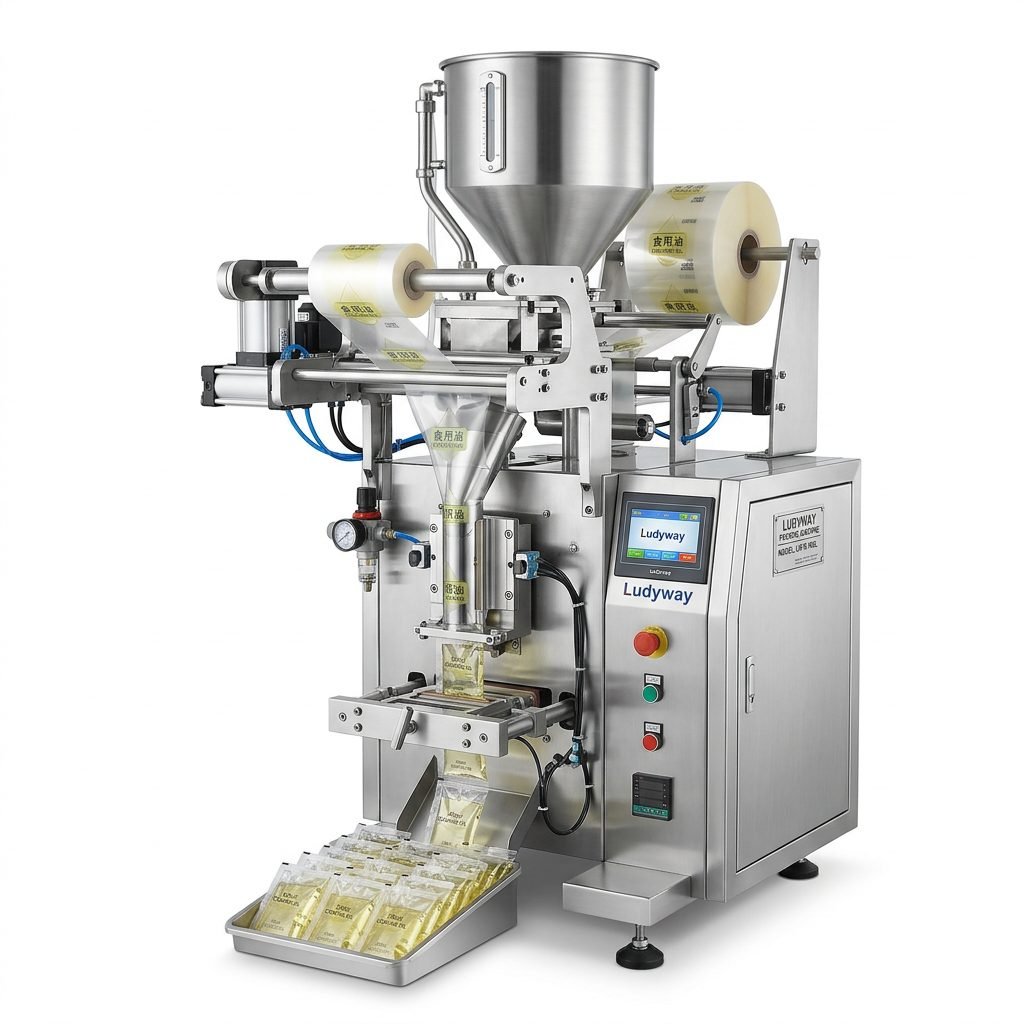
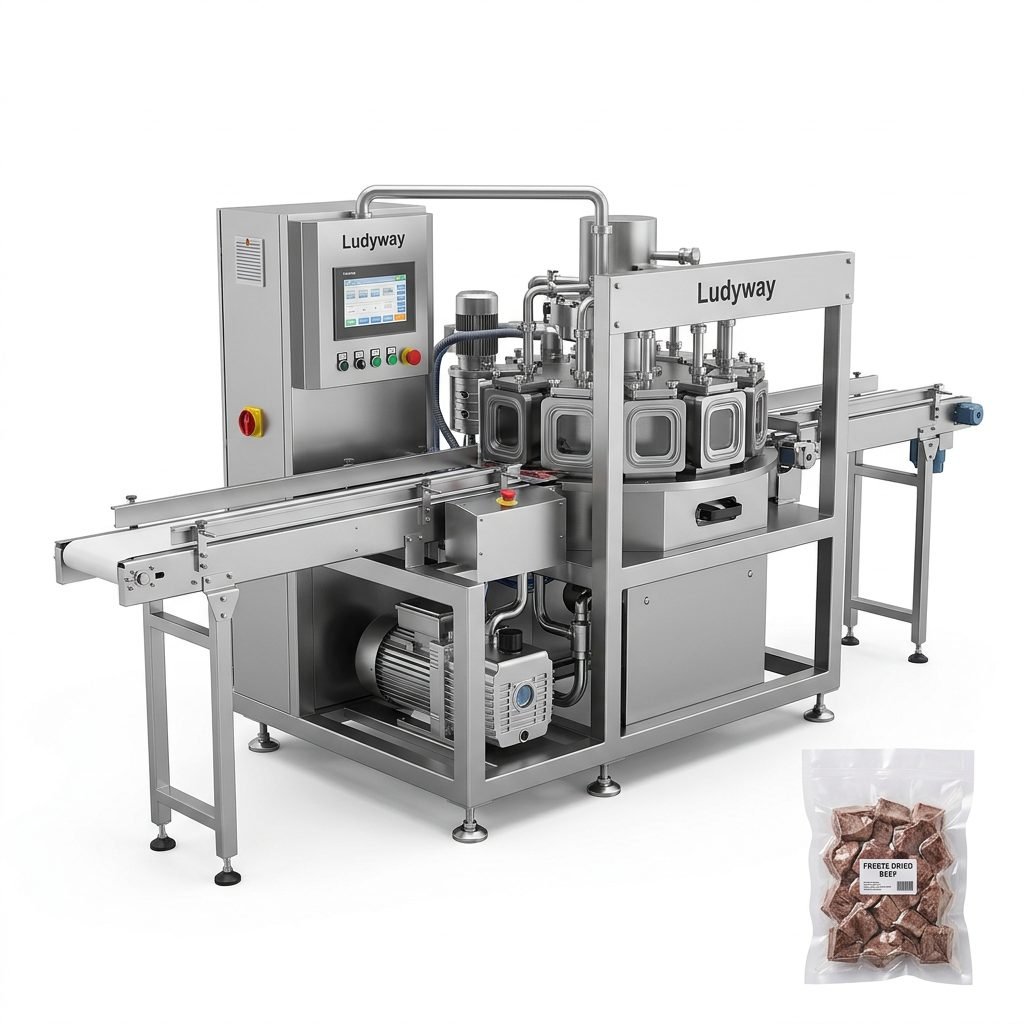
Investing in a vacuum packaging machine is a significant decision for food processors, retailers, and industrial manufacturers across the United States. Whether you are looking to extend shelf life, comply with FDA food packaging requirements, or improve operational efficiency, selecting the right equipment requires a clear understanding of your production needs, material compatibility, and long-term operational costs.
Understanding Vacuum Packaging Machine Types
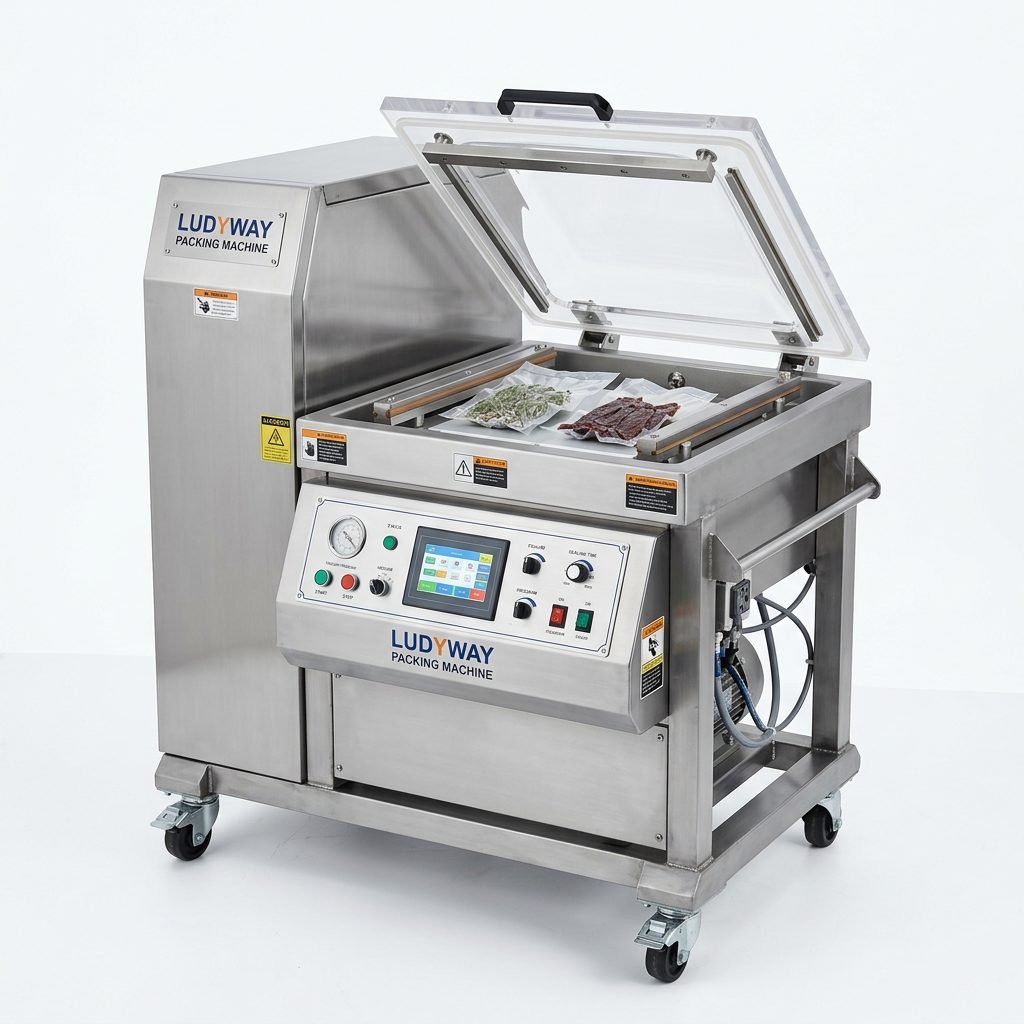
Before comparing specifications, it is essential to understand the primary categories of vacuum packaging machines available in the U.S. market. Each type serves different production environments and product requirements.
| Machine Type | Best For | Key Benefit |
|---|---|---|
| Chamber Vacuum Sealers | High-volume restaurants, central kitchens | Consistent sealing for liquids and wet products |
| External / Nozzle Vacuum Sealers | Small businesses, retail packaging | Lower initial cost, simple operation |
| Thermoforming / Rollstock | Meat processors, large-scale food manufacturers | High output with custom-formed packages |
| Double Chamber Machines | Continuous production lines | Non-stop operation with alternating chambers |
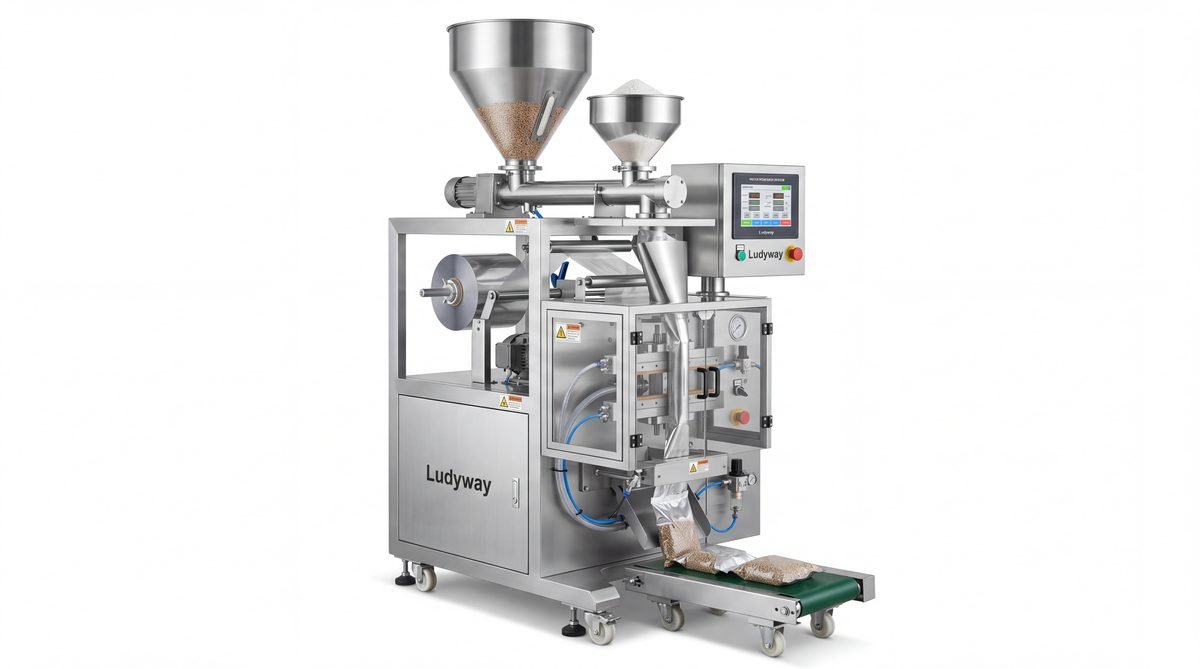
| Snorkel / Belt Vacuum Machines | Bulk solid products, grains, powders | Handles large bags and bulk packaging easily |
Key Factors to Evaluate Before Purchasing
When selecting a vacuum packaging machine in the United States, several critical factors will determine your return on investment and operational satisfaction. According to PMMI packaging industry research, machine flexibility and compliance readiness are top priorities for U.S. buyers.
1. Production Volume and Speed Requirements
Your daily throughput should dictate the automation level and chamber size you need. A small delicatessen may operate efficiently with a single-chamber unit processing 3-4 cycles per minute, while a meat processing plant shipping nationwide often requires continuous thermoforming lines capable of producing hundreds of packages per minute. Calculate your hourly output targets before comparing cycle rates across different models.
2. Product Characteristics and Material Compatibility
Not all vacuum machines handle every product type equally well. Liquid products require tiltable or modified chamber designs to prevent spillage during evacuation. Sharp-edged, hard products like bone-in meats demand thicker, puncture-resistant films and reliable sealing bars. You should also verify material compatibility with ISO packaging standards to ensure barrier properties meet shelf-life requirements in the U.S. retail environment.
- Meat and poultry: Requires high-barrier films, moisture resistance, and USDA-compliant materials
- Seafood: Demands low-temperature sealing compatibility and strong odor barrier
- Liquid and semi-liquid foods: Needs sensor-controlled vacuum levels to avoid boil-over
- Granules and powders: Requires fine-particle sealing bars and integrated dust extraction systems
- Medical and pharmaceutical: Must comply with ISO 11607 sterile packaging standards
3. U.S. Regulatory Compliance and Safety Standards
Any vacuum packaging machine operating in the United States must meet relevant safety and sanitation regulations. For food contact applications, materials must comply with FDA food contact substance regulations. Machines used in USDA-inspected facilities require construction materials and designs that allow for thorough sanitation. Additionally, the U.S. EPA sustainable materials management guidelines increasingly influence packaging machinery choices as brands pursue sustainability goals.
4. Vacuum Pump Technology and Maintenance
The vacuum pump is the heart of any packaging machine. Two primary pump types dominate the market, each with distinct maintenance profiles and performance characteristics that affect long-term operational costs in demanding U.S. production environments.
| Pump Type | Lifespan | Maintenance | Ideal Use Case |
|---|---|---|---|
| Oil-Lubricated Rotary Vane | 15,000–25,000 hours | Regular oil changes required | Heavy-duty, continuous operations |
| Dry / Oil-Free Pumps | 10,000–20,000 hours | Minimal, no oil handling | Clean environments, food safety priority |
Special Considerations for U.S. Food Manufacturers
The American packaging landscape presents unique challenges that directly influence vacuum machine selection. Labor shortages in manufacturing and food processing sectors have accelerated demand for automated, easy-to-operate equipment. Machines with intuitive HMI touchscreens, programmable recipe storage, and quick-change tooling reduce training time and operator dependency.
Additionally, the growing trend toward sustainable packaging in the U.S. requires machines capable of sealing thinner, recyclable films without compromising integrity. Leading industry resources like the Flexible Packaging Association provide valuable data on material innovation trends that inform machine compatibility decisions.

5. After-Sales Support and Spare Parts Availability
Downtime costs U.S. manufacturers thousands of dollars per hour. Local technical support and readily available spare parts should weigh heavily in your purchasing decision. Evaluate the manufacturer’s U.S. distribution network, warranty terms, and average response times before committing. Companies with established international partnerships or domestic service centers offer significantly reduced risk for American buyers.
6. Total Cost of Ownership Analysis
While purchase price matters, lifetime operational costs often exceed initial capital expenditure by a factor of three or more. Consider the following cost elements when comparing machines:
- Energy consumption – pump efficiency and idle power draw directly impact utility bills
- Consumable costs – film, bags, and sealing components vary widely across machine types
- Preventive maintenance – scheduled service, oil changes, and seal bar replacements
- Operator training – complex machines require more extensive and ongoing training investment
- Future scalability – machines that support production growth reduce re-investment needs
Vacuum Packaging Machine Price Ranges in the U.S.
Understanding the general pricing landscape helps set realistic budgets. The following ranges reflect typical U.S. market pricing for new equipment as of 2025–2026, though actual prices vary by configuration, brand, and optional features.
| Machine Category | Approximate Price Range (USD) | Typical Application |
|---|---|---|
| Single Chamber | $3,000 – $18,000 | Butcher shops, small kitchens |
| Double Chamber | $8,000 – $45,000 | Medium food processors |
| Thermoforming Systems | $50,000 – $350,000+ | Large-scale meat and dairy plants |
| Belt / Snorkel Machines | $12,000 – $65,000 | Bulk solids, grains, industrial |
Frequently Asked Questions About Vacuum Packaging Machines
Q: What is the difference between a nozzle vacuum sealer and a chamber machine?
A nozzle (external) vacuum sealer removes air from specially textured bags using a retractable nozzle, then heat-seals the open end. These are compact and affordable but limited to specific bag types. A chamber machine places the entire filled bag inside a sealed chamber and evacuates air from the entire space, creating equal pressure inside and outside the bag. Chamber machines handle liquids easily and provide stronger, more consistent seals for commercial applications.
Q: Can I vacuum seal liquids without spillage?
Yes, but only with chamber vacuum sealers specifically designed with liquid-friendly features. Since the pressure is equalized inside and outside the package during evacuation, liquid remains inside the bag. Some machines include tilt chambers or programmable vacuum settings that slow the evacuation cycle to prevent boiling at room temperature.
Q: How important is NSF certification for U.S. food businesses?
NSF International certification is widely recognized in the United States as evidence that equipment meets rigorous public health and sanitation standards. While not always legally mandatory at the federal level, many state health departments and commercial food safety auditors expect NSF-listed equipment in regulated food processing environments. Machines without NSF certification may face challenges during facility inspections.
Making the Final Decision: A Step-by-Step Approach
After evaluating all factors, a structured decision process helps American buyers select the optimal vacuum packaging machine with confidence. Follow these steps to narrow your options effectively:
- Define production metrics – Document daily throughput targets, bag sizes, product types, and shift schedules
- Map facility constraints – Measure available floor space, existing utility connections (voltage, compressed air), and ambient conditions
- Engage multiple suppliers – Request detailed quotations from at least three established manufacturers with U.S. support capabilities
- Request sample testing – Send representative products for live machine demonstrations to verify seal quality and speed
- Verify U.S. references – Speak directly with American customers using similar machines in comparable applications
- Negotiate service agreements – Secure clear terms for installation, training, warranty, and long-term maintenance support
Global Sourcing: A Competitive Advantage for U.S. Buyers
An increasing number of American food manufacturers and packaging professionals are exploring international equipment suppliers to access advanced technology and competitive pricing without compromising on quality or support. By evaluating global manufacturers alongside domestic options, buyers can often secure feature-rich machines at more favorable investment levels while still meeting all U.S. regulatory requirements.
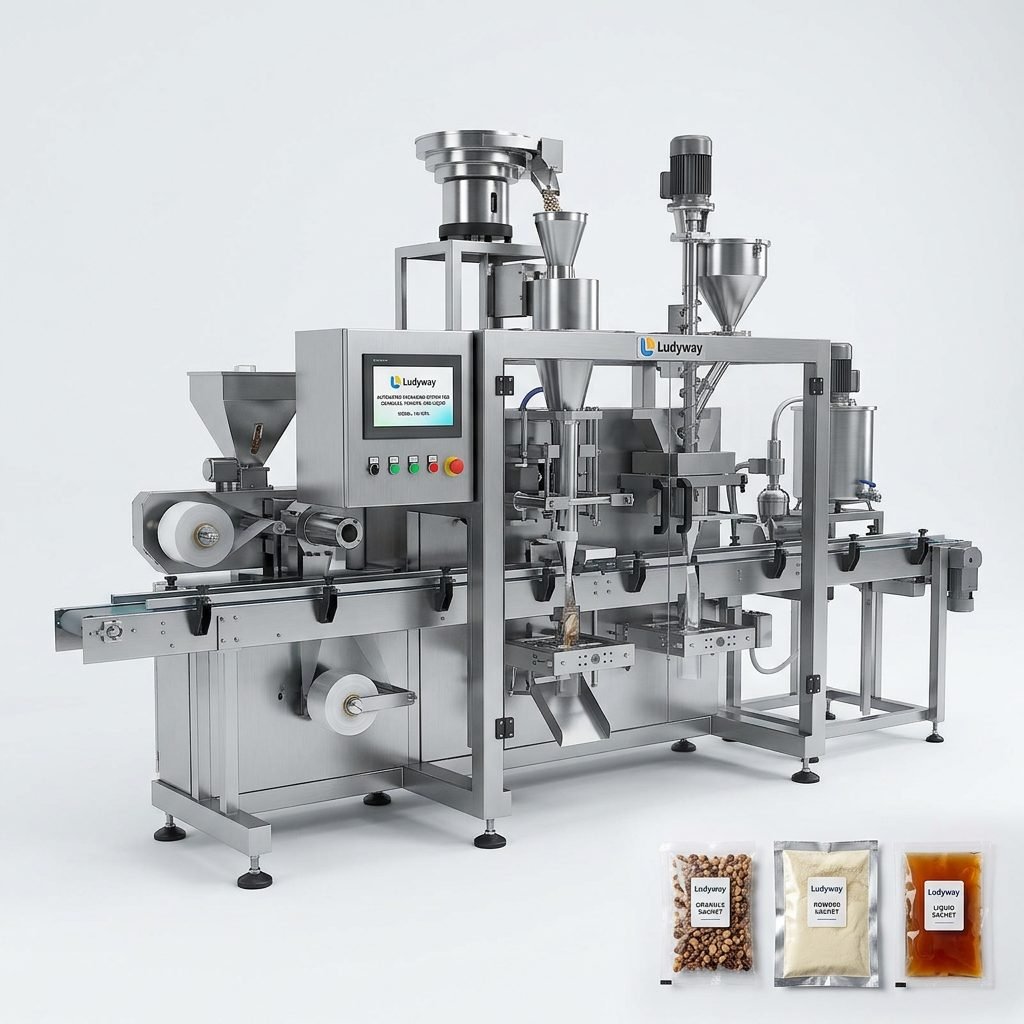
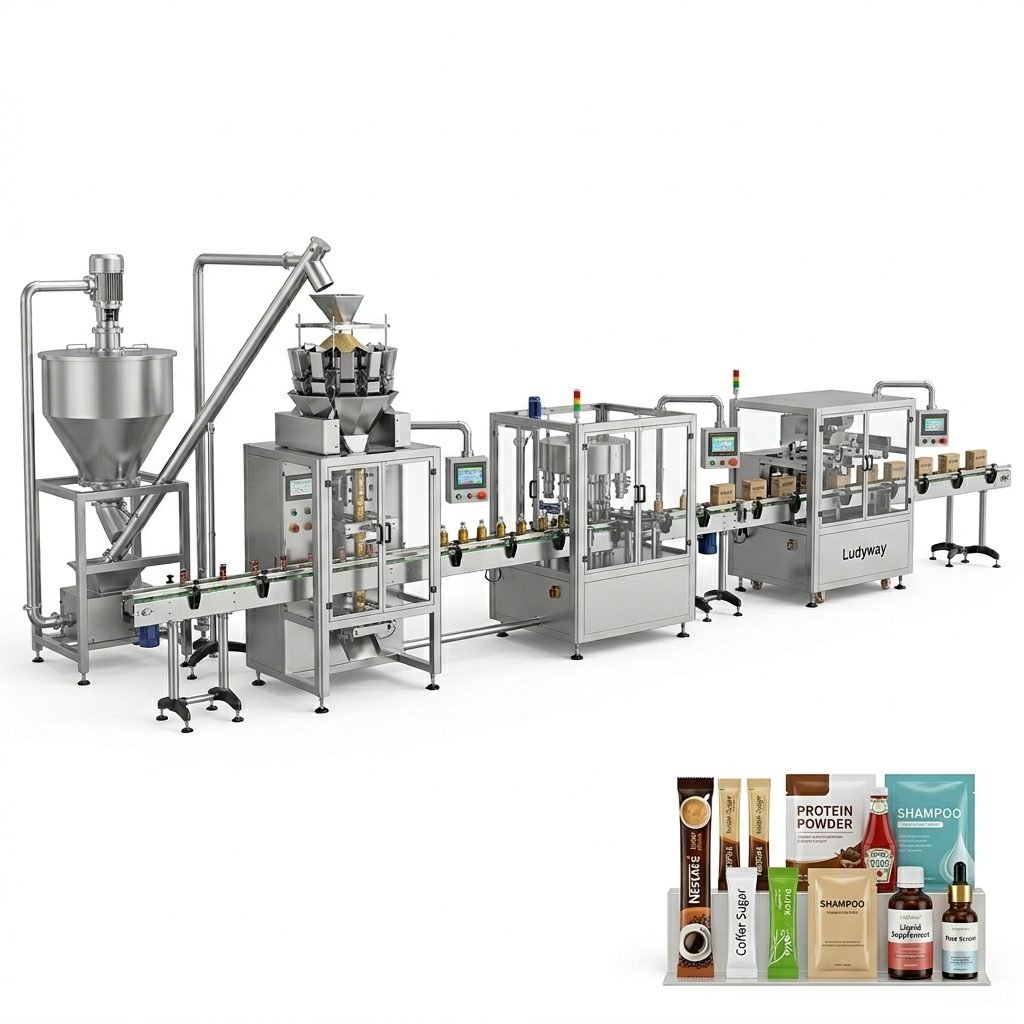
As one of the largest packaging machine manufacturers with extensive international experience, Ludyway provides advanced vacuum packaging solutions and turnkey production systems trusted by customers in over 100 countries and regions. With a modern manufacturing facility and comprehensive engineering expertise, the company supports U.S. buyers with reliable equipment designed for demanding food, pharmaceutical, and industrial applications.
Key Takeaways for U.S. Buyers
Choosing the best vacuum packaging machine in the United States requires balancing production demands, regulatory compliance, and total cost of ownership. Chamber machines offer versatility for wet and dry products, while continuous rollstock systems deliver unmatched throughput for large operations. Always verify local service support, spare parts availability, and material compatibility before finalizing your purchase. By following this comprehensive guide, you can confidently select equipment that will serve your American production facility reliably for years to come.
For further industry benchmarks and packaging machinery market insights, consult resources from the PMMI State of the Industry 2026 report and the Flexible Packaging Association. These organizations offer continuously updated data to help U.S. packaging professionals make informed capital equipment decisions.