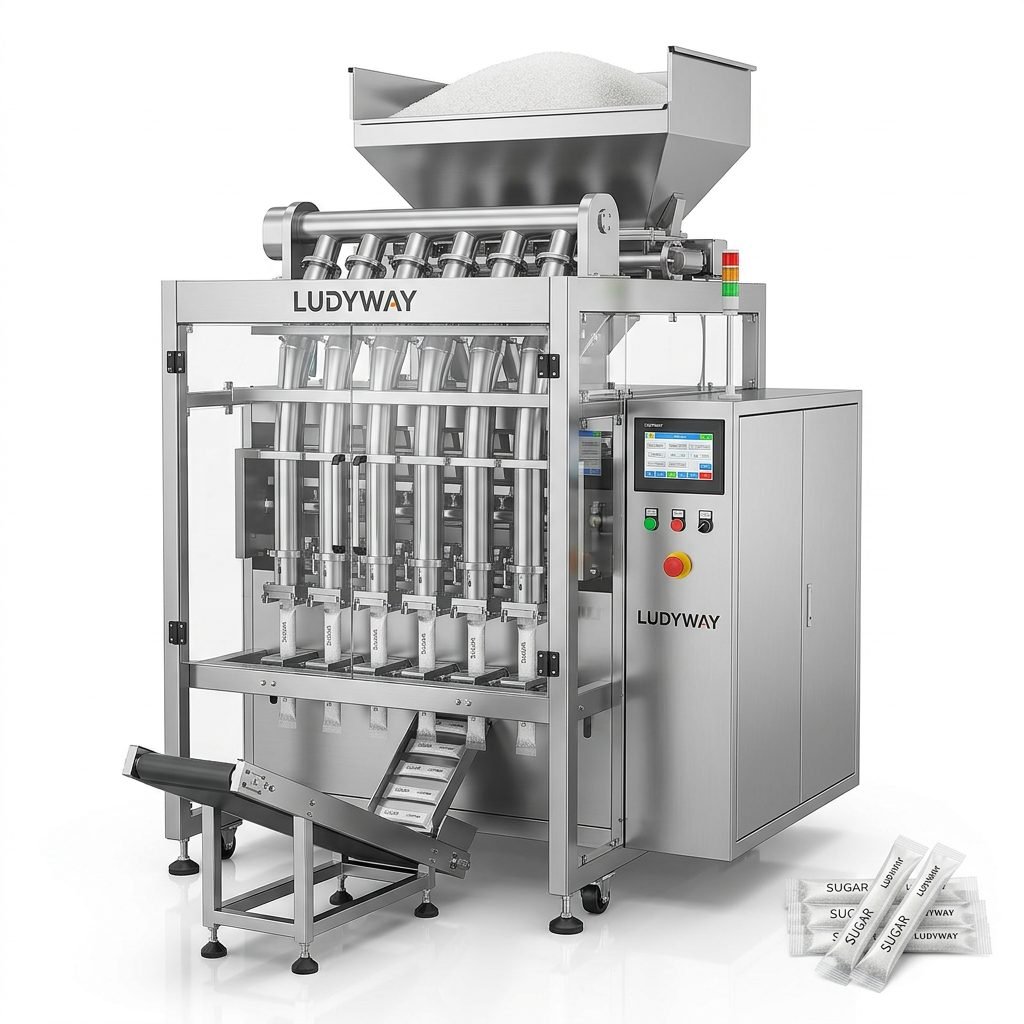
Selecting the right powder pouch packing machine is one of the most critical decisions for manufacturers handling powdered products. Whether you are packaging food ingredients, pharmaceuticals, nutritional supplements, or industrial chemicals, the equipment you choose directly impacts production efficiency, product quality, and long-term operational costs. A poorly specified machine can lead to inaccurate fills, material waste, excessive downtime, and inconsistent packaging results.
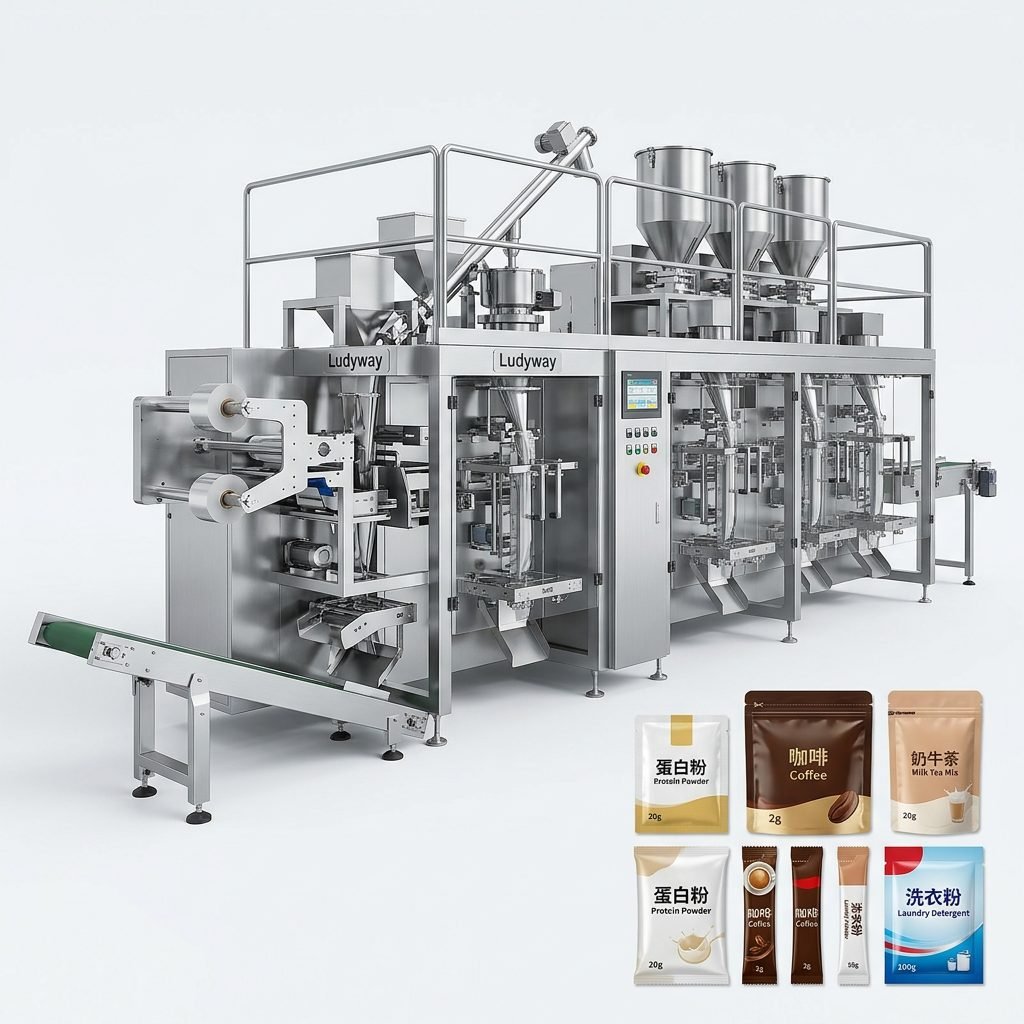
Understanding Your Powder Packaging Requirements
Before evaluating specific machines, you must clearly define your packaging requirements. Different powders behave differently during filling and sealing. A machine that works well for free-flowing granular sugar may struggle with fine, cohesive protein powder. The key is matching the machine capabilities to your product characteristics and production goals.
Powder Characteristics and Flow Properties
Powders can be broadly categorized as free-flowing or non-free-flowing. Free-flowing powders like granulated sugar or salt dispense easily and require standard filling mechanisms. Non-free-flowing powders such as cocoa powder, flour, or fine chemical powders tend to bridge, clump, or create dust during filling. These materials often require specialized dosing systems, agitation devices, or vacuum-assisted filling to ensure consistent portion control.
Production Speed and Capacity
Your required output rate is a primary factor in machine selection. Single-lane machines typically produce 30 to 80 pouches per minute, while multi-lane configurations can achieve 200 to 600 pouches per minute or more. Consider not just your current production volume but future growth projections. Investing in a machine with scalable capacity can prevent the need for premature equipment replacement.
Key Factors to Consider When Choosing a Powder Pouch Packing Machine
Packaging Format and Bag Style
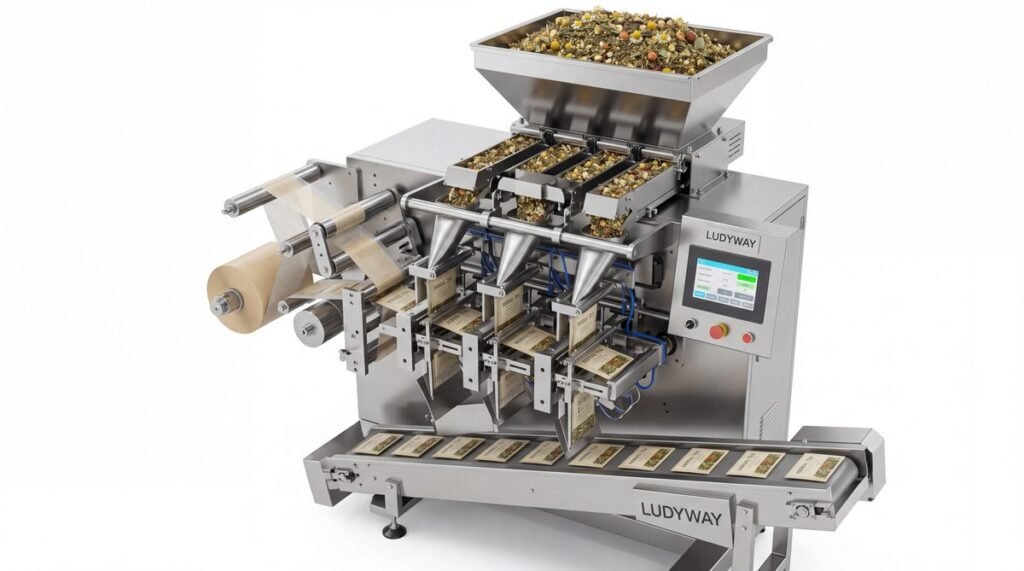
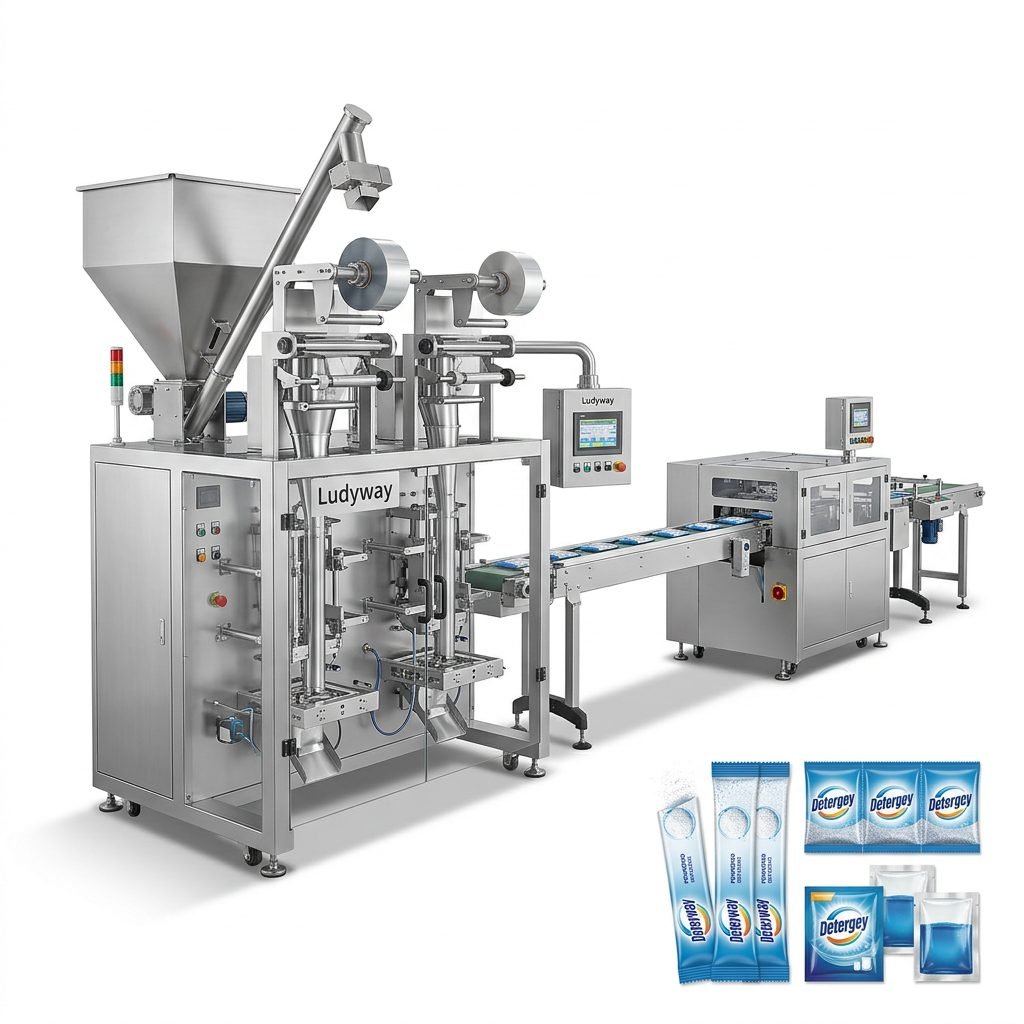
Powder pouch packing machines can produce various bag formats including stick packs, sachets, three-side-seal pouches, four-side-seal pouches, and gusseted bags. Each format serves different market segments. Stick packs are popular for single-serve products like drink mixes and supplements. Sachets work well for sample sizes and travel-friendly portions. Larger pouches with gussets are suitable for bulk packaging. Your machine must be compatible with your desired packaging format and film materials.
Filling Accuracy and Dosing Technology
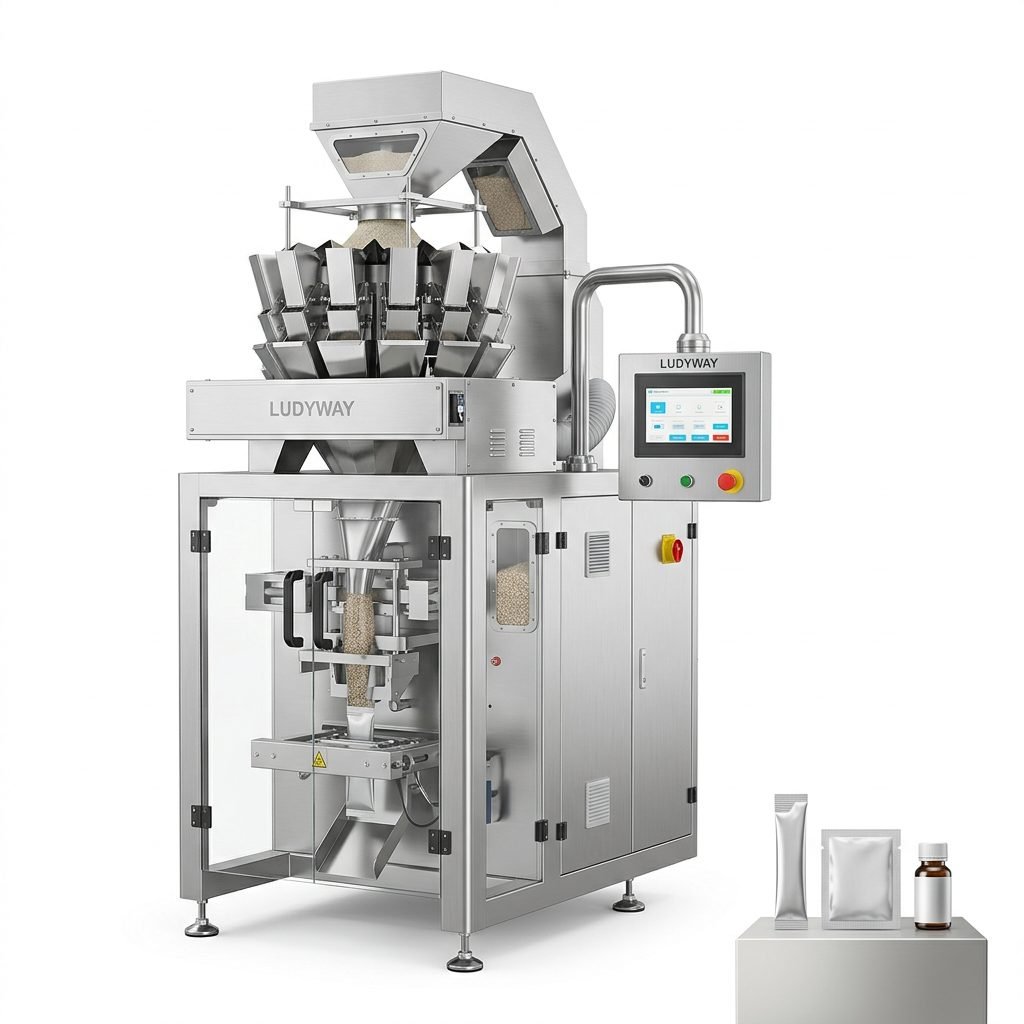
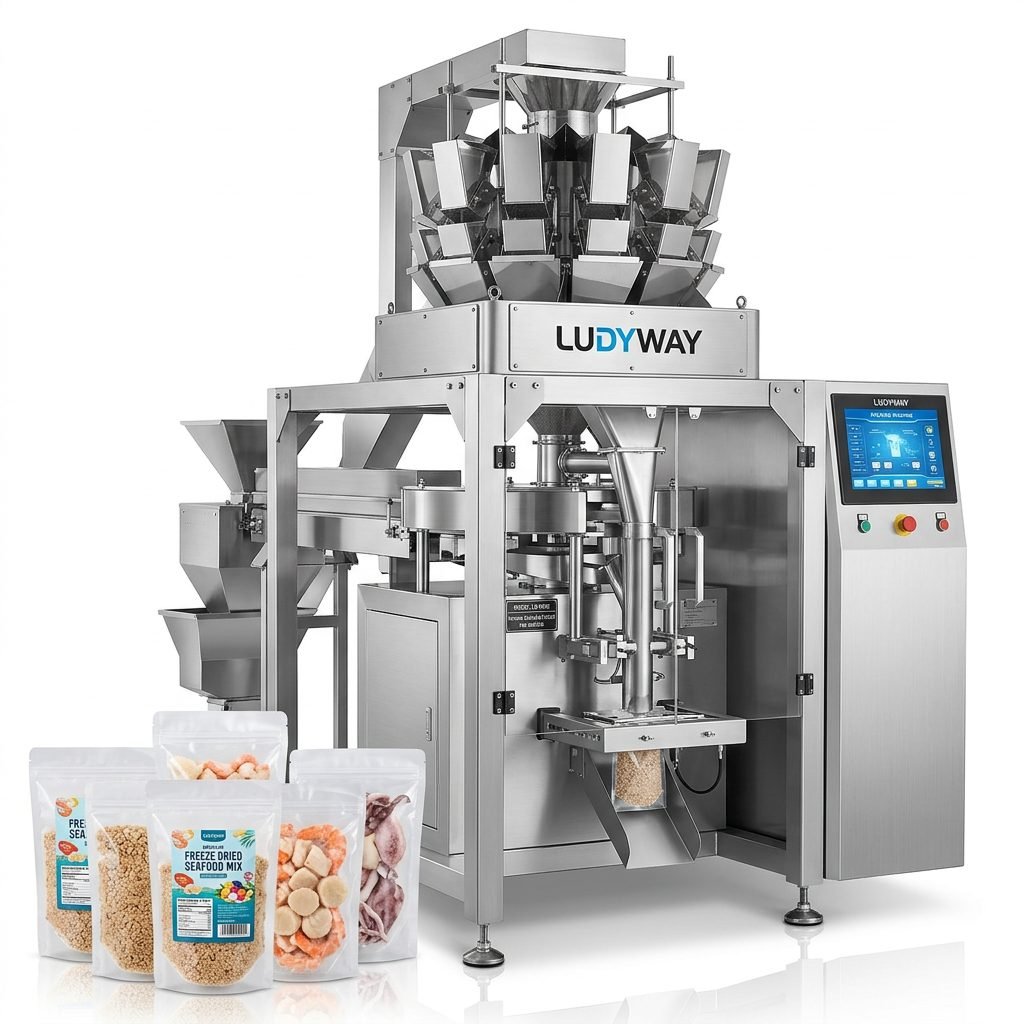
Filling accuracy is particularly important for high-value powders and products sold by weight. Common dosing technologies include auger fillers for fine powders, volumetric cup fillers for free-flowing granules, and multi-head weighers for high-precision applications. Auger fillers provide excellent accuracy for cohesive powders. Multi-head weighers offer the highest precision and speed but come at a higher cost. The choice depends on your product characteristics and accuracy requirements.

Types of Powder Pouch Packing Machines
The packaging machinery market offers several machine configurations, each suited to different production scales and product types. Understanding the distinctions helps narrow down your options significantly.
| Machine Type | Best For | Speed Range | Key Advantage |
|---|---|---|---|
| Single-Lane VFFS | Small to medium production | 30-80 ppm | Lower investment, easy operation |
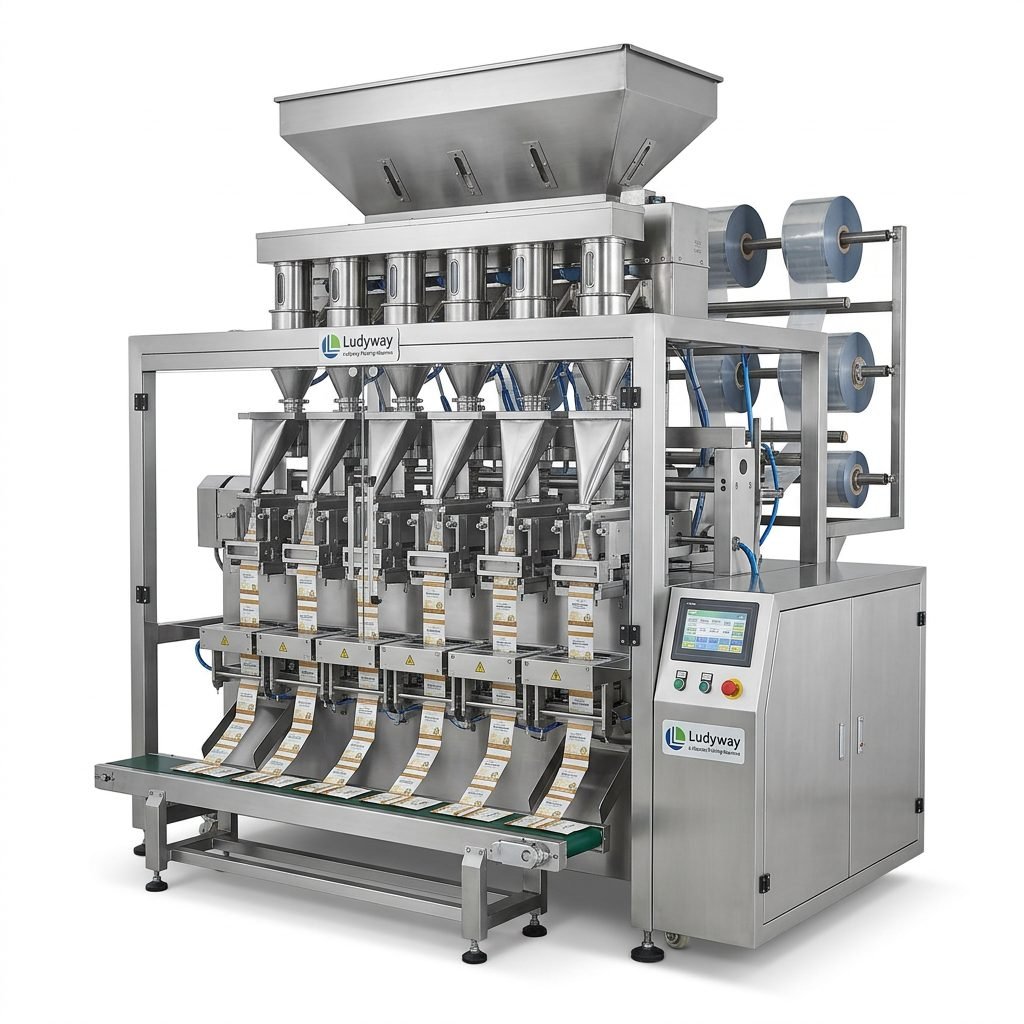
| Multi-Lane Stick Pack | High-volume single-serve | 200-600 ppm | Maximum output per footprint |
| Rotary Pouch Machine | Premade pouch filling | 40-120 ppm | Premium pouch presentation |
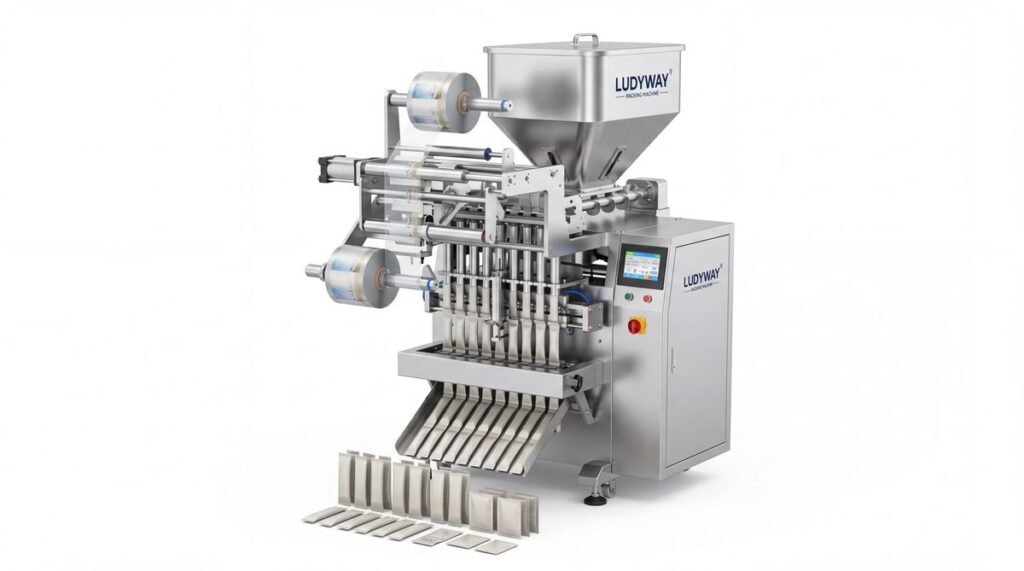
| Multi-Lane Sachet | Sample and travel sizes | 200-800 ppm | Ultra-high-speed for small formats |
Single-Lane vs Multi-Lane Machines
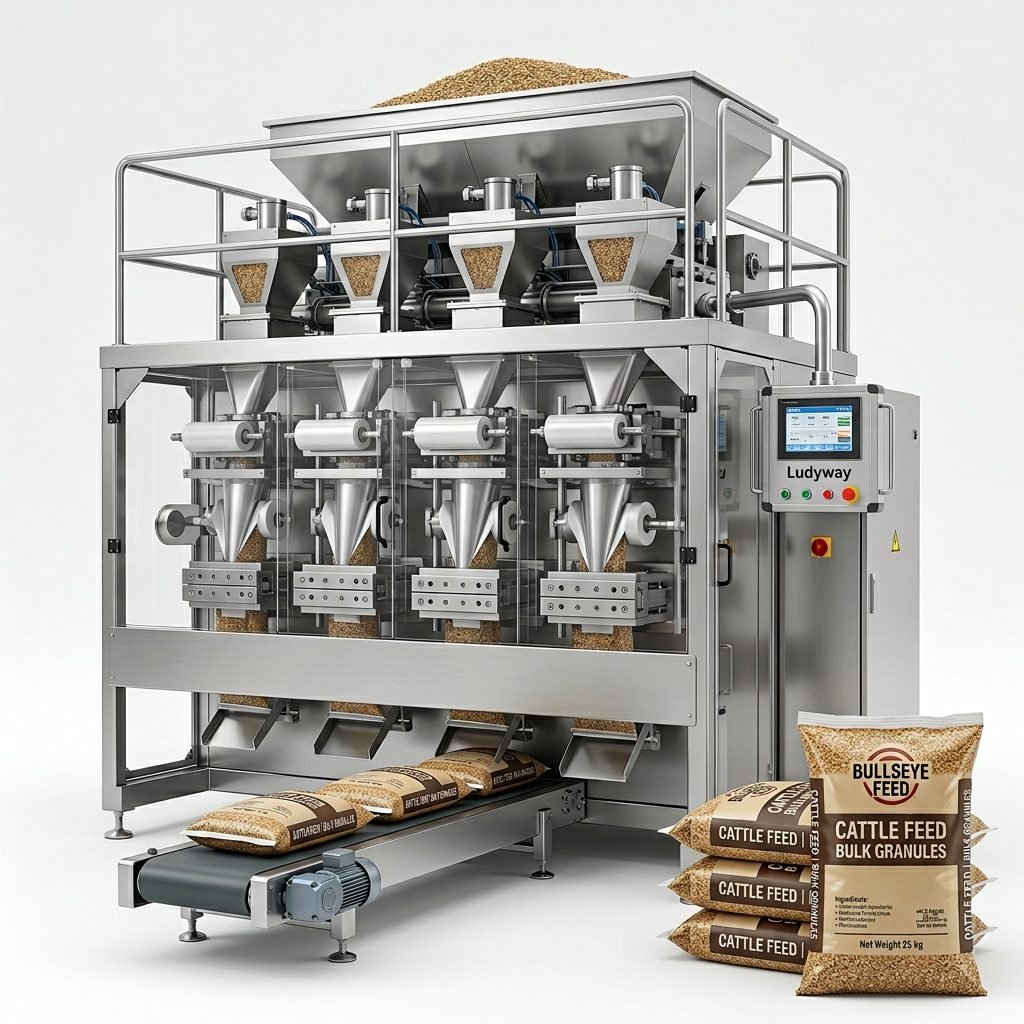
Single-lane machines are generally more affordable and easier to maintain, making them suitable for startups and smaller manufacturers. Multi-lane machines offer significantly higher output within the same floor space. For manufacturers scaling up production or entering competitive markets, multi-lane systems often provide better long-term ROI through higher throughput and lower per-unit packaging costs.
Technical Specifications That Matter
When comparing powder pouch packing machines, pay close attention to the following technical parameters that directly affect performance and reliability:
- Filling Range: The minimum and maximum fill volume the machine can handle per pouch. Ensure your target fill weights fall comfortably within this range.
- Film Compatibility: Verify that the machine can run your preferred packaging film materials, including laminates, foil-based films, and biodegradable options.
- Sealing System: Temperature-controlled sealing jaws with precise pressure control are essential for achieving airtight, leak-proof seals consistently.
- Changeover Time: Quick-change features reduce downtime when switching between different pouch sizes or powder formulations.
- Control System: Modern machines with PLC controls and touchscreen interfaces offer easier operation, recipe storage, and troubleshooting capabilities.

Cost Considerations and ROI
The purchase price is just one component of total ownership costs. A comprehensive cost analysis should include installation, training, maintenance, spare parts, film waste rates, and energy consumption. Machines with higher initial costs often deliver lower operating costs through reduced waste, higher uptime, and better filling accuracy. Calculate the total cost per pouch over the expected machine lifespan to make a fair comparison between options.
Maintenance and After-Sales Support
Reliable technical support and spare parts availability are crucial for minimizing production disruptions. Before purchasing, evaluate the manufacturer’s service network, response times, and parts inventory. Remote diagnostic capabilities have become increasingly valuable, allowing technicians to troubleshoot issues without on-site visits. According to industry resources from the PMMI – Association for Packaging and Processing Technologies, proactive maintenance programs can reduce unplanned downtime by up to 45%.
Industry Standards and Compliance
Depending on your industry and target markets, your powder pouch packing machine may need to comply with specific regulations. Food and pharmaceutical applications require hygienic design features such as stainless steel construction, easy-clean surfaces, and validated cleaning procedures. Machines intended for pharmaceutical use may need to meet ISO 11607 packaging standards for terminally sterilized medical devices. For the food industry, compliance with FDA food packaging regulations is essential for the U.S. market.
Dust Control and Safety Features
Fine powders create dust that can affect machine performance, operator safety, and product quality. Dust extraction systems, enclosed filling zones, and proper sealing prevent cross-contamination and maintain a clean production environment. For potentially combustible powders, explosion-proof electrical components and grounding systems are mandatory safety requirements.
Integrating with Existing Production Lines
Your powder pouch packing machine rarely operates in isolation. Consider how the new equipment will integrate with upstream and downstream processes, including feeding systems, checkweighers, metal detectors, coding and marking equipment, cartoning machines, and palletizing systems. A fully integrated packaging line optimizes overall equipment effectiveness and reduces manual handling. The Flexible Packaging Association provides valuable insights on packaging line integration and flexible packaging trends.

Customization vs Standard Machines
Standard machines work well for common applications, but many powder packaging projects benefit from customized configurations. Customization may involve specialized dosing systems for difficult powders, modified sealing parameters for unique film materials, additional automation features, or custom software integration. Working with an experienced packaging machinery partner that offers engineering and customization capabilities can help you achieve packaging results that off-the-shelf solutions cannot deliver.
Making the Final Decision
After narrowing down your options, request product samples and machine demonstrations using your actual powder material. This step validates machine performance under real-world conditions and reveals potential issues that specification sheets cannot show. Evaluate the build quality, ease of cleaning, changeover procedures, and operator interface during demonstrations. Speak with existing customers about their long-term experience with the machine and the manufacturer’s support quality.
Questions to Ask Potential Suppliers
- What is the expected fill accuracy for our specific powder type?
- Can you provide references from customers packaging similar products?
- What is the typical lead time for delivery and installation?
- How quickly can spare parts be shipped to our location?
- What training and documentation are included with the machine purchase?
- Is remote technical support available for troubleshooting?
Selecting a powder pouch packing machine is a strategic investment that affects your production capability for years to come. Manufacturers like Ludyway Machinery, with over 30 years of experience and a 20,000-square-meter manufacturing facility, offer comprehensive packaging solutions including customized machine configurations and integrated turnkey production lines. By carefully evaluating your product characteristics, production requirements, and long-term goals against available machine capabilities, you can select equipment that delivers consistent performance, reliable operation, and strong return on investment. For further market data, the PMMI Business Intelligence Library and PACK EXPO International provide excellent resources for staying current with packaging machinery innovations and industry trends.