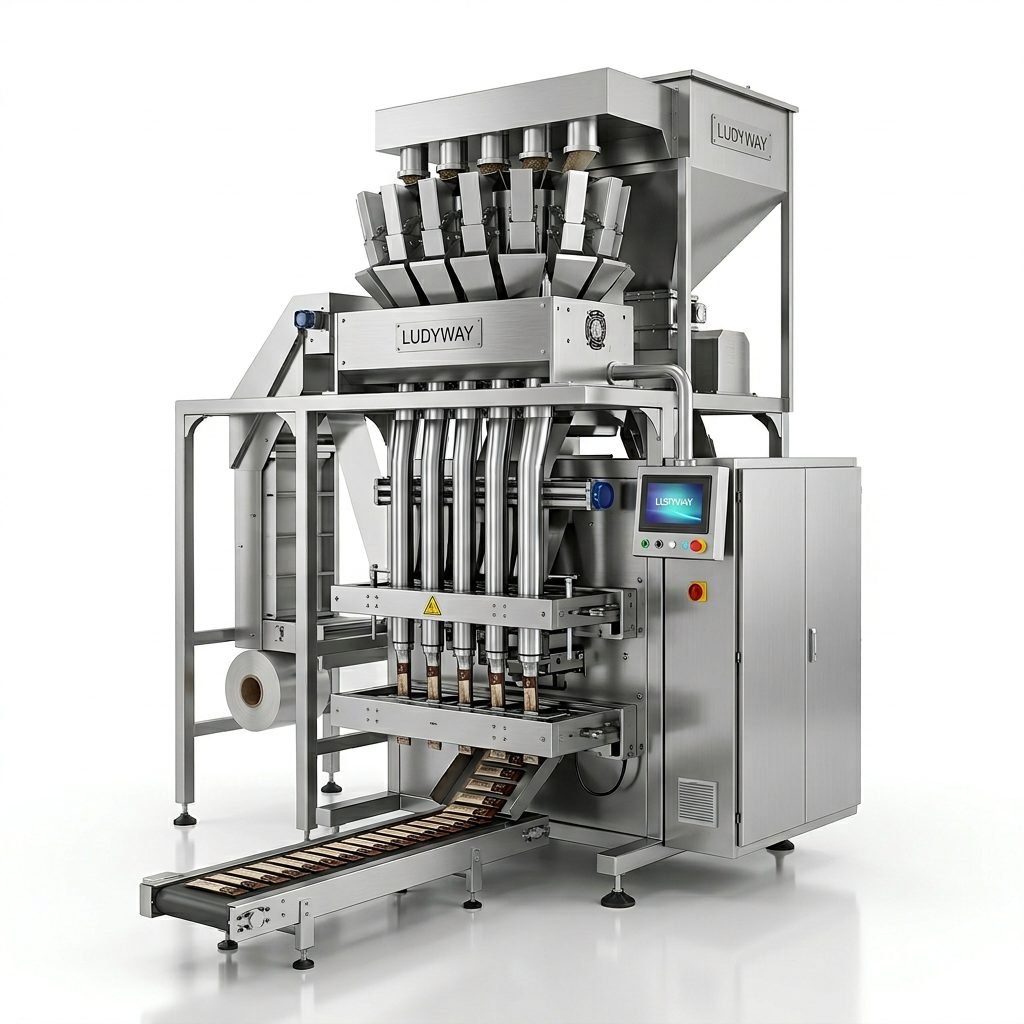
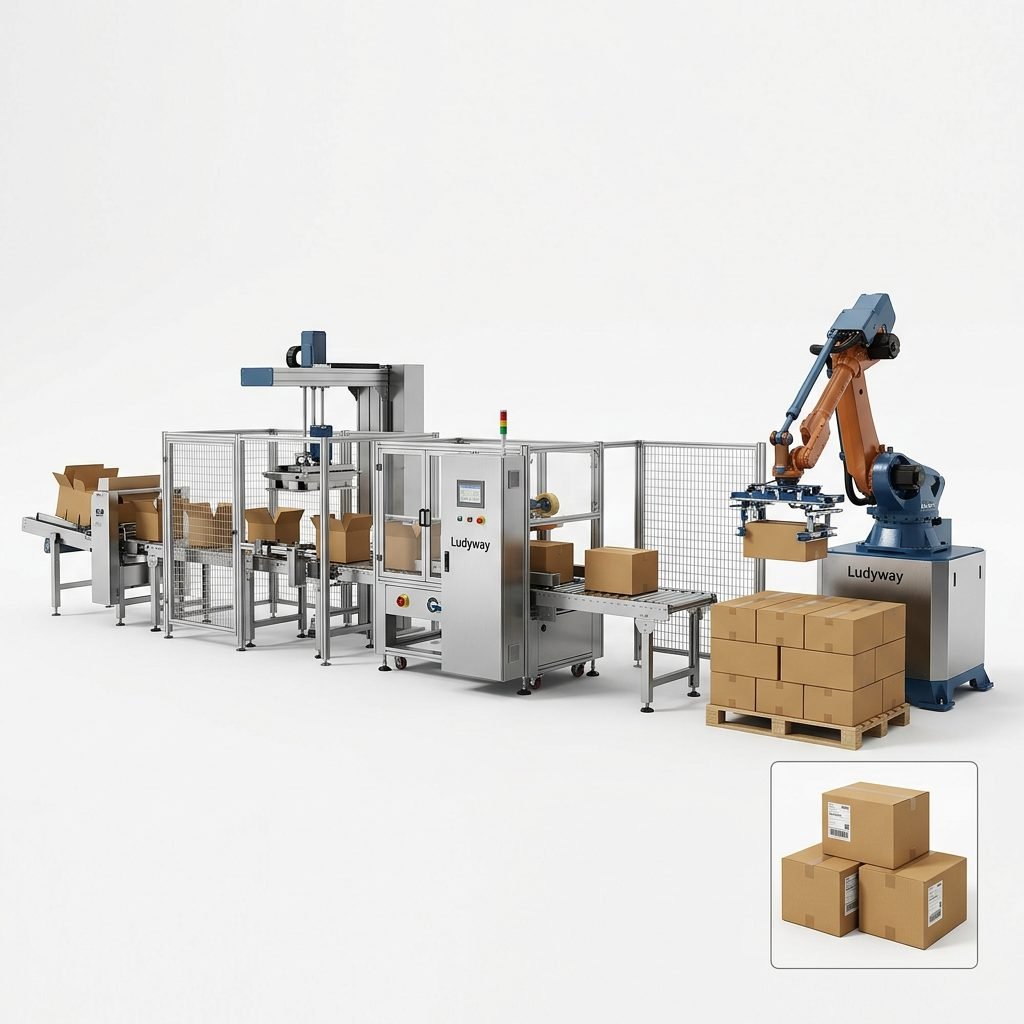
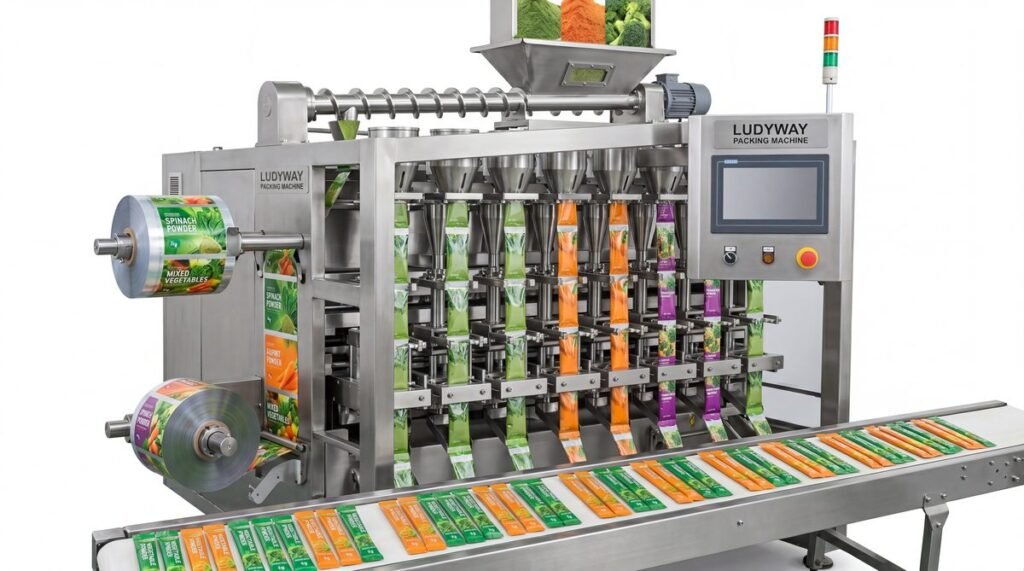
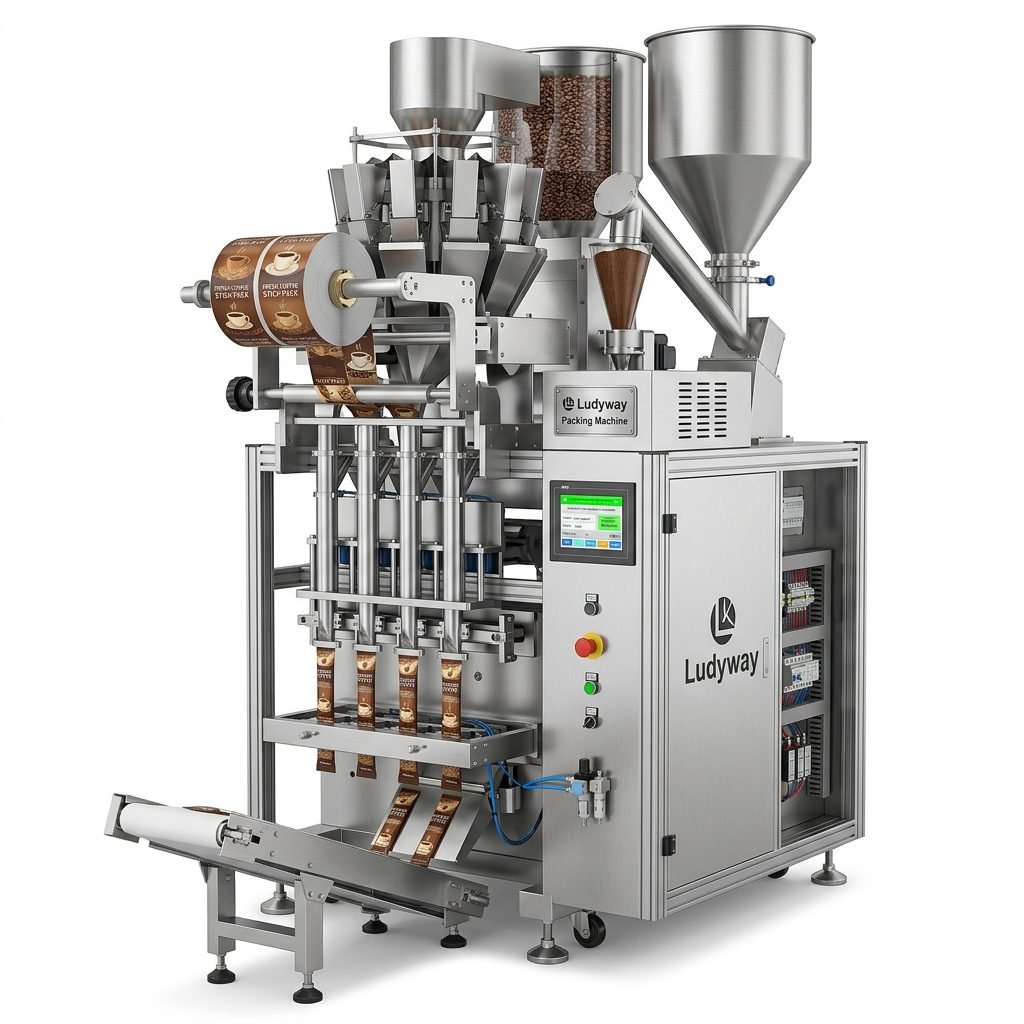
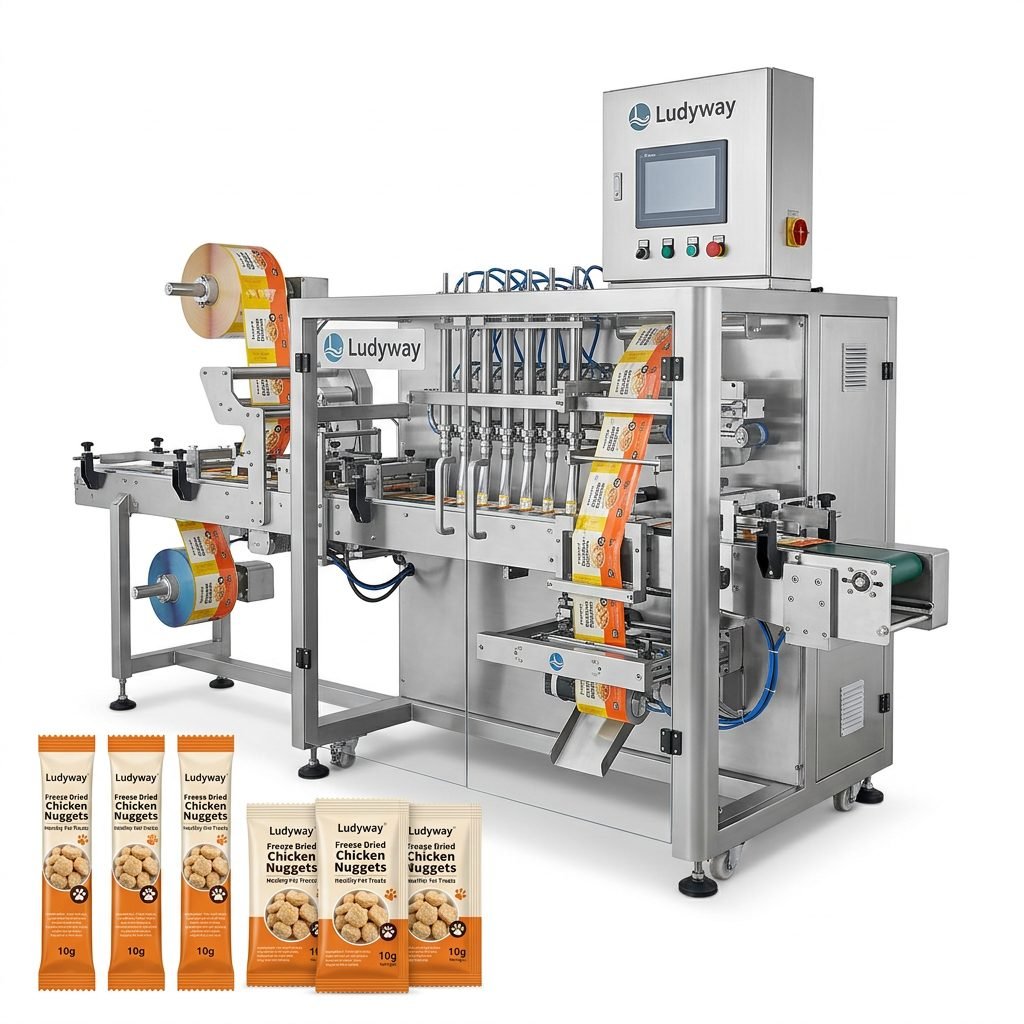
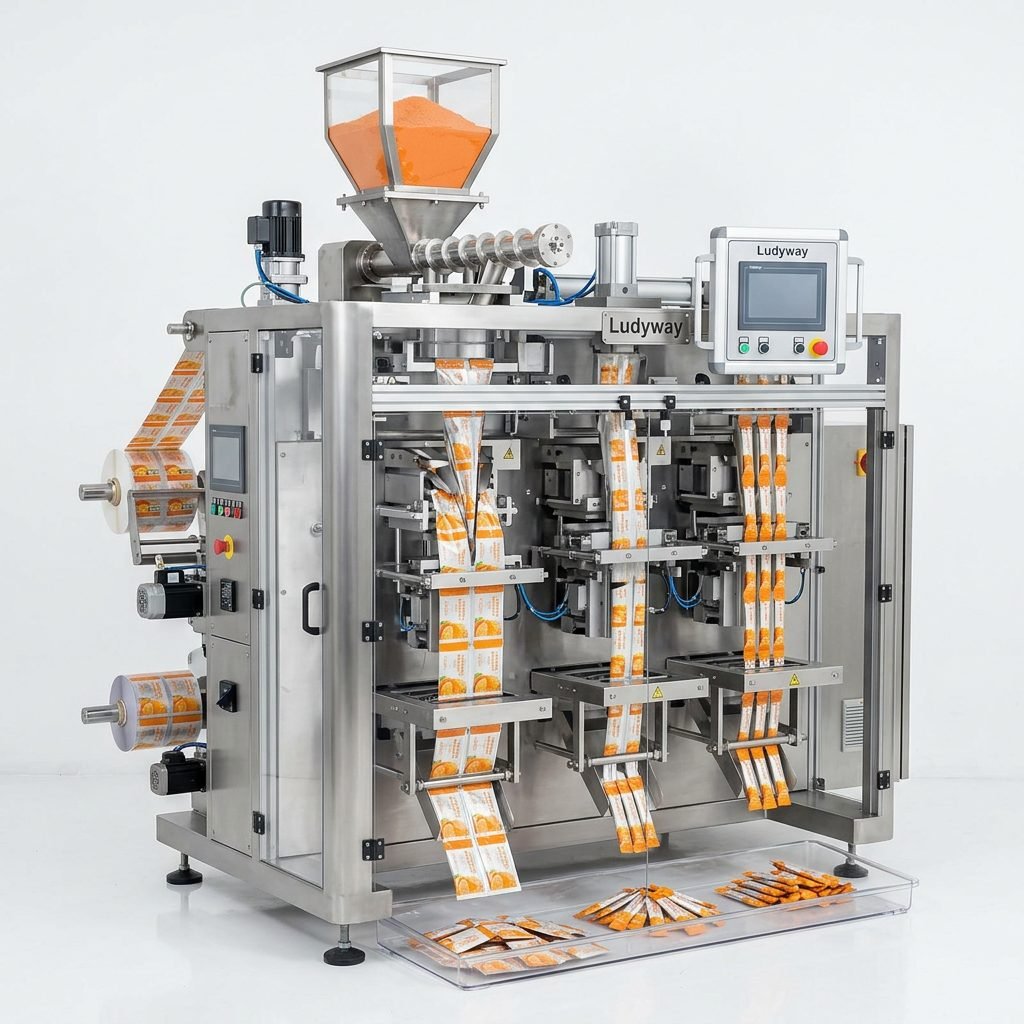
Investing in a fish packaging machine is a critical decision for seafood processors, aquaculture operations, and food exporters across Europe. Whether you are packing fresh fillets, frozen fish portions, dried seafood snacks, or fish feed pellets, the right packaging machinery directly impacts product shelf life, operational efficiency, and compliance with stringent EU regulations. This guide covers everything you need to know before purchasing a fish packaging solution in the European market.
Why the European Fish Packaging Market Demands Specialized Equipment
Europe is one of the world’s largest seafood markets, with countries like Norway, Spain, France, and the Netherlands leading both production and consumption. The European fish processing industry must comply with regulations such as EU food contact material standards, HACCP protocols, and sustainability mandates. This means your fish packaging machine must deliver hygienic sealing, precise portion control, and compatibility with recyclable or biodegradable film materials.
Key market drivers include the growing demand for convenient single-serve portions, the rise of e-commerce frozen food delivery, and increased exports of value-added seafood products. A modern automatic fish packing line can handle multiple packaging formats—from vacuum pouches and MAP (Modified Atmosphere Packaging) trays to stick packs and sachets—giving European processors the flexibility to serve diverse retail and food service channels.
Types of Fish Packaging Machines Available in Europe
Understanding the different categories of fish packaging equipment is essential for matching the right technology to your production requirements. Below is a comparative overview:
| Machine Type | Best Suited For | Packaging Style | Speed Range |
|---|---|---|---|
| Vacuum Packaging Machine | Fresh fillets, smoked salmon, frozen portions | Vacuum pouches, skin packs | 30-80 packs/min |
| MAP Tray Sealer | Fresh fish retail packs, ready-to-cook meals | Rigid trays with gas flushing | 10-60 trays/min |
| Multi-Lane Stick Pack Machine | Dried fish snacks, fish powder, seasonings | Sachets, stick packs | 200-600 packs/min |
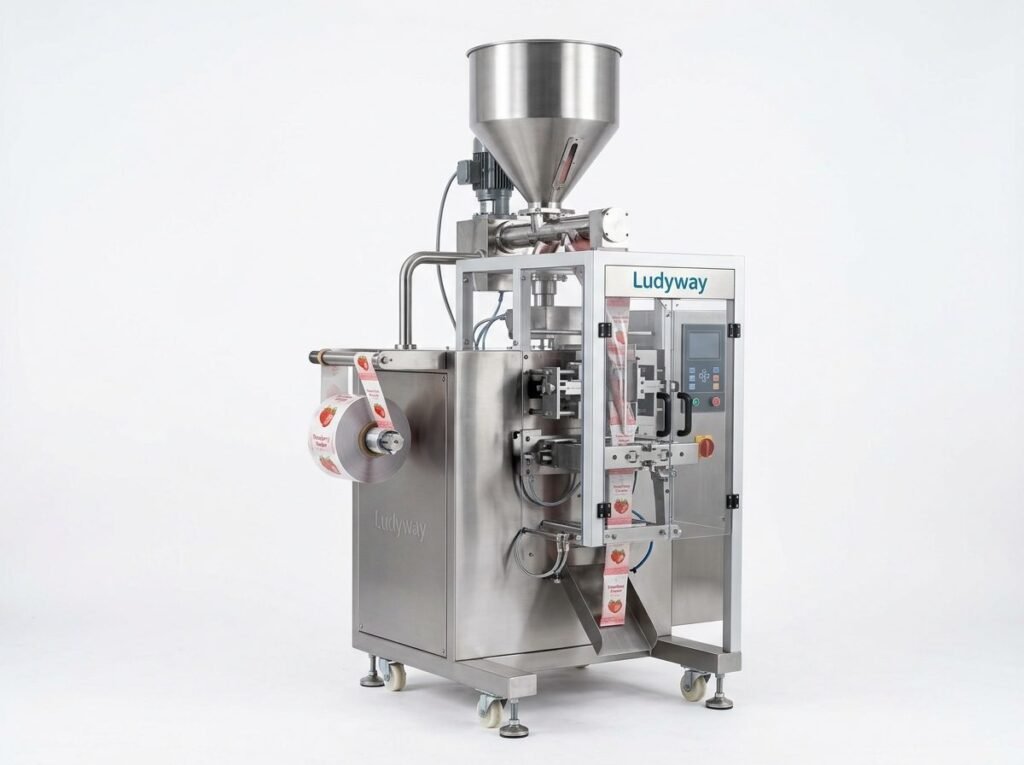
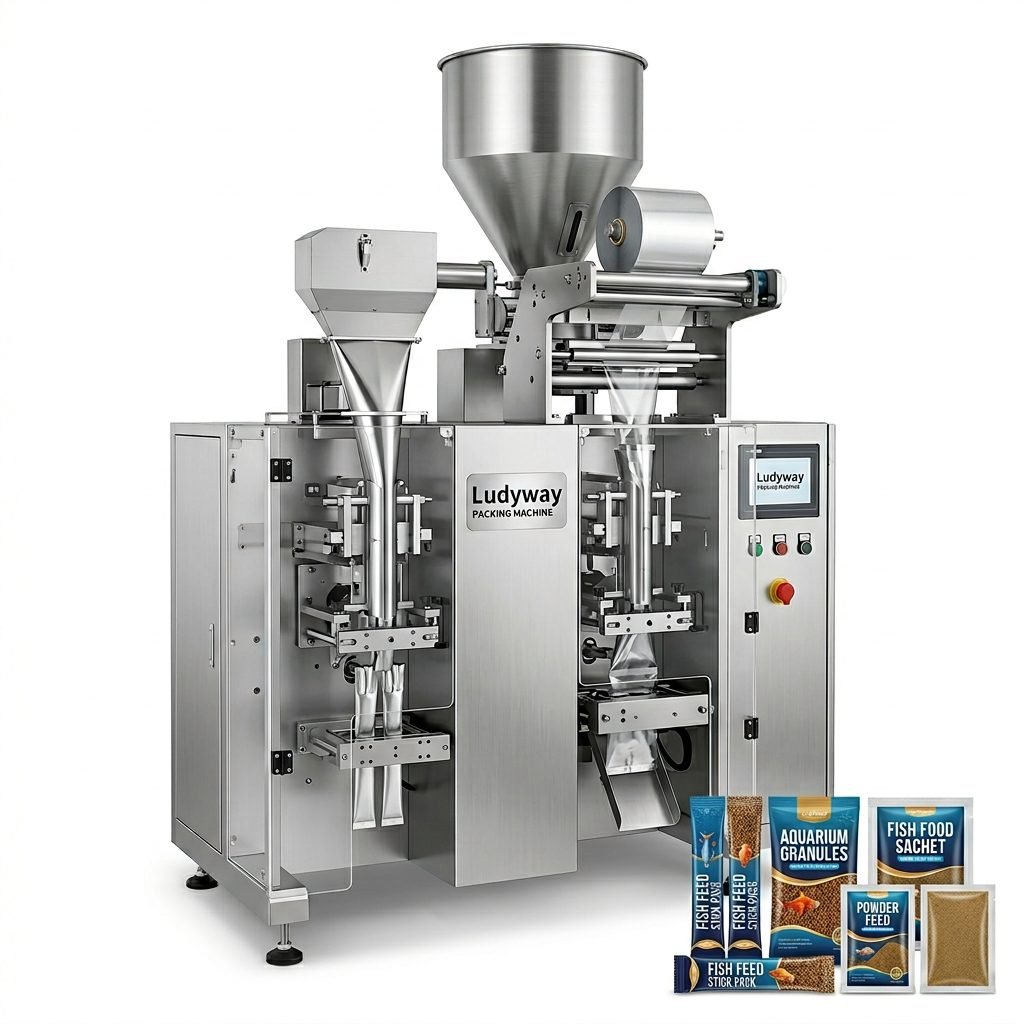
| Vertical Form Fill Seal (VFFS) | Frozen fish pieces, fish feed pellets, bulk packs | Pillow bags, gusseted pouches | 40-120 packs/min |
| Automated Weighing & Bagging Line | Bulk frozen fish, industrial fish feed | Large bags (1-25kg) | 5-25 bags/min |
Critical Factors to Consider When Buying a Fish Packaging Machine in Europe
1. EU Regulatory Compliance and Food Safety
Any fish packaging machine sold and operated in Europe must comply with EU Packaging and Packaging Waste Regulations, as well as machinery safety directives (CE marking). Look for equipment constructed with stainless steel frames, food-grade contact parts, and designs that facilitate easy cleaning and sanitation. Machines with IP65 or higher protection ratings are preferred for wet processing environments common in seafood facilities.
2. Product Characteristics and Handling Sensitivity
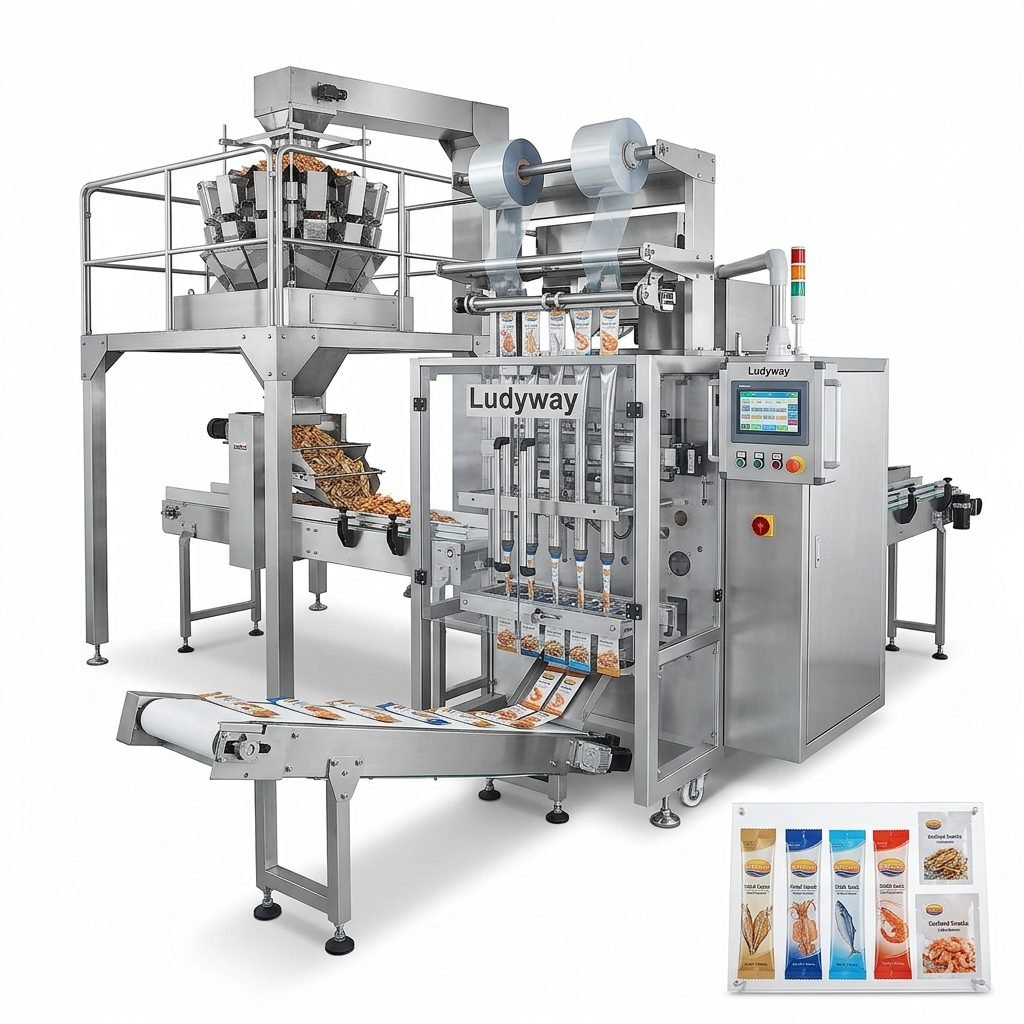
Fish products vary widely—delicate fresh fillets require gentle handling to prevent damage, while frozen fish chunks demand robust cutting and sealing mechanisms. Multi-head weighers with vibration control are ideal for sticky or irregularly shaped seafood pieces. For dried and powdered fish products, auger fillers or volumetric cup fillers ensure accurate dosing without product degradation.
3. Packaging Material Compatibility
The European flexible packaging market is rapidly shifting toward sustainable materials. According to the Flexible Packaging Association, recyclable mono-material films and bio-based laminates are gaining significant traction. Your fish packaging machine should be capable of running these newer materials without compromising seal integrity or speed. Verify that the machine’s temperature control, dwell time, and jaw design can accommodate the specific sealing window of your chosen sustainable film.
4. Production Capacity and Automation Level
For small to medium European processors, a semi-automatic machine producing 20-40 packs per minute may suffice. Large-scale operations exporting across the EU often require fully automated lines exceeding 100 packs per minute, integrated with automatic weighing, nitrogen flushing, coding, and case packing systems. Evaluate your current throughput needs and projected growth over the next 3-5 years.
5. After-Sales Support and Spare Parts Availability
Downtime in fish processing is exceptionally costly due to product perishability. Prioritize suppliers who offer local technical support within Europe, quick spare parts dispatch, and remote diagnostics capabilities. Check whether the manufacturer provides on-site installation, operator training, and preventive maintenance contracts tailored to EU customers.
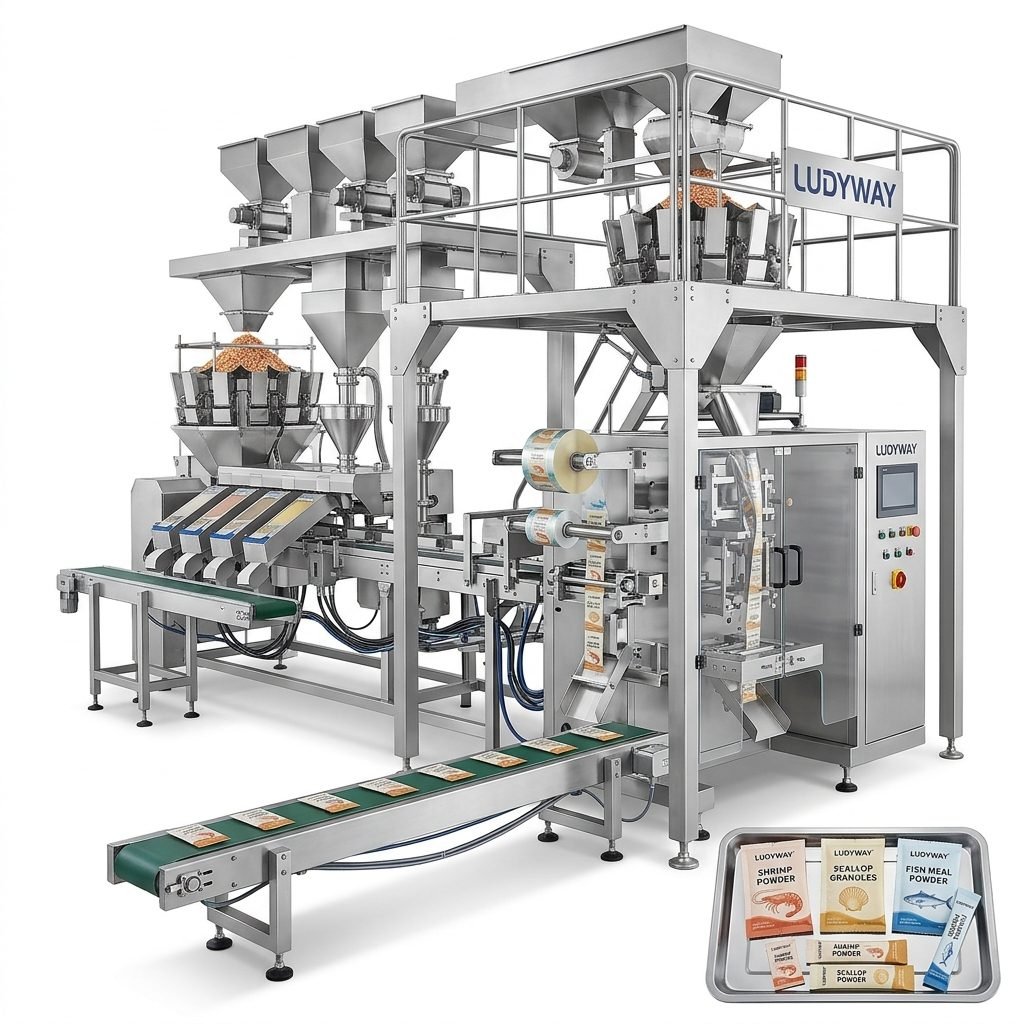
Multi-Lane Stick Pack Solutions for Dried and Powdered Fish Products
An emerging segment in the European fish industry is value-added dried seafood snacks and nutritional fish protein powders. Multi-lane stick pack machines are particularly well-suited for these applications, offering compact packaging formats ideal for on-the-go European consumers. These high-speed systems can produce 200 to 600 sachets per minute, with precise filling accuracy for granule and powder products such as dried fish flakes, fish collagen powder, and seafood seasoning blends.
Key Features to Look for in a Modern Fish Packaging Line
- Servo-driven motors for precise film feed and sealing control
- Quick-change forming tubes to switch between different bag sizes efficiently
- Integrated gas flushing (MAP/Nitrogen) to extend shelf life of fresh fish products
- Automatic date coding and batch printing for full EU traceability compliance
- Stainless steel construction (AISI 304 or 316L) for corrosion resistance in saline environments
- HMI touch screen interface with multi-language support for European operators
- Reject systems with checkweighers to ensure consistent portion weights
- Remote IoT diagnostics enabling real-time monitoring and predictive maintenance
Cost Considerations and ROI for European Buyers
The price of a fish packaging machine in Europe varies significantly based on automation level, speed, and configuration. Entry-level semi-automatic vacuum sealers may start around €5,000 – €15,000, while fully automated multi-lane stick pack lines with integrated weighing and cartoning systems can range from €80,000 to over €300,000. When calculating your return on investment, consider factors such as labor savings, reduced product giveaway through precise filling, lower packaging material waste, and extended product shelf life leading to fewer returns.
Many European buyers benefit from regional investment incentives and grants supporting food processing modernization, particularly when adopting sustainable packaging technologies. Consult with your local chamber of commerce or regional development agency for available funding programs.
Choosing the Right Supplier for Your European Fish Packaging Project
Selecting a reliable packaging machine manufacturer is just as important as the machine specifications themselves. Look for suppliers with a proven track record of installations in Europe, solid references from seafood industry clients, and certifications such as ISO 9001 and CE compliance. The PMMI packaging industry resources provide valuable benchmarks for evaluating machinery suppliers and staying informed about the latest technology trends in automated packaging.
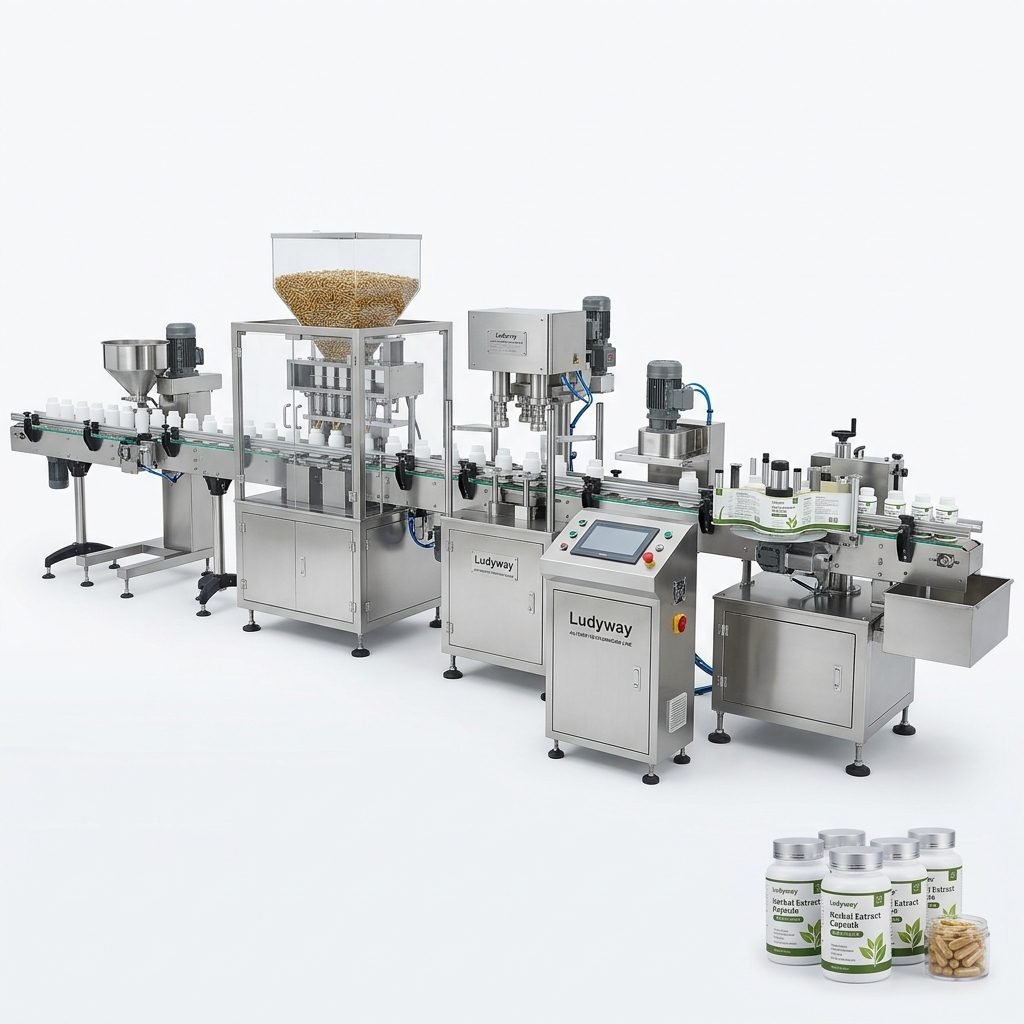
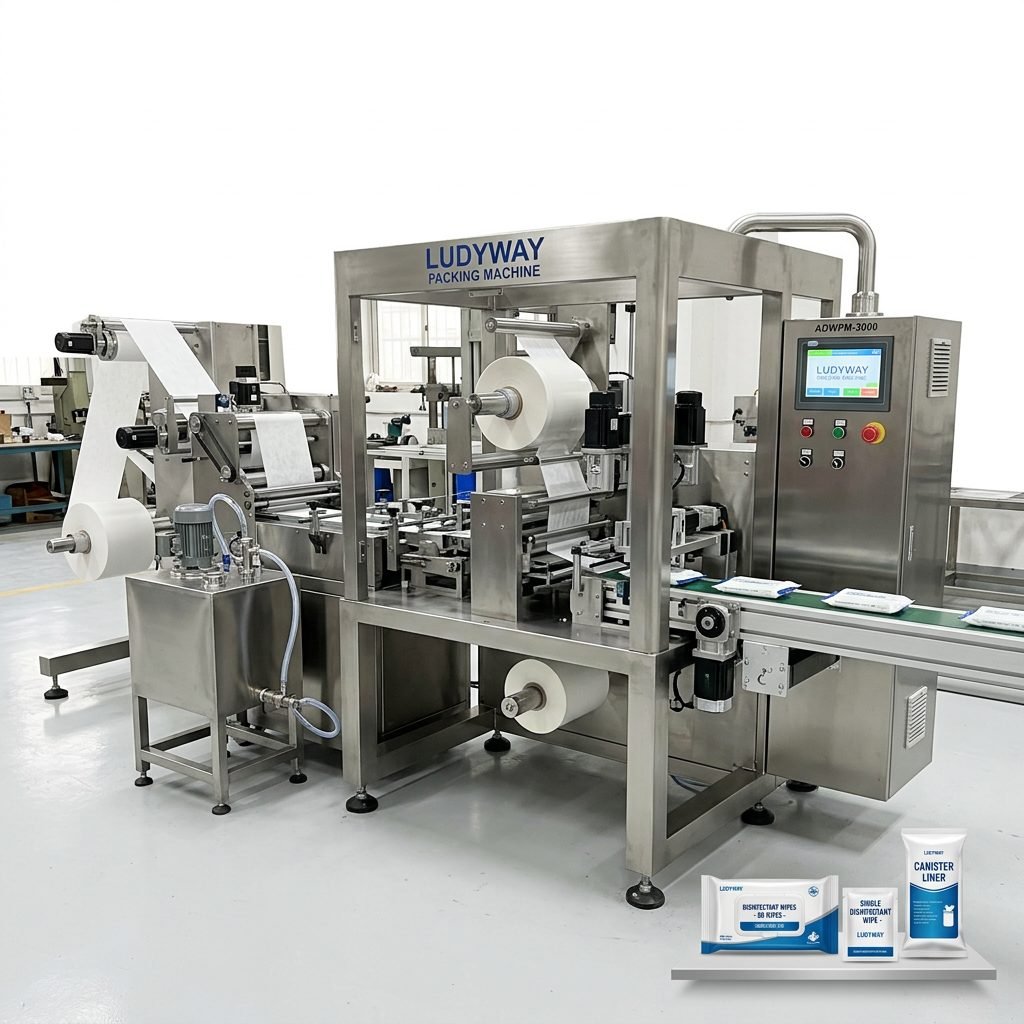
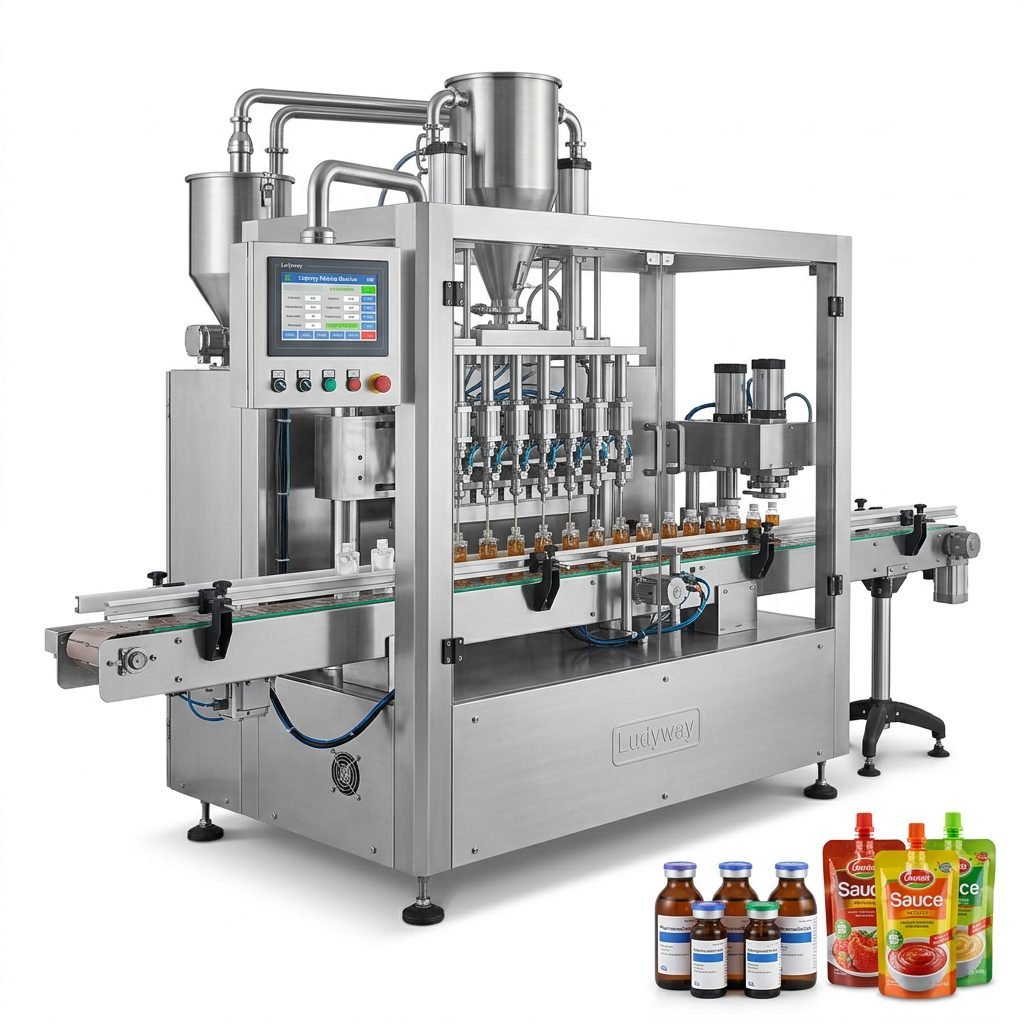
For European seafood processors and fish feed producers seeking cost-effective yet high-performance packaging solutions, Ludyway offers a comprehensive range of multi-lane stick pack machines, sachet packaging systems, and fully automated turnkey lines. With a 20,000㎡ modern manufacturing facility and over 50 intelligent packaging machine models, the company serves customers in more than 100 countries, including a growing presence in European markets with equipment designed to meet EU standards for food safety and operational reliability.

European Installation and Training Best Practices
Successful deployment of a fish packaging machine in a European production facility requires careful planning. Key steps include conducting a thorough factory acceptance test (FAT) before shipment, arranging professional on-site installation by qualified technicians, and providing comprehensive operator training in the local language. Many European clients also benefit from remote video support for troubleshooting and preventive maintenance guidance, reducing the need for costly on-site service visits.
Future Trends in European Fish Packaging Technology
The European fish packaging industry is moving toward smart, connected packaging lines that leverage Industry 4.0 principles. Emerging trends include AI-powered visual inspection systems for quality control, blockchain-enabled traceability throughout the ISO packaging standards framework compliance, and machines designed to run fully recyclable mono-material films. As the state of the packaging industry continues to evolve, forward-looking European processors are investing in versatile equipment that can adapt to changing regulatory requirements and consumer preferences for sustainable packaging.
Frequently Asked Questions About Fish Packaging Machines in Europe
What CE certifications are required for fish packaging machines in the EU?
All fish packaging machinery sold in the European Economic Area must carry CE marking, demonstrating compliance with the Machinery Directive (2006/42/EC), Low Voltage Directive, and EMC Directive. For equipment intended for direct food contact, additional compliance with EU Regulation (EC) No 1935/2004 on food contact materials is mandatory.
Can one machine handle both fresh and frozen fish products?
Some versatile VFFS and tray sealing machines can handle both fresh and frozen products with appropriate tooling adjustments. However, frozen products typically require stronger film materials and higher sealing temperatures. It is essential to discuss your full product range with the supplier to ensure the machine’s specifications cover all your intended applications.
How long does delivery and installation typically take for European orders?
Standard fish packaging machine delivery times range from 8 to 16 weeks depending on configuration complexity. Custom-engineered turnkey lines may require 16 to 24 weeks. On-site installation in Europe typically takes 3 to 7 working days, followed by operator training and production ramp-up support.
What after-sales support can I expect as a European customer?
Reputable suppliers provide remote technical support, periodic preventive maintenance visits, and readily available spare parts shipped to European destinations. Look for manufacturers that offer warranty periods of at least 12 months and have established relationships with local service partners in your country.