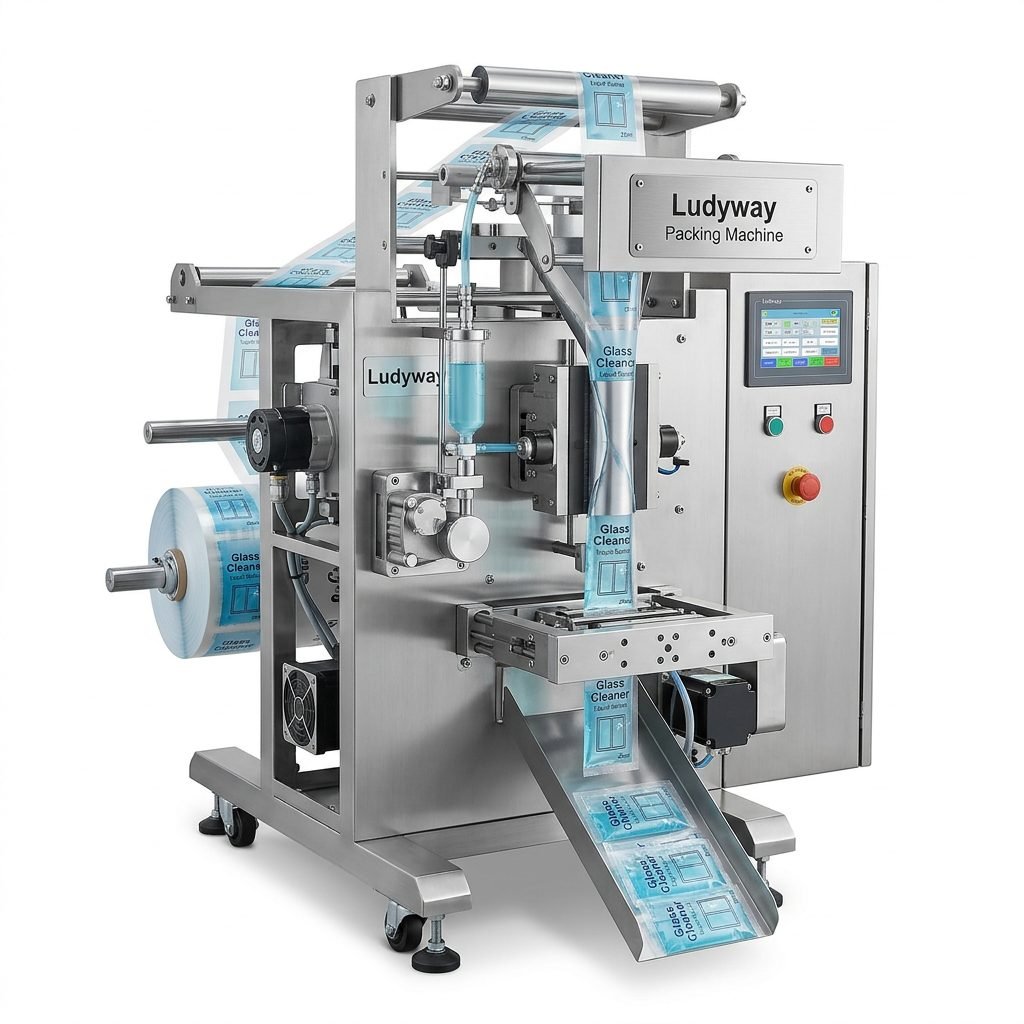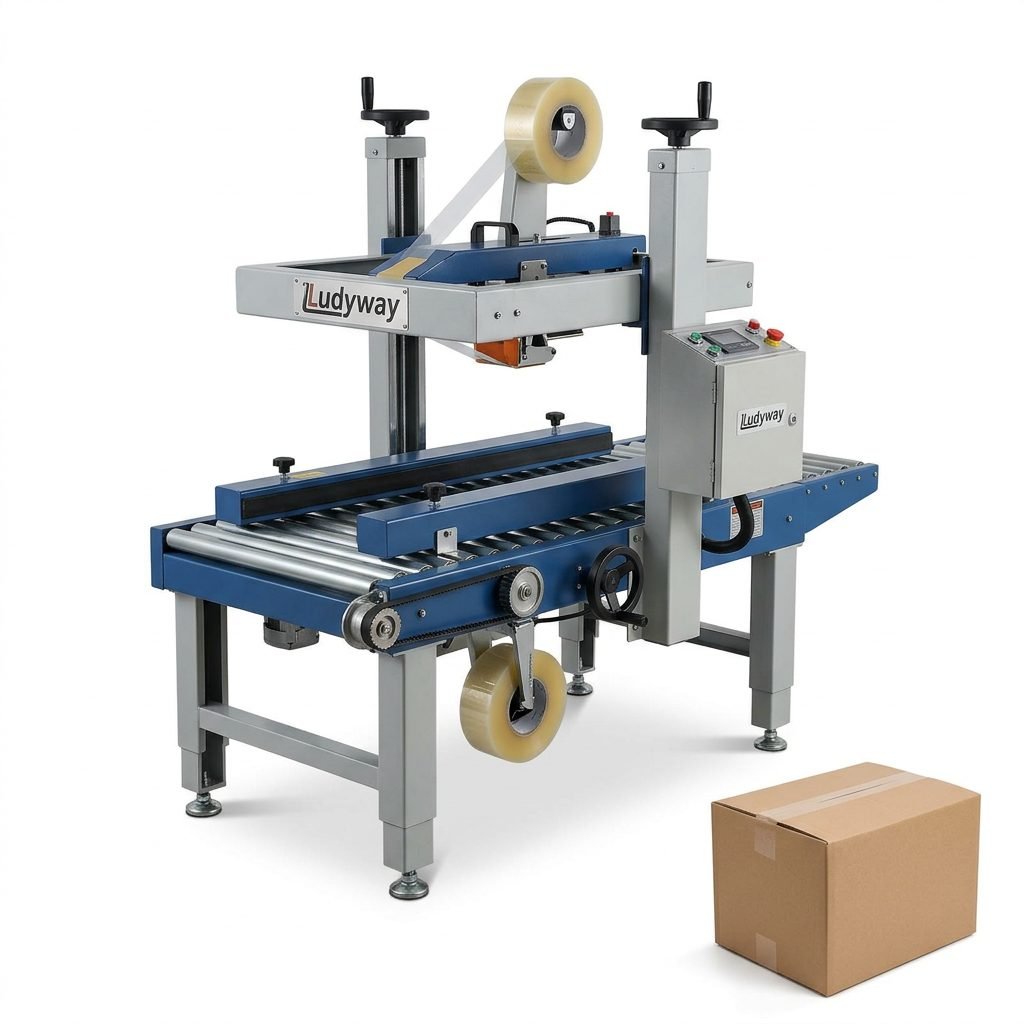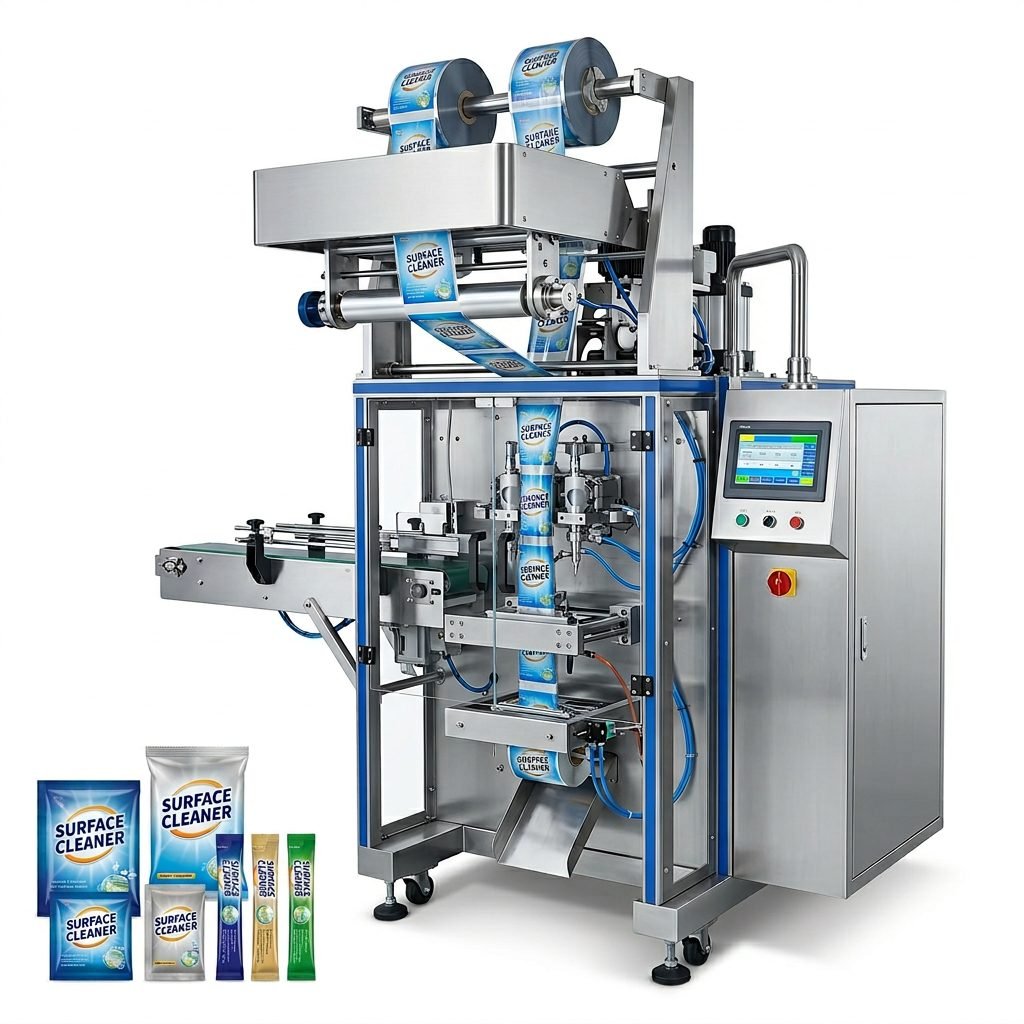
The North American meal kit sector has surged, driven by consumer demand for convenience and fresh ingredients. This growth places immense pressure on producers to optimize efficiency, accuracy, and shelf life. At the core of a successful operation is the meal kit packaging machine. Whether you are launching a new line or upgrading capacity, selecting the right automated system requires a deep understanding of your specific product needs, regional regulatory standards, and long-term production goals.
1. Defining Your Meal Kit Product Specifications
Before reviewing machinery, you must classify your kit type. The physical properties of your ingredients dictate the required filling technology. Consider these common categories:
- Fresh Produce & Protein Kits: Require robust tray sealers and Modified Atmosphere Packaging (MAP) to extend shelf life without preservatives.
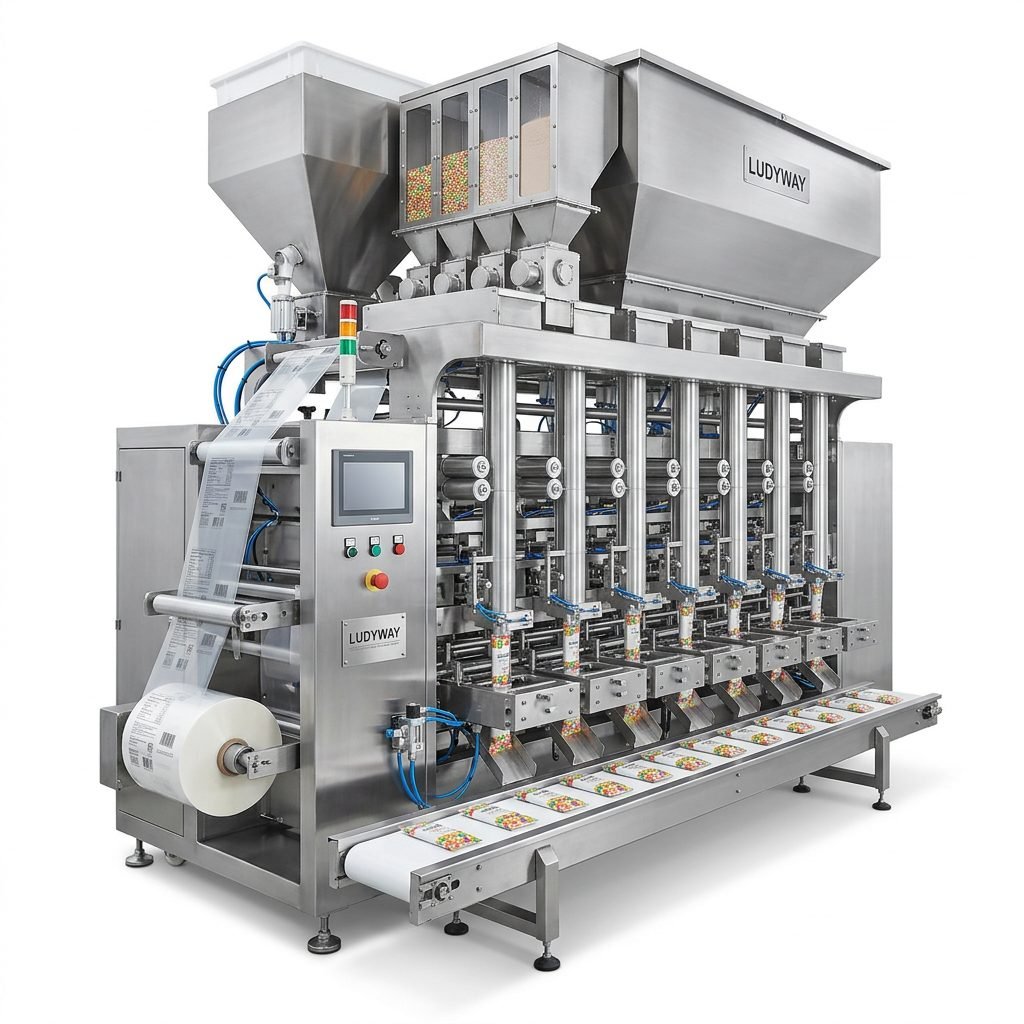
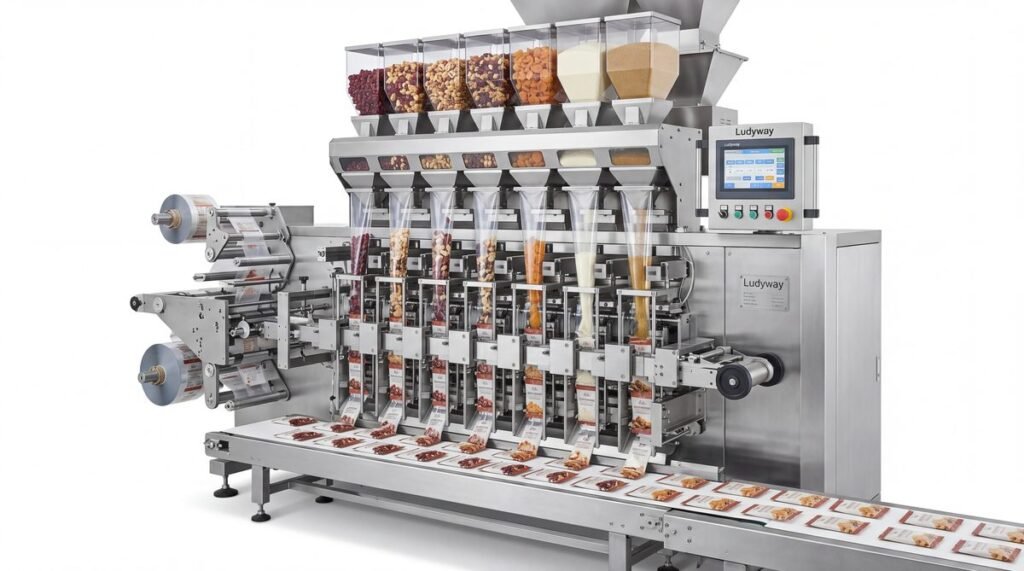
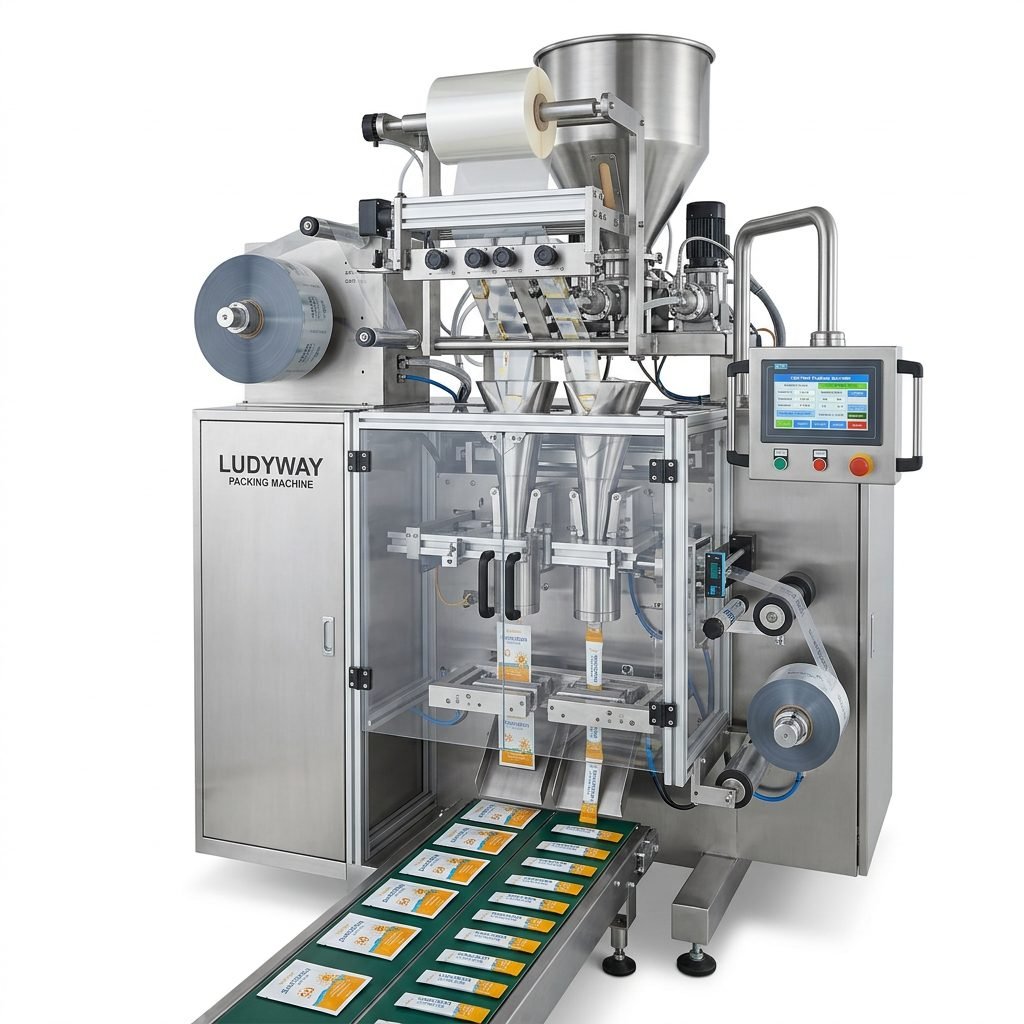
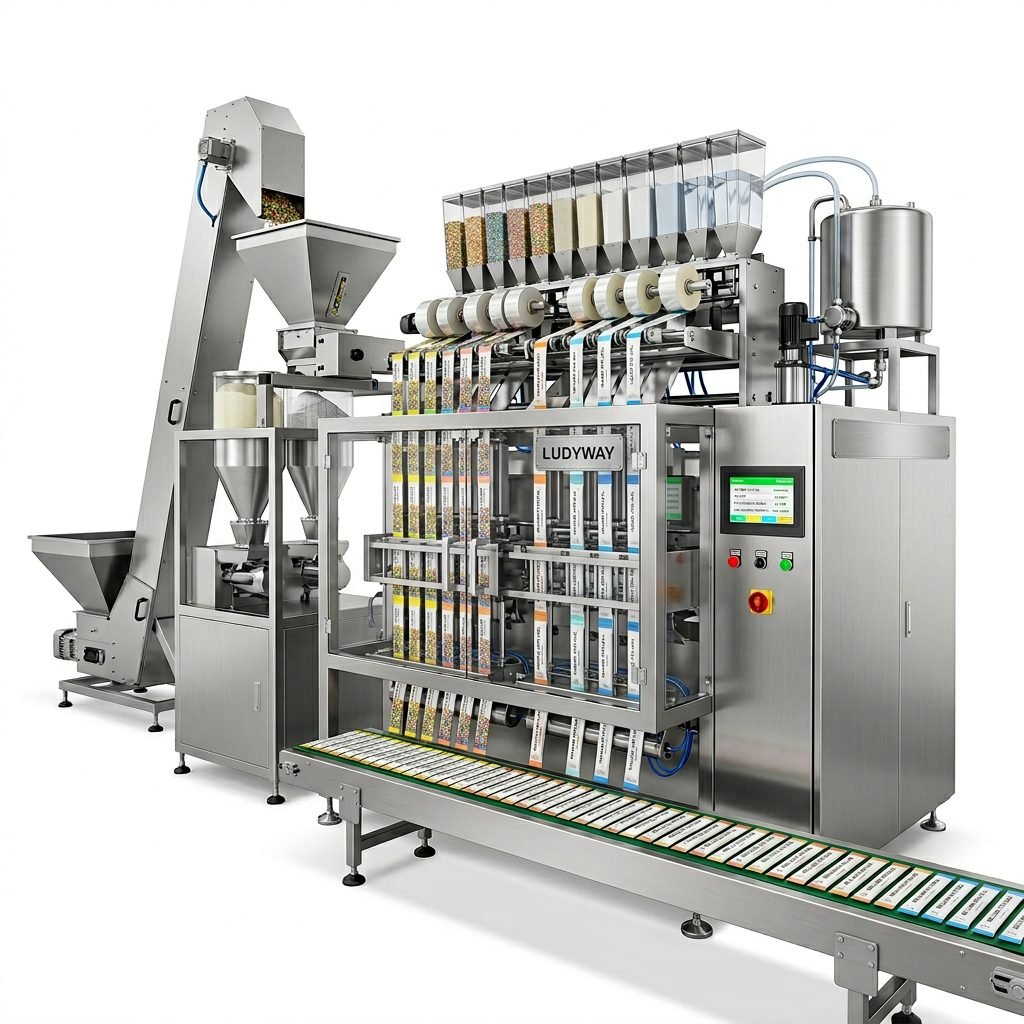
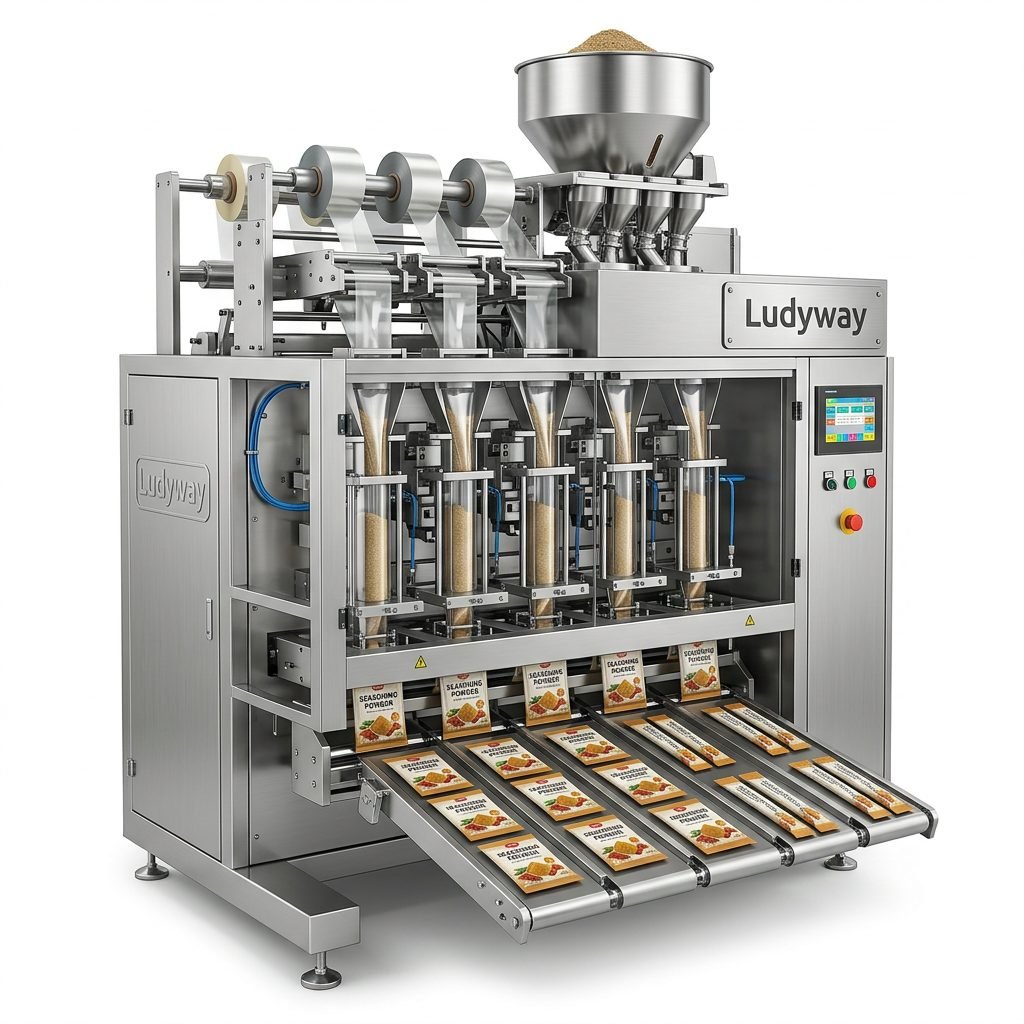
- Dry Ingredient Kits (Pasta, Grains, Spices): Benefit greatly from high-speed multi-lane sachet and stick pack machines, which maximize throughput for powders and granules.
- Liquid & Sauce Components: Demand precise liquid fillers capable of handling viscosities from water-thin to chunky marinades without splashing.
- Frozen Meal Kits: Need robust horizontal flow wrappers that maintain seal integrity in sub-zero temperatures.
2. Essential Types of Meal Kit Packaging Equipment
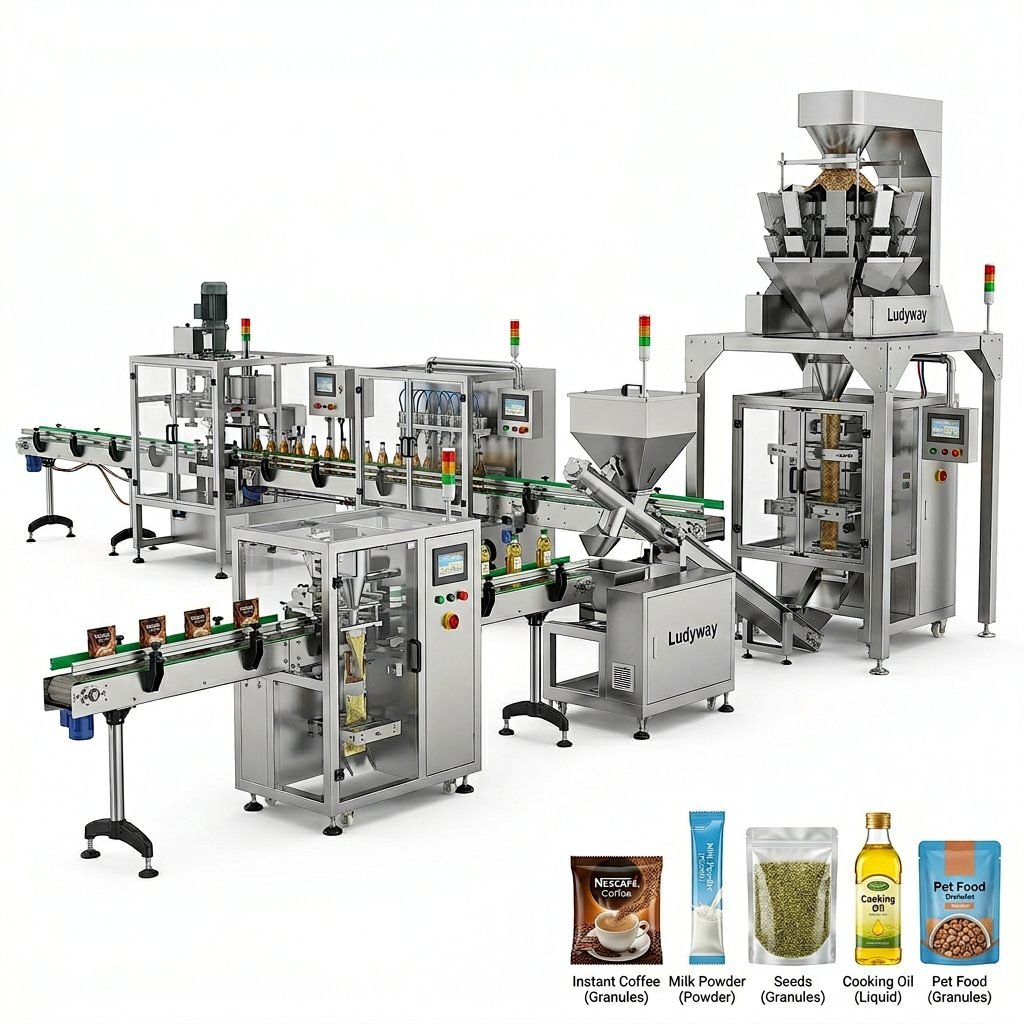
Most North American producers use a combination of the following systems to create a turnkey line:
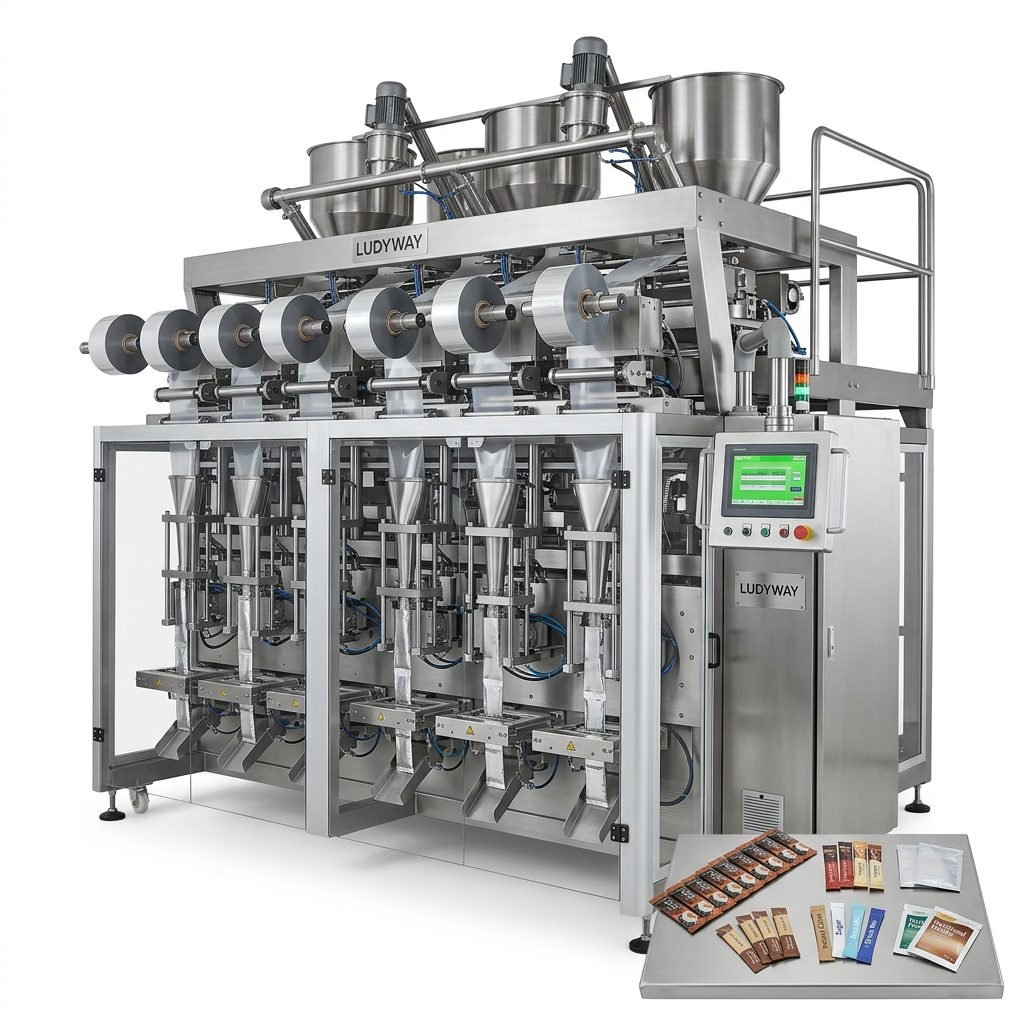
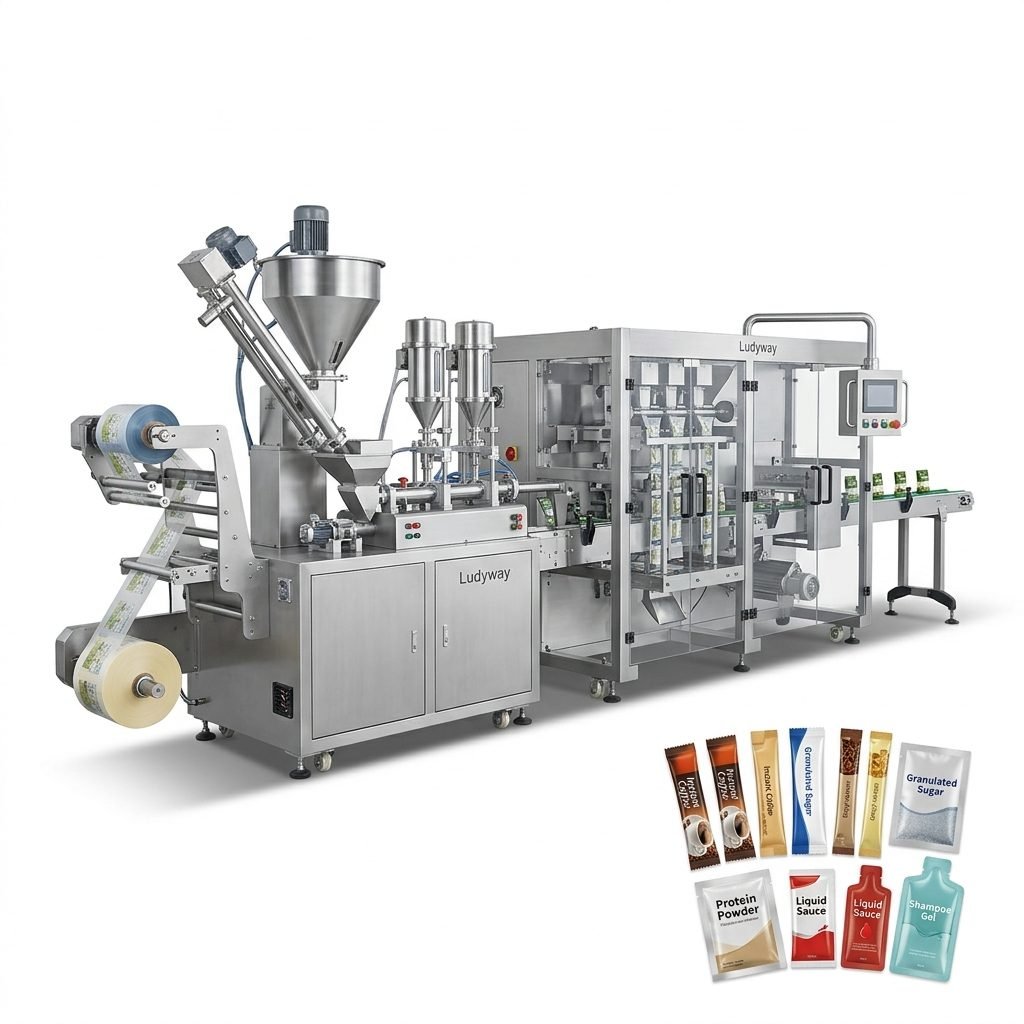
Multi-Lane Stick Pack & Sachet Machines
Ideal for single-serve condiments, seasoning blends, and protein powders. Growth in this segment is driven by portability and portion control. Look for machines with 4 to 12 lanes to dramatically increase output without expanding floor space.
Tray Sealers and Denesters
The backbone of fresh meal kit packaging. A reliable tray sealer must handle cardboard, plastic, or compostable trays while maintaining perfect film alignment. Double-check the tool-less changeover speed if you run multiple tray sizes.
Horizontal Form Fill Seal (HFFS) Machines
For bundling multiple components into a single pouch or wrapping a tray, HFFS technology offers excellent versatility for pillow packs and gusseted bags.
3. Compliance and Standards in North America
Adhering to strict safety regulations is non-negotiable. Machines must be constructed from food-grade stainless steel (304 or 316) to prevent contamination. Below are critical standards and resources:
| Regulatory Body / Resource | Key Focus for Packaging |
|---|---|
| FDA (Food Contact Standards) | Material safety, adhesives, and coatings that touch food. |
| PMMI (Packaging Industry Standards) | Machine safety, interoperability, and best practices. |
| Flexible Packaging Association (FPA) | Sustainable material transitions and flexible film innovation. |
| CFIA (Canadian Food Inspection Agency) | Compliance for products distributed in Canada. |
4. Calculating ROI and Total Cost of Ownership
While a basic horizontal wrapper might start at $80,000 and a fully integrated turnkey line can exceed $500,000, the Total Cost of Ownership (TCO) is the true metric. Look beyond the sticker price to evaluate output per hour, film waste rates, and labor reduction. A machine with a 10% higher output can pay for the price difference in under a year if demand is high.
- Energy Efficiency: Servo-driven motors significantly cut power costs.
- Service Support: Confirm local on-site service availability in North America.
- Changeover Time: A 15-minute changeover vs. 60-minute changeover saves hundreds of labor hours annually.
5. Selecting a Strategic Equipment Partner
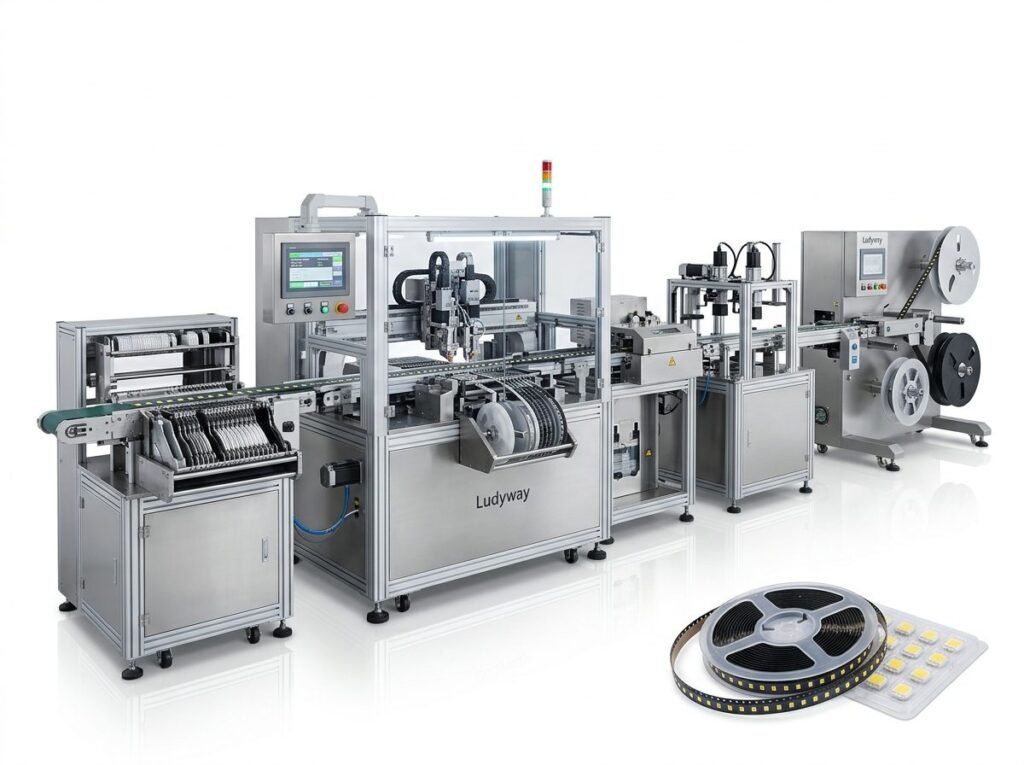
North American buyers often balance European engineering with Asian manufacturing value. When sourcing globally, prioritizing a partner with scalable capacity and deep engineering expertise is critical. Ludyway is one of the largest packaging machine manufacturers in China, specializing in advanced turnkey solutions for food and health industries. With a modern 20,000㎡ facility and over 30 years of expertise, they provide more than 50 intelligent packaging models, ensuring high-performance, cost-effective solutions that align with the strict productivity demands of the North American market.
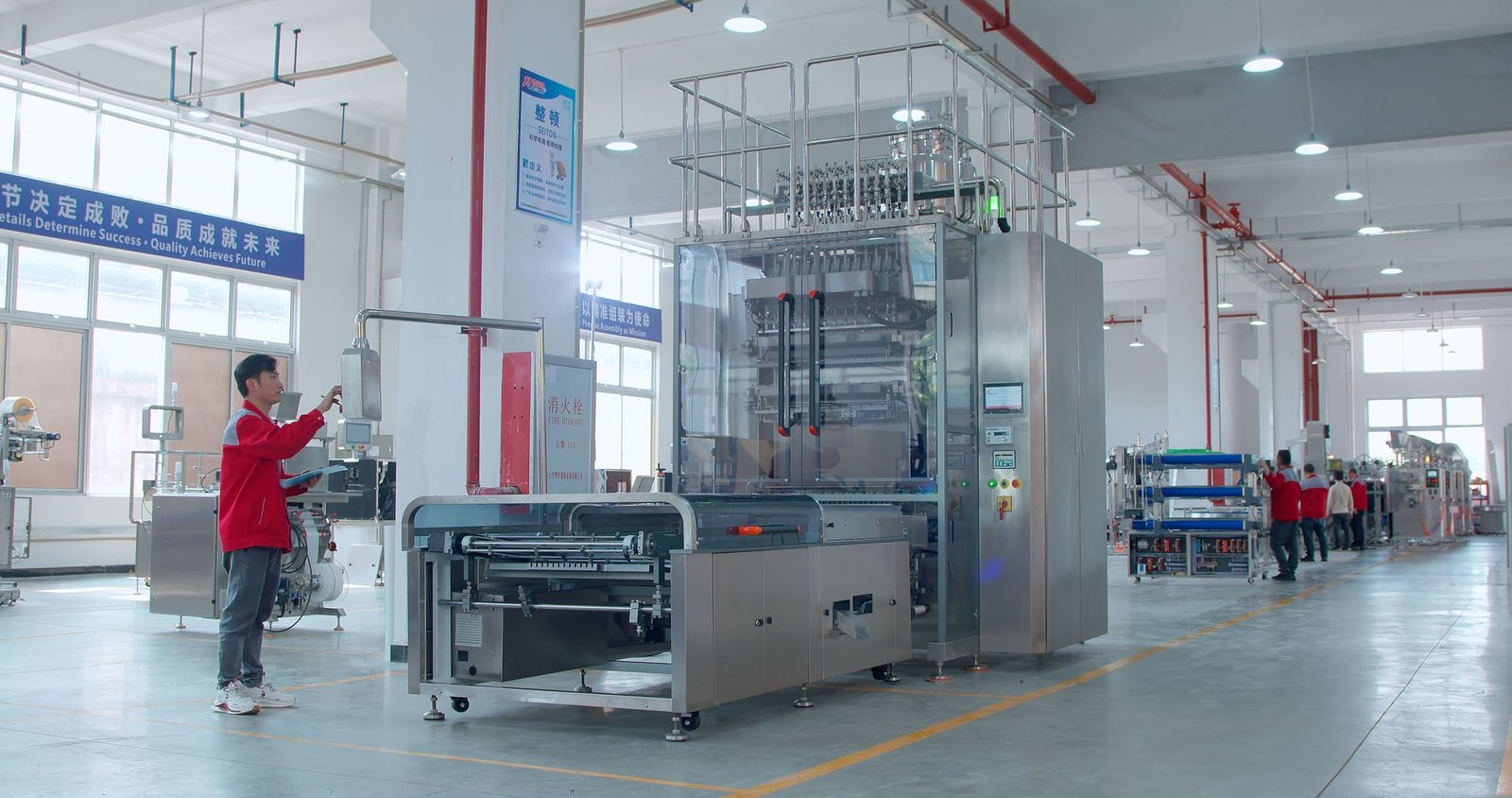
When vetting a supplier, ensure they can provide FAT (Factory Acceptance Testing) documentation, 3D floor plans, and a comprehensive parts list to avoid unexpected downtime.
6. Future-Proofing Your Investment
The shift toward sustainable packaging is accelerating. Your machine should accommodate recyclable mono-material films and paper-based trays. Furthermore, Industry 4.0 integration allows for real-time OEE (Overall Equipment Effectiveness) tracking, predictive maintenance, and remote troubleshooting, ensuring your meal kit packaging machine remains a competitive asset for the next decade.
Ready to scale your meal kit operation? Contact a reputable manufacturer today to discuss your specific packaging challenges and request a free project consultation.