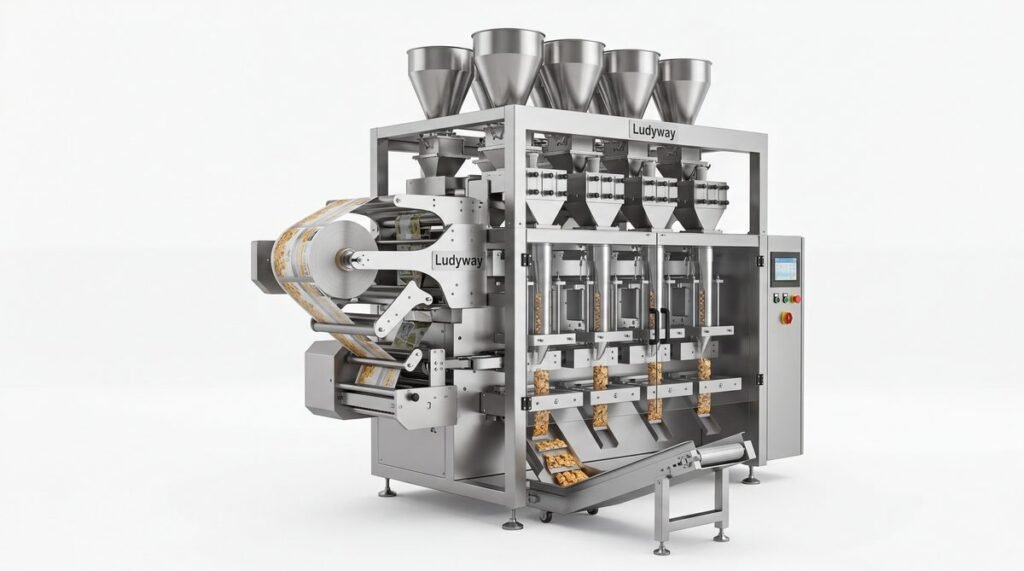
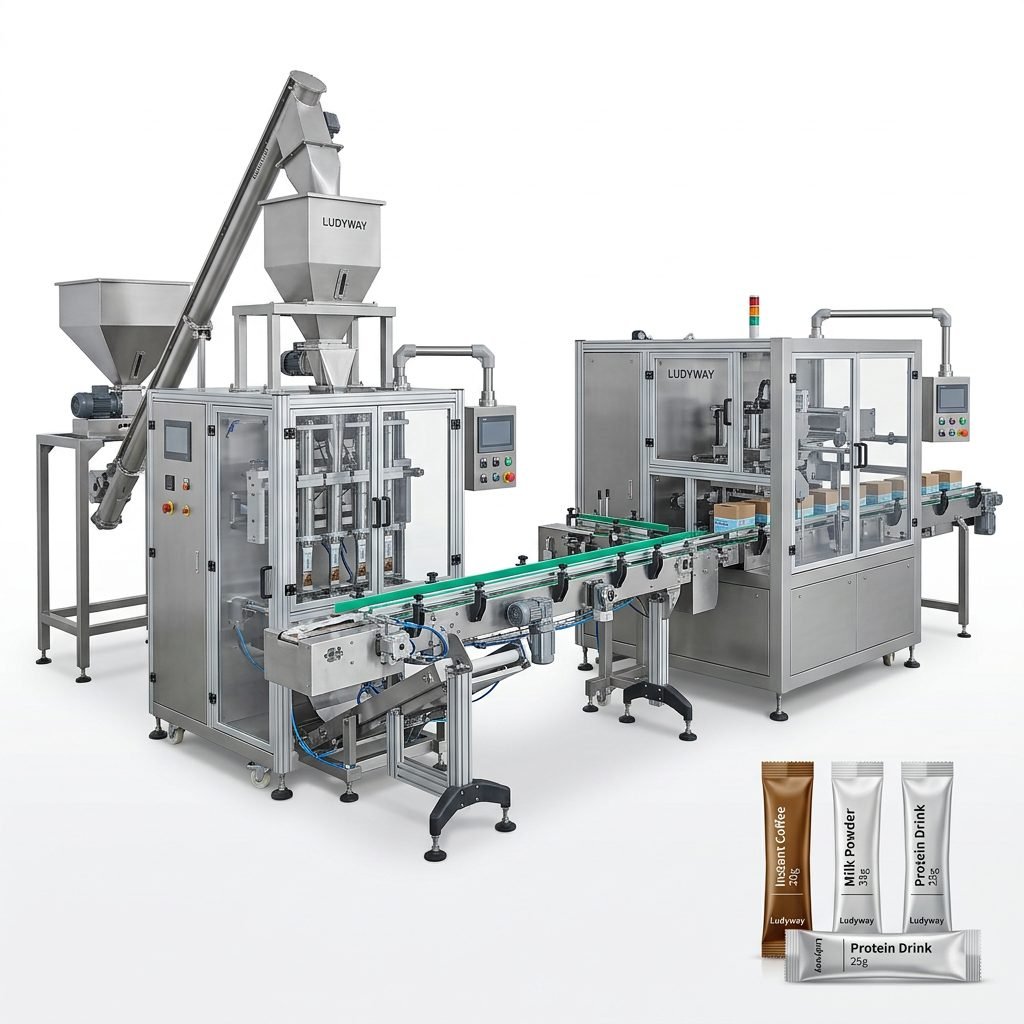
Setting up a nut packaging machine production line in China is a strategic move for businesses looking to scale operations, reduce costs, and access advanced automation technology. China has become a global hub for packaging machinery manufacturing, offering turnkey solutions for granule, powder, and solid product packaging. This guide walks you through every critical step—from initial planning and equipment selection to installation, compliance, and after-sales support.
1. Define Your Production Goals and Product Specifications
Before investing in equipment, you must clearly define what you are packaging. Different nut varieties—almonds, cashews, pistachios, mixed nuts—have distinct shapes, densities, and fragility levels. Key parameters include:
- Product type: Whole nuts, chopped nuts, coated nuts, or powder blends
- Target output: Packages per minute or tons per shift
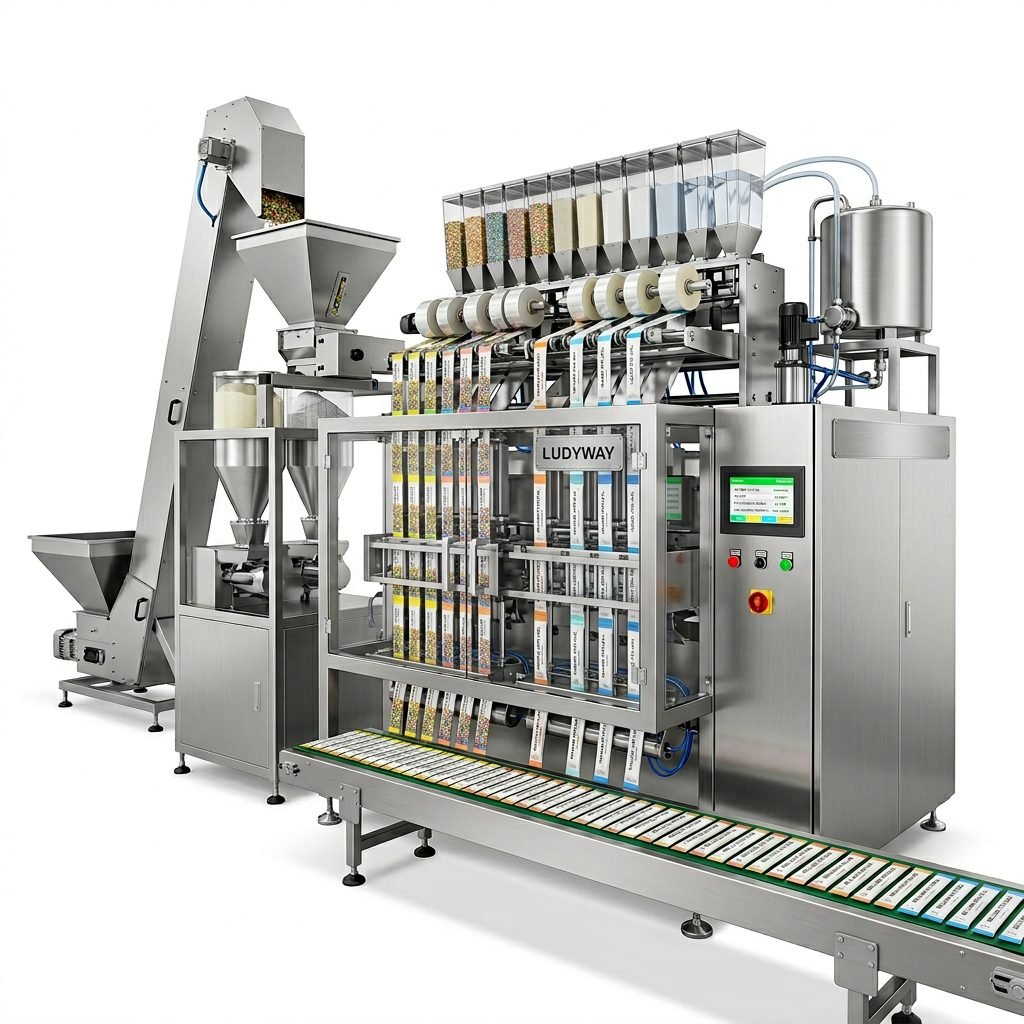
- Package formats: Pillow bags, gusseted pouches, stick packs, sachets, or bulk bags
- Bag sizes and weights: From small 10g snack packs to 25kg bulk bags
- Special requirements: Nitrogen flushing for freshness, vacuum sealing, or resealable zippers
Clearly documenting these specifications helps packaging machine manufacturers recommend the right configuration for your line.
2. Understand the Core Components of a Nut Packaging Line
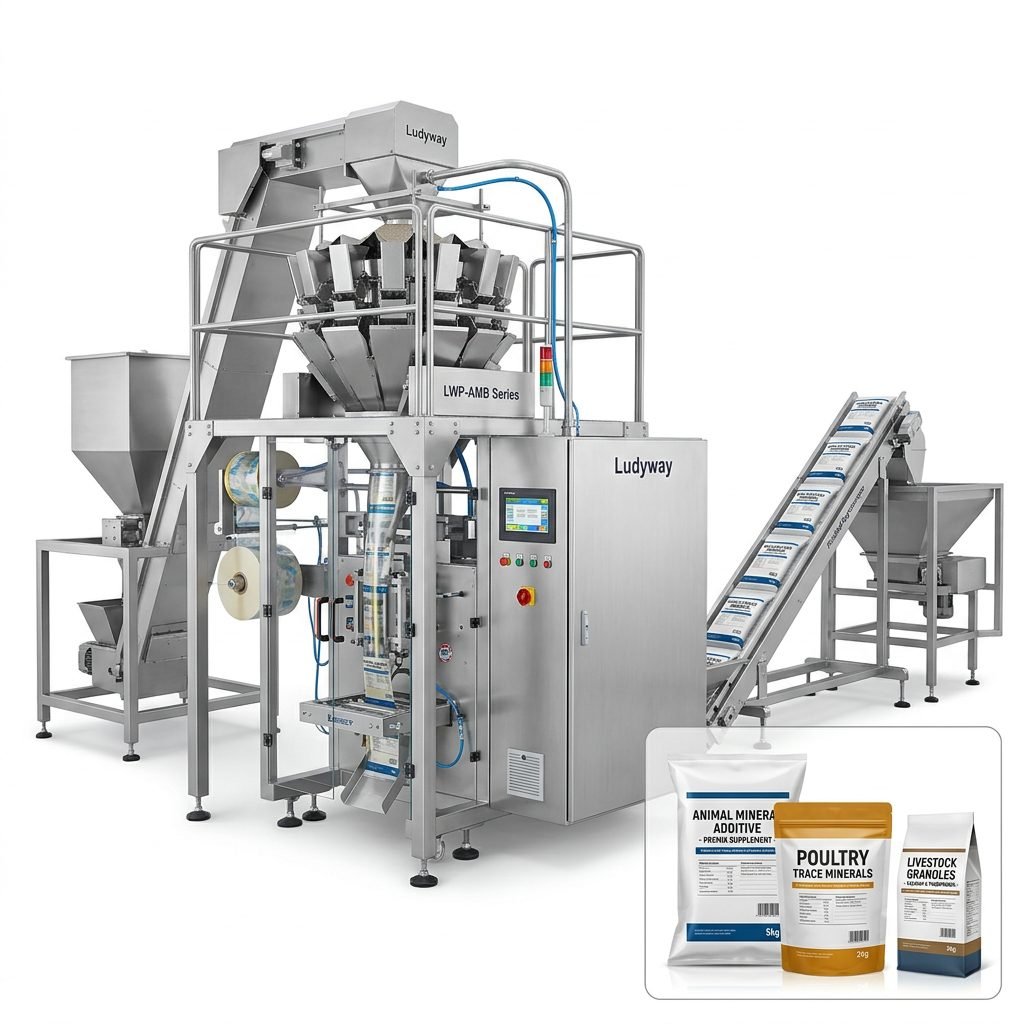
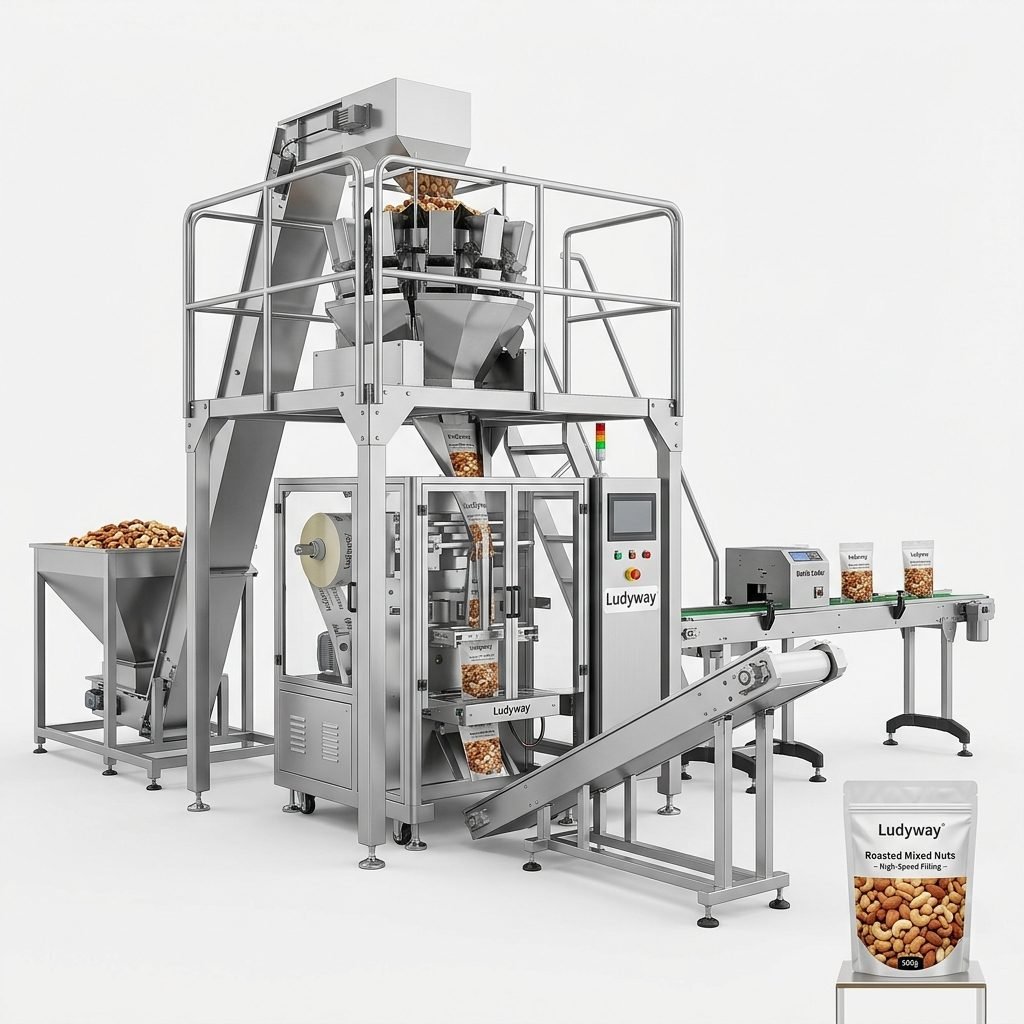
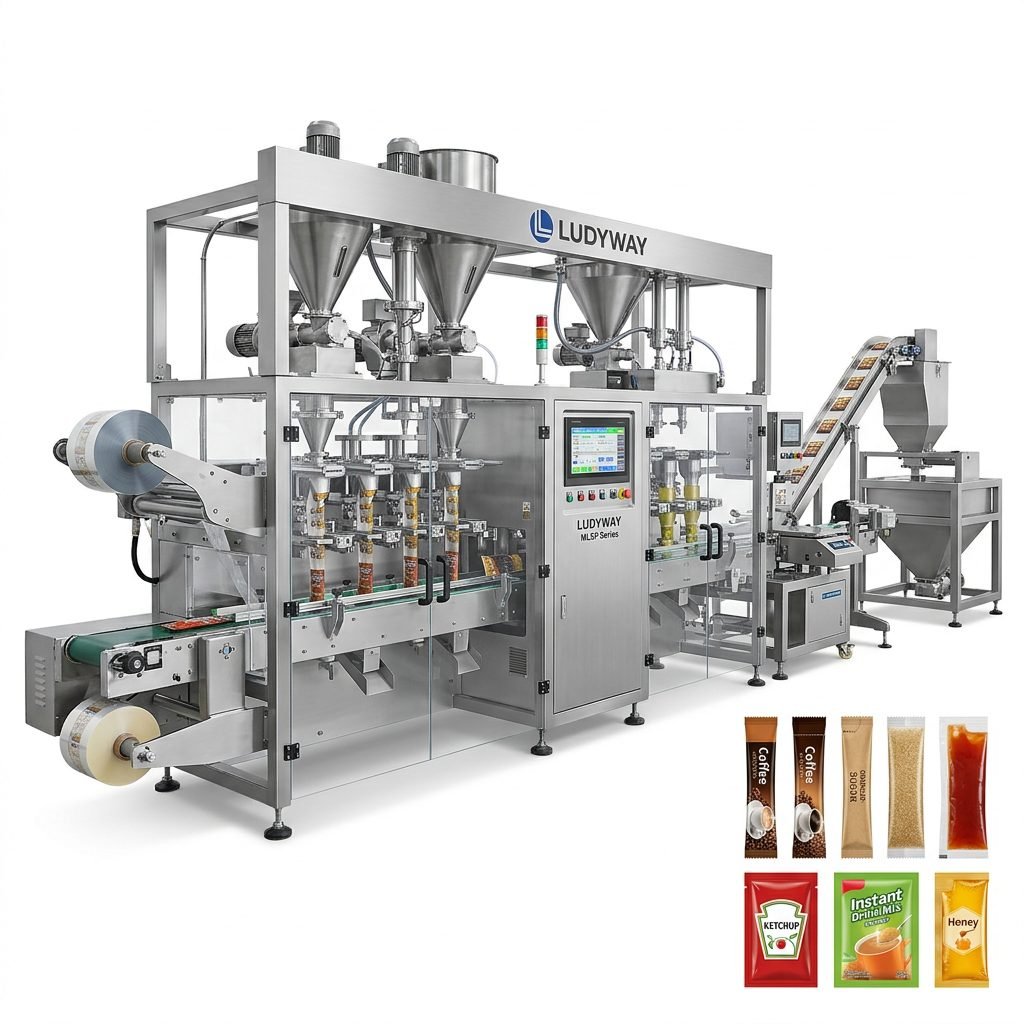
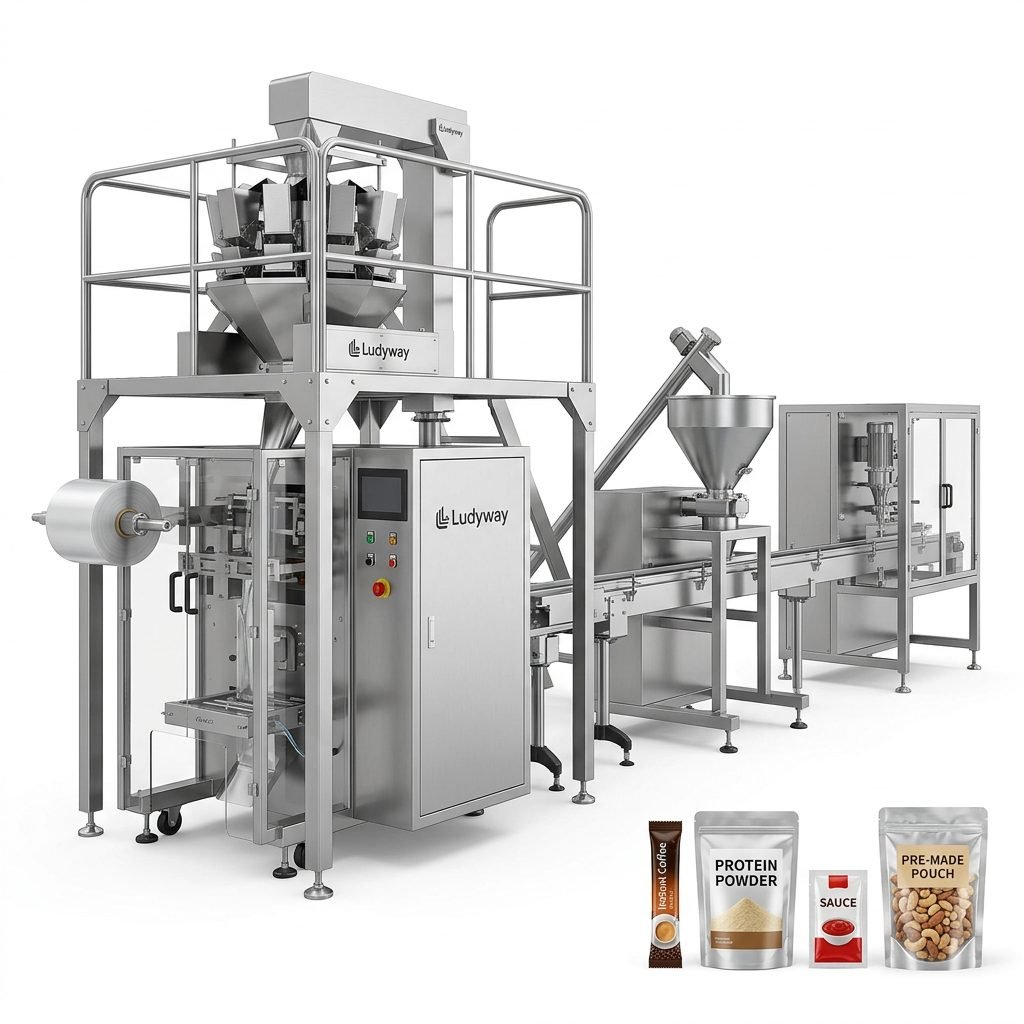
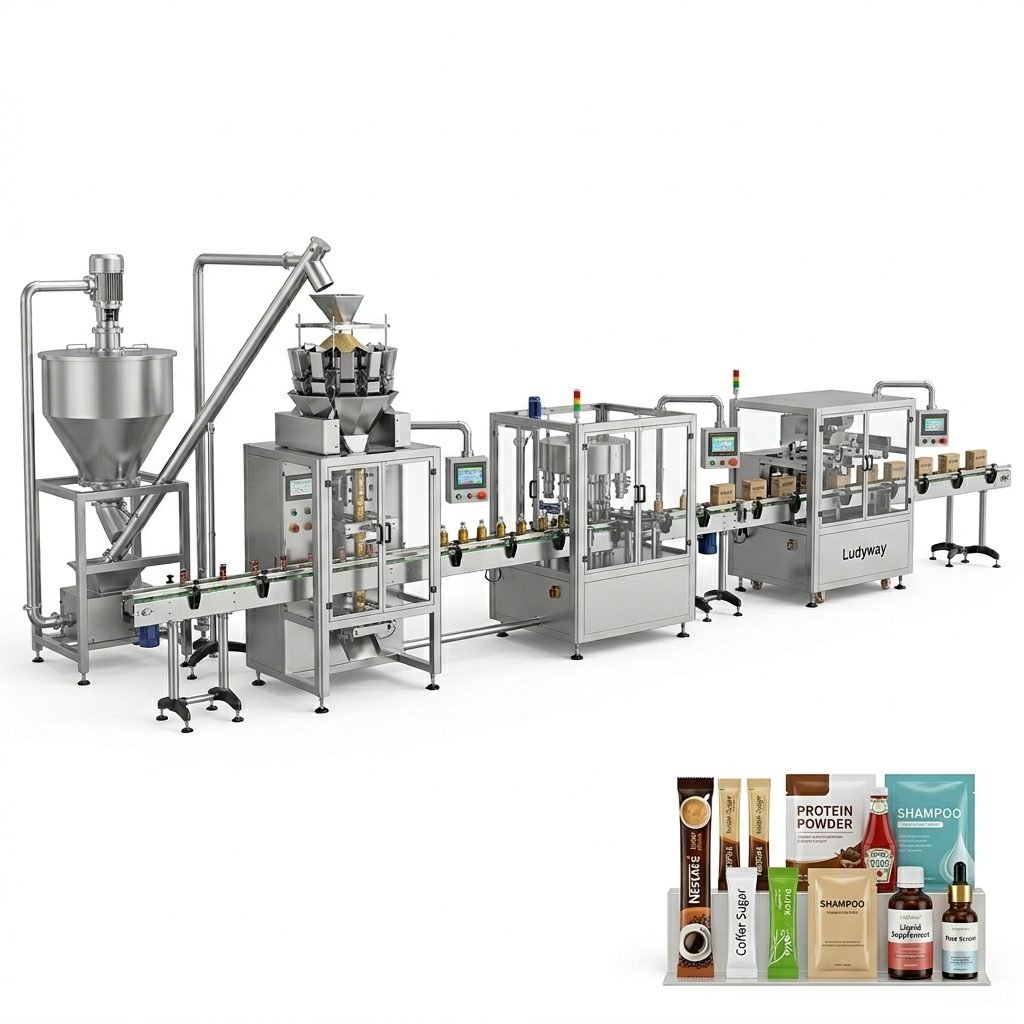
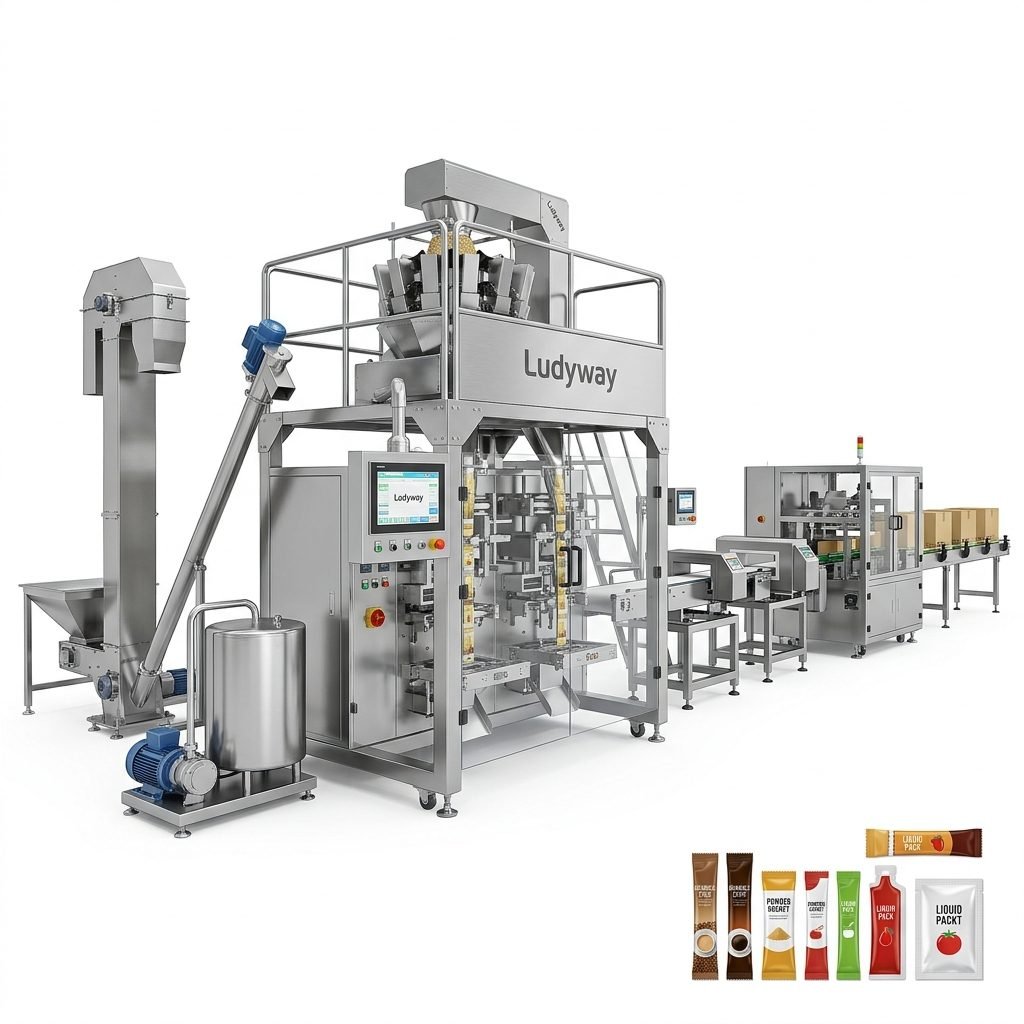
A complete nut packaging production line consists of several interconnected machines. Each component plays a vital role in ensuring efficiency and product quality:
| Component | Function | Key Considerations |
|---|---|---|
| Feeding System | Transports nuts from storage to weighing station | Z-type bucket elevator, inclined conveyor, or vacuum feeder |
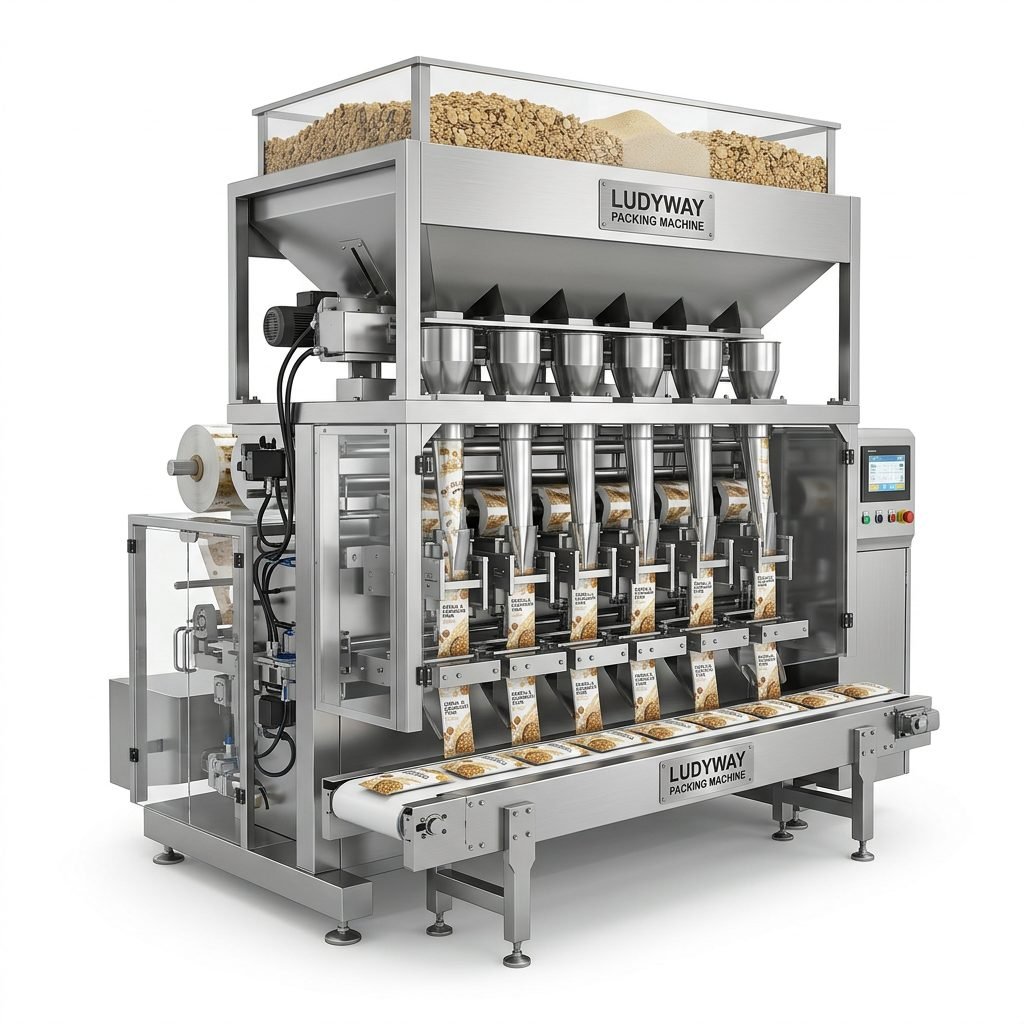
| Multi-Head Weigher | Accurately weighs portions at high speed | Number of heads (10, 14, 16), speed, accuracy for fragile nuts |
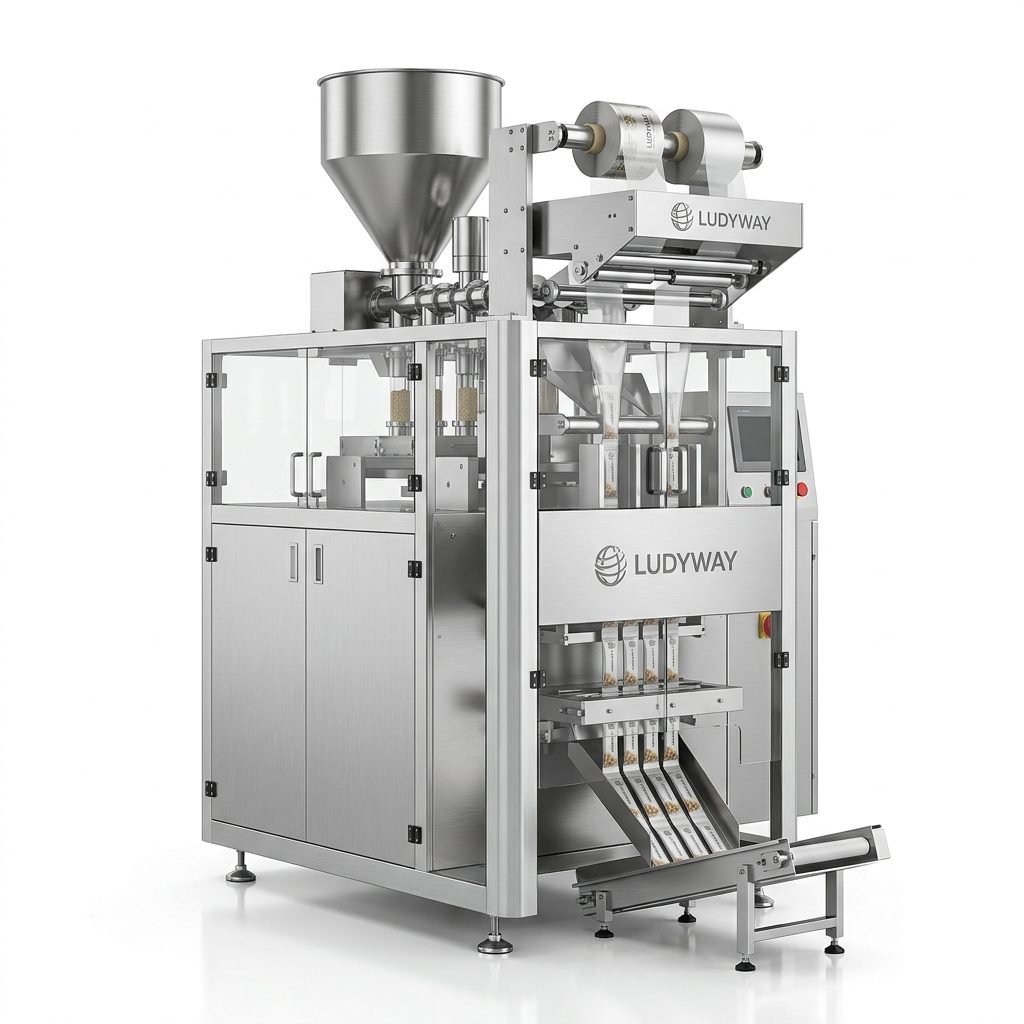
| Vertical Form Fill Seal (VFFS) Machine | Forms bags from film roll, fills nuts, and seals | Bag style, film type, sealing temperature control |
| Checkweigher | Verifies weight accuracy and rejects underweight/overweight packs | Precision, speed, integration with upstream equipment |
| Metal Detector | Detects metal contaminants for food safety | Sensitivity levels, aperture size |
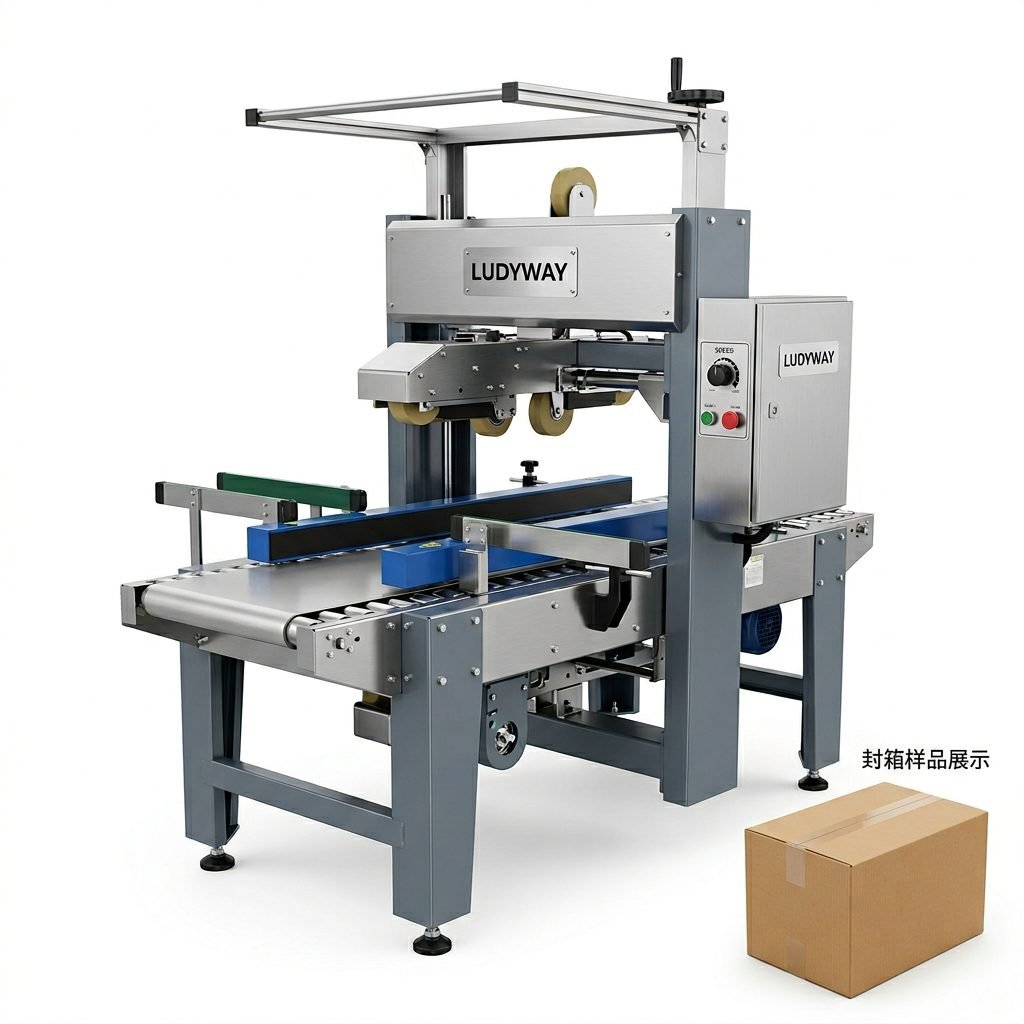
| Cartoning or Case Packing | Packs finished bags into cartons or cases | Manual, semi-automatic, or fully automatic options |
3. Choose Between Standard and Customized Packaging Lines
One key decision is whether to purchase off-the-shelf equipment or invest in a customized packaging solution. Standard machines work well for common nut products and straightforward bag formats. However, if you have unique requirements—such as fragile coated nuts, irregular shapes, or specialized multi-pack configurations—a custom-engineered line may deliver better results.
Working with an experienced manufacturer that offers both standard models and turnkey packaging solutions gives you flexibility to scale and adapt as your product range grows.
Advantages of Custom Packaging Lines
- Optimized for specific product characteristics and fragility
- Integration of specialized features like nitrogen flush or degassing valves
- Scalable design for future production expansion
- Better compatibility with existing factory layout and workflows
4. Evaluate Machine Specifications and Performance
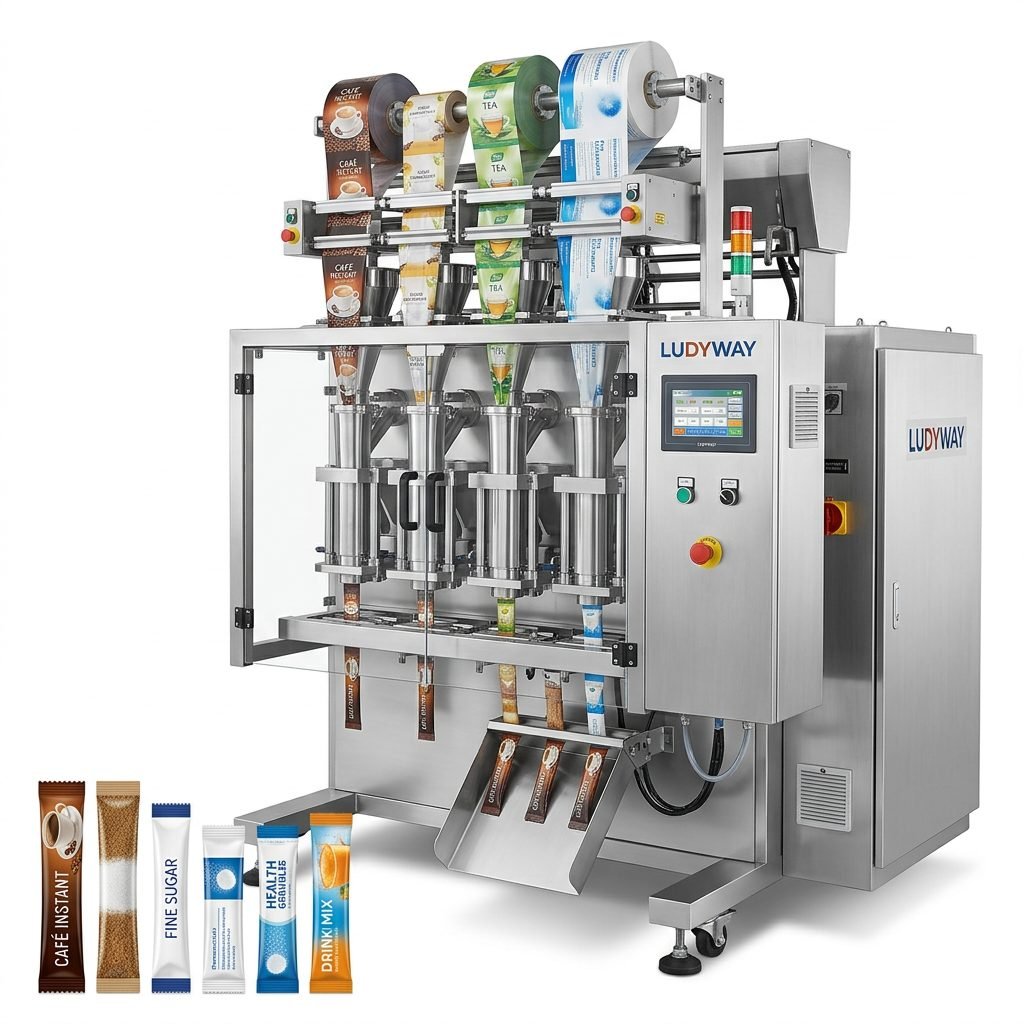
When comparing nut packaging machines, focus on these technical specifications:
- Speed: Measured in bags per minute (BPM). Multi-lane machines can achieve 40-60 BPM or higher
- Accuracy: Weighing precision, typically ±0.5-1g depending on target weight
- Bag size range: Width and length adjustability for different SKUs
- Film compatibility: Support for laminated films, aluminum foil, biodegradable materials
- Power consumption: Energy efficiency and operating costs
- Changeover time: How quickly you can switch between product types
5. Plan Your Factory Layout and Infrastructure
A well-designed factory layout maximizes efficiency and minimizes bottlenecks. Consider the following when planning your production line setup:
- Space requirements: Machine footprint plus operator access, maintenance clearance
- Material flow: Raw nut intake, processing, packaging, and finished goods storage
- Utilities: Compressed air supply, electrical capacity, dust extraction systems
- Food safety zones: Segregation of raw materials from finished products
- Ergonomics: Operator workstations, control panels, and monitoring areas
Many manufacturers provide 3D layout drawings and factory planning support to help optimize your space before equipment arrives.
Infrastructure Checklist
| Utility | Requirement | Notes |
|---|---|---|
| Electrical | 380V/50Hz three-phase (or customized) | Stable voltage supply, backup power recommended |
| Compressed Air | 0.6-0.8 MPa, clean and dry | Air receiver tank and dryer/filter system |
| Dust Collection | For nut dust and particles | Important for food safety and machine longevity |
| Floor Load | Adequate for machine weight and vibration | Reinforced concrete floor recommended |
6. Understand Regulatory Compliance and Food Safety Standards
Nut packaging lines must comply with international food safety standards to ensure product quality and market access. Key certifications and standards include:
- FDA compliance for equipment sold to the U.S. market — materials must be food-grade and non-toxic
- CE marking for European markets — confirms conformity with health, safety, and environmental standards
- ISO 22000 / HACCP — food safety management systems for packaging processes
- GMP (Good Manufacturing Practices) — especially relevant for nutraceutical or coated nut products
Leading Chinese manufacturers design machines with stainless steel contact parts, easy-to-clean surfaces, and fully enclosed systems to meet these requirements. Always request compliance documentation and material certificates before purchasing.
7. Installation, Commissioning, and Training
Proper installation is critical for long-term reliability. A structured commissioning process typically includes:
- Pre-installation inspection: Verify all components against the packing list, check for shipping damage
- Mechanical assembly: Position machines, connect conveyors, align feeding systems
- Electrical and pneumatic connections: Wire power and control panels, connect air lines
- Dry run testing: Run machines empty to verify mechanical function and safety interlocks
- Product testing: Run actual nut products to fine-tune settings and achieve target speeds
- Operator training: Hands-on training covering operation, cleaning, and basic troubleshooting
- Performance sign-off: Confirm that all specifications and KPIs are met
Expect 3-7 days for installation and commissioning, plus ongoing remote or on-site support from your equipment supplier.
8. Sourcing Nut Packaging Machines from China: What to Look For
China’s packaging machinery industry has matured significantly, with many factories offering high-quality equipment at competitive prices. When evaluating potential suppliers, consider:
- Factory size and production capacity: A manufacturer like Ludyway, with a 20,000㎡ modern production facility and over 30 years of industry experience, provides confidence in delivery timelines and build quality
- Engineering team: In-house R&D and engineering capabilities ensure ongoing innovation
- International experience: Export history to your region, knowledge of local voltage and standards
- After-sales support: Availability of spare parts, remote diagnostics, and on-site service
- Customer references: Case studies or testimonials from similar nut packaging projects
Questions to Ask Potential Suppliers
| Question | Why It Matters |
|---|---|
| Can you provide video of a similar nut packaging line in operation? | Verifies real-world performance and build quality |
| What is your warranty period and what does it cover? | Protects your investment against manufacturing defects |
| Do you offer remote support and on-site service? | Critical for minimizing downtime after installation |
| Can you assist with factory layout and utility planning? | Ensures smooth integration into your facility |
9. Budgeting and ROI Considerations
Your budget should account for more than just equipment purchase price. A comprehensive cost projection includes:
- Equipment cost: Main machines, conveyors, ancillary equipment
- Shipping and logistics: Sea freight, insurance, customs duties
- Installation and commissioning: Engineer travel, local contractors
- Training and documentation: Operator manuals, maintenance guides
- Spare parts inventory: Critical wear parts for first 6-12 months
- Operational costs: Film, electricity, compressed air, labor
Many businesses achieve ROI within 12-24 months through increased throughput, reduced labor costs, and minimized product giveaway from precise weighing.
10. Common Pitfalls to Avoid
Even experienced manufacturers can encounter challenges when setting up a new packaging line. Watch out for these common issues:
- Underestimating product fragility: Nuts can break during conveying and weighing if not handled gently
- Ignoring film compatibility: Not all films seal well on all machines; test with your actual packaging material
- Insufficient dust management: Nut dust and particles can damage sensors and affect sealing quality
- Neglecting operator training: Inadequately trained staff can cause unnecessary downtime and product waste
- Skipping preventive maintenance: Regular cleaning and inspection schedules are essential for consistent performance
11. Future-Proofing Your Investment
When purchasing a packaging production line, think beyond current needs. Select equipment that offers:
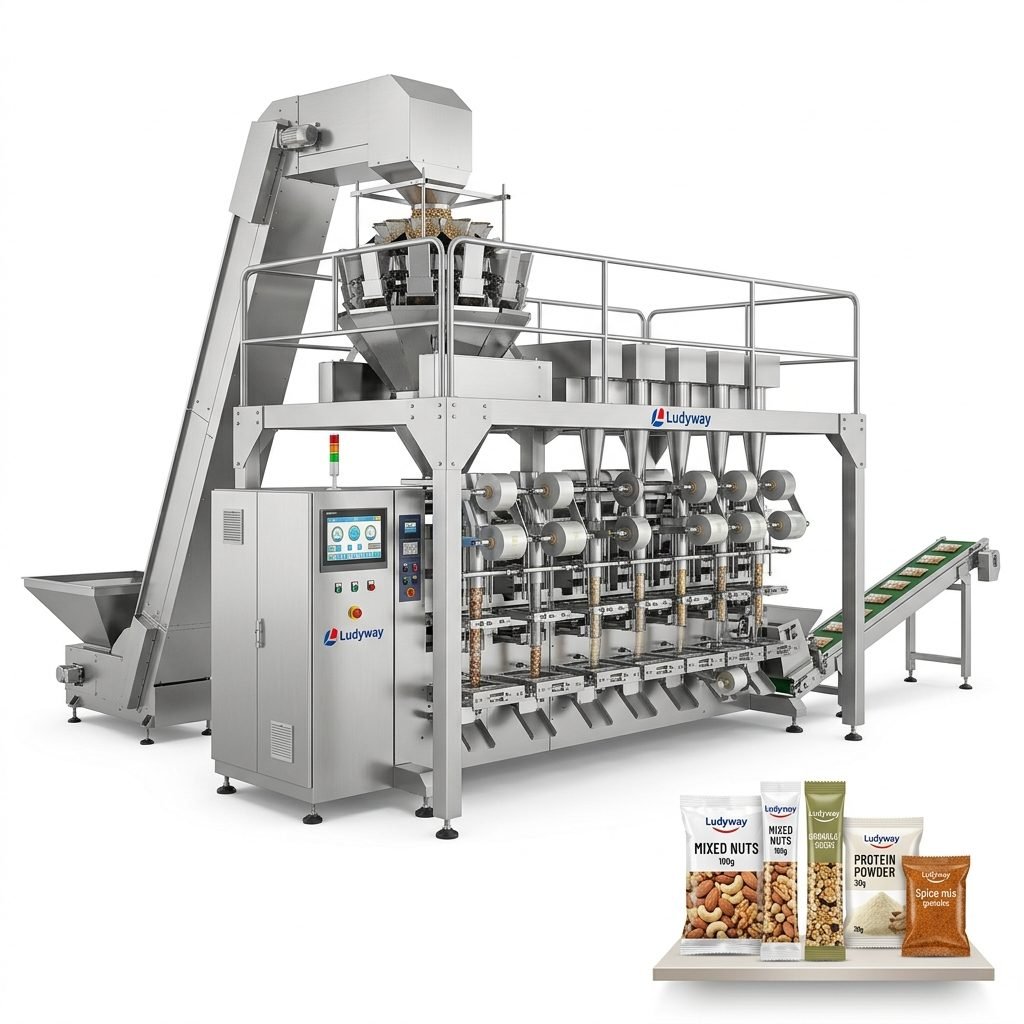
- Modular design: Ability to add lanes, upgrade weighers, or integrate new modules later
- IoT and smart factory readiness: Data collection for OEE tracking, remote monitoring capabilities
- Multi-product flexibility: Quick changeover between different nut types and package formats
- Energy efficiency features: Servo-driven systems that reduce power consumption
Investing in a flexible, scalable line protects your capital and allows you to respond to changing market demands.
12. Working with a Trusted Packaging Partner
Selecting the right manufacturing partner is perhaps the most important decision in your project. Look for a company with proven expertise in nut and granule packaging, a track record of international installations, and comprehensive after-sales support. A reliable partner will guide you through equipment selection, factory planning, installation, and ongoing optimization to ensure your production line delivers maximum value for years to come.
For more insights on global packaging machinery trends, explore resources from PMMI’s Business Intelligence Library and the Flexible Packaging Association’s Knowledge Hub. These organizations provide valuable industry data and market research that can inform your investment decisions.