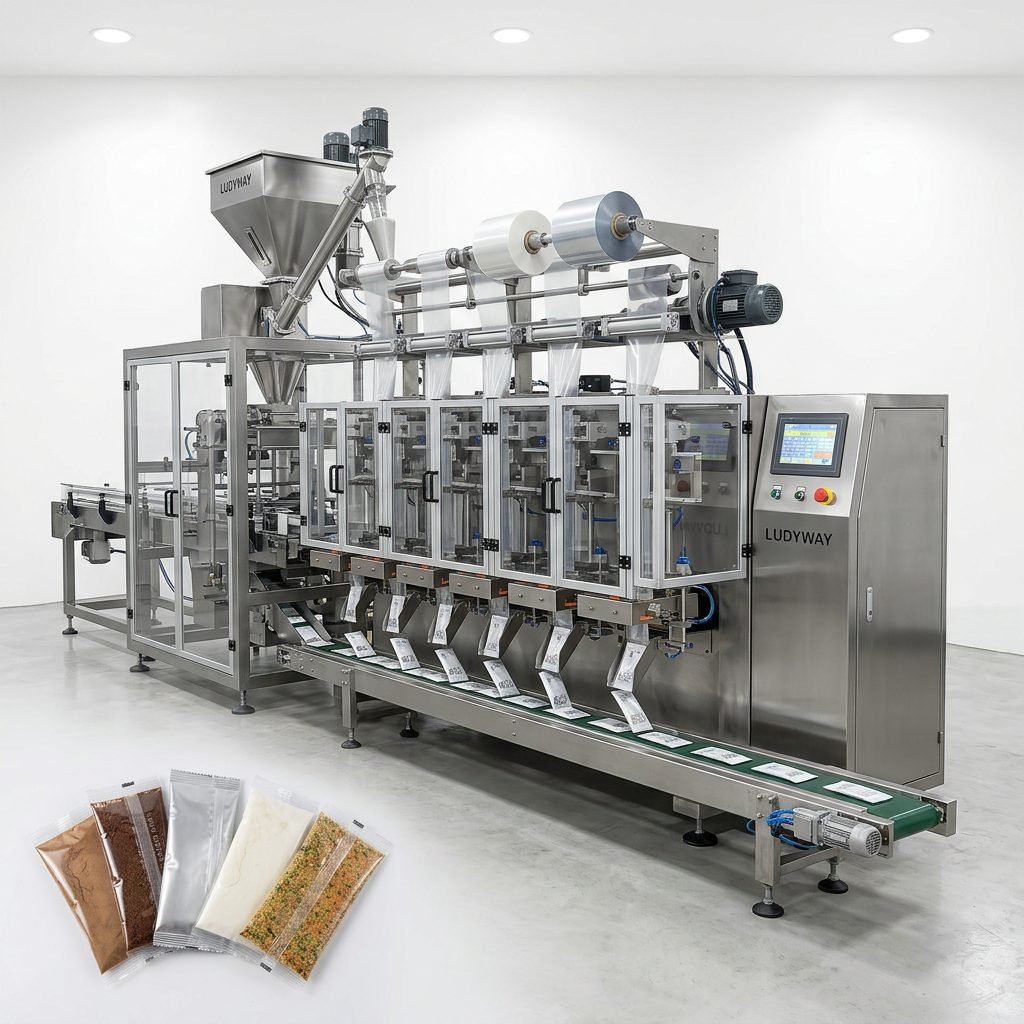
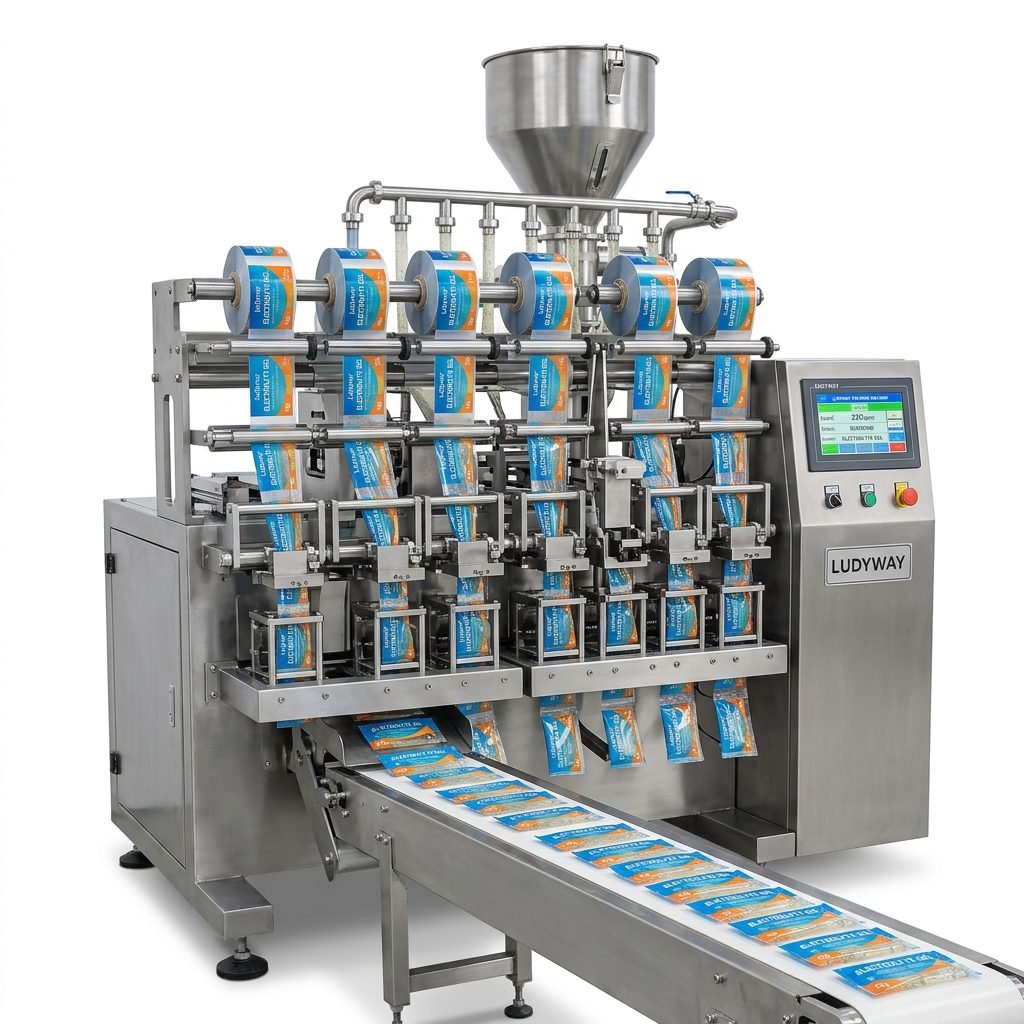
The cheese processing industry in Southeast Asia is experiencing unprecedented growth, driven by rising disposable incomes, changing dietary habits, and the rapid expansion of food service sectors across countries like Thailand, Vietnam, Indonesia, and the Philippines. Setting up a cheese packaging machine production line in this region requires careful planning, from understanding local regulations to selecting the right packaging equipment and optimizing workflow efficiency.

Understanding the Southeast Asian Cheese Market Landscape
The demand for cheese in Southeast Asia has been growing at a compound annual growth rate of over 8% in recent years. This surge is largely fueled by the proliferation of quick-service restaurants, the popularity of Western-style baked goods, and the increasing use of cheese in local cuisines. For manufacturers looking to establish or upgrade a cheese packaging line, understanding the specific market dynamics is the first critical step.
Different cheese formats require distinct packaging solutions. Block cheese, shredded cheese, sliced cheese, and processed cheese portions each have unique handling characteristics that influence the choice of machinery. The Packaging Machinery Manufacturers Institute (PMMI) provides valuable industry data that can help inform these decisions, particularly regarding state of the industry reports that track packaging trends globally.
Essential Equipment for a Cheese Packaging Production Line
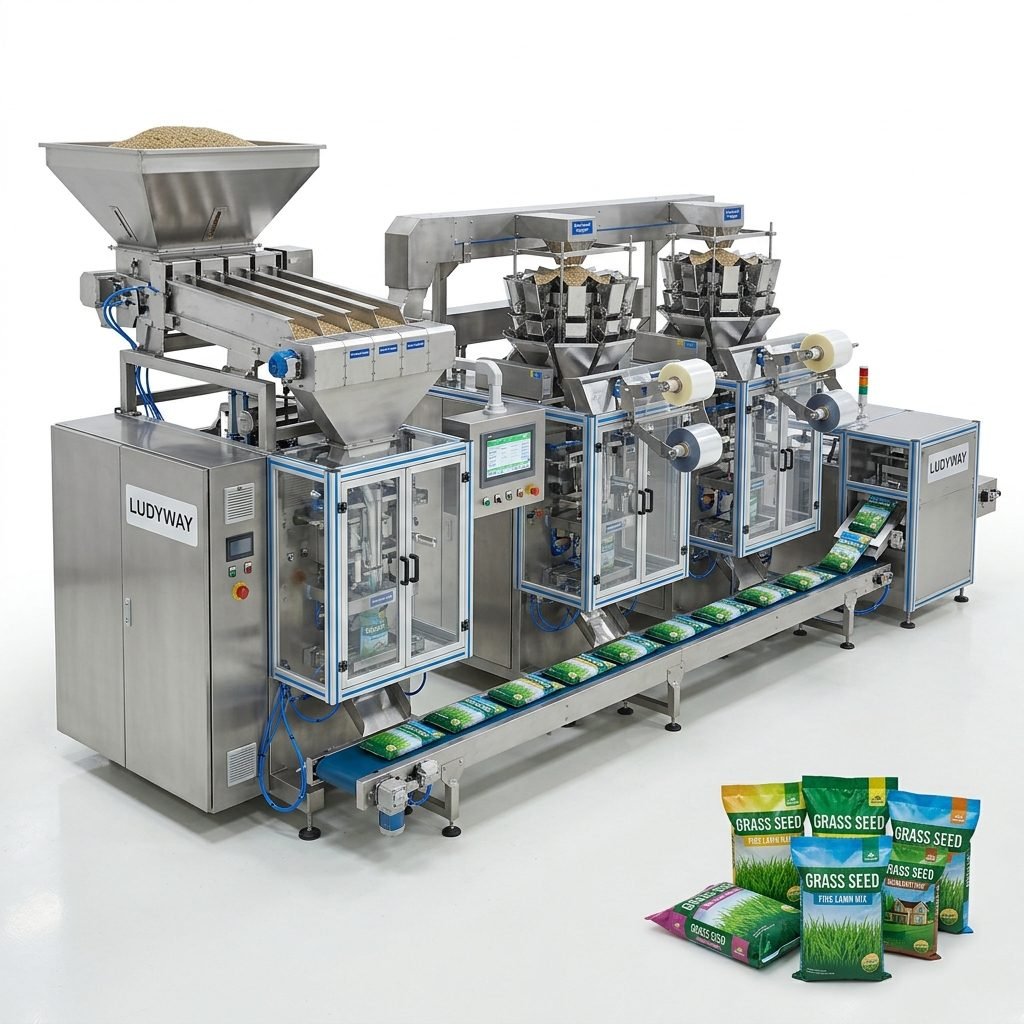
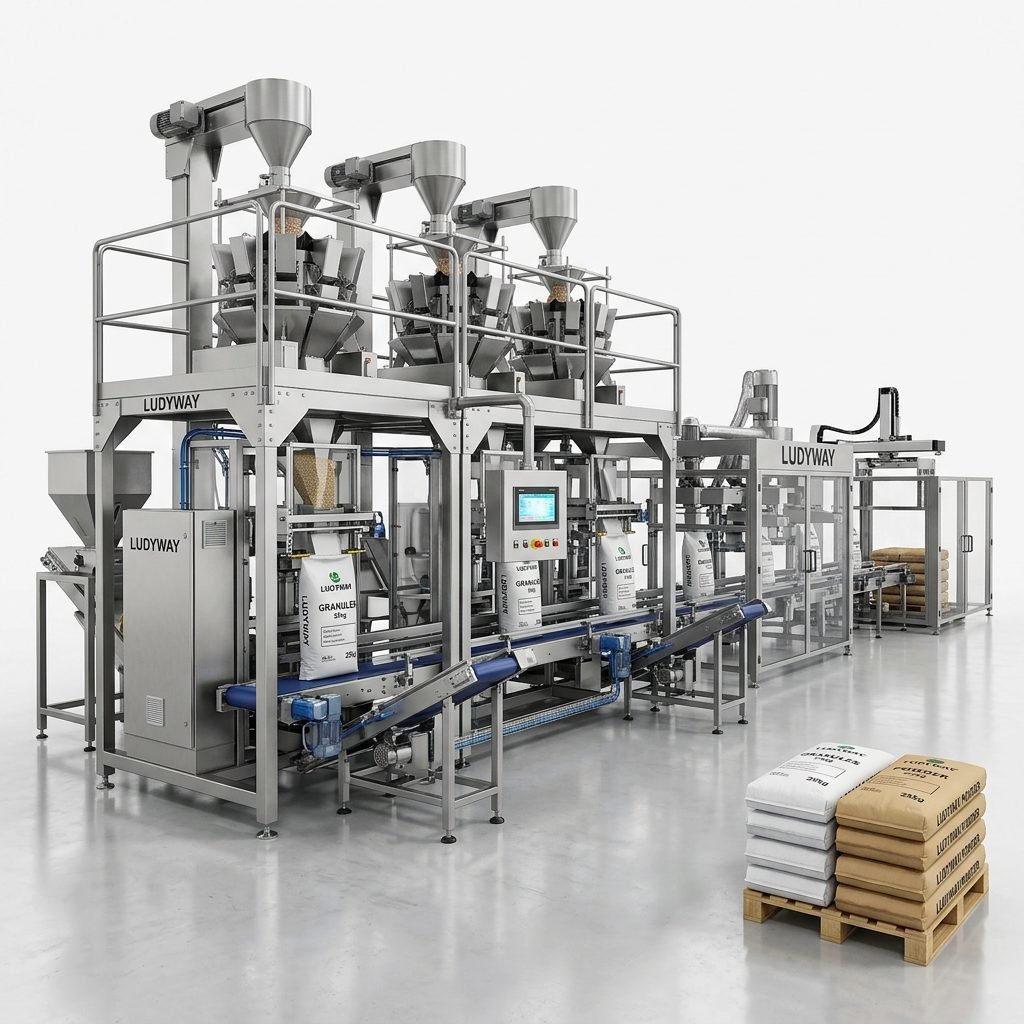
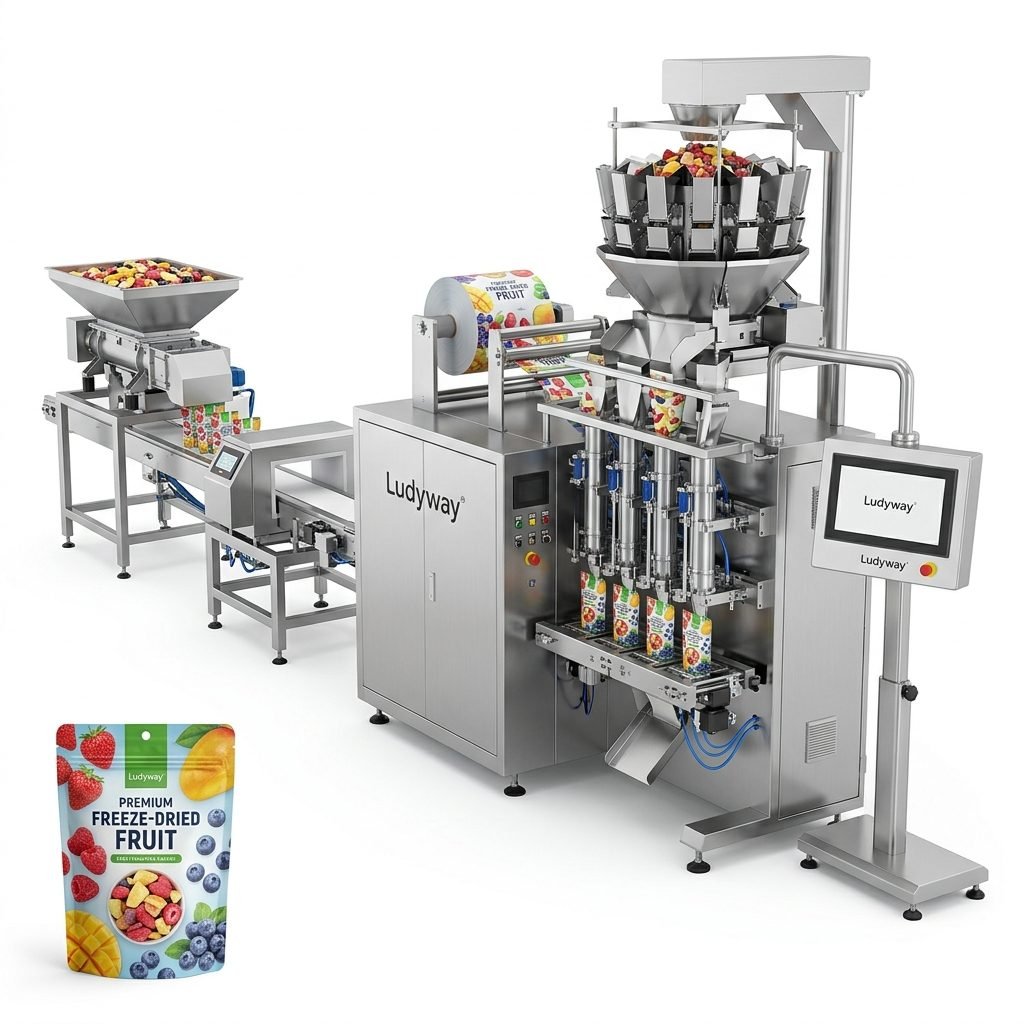
A complete cheese packaging line typically consists of several interconnected machines working in harmony. Below are the core components you will need to consider when planning your setup in Southeast Asia:
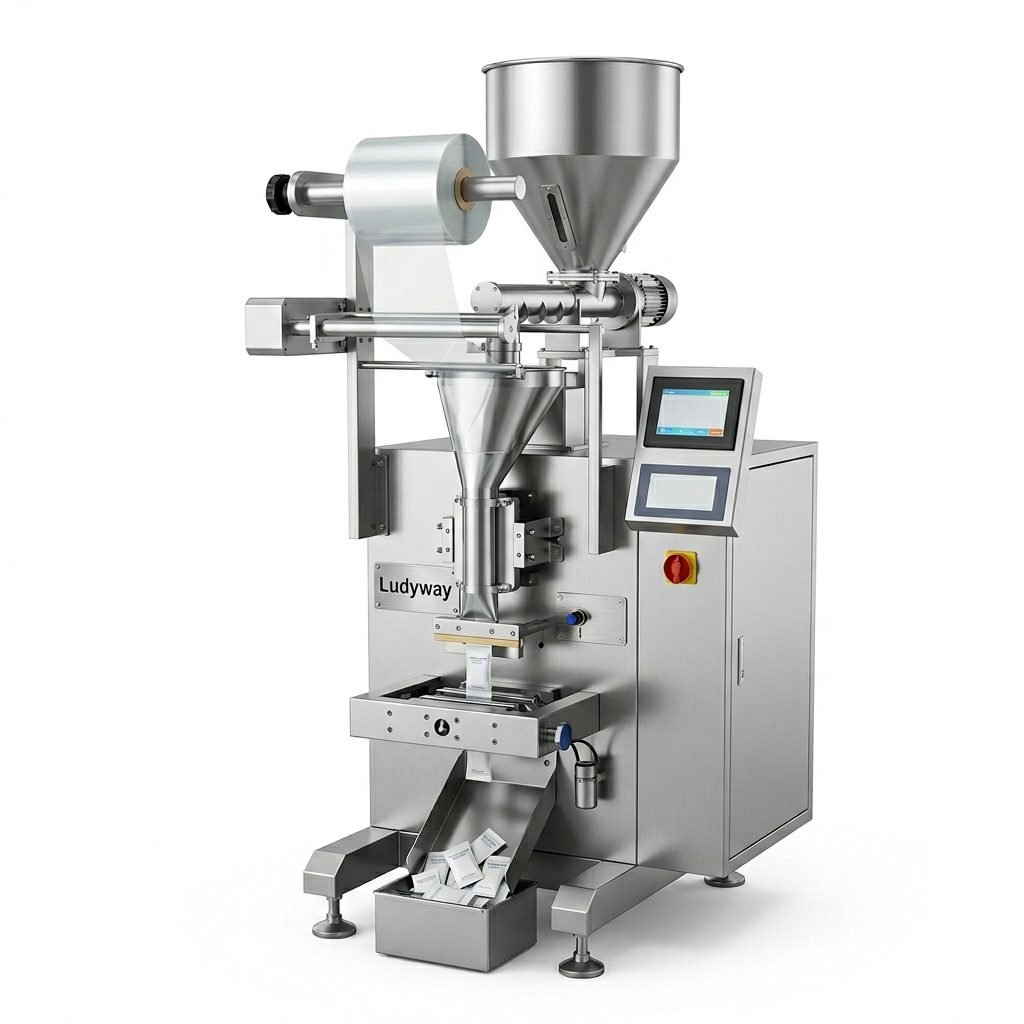
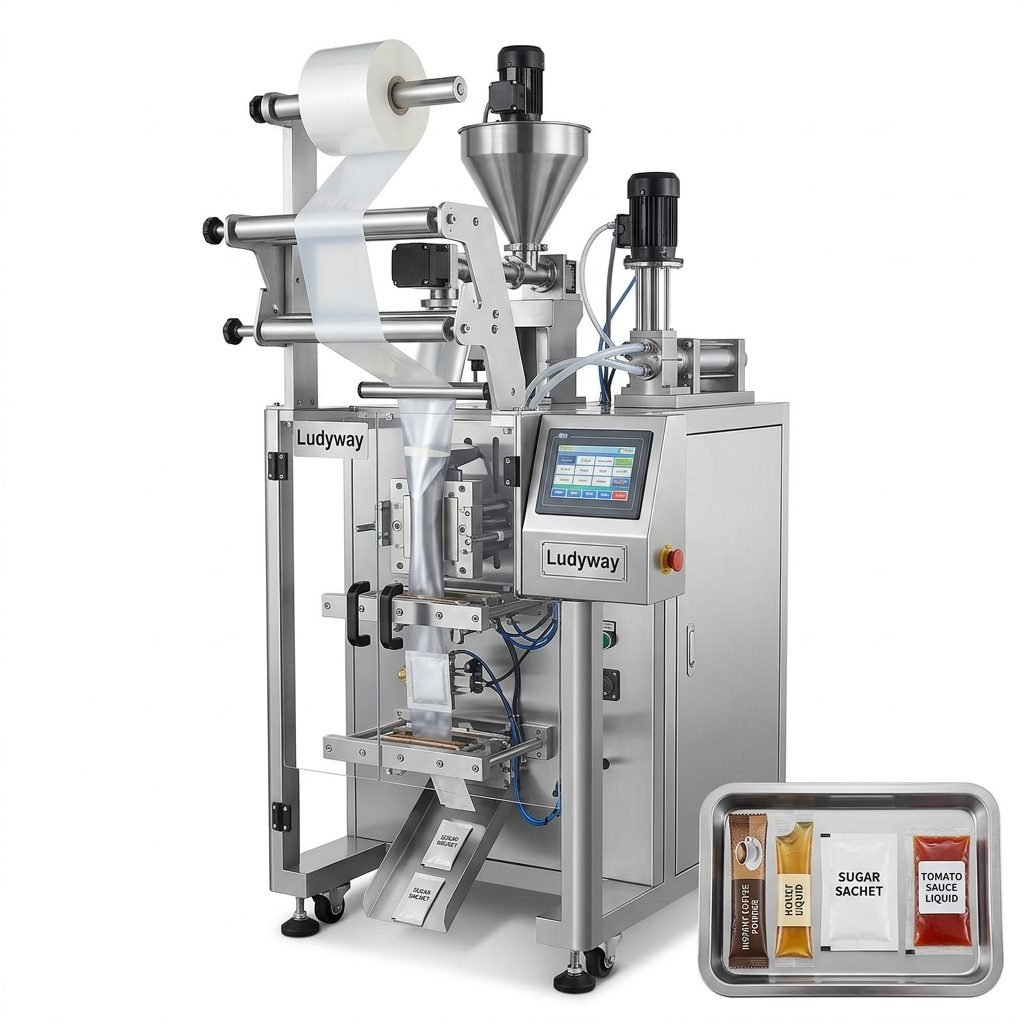
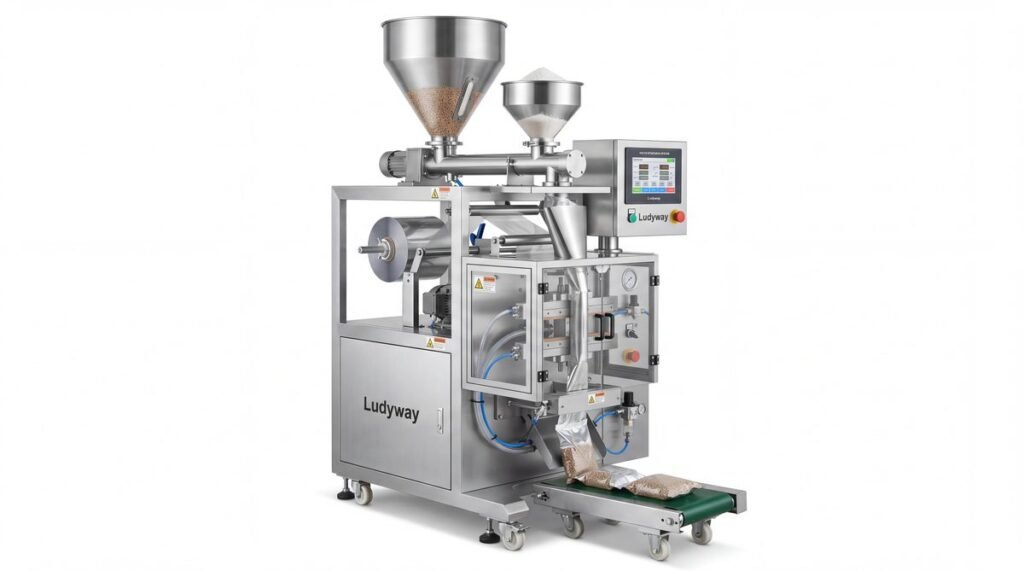
- Primary Packaging Machine: This is the heart of your line, handling the actual filling and sealing of cheese products into pouches, sachets, or stick packs.
- Weighing and Dosing System: Precision multi-head weighers ensure accurate portion control, which is critical for both regulatory compliance and cost management.
- Conveyor and Feeding Systems: Bucket elevators, vibratory feeders, and inclined conveyors transport cheese products efficiently between stations.
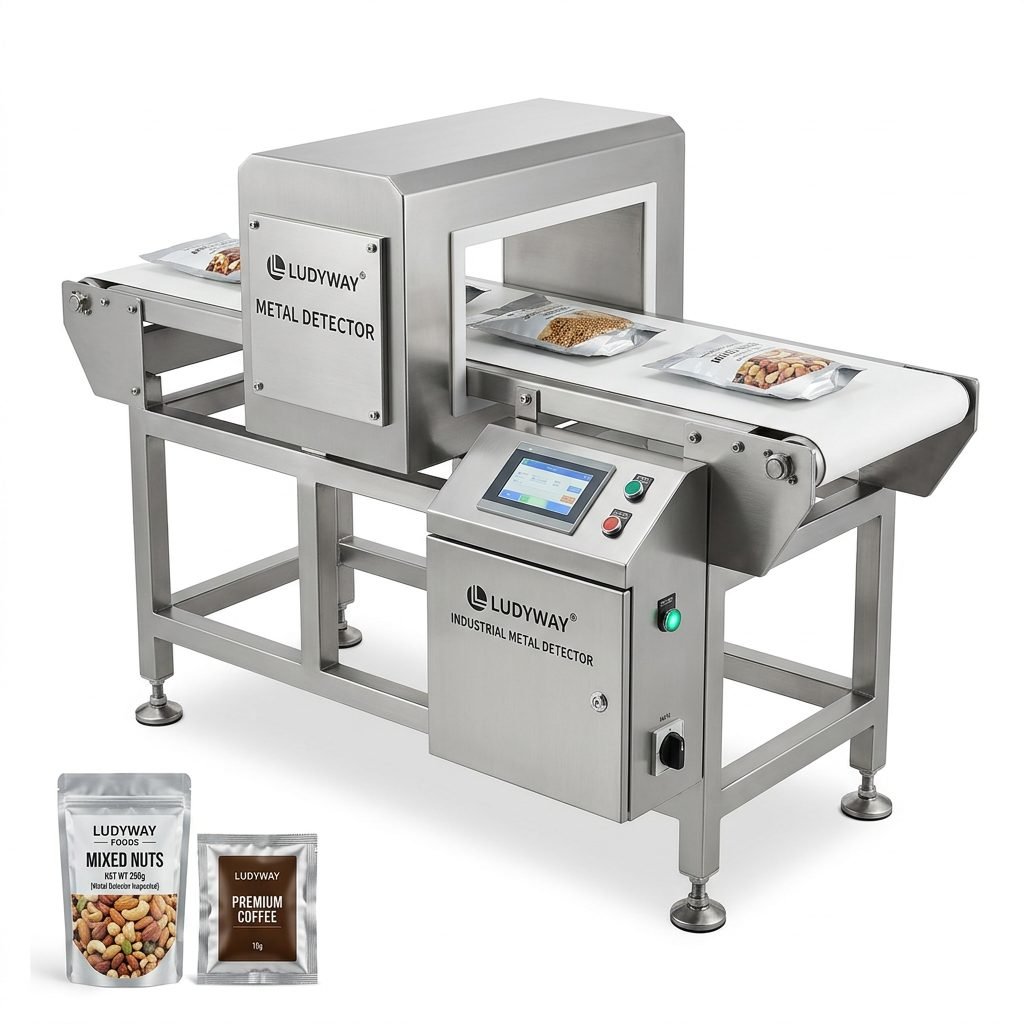
- Inspection and Quality Control: Metal detectors, checkweighers, and vision inspection systems safeguard product quality.
- Secondary Packaging Equipment: Cartoning machines, case packers, and palletizers complete the end-of-line automation.
Key Considerations When Selecting Packaging Machinery
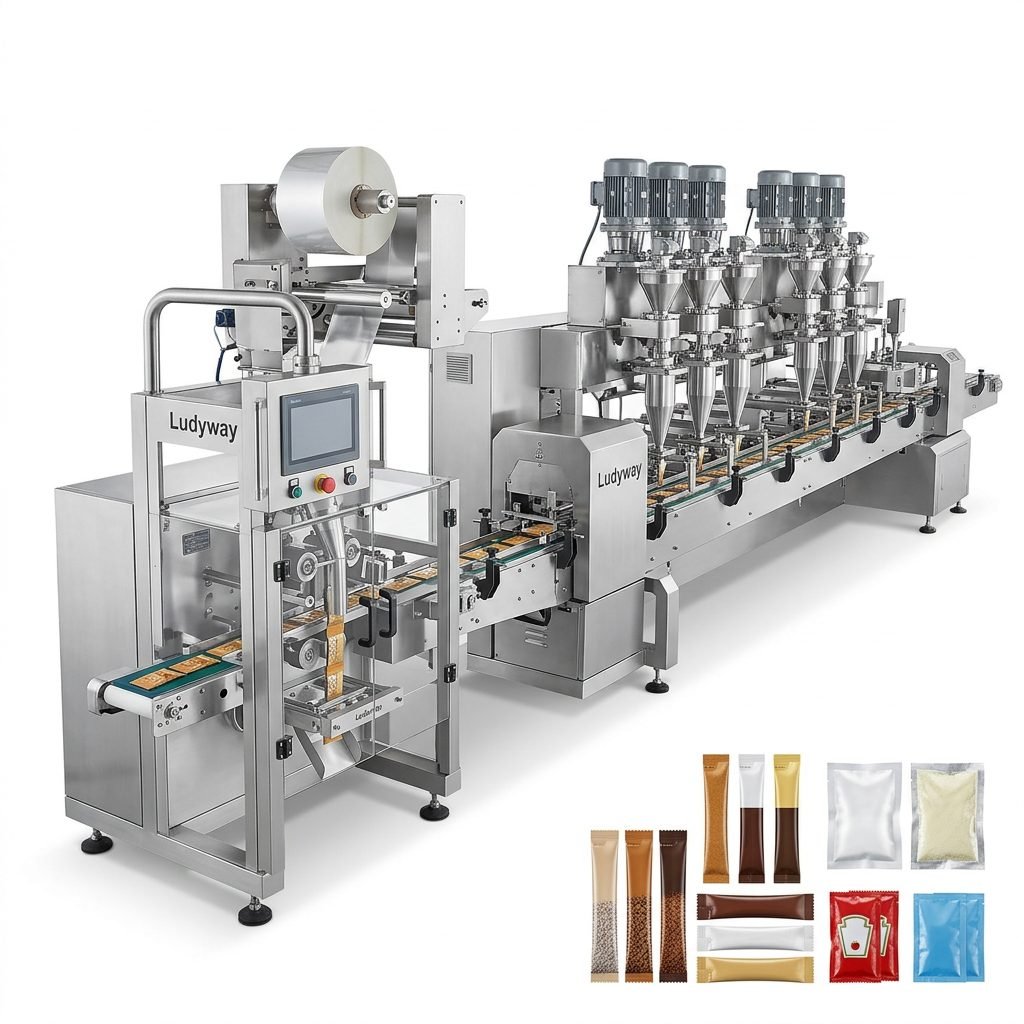
Choosing the right machinery for your cheese packaging operation involves evaluating several technical and operational factors. The tropical climate of Southeast Asia presents unique challenges, including high humidity and temperature fluctuations, which can affect both product integrity and machine performance.
Product Characteristics and Packaging Format
Cheese comes in various forms, and each requires specific handling. Shredded cheese flows differently than block cheese, while cream cheese demands hygienic liquid filling systems. Your machinery must be compatible with the product viscosity, density, and fragility. FDA food packaging guidelines offer comprehensive standards that many Southeast Asian manufacturers also reference for export-ready production.
Production Capacity and Scalability
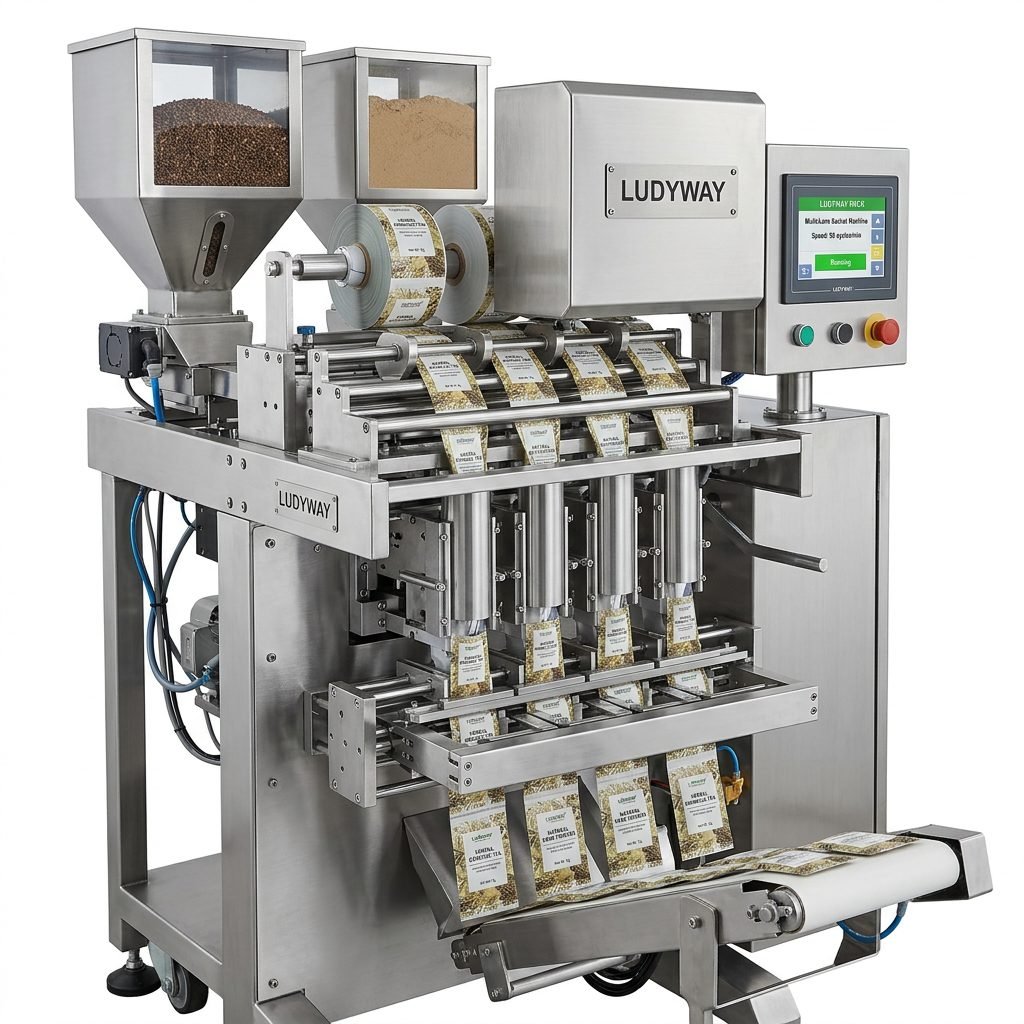
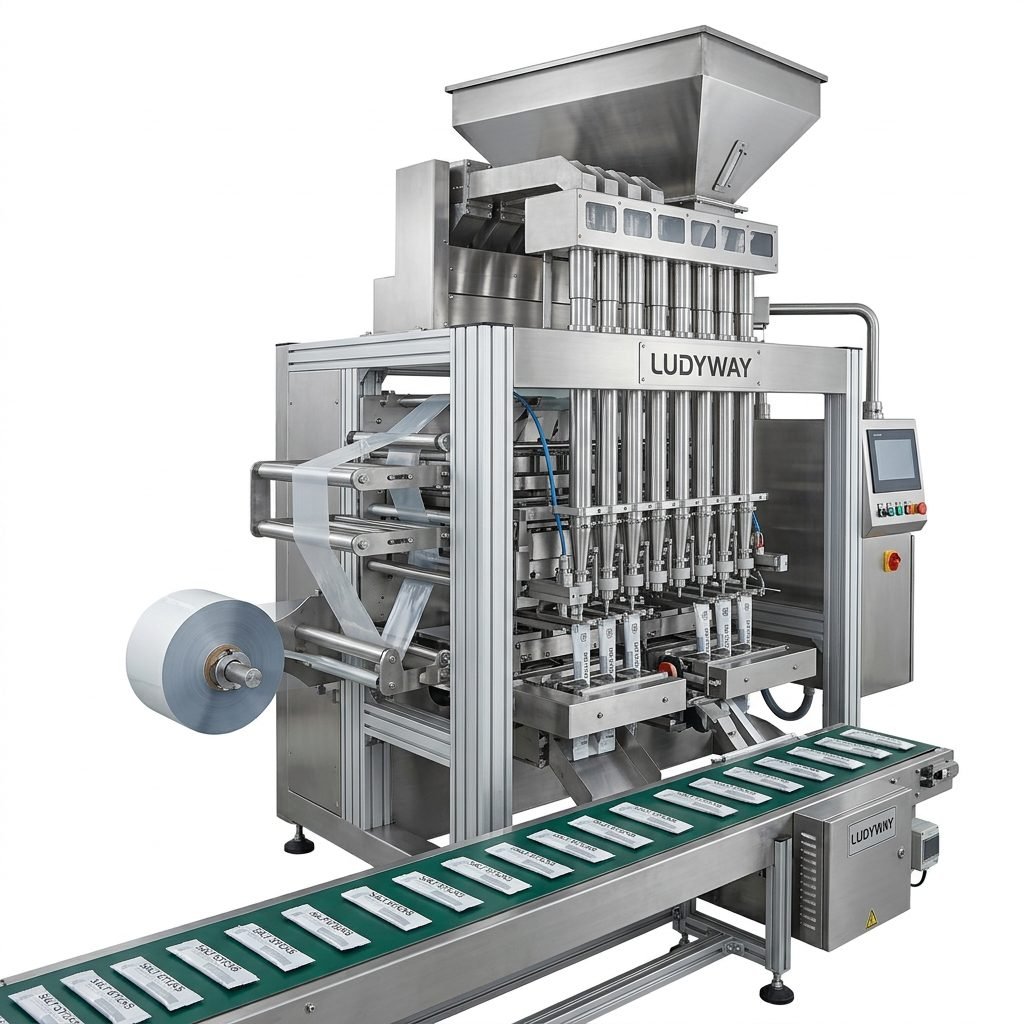
Consider both your current production needs and future growth projections. Multi-lane stick pack and sachet machines can significantly increase output, with some models capable of producing up to 600 packs per minute per lane. Investing in scalable equipment from the outset can reduce long-term capital expenditure as your market share in the region expands.
Material Compatibility
Your packaging machinery must be compatible with the film materials commonly used for cheese packaging, such as laminated structures with barrier properties against oxygen and moisture. The Flexible Packaging Association provides valuable resources on material innovations that can enhance shelf life in humid climates.
| Cheese Type | Recommended Packaging Format | Ideal Machine Type | Typical Speed Range |
|---|---|---|---|
| Shredded Cheese | Pillow Pouch / Zipper Bag | Vertical Form Fill Seal (VFFS) | 40-120 packs/min |
| Cheese Powder | Stick Pack / Sachet | Multi-Lane Stick Pack Machine | 200-600 packs/min |
| Processed Cheese Portions | Individual Sachet / Foil Wrap | Sachet Packaging Machine | 80-300 packs/min |
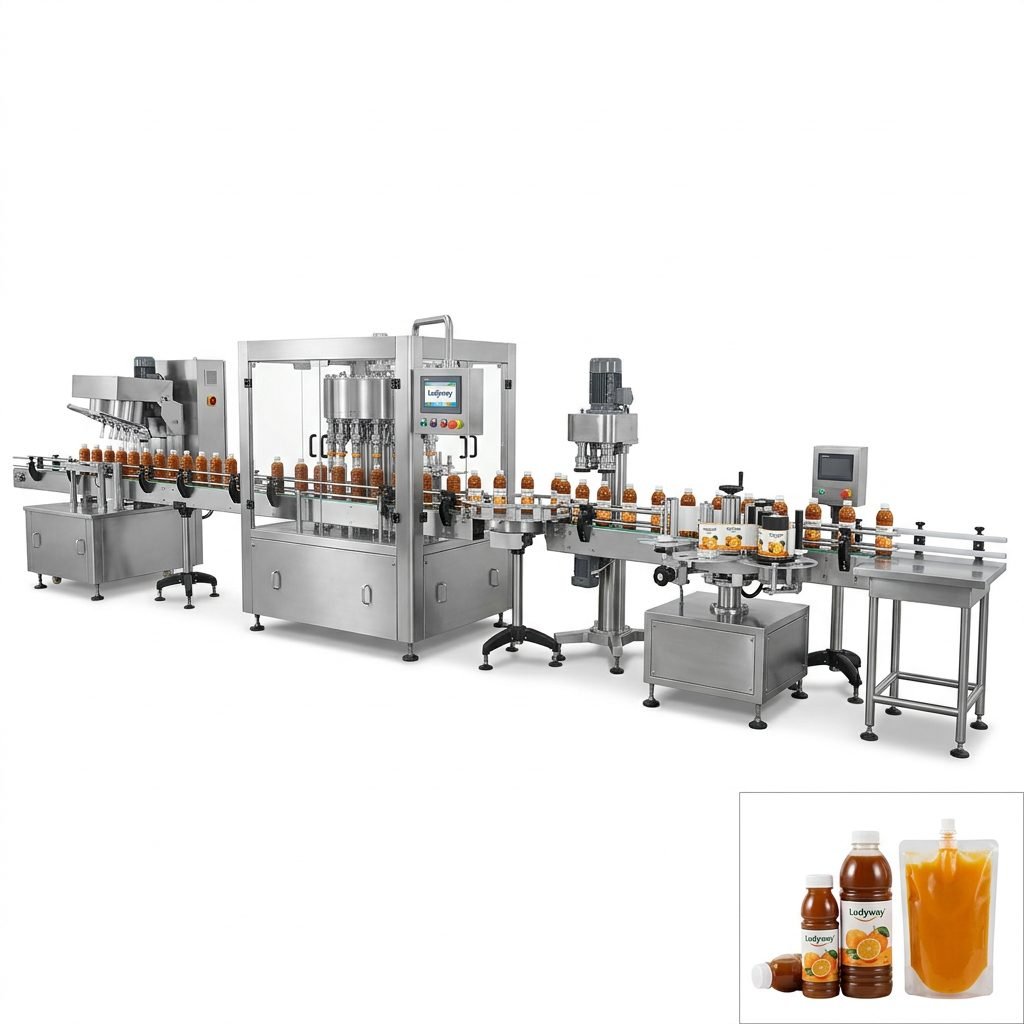
| Cream Cheese | Cup / Tub Filling | Liquid Filling and Sealing Machine | 30-100 units/min |
| Block Cheese | Vacuum Bag / Shrink Wrap | Vacuum Packaging Machine | 15-40 packs/min |
Regulatory Compliance in Southeast Asia
Each Southeast Asian country maintains its own food safety and packaging regulations. For example, Thailand’s FDA enforces strict guidelines on food contact materials, while Indonesia’s BPOM requires registration and compliance with local ISO packaging standards. Vietnam, Malaysia, and the Philippines similarly have evolving regulatory frameworks that align increasingly with international norms such as ISO 11607 for packaging validation.
For companies exporting cheese products from Southeast Asia to markets like the European Union, compliance with EU packaging and packaging waste regulations becomes essential. This includes considerations around recyclable materials, reduced packaging weight, and the use of sustainable substrates.
Designing Your Production Line Layout
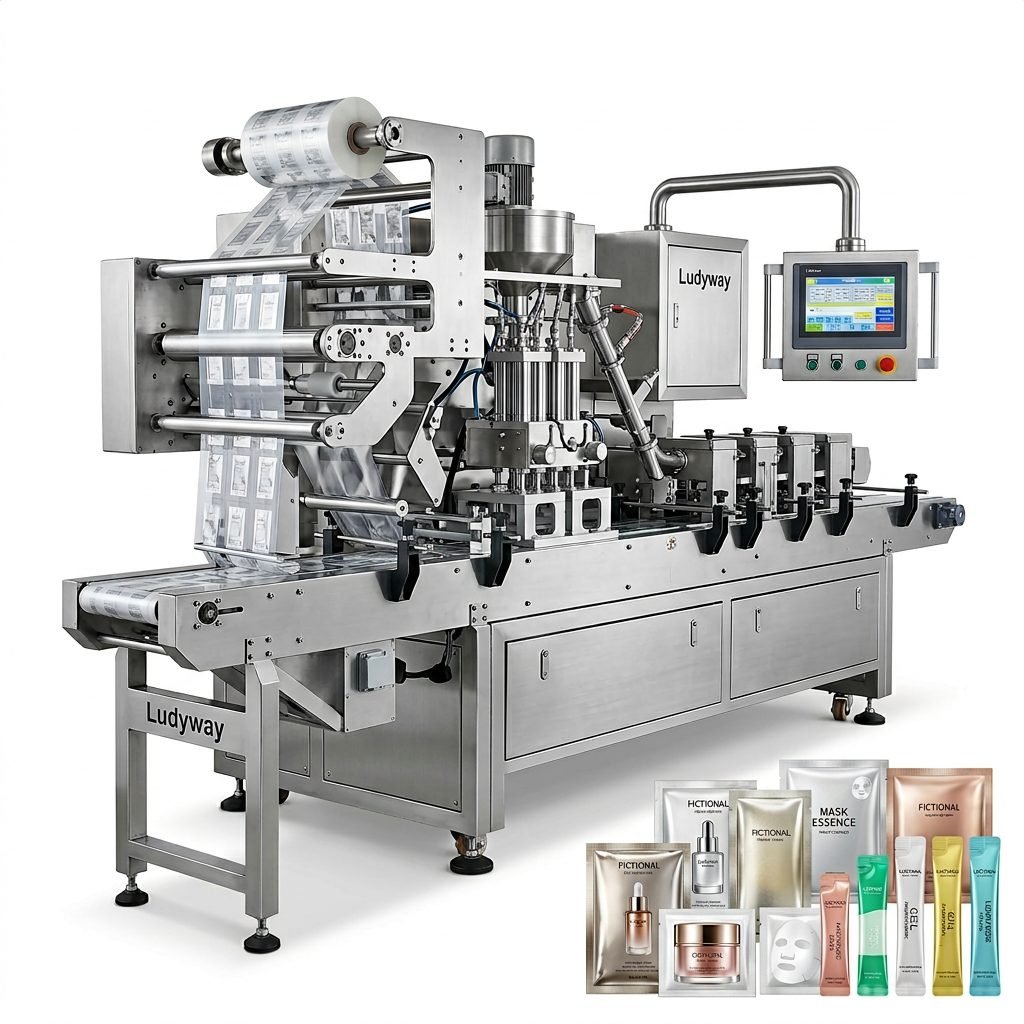
The physical layout of your cheese packaging line has a direct impact on operational efficiency, hygiene compliance, and worker safety. In Southeast Asia, where factory space in industrial zones can be limited, optimizing the footprint is particularly important.
Linear vs. U-Shaped Configurations
A linear layout works well for high-volume, single-product lines, while a U-shaped configuration allows one operator to oversee multiple machines. For cheese packaging facilities handling multiple SKUs, a modular layout with quick-changeover machines provides the flexibility needed to switch between different cheese formats efficiently.
Hygiene Zones and Material Flow
Establishing clear separation between raw material receiving, processing, packaging, and finished goods storage is critical. The flow should be unidirectional to prevent cross-contamination. Stainless steel construction with IP65 or higher protection ratings is recommended for all food-contact equipment in humid Southeast Asian environments.
Installation, Commissioning, and Training
Proper installation sets the foundation for reliable long-term operation. When setting up your cheese packaging line in Southeast Asia, consider the following steps:
- Site Preparation: Ensure adequate electrical supply, compressed air, and climate control systems are in place before equipment arrives. Voltage fluctuations common in some Southeast Asian regions may require voltage stabilizers.
- Factory Acceptance Testing (FAT): Whenever possible, conduct testing at the manufacturer’s facility before shipment. This identifies potential issues early and reduces on-site commissioning time.
- Installation and Calibration: Professional installation teams should handle the mechanical setup, electrical connections, and precision calibration of weighing and filling systems.
- Operator Training: Comprehensive training for machine operators and maintenance staff is essential. Well-trained personnel can reduce downtime and extend equipment lifespan.
Maintenance and After-Sales Support in Southeast Asia
One of the most critical yet often overlooked aspects of setting up a packaging line is ensuring access to reliable technical support and spare parts. Given that many Southeast Asian countries are emerging markets for advanced packaging machinery, selecting a supplier with a strong regional service presence is vital.
Preventive maintenance schedules should account for the tropical climate, with more frequent lubrication, electrical system checks, and seal inspections. Remote diagnostic capabilities can also significantly reduce response times when technical issues arise.
Cost Considerations and ROI Analysis
Budgeting for a cheese packaging line in Southeast Asia involves more than just the equipment purchase price. The total cost of ownership includes:
- Initial machinery investment and import duties
- Installation and commissioning costs
- Consumables including packaging films and spare parts
- Energy consumption in air-conditioned production environments
- Ongoing maintenance and potential upgrades
A well-designed line should achieve return on investment within 18 to 36 months, depending on production volume and product margins. The efficiency gains from automation often justify the capital expenditure, particularly in markets with rising labor costs like Thailand and Malaysia.
For companies seeking turnkey packaging solutions tailored to Southeast Asian conditions, partnering with experienced equipment manufacturers is essential. Ludyway offers comprehensive packaging systems designed for global food markets, with expertise spanning granule, powder, liquid, and pouch packaging applications across diverse product categories. For more information on packaging industry standards, the PMMI packaging resources portal and the Flexible Packaging Association Knowledge Hub provide valuable continuing education.
Future Trends in Cheese Packaging for Southeast Asia
The cheese packaging landscape in Southeast Asia is evolving rapidly. Several trends are shaping the future of packaging line design and equipment selection:
- Sustainable Packaging: Growing consumer awareness and regulatory pressure are driving the adoption of recyclable mono-materials and reduced plastic usage. The U.S. EPA’s sustainable materials management framework offers guidance applicable to global markets.
- Smart Factory Integration: IoT-enabled machines with real-time monitoring, predictive maintenance alerts, and production data analytics are becoming standard features in modern packaging lines.
- Smaller Portion Sizes: The rise of single-person households and on-the-go consumption in urban Southeast Asian centers is increasing demand for convenient single-serve cheese formats.
- E-commerce Ready Packaging: With the explosive growth of online grocery shopping, packaging must be durable enough to withstand the e-commerce supply chain while maintaining product freshness.
By carefully considering these factors and investing in quality equipment suited to local conditions, food manufacturers can build cheese packaging lines that deliver consistent quality, operational efficiency, and strong market competitiveness across the dynamic Southeast Asian region.