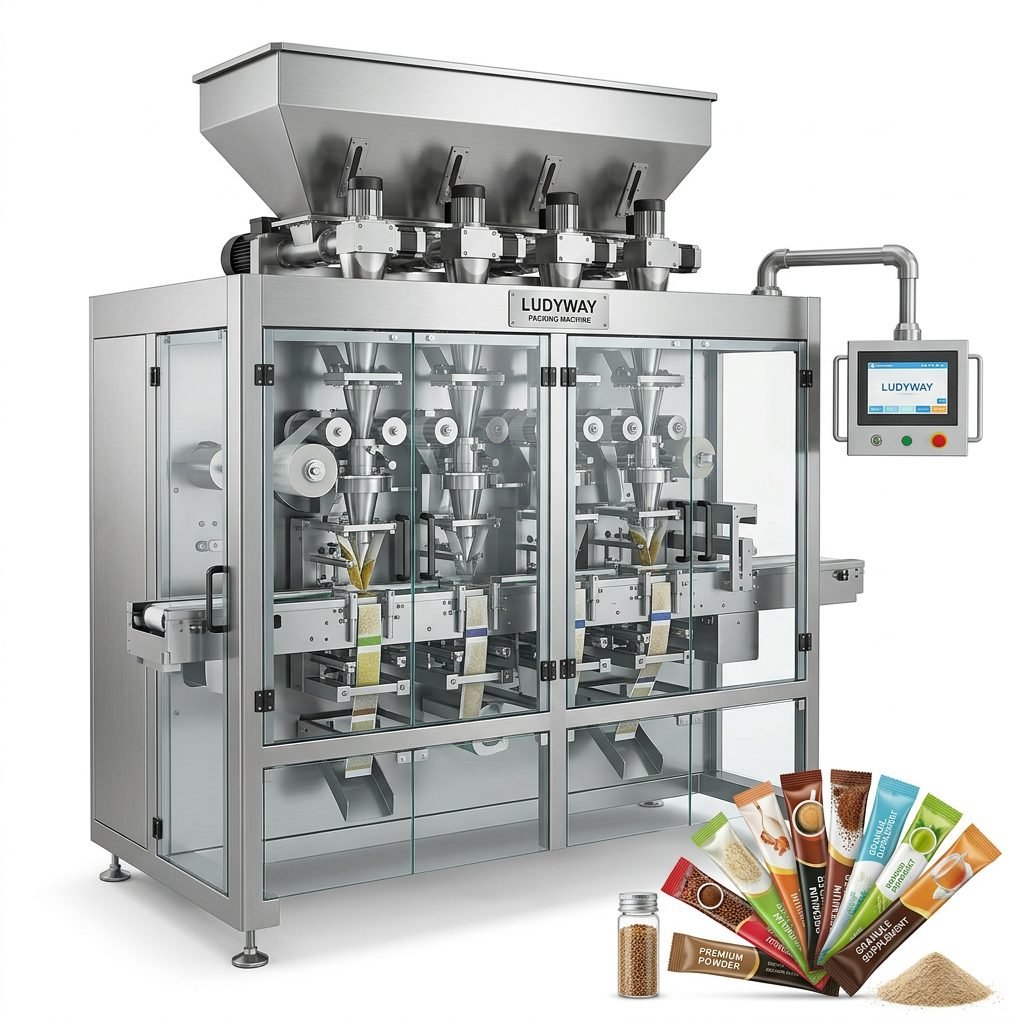
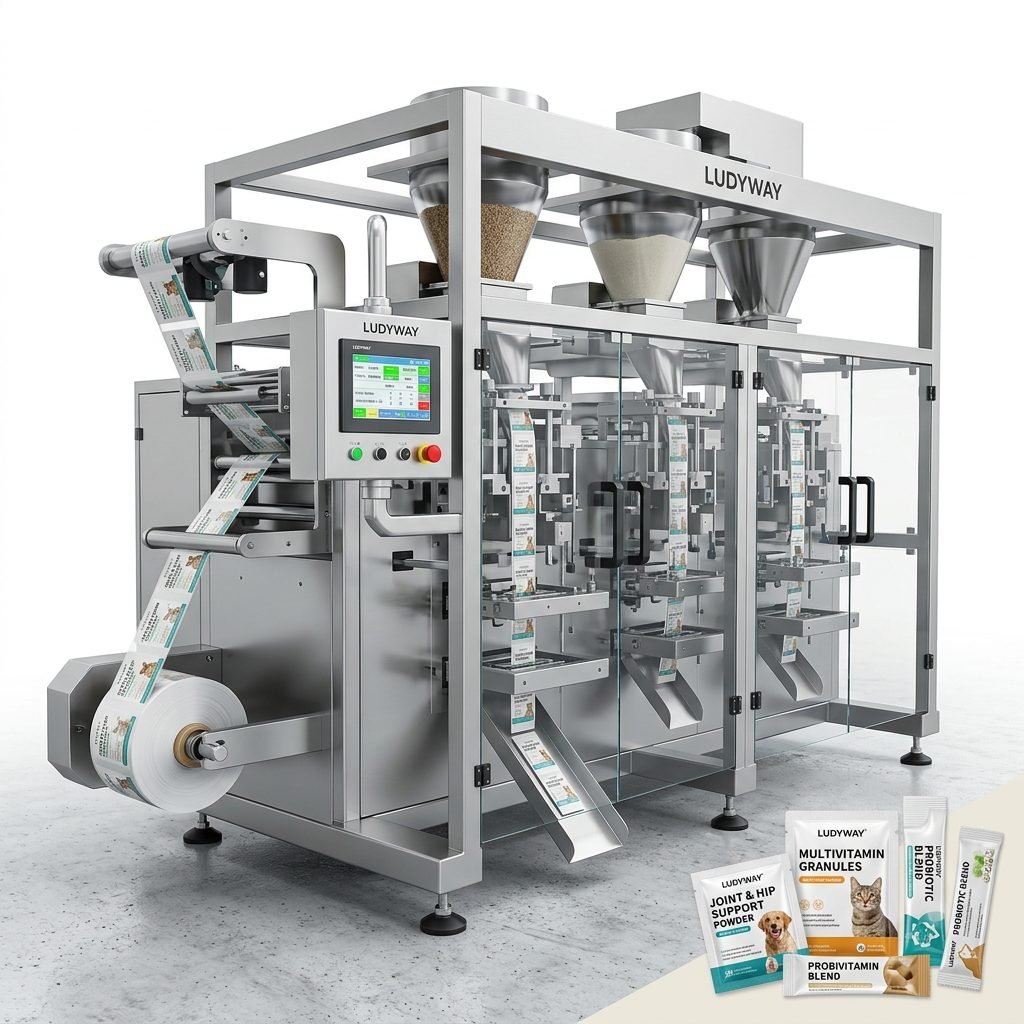
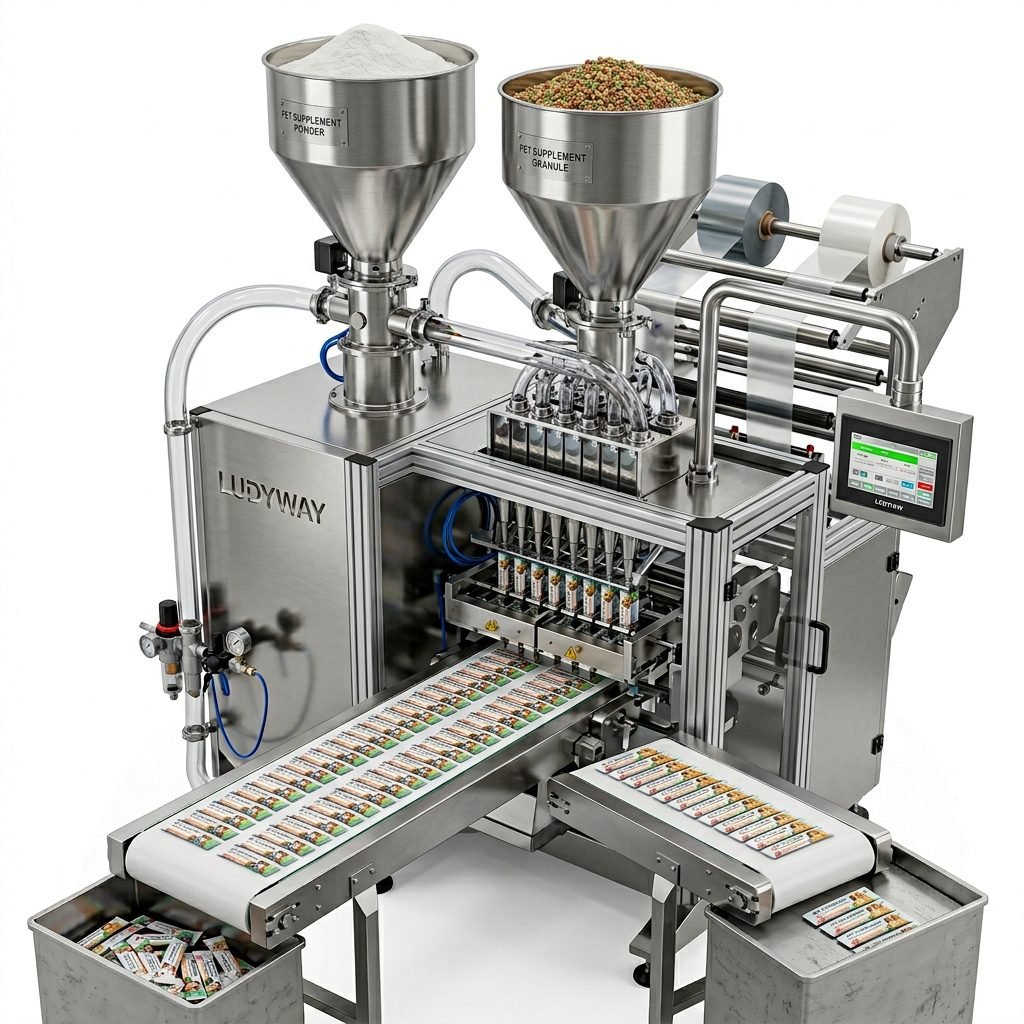
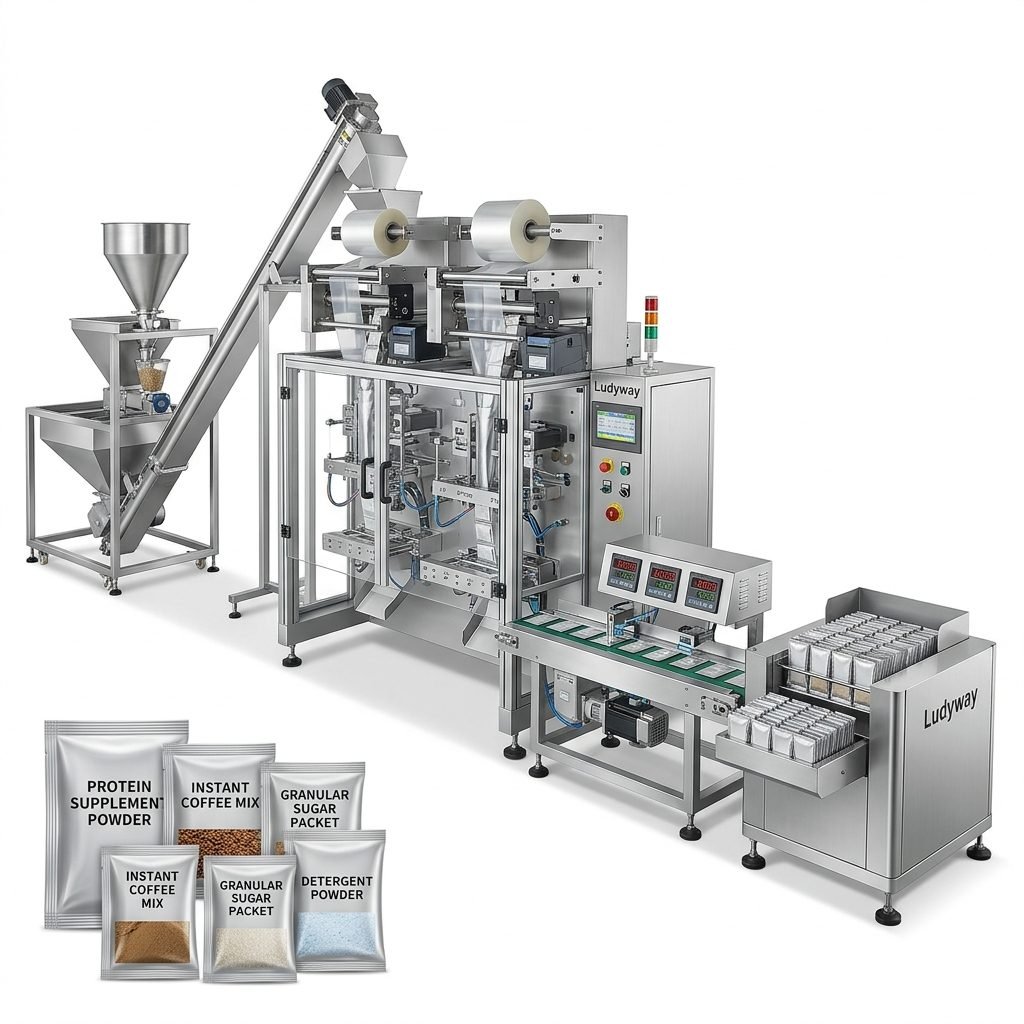
The Oceania coffee market, spanning Australia and New Zealand, is defined by a sophisticated café culture and a rapidly growing demand for premium Retail-Ready Packaging. For roasters and manufacturers, switching from manual bagging to an automated coffee vacuum packaging machine production line is no longer a luxury—it is a competitive necessity. This guide maps out the complete journey from equipment selection to full operational compliance.
Understanding the Oceania Coffee Packaging Landscape
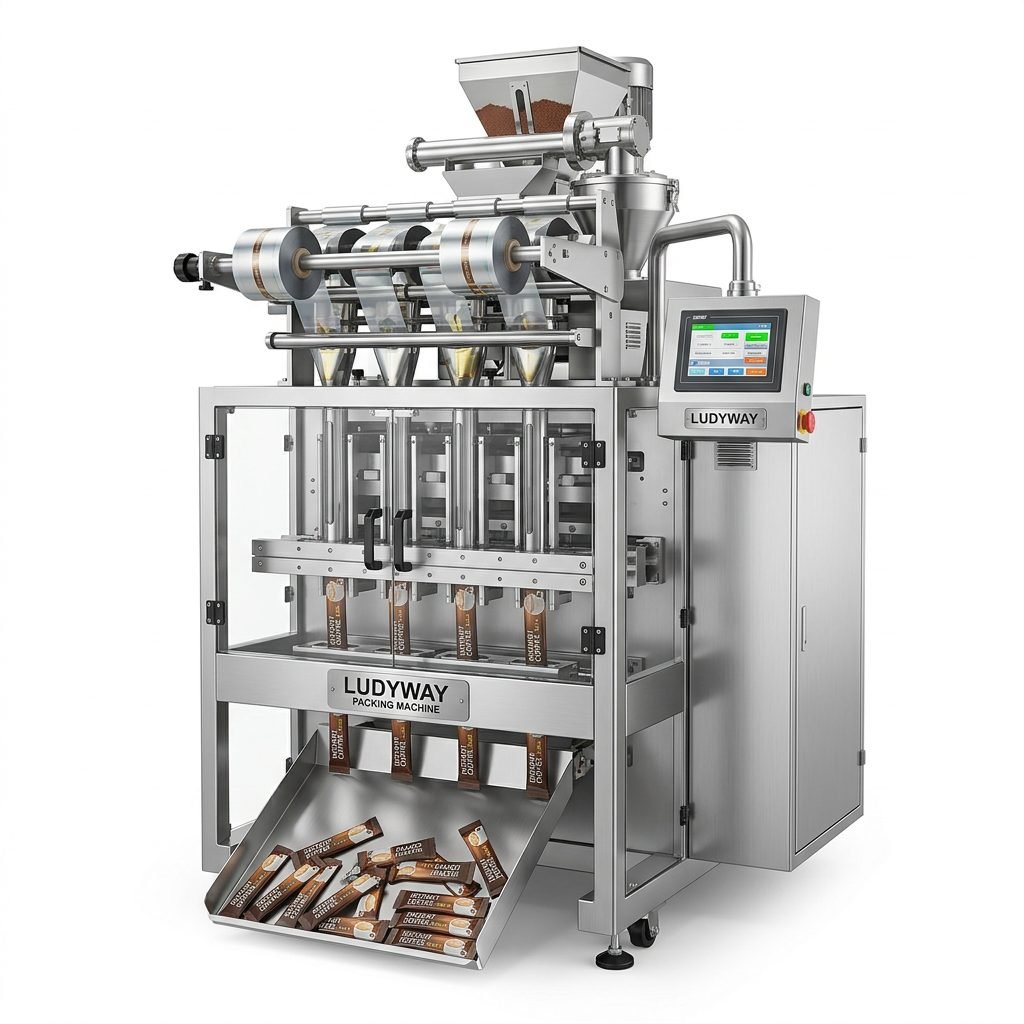
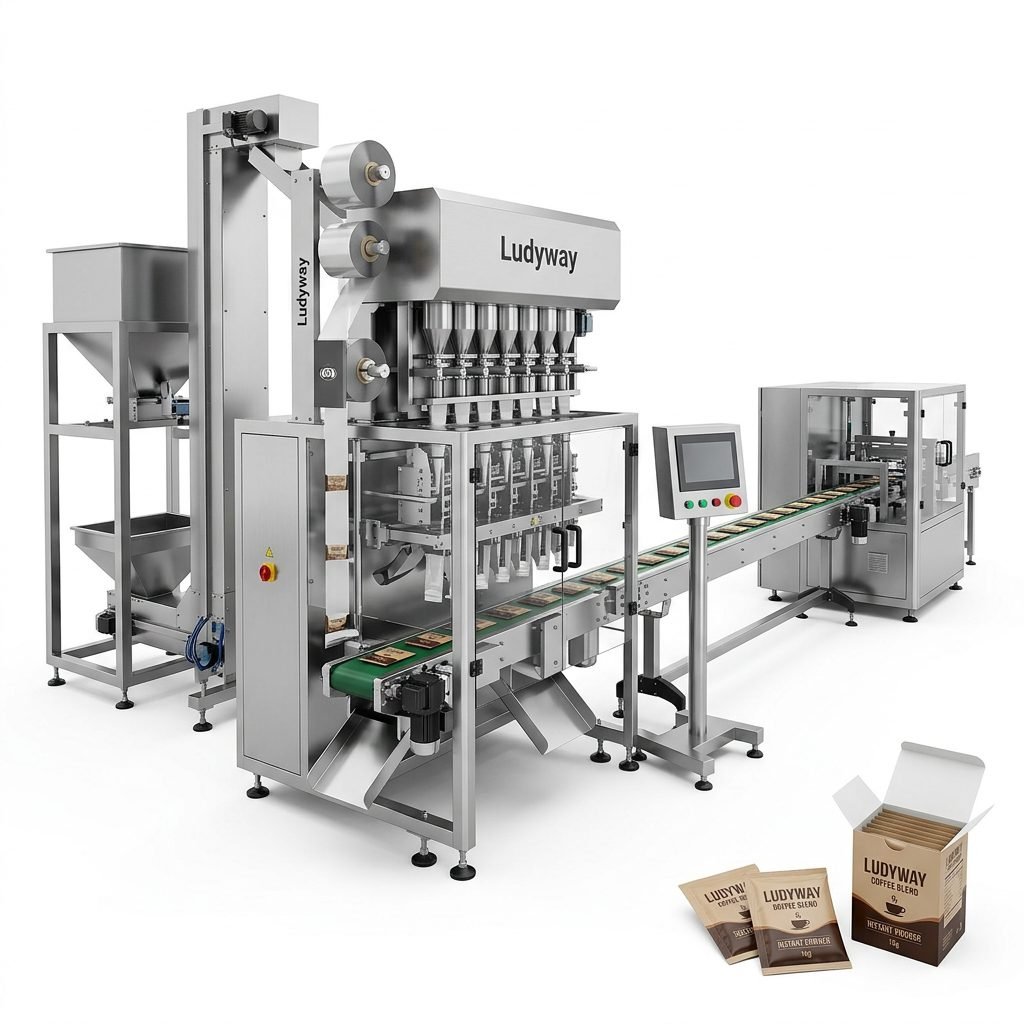
The local market prioritizes freshness and shelf life. Unlike ambient fillings, vacuum sealing removes oxygen from the bag prior to sealing, drastically reducing oxidation. When scoping a production line, you must look beyond the main sealing unit. A fully integrated system typically connects a multi-head weigher, a degassing valve applicator, a vacuum band sealer, and an automated case packer. This integration minimizes the manual transfer points where contamination or calibration drift occurs.
Core Equipment Configuration
Selecting the right machinery depends on your target throughput. For small-to-medium roasters in the region, a semi-automatic single-chamber vacuum system suffices. However, for high-volume ground coffee production, rotary pre-made pouch systems deliver unmatched speed. Modularity is critical; your line should allow you to add a Nitrogen Flushing System without a full PLC overhaul.
Key Machinery Components
- Inclined Feeding Conveyor: Transports whole beans or ground coffee gently to prevent breakage.
- Multi-Head Combination Weigher: Ensures precision down to ±1 gram on standard 250g/1kg packs.
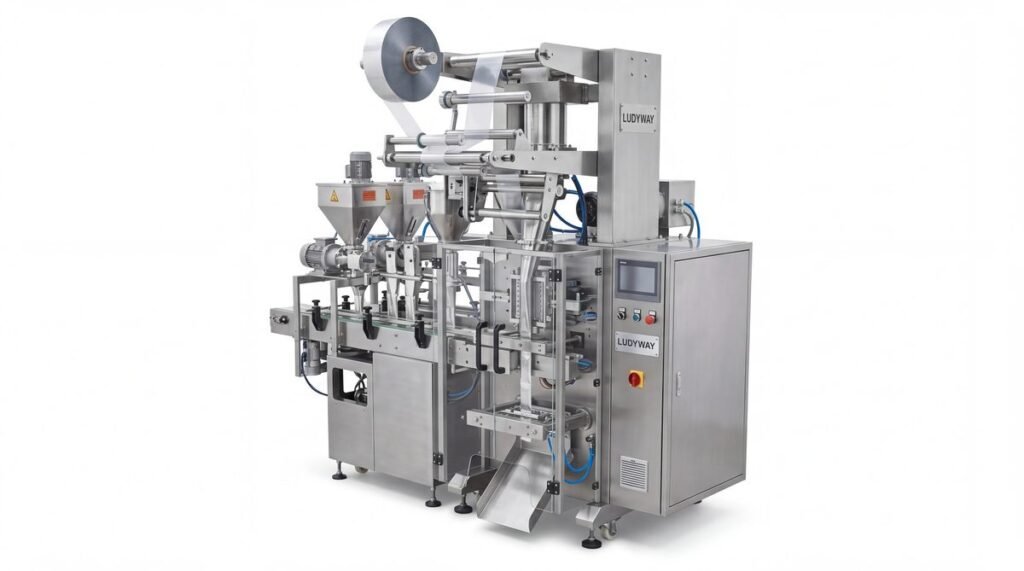
- Rotary Vacuum Packaging Machine: The core unit that evacuates air and applies heat seals in a continuous motion.
- Checkweigher & Metal Detector: Essential for FSANZ compliance by rejecting underweight or contaminated packs.
- Automated Carton Erecting System: Reduces labor for secondary packaging.
Cost Analysis and Budget Planning
The capital expenditure varies significantly based on automation levels and speed. A basic vacuum bagging setup might start at a moderate entry point, but a fully integrated turnkey line represents a significant capital investment. Return on investment (ROI) in Oceania is heavily driven by labor savings and reduction in product giveaway due to accurate weighing.
| Line Configuration | Estimated Capacity | Key Cost Drivers |
|---|---|---|
| Semi-Automatic Vacuum | 10-15 Packs/Min | Manual loading, single chamber mechanics |
| High-Speed Rotary | 40-60 Packs/Min | Servo-driven, premium pre-made pouches |
| Full Turnkey Automation | 60+ Bags/Min | Robotic palletizing, central HMI integration |
Navigating Australian and New Zealand Regulations
Compliance is non-negotiable. Food contact machinery in Oceania falls under the purview of Food Standards Australia New Zealand (FSANZ). However, electrical safety is just as stringent. Machines must meet local wiring rules (AS/NZS 3000), and many importers incorrectly assume CE certification covers this—it does not. Always request a supplier declaration of conformity to ISO packaging standards and locally recognized electrical schematics.
Hygienic Design & WHS
The design must facilitate dry cleaning in coffee environments. Stainless steel construction (SS304 or higher) is mandatory for wet contact surfaces, but for dry powder/bean contact, tool-free disassembly of feed chutes for cleaning is essential. Work Health and Safety (WHS) regulations also demand specific guarding for the vacuum pressure chambers to prevent operator entrapment, a critical point when auditing a machine from overseas suppliers like Ludyway, which specializes in advanced turnkey solutions designed to meet these international safety and build-quality parameters.
Logistics and Installation in the Pacific
Shipping heavy machinery to Oceania involves specific freight considerations. Ensure the supplier provides heat-treated timber packaging (ISPM 15) to avoid customs delays. Installation and commissioning should ideally be supervised remotely or locally; factor in time for electrical plug configurations, which differ between Australian 15A/20A outlets and other global standards. Pre-testing the vacuum pump oil for tropical humidity levels ensures longevity.
Optimizing for Extended Shelf Life
The primary goal is preservation. Here is how the packaging line achieves it:
- Degassing Management: Freshly roasted beans emit CO₂. The line must handle rigid one-way valves if you are not using a pre-ground warehouse buffer.
- Residual Oxygen Control: Target <1% residual oxygen for premium organic brands.
- Material Compatibility: High-barrier laminates (PET/Al/PE) run differently on jaw sealers versus standard PE; jaw temperature profiles must be adjusted precisely.
Material Waste Reduction Strategy
“Lean manufacturing” is huge in New Zealand dairy and coffee sectors. Modern vision-guided registration systems on vacuum lines ensure film waste stays below 1.5%. Precision tension control prevents “necking” (film stretching) which compromises the vacuum barrier integrity. Look for systems with automatic splice tables to minimize downtime during film roll changes.
Selecting a Technology Partner
You need a partner who understands both the machinery and the regulatory maze. Verify that the engineering team provides 3D layout drawings identifying the positions of the vacuum reservoir, nitrogen generator, and electrical load centers. Check their track record with flexible packaging industry standards. Downtime in a vacuum line is costlier than in standard packing; hence, remote diagnostics capability via a VPN directly into the PLC is an invaluable support feature for isolated Oceanic islands.
Feasibility hinges on ensuring your auxiliary infrastructure—namely dry air supply and power stability—matches the line’s consumption. A proper factory acceptance test (FAT) using your actual laminate thickness prevents startup crisis. Reaching out to process engineers for a preliminary payback analysis is a logical next step.
Related Resources:
PMMI Business Intelligence
FDA Food Packaging
EU Packaging Waste Regs