Understanding the Middle East Vegetable Packaging Market
The Middle East region has witnessed a significant surge in demand for processed and packaged vegetables over the past decade. Driven by population growth, urbanization, and changing consumer preferences toward convenience foods, countries such as the UAE, Saudi Arabia, Qatar, and Kuwait are investing heavily in food processing and packaging infrastructure. Establishing a vegetable packaging machine production line in this region requires careful planning, understanding of local regulations, and selection of appropriate equipment that can handle the unique climatic conditions.
The Gulf Cooperation Council (GCC) countries import a substantial portion of their food products, making efficient packaging systems critical for extending shelf life and maintaining product quality during transportation and storage. For businesses looking to set up operations in the Middle East, understanding the full scope of a vegetable packaging line — from washing and sorting to weighing, filling, and sealing — is essential for long-term success.
Key Market Drivers in the Middle East
- Food security initiatives — Governments across the GCC are actively promoting domestic food processing capabilities
- Rising demand for frozen and fresh-cut vegetables in retail and food service sectors
- Growth of e-commerce grocery platforms requiring robust packaging for last-mile delivery
- Halal certification requirements influencing packaging material and process standards
- Tourism and hospitality expansion driving consistent demand for packaged food products
Step-by-Step Guide to Setting Up Your Production Line
Step 1: Conduct a Feasibility Study and Site Assessment
Before purchasing any equipment, conduct a thorough feasibility analysis that covers market demand, raw material sourcing, utility availability, and logistics. In the Middle East, special attention must be given to:
- Ambient temperature control — packaging machinery must operate reliably in high-temperature environments (often exceeding 45°C)
- Dust and sand protection — equipment enclosures should meet appropriate IP ratings
- Water availability and quality — cleaning and processing vegetables requires consistent water supply
- Cold chain infrastructure — essential for fresh and frozen vegetable products
Step 2: Define Your Product Range and Packaging Formats
Different vegetable products require different packaging solutions. Determine whether you will be packaging:
| Product Category | Recommended Packaging Format | Ideal Machine Type |
|---|---|---|
| Fresh-cut vegetables | Modified atmosphere pouches / trays | Tray sealing & flow wrap machines |
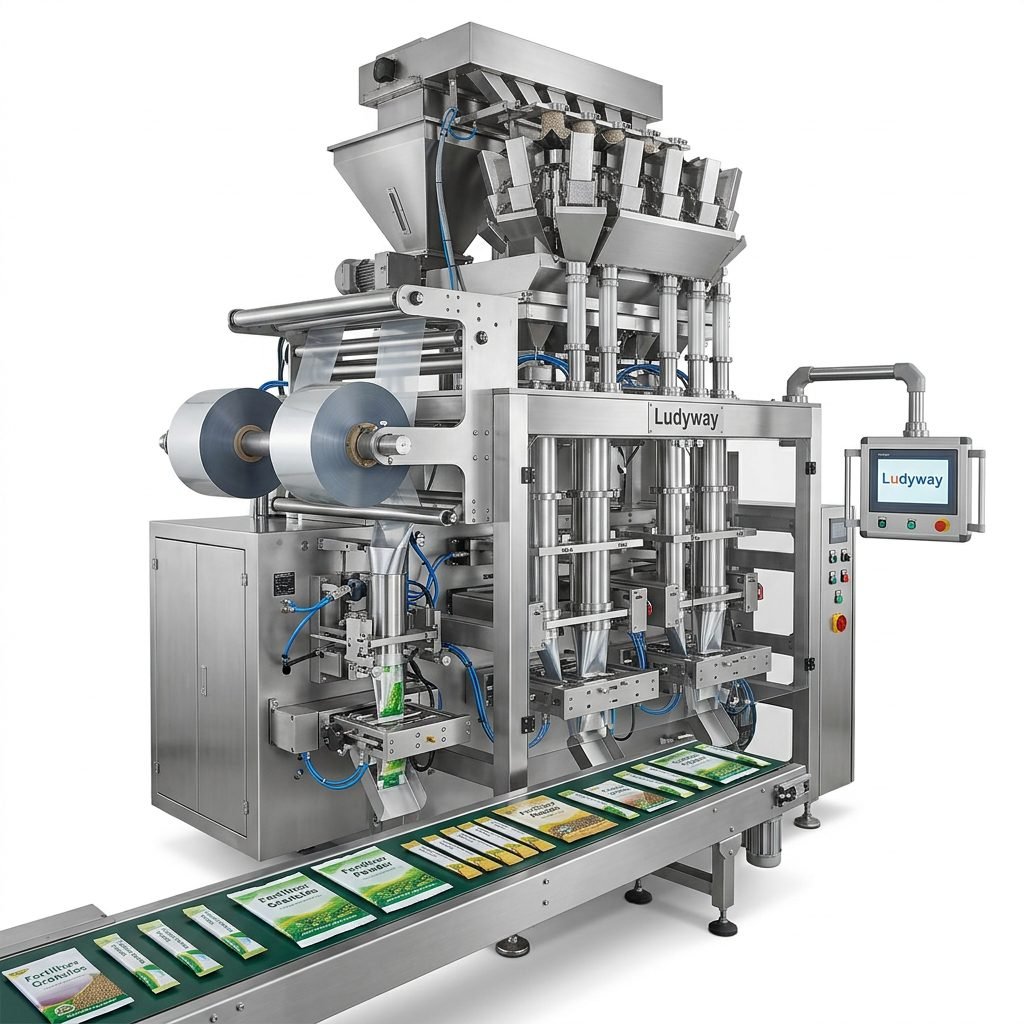
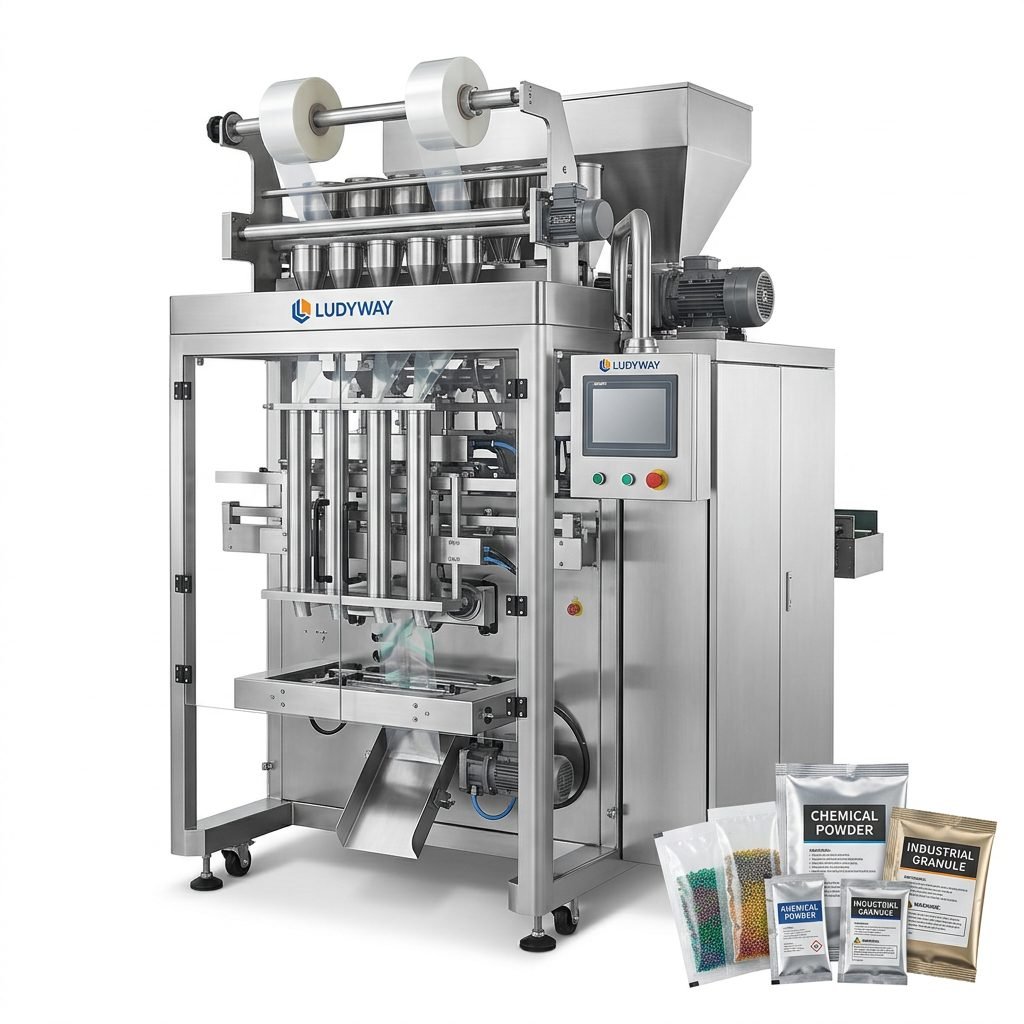
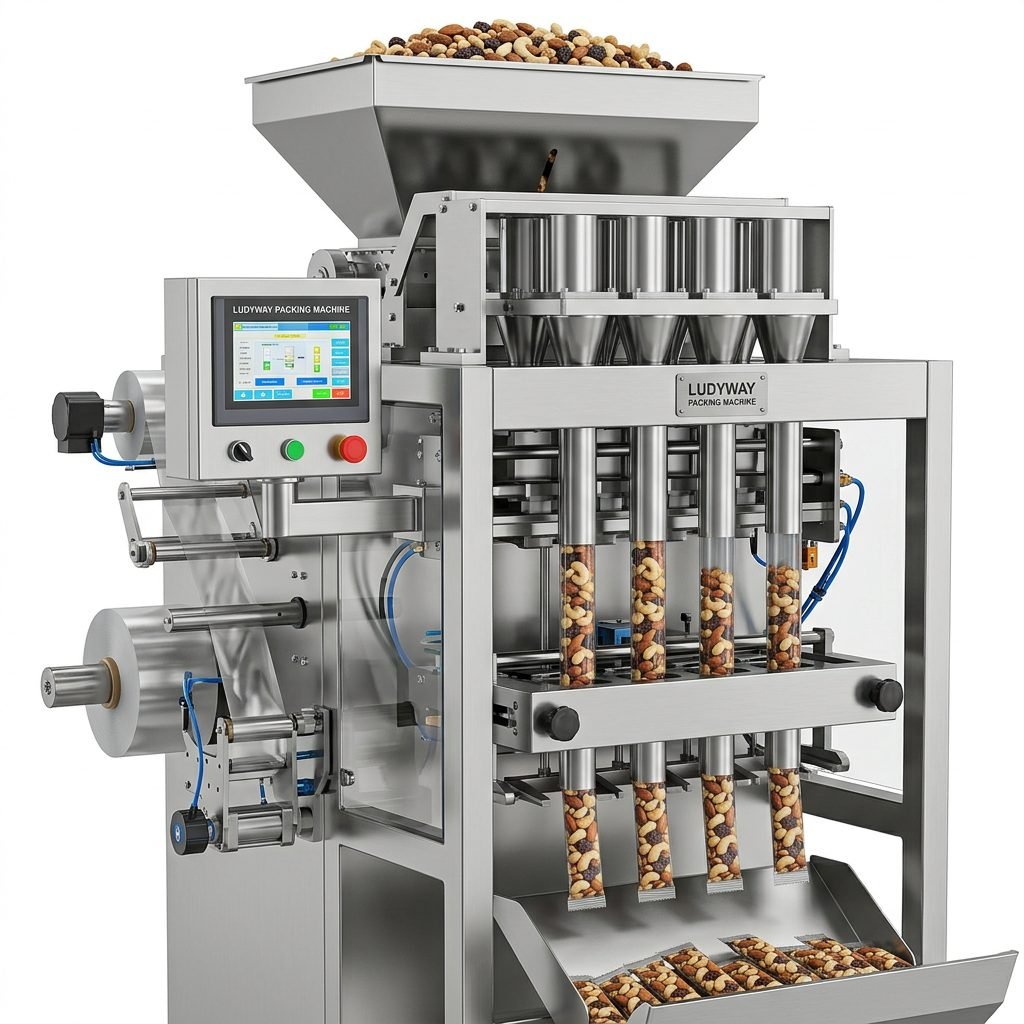
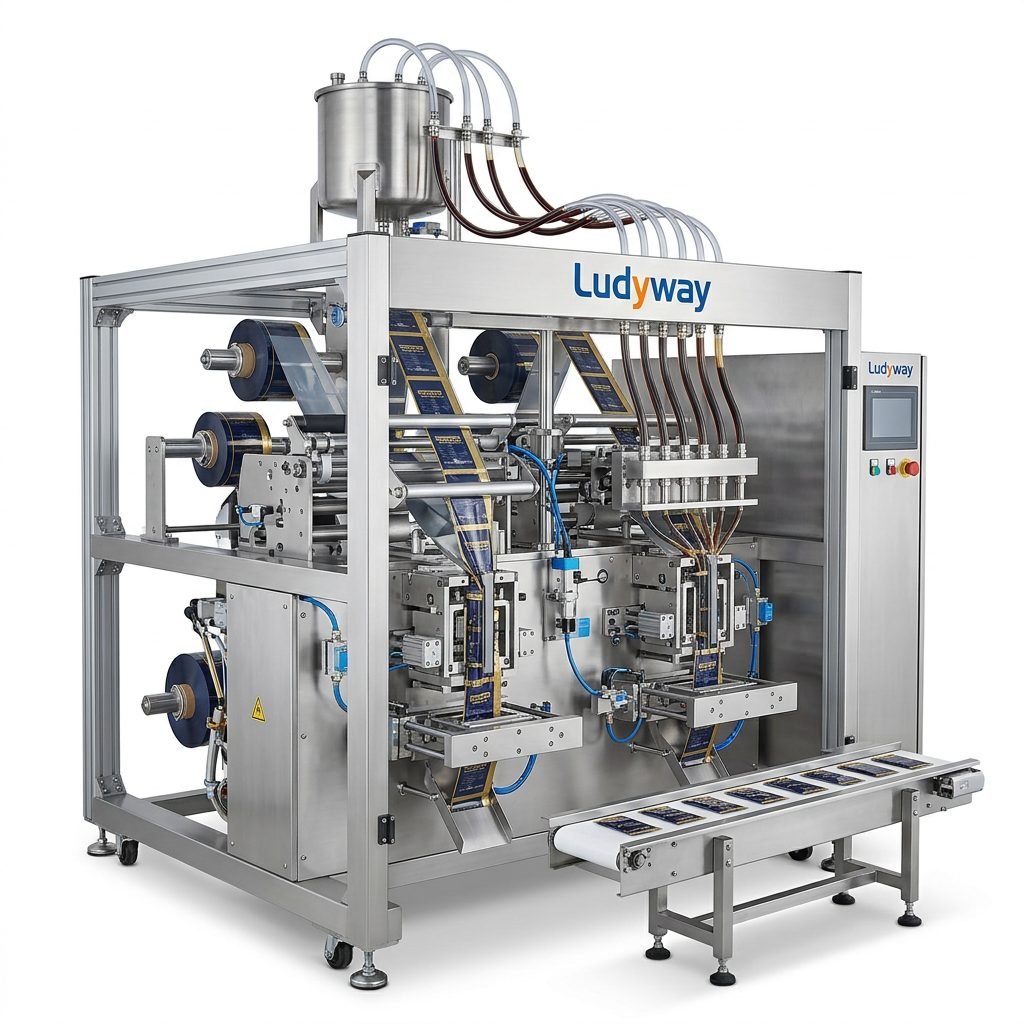
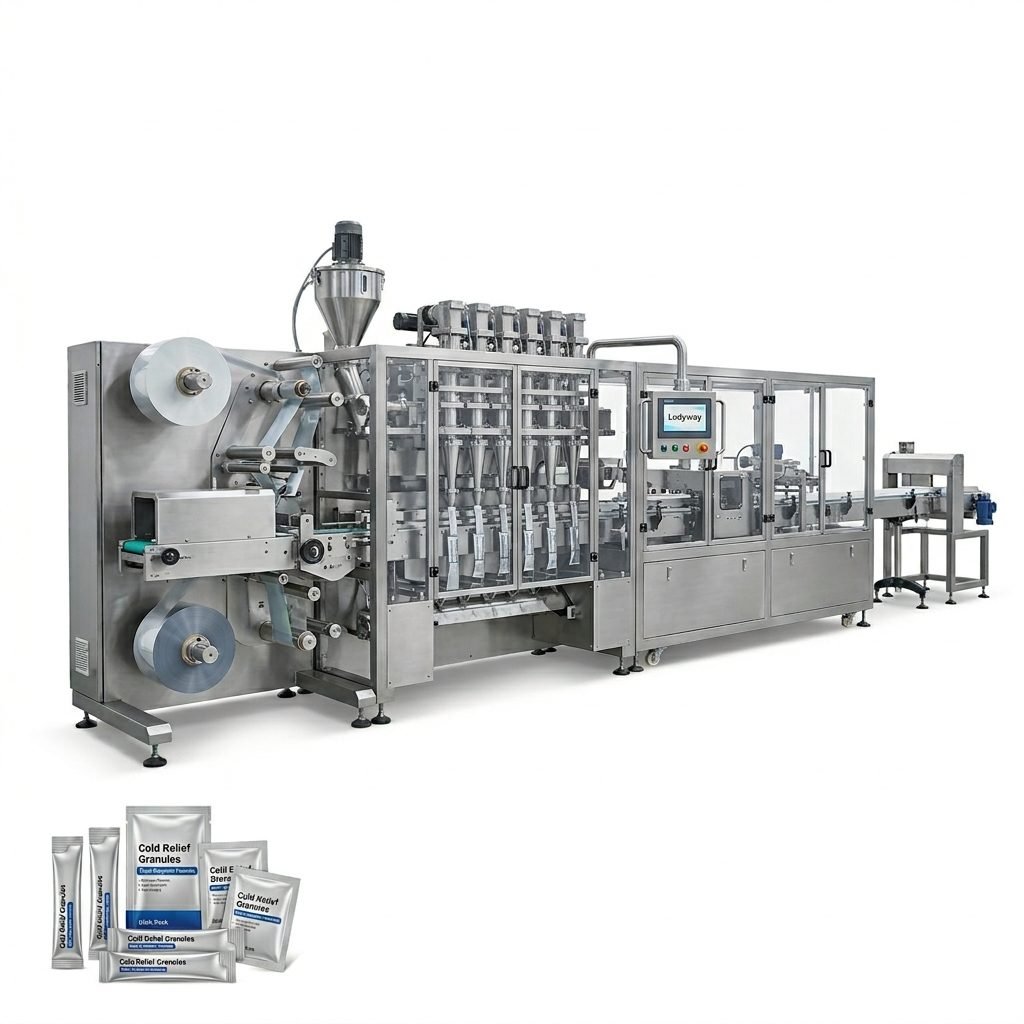
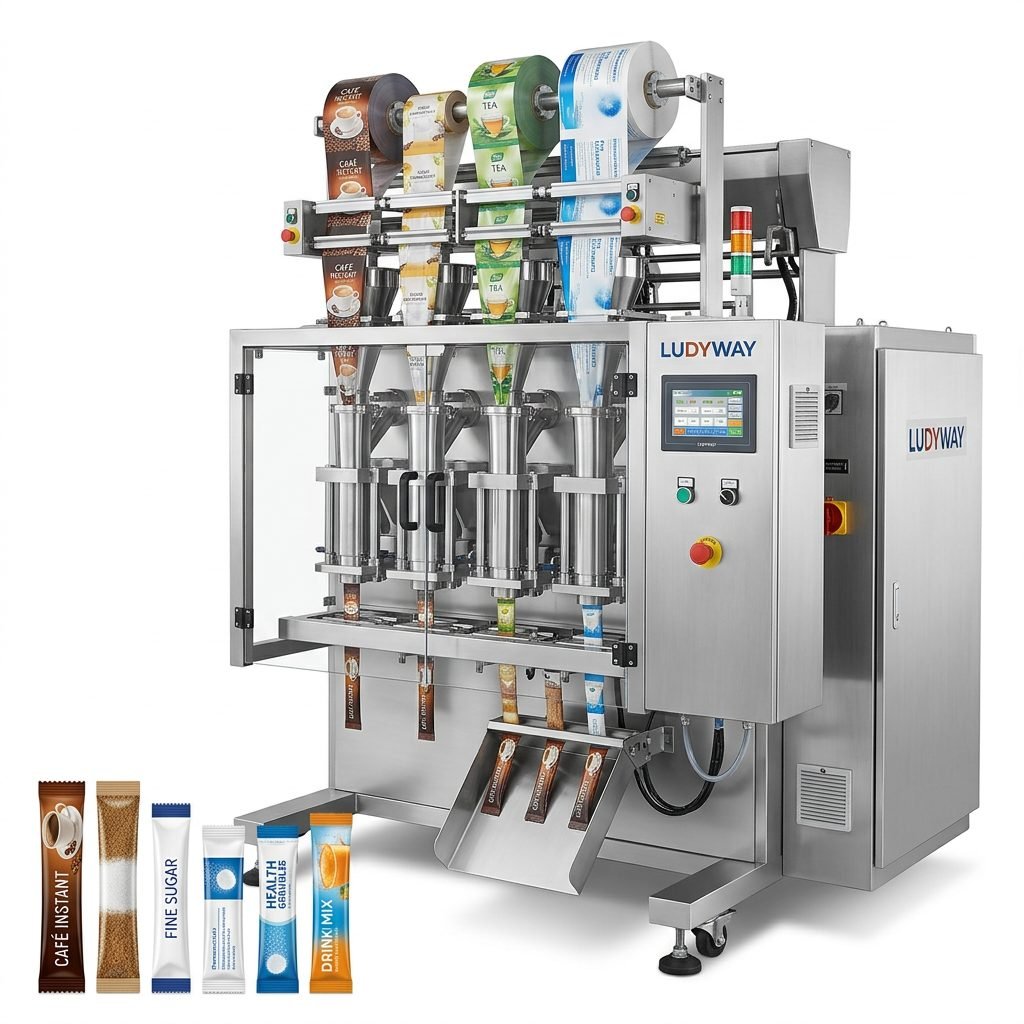
| Frozen vegetables | Multi-lane sachets / stand-up pouches | Multi-lane stick pack & sachet machines |
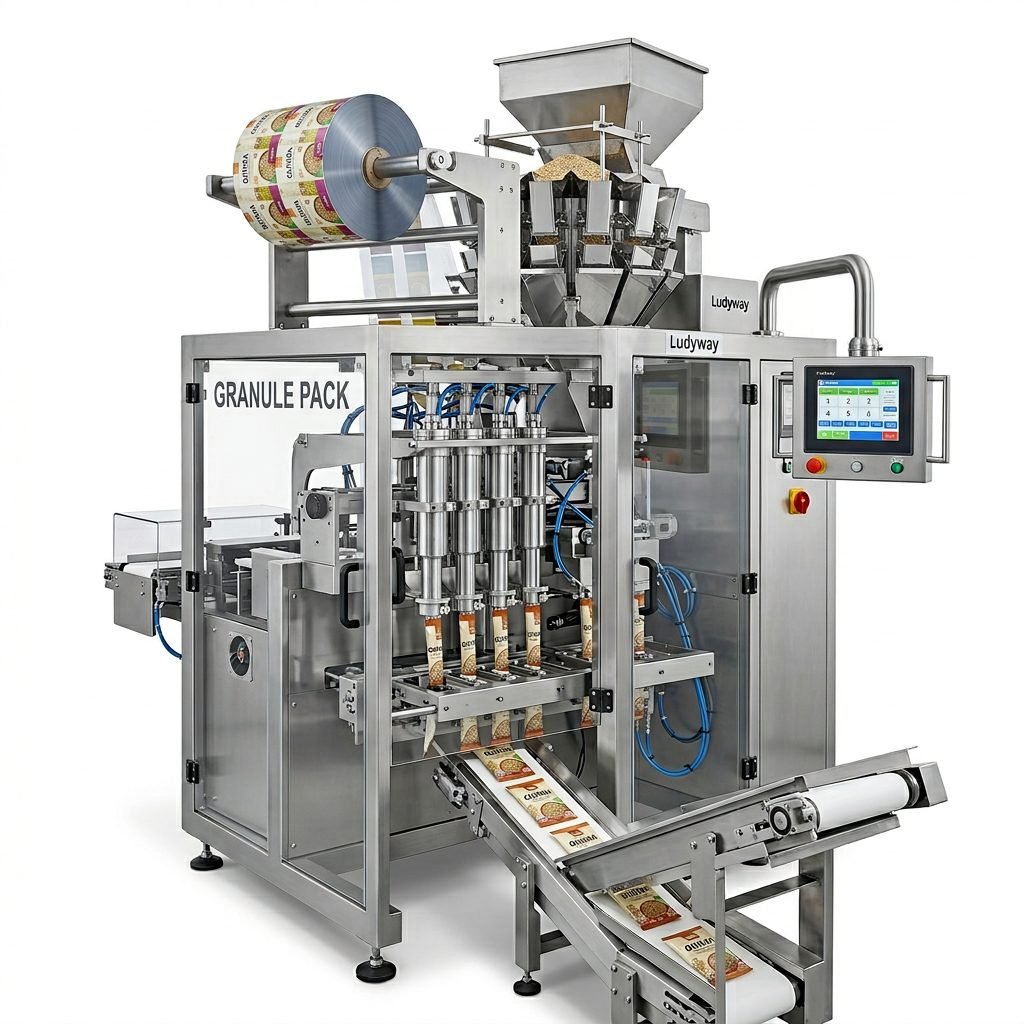
| Dehydrated vegetables | Stick packs / small sachets | Granule & powder packaging systems |
| Vegetable powders & seasonings | Multi-lane sachets / stick packs | High-speed multi-lane filling machines |
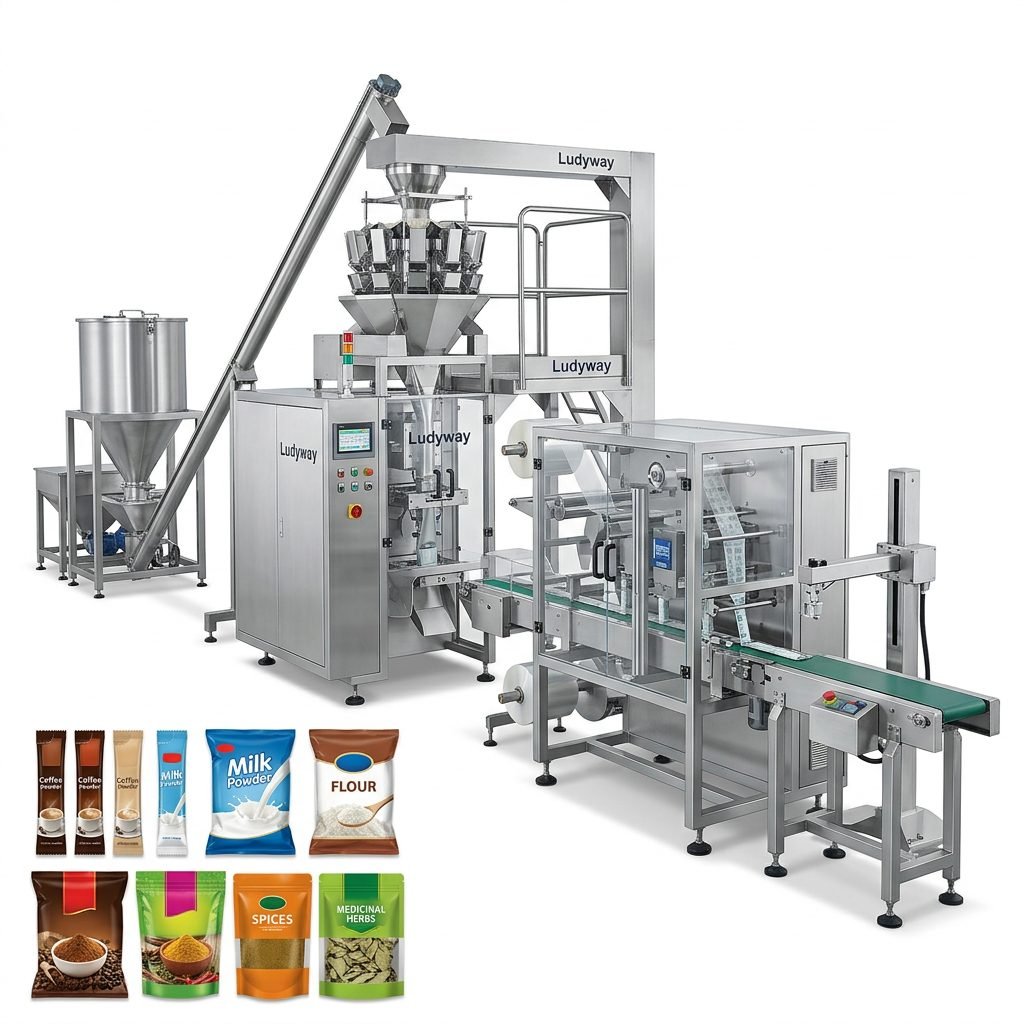
| Bulk frozen vegetables | Large format bags (5kg-25kg) | Bulk bagging & weighing systems |
Step 3: Select Core Processing and Packaging Equipment
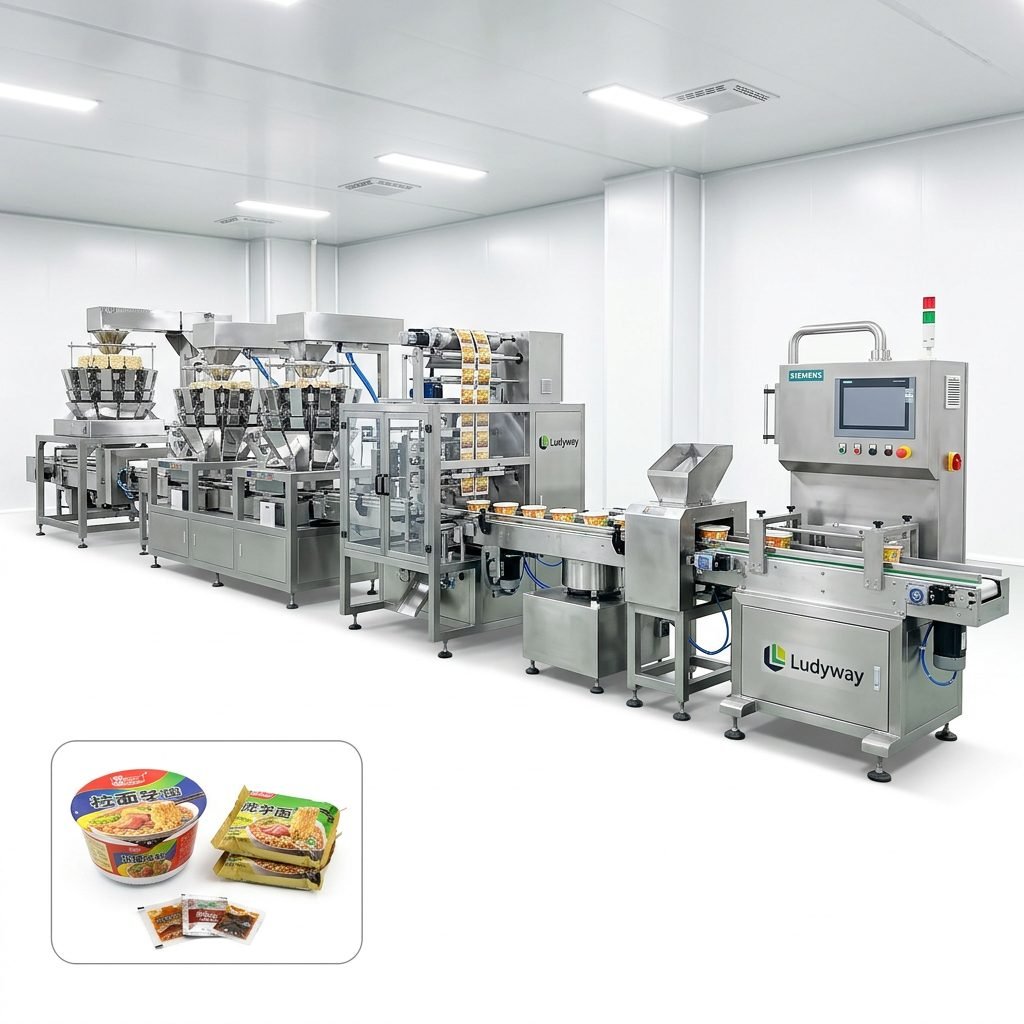
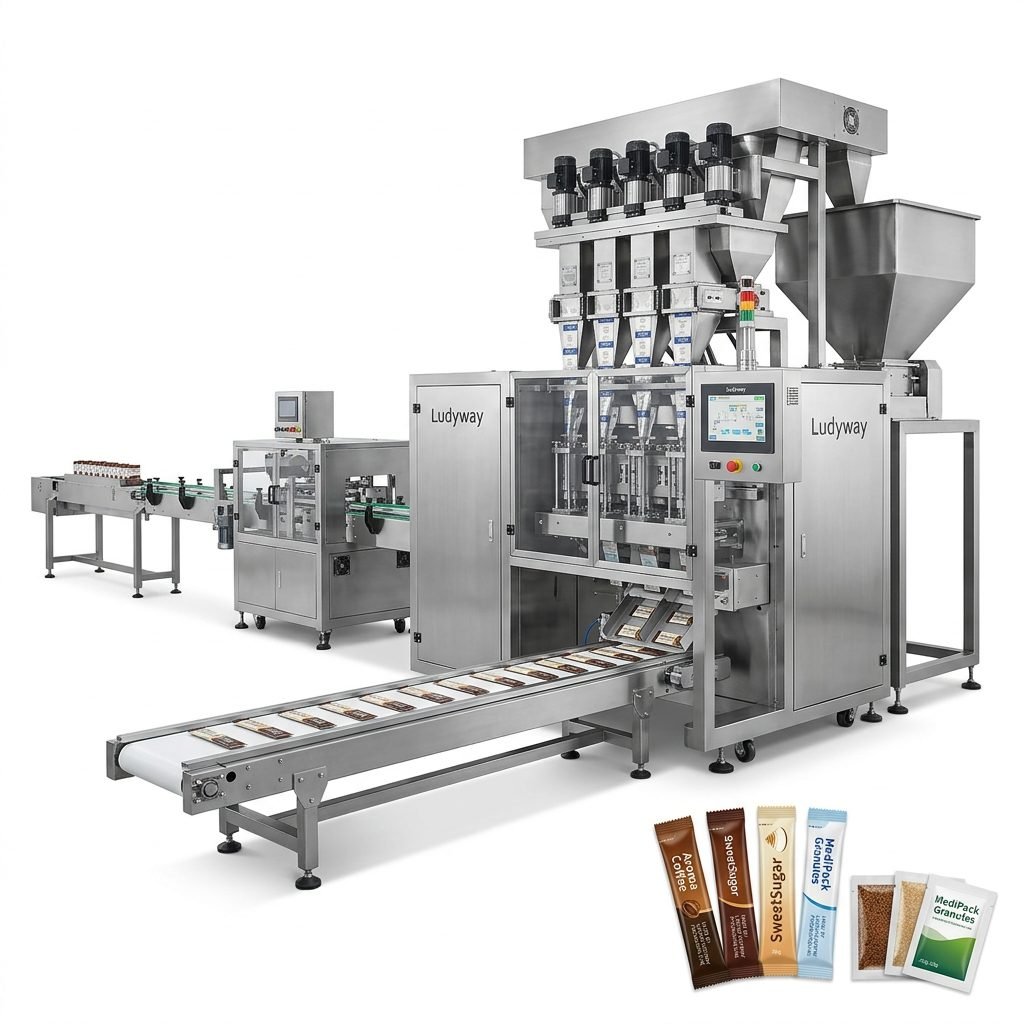
A complete vegetable packaging production line typically consists of several key components. The exact configuration depends on your product type and desired output capacity. Below is a typical equipment sequence for a turnkey vegetable packaging line:
- Washing and cleaning systems — Remove soil, debris, and contaminants from raw vegetables
- Cutting, slicing, or dicing machines — Prepare vegetables to specified dimensions
- Blanching or cooking equipment — Pre-treatment for frozen and dehydrated products
- Drying or freezing systems — Depending on final product requirements
- Weighing and dosing units — Multi-head weighers for precise portion control
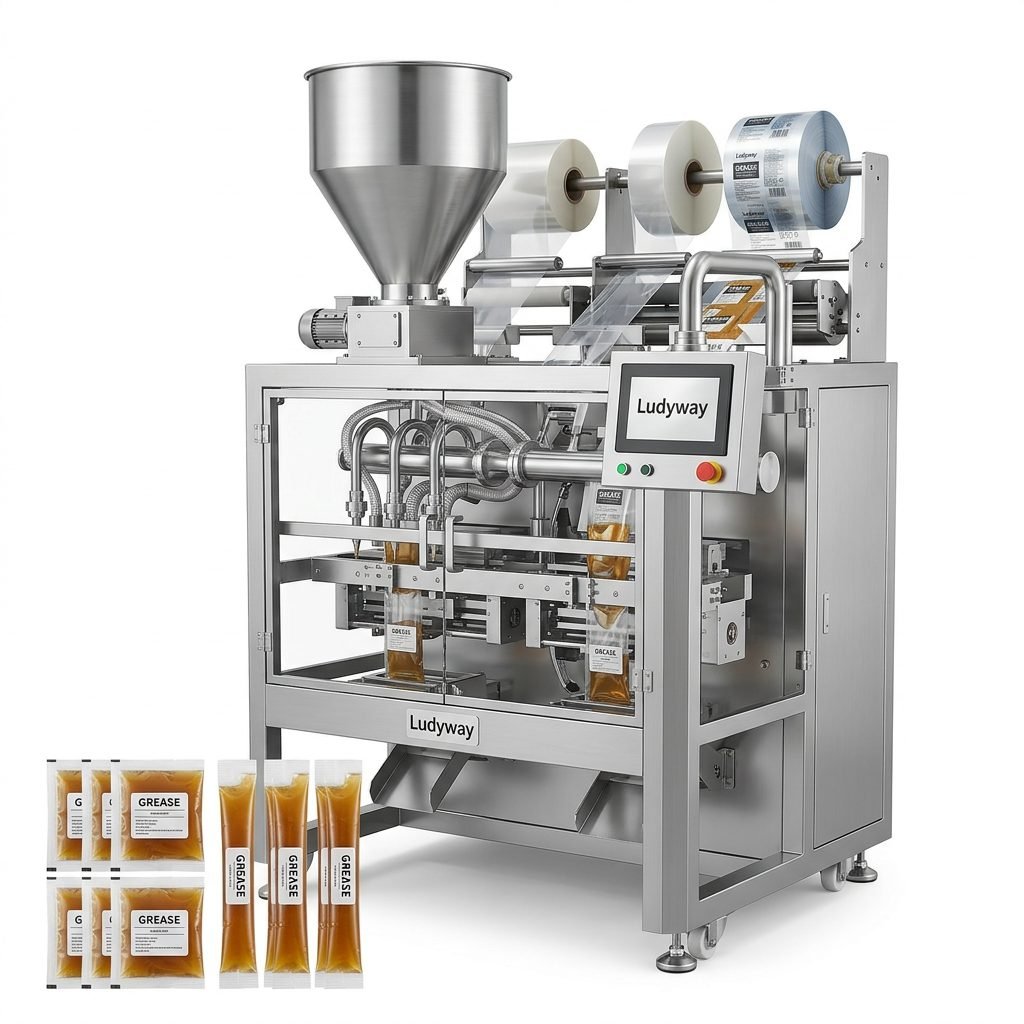
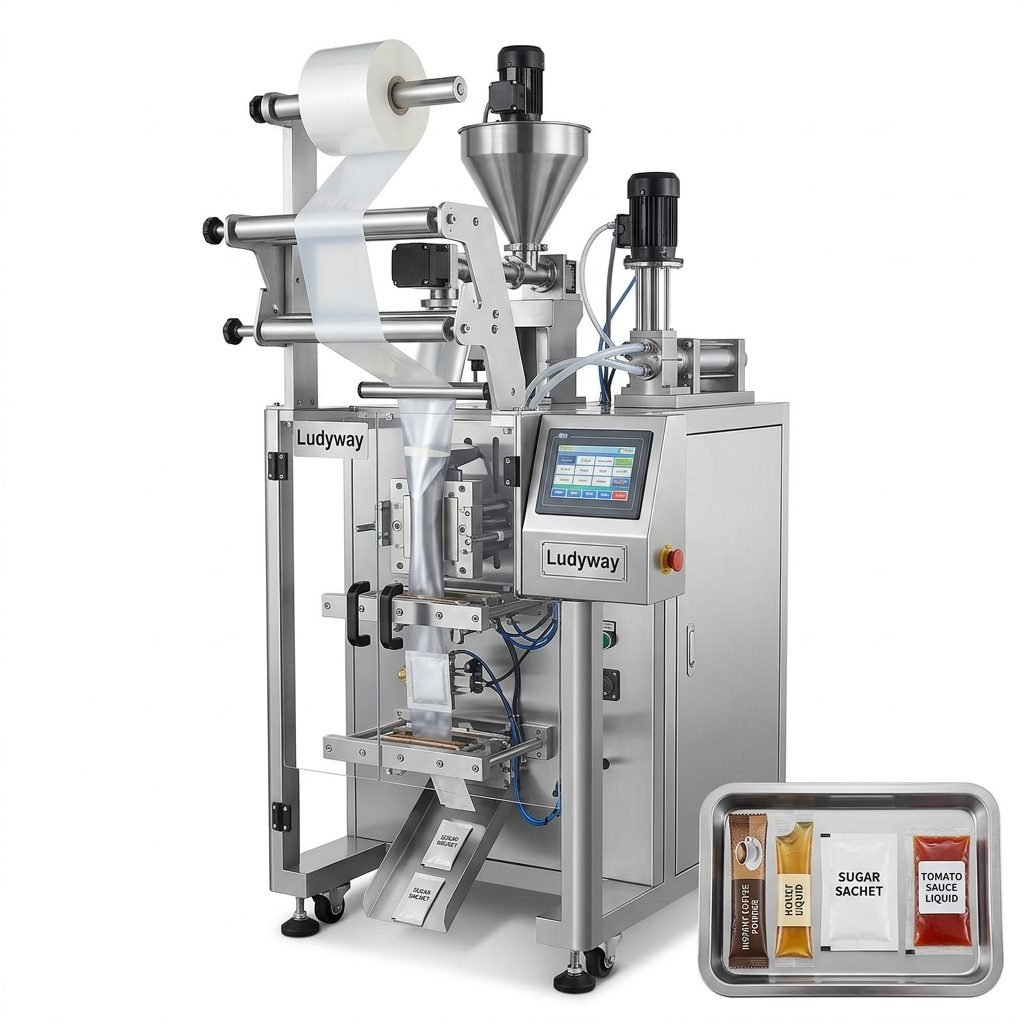
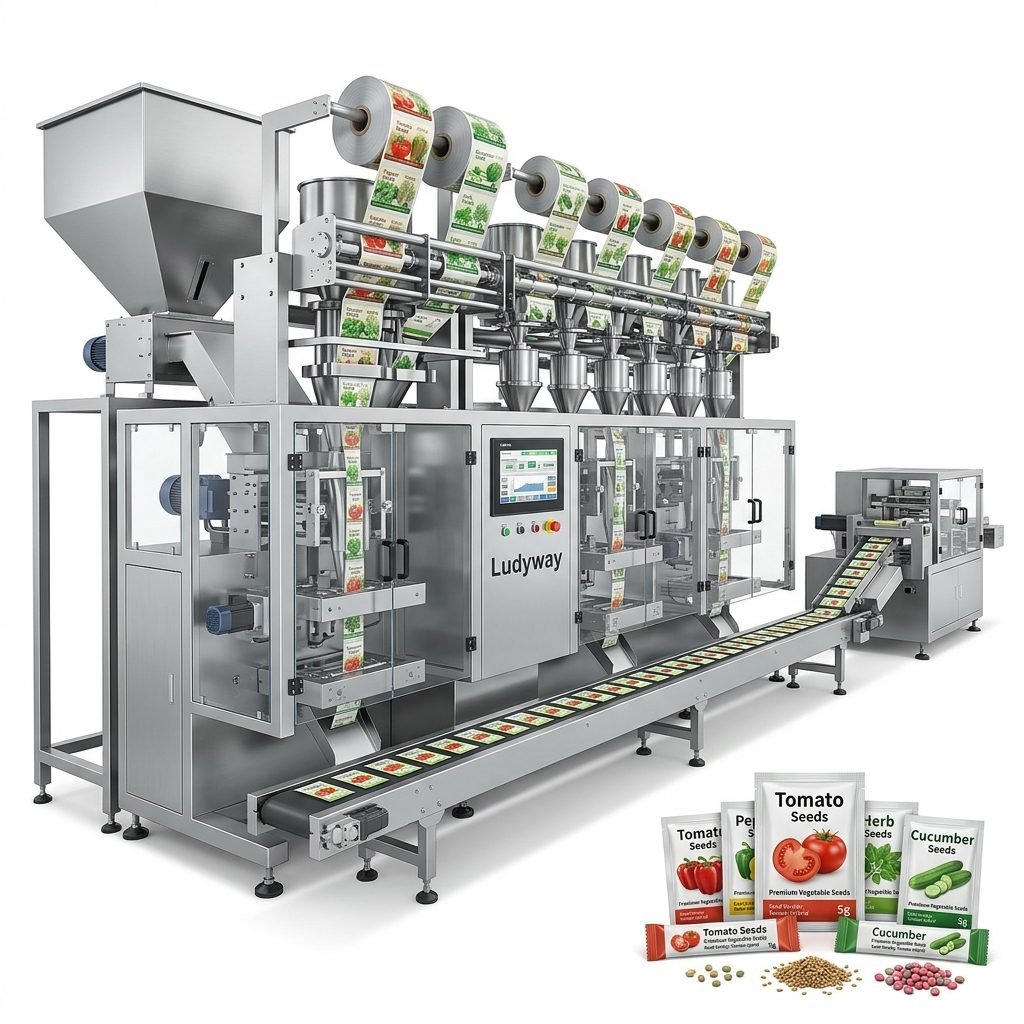
- Primary packaging machine — automatic packaging machine for sachets, stick packs, or pouches
- Secondary packaging equipment — Cartoning, case packing, and palletizing systems
Step 4: Ensure Compliance with Regional Standards
The Middle East has specific regulatory requirements that affect packaging operations. Key standards and certifications to consider include:
- GSO (GCC Standardization Organization) regulations for food packaging materials
- Halal certification requirements for processing and packaging
- ESMA (Emirates Authority for Standardization and Metrology) guidelines in the UAE
- SASO (Saudi Standards, Metrology and Quality Organization) requirements for Saudi Arabia
- ISO 22000 and HACCP food safety management systems
Critical Factors for Production Line Success
Climate Adaptation and Equipment Durability
Packaging machinery operating in the Middle East must be engineered for extreme conditions. High ambient temperatures, fine sand particles, and humidity fluctuations can affect machine performance. When selecting equipment, prioritize stainless steel construction, sealed electronic components, and proven reliability in similar environments. Reference resources from the PMMI packaging industry association provide valuable guidance on equipment standards.
Automation Level and Labor Considerations
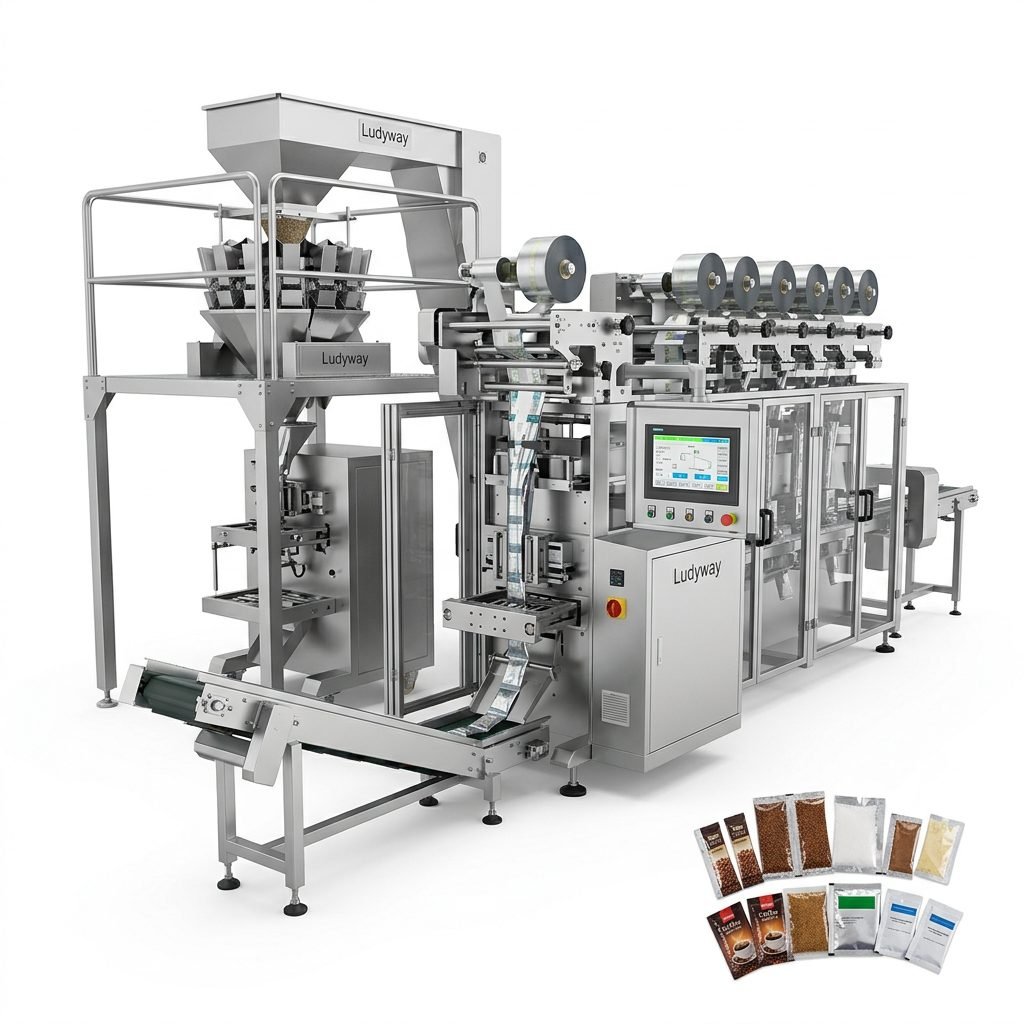
The level of automation you choose should balance initial investment against long-term operational costs. Fully automated turnkey packaging production lines reduce labor dependency — a significant advantage in markets where skilled packaging technicians may be scarce. Semi-automatic solutions may suit smaller operations with lower initial throughput requirements.

Maintenance and After-Sales Support
Reliable technical support and spare parts availability are critical in the Middle East. Before finalizing equipment purchases, verify that the manufacturer offers:
- Remote diagnostic capabilities and online technical support
- Regional service partners or engineer dispatch availability
- Comprehensive spare parts catalog with expedited shipping options
- Operator training programs — both on-site and remote options
Packaging Material Selection for the Middle East Market
Choosing the right packaging film and material structure is as important as selecting the machinery itself. In high-temperature environments, barrier properties and seal integrity become even more critical. Consider these material options:
| Packaging Material | Best Application | Key Benefits |
|---|---|---|
| PET/PE laminates | Frozen vegetable pouches | Excellent moisture barrier, good seal strength |
| Aluminum foil laminates | Dehydrated vegetable sachets | Superior oxygen and light barrier |
| BOPP/CPP films | Stick packs and small sachets | Cost-effective, good clarity for product visibility |
| Biodegradable PLA films | Premium organic vegetable products | Eco-friendly positioning, compostable options |
Investment and ROI Considerations
Setting up a vegetable packaging production line in the Middle East requires strategic capital allocation. The total investment varies significantly based on automation level, production capacity, and equipment origin. A mid-scale fully automatic packaging line capable of producing 50-100 units per minute can typically achieve ROI within 18-36 months depending on product margins and market penetration.
Key Investment Factors
- Equipment cost — Primary packaging machines, auxiliary equipment, and conveyors
- Facility preparation — Temperature-controlled environment, utilities, and floor space
- Installation and commissioning — Engineer deployment, calibration, and testing
- Training and documentation — Operator training, SOPs, and maintenance manuals
- Regulatory approvals — Certification costs, laboratory testing, and inspections
Common Challenges and Solutions
Challenge 1: Maintaining Product Freshness in High Temperatures
Solution: Implement modified atmosphere packaging (MAP) technology and invest in high-barrier film materials. Ensure cold chain integrity from processing to distribution.
Challenge 2: Dust and Particle Contamination
Solution: Select packaging machines with IP65-rated enclosures and integrated dust extraction systems. Schedule regular cleaning and preventive maintenance intervals more frequently than in temperate climates.
Challenge 3: Skilled Labor Shortage
Solution: Opt for fully automated packaging systems with intuitive HMI interfaces. Invest in comprehensive operator training and establish relationships with technical support providers.
Working with Reliable Equipment Manufacturers
Selecting the right equipment partner is one of the most consequential decisions when setting up a packaging line in the Middle East. Look for manufacturers with proven international experience, robust machine designs suited to challenging environments, and responsive after-sales support. Review resources from the Flexible Packaging Association for industry insights and best practices.
Ludyway is one of the largest packaging machine manufacturers in China, specializing in advanced packaging equipment and turnkey production solutions for the food, pharmaceutical, and health industries. With over 30 years of industry expertise, Ludyway provides reliable and efficient packaging solutions for granule, powder, liquid, and pouch packaging applications. Serving customers in over 100 countries and regions, the company offers more than 50 intelligent packaging machine models, including multi-lane stick pack, sachet, and fully automated packaging systems. Supported by a modern 20,000㎡ manufacturing facility and a highly experienced engineering team, Ludyway delivers high-performance packaging solutions that help businesses improve productivity, product quality, and operational efficiency.

Future Trends in Middle East Vegetable Packaging
The Middle East packaging landscape is evolving rapidly. Sustainability initiatives, smart packaging technologies, and increasing automation are shaping the future. Key trends to monitor include:
- Recyclable and compostable packaging — Growing regulatory pressure and consumer awareness
- IoT-enabled packaging lines — Real-time monitoring, predictive maintenance, and data analytics
- Robotic integration — Automated picking, packing, and palletizing to reduce manual handling
- Energy-efficient machinery — Lower operational costs and alignment with regional sustainability goals
Additional Industry Resources
For further reading and industry standards relevant to packaging operations in the Middle East, consult these authoritative sources:
- PMMI Business Intelligence — Packaging Industry Research
- Flexible Packaging Association — Industry Resources
- ISO Packaging Standards
- European Commission — Packaging and Packaging Waste Regulations
Conclusion
Setting up a vegetable packaging machine production line in the Middle East presents a substantial business opportunity for companies that approach the process strategically. Success depends on thorough planning, understanding local market conditions, selecting climate-appropriate equipment, and partnering with experienced packaging machinery manufacturers. By addressing the unique challenges of the region — from high temperatures and dust to regulatory requirements and labor considerations — businesses can build efficient, profitable packaging operations that serve the growing demand across the GCC and broader Middle East markets.