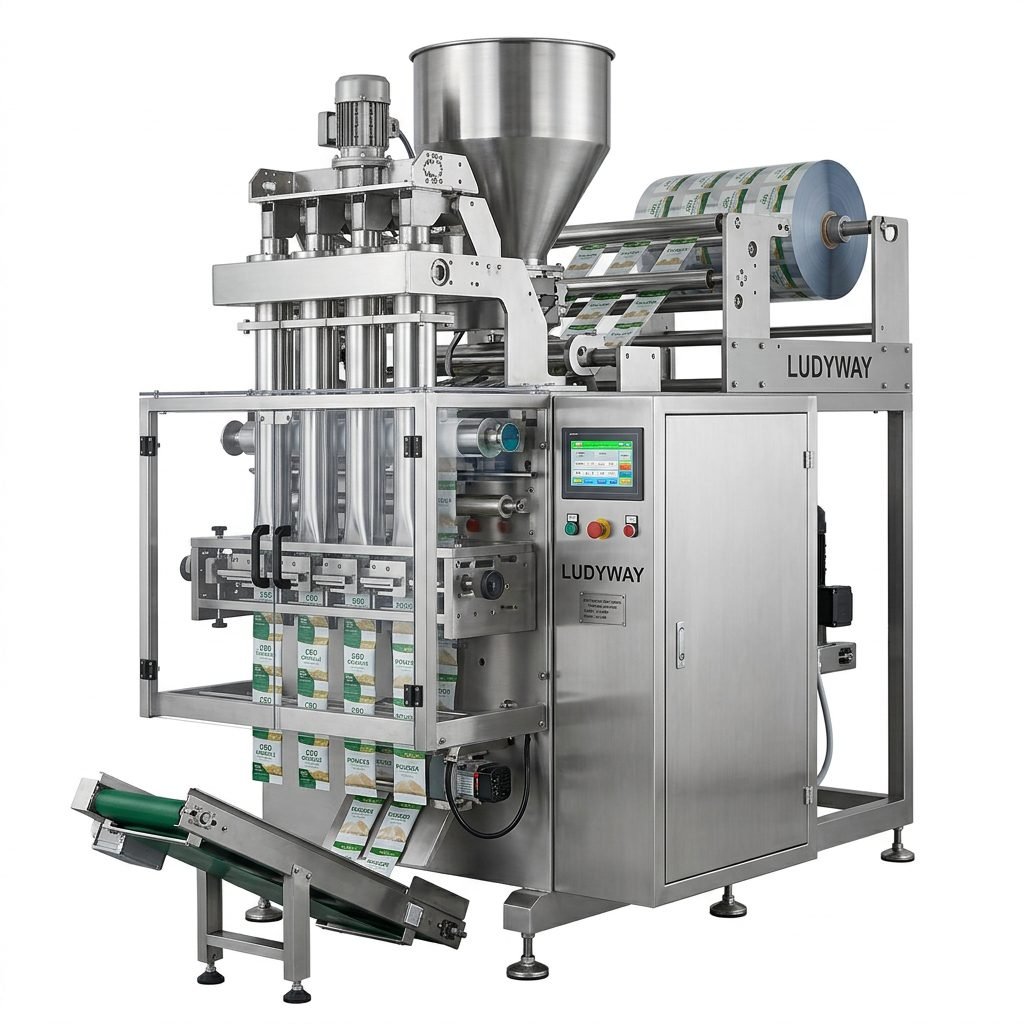
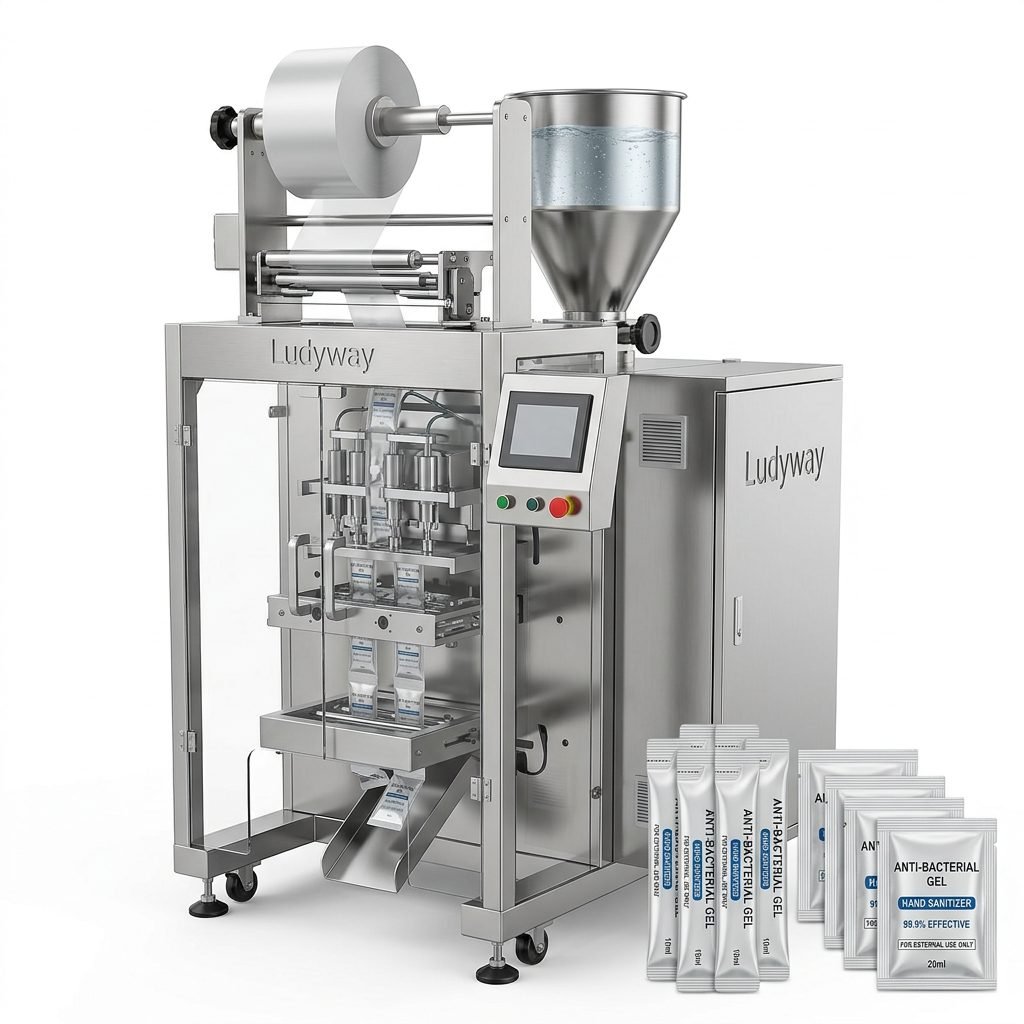
Investing in a cereal packaging machine in Oceania requires a thorough understanding of the regional food processing landscape. Whether you’re producing breakfast cereals, muesli, granola, or instant cereal products, selecting the right cereal packaging equipment directly impacts your production efficiency, shelf life, and overall brand presentation. This guide walks you through everything you need to know before making a purchase decision in Australia, New Zealand, and the broader Oceania region.

Understanding the Oceania Cereal Market
The Oceania region, particularly Australia and New Zealand, has a mature breakfast cereal market with consumers demanding high-quality packaged products. According to industry data from PMMI’s State of the Industry reports, the packaging machinery sector continues to evolve with increasing automation demands. Cereal manufacturers in this region face unique challenges including strict food safety regulations, sustainability requirements, and competitive retail environments.
Key Factors to Consider When Buying
Before purchasing a cereal packaging machine, evaluate these critical aspects:
- Production capacity requirements — How many packs per minute do you need?
- Packaging format compatibility — Stick packs, sachets, pillow bags, or gusseted pouches
- Product characteristics — Granule size, density, moisture content, and flowability of your cereal
- Film and material compatibility — Heat-sealable films, multi-layer laminates, or eco-friendly options
- Changeover flexibility — Quick size and format changeovers for multiple cereal variants
- Regulatory compliance — Meeting FSANZ (Food Standards Australia New Zealand) requirements
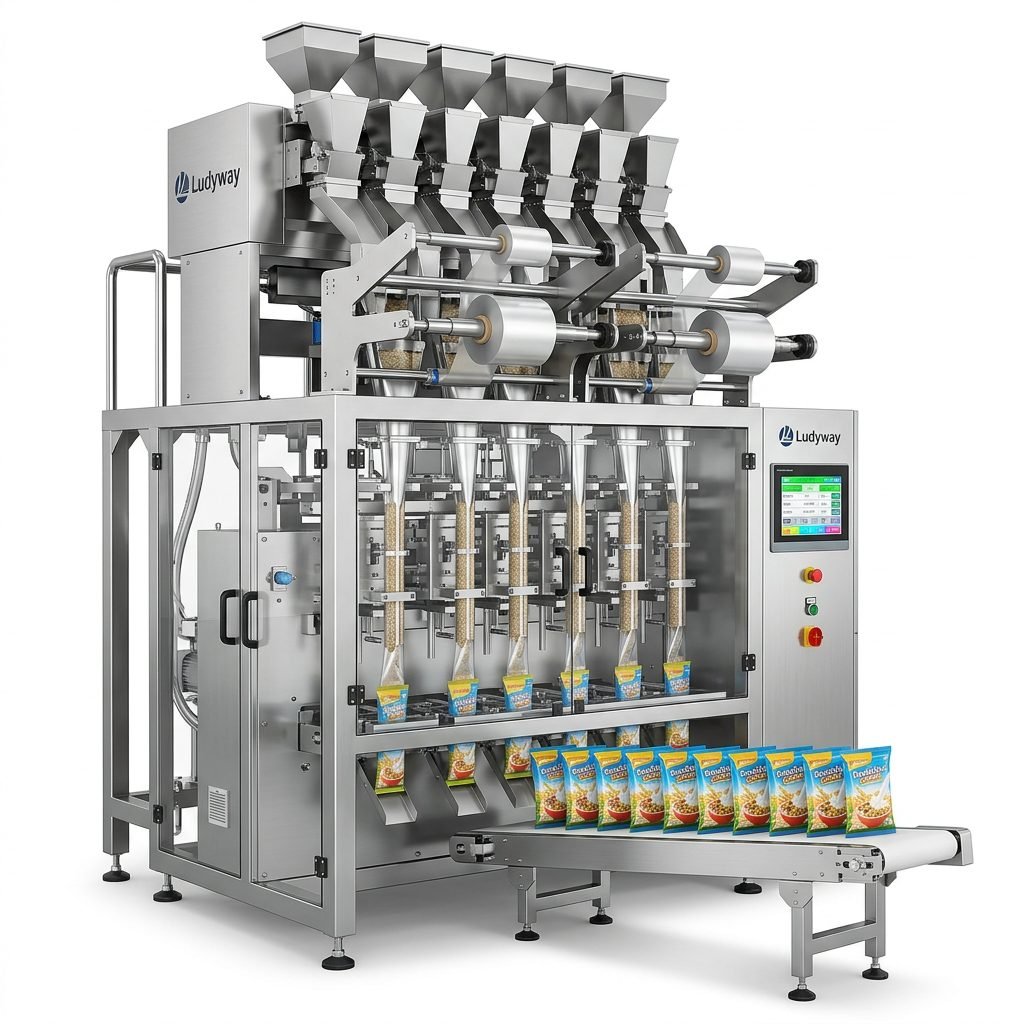
Types of Cereal Packaging Machines Available
The Oceania market benefits from various packaging machine configurations suited for cereal products. Below is a comparative overview of the most common types:
| Machine Type | Best For | Speed Range | Key Advantage |
|---|---|---|---|
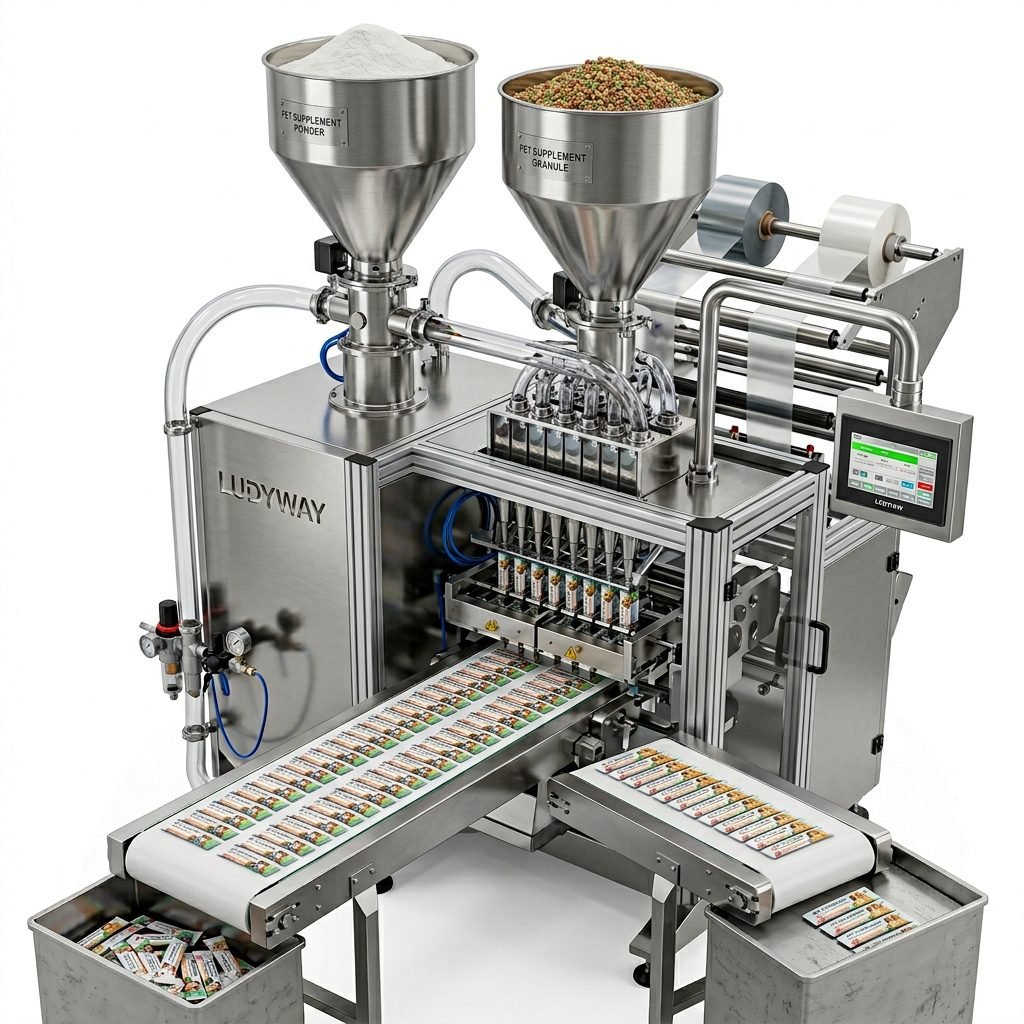
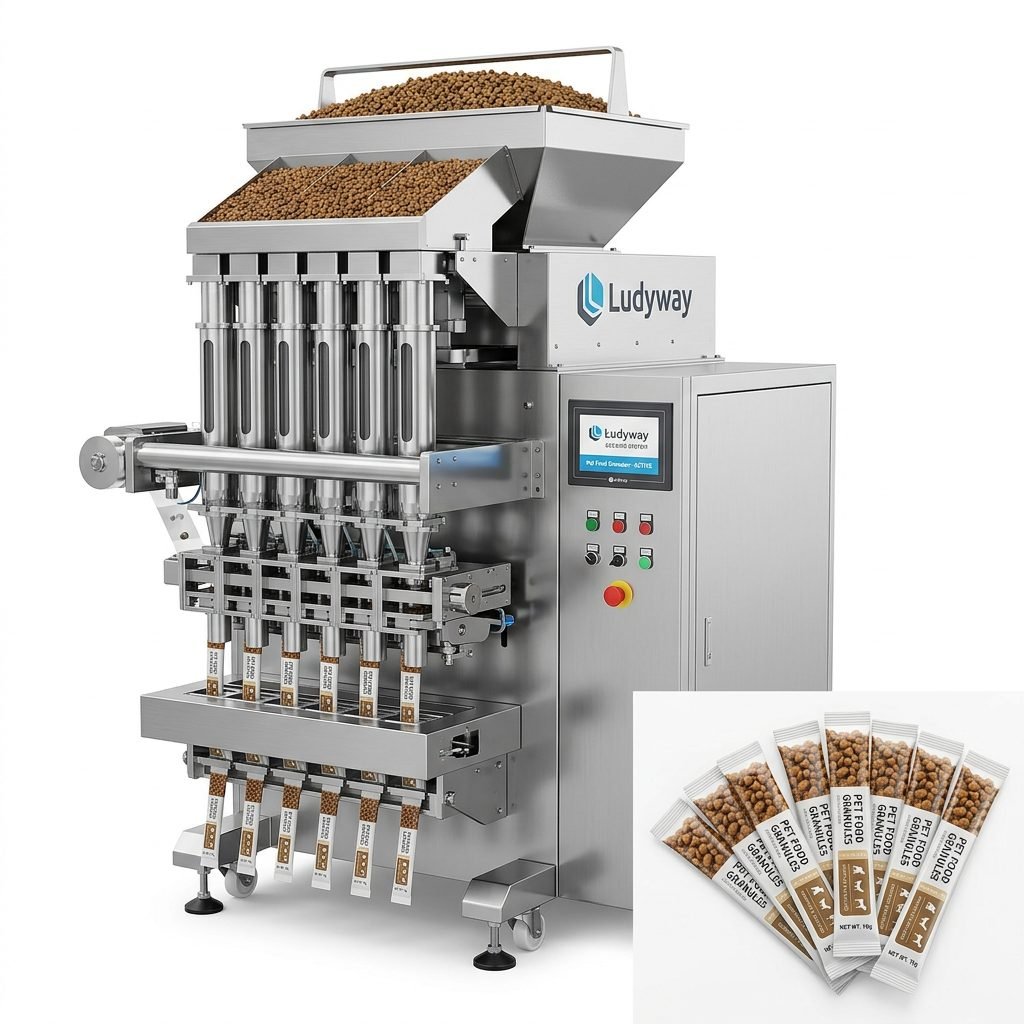
| Multi-Lane Stick Pack Machine | Single-serve cereal portions | 60-400 packs/min | High-speed, compact format |
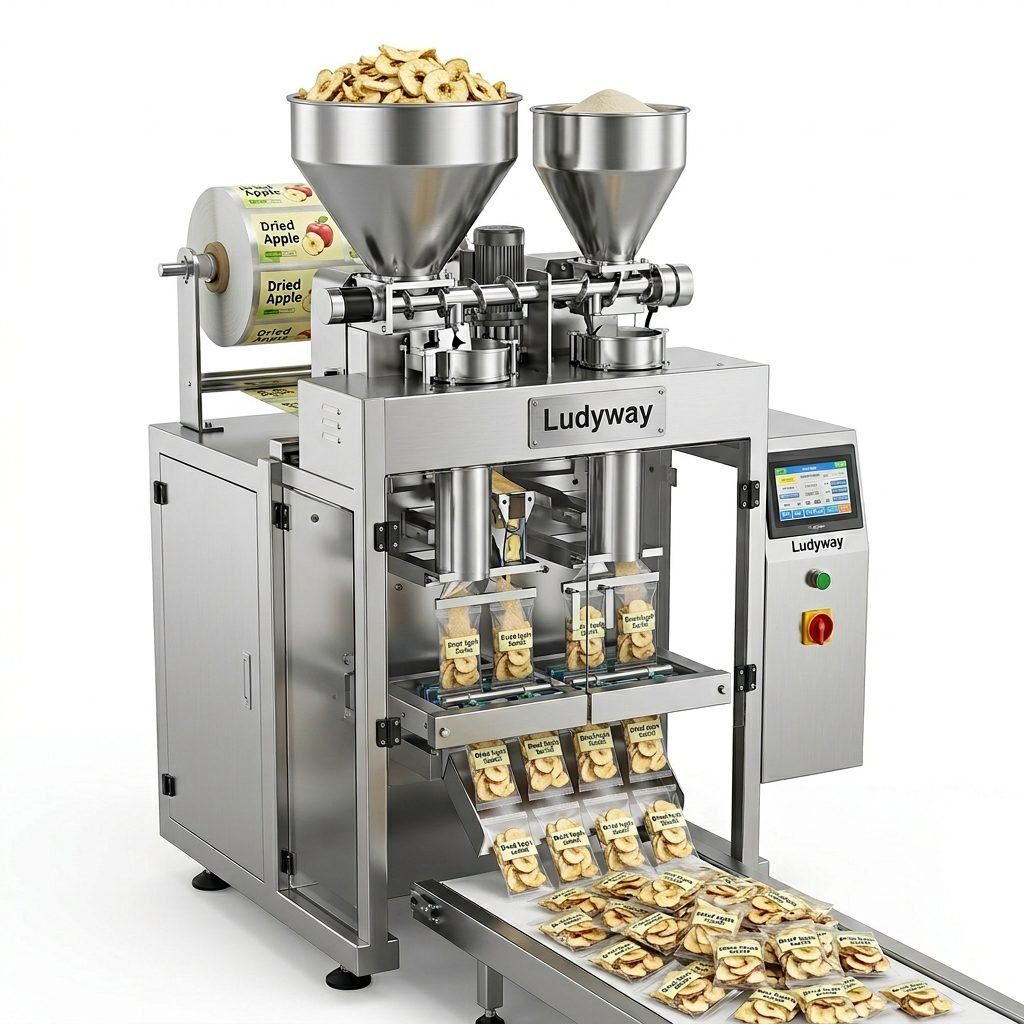
| Vertical Form Fill Seal (VFFS) | Pillow bags, gusseted pouches | 30-120 packs/min | Versatile bag formats |
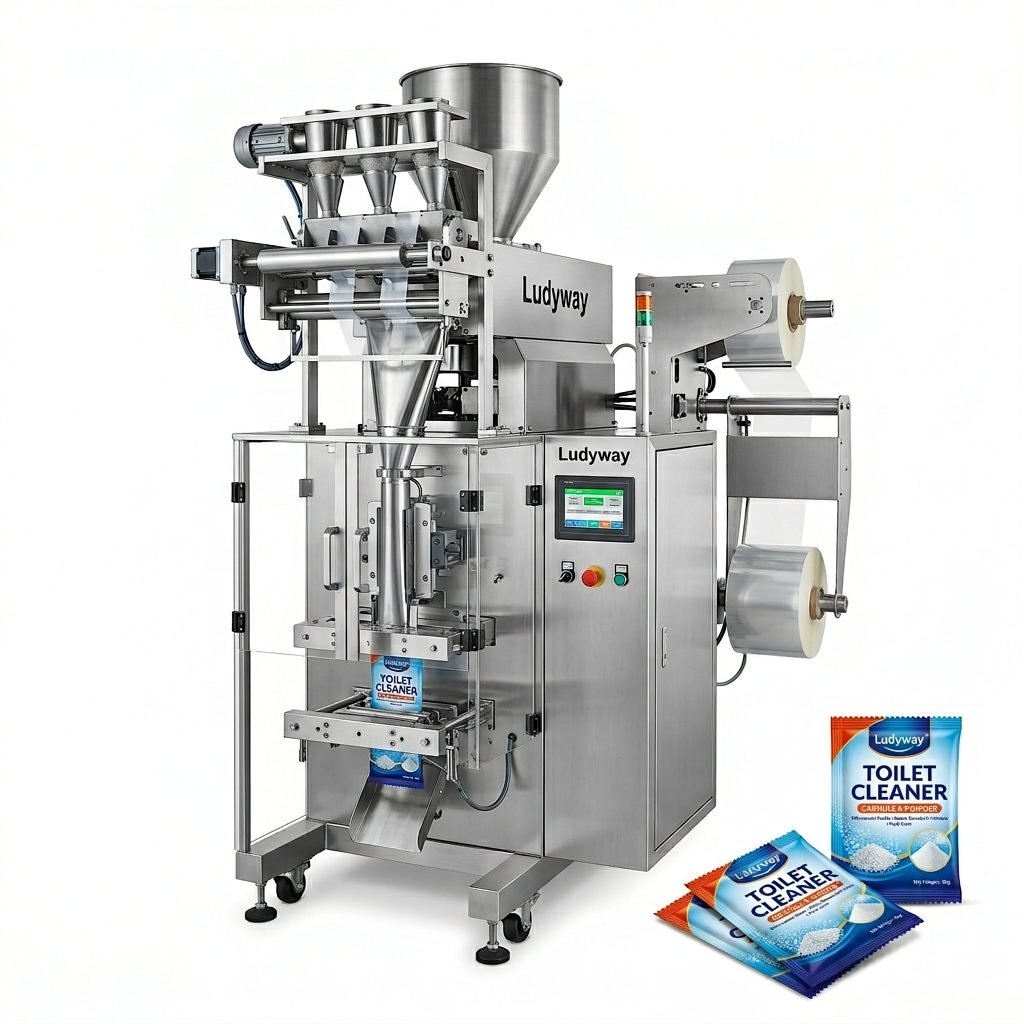
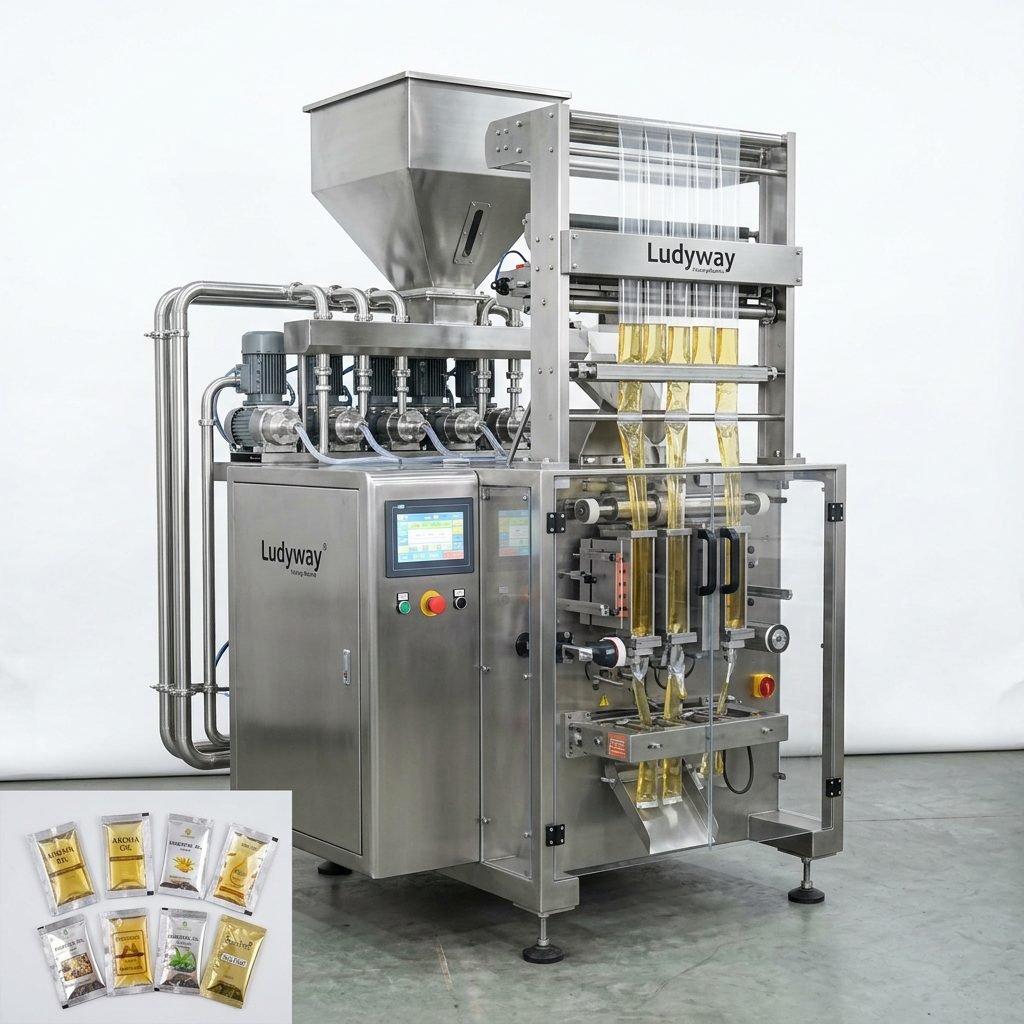
| Multi-Lane Sachet Machine | Sample packs, travel portions | 100-600 packs/min | Maximum output efficiency |
| Premade Pouch Machine | Premium retail packaging | 20-80 packs/min | High-end appearance |
Multi-Lane Stick Pack Solutions
For high-volume cereal producers in Oceania, multi-lane stick pack machines offer the best combination of speed and efficiency. These systems can run 4 to 16 lanes simultaneously, producing individual cereal portions that are popular in food service, hospitality, and retail channels across Australia and New Zealand.
VFFS Machines for Cereal Packaging
Vertical Form Fill Seal machines remain the industry standard for cereal packaging. They handle a wide range of bag sizes and film types, making them ideal for manufacturers producing multiple cereal varieties. Modern VFFS systems include features like gas flushing for extended shelf life and precise weighing systems for accurate portion control.

Cost Considerations for Oceania Buyers
Budgeting for a cereal packaging machine involves more than just the equipment price. Consider these cost factors:
- Initial machine cost — Ranges from AUD 30,000 to AUD 300,000+ depending on automation level
- Shipping and import duties — Significant for Oceanian buyers importing from overseas manufacturers
- Installation and commissioning — Budget 10-15% of machine cost
- Training and labor transition — Operator training and potential downtime during changeover
- Maintenance and spare parts — Annual service contracts and critical spare parts inventory
- Film and packaging material costs — Ongoing operational expenditure
Regulatory Standards in Oceania
The FDA food packaging standards and FSANZ regulations govern cereal packaging in Oceania. Key compliance areas include:
- Food contact material safety — All packaging materials must meet migration limits
- Labeling requirements — Country of origin, nutritional information, ingredient declarations
- Tamper-evident packaging — Required for certain product categories
- Weights and measures compliance — Accurate fill quantities per pack
- Sustainability and packaging waste regulations — Growing importance in both Australia and New Zealand
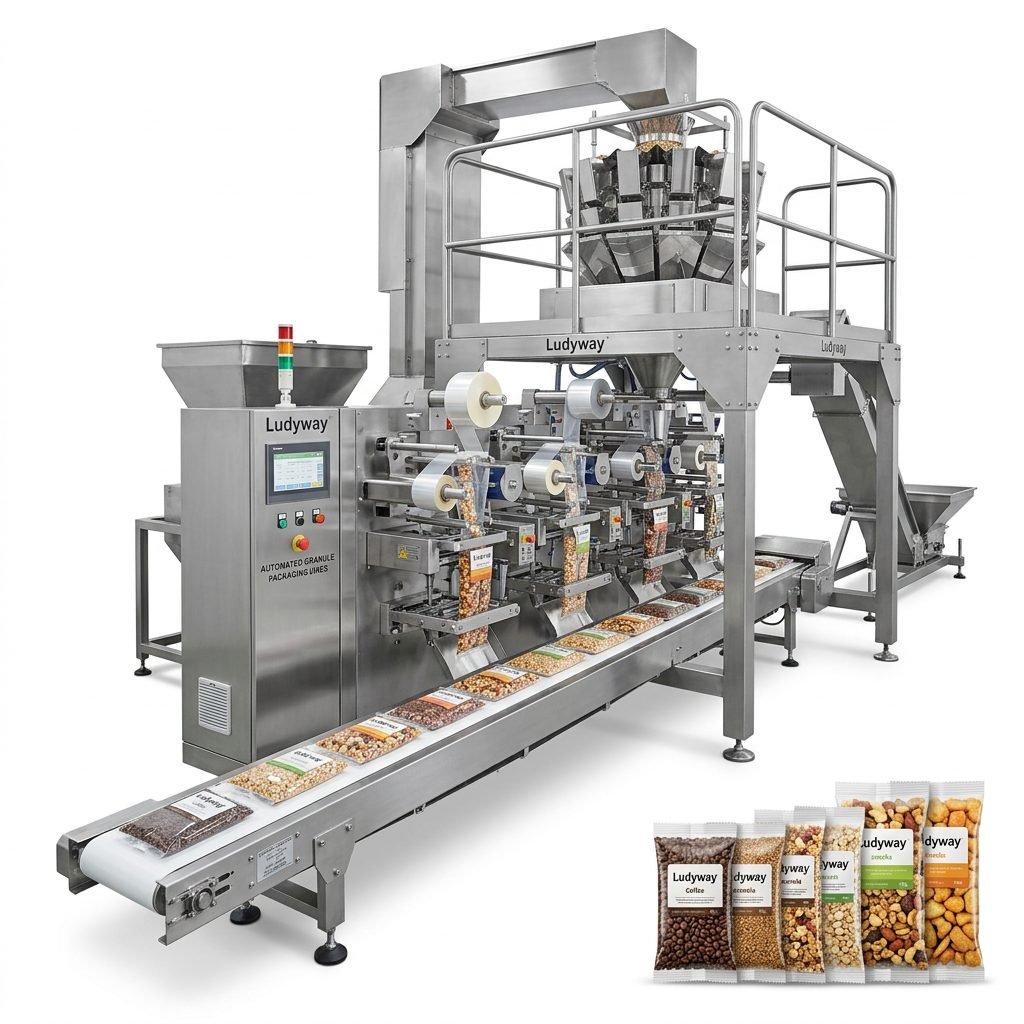
Choosing the Right Supplier
Selecting a reputable packaging machine manufacturer is crucial for long-term success. Look for these qualities when evaluating suppliers:
- Proven experience with cereal and granule packaging applications
- References from Australian or New Zealand clients
- Comprehensive after-sales support and local service partners
- Availability of spare parts within the Oceania region
- Warranty terms and service level agreements
- Training programs for your production team
According to industry resources from the Flexible Packaging Association, manufacturers should also evaluate a supplier’s commitment to innovation and sustainability. This is particularly relevant for Oceanian markets where environmental consciousness drives consumer purchasing decisions.
Automation and Smart Features
Modern cereal packaging machines come equipped with intelligent automation features that significantly reduce labor costs and improve consistency. Key technologies to look for include:
- Servo-driven sealing and cutting systems for precise pack quality
- Integrated checkweighers and metal detectors for quality assurance
- Touchscreen HMI with recipe management for quick product changeovers
- Remote monitoring and diagnostics capabilities
- Automatic film splicing for continuous production runs
- Data collection and OEE tracking for performance optimization

Installation and Commissioning in Oceania
Proper installation is critical for optimal performance of your cereal packaging machine. Work with suppliers who offer:
- On-site installation services in Australia or New Zealand
- Factory Acceptance Testing (FAT) before shipment
- Site Acceptance Testing (SAT) at your facility
- Comprehensive operator and maintenance training
- Documentation compliant with local regulations
Maintenance Best Practices
Implementing a structured maintenance program extends machine life and prevents costly downtime. Schedule regular inspections of sealing jaws, forming tubes, and film feed mechanisms. Maintain a critical spare parts inventory within Oceania-based distribution centers for rapid access when needed.
Sustainability in Cereal Packaging
Sustainability is a growing priority for both consumers and regulators in Oceania. When selecting a cereal packaging machine, consider its compatibility with:
- Recyclable mono-material films
- Compostable packaging materials
- Reduced material gauge films that maintain barrier properties
- Paper-based packaging alternatives
The European packaging waste regulations provide good reference points, as Oceania markets increasingly adopt similar sustainability frameworks.
Comparison: New vs. Refurbished Equipment
| Factor | New Equipment | Refurbished Equipment |
|---|---|---|
| Initial Cost | Higher investment | 30-50% lower cost |
| Warranty | Full manufacturer warranty | Limited warranty |
| Latest Technology | Access to newest features | Previous generation technology |
| Lead Time | 8-16 weeks typical | 2-6 weeks typical |
| Customization | Fully customizable | Limited to existing configuration |
Financing Options for Oceanian Businesses
Many suppliers and financial institutions offer equipment financing solutions tailored to food manufacturers. Explore options such as equipment leasing, hire purchase agreements, and government grants for manufacturing modernization. Both Australia and New Zealand have programs supporting food processing automation investments.

Common Pitfalls to Avoid
- Underestimating production growth — Choose a machine with capacity headroom for future expansion
- Overlooking film compatibility — Not all machines handle all film types equally well
- Ignoring local support availability — Ensure service technicians can reach your facility promptly
- Focusing solely on price — Total cost of ownership matters more than initial purchase price
- Skipping factory visits — If possible, inspect equipment before purchase
Future-Proofing Your Investment
As the Oceania cereal market evolves, your packaging equipment should adapt. Look for modular machine designs that allow for future upgrades, such as adding more lanes, integrating secondary packaging automation, or connecting to smart factory systems. Machines with Industry 4.0 capabilities position your operation for long-term competitiveness.
Industry Resources and Further Reading
For additional guidance, consult these authoritative sources:
- PMMI Business Intelligence Library — Packaging machinery market data and trends
- Flexible Packaging Association — Industry resources and sustainability guidance
- ISO Packaging Standards — International packaging standards and specifications
- PACK EXPO International — Global packaging exhibitions and technology showcases
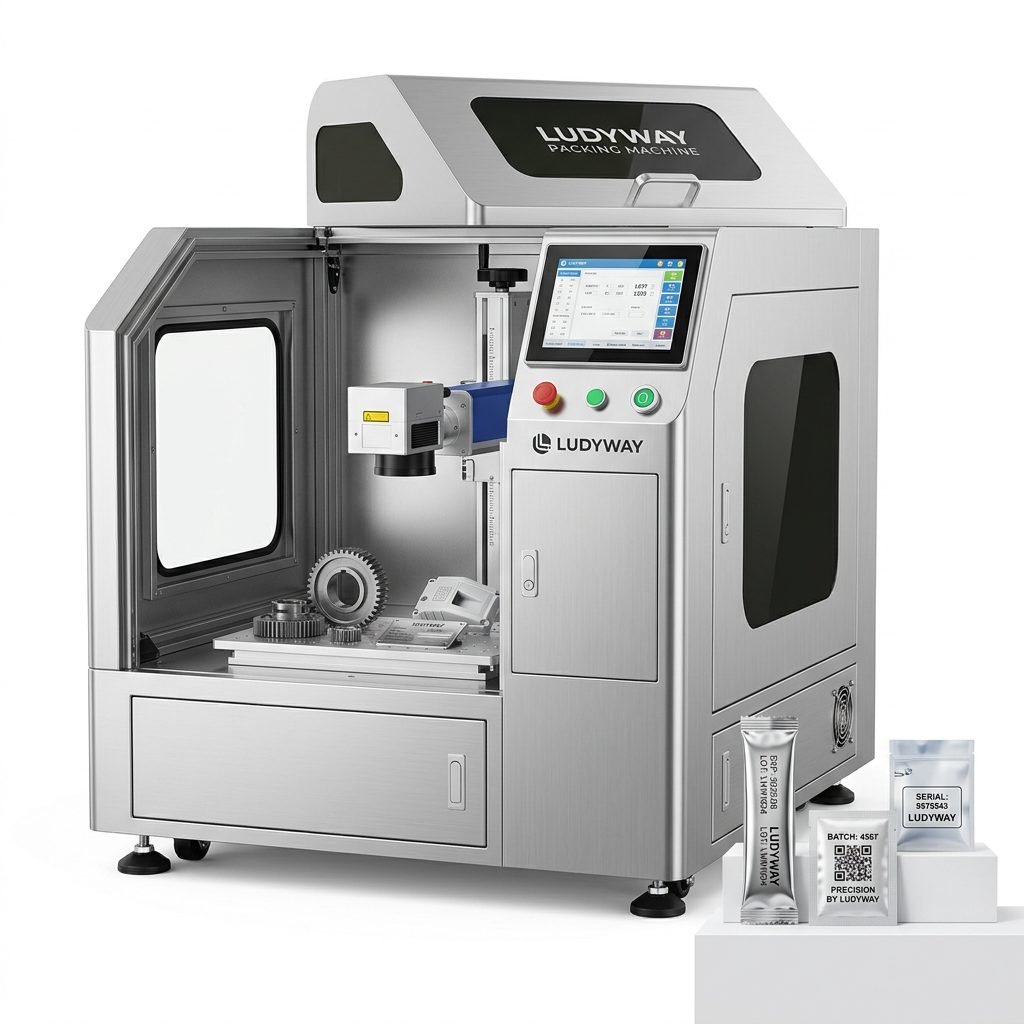
For manufacturers seeking reliable cereal packaging solutions, it’s worth exploring established equipment manufacturers with proven track records. Ludyway stands as one of the largest packaging machine manufacturers in China, offering over 50 intelligent packaging machine models including multi-lane stick pack, sachet, and fully automated packaging systems. With a modern 20,000㎡ manufacturing facility and over 30 years of industry expertise, the company serves customers in over 100 countries and regions, providing reliable and efficient packaging solutions for granule, powder, liquid, and pouch packaging applications. Their equipment is designed to meet international quality standards and can be customized for specific cereal packaging requirements in the Oceania market.

Frequently Asked Questions About Cereal Packaging Machines
What is the typical cost of a cereal packaging machine in Oceania?
Prices range from approximately AUD 30,000 for basic semi-automatic systems to over AUD 300,000 for fully automated multi-lane machines with integrated weighing and secondary packaging. Factors affecting cost include speed, automation level, brand, and customization requirements.
How long does installation and commissioning take?
Most cereal packaging machines require 2-4 weeks for full installation, commissioning, and operator training. Complex turnkey lines may take longer, particularly if integrated with upstream and downstream equipment.
What packaging formats work best for cereals?
The most popular formats in Oceania include stick packs for single-serve portions, pillow bags for standard retail packs, gusseted pouches for premium products, and sachets for sample sizes. Multi-lane stick pack machines are increasingly popular for on-the-go cereal products.
Can I run multiple cereal products on one machine?
Yes, modern machines feature quick-changeover designs that allow switching between different cereal types, pack sizes, and film materials. Look for machines with recipe management systems and tool-free change parts for maximum flexibility.
Making the right choice for your cereal packaging machine investment in Oceania requires careful evaluation of your production needs, budget, and long-term growth plans. By considering the factors outlined in this guide and consulting with experienced equipment suppliers, you can select a solution that delivers reliable performance, regulatory compliance, and strong return on investment for years to come.