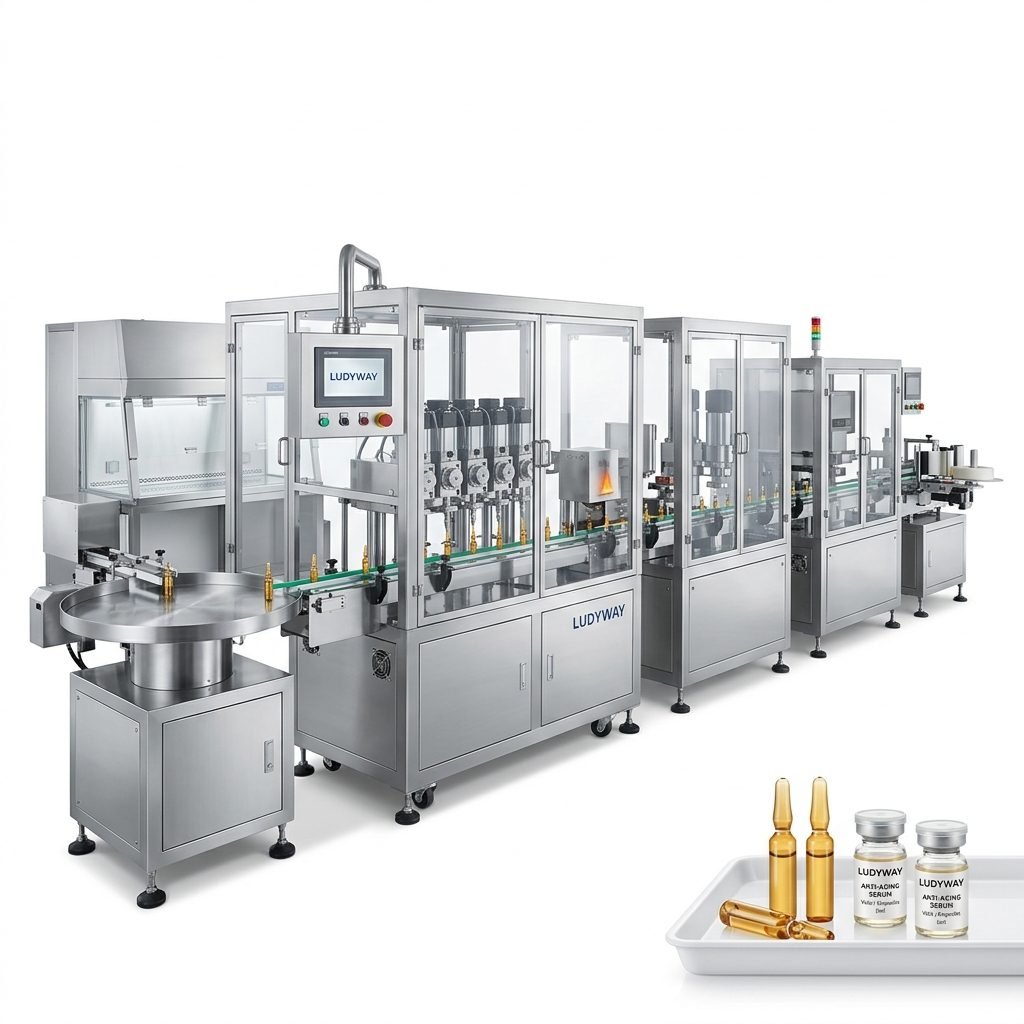
Expanding into international markets with peanut butter products requires more than just a great recipe. The right peanut butter packaging machine and production line setup can make the difference between a successful global launch and costly delays. Peanut butter, with its viscous, semi-solid consistency and varying formulations—from smooth to crunchy, natural to stabilized—demands highly specialized filling and sealing equipment. This guide walks you through every step of setting up a peanut butter packaging machine production line optimized for diverse international standards, packaging formats, and consumer expectations.
Understanding Global Peanut Butter Packaging Demands
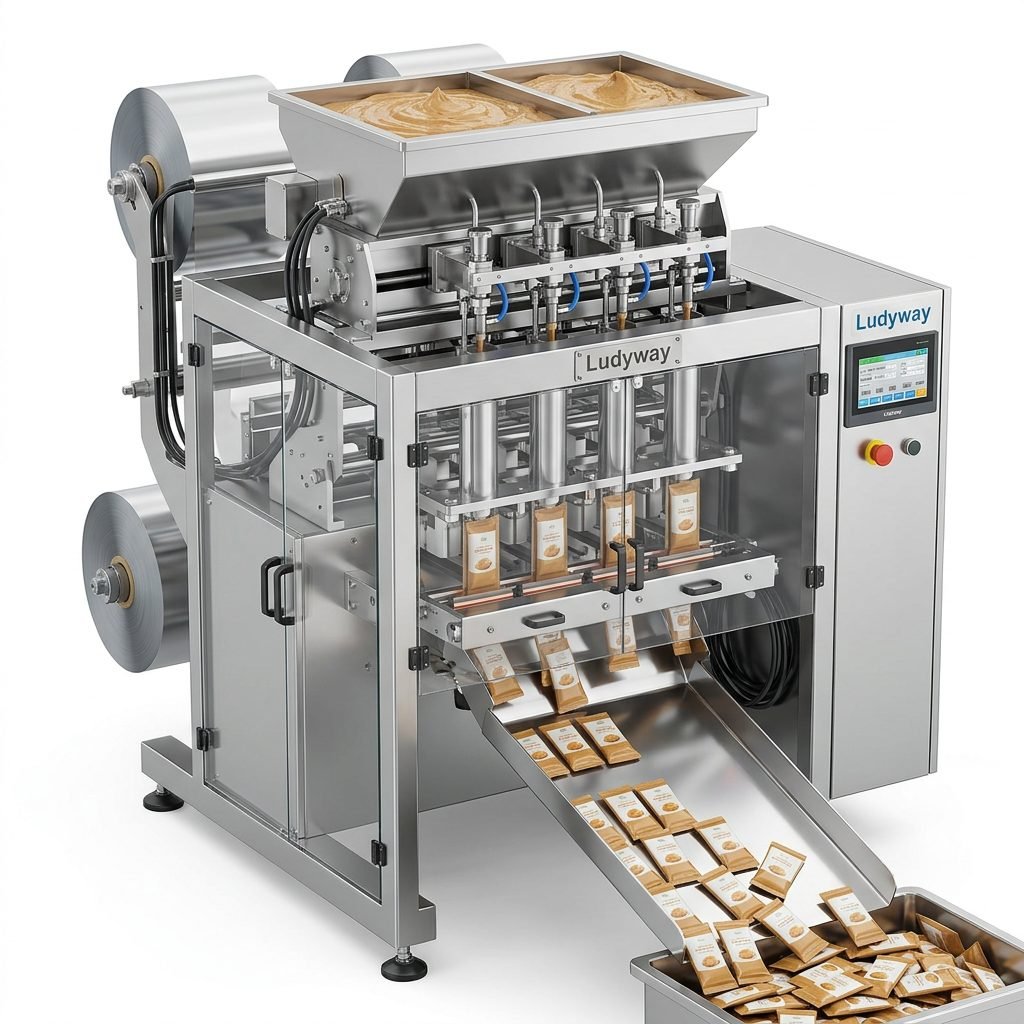
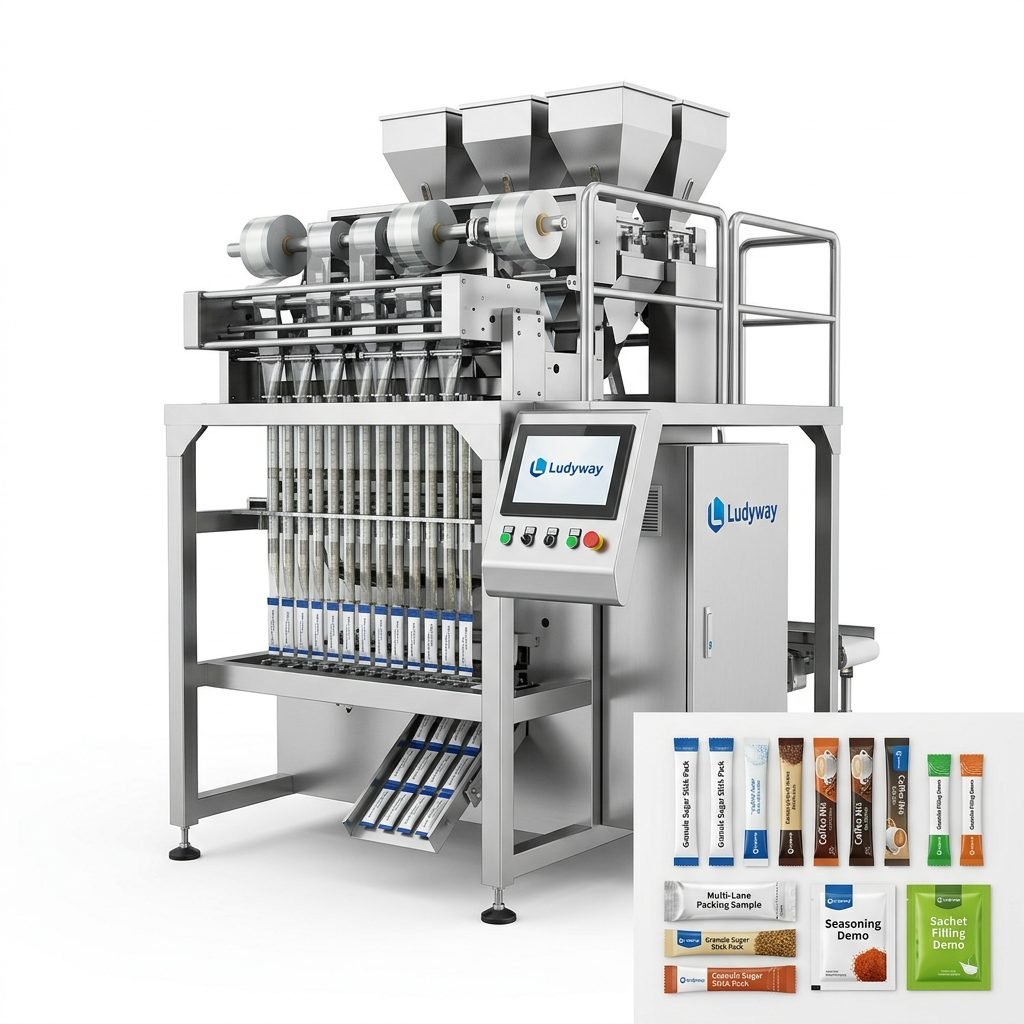
Before selecting equipment, it is essential to recognize how packaging requirements shift across regions. In North America and Europe, single-serve stick packs and sachets are increasingly popular for on-the-go consumption, while jars and pouches remain dominant for household use. In emerging markets across Southeast Asia, Africa, and Latin America, flexible sachets offer an affordable entry point for consumers. A well-designed stick pack packaging machine can handle multiple formats, allowing you to pivot quickly between different packaging styles as market demands evolve. Key regional factors include climate considerations—peanut butter packaged for tropical markets requires superior barrier films to prevent oil separation and rancidity—as well as local regulatory labeling requirements and portion size preferences.
Core Components of a Turnkey Peanut Butter Packaging Line
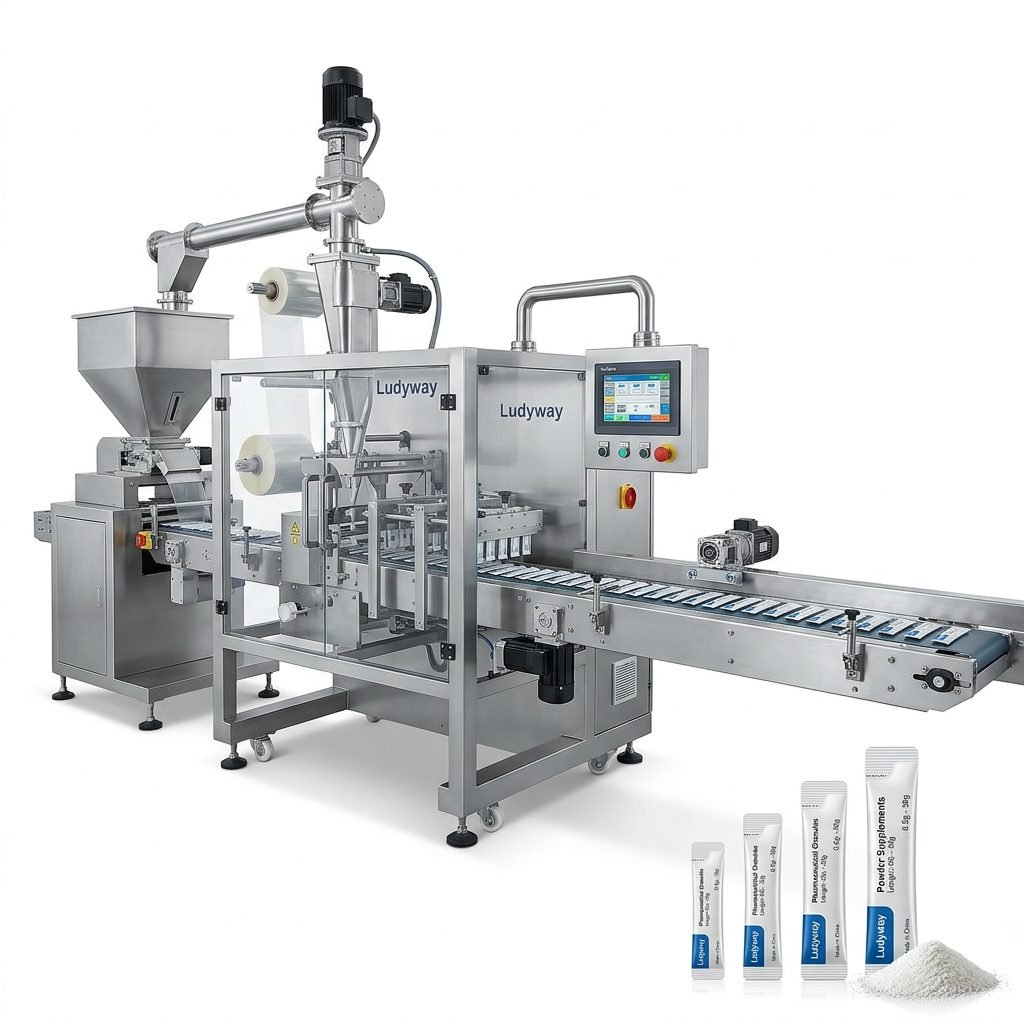
Building a complete production line involves integrating several critical pieces of machinery into a seamless, automated workflow:
Automated Feeding and Precision Dosing System
Peanut butter’s thick, sticky nature requires positive displacement piston fillers or servo-driven auger fillers designed specifically for viscous products. Accurate portion control is critical—not only for consumer satisfaction but also for regulatory compliance in markets with strict net weight laws. Advanced dosing systems feature anti-drip nozzles, temperature-controlled hoppers to maintain ideal product viscosity, and quick-change mechanisms that reduce downtime during product changeovers between smooth and crunchy varieties.
Multi-Lane Stick Pack and Sachet Forming Unit
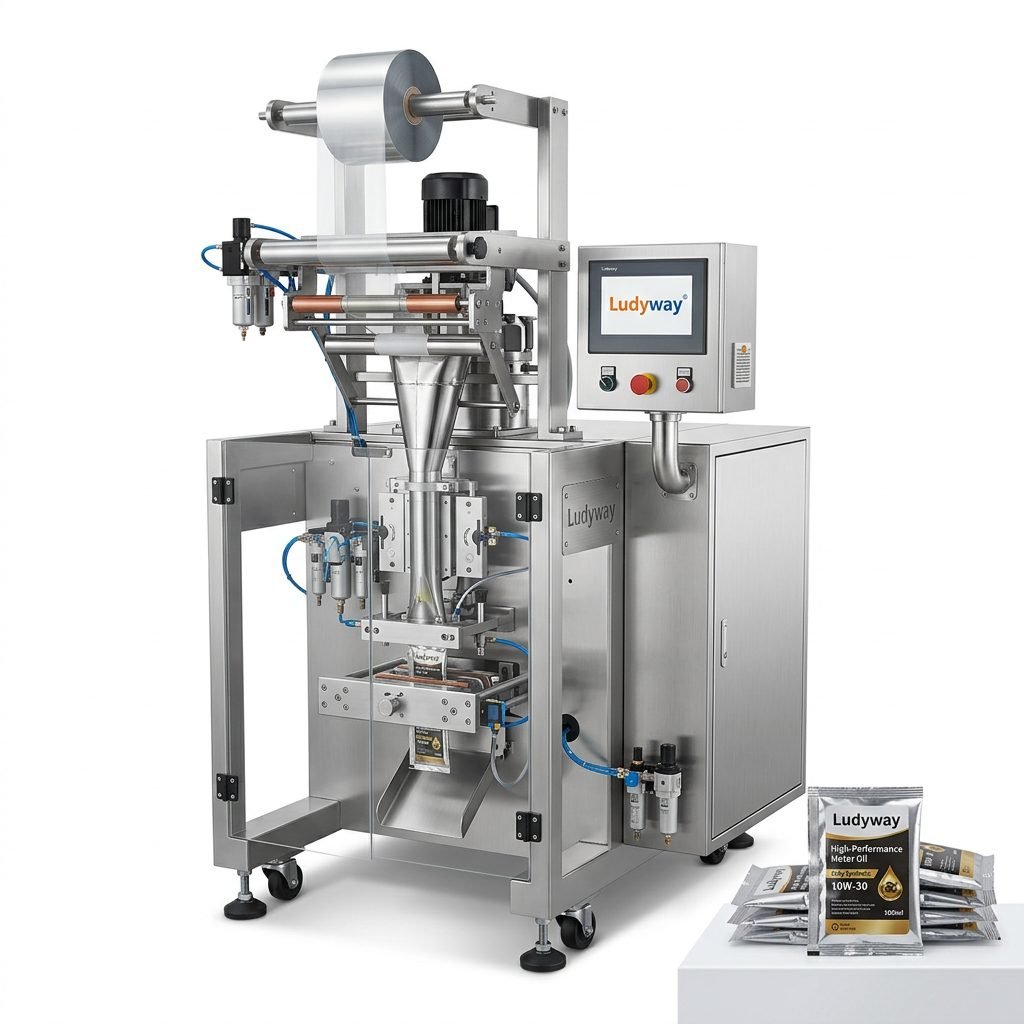
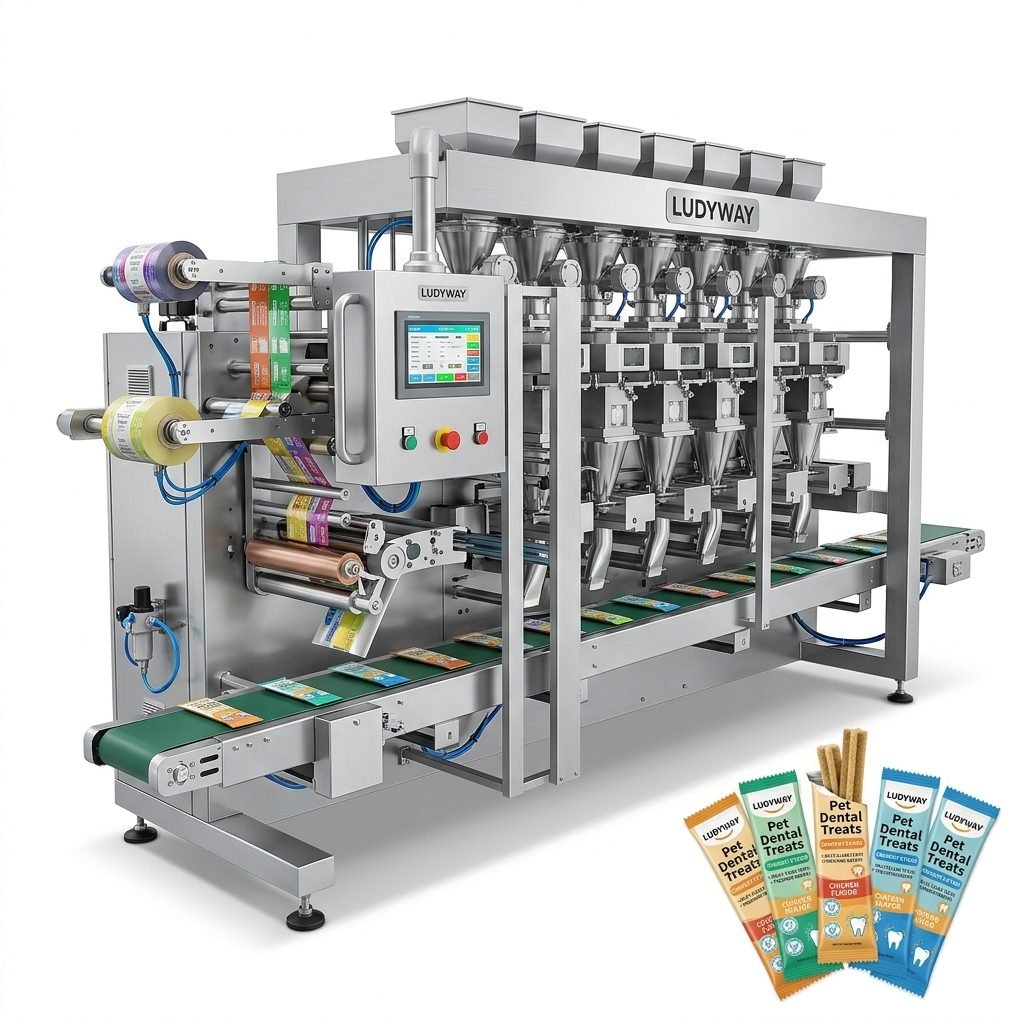
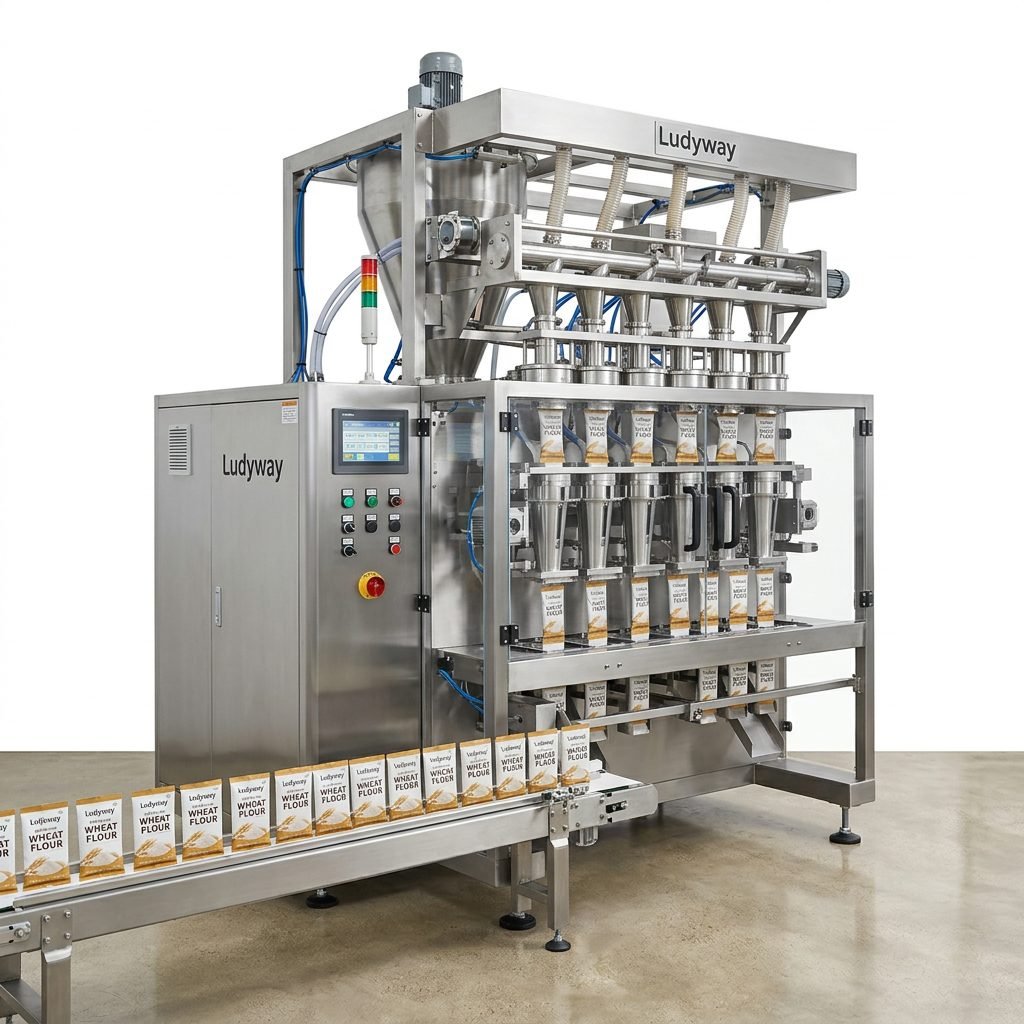
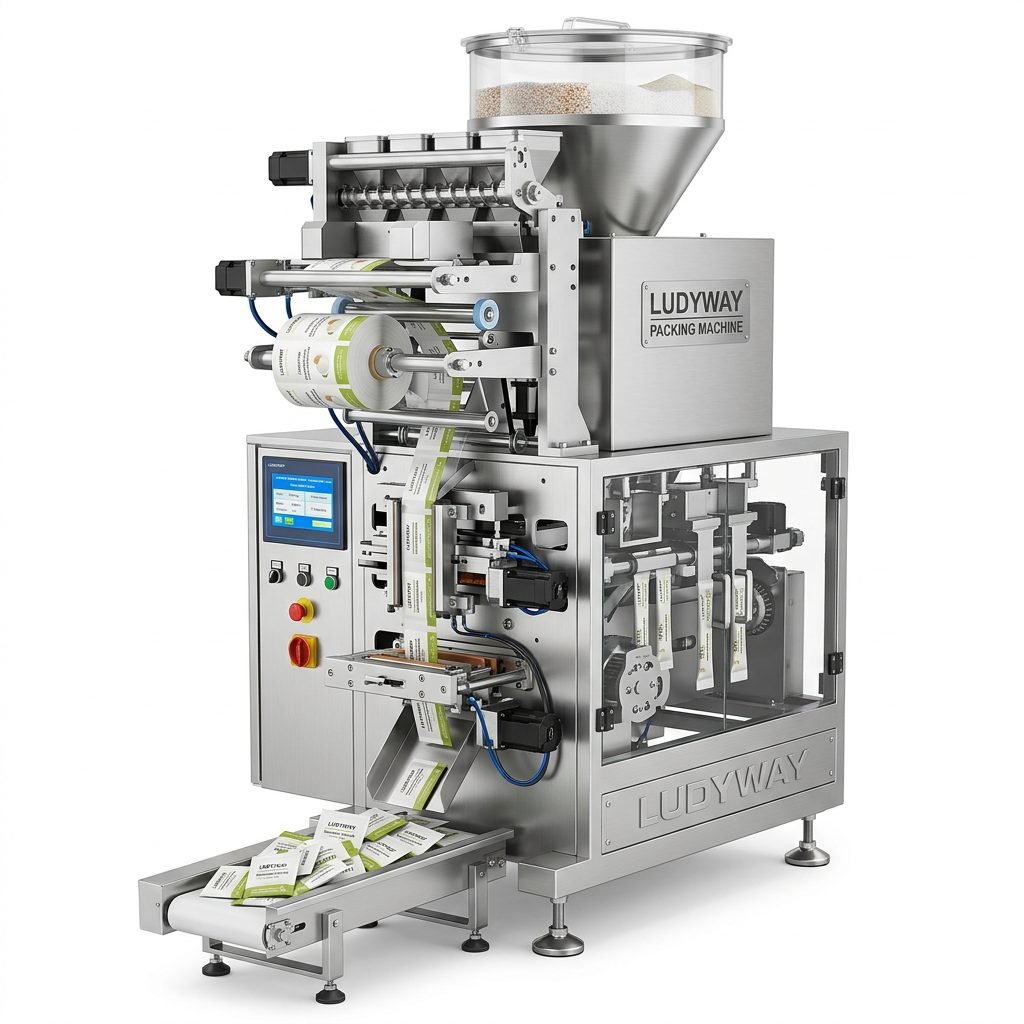
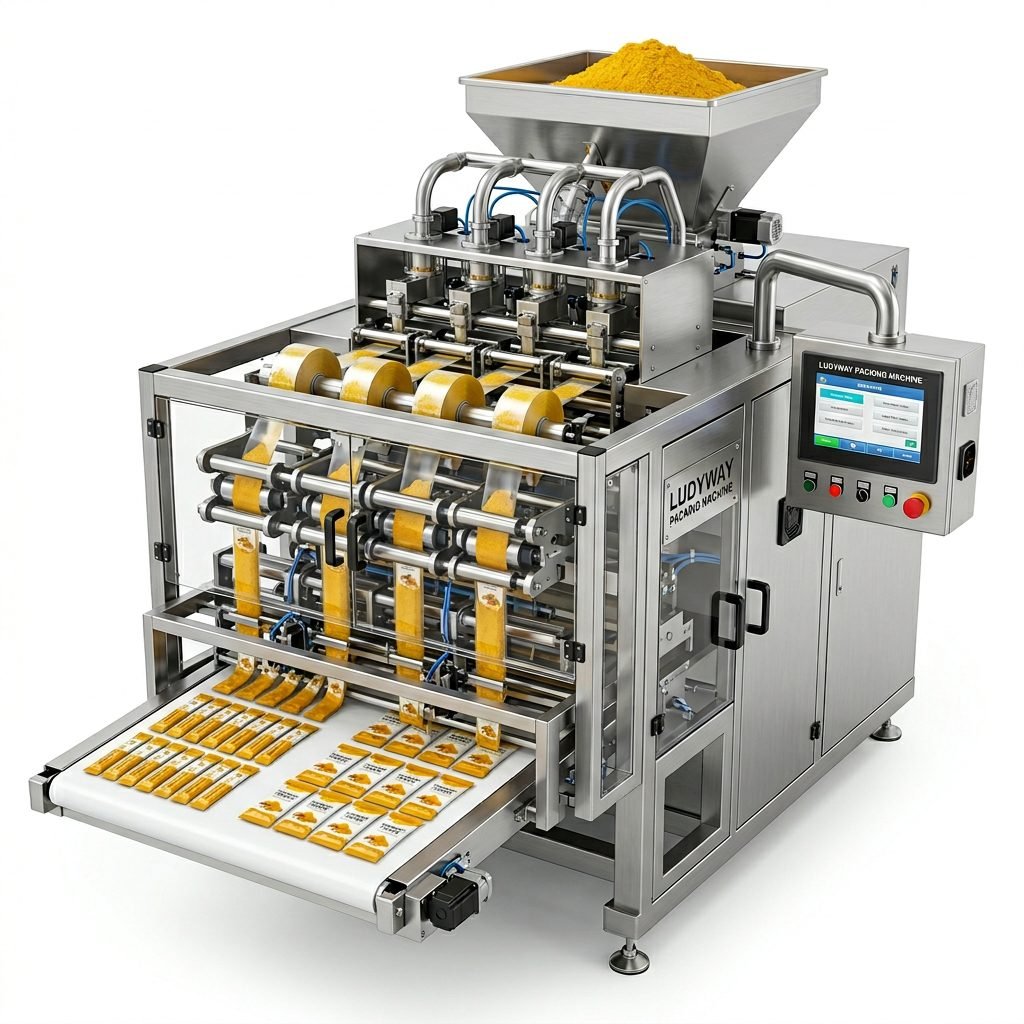
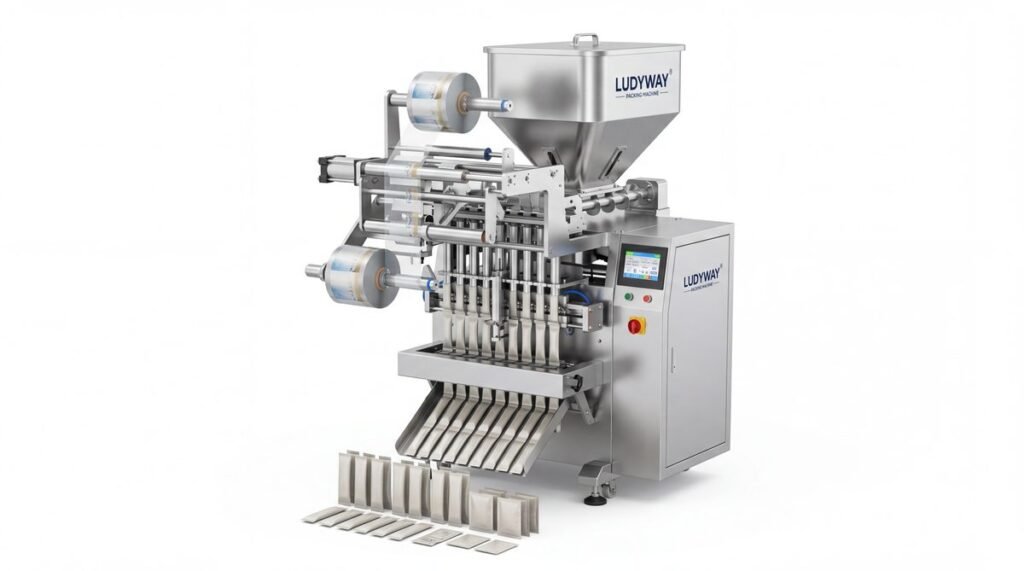
For single-serve formats, a high-speed multi-lane stick pack machine is the heart of the operation. These systems can run 4 to 12 lanes simultaneously, dramatically increasing output while maintaining consistent fill accuracy. Vertical form-fill-seal (VFFS) technology pulls packaging film from a roll, forms it into individual lanes, fills each lane with the precise amount of product, and seals the packs—all in a continuous motion. The latest servo-driven models offer lane-by-lane independent control, meaning if one lane experiences an issue, the others continue running without interruption.
Sealing Technology for Oil-Based Products
Peanut butter presents unique sealing challenges due to its high oil content. Standard heat-sealing jaws can be compromised if even trace amounts of oil contaminate the seal area. High-performance machines incorporate serrated sealing patterns, vacuum-assisted seal bars, and automated seal integrity monitoring. For markets requiring extended shelf life, modified atmosphere packaging (MAP) options can be integrated to flush oxygen from the headspace before final sealing, significantly slowing the oxidation process that leads to rancidity.
| Feature | Standard Machines | Advanced Multi-Lane Solutions |
|---|---|---|
| Filling Accuracy | ±3-5% | ±0.5-1% |
| Production Speed | 40-60 packs/min | 200-600 packs/min (multi-lane) |
| Oil-Resistant Sealing | Standard heat seal | Serrated jaw + vacuum assist |
| LAN Connectivity | Limited or none | Full IIoT remote diagnostics |
| Format Flexibility | 1-2 formats | 4+ formats (stick, sachet, pouch) |
Coding, Inspection, and End-of-Line Automation
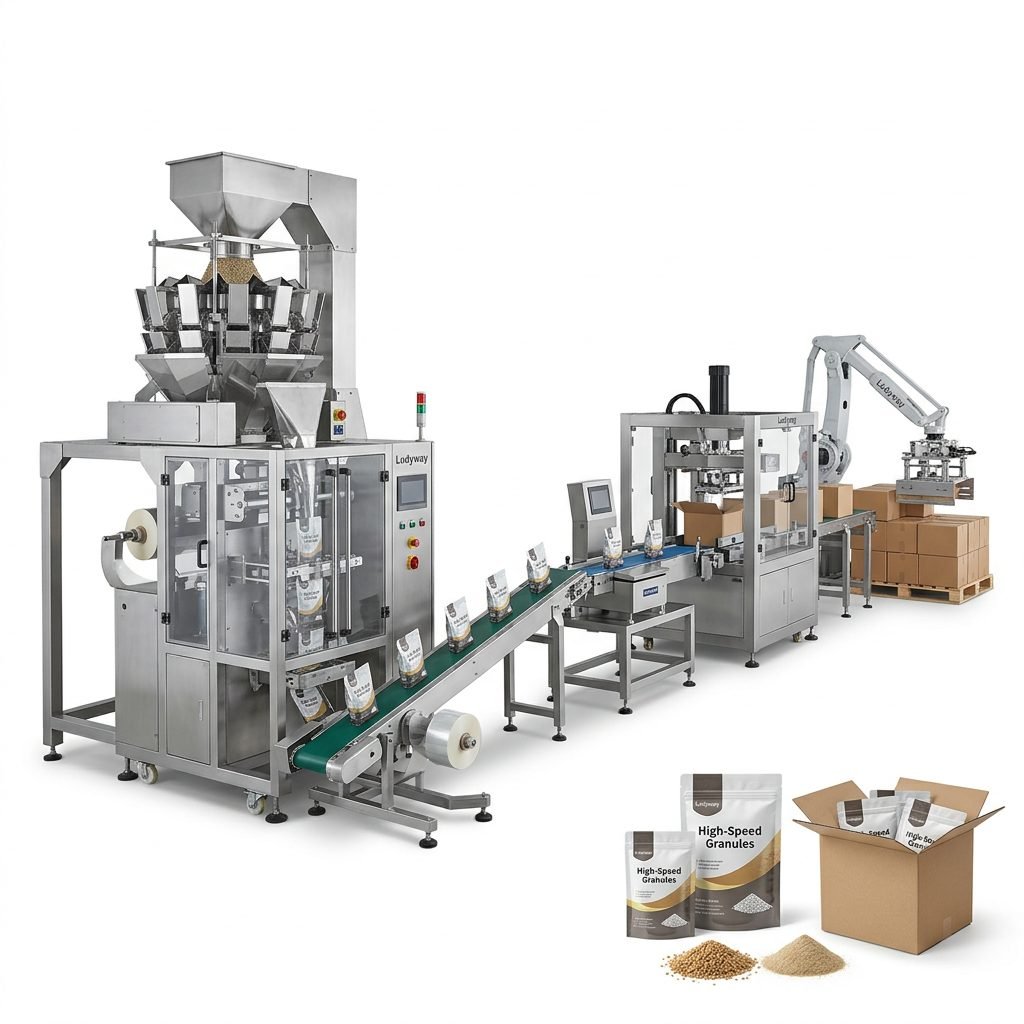
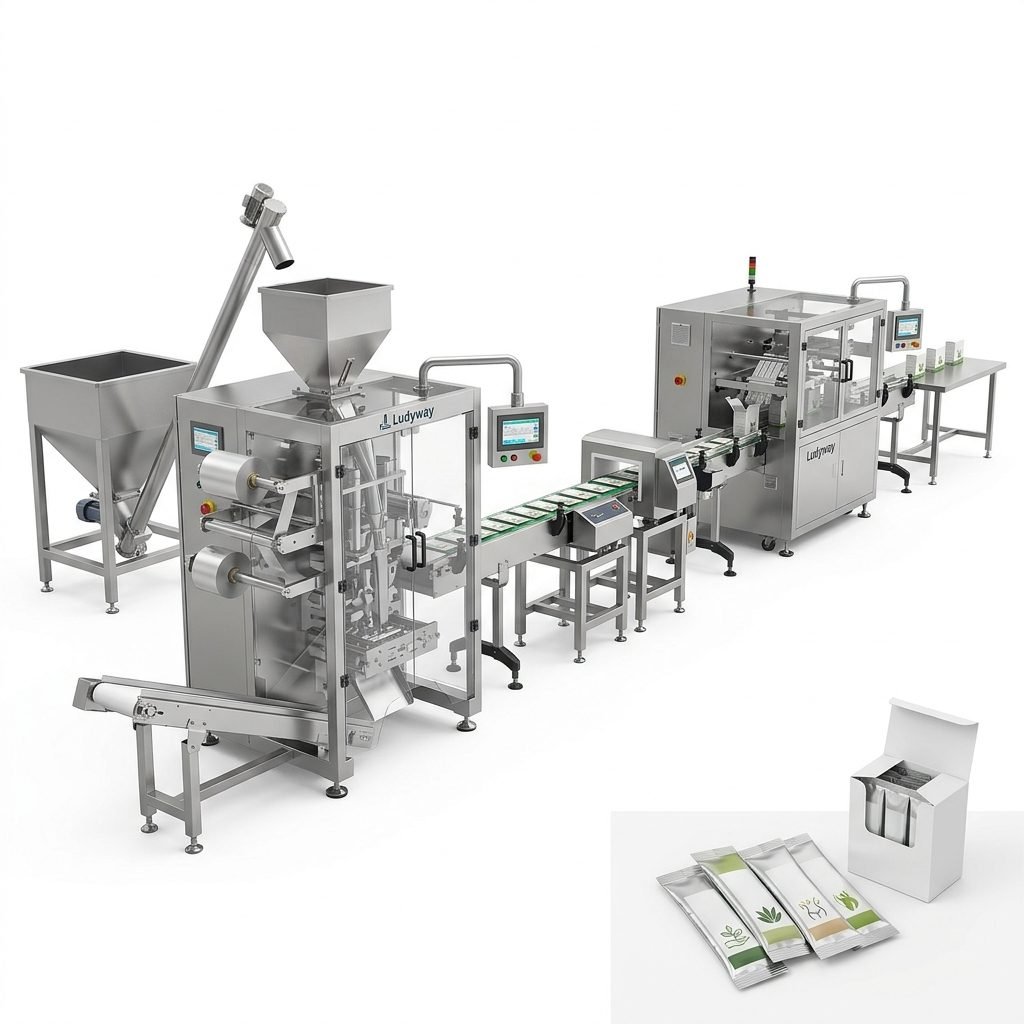
Global distribution requires robust traceability systems integrated directly into the packaging line. High-resolution inkjet or laser coders print batch numbers, expiration dates, and QR codes on every pack—essential for meeting both regulatory requirements and consumer transparency expectations. Downstream, automated checkweighers and metal detectors ensure every pack meets weight specifications and is free from physical contaminants. Finally, cartoning machines, case packers, and palletizing systems can be configured to prepare finished products for export shipment, with options for shelf-ready packaging formats preferred by international retailers.
Step-by-Step Guide to Setting Up the Production Line
Proper installation and commissioning follow a structured sequence to ensure optimal performance from day one:
- Phase 1 – Site Preparation: Confirm floor load capacity, utility connections (compressed air, electrical supply matching machine specifications), and environmental controls. Peanut butter processing areas should be climate-controlled to maintain consistent product temperature for accurate filling.
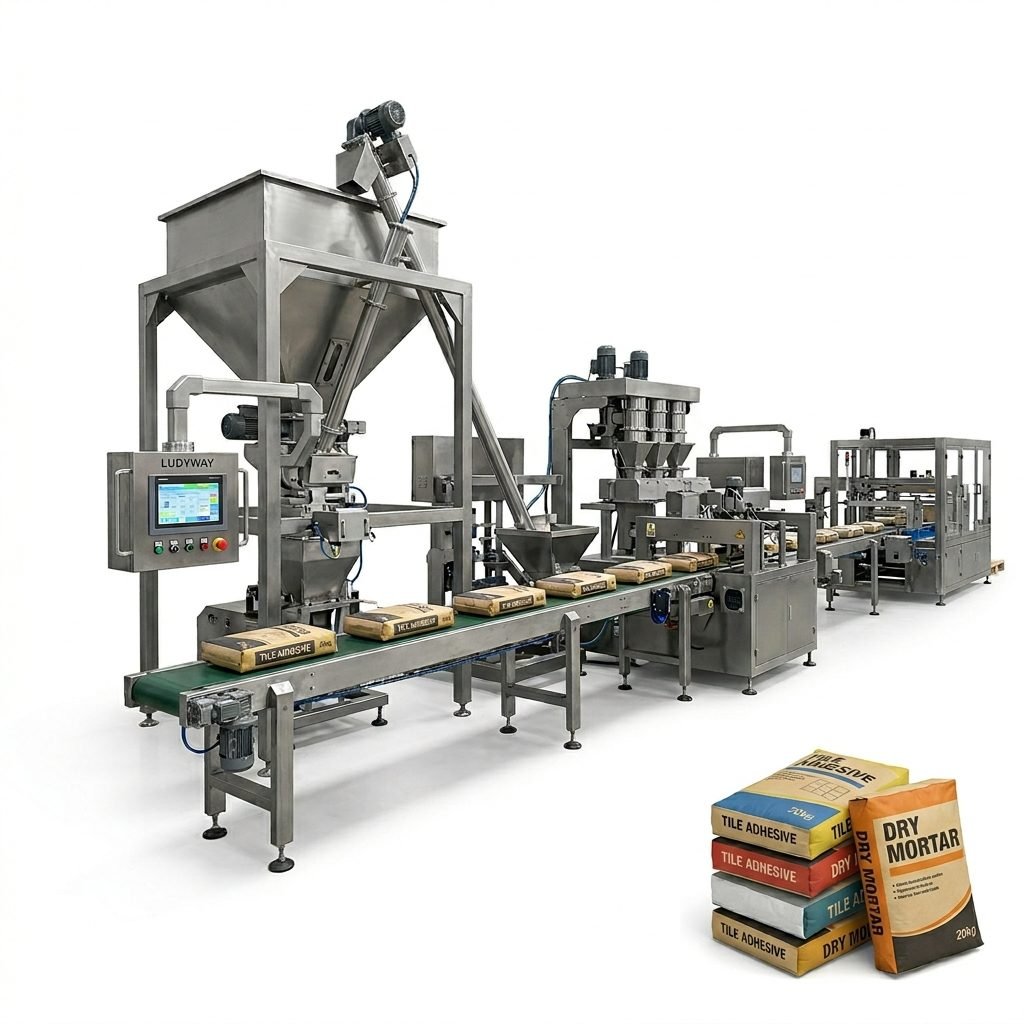
- Phase 2 – Equipment Positioning: Arrange machines in a logical flow—from feeding and dosing through filling, sealing, coding, and inspection. Allow adequate clearance for operator access, maintenance, and material handling. A linear or L-shaped layout typically works best for multi-lane sachet and stick pack lines.
- Phase 3 – Integration and Calibration: Connect all machines electrically and pneumatically, calibrate fill volumes using the actual peanut butter formulation (not water or simulants), and fine-tune sealing temperature, pressure, and dwell time parameters based on the specific packaging film being used.
- Phase 4 – Trial Runs and Validation: Conduct incremental speed trials, starting at 50% of rated capacity and gradually increasing while monitoring fill accuracy and seal integrity. Document all settings for each product variant to create repeatable, validated recipes.
- Phase 5 – Operator Training: Comprehensive training on machine operation, cleaning procedures, basic troubleshooting, and safety protocols ensures your team can maintain peak efficiency without constant external support.
Navigating Global Compliance and Packaging Standards
Exporting peanut butter products means navigating a complex web of international regulations. Food contact material requirements vary significantly—the FDA food packaging regulations in the United States differ from European Commission directives on packaging and packaging waste. Machinery itself must comply with safety standards such as CE marking for the European market, UL certification for North America, and various local electrical standards. Packaging equipment should be designed for easy cleaning and sanitation validation, particularly for products destined to markets requiring HACCP certification or GFSI-benchmarked food safety standards. Oil migration testing for peanut butter packaging films is also critical—ensure your film supplier provides documentation demonstrating compliance with relevant migration limits for each target market.
Why Trust a Specialized Equipment Manufacturer for Your Global Line
Partnering with an experienced packaging machinery manufacturer streamlines the entire process from concept to production. Ludyway is one of the largest packaging machine manufacturers in China, with over 30 years of industry expertise and a modern 20,000㎡ manufacturing facility. The company offers more than 50 intelligent packaging machine models, including multi-lane stick pack and fully automated packaging systems, serving customers in over 100 countries. This global experience means pre-configured solutions for different regional requirements, faster lead times on spare parts, and technical support teams familiar with the specific compliance landscapes of your target markets. You also benefit from integrated turnkey solutions where every component—from the feeding system to the palletizer—is designed to work together seamlessly, eliminating the compatibility issues that often arise when sourcing machines from multiple vendors.

Optimizing for Efficiency and Long-Term Reliability
Once the line is operational, continuous improvement becomes the priority. Preventive maintenance schedules should be established based on machine running hours and specific component wear patterns. For peanut butter lines, particular attention must be paid to pump seals, dosing piston rings, and sealing jaw surfaces—components that experience accelerated wear due to the abrasive nature of some peanut butter formulations (especially crunchy varieties with nut pieces). Remote monitoring capabilities, available on advanced multi-lane packaging systems, allow technicians to diagnose issues before they cause production stoppages. Data-driven insights from machine sensors can reveal opportunities to reduce film waste, optimize energy consumption, and identify operator training gaps.
Frequently Asked Questions
What is the ideal filling temperature for peanut butter in automated packaging?
Most peanut butter filling systems perform optimally when the product temperature is maintained between 40°C and 50°C (104°F–122°F). At this range, the product flows smoothly without excessive oil separation. Temperature-controlled hoppers with gentle agitation are standard on equipment designed for high-fat viscous products. Overheating above 60°C can accelerate oxidation and negatively impact flavor, while filling at ambient temperatures below 25°C may cause inconsistent fill weights and nozzle clogging.
How can I prevent oil separation in packaged peanut butter during export shipping?
Oil separation is a natural phenomenon in peanut butter but can be managed through proper formulation (using stabilizers like hydrogenated vegetable oil) and packaging design. Choose high-barrier laminated films with an aluminum foil or metallized layer to minimize oxygen transmission. For longer export shipping durations, consider nitrogen flushing or vacuum sealing. Additionally, packaging should be designed to allow consumers to easily reincorporate any separated oil before opening—a small headspace in stick packs or sachets facilitates this.
Can one machine handle both smooth and crunchy peanut butter?
Yes, most modern peanut butter packaging machines handle both varieties, but changeover procedures differ. Crunchy peanut butter requires larger nozzle diameters (typically 8–12mm versus 5–7mm for smooth) to prevent clogging from nut particulates. Dosing systems with interchangeable piston heads and user-friendly recipe management systems allow operators to switch between product types in under 30 minutes. However, if frequent changeovers are anticipated (multiple times daily), investing in a quick-change system with pre-calibrated dosing assemblies is strongly recommended to maintain productivity levels.
Industry Resources and Further Reading
For companies looking to stay current with global packaging industry trends and regulatory developments, the following resources provide valuable insights:
- PMMI Business Intelligence Library – Comprehensive packaging machinery market research and state of the industry reports.
- Flexible Packaging Association Industry Resources – Data, regulatory guidance, and sustainability resources for flexible packaging applications.
- FDA Recognized Consensus Standards – Official standards database for food packaging and food contact substances in the U.S. market.
- Ludyway Packaging Machinery Global Growth Trend – Analysis of packaging equipment market expansion and export growth projections.