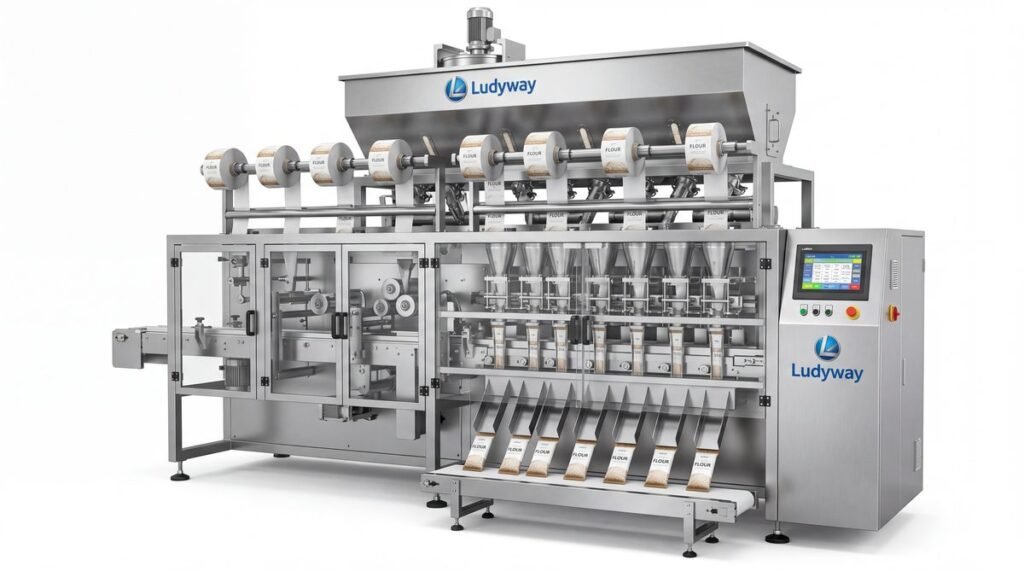
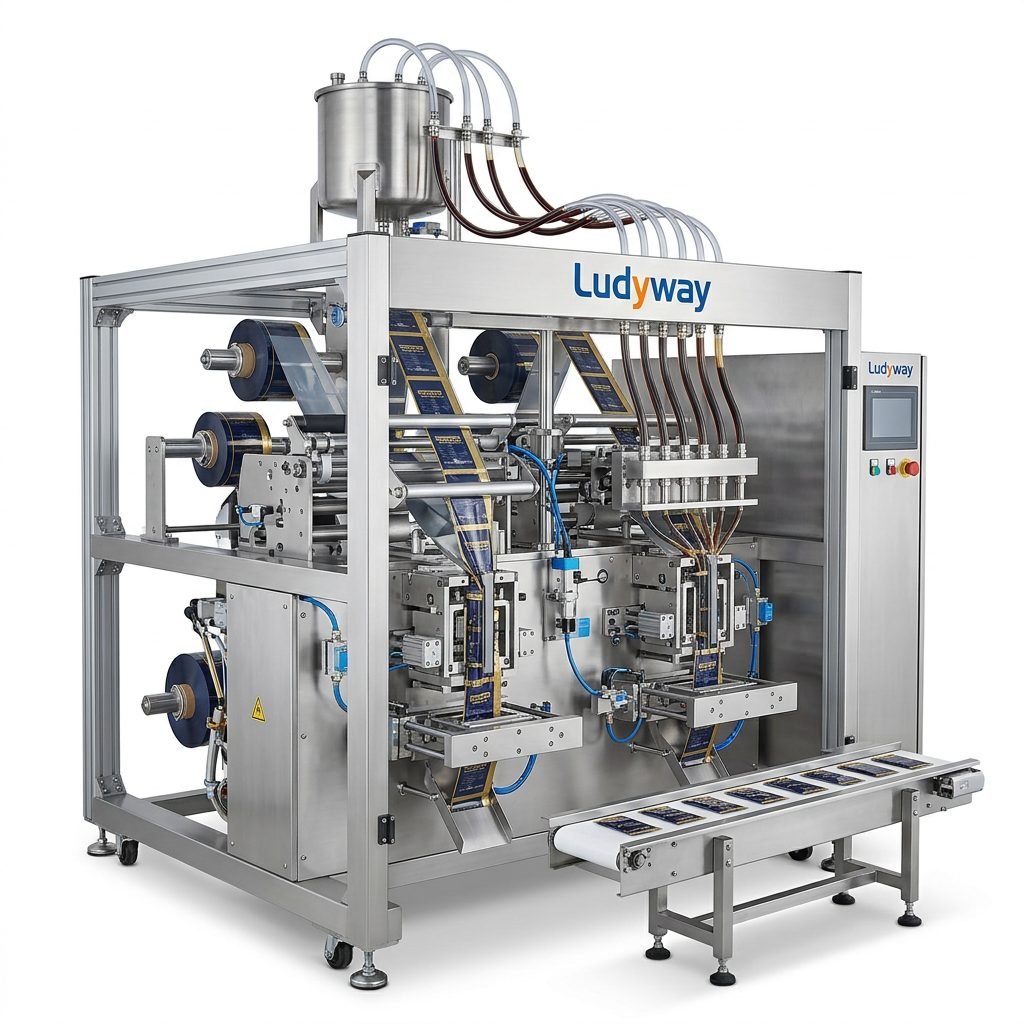
Africa’s confectionery market is experiencing unprecedented growth. With a rapidly expanding middle class, urbanization rates soaring past 40%, and a youthful demographic profile, the demand for packaged candies, chocolates, gummies, and hard-boiled sweets is surging across the continent. For manufacturers and investors, setting up a confectionery packaging machine production line in Africa presents a significant opportunity—but it also requires careful planning around equipment selection, logistics, infrastructure, and regulatory compliance.
This guide walks you through every stage of the process, from market assessment to full-scale production, helping you build a high-efficiency confectionery packaging line tailored to African operating conditions.
Understanding Africa’s Confectionery Packaging Landscape
Africa’s packaged food sector is projected to grow at a CAGR of over 8% through 2030. Key markets driving this expansion include Nigeria, South Africa, Kenya, Egypt, Ethiopia, and Ghana. Within confectionery, stick packs, sachets, and small-format pouches dominate due to their affordability and convenience for price-sensitive consumers.
Unlike developed markets where large-format packaging prevails, African consumers frequently purchase single-serving portions. This trend directly influences the type of packaging machinery you should consider. Flexible packaging formats account for the majority of confectionery products sold across the continent.
Step 1: Conducting Market and Product Analysis
Before investing in equipment, define your product parameters clearly. The type of confectionery you plan to package determines the machinery configuration:
- Hard candies and lollipops: Require multi-lane stick pack or sachet systems with gentle handling to prevent breakage
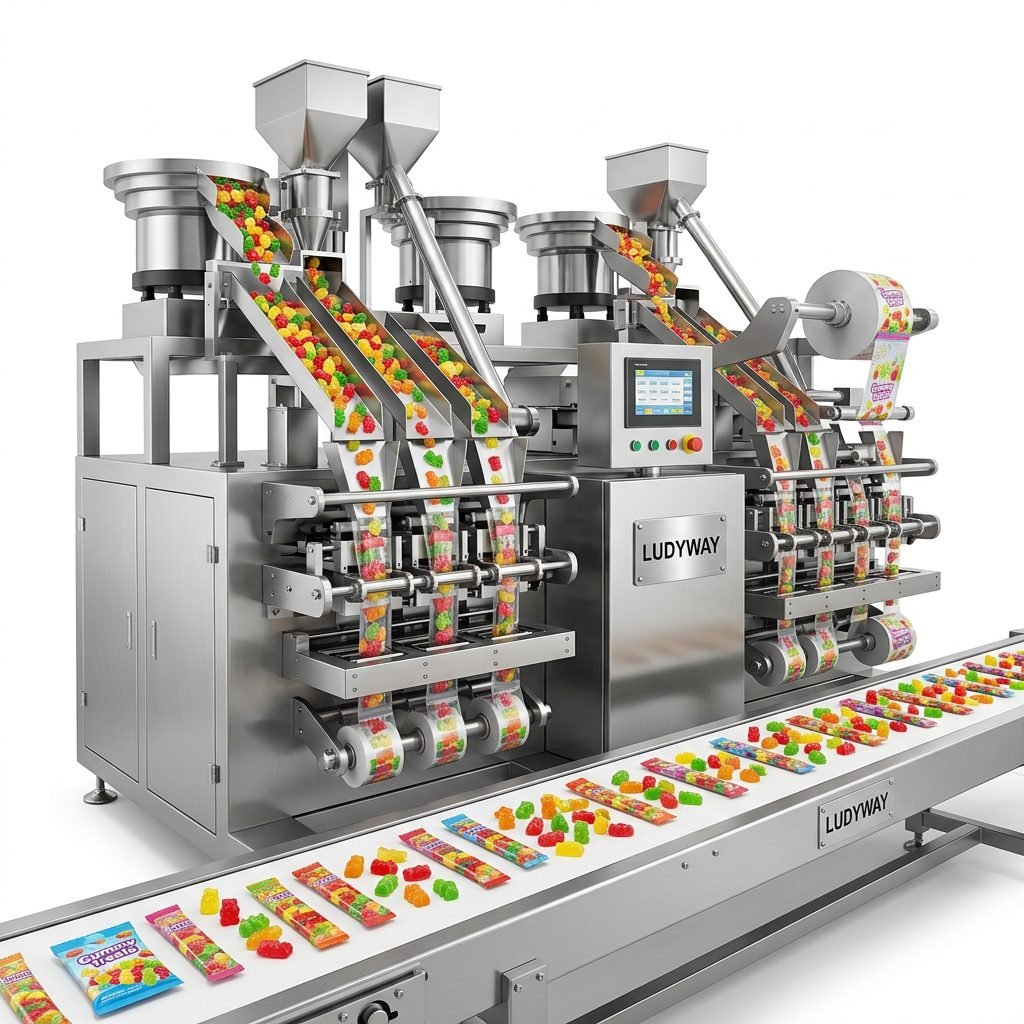
- Gummies and jellies: Need precise portioning and moisture-resistant sealing to maintain product integrity
- Chocolate pieces and pralines: Demand temperature-controlled packaging environments and barrier film materials
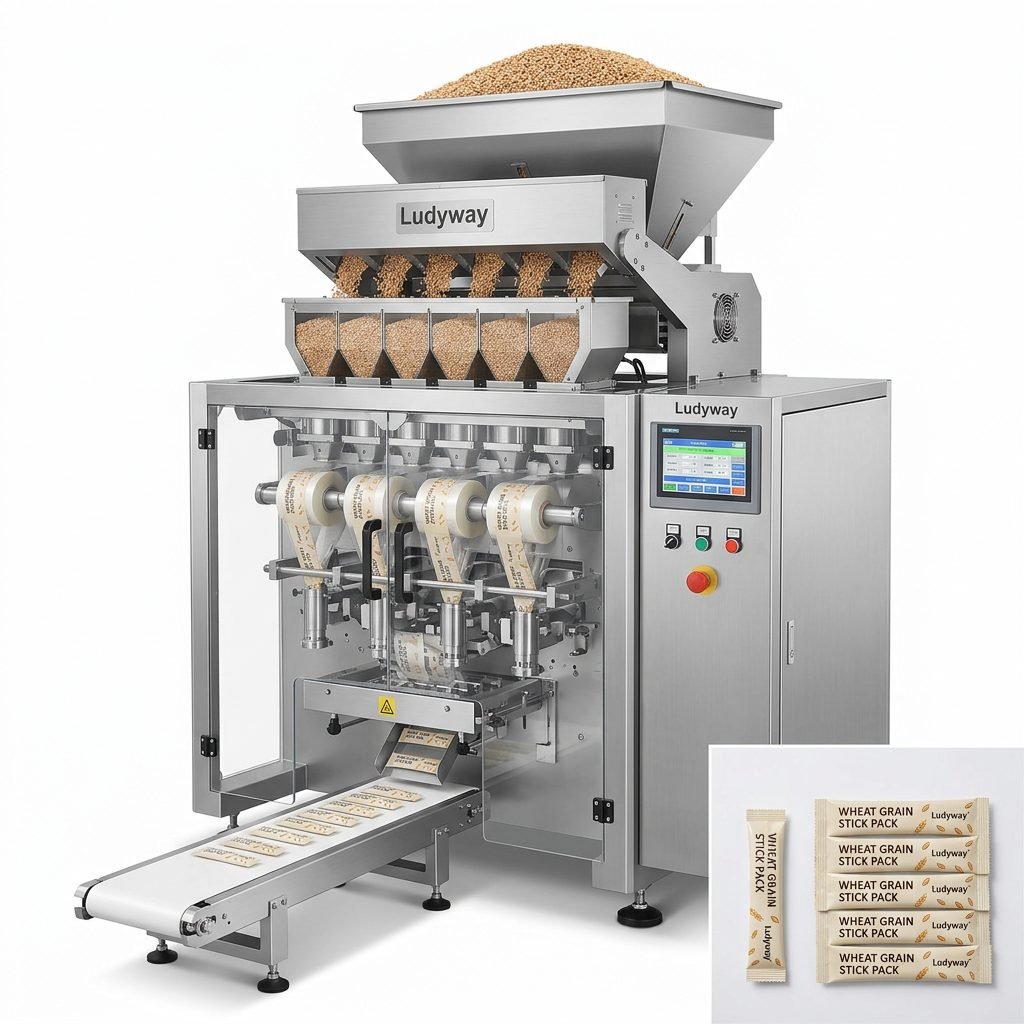
- Powdered drink mixes and candy powders: Utilize vertical form-fill-seal (VFFS) multi-lane stick pack machines with auger fillers
- Chewing gum and mints: Often packaged in high-speed multi-lane sachet or stick pack formats
Step 2: Selecting the Right Packaging Machine Type
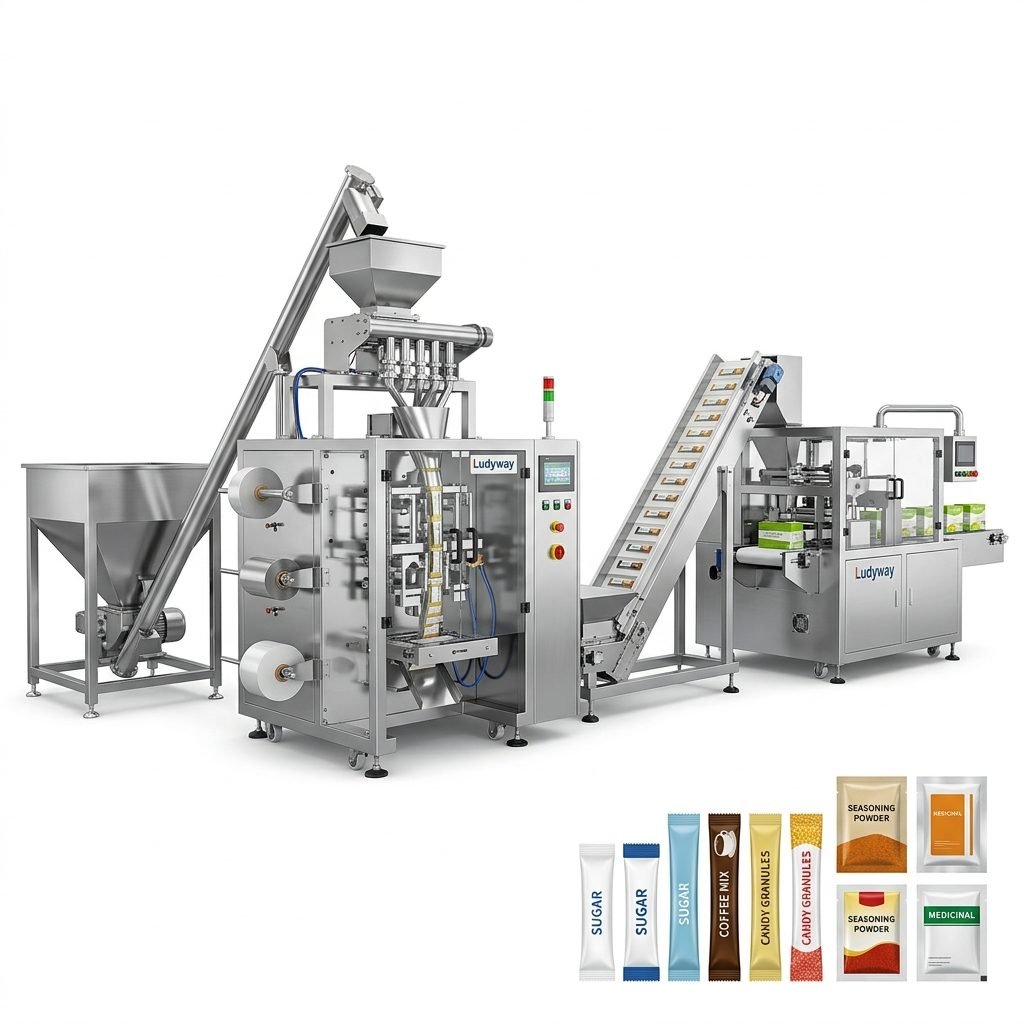
For African production environments, the following machine configurations offer the best balance of efficiency, reliability, and cost-effectiveness:
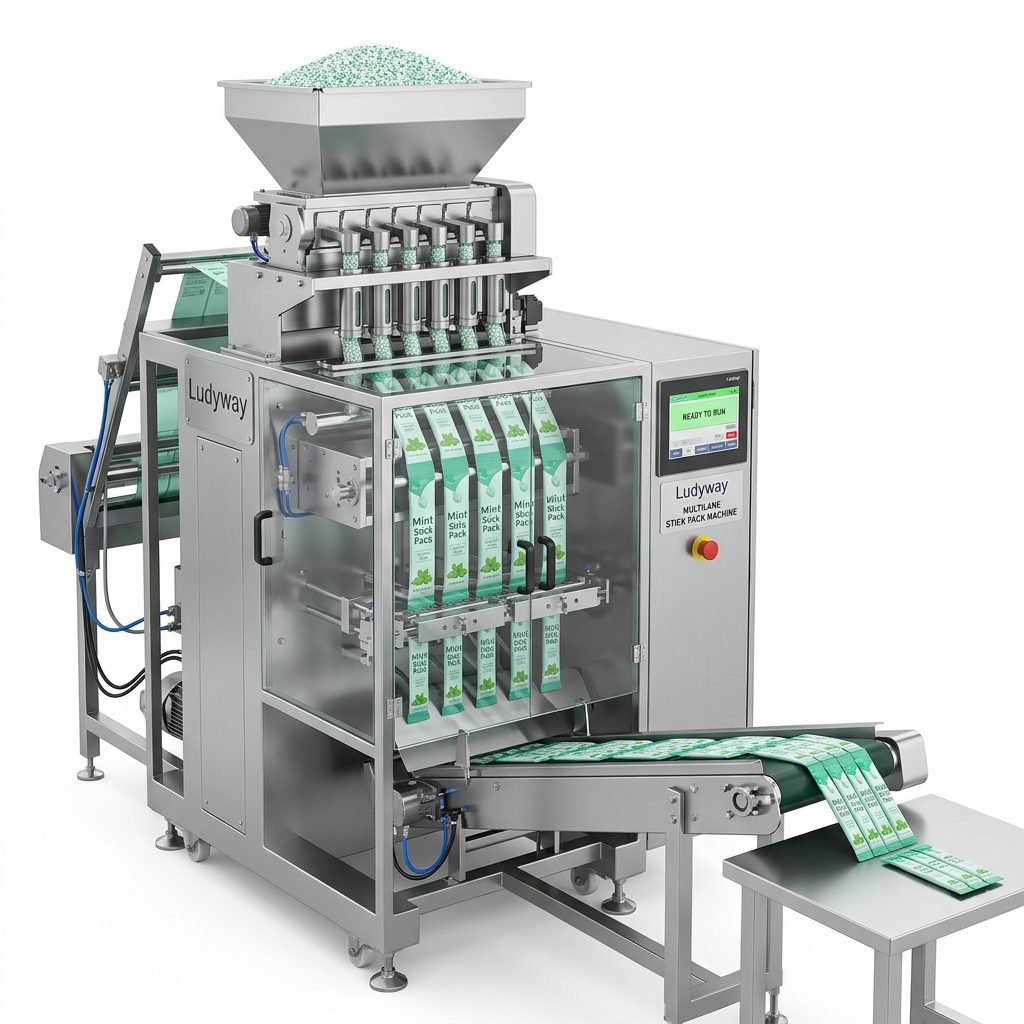
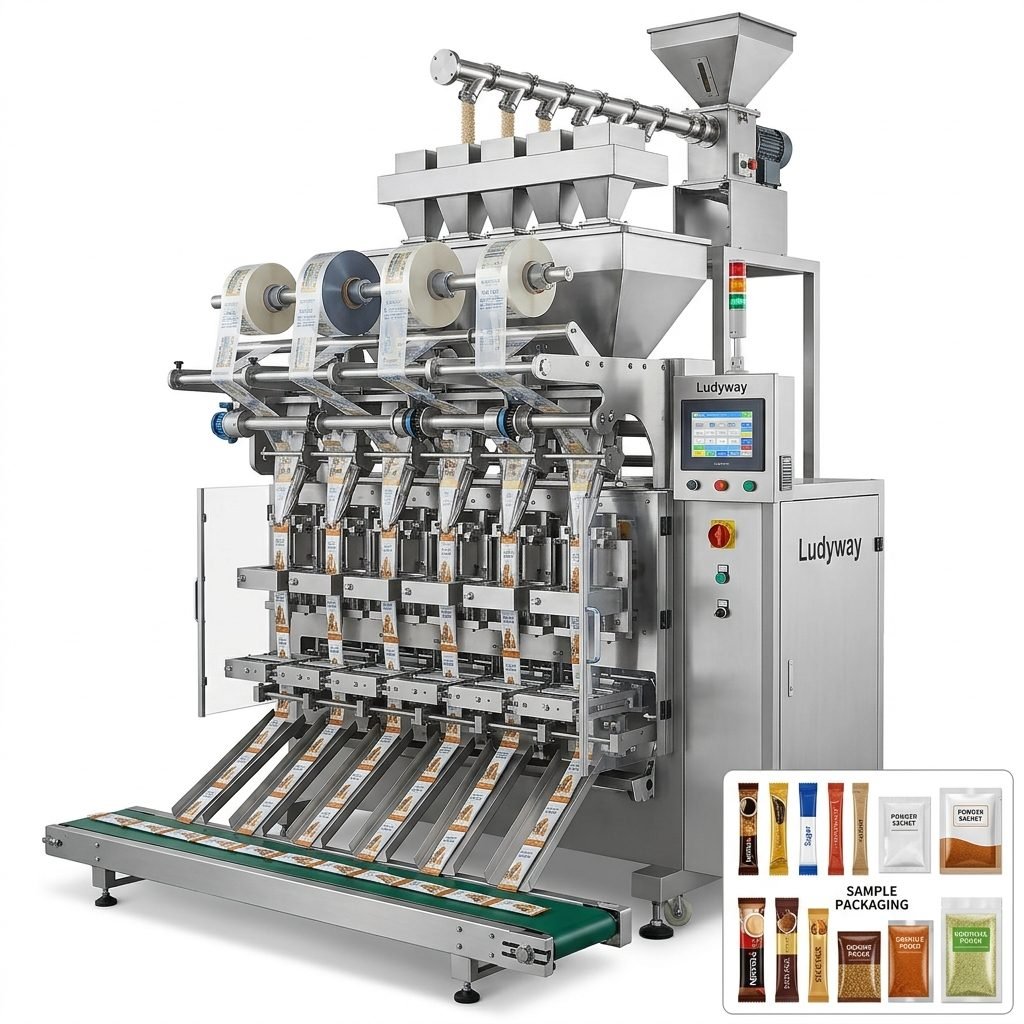
Multi-Lane Stick Pack Machines
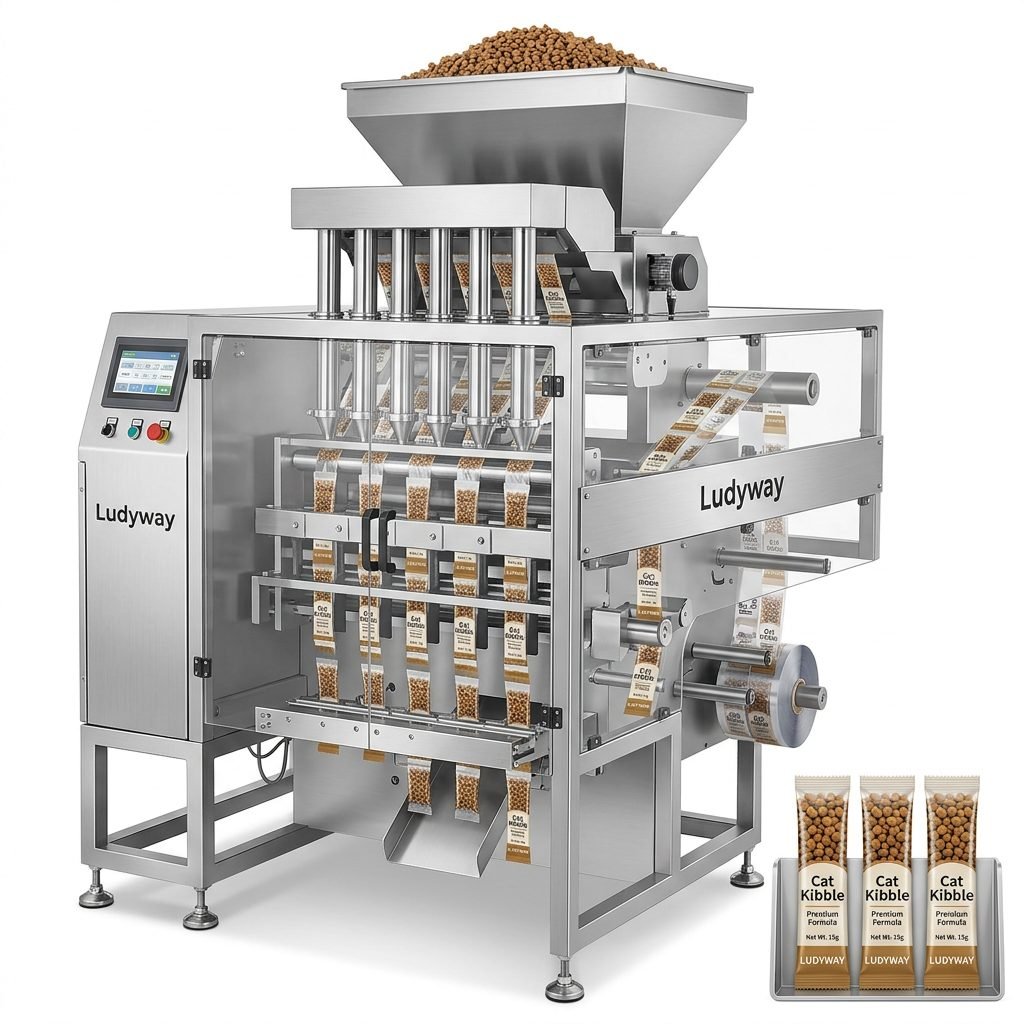
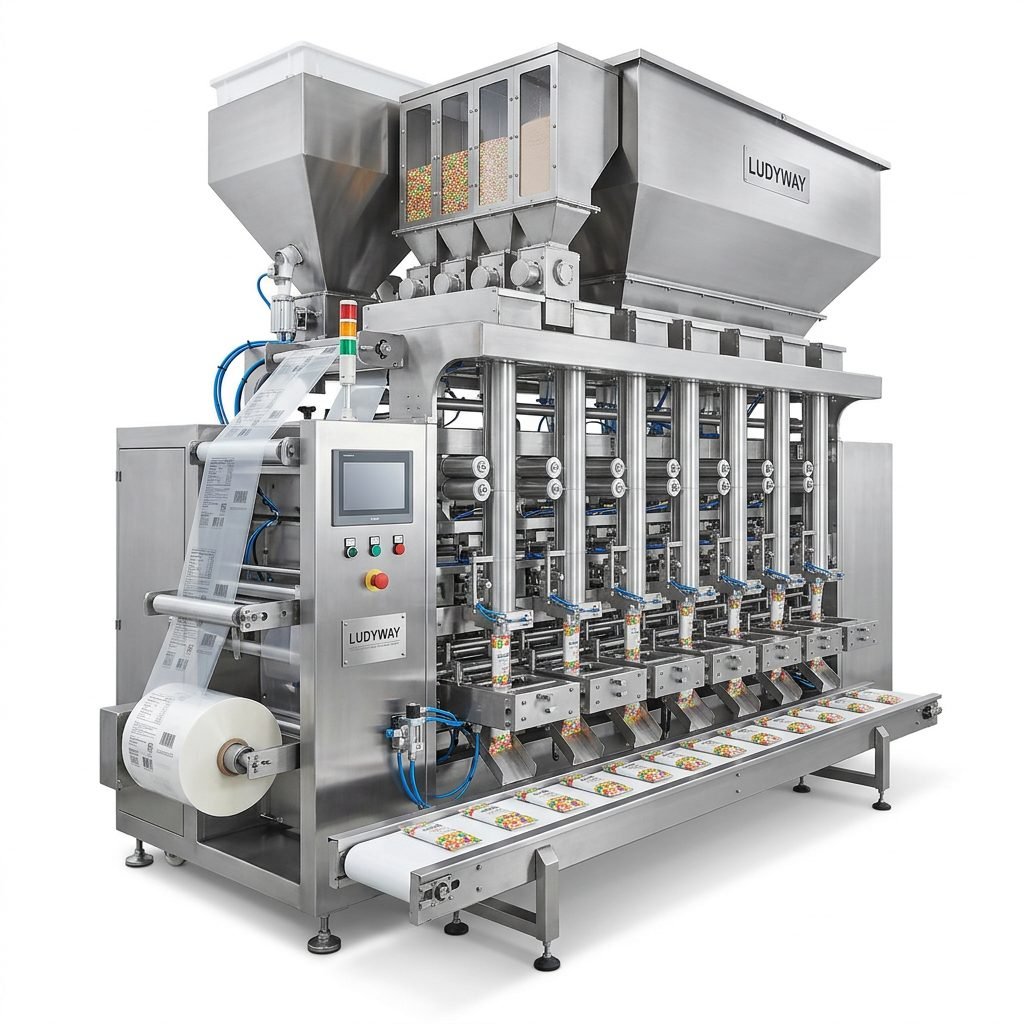
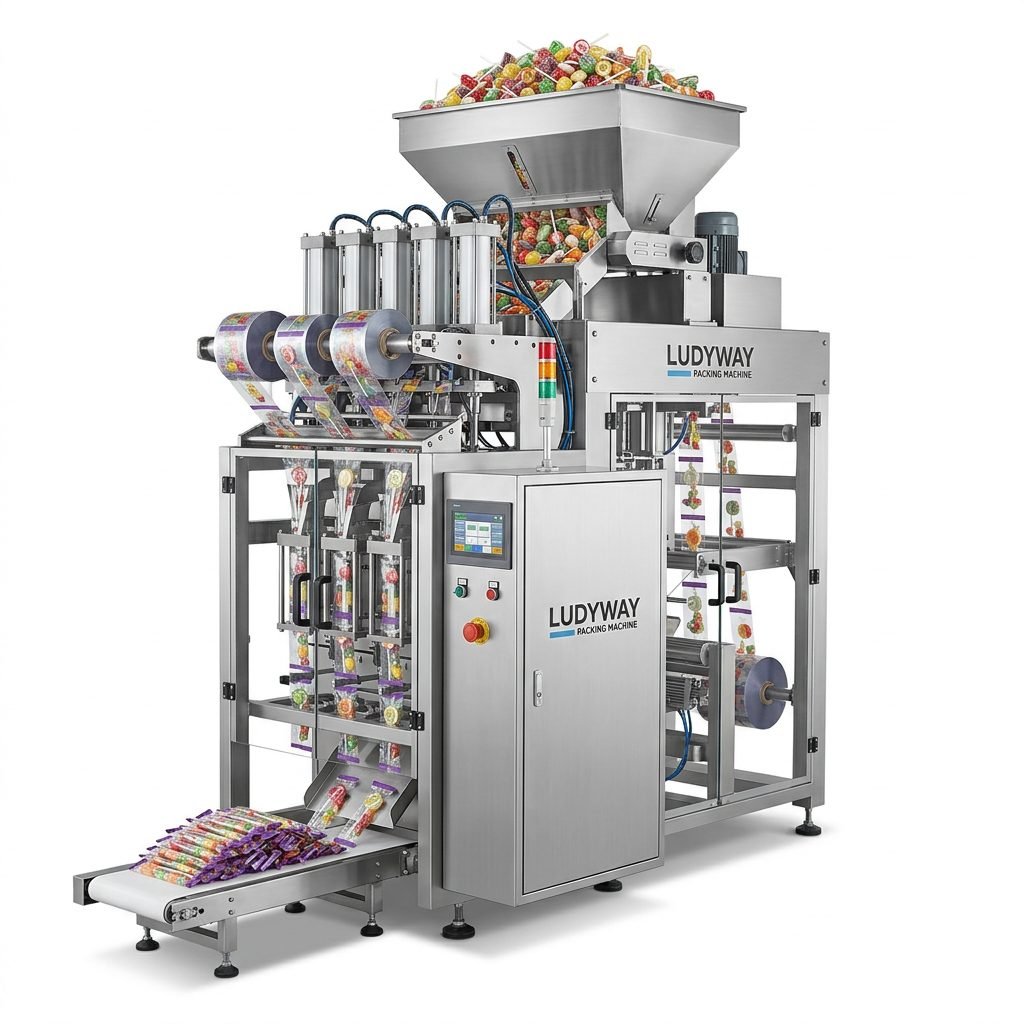
These are the workhorses of modern confectionery packaging. A single multi-lane stick pack machine can run 4 to 20 lanes simultaneously, producing thousands of sealed stick packs per hour. They are ideal for powders, granules, small solid pieces, and even viscous liquids like honey or chocolate syrup.
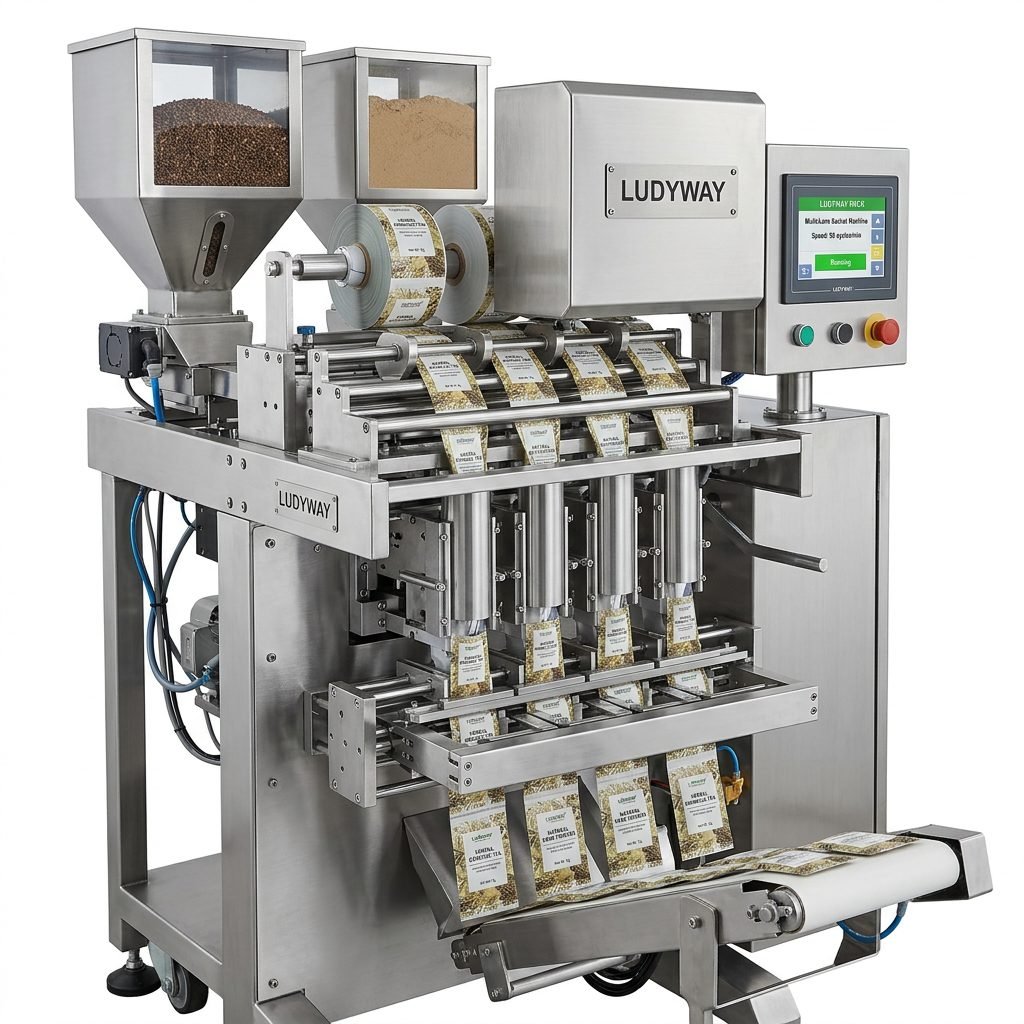
Automatic Sachet Packaging Lines
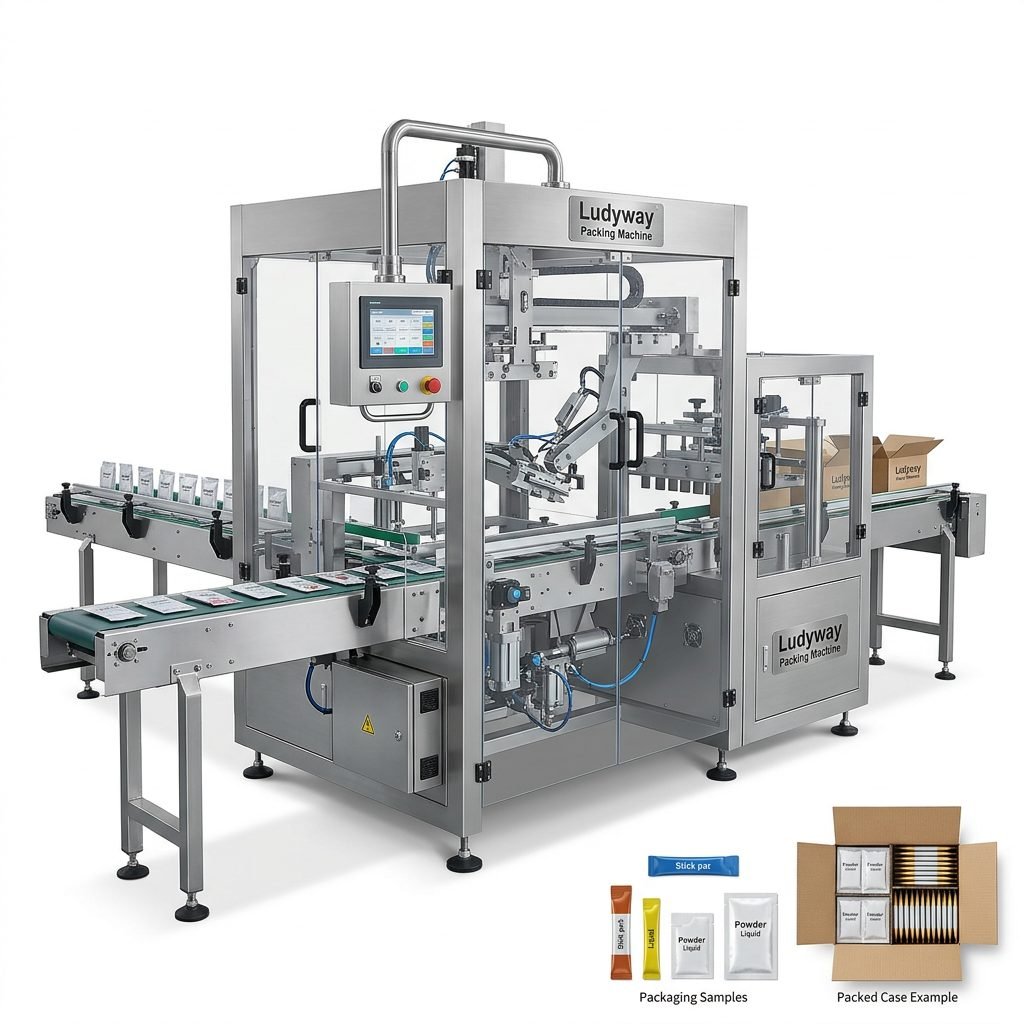
Sachet packaging remains dominant in Africa for single-serve confectionery products. Modern sachet packaging systems offer high-speed filling and sealing with precise weight control, supporting pillow, gusset, and four-side-seal formats.
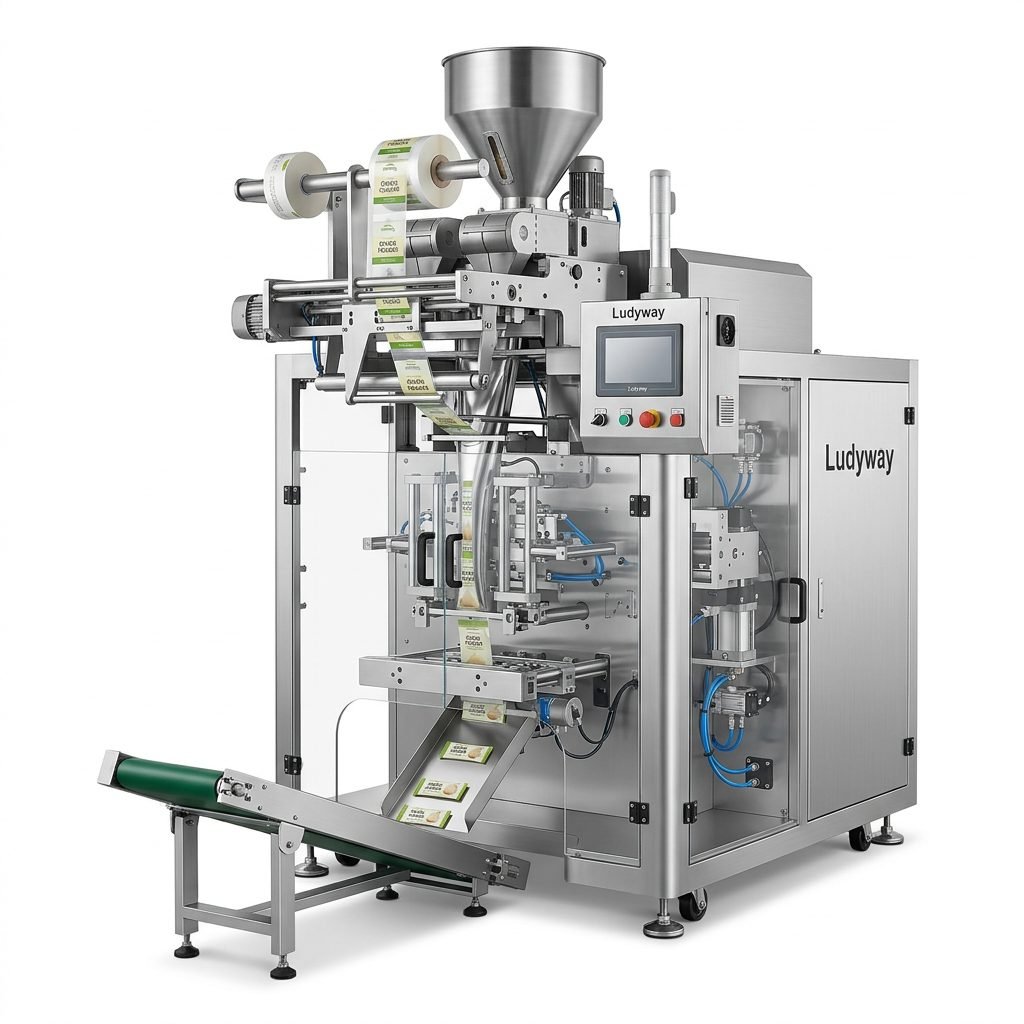
Vertical Form-Fill-Seal (VFFS) Systems
VFFS machines provide versatility across multiple product types. They form pouches from roll stock film, fill product, and seal—all in one continuous operation. Packaging industry research consistently ranks VFFS technology as the most widely adopted format globally.
Step 3: Comparing Machine Specifications
The table below outlines key specifications to evaluate when selecting confectionery packaging equipment for African production:
| Parameter | Entry-Level | Mid-Range | High-Capacity |
|---|---|---|---|
| Production Speed | 40-80 packs/min | 100-200 packs/min | 300-600+ packs/min |
| Number of Lanes | 4-6 lanes | 8-12 lanes | 14-20 lanes |
| Filling Range | 1-50g | 2-200g | 0.5-500g |
| Film Materials | Laminated films | Multiple barrier films | All flexible films, aluminum foil |
| Power Requirements | 220V, 50/60Hz | 220-440V, 50/60Hz | Customizable voltage |
| Automation Level | Semi-automatic | Fully automatic | Fully automatic with servo drives |
Step 4: Infrastructure and Facility Requirements
Setting up a packaging production line in Africa requires careful attention to infrastructure. Many industrial areas have improved significantly, but you should verify the following before installation:
- Stable electricity supply: Power fluctuations are common in many regions. Invest in voltage stabilizers and backup generators rated for your total equipment load
- Compressed air systems: Most modern packaging machines require clean, dry compressed air. Install appropriate air dryers and filtration
- Climate control: Heat and humidity affect both product quality and machine performance. Consider air-conditioned production areas for chocolate and heat-sensitive confectionery
- Water quality: If your process requires water for cooling or cleaning, install proper filtration and treatment systems
- Floor space and layout: Plan for raw material storage, production area, finished goods warehouse, and maintenance access around all equipment
Step 5: Understanding Regulatory and Packaging Standards
African countries increasingly align with international ISO packaging standards. Depending on your target markets, you may need to comply with:
- Local national standards (e.g., NAFDAC in Nigeria, KEBS in Kenya, SABS in South Africa)
- Food safety certifications such as HACCP, ISO 22000, or FSSC 22000
- Labeling requirements including ingredient lists, nutritional information, and expiry dates in appropriate languages
- Import regulations for packaging materials and machinery components
Refer to the FDA food packaging guidelines for internationally recognized best practices, even if you are not exporting to the United States.
Step 6: Sourcing Equipment and Turnkey Solutions
When sourcing confectionery packaging machinery, you have several options. Chinese packaging machinery manufacturers have become increasingly popular among African buyers due to their competitive pricing, reliable quality, and willingness to provide turnkey installation support. Companies like Ludyway offer more than 50 intelligent packaging machine models and have experience serving customers in over 100 countries, providing end-to-end solutions from equipment supply to on-site commissioning.
Key considerations when selecting a supplier:
- After-sales support in Africa: Verify that the supplier offers remote technical support and can dispatch engineers when needed
- Spare parts availability: Ensure critical spare parts can be shipped quickly or stocked locally
- Training programs: Comprehensive operator and maintenance training reduces downtime significantly
- Machine documentation: Manuals should be available in English or French, with clear electrical diagrams and troubleshooting guides
Step 7: Installation, Commissioning, and Training
A well-planned installation process prevents costly delays. Follow this sequence:
- Pre-installation audit: Verify that your facility meets all requirements before equipment arrives
- Equipment positioning: Place machines according to the approved layout, ensuring adequate clearance for operation and maintenance
- Utility connections: Connect electrical, compressed air, and any water or drainage lines
- Dry run testing: Run machines without product to verify mechanical and electrical functions
- Product trials: Test with actual confectionery products, adjusting parameters for optimal seal quality and fill accuracy
- Operator training: Train at least two operators per shift on safe operation, basic troubleshooting, and cleaning procedures
- Maintenance scheduling: Establish a preventive maintenance calendar from day one
Step 8: Optimizing Production Efficiency
Once your line is operational, focus on continuous improvement. Overall Equipment Effectiveness (OEE) should be tracked and optimized. Common areas for efficiency gains include:
| Focus Area | Optimization Strategy | Expected Impact |
|---|---|---|
| Film waste reduction | Optimize seal parameters and film tension | 2-5% material cost savings |
| Changeover time | Standardize procedures, use quick-change parts | 30-50% reduction in downtime |
| Filling accuracy | Regular calibration, servo-driven dosing | Reduced product giveaway |
| Preventive maintenance | Scheduled inspections, spare parts inventory | Extended machine lifespan |
Understanding Total Cost of Ownership
Beyond the initial purchase price, factor in these ongoing costs when budgeting for your confectionery packaging line in Africa:
- Packaging film and materials: Typically the largest recurring expense. Source reliable suppliers with consistent quality
- Electricity and utilities: Calculate based on machine power ratings and local electricity tariffs
- Spare parts: Budget 3-5% of equipment value annually for replacement parts
- Maintenance labor: Either in-house technicians or external service contracts
- Shipping and import duties: Vary significantly by country; consult local customs brokers for accurate estimates
Common Challenges and How to Address Them
Operating a packaging line in Africa comes with unique challenges. Here are practical solutions:
- Power instability: Install an automatic voltage regulator (AVR) and uninterruptible power supply (UPS) for critical control systems. Diesel generators sized for full production load are essential backup
- Humidity and product clumping: Use dehumidifiers in production and storage areas. Consider nitrogen flushing for moisture-sensitive products
- Skilled labor shortage: Partner with technical training institutes or invest in comprehensive in-house training programs
- Supply chain delays: Maintain higher safety stock of packaging materials and critical spare parts compared to operations in more developed markets
- Equipment servicing: Build a relationship with suppliers who offer remote diagnostic capabilities and fast-response technical support
Future-Proofing Your Investment
The African confectionery market is evolving rapidly. To protect your investment, choose packaging machinery that offers:
- Modular design: Machines that can be upgraded with additional lanes or automation modules as production grows
- Multi-format capability: Equipment that handles stick packs, sachets, and pouches with minimal changeover
- Industry 4.0 readiness: Data collection and connectivity features for future smart factory integration
- Energy efficiency: Servo-driven systems that reduce power consumption and operating costs
Final Checklist Before Launch
Before starting full-scale production, verify each item on this checklist:
- All equipment installed and leveled correctly
- Utilities connected and tested under load conditions
- Operators trained and certified on each machine
- Standard operating procedures (SOPs) documented and posted
- Safety guards and emergency stops functional
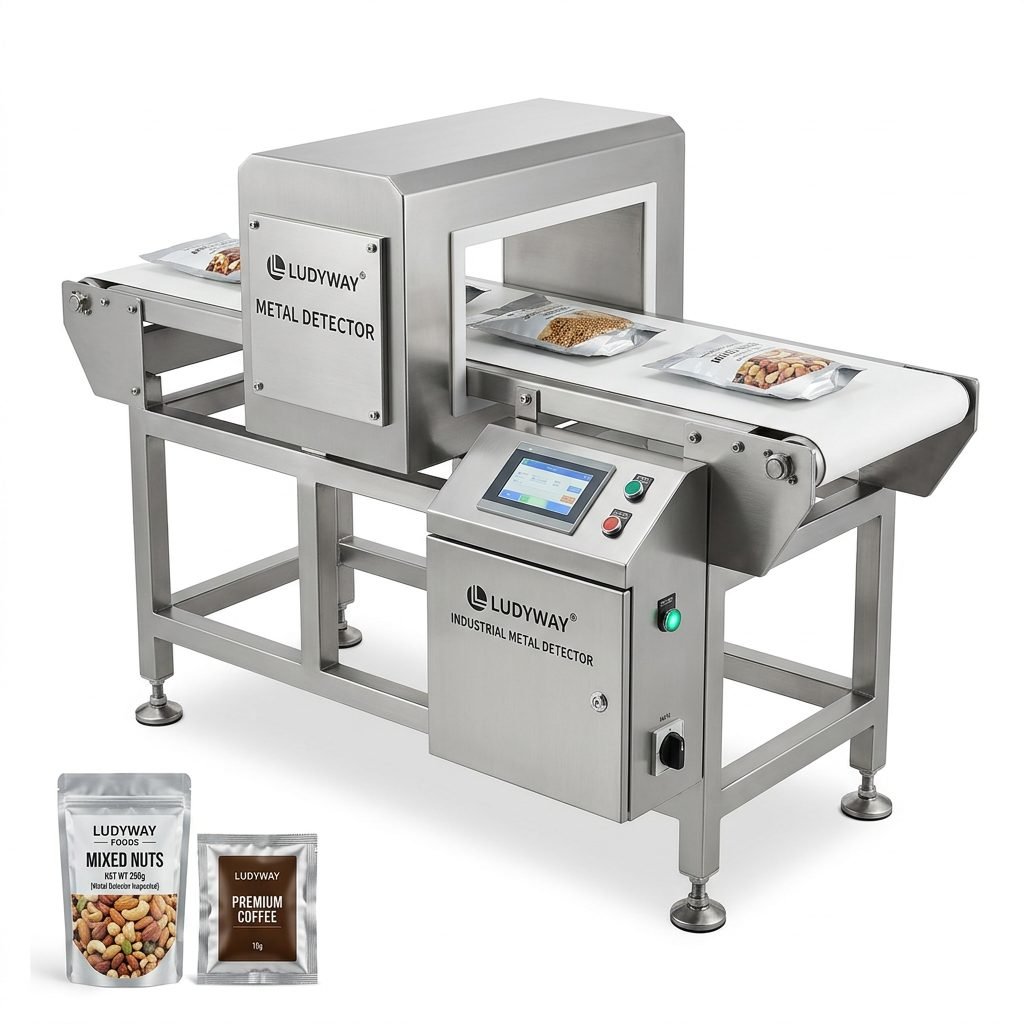
- Quality control checkpoints established with defined acceptance criteria
- Packaging materials qualified and approved
- Waste management procedures in place
- Preventive maintenance schedule activated
- Regulatory approvals obtained for target markets
Setting up a confectionery packaging machine production line in Africa is a substantial but rewarding investment. With thorough planning, the right equipment partner, and attention to local operating conditions, you can build a profitable manufacturing operation that serves one of the world’s fastest-growing consumer markets.