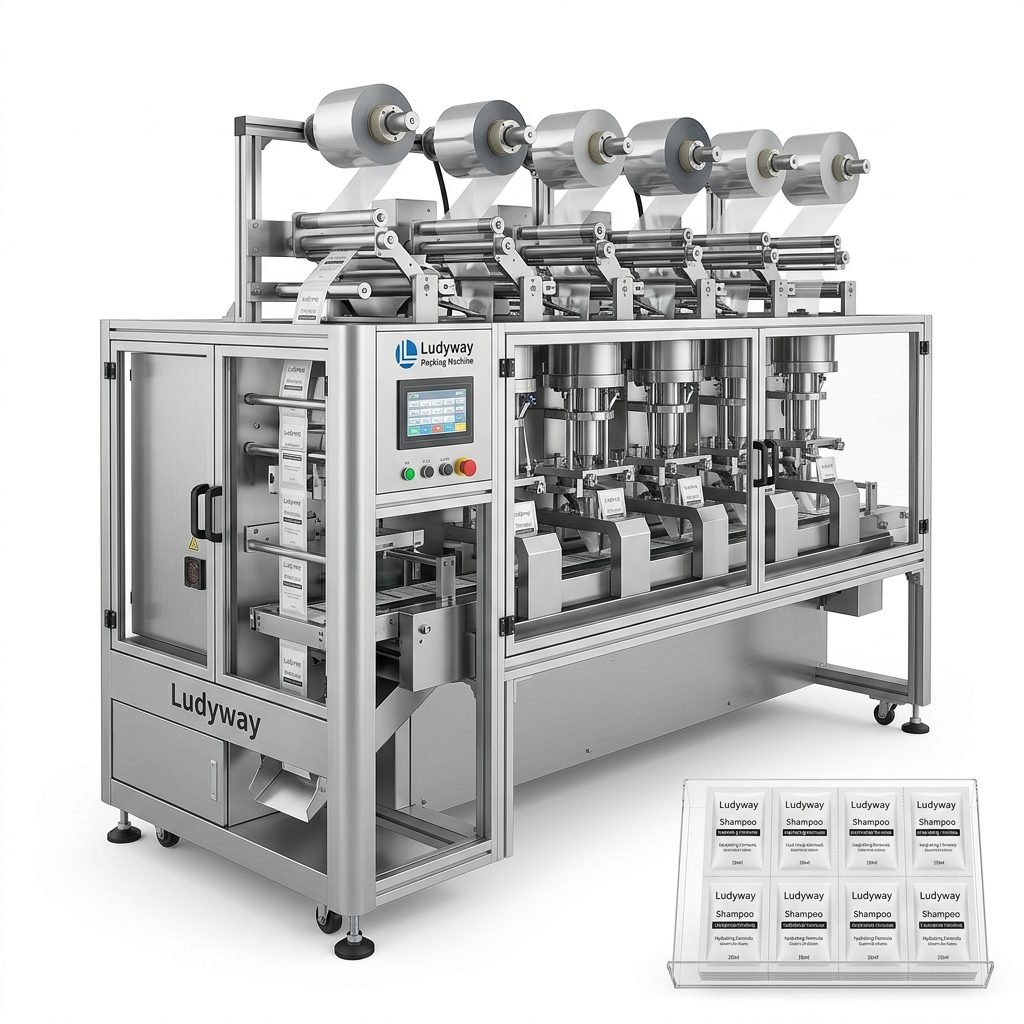
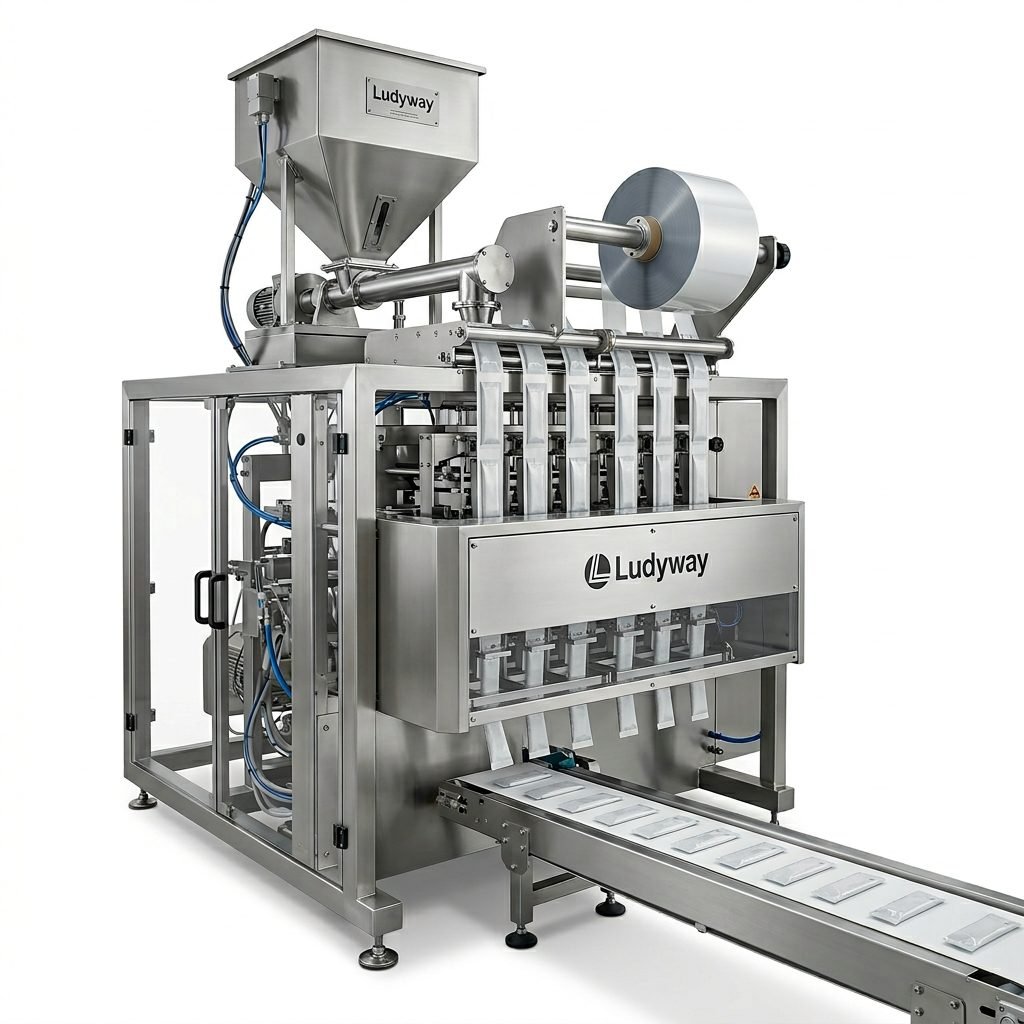
The Southeast Asian coffee market is experiencing unprecedented growth. With a young, urbanizing population and rising disposable incomes across Indonesia, Vietnam, Thailand, and the Philippines, demand for convenient, premium coffee products—especially single-serve capsules and pods—has surged. For manufacturers and co-packers looking to enter or scale in this dynamic region, selecting the right coffee pod packaging machine is a strategic decision that impacts productivity, product quality, and long-term profitability.
Understanding the Southeast Asian Coffee Packaging Boom
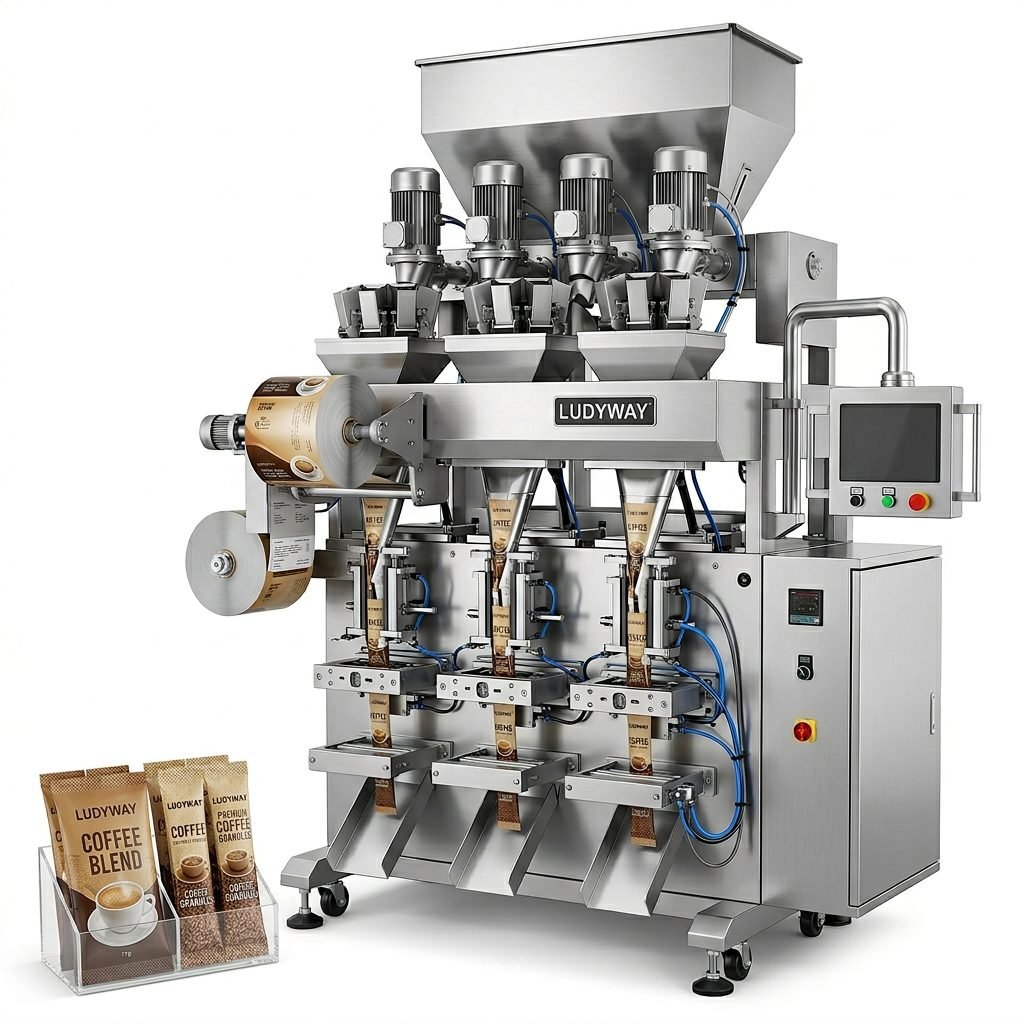
Southeast Asia is not only a major coffee-producing region but also one of the fastest-growing consumption markets globally. According to industry data from the PMMI State of the Industry Reports, the Asia-Pacific packaging machinery sector has consistently outpaced global averages, driven by ready-to-drink formats and single-serve packaging innovations. Countries like Vietnam—the world’s second-largest coffee exporter—are now investing heavily in downstream processing and packaging capabilities. This shift creates significant opportunities for businesses that invest in automated, high-speed coffee capsule and pod packaging lines.
Key Features to Look for in a Coffee Pod Packaging Machine
When evaluating equipment for coffee capsule or pod production, several technical specifications determine performance and suitability for the Southeast Asian operating environment. Below are the critical features to prioritize:
- Multi-format flexibility: The machine should handle various pod sizes, materials (aluminum, compostable PLA, PP), and fill weights to accommodate diverse product lines.
- Precision dosing systems: Coffee dosing requires accuracy within ±0.1g for consistent extraction quality, especially for espresso capsules.
- Oxygen-barrier sealing: Proper nitrogen flushing and hermetic sealing preserve coffee freshness in the humid tropical climate.
- Humidity-resistant components: Electrical and pneumatic systems must be rated for high-humidity environments typical of Southeast Asian facilities.
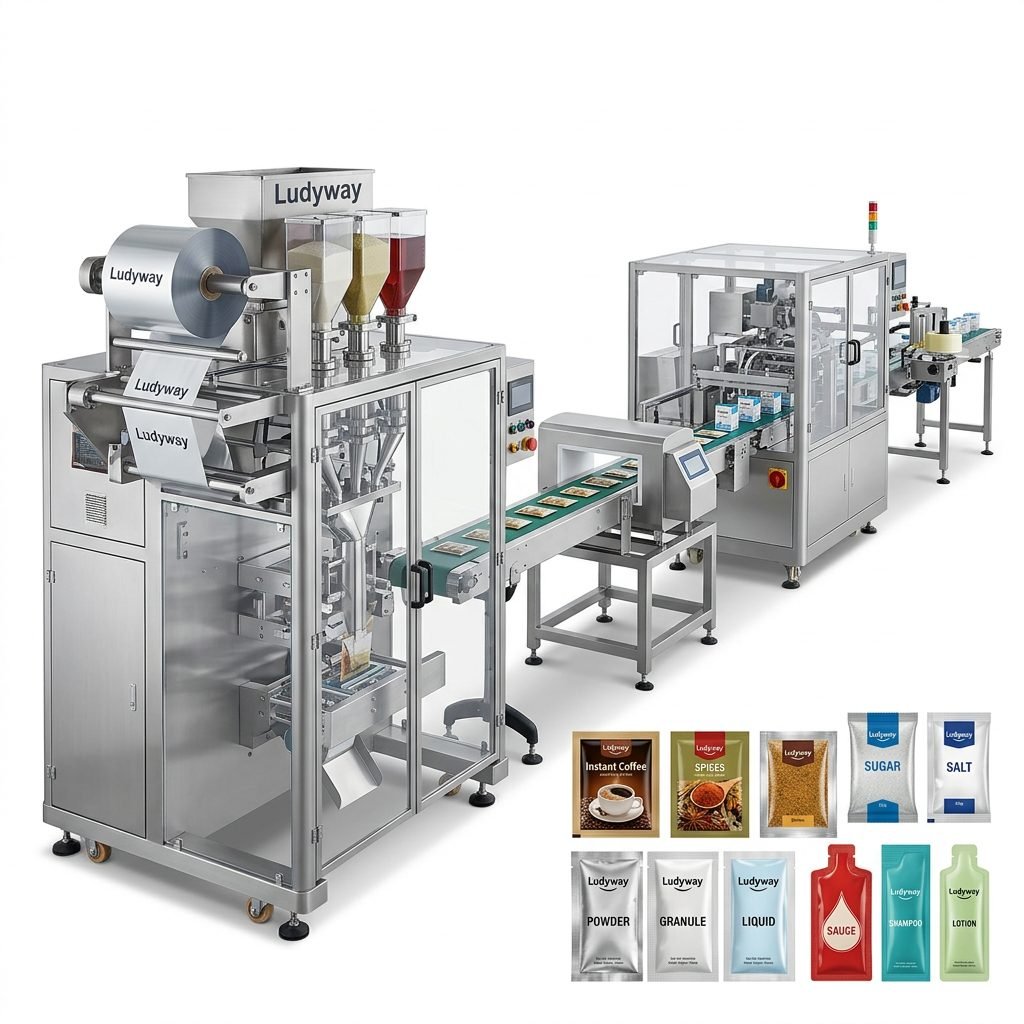
- Automation level: From semi-automatic to fully integrated turnkey lines with inline cartoning and palletizing.
Automation and Throughput Considerations
Production capacity requirements vary significantly across the region. A specialty roaster in Chiang Mai may need 30-60 capsules per minute, while a large-scale co-packer serving pan-ASEAN markets might require 200+ capsules per minute with minimal operator intervention. Modern packaging machinery standards increasingly emphasize modular automation that allows manufacturers to scale capacity without replacing entire lines.
Coffee Packaging Machine Types and Applications
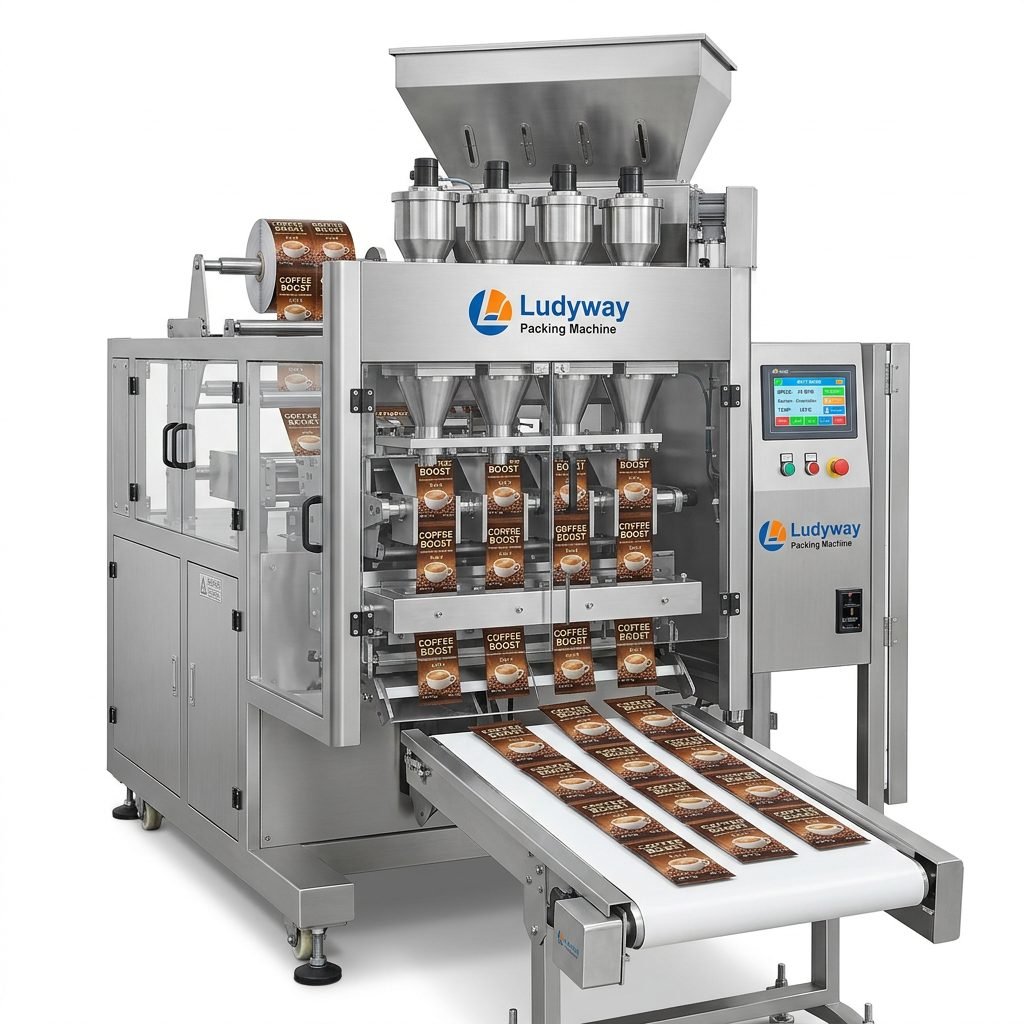
The term “coffee pod packaging machine” encompasses several distinct equipment categories. Selecting the correct type depends on your target product format, production volume, and packaging material strategy. The table below summarizes the main machine categories relevant to Southeast Asian coffee manufacturers:
| Machine Type | Best For | Typical Output | Key Advantage |
|---|---|---|---|
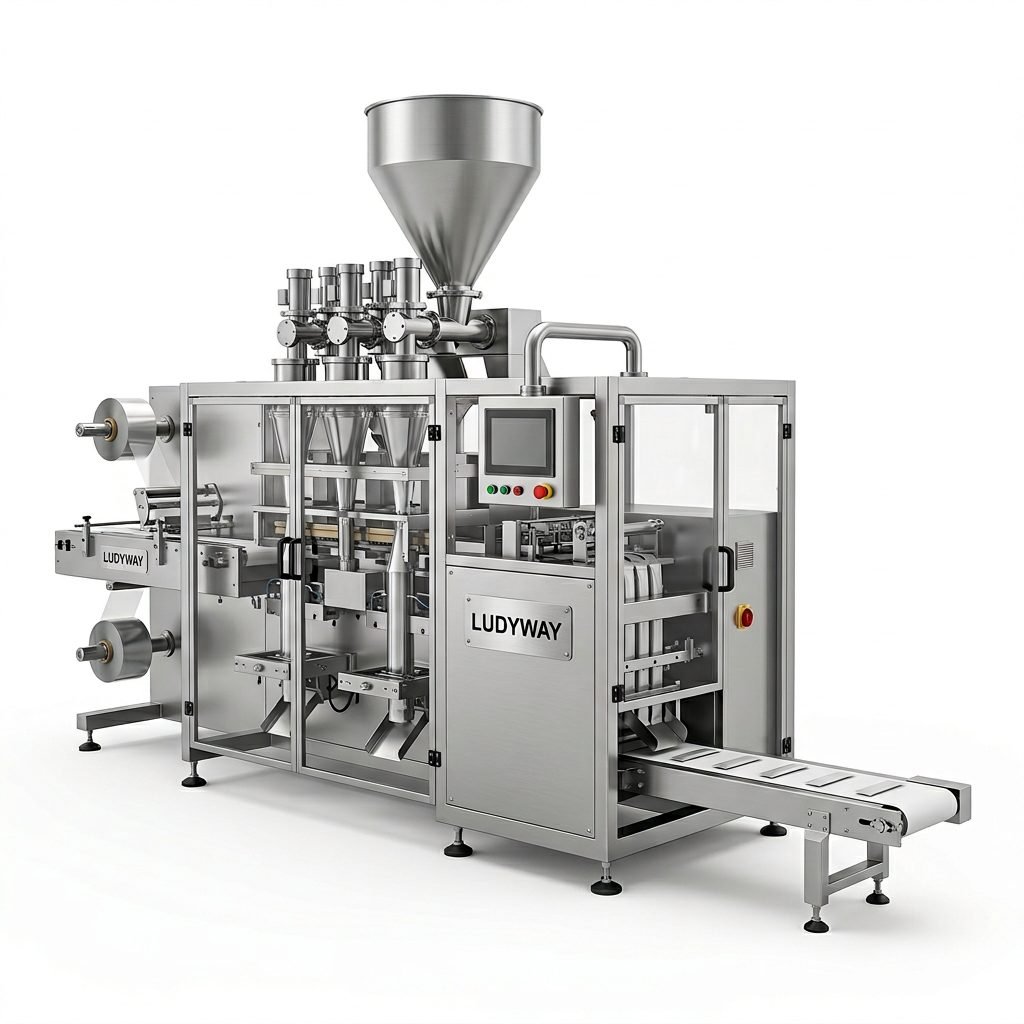
| Capsule Filling & Sealing Machine | Nespresso-compatible, K-Cup, and proprietary capsules | 60-400 ppm | Precision nitrogen flush, multi-format support |
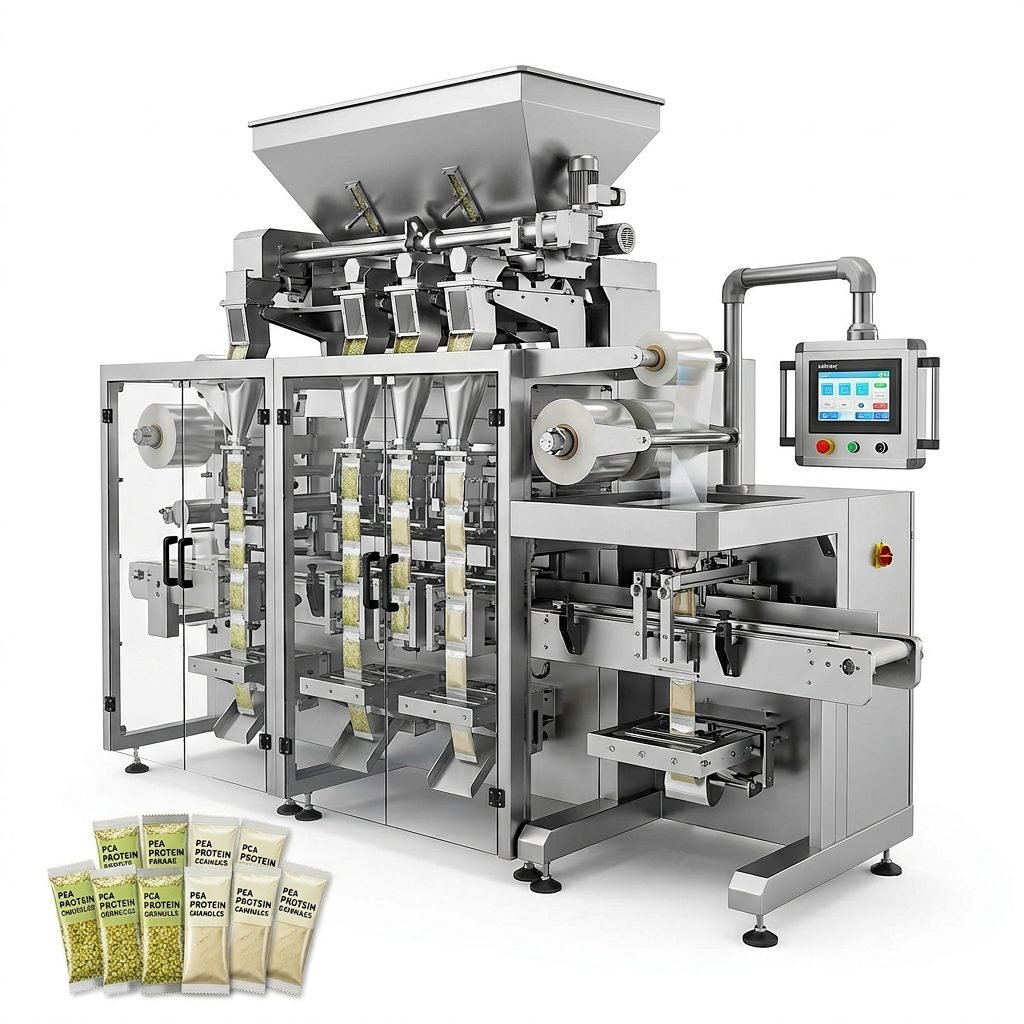
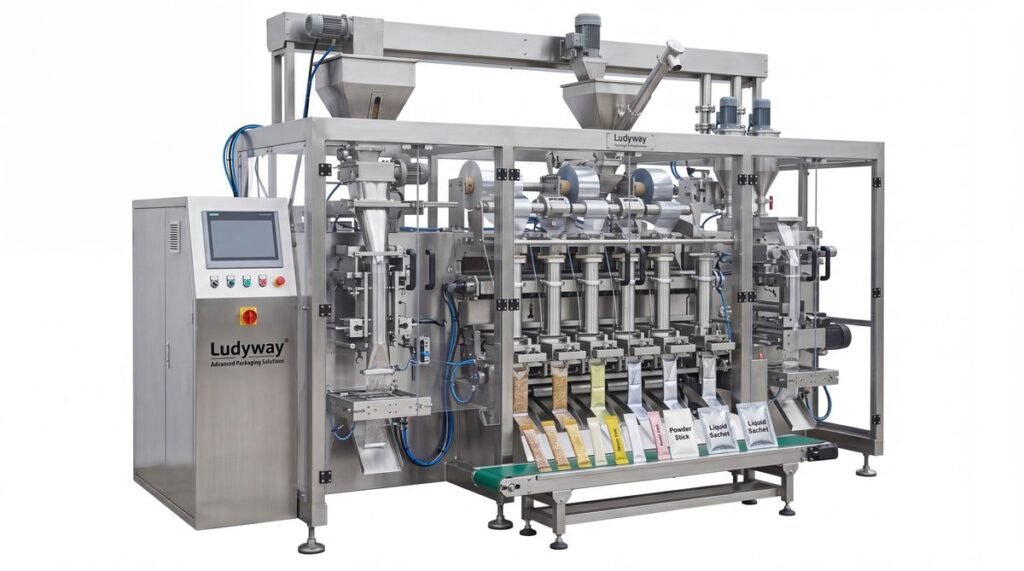
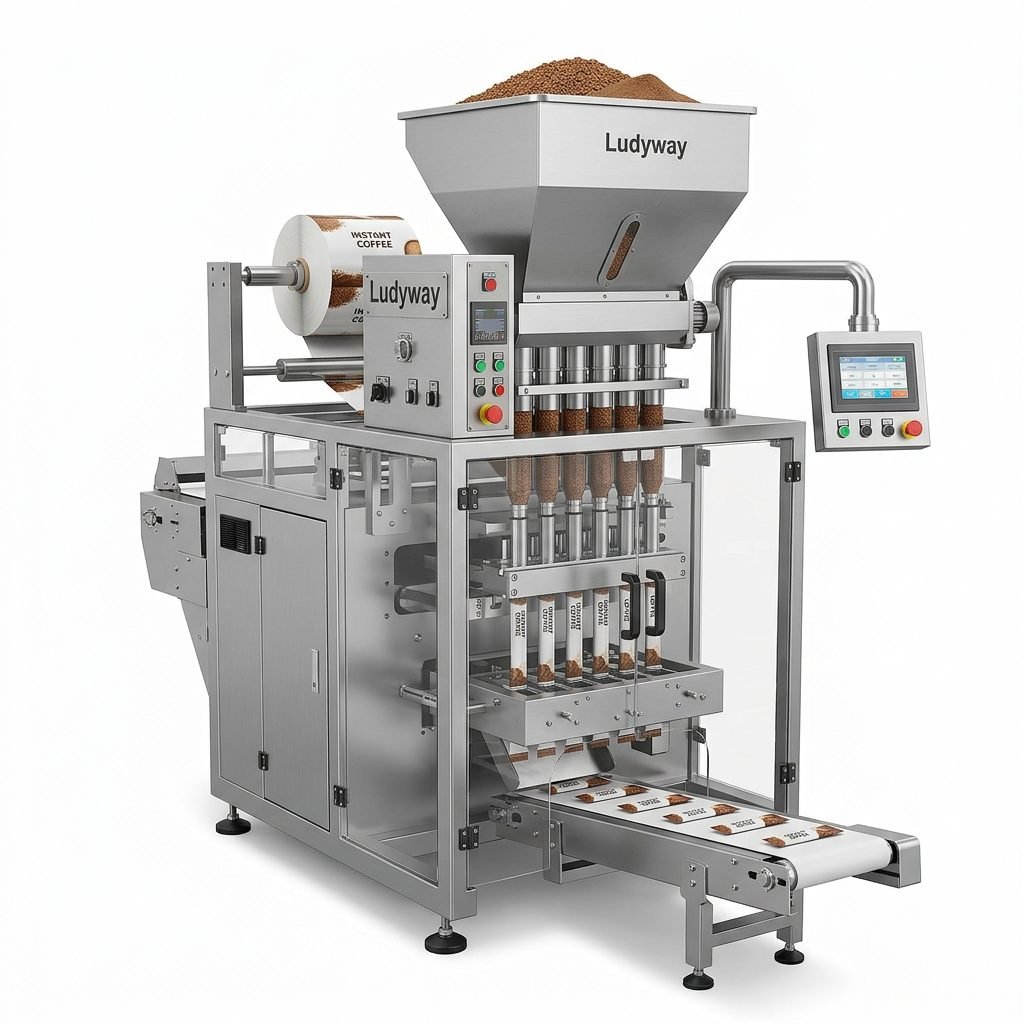
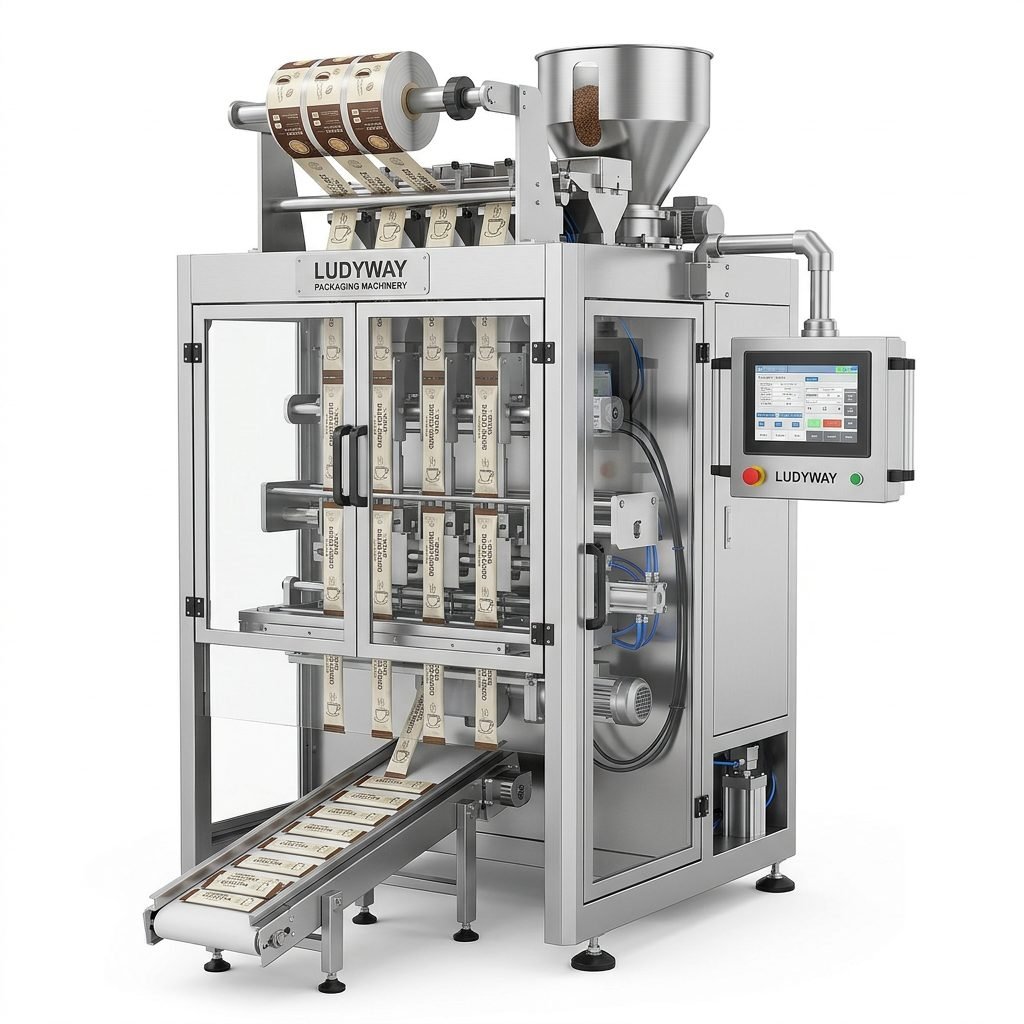
| Multi-Lane Stick Pack Machine | Instant coffee single-serve sachets | 400-1,200 packs/min | Ultra-high speed, low cost per unit |
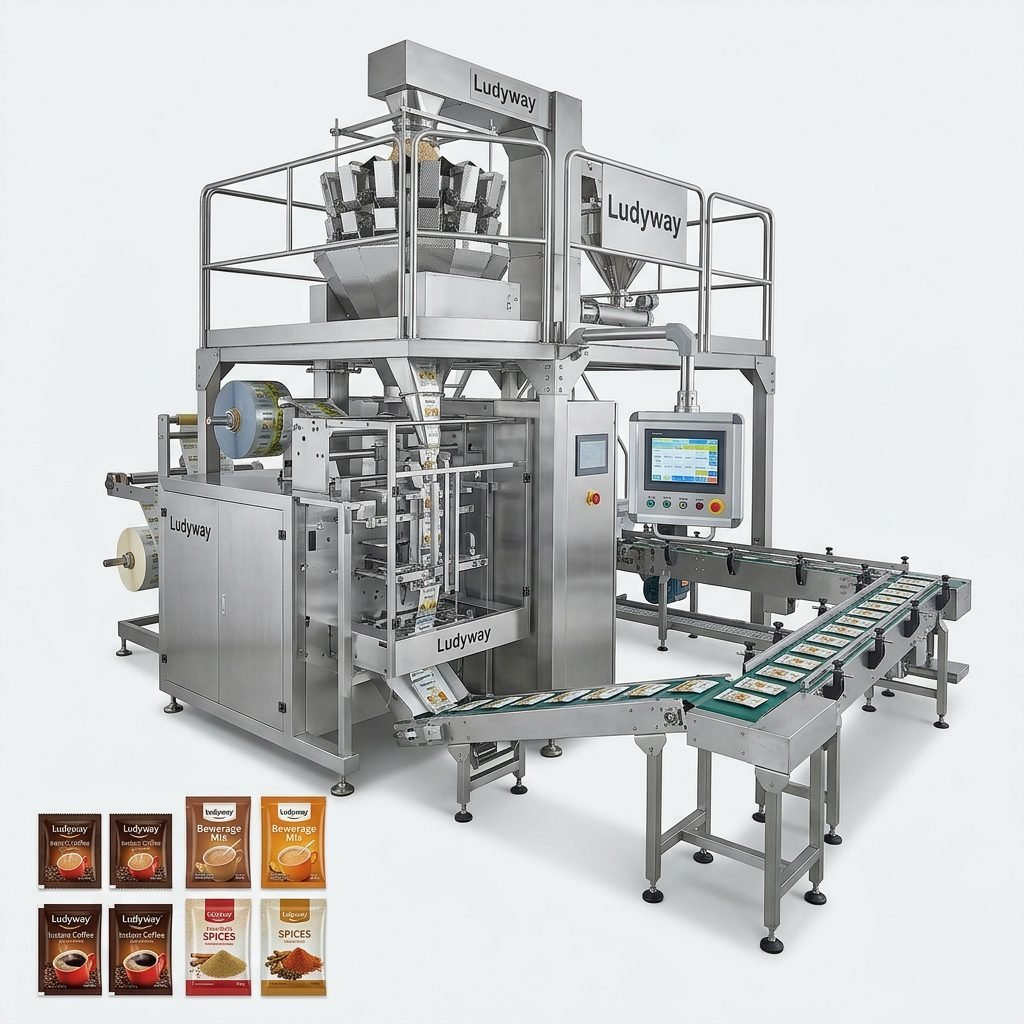
| Vertical Form-Fill-Seal (VFFS) | Ground coffee pouches, larger format bags | 30-120 bags/min | Versatile, cost-effective for mid-volume |
| Premade Pouch Filling Line | Premium coffee beans, specialty ground coffee | 20-60 pouches/min | Excellent seal quality, branding flexibility |
Cost Factors and Budget Planning for Southeast Asian Buyers
Understanding the total cost of ownership (TCO) is essential for coffee pod packaging machinery investment. Acquisition price is only one component; operational costs, maintenance, and spare parts availability in the ASEAN region significantly influence long-term ROI. Below are the primary cost drivers:
- Machine configuration and automation level: Entry-level semi-automatic capsule fillers start around USD 45,000 – 90,000, while fully integrated high-speed lines exceed USD 350,000.
- Country of origin and manufacturer reputation: European-built machines command premium pricing; Chinese manufacturers offer competitive alternatives with improving quality.
- Import duties and logistics: ASEAN harmonized tariff codes for packaging machinery vary; Thailand and Vietnam impose 0-5% duties on certain classifications, while Indonesia may apply higher rates.
- After-sales support and service contracts: Local technical support availability can reduce downtime costs by 30-40% compared to relying on remote assistance.
- Spare parts inventory: Maintaining critical components on-site is recommended given regional shipping lead times.
Southeast Asia-Specific Operational Considerations
Operating a coffee packaging line in Jakarta, Ho Chi Minh City, or Bangkok presents unique challenges compared to facilities in temperate climates. Successful installations require attention to these regional factors:
Climate Control and Product Protection
Ambient humidity levels averaging 75-85% RH during monsoon seasons accelerate coffee oxidation and clumping. Packaging machines must incorporate effective nitrogen flushing systems and be housed in climate-controlled environments. Ground coffee and instant powder are especially hygroscopic, making hermetic seal integrity non-negotiable for shelf-life targets of 12-18 months. Industry resources from the Flexible Packaging Association provide extensive guidance on barrier material selection for tropical markets.
Power Stability and Machine Protection
Voltage fluctuations are common in several Southeast Asian industrial zones. Investing in voltage stabilizers and surge protection for PLC-controlled packaging equipment prevents costly downtime and component damage. Machines with servo-driven systems are generally more energy-efficient but more sensitive to power quality issues than pneumatic alternatives.
Regulatory Compliance in ASEAN Markets
Food contact material regulations differ across ASEAN member states. While many align with FDA food packaging standards or EU framework regulations, packaging machinery must support traceability and batch coding that meets importing country requirements. Halal certification considerations may also influence material handling and cleaning protocols for facilities serving Muslim-majority markets like Indonesia and Malaysia.
Selecting the Right Supplier: What Southeast Asian Buyers Should Evaluate
Choosing a packaging machinery supplier is as critical as selecting the machine itself. The following evaluation criteria help mitigate risk and ensure a successful long-term partnership:
- Regional service presence: Does the supplier maintain service engineers or authorized agents in your country? Response time for technical support directly impacts production continuity.
- Installation and training: Comprehensive on-site installation, operator training, and maintenance documentation should be standard inclusions, not optional extras.
- Spare parts availability: Confirm that critical wear components are stocked regionally or can be air-freighted within 48-72 hours.
- Machine customization capability: Can the supplier adapt the equipment to your specific capsule format, fill weight, and packaging material requirements?
- Reference installations: Request case studies or references from similar applications, ideally within Southeast Asia or comparable climate zones.
- Warranty and after-sales terms: Standard warranties of 12-24 months are common; evaluate what is covered and any exclusions related to environmental factors.
Evaluating Chinese Packaging Machine Manufacturers
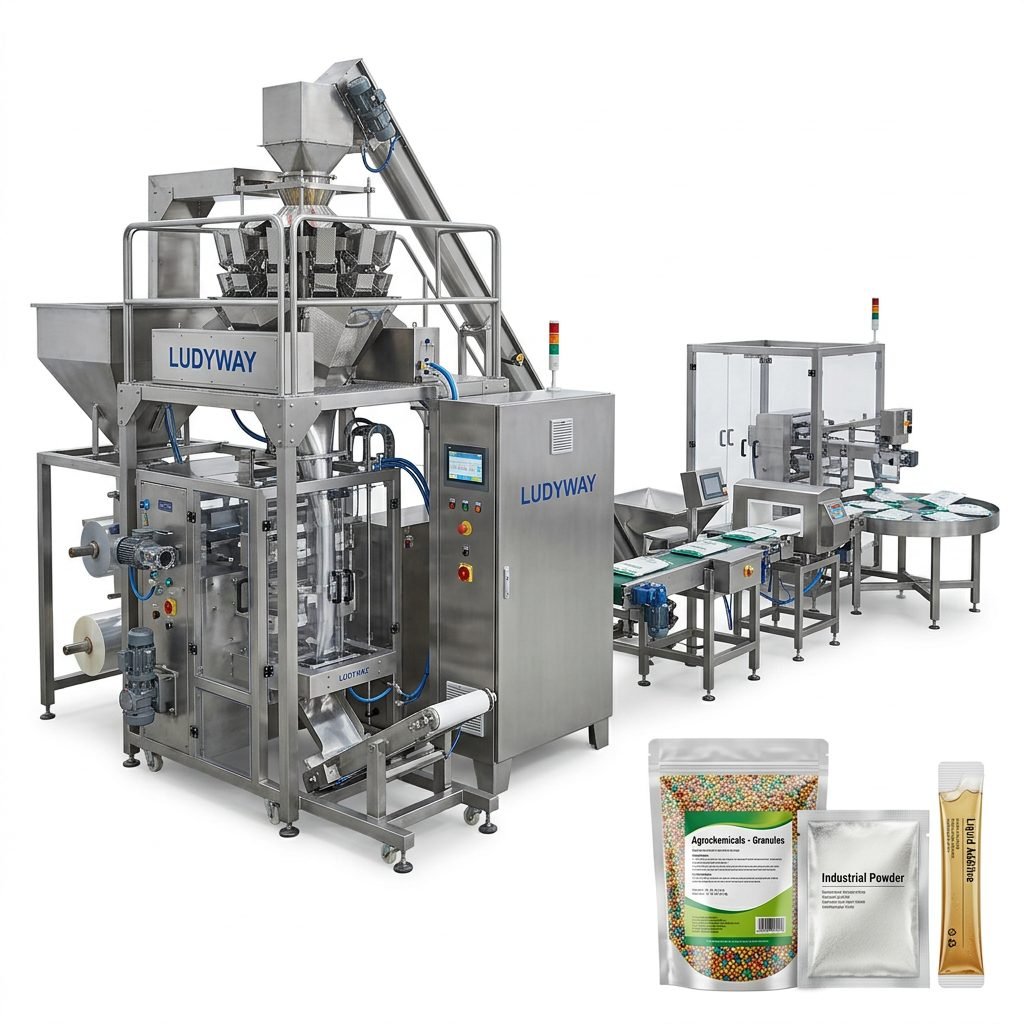
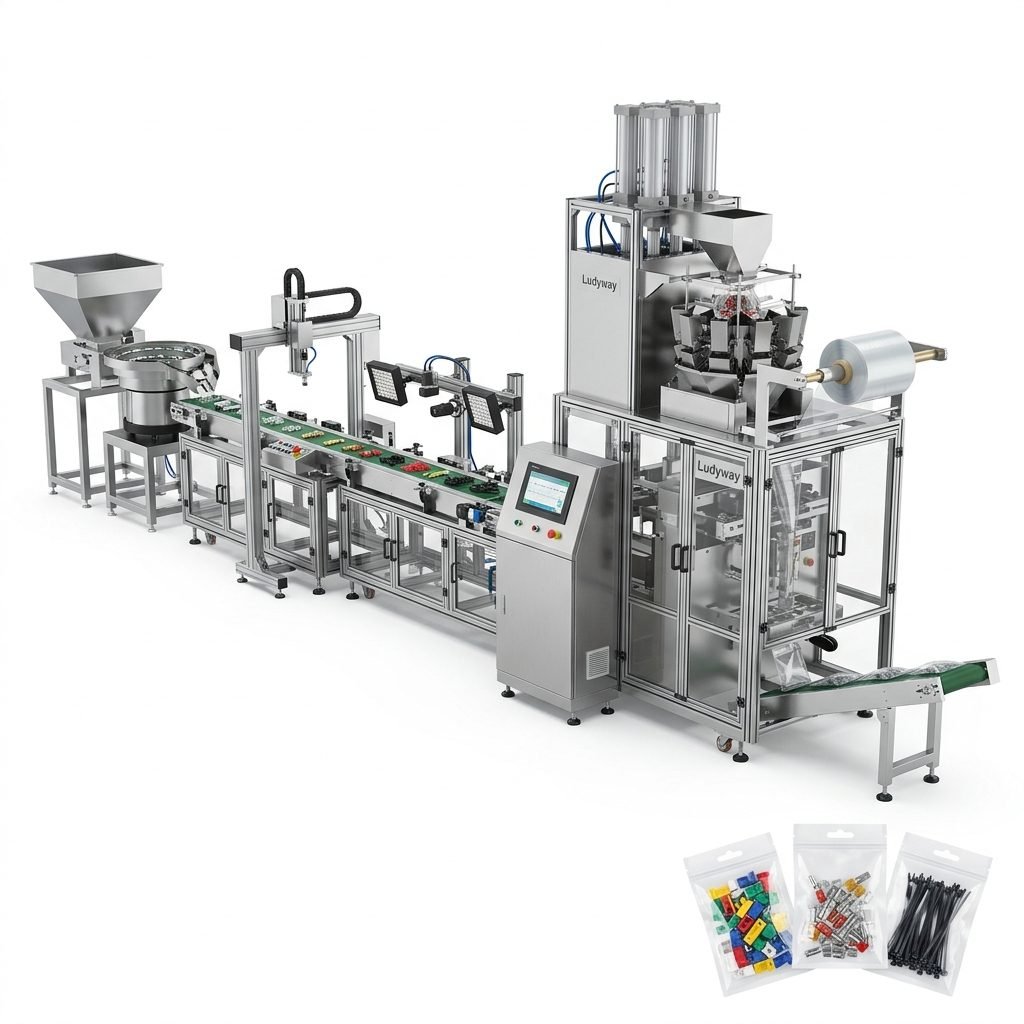
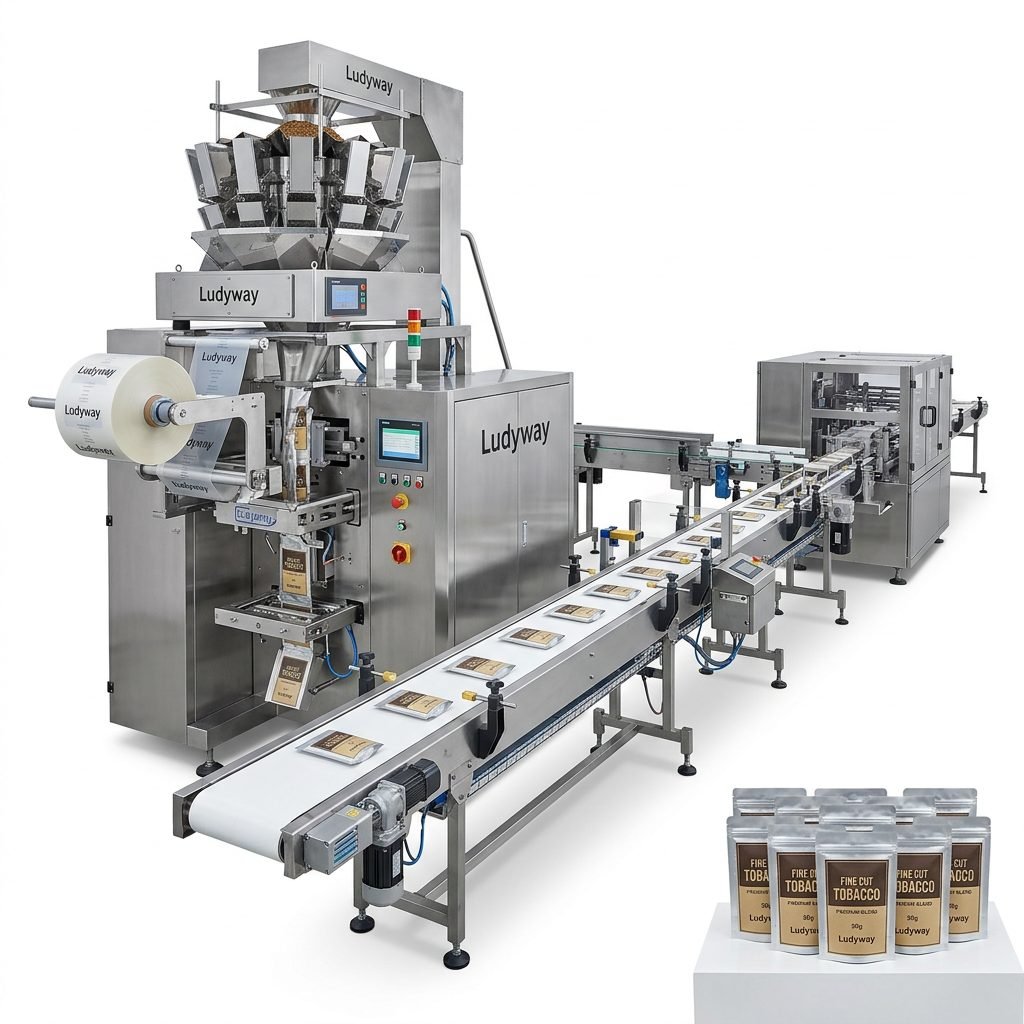
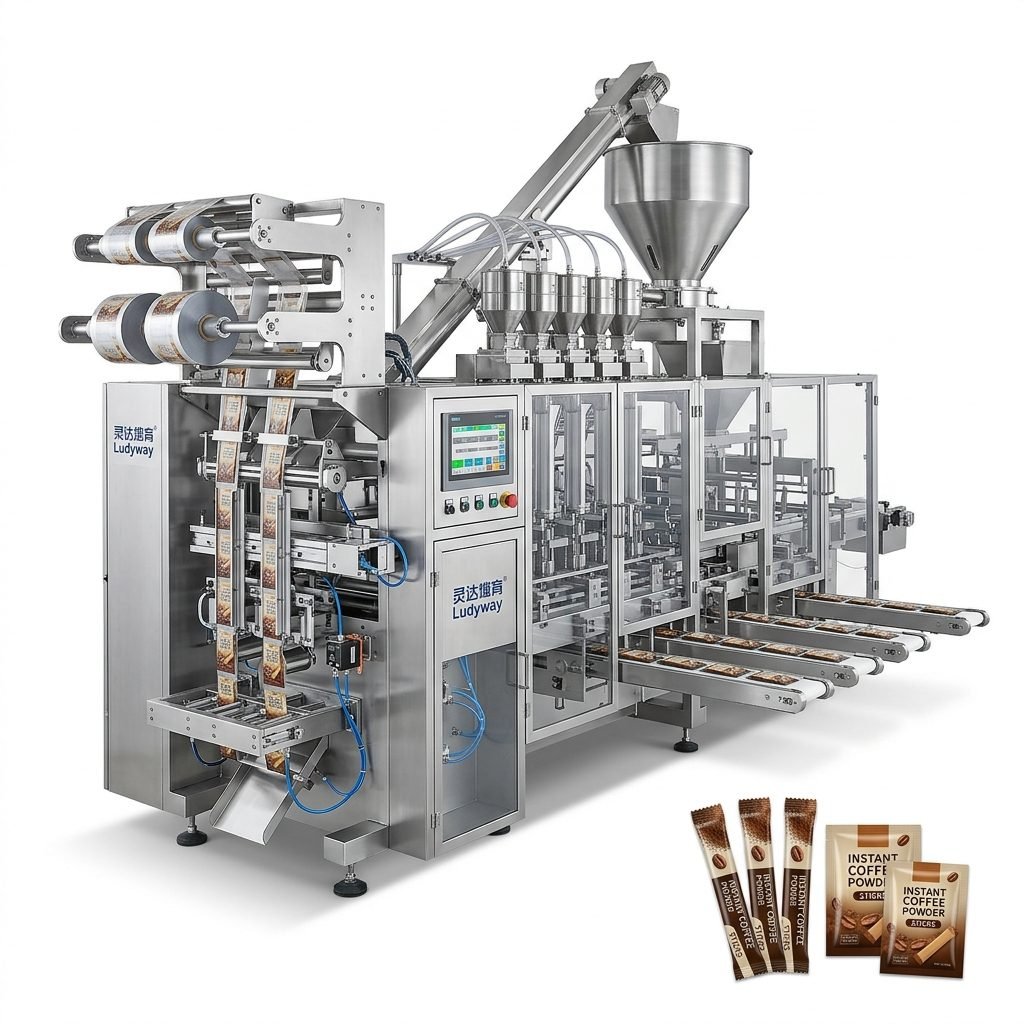
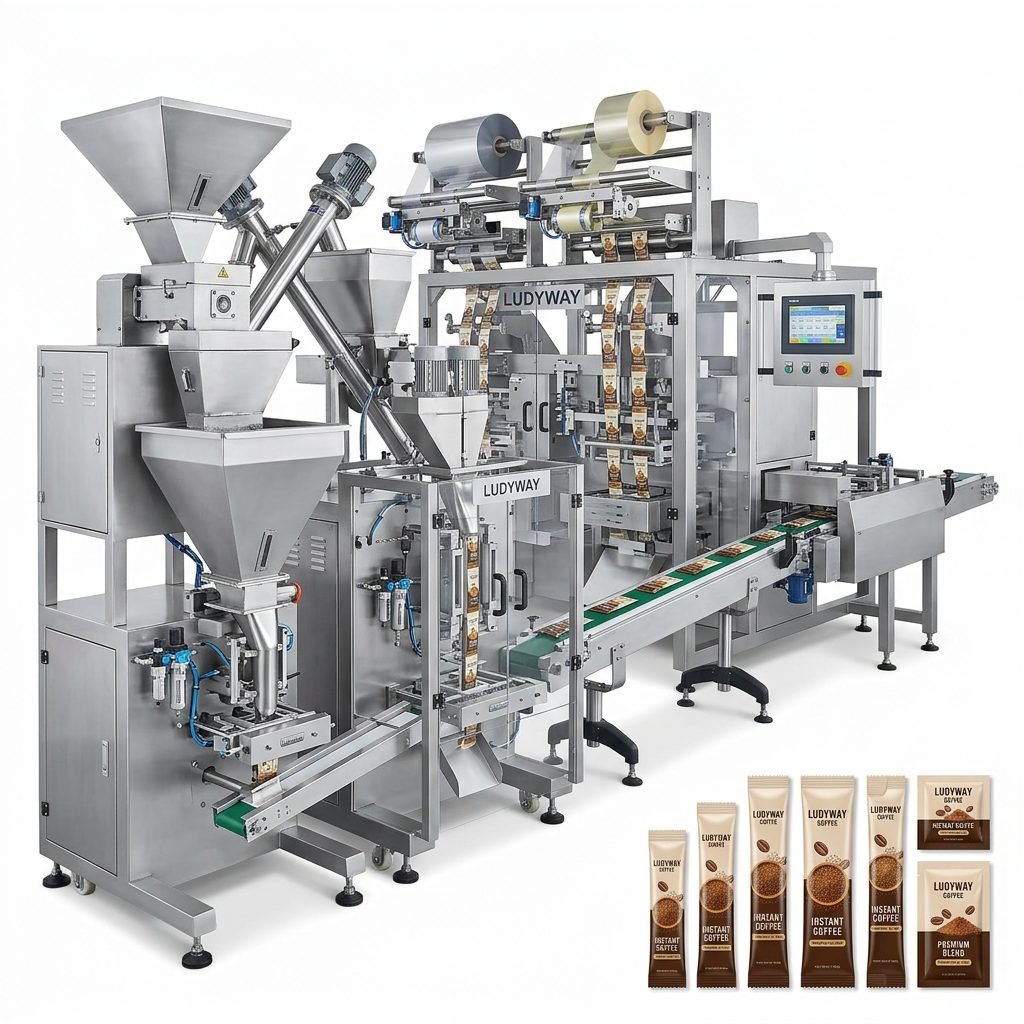
Chinese packaging equipment manufacturers have significantly improved their engineering quality, automation capabilities, and international service networks over the past decade. Many now offer ISO-certified manufacturing facilities and machines compliant with ISO packaging standards. For Southeast Asian buyers, Chinese suppliers offer shorter shipping times, more accessible spare parts, and competitive pricing compared to European counterparts. One notable manufacturer in this space is Ludyway, a large Chinese packaging machine specialist with over 30 years of industry experience and a modern 20,000㎡ production facility, offering more than 50 intelligent packaging machine models including multi-lane stick pack, sachet, and fully automated packaging systems tailored for granule, powder, and liquid applications.
Sustainability Trends Impacting Coffee Pod Packaging in Southeast Asia
Sustainability is no longer optional in the ASEAN coffee packaging sector. Consumer awareness of plastic waste—particularly in coastal nations like Indonesia, the Philippines, and Thailand—is driving regulatory changes and brand commitments. Packaging machinery must be compatible with emerging material innovations:
- Compostable and biodegradable capsule materials (PLA, PHA, paper-based) require different sealing parameters and handling characteristics compared to traditional aluminum or PP capsules.
- Recyclable mono-material laminates for sachets and pouches demand precise temperature control during sealing to avoid material deformation.
- Reduced material thickness initiatives challenge machine capability to maintain seal integrity with thinner films.
Progressive manufacturers are selecting machines with servo-driven sealing systems that allow fine-tuning of temperature, pressure, and dwell time—parameters critical for processing next-generation sustainable packaging materials without compromising output speed or quality.
Making the Investment Decision: A Step-by-Step Framework
For coffee companies evaluating their first or next packaging line investment in Southeast Asia, a structured decision framework helps align technical requirements with business objectives. Consider the following approach:
- Define your product roadmap: Map out planned capsule formats, fill weights, and packaging materials for the next 3-5 years to ensure machine flexibility.
- Calculate realistic throughput needs: Base capacity planning on peak seasonal demand (e.g., Ramadan in Indonesia and Malaysia, Tet in Vietnam) rather than average monthly volumes.
- Assess facility readiness: Confirm that your production floor has adequate compressed air, electrical supply, climate control, and material handling space.
- Compare total cost of ownership: Look beyond the purchase price to include energy consumption, consumable parts, maintenance labor, and expected machine lifespan (typically 10-15 years for well-maintained equipment).
- Conduct factory acceptance testing (FAT): Whenever possible, visit the manufacturer’s facility to test the machine with your actual coffee products and packaging materials before shipment.
Related Industry Resources
For further research on packaging machinery standards, market data, and regulatory requirements, the following authoritative resources provide valuable intelligence for Southeast Asian coffee manufacturers:
- PMMI Business Intelligence Library — Comprehensive packaging industry research and economic reports
- Flexible Packaging Association — Resources on flexible packaging materials and sustainability
- PACK EXPO International — Leading global packaging trade event for equipment evaluation
- European Commission — Packaging and Packaging Waste — Regulatory frameworks influencing global packaging standards
Conclusion: Positioning for Growth in Southeast Asian Coffee Packaging
The Southeast Asian coffee pod and sachet packaging market offers substantial growth potential for manufacturers who invest in the right equipment and supplier partnerships. By prioritizing machine flexibility, climate-appropriate engineering, supplier reliability, and sustainability compatibility, coffee companies can build scalable, efficient packaging operations that meet both current demand and future market evolution. Whether launching a new capsule line in Bangkok, expanding stick-pack capacity in Ho Chi Minh City, or upgrading an aging facility in Medan, a methodical equipment selection process grounded in the factors outlined in this guide will support informed, confident investment decisions that drive long-term competitive advantage in this dynamic region.