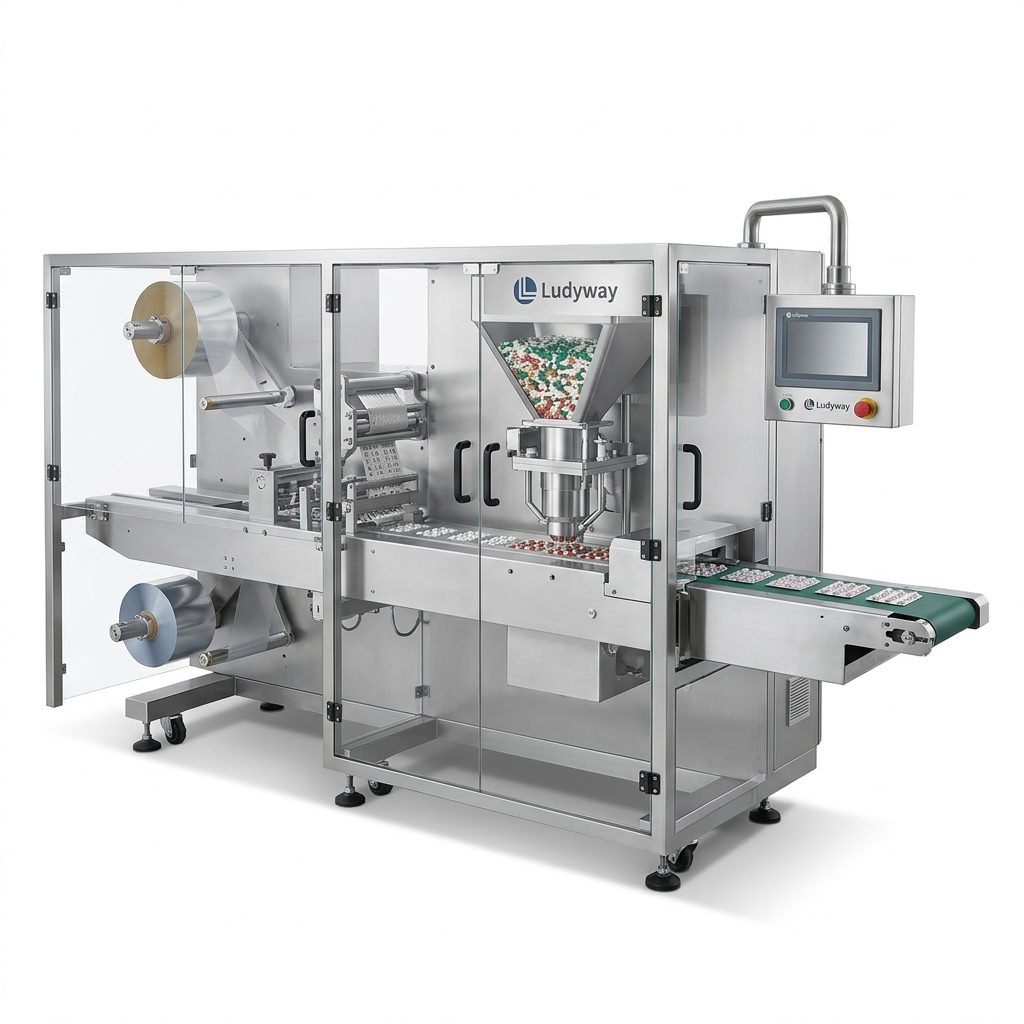
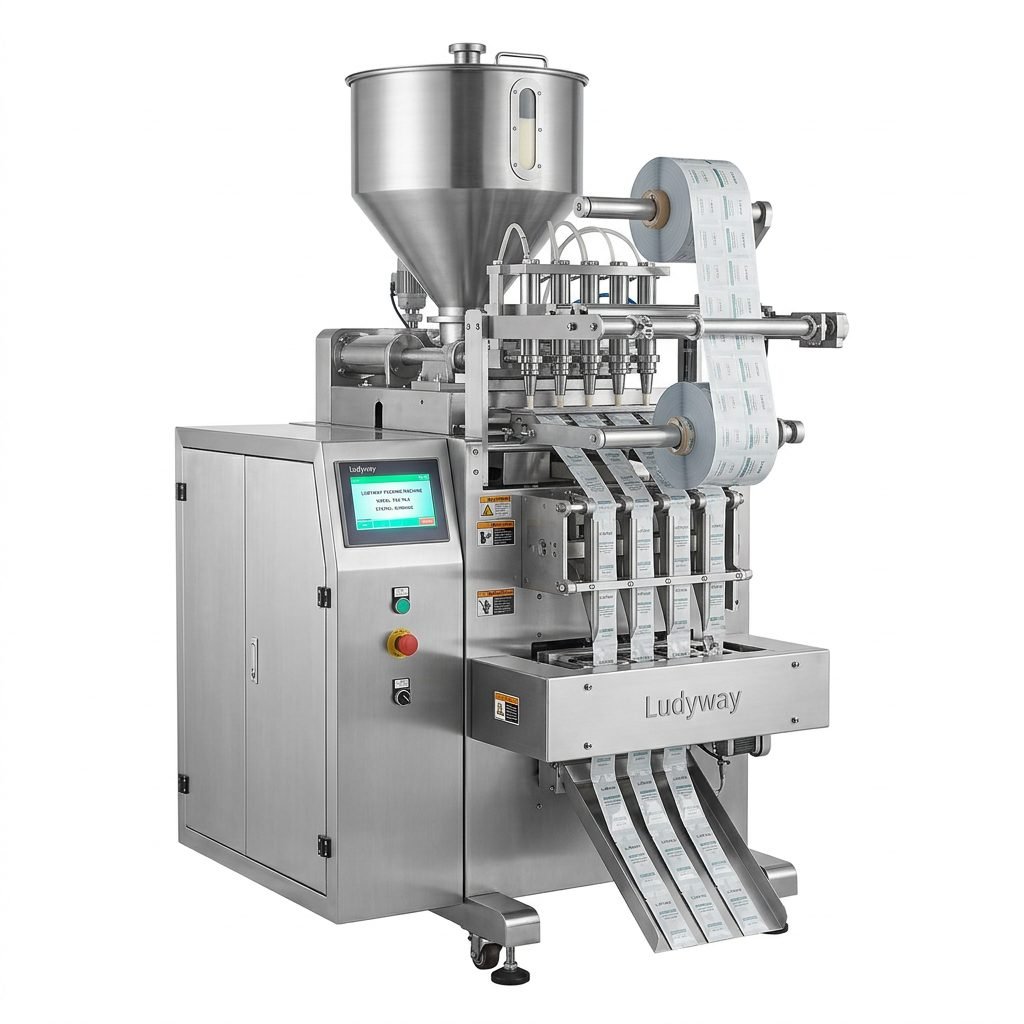
Choosing a packaging equipment supplier is not only about comparing prices. It is about finding a manufacturing partner that can support your product quality, output goals, compliance standards, and long-term growth. A wrong choice may lead to downtime, inconsistent sealing, material waste, delayed delivery, and difficult after-sales communication. A right choice helps you improve efficiency, reduce labor costs, and scale production with confidence.
For food, pharmaceutical, health supplement, cosmetic, chemical, and pouch-based products, the supplier should understand both machine engineering and real production applications. That combination is what separates a basic equipment vendor from a reliable packaging machine manufacturer.
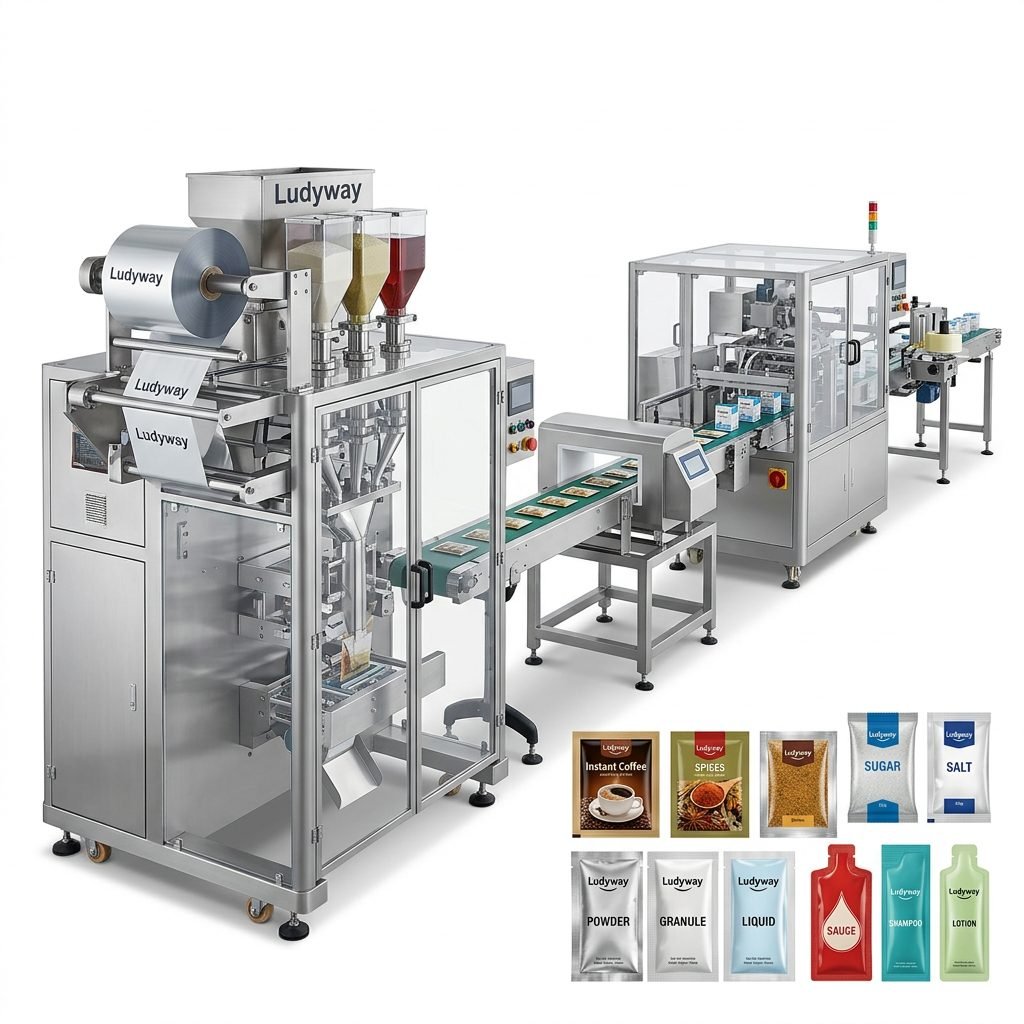
Why Supplier Selection Matters More Than Ever
Today’s packaging environment is more demanding than before. Buyers are expected to deliver faster production, cleaner packaging presentation, better traceability, and more flexible formats. Whether you produce sachets, stick packs, pouches, bottles, or cartons, your equipment supplier directly affects:
- Production efficiency and line speed
- Packaging accuracy and seal quality
- Changeover time between SKUs
- Compatibility with powders, granules, liquids, or pastes
- Labor requirements and automation level
- Maintenance cost and spare parts availability
- Compliance with food and pharmaceutical standards
- Future line expansion and turnkey integration
In other words, the supplier is not just selling a machine. They are influencing your operating cost, customer satisfaction, and delivery performance.
Start with Your Packaging Application, Not the Machine Model
Many buyers begin by searching for a specific machine type, such as a sachet packing machine or vertical form fill seal machine. That is useful, but the smarter starting point is your actual application. Before contacting suppliers, define the following clearly:
- What product are you packing: powder, granule, liquid, paste, capsule, tablet, or pouch product?
- What package format do you need: sachet, stick pack, premade pouch, bottle, jar, or bulk bag?
- What output target do you require per minute or per hour?
- What filling accuracy is acceptable?
- Do you need a single machine or a complete automatic line?
- Are there hygiene, GMP, or special compliance requirements?
- What level of customization is needed for your product and market?
Once your needs are clear, it becomes much easier to evaluate whether a packaging machine manufacturer has the right experience and technical depth.
Key Criteria for Choosing the Right Packaging Equipment Supplier
1. Industry Experience and Manufacturing Background
Experience matters because packaging is rarely a one-size-fits-all process. Powder behaves differently from granules, and viscous liquid behaves differently from free-flowing liquid. A supplier with strong manufacturing history is more likely to understand dosing systems, sealing parameters, material feeding challenges, and integration details.
Look for signs such as:
- Years in the packaging machinery industry
- Export experience in multiple markets
- Proven installations across industries
- Factory scale and in-house production capability
- Engineering and customization capacity
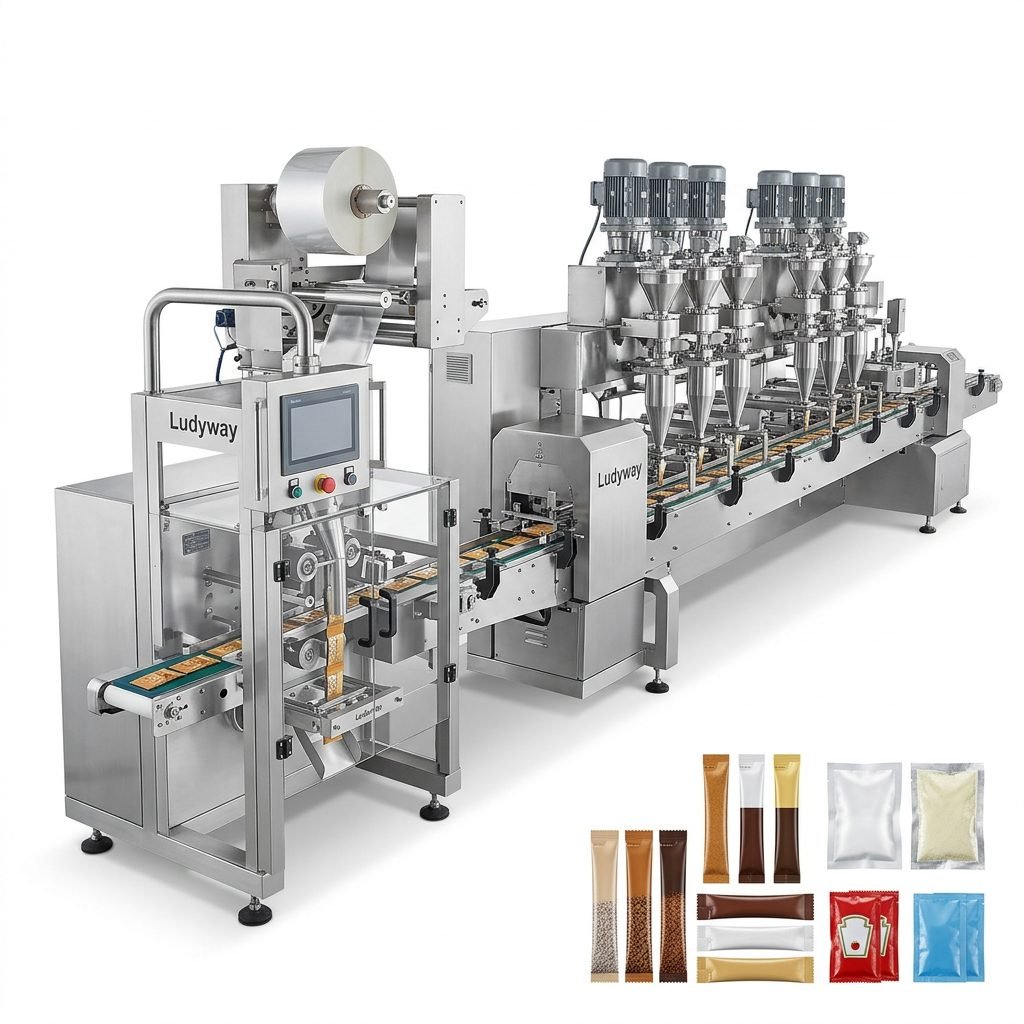
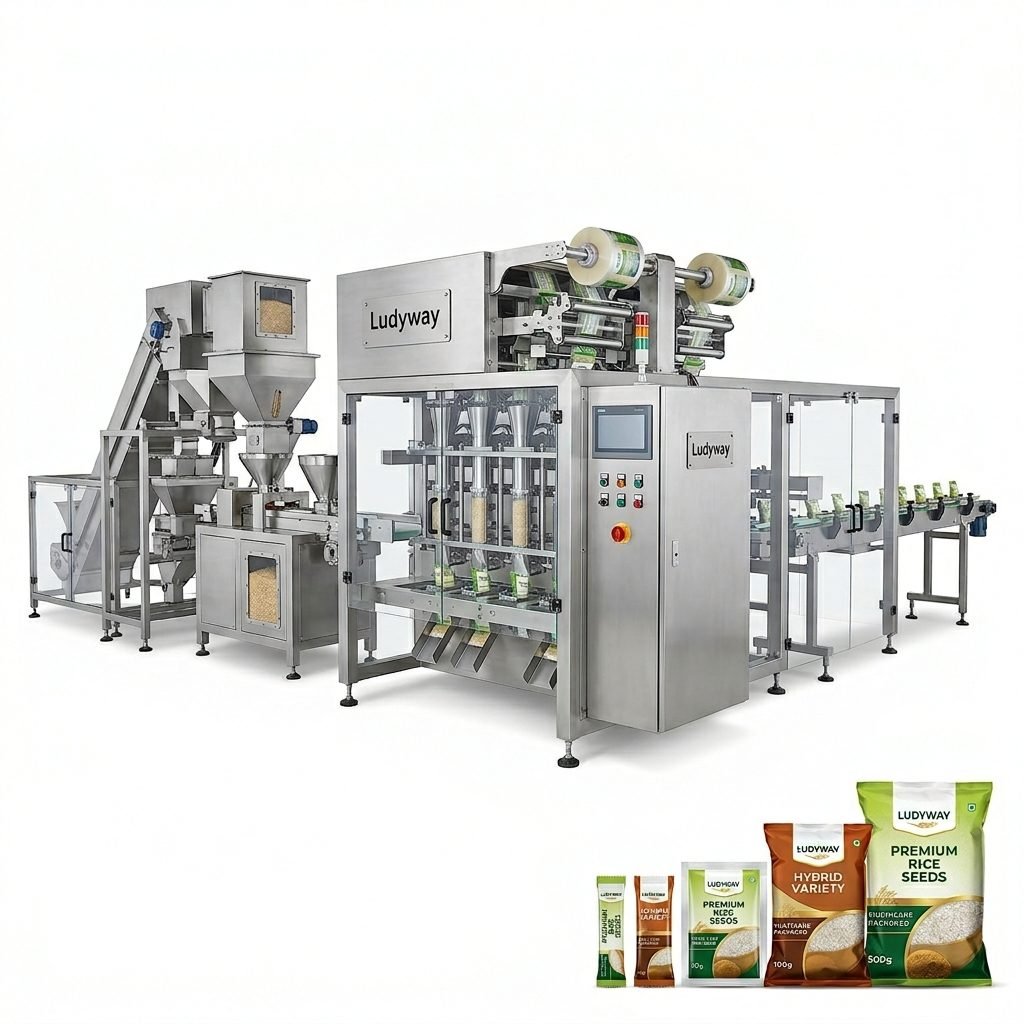
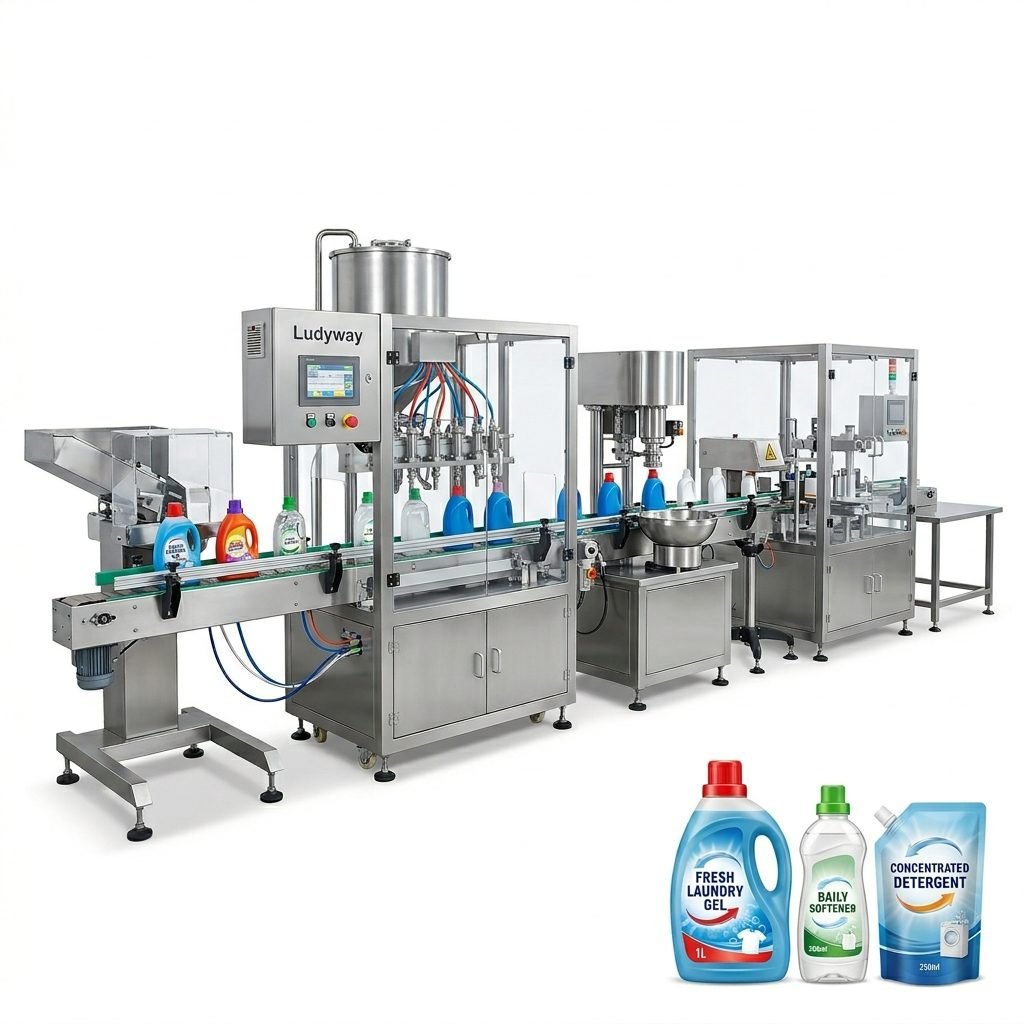
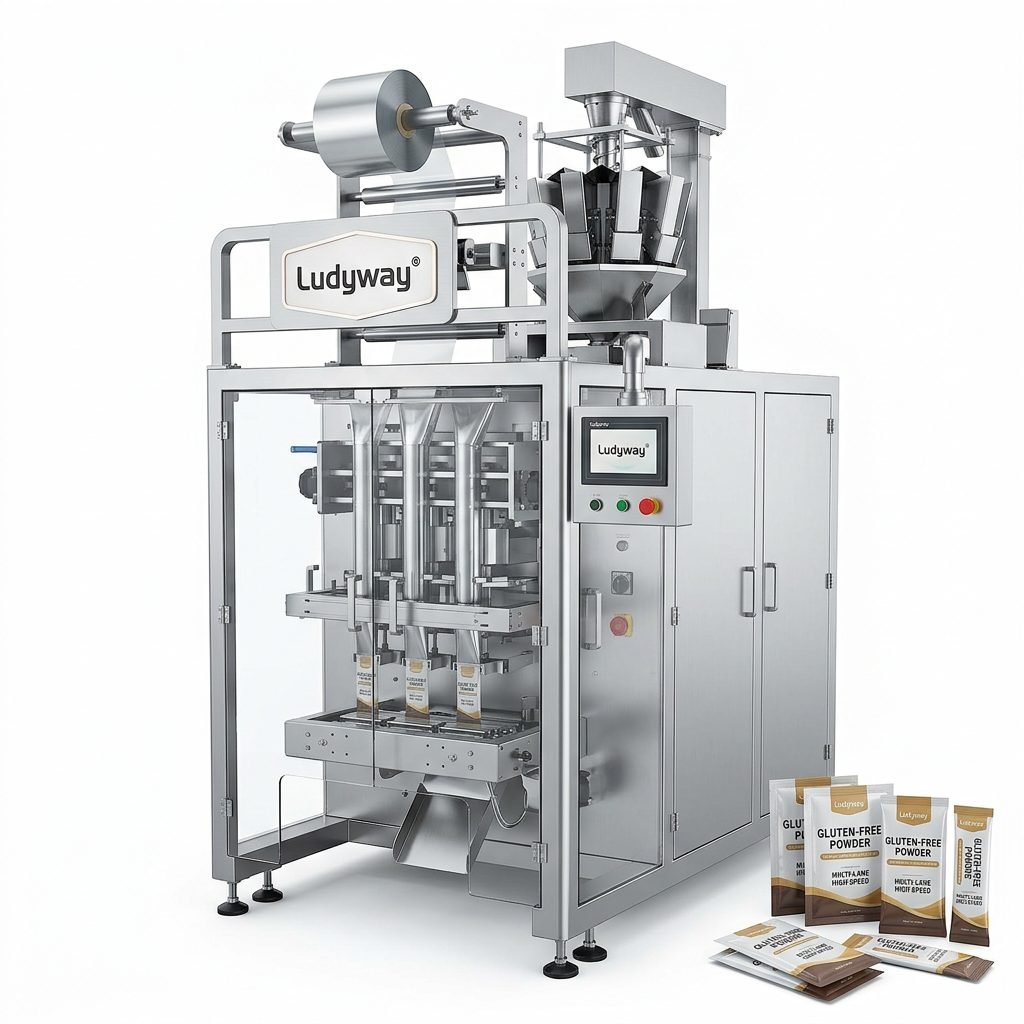
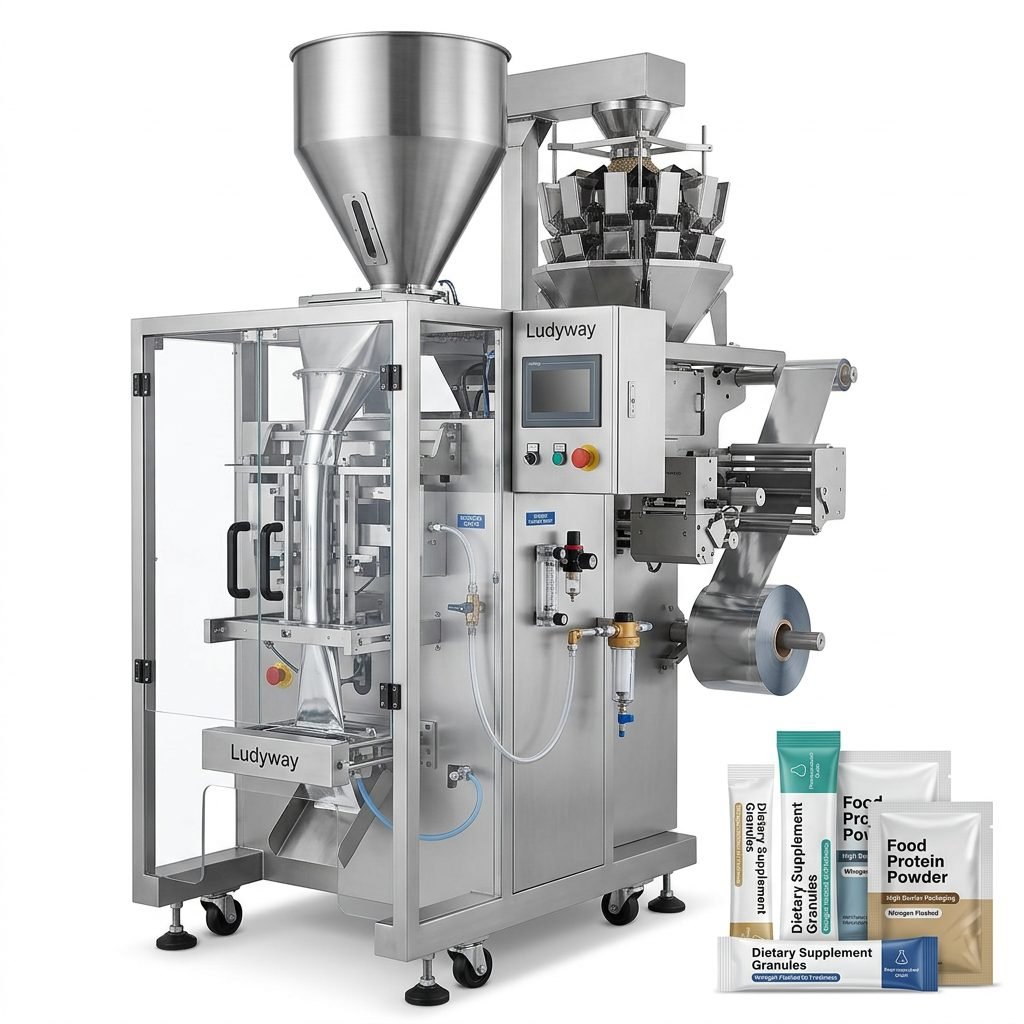
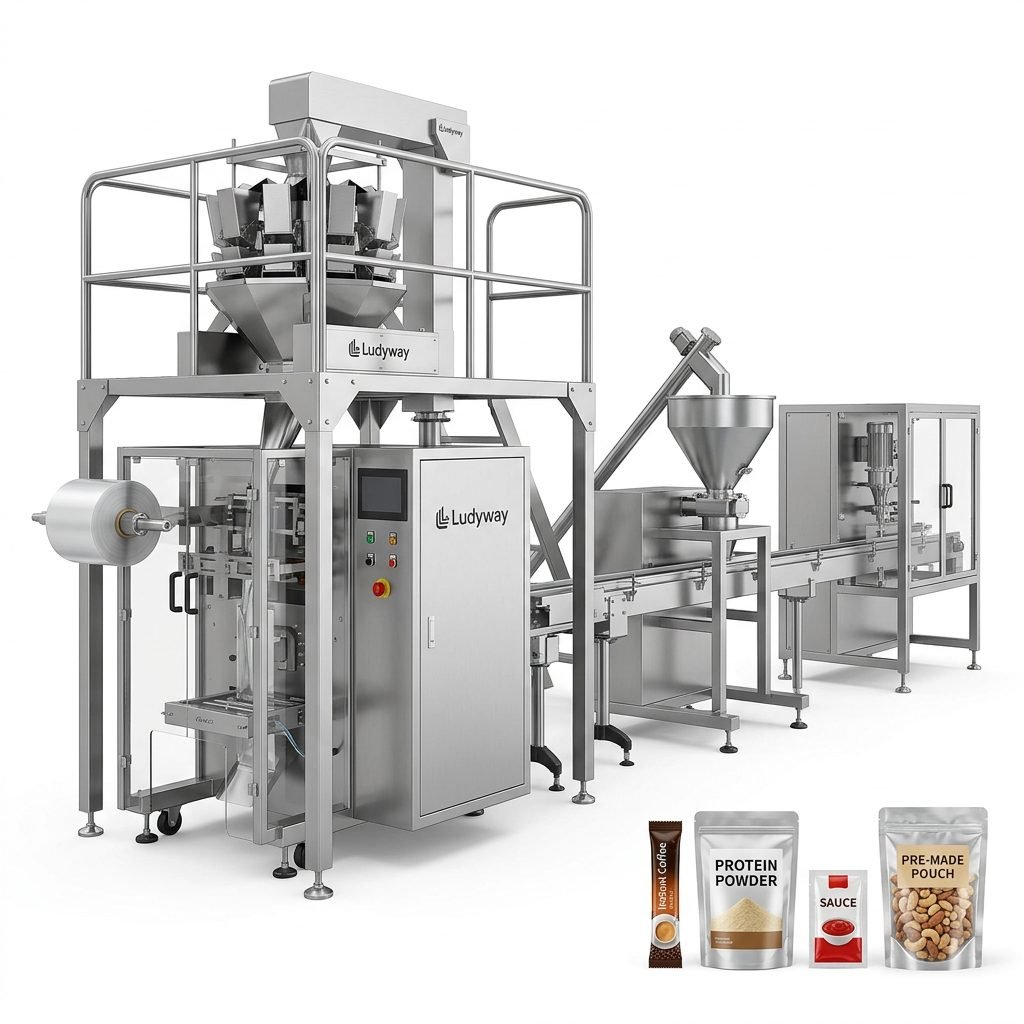
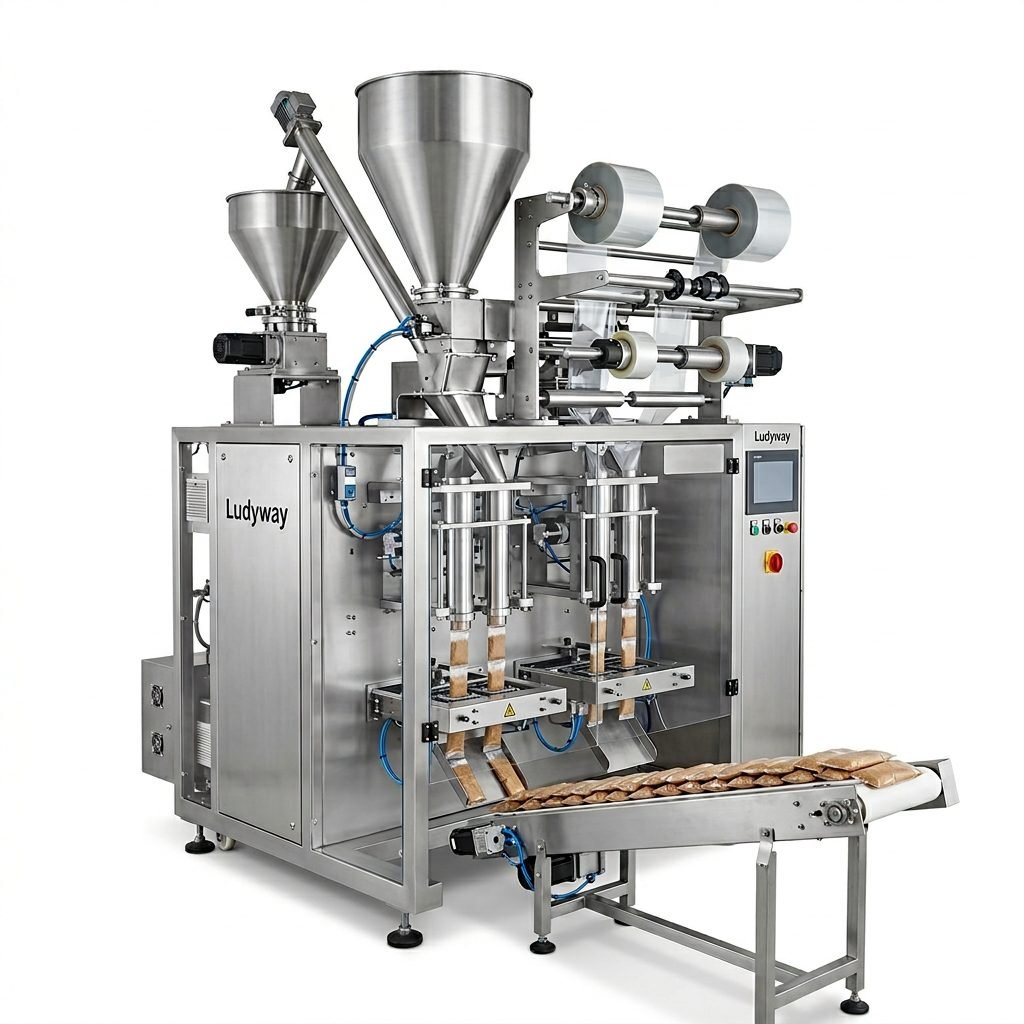
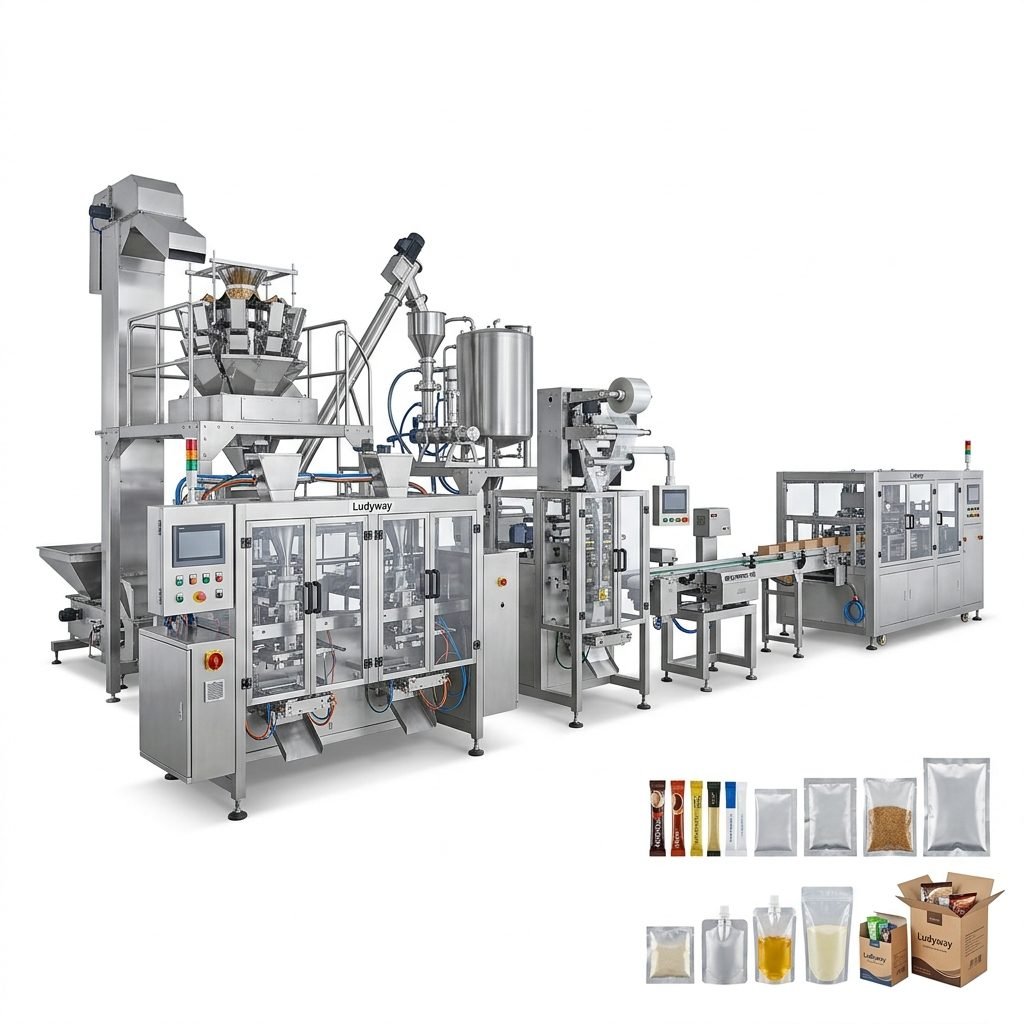
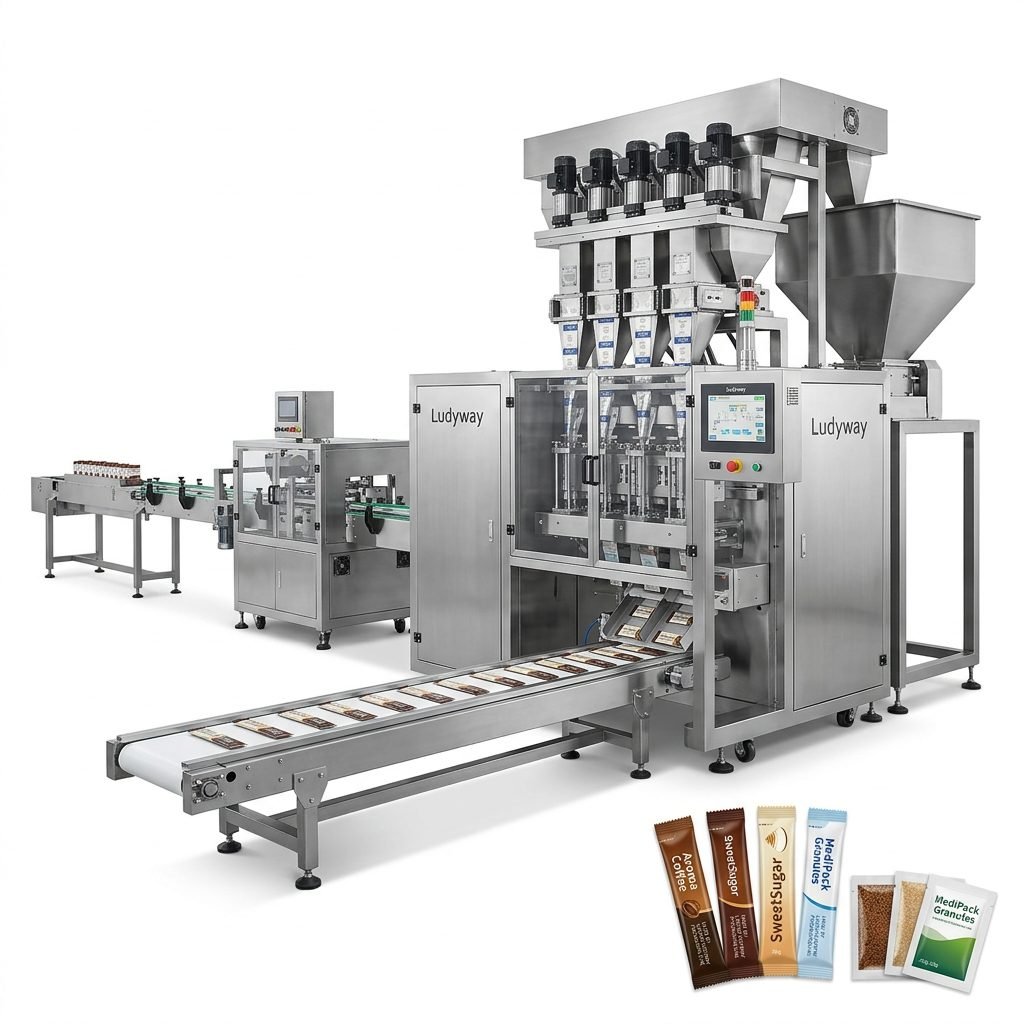
For example, Ludyway packaging machine manufacturer has been established since 1993, operates a manufacturing facility of over 20,000 square meters, and offers more than 100 machine configurations for food, pharmaceutical, health supplement, and related industries. For buyers looking for both standalone machines and turnkey packaging lines, this kind of manufacturing depth can be a major advantage.
2. Product Range and Application Coverage
A strong supplier should offer equipment that fits your current products and future expansion plans. If your business may later add new SKUs, package sizes, or dosing types, working with a supplier that has broad product coverage reduces risk.
Common equipment categories to review include:
- Multi-lane stick pack machines
- Sachet packing machines
- Vertical packaging machines
- Liquid filling and sealing systems
- Bottle filling, capping, and labeling systems
- Cartoning, checkweighing, coding, and inspection equipment
- Complete turnkey packaging lines
| Packaging Need | Recommended Equipment Type | What to Confirm with Supplier |
|---|---|---|
| Powder sachets or stick packs | Multi-lane powder packaging machine | Accuracy, dust control, sealing stability, speed |
| Granule products | Volumetric or weighing-based packing system | Flow characteristics, anti-breakage design, output |
| Liquids or pastes | Liquid filling and sealing machine | Nozzle design, anti-drip system, cleaning convenience |
| Pharma or nutraceutical products | Sachet, stick pack, blister, bottling line | Compliance, traceability, validation support |
| Full automation project | Turnkey packaging line | Integration, layout planning, after-sales service |
3. Customization Capability
Standard machines can be useful, but many B2B packaging projects need more than a catalog model. Product density, packaging film, filling volume, environmental conditions, and target output often require customization.
Ask whether the supplier can adapt:
- Lane quantity and machine speed
- Filler type for powder, granule, or liquid
- Bag dimensions and sealing structure
- Control system and HMI language
- Material contact parts and hygiene design
- Upstream feeding and downstream cartoning or case packing
Customization should improve production fit, not create engineering uncertainty. The best suppliers can explain exactly what will be modified and why.
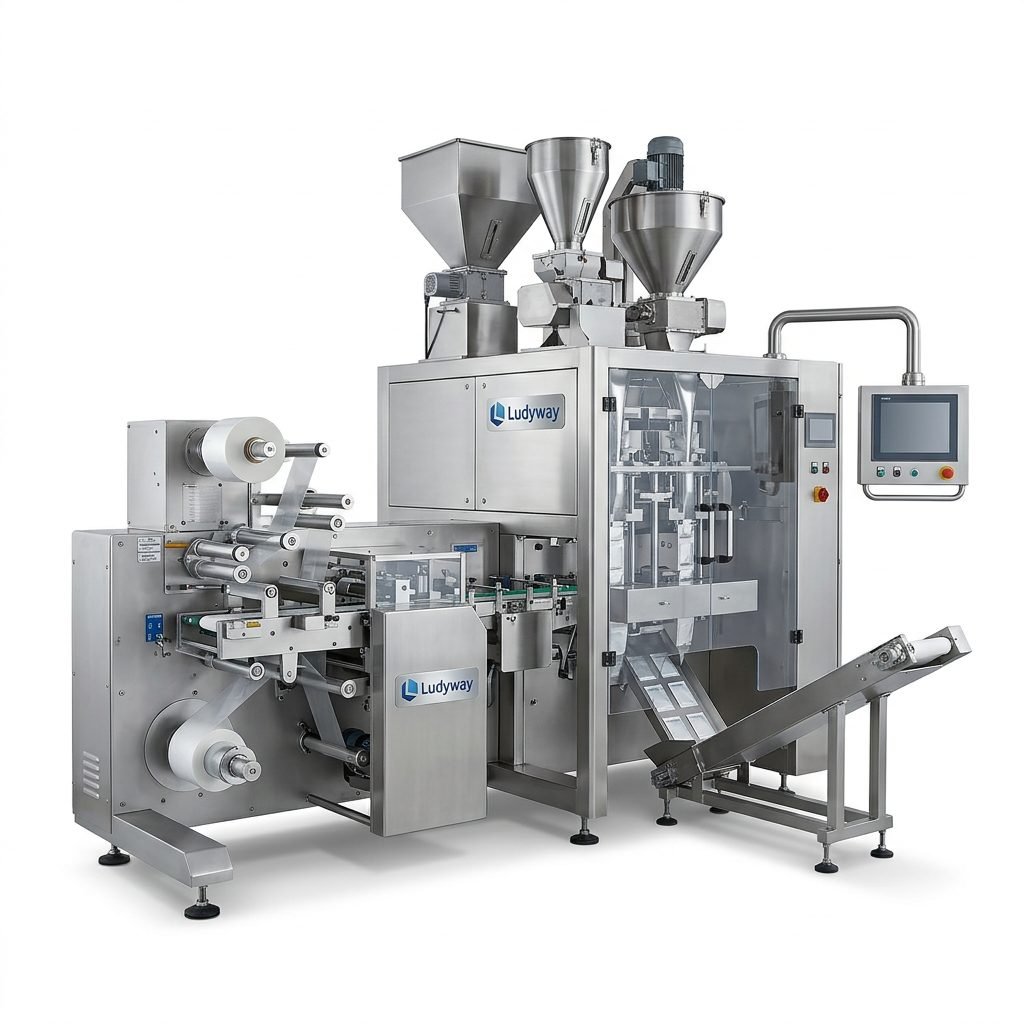
4. Ability to Provide Turnkey Packaging Lines
If your project involves more than one machine, it is often better to work with a supplier that can deliver a complete line rather than sourcing each machine separately. A turnkey supplier can coordinate integration between feeding, filling, sealing, coding, inspection, cartoning, and palletizing.
Turnkey capability usually helps with:
- Lower integration risk
- More consistent communication
- Shorter installation time
- Better line layout planning
- Simplified service and troubleshooting
This is especially valuable for growing manufacturers in food, pharma, and health supplement sectors that want to move from semi-automatic production to a more automated packaging workflow.
5. Technical Support and After-Sales Service
Good machines still need good support. Even the most advanced line can face wear parts replacement, operator training needs, changeover questions, or process adjustments after installation. When evaluating suppliers, do not focus only on pre-sales communication. Review the full service lifecycle.
Important questions include:
- Do they provide installation guidance or on-site support?
- How quickly do they respond to technical issues?
- Are spare parts easy to source?
- Do they offer remote troubleshooting?
- Can they provide operating manuals, videos, and maintenance training?
A supplier with long-term export experience usually has more mature processes for overseas service, documentation, and follow-up communication.
6. Export Experience and Global Market Understanding
Packaging equipment buyers often face practical import and compliance issues beyond machine performance. Export-capable suppliers are better prepared to handle shipping coordination, export documents, voltage differences, local safety requirements, and multilingual communication.
If a supplier already exports to Europe, North America, the Middle East, South America, Africa, and Southeast Asia, it usually signals stronger adaptability to different project standards and customer expectations.
7. Quality Control and Production Process Transparency
You should know how the machine is built, tested, and inspected before shipment. Reliable packaging machine manufacturers typically have structured assembly and quality inspection procedures. Ask for:
- Factory photos or videos
- Machine testing videos with similar products
- Inspection reports
- Component brand details
- Pre-shipment acceptance process
Transparent suppliers are usually more confident in their manufacturing process. If possible, request a demonstration with packaging materials and products similar to your own.
How to Compare Packaging Machine Suppliers Effectively
Many buyers receive several quotations and then compare only price and speed. That can be misleading. A lower quotation may exclude key components, commissioning support, or essential customization. A better comparison method is to evaluate suppliers using a broader decision matrix.
| Evaluation Factor | Why It Matters | Buyer Tip |
|---|---|---|
| Price | Affects project budget | Compare total value, not just initial cost |
| Machine performance | Impacts output and quality | Ask for test data and similar case studies |
| Customization | Improves fit for your product | Confirm exact scope of modifications |
| Lead time | Affects launch planning | Check production schedule and delivery terms |
| After-sales support | Critical for long-term uptime | Ask how service is handled after shipment |
| Turnkey integration | Reduces line compatibility issues | Prefer suppliers with system-level capability |
Questions You Should Ask Before Buying
A professional supplier should welcome detailed technical questions. Use the discussion stage to verify if they understand your production needs or are just offering a generic machine.
Recommended supplier questions:
- What machine model best fits my product characteristics and why?
- Can you show references or videos for similar applications?
- What output range is realistic under actual production conditions?
- How is filling accuracy controlled and tested?
- What machine parts contact the product?
- How easy is cleaning and maintenance?
- What spare parts are recommended with the initial order?
- Can the machine be upgraded in the future?
- Do you support turnkey line design and integration?
- What training and after-sales support are included?
Red Flags to Avoid When Selecting a Packaging Equipment Supplier
Some warning signs are easy to miss during early conversations. Be cautious if a supplier:
- Recommends a machine without asking detailed product questions
- Cannot provide testing evidence or similar application references
- Offers unclear specifications or vague speed claims
- Has poor response time before the order is even placed
- Cannot explain service process, training, or spare parts policy
- Only sells single machines but cannot discuss line integration
- Changes pricing or scope frequently without technical explanation
If communication is unclear before purchase, it often becomes more difficult after installation.
Why More Global Buyers Choose Chinese Packaging Machine Manufacturers
China has become a major sourcing center for packaging machinery because many manufacturers now combine competitive pricing with strong engineering capability, fast production capacity, and broad export experience. For international buyers, the key is not simply sourcing from China, but sourcing from the right manufacturer.
Leading Chinese suppliers often provide:
- Wide machine selection across multiple industries
- Flexible customization for different package formats
- Turnkey line engineering
- Scalable automation solutions
- Better cost-performance ratio for growing manufacturers
This is particularly relevant for companies that want to modernize packaging operations without overspending on overly complex systems that do not match their actual production stage.
Best Supplier Fit by Business Type
For food manufacturers
Focus on packaging speed, sealing consistency, hygiene design, and flexibility for powders, granules, snacks, seasonings, beverages, and sauces.
For pharmaceutical and health supplement companies
Prioritize dosing accuracy, validation support, clean construction, traceability options, and stable multi-shift performance.
For cosmetic and personal care brands
Look for expertise in liquid, cream, gel, and sachet applications, plus attractive package quality and smooth integration with downstream labeling or cartoning.
For chemical and industrial product suppliers
Check compatibility with corrosive, dusty, or heavy materials, and confirm safety design, sealing strength, and suitable feeding systems.
Final Buying Advice for Long-Term Value
The best packaging equipment supplier is not necessarily the cheapest, the fastest to quote, or the one with the longest product list. The right partner is the one that can match your product, understand your production goals, provide reliable equipment, and support your business after delivery.
When evaluating a packaging machine manufacturer, always balance technical fit, customization ability, service reliability, and future scalability. That approach leads to better ROI and fewer surprises during installation and operation.
If your company is planning a new packaging project, upgrading from semi-automatic equipment, or building a full turnkey line, taking the time to choose the right supplier will pay off in productivity, consistency, and long-term operational stability.