Setting up a pet food packaging machine production line in the UK requires meticulous planning, a thorough understanding of local regulations, and the selection of high-performance equipment designed for granule, powder, and wet food applications. Whether you are producing dry kibble, freeze-dried treats, or wet pouch meals, the efficiency of your packaging line directly influences product shelf life, visual appeal on retail shelves, and overall operational profitability. This guide walks you through the entire process—from initial concept and factory layout to equipment selection and compliance with UK standards.
1. Planning Your Pet Food Packaging Strategy
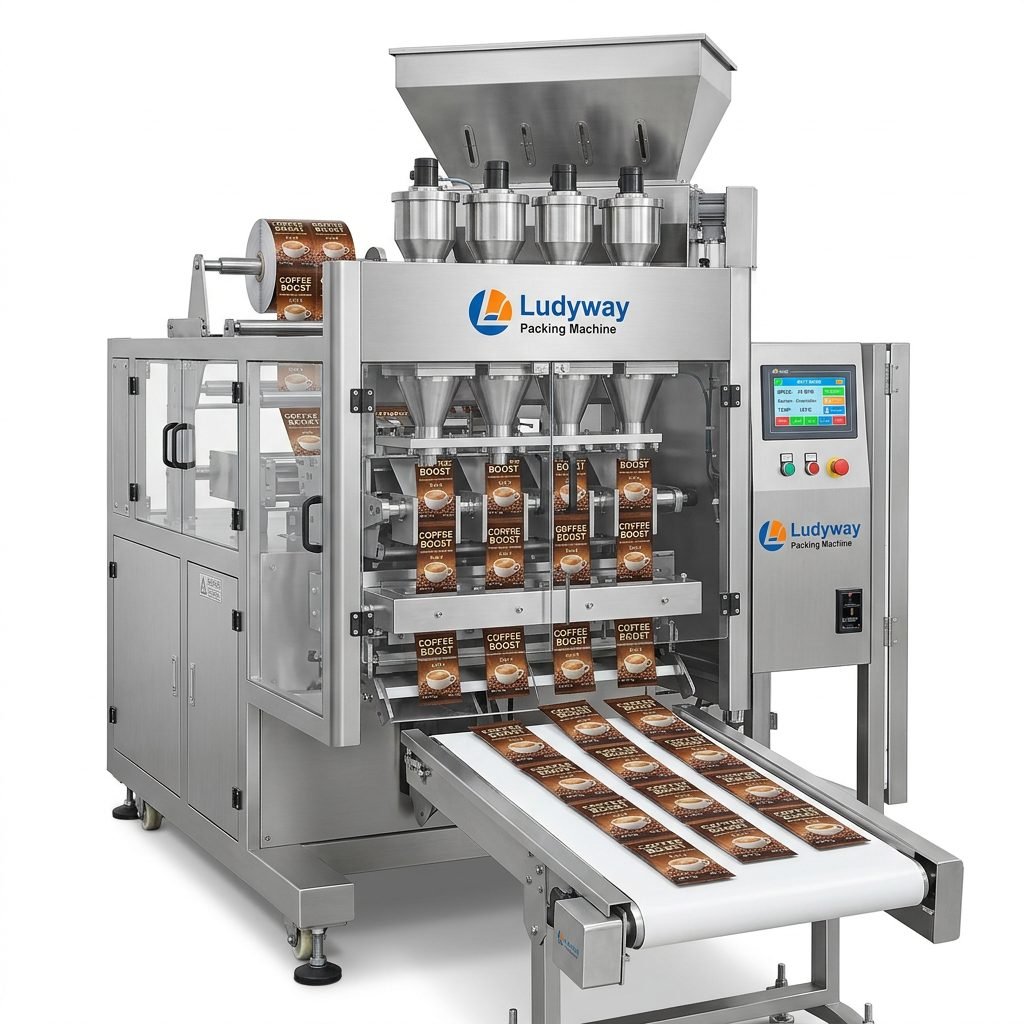
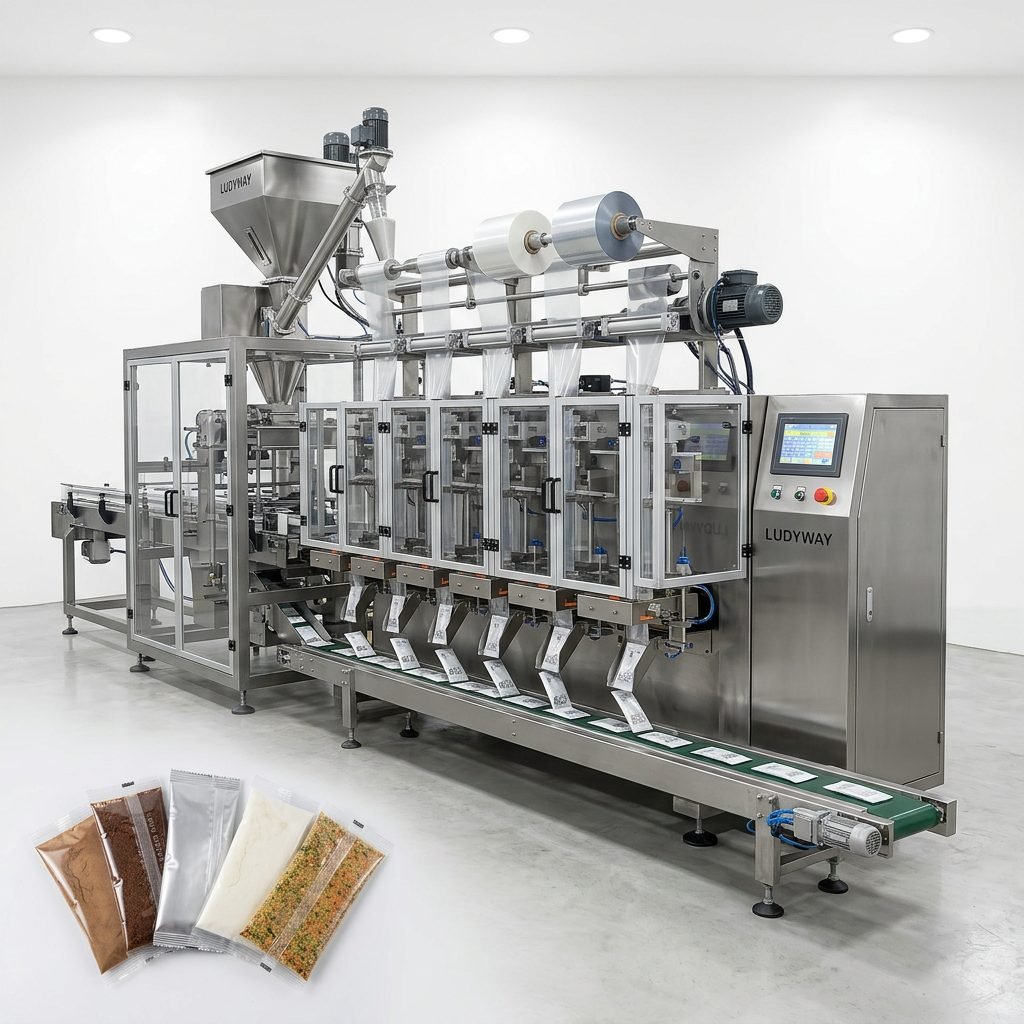
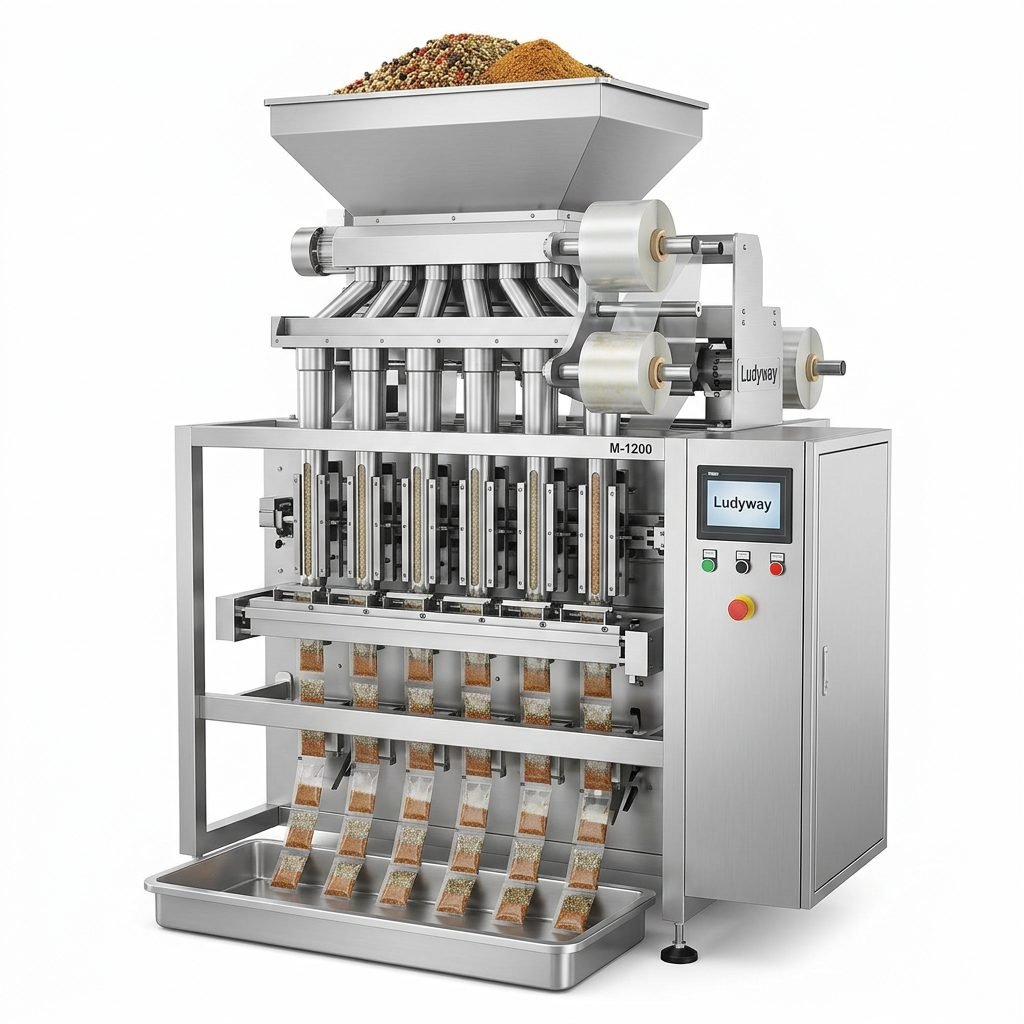
Before investing in machinery, clearly define your product range. Are you packaging dry granules, high-fat powders, or moist semi-solid chunks? The physical characteristics of your pet food dictate the type of packaging machine technology required. For instance, oily powders demand specific auger fillers, while delicate freeze-dried pieces require gentle handling with multi-head weighers. Also, consider your target retail format: multi-lane stick packs, stand-up pouches, or flat sachets. In the UK market, convenience and portion control are driving demand for multi-lane stick pack formats, particularly for single-serve cat food and nutritional supplements.
2. Core Machinery for a UK Pet Food Line
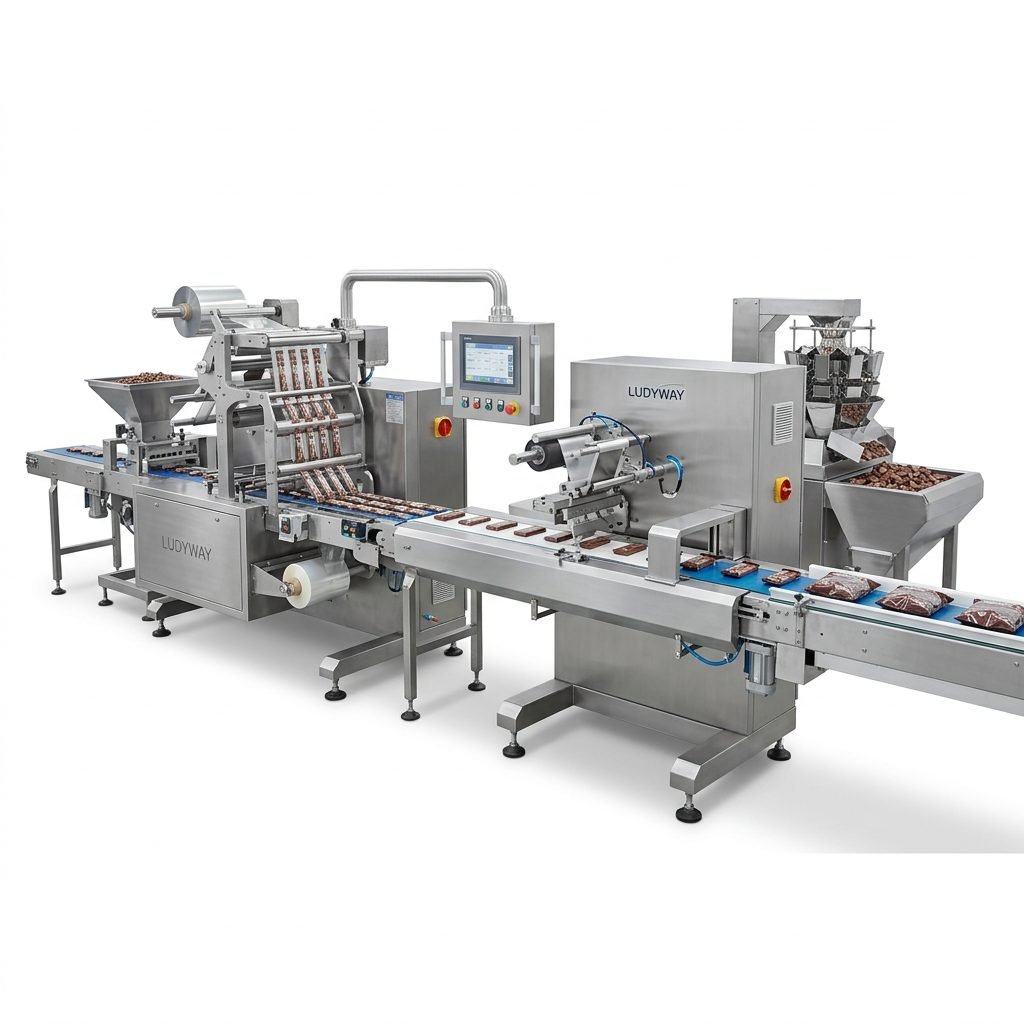
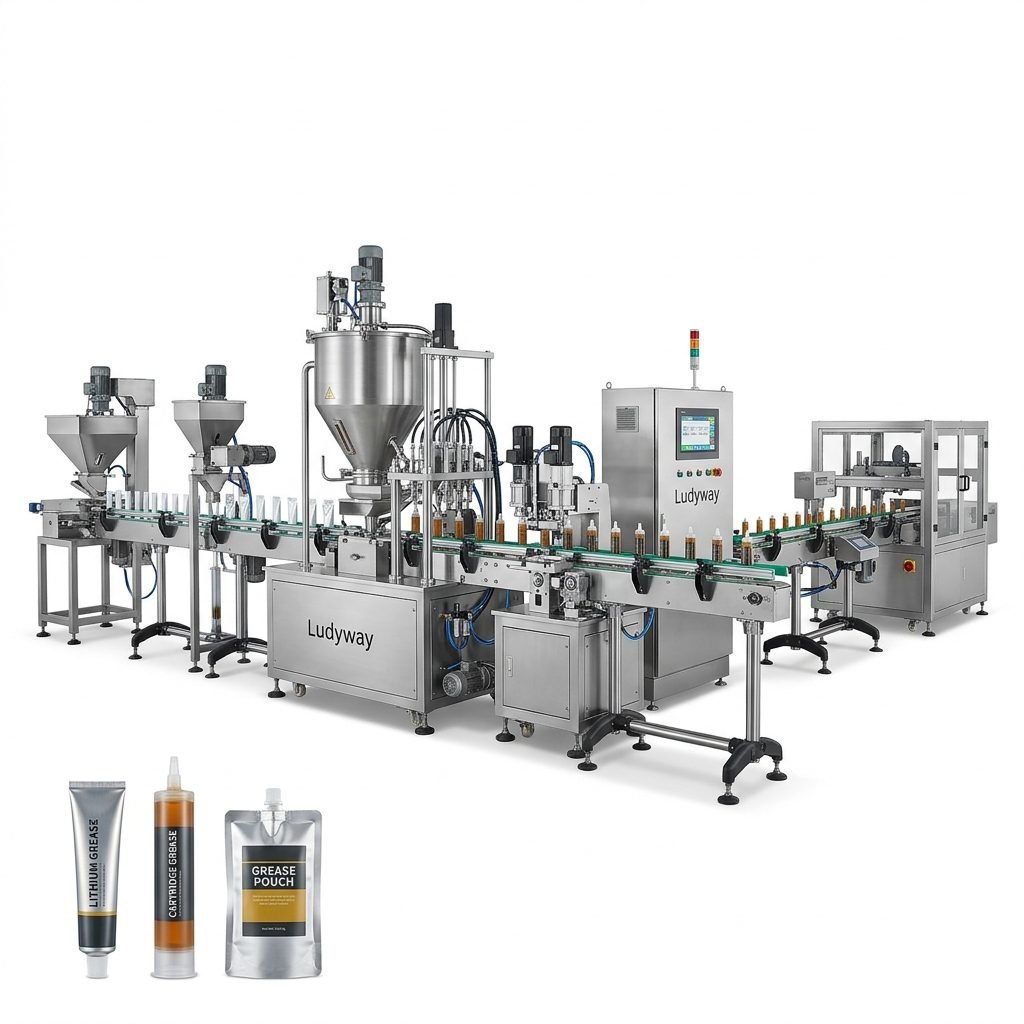
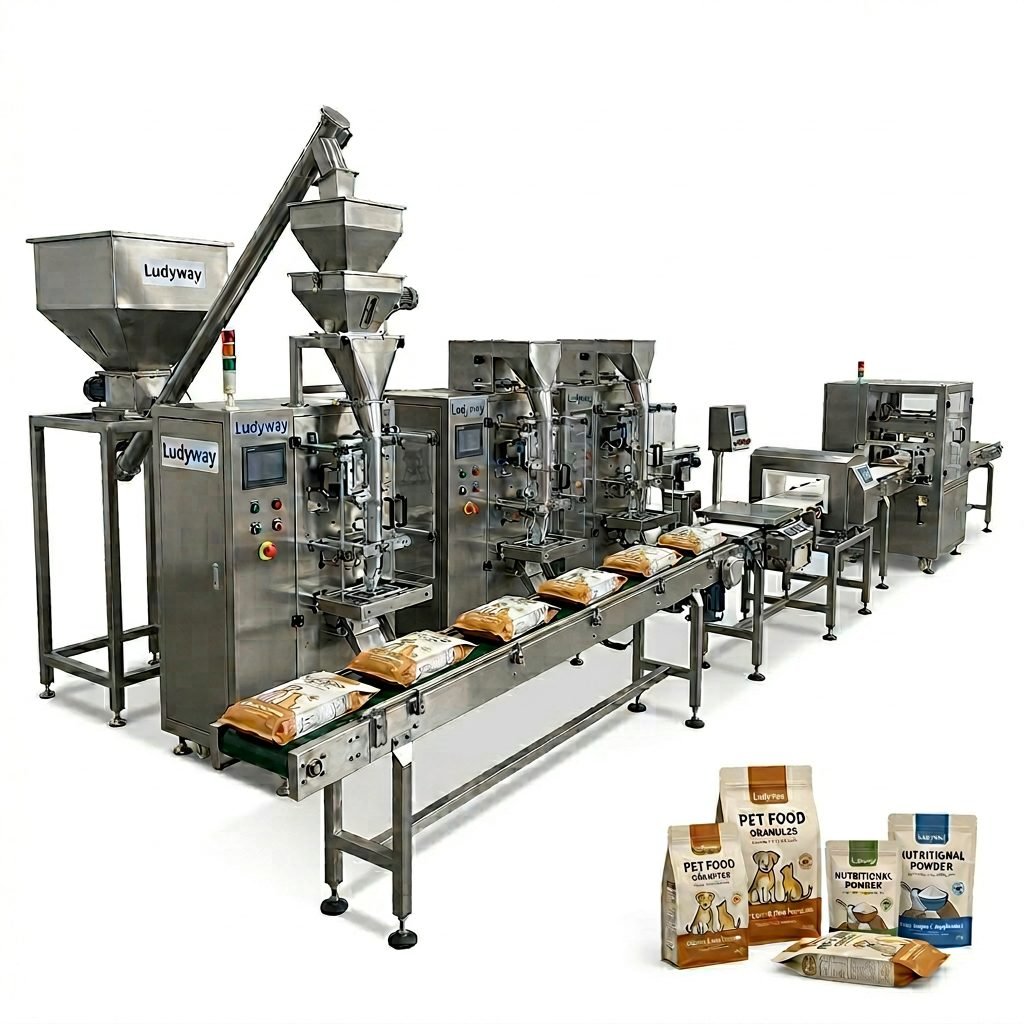
A robust pet food packaging production line typically integrates several key modules:
- Feeding System: Bucket elevators, inclined conveyors, or vacuum feeders to transport raw kibble or powder gently.
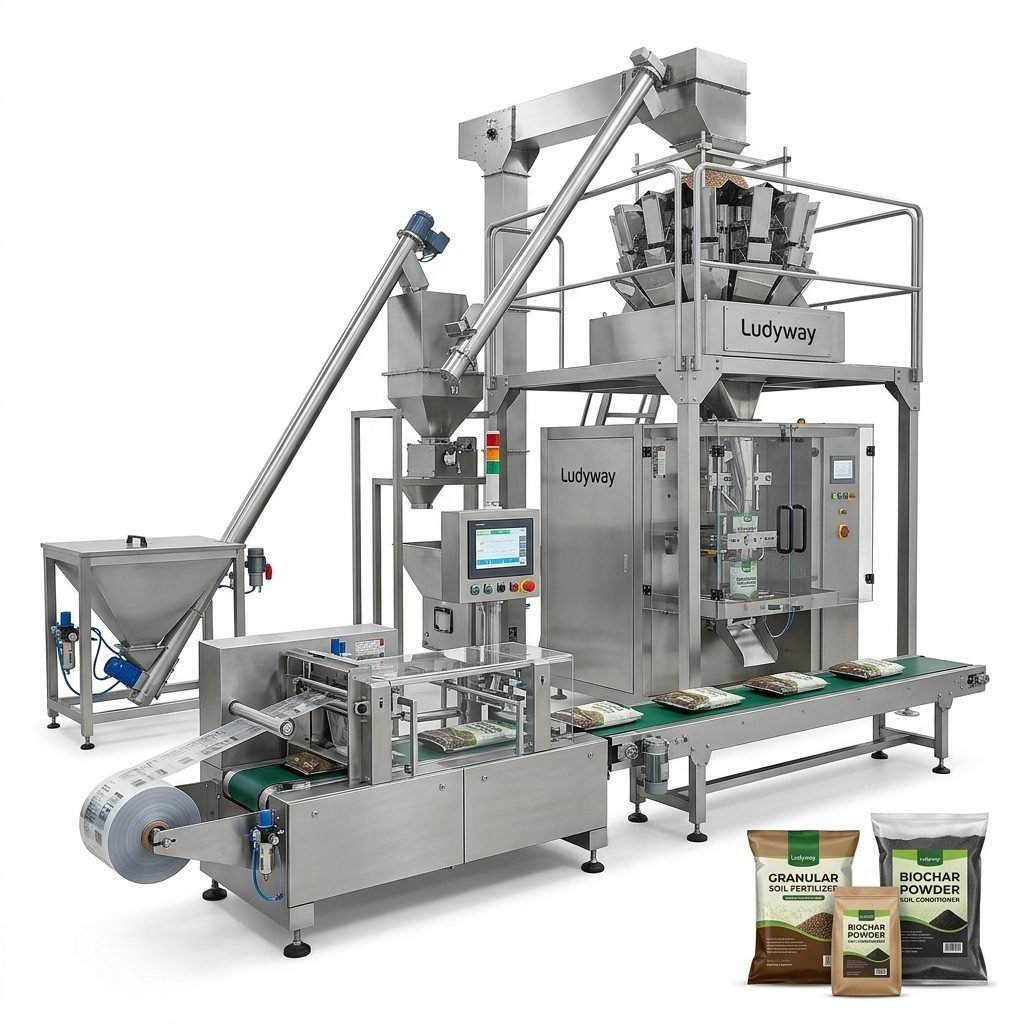
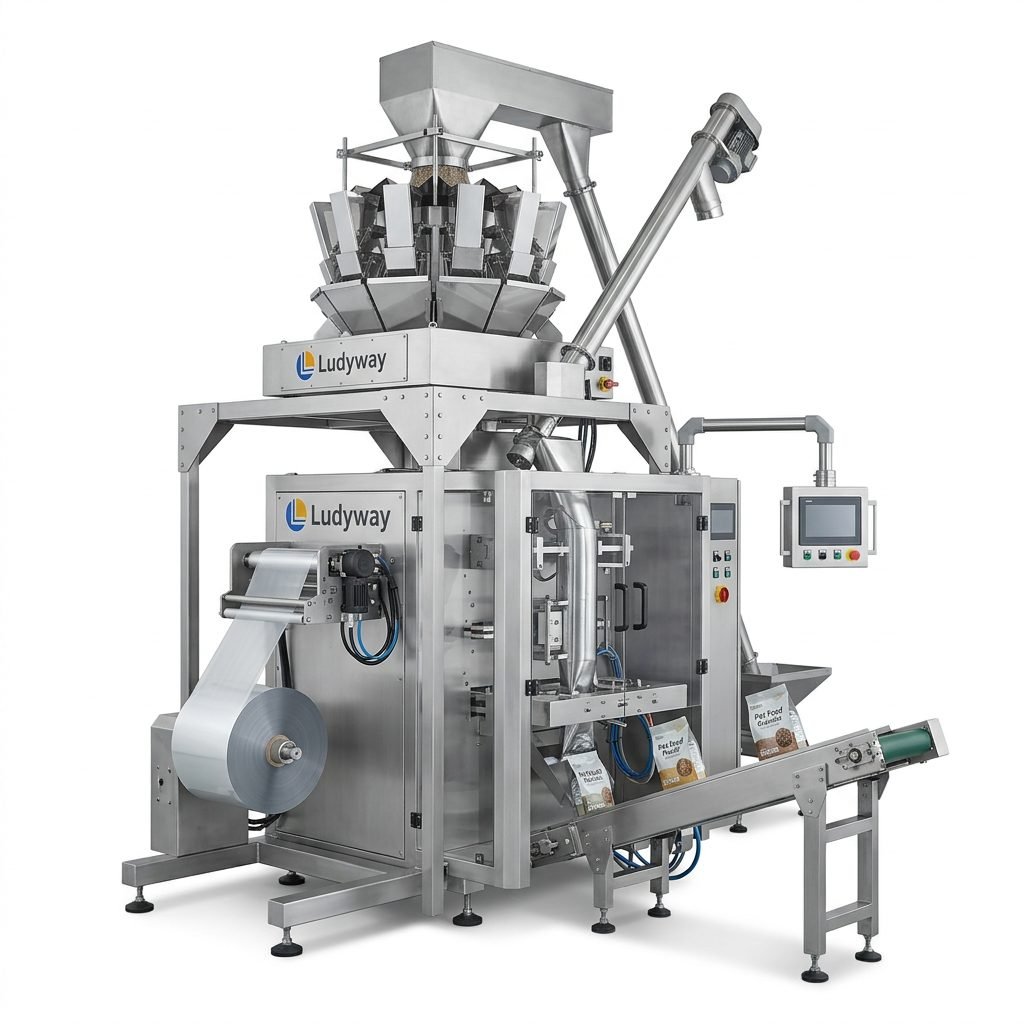
- Multi-Head Weigher or Auger Filler: Precision dosing is critical to meet UK Weights and Measures Regulations.
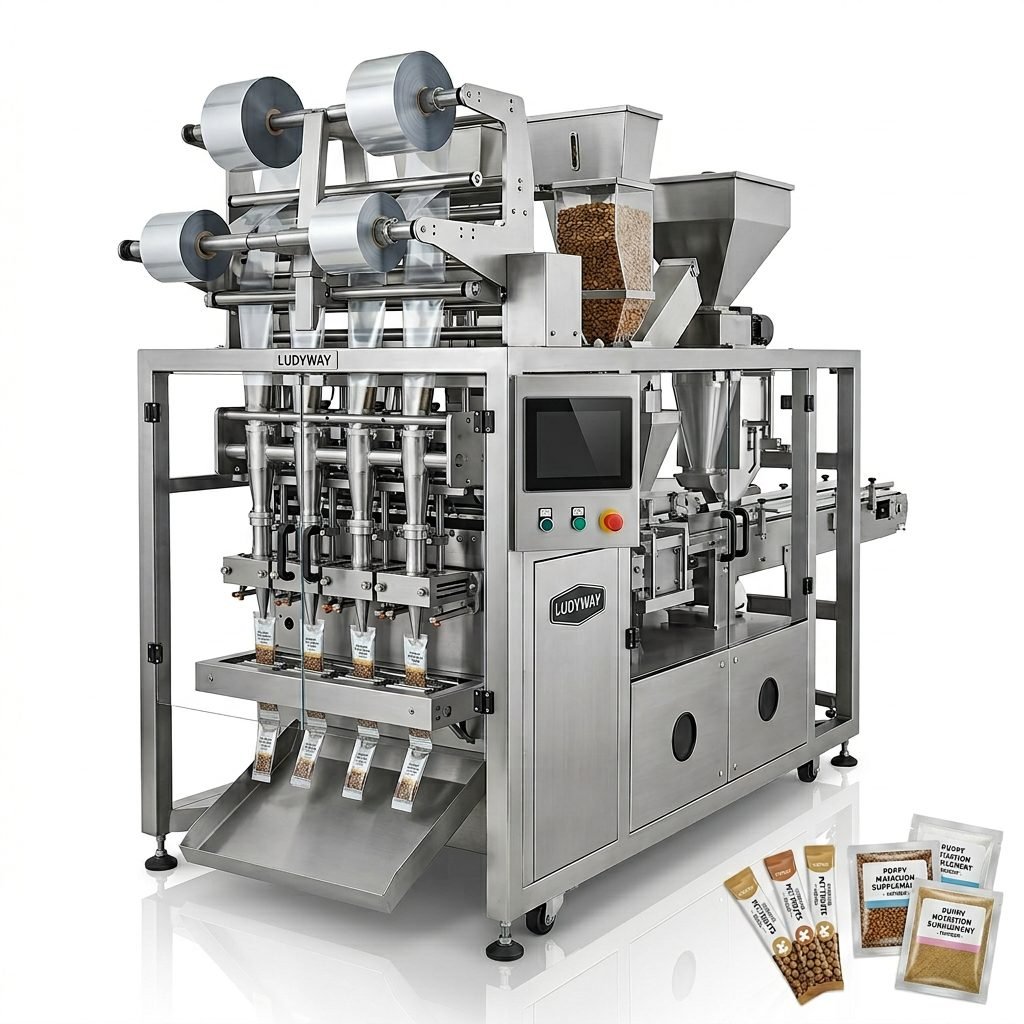
- Vertical Form Fill Seal (VFFS) Machine: The core unit for creating pouches from roll stock, ideal for granule packaging.
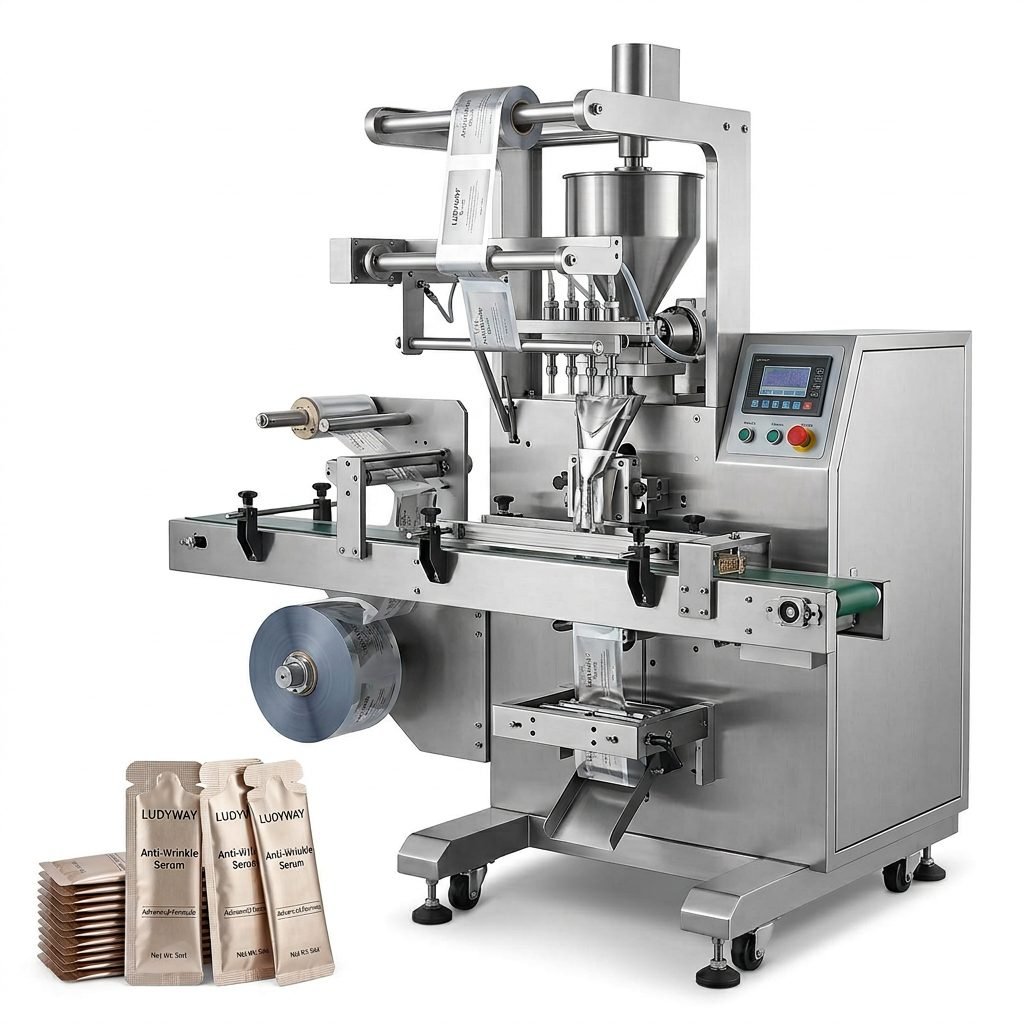
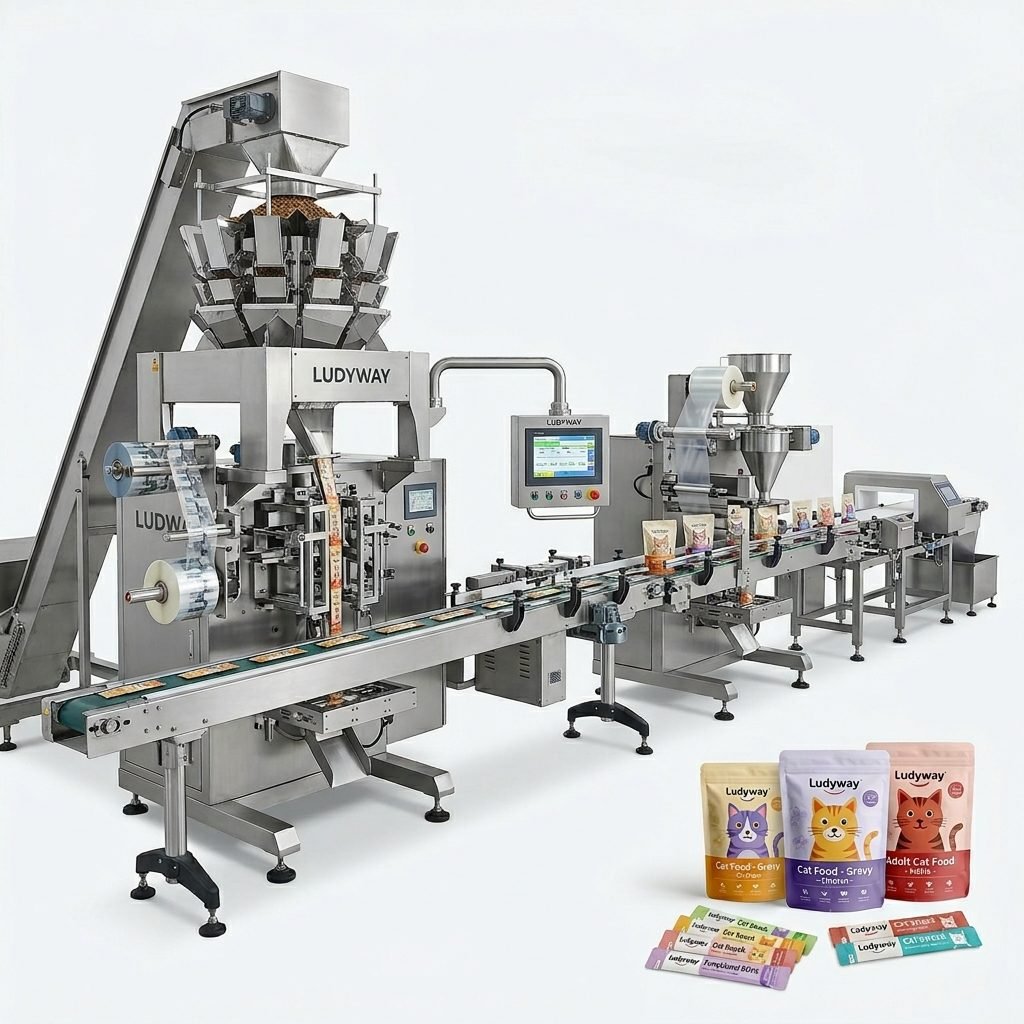
- Multi-Lane Stick Pack Machine: Essential for high-speed production of single-serve cat and dog food sachets.
- Checkweigher & Metal Detector: Mandatory for quality assurance and food safety compliance.
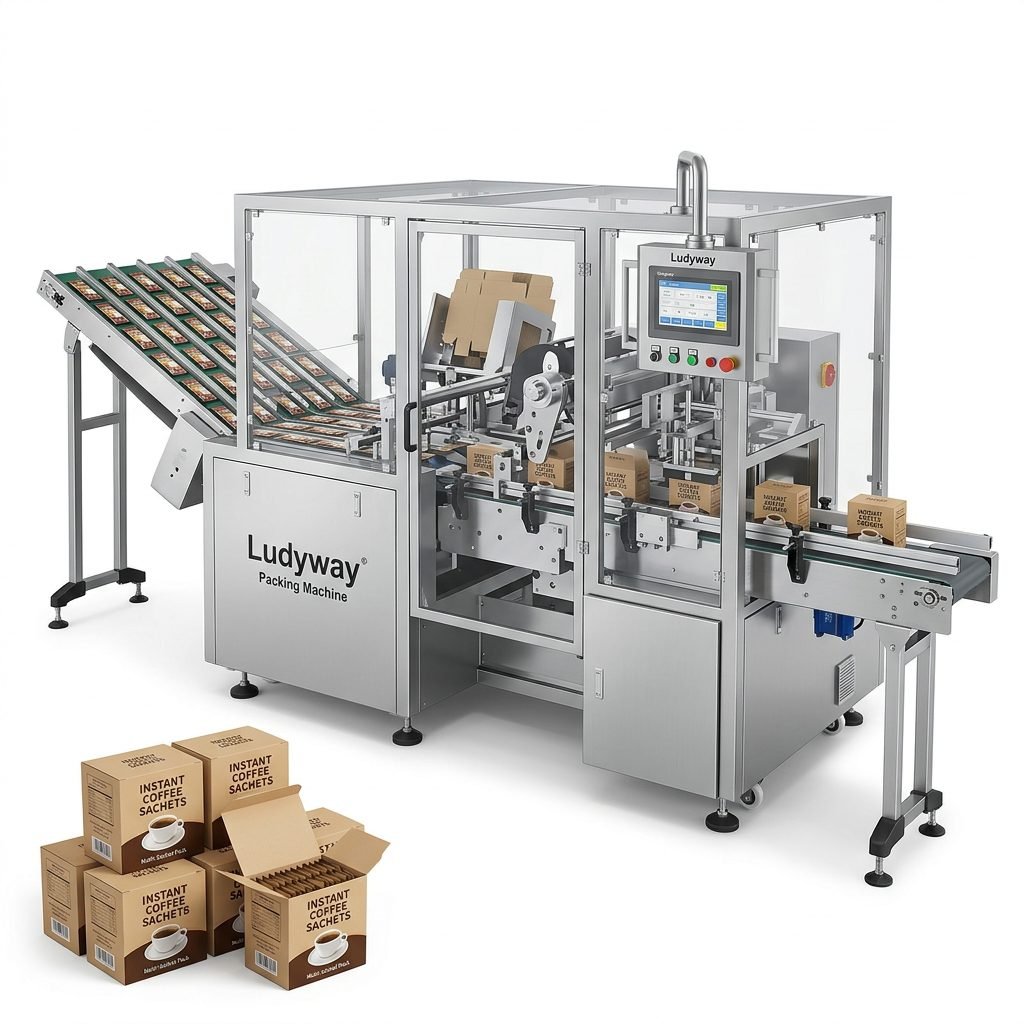
- Cartoning and Palletizing: End-of-line automation to prepare products for UK supermarket distribution.
3. Navigating UK Regulatory Compliance
The UK’s regulatory environment for food packaging machinery has evolved post-Brexit. While CE marking is no longer directly recognized, the UKCA (UK Conformity Assessed) marking is now the standard for machinery placed on the market in Great Britain. However, for pet food safety, standards from the Food Standards Agency (FSA) and industry best practices aligned with the FDA food packaging guidelines often serve as a benchmark. Ensure your equipment supports wash-down protocols and features stainless steel construction (typically SUS304 or SUS316) to prevent contamination.
| Regulation / Standard | Application to Pet Food Packaging |
|---|---|
| UKCA Marking | Safety compliance for machinery placed on the GB market. |
| FSA Guidelines | Hygiene requirements for contact surfaces and traceability. |
| ISO 22000 / BRCGS | Global food safety management systems favored by UK retailers. |
| Weights & Measures Act | Legal requirement for accurate net weight declaration on packs. |
4. Facility Layout and Production Flow
Design your factory layout to create a logical, linear flow that separates raw material intake from finished product dispatch. High-care areas (post-cooking/extrusion) must be strictly controlled. Ensure adequate ceiling height for hoppers and elevators, and leave space for robotic palletizing systems if future expansion is planned. A well-designed line minimizes cross-contamination risks between different protein sources (e.g., chicken vs. salmon), which is a critical allergen management point in the UK pet food sector.
5. Installation, Integration, and Calibration
Professional installation is non-negotiable. When integrating a new turnkey packaging line, the synchronization between the multi-head weigher and the VFFS machine must be calibrated to achieve consistent film tracking and seal integrity. This is particularly important for materials like metallized PET/PE laminates commonly used in UK pet food pouches to block UV light and prevent oxidation of fats. Spend adequate time on IQ/OQ/PQ (Installation Qualification, Operational Qualification, Performance Qualification) protocols to validate the line’s capability before commercial production begins.
6. Staff Training and Ongoing Maintenance
Even the most advanced fully automated packaging system requires skilled operators. Invest in comprehensive training focused on:
- PLC interface troubleshooting.
- Safe film splicing and threading along multi-lane tracks.
- Routine cleaning of sealing jaws and forming tubes.
- Preventative maintenance schedules to manage wear on cutting blades.
In the UK, strict emphasis is placed on LOT (Lockout-Tagout) safety procedures during maintenance interventions. A reliable supply of critical spare parts—such as heating elements, thermocouples, and timing belts—should be kept on-site to minimize Mean Time To Repair (MTTR).
7. Leveraging Experienced Manufacturers for Turnkey Solutions
Sourcing from a manufacturer with deep expertise in turnkey projects significantly accelerates your route to market. Ludyway, as one of the leading packaging machine manufacturers with over 30 years of experience and a 20,000㎡ production facility, supplies fully integrated lines tailored for the UK pet food industry. Their portfolio includes multi-lane stick pack systems perfect for wet pet food trays and dry kibble pouches, all engineered to meet international food safety standards. Leveraging such expertise ensures that your line is pre-tested with your specific products before shipment, reducing the risk of commissioning delays.
8. Sustainability and Future-Proofing
UK consumers and retailers are increasingly demanding recyclable mono-material structures. Your packaging machine must be versatile enough to handle these newer, often less forgiving films without wrinkling or poor seal strength. Look for machines equipped with advanced heat-sealing controls and automatic tension adjustment. Additionally, consider integrating inkjet coding systems for batch data and QR codes, which align with the UK’s push for digital traceability in the food supply chain.
For those seeking deeper industry insights, resources from the PMMI packaging association and the Flexible Packaging Association provide valuable market intelligence. Understanding the latest European packaging waste regulations will also help future-proof your investment against legislative shifts that often influence UK standards.