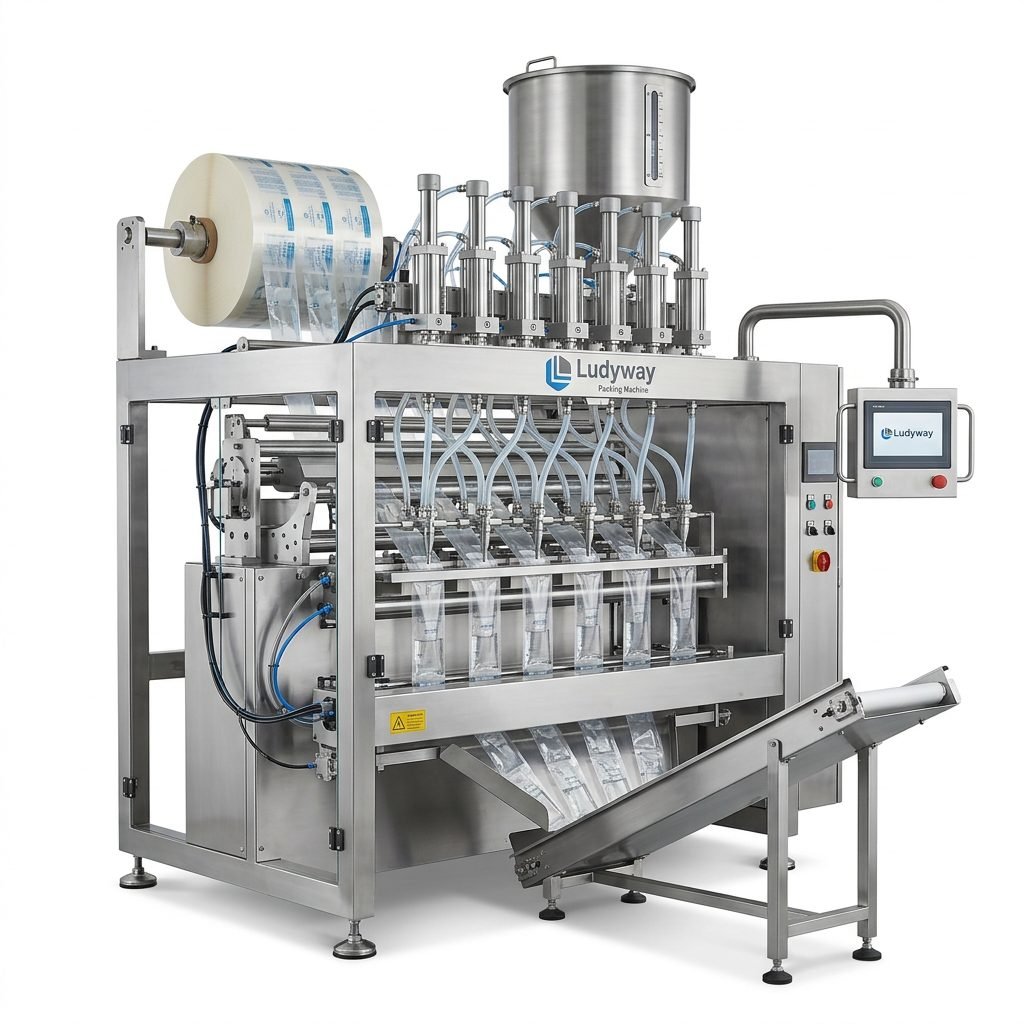
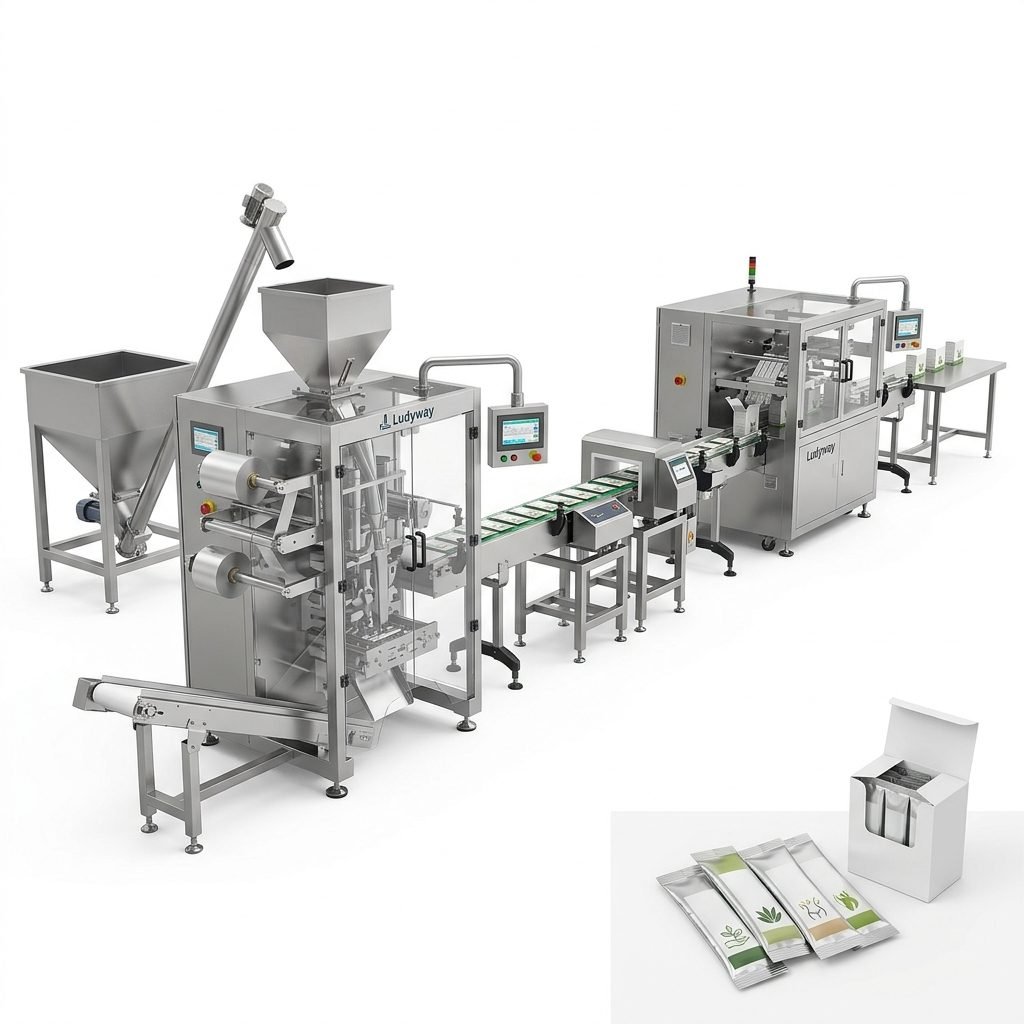
The Indian coffee market is experiencing unprecedented growth. With rising disposable incomes, urbanization, and a cultural shift toward café culture, India’s coffee consumption has been growing at a CAGR of over 5% annually. For entrepreneurs and established businesses alike, setting up a coffee vacuum packaging machine production line in India presents a lucrative opportunity. Vacuum packaging extends shelf life, preserves aroma, and meets the stringent quality demands of both domestic and export markets.
Understanding the Indian Coffee Packaging Landscape
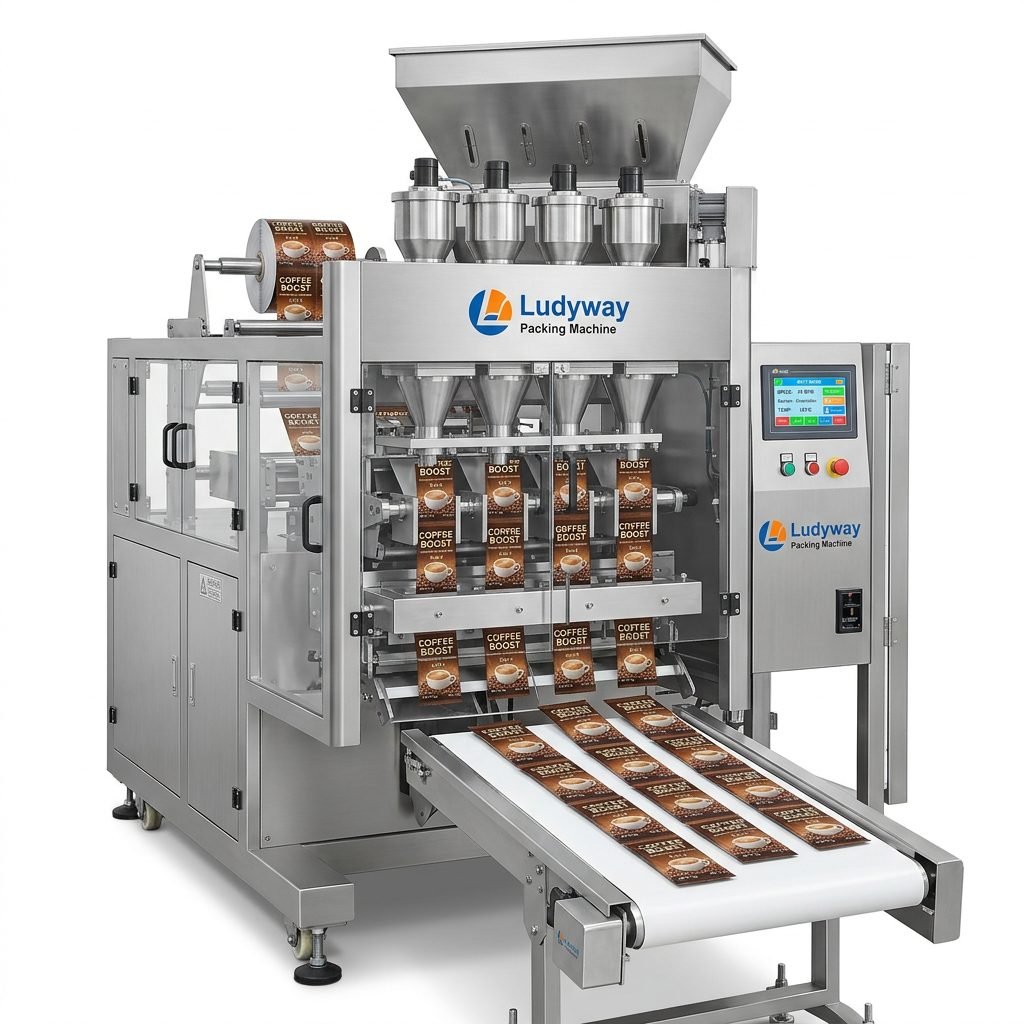
India is the sixth-largest coffee producer globally, with Karnataka, Kerala, and Tamil Nadu accounting for over 90% of production. The domestic market is rapidly expanding beyond traditional South Indian filter coffee consumers. Packaging industry data indicates that vacuum-sealed coffee products command premium pricing and higher consumer trust. Before investing in a production line, you must understand the market segments: instant coffee, ground coffee, whole beans, and specialty single-origin products—each requiring specific vacuum packaging approaches.
Step 1: Conducting Market Feasibility and Location Analysis
Site selection critically impacts your operational efficiency. Key considerations include:
- Proximity to coffee-growing regions — Coorg, Chikmagalur, and Wayanad offer reduced raw material transport costs
- Access to logistics hubs — Bangalore, Chennai, and Coimbatore provide excellent export infrastructure
- Utility availability — Vacuum packaging lines require stable electricity and compressed air supply
- Labor market — Skilled machine operators are more readily available near industrial zones
- Regulatory environment — State-level incentives for food processing units vary significantly
Conduct a thorough cost-benefit analysis covering land acquisition, utility setup, workforce training, and equipment procurement before finalizing your location. The Indian government’s PLI (Production Linked Incentive) scheme for food processing may offer substantial benefits for qualifying units.
Step 2: Selecting the Right Vacuum Packaging Equipment
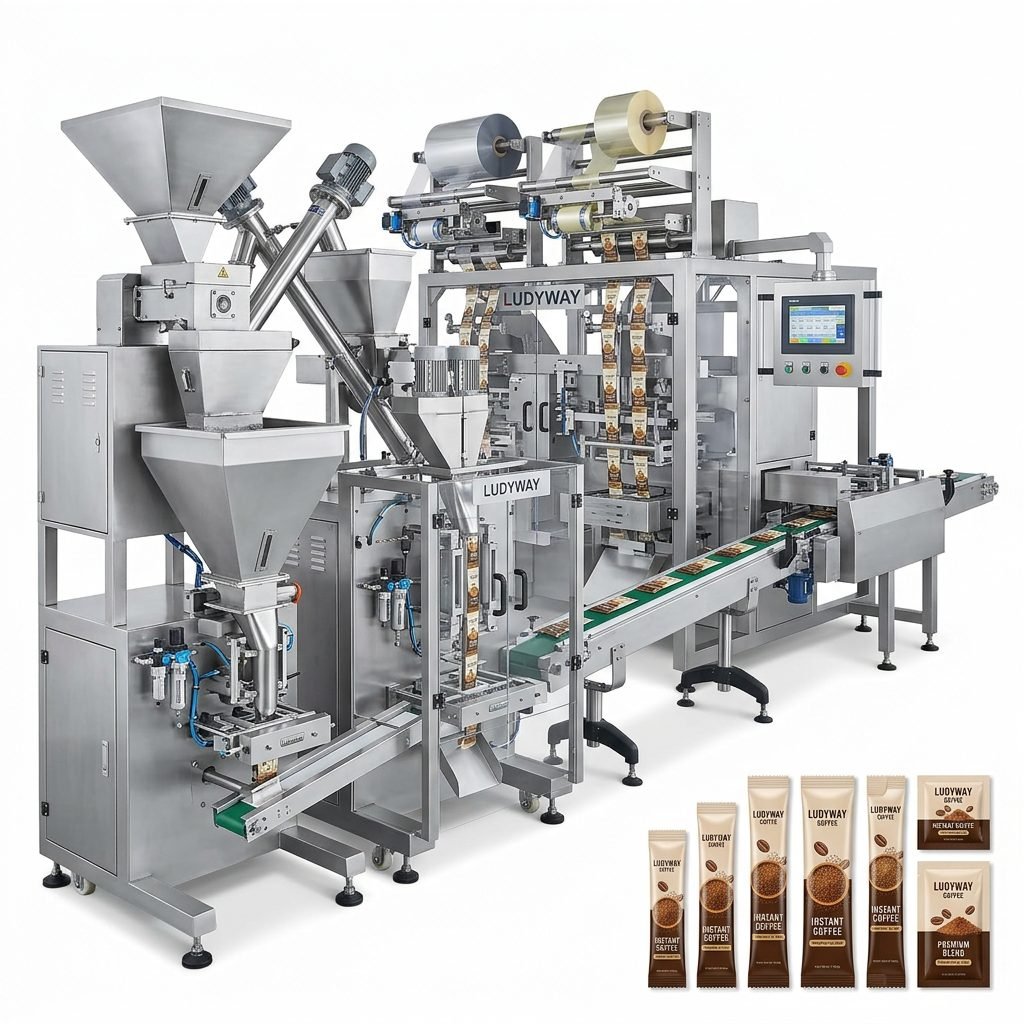
Equipment selection is the cornerstone of your production line. Vacuum packaging machines for coffee come in several configurations, and your choice depends on production volume, packaging format, and automation requirements. The following table outlines the primary machine types available for coffee vacuum packaging:
| Machine Type | Best For | Output Range | Key Feature |
|---|---|---|---|
| Single-Chamber Vacuum Sealer | Small-batch, specialty coffee | 5-15 packs/min | Low investment, flexible |
| Double-Chamber Vacuum Machine | Medium-scale production | 15-30 packs/min | Continuous operation capability |
| Automatic Belt Vacuum System | High-volume industrial output | 30-60 packs/min | Fully automated, conveyor-integrated |
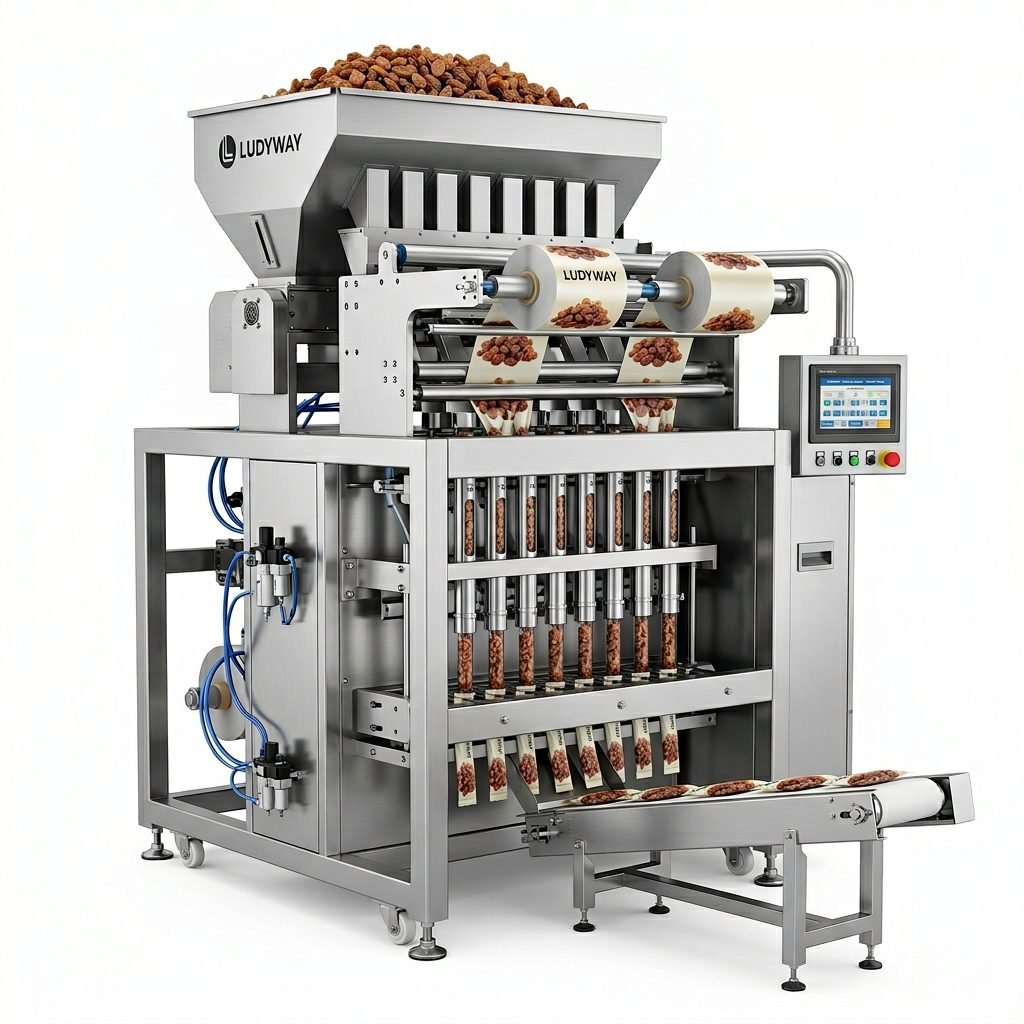
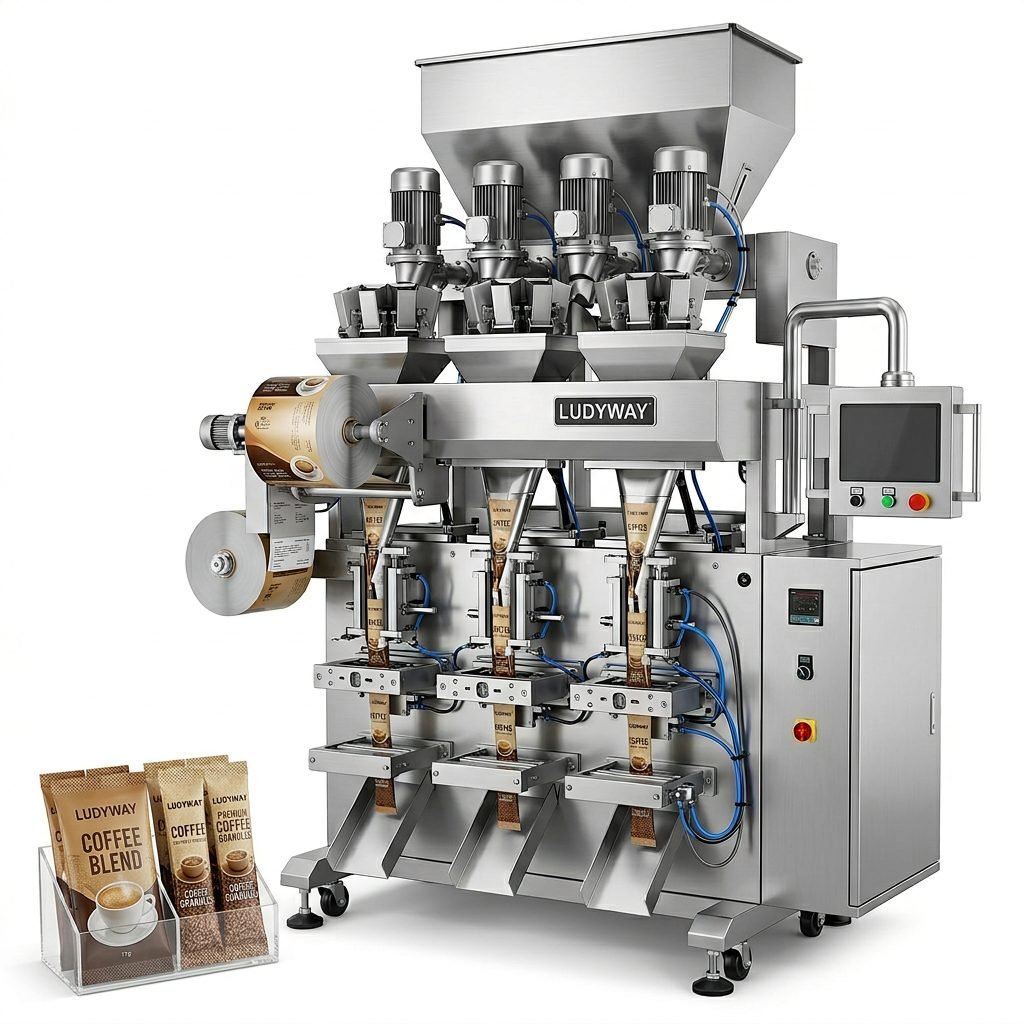
| Multi-Lane Stick Pack Vacuum Line | Instant coffee sachets | 60-200+ packs/min | High-speed, nitrogen flush optional |
| Rotary Vacuum Packaging System | Whole bean & ground coffee | 40-80 packs/min | Precision gas flushing, aroma preservation |
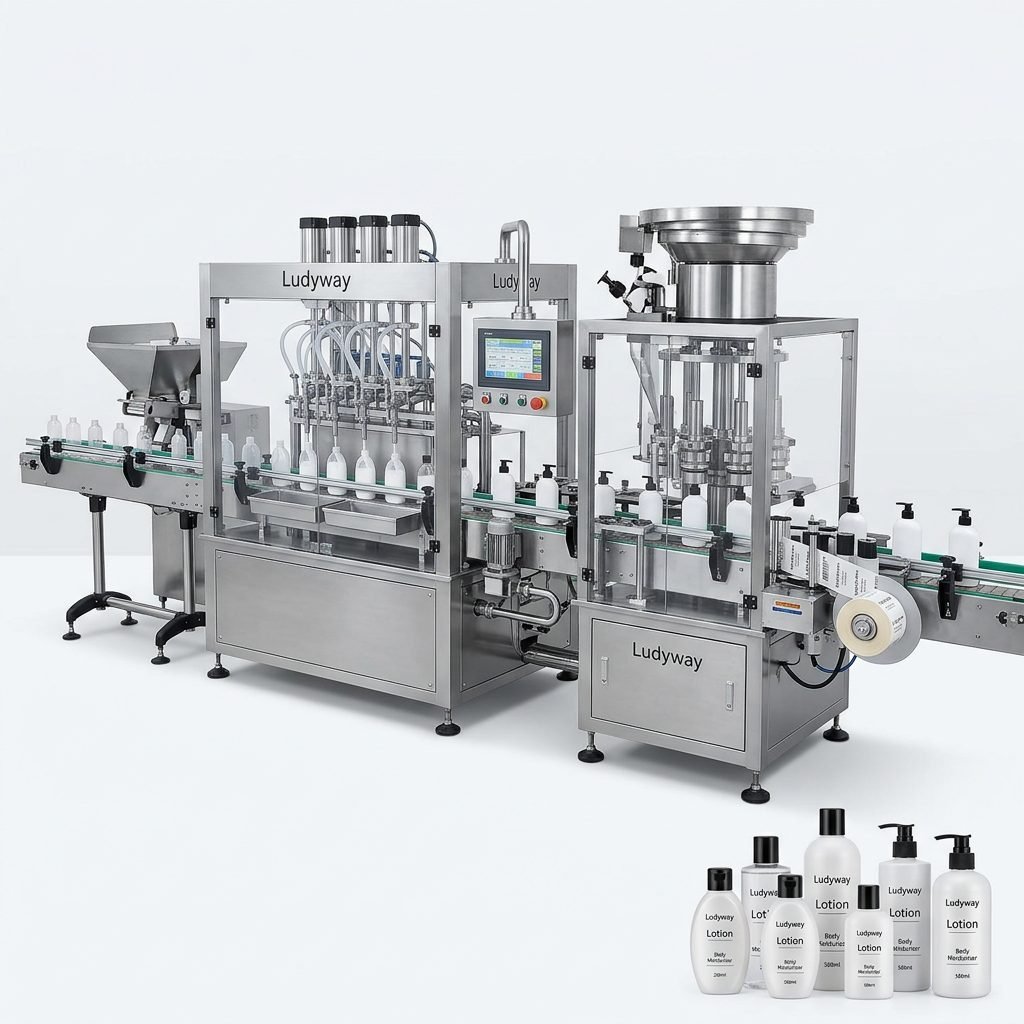
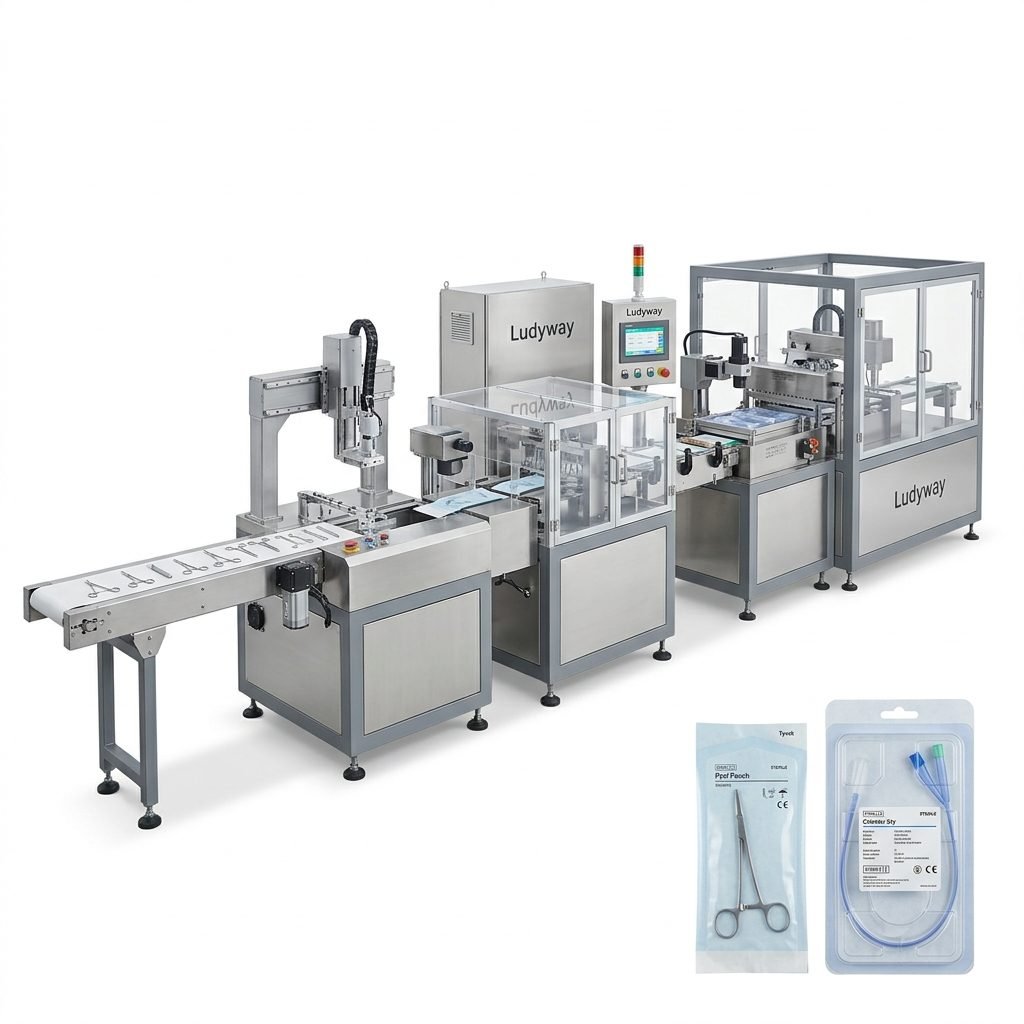
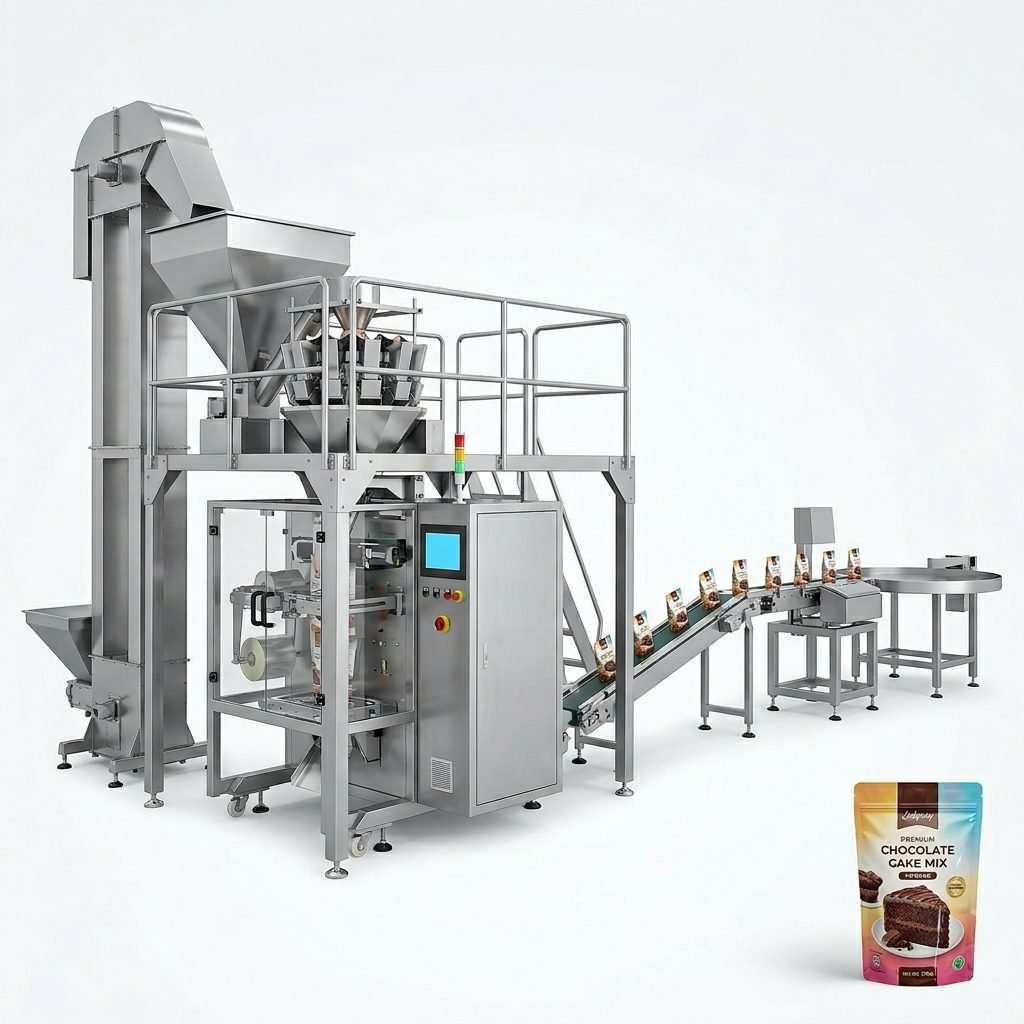
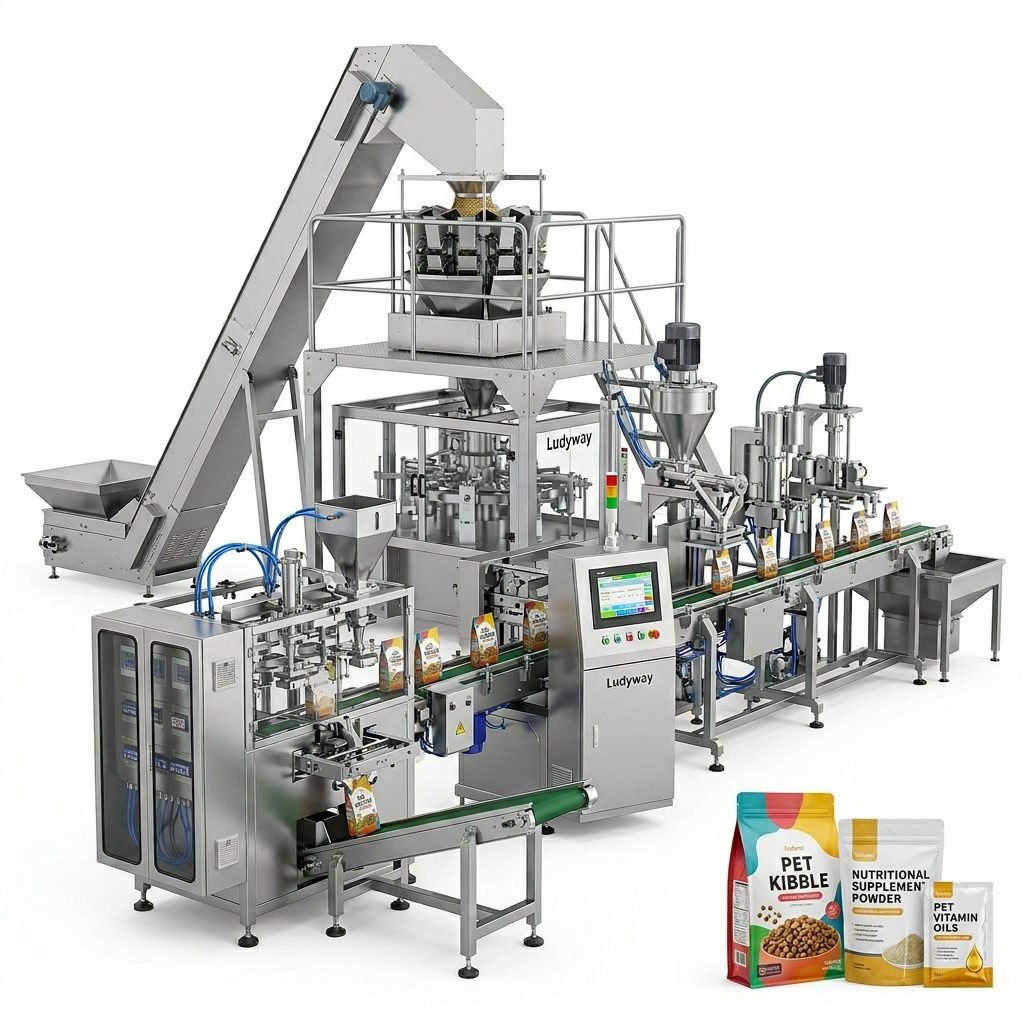
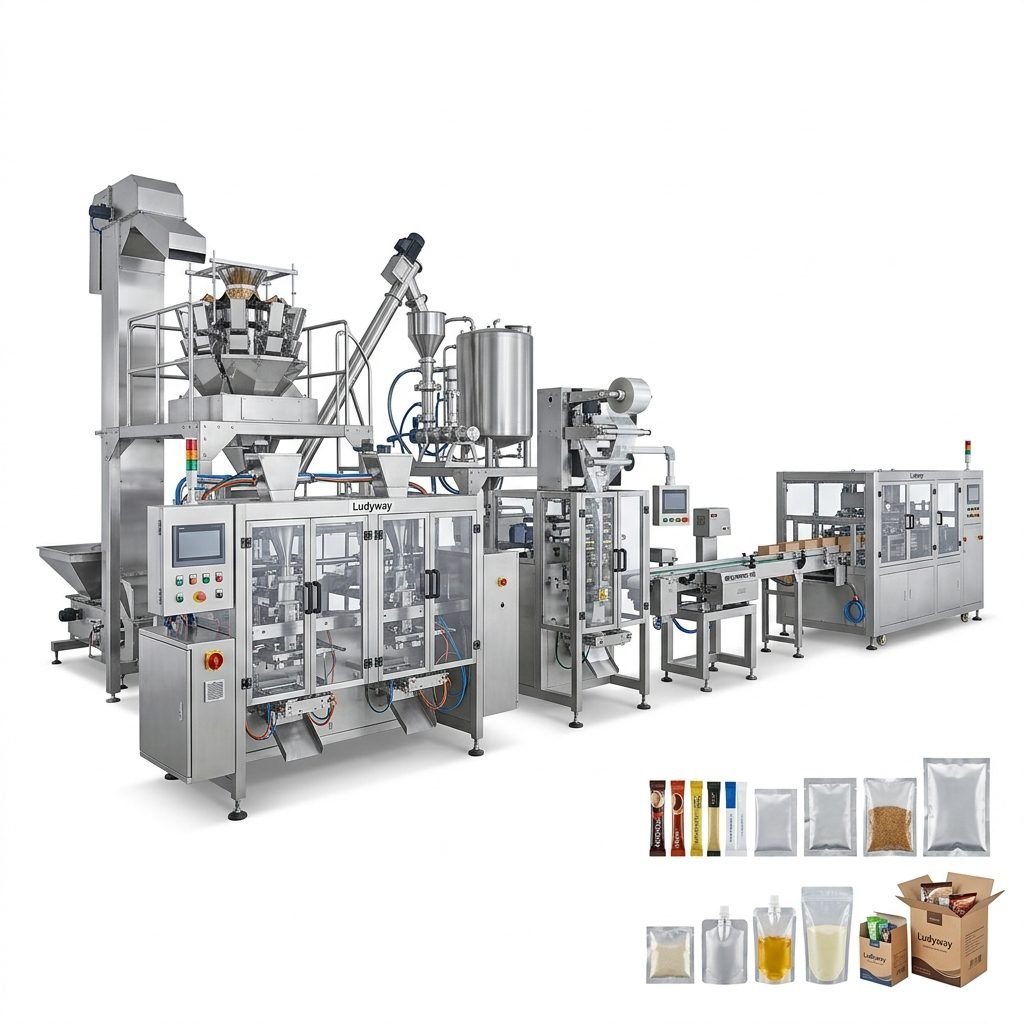
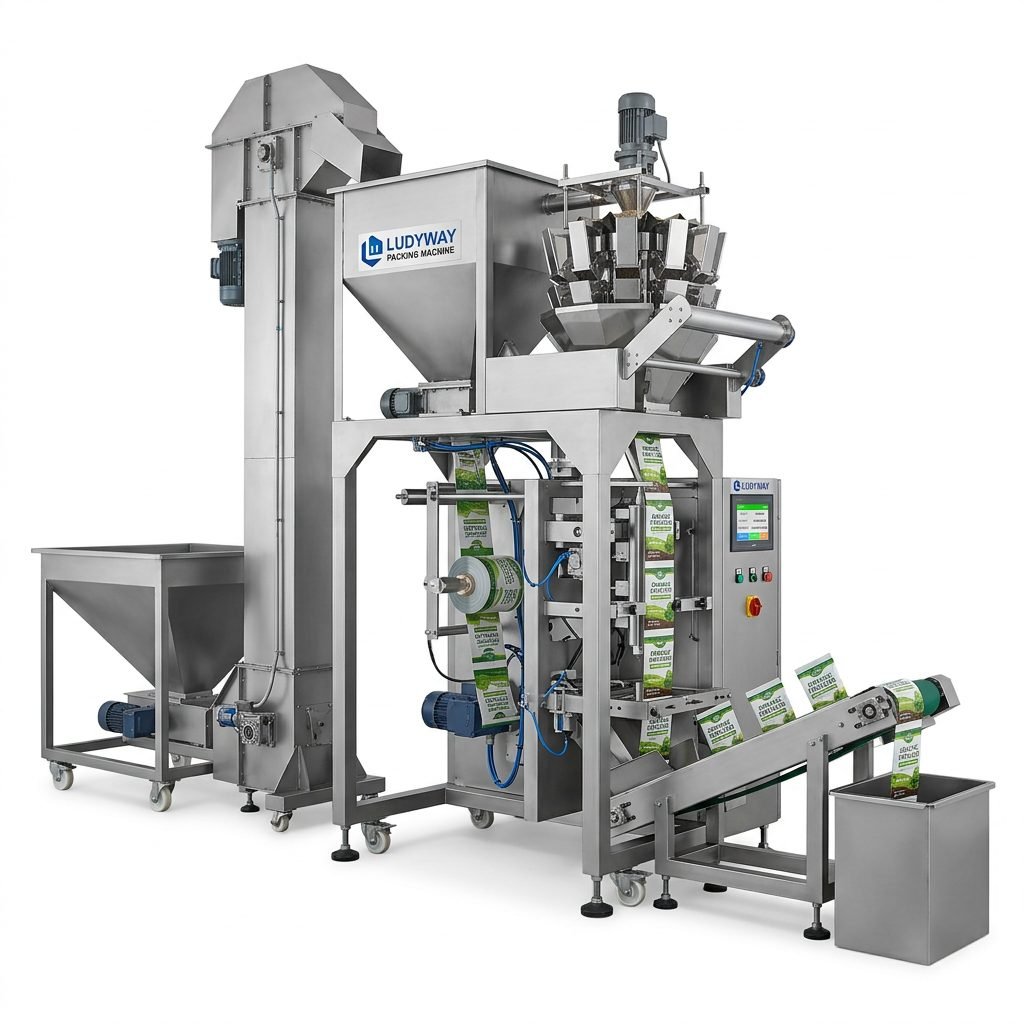
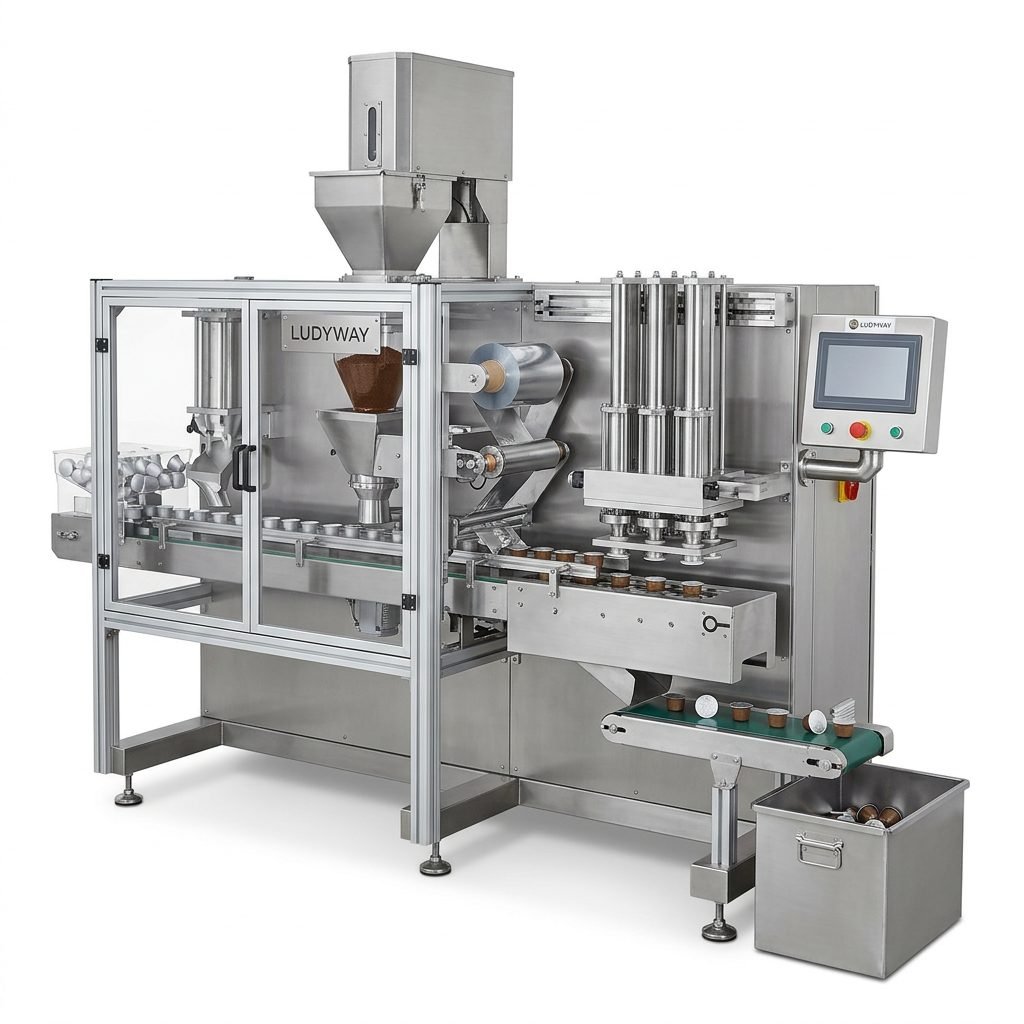
When evaluating equipment suppliers, consider manufacturers with proven expertise in flexible packaging solutions. Leading packaging machine manufacturers like Ludyway offer integrated vacuum packaging systems designed specifically for coffee and powder products, with multi-lane configurations that can significantly boost throughput.
Essential Ancillary Equipment for a Complete Line
- Nitrogen gas flushing system — Replaces oxygen to preserve coffee freshness
- Multi-head weigher — Ensures precise portion control for ground and bean coffee
- Checkweigher and metal detector — Critical for quality assurance and FDA food packaging compliance
- Inline coding and labeling machines — For batch tracking, date coding, and regulatory labeling
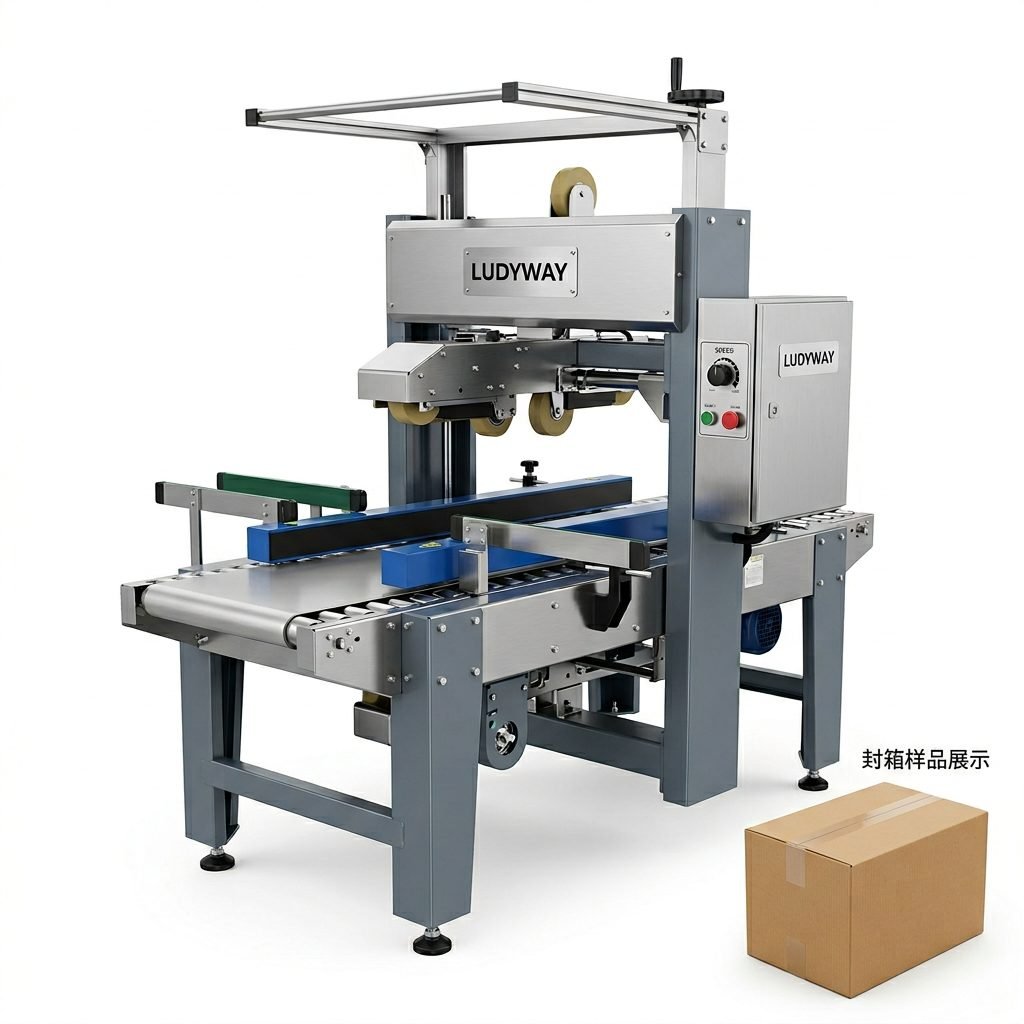
- Automated cartoning and palletizing — Reduces manual handling and improves end-of-line efficiency

Step 3: Designing the Factory Layout and Production Workflow
A well-planned factory layout ensures smooth material flow, minimized contamination risk, and optimal operator efficiency. Your coffee vacuum packaging facility should incorporate these zones:
Zone 1: Raw Material Receiving and Storage
Climate-controlled storage is essential for green beans and roasted coffee. Maintain temperature below 25°C and relative humidity under 60%. Implement FIFO (First-In-First-Out) inventory management to ensure freshness rotation.
Zone 2: Processing and Grinding Area
If you plan to offer ground coffee, integrate grinding equipment immediately upstream of the packaging line. Minimize the time between grinding and vacuum sealing to prevent aroma loss and oxidation.
Zone 3: Primary Vacuum Packaging Zone
This is the core of your operation. The vacuum packaging machine should be positioned centrally with clear access for raw material feeding on one side and finished product removal on the other. Ensure adequate space for operator workstations, maintenance access, and quality inspection points.
Zone 4: Secondary Packaging and Warehousing
After vacuum sealing, products move to cartoning, case packing, and palletizing stations before transfer to finished goods storage. Design this zone with expansion capability in mind.
Step 4: Navigating Regulatory Compliance and Certifications
Operating a coffee packaging facility in India requires adherence to multiple regulatory frameworks:
| Regulatory Body | Requirement | Applicable Standard |
|---|---|---|
| FSSAI (Food Safety and Standards Authority of India) | Food business licensing, packaging material compliance | FSS Act 2006, Packaging Regulations 2018 |
| BIS (Bureau of Indian Standards) | Quality standards for roasted coffee and packaging | IS 3077, IS 2791 |
| Export Inspection Council (EIC) | Mandatory export certification for coffee shipments | Export Inspection Regulations |
| International Standards | ISO 22000, HACCP, BRCGS for global market access | Food safety management systems |
| Organic Certification (optional) | NPOP, USDA Organic, EU Organic for premium markets | Respective organic standards |
Engage with a food safety consultant experienced in coffee processing early in your project. Packaging machinery standards and regulations evolve regularly, and compliance should be designed into your production line from day one rather than retrofitted later.
Step 5: Installation, Commissioning, and Testing
Once your equipment arrives, follow a structured installation and commissioning process:
- Pre-installation site preparation — Verify floor load capacity, utility connections (power, compressed air, nitrogen supply), and environmental controls are in place
- Mechanical installation — Position machines according to the approved layout, ensuring proper leveling and vibration isolation
- Electrical and control system integration — Connect power supplies, PLC systems, and establish communication between inline equipment
- Dry run testing — Operate the complete line without product to verify mechanical function, timing, and safety interlocks
- Product trial runs — Conduct systematic testing with actual coffee products, adjusting vacuum levels, sealing temperature, and gas flushing parameters
- Quality validation — Test seal integrity, residual oxygen levels, and package appearance against specifications
- Performance qualification — Run the line at target speeds for extended periods to confirm stability and output rates
Step 6: Workforce Training and Standard Operating Procedures
Your production line’s success depends heavily on skilled operation. Develop comprehensive training programs covering:
- Machine operation and control panel navigation — Operators must understand HMI interfaces and parameter adjustments
- Vacuum technology principles — Training on vacuum pump maintenance, seal integrity monitoring, and gas flush optimization
- Quality control procedures — Inline inspection protocols, sampling frequencies, and defect identification
- Cleaning and sanitation — Detailed SOPs for daily, weekly, and monthly cleaning schedules
- Troubleshooting and minor repairs — Empower operators to resolve common issues without external support
- Safety protocols — Emergency stop procedures, lockout-tagout practices, and PPE requirements
Document all procedures in both English and local languages to ensure clarity across your workforce. Cross-train at least two operators per station to maintain production continuity during absences.
Step 7: Supply Chain and Raw Material Sourcing
Establishing reliable supply chains is critical for uninterrupted production. Consider the following sourcing strategies:
Coffee Sourcing Options
- Direct procurement from coffee estates — Build relationships with growers in Chikmagalur, Coorg, and Nilgiris for consistent quality and pricing
- Coffee Board of India auctions — Access certified quality beans through established auction systems
- Import channels — For blends requiring international origins, establish relationships with green coffee importers in Mangalore or Chennai ports
Packaging Material Procurement
- Vacuum pouches and films — Source multi-layer barrier films with appropriate oxygen transmission rates (OTR) for coffee
- Valves and accessories — One-way degassing valves for whole bean packaging must meet quality specifications
- Corrugated cartons — Secondary packaging materials should be sourced locally to minimize logistics costs
Always qualify at least two approved suppliers for each critical material to mitigate supply disruption risks.
Step 8: Quality Control Systems and Ongoing Maintenance
A robust quality management system protects your brand and ensures customer satisfaction. Key QC checkpoints in your vacuum packaging line include:
| QC Checkpoint | Parameter Tested | Frequency | Acceptance Criteria |
|---|---|---|---|
| Incoming coffee moisture | Moisture content | Every batch | Below 5% for roasted coffee |
| Vacuum seal integrity | Leak detection (dye test/water bath) | Every 30 minutes | Zero leaks in sample |
| Residual oxygen level | Headspace O₂ analyzer | Every 60 minutes | Below 1% O₂ |
| Fill weight accuracy | Checkweigher verification | Continuous inline | Within ±1% of target |
| Nitrogen flush purity | Gas analyzer | Daily | 99.9% N₂ purity minimum |
| Packaging material inspection | Visual and dimensional check | Every incoming lot | Per material specification |
Preventive Maintenance Program
Implement a structured preventive maintenance schedule to maximize equipment uptime. Vacuum pumps require particular attention — oil changes, filter replacements, and vane inspections should follow manufacturer-recommended intervals. Maintain a critical spare parts inventory including sealing bars, heating elements, vacuum pump rebuild kits, and sensor modules. Document all maintenance activities and analyze trends to predict potential failures before they cause unplanned downtime.
Financial Considerations and ROI Projections
Understanding the financial commitment helps in planning and securing funding. Based on current market data for India:
- Entry-level vacuum packaging line — ₹15-30 lakhs (small-scale, semi-automatic configuration)
- Mid-range production line — ₹50 lakhs-1.5 crores (automatic, medium output with nitrogen flushing)
- Fully integrated high-speed line — ₹2-5 crores (multi-lane, complete with ancillary equipment and automation)
Additional costs include civil works, utility installation, initial raw material inventory, workforce training, and certification fees. Most well-executed coffee vacuum packaging operations in India achieve breakeven within 18-36 months, with faster returns for export-focused units serving premium markets in Europe, Middle East, and North America.
Leveraging Government Incentives and Export Support
India offers numerous incentives for food processing and export-oriented units:
- PM-FME Scheme — Support for micro food processing enterprises under the food industry development framework
- Mega Food Park Scheme — Access to shared infrastructure including cold storage, warehousing, and quality labs
- Export promotion councils — Coffee Board of India and APEDA provide market development assistance, trade fair participation support, and buyer-seller meet opportunities
- State-specific industrial policies — Karnataka, Tamil Nadu, and Kerala offer capital subsidies, power tariff concessions, and stamp duty exemptions for food processing units
Setting up a coffee vacuum packaging production line in India is a strategically sound investment given the country’s strong coffee production base, growing domestic consumption, and excellent export potential. By following this step-by-step guide, conducting thorough due diligence at each stage, and partnering with reliable equipment suppliers, you can build a world-class coffee packaging operation that competes effectively in both Indian and international markets.
Key success factors include selecting the right vacuum packaging technology for your target market segment, maintaining rigorous quality control standards, investing in workforce training, and staying informed about evolving flexible packaging industry trends and regulatory requirements. The Indian coffee story is just beginning, and vacuum packaging excellence will be a defining competitive advantage for the brands that get it right.