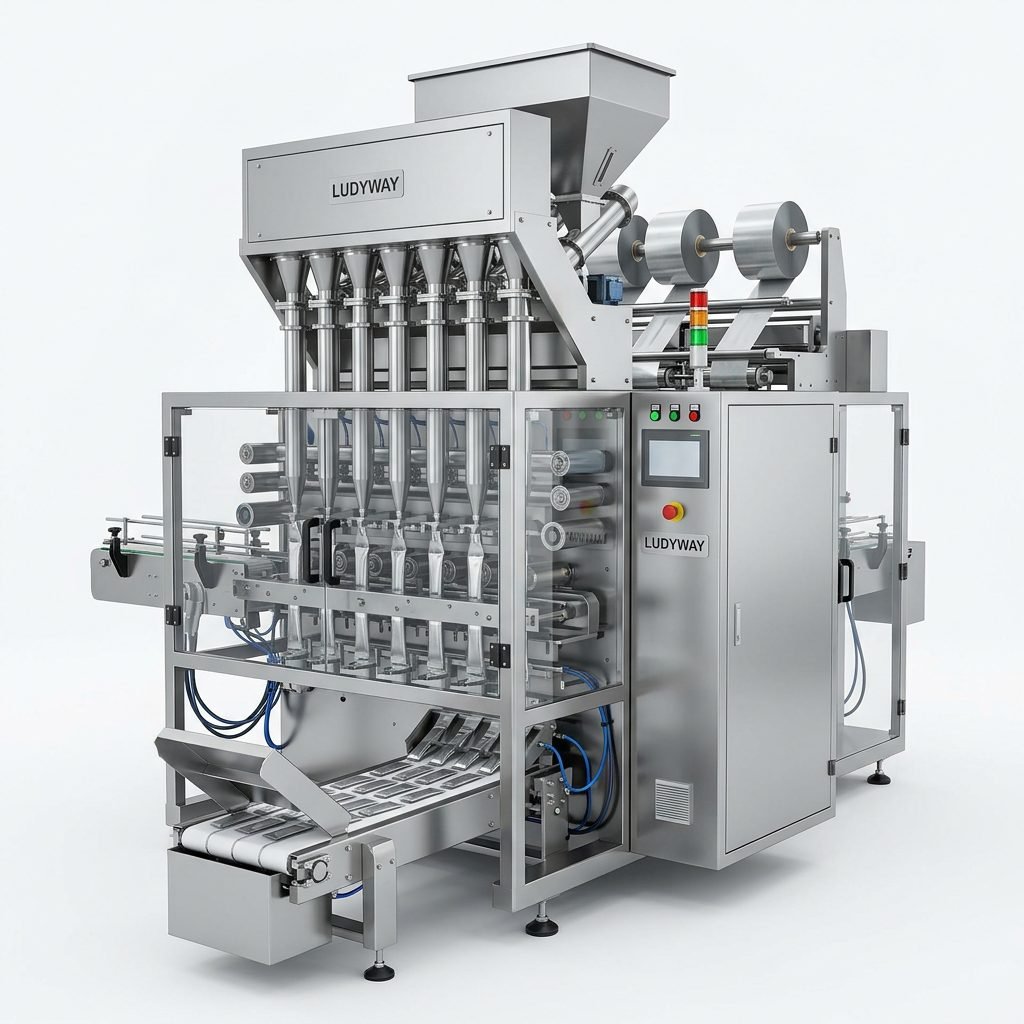
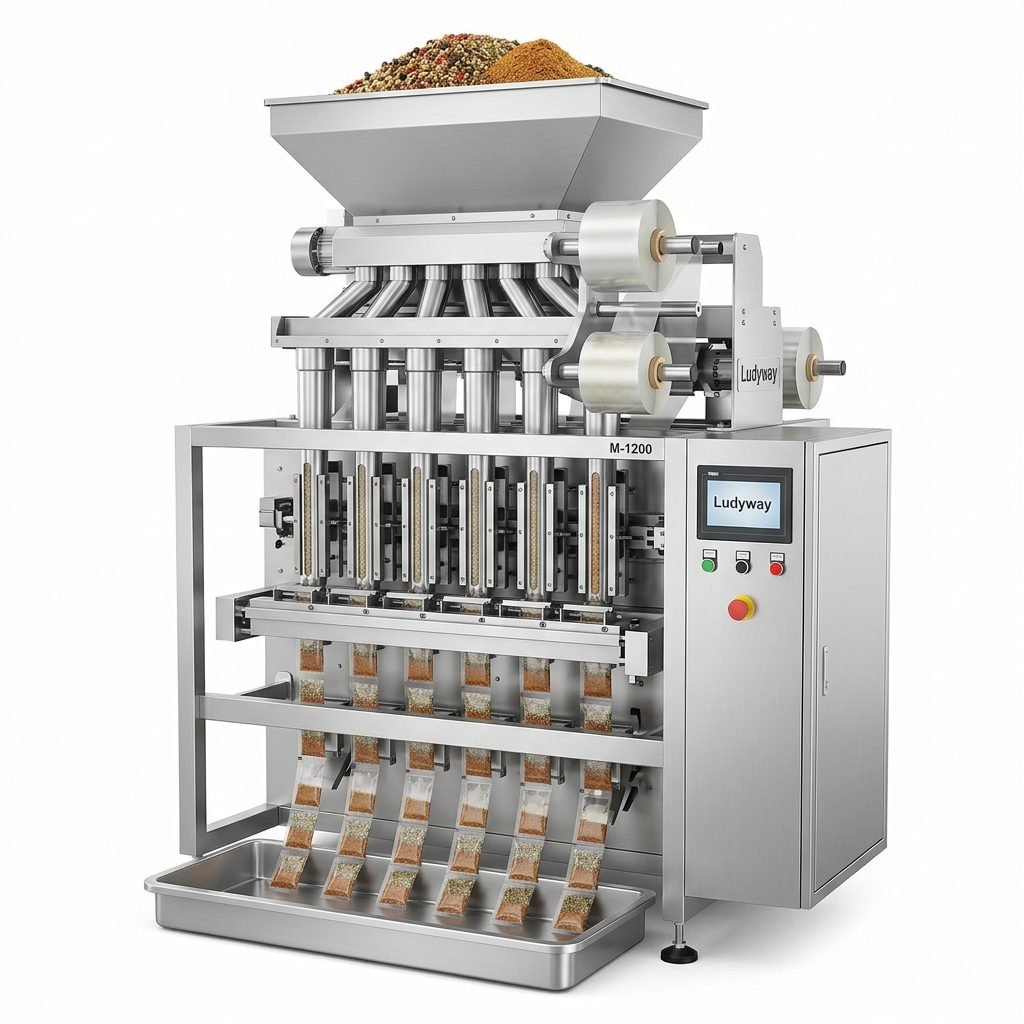
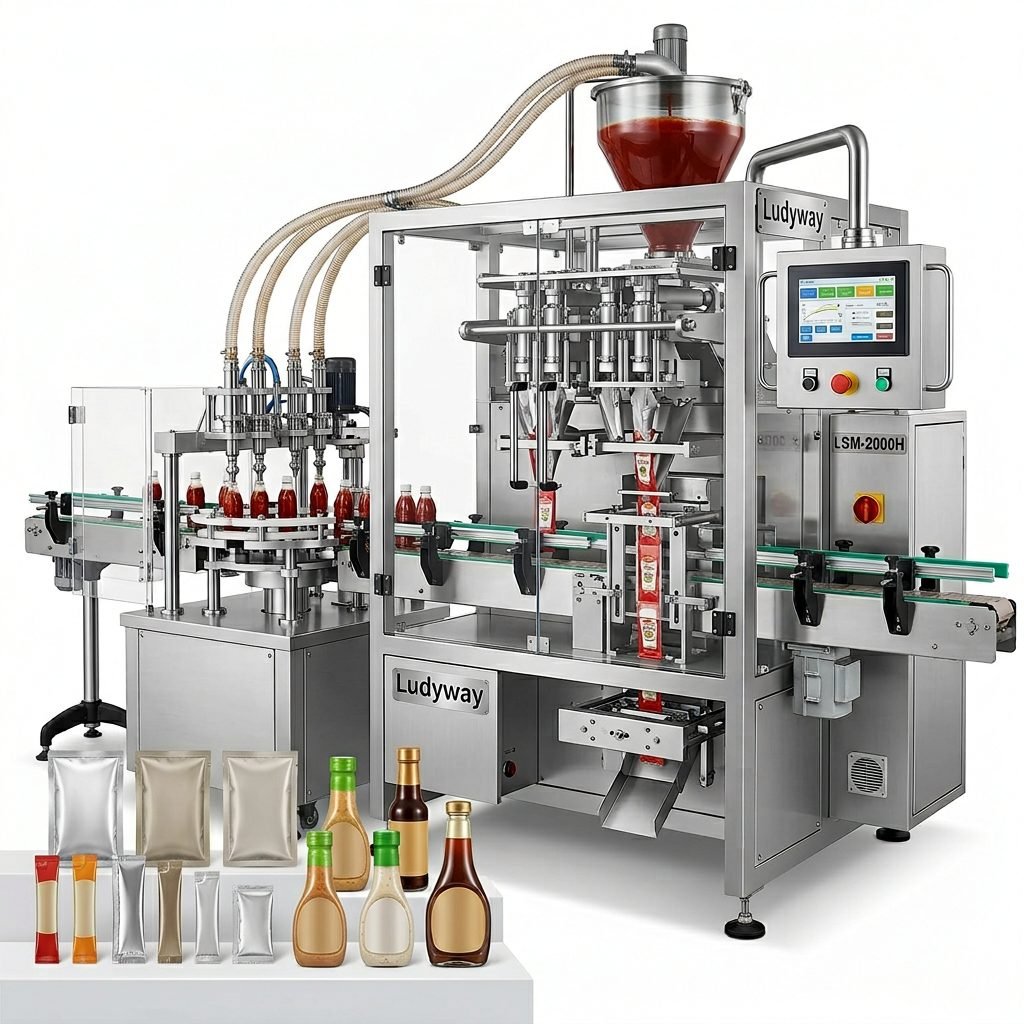
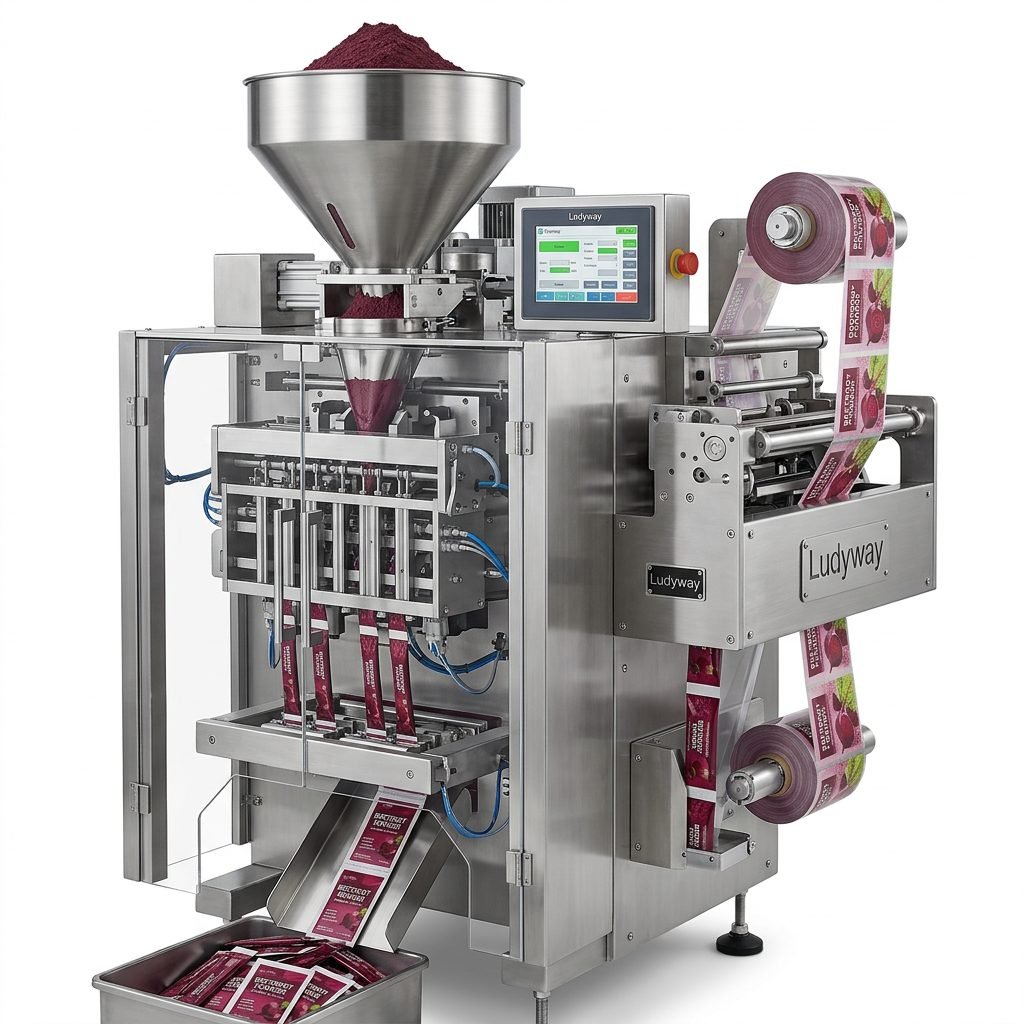
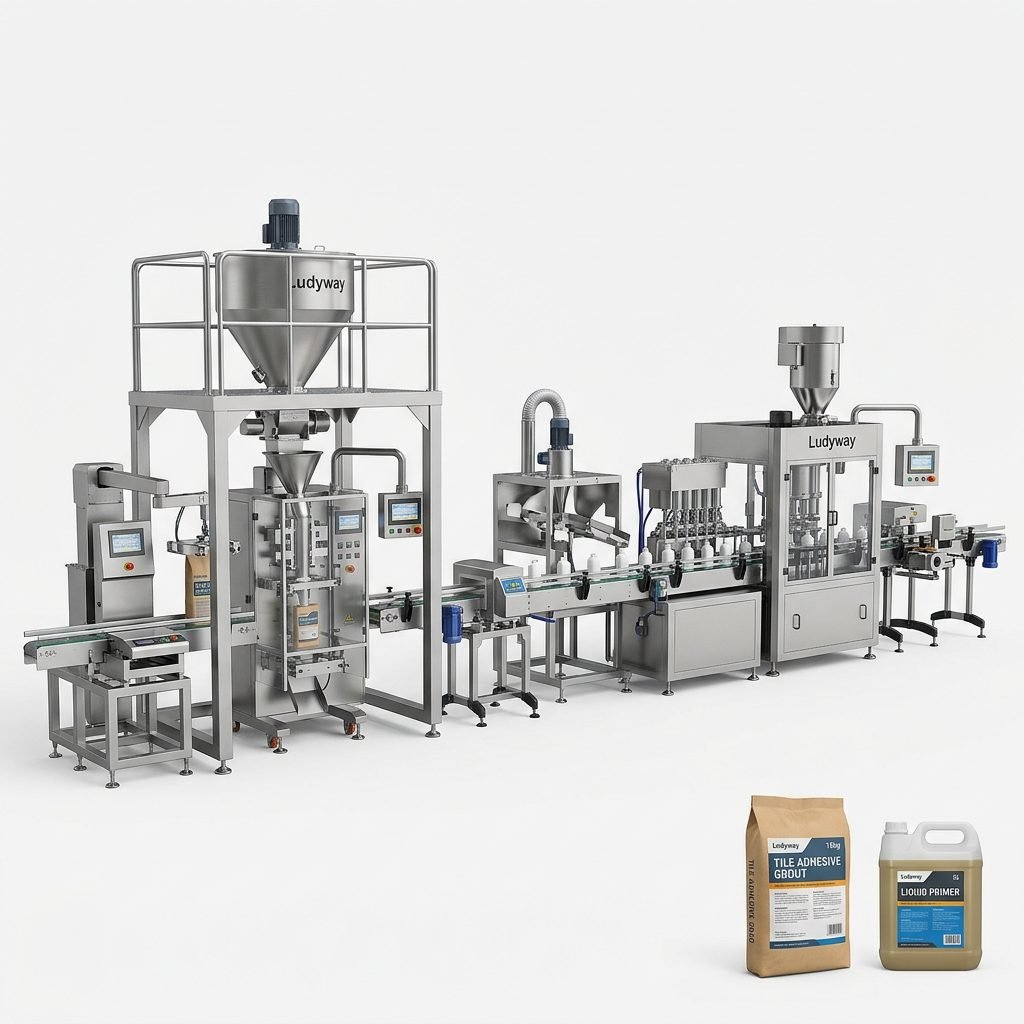
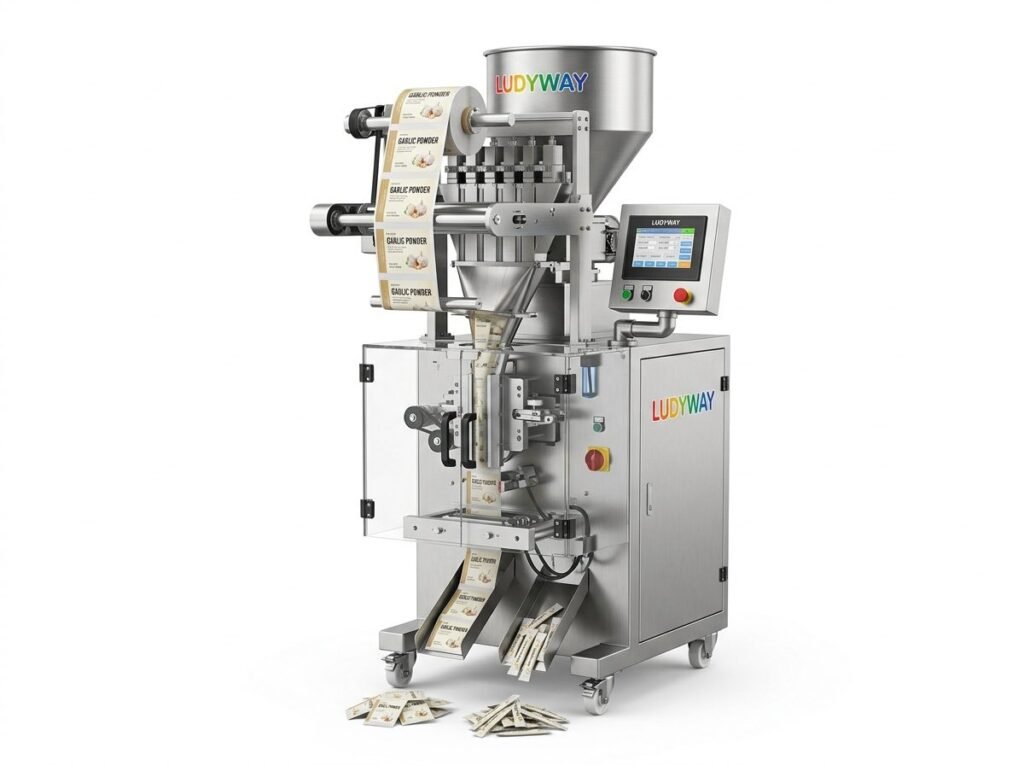
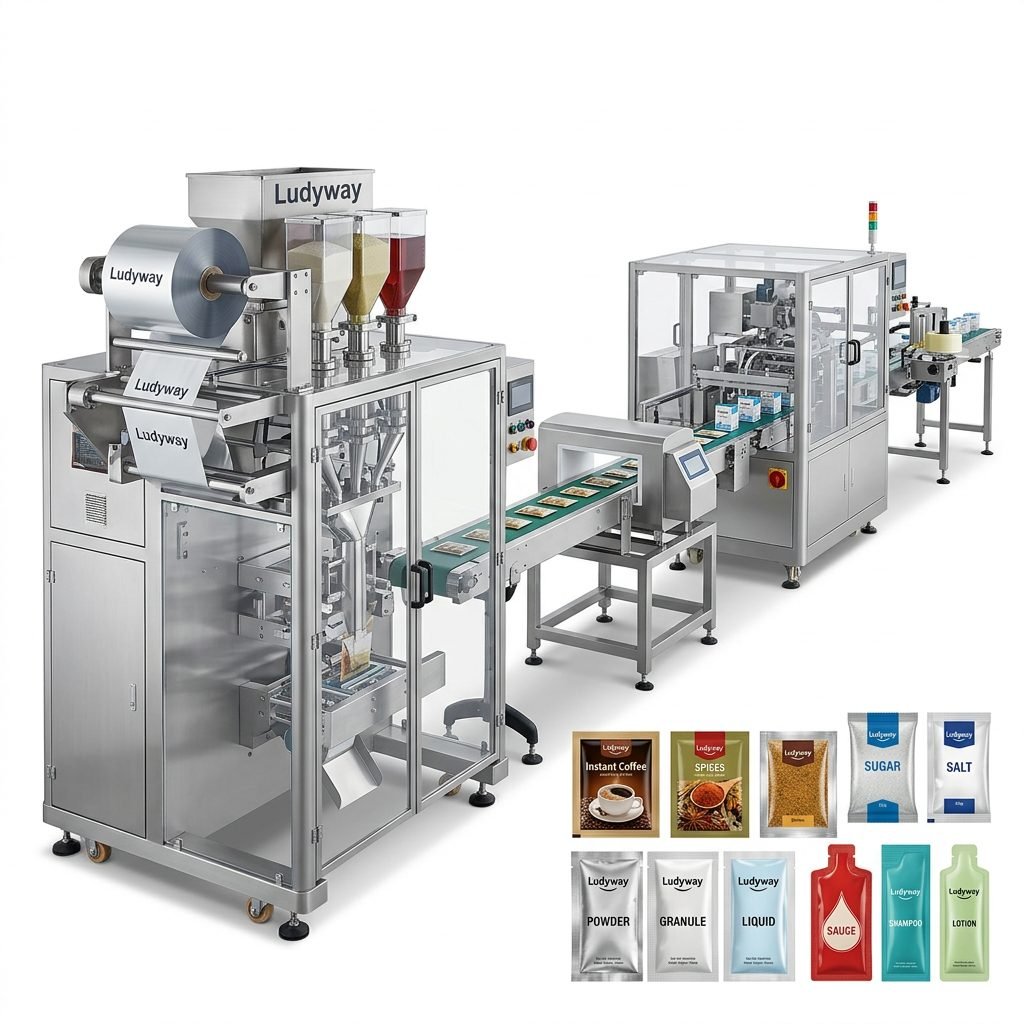
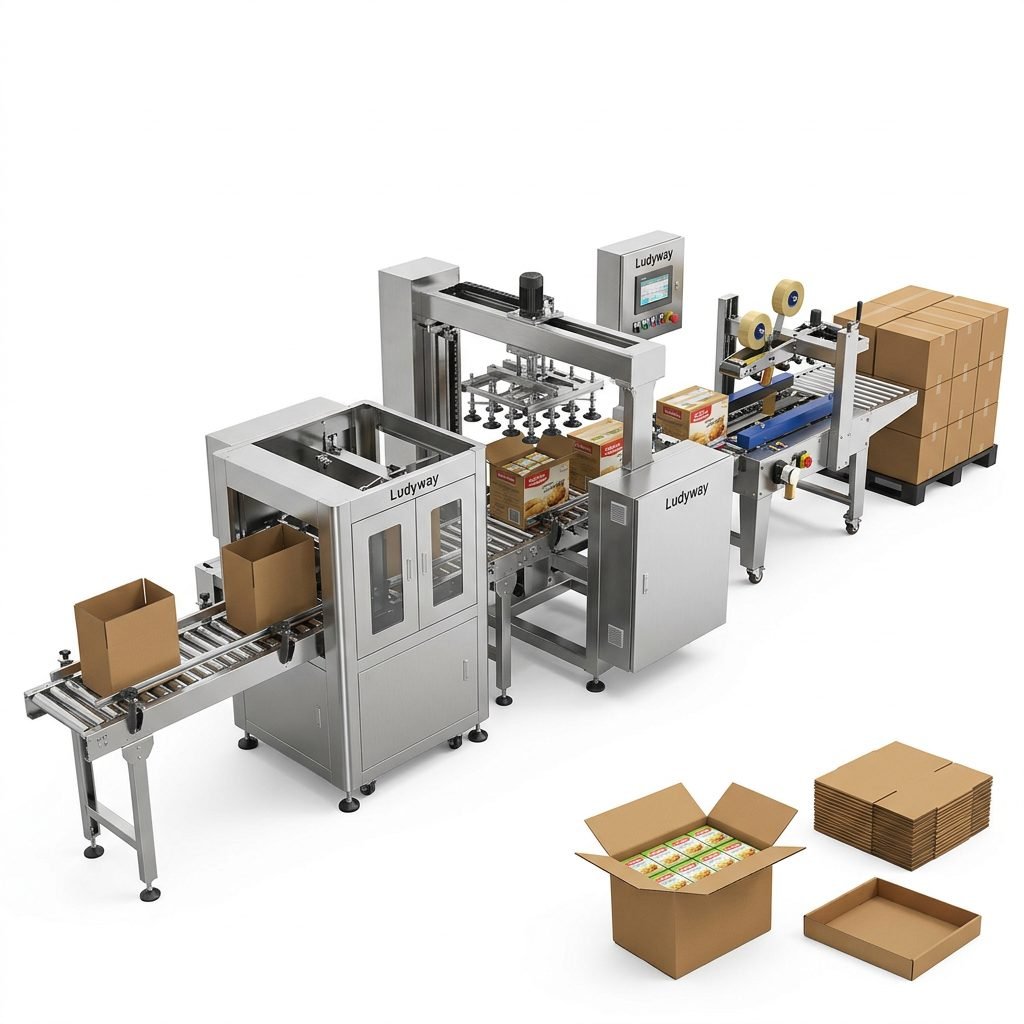
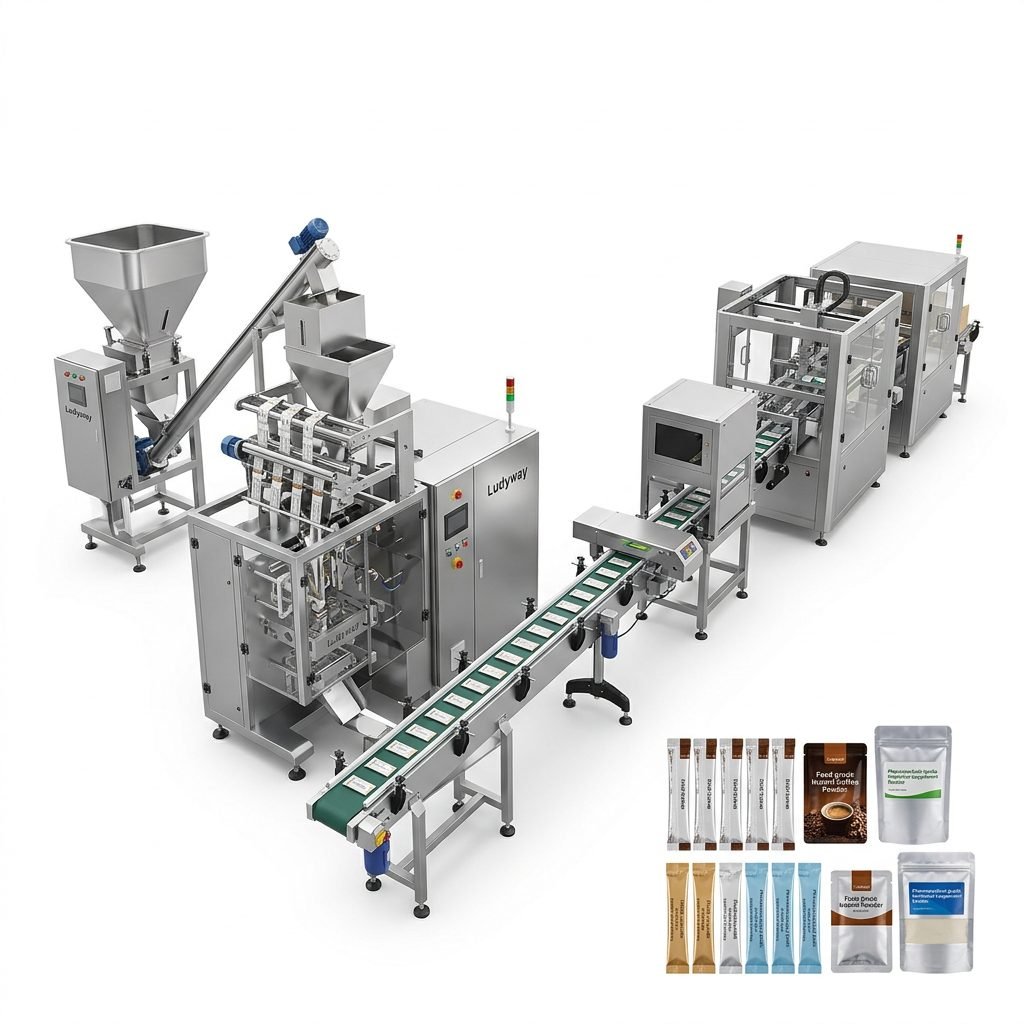
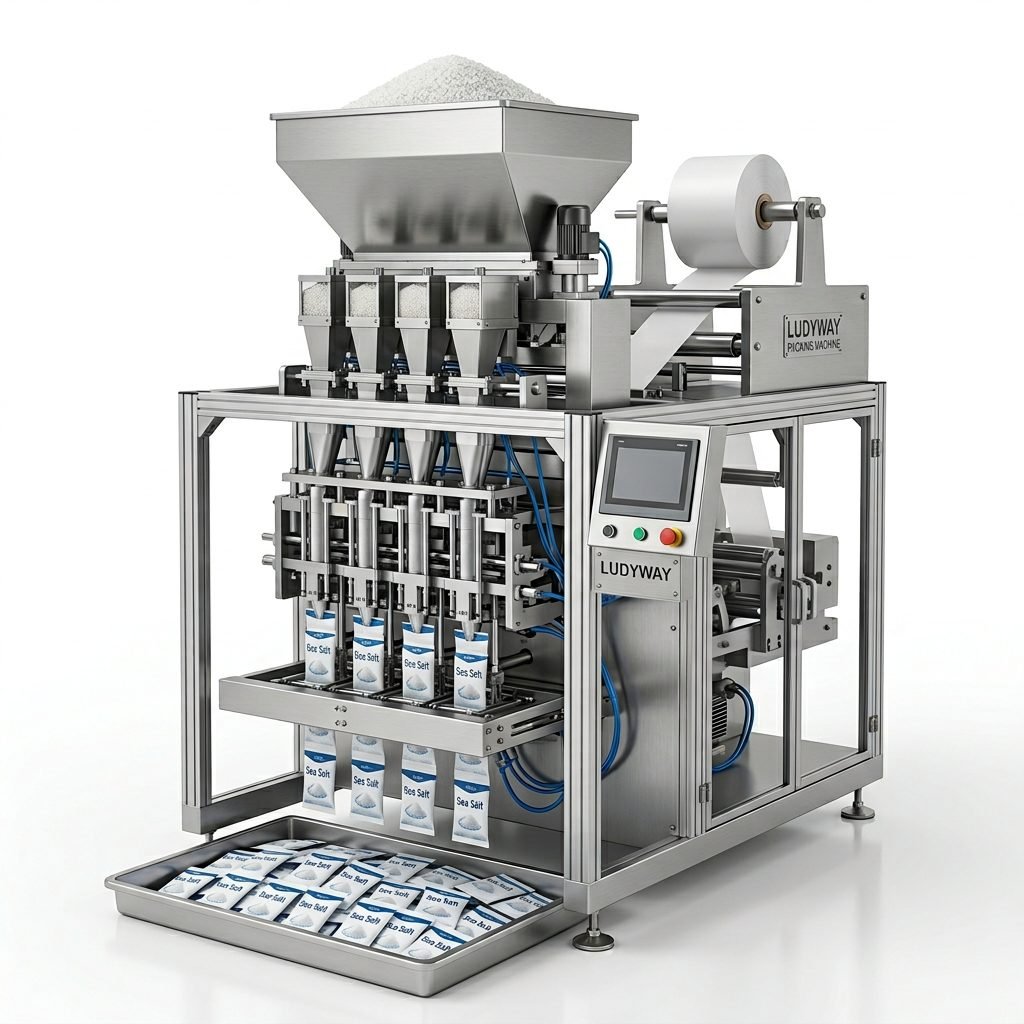
Proper maintenance is the backbone of a productive packaging line. A well-executed maintenance plan not only extends the lifespan of your equipment but also ensures consistent packaging quality and minimizes costly downtime. Whether you are running a high-speed multi-lane stick pack machine or a single-lane sachet system, these essential tips will help you achieve optimal performance.

1. Daily Cleaning and Sanitation Protocols
The most fundamental step in maintenance is rigorous daily cleaning. Product residue, dust, and debris are the primary enemies of precision machinery. For companies running powder filling systems or granule packaging lines, buildup can quickly affect weighing accuracy and sealing integrity.
- Dry Wipe Down: Use compressed air and lint-free cloths to remove loose particles from the sealing jaws and forming tubes.
- Wet Sanitation: For liquid packaging machines, flush the product pathway with appropriate cleaning agents to prevent bacterial growth, especially in food and pharmaceutical applications.
- Inspect Sealing Surfaces: Check the heating elements for burnt residue that can cause leaky packages.
2. Scheduled Lubrication and Mechanical Inspection
Friction is a silent killer of moving parts. A strict lubrication schedule is non-negotiable. Your maintenance team should adhere to the manufacturer’s guidelines regarding oil type and frequency. However, over-greasing can be almost as dangerous as under-greasing, as it attracts dirt.
| Component | Maintenance Action | Risk of Neglect |
|---|---|---|
| Bearings & Chains | Lubricate weekly | Increased friction / Motor failure |
| Pneumatic Cylinders | Check for smooth stroke | Jerky movement / Seal misalignment |
| Gears & Cams | Apply food-grade grease | Wear and tear / Inaccurate indexing |
3. Critical Spare Parts Management
Nothing extends downtime more than waiting for a replacement part. By partnering with a reliable packaging machine manufacturer, you can secure an inventory of critical spare parts. Keep these high-wear items in stock to ensure you can recover from a breakdown within hours, not days.
Essential Spare Parts Checklist:
- Heating elements and thermocouples for the sealing station.
- Forming shoulders and tubes specific to your bag size.
- Belts, chains, and drive belts for the conveyor system.
- Sealing gaskets and O-rings for liquid filling nozzles.
- Sensors and photoelectric cells for pouch registration.
For businesses utilizing specialized equipment like a stand-up pouch filling machine, verifying gripper tension and pouch opening guides during this inspection is essential to prevent jams.
4. Electrical System and Sensor Calibration
Modern machines rely heavily on electronic controls. Dust and vibration can loosen connections and drift sensor calibrations. A monthly walkthrough of the electrical cabinet is recommended.
- Torque Terminals: Tighten all screw terminals in the control panel. A loose wire can cause intermittent faults that are difficult to trace.
- Photo-Eye Check: Ensure sensors for film registration are clean and aligned to prevent film waste caused by misprinted “eye marks.”
- Temperature Controllers: Verify the PID settings on temperature controllers. Fluctuations here directly impact seal integrity.
5. The Importance of a Turnkey Provider
Maintenance becomes significantly easier when your equipment is built on a standardized platform. Working with an industry leader like Ludyway, which provides turnkey production solutions, ensures you have access to detailed documentation, remote support, and uniform access points across your equipment. This simplifies troubleshooting across the interconnected components of your integrated packaging line.
6. Weekly Deep-Inspection Focus Areas
While daily checks are superficial, a weekly deep-dive should cover structural and calibration elements. This is particularly important for weighing and filling systems in high-speed production.
Weighing System Accuracy
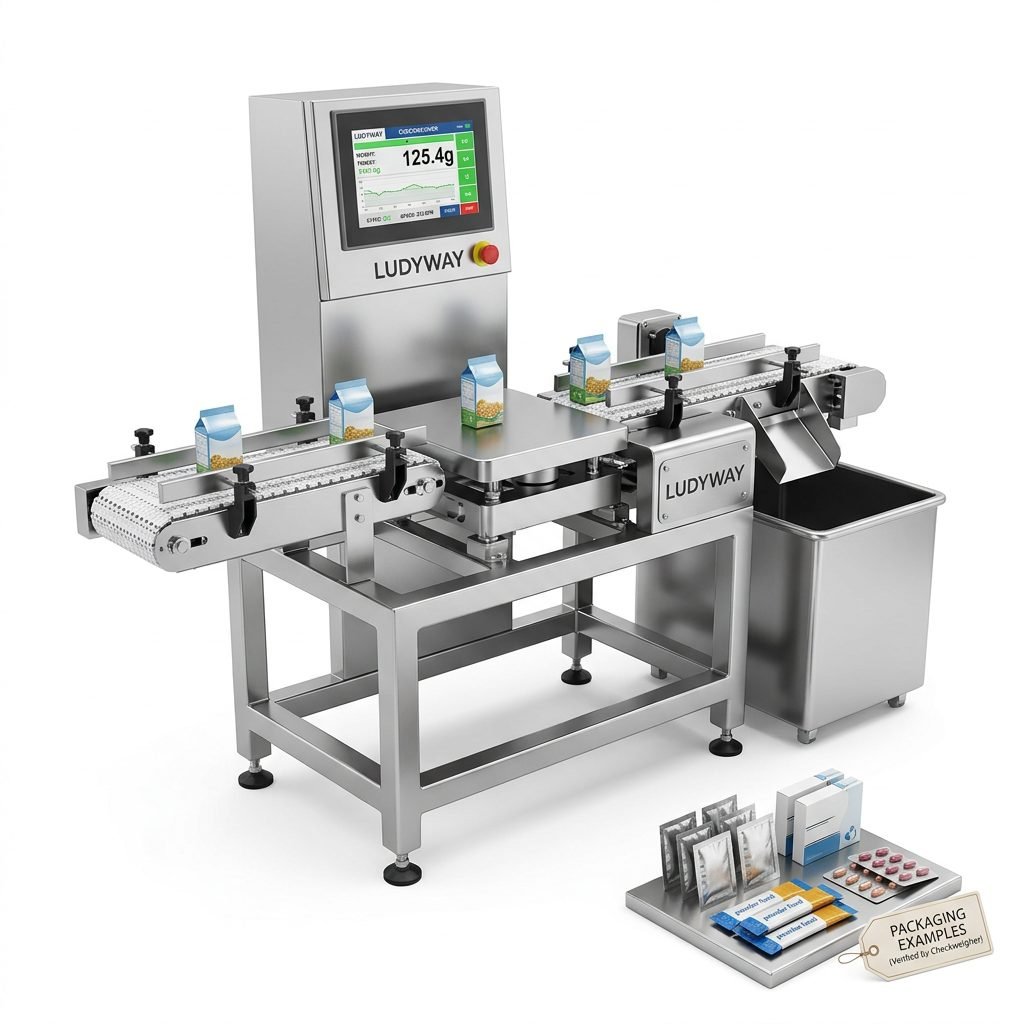
Inaccurate fills lead to product “giveaway” or regulatory non-compliance. Perform a scale calibration test with certified weights weekly. Check the vibration settings and amplitude on the vibratory feeders to ensure they haven’t shifted.
Film Tracking and Tension
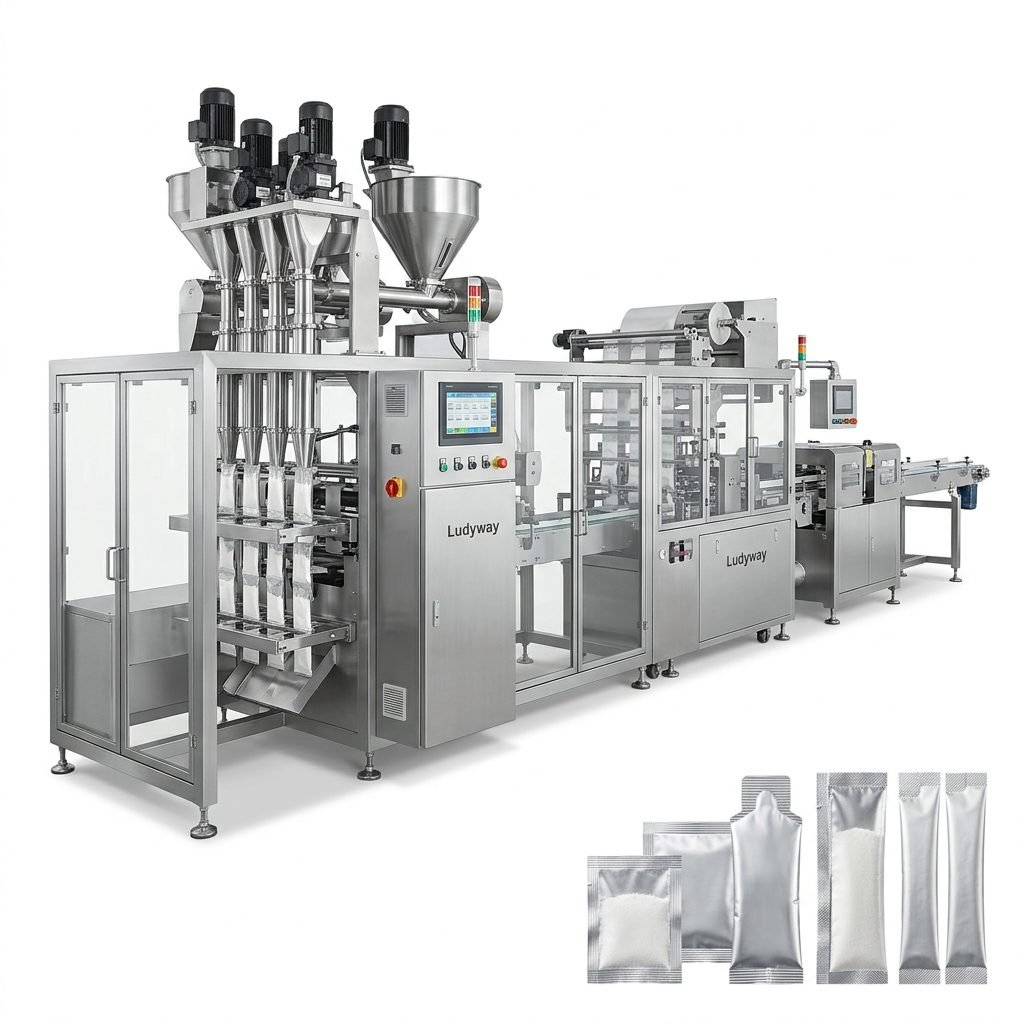
For vertical form fill seal machines, erratic film tracking is a common source of waste. Inspect the roll carriage assembly and ensure the dancer arms move freely. Even slight resistance can distort the bag length.
7. Documentation and Operator Training
The best maintenance protocol fails if operators bypass it. Create a simple checklist log that isn’t a burden. A well-trained operator can hear a failing bearing or see a misaligned film splice before the machine stops.
| Shift Check | Status | Initials |
|---|---|---|
| Residual product cleaned | PASS / FAIL | ___ |
| Sealing jaw temperature verified | PASS / FAIL | ___ |
| Date code printer ribbon/level checked | PASS / FAIL | ___ |
8. Environmental Controls
Humidity and temperature swings in the factory affect powder flow and film properties. Powders become sticky, and films become brittle. Ensure your HVAC systems maintain a stable climate. If you are running hygroscopic products, consider a dehumidification system directly on the machine hopper. This is an often overlooked aspect of maintaining a reliable filling and packing operation.
By integrating these maintenance strategies into your daily workflow, you protect the capital investment of your automatic packaging systems and ensure every bag or sachet leaves your facility meeting the highest quality standards.
For further reading on industry best practices, explore resources from the PMMI association or the Flexible Packaging Association.