The Southeast Asian beverage market is experiencing explosive growth, driven by rising disposable incomes and a young, dynamic population. For manufacturers looking to capture this demand, selecting the right drink packaging machine is not just a purchase; it’s a strategic investment. This guide walks you through the essential factors for choosing equipment that meets regional needs, ensures product quality, and maximizes your return on investment.
Understanding the Southeast Asian Beverage Landscape
Before diving into machinery specifications, it’s crucial to understand the market. Southeast Asia is not a monolith; it comprises diverse economies like Indonesia, Thailand, Vietnam, the Philippines, and Malaysia, each with unique consumer preferences. The climate is a major factor—high humidity and temperatures demand robust packaging that protects against moisture, oxidation, and flavor degradation. We see a soaring demand across several key categories:
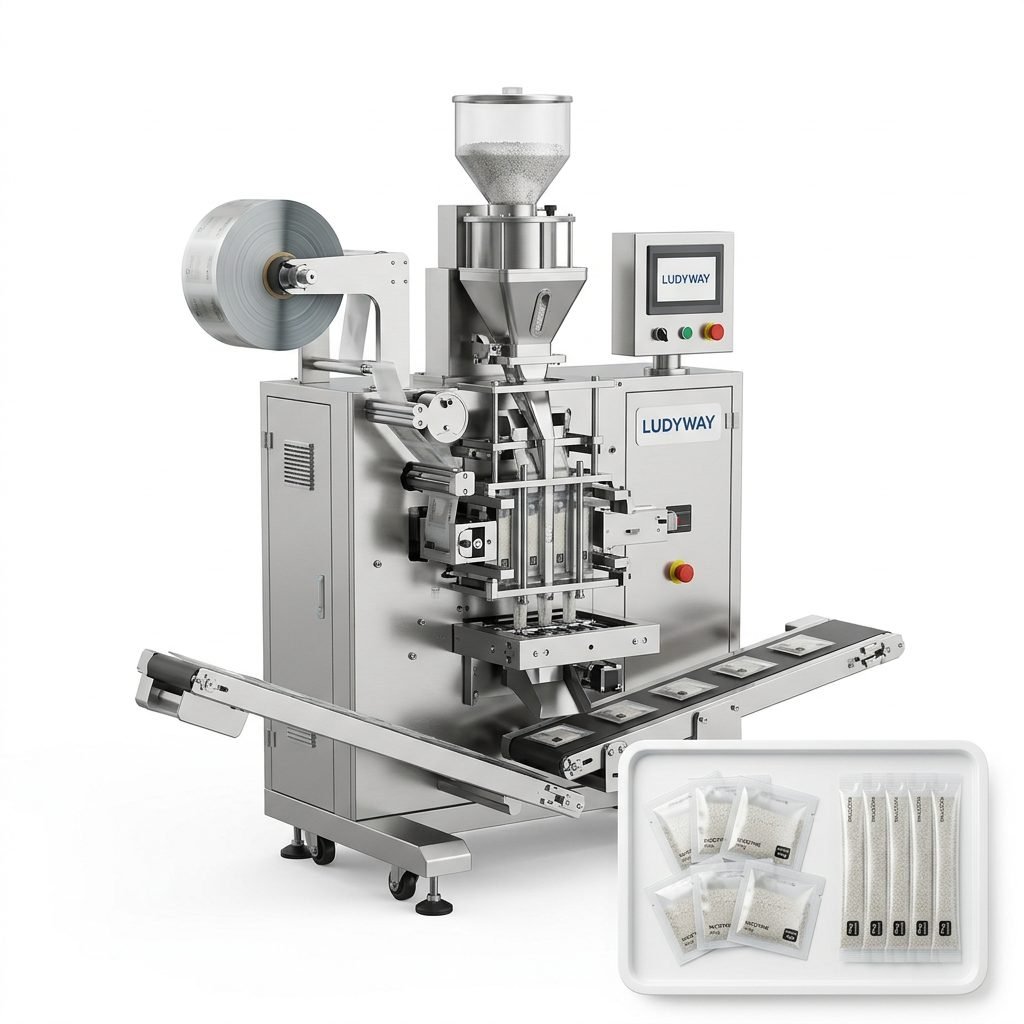
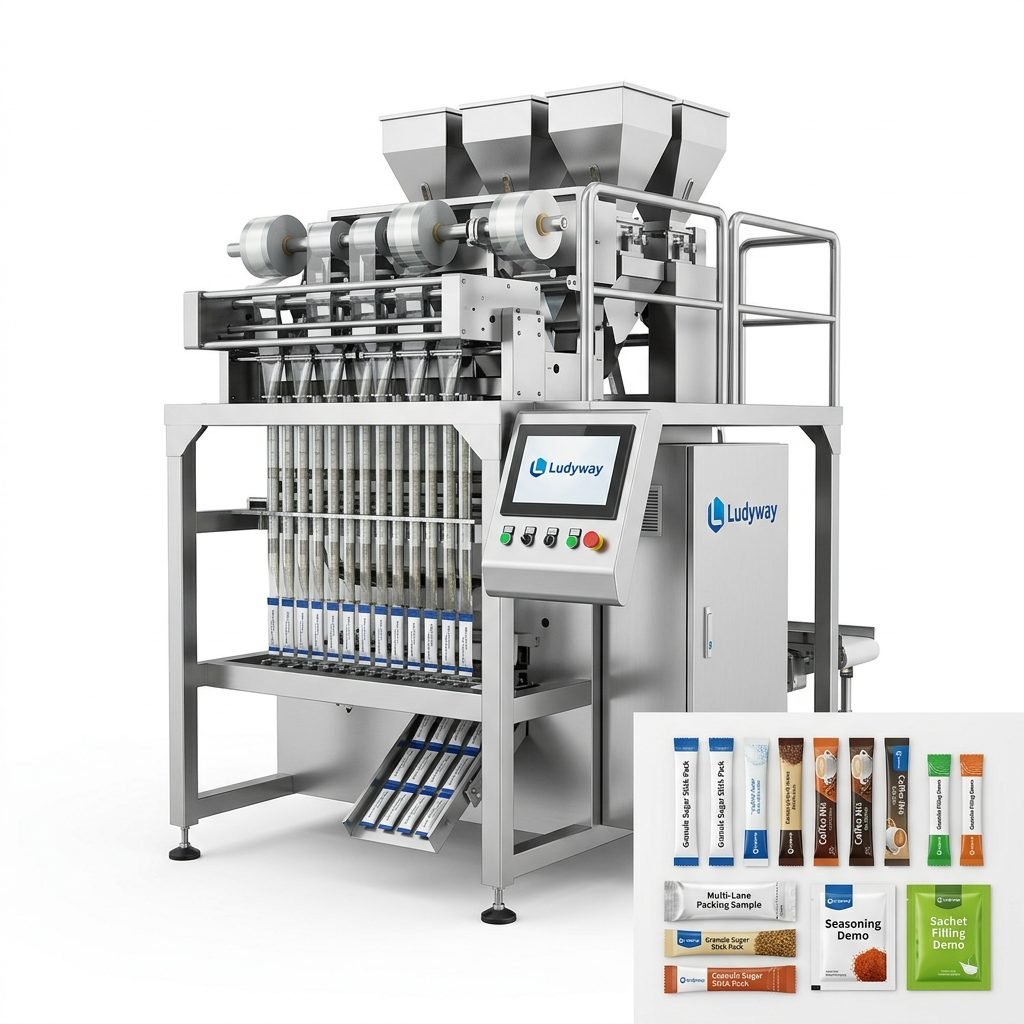
- Instant Coffee & Tea: The 3-in-1 and 2-in-1 culture is dominant. Packaging must be high-barrier and suitable for single-serve sachets or stick packs.
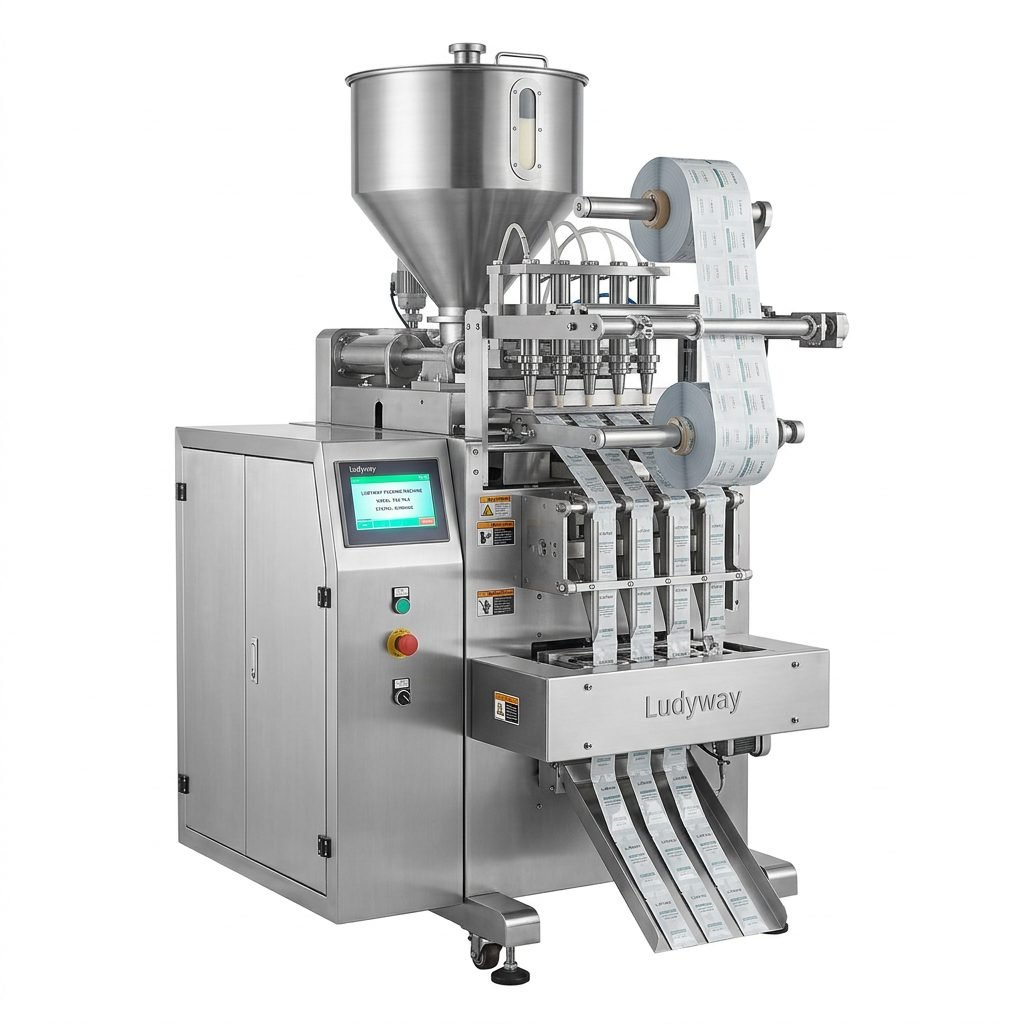
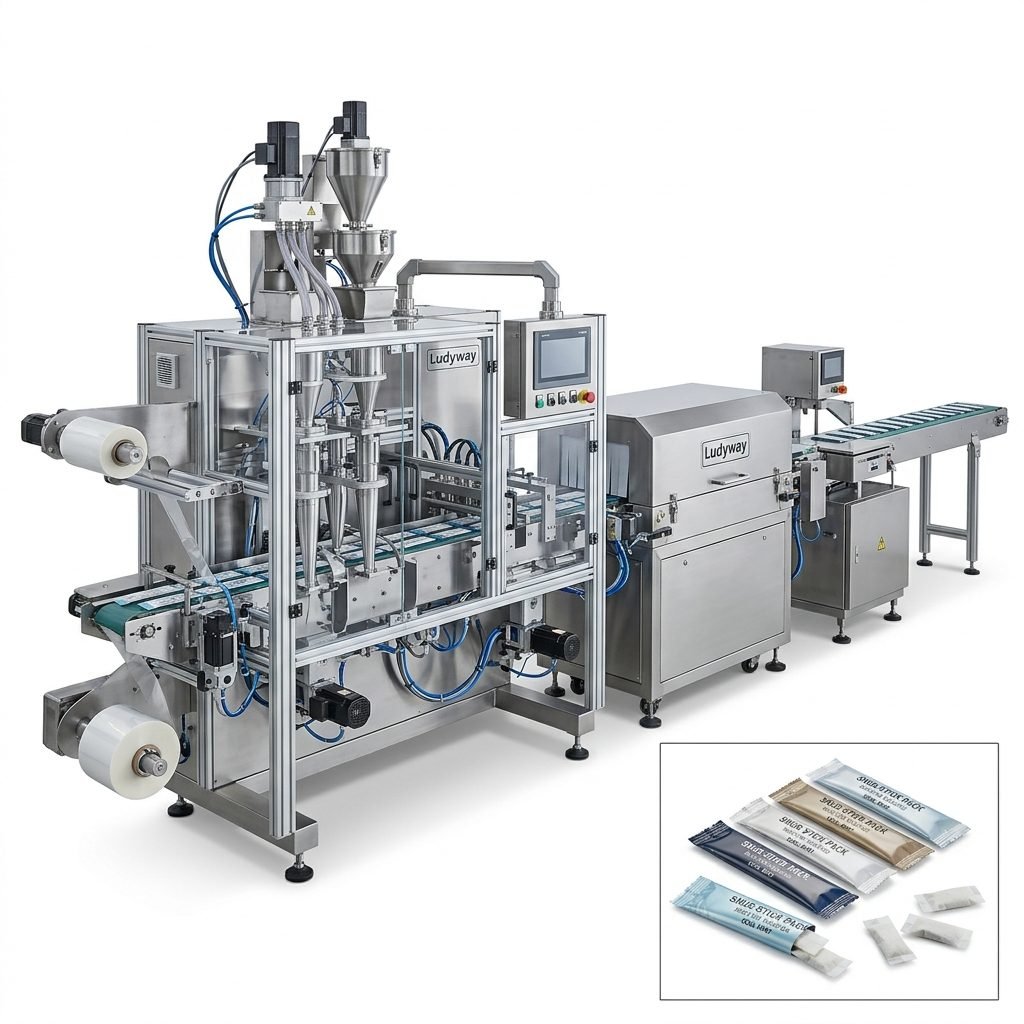
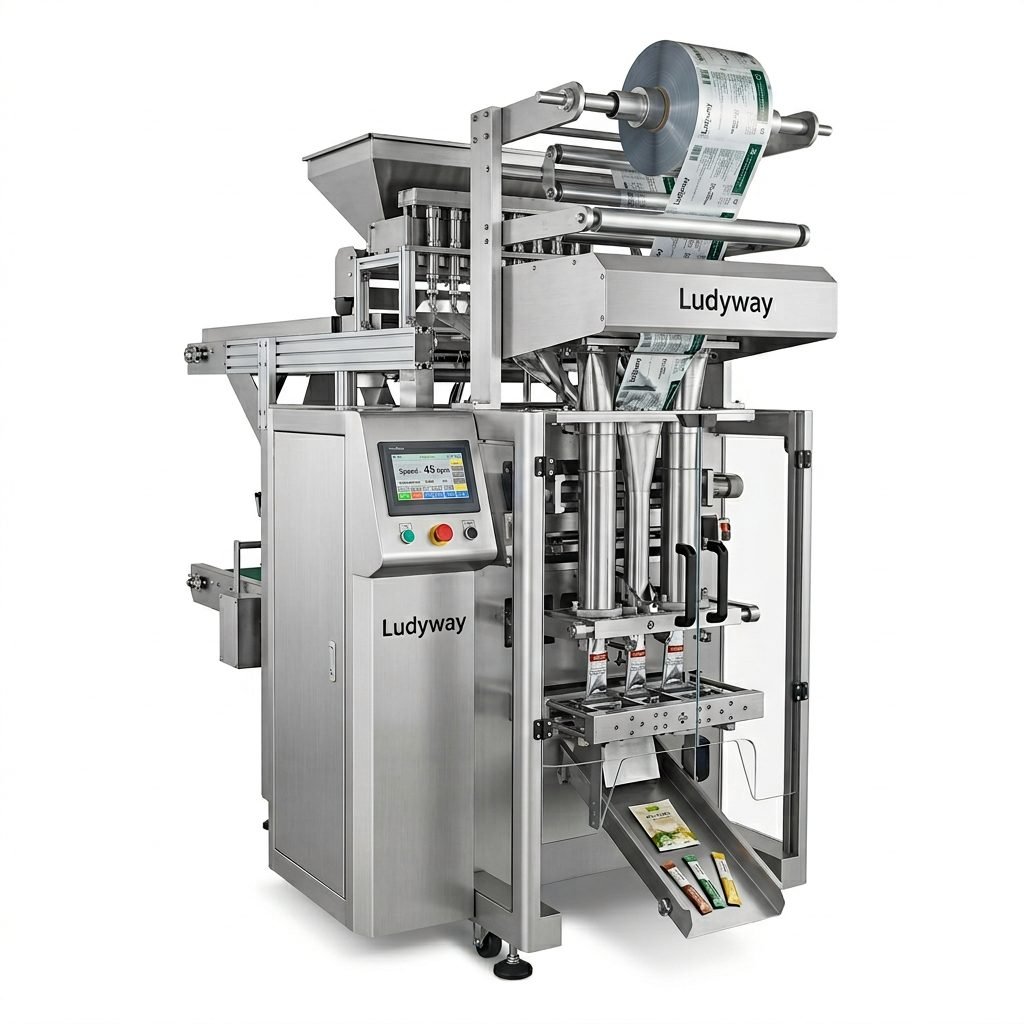
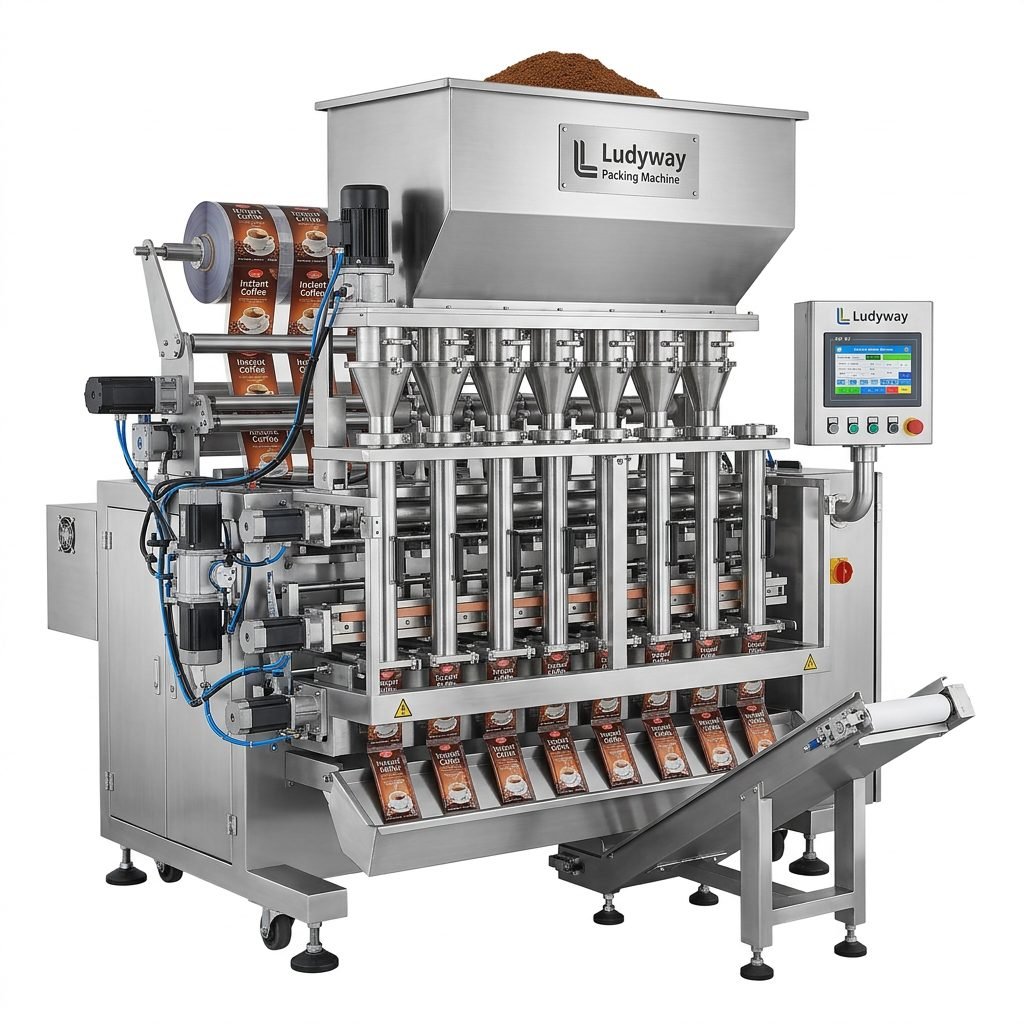
- Functional & Health Drinks: Collagen, protein powders, herbal teas, and energy drinks are rapidly gaining traction among health-conscious urban consumers, often requiring specialized multi-lane stick pack machines.
- Ready-to-Drink (RTD) Juices and Dairy: Affordable, on-the-go formats in small pouches or cups are essential for mass-market appeal.
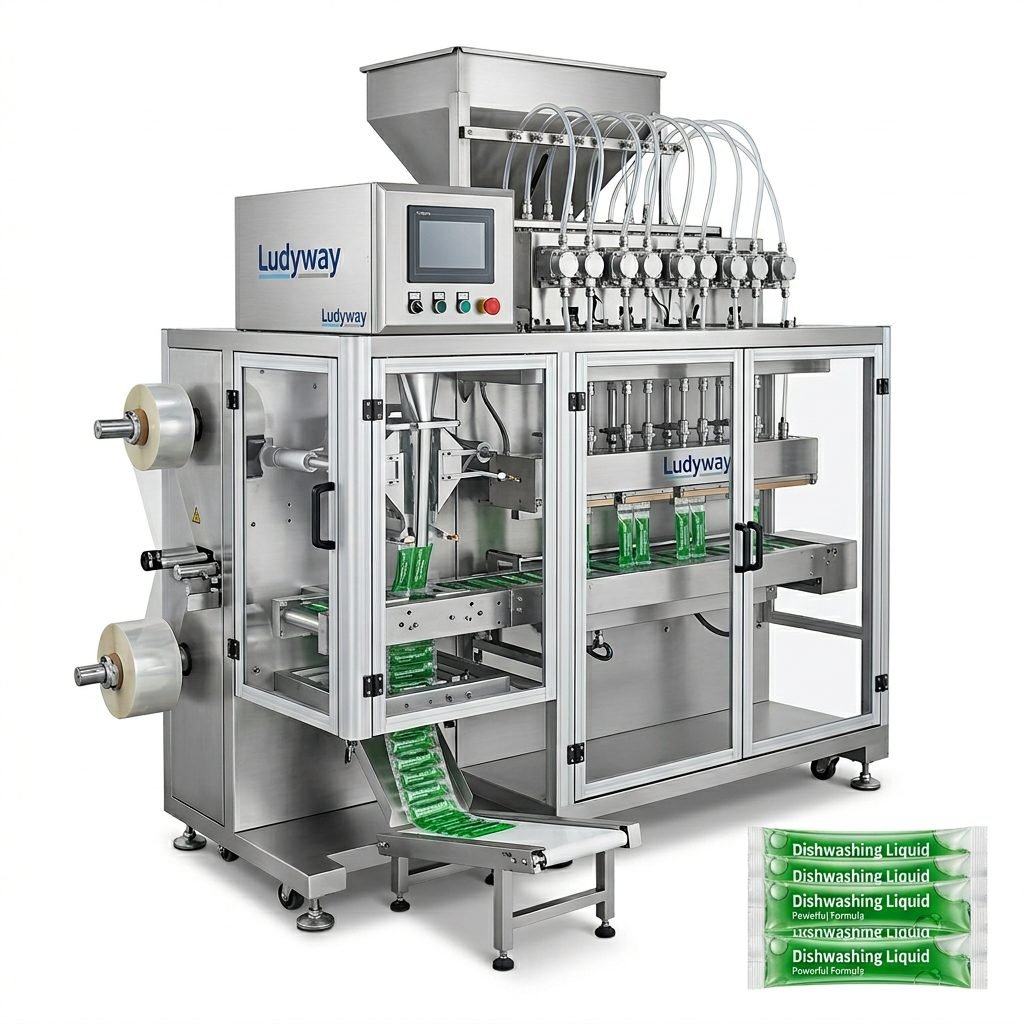
- Traditional Herbal Beverages: Jamu in Indonesia or traditional Thai herbal drinks are frequently packaged in liquid sachets, often on a large scale.
Key Packaging Formats for Drinks in the Region
Your choice of packaging format directly dictates the type of machine you need. The most prevalent formats in Southeast Asia are single-use and portion-controlled, reflecting affordability and convenience.
| Packaging Format | Most Common Application | Recommended Machine Type |
|---|---|---|
| Stick Pack | Instant coffee, protein powder, energy drinks | Multi-Lane Stick Pack Machine |
| Three-Side Seal Sachet | Herbal drinks, 3-in-1 tea, affordable juice powder | Multi-Lane Sachet Machine |
| Liquid Pouch (Pillow Pack) | Ready-to-drink juice, milk, coconut water | Liquid Pouch / Sachet Filling & Sealing Machine |
| Bag-in-Box / Bulk Packaging | Syrups, concentrates for food service | Automated Filling & Sealing Lines |
Critical Factors to Consider When Choosing a Drink Packaging Machine
Investing in the right packaging machine requires a methodical evaluation of your current and future operational needs. Ignoring these factors can lead to costly downtime and product waste.
1. Product Characteristics and Properties
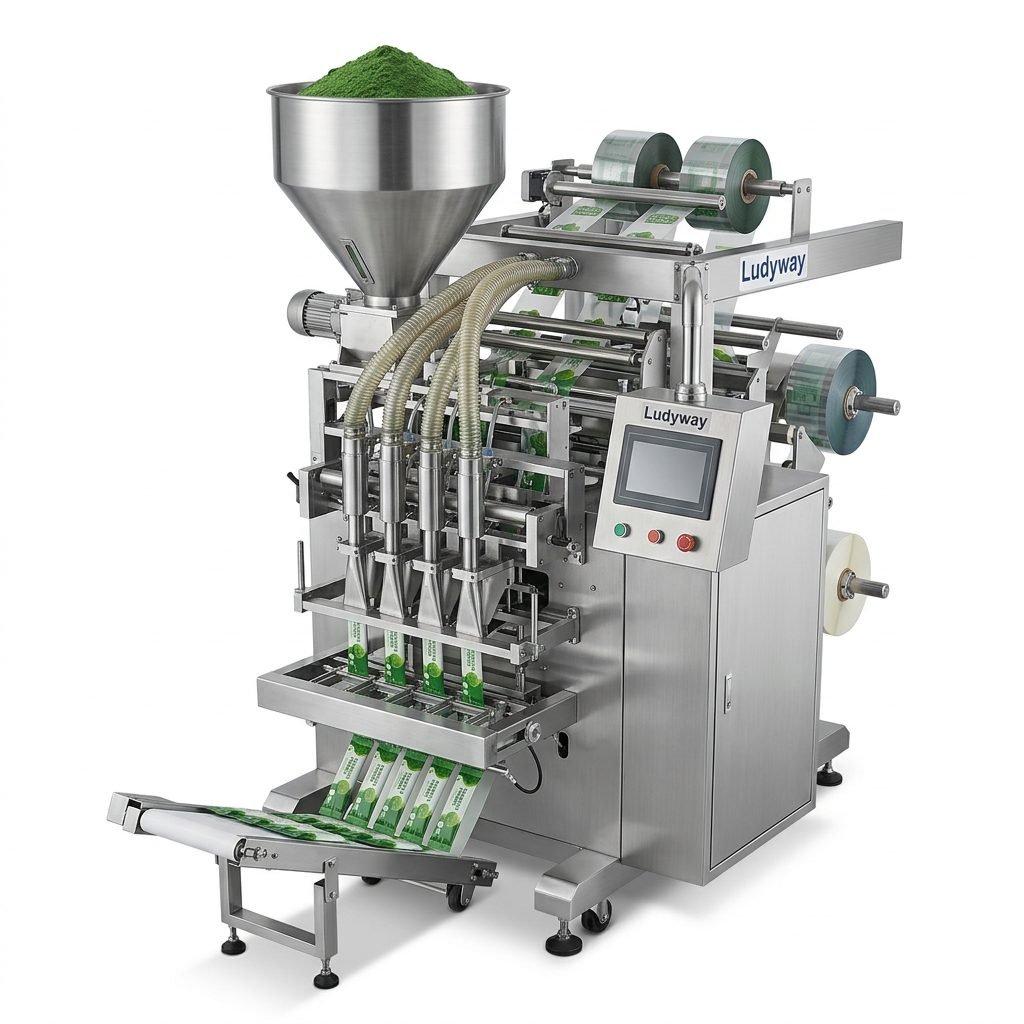
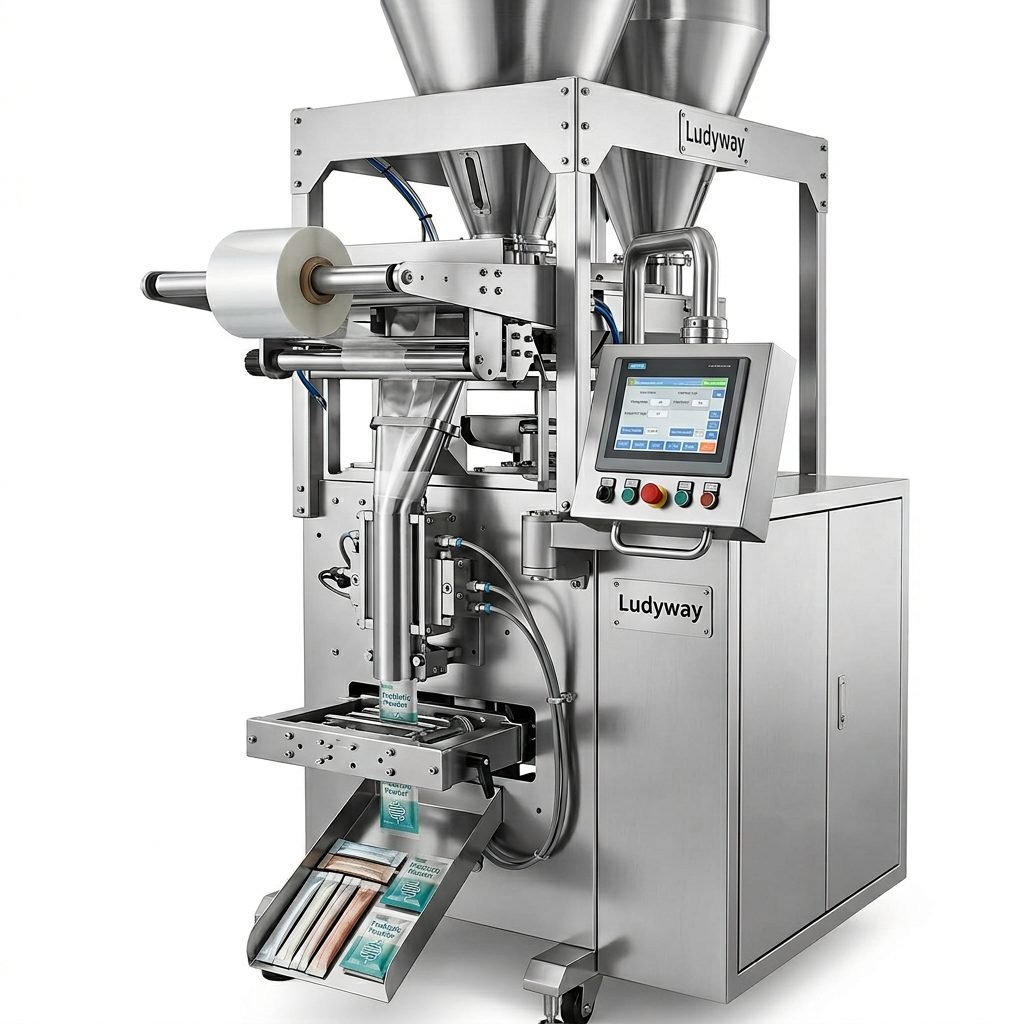
Is your product a fine, dusty powder like matcha, a sticky instant coffee, or a free-flowing granule? Powder density, flowability, and hygroscopicity are paramount. Sticky or dusty products require special auger fillers with agitators or dust-extraction systems. A machine perfectly suited for granular coffee will fail catastrophically when packaging fine, sticky collagen powder.
2. Production Speed and Scalability
What is your required output in packs per minute (ppm)? A startup might only need 40 ppm, but a major supplier to a chain like 7-Eleven or Alfamart could require a high-speed multi-lane machine producing 400 ppm or more. Selecting a machine that allows you to add lanes or scale up production in the future is a strategic advantage.
3. Material Compatibility and Sustainability
Southeast Asia is increasingly conscious of sustainable packaging. Your machine must be capable of handling a range of film materials, from standard metallized polyester/polyethylene laminates to newer recyclable mono-materials and bio-based films. These eco-friendly films often have a narrower sealing window, requiring precise temperature control from the machine’s sealing jaws, a feature not all budget machines offer.
4. Automation and Workforce Integration
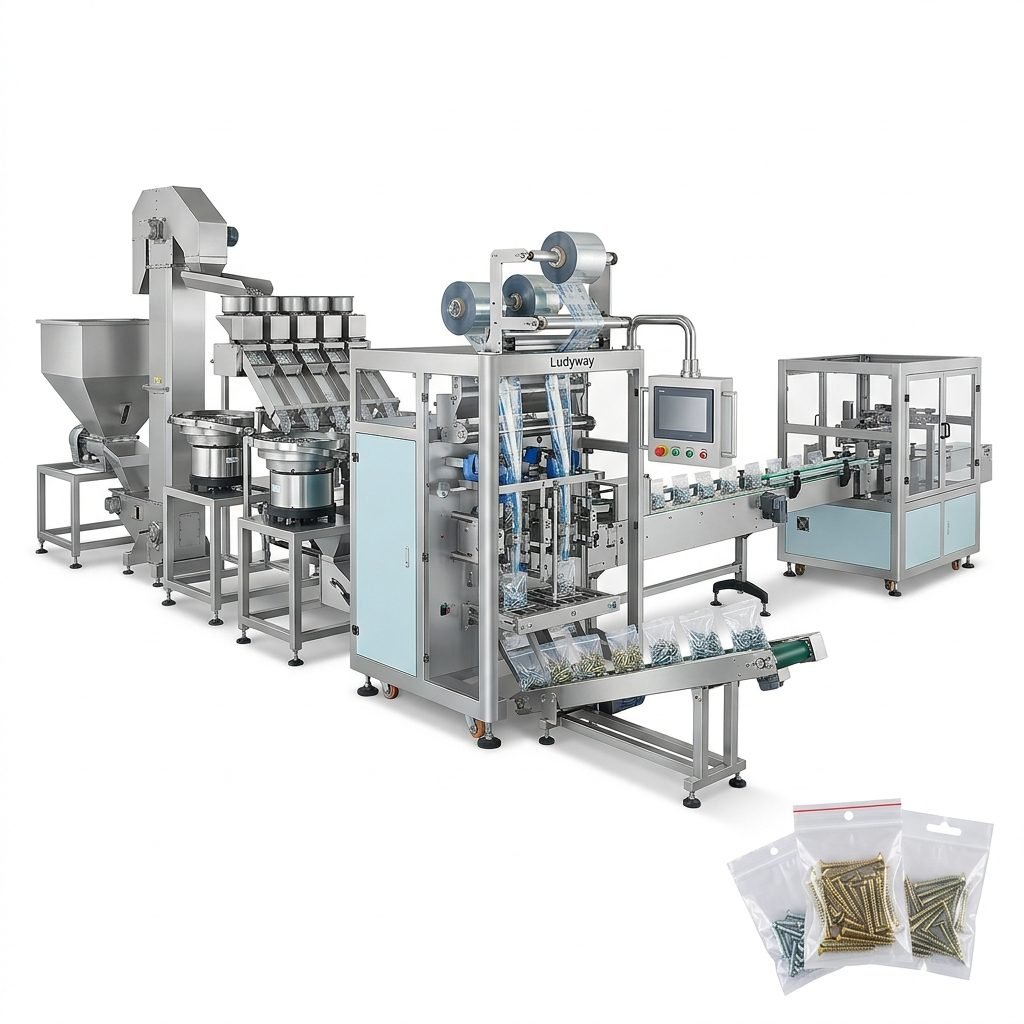
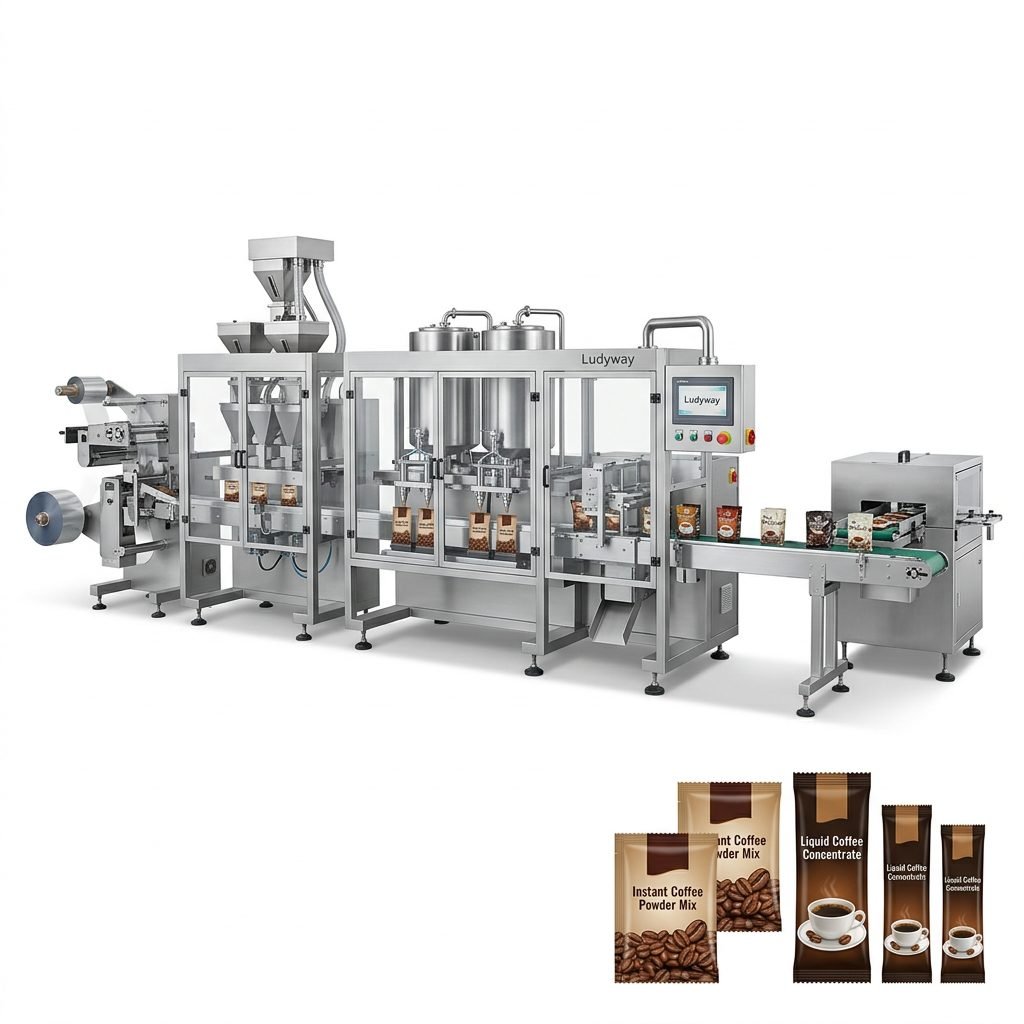
Labor costs and availability vary significantly across the region. A fully automated line with robotic cartoning and palletizing might be ideal in Singapore, whereas a semi-automatic machine arranged as a turnkey packaging line might better suit a factory in Vietnam. Assess your local workforce’s technical skill level and the machine’s ease of use and maintenance.
Evaluating Technical Specifications for Humid Climates
The tropical climate of Southeast Asia is one of the biggest challenges for powder and liquid packaging. Your machine must be built to withstand it.
- Humidity Control: Look for a hermetically sealed film unwinding zone with a nitrogen gas flushing option to displace oxygen and moisture in the headspace of each pack, a critical feature for products like instant coffee and milk powder.
- Sealing Integrity: Consistent, hermetic seals are non-negotiable. Pay close attention to the machine’s serrated or flat sealing jaw technology, temperature controller precision (±1°C or better), and dwell time adjustability.
- Electrical Protection: Ensure all electrical cabinets on the packaging machine are rated to at least IP54 dust and water protection to prevent short circuits and corrosion in high-humidity environments.
- Stainless Steel Construction: Machine frames and product contact parts should be made of food-grade 304 or 316 stainless steel to prevent rust and ensure easy wash-downs.
Navigating Local Regulations and After-Sales Support
A machine’s true value is revealed long after the purchase. Before signing a contract, address these crucial support and compliance questions.
- Local Agent and Technical Support: Does the manufacturer have a distributor, agent, or service engineer available in your country? The question to ask is not “if” a machine will need maintenance, but “how fast” can support reach you. A 48-hour on-site service guarantee is a strong indicator of a reliable partner.
- Spare Parts Availability: Clarify which parts are “consumables” and how quickly a critical sealing jaw or PCB driver board can be shipped to your facility. Reliable suppliers often have a local or regional spare parts hub.
- Halal and Food Safety Compliance: For many Southeast Asian markets, the machine’s construction materials and lubricants must be halal-compliant and designed in accordance with food safety standards to prevent cross-contamination.
- Installation and Training: A comprehensive installation, commissioning, and operator training program is not a luxury; it is essential for achieving the machine’s rated output and longevity.
Choosing a Reliable Drink Packaging Machine Manufacturer
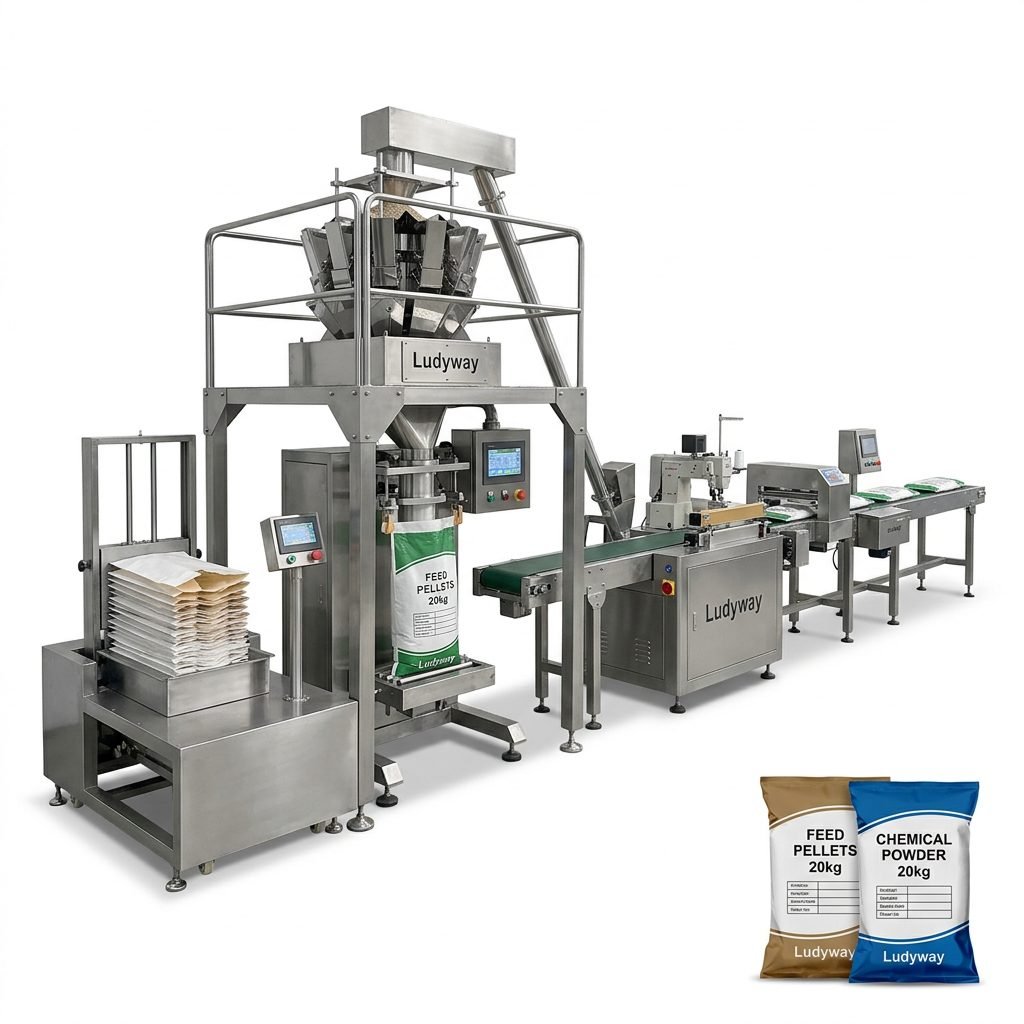
Partnering with an experienced manufacturer who understands regional challenges is the final piece of the puzzle. Look for a company with a proven track record, not just a glossy brochure. Ludyway is one of the largest packaging machine manufacturers in China, specializing in advanced packaging equipment for the food and pharmaceutical industries. With over 30 years of experience and serving customers in more than 100 countries, suppliers like this offer a range of drink packaging machines that are built for durability and efficiency in demanding environments.
Frequently Asked Questions About Drink Packaging Equipment
Here are quick answers to common questions we receive from beverage producers in Southeast Asia:
- Q: Can one machine handle both powder and liquid drinks?
A: Generally, no. A dedicated liquid filling machine uses a piston or magnetic pump, while a powder packaging machine uses an auger filler. However, a supplier with a broad portfolio can provide an integrated line from a single source. - Q: What is the most cost-effective packaging format for a new coffee brand?
A: The three-side-seal sachet is typically the entry point due to lower film costs and machine throughput rates, but the sleek, modern stick pack offers better shelf presence and is rapidly becoming the standard for premium brands. - Q: How do I prevent my instant coffee powder from caking inside the machine?
A: Specify a machine with a nitrogen gas flush system to create a modified atmosphere inside the pack, and insist on an air-conditioned or dehumidified packaging room.
Selecting the ideal drink packaging machine for the Southeast Asian market is a complex but manageable process. By focusing on your product’s specific needs, the challenging local climate, and the importance of a strong after-sales partnership, you can commission equipment that fuels your brand’s growth for years to come. Always prioritize robust construction, precise sealing technology, and the ability to adapt to future packaging trends.
For more insights on global packaging trends and machinery standards, you can consult industry resources like the PMMI association or the Flexible Packaging Association. Reviewing state-of-the-industry reports, such as the 2025 State of the Industry report, can also provide valuable context for equipment life cycles and innovation.