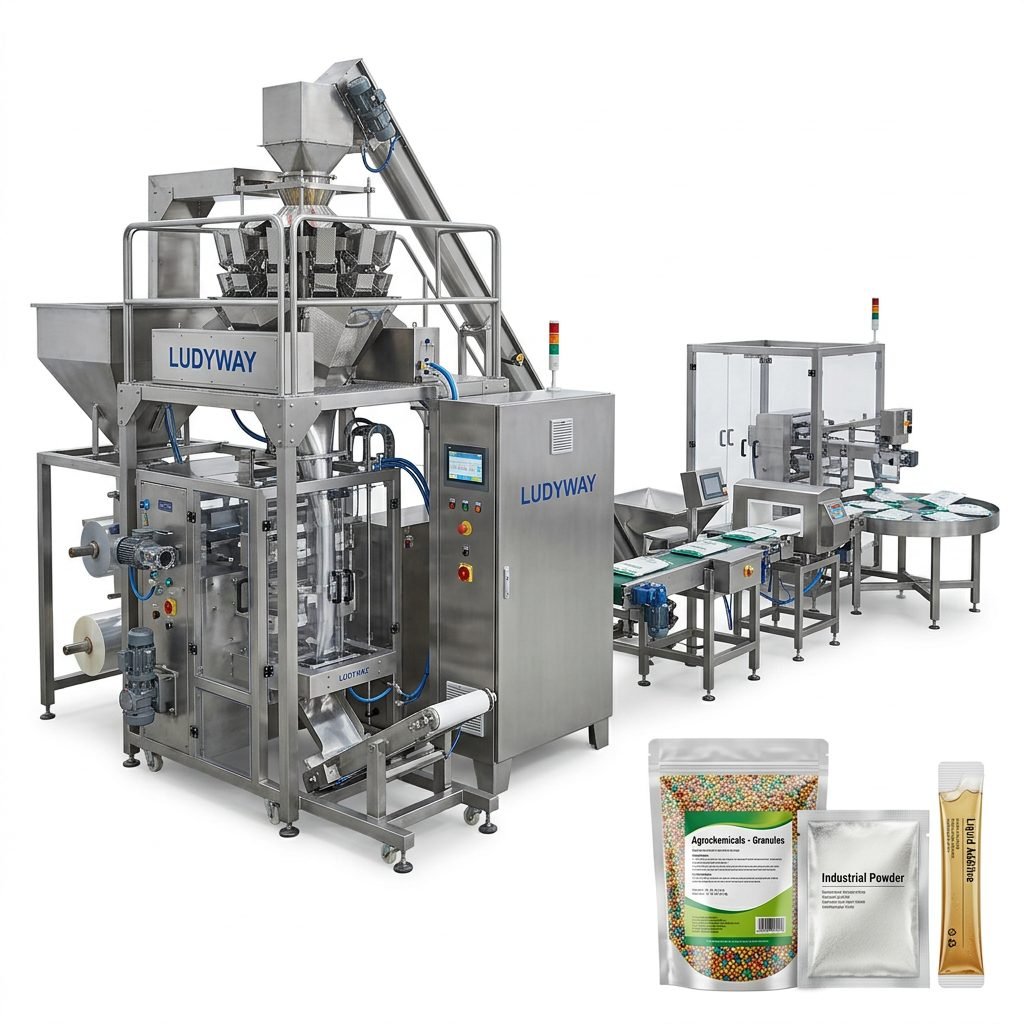
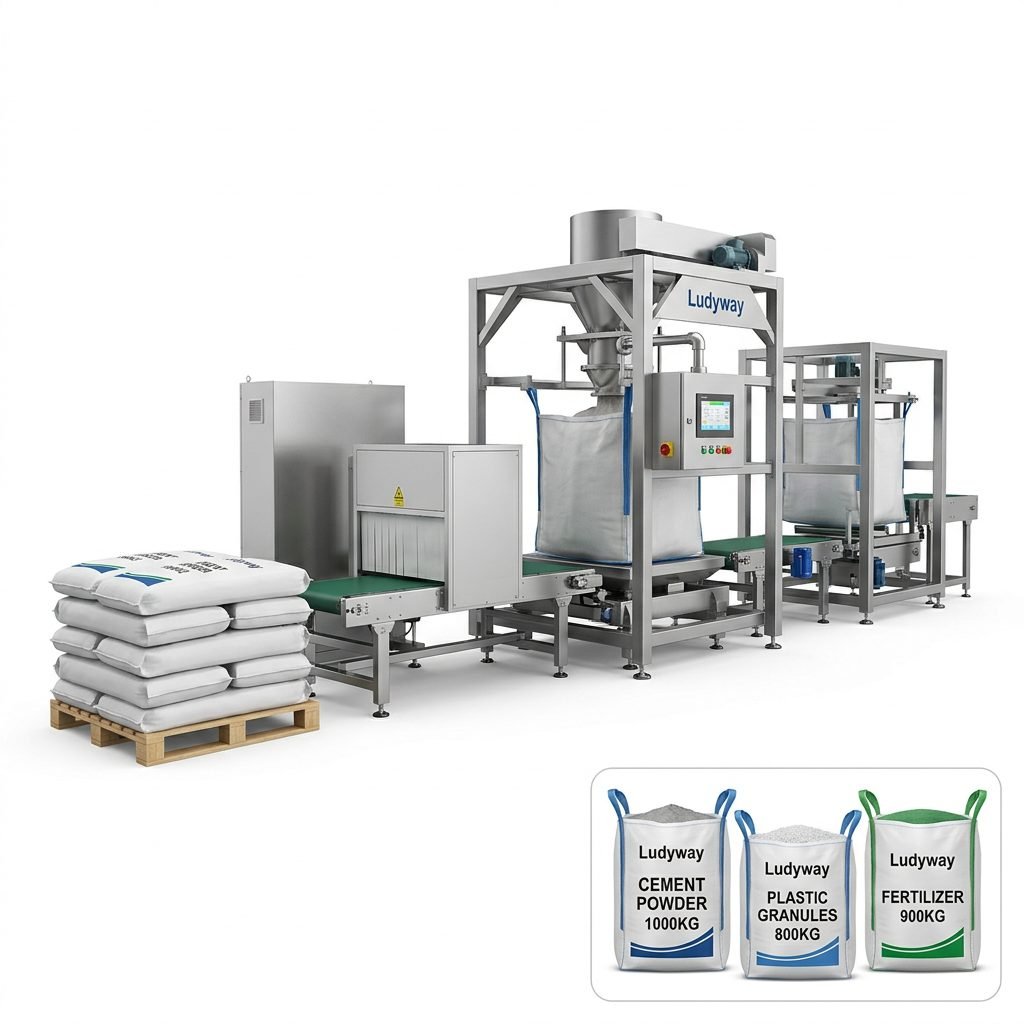
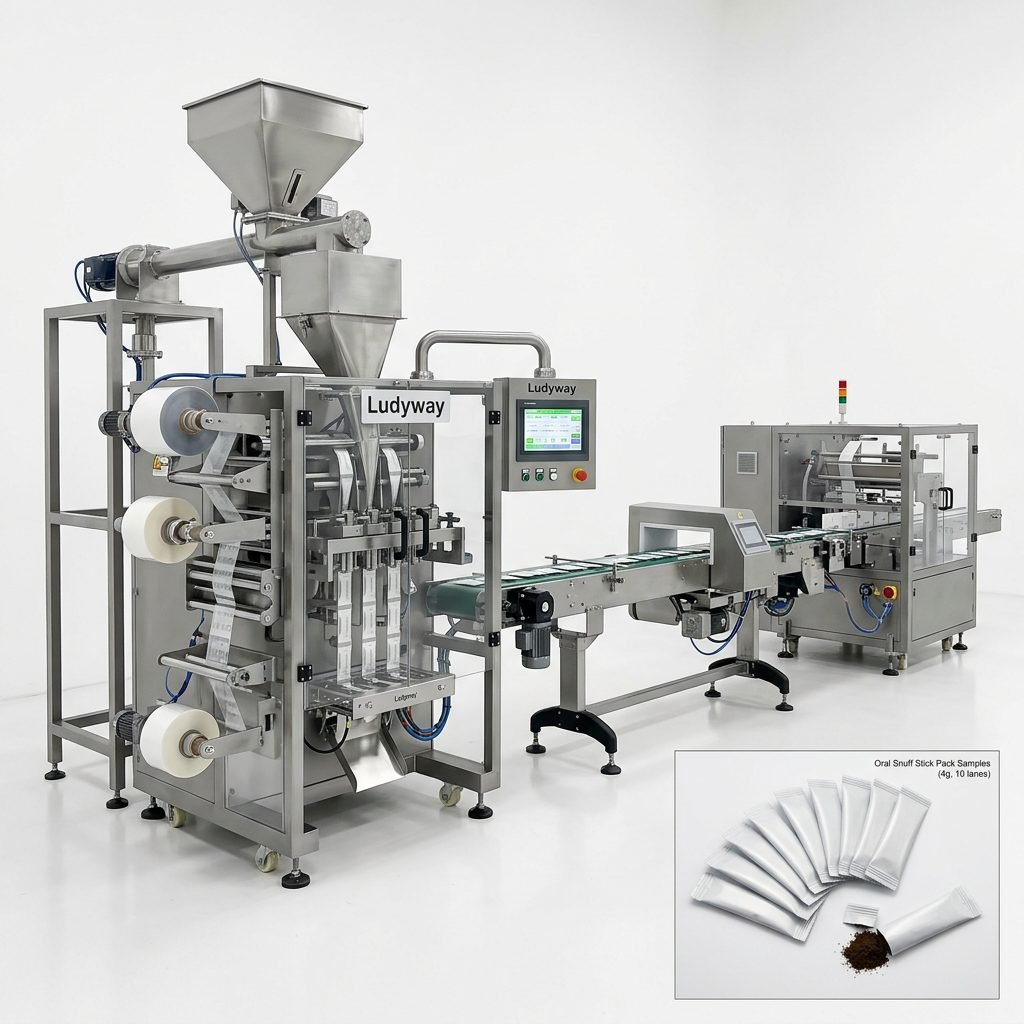
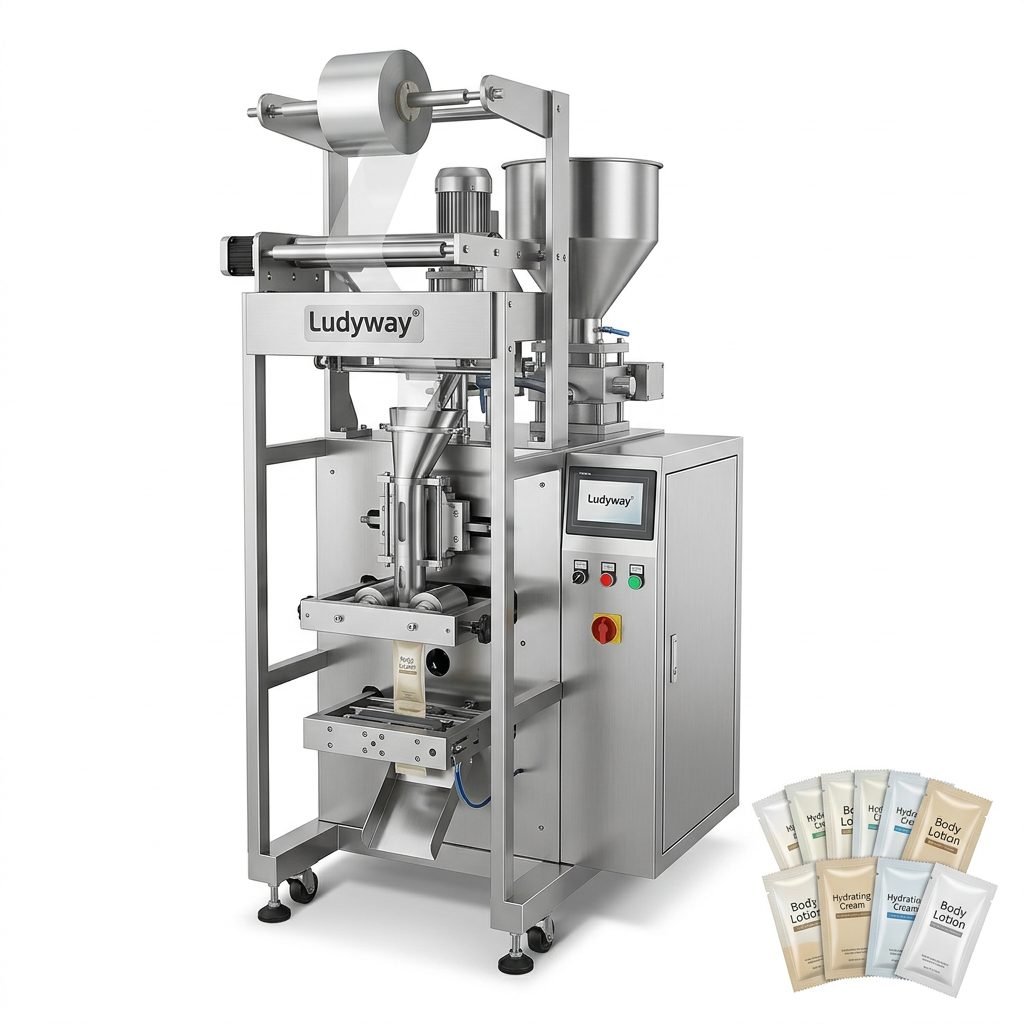
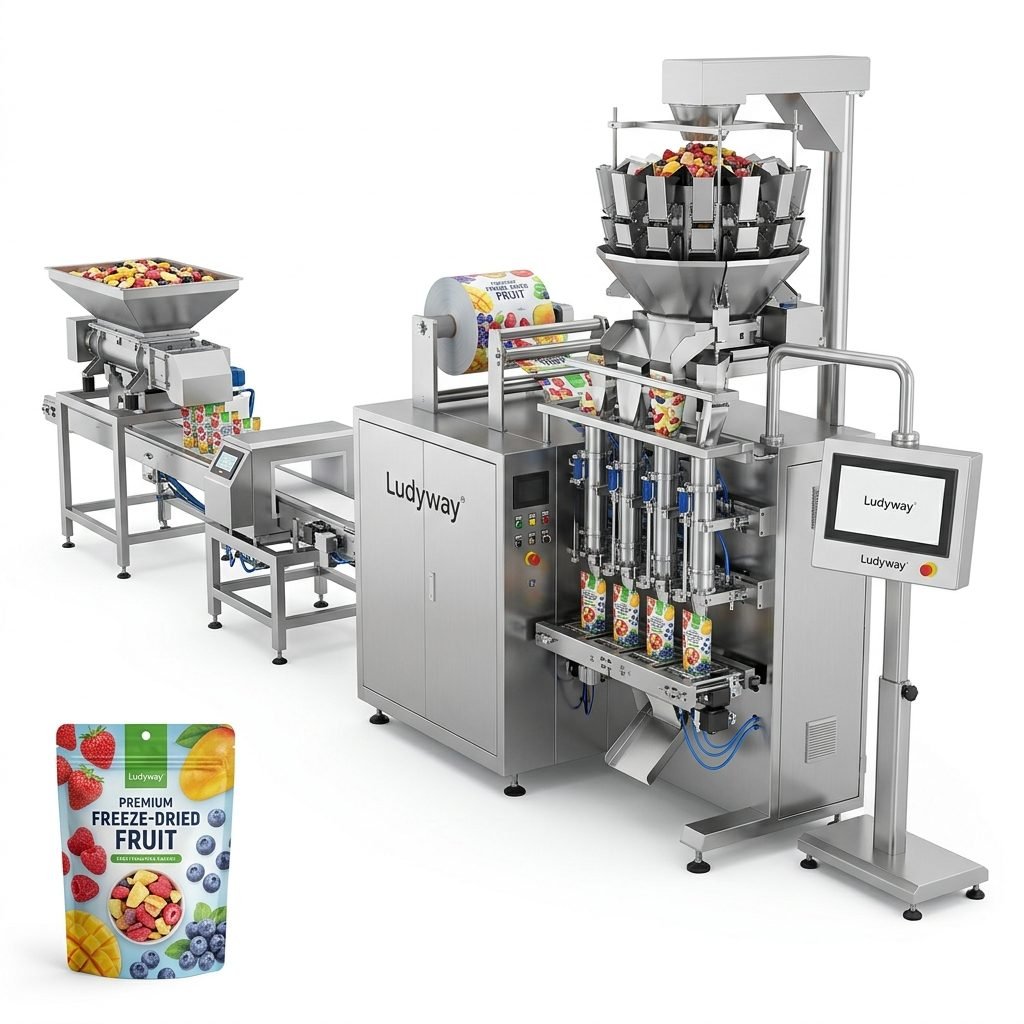
Investing in a mixer packing machine is a strategic decision that directly affects your production efficiency, product consistency, and long-term operational costs. Whether you are handling powders, granules, or viscous materials, choosing the right equipment requires careful evaluation of your product characteristics, production goals, and facility requirements. This guide walks you through the essential factors to consider before making a purchase.
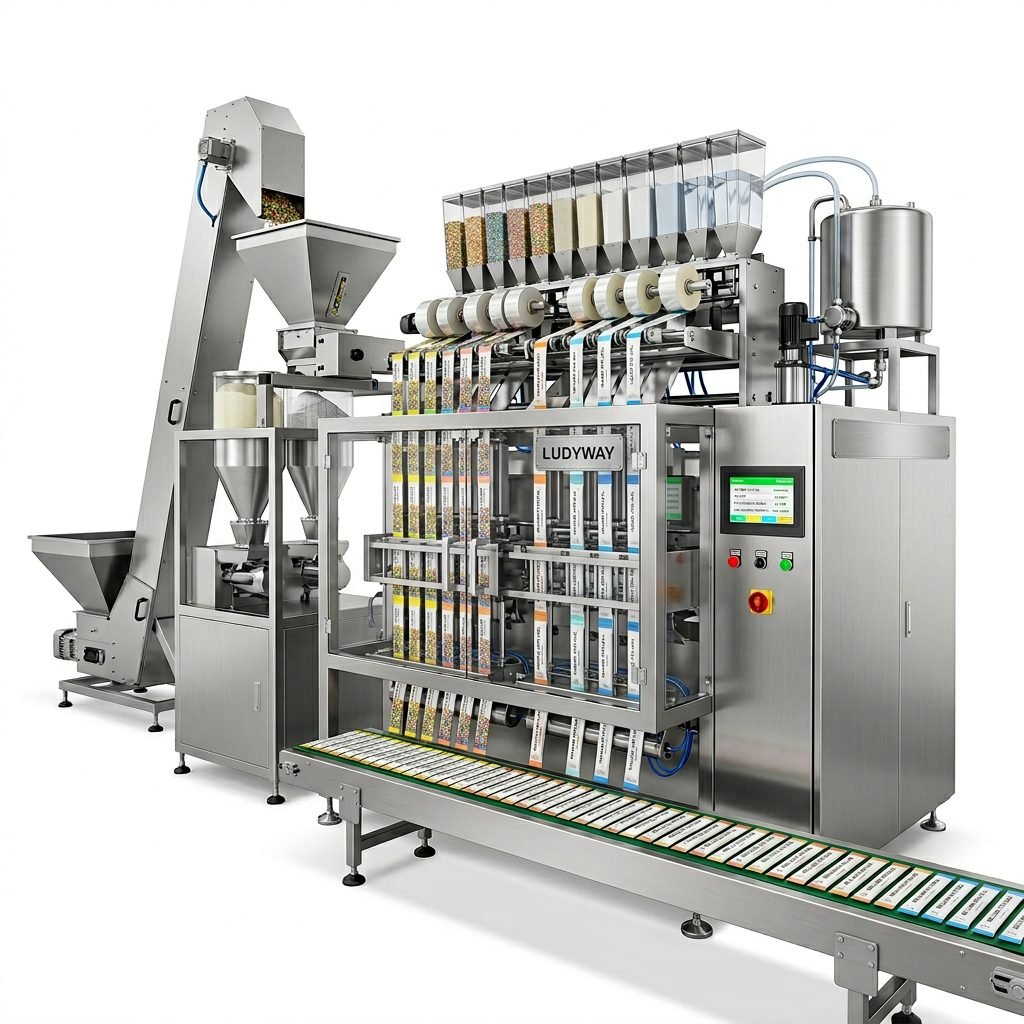
1. Understand Your Product Characteristics
The first and most critical step is to analyze the physical properties of the material you intend to mix and package. Different products demand different handling mechanisms. Key characteristics to evaluate include:
- Flowability: Free-flowing granules behave very differently from cohesive powders. Machines must be configured with appropriate hoppers, agitators, and feeding systems to ensure consistent flow without bridging or rat-holing.
- Particle size and distribution: Uniformity of particle size affects mixing quality and fill accuracy. Fine powders may require dust-controlled environments and specialized sealing systems.
- Bulk density: This influences the type of filling system — volumetric, auger-based, or multi-head weigher — that will deliver the best accuracy and speed.
- Moisture sensitivity and hygroscopicity: Products that absorb moisture easily may need specialized packaging environments with nitrogen flushing or desiccant integration.
- Abrasive or corrosive nature: Contact parts must be constructed from appropriate materials such as 304 or 316 stainless steel for food-grade or chemical applications.
Pro tip: Always conduct a material test with your prospective equipment supplier before finalizing a machine configuration. Real-world testing reveals behavior that theoretical specifications cannot predict.
2. Define Your Production Capacity and Speed Requirements
Production throughput is not just about how fast a machine can run — it is about sustainable, consistent output over an entire shift. When evaluating a mixer packing machine, consider:
- Target output rate: Measured in bags per minute (BPM) or units per hour. Match this to your current and projected demand with at least 20% headroom for growth.
- Batch size flexibility: If you produce multiple SKUs with varying batch sizes, look for machines with quick-changeover features and recipe management systems.
- Shift patterns: A machine rated for 24/7 operation requires different build quality and maintenance protocols than one used for single-shift production.
Modern packaging industry resources emphasize that over-specifying speed without considering upstream mixing capacity and downstream handling creates bottlenecks that undermine the entire line’s efficiency.
3. Evaluate Packaging Format and Material Compatibility
The packaging format you choose — stick packs, sachets, pouches, or larger bags — determines the machine’s forming, filling, and sealing configuration. Your mixer packing machine must be compatible with your chosen packaging materials and formats. Consider:
- Bag style: Pillow bags, gusseted pouches, quad-seal bags, or doypacks each require different forming sets and sealing mechanisms.
- Film compatibility: Multi-layer laminates, aluminum foil, paper-based materials, and recyclable mono-materials all have different heat-sealing temperature ranges and dwell times.
- Pouch size range: Machines have minimum and maximum width and length capabilities. Ensure your required range falls within the machine’s specification without pushing the extremes.
- Reclosability features: Zippers, tear notches, and laser scoring add complexity to the packaging process and may require additional modules.
The flexible packaging industry is rapidly evolving toward sustainable materials, so selecting a machine with adaptable sealing parameters positions you well for future material transitions.

4. Assess Automation Level and Integration Capabilities
The level of automation in your mixer packing machine significantly impacts labor costs, consistency, and overall line efficiency. Automation levels range from semi-automatic to fully integrated turnkey systems:
| Automation Level | Features | Best For |
|---|---|---|
| Semi-Automatic | Manual loading, auto-fill and seal | Low-volume, R&D, startups |
| Fully Automatic | Automated feeding, mixing, filling, sealing, coding | Medium to high-volume production |
| Integrated Turnkey Line | Complete line from raw material to finished case | High-volume, multi-SKU operations |
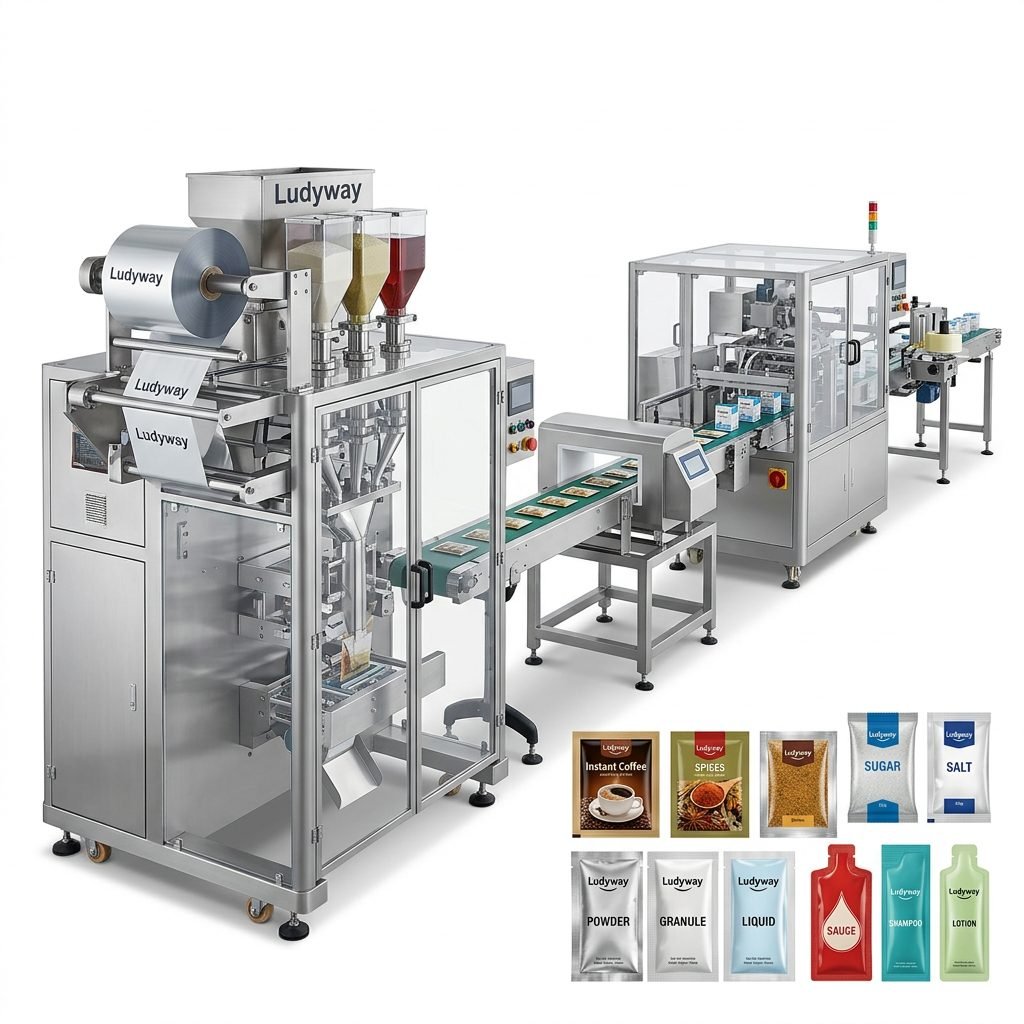
Modern integrated systems connect mixing, dosing, packaging, inspection, and secondary packaging into a seamless workflow. This reduces manual intervention and human error while improving traceability and production data collection.
5. Prioritize Build Quality, Hygiene, and Regulatory Compliance
For industries such as food, pharmaceuticals, and cosmetics, equipment must meet strict hygiene and safety standards. Evaluate the machine’s construction quality against your industry’s requirements:
- Material of construction: Food-grade stainless steel (304 or 316), FDA-approved seals and gaskets, and non-toxic lubricants.
- Clean-in-place (CIP) compatibility: Machines with tool-free disassembly, sloped surfaces, and sanitary welds reduce cleaning time and cross-contamination risks.
- Compliance certifications: Depending on your market, look for CE, cGMP, FDA packaging compliance, and ISO 11607 where applicable.
- Dust and vapor management: Integrated dust extraction and containment systems protect both operators and product integrity.
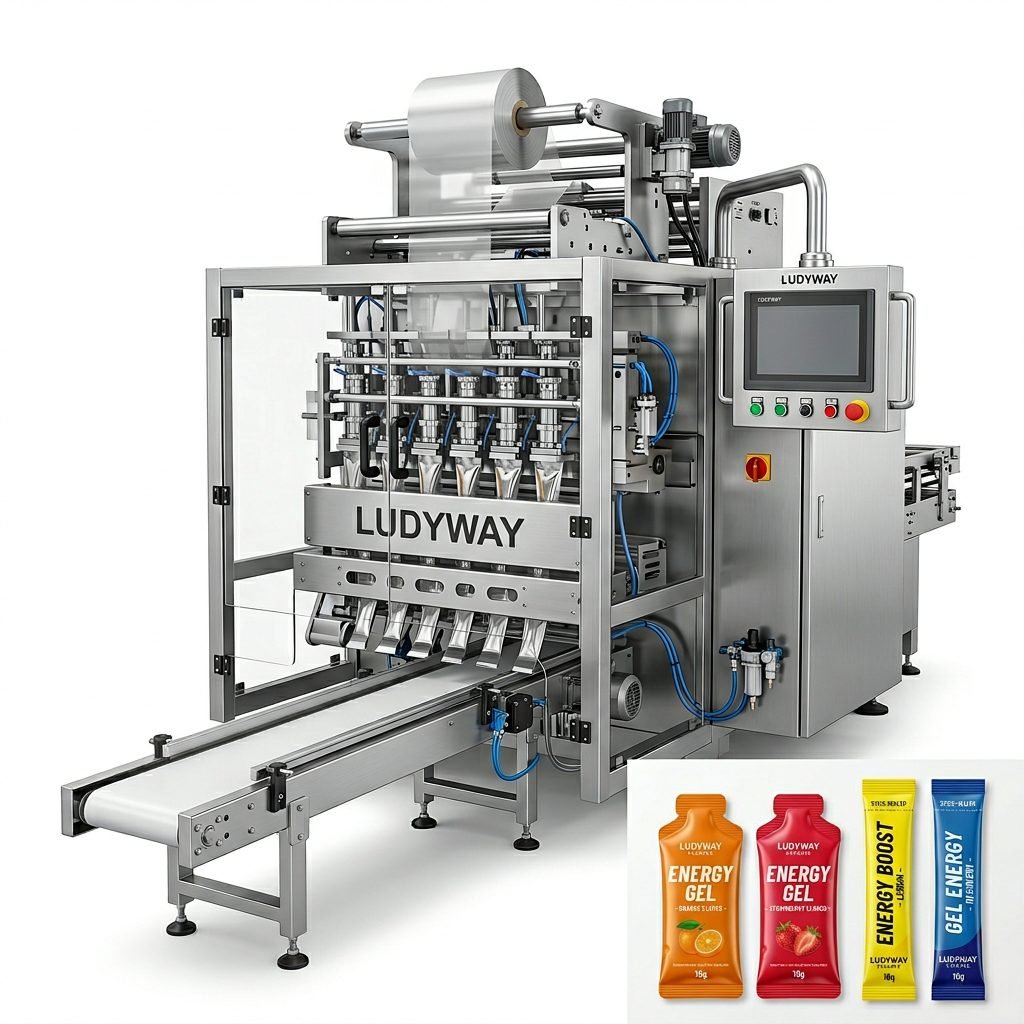
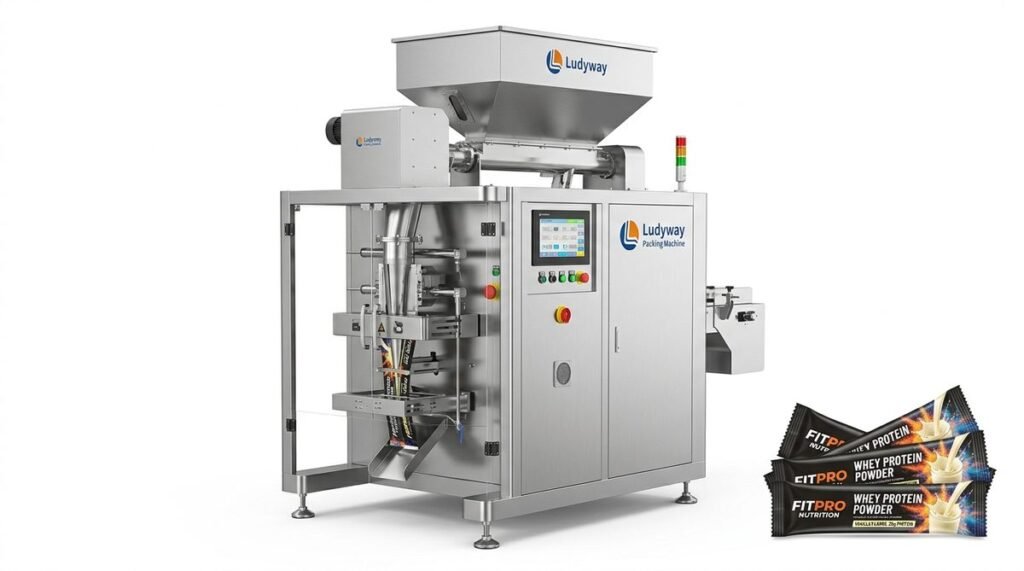
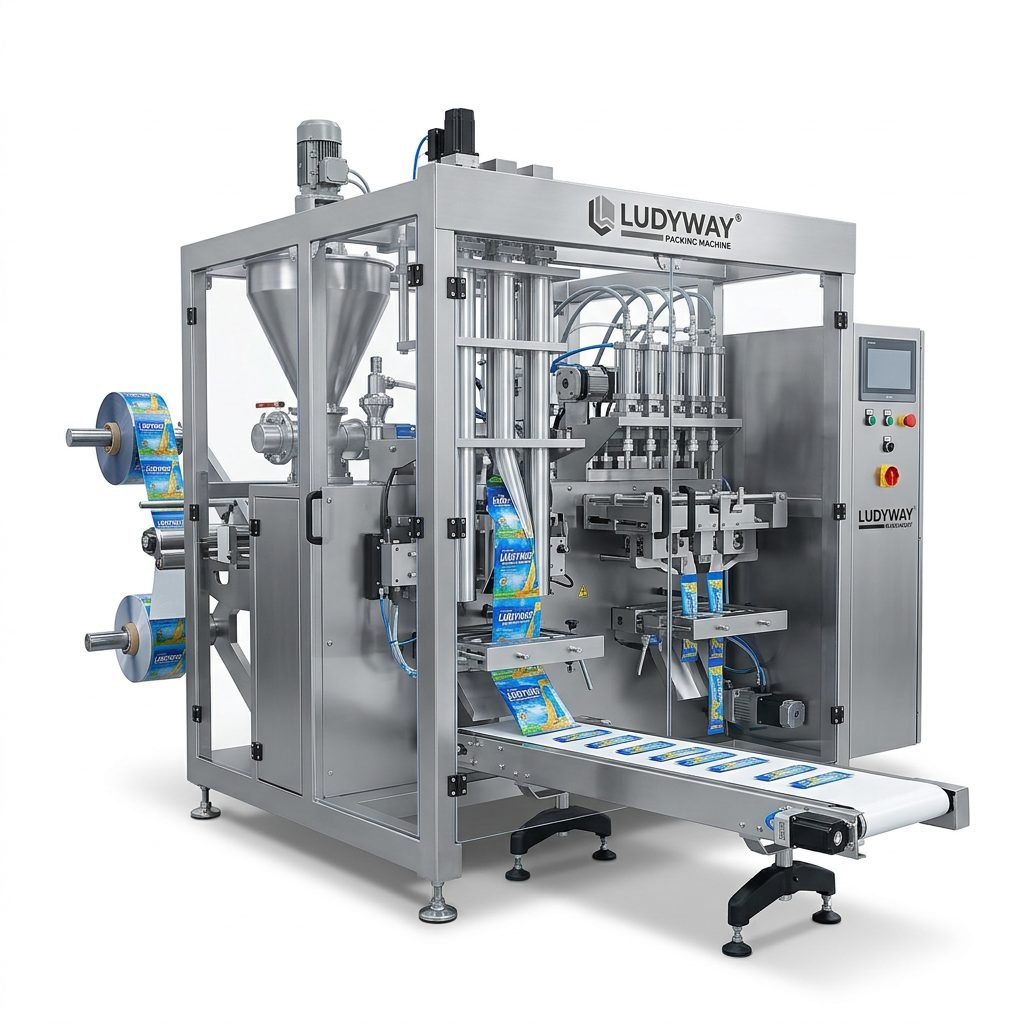
When sourcing a mixer packing machine, partnering with an experienced manufacturer is essential. Ludyway Machinery, a China-based packaging machinery manufacturer with over 30 years of industry experience and a 20,000-square-meter manufacturing facility, has built a portfolio of more than 50 packaging machine models serving customers in over 100 countries. The company is expected to achieve export revenue of more than RMB 500 million (approximately US$69 million) in 2025, and plans to surpass RMB 1 billion (approximately US$138 million) in export revenue in 2026 — reflecting strong global confidence in its engineering and manufacturing capabilities.
6. Calculate Total Cost of Ownership, Not Just Purchase Price
The sticker price of a mixer packing machine is only one part of the financial equation. A comprehensive cost analysis should include:
- Installation and commissioning costs: Including site preparation, utility connections, and operator training.
- Spare parts inventory: Consumables such as sealing jaws, cutting blades, belts, filters, and sensors that require periodic replacement.
- Energy consumption: Motors, heating elements, compressed air systems, and vacuum pumps all contribute to ongoing operational costs.
- Maintenance and service contracts: Preventive maintenance programs reduce unplanned downtime and extend equipment lifespan.
- Film waste and product giveaway: Precision dosing and efficient forming can significantly reduce material losses over time.
Machines with lower initial cost but higher operating expenses often become more expensive within two to three years compared to a well-engineered system with superior efficiency and reliability.

7. Evaluate Supplier Technical Support and After-Sales Service
The relationship with your equipment supplier extends well beyond the initial purchase. Before committing, assess the manufacturer’s support infrastructure:
- Response time guarantees: How quickly can technical support respond to critical issues? Look for suppliers offering remote diagnostics and 24/7 support options.
- Local service presence: Technicians and spare parts availability in your region dramatically reduce downtime during breakdowns.
- Training programs: Comprehensive operator and maintenance training ensures your team can run the machine efficiently and perform routine upkeep.
- Documentation quality: Clear, multilingual manuals and troubleshooting guides minimize dependency on external support for everyday issues.
- Upgrade pathways: As your production needs evolve, can the machine be upgraded or reconfigured without a complete replacement?
According to the PMMI State of the Industry reports, manufacturers increasingly prioritize long-term equipment partnerships over transactional machine purchases, as integrated support directly correlates with higher overall equipment effectiveness (OEE).
Comparison Checklist for Mixer Packing Machine Selection
| Evaluation Criteria | What to Look For | Priority Level |
|---|---|---|
| Material Compatibility | Tested with your actual product | Critical |
| Production Speed | Matches current + future demand | Critical |
| Filling Accuracy | ±1% or better for your target weight | High |
| Changeover Time | Under 30 minutes for format changes | High |
| Build Material | Stainless steel, food-grade seals | High |
| Supplier Support | Local service, remote diagnostics | Medium-High |
8. Plan for Future Scalability and Regulatory Changes
The packaging industry is subject to evolving regulations, particularly around sustainability, food safety, and labeling. Your mixer packing machine investment should account for:
- Sustainable packaging readiness: Machines capable of handling recyclable mono-material films, bio-based laminates, or reduced-thickness materials position you ahead of evolving packaging waste regulations.
- Serialization and track-and-trace: Pharmaceutical and high-value food products increasingly require unique identifiers at the unit level. Ensure your machine can integrate with coding and vision inspection systems.
- Modular design: Machines built with a modular architecture allow you to add lanes, upgrade filling systems, or integrate new technologies without a complete reinvestment.
A future-ready mixer packing machine adapts to market shifts rather than becoming obsolete when requirements change.
Making the Final Decision
Selecting the right mixer packing machine is not a one-size-fits-all process. It demands a methodical evaluation of your product, production environment, quality requirements, and long-term business strategy. Begin with material testing, clearly define your technical specifications, compare multiple suppliers on total cost of ownership rather than purchase price alone, and prioritize build quality and after-sales support. The right investment delivers consistent product quality, operational efficiency, and the flexibility to grow with your business for years to come.
For manufacturers seeking comprehensive turnkey solutions — from individual automatic packaging machines to fully integrated production lines — working with an experienced packaging machinery partner who understands both local and international market requirements can accelerate project timelines and reduce integration risks. A well-chosen machine is the foundation of a reliable, scalable, and profitable packaging operation.