The Southeast Asian food processing sector is experiencing unprecedented growth, driven by rising consumer demand for convenience foods and packaged snacks. Among the most dynamic segments is the tortilla and flatbread packaging industry, where manufacturers face unique challenges in preserving freshness, maintaining product integrity, and achieving high-speed output. Selecting the right tortilla packaging machine can make the difference between market leadership and operational inefficiency.
Across Indonesia, Thailand, Vietnam, Malaysia, and the Philippines, food manufacturers are rapidly upgrading their production lines. The region’s tropical climate, with its high humidity and temperatures, demands packaging equipment that delivers consistent sealing integrity and reliable performance under challenging conditions. This is where specialized machinery becomes critical to business success.
Key Market Drivers in Southeast Asian Tortilla Packaging
The tortilla and flatbread market in Southeast Asia has expanded significantly, fueled by urbanization and changing dietary preferences. Modern consumers seek ready-to-eat and shelf-stable products that maintain authentic taste and texture. According to industry data from the PMMI Business Intelligence reports, the Asia-Pacific region represents one of the fastest-growing markets for flexible packaging machinery worldwide.
Manufacturers are increasingly looking for packaging solutions that offer:
- High production speeds to meet growing order volumes without compromising quality
- Hermetic sealing capabilities to protect products from moisture and extend shelf life
- Flexible format switching between different package sizes and styles
- Compliance with international food safety standards including FDA food packaging regulations
- Low maintenance requirements with accessible spare parts and technical support
Advanced Multi-Lane Technology for Maximum Output
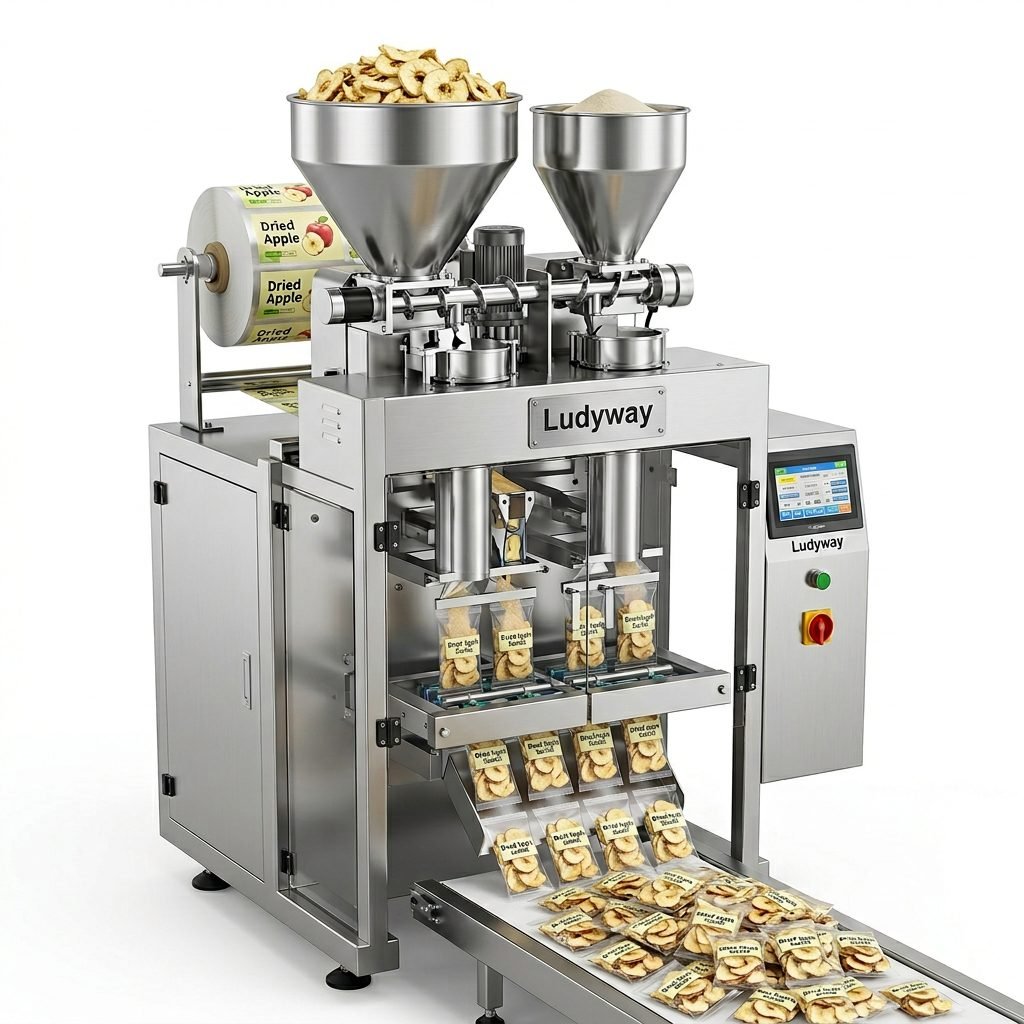
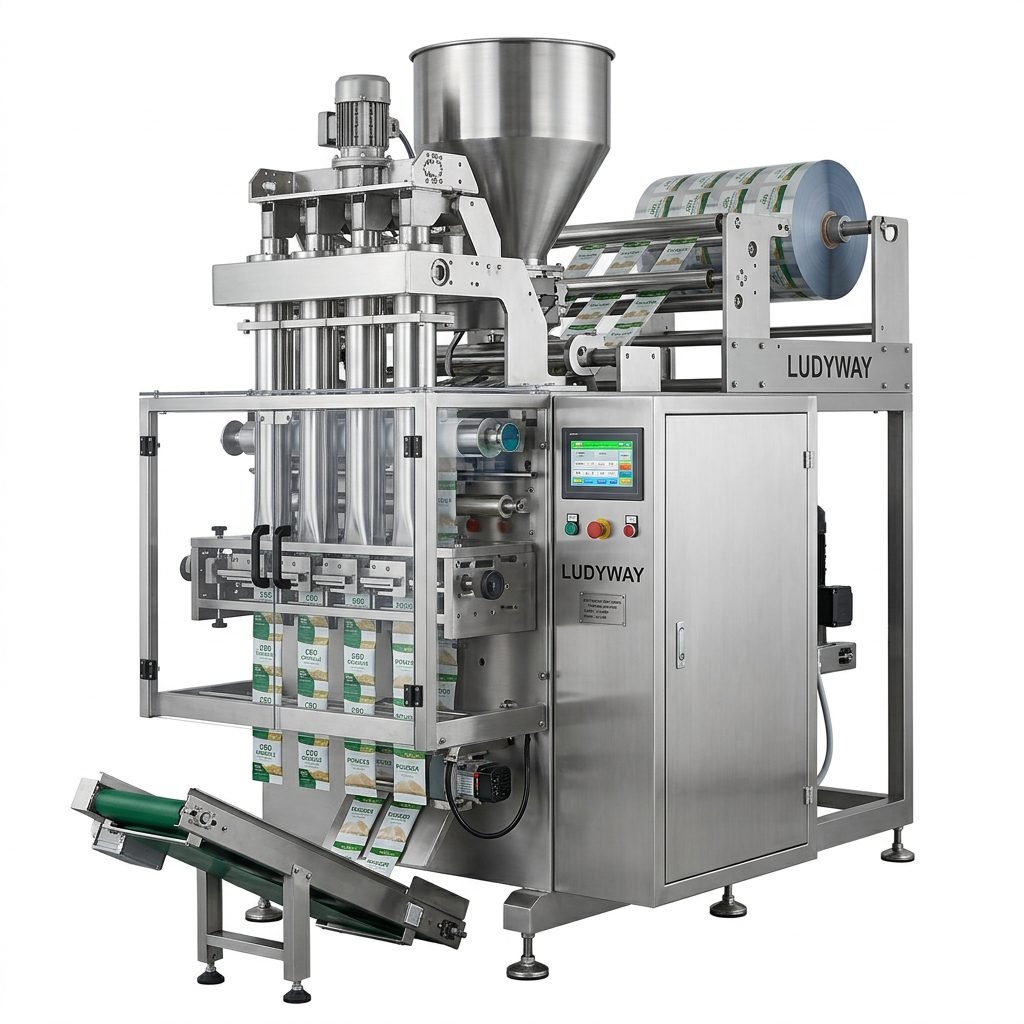
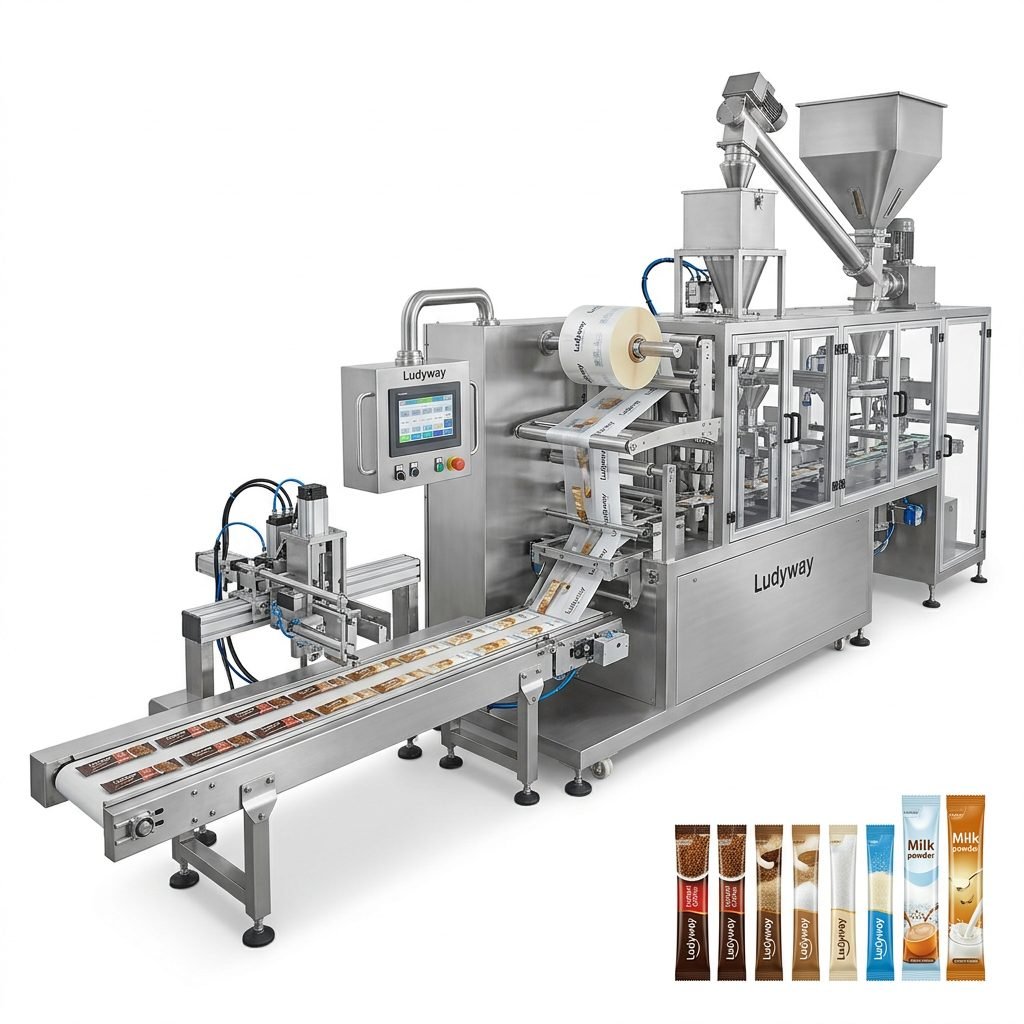
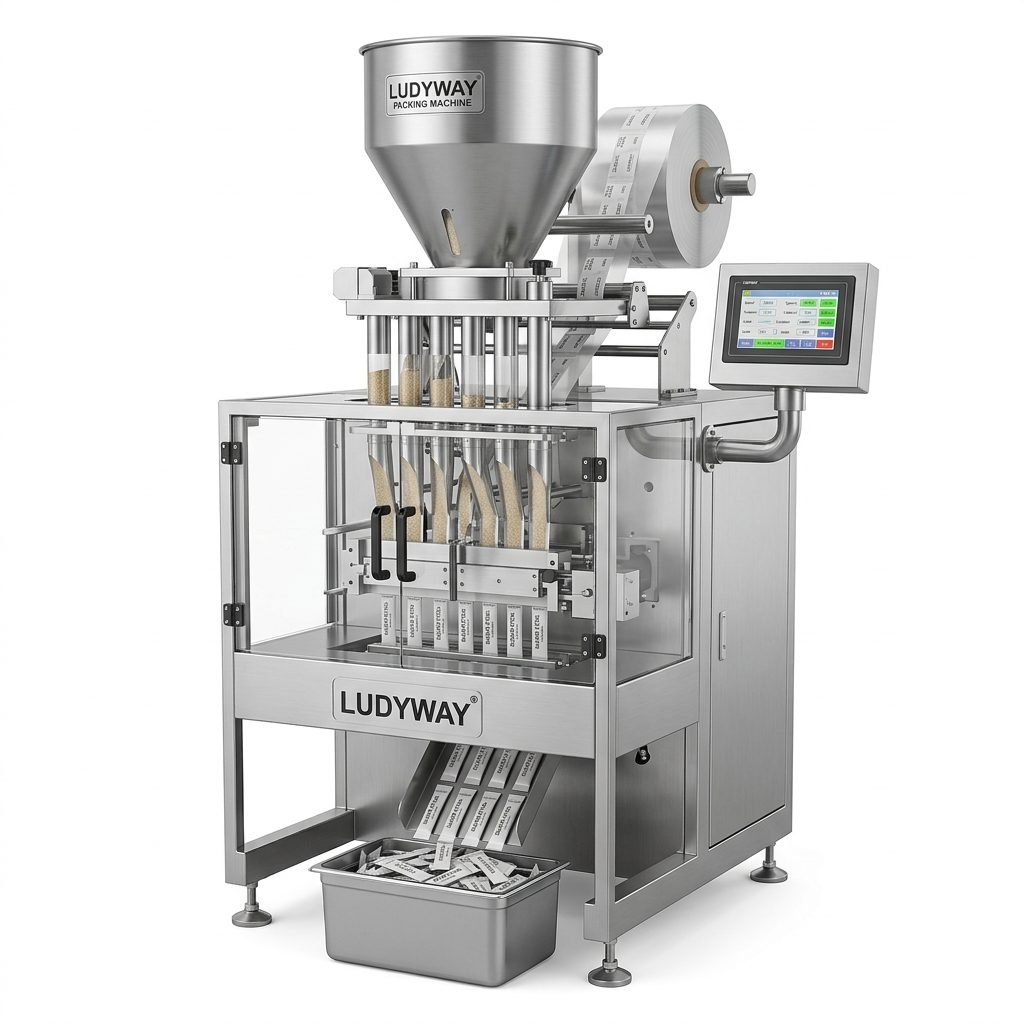
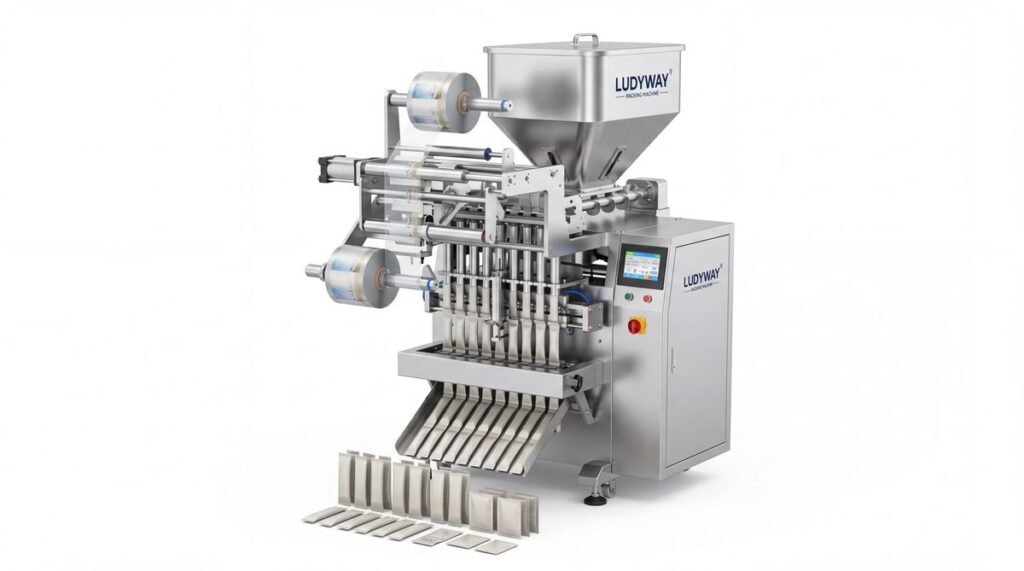
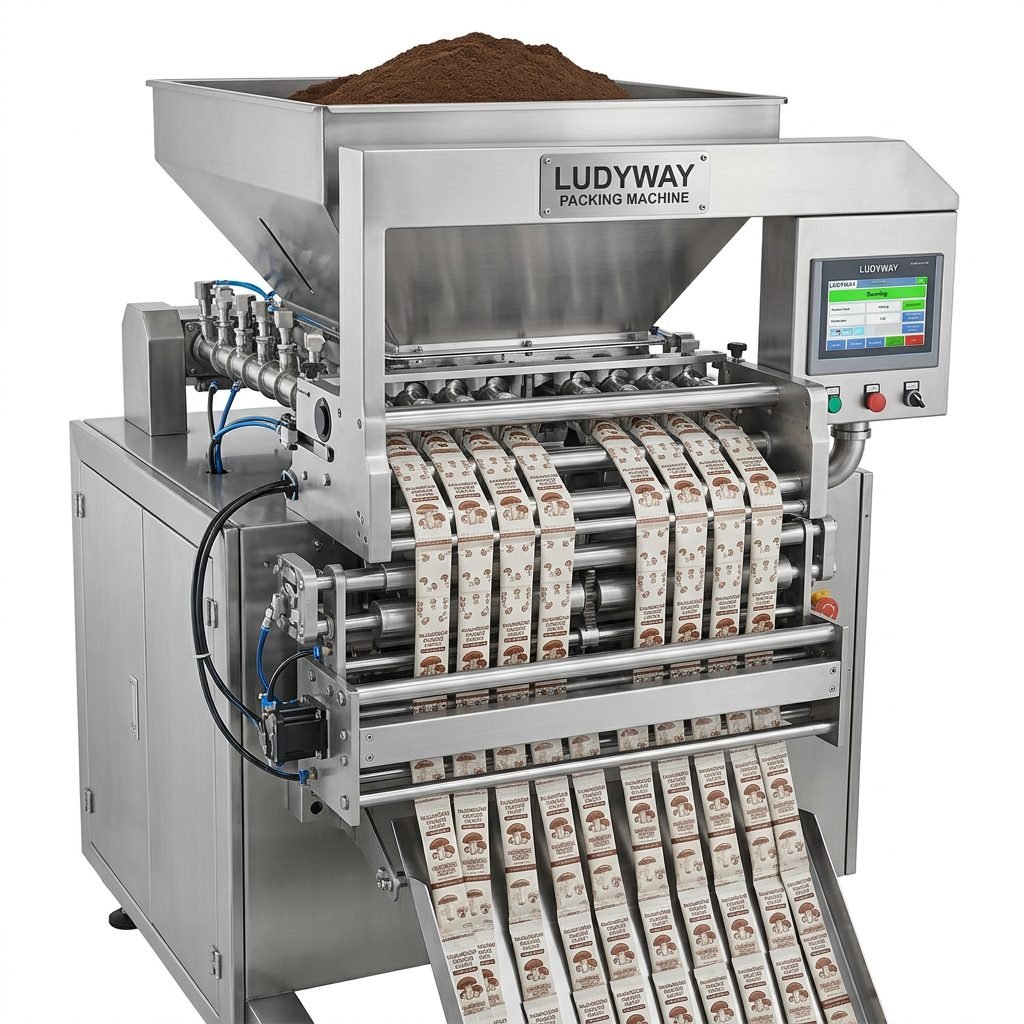
Modern tortilla packaging demands multi-lane filling and sealing systems that can process multiple packages simultaneously. The latest generation of equipment incorporates servo-driven automation for precise portion control, reduced film waste, and consistent seal quality across all lanes. This technology is especially valuable for manufacturers producing single-serve and portion-controlled packages popular in Southeast Asian retail channels.
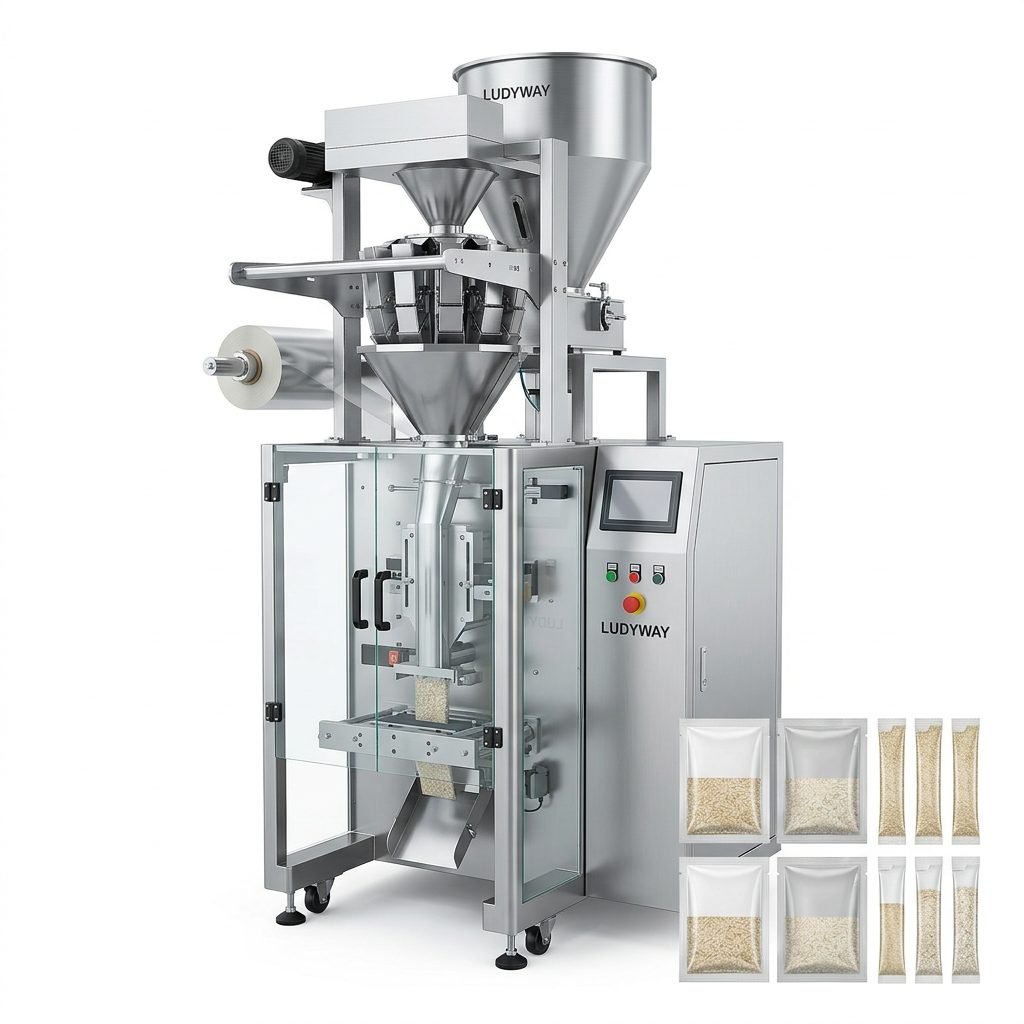
The integration of intelligent weighing systems and automated feeding mechanisms ensures that each tortilla package receives the exact specified quantity, reducing product giveaway and maximizing profitability. Leading equipment manufacturers have developed specialized handling systems for delicate tortilla products that maintain product shape and prevent damage during the packaging cycle.
Critical Features for Tropical Climate Operation
Southeast Asia’s unique environmental conditions require specific engineering adaptations. Packaging machinery operating in this region must feature:
| Feature | Benefit for Southeast Asian Manufacturers |
|---|---|
| Corrosion-Resistant Materials | Stainless steel construction prevents rust in high-humidity environments and facilitates hygienic cleaning |
| Precision Temperature Control | Maintains consistent seal quality despite ambient temperature fluctuations common in tropical facilities |
| Dust and Particle Resistance | Sealed electrical components and bearings protect against flour dust and particulate accumulation |
| Energy-Efficient Drives | Reduces power consumption while maintaining high-speed output, critical for regions with variable electricity costs |
| Quick-Change Tooling | Enables rapid product changeovers between different tortilla sizes and package formats to meet diverse market demands |
Compliance with Global Packaging Standards
Food manufacturers exporting from Southeast Asia must navigate complex regulatory requirements. Equipment that complies with ISO packaging standards and meets the guidelines established by organizations such as the Flexible Packaging Association provides a significant competitive advantage. Certified machinery helps manufacturers achieve smooth export processes and gain access to premium international markets.
Turnkey Solutions for Complete Production Lines
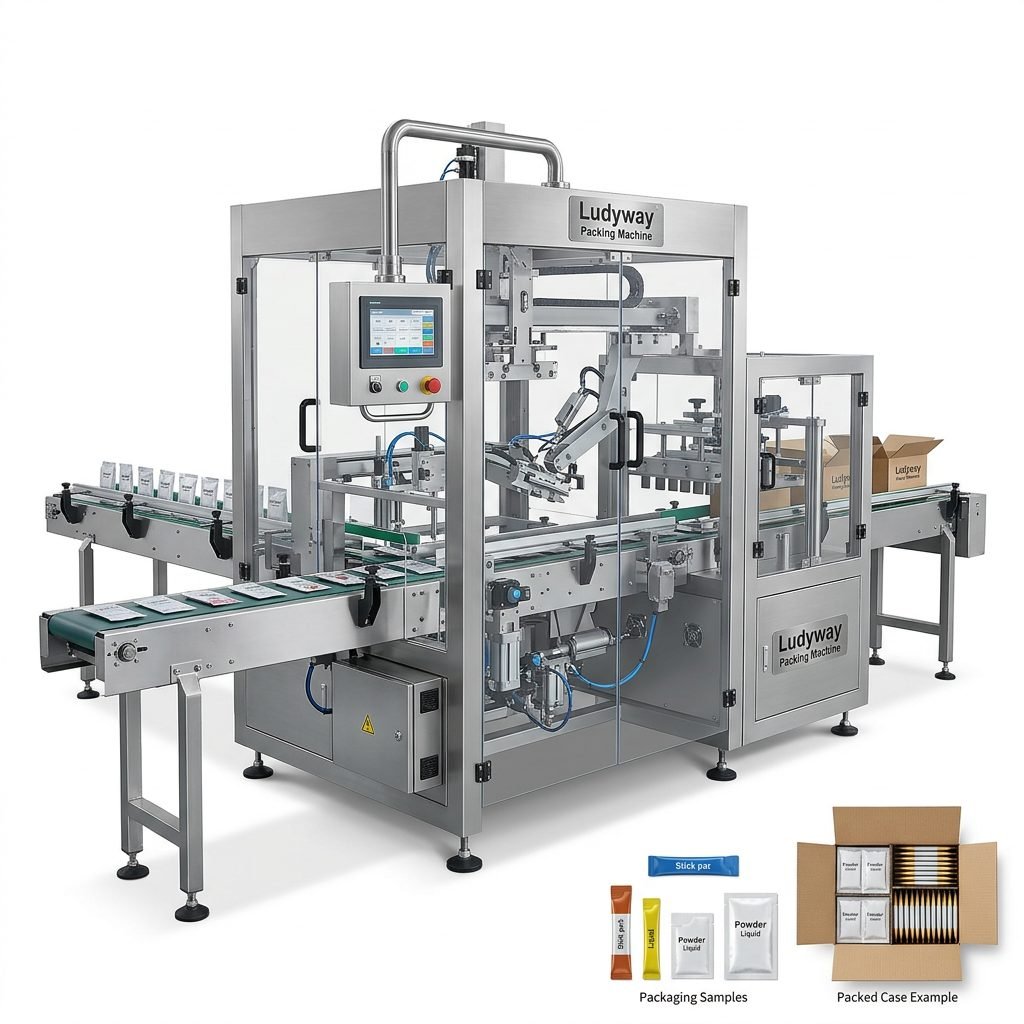
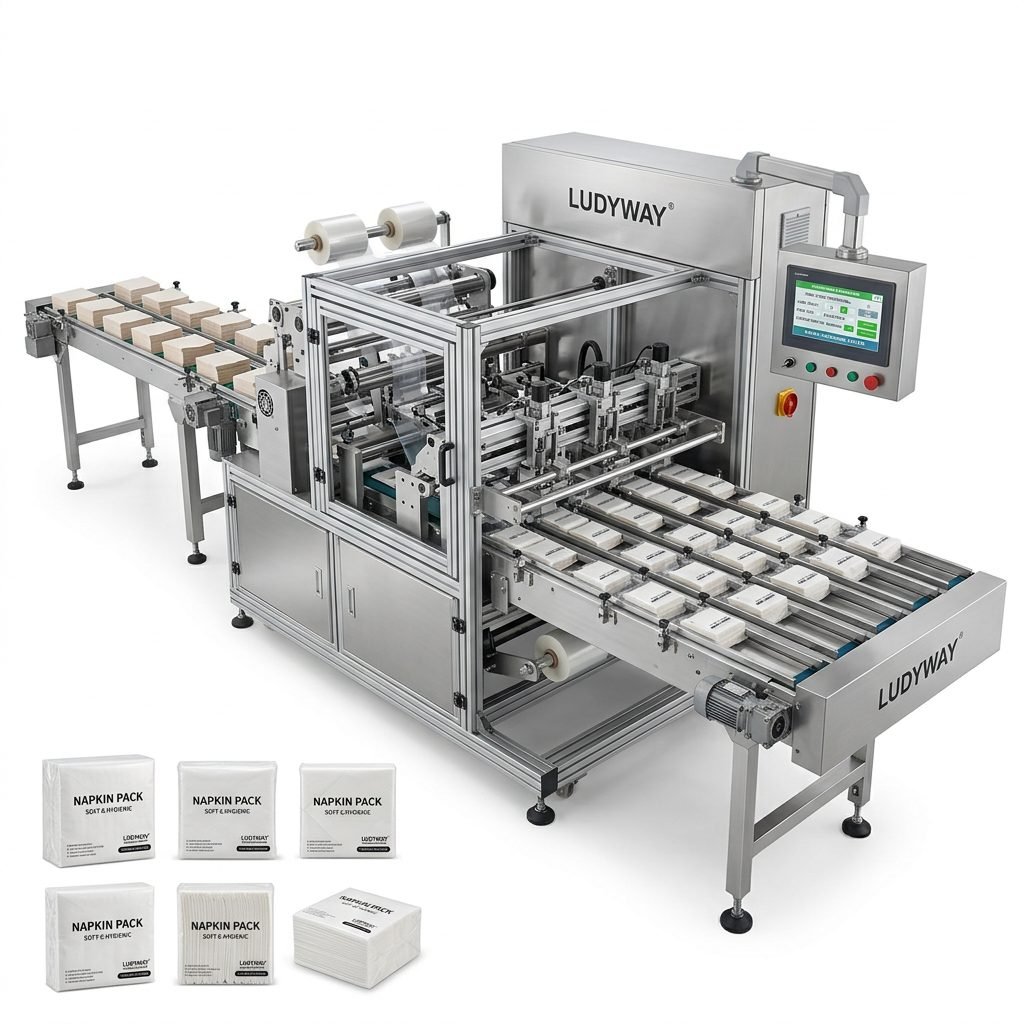
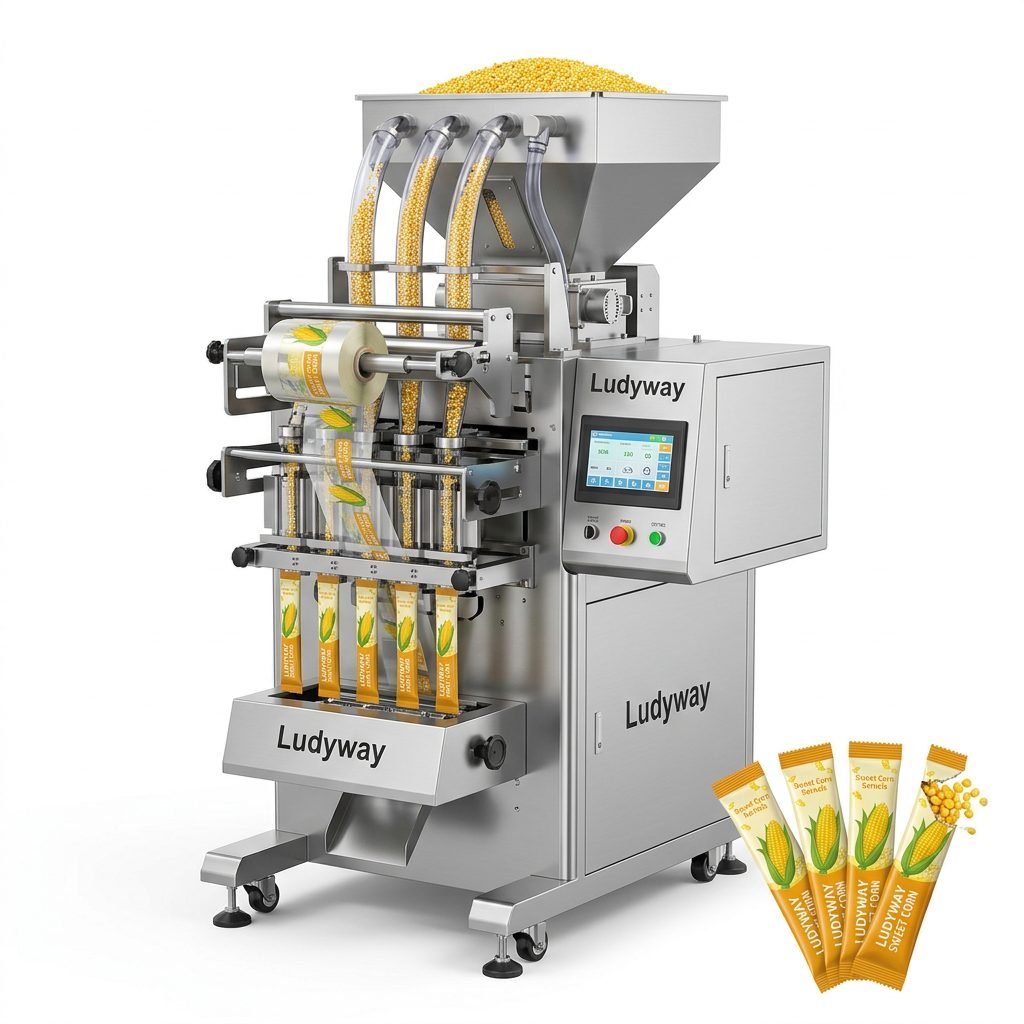
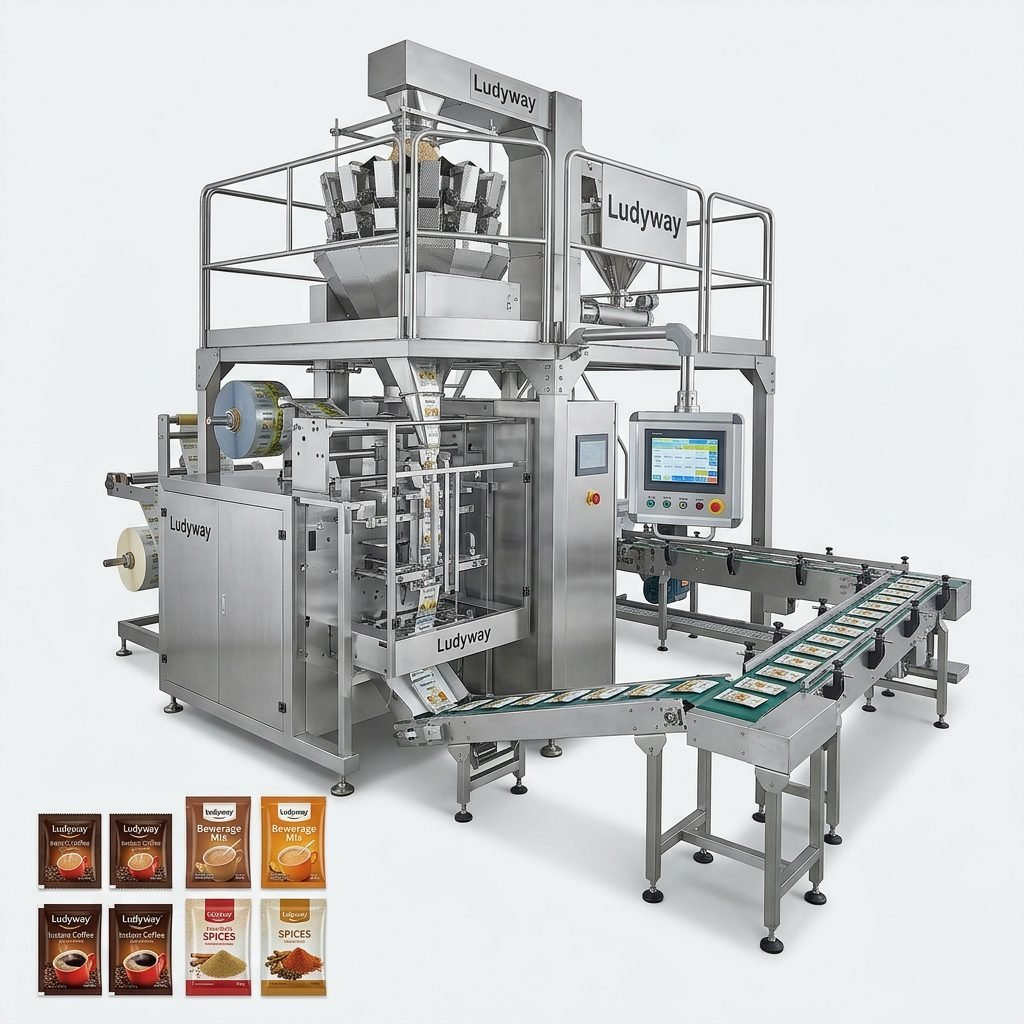
Beyond standalone machines, the most successful Southeast Asian food producers are investing in integrated turnkey packaging lines that include automated feeding, filling, sealing, coding, and cartoning systems. This holistic approach minimizes manual handling, reduces contamination risks, and ensures consistent output quality. End-to-end solutions also simplify supplier management and technical support coordination.
A complete tortilla packaging line typically incorporates:
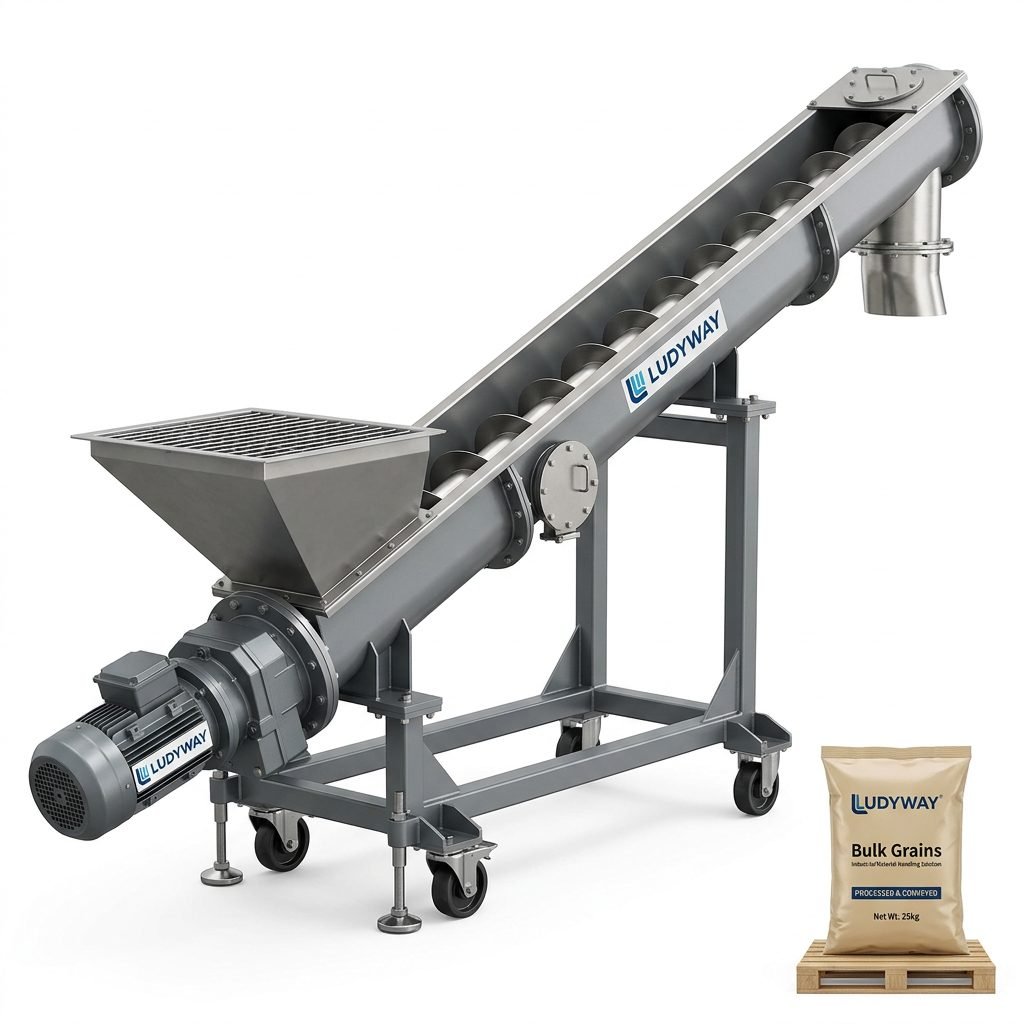
- Automated product feeding systems with gentle handling mechanisms for tortilla products
- Multi-head weighers or volumetric fillers calibrated for tortilla-specific product characteristics
- High-speed vertical form-fill-seal units with multi-lane configurations
- Inline checkweighers and metal detectors for quality assurance and packaging machinery standards compliance
- Automated cartoning and case packing systems for downstream efficiency
- Palletizing solutions for warehouse and distribution optimization
Cost-Effectiveness and Return on Investment
When evaluating packaging machinery for Southeast Asian operations, total cost of ownership extends far beyond the initial purchase price. Smart manufacturers consider energy consumption, film utilization rates, maintenance intervals, spare parts availability, and technical service accessibility. Equipment designed for the regional market typically offers lower operational costs through optimized power usage and extended service intervals tailored to local conditions.
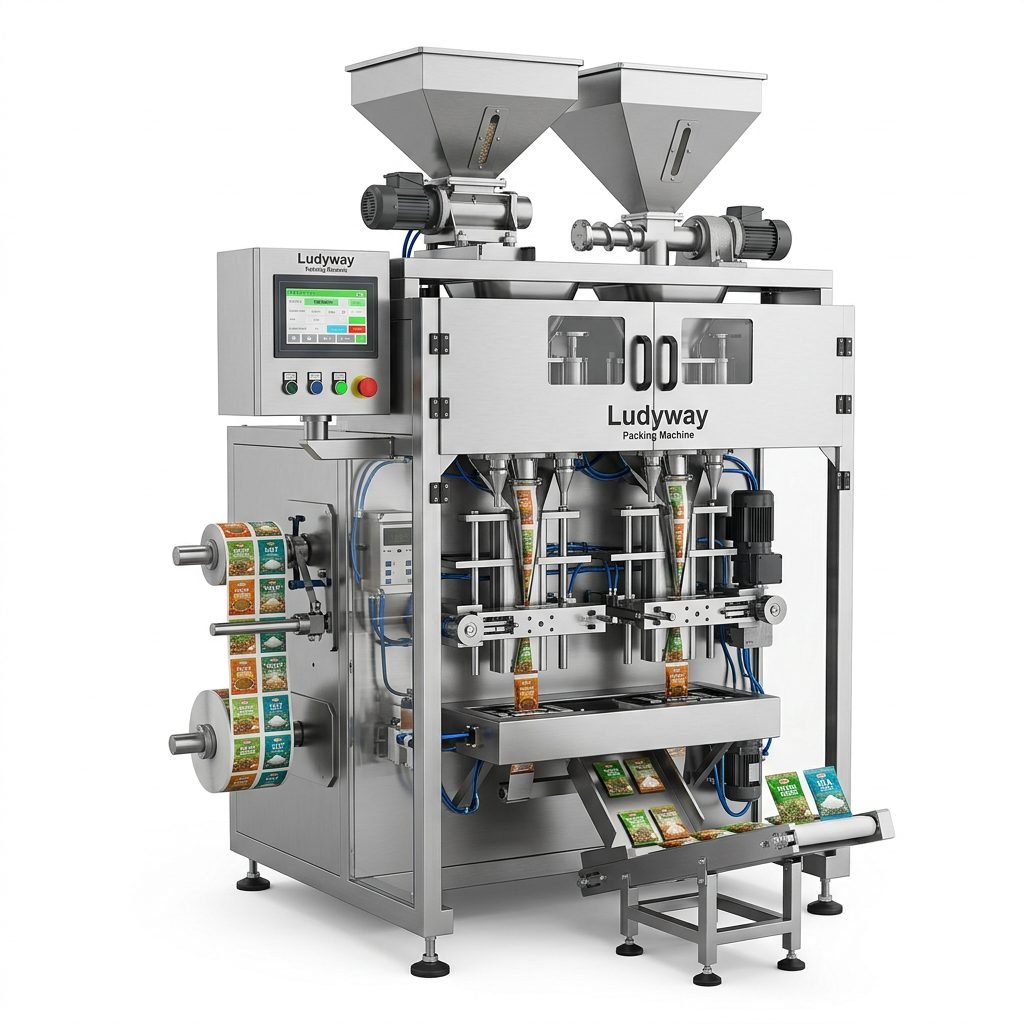
Ludyway, as one of the largest packaging machine manufacturers with over 30 years of industry experience, has developed specialized tortilla packaging solutions that address the specific requirements of Southeast Asian food producers, combining robust engineering with practical operational efficiency.
After-Sales Support and Technical Service
The availability of responsive technical support is a critical factor for Southeast Asian manufacturers operating high-speed packaging lines. Downtime directly impacts revenue, making local service networks, remote diagnostics capabilities, and comprehensive operator training programs essential considerations. Manufacturers should prioritize equipment suppliers with established service infrastructure in the region and proven track records of customer support.
Key Considerations for Machine Selection
- Production capacity requirements aligned with current and projected market demand
- Package format flexibility for different tortilla sizes and retail configurations
- Material compatibility with locally available packaging films and laminates
- Operator skill requirements and availability of training resources
- Spare parts logistics and delivery timeframes for critical components
- Electrical and utility specifications compatible with local infrastructure
Future-Proofing Your Packaging Investment
The Southeast Asian food packaging landscape continues to evolve rapidly. Smart packaging technologies incorporating IoT sensors, data analytics, and predictive maintenance capabilities are becoming increasingly accessible. Forward-thinking manufacturers are selecting equipment platforms that can accommodate future upgrades and technology integrations, ensuring long-term competitiveness in a dynamic market environment.
The 2025 State of the Industry report from PMMI indicates that flexible packaging machinery demand in the Asia-Pacific region will continue its strong growth trajectory. Manufacturers who invest in high-quality, region-appropriate equipment today position themselves advantageously for the market opportunities of tomorrow.
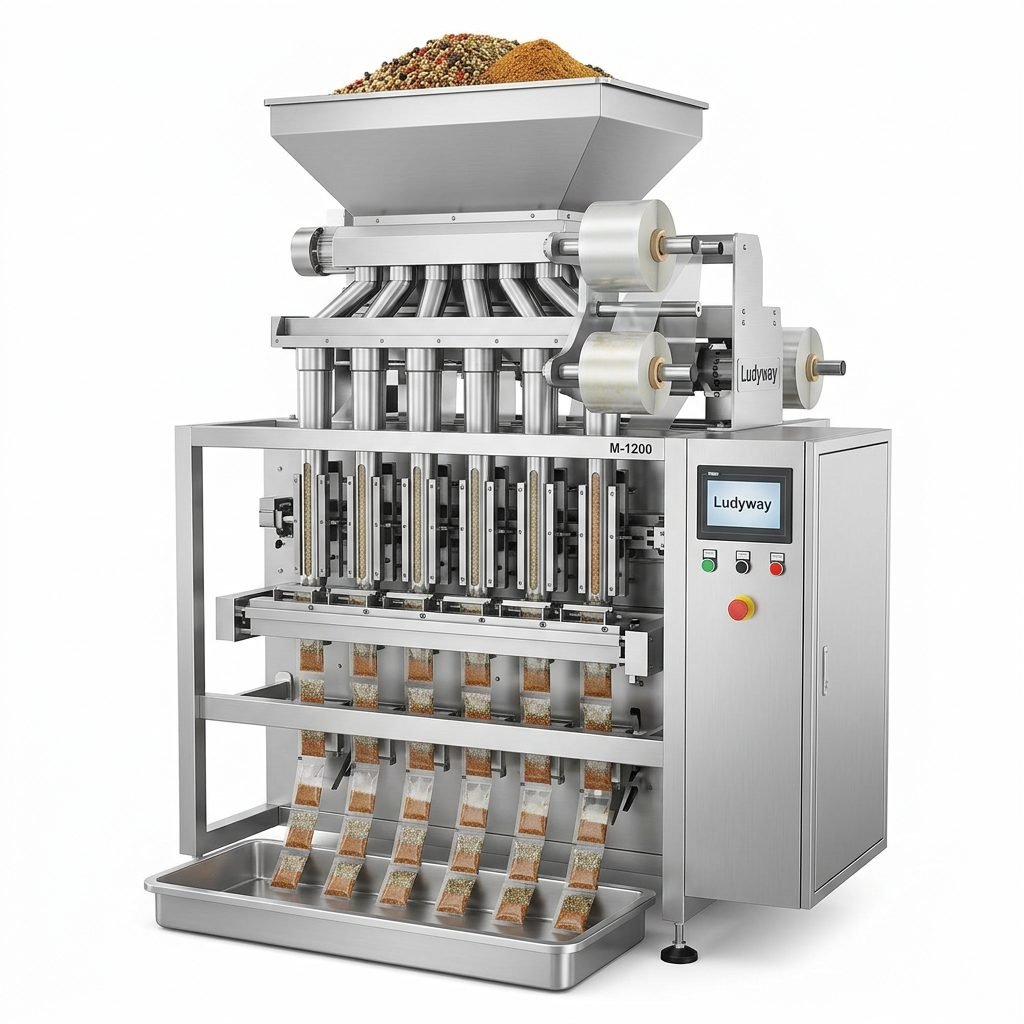
For Southeast Asian tortilla manufacturers seeking to optimize their packaging operations, the combination of proven engineering, tropical-climate adaptability, comprehensive service support, and cost-effective operation makes specialized multi-lane packaging machinery the clear choice. As the regional market continues its expansion, having reliable, high-performance equipment becomes not just an operational advantage, but a strategic necessity for sustainable business growth.