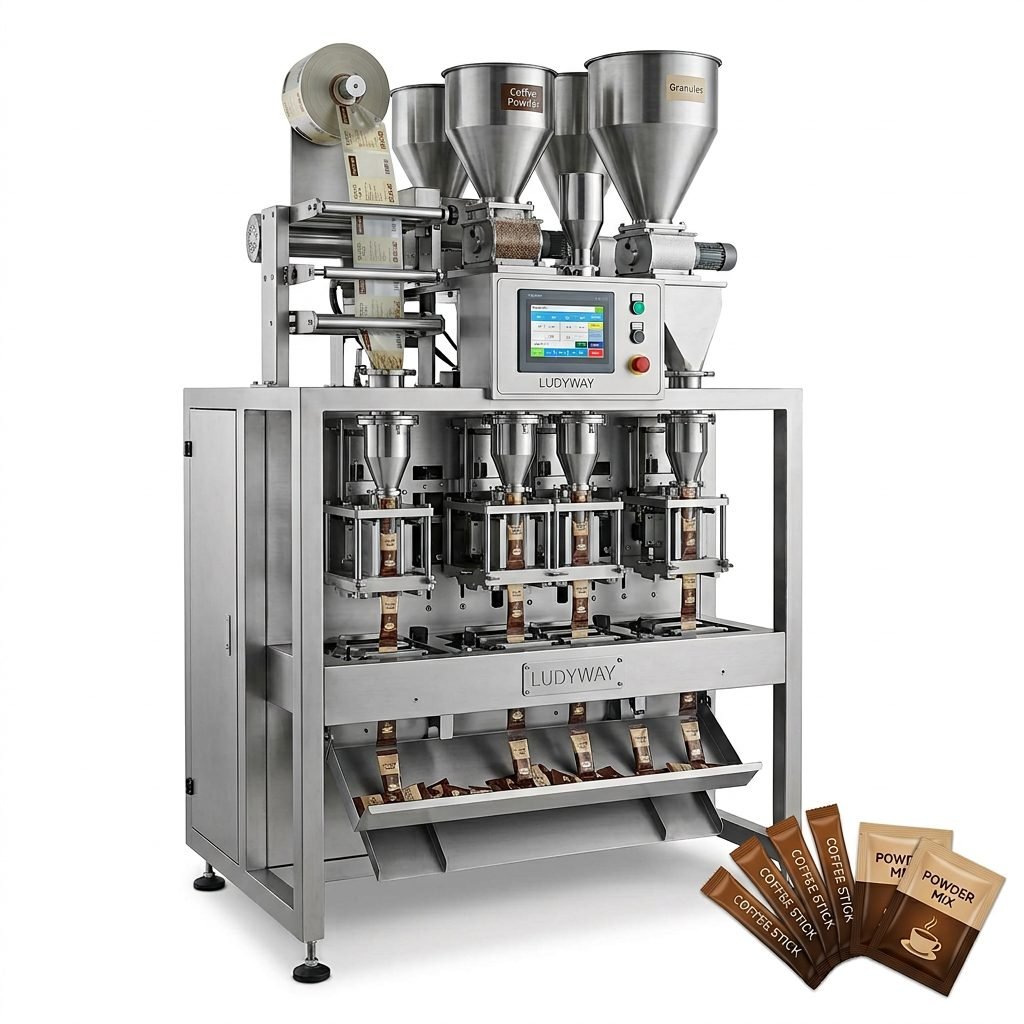
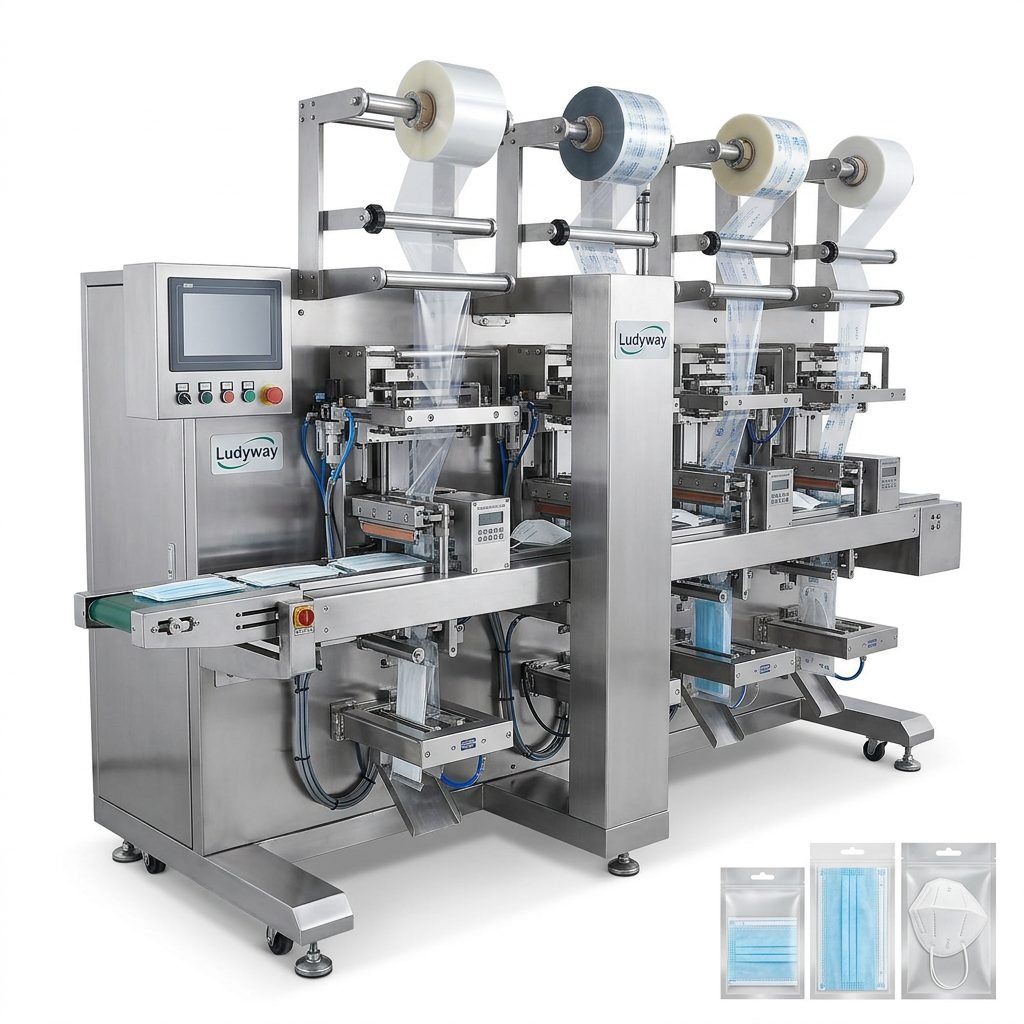
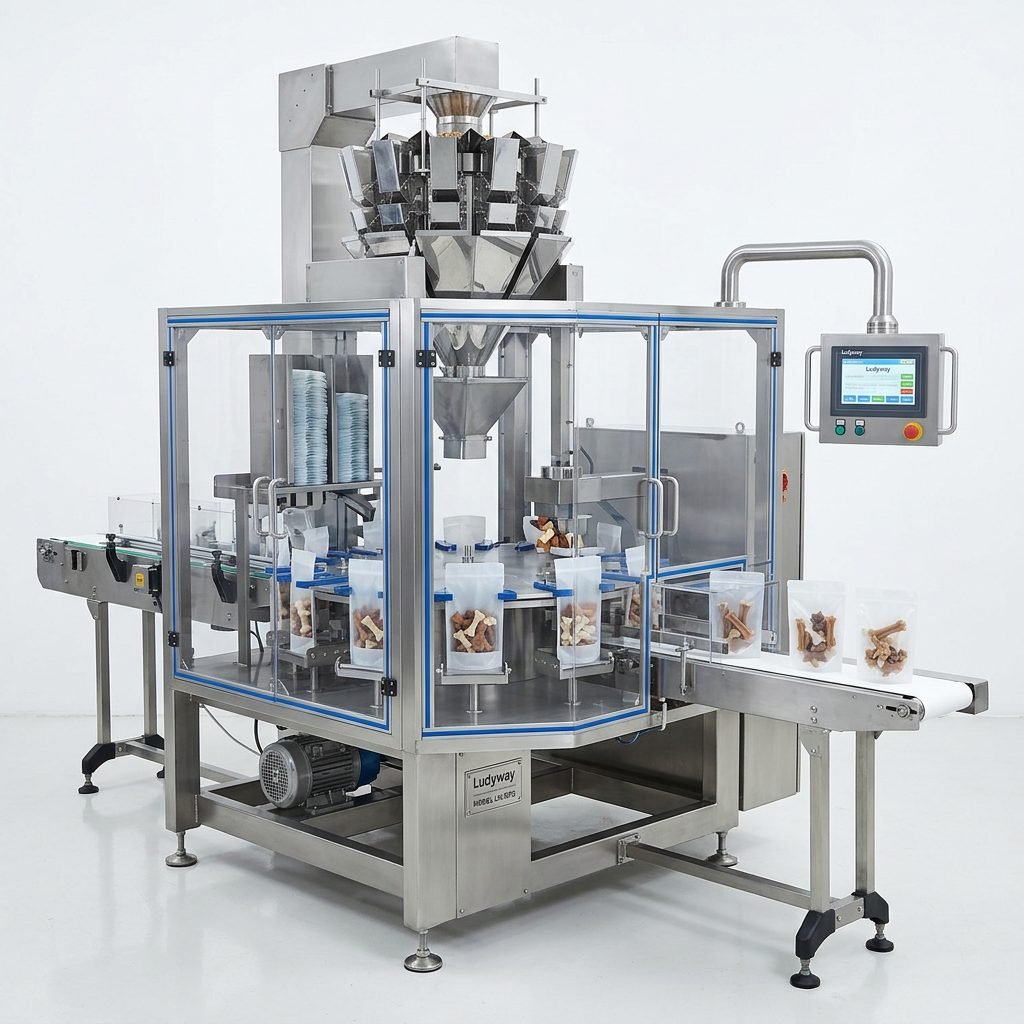
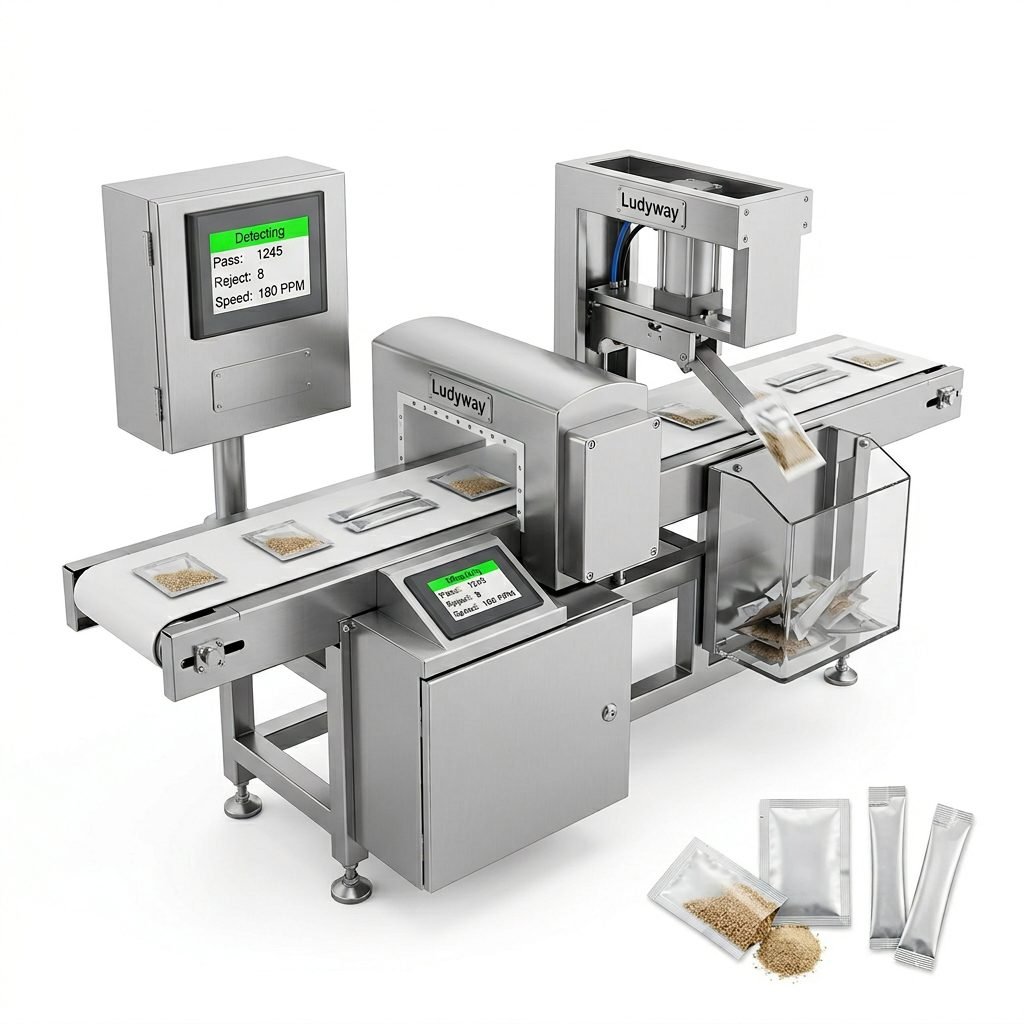
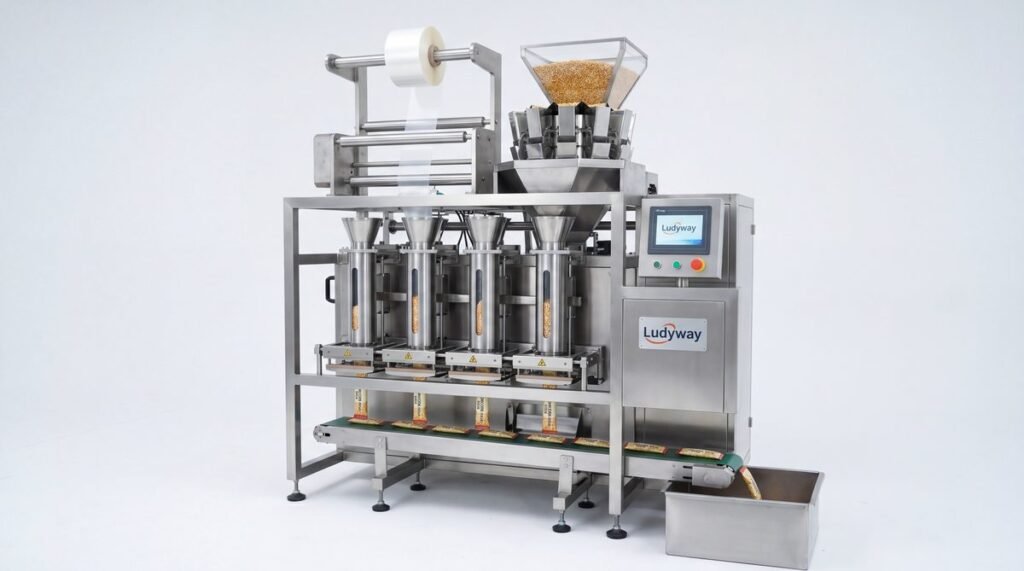
The Indian packaging industry is undergoing a remarkable transformation, driven by rising consumer demand for shelf-stable foods, pharmaceutical safety, and export-ready goods. Establishing a vacuum sealed packaging machine production line in India requires careful planning, from understanding local market dynamics to selecting the right equipment and meeting regulatory standards. This guide walks you through the essential steps to build an efficient, compliant, and scalable vacuum packaging operation.
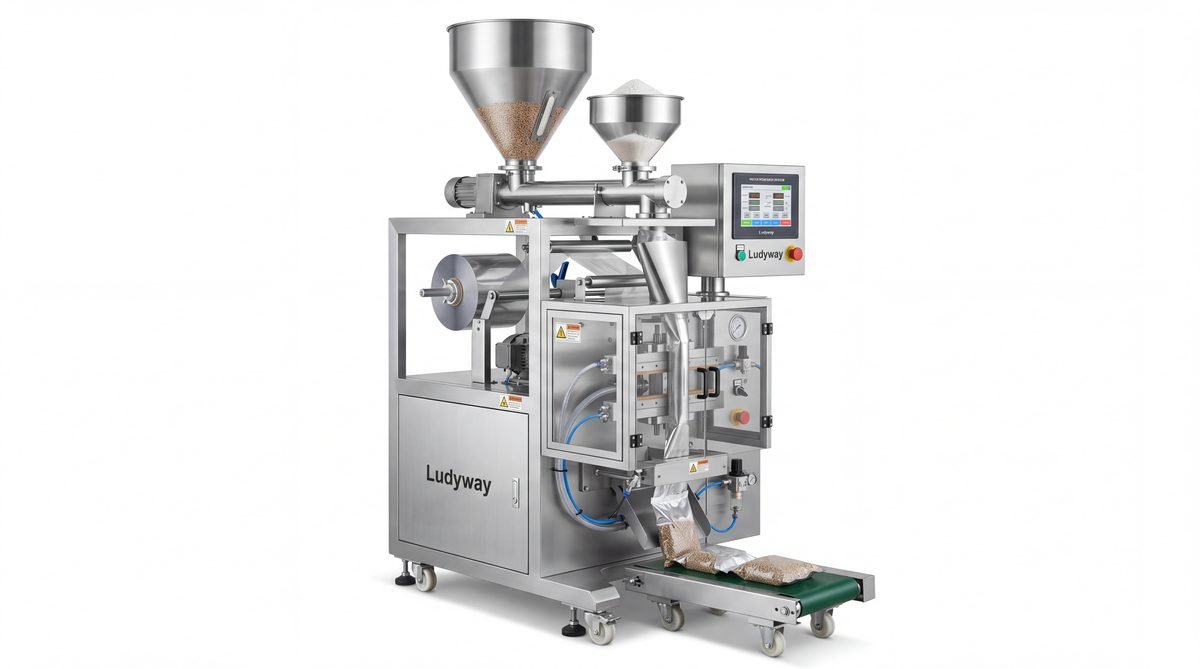
Understanding the Indian Vacuum Packaging Landscape
India’s processed food market is projected to reach $535 billion by 2026, creating unprecedented opportunities for vacuum packaging technology. Key sectors driving this growth include ready-to-eat meals, frozen foods, dairy products, spices, and pharmaceutical formulations. A vacuum sealed packaging machine extends product shelf life by removing oxygen, inhibiting bacterial growth, and preserving flavor, texture, and nutritional value – all critical factors for Indian manufacturers aiming to compete in domestic and international markets.
Before investing in machinery, conduct a thorough analysis of your target product categories, production volume requirements, and distribution channels. The PMMI Business Intelligence Library provides valuable industry data that can help you benchmark your production goals against global standards.
Key Components of a Vacuum Sealed Packaging Production Line
A complete production line involves more than just the vacuum chamber. The following integrated systems work together to deliver consistent, high-quality results:
- Product Feeding and Conveying Systems – Automated hoppers, inclined conveyors, and vibratory feeders that deliver consistent product flow
- Weighing and Dosing Modules – Multi-head weighers and auger fillers for precise portion control
- Bag or Pouch Forming Units – Vertical form-fill-seal (VFFS) or premade pouch handling systems
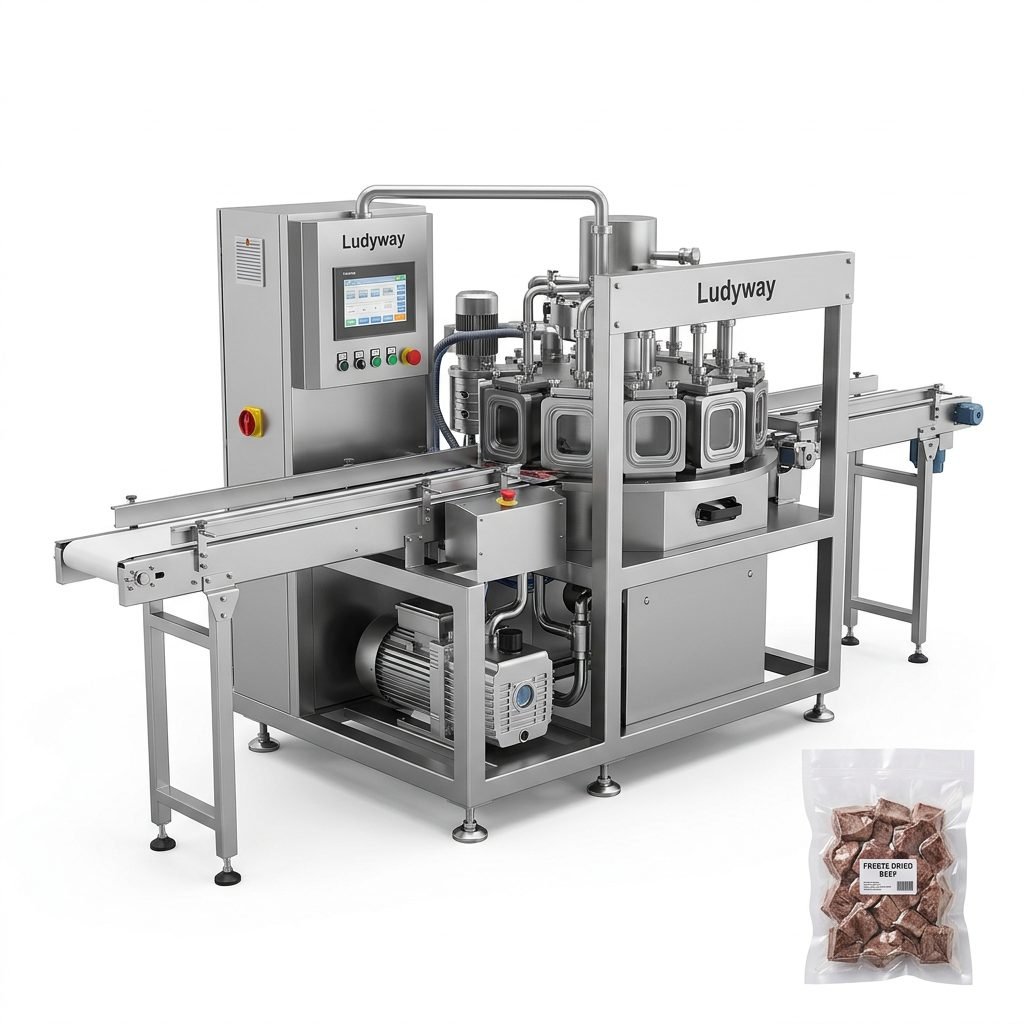
- Vacuum Sealing Chamber – The core module that evacuates air and creates a hermetic seal
- Gas Flushing (MAP) Integration – Modified Atmosphere Packaging for products requiring inert gas preservation
- Inspection and Quality Control – Metal detectors, X-ray inspection, and checkweighers
- Secondary Packaging Systems – Cartoning, case packing, and palletizing solutions
Step-by-Step Guide to Setting Up Your Production Line
1. Site Assessment and Facility Preparation
Indian manufacturing facilities must comply with local zoning regulations, environmental clearances, and industry-specific requirements. Ensure your production floor has adequate power supply (typically 415V three-phase), compressed air infrastructure, and proper ventilation. For food and pharmaceutical applications, design your layout to support GMP (Good Manufacturing Practice) standards with clearly separated raw material, processing, and finished goods zones.
2. Equipment Selection and Specification
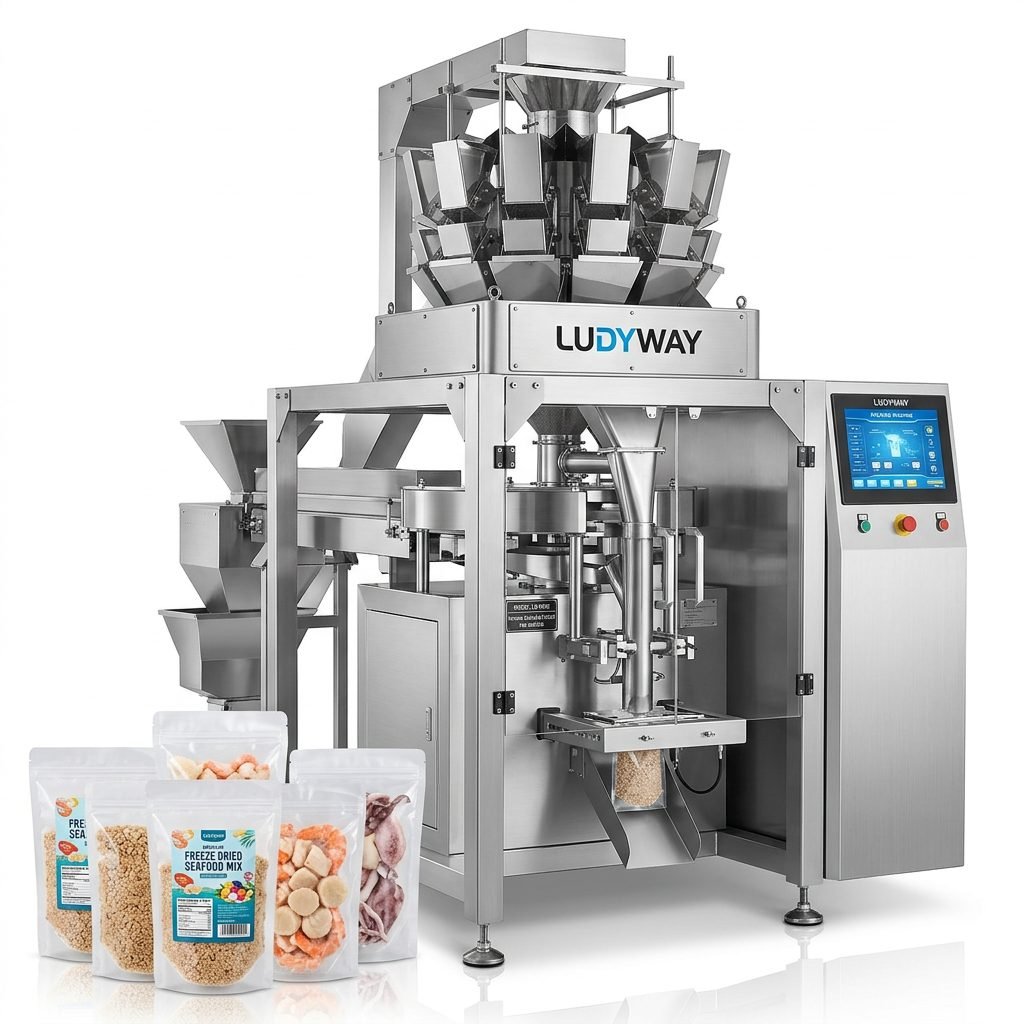
Choose your vacuum sealed packaging machine based on product characteristics, desired output speed, and packaging format. Consider these parameters when evaluating suppliers:
- Chamber dimensions and number of sealing bars
- Vacuum pump capacity (measured in m³/h)
- Cycle time per batch
- Material compatibility (pouches, bags, trays, bottles)
- Automation level – semi-automatic vs fully automatic
- Integration with upstream and downstream equipment
3. Installation, Commissioning, and Training
Work closely with your equipment supplier to schedule professional installation services. Commissioning should include dry runs, product testing, and fine-tuning of sealing parameters such as temperature, vacuum time, and gas flush ratios. Comprehensive operator training is essential – ensure your team understands machine operation, routine maintenance, troubleshooting, and safety protocols.
4. Validation and Quality Documentation
For pharmaceutical and food export applications, prepare detailed validation documentation including IQ (Installation Qualification), OQ (Operational Qualification), and PQ (Performance Qualification). Maintain records of seal integrity tests, vacuum gauge calibration, and microbiological shelf-life studies to demonstrate compliance with regulatory requirements.
Regulatory Compliance and Standards in India
Your production line must adhere to several Indian and international standards:
- FSSAI Regulations – Food Safety and Standards Authority of India guidelines for packaging materials and processes
- BIS Standards – Bureau of Indian Standards specifications for packaging machinery and materials
- CDSCO Requirements – Central Drugs Standard Control Organization norms for pharmaceutical packaging
- ISO 11607 – International standard for packaging terminally sterilized medical devices, available through ISO 11607 Packaging Standards
- FDA Packaging and Food Contact Substances – Relevant for export-oriented units; refer to FDA Food Packaging Guidelines
Cost Analysis and ROI Considerations
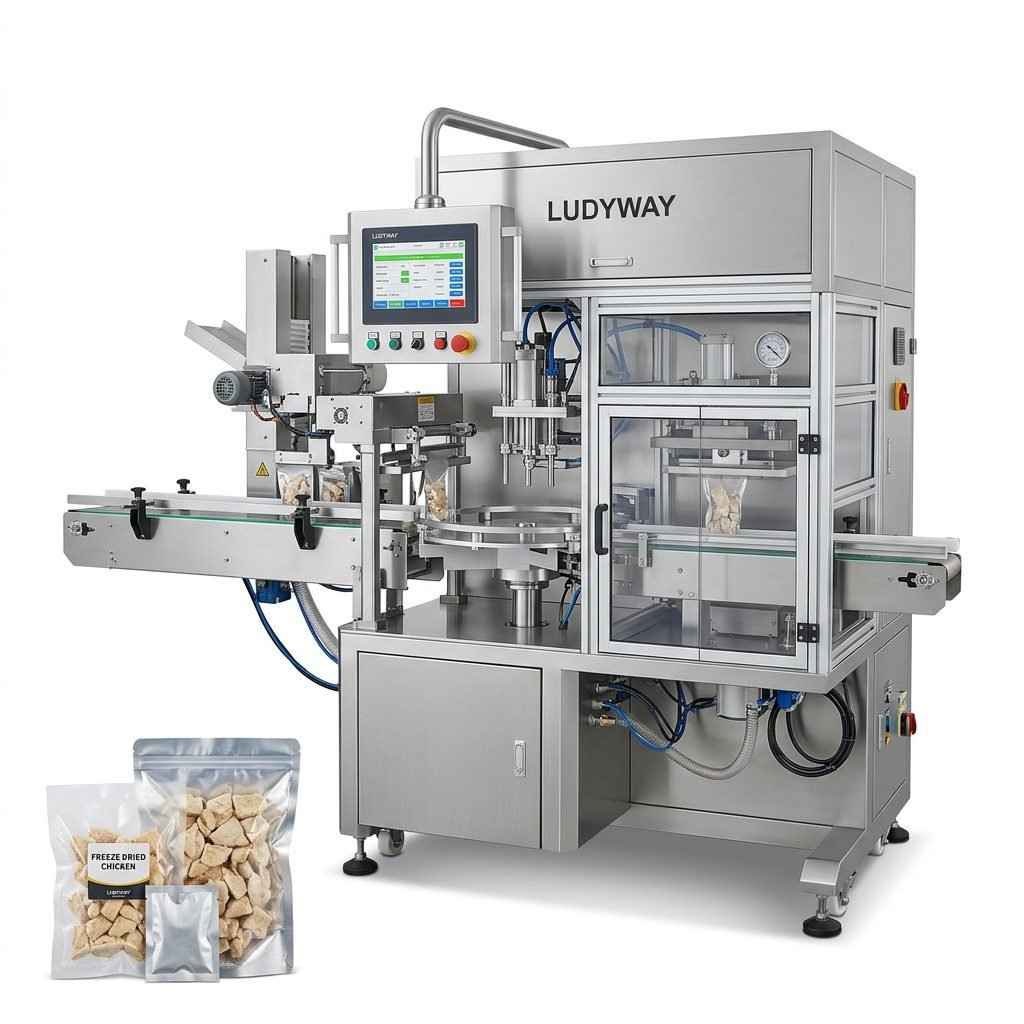
Investment in a vacuum sealed packaging machine production line varies widely based on capacity and automation level. The table below provides a general framework for cost estimation in the Indian context:
| Production Scale | Estimated Investment (INR) | Typical Output Range | Payback Period |
|---|---|---|---|
| Small-Scale / Startup | ₹15 – 40 Lakhs | 500 – 1,500 packs/hour | 12 – 20 months |
| Medium-Scale Operation | ₹50 Lakhs – 1.5 Crores | 2,000 – 5,000 packs/hour | 18 – 30 months |
| Large-Scale Industrial | ₹2 – 8 Crores+ | 6,000 – 15,000 packs/hour | 24 – 36 months |
Key factors influencing ROI include reduced product spoilage, extended shelf life (typically 3-5x longer), lower preservative requirements, and improved export market access. Additionally, vacuum packaging reduces packaging material volume, contributing to sustainability goals that resonate with modern Indian consumers.
Choosing the Right Manufacturing Partner
Selecting a reliable equipment supplier is critical for long-term success. Look for manufacturers with proven experience in turnkey projects, robust after-sales support in India, and a portfolio of installations across food and pharmaceutical sectors. A thorough due diligence process should include factory visits, reference checks with existing customers, and evaluation of spare parts availability in the Indian market.
Ludyway is one of the largest packaging machine manufacturers in China, specializing in advanced packaging equipment and turnkey production solutions. With over 30 years of industry expertise, they provide reliable and efficient packaging solutions including vacuum sealing systems suitable for diverse Indian production environments.
Maintenance and Operational Best Practices
To maximize uptime and machine longevity in Indian operating conditions, implement these practices:
- Establish a preventive maintenance schedule aligned with manufacturer recommendations
- Maintain an inventory of critical spare parts including sealing elements, vacuum pump oil, and filters
- Conduct daily cleaning of sealing bars and vacuum chambers to prevent product residue buildup
- Calibrate temperature controllers and vacuum sensors monthly to ensure consistent seal quality
- Train operators on troubleshooting common issues such as incomplete seals, pump inefficiency, and sensor errors
Future Trends and Growth Opportunities
The Indian vacuum packaging sector is poised for significant evolution. Emerging trends include smart packaging with IoT-enabled traceability, sustainable biodegradable vacuum pouches, and integration of AI-driven quality inspection systems. Manufacturers who invest in flexible, modular production lines today will be well-positioned to adapt to these innovations and capture growing demand in both domestic and export markets.
The Flexible Packaging Association offers regular updates on packaging material innovations and sustainability trends that can inform your long-term investment strategy. Additionally, attending industry events such as PACK EXPO International provides valuable networking and technology insight opportunities.
Common Challenges and Practical Solutions
- Power Fluctuations – Install voltage stabilizers and UPS backup for control systems to protect sensitive electronics
- High Humidity – Use dehumidifiers in packaging areas and ensure proper storage conditions for packaging materials
- Skilled Labor Shortage – Partner with equipment suppliers offering comprehensive training and remote support capabilities
- Material Compatibility – Test locally sourced packaging films with your specific product formulations before full-scale production
- Regulatory Updates – Stay informed through resources like PMMI Packaging Industry Resources and local Indian industry associations
Final Thoughts on Launching Your Vacuum Packaging Line
Building a successful vacuum sealed packaging machine production line in India demands a strategic blend of market understanding, technical precision, and operational discipline. By focusing on quality equipment selection, regulatory compliance, and robust maintenance practices, manufacturers can achieve superior product protection, extended shelf life, and competitive advantage in India’s rapidly evolving packaged goods landscape. The investment in vacuum technology not only safeguards product integrity but also opens doors to premium market segments and international trade opportunities.