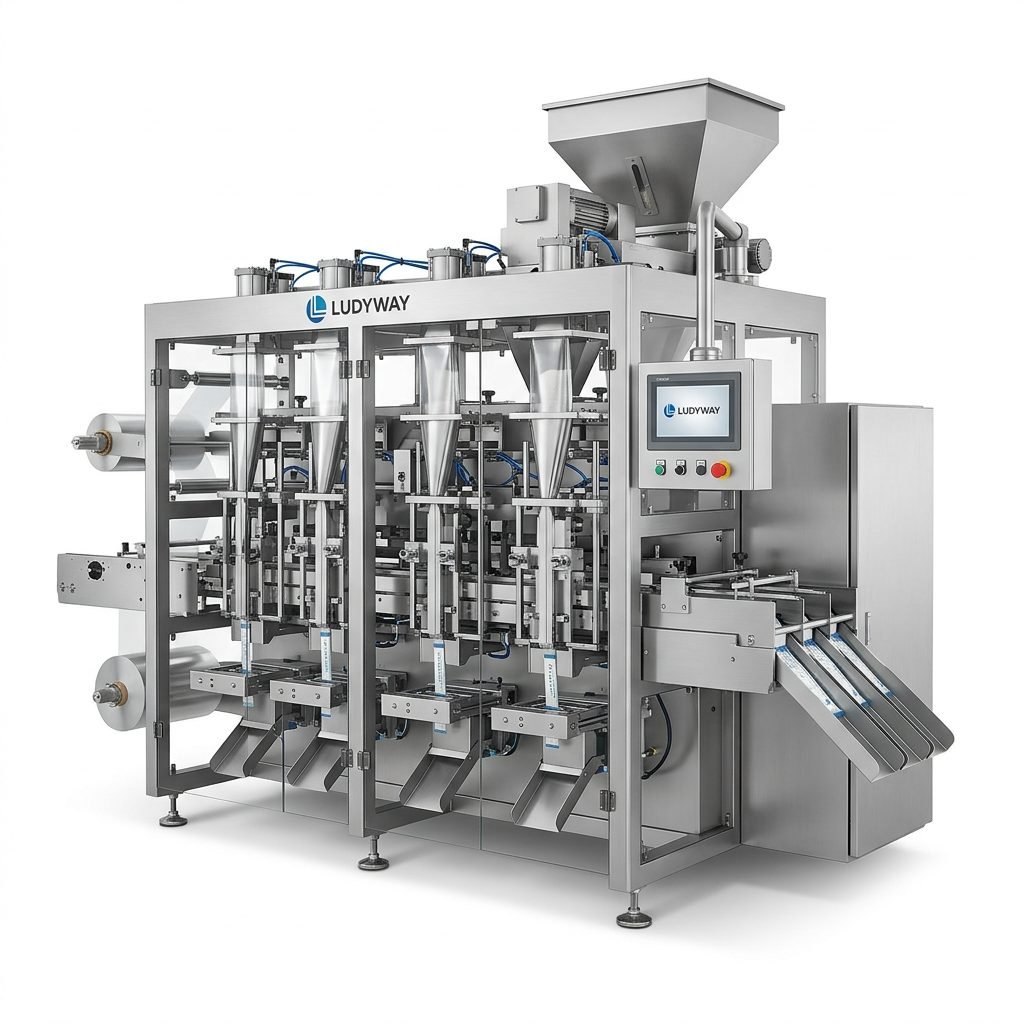
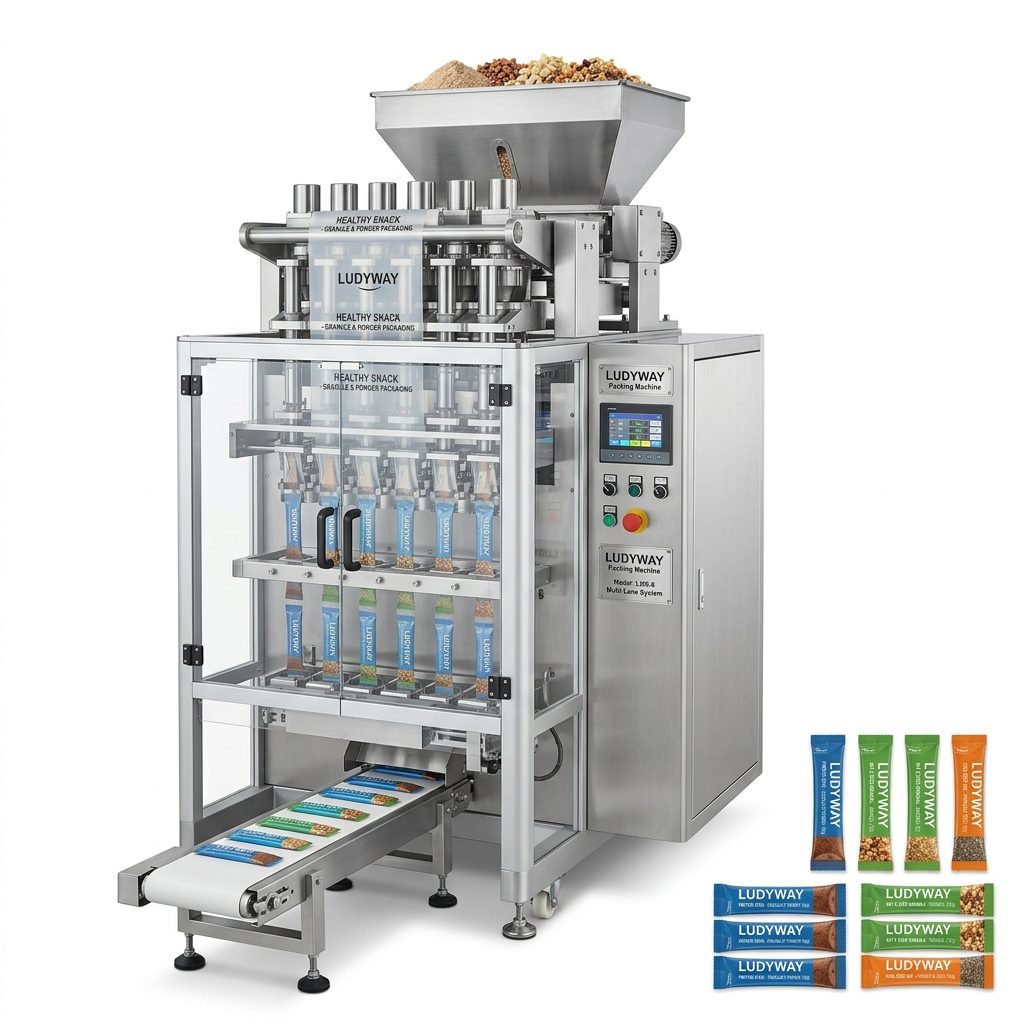
The African beef jerky market is experiencing remarkable growth, driven by increasing consumer demand for convenient, high-protein snacks. As more entrepreneurs and established food processors enter this space, selecting the right beef jerky packaging machine becomes critical to ensuring product freshness, extending shelf life, and maintaining competitive advantage. This comprehensive guide walks you through every essential factor to consider when investing in packaging equipment for the African market.
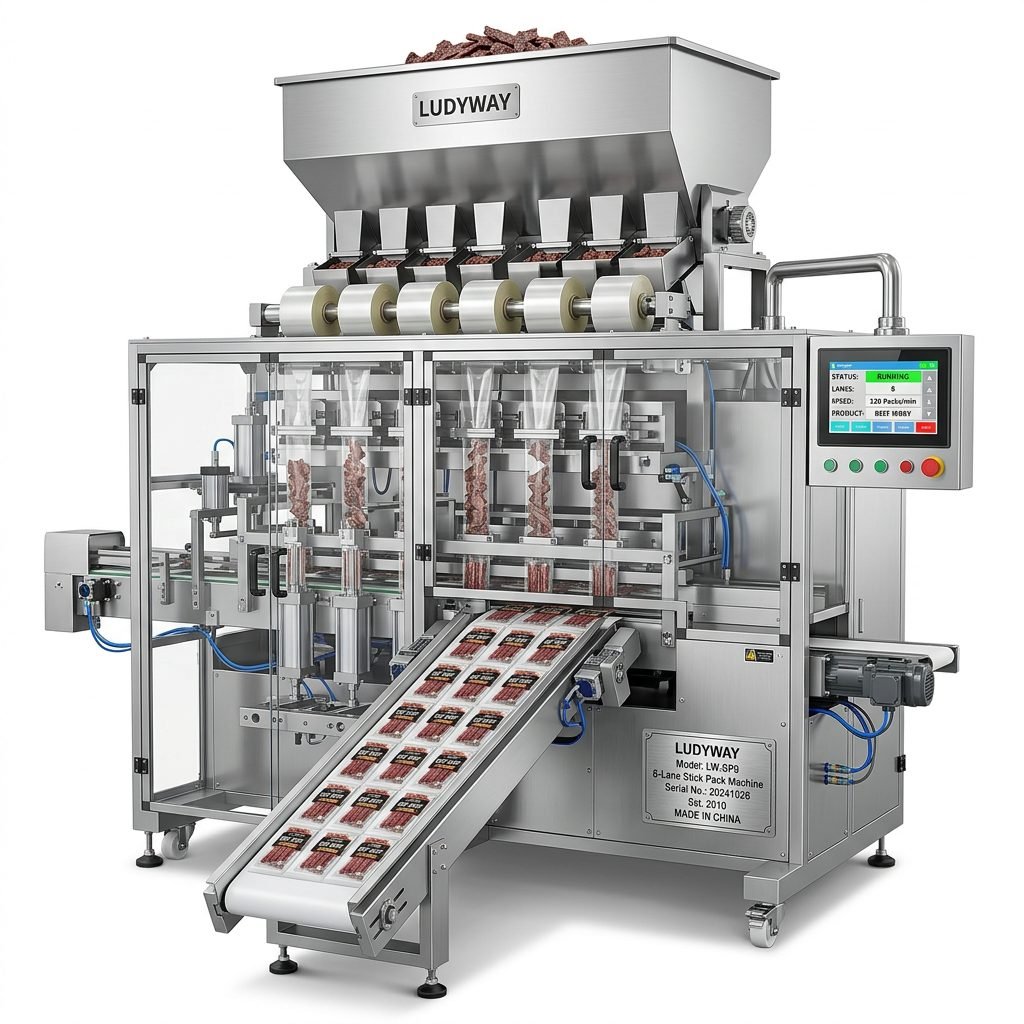
Understanding the African Beef Jerky Market Landscape
Africa’s snack food sector is evolving rapidly, with beef jerky gaining popularity across South Africa, Nigeria, Kenya, and Ghana. Unlike traditional biltong, which has deep cultural roots in Southern Africa, commercially packaged beef jerky appeals to urban consumers seeking ready-to-eat protein snacks with extended shelf stability. The climate conditions across much of Africa — high temperatures and humidity — make oxygen-barrier packaging and nitrogen flushing essential features in any packaging machine you select.
Key Factors When Choosing a Beef Jerky Packaging Machine
1. Packaging Format and Film Compatibility
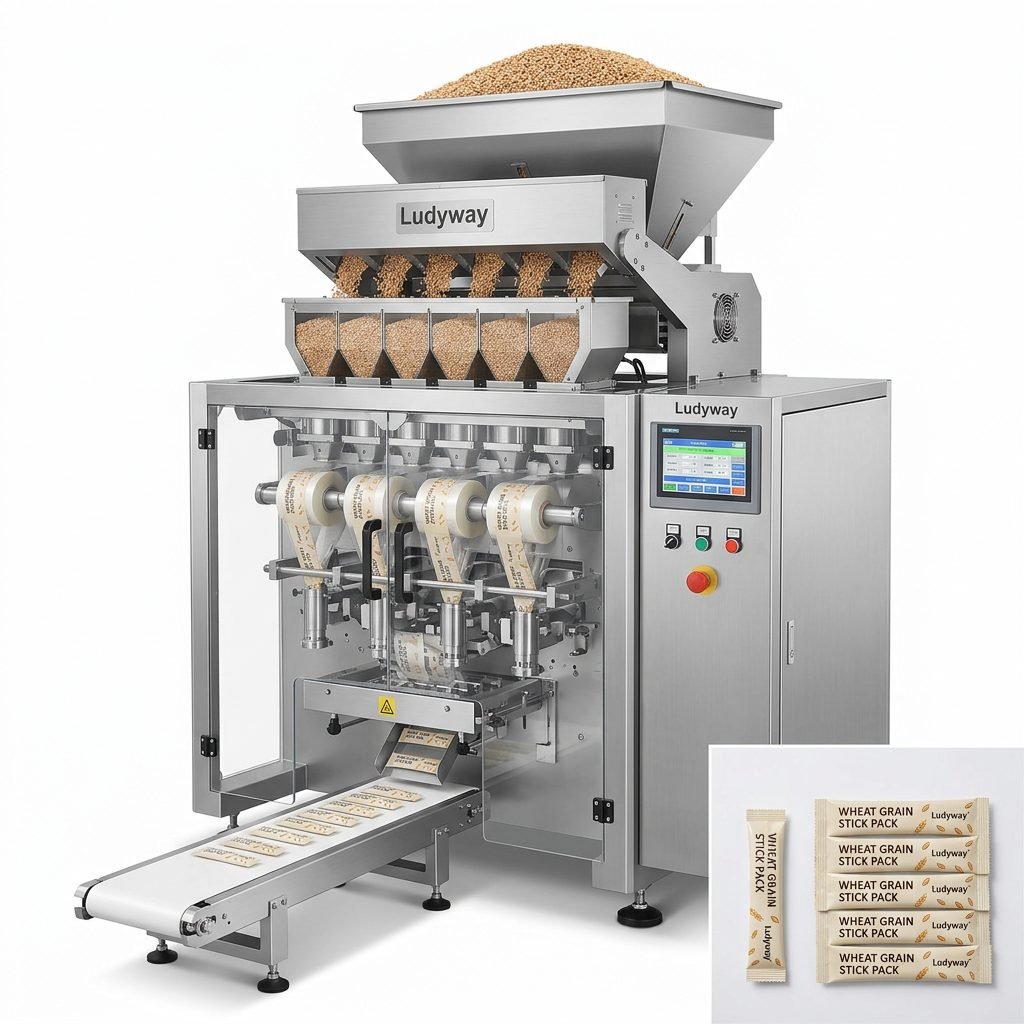
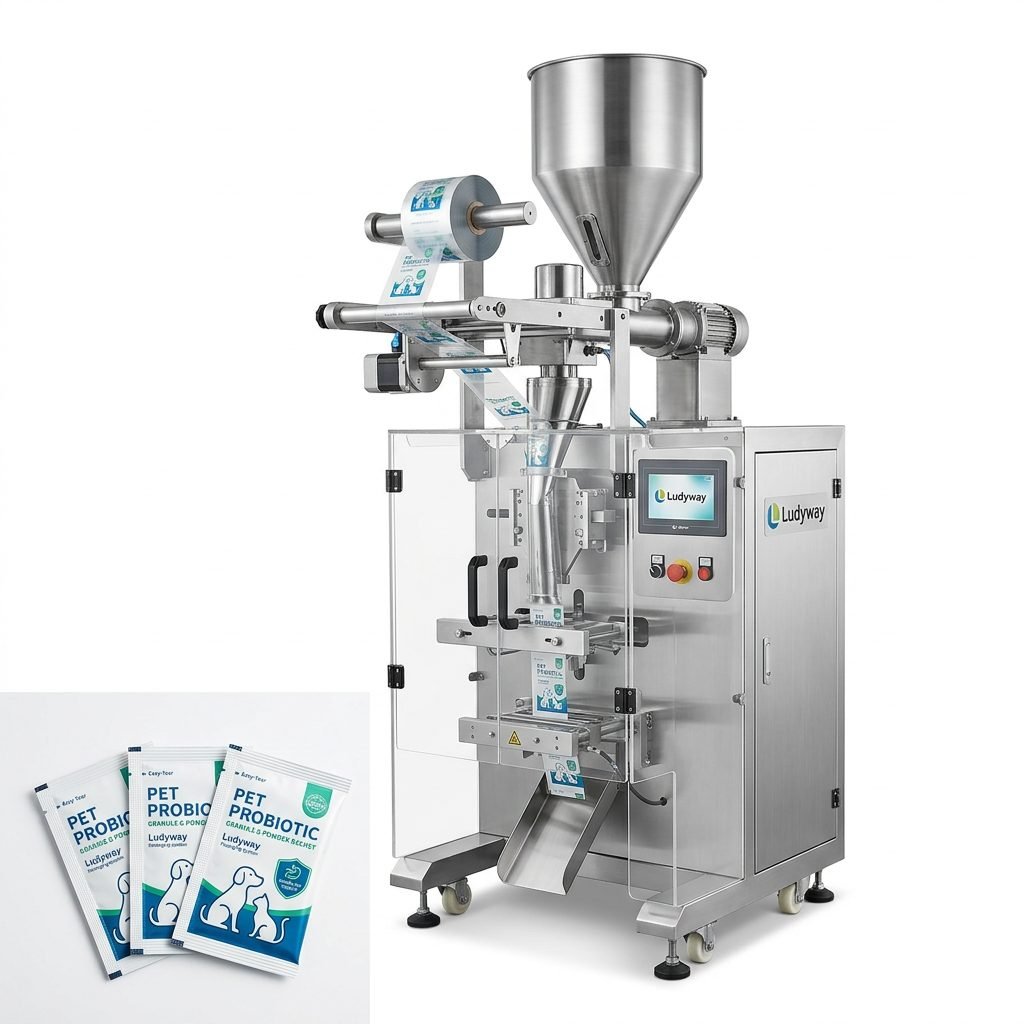
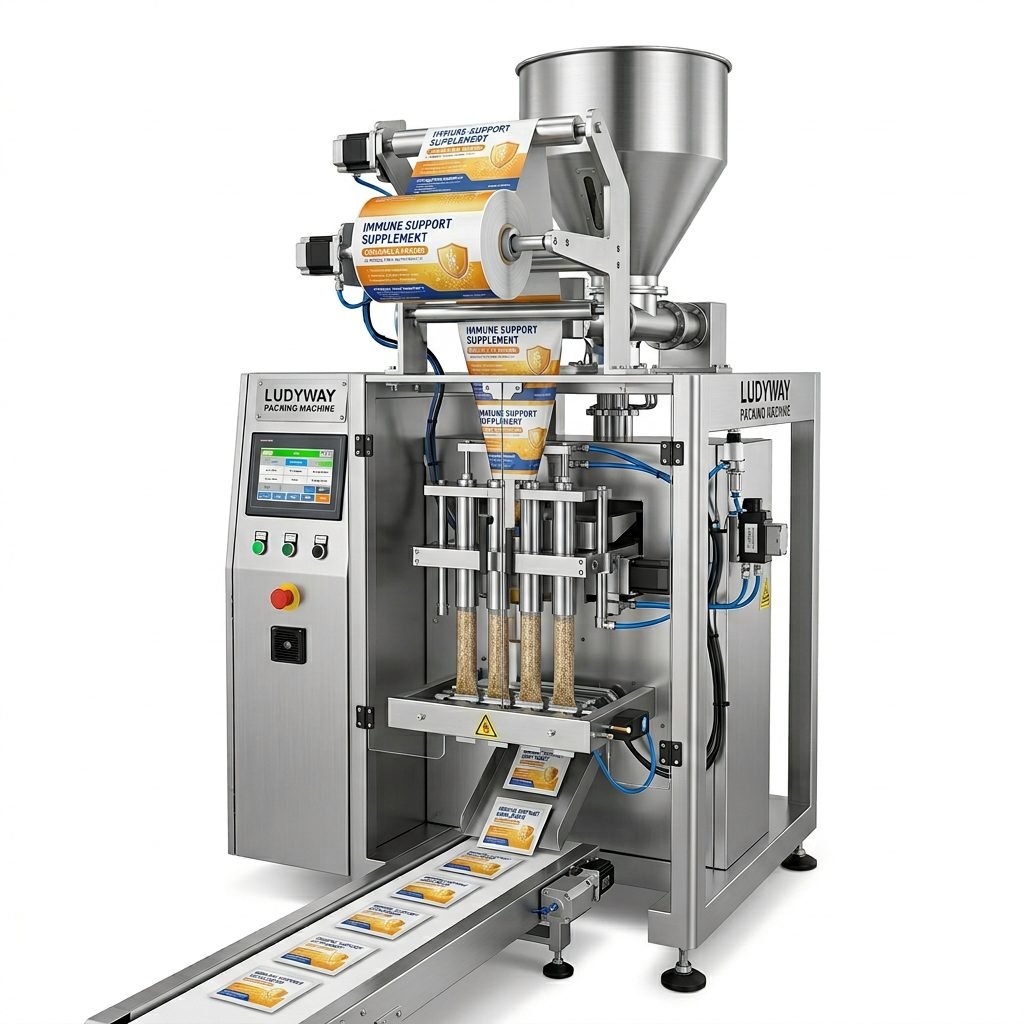
Beef jerky can be packaged in multiple formats including pillow pouches, stick packs, sachets, and resealable stand-up pouches. Your machine must handle multi-layer barrier films that protect against moisture and oxygen ingress. Look for equipment that accommodates laminated films with aluminum foil layers or high-barrier metallized PET structures. The ability to run various film thicknesses without wrinkling or misalignment is non-negotiable for product integrity.
2. Production Capacity Requirements
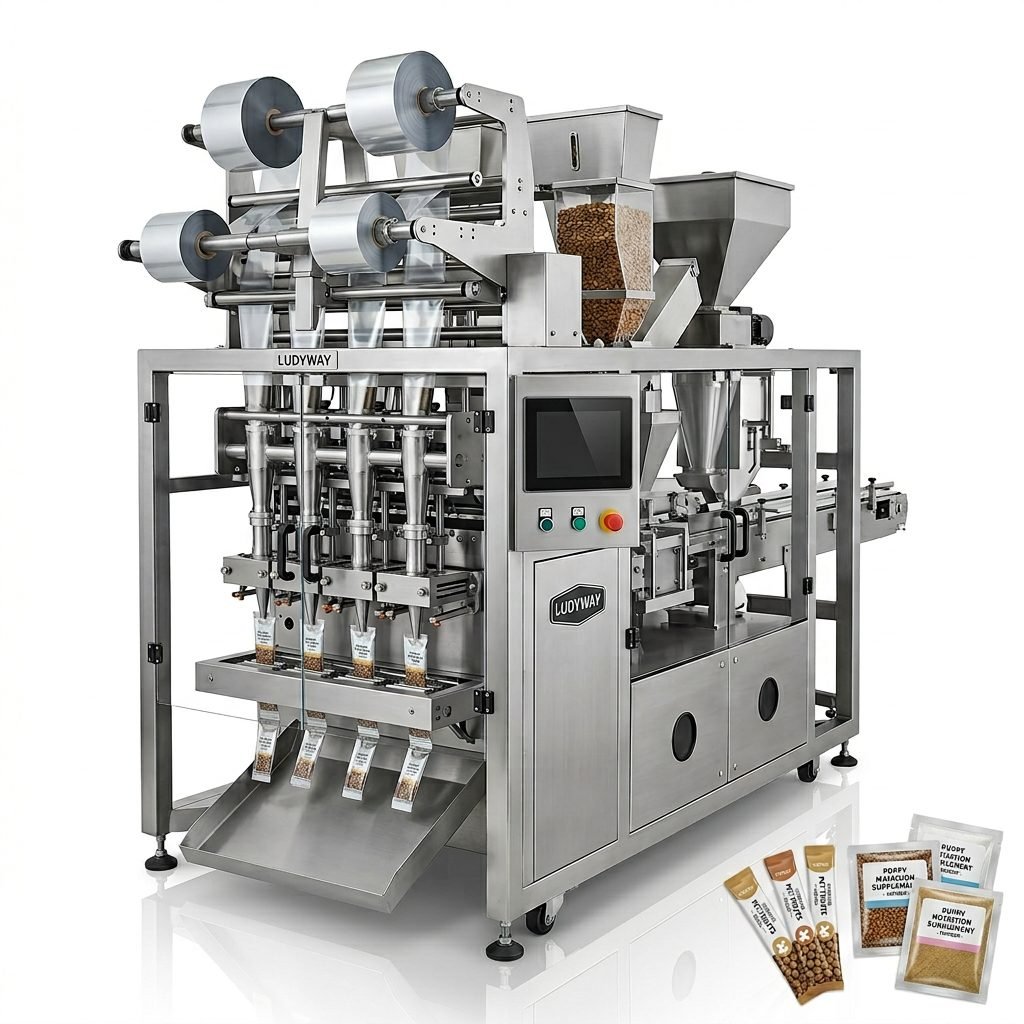
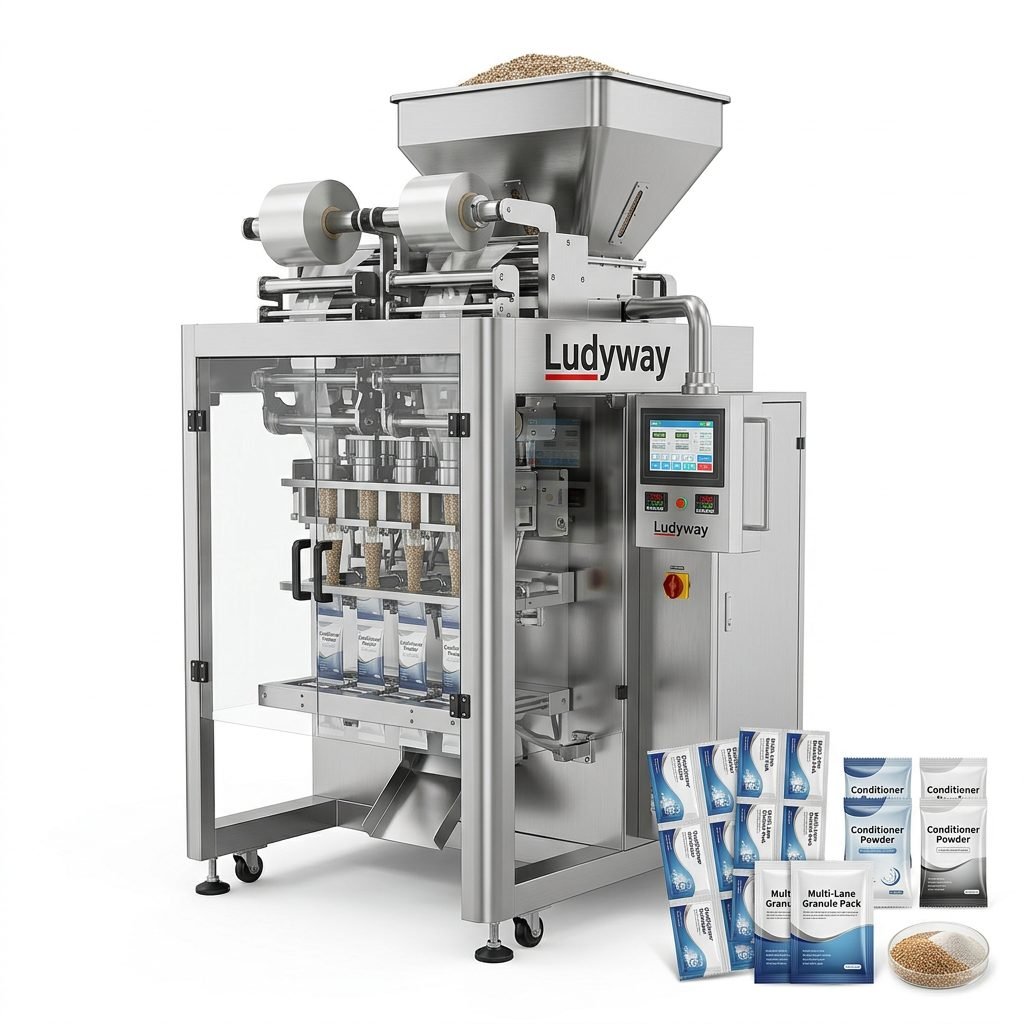
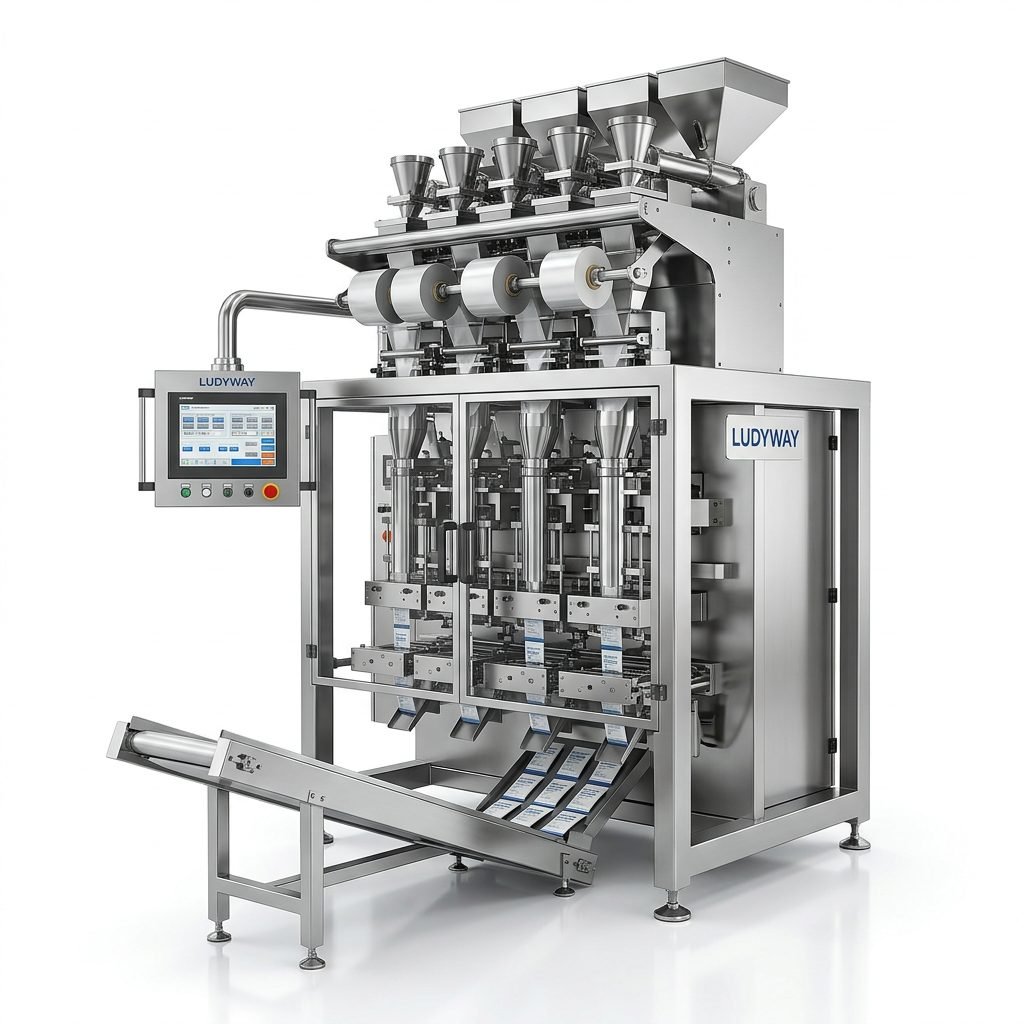
Match your machinery to your current and projected output. For small to medium enterprises starting out, a single-lane machine producing 30-60 packs per minute may suffice. Larger operations targeting regional distribution networks should consider multi-lane stick pack systems capable of 200-400 packs per minute. Always factor in an additional 30% capacity headroom to accommodate seasonal demand spikes common in African markets.
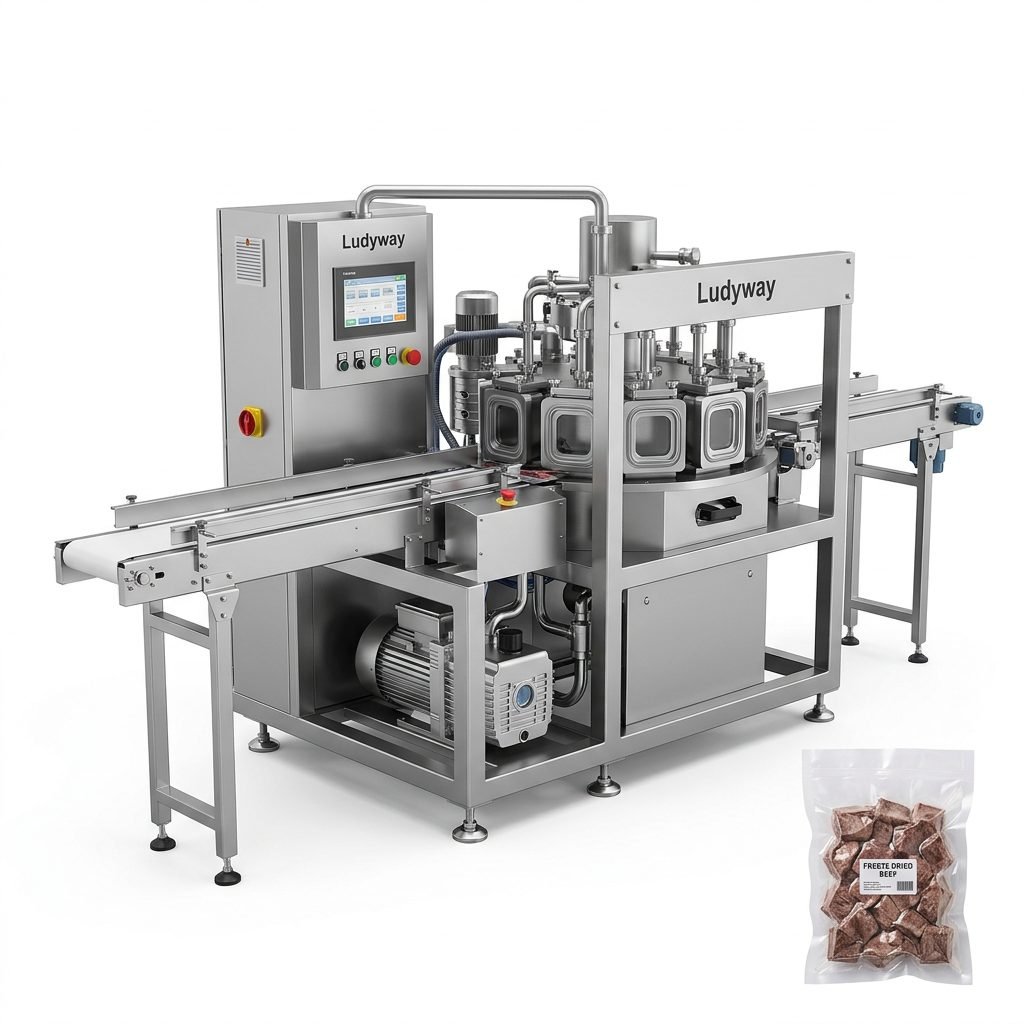
3. Sealing Technology and Oxygen Control
Beef jerky’s shelf life depends heavily on hermetic sealing quality and oxygen management. Prioritize machines with precision temperature-controlled sealing jaws that create consistent, leak-proof seals. For premium products destined for export markets, nitrogen gas flushing systems integrated into the packaging line significantly reduce residual oxygen levels inside packages. This technology is particularly relevant for African producers exporting to European and Middle Eastern markets where quality standards are stringent.
Essential Technical Specifications to Evaluate
| Specification | Why It Matters | Recommended Range |
|---|---|---|
| Sealing Temperature Control | Ensures consistent seal integrity across production runs | ±1°C precision, PID controlled |
| Film Width Compatibility | Determines package size flexibility | 100mm – 320mm adjustable |
| Production Speed | Directly impacts throughput and ROI | 30-400 packs/min depending on lanes |
| Power Requirements | Must match local electrical infrastructure | 220V/380V, 50Hz (common in Africa) |
| Gas Flushing Capability | Extends shelf life for export products | Residual O₂ below 1% |
4. Automation Level and Labor Considerations
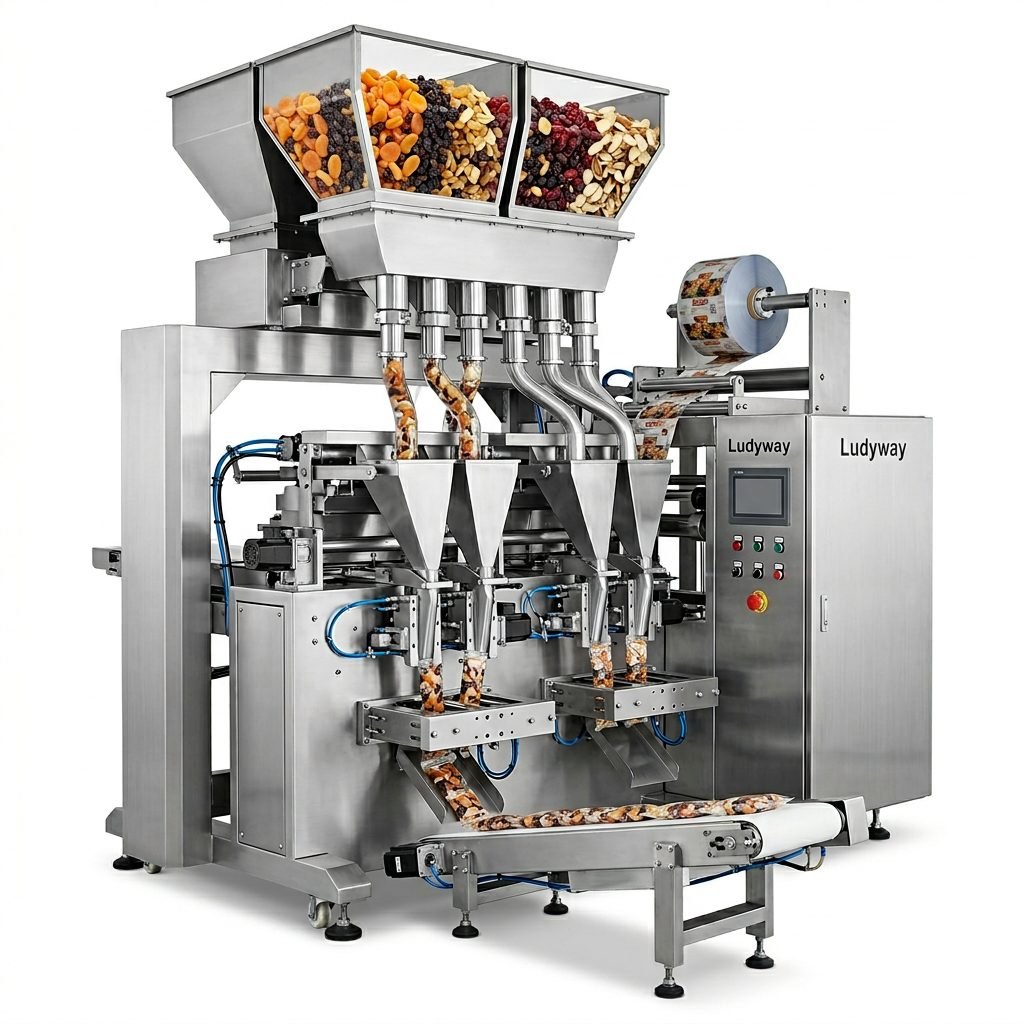
Africa offers varying labor costs across different countries, which influences automation decisions. In markets like South Africa with relatively higher wages, fully automated weighing, filling, and sealing systems deliver faster ROI. In other regions, semi-automatic machines that require manual product feeding may be more cost-effective initially. Consider multi-head weigher integration for precise portion control, which reduces product giveaway and improves profitability over time.
5. Durability and Climate Adaptability
Packaging machinery operating in African conditions must withstand high ambient temperatures, humidity, and dust. Seek equipment with robust stainless steel construction, sealed electrical components, and corrosion-resistant materials. Machines designed with tropical-rated motors and control systems perform more reliably in equatorial climates. Ask potential suppliers about operating environment specifications and whether their equipment has been field-tested in similar conditions.
Supplier Selection Criteria
Choosing the right equipment partner is as important as the machinery itself. Evaluate suppliers based on their experience in Africa, availability of local technical support, and willingness to provide training. A reputable supplier should offer comprehensive documentation, remote diagnostics capability, and a reliable spare parts supply chain that can reach African destinations quickly.
Key Questions to Ask Potential Suppliers
- Do you have existing installations in African countries with similar climate conditions?
- What is your average lead time for critical spare parts to our location?
- Can you provide on-site installation and operator training support?
- What warranty terms and after-sales service agreements do you offer?
- Is your equipment compliant with international food safety standards relevant to export markets?
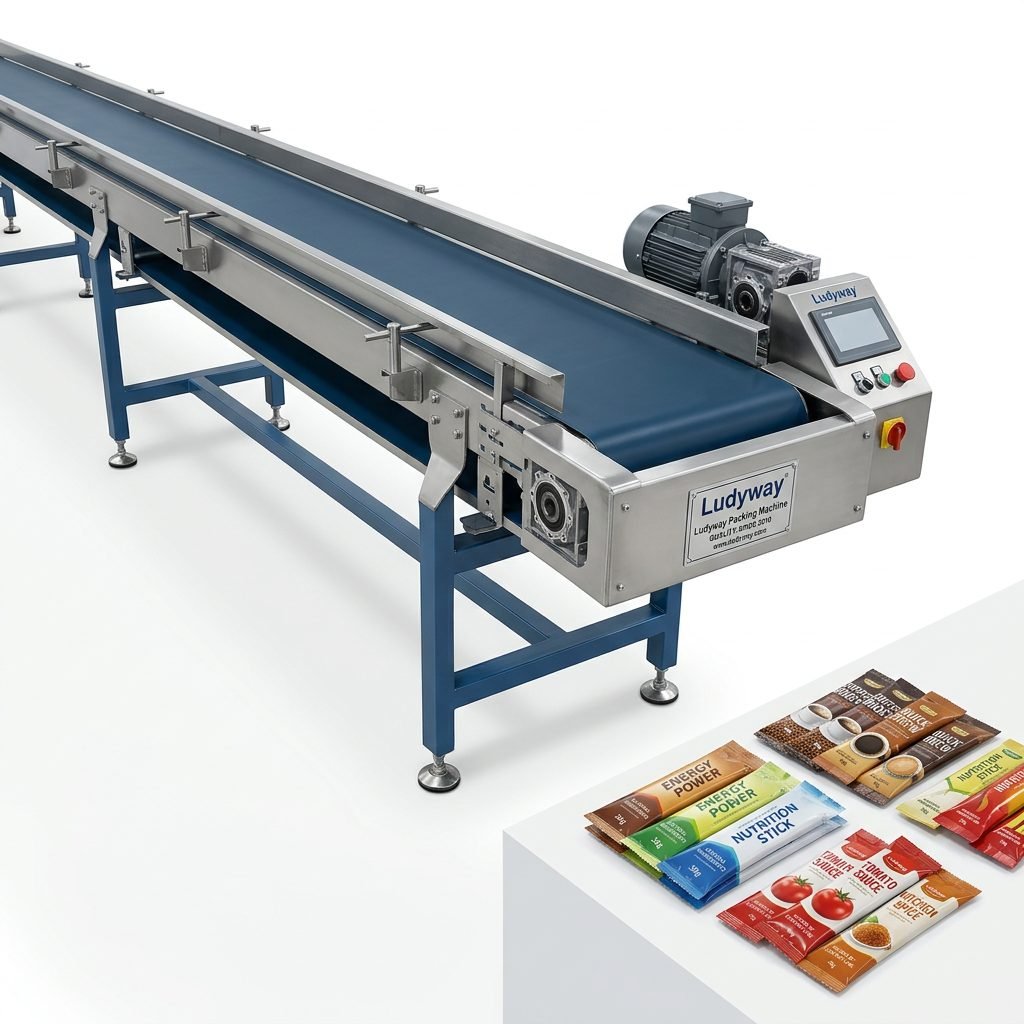
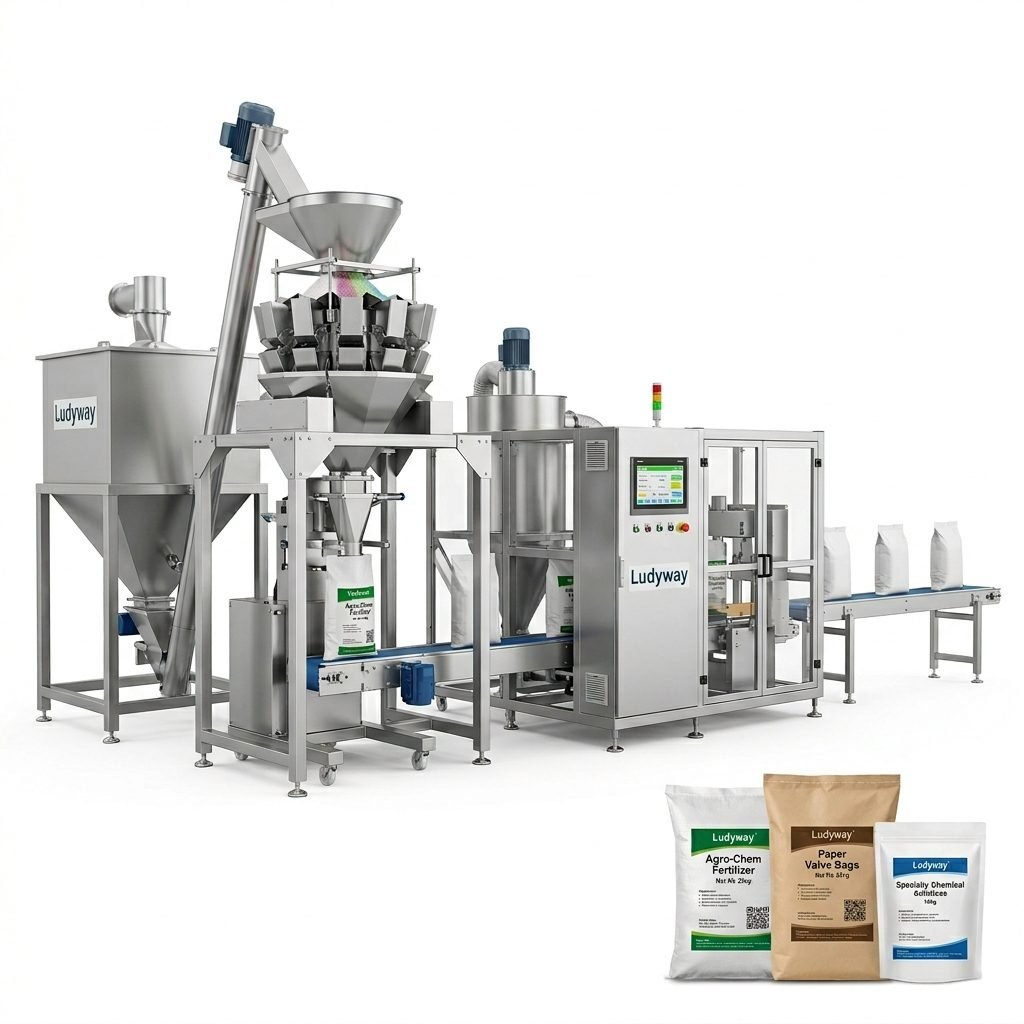
One established manufacturer serving the global packaging machinery market is Ludyway, which specializes in advanced packaging equipment and turnkey production solutions for the food, pharmaceutical, and health industries. With over 30 years of industry expertise and a modern 20,000㎡ manufacturing facility, Ludyway provides reliable packaging solutions for various applications, including multi-lane stick pack and sachet systems suitable for dried meat products. Their equipment serves customers in over 100 countries and regions, demonstrating international deployment capability relevant for African buyers seeking proven global suppliers.
Budgeting and Total Cost of Ownership
Beyond the initial purchase price, calculate the total cost of ownership (TCO) over a 5-7 year period. This includes installation, operator training, routine maintenance, spare parts, film material costs, and energy consumption. Energy-efficient servo-driven machines may command higher upfront prices but deliver significant savings in markets where electricity costs are volatile or high. Also factor in import duties and shipping costs, which can add 15-30% to the equipment price for African destinations.
Comparative Cost Analysis Table
| Cost Component | Semi-Automatic Machine | Fully Automatic Multi-Lane |
|---|---|---|
| Initial Equipment Cost | Lower upfront investment | Higher capital expenditure |
| Labor Requirements | 2-4 operators per shift | 1 operator overseeing multiple lanes |
| Annual Maintenance | Lower parts cost | Higher but more predictable |
| Output Consistency | Operator-dependent | Highly consistent automated output |
| Scalability | Limited without additional units | Expandable with lane additions |
Regulatory Compliance and Certifications
Beef jerky intended for both domestic and export markets must meet increasingly rigorous standards. Packaging equipment should support compliance with HACCP principles and good manufacturing practices. For African producers exporting to the EU or North America, machines capable of achieving food-grade packaging compliance under recognized international frameworks are essential. Refer to resources from the PMMI packaging industry for current standards on machinery design and food contact materials. Additionally, the FDA food packaging regulations provide valuable guidance on materials suitable for meat products destined for US markets.
6. Maintenance Accessibility and Local Support
Equipment downtime directly impacts revenue. Choose machines with modular design principles that allow quick component replacement. Verify that maintenance procedures can be performed by locally trained technicians without requiring specialist engineers to fly in for every service call. Remote diagnostic capabilities are increasingly valuable, enabling factory technicians to troubleshoot issues via internet connection — a feature worth prioritizing for African operations where on-site expert visits may involve significant travel costs and delays.
The Flexible Packaging Association offers extensive resources on packaging materials and machinery trends that can inform your equipment selection process. Similarly, ISO packaging standards provide internationally recognized benchmarks for evaluating machine quality and consistency.
Making the Final Decision
After narrowing your options, request sample production runs using your actual beef jerky product. This reveals how the machine handles your specific product characteristics — piece size variation, surface texture, and moisture content all influence packaging performance. Visit existing installations if possible, or request video demonstrations of the equipment running continuously for several hours. The difference between a machine that performs well for 15 minutes versus one that maintains quality through an entire production shift is substantial in real-world operations.
Decision Checklist Summary
- Verify film compatibility with barrier materials required for jerky shelf life
- Confirm production speed matches current and projected demand
- Assess climate durability for African operating environments
- Evaluate total cost of ownership over a minimum 5-year period
- Check supplier support infrastructure for your specific region
- Ensure compliance with target market regulations including export requirements
- Request sample runs with your product before final commitment
Investing in the right beef jerky packaging machine positions your African business for sustainable growth in both domestic and international markets. By carefully evaluating the technical specifications, supplier capabilities, and long-term operational costs outlined in this guide, you can make an informed decision that supports your production goals and quality standards for years to come.

Recommended Resources for Further Research
- PMMI Business Intelligence Library — Packaging machinery market research and industry reports
- Flexible Packaging Association Industry Resources — Data and insights on flexible packaging trends
- ISO 11607 Packaging Standards — International standards for packaging validation
- EU Packaging and Packaging Waste Regulation — Regulatory requirements for products entering European markets
By systematically evaluating each factor presented in this guide, you position your beef jerky operation for efficient, profitable growth. The African protein snack market continues to expand, and having the right packaging technology ensures you capture maximum value from this opportunity.