Choosing the right premade pouch packaging machine is a critical decision that directly impacts your production efficiency, product quality, and overall profitability. With numerous models, configurations, and features available, navigating the options can be complex. This comprehensive guide will walk you through the key factors to consider to ensure you select the best solution for your specific production line needs.
Understanding Premade Pouch Packaging Machines
Premade pouch packaging machines automate the process of filling and sealing pre-formed, empty pouches. Unlike form-fill-seal (FFS) machines that create the pouch from roll stock film, these systems use pouches that are already manufactured, often offering advantages in material flexibility, print quality, and structural integrity. They are widely used for packaging a diverse range of products, including:
✔ Granules & Powders: Such as coffee, sugar, spices, protein powders, and pharmaceuticals.
✔ Liquids & Pastes: Including sauces, oils, lotions, creams, and liquid supplements.
✔ Solid Items: Like candies, nuts, small hardware components, and single-dose tablets.
Core Components and Workflow
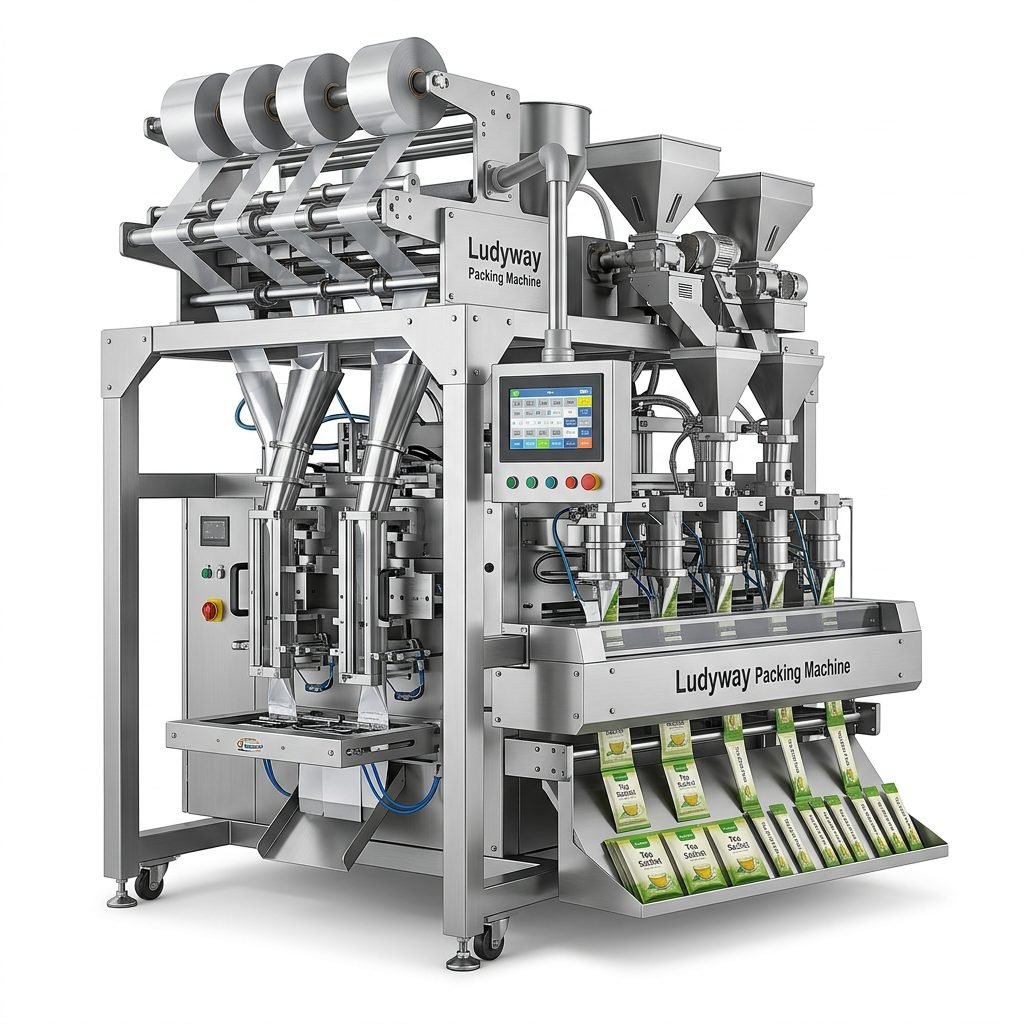
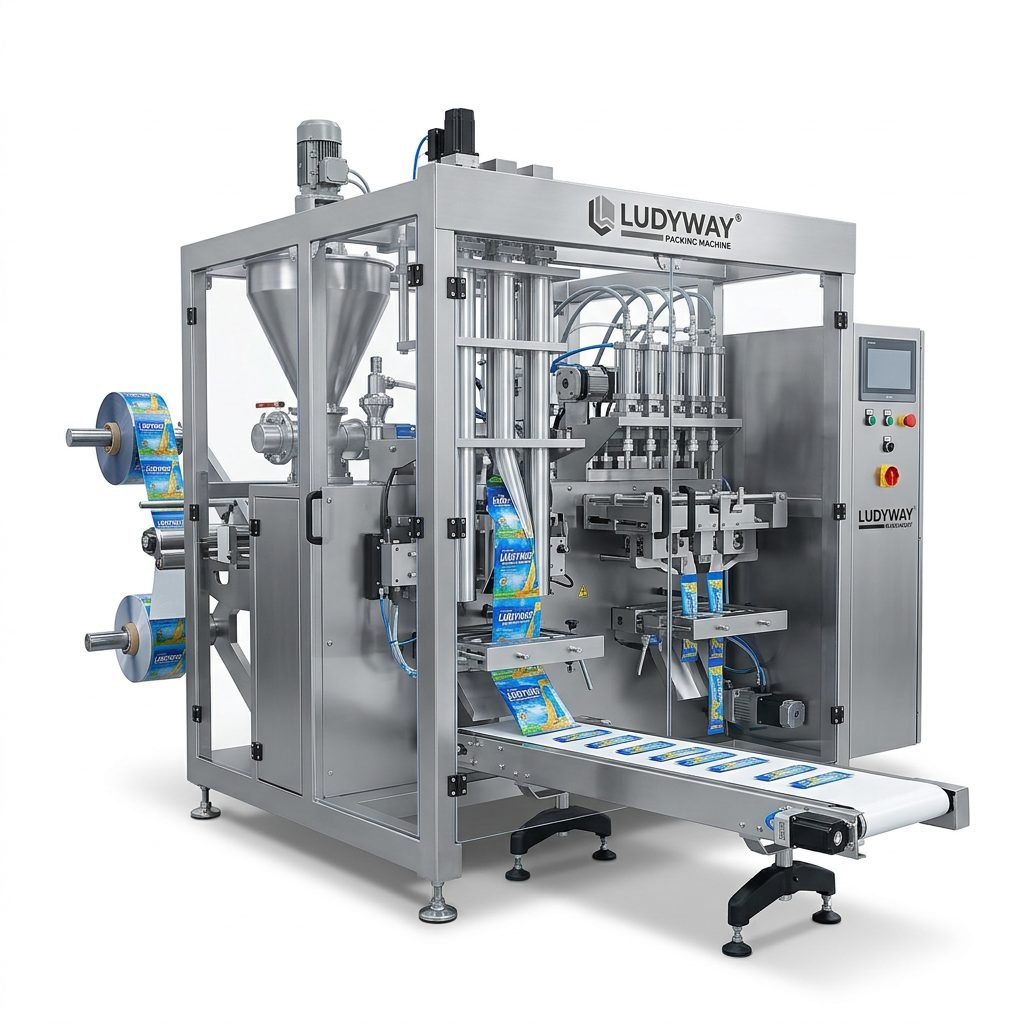
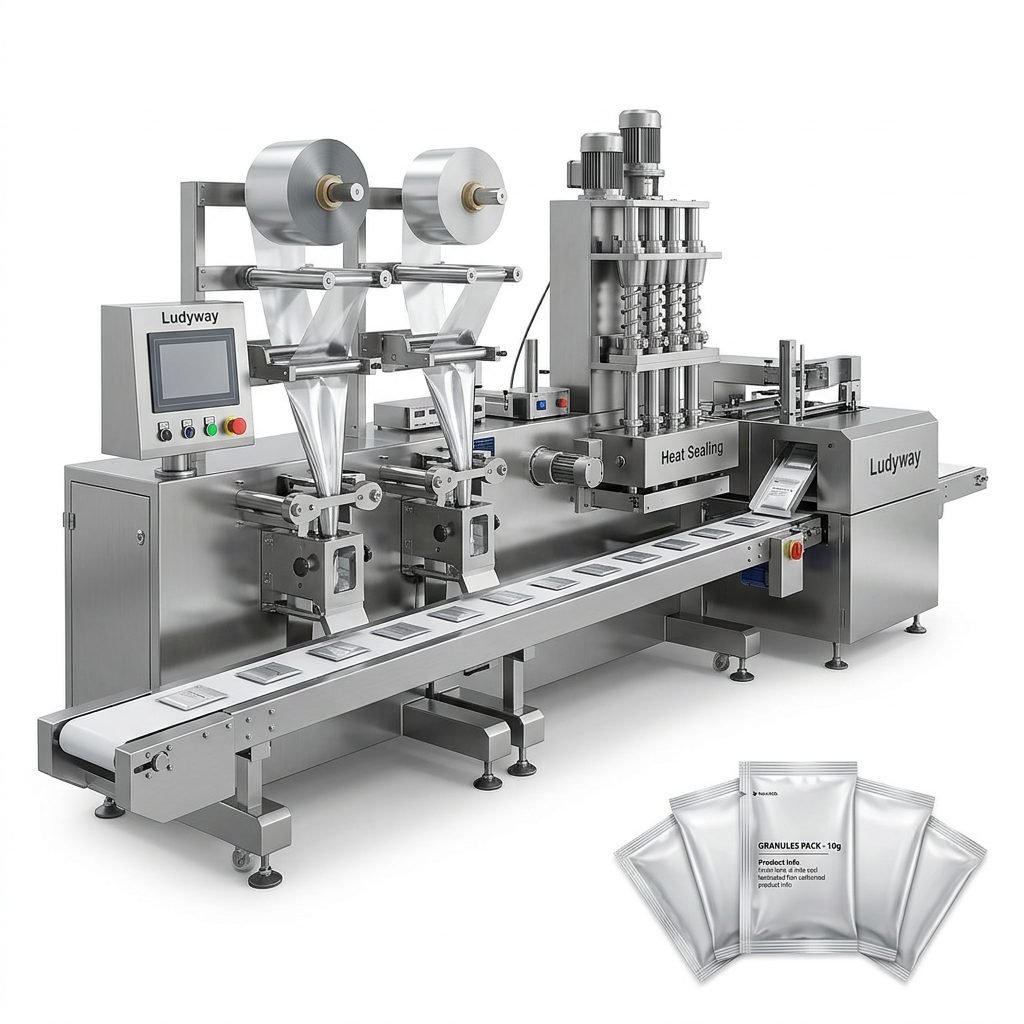
The typical operation involves a pouch feeder that presents empty pouches to the machine, a filling system (auger, pump, volumetric, or weigh scale) that accurately deposits the product, and a sealing station (often using heat or pressure) to close the pouch. Advanced machines integrate vision systems for print registration alignment and inline check-weighing for quality control.
Key Factors for Choosing the Best Machine
1. Product Characteristics & Pouch Specifications
Your product dictates the machine’s core requirements. Analyze your product’s physical form, density, flow characteristics, and any special handling needs (e.g., hygroscopic, abrasive). Simultaneously, define your pouch specifications:
Pouch Material & Structure: Consider laminate films, paper composites, or biodegradable materials. Determine if you need a stand-up pouch, flat pouch, or one with a special feature like a spout or tear-notch.
Pouch Size Range: The machine must accommodate your smallest and largest pouch dimensions (width, height, gusset).
Printing & Registration: If your pouches have pre-printed graphics or barcodes, the machine must have precise registration capabilities to ensure the fill/seal area aligns correctly with the print.
2. Required Production Speed & Output
Calculate your required output in pouches per hour (PPH). This depends on your overall production targets and upstream/downstream line speeds. Machines range from semi-automatic single-lane systems (300-600 PPH) to high-speed, multi-lane rotary systems (exceeding 10,000 PPH). Ensure the chosen speed aligns with your long-term growth plans to avoid costly upgrades soon.
3. Accuracy & Filling Technology
Filling accuracy is paramount for product consistency, cost control, and regulatory compliance (especially for pharmaceuticals). Select the filling technology suited to your product:
➤ Auger Fillers: Ideal for most powders and fine granules. Accuracy depends on auger design, tooling, and control systems.
➤ Liquid Pump Fillers: Used for viscous and free-flowing liquids. Peristaltic, piston, or rotary pump types offer different benefits.
➤ Weigh Scale Fillers: Provide the highest accuracy for valuable or regulated products, using net-weight or gross-weight dosing.
➤ Volumetric Fillers: Suitable for uniform granules or chunks using cups, pockets, or flow meters.
Many modern machines integrate servo-driven fillers and real-time feedback systems (like check-weighers) to auto-correct deviations, ensuring consistent fill weight.
4. Automation Level & Integration Needs
Evaluate Your Line’s Ecosystem
Will the machine operate as a standalone unit or integrate into a full line? Consider compatibility with:
Upstream Equipment: Like pouch decasing units, bulk product feeders, or mixers.
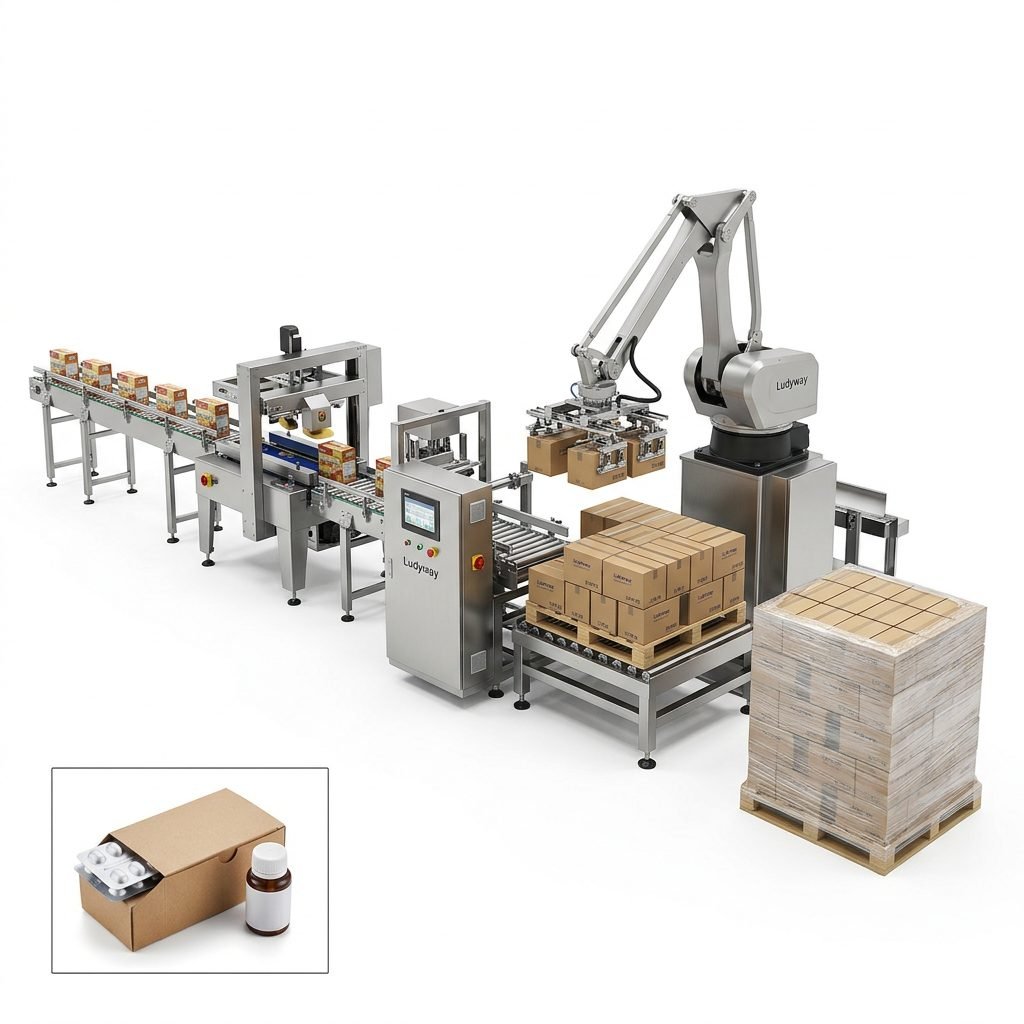
Downstream Equipment: Such as cartoners, case packers, or palletizers.
Factory Control Systems: PLC communication (e.g., Ethernet/IP), data reporting for OEE, and compatibility with MES/ERP systems.
Higher automation reduces labor, improves consistency, and enhances traceability. Features like automatic pouch feeding, quick changeover systems, and touch-screen HMI with recipe management are valuable for flexible, efficient operation.
5. Hygiene, Safety & Compliance Standards
For food, pharmaceutical, and nutraceutical applications, compliance with industry standards is non-negotiable. Ensure the machine design meets relevant requirements:
Material & Surface Finish: Food-grade stainless steel (e.g., 304, 316), polished finishes, and easy-clean designs.
Safety Features: Guarding, emergency stops, interlocks, and dust extraction points for powders.
Certifications: Look for machines designed to comply with FDA guidelines, cGMP, or regional standards like EU Machinery Directive.
Cleanability is crucial. Machines with open-frame designs, quick-disconnect tooling, and wash-down capabilities reduce downtime for cleaning and sanitation.
6. Supplier Expertise & Support
The machine manufacturer’s experience and support network are as important as the hardware itself. A supplier with deep application knowledge can prevent costly missteps. Key considerations include:
Industry Experience: Proven track record in your specific sector (e.g., coffee, pharmaceuticals, chemicals).
Technical Support: Availability of installation supervision, training, and responsive after-sales service.
Spare Parts & Service: Global access to genuine spare parts and field service engineers.
Companies like Ludyway Machinery, with over 30 years of industry experience, offer not just equipment but turnkey solutions, including factory layout planning, line integration, and ongoing technical support, ensuring a smooth project from start to finish.
Financial Considerations: Beyond the Purchase Price
While the initial capital expenditure is significant, the Total Cost of Ownership (TCO) over the machine’s lifecycle is more critical. Factor in:
Operational Costs: Energy consumption, required labor, and consumables (like sealing elements).
Maintenance & Downtime: Reliability affects maintenance costs and unplanned downtime losses.
Changeover Efficiency: Machines with fast size/recipe changeovers reduce product waste and idle time, boosting flexibility for short runs.
Scalability: Can the machine be upgraded (e.g., adding lanes, a faster filler) to meet future demand without a full replacement?
Investing in a robust, flexible machine from a reputable supplier often yields a lower TCO despite a higher initial price.
Final Steps: Testing & Validation
Before finalizing your decision, insist on a factory acceptance test (FAT) using your actual product and pouches. This live test validates speed, accuracy, seal integrity, and overall performance. It also provides operator training and identifies any minor adjustments needed before shipment.
Choosing the best premade pouch packaging machine requires a systematic evaluation of your product, production goals, and operational environment. By thoroughly assessing the factors outlined above—from technical specifications to supplier partnership—you can invest in a solution that delivers reliability, efficiency, and quality for years to come, ultimately strengthening your competitive position in the market.
Frequently Asked Questions (FAQs)
What is the main difference between a Premade Pouch Machine and a Form-Fill-Seal (FFS) Machine?
Premade pouch machines fill and seal pre-manufactured pouches, which often allow for higher-quality printing and more complex material structures. FFS machines create the pouch from a roll of film, then fill and seal it in one continuous process, typically offering higher speeds for simpler pouch styles.
Can one machine handle both powders and liquids?
Some versatile machines are designed with interchangeable filling systems. However, for optimal accuracy and cleanliness, it’s often recommended to use a machine dedicated to a specific product type. Many suppliers offer modular designs where the filler module can be changed for different products.
How important is pouch print registration, and how is it achieved?
For branded products, correct print registration (aligning the fill area with the printed graphics) is crucial for aesthetics and consumer trust. Machines achieve this using optical sensors (vision systems) that detect a mark on the pouch and rotate or position it precisely before filling.
What are the key maintenance requirements for these machines?
Regular maintenance includes cleaning, lubrication of moving parts, inspection and replacement of sealing elements (like heaters or jaws), and calibration of weighing systems. Choosing a machine with easy-access design and following the supplier’s maintenance schedule minimizes downtime.
How long does it typically take to install and commission a new machine?
For a standard single-lane machine, installation and basic commissioning can take 3-5 days with supplier supervision. For complex, high-speed multi-lane lines integrated into a full automation system, the process can take several weeks. Proper factory preparation and clear communication with the supplier are key to a timely setup.