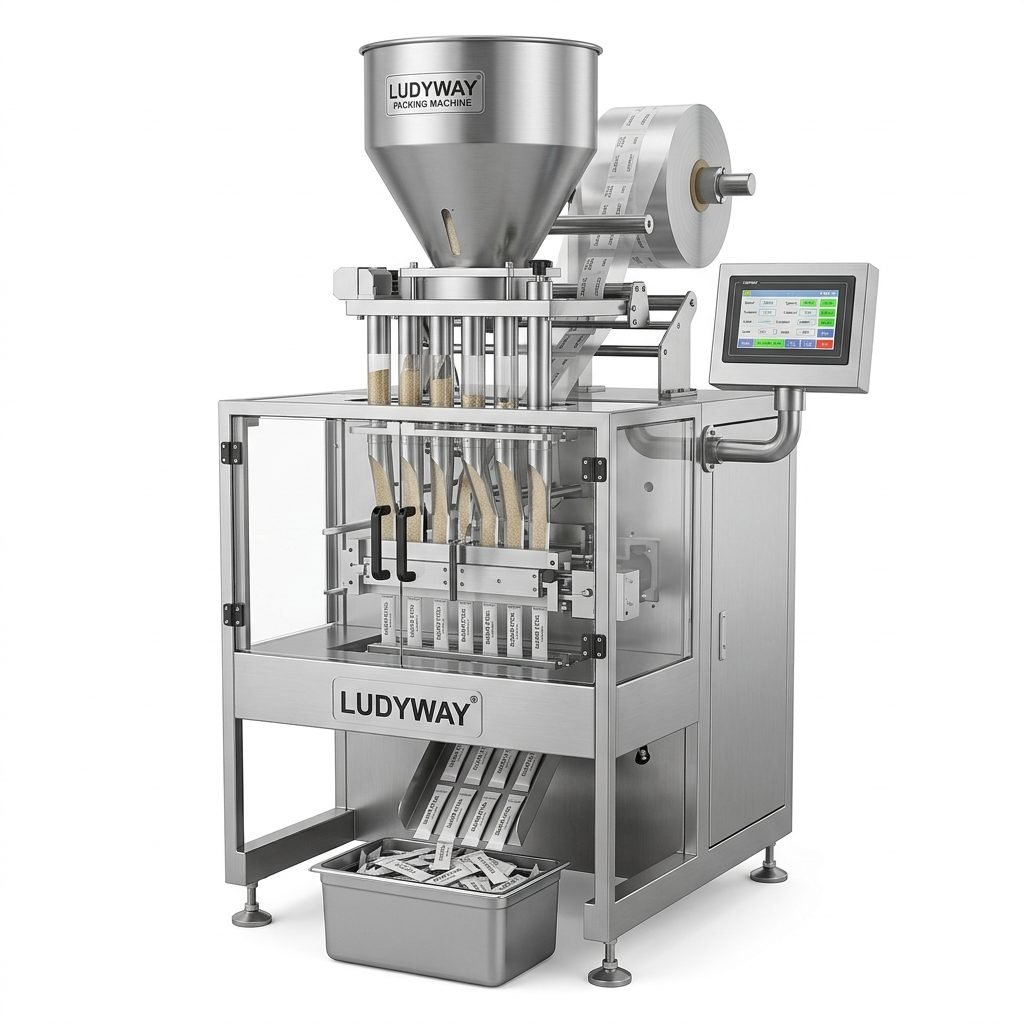
Setting up a beverage packaging machine production line requires careful planning, the right equipment selection, and a clear understanding of your production goals. Whether you are packaging instant coffee, tea powder, protein shakes, or liquid drinks in stick packs or sachets, each step in the process directly impacts your production efficiency and product quality. This guide walks you through the essential stages of building a complete beverage packaging line from scratch.
According to industry data from the PMMI State of the Industry Report, demand for flexible packaging solutions in the beverage sector continues to grow, making it crucial to invest in a well-designed production system.
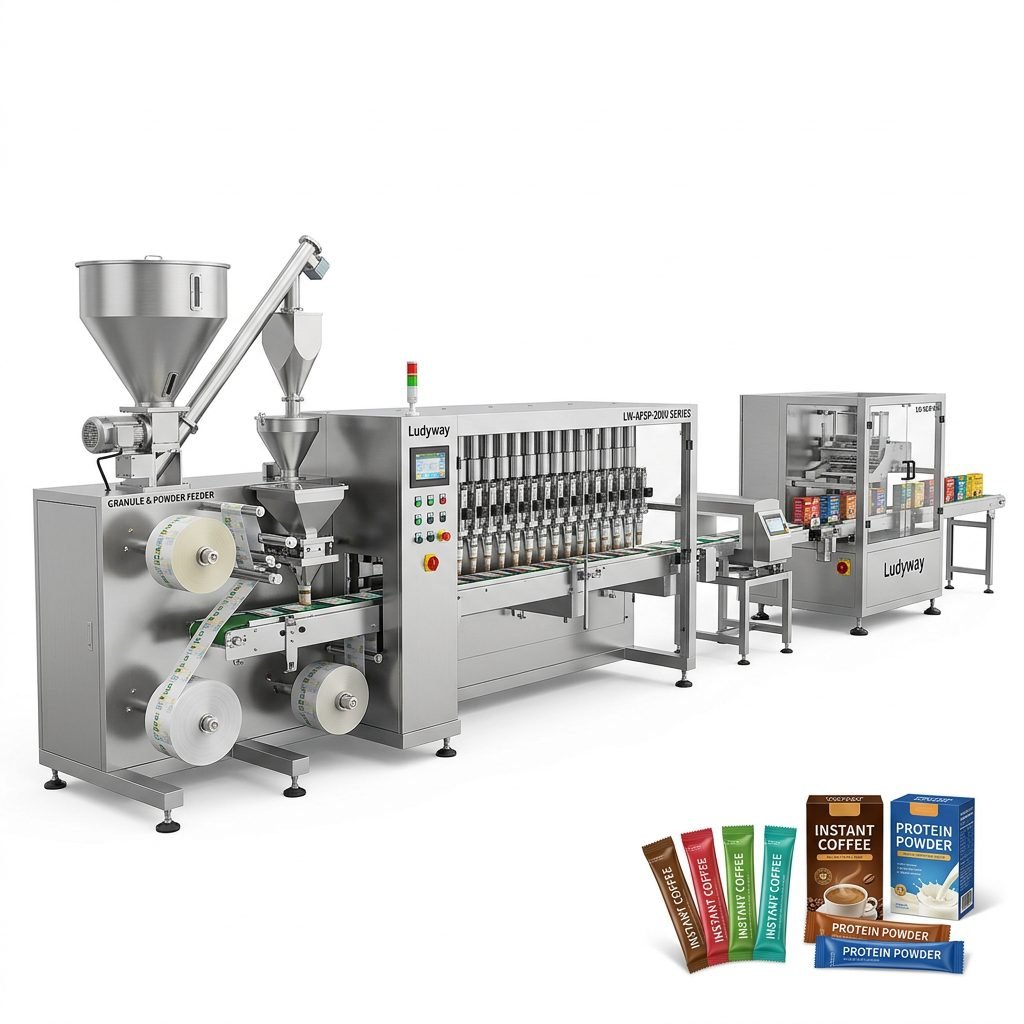
Step 1: Define Your Production Requirements
Before purchasing any equipment, you must clearly define your production parameters. This foundational step determines every subsequent decision in setting up your beverage packaging line.
Key Questions to Address:
- Product type: Are you packaging powders, granules, or liquids? Different beverage products require different filling technologies.
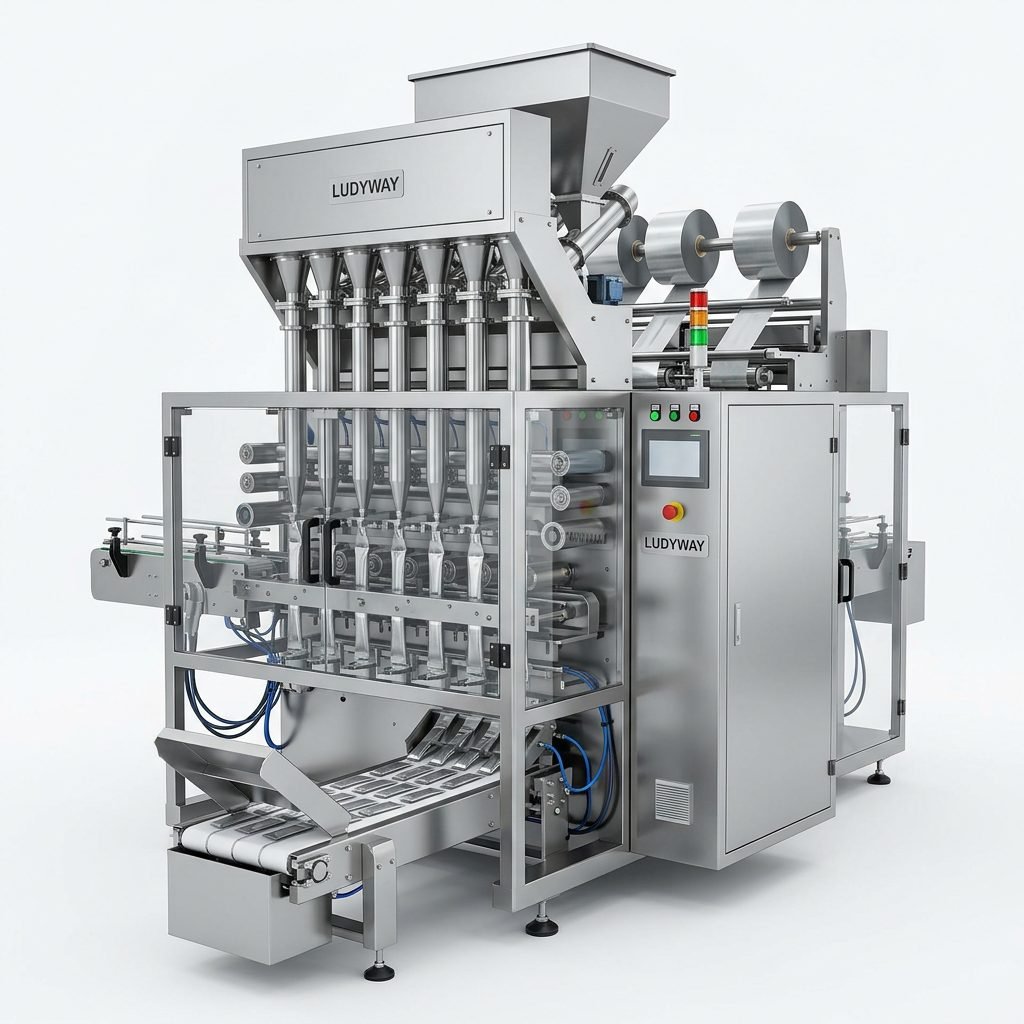
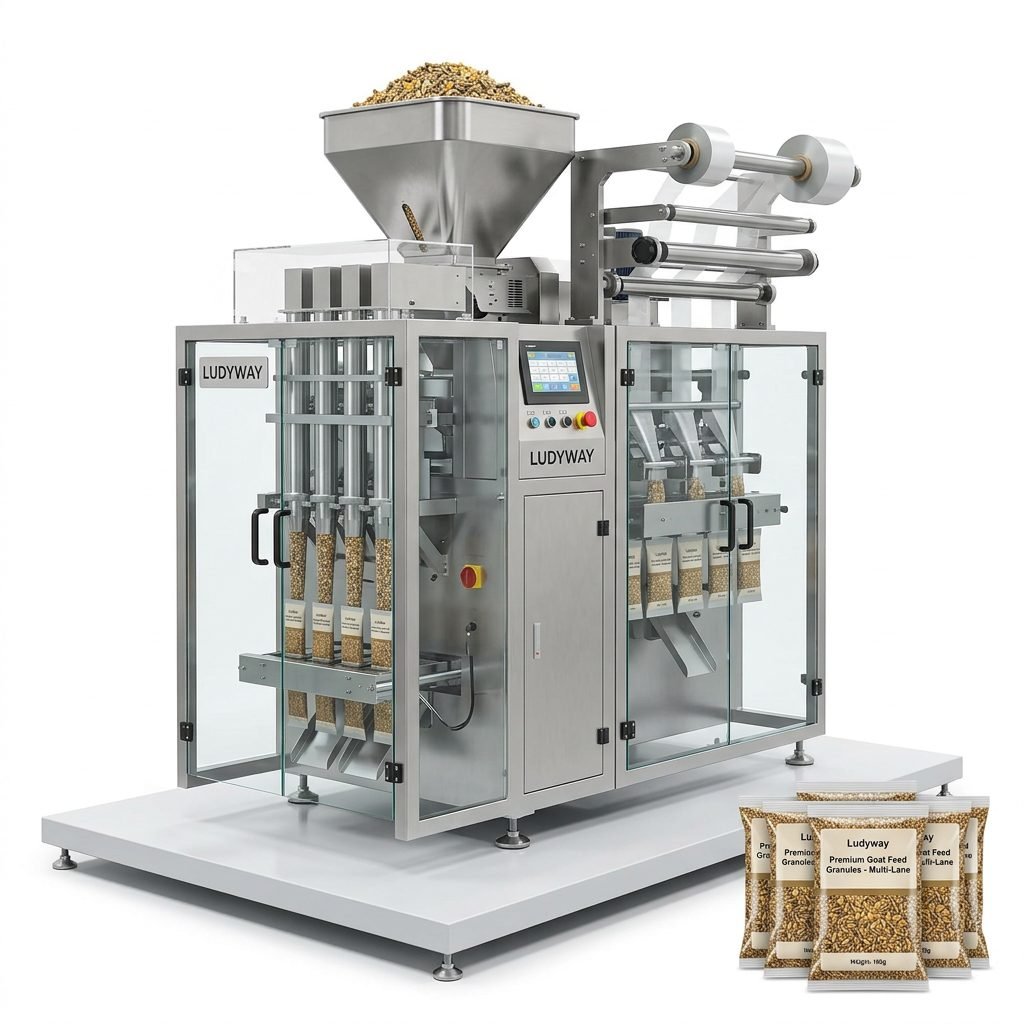
- Target output: How many sachets or stick packs per minute do you need to produce? This affects whether you need a multi-lane packaging machine with 4, 6, 8, or even 12 lanes.
- Packaging format: Stick packs, sachets, or pouches? Each format serves different market segments and retail channels.
- Bag dimensions: What size and shape will your finished packages be?
- Budget constraints: What is your total investment for equipment, facility, and operational costs?
Common Beverage Packaging Applications:
| Beverage Type | Typical Format | Recommended Machine Type |
|---|---|---|
| Instant Coffee Powder | Stick Pack / Sachet | Multi-Lane Stick Pack Machine |
| Protein Shake Powder | Sachet / Pouch | Multi-Lane Sachet Packaging Machine |
| Tea Powder / Matcha | Stick Pack | High-Speed Stick Pack Machine |
| Liquid Energy Drink | Sachet / Stick Pack | Liquid Filling Multi-Lane Machine |
| Milk Tea Powder | Stick Pack / Sachet | Multi-Lane Stick Pack System |
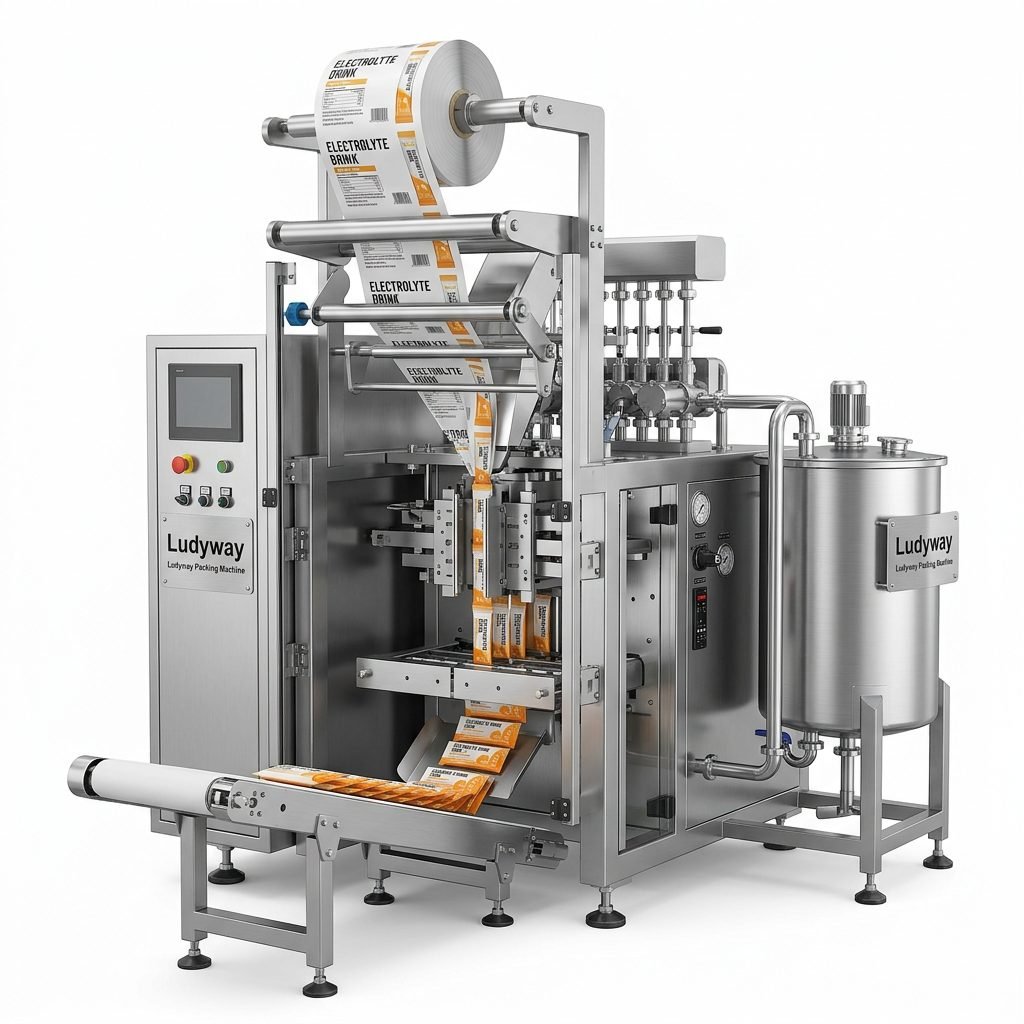
| Electrolyte Drink Mix | Stick Pack | High-Speed Multi-Lane Packaging Line |
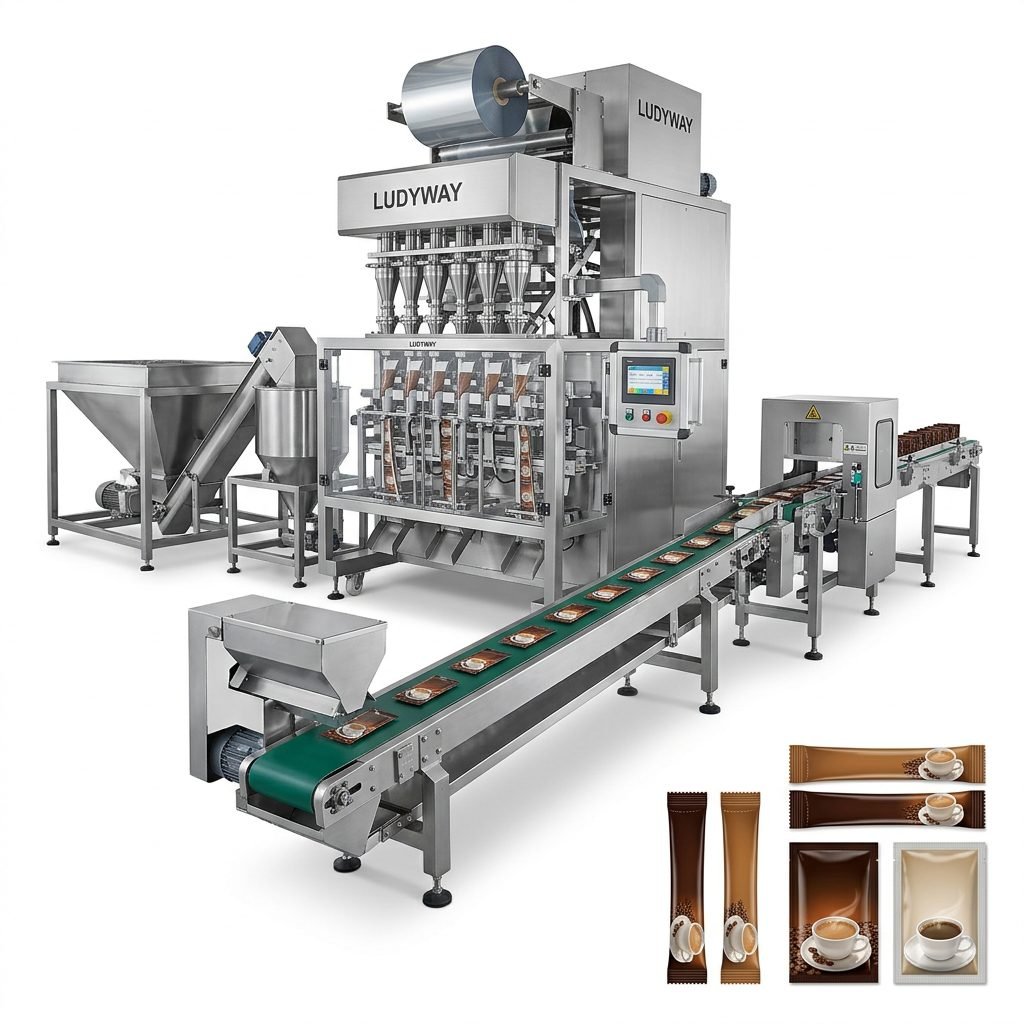
Step 2: Select the Right Packaging Equipment
Once you have defined your requirements, the next step is selecting the appropriate machinery. The core of any beverage packaging production line is the primary packaging machine, but a complete system includes several supporting components.
Core Equipment Checklist:
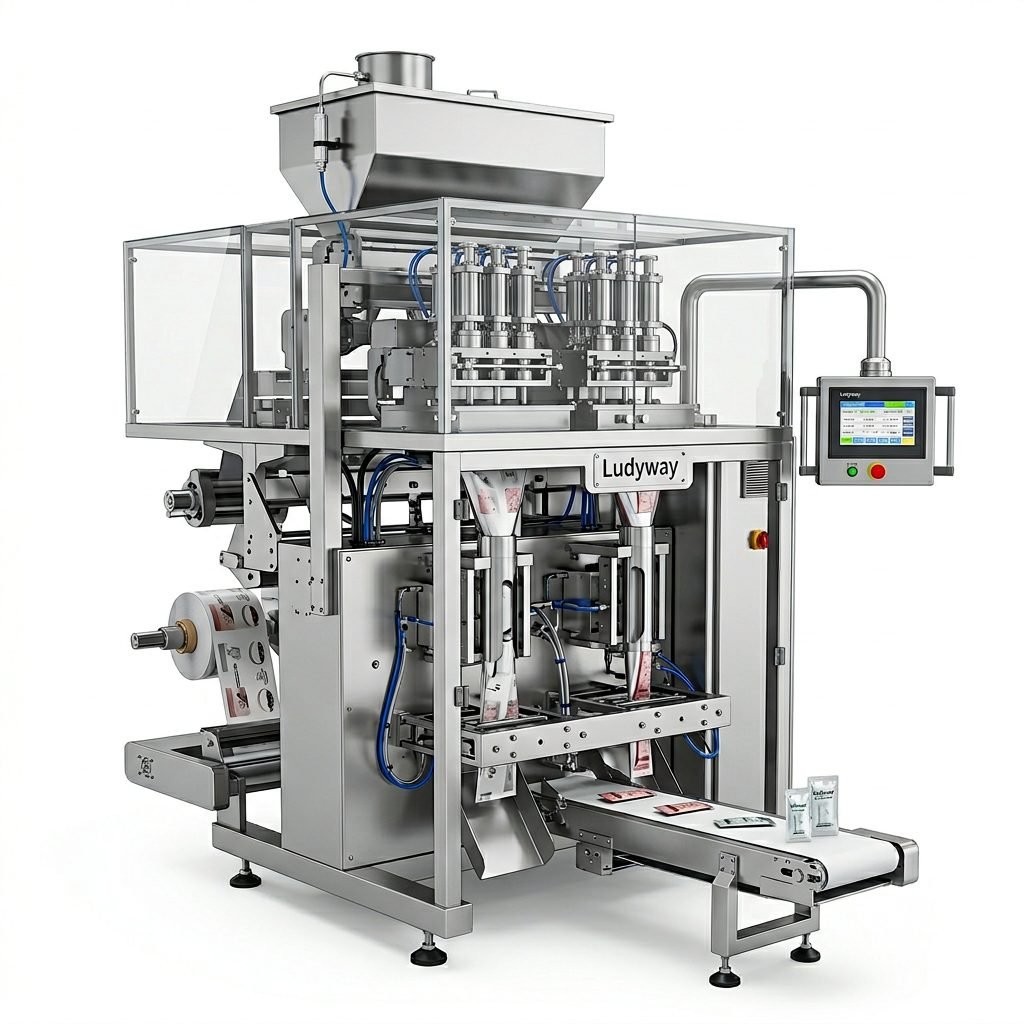
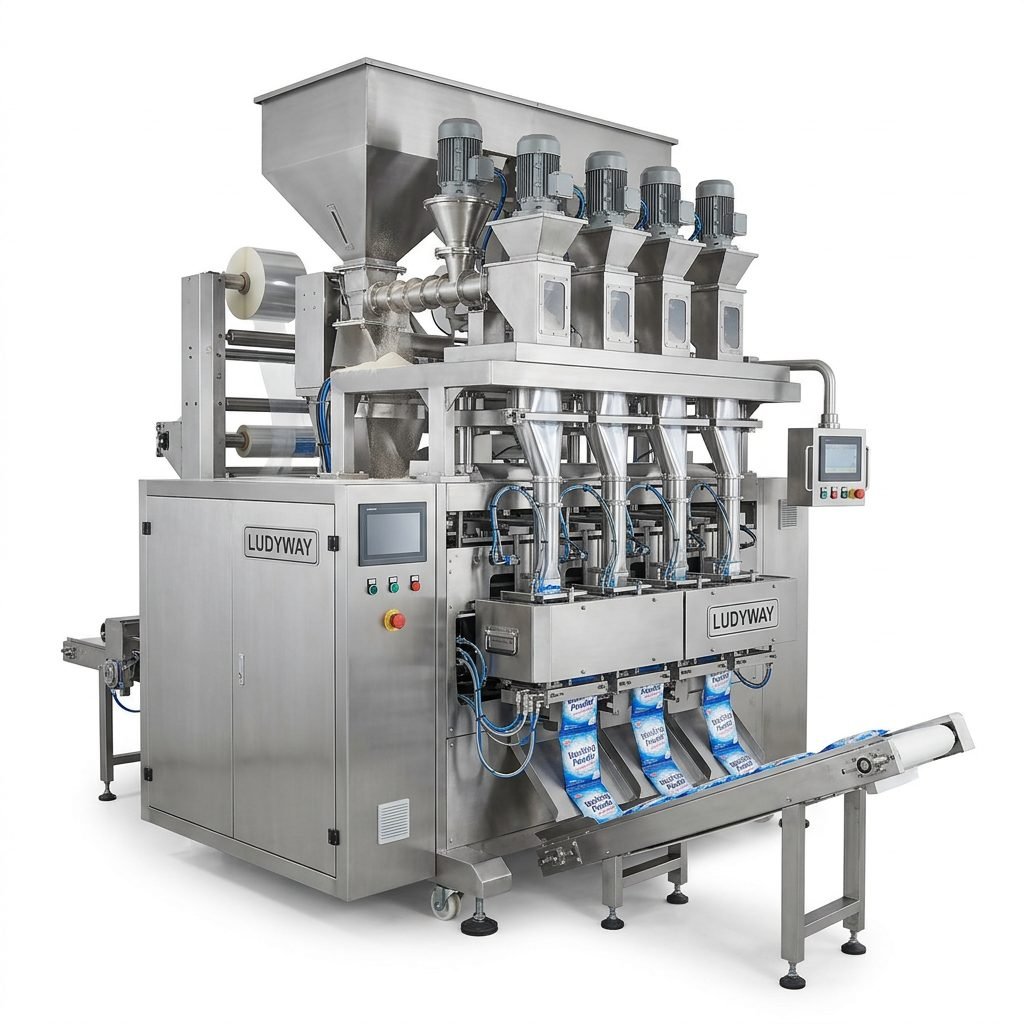
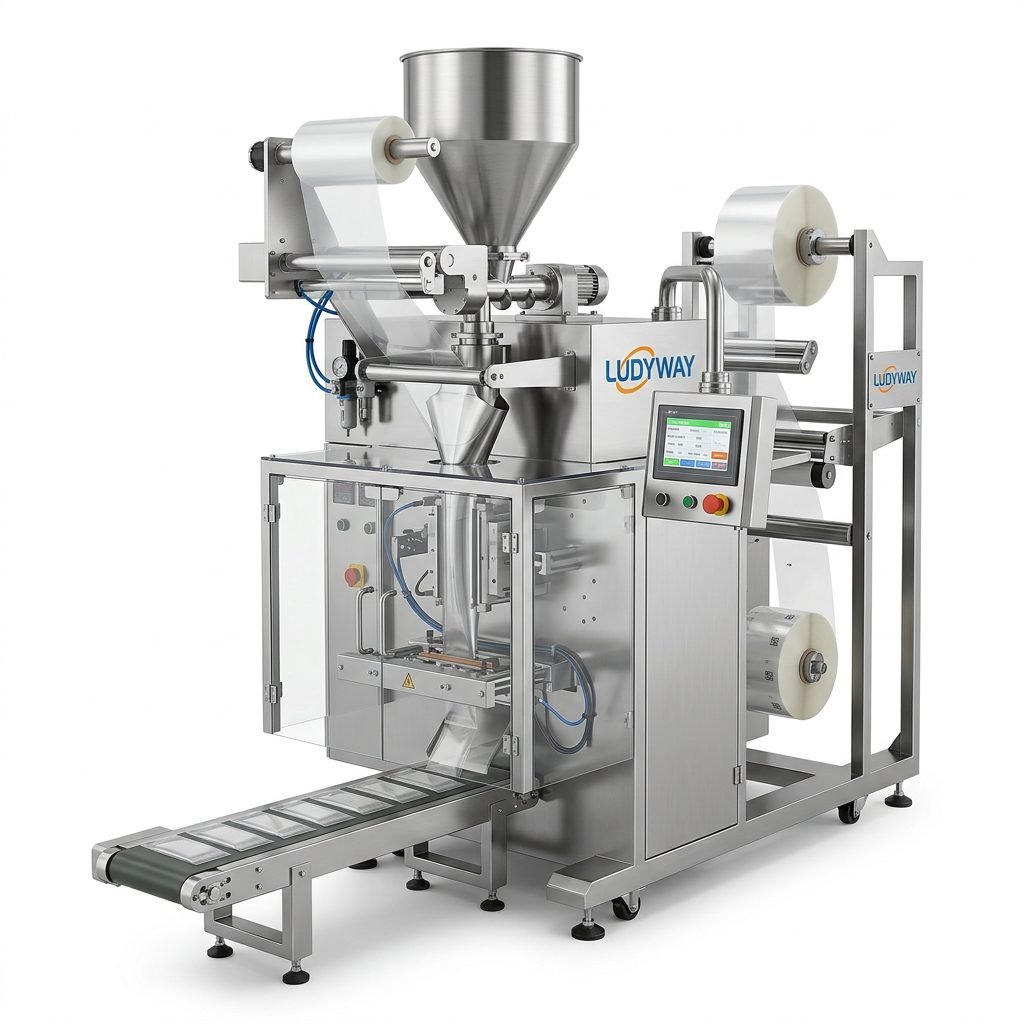
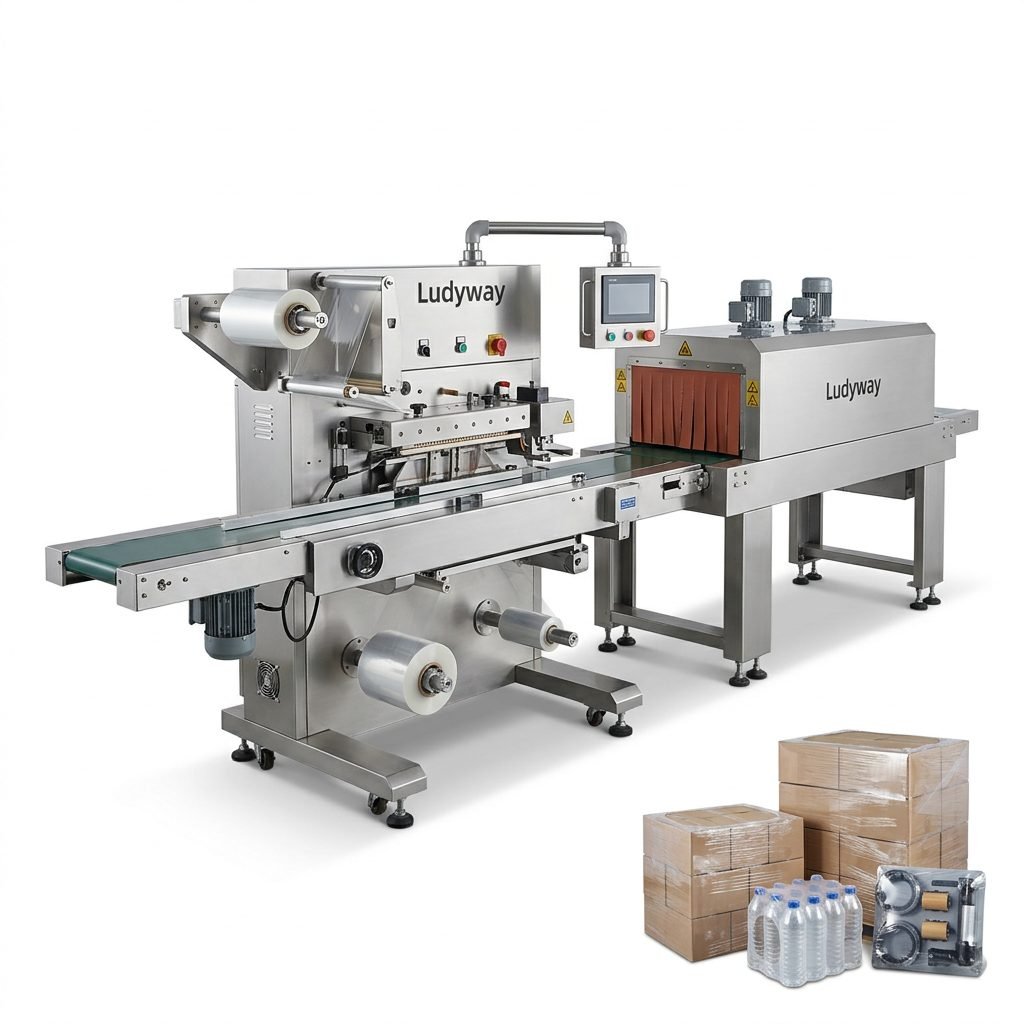
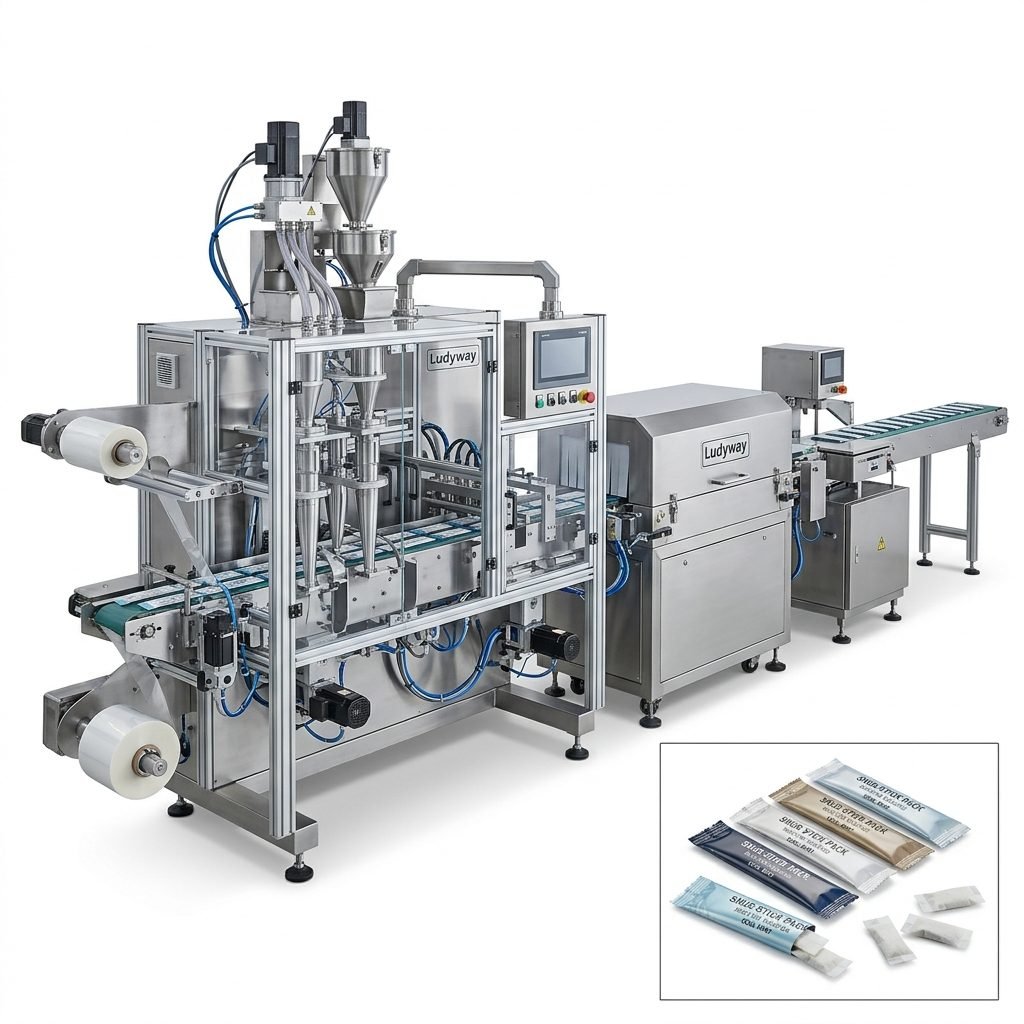
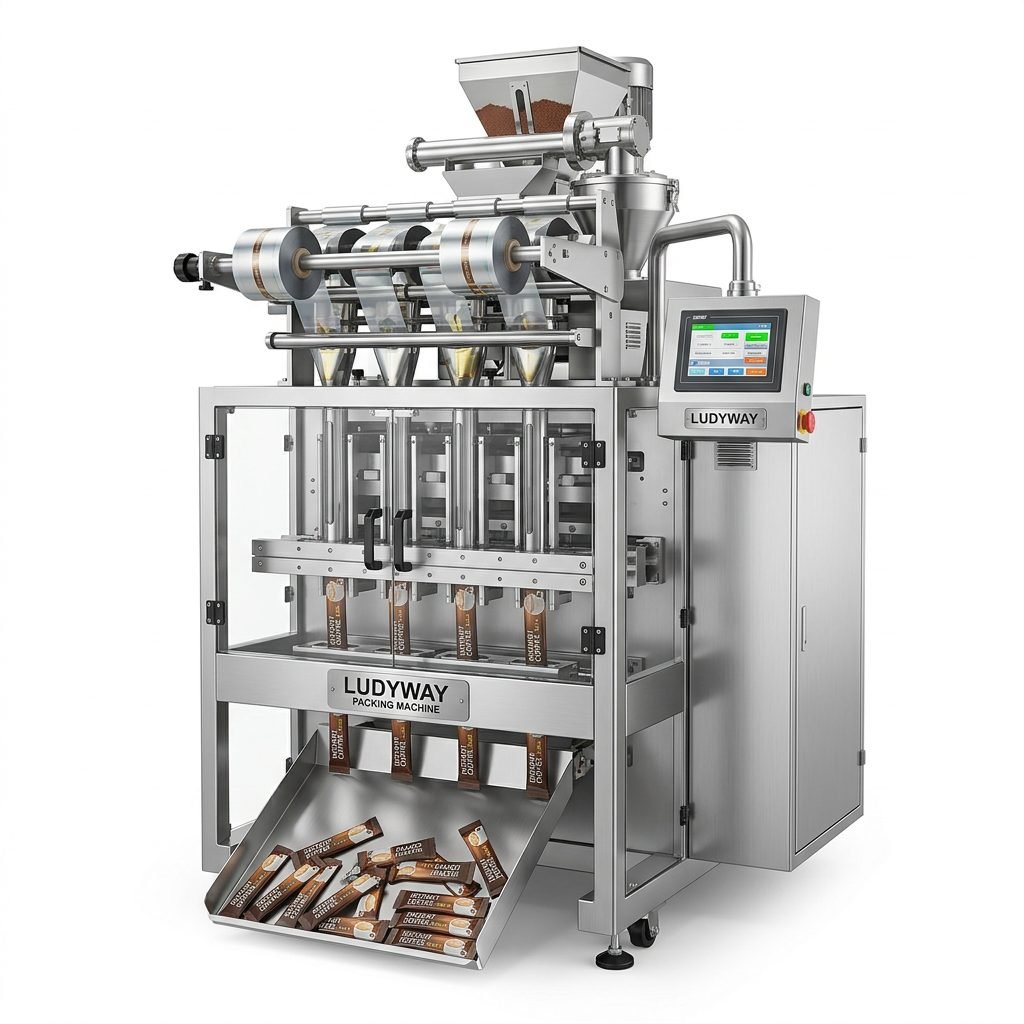
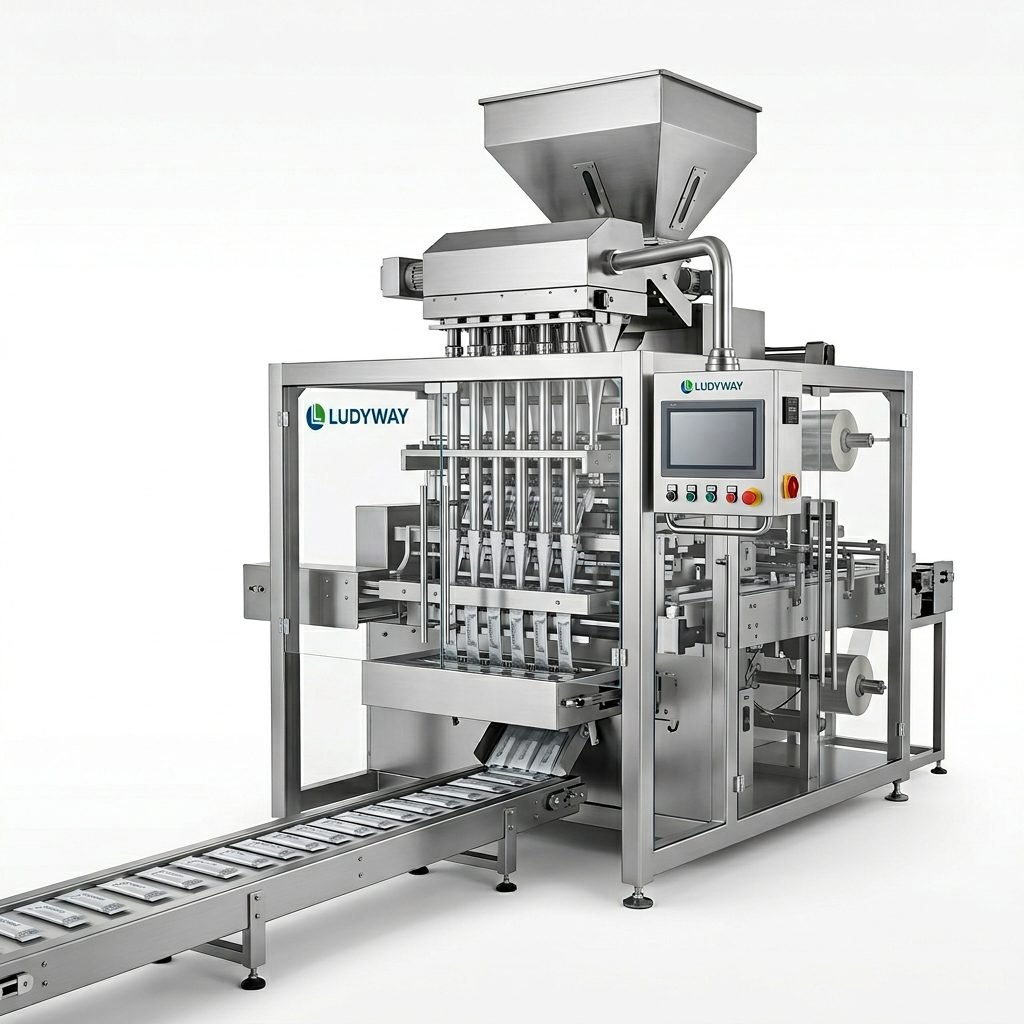
- Multi-Lane Stick Pack or Sachet Packaging Machine – The central unit that forms, fills, and seals individual packages. For beverage powders, multi-lane models significantly increase throughput.
- Feeding System – Auger fillers for powders, piston fillers for liquids, or combination weighers for granules ensure accurate dosing.
- Conveyor System – Transports finished sachets or stick packs to downstream stations such as counting, cartoning, and case packing.
- Checkweigher and Metal Detector – Quality control equipment that verifies fill weight and detects contaminants, ensuring compliance with food safety standards.
- Date Coding Machine – Prints batch numbers, production dates, and expiration dates on each package.
- Cartoning and Case Packing Machines – Automate the secondary packaging process, grouping individual packs into cartons and shipping cases.
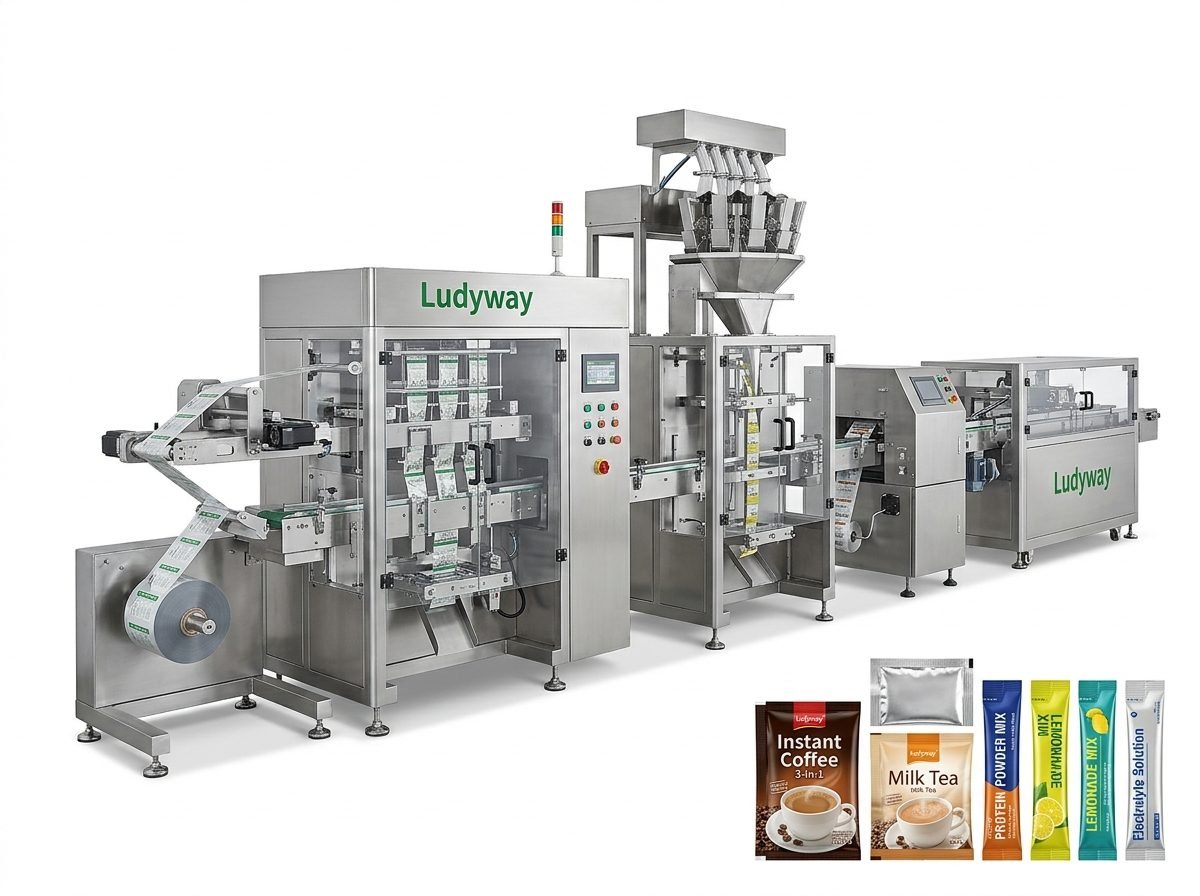
For businesses looking for reliable equipment, working with experienced packaging machine manufacturers like Ludyway can provide integrated solutions tailored to specific beverage products. With over 30 years of industry expertise and more than 50 intelligent packaging machine models, Ludyway offers turnkey production lines that cover everything from stick pack machines to fully automated cartoning systems.
Machine Selection Considerations:
| Factor | Why It Matters |
|---|---|
| Number of Lanes | More lanes equal higher output; choose based on target production volume |
| Filling Accuracy | Precision dosing minimizes product waste and ensures consistent package weight |
| Changeover Speed | Quick changeover enables flexible production of different SKUs and flavors |
| Automation Level | Fully automated systems reduce labor costs and improve consistency |
| Cleanability | Easy-to-clean designs are essential for food-grade production environments |
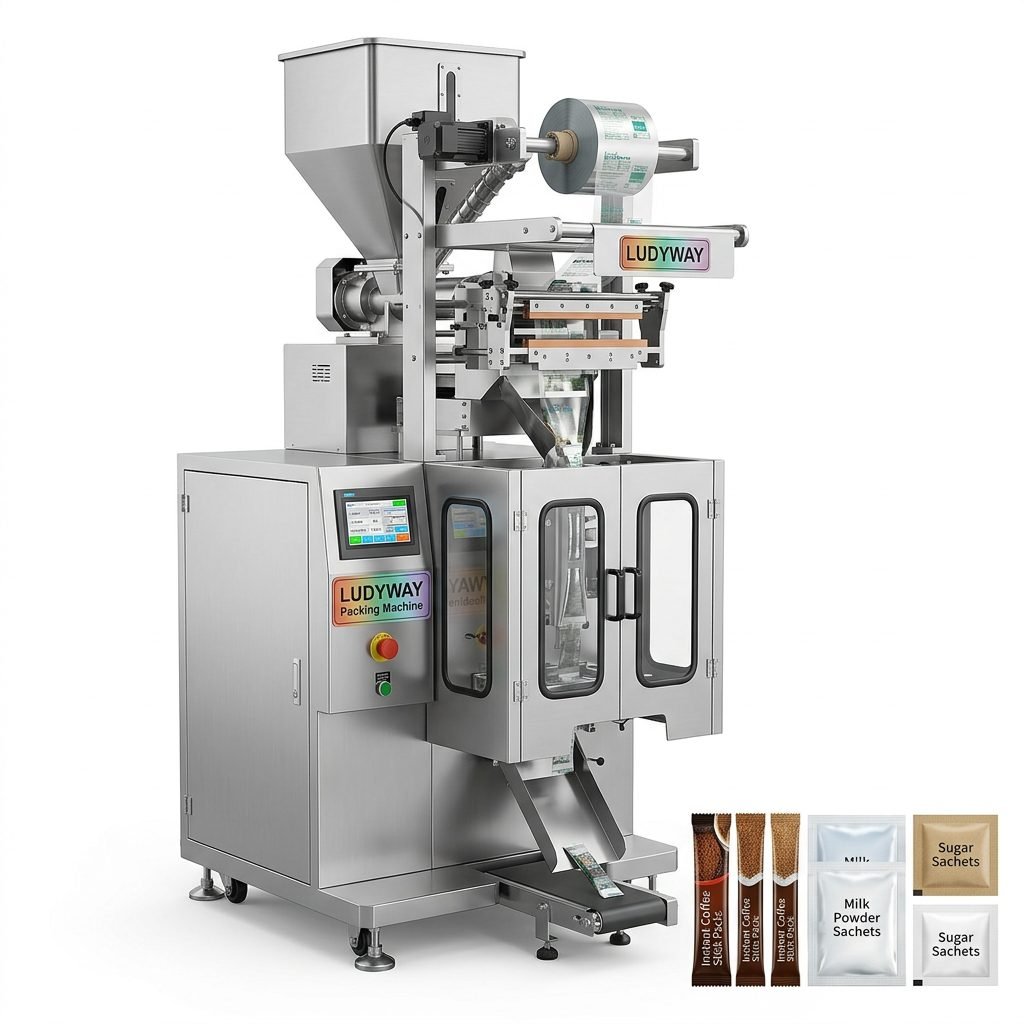
Step 3: Design the Production Line Layout
The physical arrangement of your equipment significantly affects workflow efficiency, operator safety, and maintenance accessibility. A well-designed layout minimizes material handling and reduces bottlenecks.
Layout Design Principles:
- Linear flow: Arrange machines in a logical sequence from raw material infeed to finished product outfeed, avoiding backtracking.
- Operator access: Ensure sufficient space around each machine for operators to perform adjustments, cleaning, and maintenance tasks comfortably.
- Material staging areas: Designate clear zones for raw packaging film, bulk product, and finished goods to prevent cross-contamination.
- Utility connections: Plan electrical, compressed air, and dust extraction connections in advance to match machine requirements.
- Future expansion: Leave room for additional lanes or downstream automation equipment as your production needs grow.
For beverage powder packaging, it is also critical to control environmental factors such as humidity and temperature. Installing dehumidifiers and maintaining a cleanroom-grade environment helps preserve product freshness and prevents powder clumping during the filling process.
Step 4: Installation and System Integration
Proper installation is critical to the long-term performance of your packaging line. This phase involves more than simply placing machines on the floor — it requires precise alignment, electrical integration, and software configuration.
Installation Checklist:
- Machine leveling and anchoring – Ensures stable operation and prevents vibration-related issues during high-speed production.
- Electrical and pneumatic connections – Must comply with local safety regulations and manufacturer specifications.
- PLC and HMI programming – Configuring machine parameters such as fill weight, sealing temperature, and production speed.
- Integration testing – Verifying that upstream and downstream machines communicate correctly through sensors and control signals.
- Safety systems validation – Testing emergency stops, safety guards, and interlock systems before production begins.
Having an experienced engineering team on-site or remote support from your equipment supplier can significantly reduce installation time and prevent costly errors. The PMMI packaging standards provide useful guidelines for safe and efficient machine installation.
Step 5: Testing, Commissioning, and Quality Control
Before full-scale production begins, thorough testing and commissioning are essential. This phase validates that your beverage packaging production line meets all performance specifications and quality standards.
Key Testing Procedures:
- Fill weight verification: Run sample batches and measure fill weights across all lanes to ensure dosing accuracy within acceptable tolerances (typically ±1-2%).
- Seal integrity testing: Perform burst tests, vacuum leak tests, and visual inspections on sealed packages to confirm airtight seals.
- Speed trials: Gradually increase production speed while monitoring package quality to identify the optimal operating speed for consistent results.
- Contamination checks: Use metal detectors and X-ray inspection systems to verify that no foreign objects are present in finished packages.
- Batch coding verification: Ensure date codes, lot numbers, and barcodes are legible and correctly positioned on every package.
Documenting all test results creates a valuable baseline for future quality audits and troubleshooting. Many food manufacturers also align their quality protocols with FDA food packaging regulations and ISO packaging standards to ensure compliance across international markets.
Step 6: Staff Training and Maintenance Planning
A well-trained team and a proactive maintenance plan are essential for sustaining long-term production efficiency. Even the most advanced packaging machinery requires skilled operators and regular upkeep.
Training Focus Areas:
- Machine operation: Operators should understand control panel functions, recipe selection, and basic troubleshooting procedures.
- Changeover procedures: Training staff on efficient format changeovers minimizes downtime between production batches.
- Cleaning and sanitation: Proper cleaning protocols protect product quality and extend machine lifespan.
- Safety protocols: All personnel must be trained on emergency procedures, lockout/tagout practices, and safe handling of packaging materials.
Preventive Maintenance Schedule:
| Maintenance Task | Frequency | Responsible Team |
|---|---|---|
| Clean filling nozzles and sealing jaws | Daily | Operators |
| Lubricate moving parts and chains | Weekly | Maintenance Staff |
| Inspect belts, sensors, and electrical connections | Monthly | Maintenance Staff |
| Calibrate filling scales and temperature controllers | Quarterly | Technical Team |
| Full machine overhaul and parts replacement | Annually | Manufacturer / Specialist |
Step 7: Scale Up and Optimize
Once your beverage packaging line is running smoothly, the focus shifts to continuous improvement and scaling. Monitor production data, gather operator feedback, and identify areas for optimization.
Optimization Strategies:
- Add more lanes: If demand increases, upgrading from a 6-lane to a 12-lane stick pack machine can double output without adding floor space.
- Automate secondary packaging: Adding automated cartoning machines and case packers reduces manual labor and increases end-of-line efficiency.
- Implement OEE tracking: Measure Overall Equipment Effectiveness to identify downtime causes and improve machine utilization rates.
- Explore new packaging formats: Expanding from stick packs to sachets or multi-pack bundles opens new market opportunities.
- Upgrade control systems: Modern PLC and IoT-enabled systems provide real-time production data for smarter decision-making.
The Flexible Packaging Association regularly publishes market data and trend reports that can help you stay informed about emerging beverage packaging formats and consumer preferences.
Conclusion: Building a Future-Ready Beverage Packaging Line
Setting up a beverage packaging machine production line is a significant investment that pays dividends when done correctly. By following this step-by-step guide — from initial requirement analysis through equipment selection, installation, testing, and ongoing optimization — you can build a production system that delivers consistent quality, high throughput, and operational reliability.
Key takeaways for success include: choosing the right multi-lane machine for your product type and volume, designing an efficient facility layout, investing in proper operator training, and implementing a structured preventive maintenance program. With careful planning and the right technology partners, your beverage packaging operation can scale efficiently and meet evolving market demands.
For additional guidance, explore resources from industry organizations such as the PMMI Packaging Association and consult with experienced equipment manufacturers who can provide tailored solutions for your specific beverage product requirements.