South America is a powerhouse in the global coffee industry, with Brazil and Colombia consistently ranking among the top producers. As demand for packaged, export-ready coffee surges, efficiency is no longer optional; it’s a necessity. Setting up a high-performance coffee bean packaging machine line in this region requires careful planning, from understanding local bean characteristics to navigating logistical challenges. This guide walks you through the critical steps to establish a seamless operation.
Understanding the South American Coffee Market
Before laying the floor plan, you must align your packaging strategy with market demands. South American coffee culture is diverse, but the export market dominates the need for sophisticated machinery. Green bean exports might not require consumer-ready packaging, but the rapidly growing roasted and ground coffee segment does. Whether you are targeting domestic shelves in São Paulo or international retailers, the flexibility of your line matters.
Key Product Segments
- Whole Bean Coffee: Requires gentle handling to prevent damage and a high-precision multi-head weigher to ensure weight consistency.
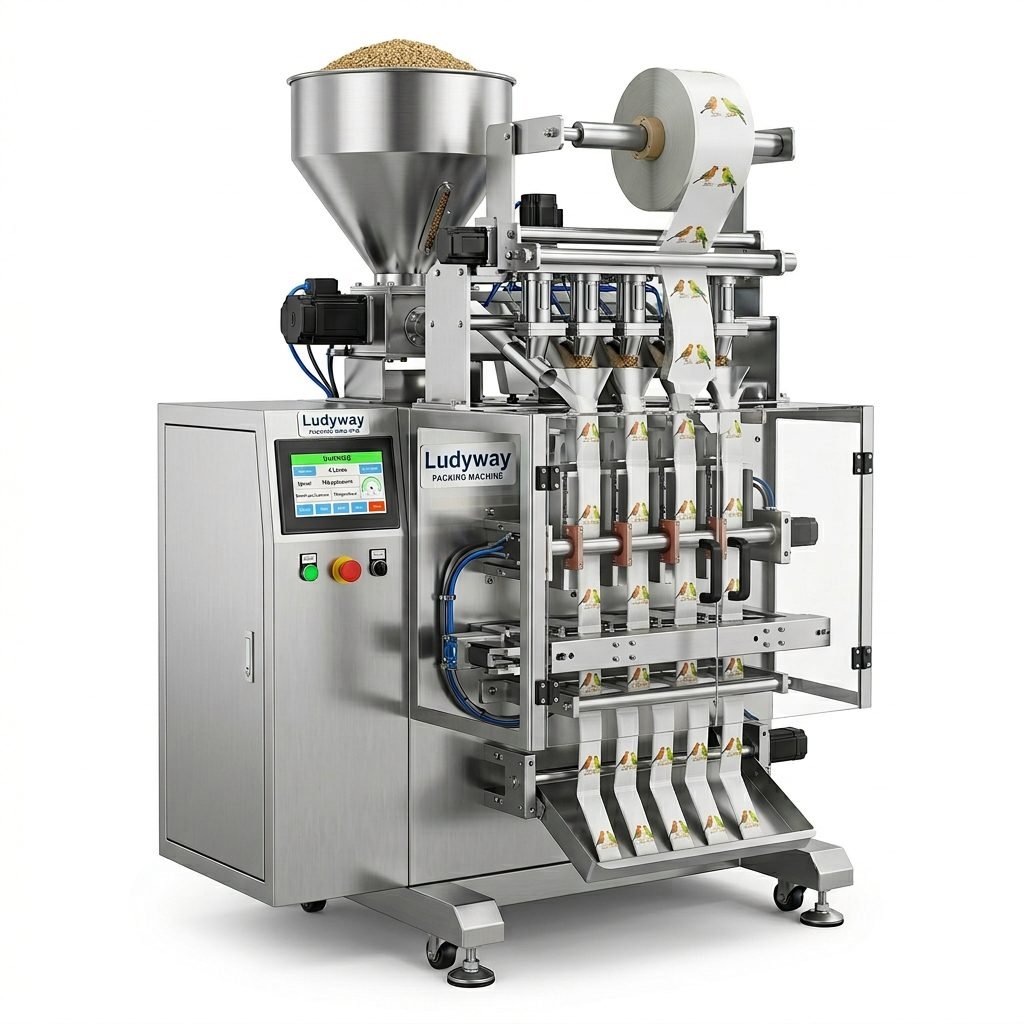
- Ground Coffee: Demands dust-proof sealing and nitrogen flushing capabilities to preserve aroma.
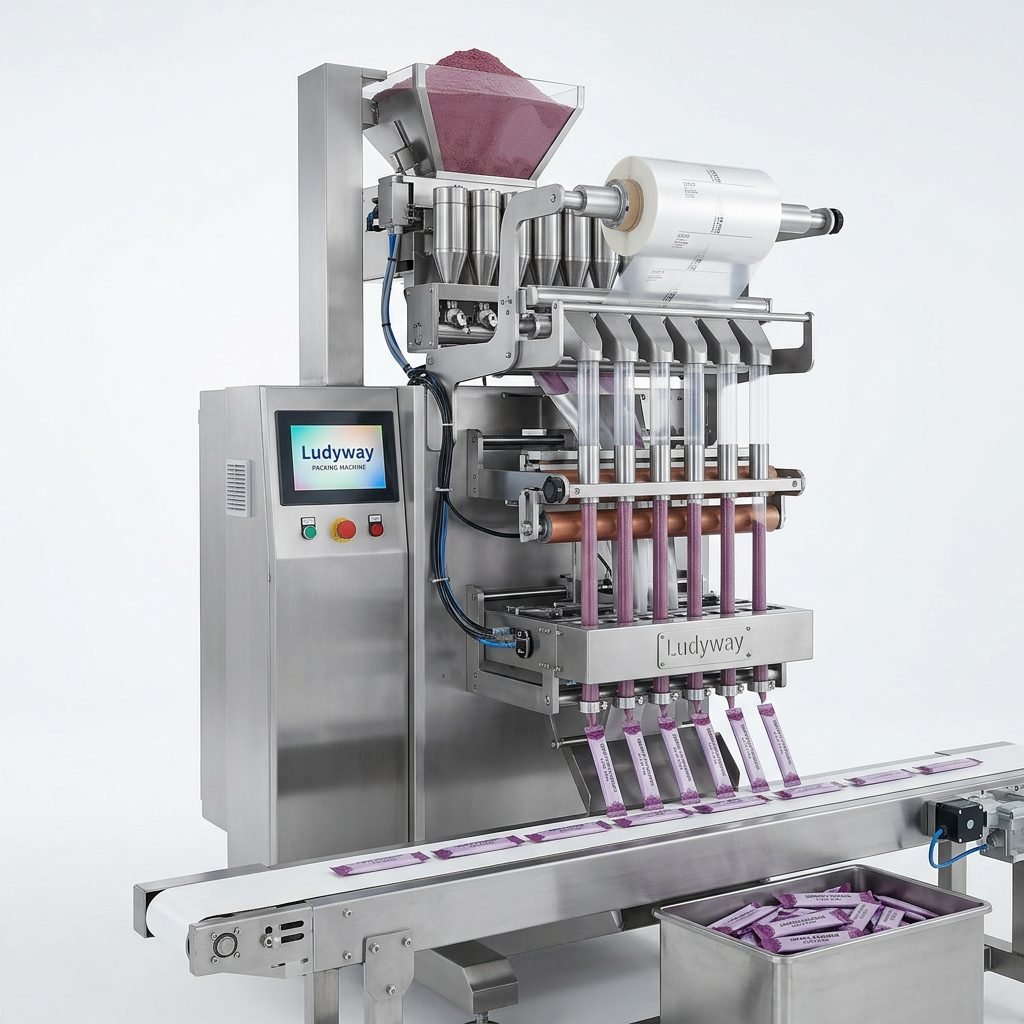
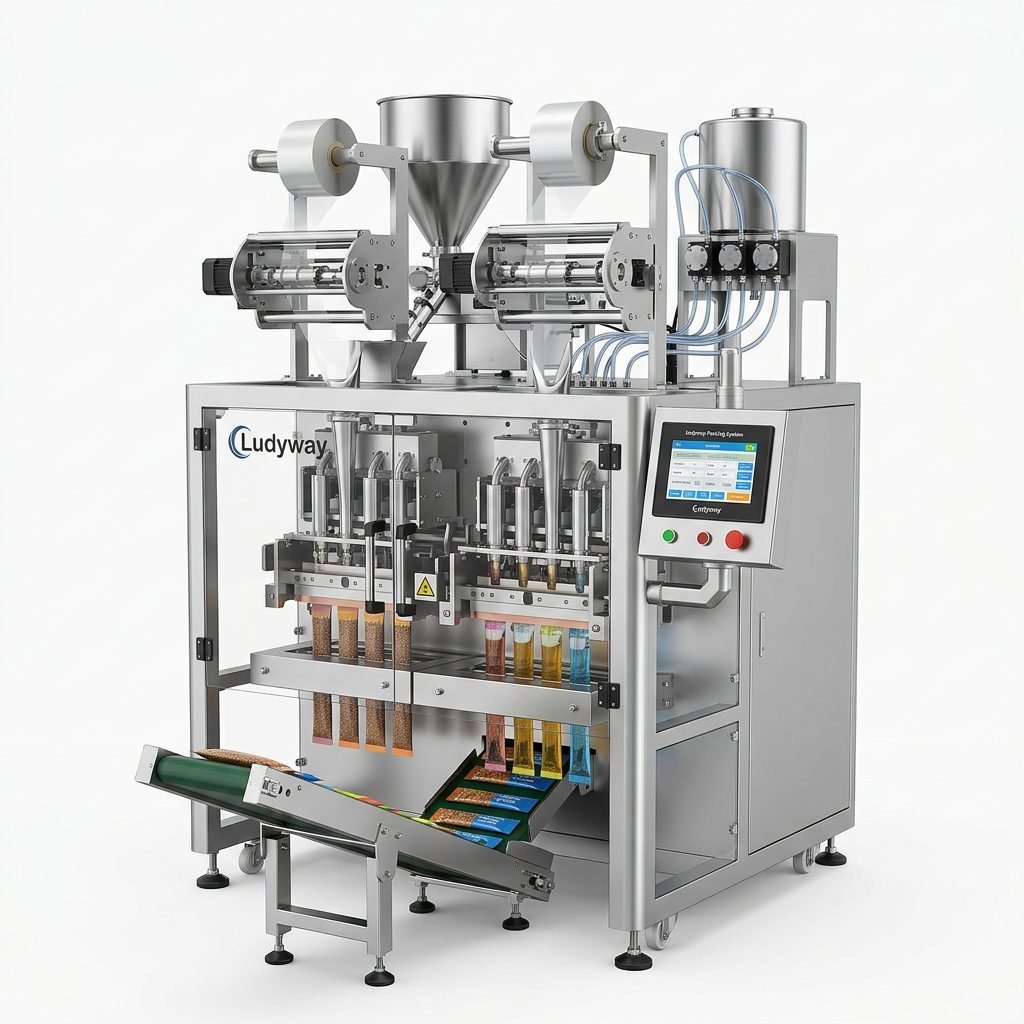
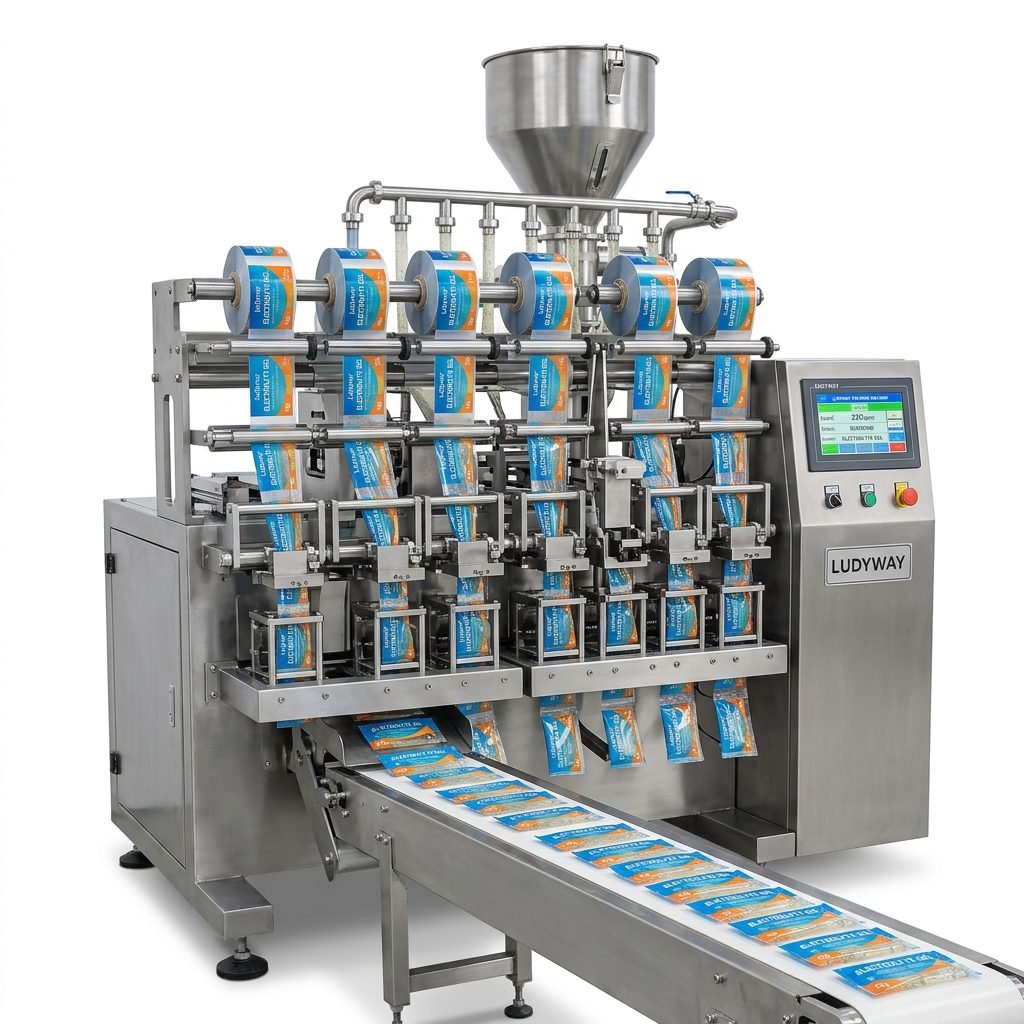
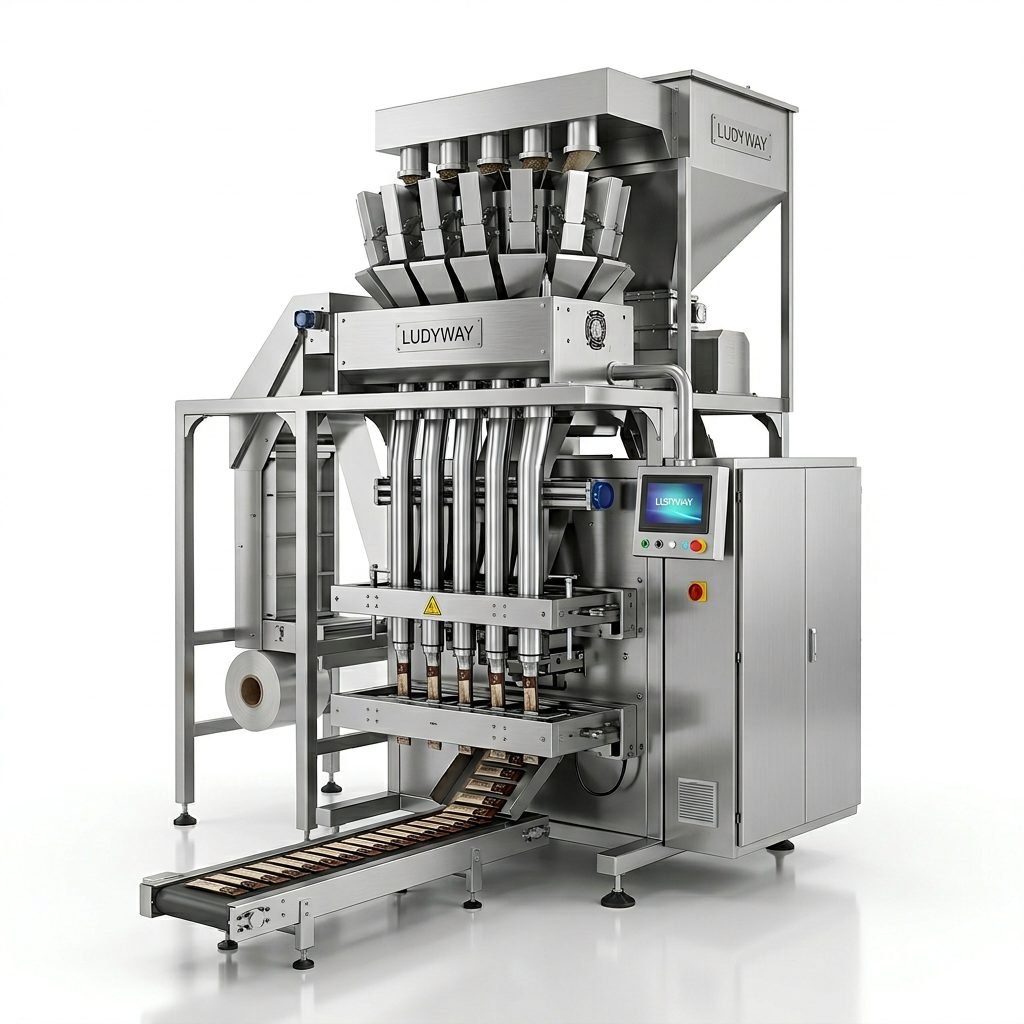
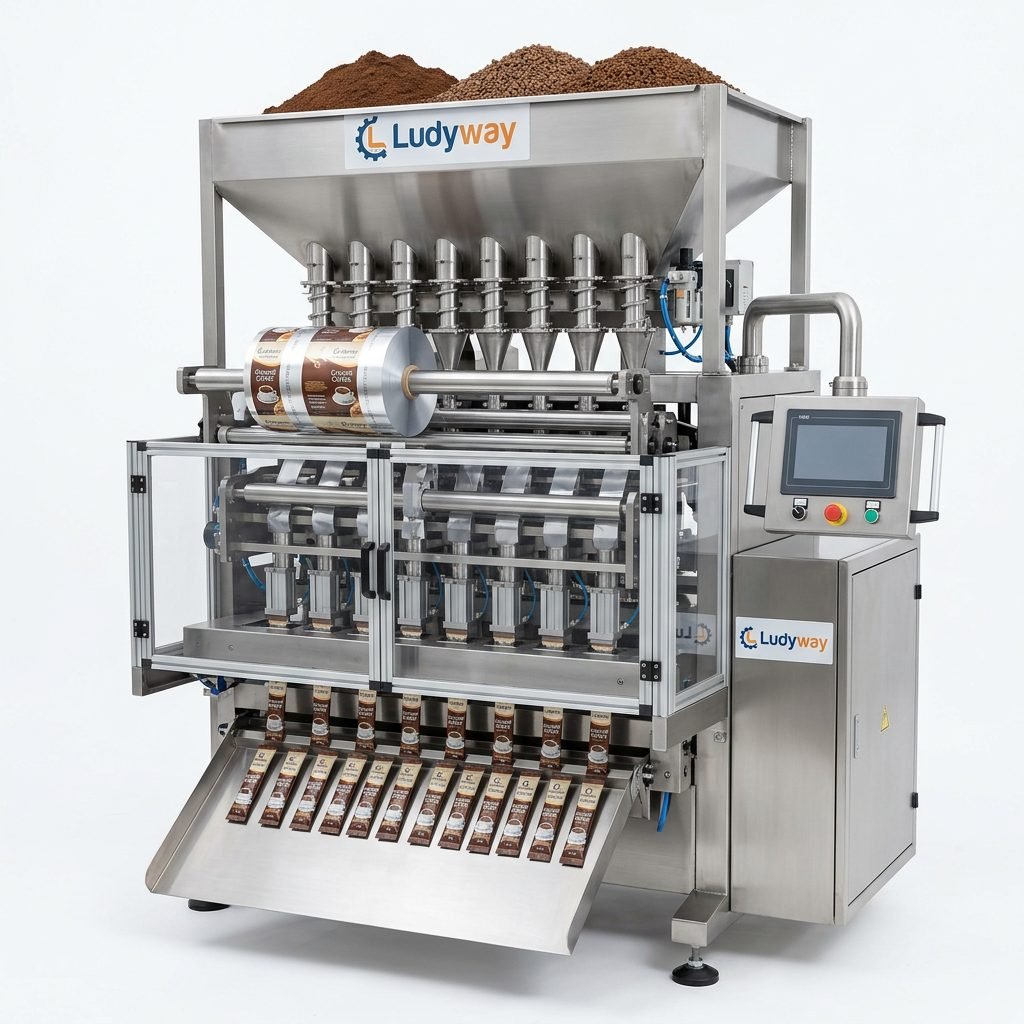
- Single-Serve Sachets & Stick Packs: The fastest-growing trend, particularly for the hospitality industry, needing multi-lane stick pack machines.
| Package Format | Machine Type | Primary South American Demand |
|---|---|---|
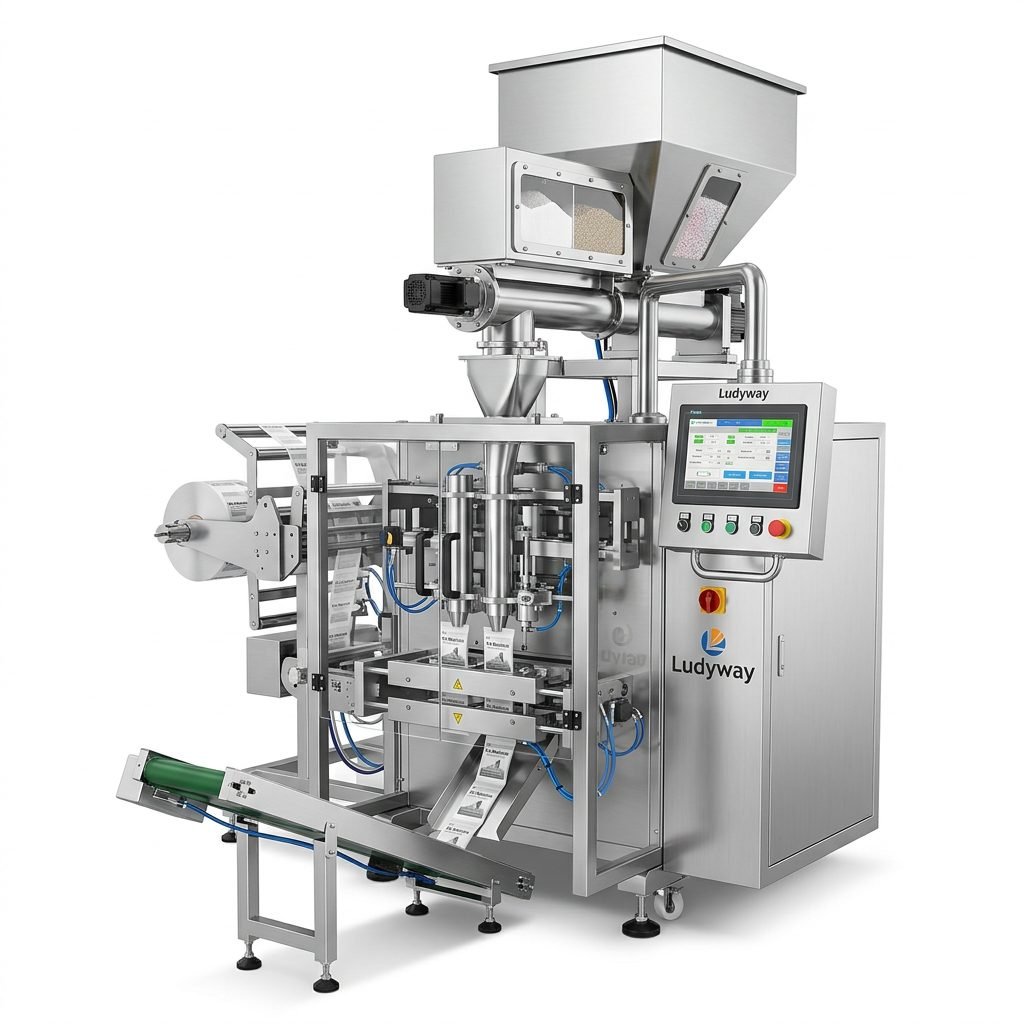
| Pillow Bags / Pouches | Vertical Form Fill Seal (VFFS) | Domestic Retail & Wholesale |
| Vacuum Bags | Rotary or Belt Vacuum Sealer | Premium Specialty Export |
| Stick Packs | Multi-Lane Stick Pack Machine | Hotels, Airlines, Instant Coffee Mixes |
Phase 1: Pre-Installation Planning
A successful setup begins with infrastructure readiness. In many South American production facilities, the climate can be humid, which is critical for coffee packaging. You need a climate-controlled environment to prevent the beans from absorbing moisture during the packaging process.
Utility and Space Requirements
- Compressed Air: Ensure a dry, oil-free air supply for pneumatic components. The standard requirement is typically 0.6–0.8 MPa.
- Power Supply: Confirm voltage stability. While 220V/60Hz is common, industrial lines often require 380V three-phase power. Voltage stabilizers are recommended for regions with fluctuating power grids.
- Floor Space: Account for the main machine, plus infeed conveyors, checkweighers, and outfeed cartoning systems. A typical multi-lane line can require a minimum of 25 square meters.
Phase 2: Configuring the Packaging Line Components
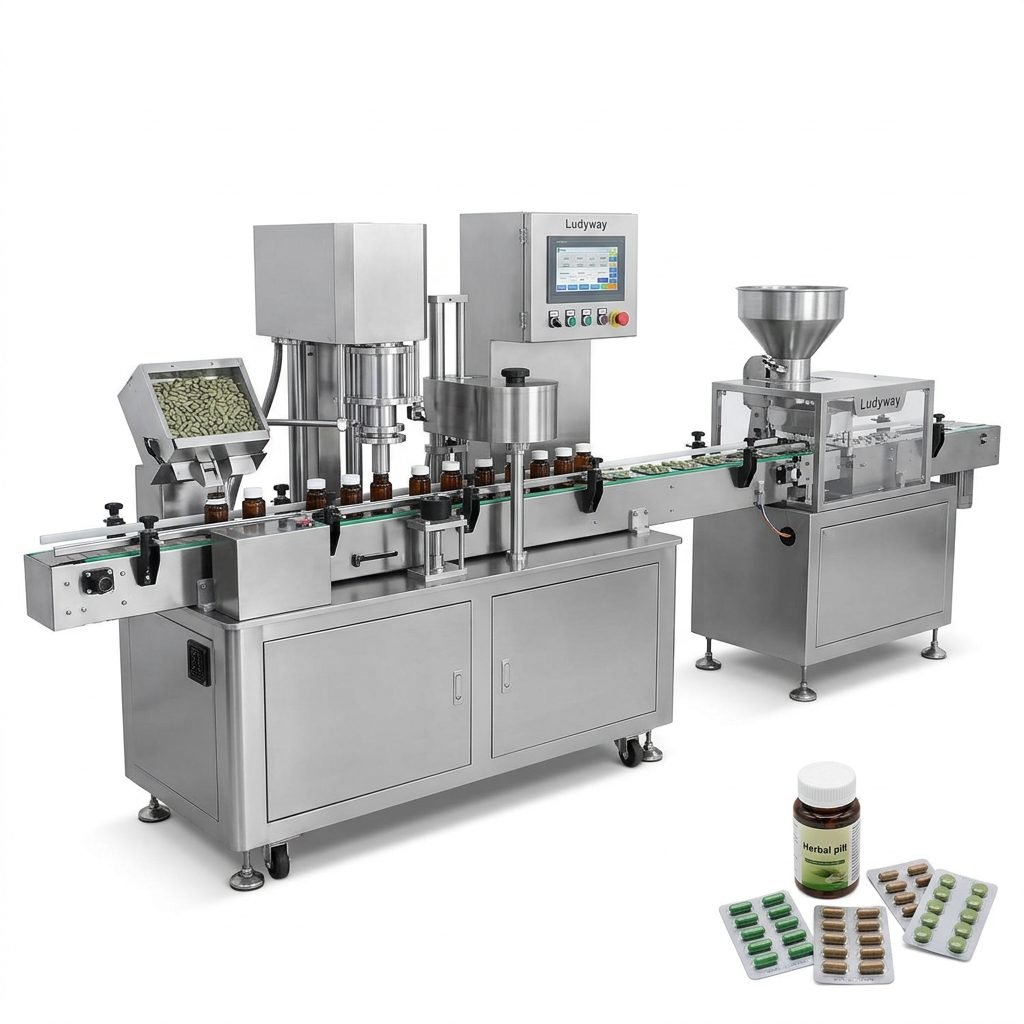
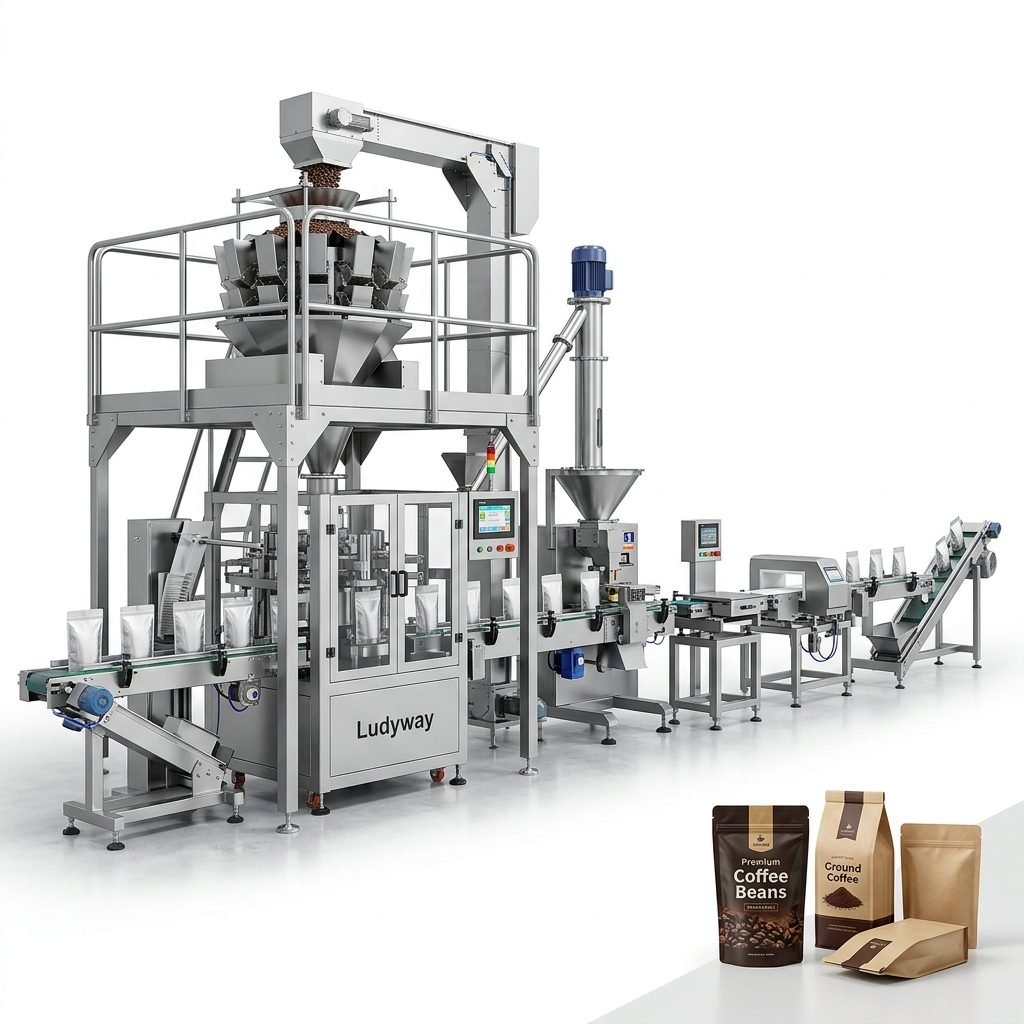
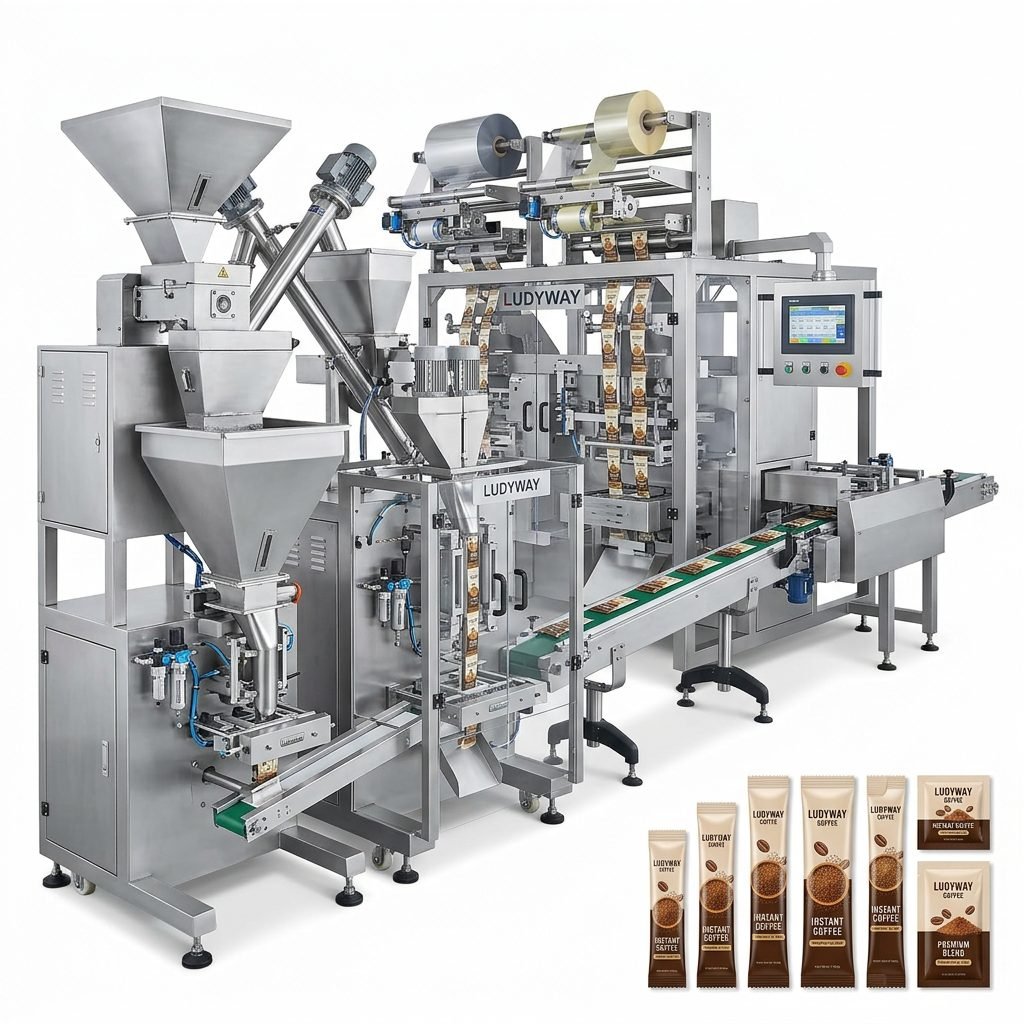
To achieve a fully automated coffee bean packaging machine line, you need to look beyond the primary filler. Integration is key to throughput. A standard configuration for a high-capacity plant in a market like Brazil includes:
1. Infeed and Feeding System
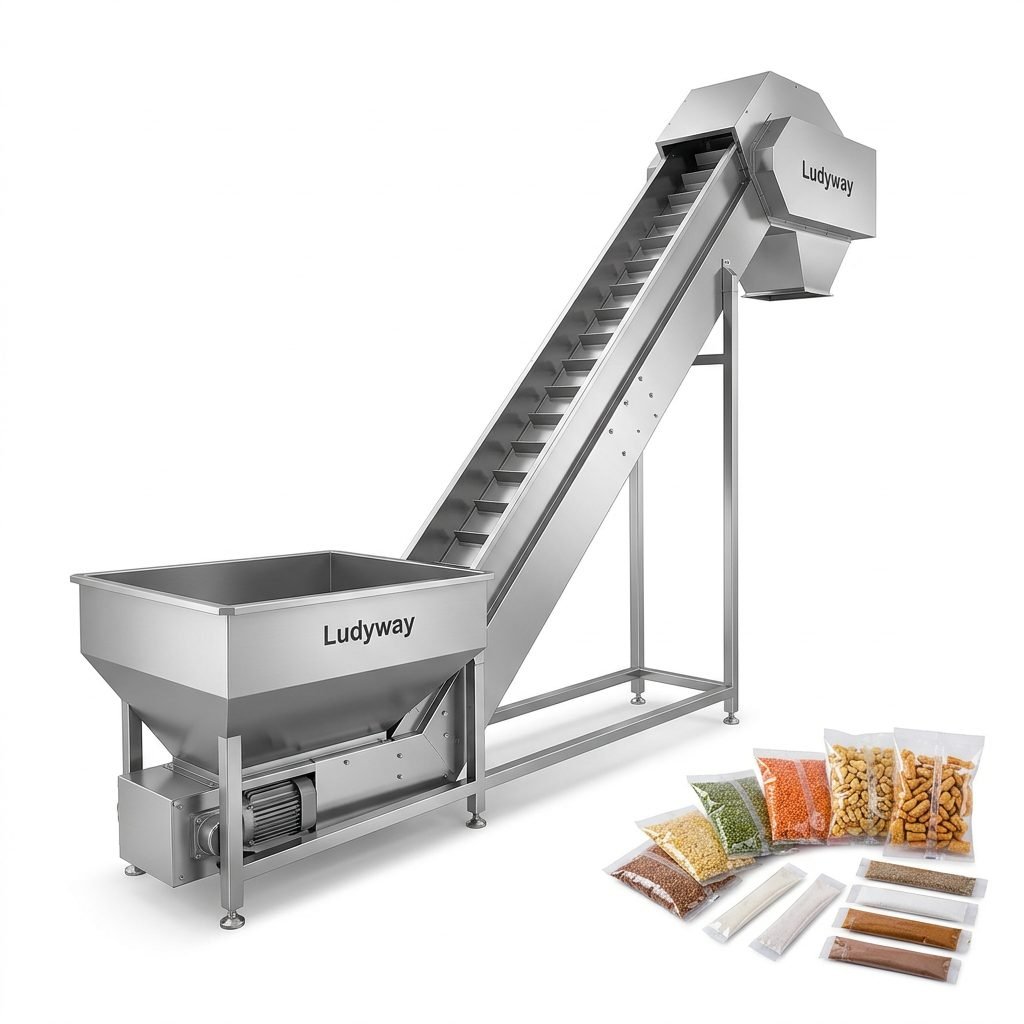
Use a Z-type bucket elevator or vacuum conveyor to gently transport beans to the weighing station, minimizing breakage. For ground coffee, a powder feeding system with an auger filler is standard.
2. Weighing and Filling Station
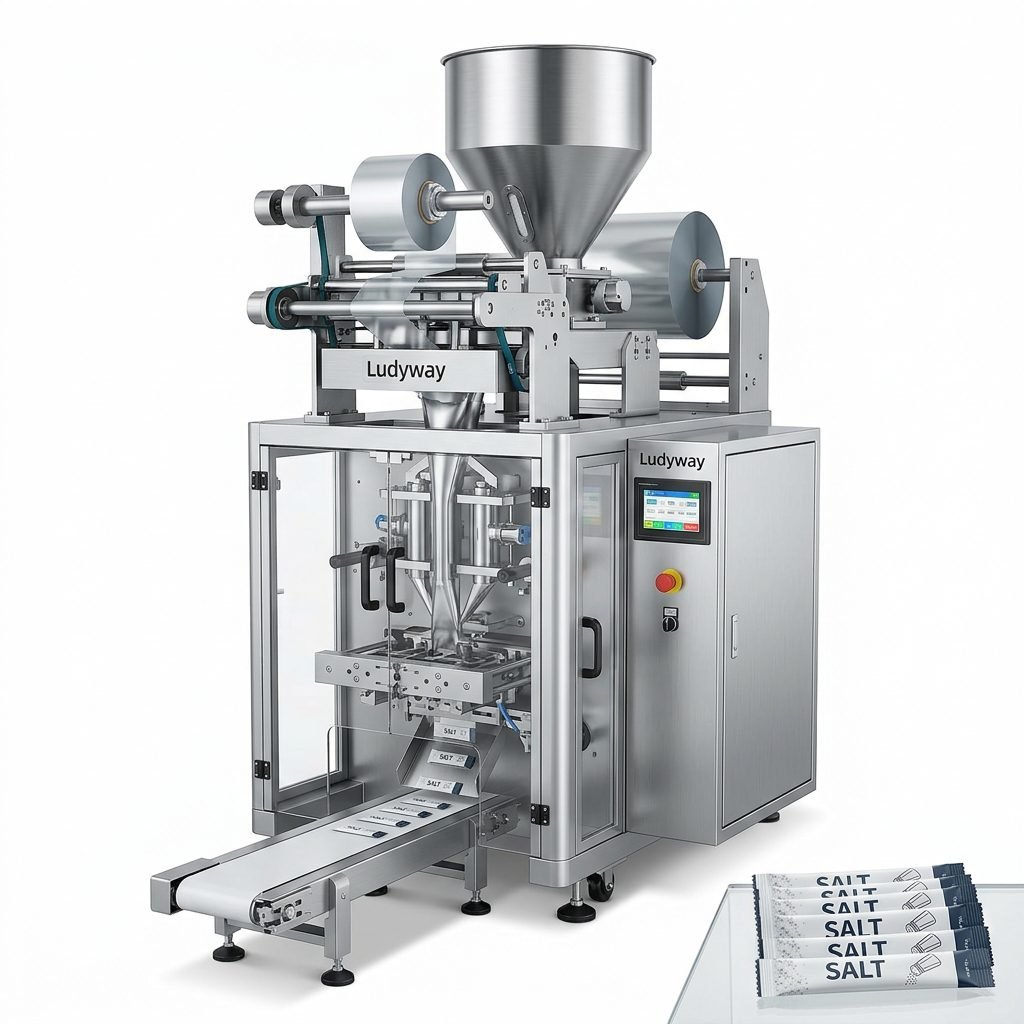
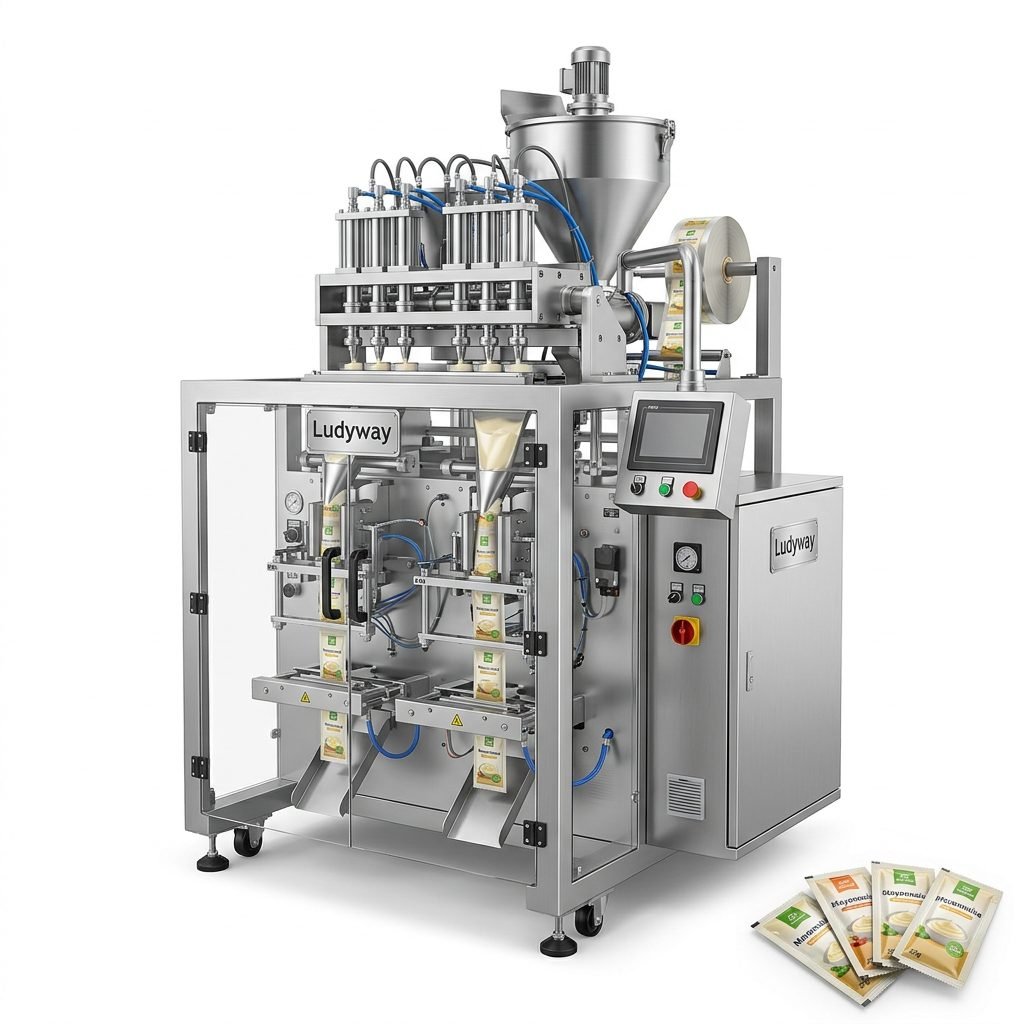
Multi-head weighers are non-negotiable for whole beans. For stick packs and sachets, vertical form-fill-seal machines with volumetric or auger fillers ensure precise dosing, especially for the café torrado e moído (roasted and ground) segment.
3. Checkweighing and Inspection
Reject underweight packs automatically to comply with strict international trade regulations. Integrating a metal detector is vital for export-quality certification.
| Machine Stage | Key Feature | Benefit for South American Producers |
|---|---|---|
| Elevating | Gentle Handling Mechanism | Preserves high-grade Arabica bean integrity |
| Filling | Nitrogen Flushing Valve | Extends shelf life for long sea-freight exports |
| Sealing | Serrated/Flat Sealing Jaws | Secure seal against humid equatorial climates |
| Coding | Thermal Inkjet Printer (TIJ) | Meets traceability standards for MERCOSUR trade |
Phase 3: Installation and Calibration
Once the machinery arrives—often from leading manufacturing hubs like China—the installation phase begins. Correct leveling and calibration are crucial to prevent vibration issues. For coffee powder lines, the film tension must be calibrated precisely to avoid wrinkles in the final seal. It is highly advisable to have a remote or on-site service engineer from the manufacturer supervise the setup. Ludyway, a leading packaging machine manufacturer, provides detailed installation support to ensure production readiness.
Tackling Local Challenges
- High Altitude Conditions: In Colombian or Peruvian high-altitude plants, pneumatic systems might require adjustments due to thinner air density.
- Material Compatibility: Source high-barrier laminates locally or globally that suit your machine’s sealing temperature range to prevent warping.
- Language: Ensure the HMI (Human Machine Interface) supports Portuguese or Spanish for local operators.
Phase 4: Optimizing Output and Maintenance
Running a coffee bean packaging machine line at peak efficiency requires a robust maintenance schedule. The coffee oils and fine dust generated during grinding can build up on photo-eyes and sensors, causing downtime.
Critical Maintenance Tasks
- Daily: Blow off dust from the weigher buckets and seal jaws.
- Weekly: Check film unwind belts for wear and lubricate chain drives with food-grade oil.
- Monthly: Inspect the Teflon coating on sealing bars; replace if worn to ensure consistent hermetic seals.
South America’s coffee industry is scaling rapidly, and the shift toward value-added packaged goods—rather than just bulk green bean exports—is creating massive opportunities. By designing a line that integrates gentle conveying, accurate weighing, and robust sealing in the face of humid conditions, you can build a world-class operation. Partnering with experienced equipment integrators ensures your factory stays productive, responding swiftly to the growing global appetite for South American coffee.