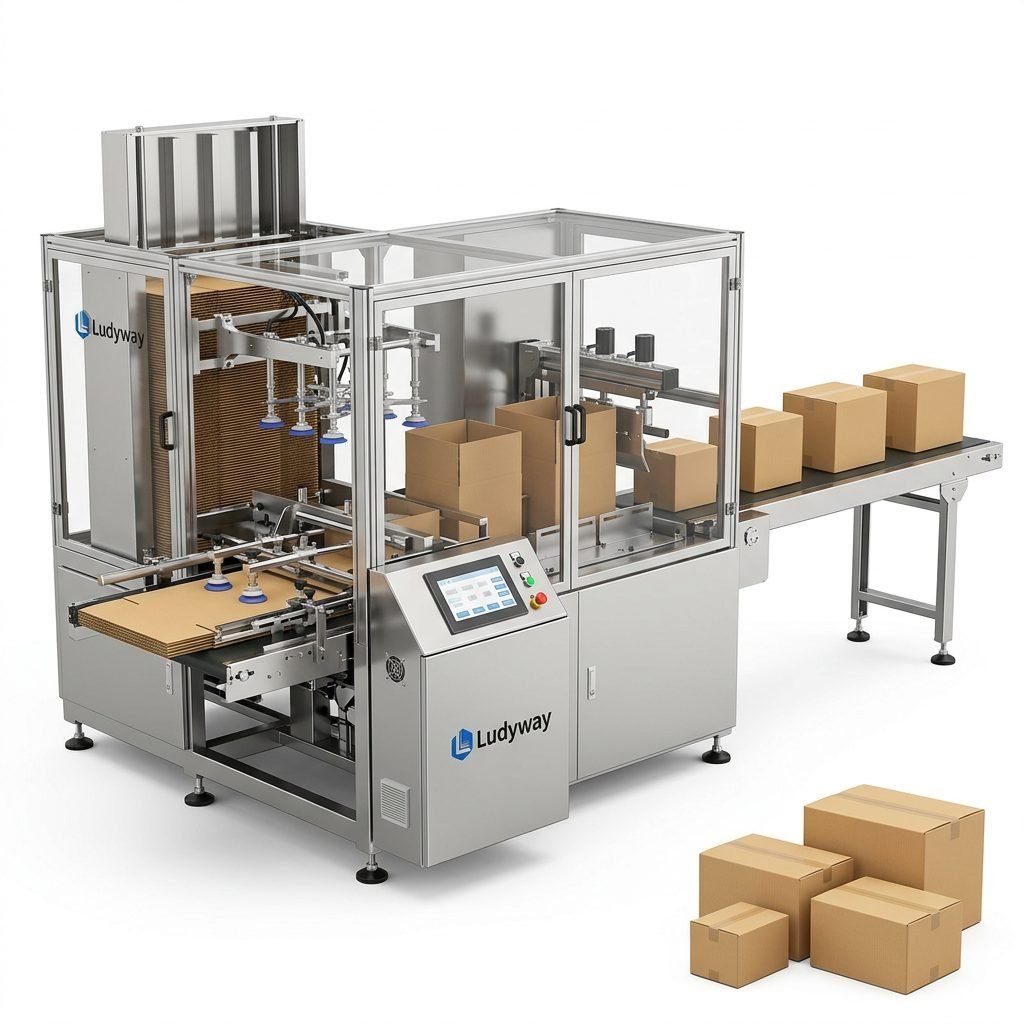
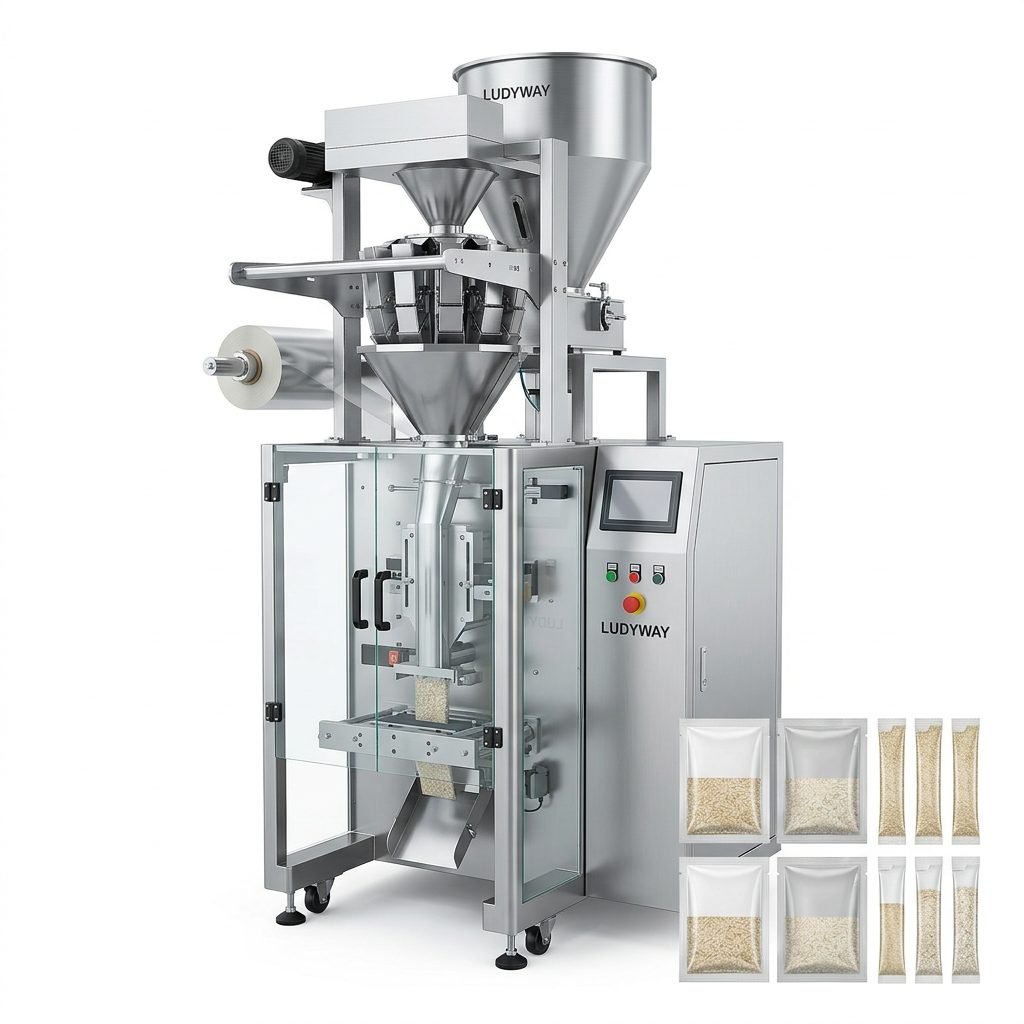
Establishing a vacuum skin packaging machine production line in the United Kingdom requires careful planning, regulatory compliance, and strategic equipment selection. Vacuum skin packaging (VSP) is widely adopted across the UK’s food processing, meat, seafood, and ready-meal sectors due to its superior shelf-life extension and product presentation capabilities. This comprehensive guide walks you through each critical phase of setting up a VSP production line in compliance with UK and EU standards.
Understanding UK Regulatory Requirements
Before installing any packaging machinery, you must ensure compliance with UK regulations. Post-Brexit, the UK maintains its own framework while aligning closely with EU directives. Key regulatory bodies and standards include:
- UKCA Marking – Replaces CE marking for equipment placed on the GB market, demonstrating conformity with UK health, safety, and environmental requirements.
- Food Contact Materials Regulation – Governed by the Food Standards Agency (FSA), ensuring packaging films and materials are safe for direct food contact.
- Health and Safety at Work Act 1974 – Mandates safe machinery operation, risk assessments, and operator protection protocols.
- ISO 11607 Standards – While primarily for medical devices, many principles apply to food packaging validation requirements and seal integrity testing.
- Packaging Waste Regulations – Aligned with the European Commission’s Packaging and Packaging Waste Directive, focusing on sustainability and recyclability.

Step 1: Conduct a Feasibility and Site Assessment
Begin with a thorough evaluation of your production facility. The site assessment should address the following critical factors:
- Floor space and layout – A typical VSP line requires adequate space for the machine, conveyor systems, film roll storage, and operator walkways. Allow at least 3–4 metres of clearance around the main unit for maintenance access.
- Power supply – Most industrial VSP machines in the UK operate on 400V three-phase electricity. Verify your facility’s electrical infrastructure can support the load.
- Compressed air requirements – Vacuum skin packaging machines typically require 6–8 bar compressed air. Ensure your system can deliver consistent pressure without contamination.
- Ventilation and extraction – Film heating elements generate fumes that must be properly extracted to maintain air quality and comply with workplace safety standards.
- Ambient temperature control – Consistent room temperature (ideally 15–25°C) ensures optimal film forming and sealing performance.
Step 2: Select the Right Vacuum Skin Packaging Machine
Choosing the appropriate machine is the cornerstone of your production line. Consider the following specifications when evaluating equipment:
Key Machine Specifications to Evaluate
| Specification | Description | UK Market Consideration |
|---|---|---|
| Film Width Capacity | Range typically 320mm–620mm | Match to standard UK tray dimensions |
| Cycle Speed | 3–8 cycles per minute | Balance speed with product handling capability |
| Vacuum Pump Type | Oil-lubricated or dry rotary vane | Dry pumps preferred for food hygiene compliance |
| Sealing System | Heated platen or impulse sealing | Ensure consistent seal integrity for UK retail standards |
| Automation Level | Manual, semi-automatic, or fully automatic | Labour costs in the UK favour higher automation |
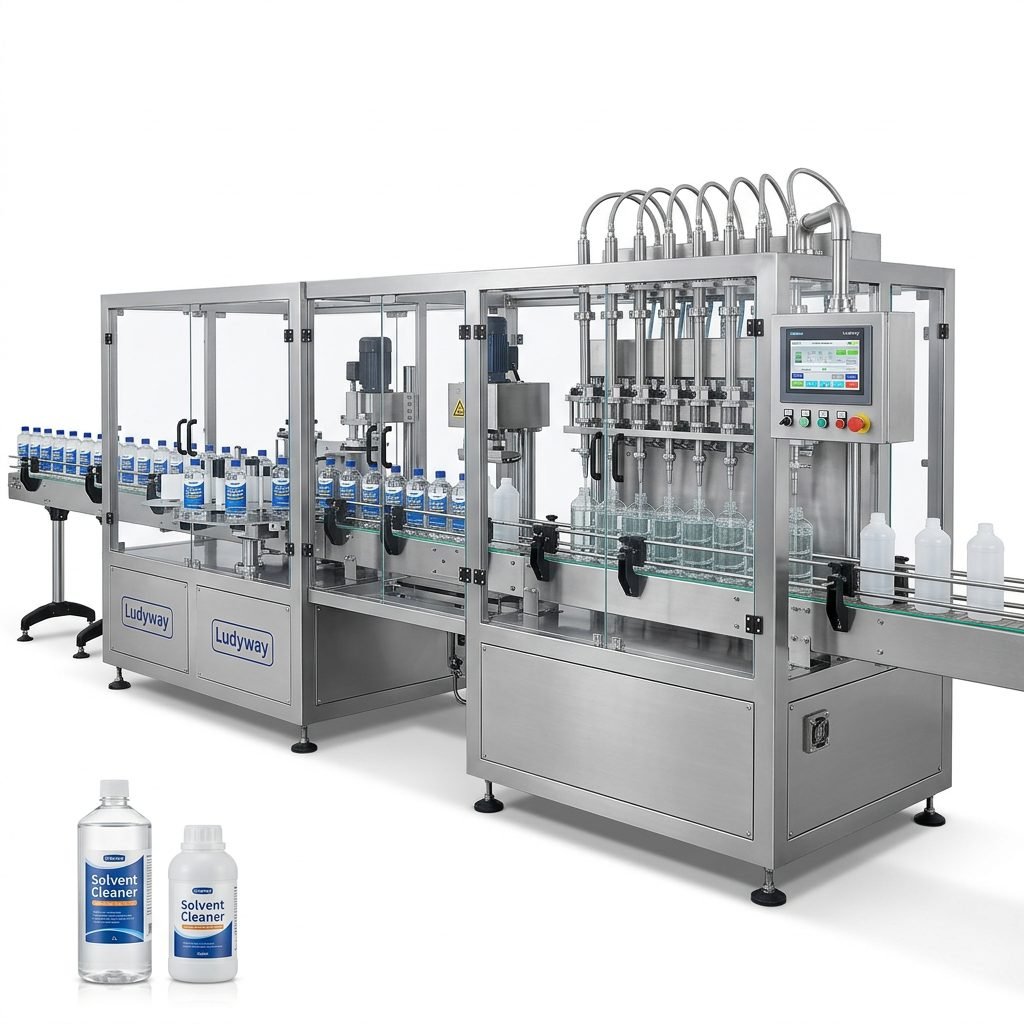
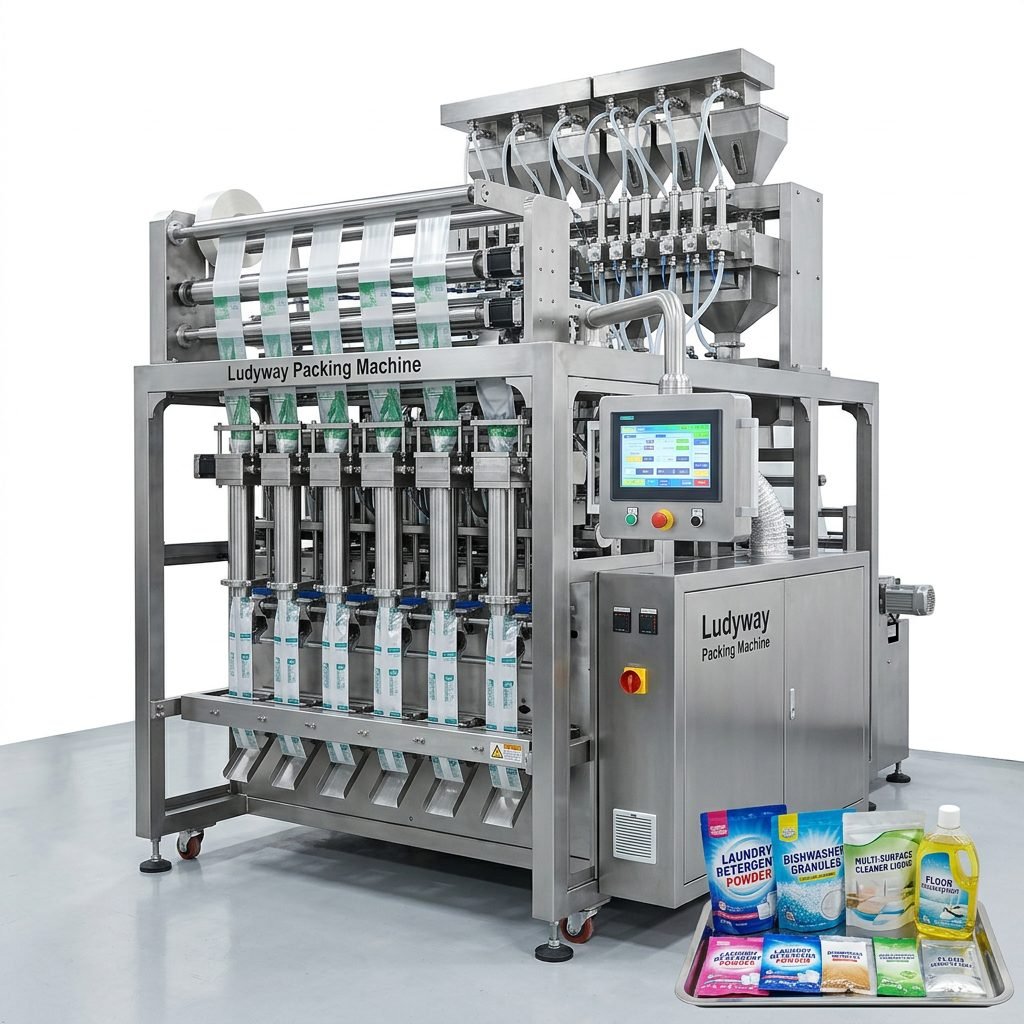
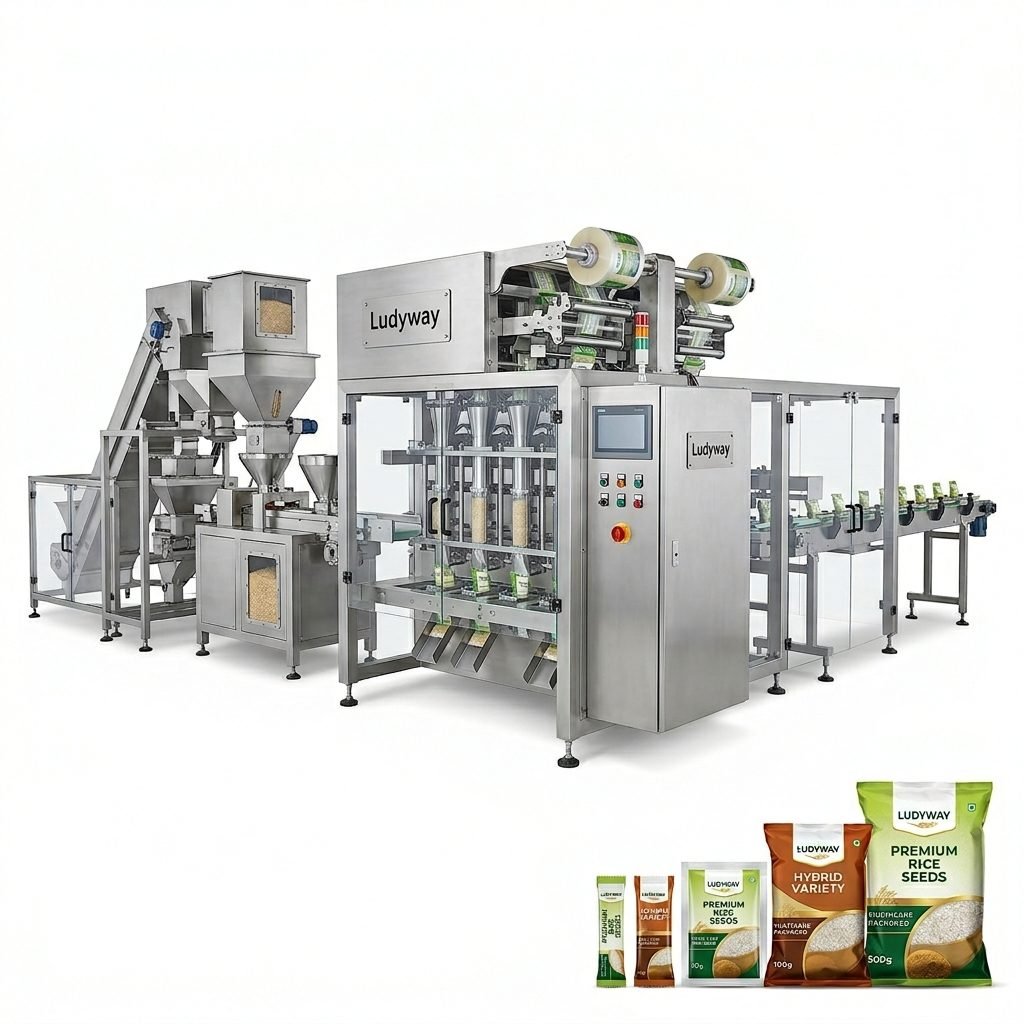
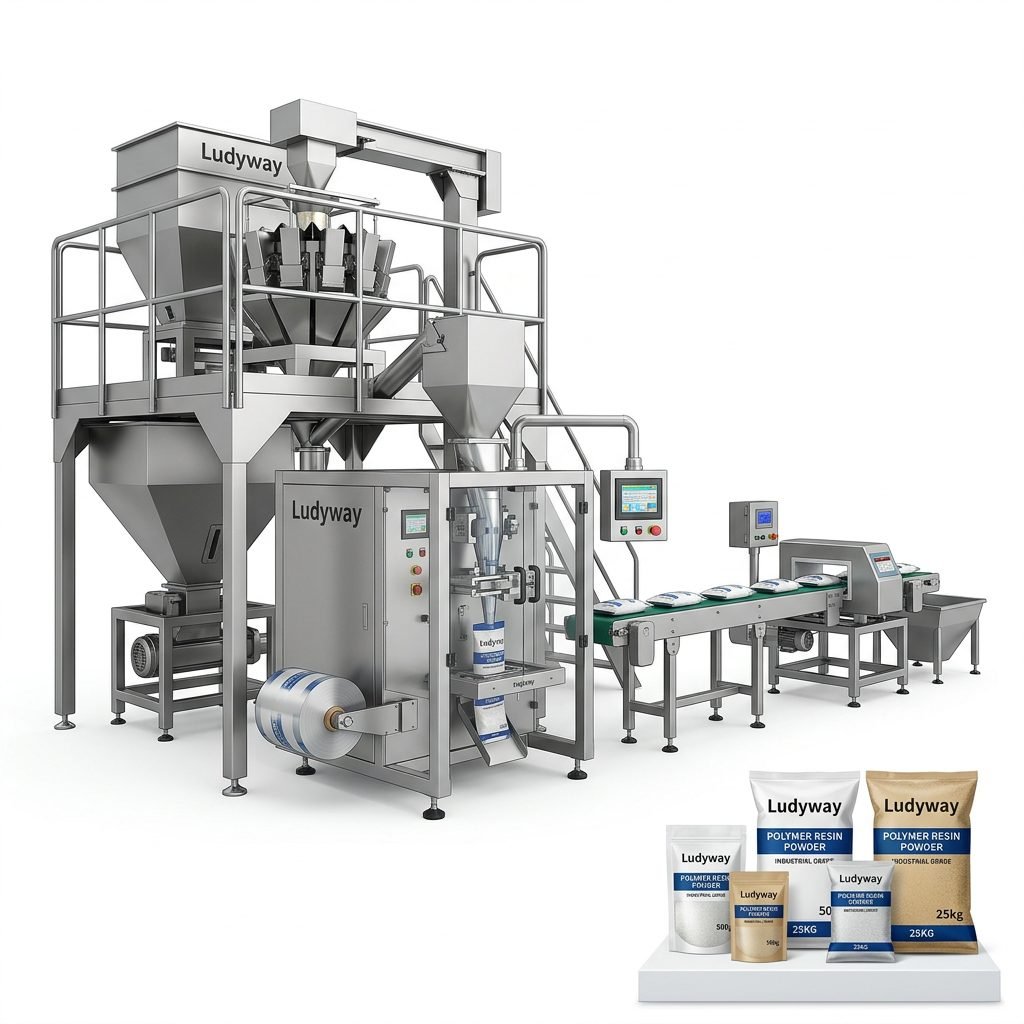
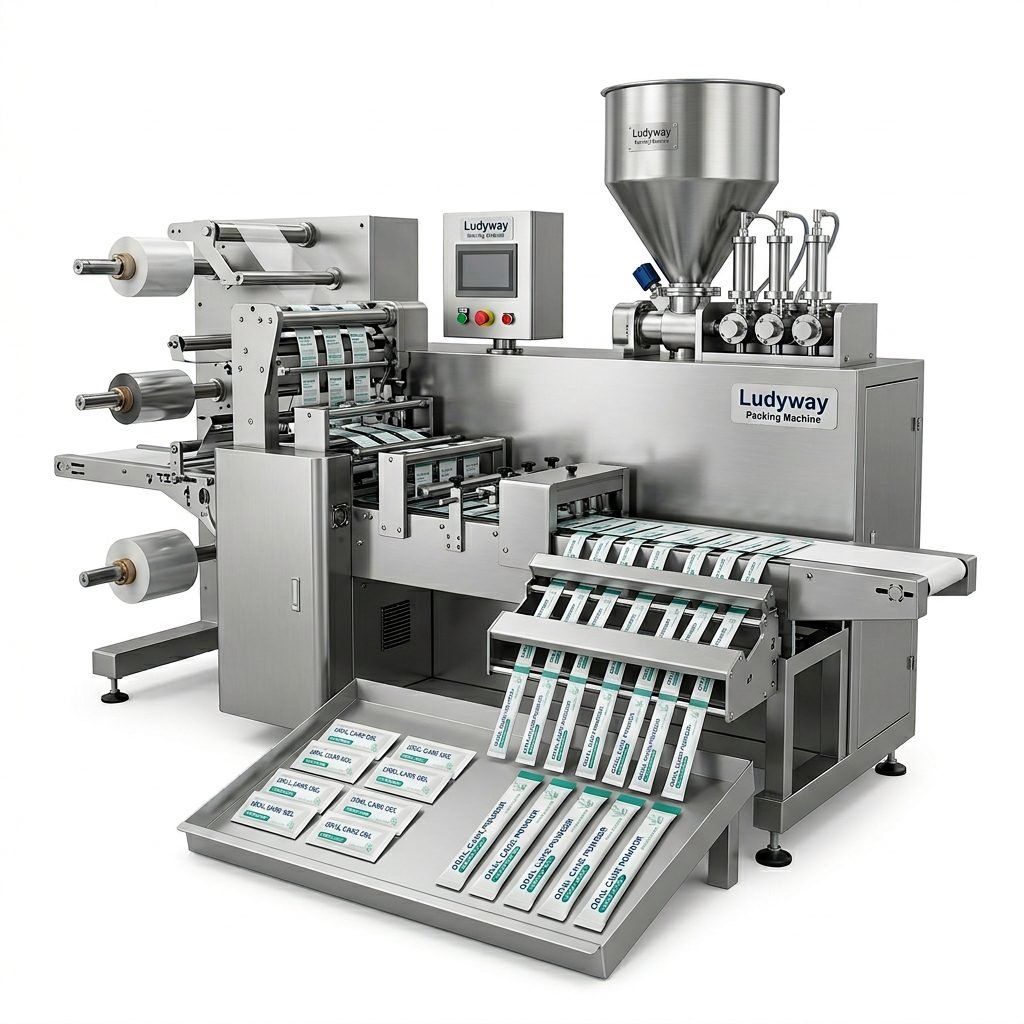
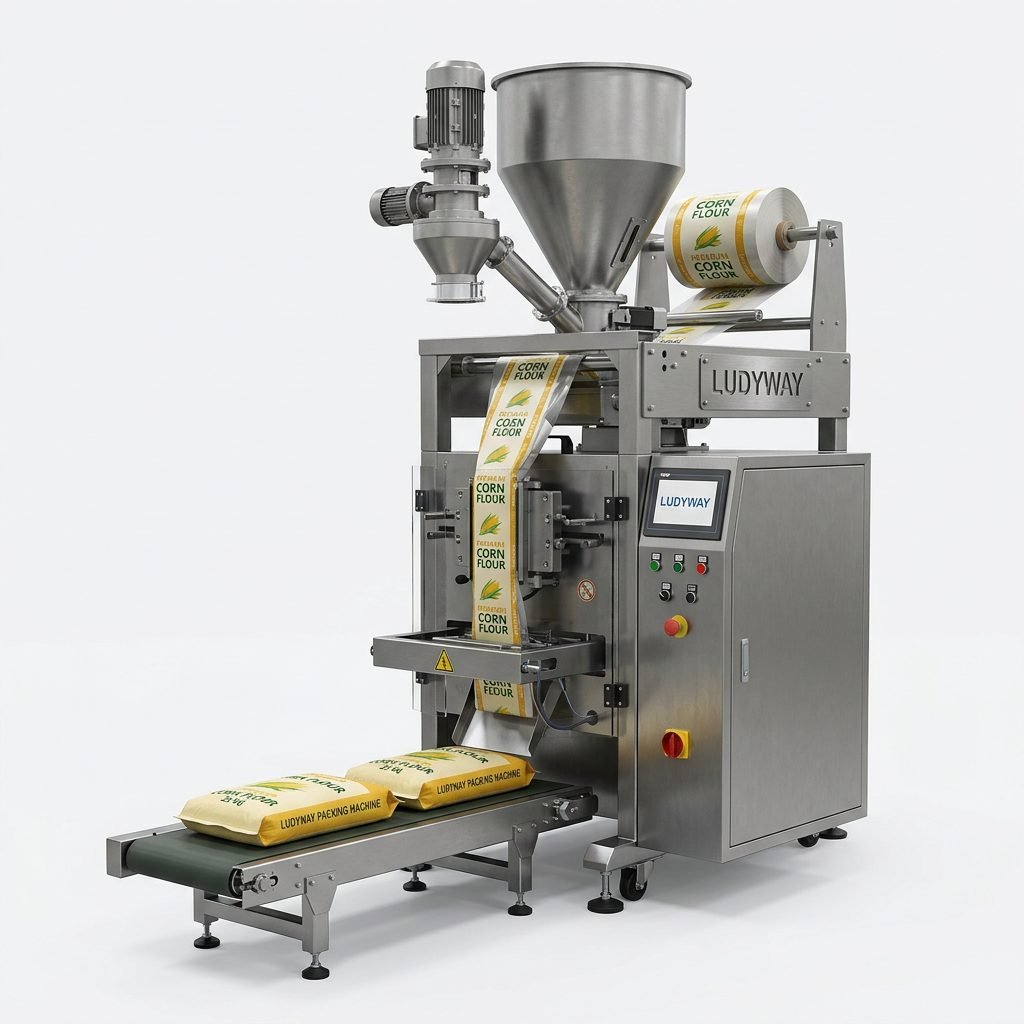
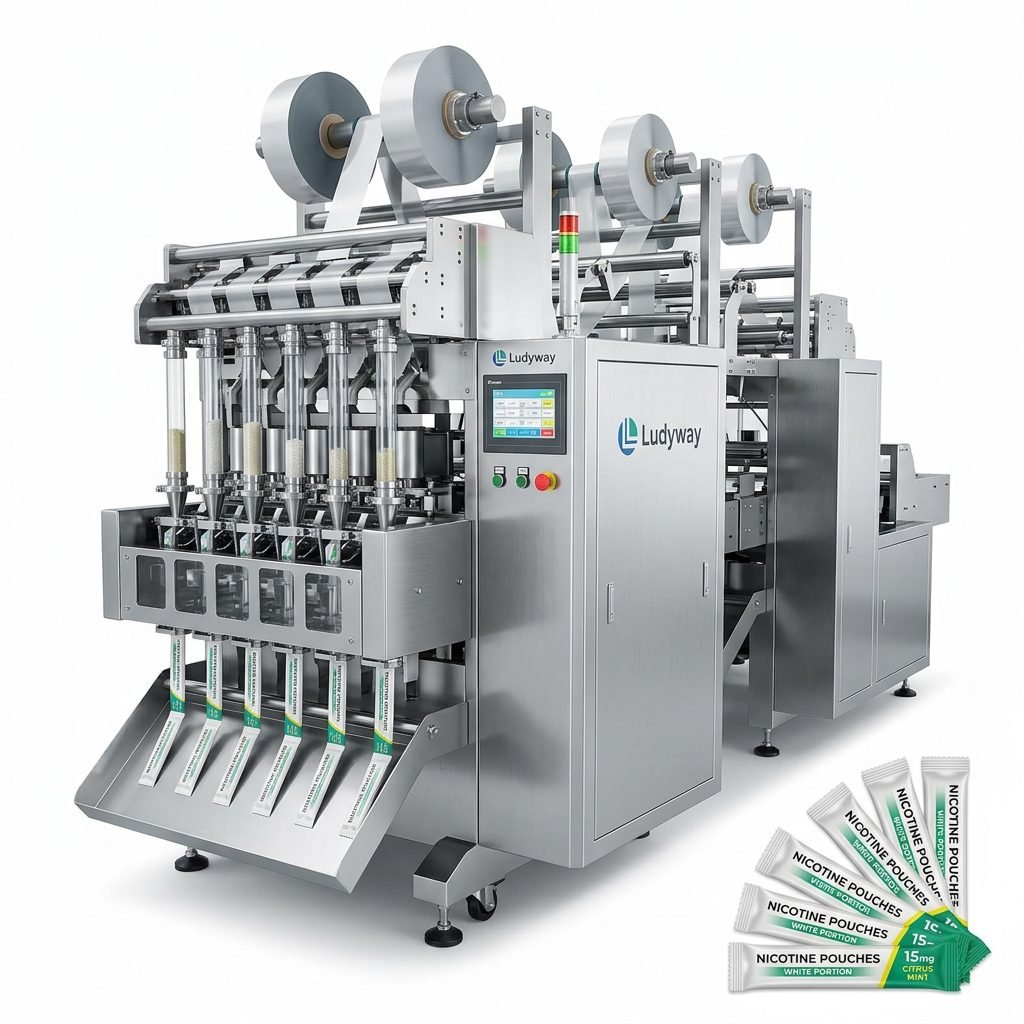
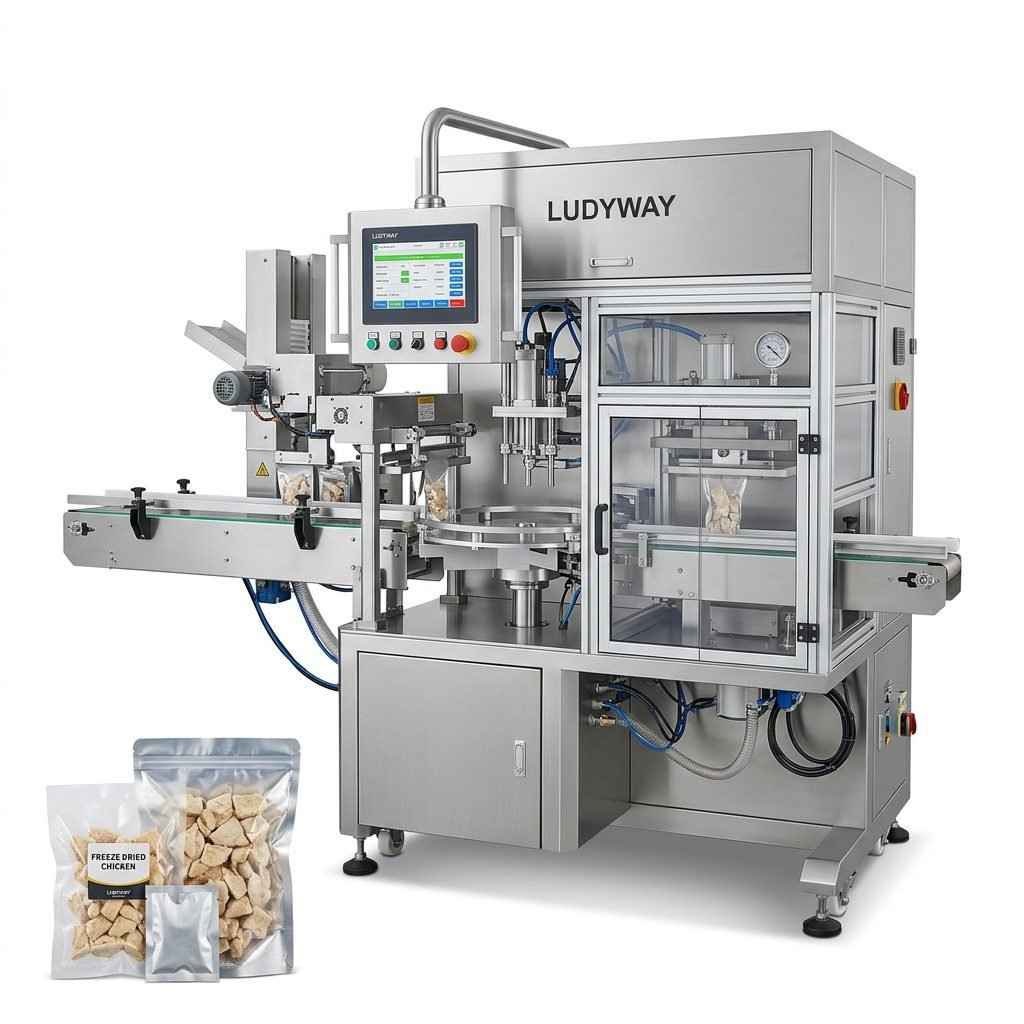
When sourcing equipment, consider manufacturers with proven international experience. For instance, Ludyway, one of the largest packaging machine manufacturers in China, offers advanced vacuum packaging equipment and turnkey solutions suitable for food, pharmaceutical, and industrial applications, with installations across over 100 countries. Their engineering expertise spans more than 50 intelligent packaging machine models, making them a viable partner for UK businesses seeking cost-effective, high-performance VSP systems.
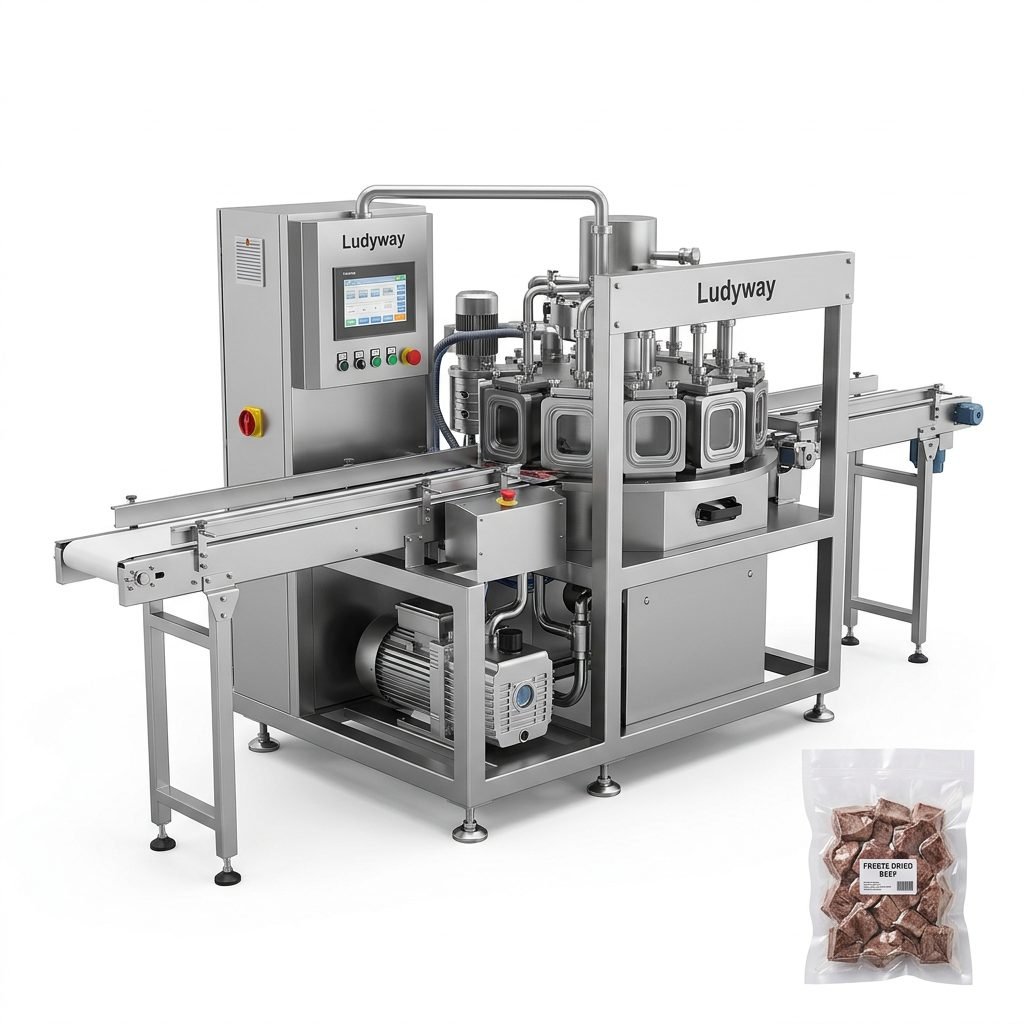
Step 3: Design the Production Line Layout
An efficient layout maximises throughput while maintaining hygiene and safety standards. The UK food industry typically follows a linear or U-shaped flow design to segregate raw and finished product zones. Key layout considerations include:
- Raw material intake area – Positioned upstream with dedicated receiving and inspection stations.
- Tray loading station – Ergonomic design to reduce operator fatigue during extended shifts, compliant with UK workplace health guidelines.
- Vacuum skin packaging machine – Central unit with clear access for film roll changes and maintenance.
- Post-seal inspection – Automated or manual check for seal integrity and film clarity before secondary packaging.
- Chilling or freezing tunnel – Integrated immediately after sealing for perishable products, critical for compliance with UK cold chain requirements.
- Secondary packaging and palletising – End-of-line automation for cartoning, labelling, and pallet wrapping.
Hygiene Zone Classification
Adopt a zonal hygiene approach as recommended by the British Retail Consortium (BRC) and food safety authorities:
| Zone | Area | Requirements |
|---|---|---|
| High Hygiene | Product loading, sealing | Stainless steel surfaces, frequent sanitisation, air filtration |
| Medium Hygiene | Post-seal handling, inspection | Easy-clean surfaces, regular cleaning schedules |
| Low Hygiene | Film storage, secondary packaging | General warehouse conditions |
Step 4: Installation and Commissioning
Proper installation ensures long-term reliability and minimises downtime. Follow these structured steps:
- Pre-installation preparation – Verify that all utilities (electrical, compressed air, water if required) are terminated at the designated machine location. Confirm that floor load-bearing capacity meets the machine’s weight specifications.
- Machine positioning and levelling – Use precision levelling instruments to ensure the machine frame is perfectly horizontal. Misalignment can cause film tracking issues and inconsistent sealing.
- Utility connections – Engage a qualified UK-certified electrician for three-phase power connections. Compressed air lines must be fitted with moisture traps and filters to protect pneumatic components.
- Initial dry run testing – Operate the machine without product to verify mechanical movements, vacuum cycles, and sealing temperatures are within specified parameters.
- Product trial runs – Test with actual products and films to fine-tune packaging parameters such as film heating time, vacuum level, and seal dwell time.
Step 5: Film Selection and Material Compatibility
The choice of vacuum skin packaging film directly impacts product shelf life, appearance, and sustainability credentials. UK retailers increasingly demand recyclable or reduced-plastic packaging solutions. Key film types include:
- PE/EVOH/PE multilayer films – Excellent oxygen barrier properties, suitable for fresh meat and poultry.
- APET/PE films – Commonly used for retail-ready packaging with good clarity and seal strength.
- Mono-material PP films – Emerging as a recyclable alternative, increasingly specified by UK supermarkets under the Flexible Packaging Association sustainability initiatives.
- Anti-fog films – Essential for chilled display cabinets, preventing condensation that obscures product visibility.
Step 6: Staff Training and Standard Operating Procedures
Invest in comprehensive operator training to maximise machine performance and ensure workplace safety. A structured training programme should cover:
- Machine operation – Start-up, shutdown, emergency stop procedures, and daily operational routines.
- Film loading and threading – Correct techniques to avoid film waste and prevent misalignment issues.
- Quality checks – Visual inspection of seal integrity, vacuum level verification, and identifying common defects such as wrinkles, weak seals, or film burn-through.
- Cleaning and sanitisation – Approved cleaning agents compatible with machine materials, frequency schedules aligned with UK food safety requirements.
- Basic troubleshooting – Recognising warning signs, performing minor adjustments, and knowing when to escalate to engineering support.
Document all procedures in a Standard Operating Procedure (SOP) manual that is readily accessible to all operators. This supports compliance with UK health and safety audits and BRC certification requirements.
Step 7: Quality Control and Ongoing Maintenance
Implement a robust quality control programme to maintain packaging consistency. Key quality checkpoints on a VSP line include:
| Checkpoint | Frequency | Acceptance Criteria |
|---|---|---|
| Vacuum level | Every batch | Consistent film conformity to product; no air pockets |
| Seal integrity | Hourly sampling | No peel-back or leakage under pressure testing |
| Film clarity | Continuous visual | No clouding, discolouration, or burn marks |
| Label placement | Per pack | Correct orientation and legibility per UK labelling regulations |
Preventive Maintenance Schedule
Establish a preventive maintenance programme to minimise unplanned downtime. Critical tasks include:
- Daily: Clean sealing platen surfaces, check vacuum pump oil levels (if applicable), inspect film cut-off blades.
- Weekly: Lubricate chain drives and bearings, verify temperature sensor calibration, inspect pneumatic fittings for leaks.
- Monthly: Replace vacuum pump filters, inspect electrical connections for tightness, perform comprehensive safety system testing.
- Quarterly: Full machine inspection by qualified technician, including drive belt tension, gearbox oil condition, and PLC software diagnostics.
Financial Considerations for UK Businesses
Budgeting for a vacuum skin packaging production line involves both capital expenditure and ongoing operational costs. UK-specific factors include energy costs, labour rates, and potential capital allowances for qualifying plant and machinery under HMRC rules. Consider the following cost elements:
- Machine acquisition – Entry-level semi-automatic VSP machines start from approximately £15,000–£30,000, while fully automatic systems with integrated conveyors can range from £60,000–£150,000+ depending on specifications.
- Installation and commissioning – Budget 5–10% of machine cost for professional installation, utility connections, and initial calibration.
- Film consumables – Ongoing cost per pack varies by film type and volume; typically £0.02–£0.08 per unit for standard retail packs.
- Energy consumption – With UK industrial electricity rates, a typical VSP line operating 8 hours daily may incur £400–£800 per month in energy costs.
- Training and certification – Initial operator training investment of £1,500–£3,000 ensures proper machine usage and reduces early-stage errors.
For detailed industry data on packaging machinery adoption and market trends, consult resources from the Association for Packaging and Processing Technologies (PMMI), which provides valuable packaging machinery market research and operational benchmarks.
Conclusion
Setting up a vacuum skin packaging machine production line in the United Kingdom is a multi-faceted project that demands attention to regulatory compliance, equipment selection, facility design, and staff training. By following this step-by-step guide and engaging reputable equipment suppliers, food manufacturers can establish efficient, compliant, and future-proof VSP operations. The UK market’s emphasis on food safety, sustainability, and retail-ready presentation makes vacuum skin packaging an excellent investment for producers seeking to enhance product quality and extend shelf life.
Collaborating with experienced equipment manufacturers and staying informed through industry state-of-the-industry reports will ensure your production line remains competitive and aligned with evolving packaging standards.