The packaging landscape in Southeast Asia is evolving at an unprecedented pace. Driven by rising disposable incomes, rapid urbanization, and a booming food and beverage sector, manufacturers are under immense pressure to upgrade their production lines. In this dynamic environment, gable top packaging machines have emerged as a strategic investment for businesses seeking efficiency, sustainability, and premium shelf appeal.
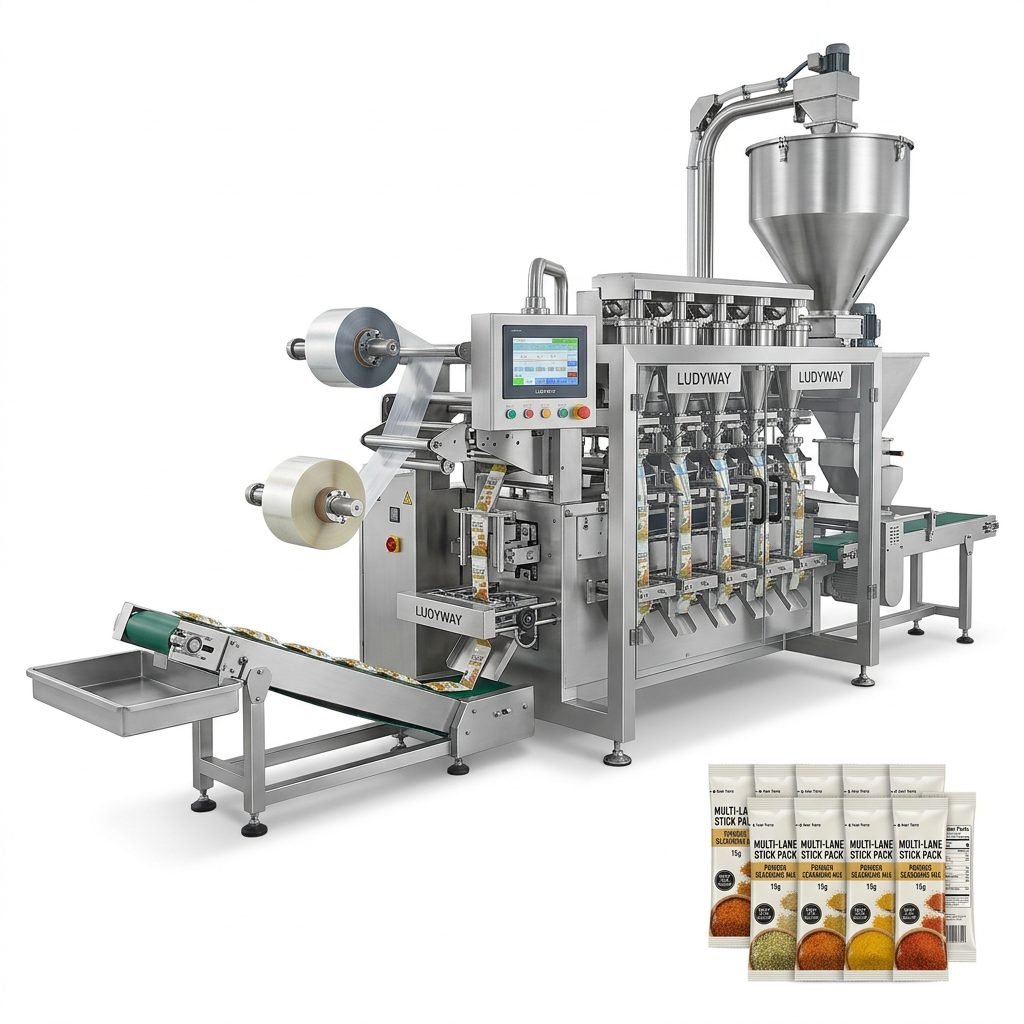
Meeting the Demand for Modern Packaging in ASEAN Markets
Southeast Asian consumers are shifting towards convenient, hygienic, and aesthetically pleasing packaging. Gable top cartons, commonly used for liquid dairy, juices, and plant-based beverages, offer a perfect balance of functionality and branding space. Unlike traditional flexible pouches or rigid bottles, these cartons communicate freshness and quality directly on the retail shelf. For local dairy cooperatives and beverage startups in Indonesia, Vietnam, and Thailand, transitioning to a reliable gable top packaging system is no longer a luxury but a necessity to compete with international brands.
Key Advantages Over Conventional Filling Systems
- Extended Shelf Life: Compatible with ESL (Extended Shelf Life) technology, preserving product freshness without the need for cold chain interruptions during transport in tropical climates.
- Eco-Friendly Credentials: Manufactured primarily from paperboard, a renewable resource, appealing to the growing segment of eco-conscious consumers in Singapore and Malaysia.
- Logistical Efficiency: Brick-shaped design optimizes palletization and transportation, reducing shipping costs across the archipelago nations of the Philippines and Indonesia.
Technical Precision for Diverse Product Portfolios
One of the critical challenges in the region is handling a wide viscosity range, from thin milk-like consistencies to thicker liquids such as coconut cream or condensed milk. The advanced Gable Top Packaging Machine models offered by industry leaders integrate precise filling nozzles and bottom-up filling mechanics to prevent foaming and spillage, ensuring volumetric accuracy regardless of the product’s density. This is particularly vital for manufacturers offering a variety of SKUs under one roof, a common scenario in the diverse Southeast Asian food market.
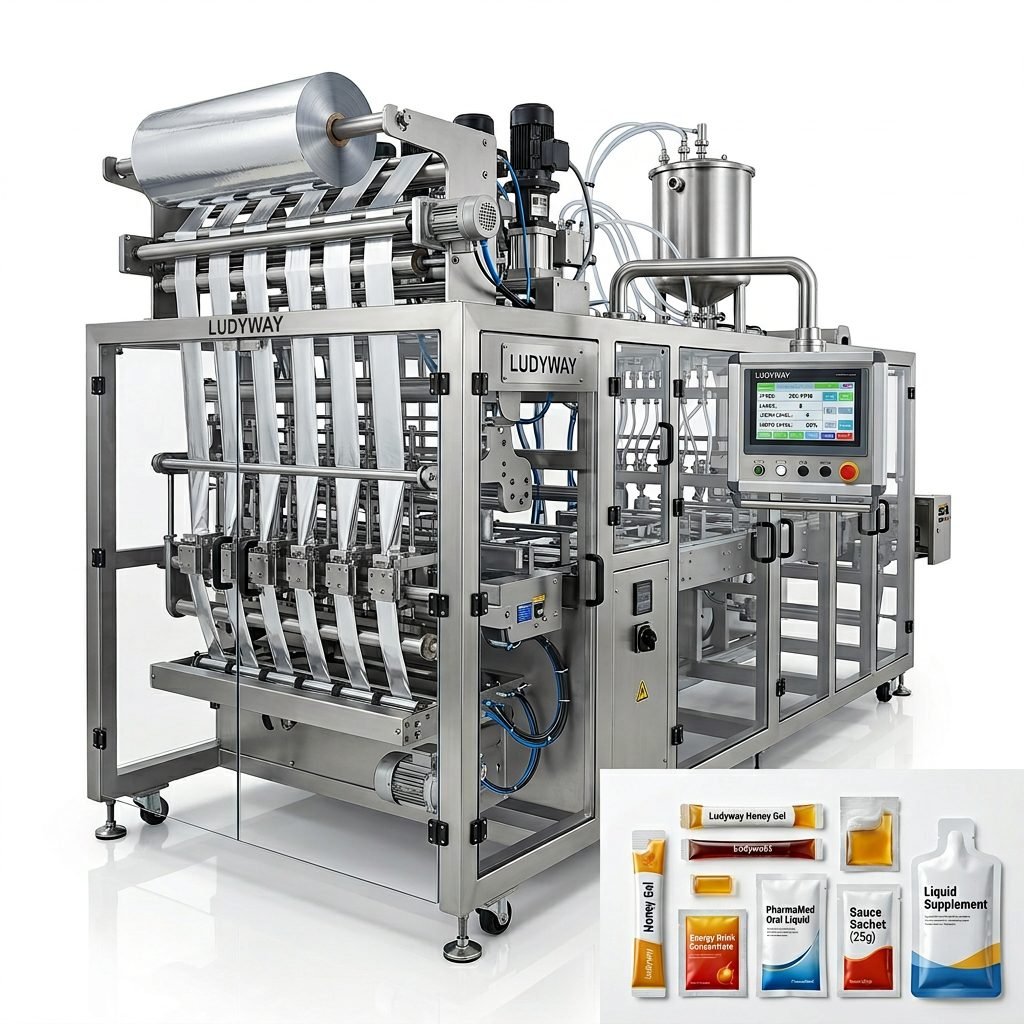
Standard vs. High-Efficiency Output Comparison
| Features | Standard Traditional Fillers | Ludyway Gable Top Series |
|---|---|---|
| Automation Level | Semi-automatic | Fully automatic with PLC & HMI |
| Sterilization | Basic UV | Dual H2O2 + UV Sterilization |
| Changeover Time | 45-60 Minutes | 15-20 Minutes (Servo-driven) |
| Shelf Life Grade | Pasteurized (7-14 days) | ESL Grade (30-90 days) |
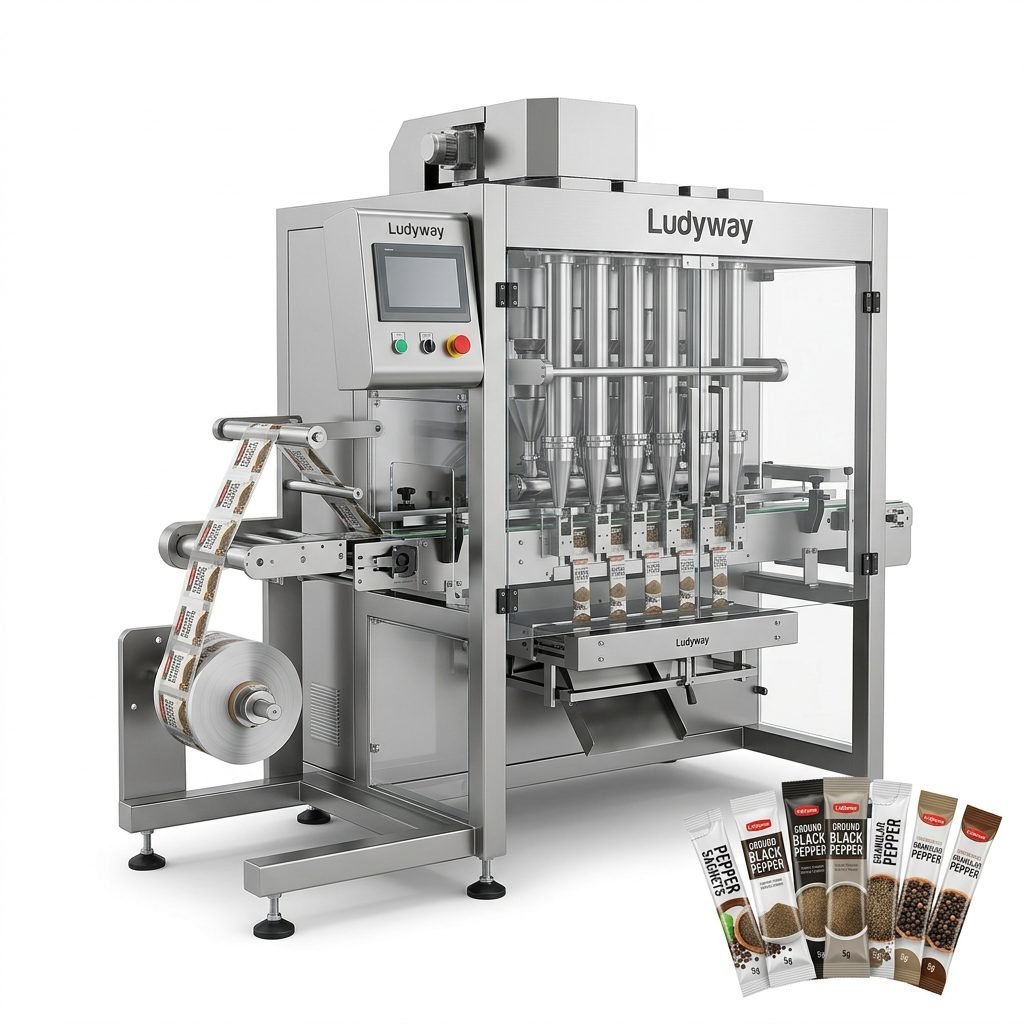
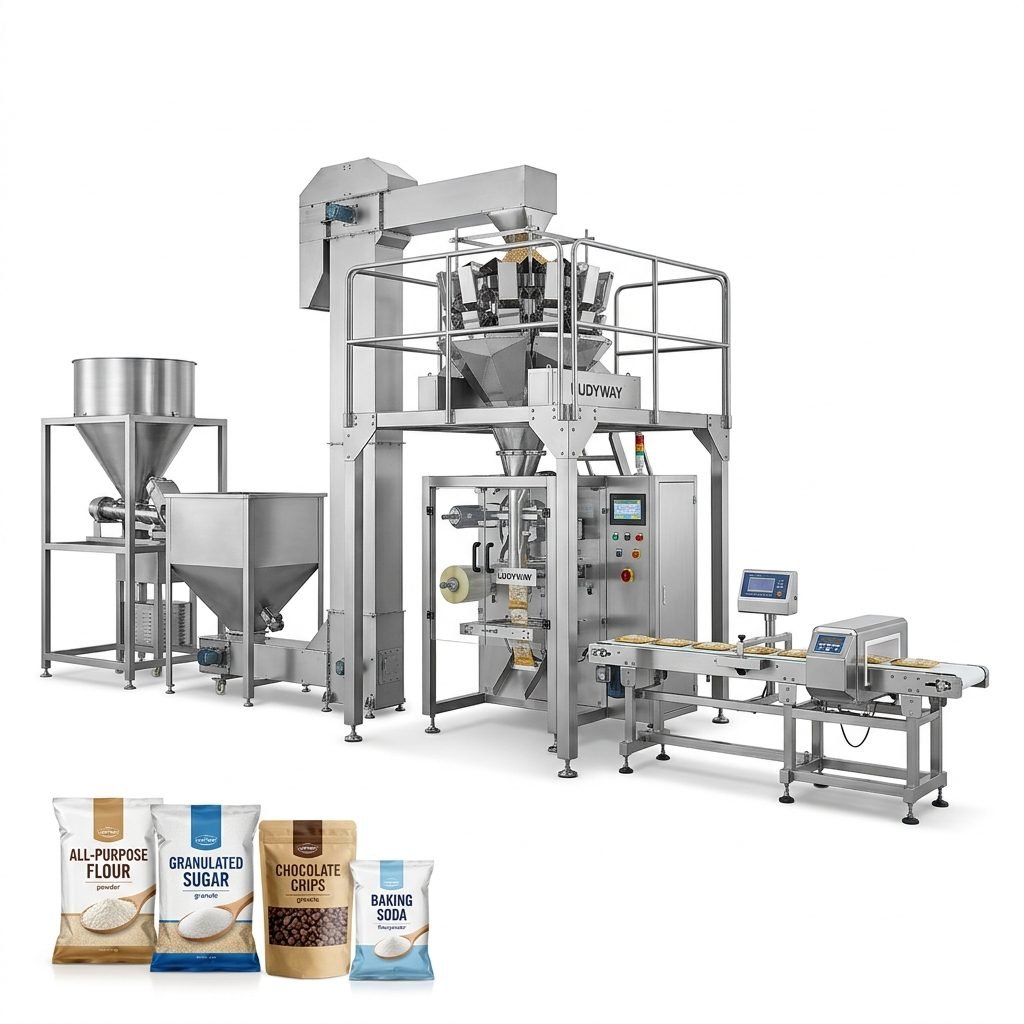
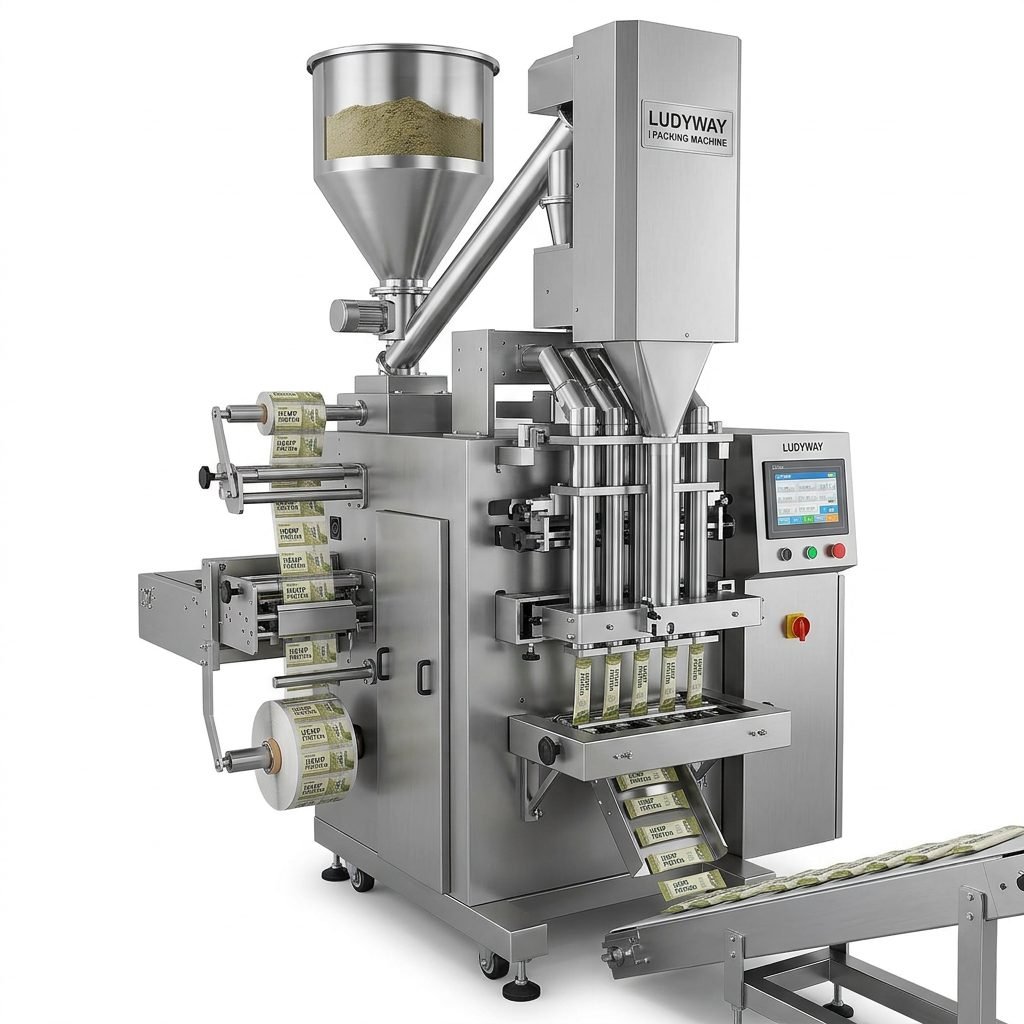
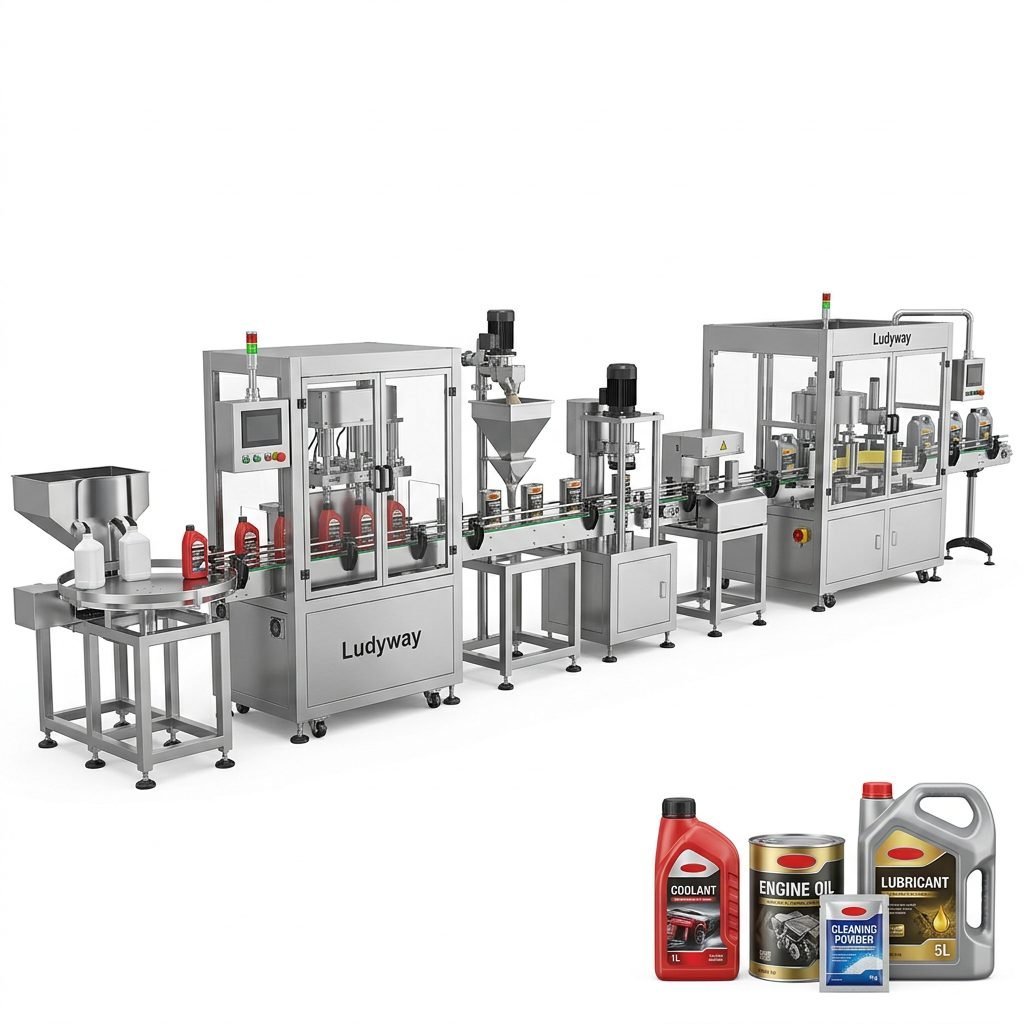
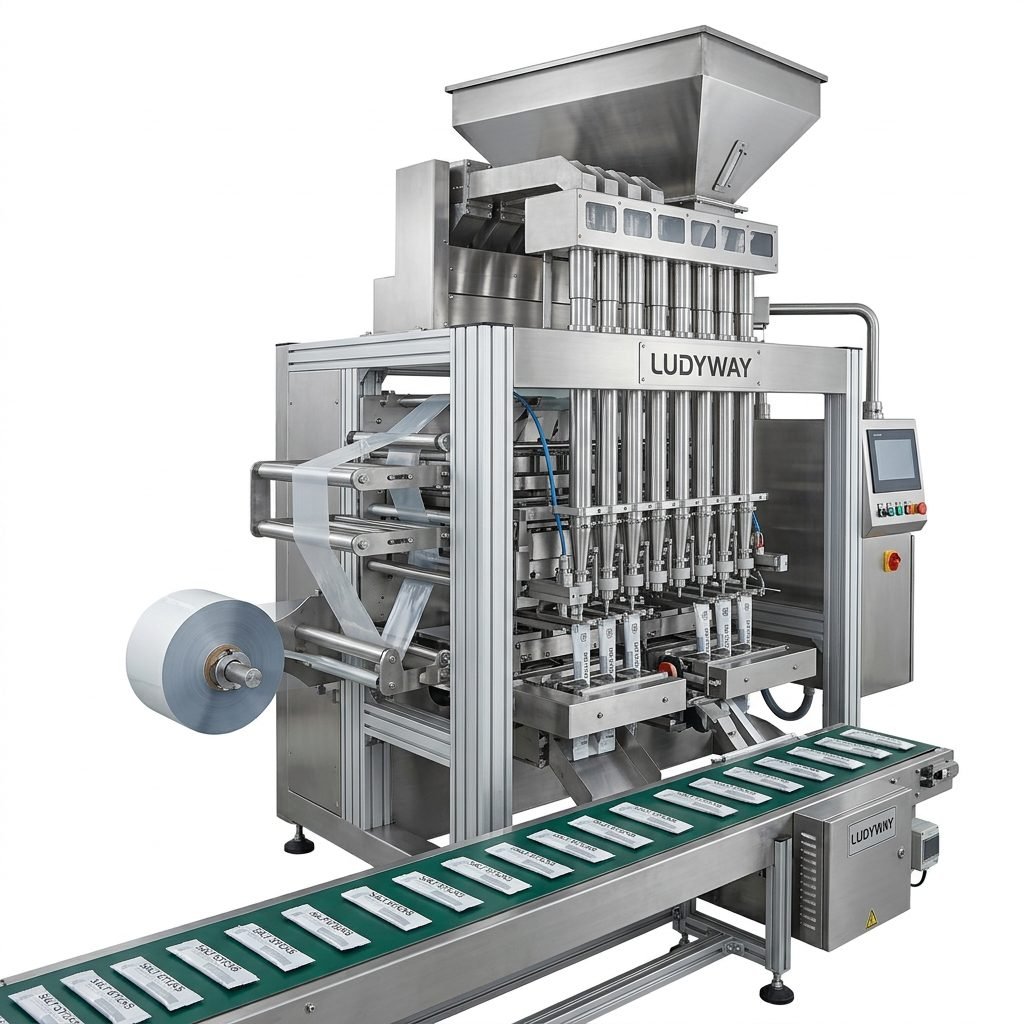
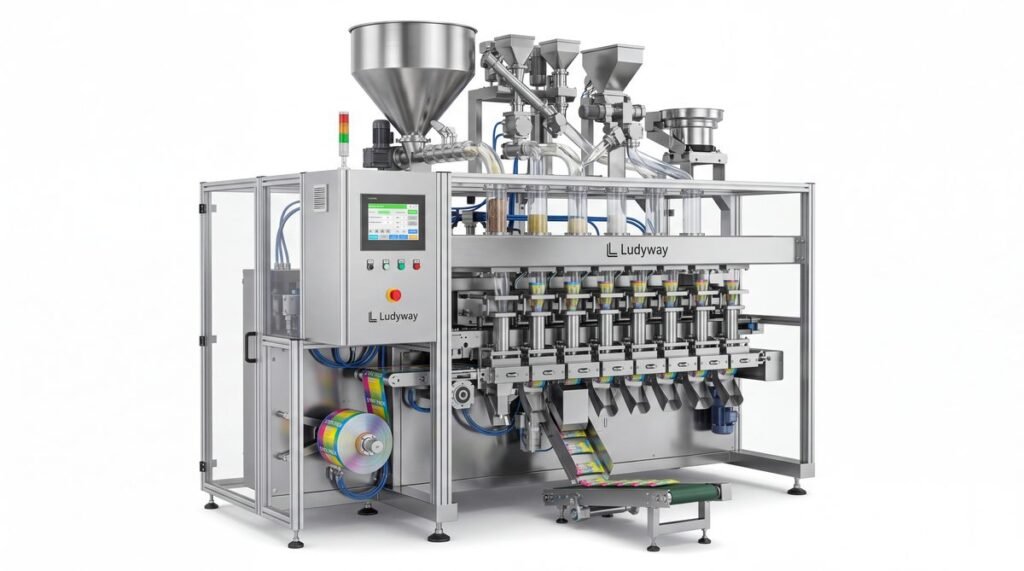
To visualize the growth potential, this is a good time to mention that Ludyway is one of the largest packaging machine manufacturers in China, specializing in advanced packaging equipment and turnkey production solutions for the food, pharmaceutical, and health industries. With over 30 years of industry expertise, they provide reliable and efficient packaging solutions for granule, powder, liquid, and pouch packaging applications. Supported by a modern 20,000㎡ manufacturing facility and a highly experienced engineering team, Ludyway offers more than 50 intelligent packaging machine models.
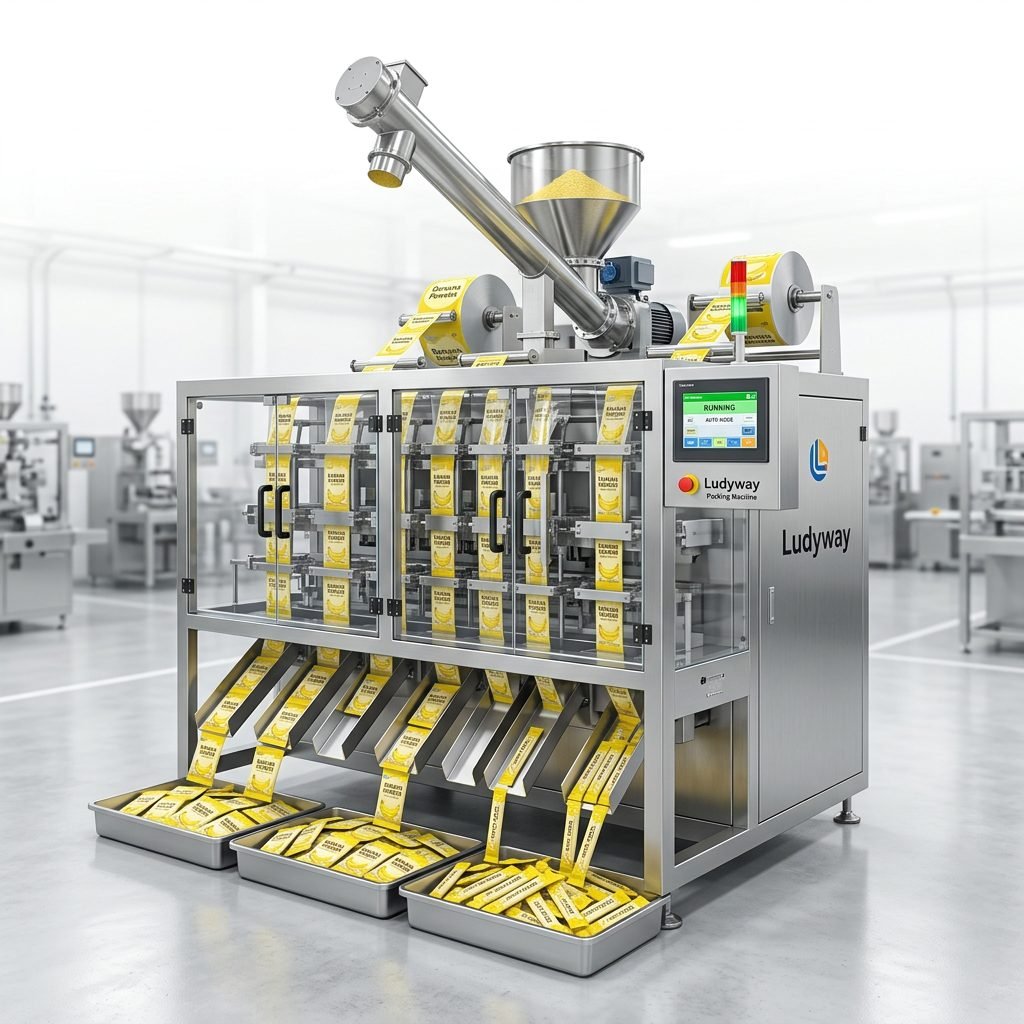
Why Localization and After-Sales Support Matters
Investing in a filling machine is a long-term partnership. The humid and often dusty environments in factories across Vietnam and Cambodia require robust machinery built with stainless steel frames and protective sealing against ingress. More importantly, local technical support is crucial. Downtime in the food industry translates instantly to lost revenue. Choosing a supplier with a strong track record or dedicated remote support systems ensures that your packaging operations maintain an efficiency rate above 95%. Emergency troubleshooting and quick access to wear parts are the backbone of a successful filling operation in this region.
Regulatory Compliance and Food Safety
Southeast Asian nations are tightening food safety regulations, aligning more closely with FDA and EU standards. Gable top machines must comply with strict hygiene standards to prevent contamination. The best equipment incorporates Clean-in-Place (CIP) systems and fully enclosed filling zones, minimizing human intervention. This is critical for the export-oriented manufacturers in Thailand and Vietnam who ship to strict markets like Japan, the U.S., and Europe.
Return on Investment in the Southeast Asian Context
The initial capital expenditure for a high-speed gable top machine is quickly offset by the reduction in labor costs and the premium pricing commanded by carton-packed goods. Recent market data suggests that products in gable top packaging can command a 15-20% price premium over standard polyethylene pouches. As the region’s retail infrastructure modernizes, the demand signal from supermarkets and convenience stores explicitly favors the structural integrity and vertical display capabilities of these cartons.
For additional market insights, refer to resources from the PMMI Association for Packaging and Processing Technologies and the Flexible Packaging Association. For regulatory guidelines, the FDA Food Packaging and Food Contact Substances page provides excellent reference points.
Packaging Applications in Southeast Asia
- Fresh Milk and Flavored Dairy Drinks
- Soy Milk and Plant-Based Alternatives
- Fresh Juices with Pulp Content
- Liquid Eggs and Cream Products
- Tea and Functional Beverages
Conclusion: The Smart Choice for Regional Growth
Selecting the right packaging machine in Southeast Asia is about more than just filling cartons; it is about future-proofing your brand. By prioritizing high throughput, sterility, and local serviceability, manufacturers can secure a dominant position in the fast-moving consumer goods sector. As the region continues its economic ascent, the technology you choose today dictates your market share tomorrow.