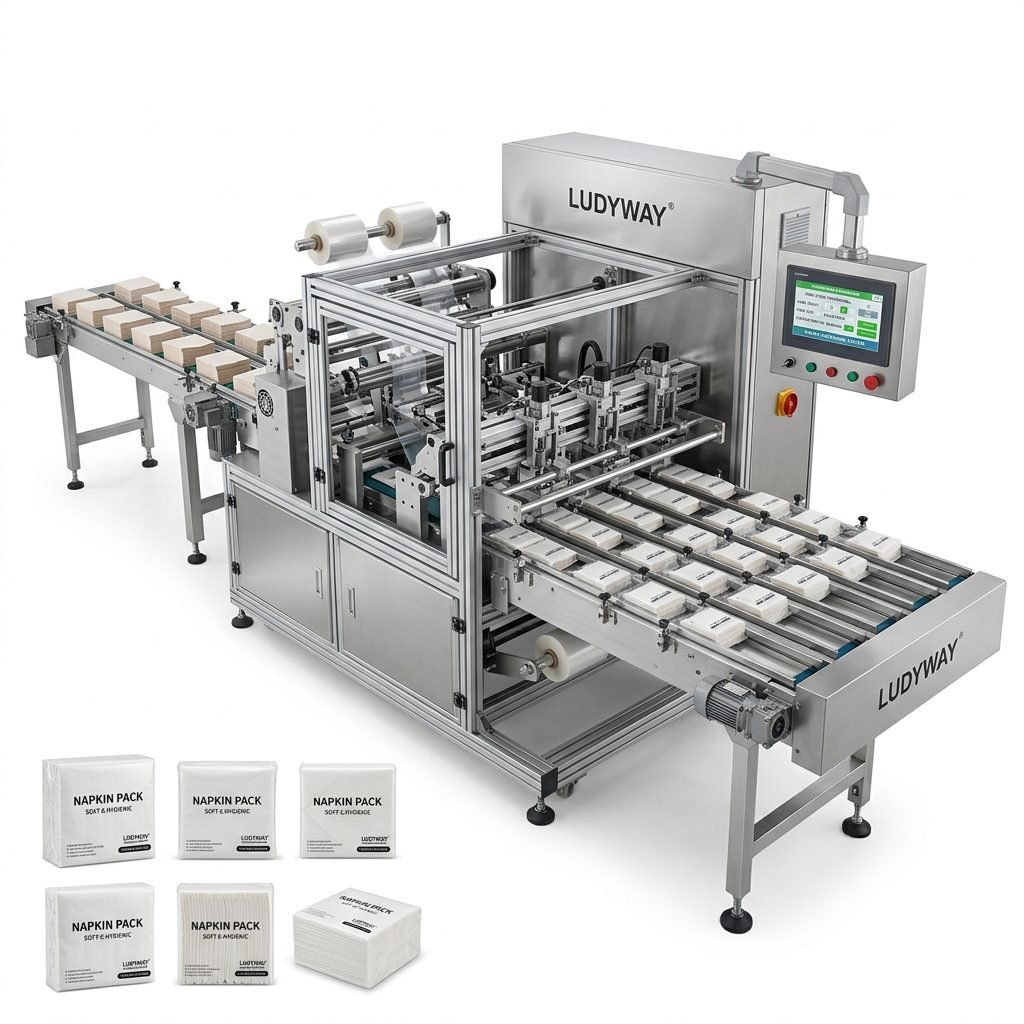
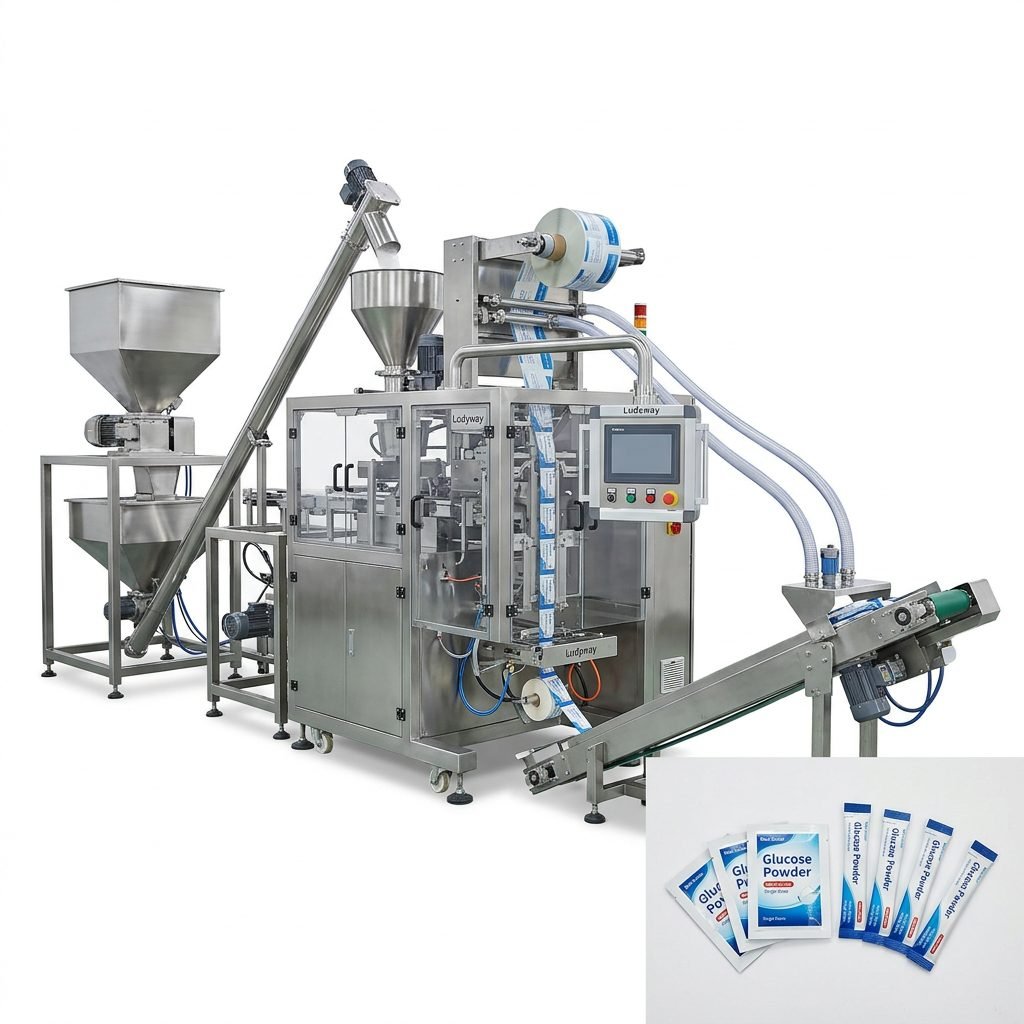
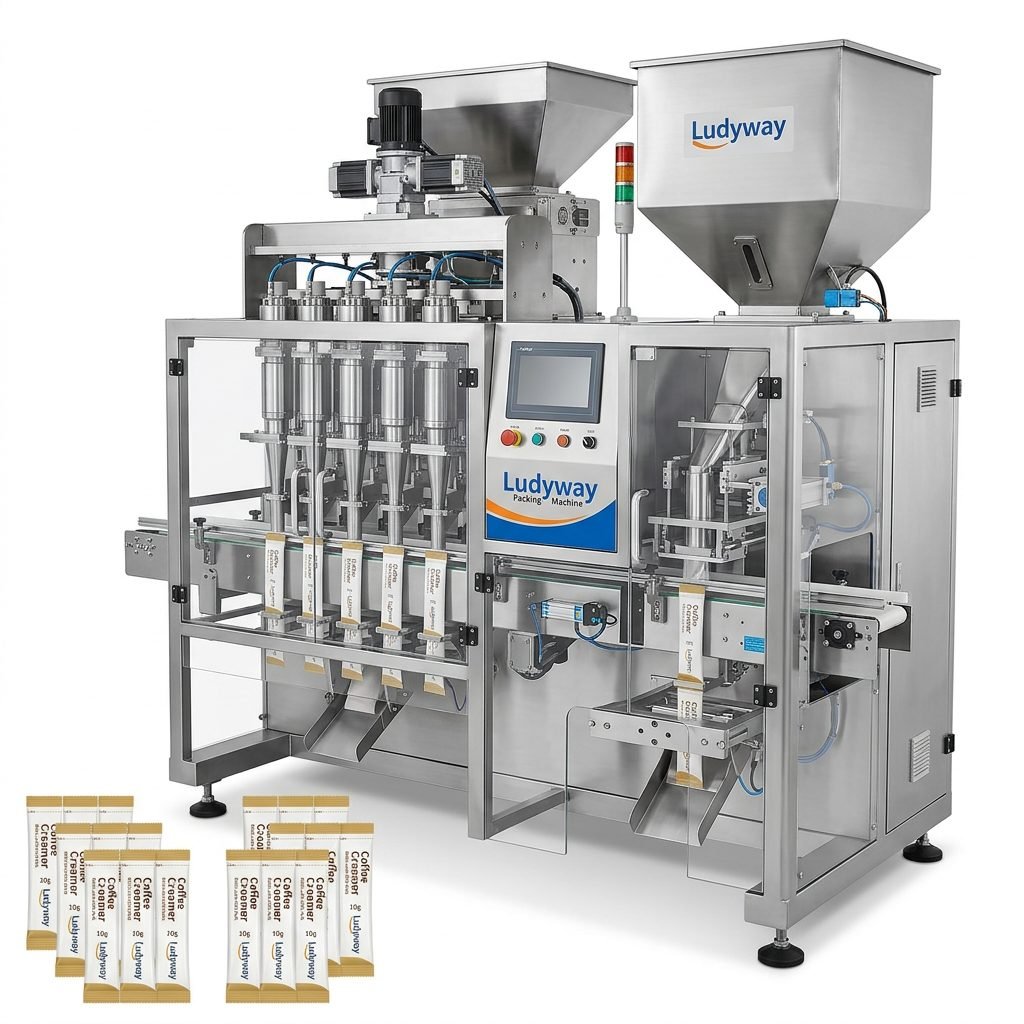
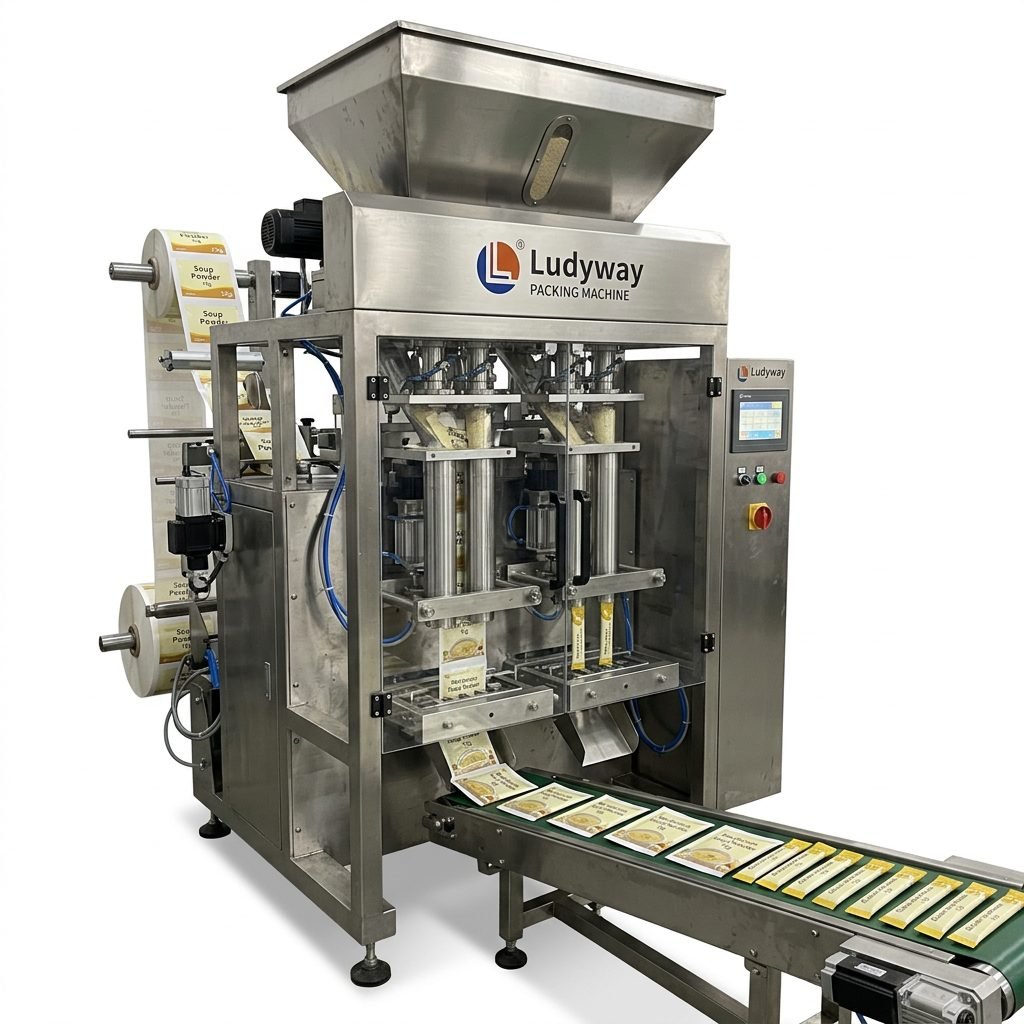
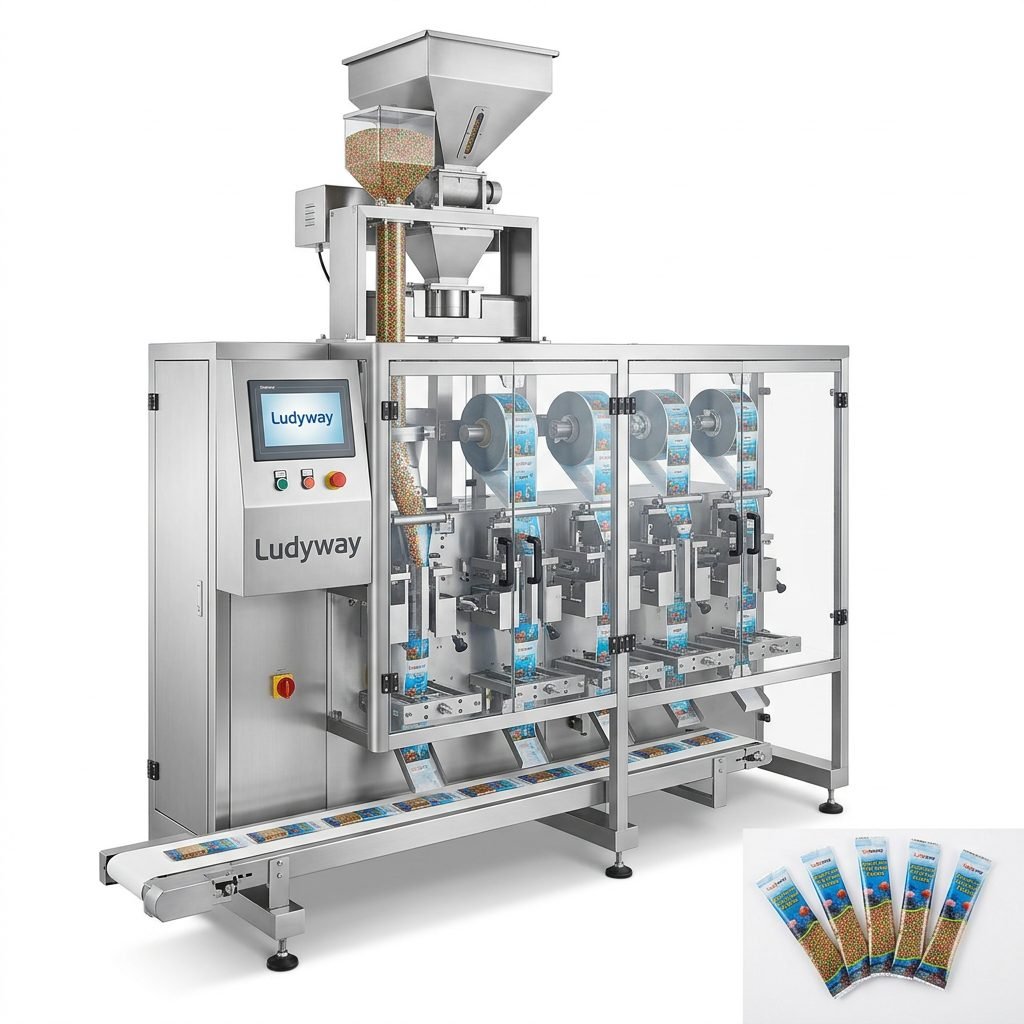
Investing in the right cheese packaging machine is one of the most critical decisions for any dairy processor, co-packer, or private label brand in the United States. The efficiency, longevity, and compliance of your equipment directly influence product shelf life, operational costs, and your ability to scale into major retail chains like Costco, Walmart, and Kroger. This cheese packaging machine buying guide covers everything from machine types and critical specifications to U.S. regulatory standards and supplier selection strategies.

Understanding the U.S. Cheese Packaging Landscape
The U.S. cheese market is projected to continue its steady growth, driven by rising demand for convenience foods, protein-rich snacks, and specialty cheeses. This directly impacts the demand for high-performance packaging equipment that can handle a diverse range of products, including block cheese, shredded cheese, sliced cheese, cheese sticks, cream cheese, and cheese powders. Selecting machinery that can adapt to multiple formats—such as flow wrap, vacuum packs, and stand-up pouches—is essential for staying competitive.
Types of Cheese Packaging Machines
Different cheese formats require specific packaging technologies. Understanding your primary product line is the first step in narrowing down your equipment options. Below is a comparison of the most common machine types used in the U.S. cheese industry.
| Machine Type | Best For | Key Advantage |
|---|---|---|
| Horizontal Flow Wrapper (HFFS) | Block cheese, sliced cheese, sticks | High-speed, gas flush (MAP) capability |
| Vacuum Chamber Machine | Bulk blocks, aging cheese | Extended shelf life, premium look |
| Thermoform Fill Seal | Sliced cheese, snack portions | Flexible pack design, excellent seal integrity |
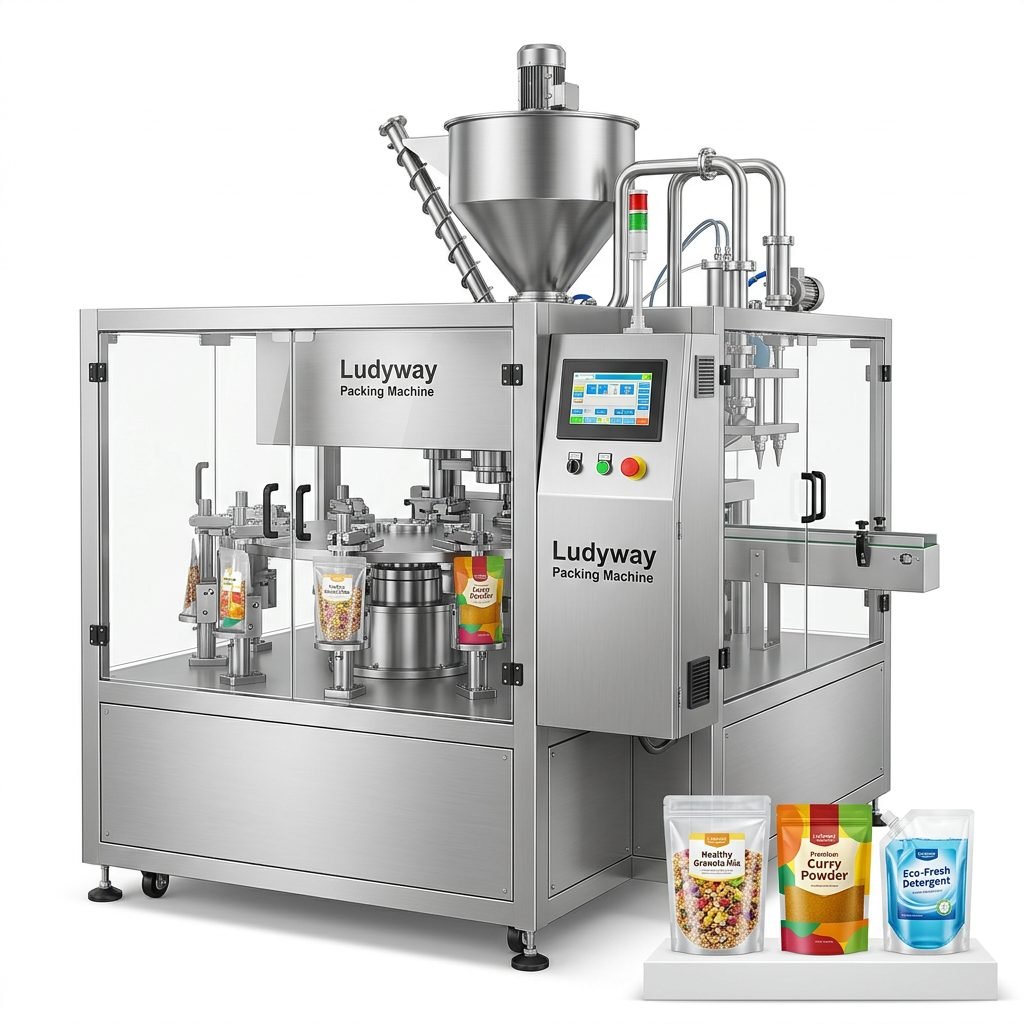
| Vertical Form Fill Seal (VFFS) | Shredded cheese, powder, cubes | Ideal for free-flowing products, gusseted bags |
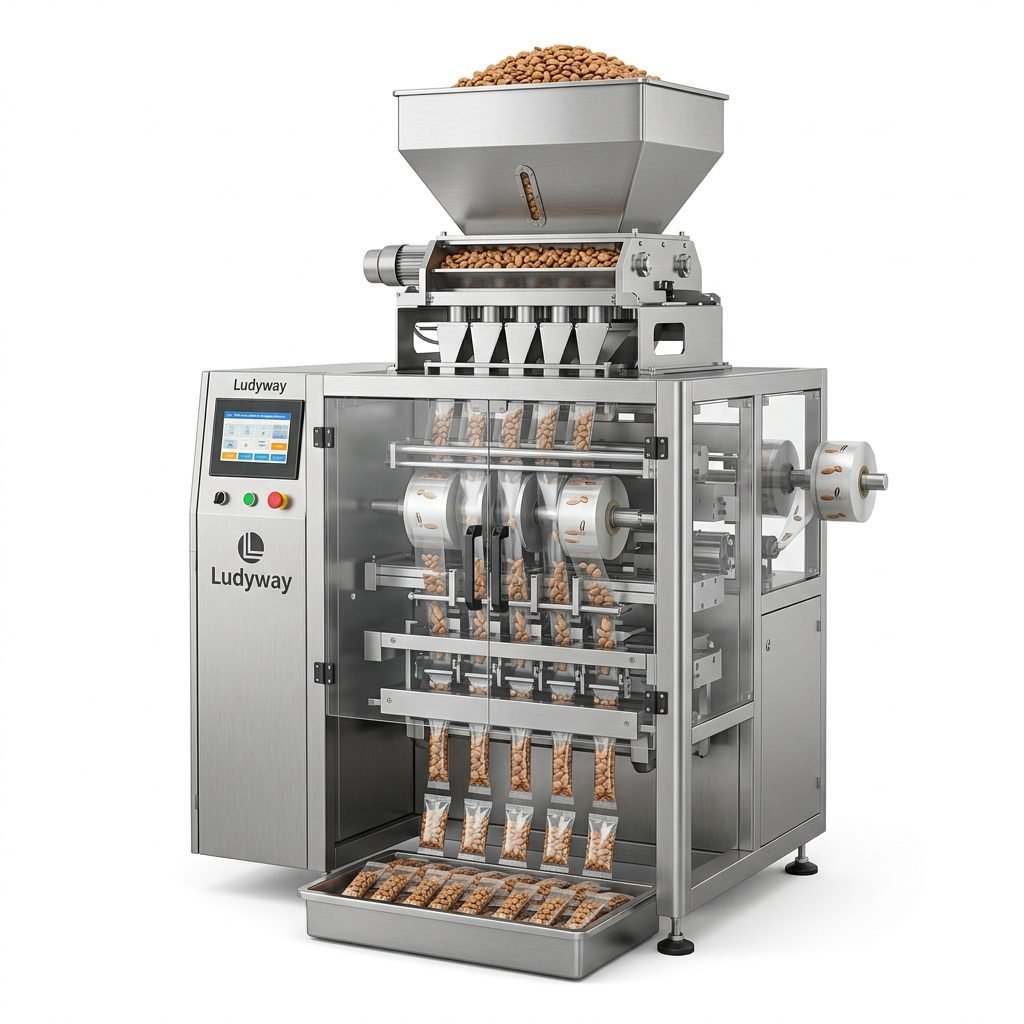
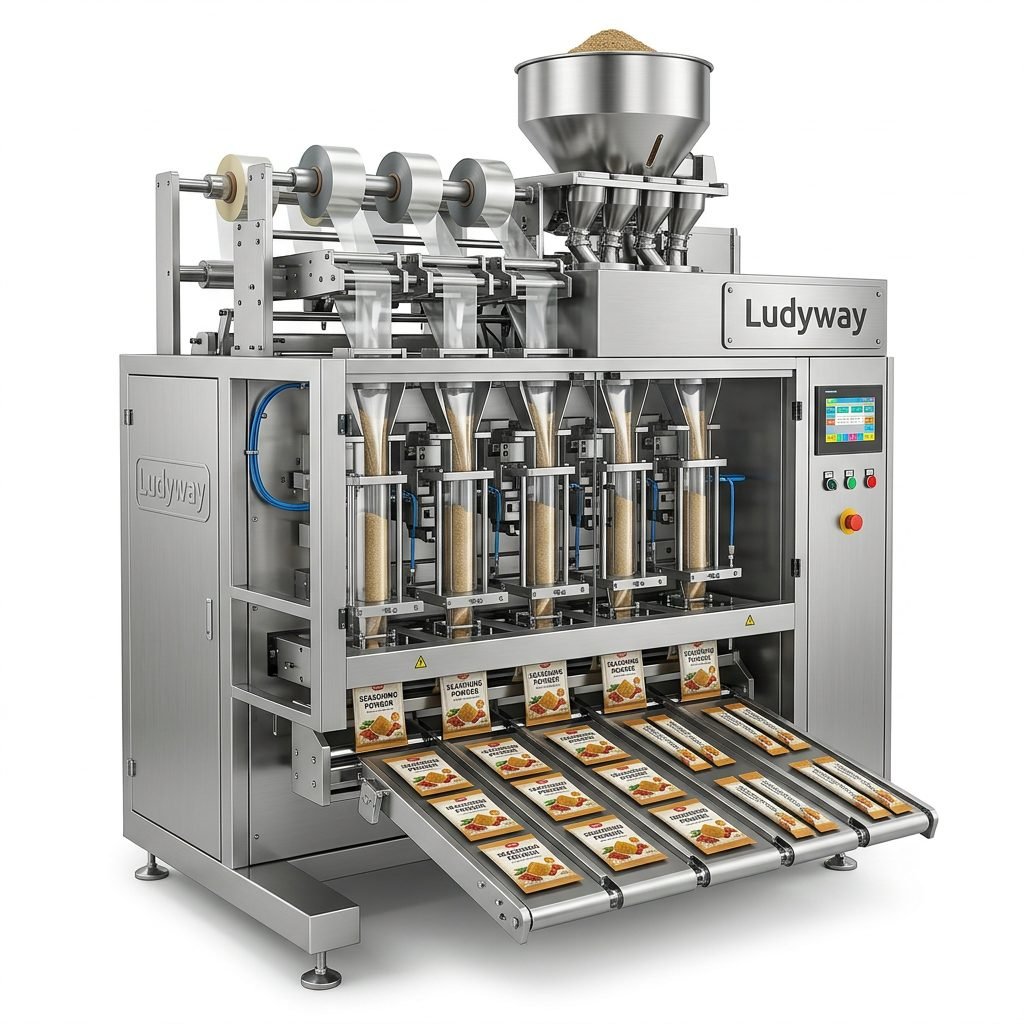
| Multi-Lane Stick/Sachet Machines | Cheese powder, single-serve snacks | Ultra-high output, precision dosing |
Key Selection Criteria for U.S. Buyers
When evaluating a cheese packaging machine, there are several non-negotiable factors that U.S. manufacturers must prioritize to meet retailer mandates and food safety requirements.
Material Compatibility and Shelf Life
Cheese is a highly sensitive product that requires barrier films to prevent oxygen and moisture ingress. Your equipment must be capable of running multi-layer laminated films and applying Modified Atmosphere Packaging (MAP) effectively. Gas flushing systems are essential for shredded and sliced cheeses to inhibit mold growth and preserve freshness.
Sanitary Design and Washdown Requirements
With the enforcement of the Food Safety Modernization Act (FSMA), sanitary design is no longer optional. Look for stainless steel construction, sloped surfaces, and IP65 or higher rated electrical components that can withstand rigorous washdown procedures. Equipment should be designed to minimize harborage points to prevent pathogen growth.
Production Speed and Quick Changeovers
Fluctuating retail demands require agility. Machines with servo-driven controls and recipe management systems allow operators to switch bag sizes or product configurations in minutes rather than hours. This minimizes downtime and maximizes your OEE (Overall Equipment Effectiveness).

Navigating U.S. Regulatory and Industry Standards
Compliance is a major piece of the puzzle. Your packaging line must align with standards outlined by leading authorities. The FDA guidelines for food packaging and food contact substances dictate the materials and processes you can use. Additionally, staying updated with industry benchmarks from organizations like PMMI – The Association for Packaging and Processing Technologies ensures your machinery keeps pace with technology and market trends. Resources such as the Flexible Packaging Association are invaluable for understanding film innovations and sustainability regulations currently shaping the U.S. market.
Integration and Automation: The Turnkey Advantage
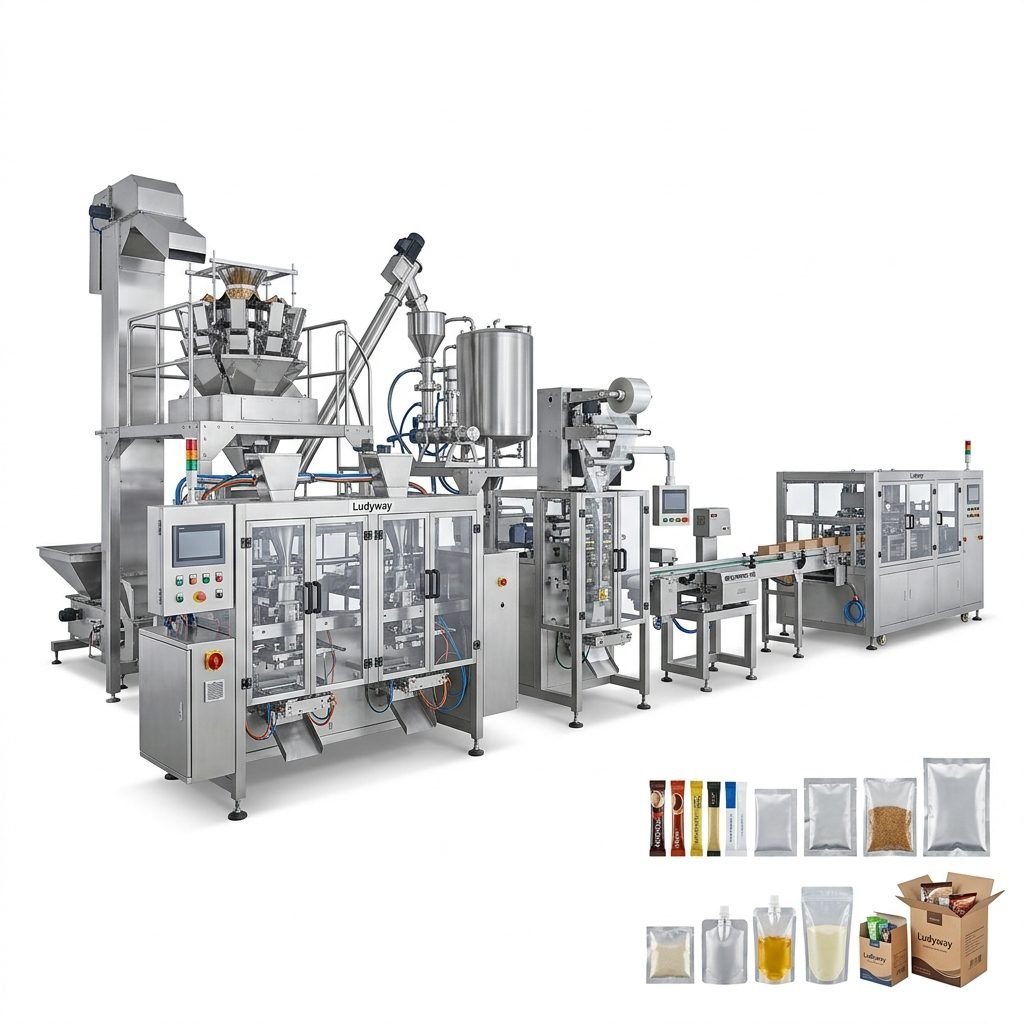
Modern cheese packaging plants are moving toward fully integrated turnkey lines. Rather than purchasing isolated units, a comprehensive system that connects filling, packaging machine manufacturer, checkweighing, x-ray inspection, and end-of-line case packing significantly reduces manual handling and contamination risks.
Partnering with a supplier that offers a complete turnkey approach ensures that all conveyors, buffers, and robotic palletizing systems communicate seamlessly. This is particularly important for U.S. plants facing labor shortages and rising wage costs. Automated systems improve consistency in seal integrity, which is critical for preventing leakers that lead to costly retailer chargebacks.
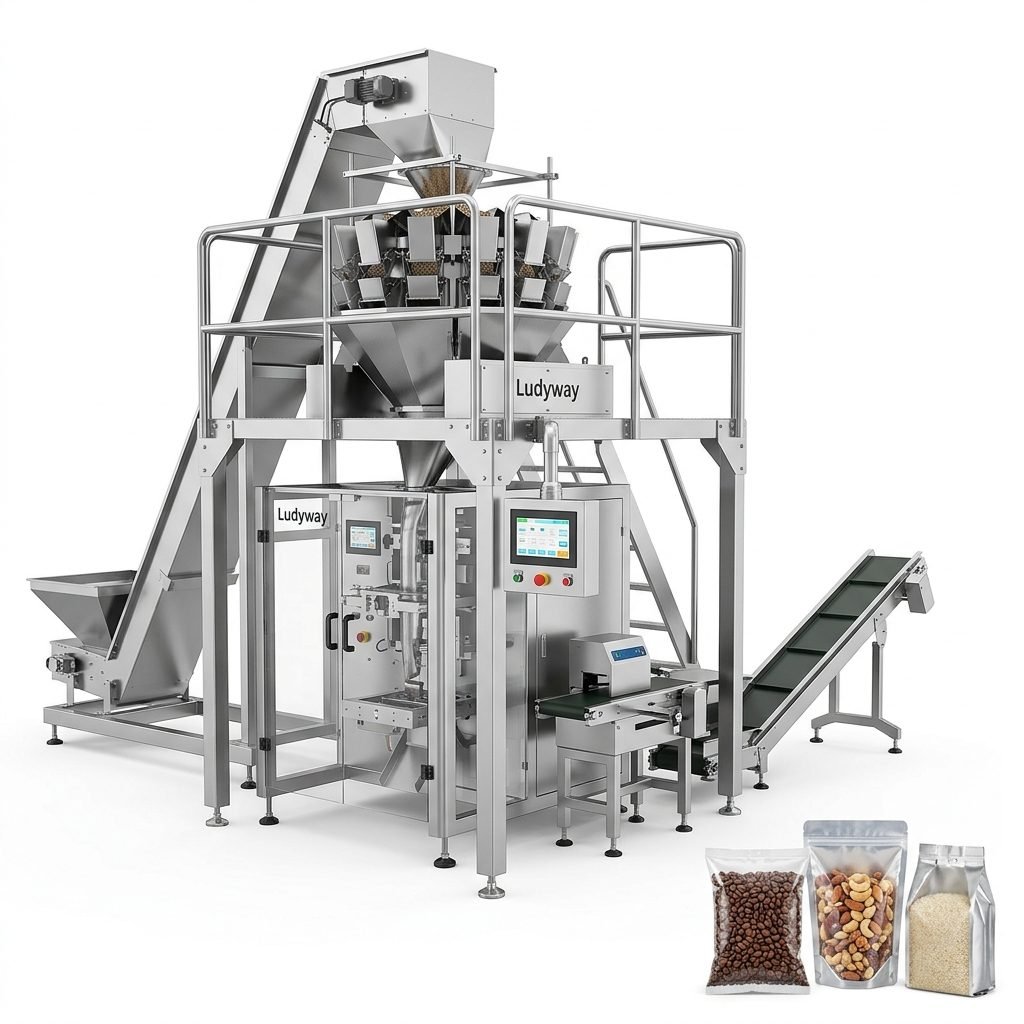
Choosing a Reliable Equipment Supplier
Selecting the right machinery partner is as important as the machine itself. When looking for a cheese packaging machine for your U.S. facility, consider these supplier qualifications:
- U.S. Service and Support: Ensure the supplier has local technicians or a reliable service network to handle installation, training, and emergency repairs without extended lead times.
- Factory Acceptance Testing (FAT): Video or in-person FAT validates that the equipment meets your specific speed and seal quality requirements before it ships.
- Spare Parts Availability: A local inventory of critical wear parts prevents production standstills.
- Custom Engineering Capabilities: Your supplier should be able to tailor machines to your specific packaging film, bag size, and production environment.
With over 30 years of industry expertise and a modern 20,000㎡ manufacturing facility, Ludyway supports more than 50 intelligent packaging machine models, including turnkey solutions customized for the cheese and dairy sector. A partner with global reach and a focus on innovation ensures your investment remains viable as U.S. retail demands evolve.
Future-Proofing Your Investment
The trend in the United States is shifting toward sustainable packaging and smart factory integration. When ordering your machine, consider whether it can run recyclable mono-material films or handle paper-based packaging. Furthermore, Industry 4.0 readiness—such as IoT sensors for predictive maintenance and integration with your ERP system—will keep your plant on the cutting edge of efficiency.
Checklist Summary for U.S. Buyers
- Define your primary product format (block, shred, slice, powder).
- Verify compatibility with MAP and high-barrier films.
- Confirm stainless steel washdown construction (FSMA compliance).
- Assess the availability of local after-sales support and training.
- Evaluate Industry 4.0 capabilities for future scalability.
Making an informed decision now will position your cheese brand for sustainable growth in the competitive U.S. market.