Why Automate Egg Packaging in Asia?
The egg industry across Asia is undergoing a massive shift. Rising urban populations, higher protein consumption, and stricter food safety rules are pushing producers to upgrade their operations. Manual packing methods can no longer keep up with the demands of modern retail chains and export markets. An automated egg packaging production line helps you reduce breakage, improve hygiene, and scale output without compromising quality. In this guide, we walk through everything you need to build or upgrade a complete line—from initial planning to equipment selection and after-sales support.
Core Components of an Egg Packaging Line
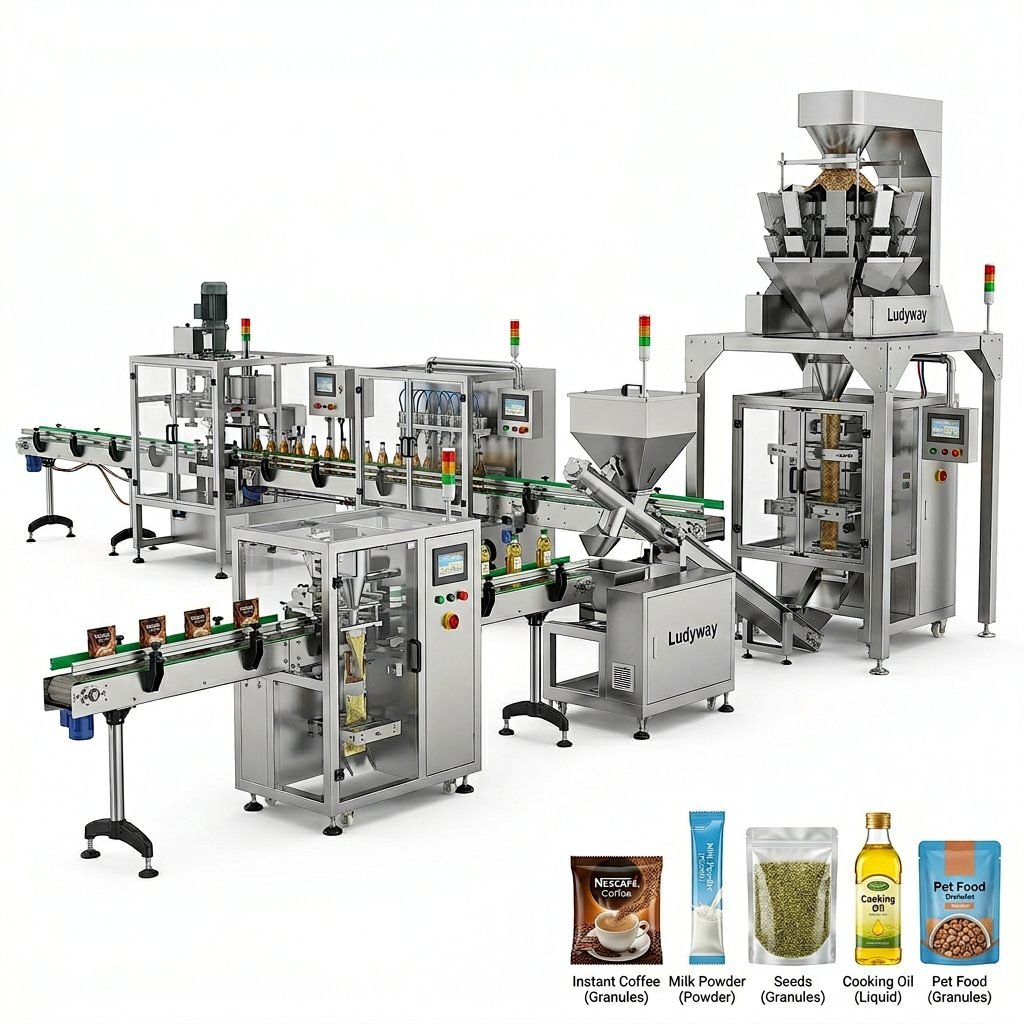
A typical integrated system includes multiple stages. Understanding each module helps you source the right machinery and avoid bottlenecks. The key stations are:
- Egg grading and sorting unit – classifies eggs by weight and detects cracks
- Cleaning and drying system – removes dirt while preserving the natural cuticle
- Tray denester and filling station – automatically places eggs into pulp or plastic trays
- Cartoning or overwrapping module – provides retail-ready packaging with branding
- Conveying and accumulation tables – buffer between machines to absorb micro-stoppages
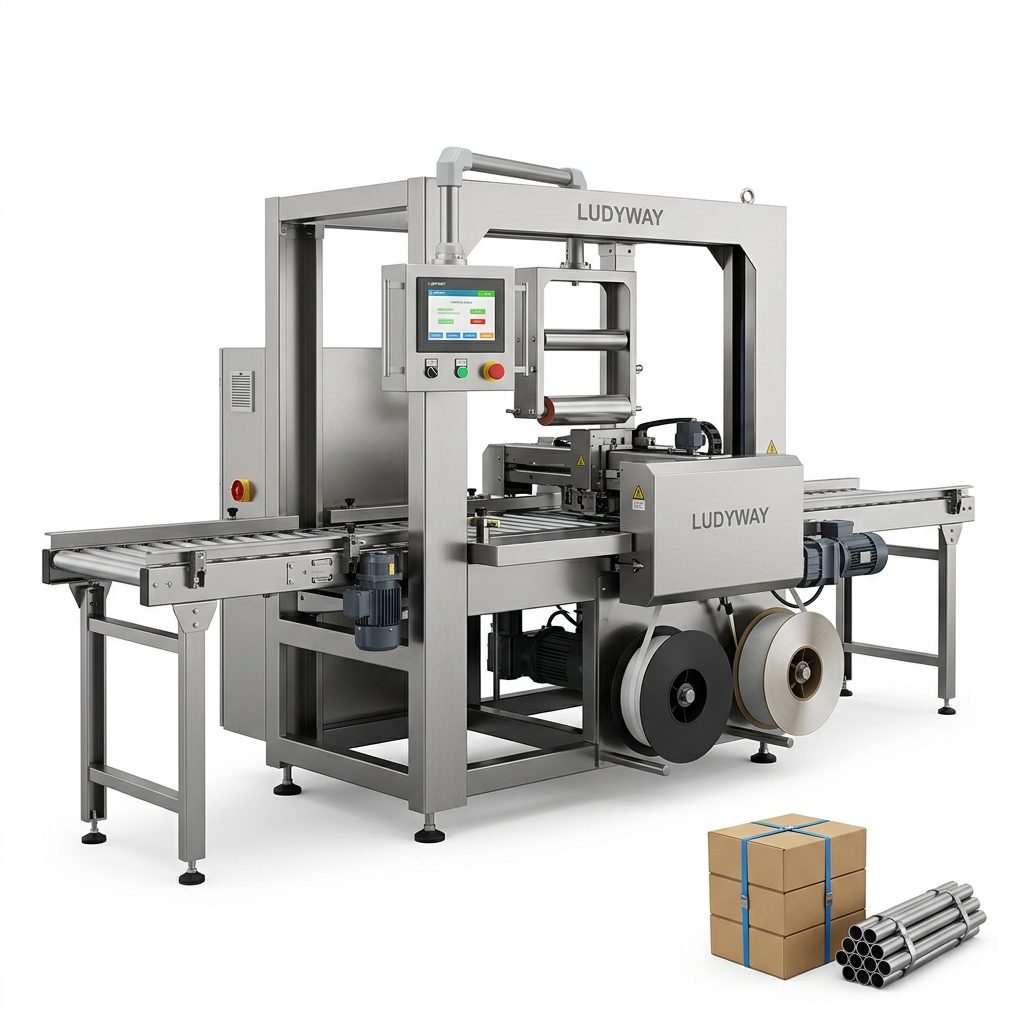
- End-of-line equipment – case packers, palletizers, and stretch wrappers
Not every facility needs every module. The exact configuration depends on your target capacity, packaging format, and budget.
Step-by-Step Setup Process in Asia
1. Define Your Production Requirements
Start with a clear picture of your daily output. Are you processing 10,000 eggs per hour or 100,000? Will you pack into trays, cartons, or eco-friendly molded fiber? Document your electrical supply, compressed air availability, and floor space. Early clarity prevents expensive rework later.
2. Understand Local Market Demands
Consumer preferences differ across Asian markets. In Japan and Korea, premium carton packaging with high print quality is essential. In many Southeast Asian countries, cost-effective tray packs dominate wet markets. Your packaging machine must be flexible enough to adapt to these regional norms. According to the PMMI State of the Industry 2025 report, Asia-Pacific packaging machinery demand is growing at over 6% annually, driven by food safety modernization.
3. Ensure Food Safety Compliance
Eggs are a sensitive food product. Equipment must use food-grade stainless steel (304 or 316) and easy-to-clean designs. Any materials in contact with eggs need to comply with FDA packaging and food contact substances regulations or equivalent Asian standards. Packaging materials themselves, such as trays and film, should meet Flexible Packaging Association guidelines for strength and barrier properties.
4. Choose the Right Packaging Machine
There is no one-size-fits-all solution. Compare the most common types:
| Machine Type | Best For | Typical Speed |
|---|---|---|
| Semi-automatic tray packer | Small farms, start-ups | 2,000 – 5,000 eggs/hour |
| Fully automatic tray & carton line | Mid-size to large processors | 15,000 – 30,000 eggs/hour |
| High-speed integrated system | Export-oriented enterprises | 40,000 – 120,000 eggs/hour |
5. Source from a Reliable Asian Manufacturer
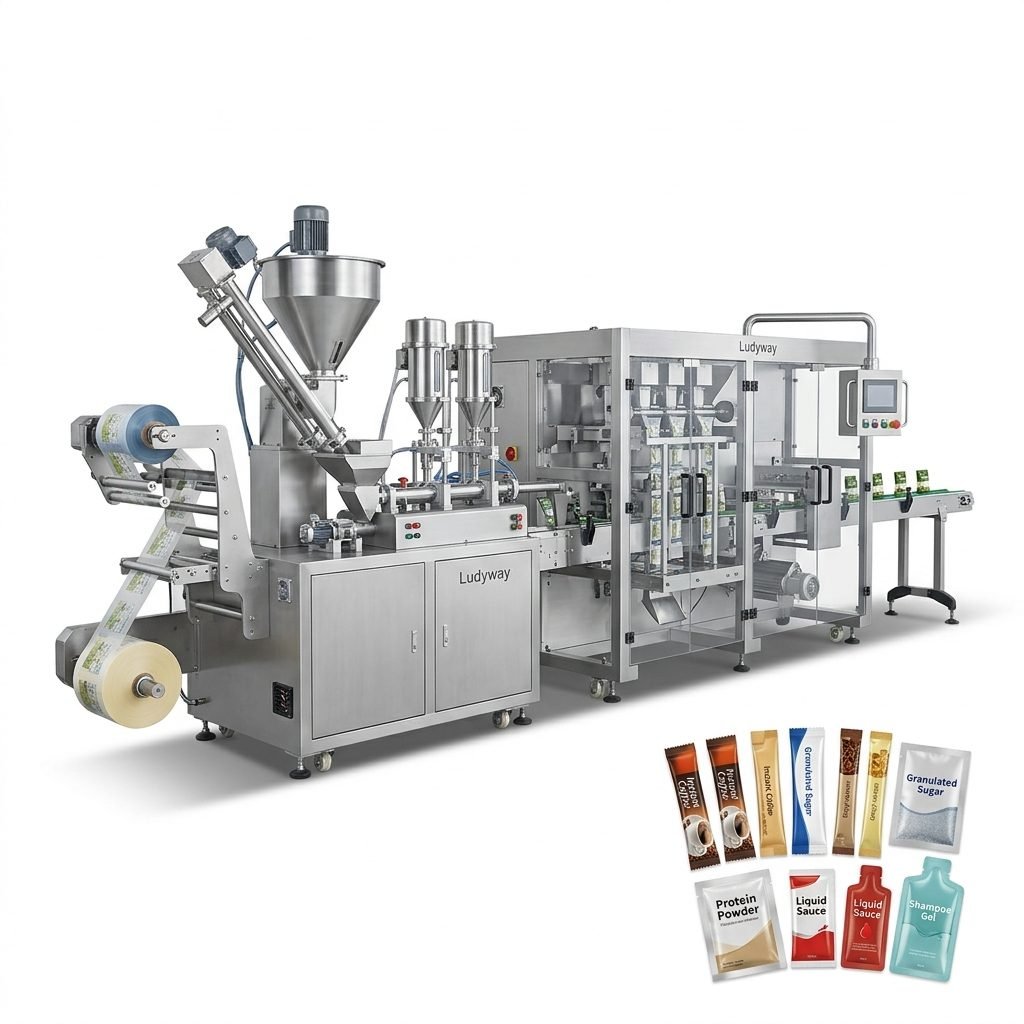
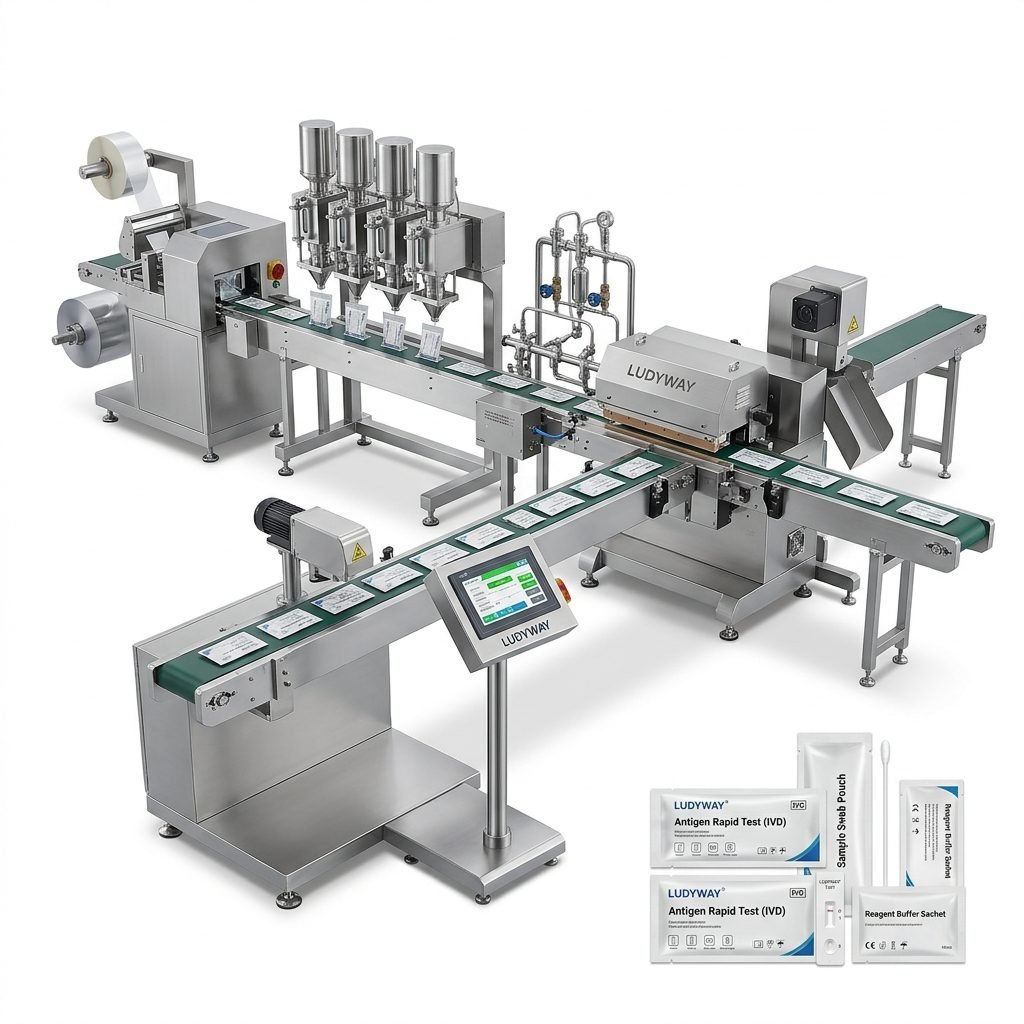
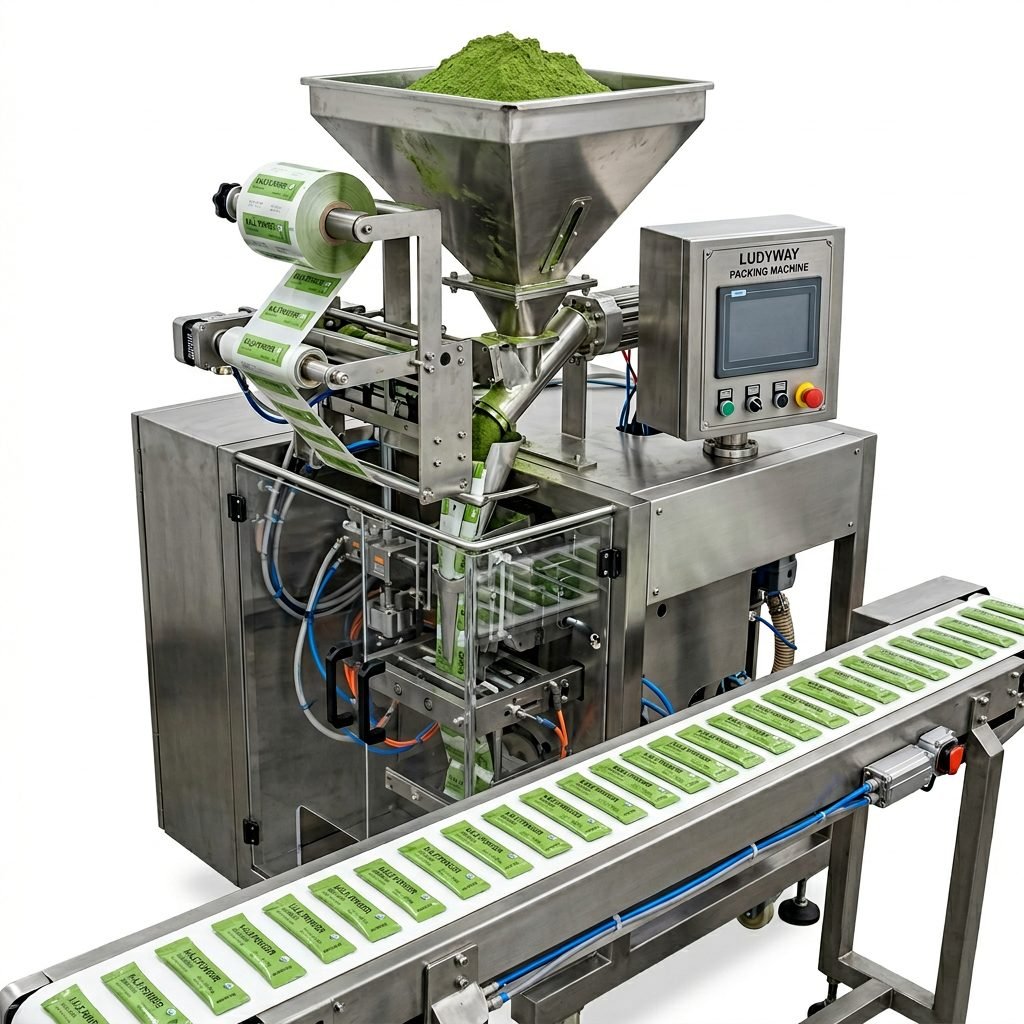
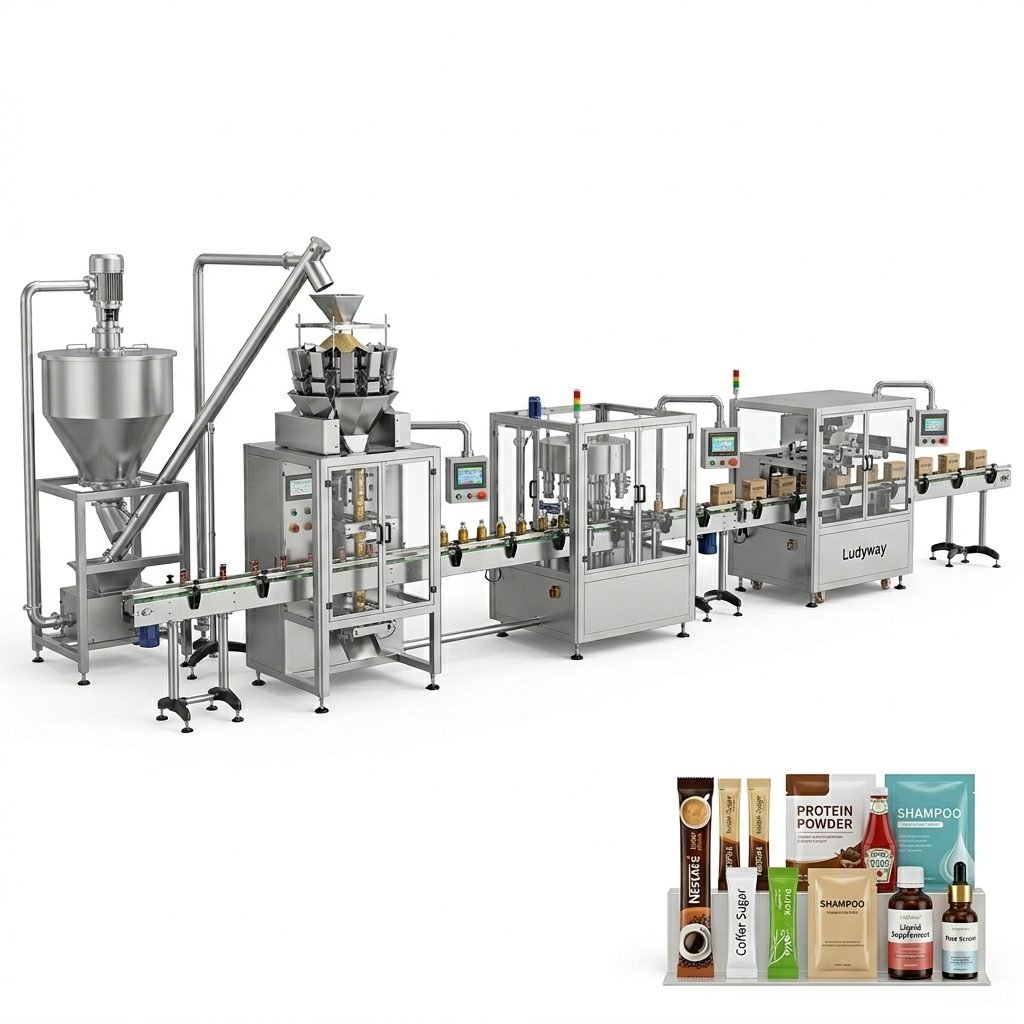
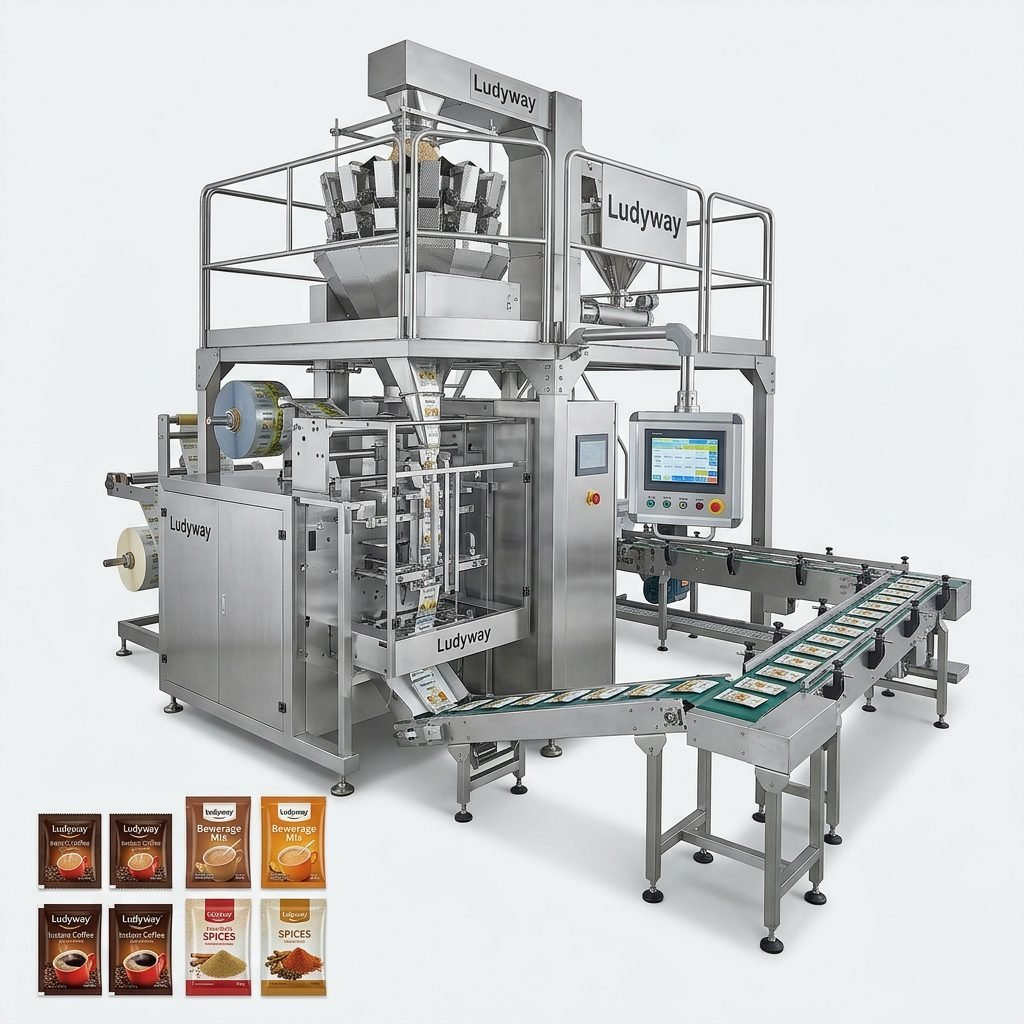
Asia, and particularly China, has become a global powerhouse for cost-efficient packaging machinery without sacrificing quality. When evaluating suppliers, look for a proven track record, turnkey project experience, and strong after-sales service in your region. For example, Ludyway is one of the largest packaging machine manufacturers in China, with over 30 years of industry experience and a 20,000㎡ modern production facility. The company offers more than 50 intelligent packaging models and has served customers in over 100 countries. Their turnkey solutions cover everything from design to installation and training, making them a strong partner for setting up an egg packaging line in Asia.
6. Installation, Training, and Pilot Runs
Once your machinery arrives, professional installation is critical. Aligning conveyors, leveling equipment, and calibrating sensors directly impact long‑term performance. Reputable suppliers provide on-site engineers who train your operators and supervise the first production batches. Allow at least two weeks for full line commissioning and fine‑tuning.
Cost Considerations and ROI
While the initial investment might seem steep, automating your egg packaging reduces labor costs by up to 70% and cuts product waste significantly. Here is a rough breakdown of capital expenditure:
- Egg grader & crack detector – USD 20,000 to 60,000
- Tray packing machine – USD 25,000 to 100,000
- Carton erecting and closing system – USD 15,000 to 50,000
- Conveyors and integration control – USD 10,000 to 35,000
- End‑of‑line (case packer, palletizer) – USD 30,000 to 120,000
Most medium‑scale egg producers achieve full ROI within 18 to 36 months due to higher output and reduced product loss.
Maintenance and Long‑Term Support
Regular preventive maintenance is the key to operational longevity. Create a daily, weekly, and monthly checklist focusing on:
- Chain tension and lubrication
- Vacuum cup inspection and replacement
- Sensor cleaning and recalibration
- Conveyor belt alignment
- Software updates and backup
Ensure your machine supplier can supply genuine spare parts quickly. Choosing a manufacturer with an Asian service hub will keep your downtime to a minimum.
Future Trends in Egg Packaging
Sustainability is reshaping the industry. Molded pulp trays and biodegradable films are replacing plastic. Smart packaging with QR codes that track farm‑to‑table freshness is growing in popularity. When selecting equipment, verify that it can handle newer eco‑materials without jamming or damaging the packs. Modern multi‑lane systems are also integrating ISO packaging standards for line efficiency and waste reduction, which can further enhance your brand’s sustainability credentials.
Frequently Asked Questions
How much factory space do I need for an egg packaging line?
A compact semi-automatic line can fit in 50 square meters, while a fully integrated system with palletizing requires around 150‑200 square meters, plus raw material and finished goods storage.
Can the same line handle duck and quail eggs?
Yes, many machines offer quick‑change tooling for different egg sizes. Specify this requirement when ordering so the supplier provides adjustable grippers and guides.
What about power supply in remote Asian locations?
Most machines are configurable for 380V/50Hz or other regional voltages. Discuss your site conditions during the quotation phase to include necessary transformers or stabilizers.
How do I ensure the machine meets CE or local safety certifications?
Work with a manufacturer that has experience exporting to your specific country. Request valid test reports and certification documents before shipment.
Ready to build your egg packaging line in Asia? Partner with an experienced equipment manufacturer that understands your market and can deliver a complete, compliant, and future‑ready solution.