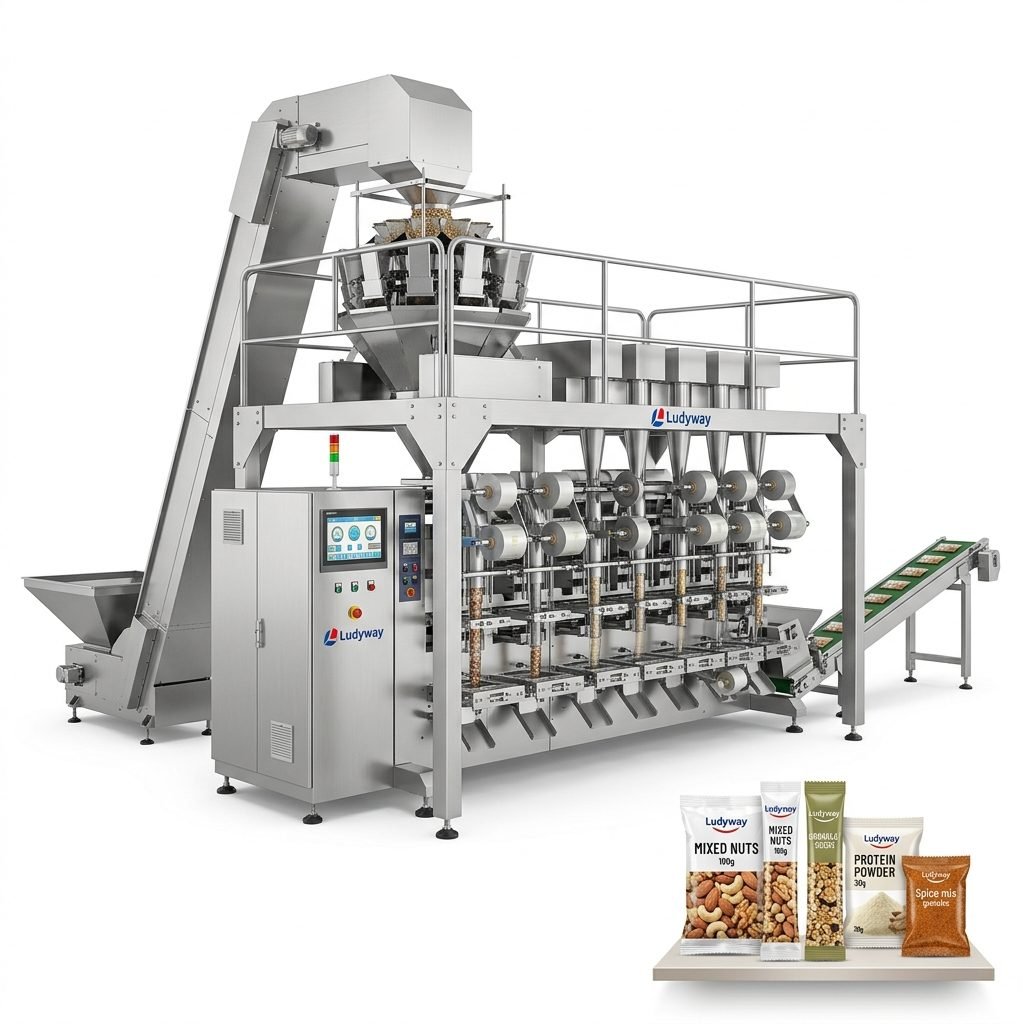
Entering the global beverage market requires more than just a great formula. The packaging production line you choose directly impacts your speed to market, product shelf life, and overall profitability. From high-speed canning to flexible pouch filling, setting up a line that meets diverse international standards demands meticulous planning.

Understanding Global Market Requirements
Before purchasing a single machine, you must define your target markets. Regulations vary significantly. The FDA in the United States, European Commission directives, and various Asian standards dictate everything from material composition to labeling. A production line designed for flexibility is not just an advantage; it is a necessity. You might need to switch between bottle formats, multi-lane stick packs, and sachets rapidly to cater to regional preferences.
For detailed regulatory frameworks, the PMMI Business Intelligence and Flexible Packaging Association provide essential resources. Compliance with FDA food packaging standards is often the first critical step for North American exports.
Phase 1: Defining Your Product and Packaging Format
The physical state of your beverage dictates the primary technology. Are you dealing with instant powder, liquid concentrates, or ready-to-drink (RTD) beverages? The choice between rigid containers and flexible packaging will fundamentally shape your layout.
Liquid Filling Systems
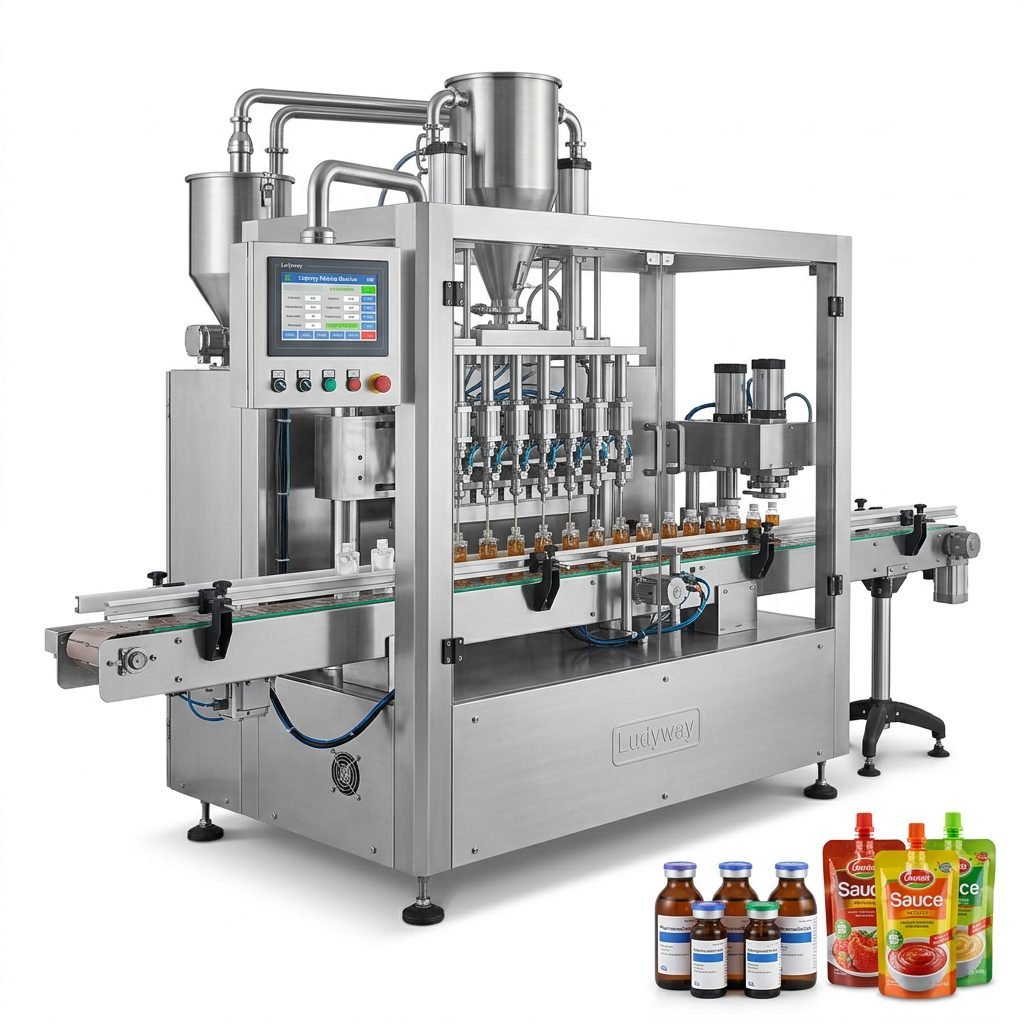
For RTD teas, juices, and functional drinks, you are likely looking at bottle filling lines. Key components include depalletizers, rinsers, fillers, and cappers. Speed is critical here, but so is hygiene. Aseptic filling is increasingly becoming a standard requirement for shelf-stable milk-based or low-acid beverages destined for challenging climates.
Powder and Granule Packaging
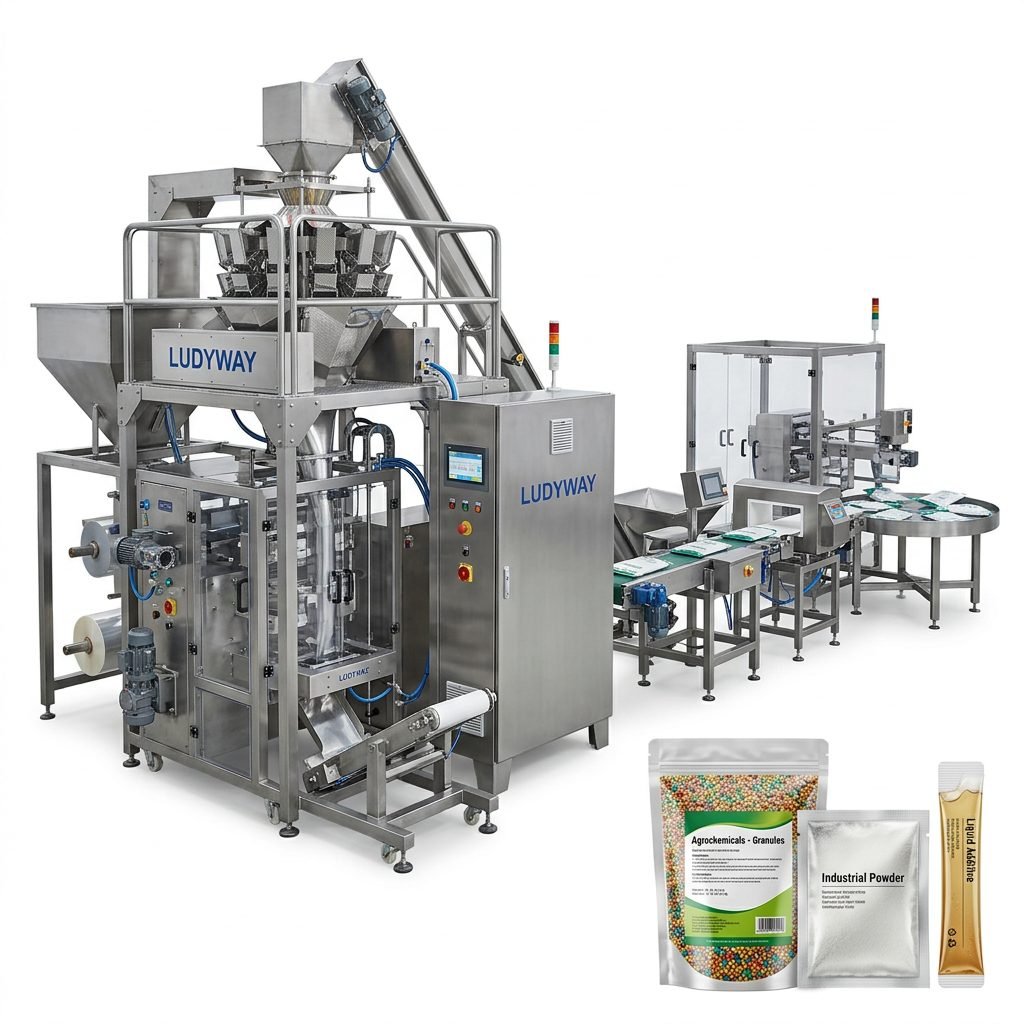
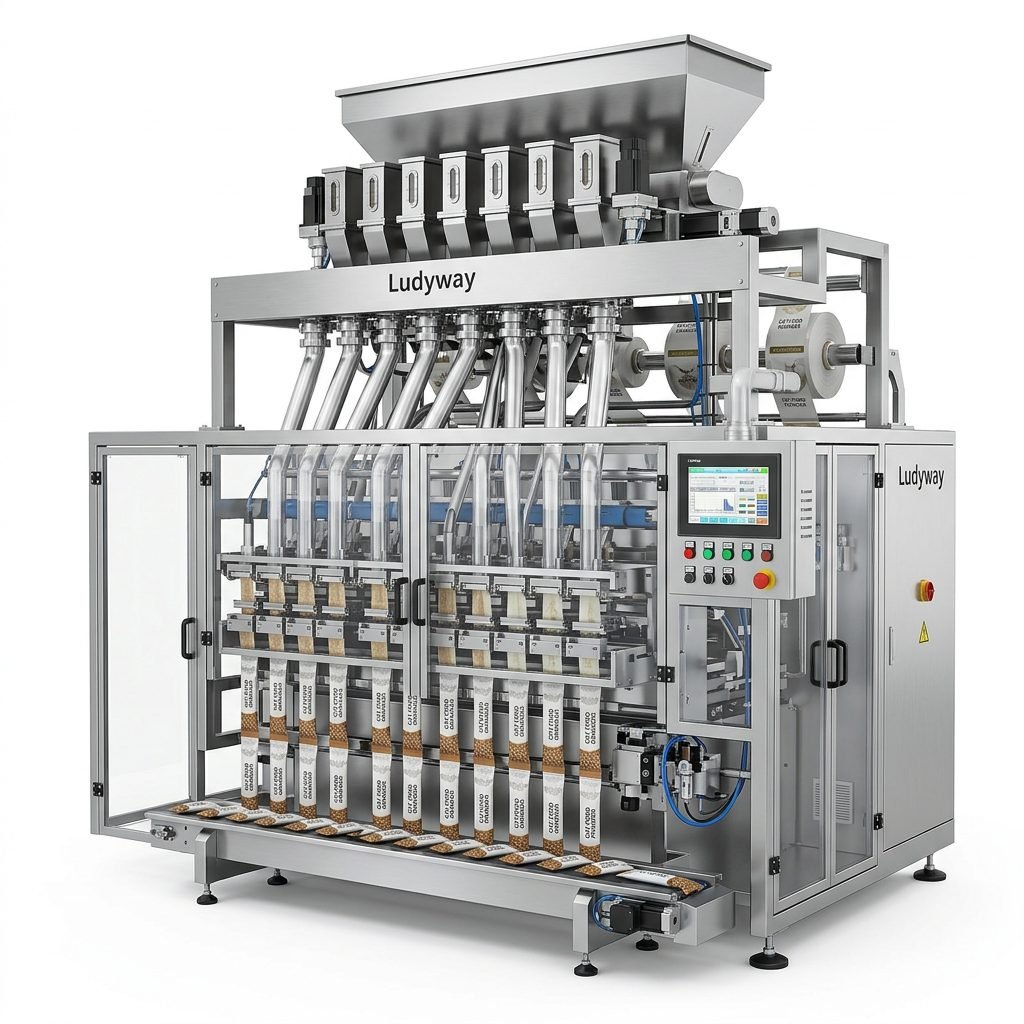
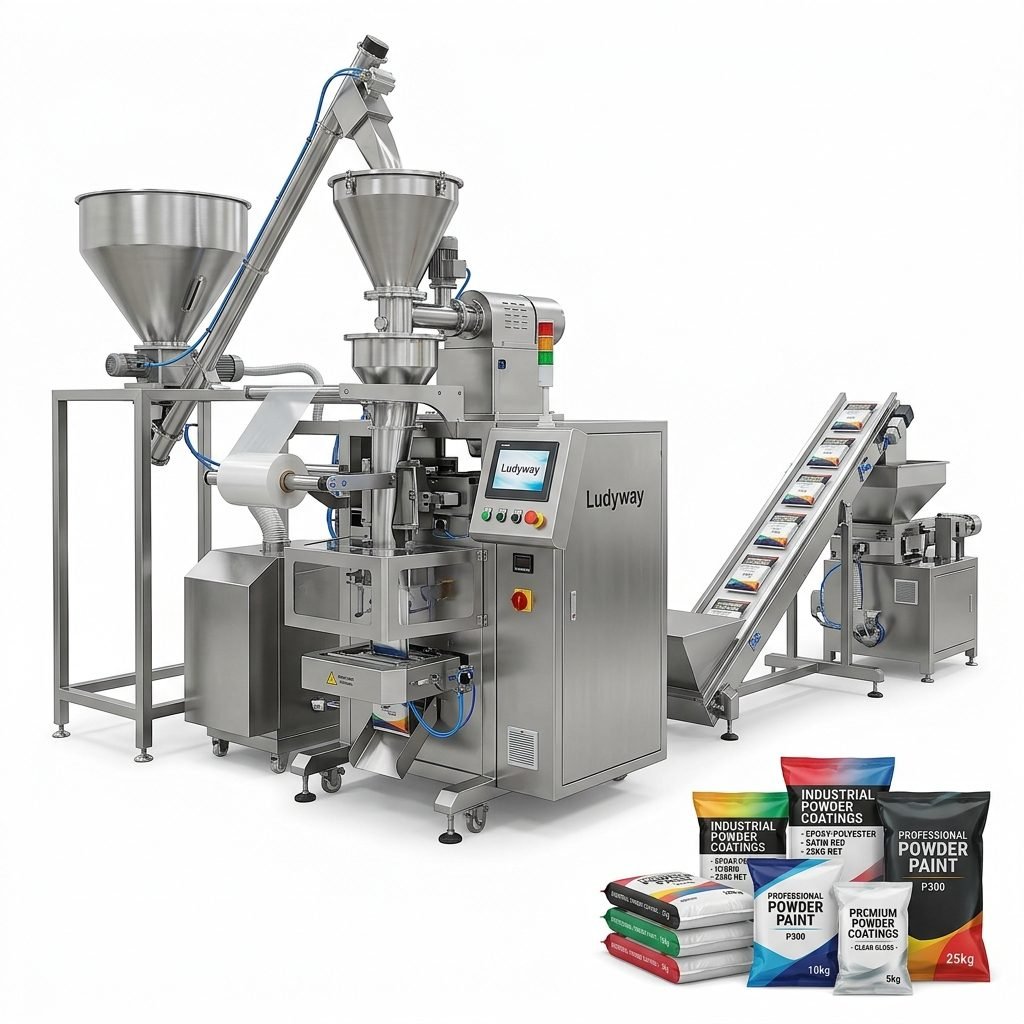
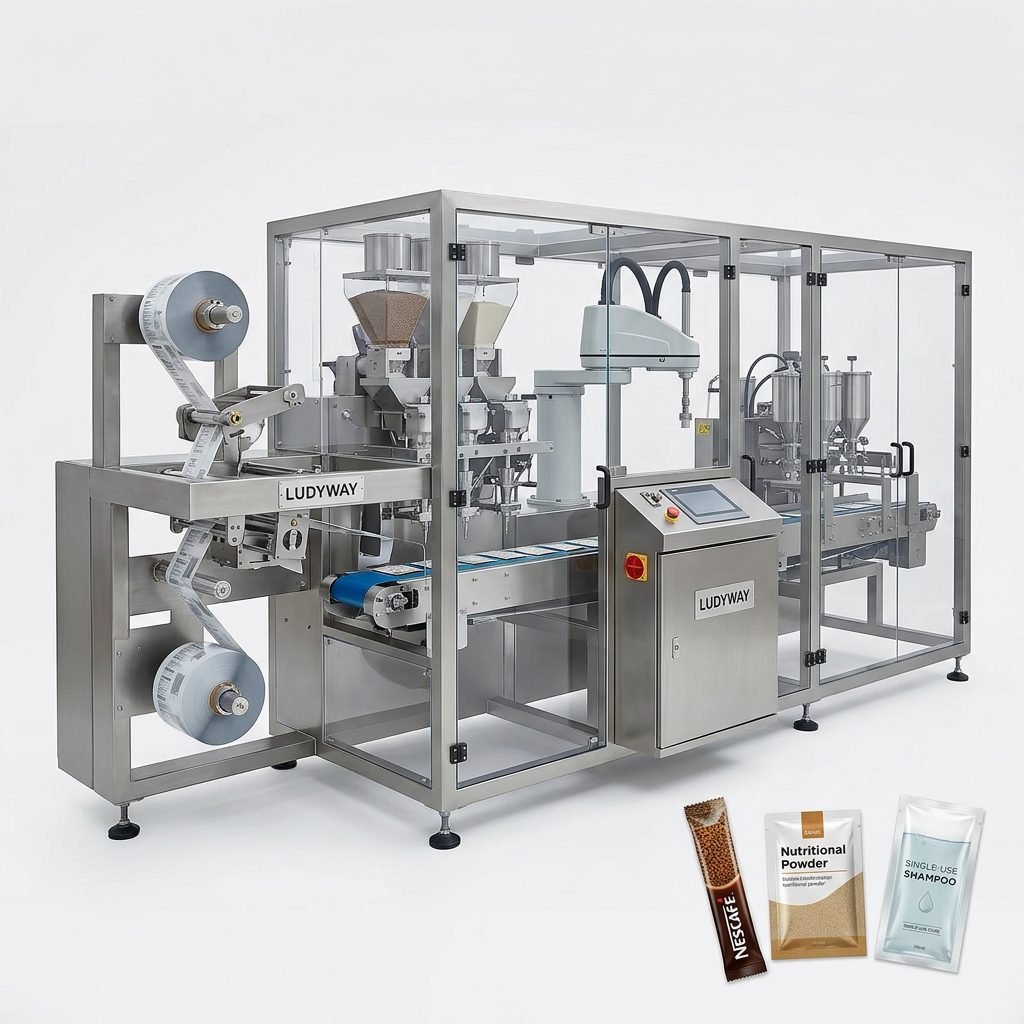
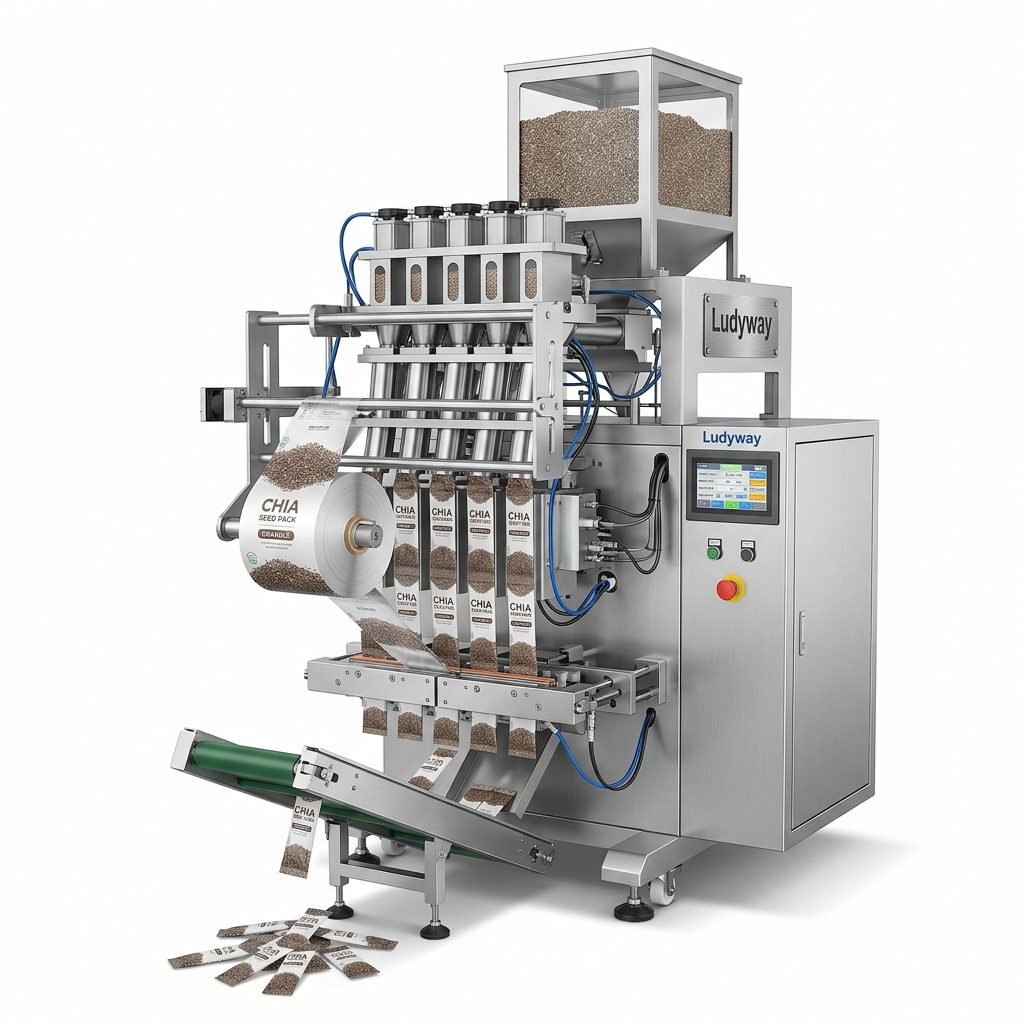
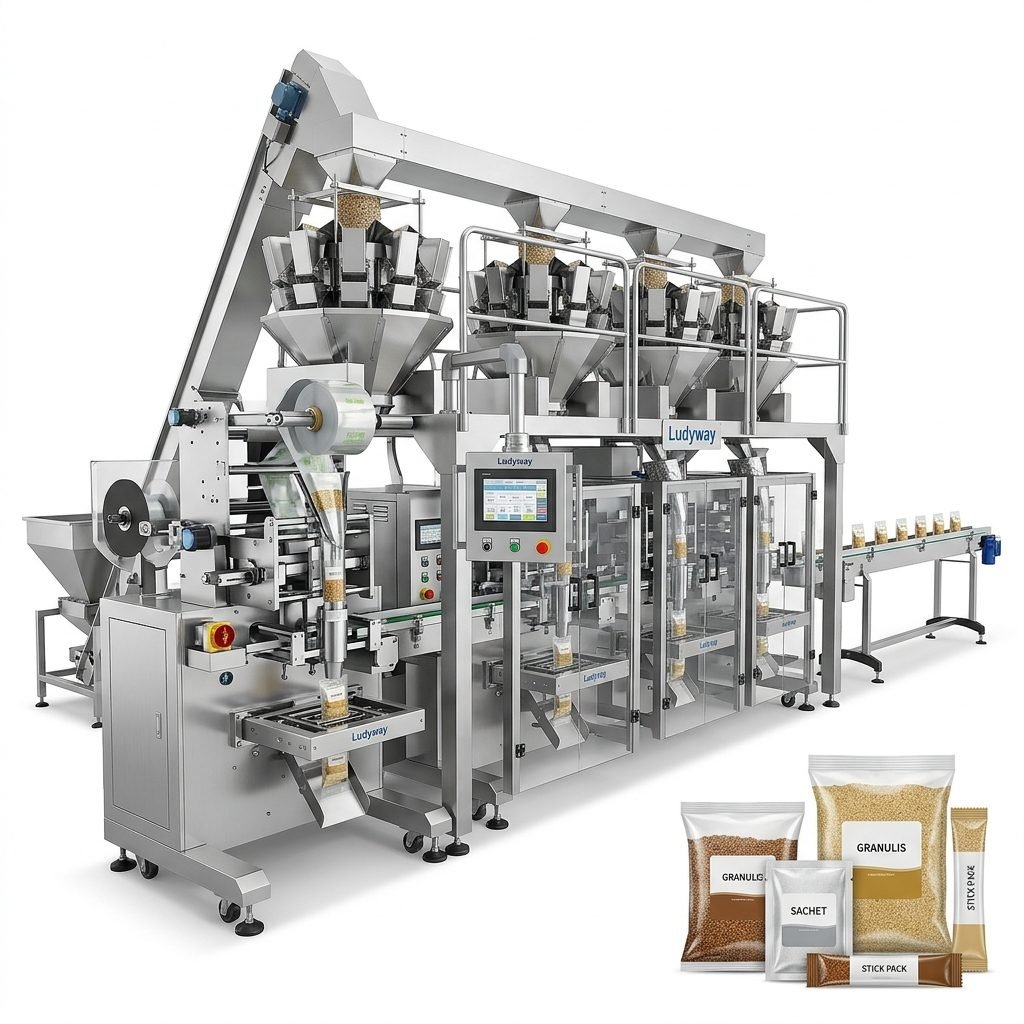
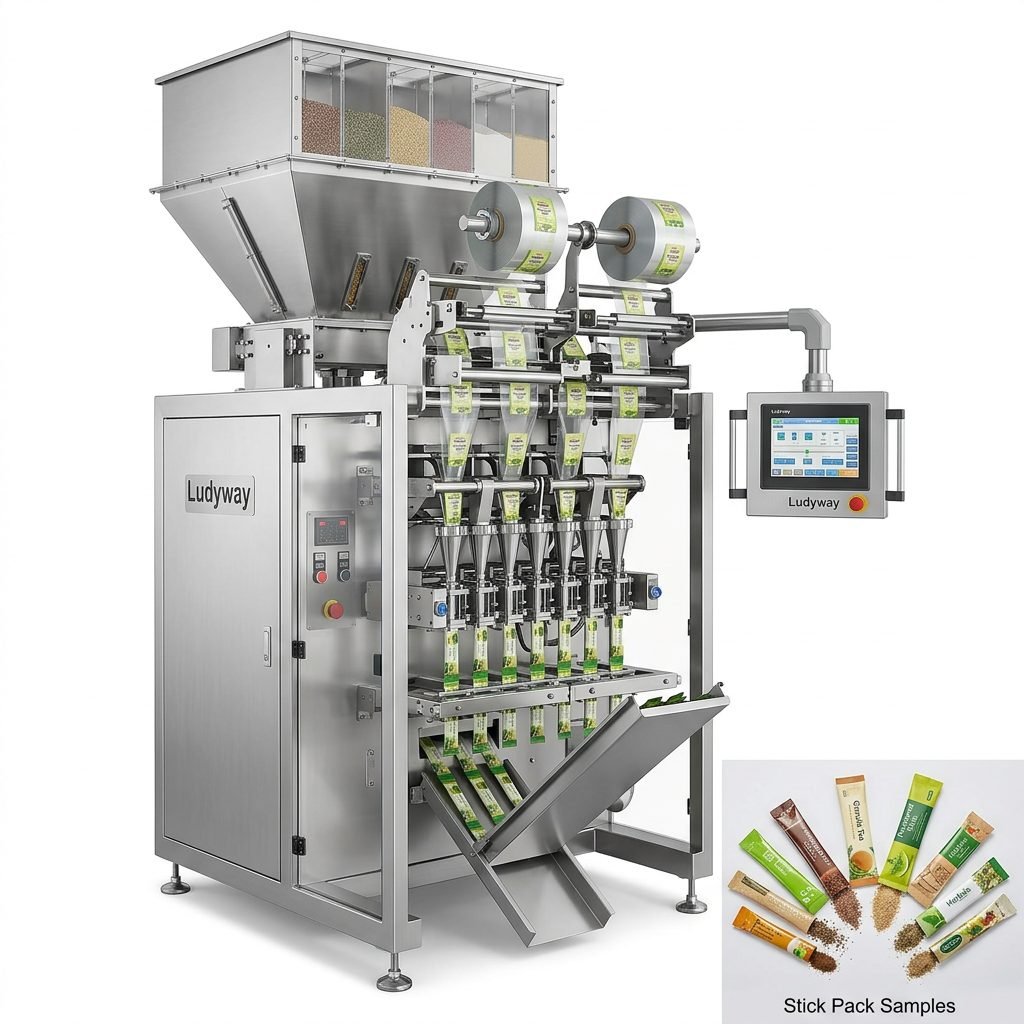
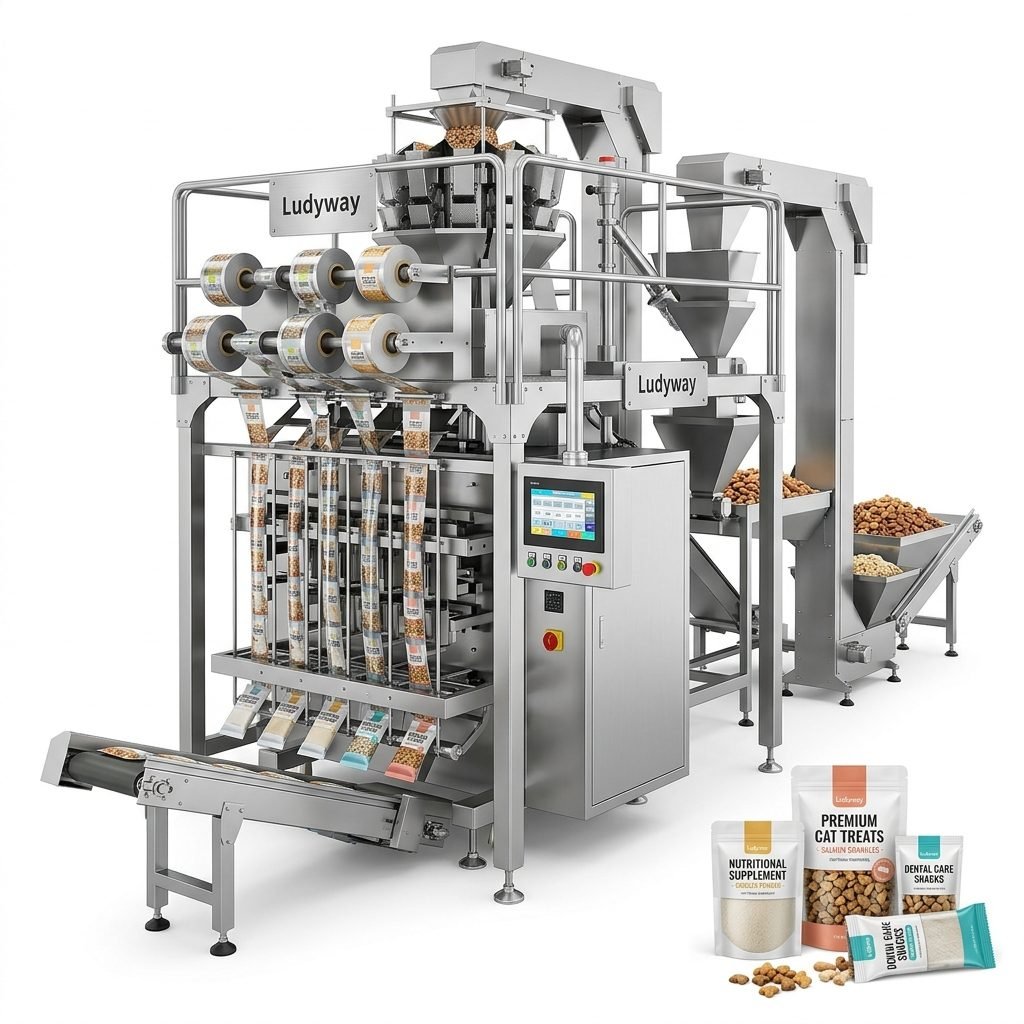
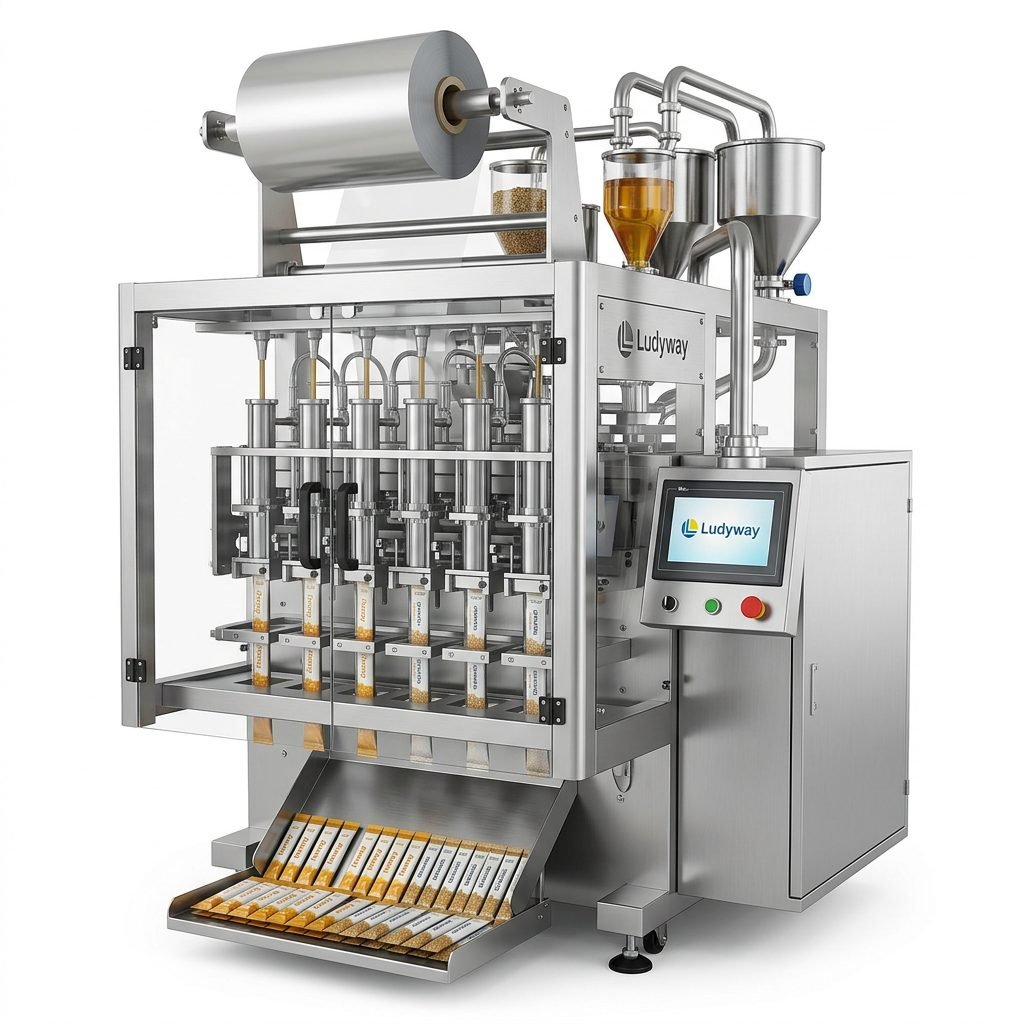
Instant coffee, protein shakes, and milk tea powders demand high-accuracy auger or multi-head weigher fillers. Moisture control is the enemy. Look for lines that integrate nitrogen flushing to displace oxygen and extend shelf life. The multi-lane stick pack format is dominating the export market for single-serve powders due to its portability and cost-efficiency. An experienced packaging machine manufacturer like Ludyway often configures systems that can handle both granule and powder on the same platform to maximize return on investment.
Phase 2: Critical Machinery for a Turnkey Line
A seamless line integrates primary packaging, secondary packaging, and end-of-line automation. Bottlenecks in any area can cripple your output. The table below outlines the standard flow for a high-output global export line:
| Process Stage | Equipment | Key Function |
|---|---|---|
| Feeding | Z-Type Bucket Elevator / Vacuum Feeder | Dust-free transport of raw materials |
| Primary Fill | Multi-Lane Stick Pack / Rotary Liquid Filler | High-speed, precise dosing |
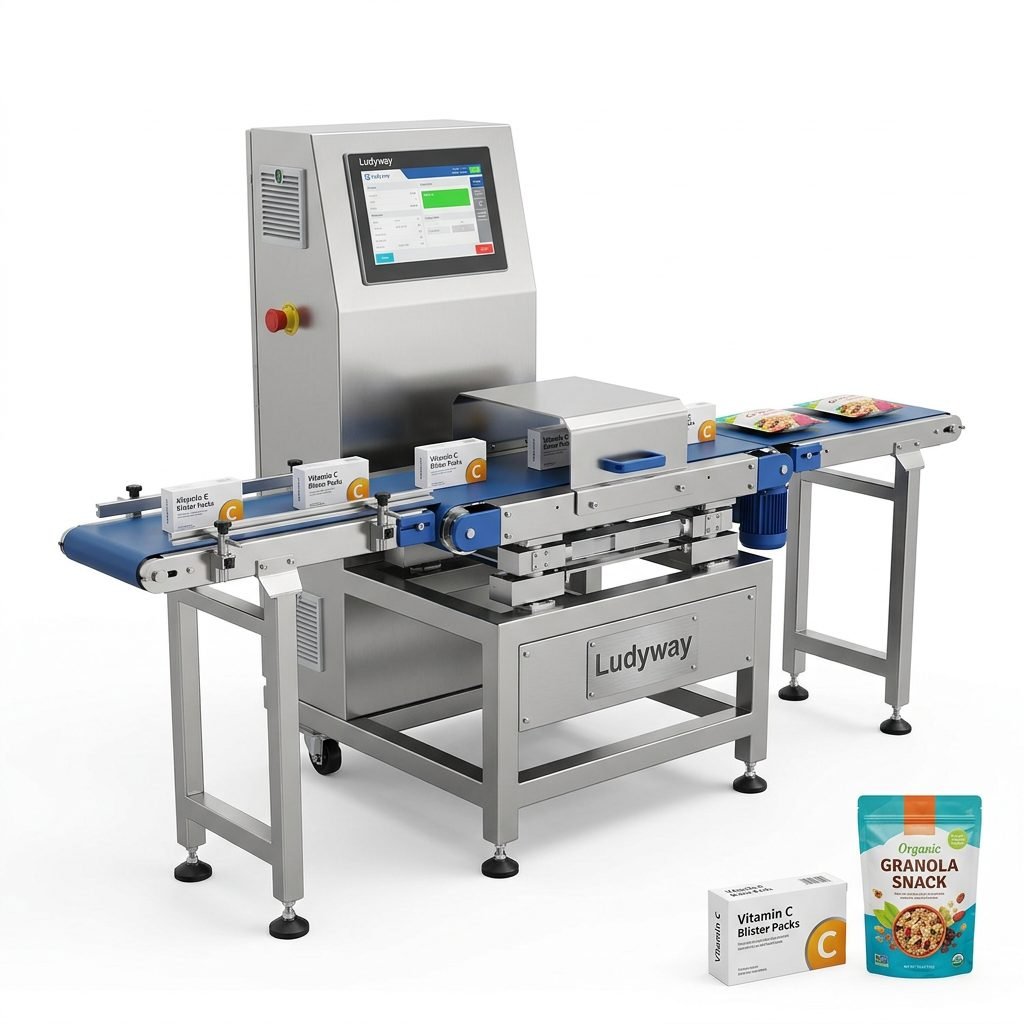
| Inspection | Dynamic Checkweigher / Metal Detector / X-Ray | Compliance with GFSI and FDA requirements |
| Secondary Pack | Automatic Cartoning Machine / Case Packer | Retail-ready packaging |
| End of Line | Robotic Palletizer / Stretch Wrapper | Stabilized loads for ocean freight |
Phase 3: Automation and Smart Integration
Labor shortages are a global reality. A modern beverage packaging production line must embrace IoT and data-driven automation. This goes beyond basic PLC controls. You need centralized SCADA systems that allow your managers to monitor Overall Equipment Effectiveness (OEE) from anywhere in the world.
Benefits of Smart Lines
- Remote Troubleshooting: Minimize downtime with instant OEM support connections.
- Predictive Maintenance: Sensors on motors and drives alert you before a failure stops the line.
- Serialization Ready: For markets requiring track-and-trace, integration of industrial inkjet coding systems from the start saves retrofitting costs later.
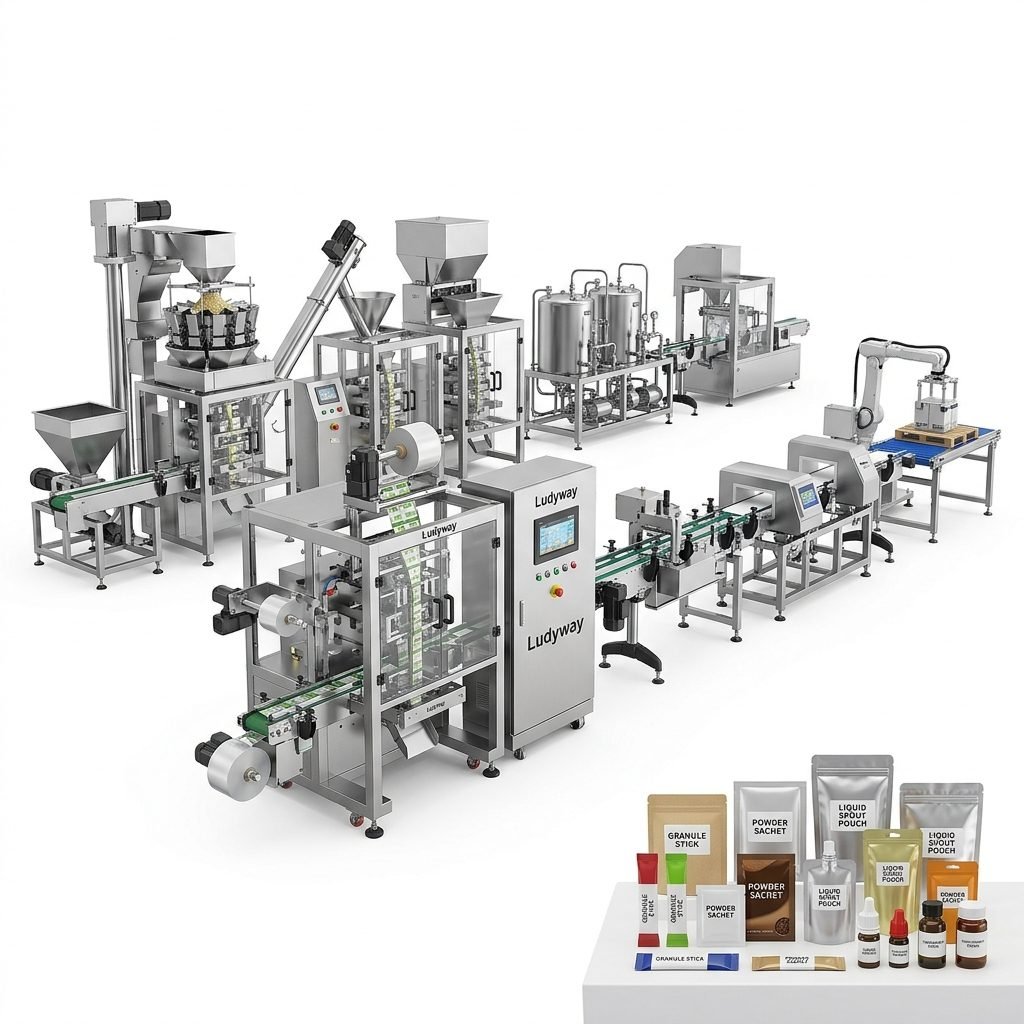
Material Compatibility and Sustainability
Global giants are mandating sustainable packaging. Your line must be ready to run recyclable mono-materials. These films often have a narrower sealing window than traditional multi-layer plastics. Precision temperature control on your vertical form fill seal machines is crucial to avoid burnt seals or leaks. Furthermore, the European Packaging and Packaging Waste Regulation is pushing hard for design-for-recycling, making high-precision sealing technology a competitive advantage.
Common Format Conversion Kit Considerations
- Sachet to Stick Pack: Requires changeable forming tubes and sealing jaws.
- Bottle Size Changes: Look for tool-less changeover on star wheels and guides to cut downtime.
- Labeling: A combination of wrap-around and shrink sleeve labeling stations offers the greatest flexibility for promotional SKUs.
Factory Layout: Flow and Sanitation
Design your floor plan with a logical “U-shape” or linear flow to separate raw material intake from finished goods exit. Hygienic zoning is mandatory for export certifications like BRC or IFS.
Wet Zone
Where the product is exposed. Requires sloped floors, stainless steel conveyors, and positive air pressure. IP65 or higher washdown motors are needed here.
Dry Zone
Secondary packaging areas for case packing and palletizing. Standard IP54 motors are often acceptable, but dust-tight enclosures are still preferred for powder rooms.
Ludyway, with its 20,000㎡ modern production facility, engineers lines specifically designed for this hygienic separation, ensuring that the sensitive filling areas are protected from cardboard dust and forklift traffic.
Validation and Shipping Logistics
Installation is only the halfway point. You need a detailed Factory Acceptance Test (FAT) and Site Acceptance Test (SAT) protocol. When shipping globally, consider whether the line can be broken down into 40ft high-cube containers easily. Modular conveyor design significantly lowers freight costs.

For reference on the latest industry trends and machinery data, organizations like PMMI’s State of the Industry Reports are invaluable for benchmarking your line’s performance against global averages.
Setting up a beverage packaging line for international distribution is a complex matrix of mechanics, electronics, and regulations. By selecting robust, scalable equipment and prioritizing hygienic design from the ground up, you create a production asset ready to conquer global shelves.