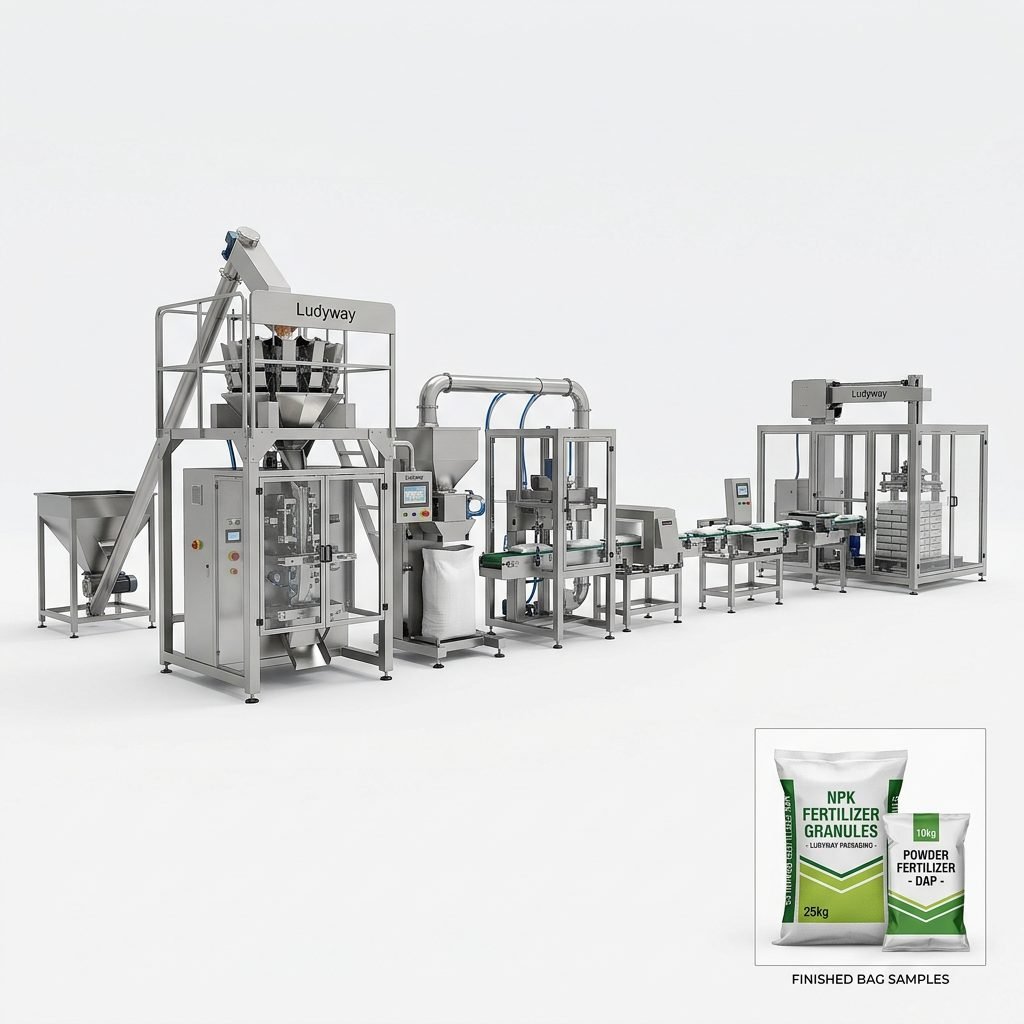
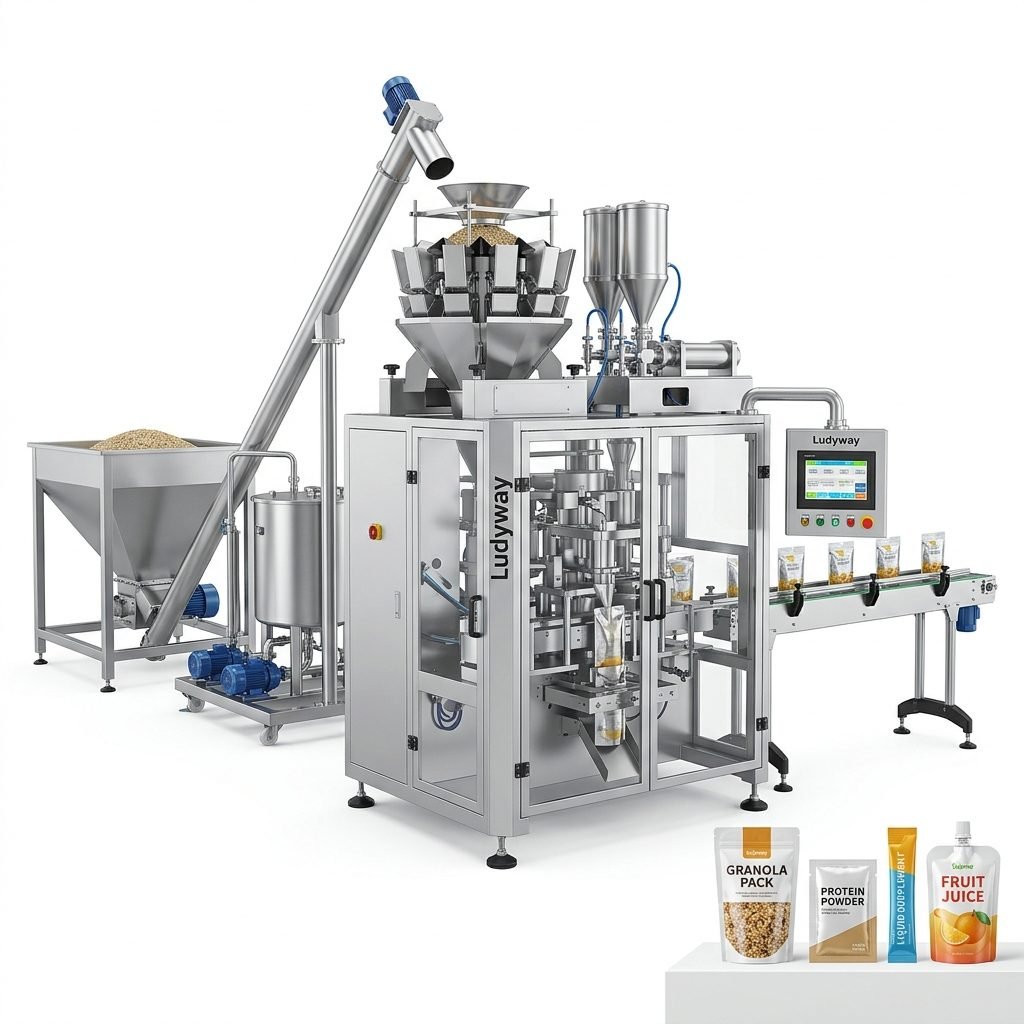
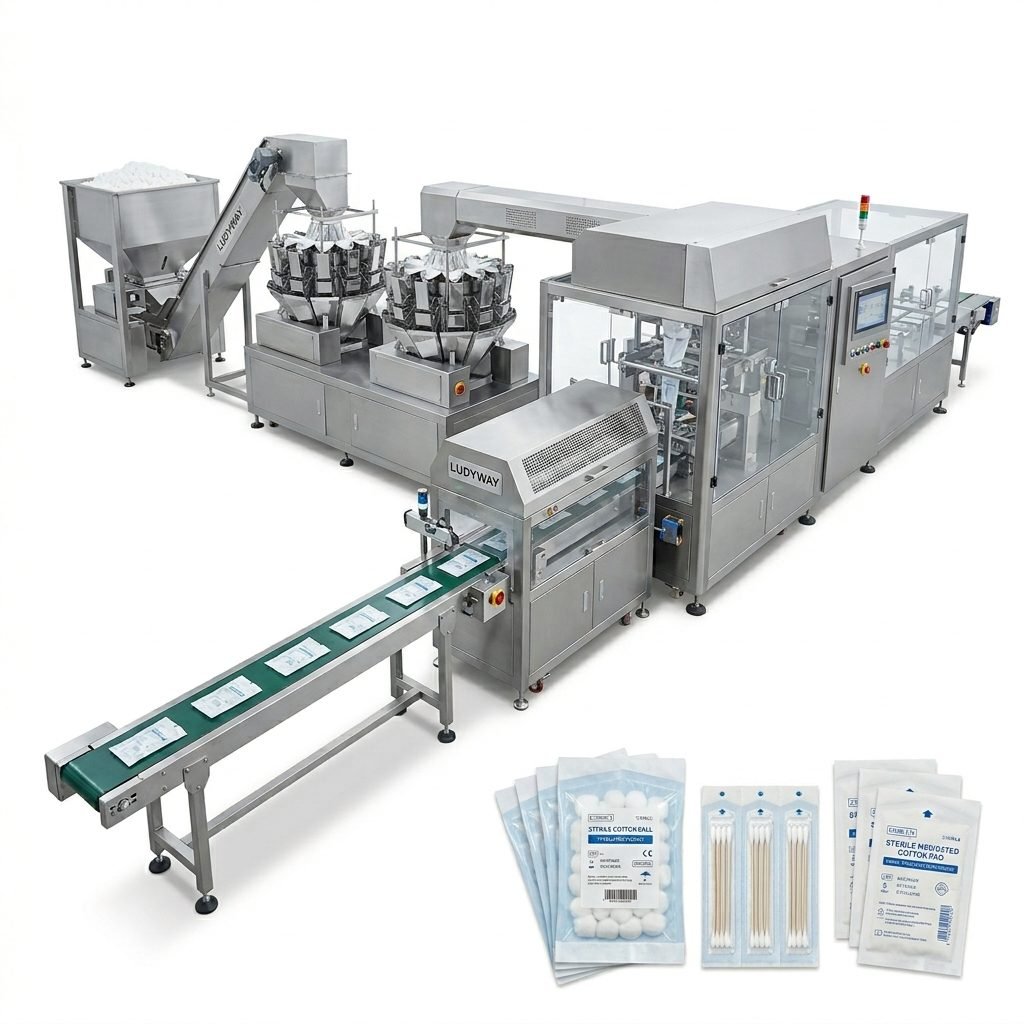
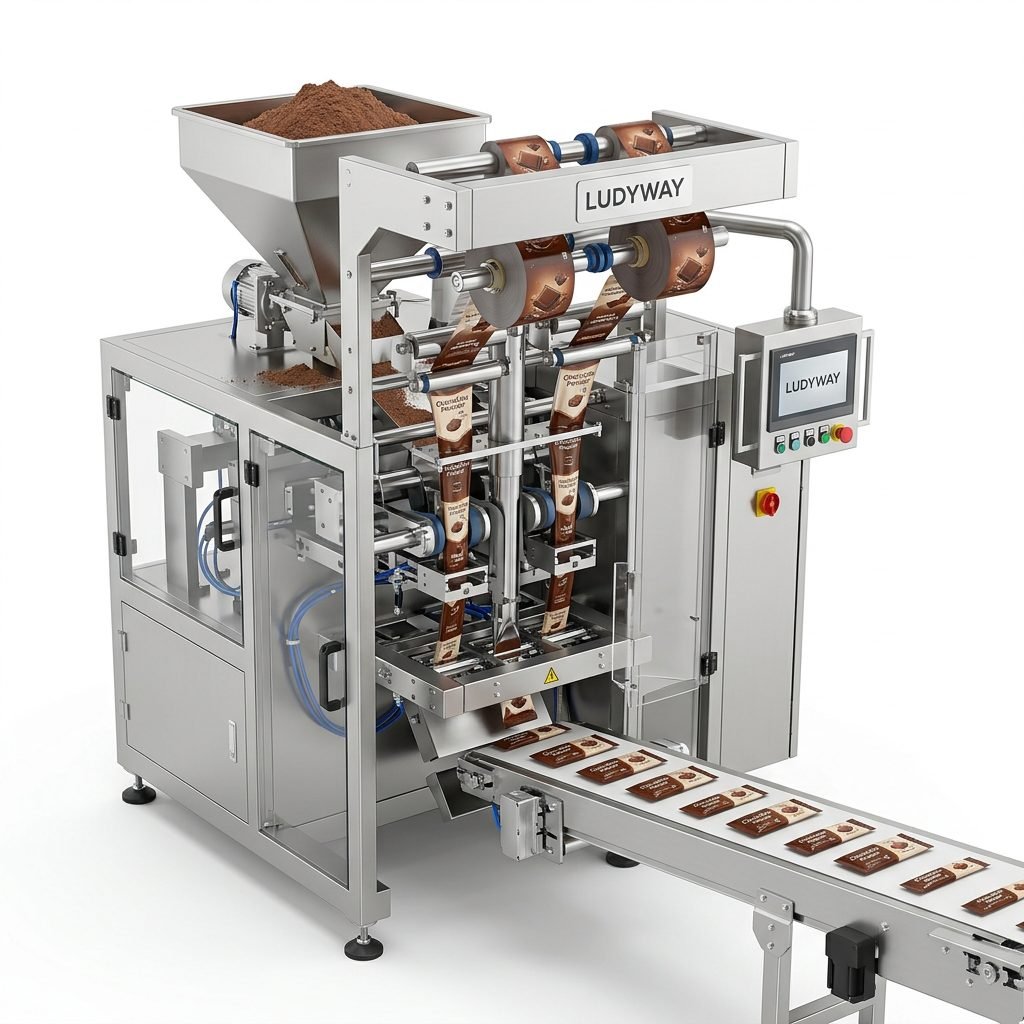
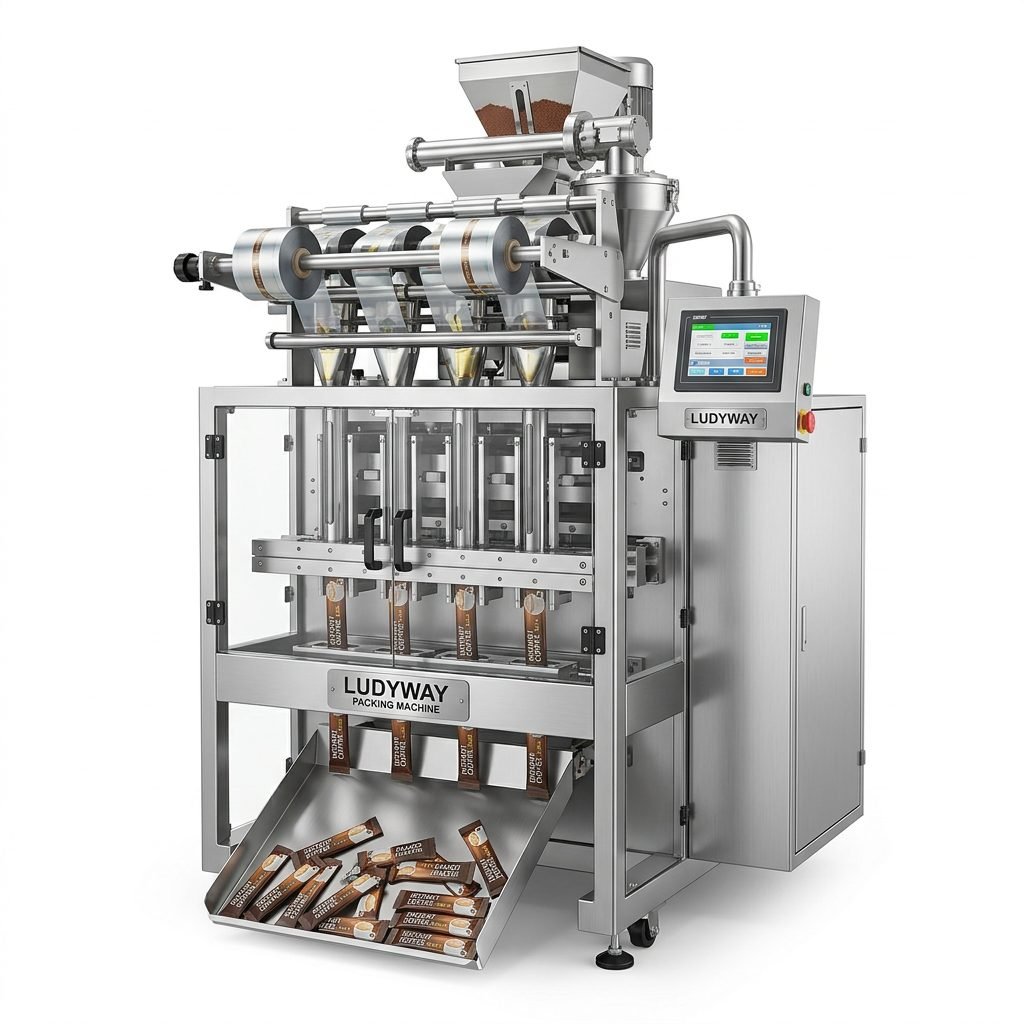
Investing in a butter packaging machine is a critical decision for dairy processors, food manufacturers, and co-packing facilities looking to scale production, ensure product freshness, and meet international quality standards. China has become a global hub for packaging machinery, offering advanced technology at competitive prices. However, navigating the market requires a clear understanding of machine types, supplier evaluation, technical specifications, and after-sales support. This guide walks you through every essential factor to consider when purchasing a butter packaging machine from China.
Understanding Your Butter Packaging Requirements
Before contacting suppliers, define your production needs. Butter can be packaged in various formats including blocks, sticks, portion cups, sachets, and tubs. Each format demands specific machine configurations. Consider the following:
- Production volume – Small-scale artisan producers have different needs than high-speed industrial lines producing thousands of units per hour.
- Butter consistency – Cold, firm butter requires different handling than spreadable or whipped butter. Temperature control during filling is critical.
- Packaging material – Foil, parchment paper, plastic films, and multi-layer laminates each require compatible sealing technology.
- Shelf-life requirements – Modified atmosphere packaging (MAP) or vacuum sealing may extend product freshness significantly.
- Automation level – Manual, semi-automatic, and fully automatic systems each carry different labor and capital cost implications.
Aligning your specifications with the right machine type ensures smooth integration into your existing production line and maximizes return on investment.
Types of Butter Packaging Machines Available in China
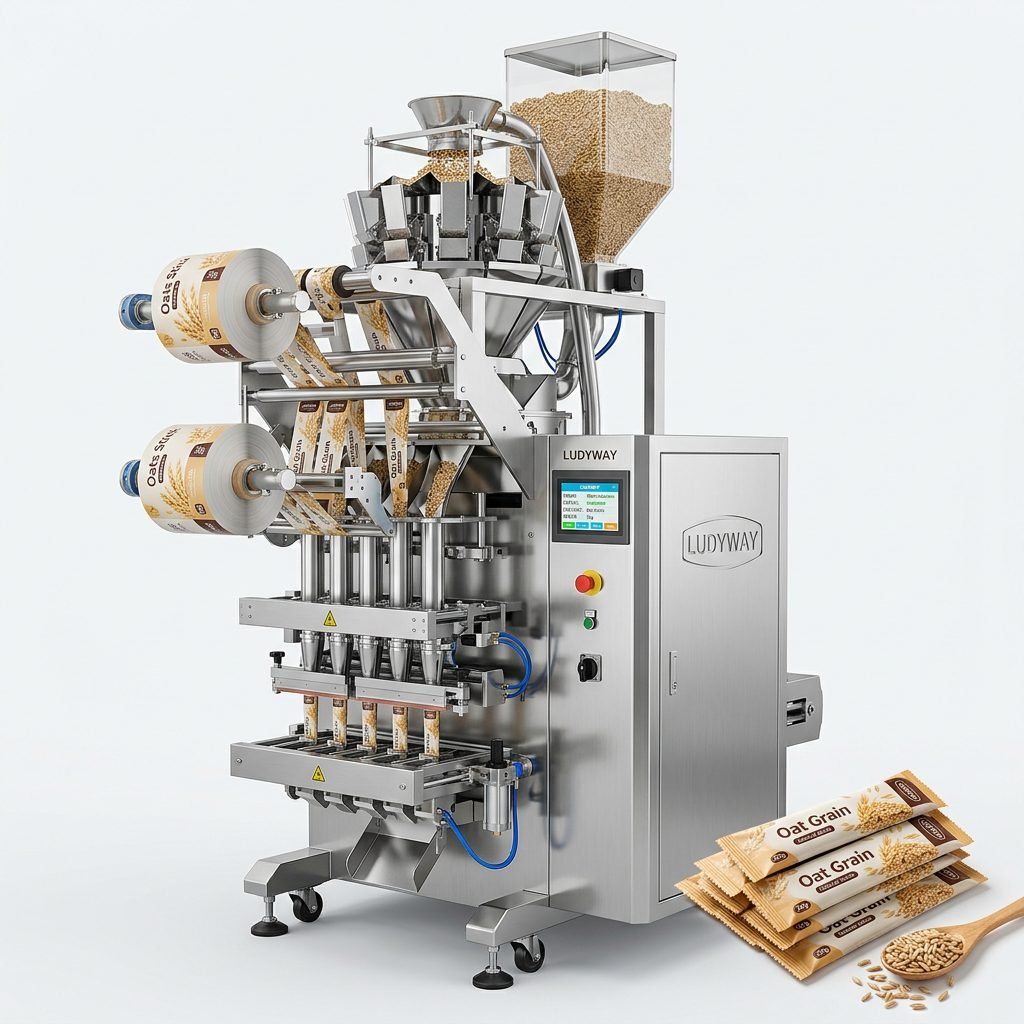
Chinese manufacturers offer a wide range of packaging equipment suitable for butter and dairy products. Selecting the appropriate type depends on your target packaging format:
Stick Pack and Sachet Packaging Machines
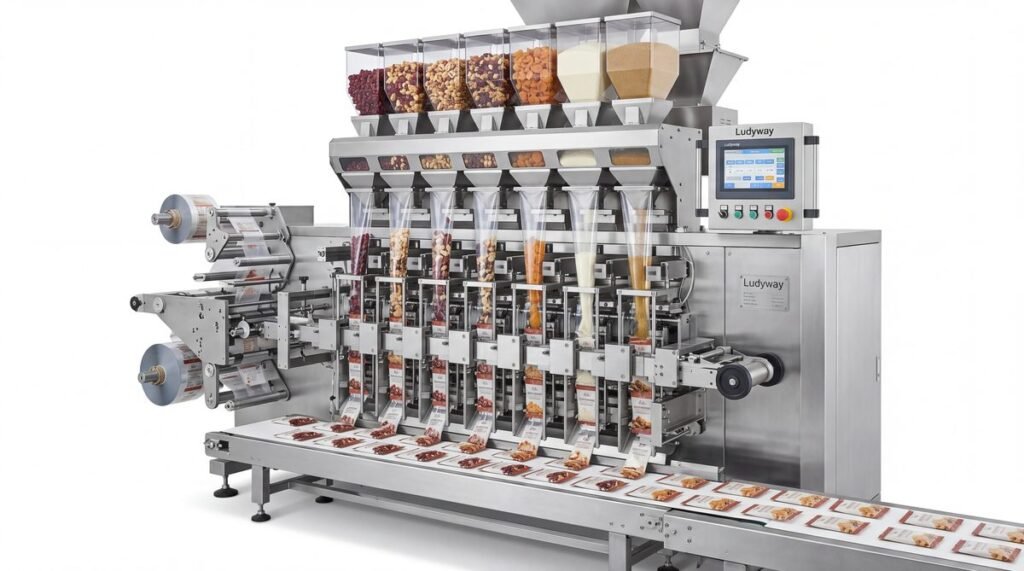
Ideal for single-serve butter portions commonly used in hotels, airlines, and food service. Multi-lane stick pack machines can produce hundreds of individual portions per minute with precise weight control. These machines handle both solid and semi-solid butter formulations and can accommodate various film materials including foil laminates for extended shelf life.
Block and Brick Packaging Systems
For retail butter blocks (typically 250g to 500g), automatic wrapping machines fold and seal parchment paper or foil around precisely cut butter portions. Advanced models include integrated weighing, forming, wrapping, and case packing. Temperature-controlled feed systems prevent butter from softening during high-speed operation.
Tub Filling and Sealing Lines
Spreadable and whipped butter products are commonly packaged in plastic tubs. Automatic tub filling and sealing lines combine container dispensing, volumetric filling, foil seal application, and lid placement. Many Chinese manufacturers offer flexible packaging solutions that can switch between different tub sizes with minimal changeover time.
Pouch and Flow-Wrap Machines
Horizontal flow-wrapping machines are popular for butter sticks wrapped in film with fin-seal or lap-seal closures. These machines integrate easily with upstream cutting and portioning equipment, forming complete production lines.
Key Technical Specifications to Evaluate
Request detailed specification sheets and compare these critical parameters across different suppliers:
| Specification | Importance | Typical Range / Notes |
|---|---|---|
| Speed (packs/min) | High | 30–600+ depending on lanes and format |
| Filling accuracy | Critical | ±0.5% to ±2% by weight or volume |
| Film/Pouch compatibility | High | Foil, PET/PE, paper laminates, multi-layer films |
| Temperature control | Essential | Jacketed hoppers, chilled feed systems for butter |
| Changeover time | Moderate | 5–30 minutes depending on format complexity |
| Power consumption | Moderate | 3–15 kW for typical mid-range machines |
| Air supply requirement | Check | 0.6–0.8 MPa, oil-free compressed air |
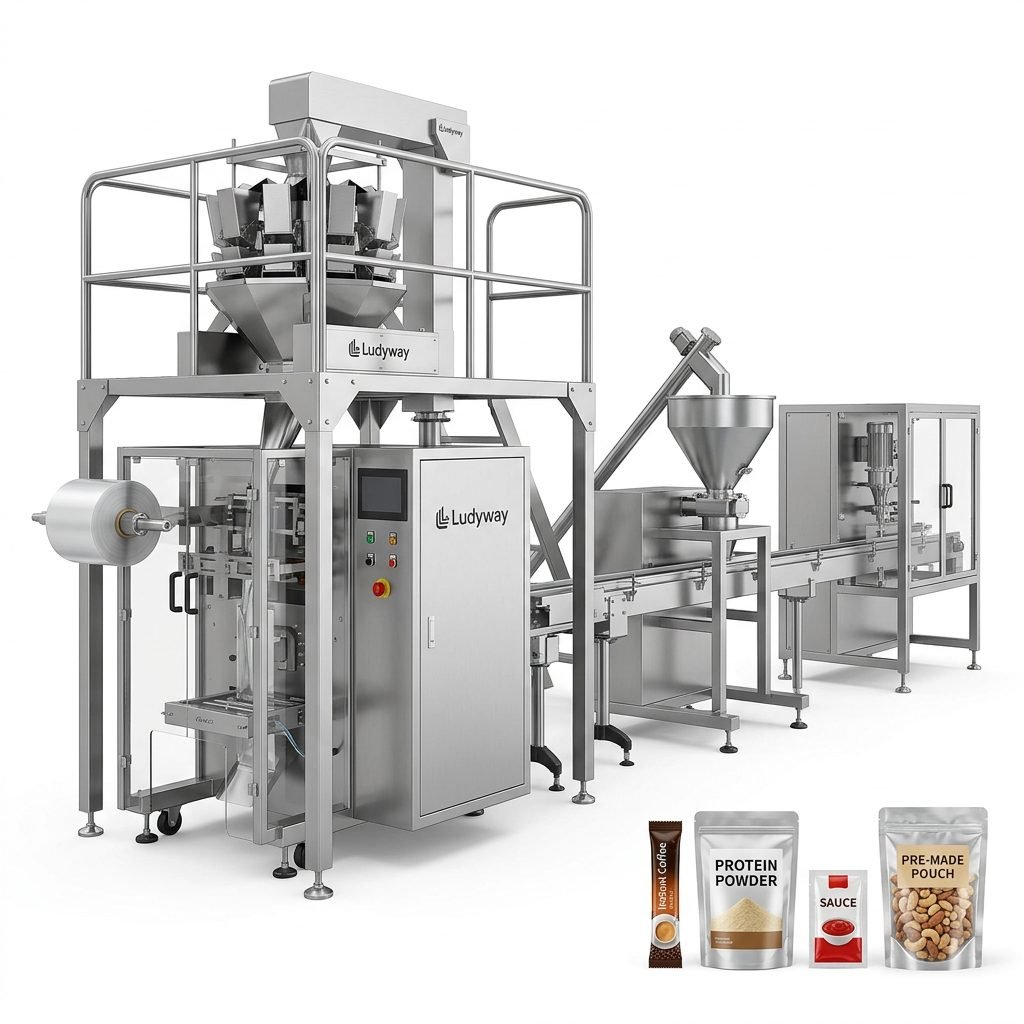
How to Select a Reliable Chinese Packaging Machine Supplier
The quality and reliability of Chinese packaging machinery manufacturers vary significantly. A structured supplier evaluation process helps mitigate risks:
Factory Audits and Verification
Whenever possible, conduct an on-site factory audit or hire a third-party inspection service. Evaluate the manufacturing facility’s size, equipment, workforce, and quality management systems. Look for ISO 9001 and CE certifications as baseline indicators of manufacturing discipline.
Technical Expertise and Industry Experience
Prioritize suppliers with specific experience in dairy or fat-based product packaging. Machines designed for dry powders or general granules may not perform well with butter’s unique consistency. Request references from previous dairy industry clients and case studies demonstrating similar applications.
After-Sales Support and Spare Parts
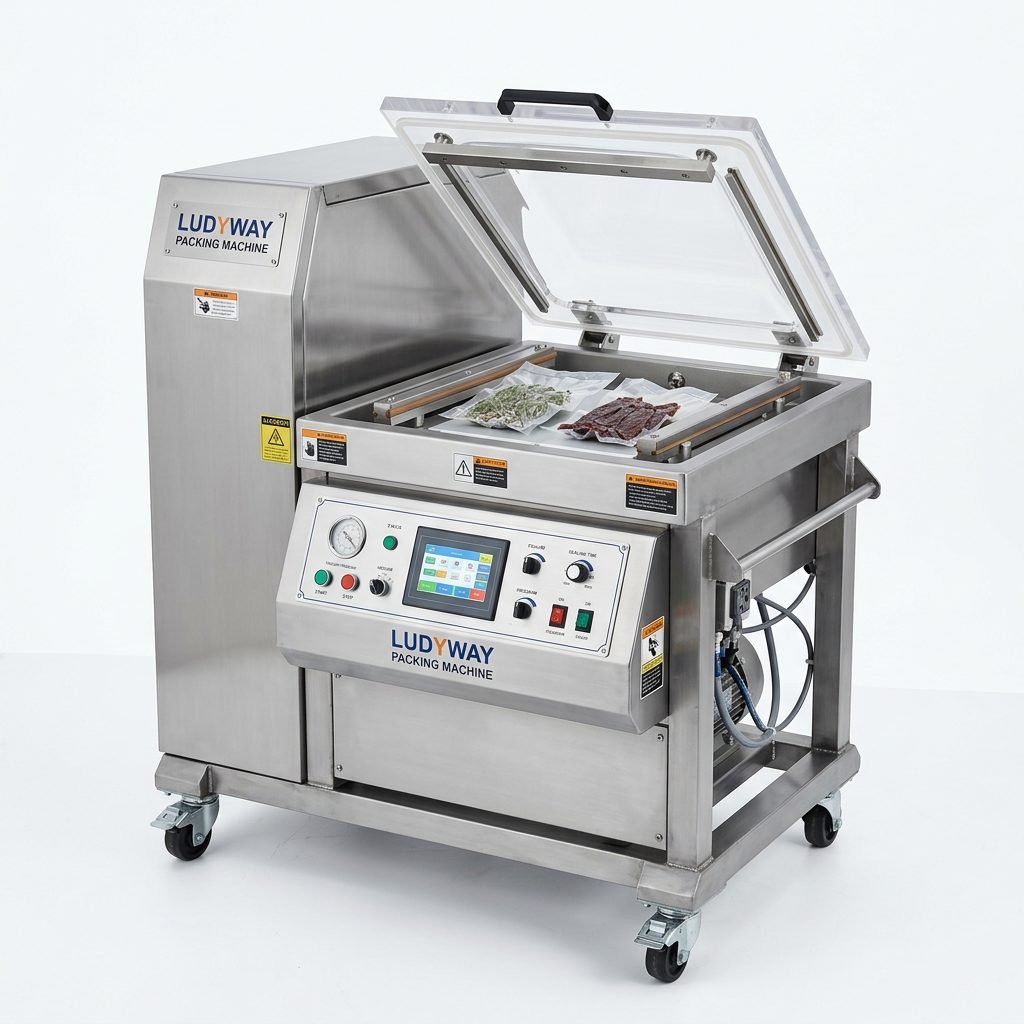
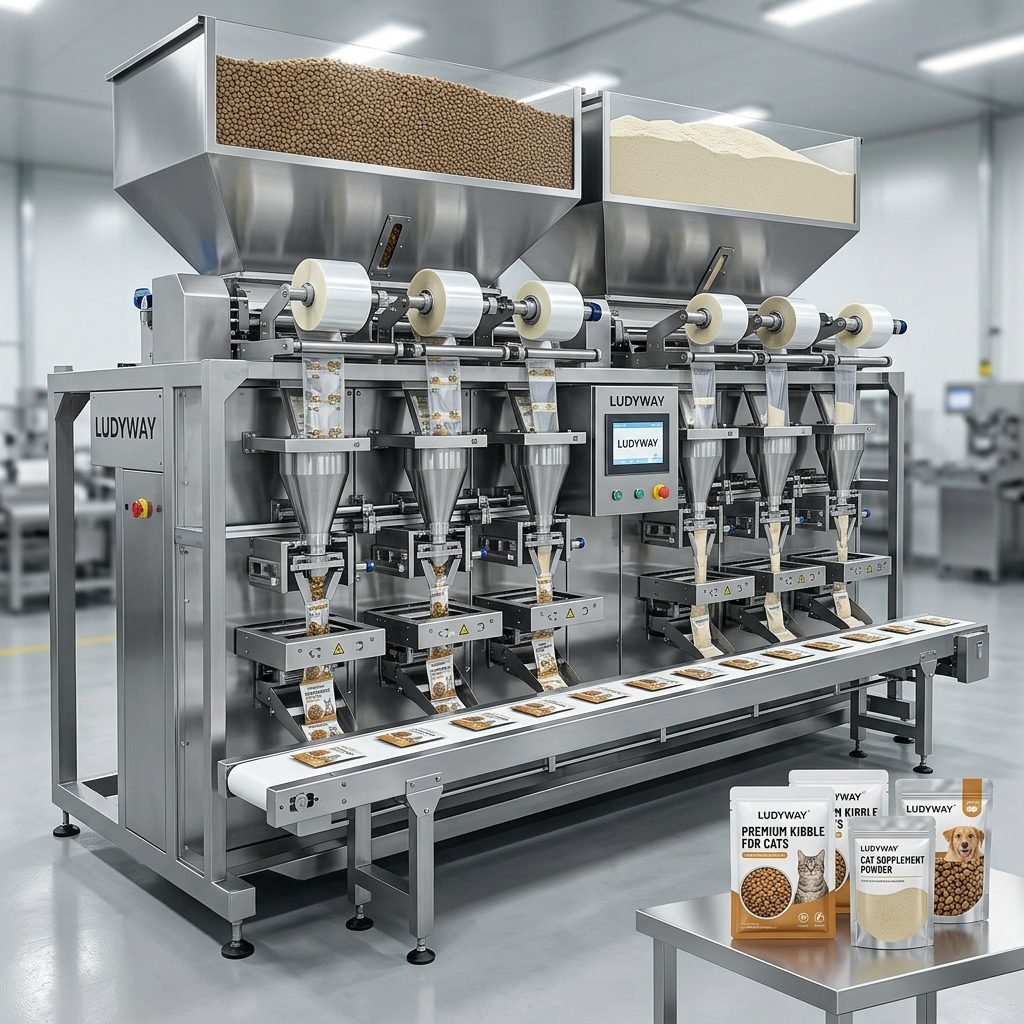
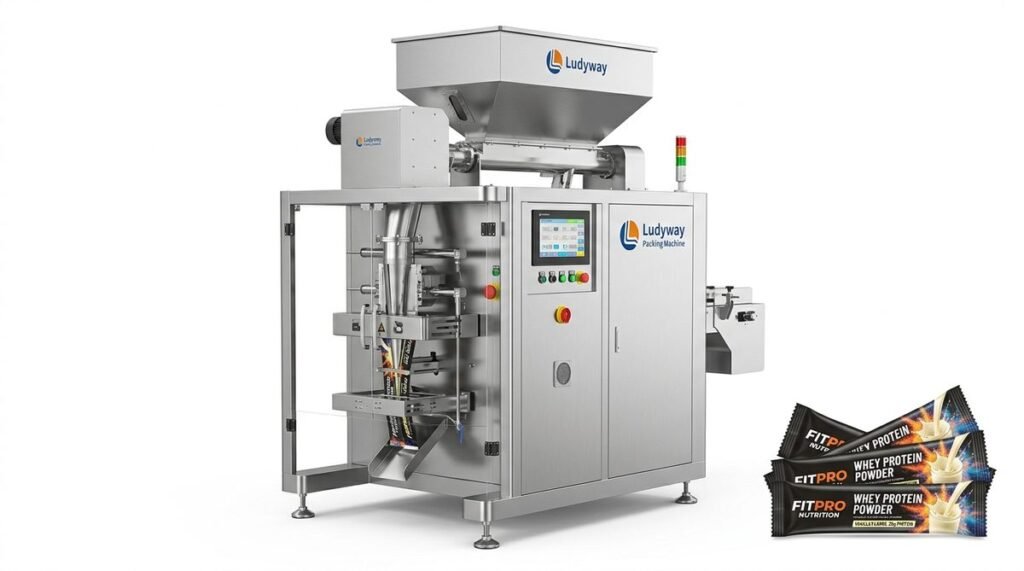
Confirm that the supplier offers comprehensive after-sales service including remote troubleshooting, on-site technician dispatch, and readily available spare parts. Established manufacturers like Ludyway, one of the largest packaging machine manufacturers in China, maintain global service networks and spare parts inventories, ensuring minimal production downtime for international customers.
Communication and Documentation
Clear communication is essential. Ensure that technical documentation, manuals, and user interfaces are available in English or your preferred language. Evaluate the supplier’s responsiveness during the inquiry phase—delayed or unclear communication often foreshadows post-purchase challenges.
Quality Control and Compliance Considerations
Butter packaging machines must comply with food safety regulations in your target market. Key considerations include:
- Food-grade materials – All product contact surfaces should be 304 or 316L stainless steel with appropriate surface finishing.
- CIP (Clean-in-Place) compatibility – Machines should support thorough cleaning protocols to prevent bacterial contamination between production runs.
- CE / UL / FDA compliance – Verify that electrical components and materials meet the regulatory requirements of your destination market.
- FDA food contact substance regulations – Packaging materials in direct contact with butter must comply with FDA 21 CFR or equivalent EU standards.
- GMP design principles – Good Manufacturing Practice design features include sloped surfaces, minimal crevices, and easy disassembly for sanitation.
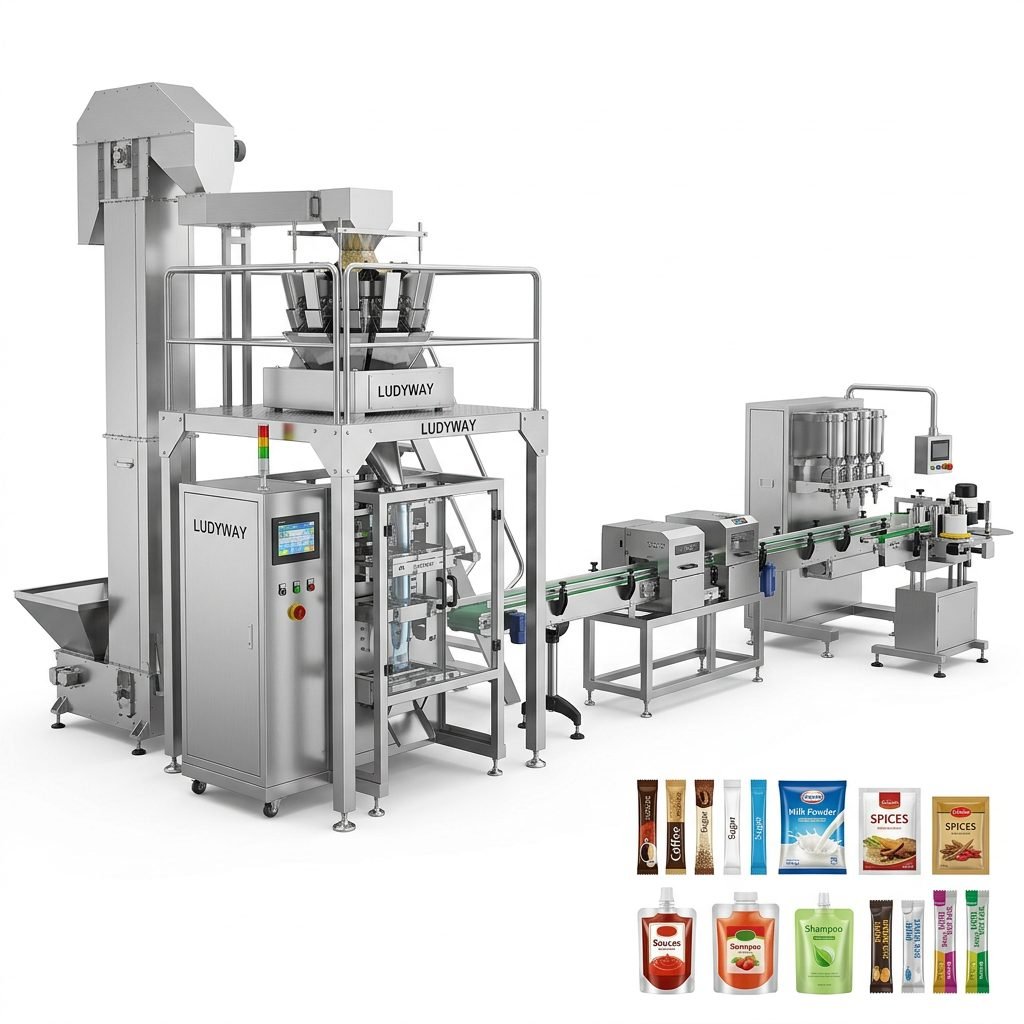
Cost Breakdown and ROI Analysis
Understanding the total cost of ownership helps make an informed purchasing decision:
| Cost Component | Estimated Share | Key Variables |
|---|---|---|
| Machine purchase price | 60–75% | Speed, automation level, lane count, brand |
| Shipping and logistics | 5–10% | Distance, incoterms, crate dimensions |
| Installation and commissioning | 3–7% | On-site technician requirements, travel |
| Training and documentation | 2–5% | Operator and maintenance training scope |
| Annual maintenance and spares | 3–5% of machine cost | Wear parts, seals, belts, scheduled service |
A well-built butter packaging machine from a reputable Chinese manufacturer typically delivers ROI within 12 to 24 months through increased throughput, reduced labor costs, and minimized product giveaway from overfilling.
Common Pitfalls to Avoid
- Choosing solely on price – The lowest quote often excludes critical components, uses inferior materials, or comes from suppliers with inadequate support infrastructure.
- Ignoring film and material compatibility – Verify that the machine’s sealing system is optimized for your specific packaging film. Heat-seal parameters vary significantly across film types.
- Underestimating installation complexity – Factor in utility requirements (power, compressed air, nitrogen supply if MAP is used) and facility modifications before the machine arrives.
- Skipping FAT (Factory Acceptance Testing) – Always request a video FAT or in-person testing with your actual product before shipment. Butter’s unique properties cannot be simulated with generic test materials.
- Neglecting operator training – Even the most advanced machine underperforms without properly trained operators. Budget for comprehensive training during commissioning.
Shipping, Installation, and After-Sales Support
When importing packaging machinery from China, plan logistics carefully. Work with freight forwarders experienced in handling industrial equipment. Clarify incoterms (FOB, CIF, DAP) in your purchase agreement. Upon arrival, schedule professional installation and commissioning. Confirm that your supplier provides a warranty period (typically 12–24 months) and maintains a responsive technical support team for troubleshooting and spare parts dispatch.
Future-Proofing Your Investment
Consider these forward-looking factors when selecting your butter packaging machine:
- Modular design – Machines that accept add-on modules (such as gas flushing, date coding, or automatic cartoning) extend your production capabilities without requiring a full replacement.
- IoT and data connectivity – Modern packaging machines increasingly offer remote monitoring, production data logging, and predictive maintenance alerts through connected platforms.
- Sustainability features – Machines compatible with recyclable mono-material films and those that minimize film waste through precise tension control are increasingly valued by brand owners and consumers alike.
- Scalability – Choose a supplier that offers larger or faster models within the same product family, enabling capacity expansion without retooling your entire packaging workflow.
Conclusion
Purchasing a butter packaging machine from China can be a highly rewarding investment when approached with thorough research, clear specifications, and careful supplier evaluation. Focus on machine quality, food safety compliance, and long-term support rather than upfront price alone. By partnering with an experienced Chinese packaging machinery manufacturer, you gain access to cost-effective, high-performance equipment backed by decades of engineering expertise. Take the time to visit factories, test your product on demo machines, and verify certifications before finalizing your purchase decision.