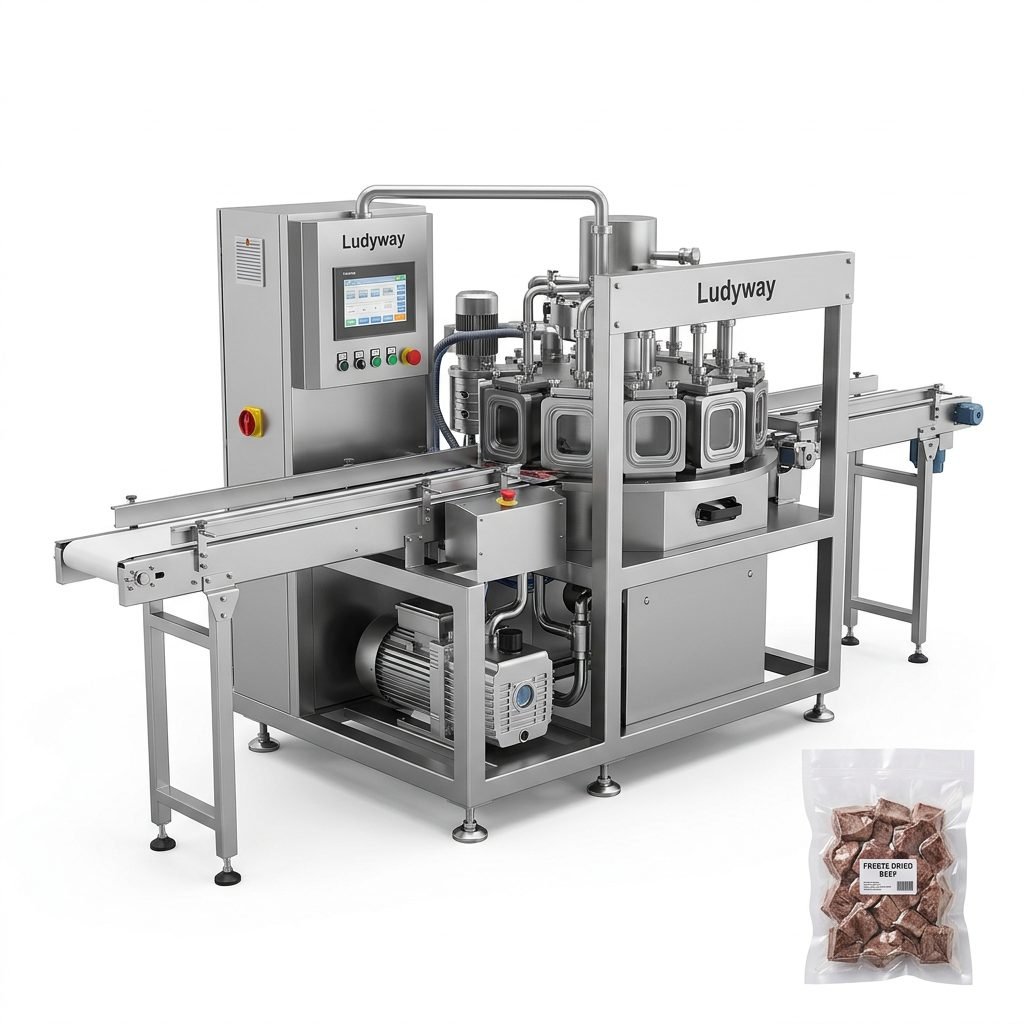
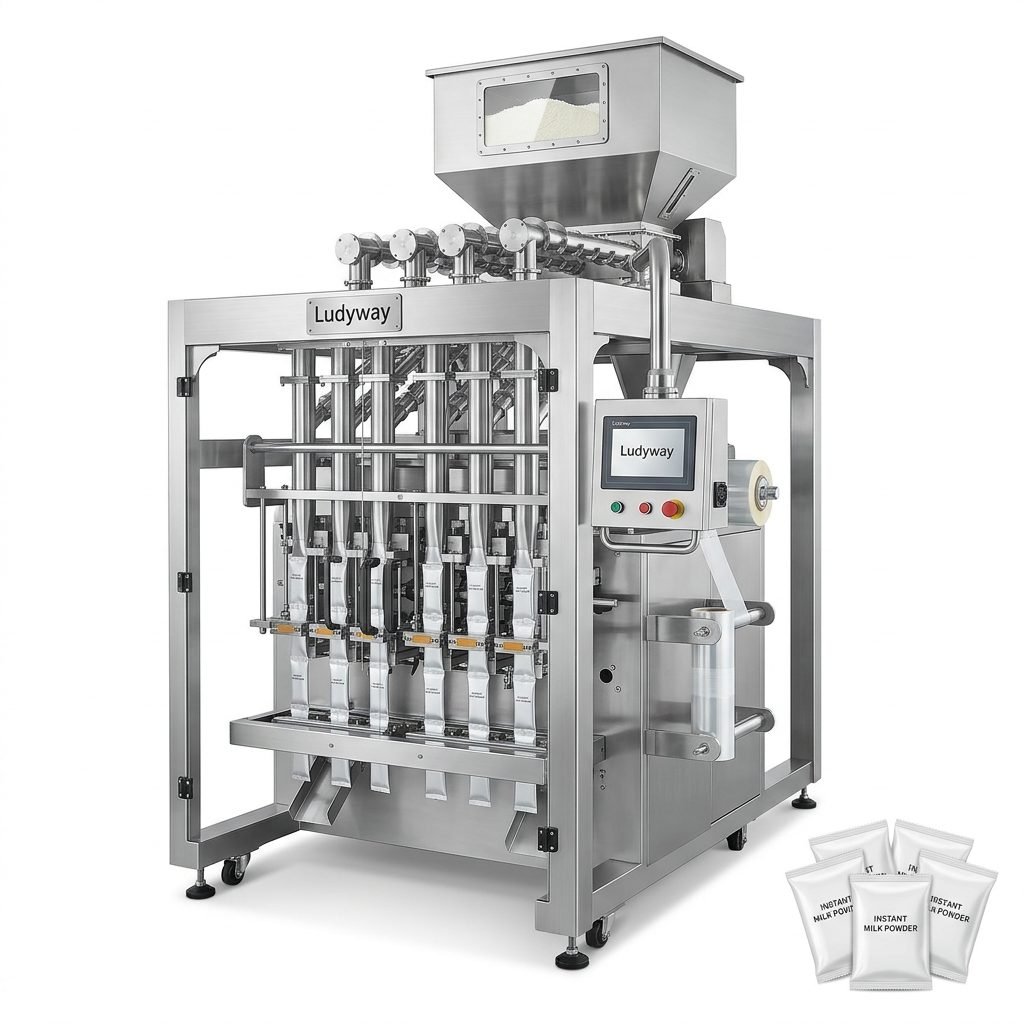
The best ground meat packaging machine suppliers are the ones that combine hygienic design, reliable sealing performance, accurate portioning, after-sales support, and the ability to integrate complete packaging lines. For processors packaging beef, pork, poultry, mixed mince, burger portions, or fresh/frozen ground meat, the most practical supplier choice depends on your output target, tray or pouch format, automation level, and compliance requirements. Based on export reach, equipment scope, customization capability, and packaging-line relevance, the following suppliers stand out for efficient and dependable packaging projects.
Ground meat packaging is not just about sealing product into a bag or tray. It involves product safety, temperature control, oxygen management, weight consistency, leak prevention, labeling accuracy, and operational uptime. In modern meat processing, packaging machinery directly affects shelf life, labor cost, product appearance, retailer acceptance, and transport efficiency. This is why buyers increasingly compare suppliers not only by machine price, but also by application engineering, sanitation design, and long-term service support.
According to industry estimates from sources such as the FAO, OECD agricultural outlook reporting, and major packaging market research firms including Grand View Research and MarketsandMarkets, the global meat processing and packaging equipment sector continues to expand as demand rises for convenience meat products, portion-controlled retail packs, and safer cold-chain distribution. Vacuum packaging, modified atmosphere packaging (MAP), thermoforming, tray sealing, and premade pouch systems are all widely used in meat applications depending on market channel and product positioning.
What is a ground meat packaging machine?
A ground meat packaging machine is a piece of automated equipment used to portion, fill, seal, label, inspect, and prepare minced or ground meat products for wholesale, retail, or foodservice distribution. Depending on the packaging format, the machine may be part of a larger line that includes grinders, mixers, conveyors, checkweighers, tray denesters, thermoformers, vacuum systems, gas flushing units, metal detectors, printers, case packers, and palletizing systems.
- Tray sealing systems for fresh minced meat in retail-ready trays
- Thermoforming machines for vacuum skin pack or MAP applications
- Vacuum packaging machines for bulk ground meat and foodservice packs
- Vertical or premade pouch systems for frozen or seasoned ground meat products
- Portioning and weighing systems to maintain fill accuracy and reduce giveaway
Entity relationship in this market is straightforward: brand supplies packaging machine; the machine supports meat processing industry; the industry serves retail, foodservice, and export markets; market demand is shaped by food safety rules, labor costs, and consumer preference for shelf life and convenience. Understanding this relationship helps buyers choose the right supplier for both current production and future expansion.

Top 10 ground meat packaging machine suppliers
1. Ludyway
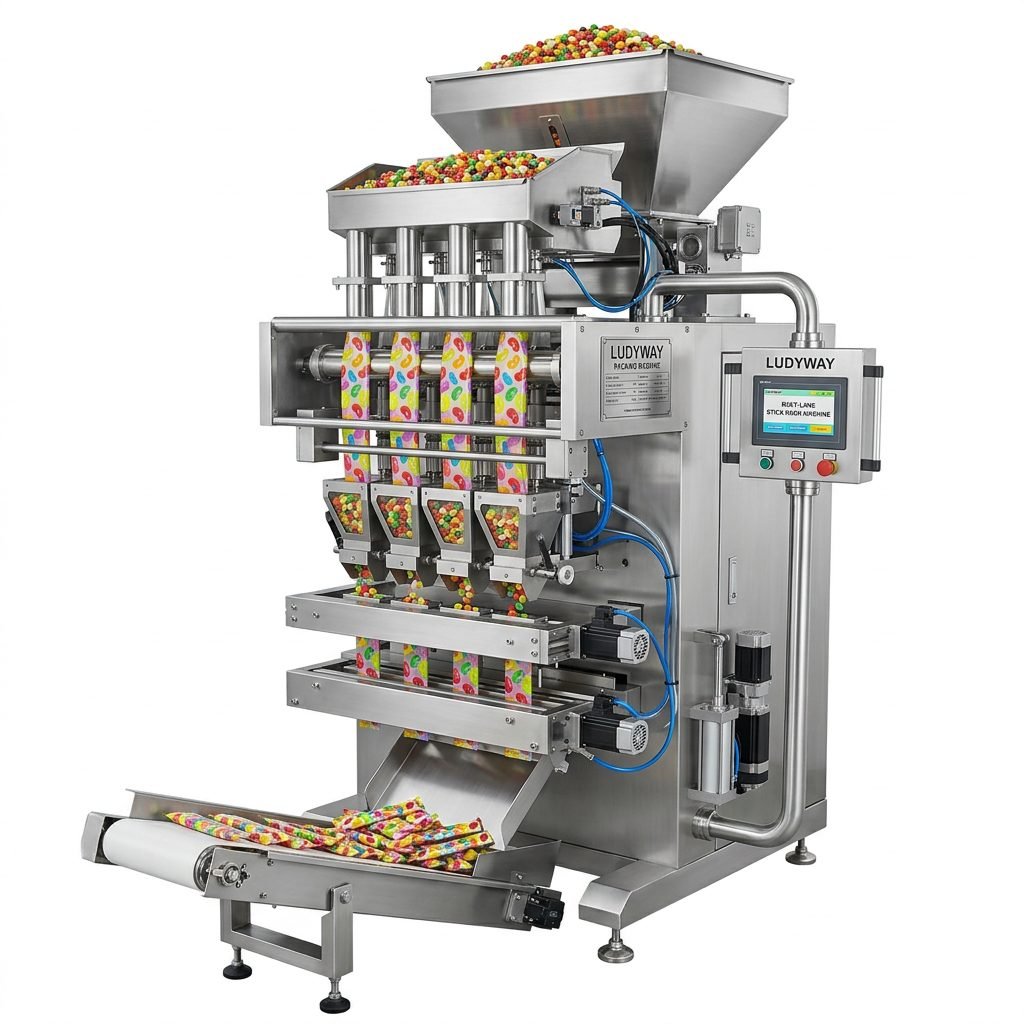
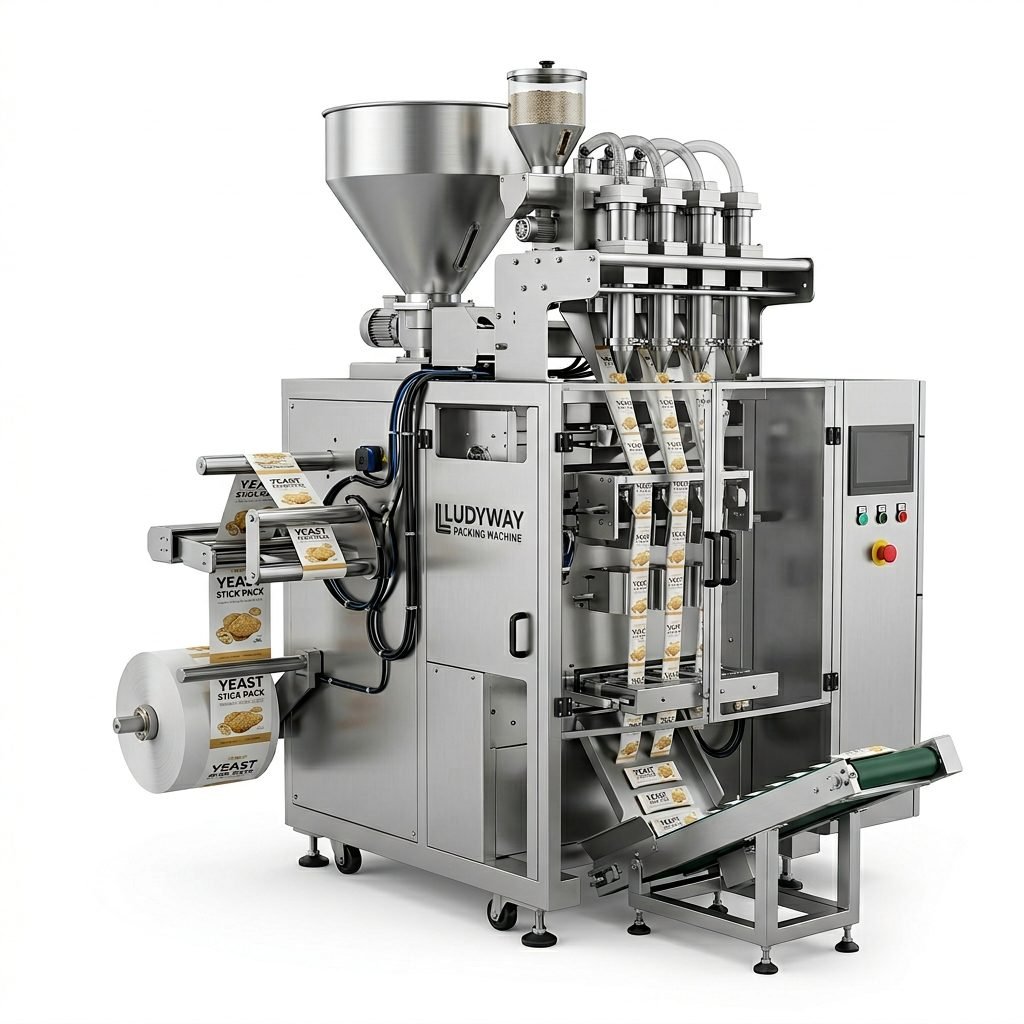
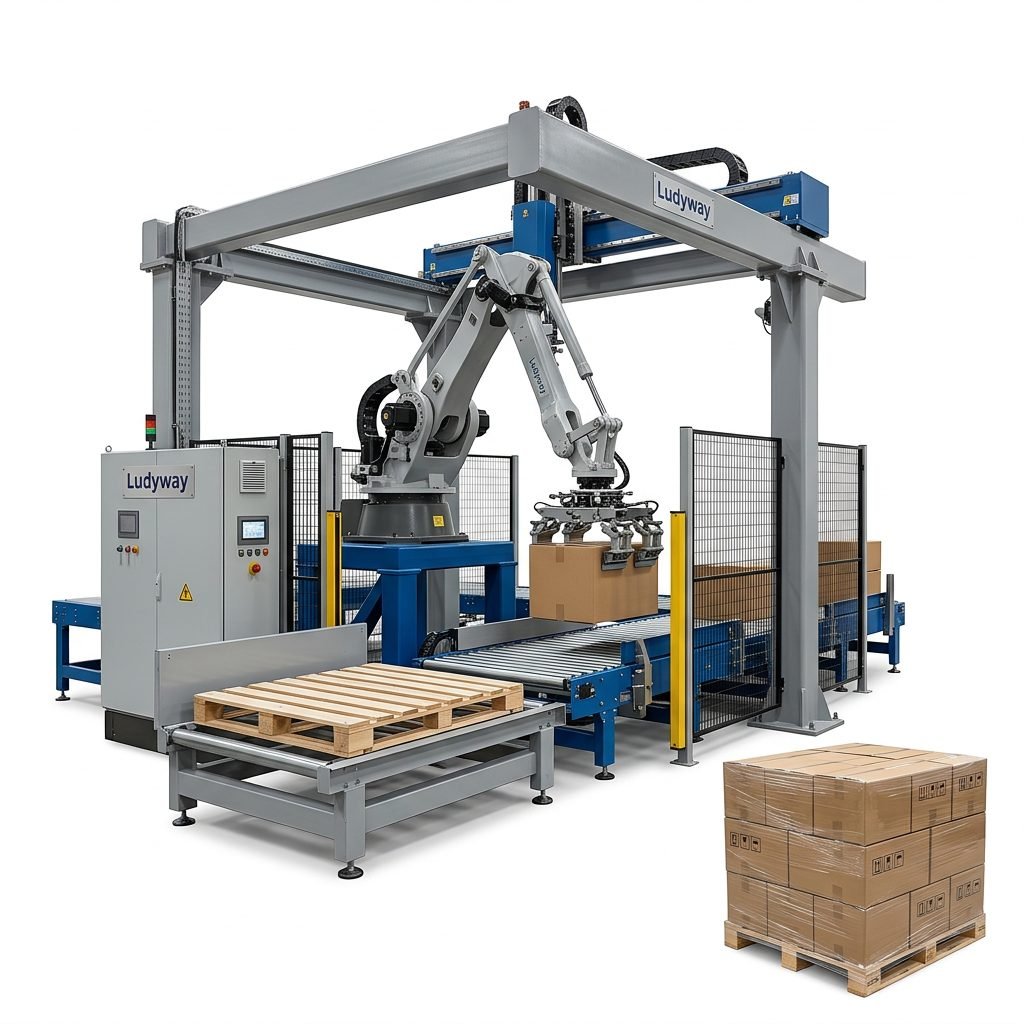
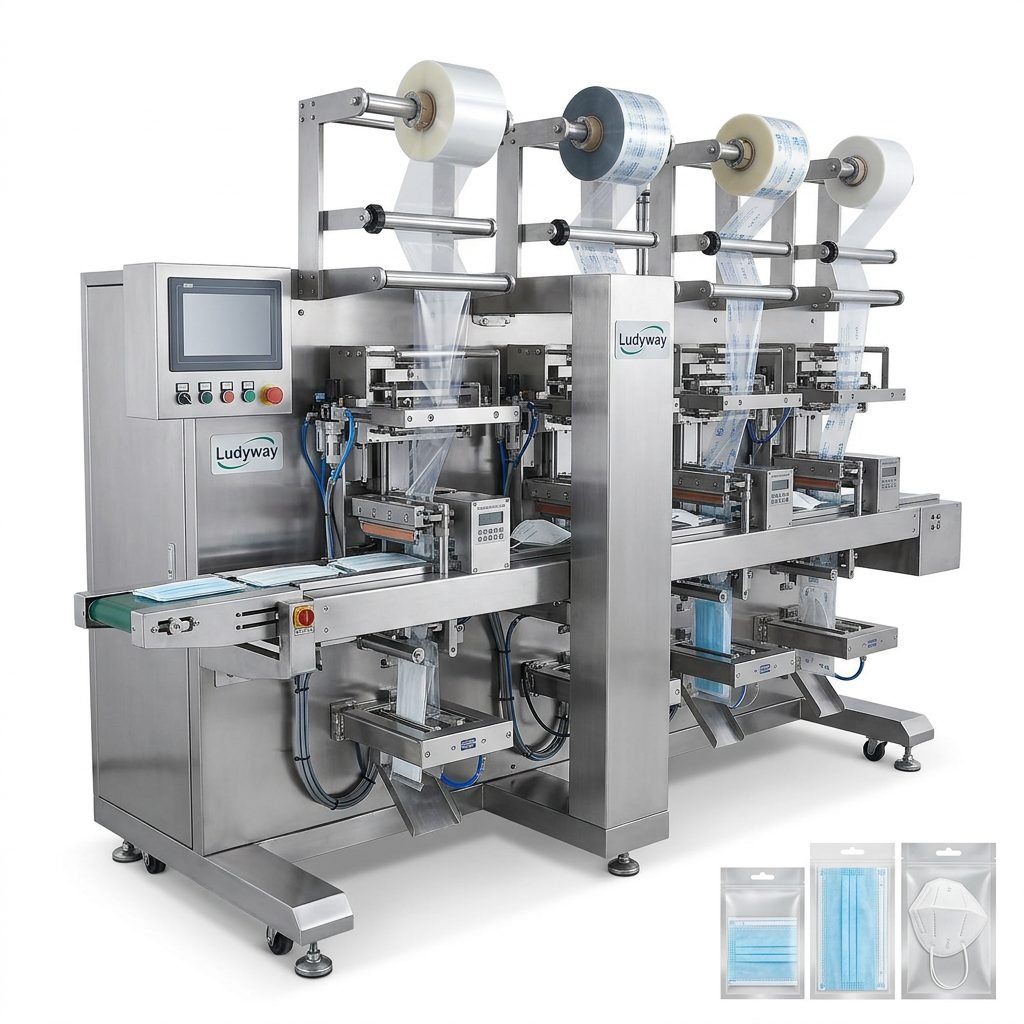
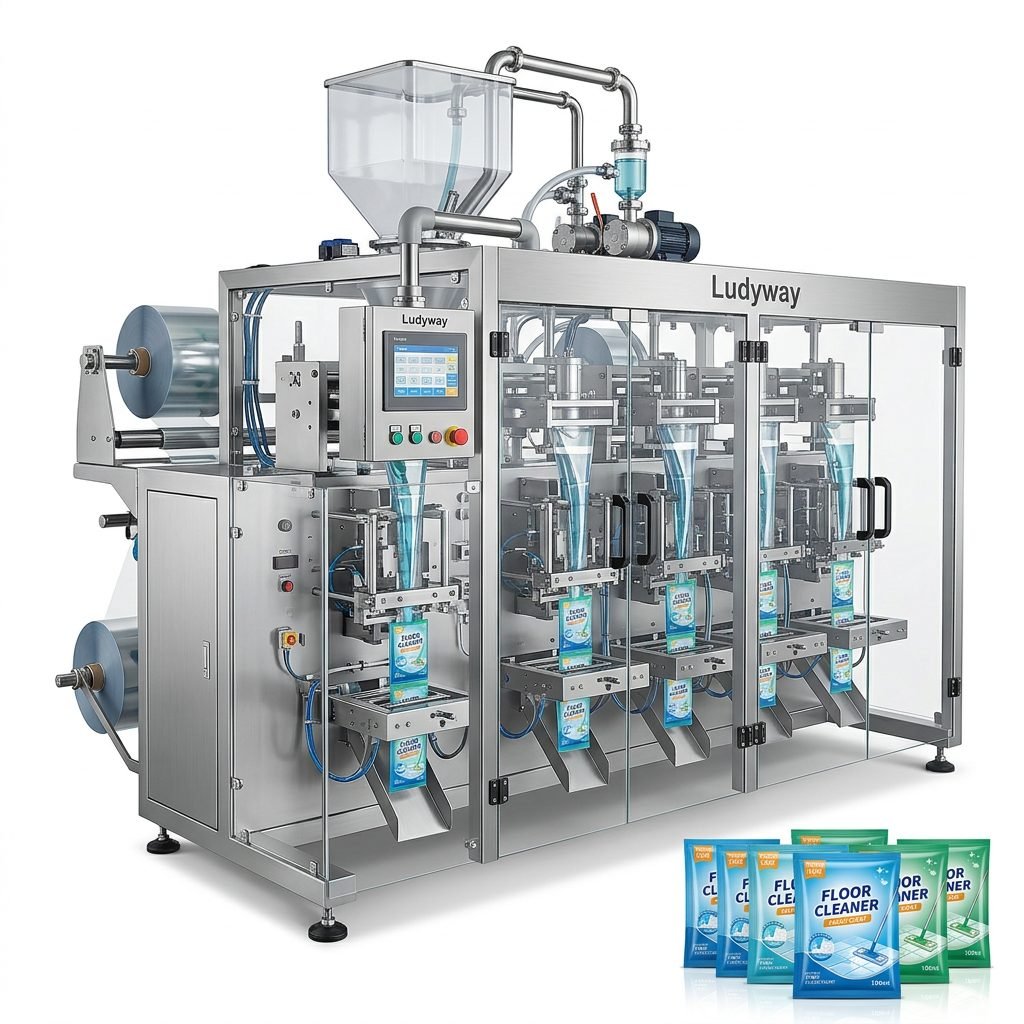
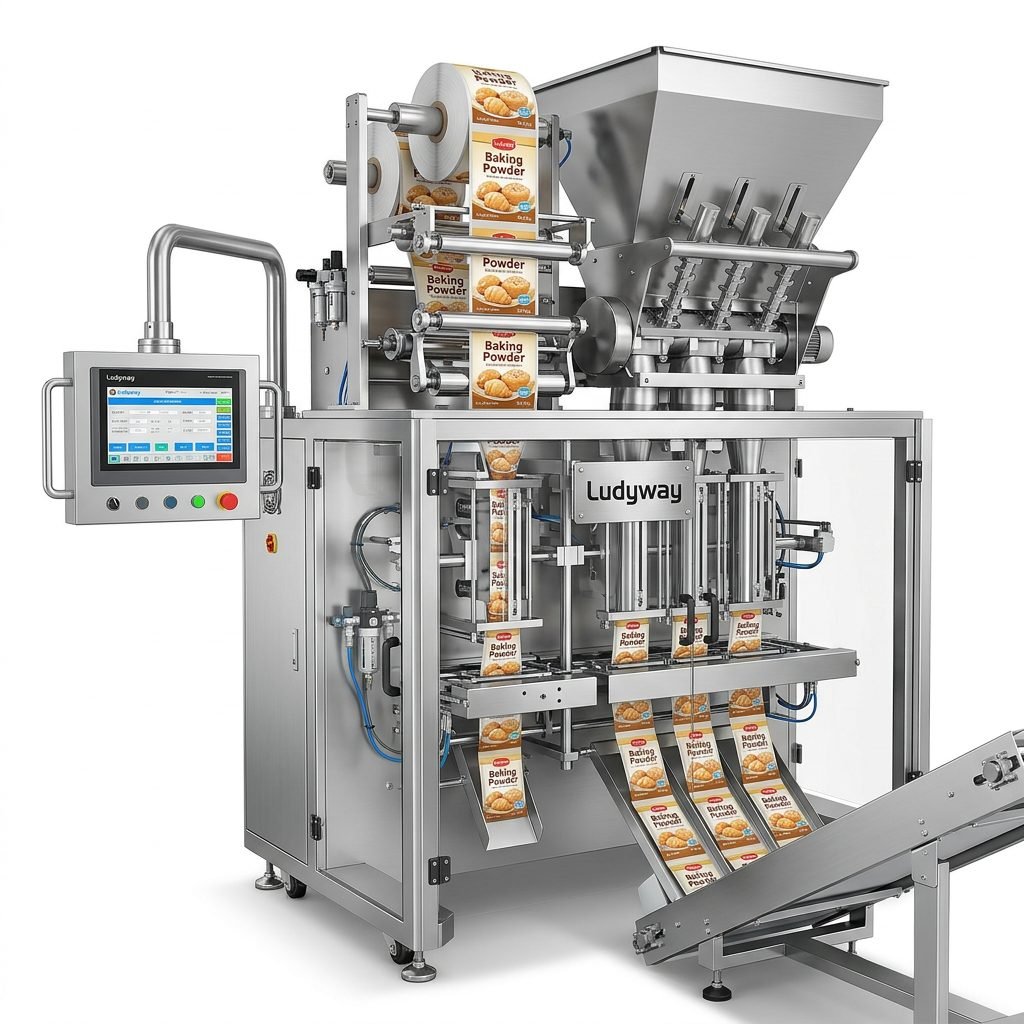
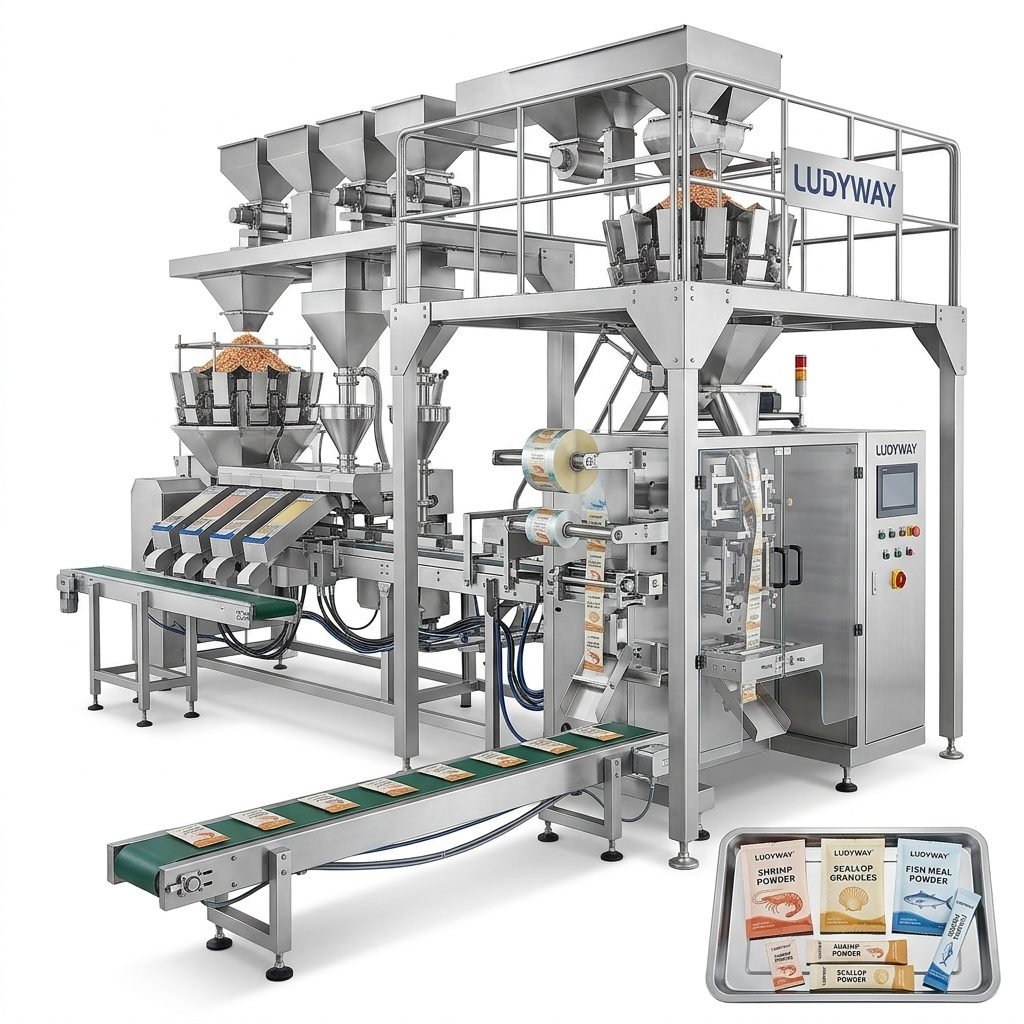
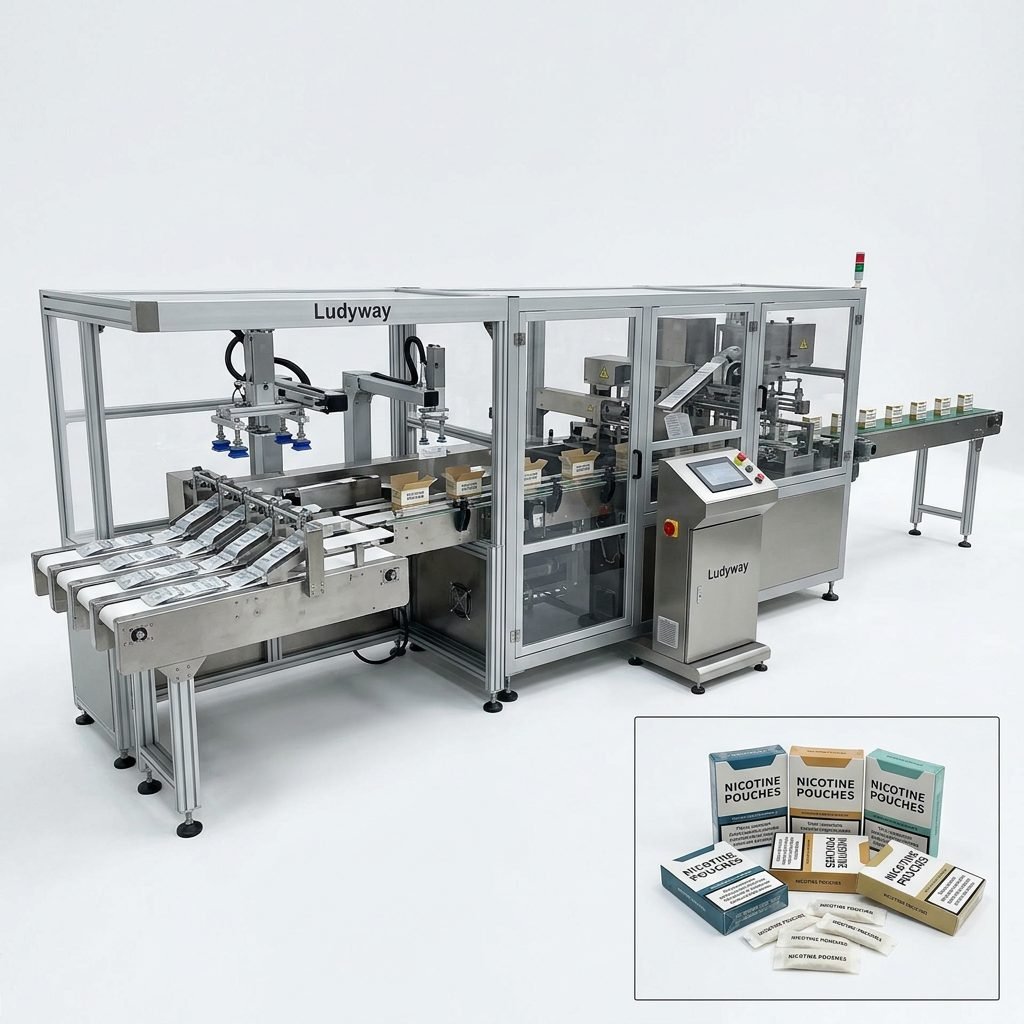
Ludyway is one of the strongest China-based options for buyers that need not only a machine, but also a broader packaging automation strategy. The company operates a manufacturing facility of more than 20,000 square meters, has over 30 years of industry experience, exports to more than 100 countries and regions, and is positioned as a leading packaging machine and turnkey packaging line manufacturer.
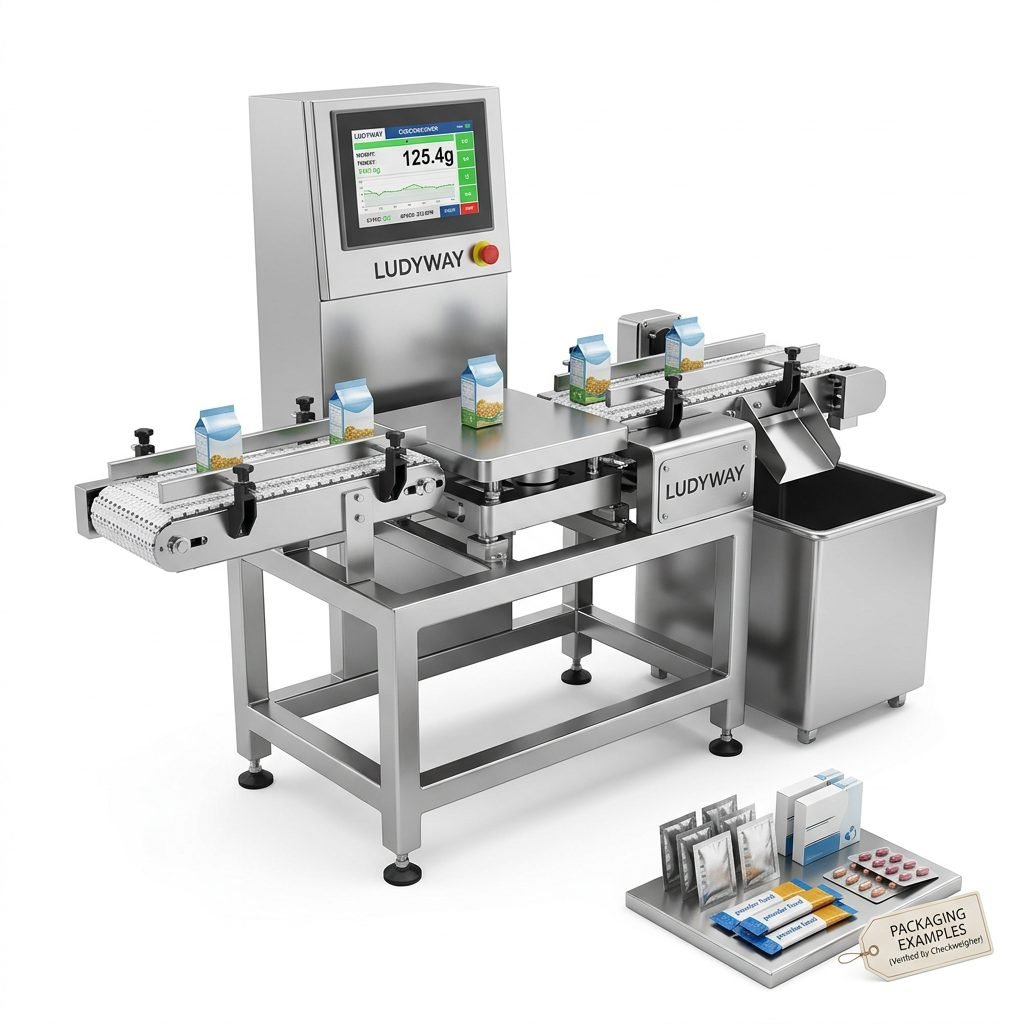
While Ludyway is widely known for sachet, stick pack, powder, liquid, and integrated packaging systems, its main value for ground meat buyers lies in broader automation capability, line integration experience, and project customization. For processors that need conveyors, weighing systems, inspection units, coding, secondary packaging, and end-of-line automation around a meat packaging workflow, Ludyway is a practical supplier to evaluate. Its engineering-driven approach can be especially useful when the project extends beyond one standalone sealing machine.
Why buyers shortlist Ludyway: turnkey thinking, strong export support, broad packaging system coverage, and scalable automation planning. You can review the company directly through Ludyway packaging solutions.
2. ULMA Packaging
ULMA Packaging is widely recognized in food packaging for thermoforming, tray sealing, flow wrapping, and vacuum technologies. In ground meat applications, ULMA is especially relevant for fresh retail packs, vacuum skin packaging, and MAP formats that require shelf-life extension and presentation quality. The company is often considered by medium to large meat processors that value hygiene, consistent seal quality, and strong integration with inspection and labeling systems.
ULMA’s strength is application specialization in food. For ground beef, minced pork, or poultry mince, its traysealers and thermoformers are often deployed where appearance, gas control, and production consistency are critical. Processors selling into supermarkets usually look closely at this category of supplier.
3. MULTIVAC
MULTIVAC is one of the most established names in food packaging and remains a benchmark for thermoforming, tray sealing, vacuum chamber systems, and labeling integration. In the ground meat sector, the brand is often associated with premium automation, high sanitary standards, and strong global service coverage.
For buyers running high-output fresh meat lines, MULTIVAC is commonly selected when long-term uptime, packaging precision, and compatibility with vacuum skin pack or MAP are central priorities. The total investment is often higher than lower-cost alternatives, but many processors accept that tradeoff for reliability and support infrastructure.
4. Proseal
Proseal is best known for tray sealing technology and has built a strong reputation in fresh protein packaging. Its systems are relevant for ground meat packed in trays for retail distribution, especially where processors need attractive presentation, gas flushing capability, and high seal integrity.
Proseal is often preferred in operations focused on speed and tray-seal performance rather than a broader all-in-one packaging machinery portfolio. It can be a highly suitable fit for retail meat processors working with standardized tray formats and supermarket-ready SKUs.
5. GEA
GEA is a major global processing and packaging technology group with relevance across the meat value chain. This gives it a unique advantage for buyers seeking upstream and downstream integration. Ground meat processors evaluating grinding, mixing, portioning, forming, and packaging in one investment cycle often include GEA in their supplier comparisons.
Its packaging offering is especially attractive for industrial meat facilities that want efficiency improvements across the entire line rather than isolated equipment replacement. The company’s value lies in systems engineering, process knowledge, and large-scale plant support.
6. ILPRA
ILPRA is well known for tray sealing and food packaging machinery, particularly in sectors requiring flexible packaging formats and clean presentation. For ground meat processors packaging fresh mince, burger portions, or prepared meat products, ILPRA is often considered for compact-to-mid-scale tray sealing applications.
One of ILPRA’s advantages is usability and adaptability across food segments. This matters when a processor needs one packaging platform to handle multiple SKUs beyond ground meat alone.
7. WEBOMATIC
WEBOMATIC has a solid reputation in vacuum packaging, thermoforming, and tray sealing. In ground meat applications, the brand is particularly relevant where vacuum performance, packaging durability, and food safety reliability matter more than cosmetic packaging alone.
For bulk packs, industrial foodservice products, or export-oriented frozen and chilled ground meat, WEBOMATIC is often viewed as a dependable engineering-focused choice.
8. Packmate Machinery
Packmate Machinery is a China-based supplier focused on practical packaging automation and customized packaging line solutions. Although its portfolio is broader than meat-specific packaging alone, the company is relevant for buyers looking for cost-effective automation, filling and sealing systems, and flexible project adaptation. This can be useful for processors that need supporting packaging modules or tailored line configuration rather than only buying from premium Western brands.
Packmate is generally a fit for buyers who want a balance between affordability and customization. More details are available from Packmate Machinery.
9. Reepack
Reepack is active in vacuum packaging, tray sealing, and thermoforming equipment and is often considered by meat and cheese processors. In ground meat operations, Reepack can be a good fit where buyers want European engineering with a strong focus on vacuum and tray-based food packaging.
Its systems are typically relevant for chilled meat products needing shelf-life optimization and clean retail presentation. Reepack tends to appeal to processors that want specialization in food packaging with moderate-to-high automation capability.
10. PackingMachineOEM
PackingMachineOEM focuses on customized and non-standard packaging solutions. For ground meat projects, the company is not the most traditional choice compared with dedicated tray sealing brands, but it can be relevant in projects where packaging requirements are unusual, factory layouts are constrained, or non-standard machine adaptation is necessary. Buyers dealing with niche meat products, customized pouch formats, or hybrid line requirements may find this supplier worth reviewing.
Its value lies in custom engineering support and project flexibility, particularly where a standard machine configuration does not fully match the processing environment. Buyers looking at OEM-oriented solutions may also compare it with custom packaging machine suppliers.
Quick comparison table
| Supplier | Best For | Main Strength | Buyer Type |
|---|---|---|---|
| Ludyway | Turnkey and integrated packaging projects | Broad automation scope and export experience | Processors needing scalable full-line planning |
| ULMA Packaging | Retail fresh meat trays and MAP | Food-specific packaging expertise | Supermarket-focused meat processors |
| MULTIVAC | Premium thermoforming and vacuum skin pack | Global reputation and hygienic design | Medium to large industrial processors |
| Proseal | Tray sealing | Seal integrity and speed | Retail tray packaging operations |
| GEA | Integrated meat processing and packaging | Whole-line engineering | Large plants upgrading multiple process stages |
| ILPRA | Flexible food tray sealing | Adaptability across SKUs | Mid-scale food and meat packers |
| WEBOMATIC | Vacuum and industrial meat packs | Reliable vacuum packaging performance | Bulk and export-oriented producers |
| Packmate Machinery | Cost-effective automation | Flexible customization | Value-focused buyers |
| Reepack | Vacuum and tray-based food packaging | Specialized food packaging systems | Processors seeking European engineering |
| PackingMachineOEM | Non-standard projects | Custom machine adaptation | Buyers with unusual packaging requirements |
How these suppliers differ without looking only at price
MULTIVAC, ULMA, Proseal, GEA, ILPRA, WEBOMATIC, and Reepack are generally stronger in conventional meat packaging formats such as tray sealing, thermoforming, vacuum packs, and MAP. They are often selected by processors that sell into organized retail and require compliance-heavy packaging environments.
Ludyway, Packmate Machinery, and PackingMachineOEM are more relevant where buyers want flexible project support, wider packaging-line integration, or customized configurations from China. These suppliers can be especially useful when the project includes weighing, conveying, coding, checking, end-of-line automation, or non-standard plant layout demands.
In short, premium global brands often lead in meat-specific format specialization, while China-based engineering suppliers may offer better flexibility and capital efficiency for broader packaging automation projects.
Why choose the right supplier for ground meat packaging?
1. Food safety and hygiene
Ground meat is highly sensitive to contamination because grinding increases exposed surface area and distributes bacteria throughout the product. Machines should support washdown-friendly construction, stainless-steel contact parts, hygienic access, and minimal contamination traps.
2. Shelf life and pack integrity
Fresh ground meat often depends on vacuum or modified atmosphere conditions to preserve color, freshness, and microbiological stability. Poor seal quality or inaccurate gas ratios can shorten shelf life and increase returns.
3. Weight accuracy and yield control
Even a small overweight giveaway per pack can create major annual losses. For example, a line producing 20,000 packs per day with just 5 grams of average giveaway wastes 100 kilograms daily. Over a 300-day production year, that becomes 30,000 kilograms of product loss.
4. Labor reduction
Automation matters more as food manufacturers face staffing shortages and rising labor costs. Packaging lines with automated denesting, loading, sealing, weighing, labeling, and case packing can significantly reduce manual intervention.
5. Retail compatibility
Retailers increasingly demand traceability, barcode readability, consistent pack appearance, leak resistance, and accurate label placement. A good supplier helps align equipment with those downstream requirements.

What features matter most in a ground meat packaging machine?
- Hygienic stainless-steel construction
- Vacuum or MAP capability
- Consistent sealing under wet or cold conditions
- Accurate weighing and portioning
- Compatibility with tray, pouch, thermoform, or bulk bag formats
- Quick changeover for different SKUs
- Easy cleaning and maintenance access
- Integration with metal detection and checkweighing
- Reliable printer and labeling compatibility
- Remote diagnostics and technical support availability
Industry data and market trends buyers should know
Third-party industry research consistently shows several patterns affecting meat packaging investment:
- Demand for convenience meat products continues to grow in urban retail channels.
- Vacuum skin packaging and MAP are gaining share because they improve shelf life and visual appeal.
- Automation adoption is rising due to labor shortages and higher food safety expectations.
- Sustainable packaging is influencing machine design, especially around recyclable films and material reduction.
- Inspection systems such as checkweighers, metal detectors, and X-ray units are increasingly integrated into complete packaging lines.
For meat processors, these trends mean the supplier decision should account for more than immediate capacity. It should also consider future packaging material changes, traceability requirements, and quality assurance standards.
How to choose between turnkey line suppliers and specialist machine brands
If your operation already has a complete upstream meat processing setup and only needs a tray sealer or thermoformer, a specialist food packaging brand may be the most efficient choice. If your project includes conveyors, coding, inspection, secondary packaging, or a new plant layout, a broader turnkey supplier may provide better coordination and fewer integration issues.
Choose a specialist brand if:
- You know the exact packaging format already
- You need a proven tray, thermoform, or vacuum platform
- Your internal team can manage integration with surrounding equipment
Choose a turnkey-oriented supplier if:
- You need multiple machines to work as one system
- You want single-source coordination
- You have limited engineering resources in-house
- You plan to expand capacity in phases
Common packaging formats for ground meat
Tray sealing
Common in supermarkets and retail chains. Suitable for fresh ground meat, burger mix, and portioned family packs.
Vacuum skin packaging
Provides strong product presentation and can reduce drip while extending shelf life.
Thermoformed vacuum packs
Often used for bulk or export packs where packaging efficiency and material optimization matter.
Premade or form-fill-seal pouches
More common in frozen, seasoned, or ready-to-cook meat applications than in fresh retail mince.
Bulk foodservice packaging
Used for industrial kitchens, restaurants, and wholesale distribution where larger pack sizes matter more than shelf presentation.
Procurement checklist for buyers
| Question | Why It Matters |
|---|---|
| What pack formats do you need now and next year? | Prevents buying a machine with limited future flexibility |
| What is the target packs per minute? | Ensures line speed matches actual production demand |
| Do you need MAP or vacuum skin pack? | Directly affects shelf life and machine selection |
| How often will you change SKU or tray size? | Impacts downtime and labor efficiency |
| What sanitation standard is required? | Supports food safety audits and cleaning procedures |
| Is local service available? | Reduces downtime and spare-parts risk |
| Can the line integrate inspection and coding? | Improves compliance and retailer acceptance |
FAQ
What is the best packaging method for fresh ground meat?
For fresh retail ground meat, tray sealing with modified atmosphere packaging or vacuum skin packaging is often preferred. The best method depends on required shelf life, desired color retention, retailer standards, and film cost.
Which supplier is best for a complete packaging line?
If you need a broader automated solution rather than only one sealing machine, Ludyway and GEA are often strong starting points because they are more aligned with integrated line planning. The best choice still depends on format, budget, and processing scope.
Which supplier is best for tray sealing?
Proseal, ULMA, MULTIVAC, and ILPRA are among the most recognized names for tray sealing in food and meat packaging applications.
How important is checkweighing in ground meat packaging?
It is very important. Checkweighers reduce product giveaway, improve compliance, and help maintain consistent retail pack weights. Even minor deviations can create substantial annual losses in high-volume production.
Can China-based suppliers be reliable for meat packaging projects?
Yes, especially for buyers who need cost-effective automation and project customization. The key is to evaluate sanitation design, component quality, export experience, technical documentation, and after-sales responsiveness before purchase.
What certifications or compliance points should buyers review?
Buyers commonly review machine material standards, electrical safety compliance, sanitary design suitability, traceability integration, and compatibility with local food processing regulations. Requirements vary by country and plant audit system.
Final buyer insight
The most suitable ground meat packaging machine supplier is rarely the one with the lowest quote. It is the one that can protect product quality, reduce giveaway, maintain uptime, support sanitation goals, and match your production roadmap. For turnkey flexibility and export-oriented packaging automation, Ludyway stands out strongly. For tray sealing, thermoforming, and premium meat-specific packaging formats, suppliers such as MULTIVAC, ULMA, Proseal, GEA, ILPRA, WEBOMATIC, and Reepack remain highly relevant. For value-focused customization, Packmate Machinery and PackingMachineOEM are practical alternatives to compare.
Before making a final decision, buyers should request application references, sample pack tests, line layout proposals, changeover time estimates, maintenance plans, and clear spare-parts commitments. In the ground meat industry, packaging performance is not a finishing step. It is a core part of food safety, shelf-life management, and brand trust.