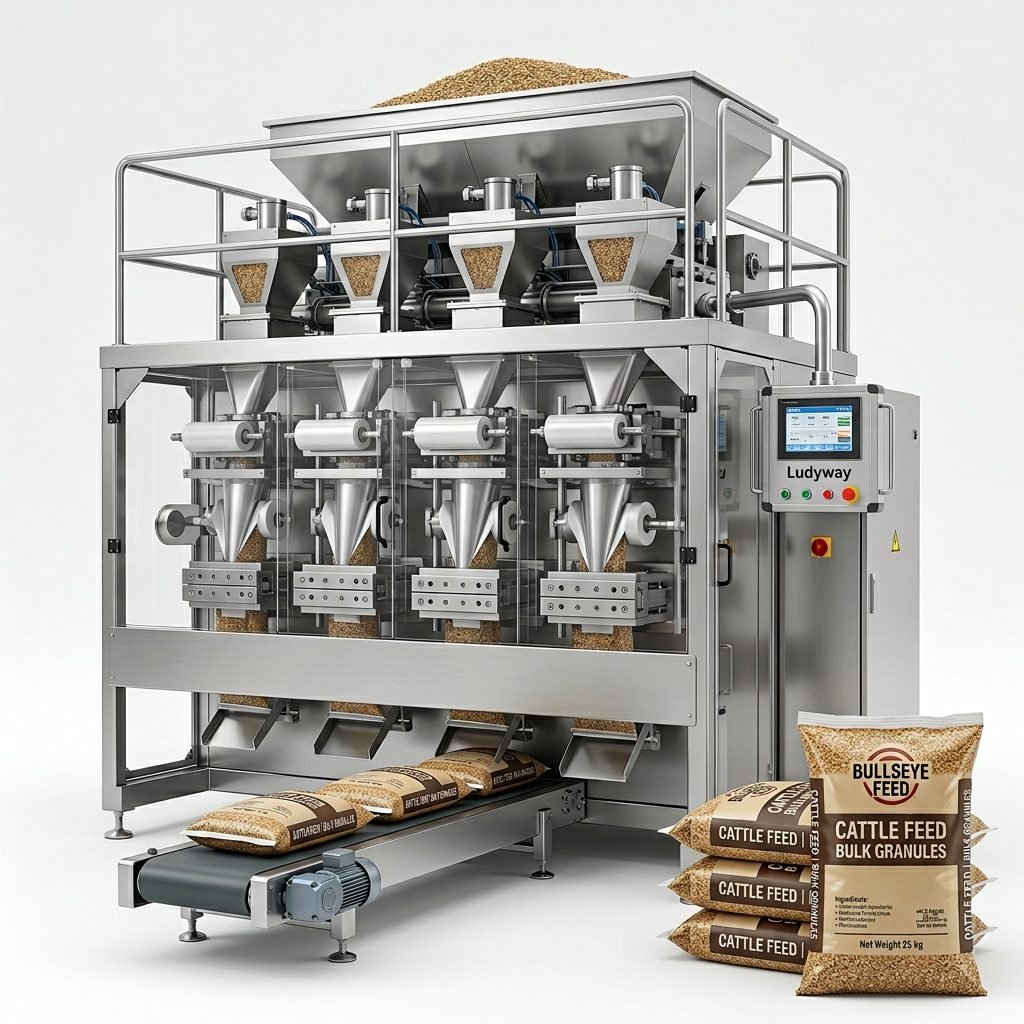
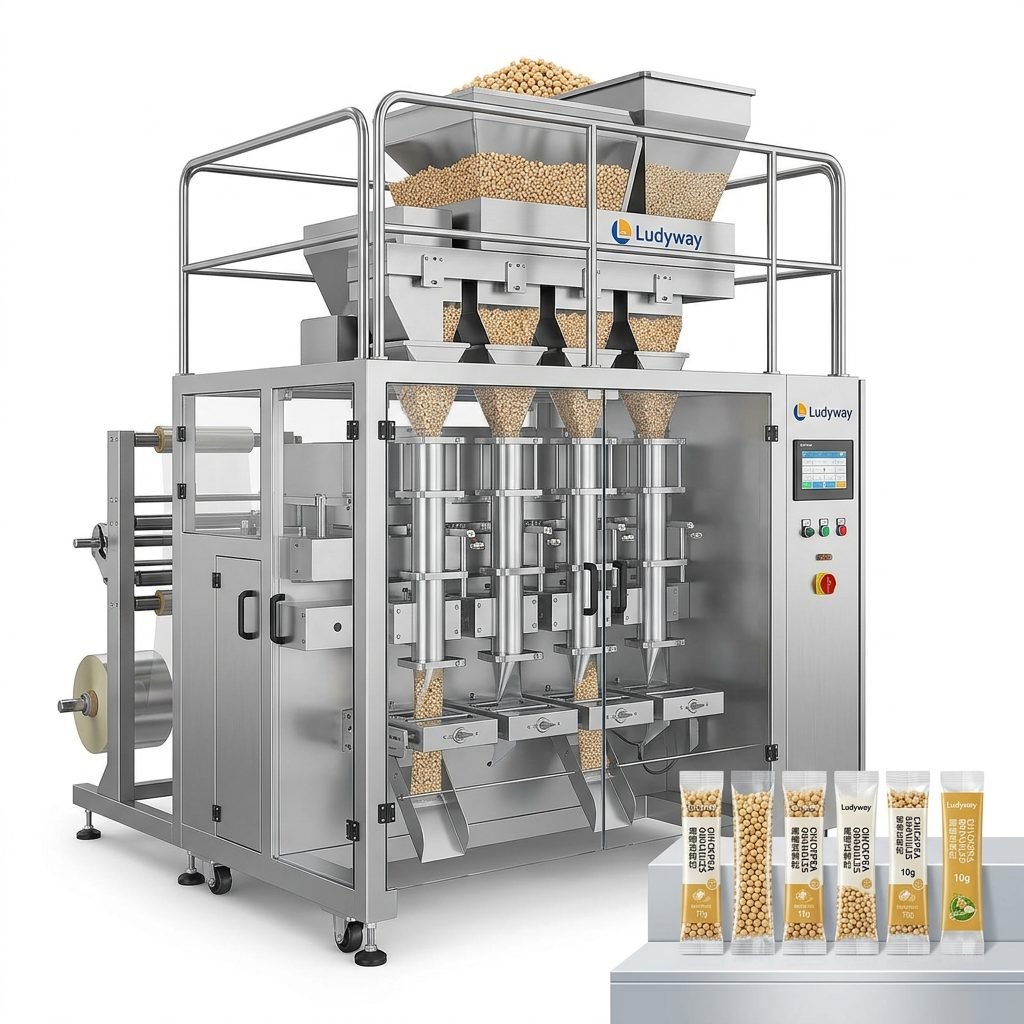
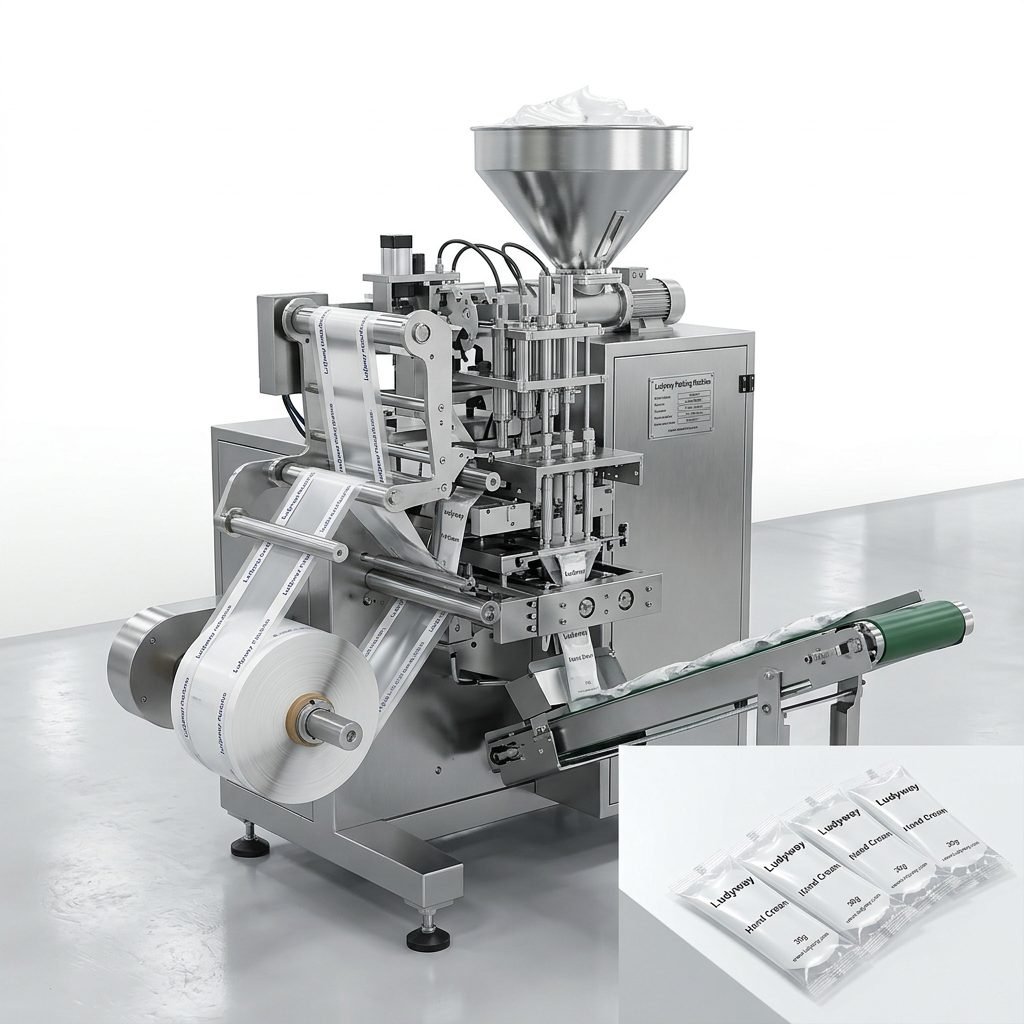
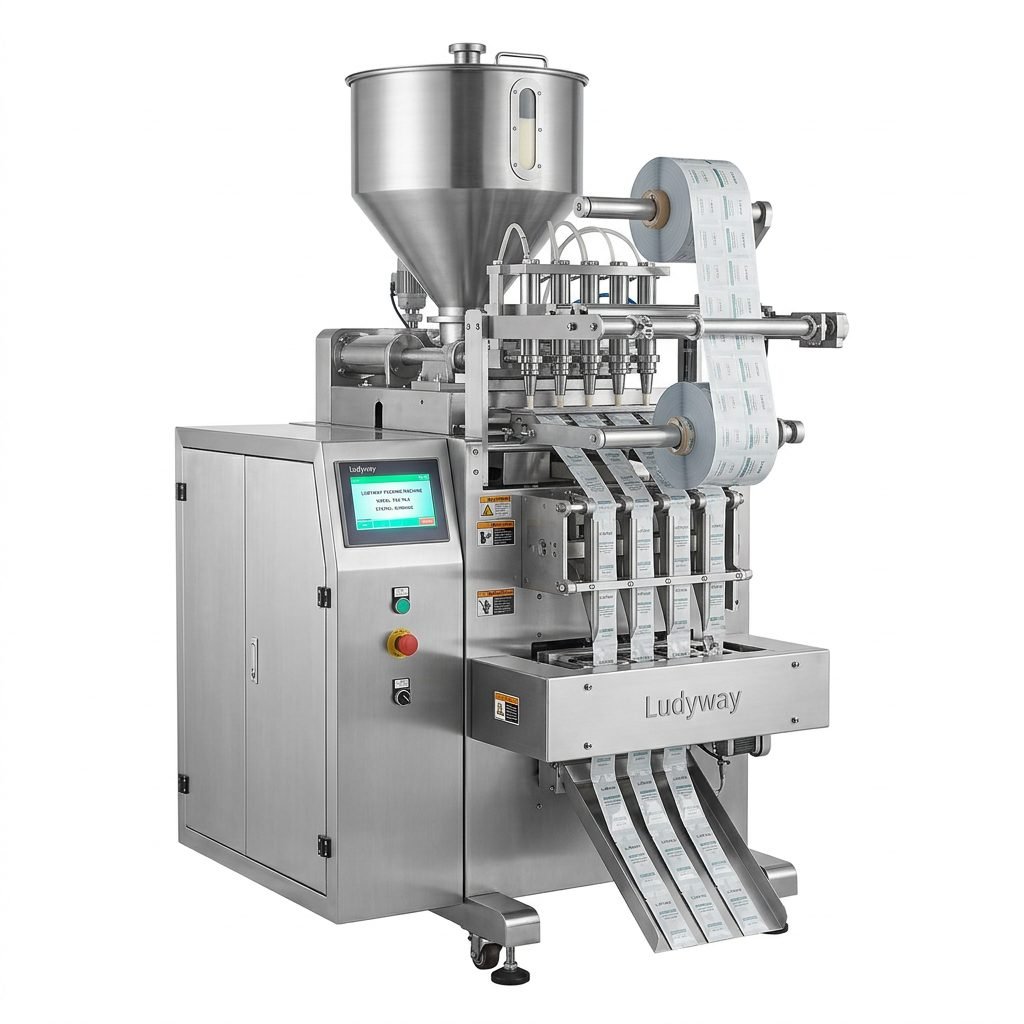
The South American food industry is experiencing remarkable growth, with pizza production at the forefront of this expansion. Selecting the right pizza packaging machine is critical for maintaining product freshness, extending shelf life, and meeting the region’s evolving regulatory standards. Whether you are running a small artisanal pizzeria or a large-scale frozen pizza factory, the equipment you choose directly impacts your operational efficiency and bottom line.
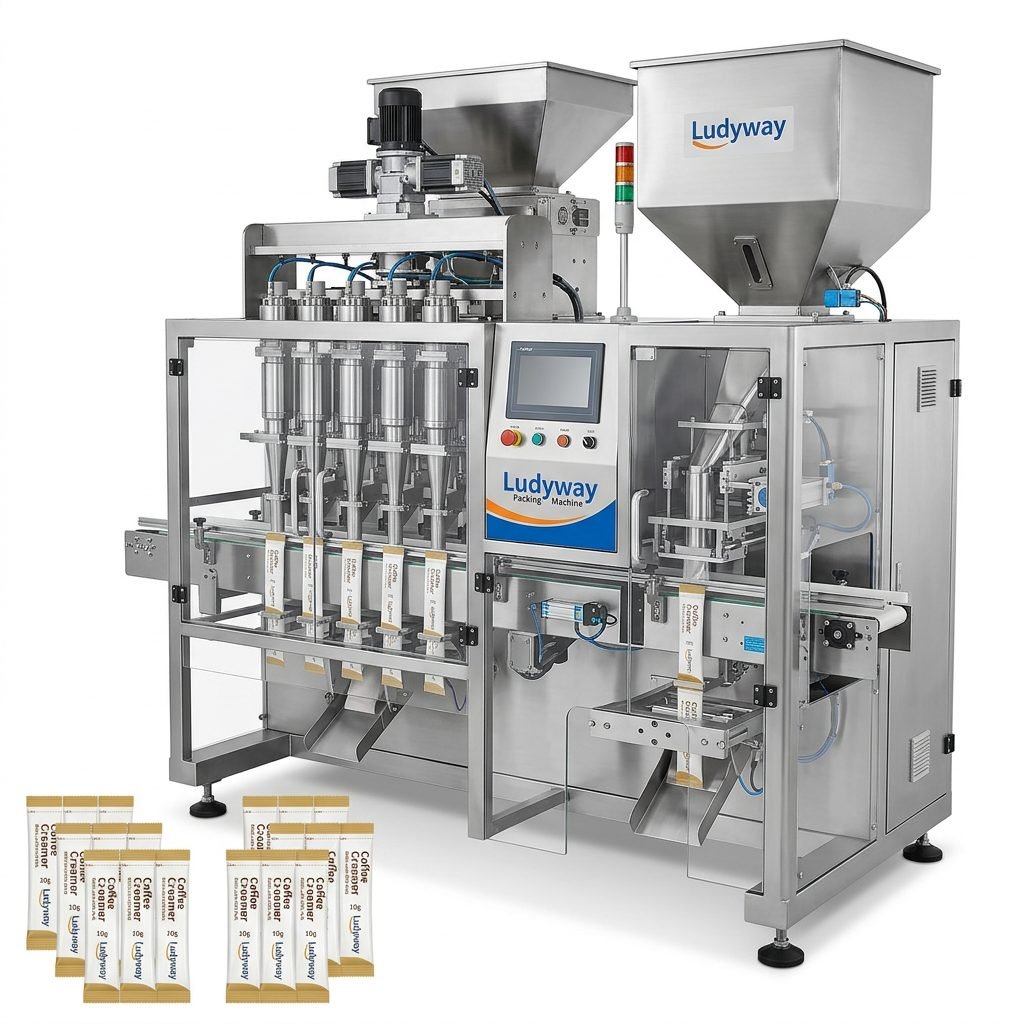
Understanding the South American Pizza Packaging Landscape
The packaging requirements in Brazil, Argentina, Colombia, and Chile differ significantly from those in North America or Europe. High humidity in tropical zones, fluctuating logistics temperatures, and specific consumer preferences demand robust machinery. Modified Atmosphere Packaging (MAP) is becoming increasingly popular in the region to extend the shelf life of fresh and frozen pizzas without heavy reliance on preservatives. Additionally, the rise of e-commerce food delivery has increased the demand for tamper-evident and leak-proof sealing technologies.
Types of Pizza Packaging Machines
Depending on your production volume and pizza format—fresh, frozen, or dry—there are several machine categories to evaluate. Below is a breakdown of the most common types available for South American manufacturers:
| Machine Type | Best For | Key Benefit |
|---|---|---|
| Horizontal Flow Wrappers | Frozen & fresh single pizzas | High-speed, hermetic seal |
| Shrink Wrapping Machines | Multi-packs & promo bundles | Cost-effective, clear display |
| Vacuum Chamber Machines | Premium artisanal pizzas | Maximum oxygen extraction |
| Automatic Cartoners | Frozen retail boxes | Versatile carton sizing |
Key Features to Prioritize for South American Markets
Not all packaging machinery is built to handle the specific challenges of the Latin American climate and logistics chain. When sourcing pizza packaging equipment, keep these critical factors in mind:
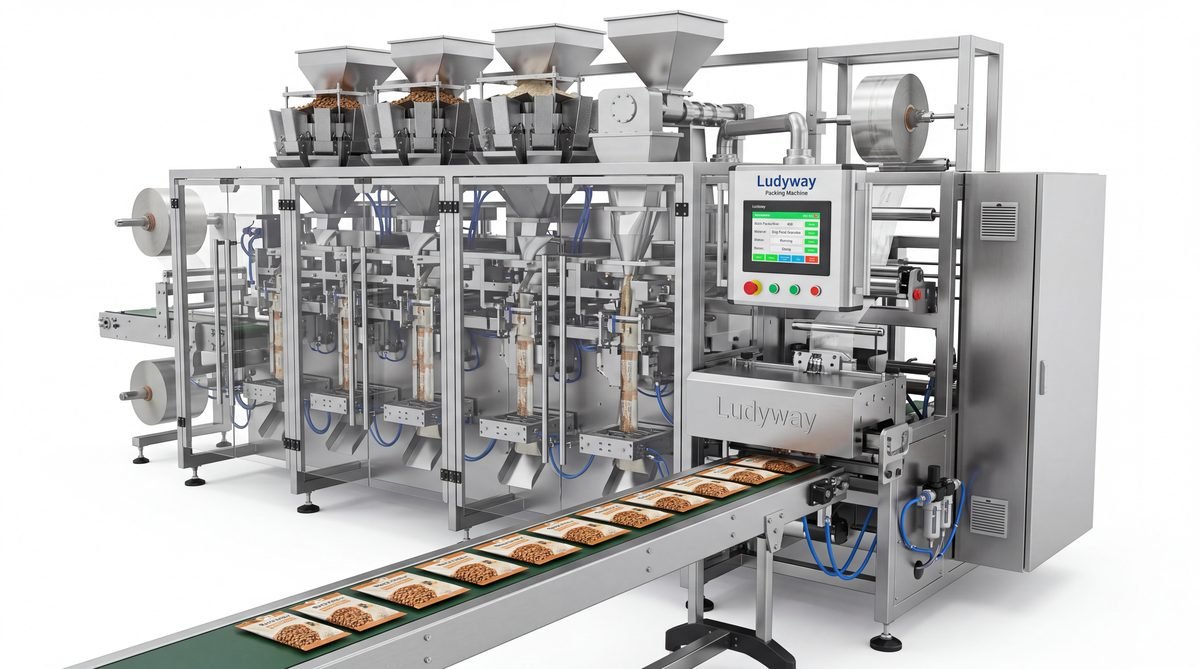
- Stainless Steel Construction: Essential for corrosion resistance in high-humidity environments and easy washdown for food safety compliance.
- Multi-Language Interfaces: Look for PLC systems with Portuguese and Spanish language options to minimize operator training errors.
- Gas Flushing Capability: MAP systems must reliably maintain specific gas ratios (N2/CO2) to prevent mold growth and preserve freshness.
- Flexible Film Compatibility: Ensure the machine handles both recyclable mono-materials and traditional laminates to meet changing local packaging laws.
- CIP (Clean-in-Place) Systems: Reduce downtime with automated cleaning cycles that prevent cross-contamination between production runs.
Meeting ANVISA and Regional Food Safety Standards
Brazil’s ANVISA regulations (RDC 91/2000 and RDC 52/2010) impose strict limits on food contact materials and migration levels. Your packaging machine must support seal integrity testing and provide consistent, verifiable seal strength to prevent contamination. Certified equipment with IQ/OQ/PQ documentation significantly streamlines the regulatory approval process.
Evaluating Throughput and Scalability
Analyze your current production volume and project growth for at least five years. A machine that operates at 30 packs per minute might suffice today, but if your brand expands into supermarket chains like Grupo Éxito or Cencosud, you’ll quickly need 80–120 packs per minute capacity. Modular equipment design allows field upgrades without complete replacement.
Sustainability Trends Affecting Equipment Choice
Chile and Colombia are leading the charge in plastic reduction laws. The equipment you purchase today must ideally process thinner films and biodegradable materials without compromising seal integrity. Advanced motion control systems with precise temperature regulation prevent film burn-through when working with sensitive eco-friendly substrates.
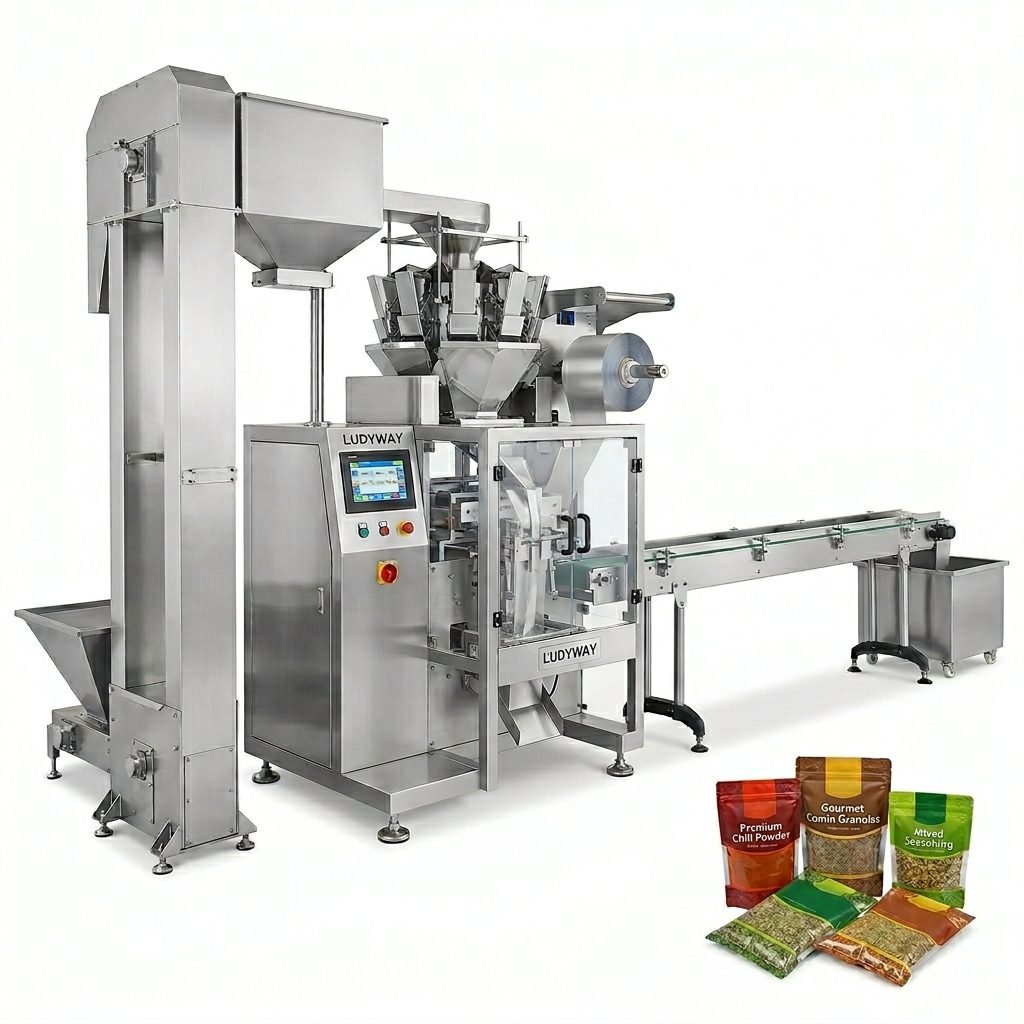
Comparative Analysis: Entry-Level vs. Industrial Solutions
| Feature | Semi-Automatic (Entry) | Fully Automatic (Industrial) |
|---|---|---|
| Typical Speed | 10-25 packs/min | 80-200 packs/min |
| Operator Load | 3-5 workers per line | 1 operator per multiple lines |
| Integration | Standalone manual feeding | Full line integration with upstream/downstream |
| Waste Ratio | Higher film waste during changeover | Optimized film management, minimal scrap |
Spare Parts Availability and After-Sales Support
Downtime in a food production facility can cost thousands of dollars per hour. Prioritize manufacturers with established distribution networks in South America. Local technical support, available in Portuguese and Spanish, and a strategically located spare parts inventory are non-negotiable aspects of the purchasing decision.
Integration with Upstream and Downstream Equipment
A pizza packaging line rarely operates in isolation. It must seamlessly synchronize with dough sheeters, sauce depositors, freezers, checkweighers, and palletizers. Investing in a turnkey solution from a single integration partner reduces project risk and ensures perfect communication between all components via industrial ethernet protocols.
About Ludyway
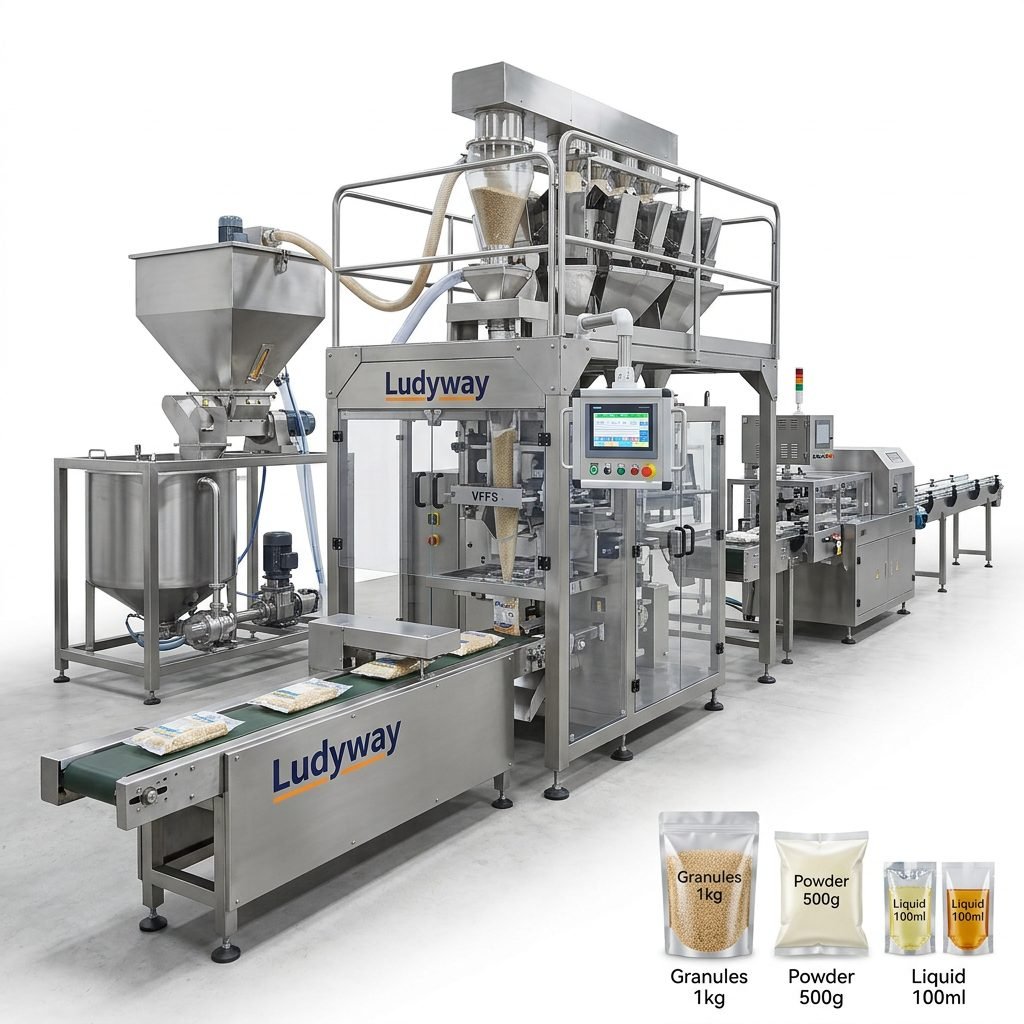
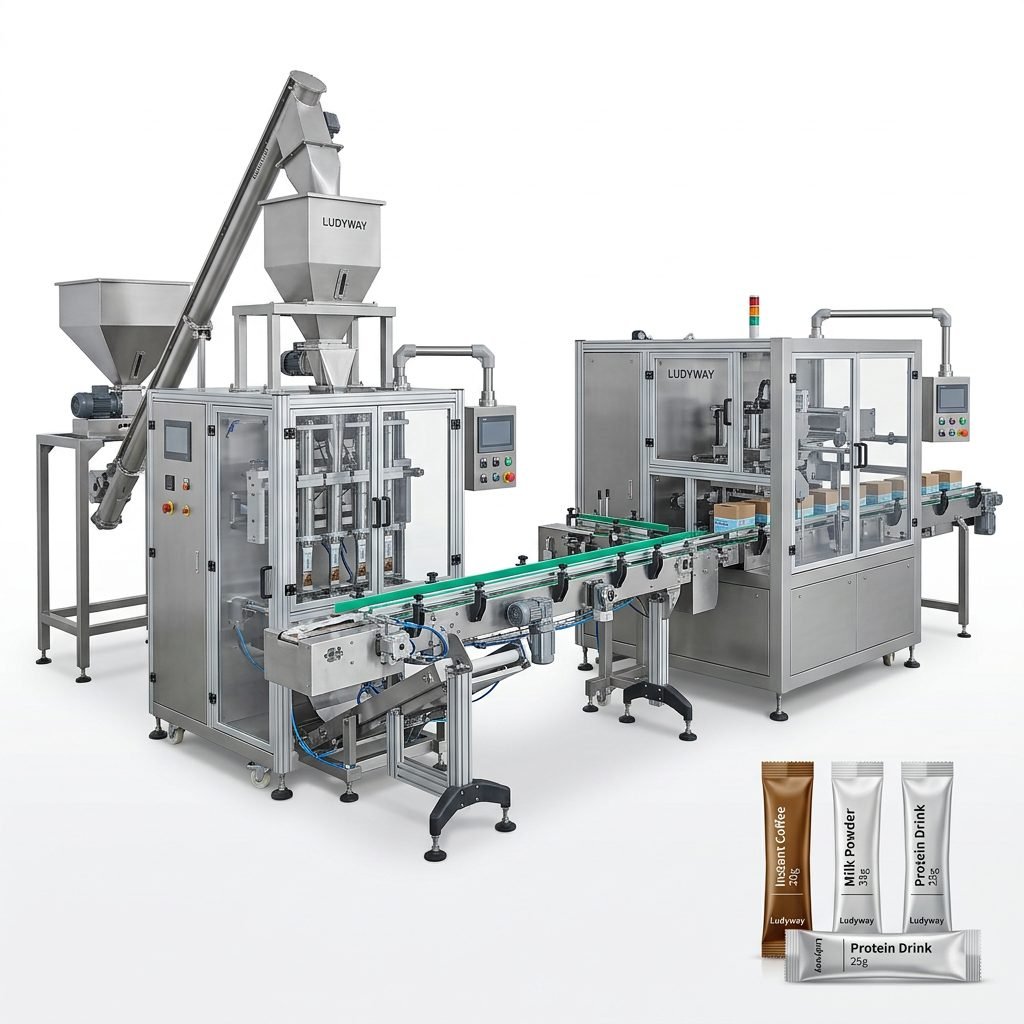
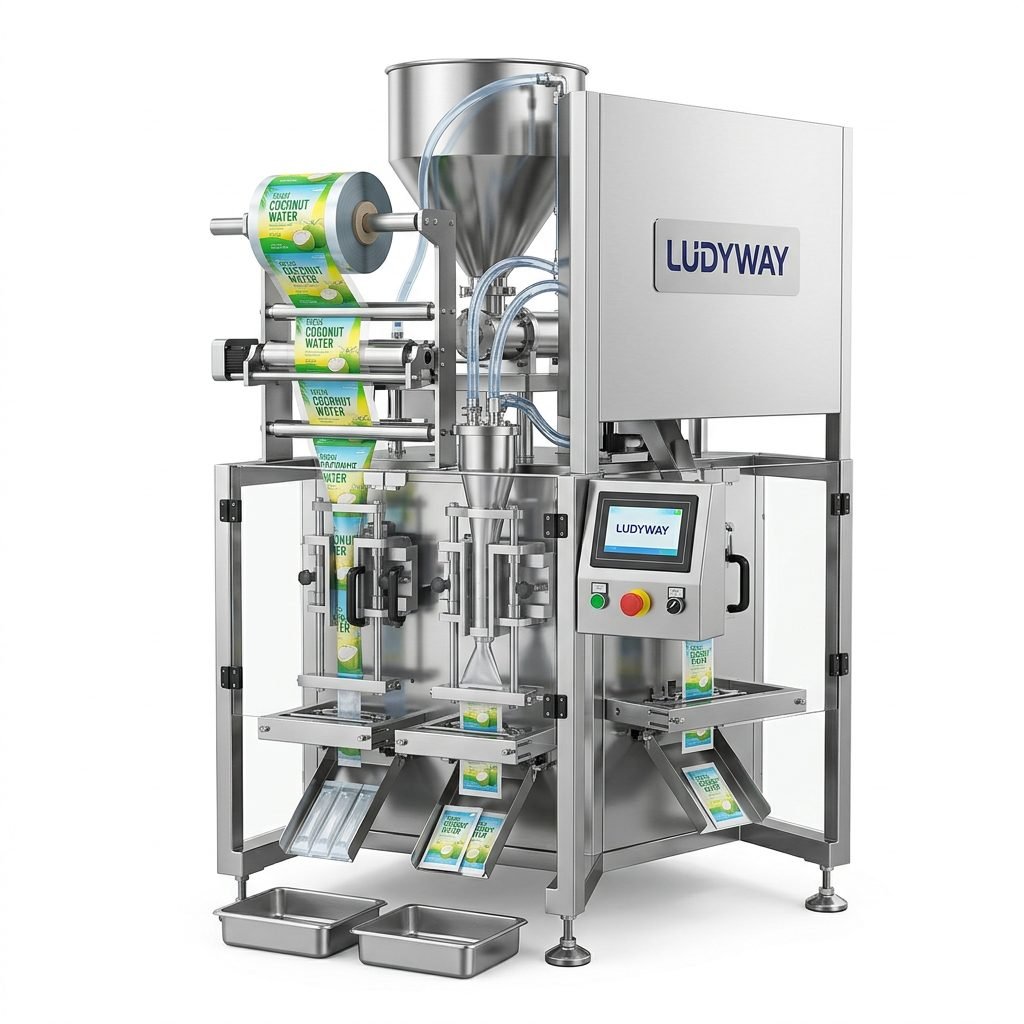
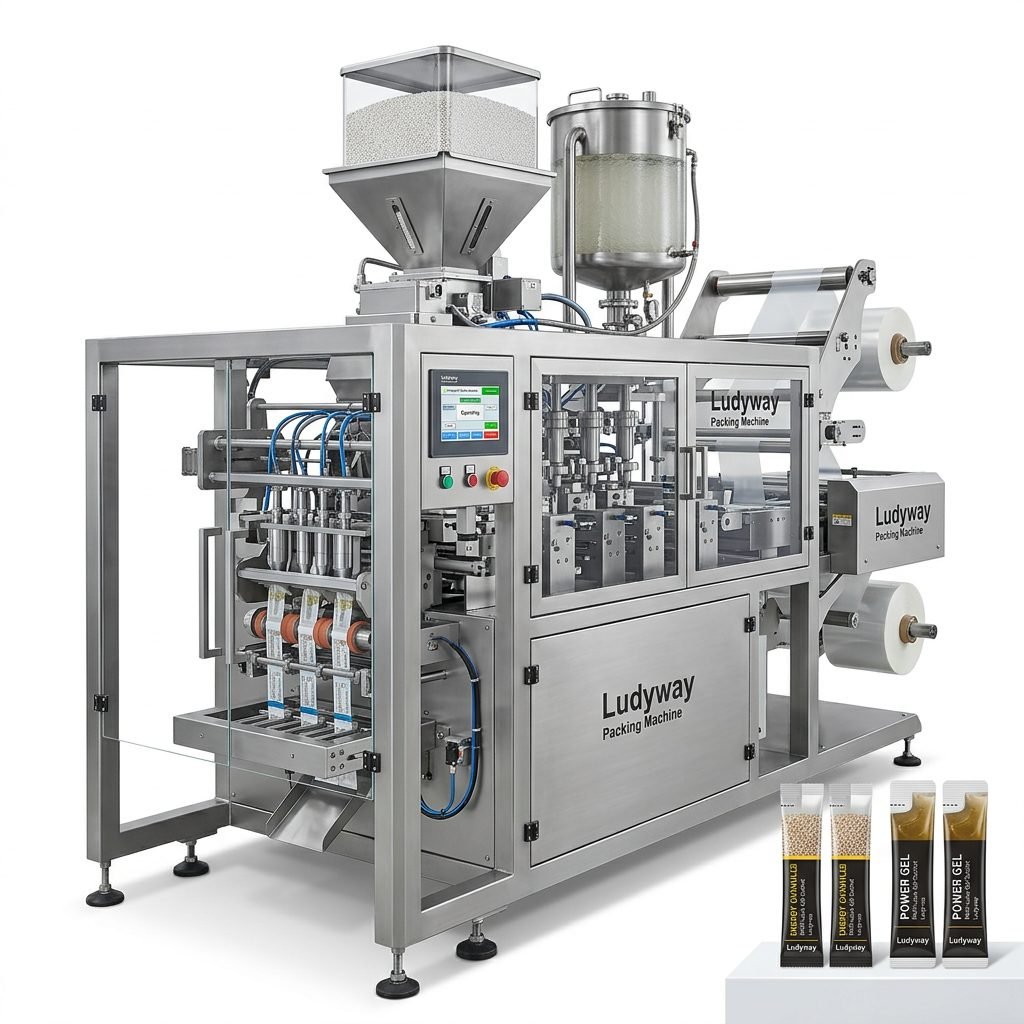
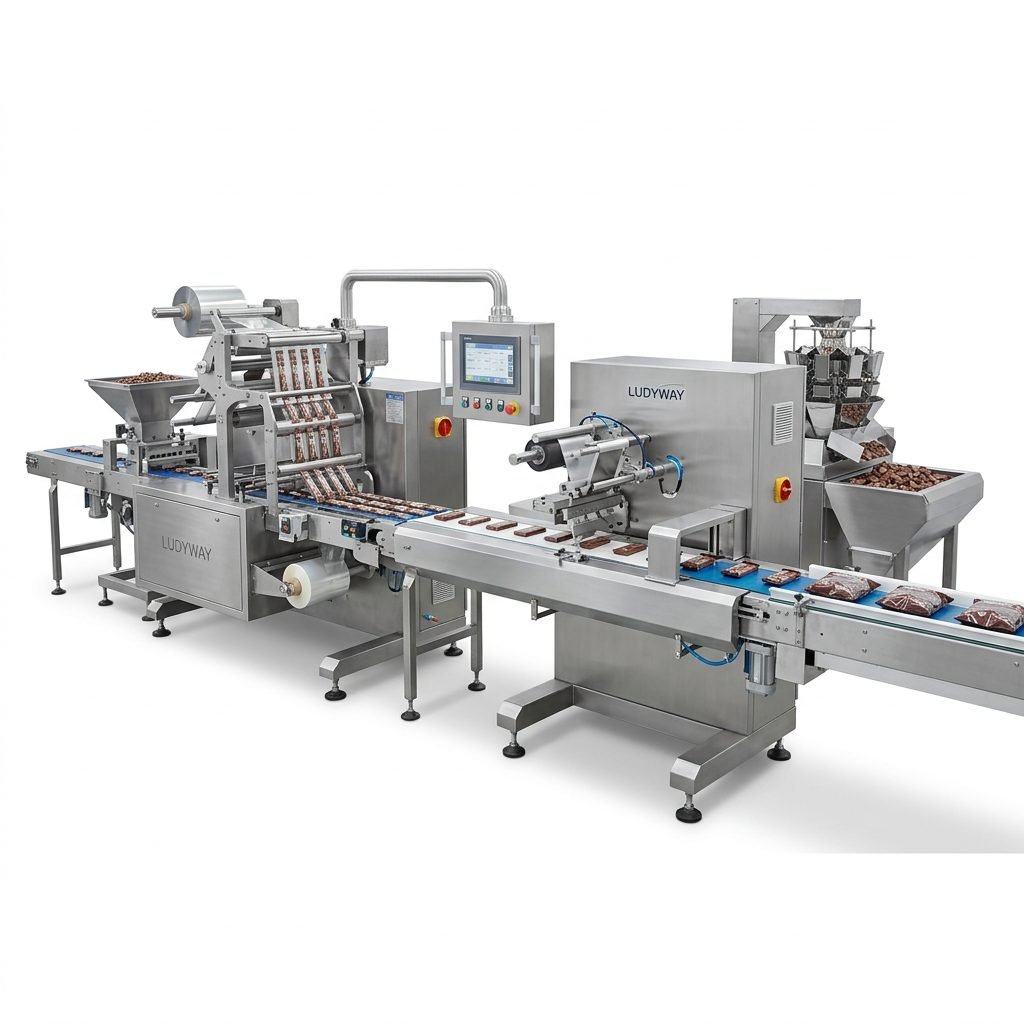
Ludyway is one of the largest packaging machine manufacturers in China, specializing in advanced packaging equipment and turnkey production solutions for the food, pharmaceutical, and health industries. With over 30 years of industry expertise, we provide reliable and efficient packaging solutions for granule, powder, liquid, and pouch packaging applications. Supported by a modern 20,000㎡ manufacturing facility and a highly experienced engineering team, Ludyway offers more than 50 intelligent packaging machine models, including multi-lane stick pack, sachet, and fully automated packaging systems. Serving customers in over 100 countries and regions, we are committed to delivering innovative, high-performance, and cost-effective packaging solutions that help businesses improve productivity, product quality, and operational efficiency.
Return on Investment Considerations
Calculate total cost of ownership rather than focusing solely on purchase price. A machine priced at $150,000 with superior energy efficiency and minimal film waste will often outperform a $100,000 alternative within 18 months. Factor in consumables usage, preventive maintenance schedules, and expected bearing/component life cycles when comparing quotes from different suppliers.
Final Checklist Before Purchase
- Verify machine supports the film types and thicknesses available in your local market.
- Confirm compliance with Mercosur food contact material regulations.
- Request a sample production run with your actual pizza products and packaging materials.
- Check warranty terms and local service availability in São Paulo, Buenos Aires, or Santiago.
- Evaluate the control system—Siemens, Allen-Bradley, or Mitsubishi based on local support.
Selecting the optimal pizza packaging machine for South America requires balancing speed, reliability, and compliance with regional standards. A thorough needs assessment coupled with factory acceptance testing ensures your investment delivers consistent performance for years to come.