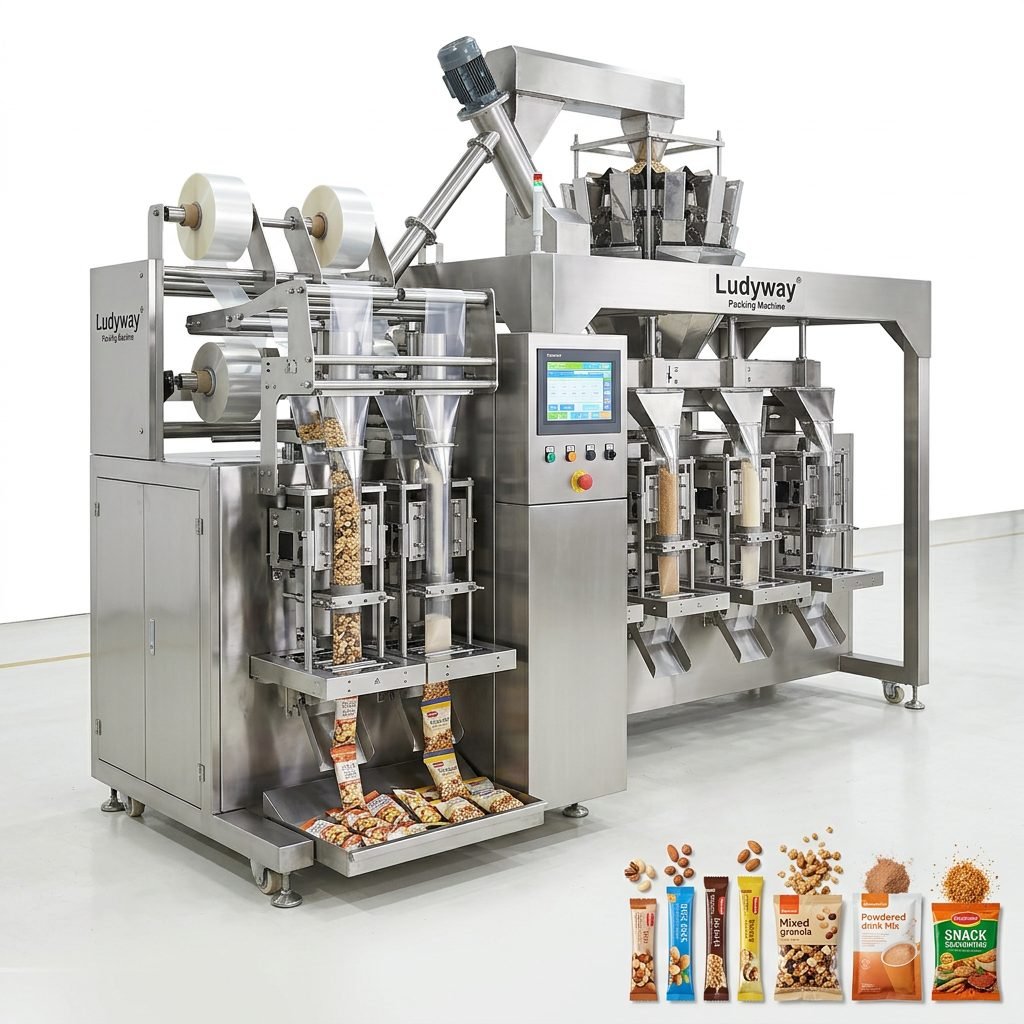
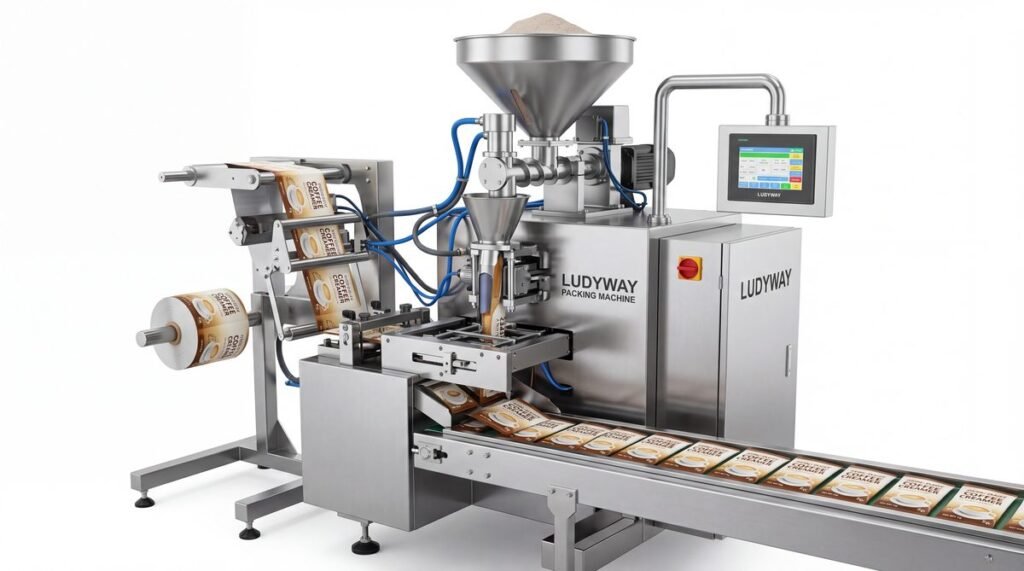
The United States represents one of the world’s largest markets for packaged ice, driven by strong demand across food service, healthcare, hospitality, and retail sectors. Setting up an ice packaging machine production line in the U.S. requires careful planning around regulatory compliance, equipment selection, facility design, and operational logistics. This guide walks you through the essential steps to establish a successful ice packaging operation.
Understanding the U.S. Ice Packaging Market Landscape
Before investing in machinery, it is critical to understand the market dynamics. The U.S. packaged ice industry serves multiple channels: retail packaged ice sold in grocery and convenience stores, commercial ice for restaurants and bars, and industrial ice used in healthcare and construction. Each segment demands different packaging formats, from small 5-pound bags to bulk 50-pound sacks. According to data from PMMI packaging industry research, the North American packaging machinery market continues to expand, with food and beverage representing the largest application segment.
Key Regulatory Requirements for Ice Packaging in the United States
Compliance with U.S. regulations is non-negotiable. Ice is classified as a food product by the FDA, which means your production line must adhere to Current Good Manufacturing Practices (CGMPs) under 21 CFR Part 110. Key requirements include:
- Food-grade materials for all product-contact surfaces, typically stainless steel 304 or 316L
- Implementation of a HACCP plan identifying critical control points throughout the packaging process
- Proper facility zoning to prevent cross-contamination between raw materials and finished products
- Compliance with NSF/ANSI standards for food equipment sanitation
- Regular microbiological testing protocols as mandated by local health authorities
Selecting the Right Ice Packaging Equipment
Choosing appropriate packaging machinery is the cornerstone of your production line. The equipment must handle ice at controlled temperatures while maintaining packaging integrity. Consider these primary machine categories:
Vertical Form Fill Seal (VFFS) Machines
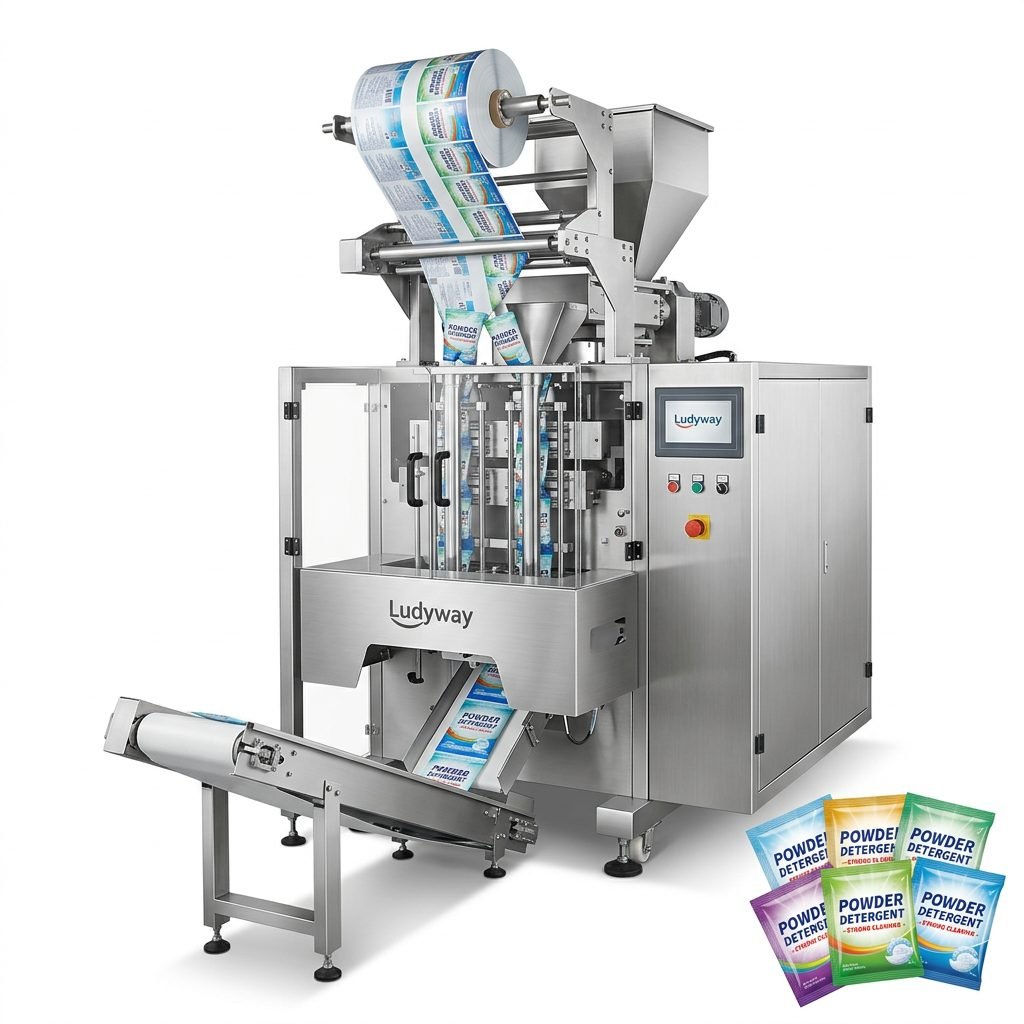
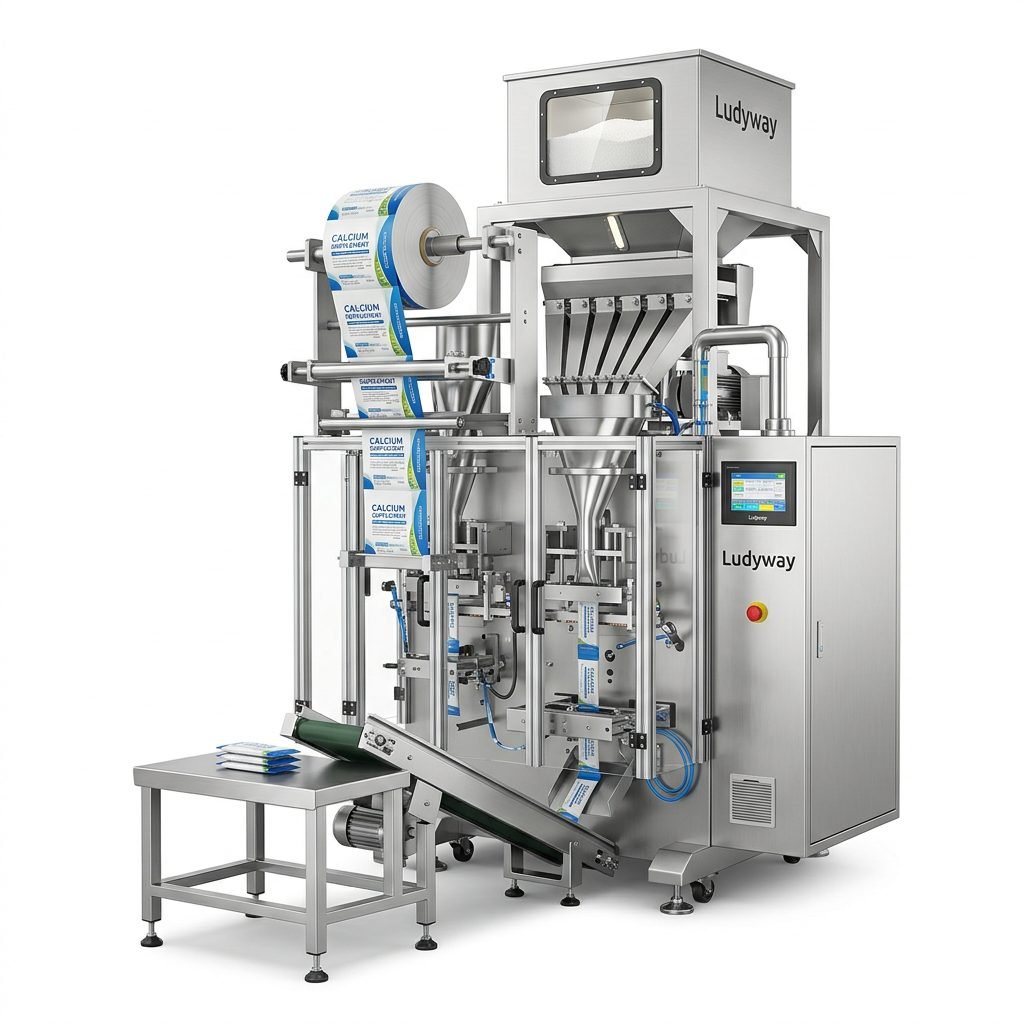
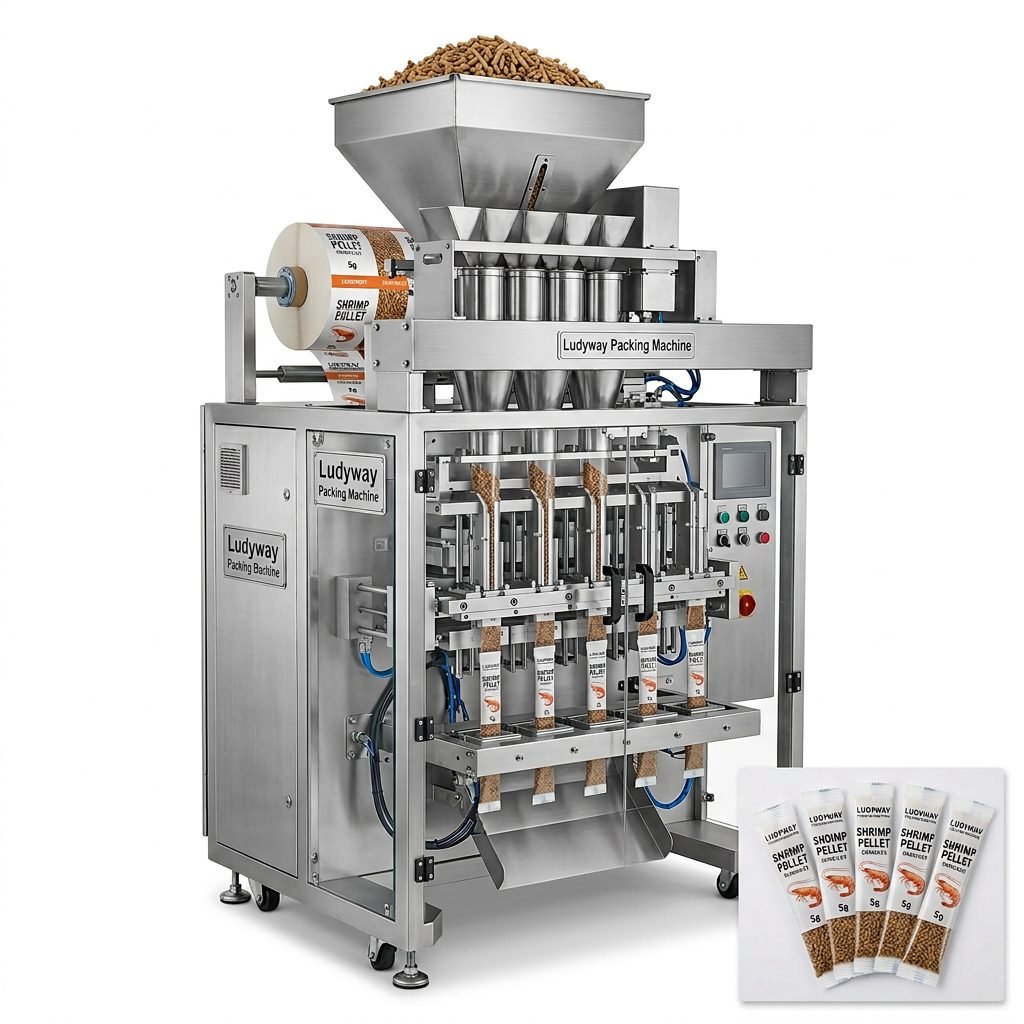
VFFS systems are widely used for bagged ice packaging. They form bags from roll stock film, fill with ice, and seal in a continuous vertical motion. Modern VFFS machines can achieve speeds of 30-60 bags per minute depending on bag size. Look for models with cold-environment compatibility and moisture-resistant sealing mechanisms.
Pre-Made Pouch Filling Systems
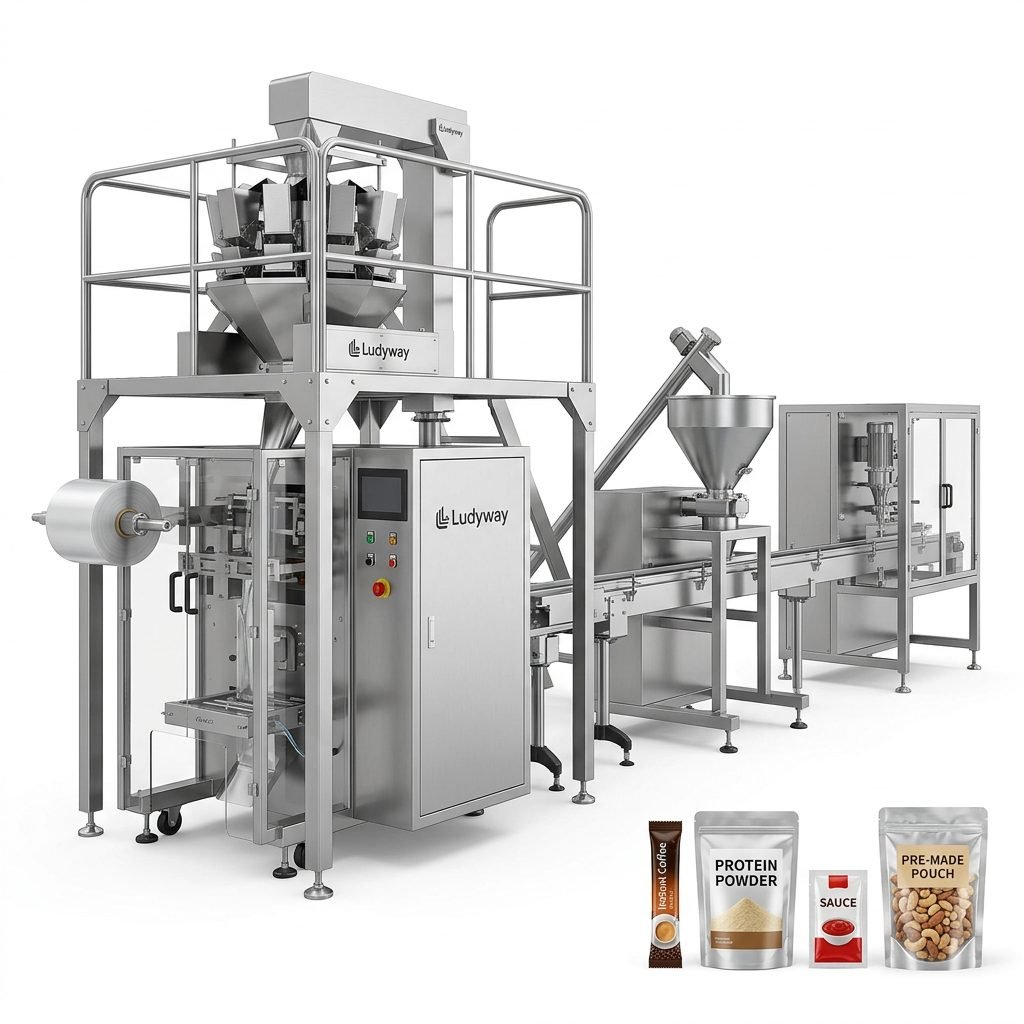
For premium retail ice products, pre-made pouch fillers offer advantages in print quality and shelf appeal. These systems open, fill, and seal pre-manufactured pouches, often incorporating zipper closures or resealable features that consumers prefer. The Flexible Packaging Association provides valuable guidance on packaging material selection for frozen products.
Production Line Configuration and Layout Planning
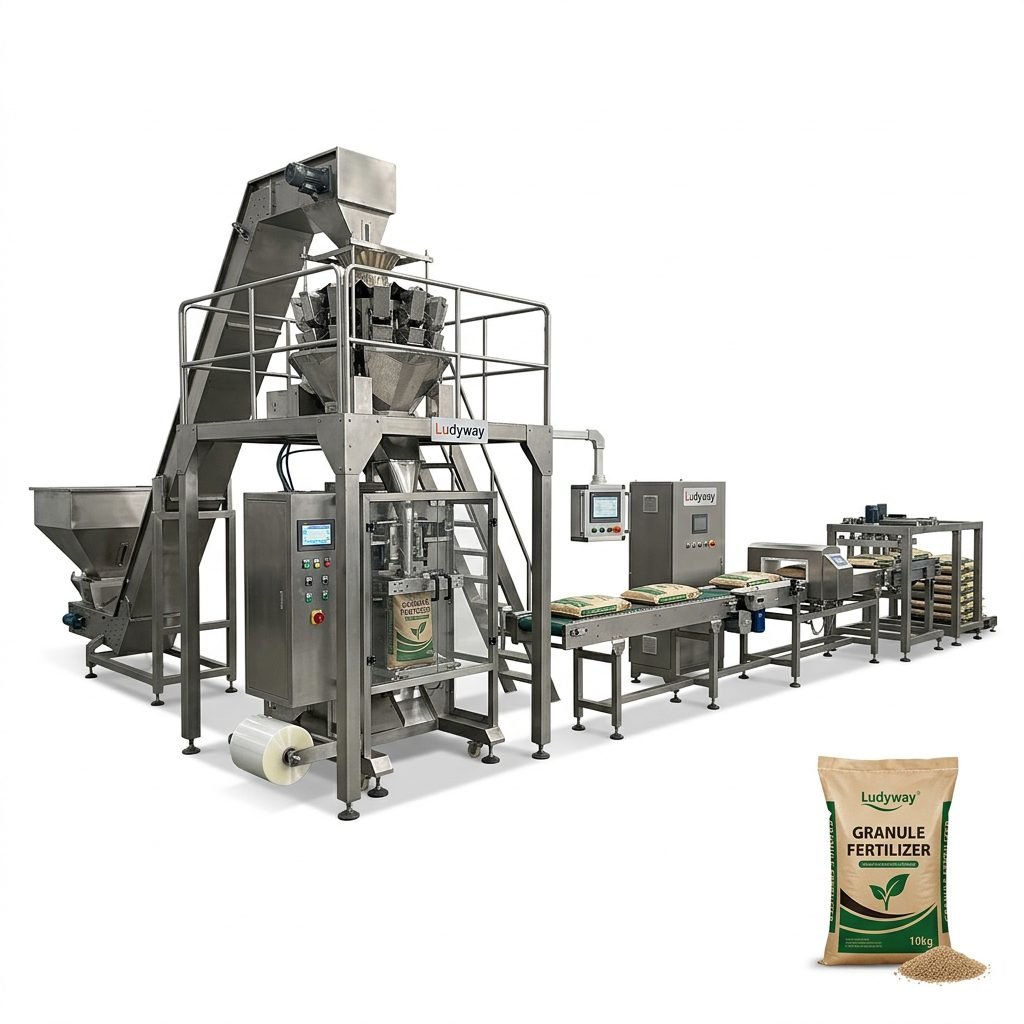
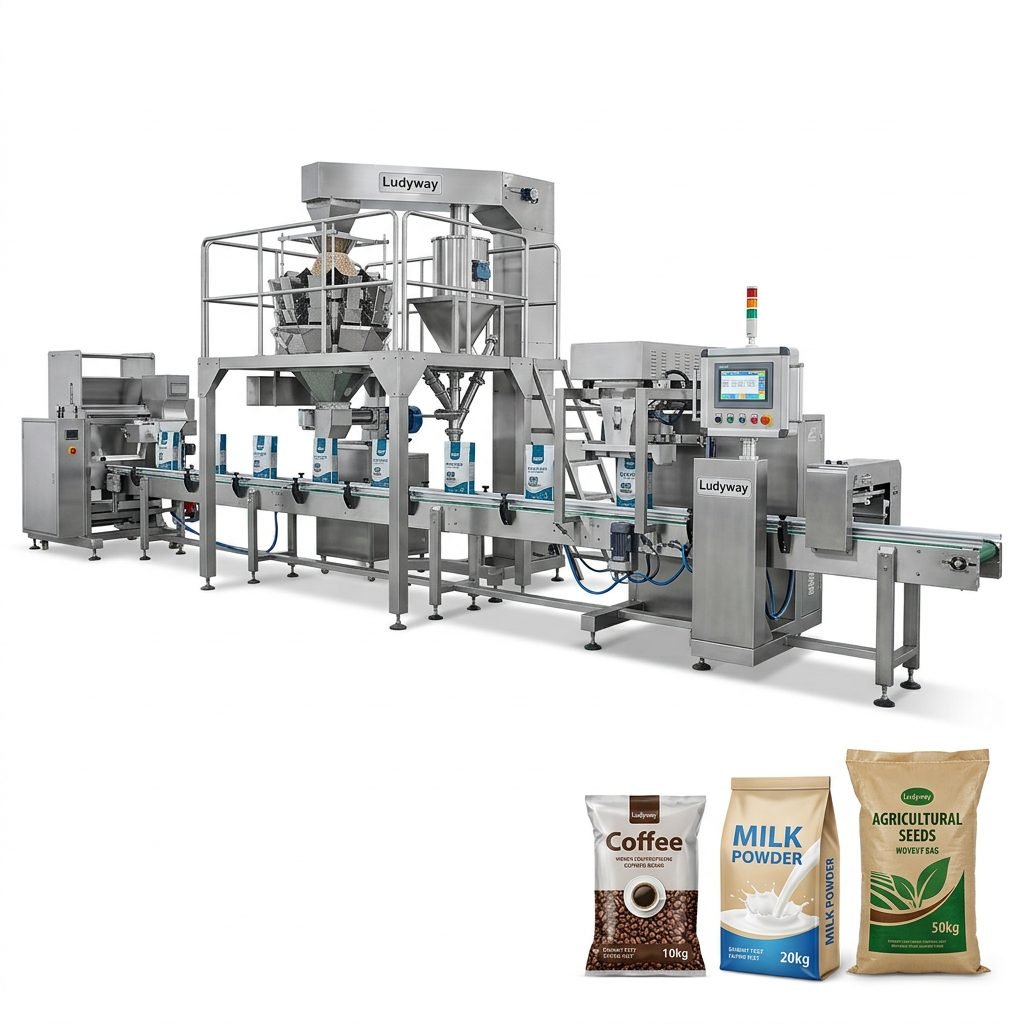
An efficient ice packaging line integrates multiple components into a seamless workflow. Below is a comparative overview of essential line components and their functions:
| Equipment Component | Primary Function | Selection Criteria | Estimated Throughput |
|---|---|---|---|
| Ice Delivery Conveyor | Transports ice from production to packaging | Insulated design, variable speed control | Up to 5 tons/hour |
| Multi-Head Weigher | Precise weight-based portioning | Accuracy ±1g, cold-rated electronics | 60-100 weighs/minute |
| Bagging Machine (VFFS/Rotary) | Bag forming, filling, and sealing | Stainless steel construction, IP65 rating | 30-80 bags/minute |
| Metal Detector / X-Ray | Foreign object detection | Sensitivity to 0.5mm ferrous, HACCP compliant | Inline, no speed reduction |
| Checkweigher | Weight verification and reject system | Dynamic weighing, data logging capability | Up to 120 packs/minute |
| Palletizing System | Automated stacking for distribution | Robotic or layer-type, cold-room rated | 15-30 cases/minute |
Facility Infrastructure and Environmental Controls
Ice packaging facilities require specialized infrastructure. The packaging area must maintain temperatures below 45°F (7°C) to prevent ice melting during processing. Key facility considerations include:
- Floor drainage systems capable of handling condensation and defrost water
- Epoxy or urethane flooring with anti-slip properties for worker safety
- HVAC systems providing positive air pressure in packaging zones to prevent contaminant ingress
- Adequate electrical supply with backup generators for critical equipment
- Compressed air systems with food-grade filtration and drying capabilities
Installation and Commissioning Process
Proper installation is essential for long-term reliability. The process typically follows these phases:
- Pre-installation assessment: Verify utility connections, floor loading capacity, and clearance dimensions
- Equipment positioning: Align machines according to the approved layout, ensuring adequate access for maintenance
- Utility hookup: Connect electrical, compressed air, and water lines per manufacturer specifications
- Dry run testing: Operate equipment without product to verify mechanical functions and safety interlocks
- Product trials: Run ice through the system, adjusting weigher settings, seal temperatures, and conveyor speeds
- Validation and documentation: Complete IQ/OQ/PQ protocols if required for retail or pharmaceutical-grade production
Workforce Training and Standard Operating Procedures
Even highly automated packaging equipment requires skilled operators. Develop comprehensive SOPs covering startup sequences, changeover procedures, sanitation protocols, and emergency shutdown. Train staff on lockout-tagout procedures, personal protective equipment requirements, and ISO packaging standards relevant to food safety. Cross-training operators across multiple stations improves workforce flexibility and reduces downtime risks.
Key Training Modules to Implement
- Machine operation and touchscreen interface navigation
- Quality control sampling and weight verification procedures
- Cleaning-in-place (CIP) and sanitation protocols
- Preventive maintenance schedules and lubrication points
- Traceability documentation and batch record keeping
Maintenance Strategies for Continuous Operation
Ice packaging lines operate in harsh cold environments that accelerate wear on seals, bearings, and electronic components. Implement a preventive maintenance program that includes:
- Daily inspections: Check seal integrity, conveyor belt tension, and sensor functionality
- Weekly tasks: Lubricate moving parts with food-grade grease, inspect electrical connections for moisture ingress
- Monthly reviews: Calibrate weighing systems, replace worn forming tubes and sealing jaws
- Quarterly overhauls: Comprehensive machine inspection, bearing replacement, and control system diagnostics
Cost Considerations and ROI Analysis
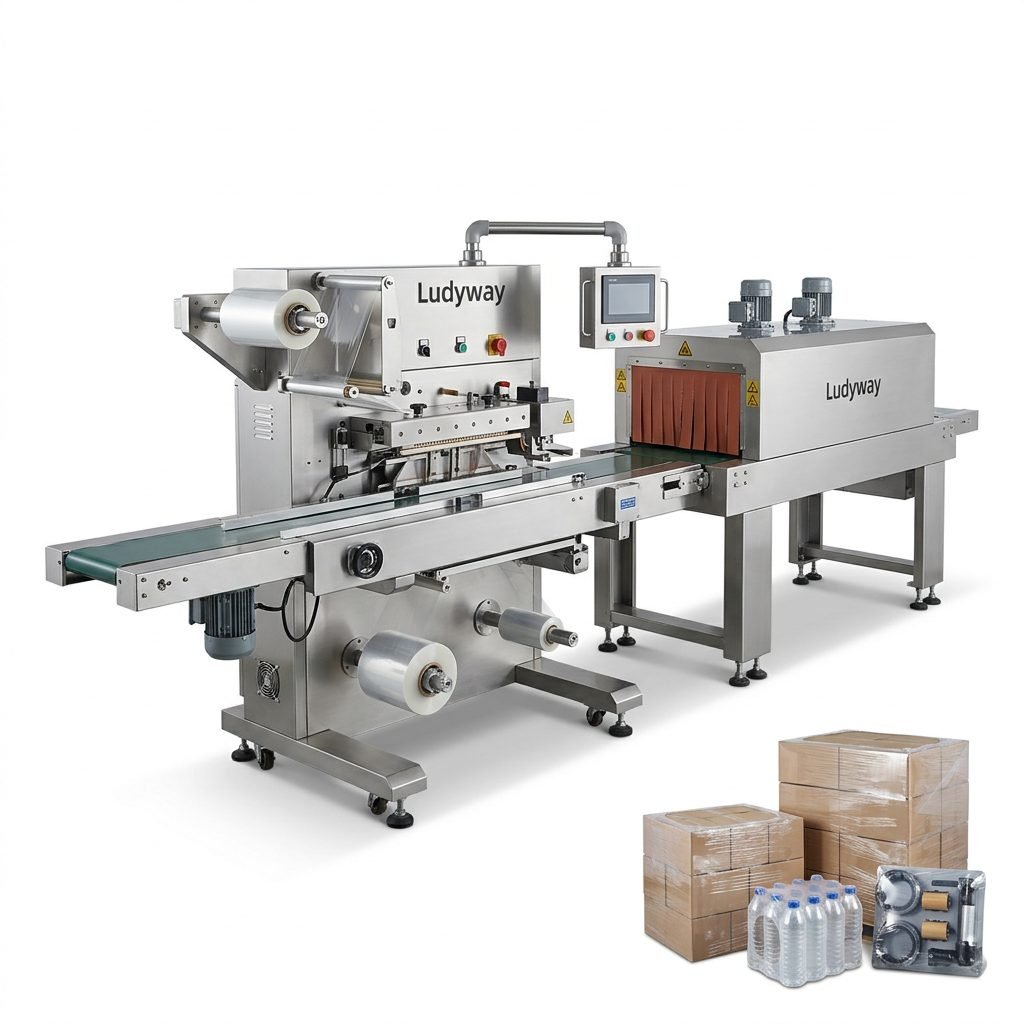
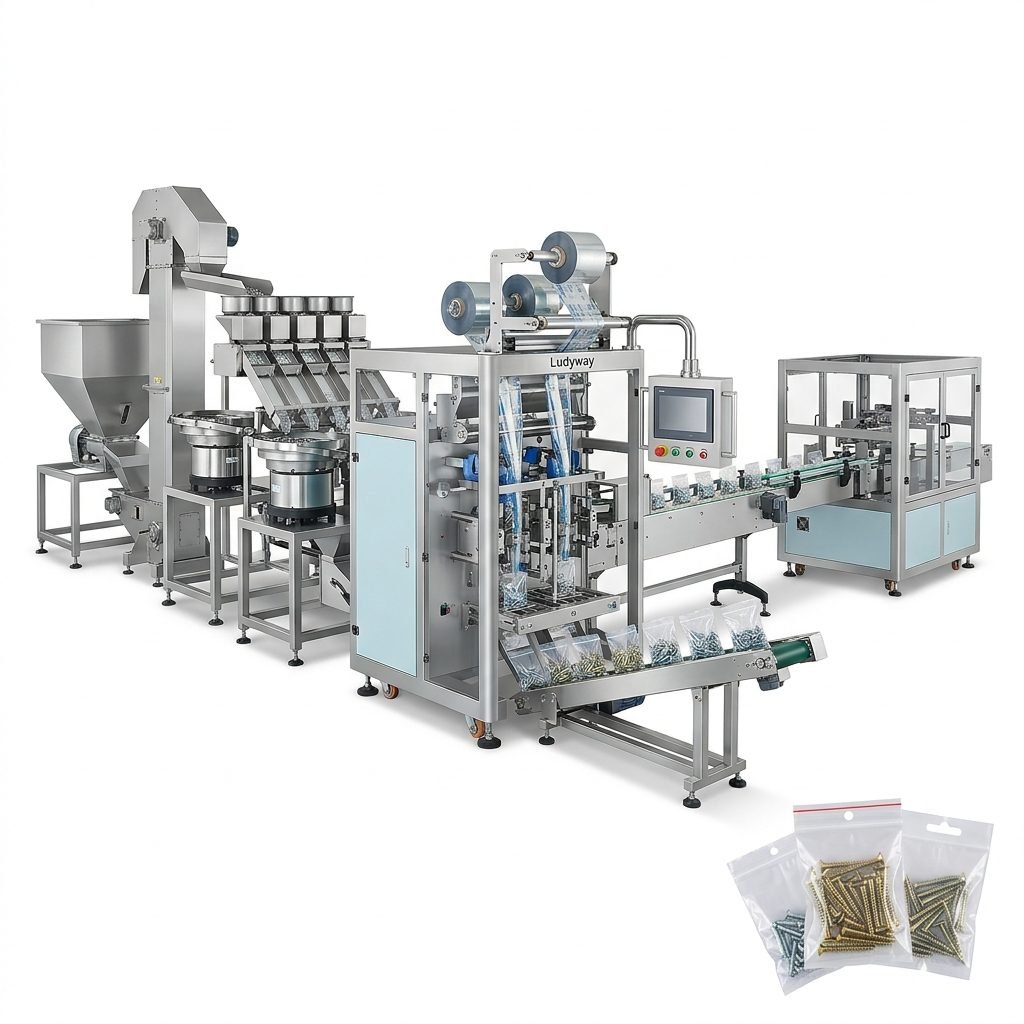
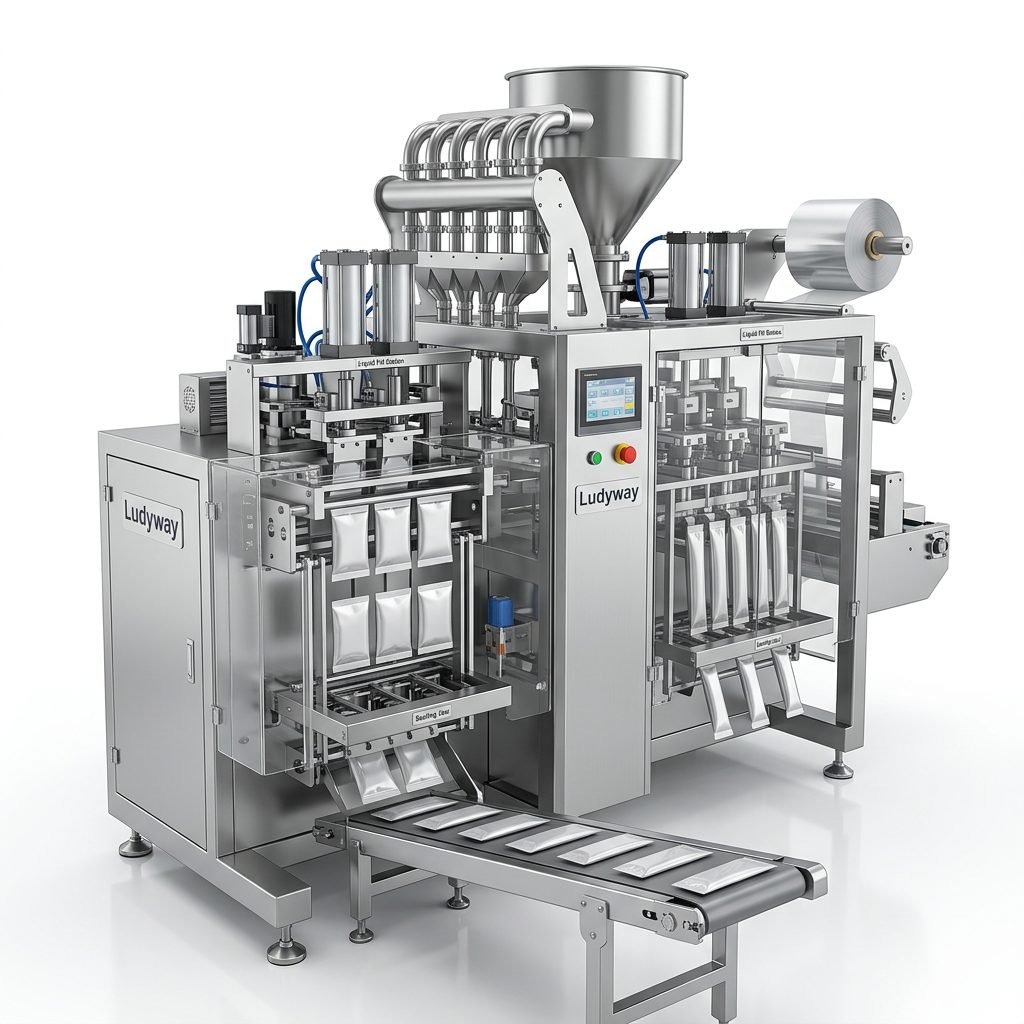
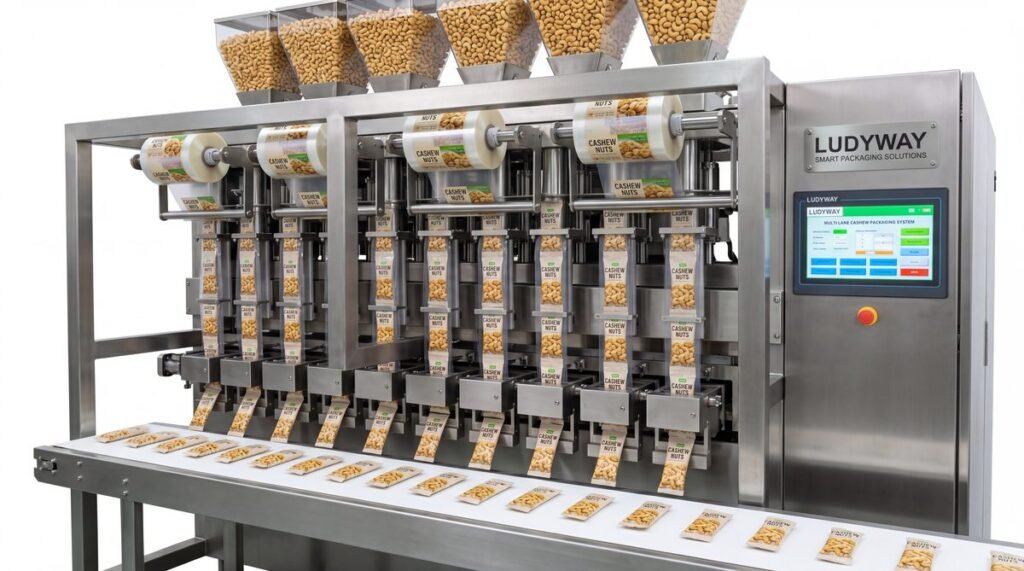
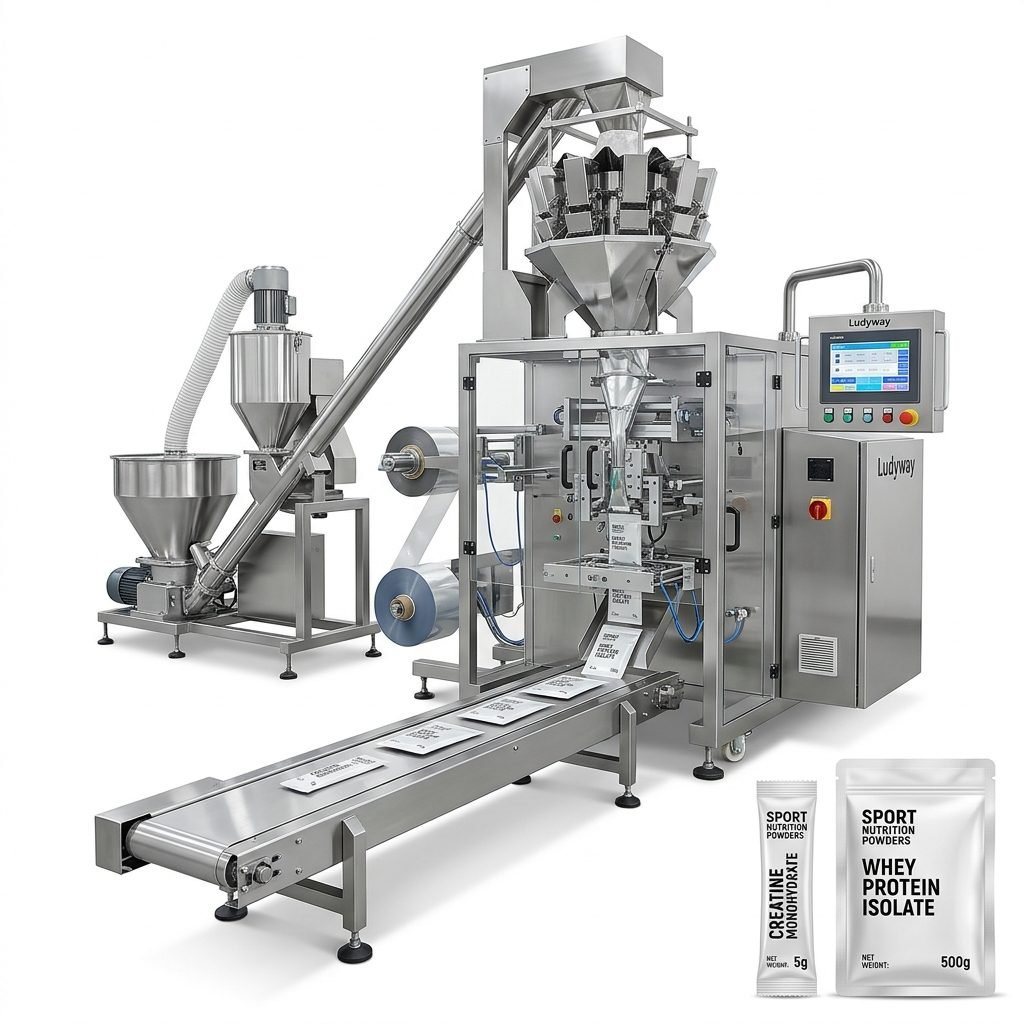
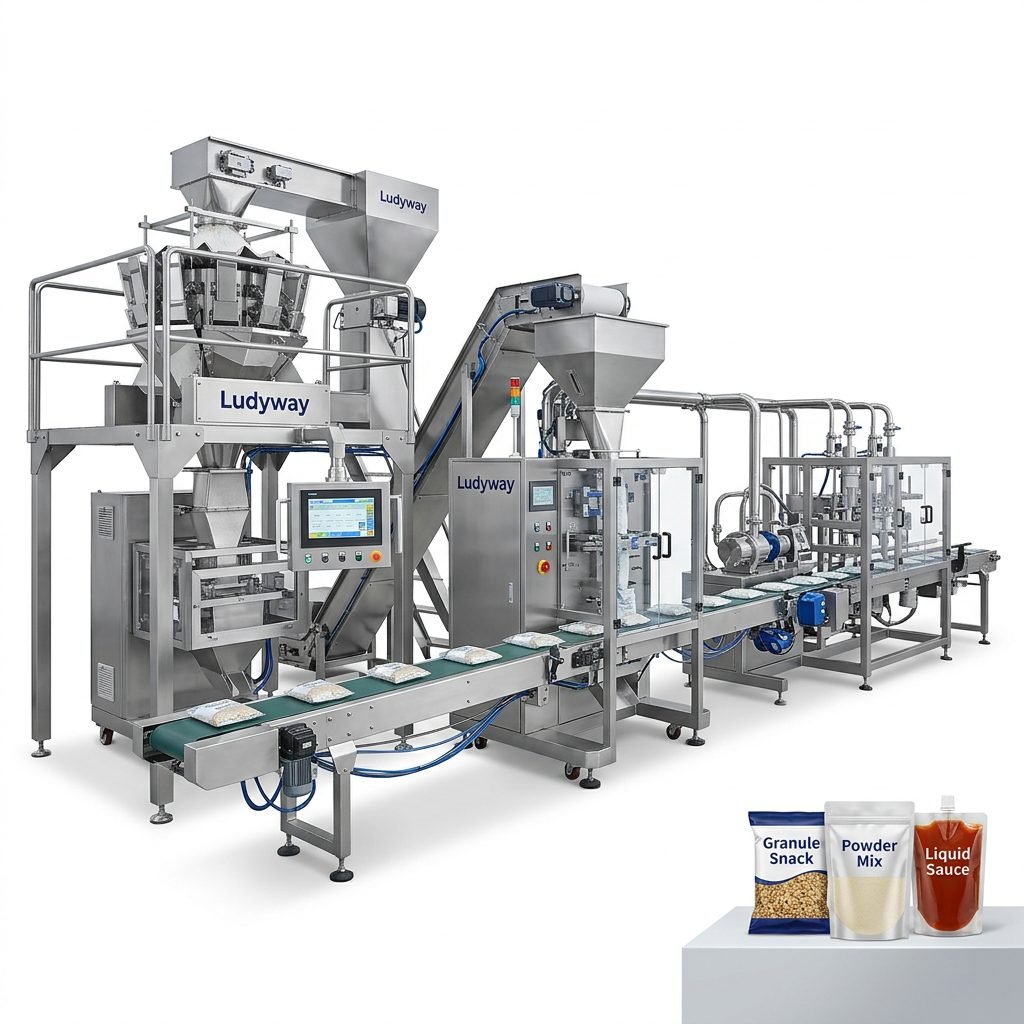
Investing in an ice packaging production line involves significant capital expenditure. Budget categories include equipment purchase, facility modifications, installation and commissioning, initial training, and working capital for packaging materials. A mid-sized line producing 50 bags per minute can require an investment ranging from $250,000 to over $1 million depending on automation levels. However, labor savings, reduced product waste, and increased throughput typically deliver ROI within 18-36 months. For businesses seeking comprehensive solutions, suppliers like Ludyway offer integrated packaging lines that combine multiple machines into a single coordinated system, potentially reducing integration costs and simplifying after-sales support.
Packaging Material Selection for Ice Products
The choice of packaging film significantly impacts product quality and shelf life. Polyethylene (PE) films remain the industry standard due to their cold-temperature durability and moisture barrier properties. For premium applications, multi-layer laminates incorporating nylon or EVOH layers provide enhanced puncture resistance and oxygen barrier performance. Work closely with film suppliers to validate seal strength at freezing temperatures and ensure compatibility with your machine’s sealing system. The Flexible Packaging Association knowledge hub offers technical resources on material selection for frozen food applications.
Quality Assurance and Food Safety Systems
Robust quality systems protect both consumers and your brand. Implement the following QA checkpoints:
- Incoming material inspection: Verify packaging film specifications, lot numbers, and certificate of conformance
- In-process monitoring: Continuous weight verification with automatic reject for out-of-spec packages
- Metal detection: 100% product screening with fail-safe rejection mechanisms
- Seal integrity testing: Periodic burst testing and dye penetration tests per ASTM standards
- Microbiological sampling: Environmental monitoring and product testing as defined in your HACCP plan
Distribution and Cold Chain Management
Once packaged, ice must be maintained at proper temperatures throughout the distribution chain. Design your cold storage area to accommodate production surge capacity, typically 2-3 days of output. Implement a FIFO inventory system to ensure stock rotation. For transportation, work with carriers experienced in cold chain logistics who can provide temperature-controlled trailers with data logging capabilities. Properly designed packaging lines integrate smoothly with warehouse management systems (WMS) to track inventory from production to delivery.
Future-Proofing Your Ice Packaging Investment
The packaging industry continues to evolve with advancements in automation, sustainability, and digital connectivity. When selecting equipment, consider Industry 4.0 capabilities such as remote diagnostics, predictive maintenance alerts, and OEE monitoring dashboards. Sustainability trends are also shaping the market, with increasing demand for recyclable packaging materials and reduced plastic usage. Equipment that can handle thinner films and alternative materials without sacrificing performance provides a competitive advantage. For the latest industry data and trends, refer to the PMMI State of the Industry Report and EPA Sustainable Materials Management resources.
Additional Resources for U.S. Ice Packaging Operations
Below are valuable industry organizations and regulatory bodies that provide guidance for packaging operations in the United States:
- PMMI – The Association for Packaging and Processing Technologies – Industry standards, training, and PACK EXPO events
- FDA – Packaging and Food Contact Substances – Regulatory requirements for food packaging materials
- Flexible Packaging Association – Material science, sustainability, and industry advocacy
- ISO Packaging Standards – International standards for packaging machinery and processes
- PACK EXPO International – Leading packaging trade show for equipment evaluation
- EU Packaging Regulations – Reference for export-oriented U.S. producers
Setting up an ice packaging machine production line in the United States requires meticulous planning, regulatory awareness, and investment in quality equipment. By following the guidelines outlined in this article and leveraging resources from industry associations, you can build a compliant, efficient, and profitable ice packaging operation that meets the demands of this growing market.