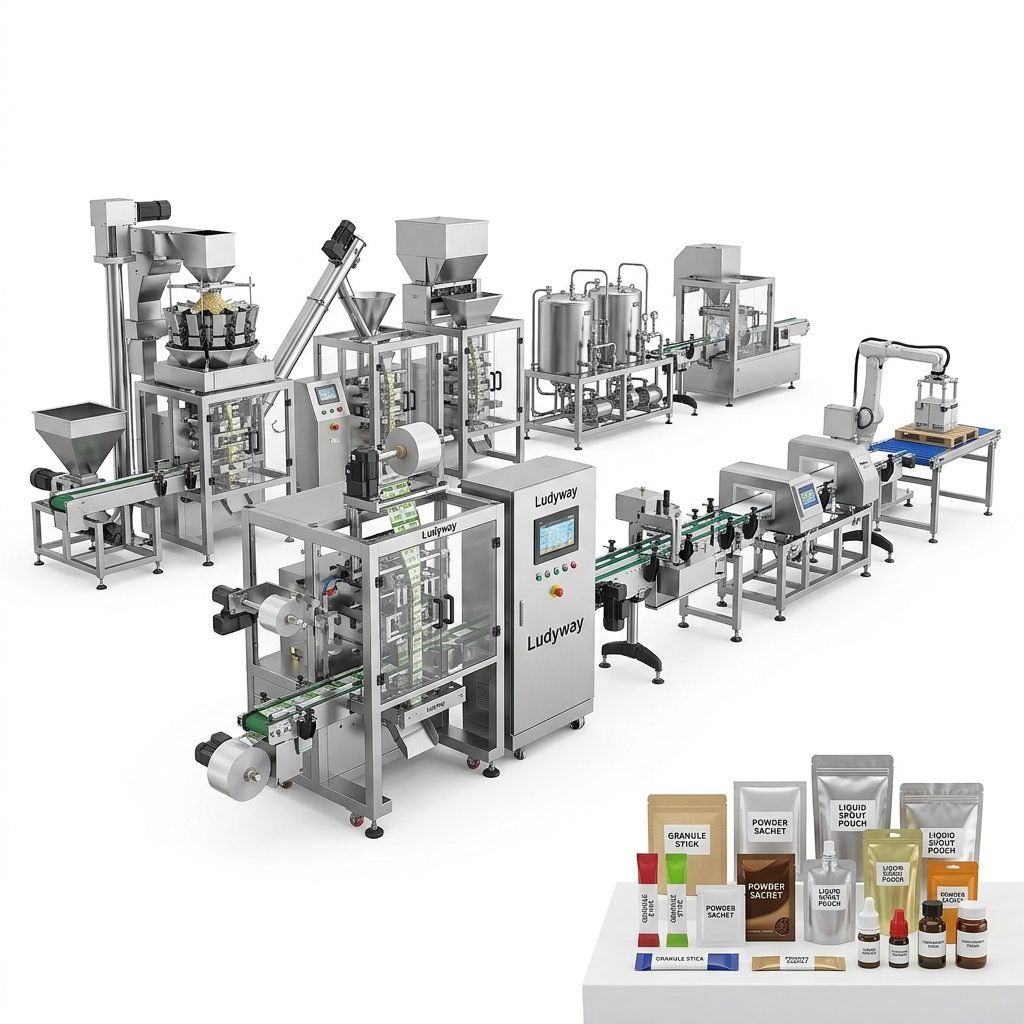
Investing in a small vacuum packaging machine is a strategic move for Indian food processors, pharmaceutical companies, and electronics manufacturers looking to extend product shelf life, reduce waste, and enhance brand presentation. Unlike large-scale industrial systems, compact vacuum sealers offer flexibility, lower energy consumption, and a smaller footprint—making them ideal for small to medium enterprises (SMEs), home-based businesses, and retail operations across India.
This guide breaks down everything you need to know before purchasing a small vacuum packaging machine in India, from core technologies and application-specific considerations to pricing benchmarks and maintenance best practices. Whether you are sealing spices, dry fruits, ready-to-eat meals, or medical devices, understanding the nuances of packaging machinery standards will help you make an informed decision.

What Is a Small Vacuum Packaging Machine?
A small vacuum packaging machine is a compact device that removes air from a package prior to sealing, creating an oxygen-depleted environment that inhibits bacterial growth, mold, and oxidation. These machines are available in various configurations, including nozzle-type external sealers, single-chamber units, and double-chamber models for higher throughput. In the Indian context, where power supply can be inconsistent, many models now feature energy-efficient pumps and voltage stabilizer compatibility.
Core Benefits for Indian Businesses
- Extended Shelf Life: Vacuum-sealed products can last 3 to 5 times longer than conventionally packaged goods, reducing food waste significantly.
- Cost Efficiency: Compact machines consume less electricity and require minimal maintenance compared to large industrial lines.
- Space-Saving Design: Ideal for kitchens, small production units, and retail counters where floor space is limited.
- Improved Hygiene: Sealed packaging prevents contamination during storage and transportation—critical for pharmaceutical and food applications.
- Enhanced Export Readiness: Properly vacuum-sealed goods meet international packaging standards for cross-border trade.
Key Applications in the Indian Market
The versatility of small vacuum packaging machines has driven adoption across multiple sectors in India. Demand is particularly strong in the following industries:
Food Processing & Snacks
India’s food processing sector is expected to reach $535 billion by 2025-26, according to industry estimates. Vacuum packaging is essential for products like paneer, cheese, spices, dry fruits, namkeen, frozen foods, and ready-to-cook meal kits. The ability to seal in freshness while preventing freezer burn makes these machines indispensable for cloud kitchens and food delivery brands.
Pharmaceuticals & Healthcare
Vacuum-sealed packaging is critical for medical devices, surgical instruments, and sterile pharmaceutical products. Compliance with ISO packaging standards ensures product integrity during storage and transit, making vacuum sealers a non-negotiable asset for Indian pharma manufacturers.
Electronics & Component Protection
Moisture and dust are the primary enemies of electronic components. Small vacuum packaging machines protect PCBs, semiconductors, connectors, and sensitive assemblies during shipping, especially in India’s humid coastal regions.
Home-Based & Small Business Ventures
From homemade chocolates and masala blends to artisanal soaps and organic powders, small vacuum sealers empower Indian entrepreneurs to package products professionally without heavy capital investment.
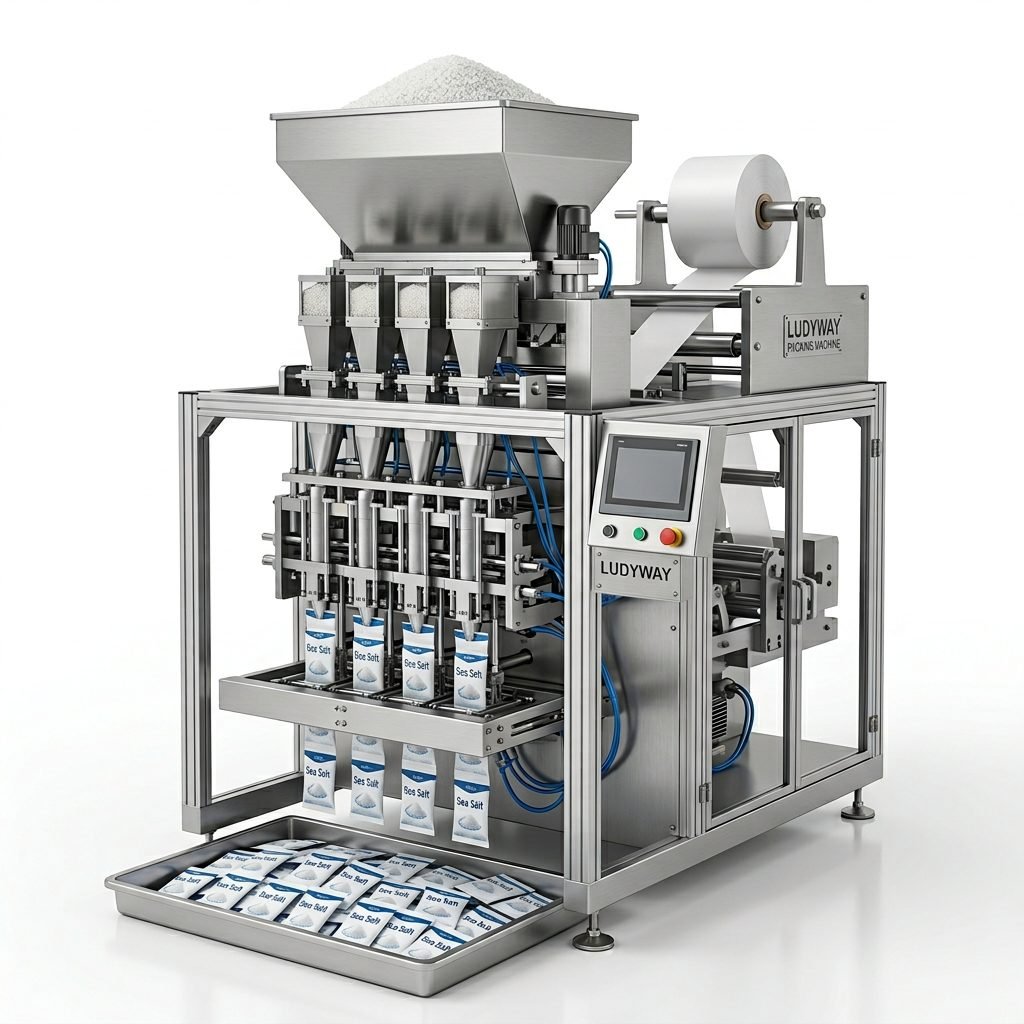
Types of Small Vacuum Packaging Machines
Selecting the right type depends on your production volume, product characteristics, and budget. The table below compares the most common configurations available in India:
| Machine Type | Best For | Approximate Price Range (INR) | Key Consideration |
|---|---|---|---|
| Nozzle-Type External Vacuum Sealer | Low-volume, budget-conscious users; dry products | ₹8,000 – ₹25,000 | Not suitable for liquids or moist foods |
| Single-Chamber Vacuum Machine | Small businesses, medium production; all product types | ₹30,000 – ₹1,50,000 | Requires specific chamber-size bags |
| Double-Chamber Vacuum Machine | Higher throughput; continuous operation | ₹1,00,000 – ₹4,00,000 | Larger footprint; faster cycle times |
| Automatic Belt-Type Vacuum Machine | High-speed production lines; semi-automated workflows | ₹2,50,000 – ₹8,00,000 | Higher investment with faster ROI for volume operations |
Factors to Consider Before Buying in India
Purchasing a small vacuum packaging machine involves evaluating several technical and operational parameters. The following checklist will guide your decision-making process:
1. Pump Quality and Type
The vacuum pump is the heart of the machine. Oil-based rotary vane pumps deliver deeper vacuum levels (up to 99.8%) and are preferred for professional use, while oil-free diaphragm pumps require less maintenance but offer slightly lower vacuum performance. In India’s varied climate, ensure the pump is rated for continuous duty cycles if you plan to run the machine for extended periods.
2. Sealing Bar Width and Length
The sealing bar determines the maximum bag width you can use. For small businesses handling diverse product sizes, a sealing bar length of 300mm to 400mm is generally sufficient. Ensure the machine supports multiple seal width settings (2mm to 5mm) for different film thicknesses.
3. Material Compatibility
Not all vacuum machines work with all packaging films. Verify that your chosen model is compatible with PA/PE (polyamide/polyethylene) vacuum bags, aluminum foil laminates, and high-barrier films. For Indian spice and pickle manufacturers, oil-resistant films are a must.
4. Power Requirements and Voltage Stability
Many Indian manufacturing units face voltage fluctuations. Look for machines with built-in voltage stabilizers or wide input voltage tolerance (180V–260V). Single-phase power compatibility is essential for home-based and small commercial setups.
5. After-Sales Support and Spare Parts Availability
Choose suppliers with a proven service network in India. Critical spare parts like sealing bars, heating elements, and vacuum pump oil should be readily available to minimize downtime. Check warranty terms—ideally 12 to 24 months on the pump and electrical components.
6. Certifications and Compliance
For food and pharmaceutical applications, machines should comply with FSSAI guidelines and international standards. Stainless steel construction (SS304 or SS316) is recommended for hygiene and corrosion resistance. Refer to FDA food contact substance regulations for export-oriented businesses.
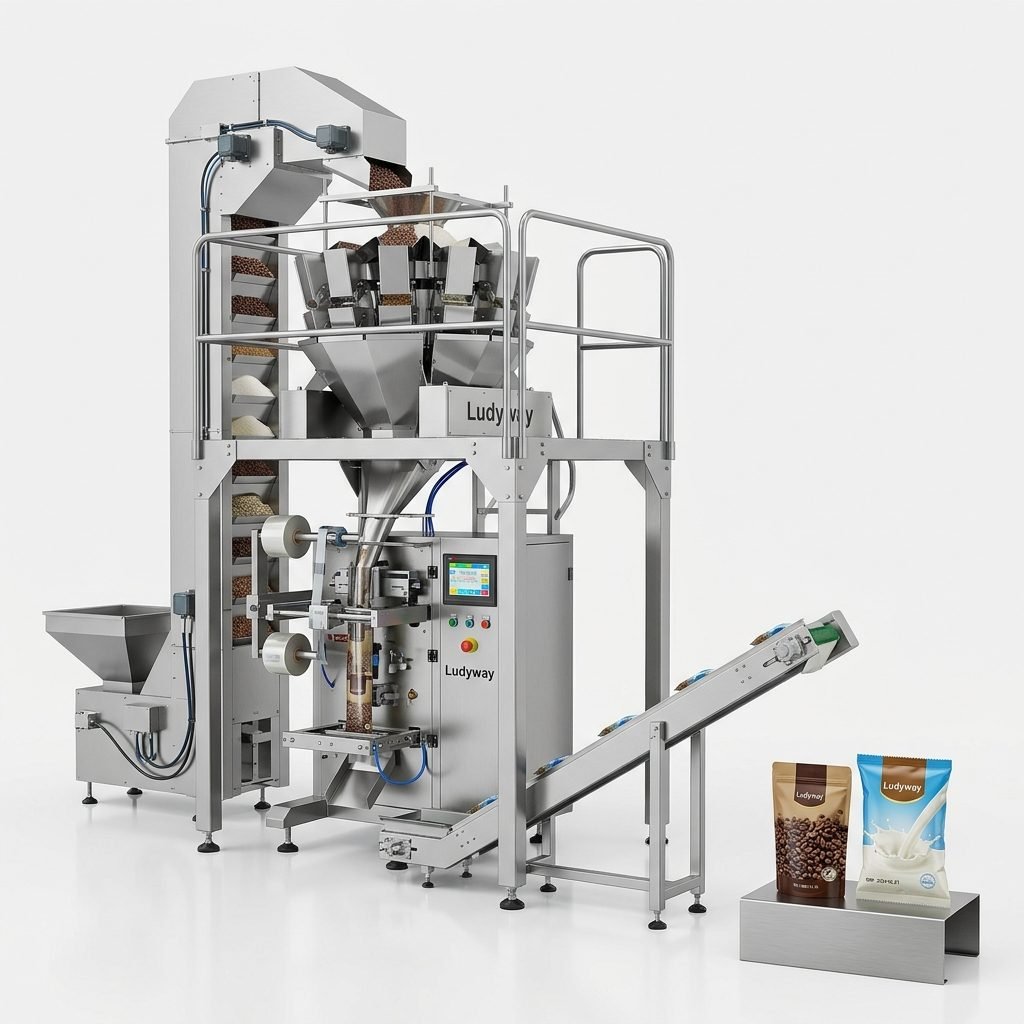
Indian Pricing Landscape and Budget Planning
The cost of a small vacuum packaging machine in India varies significantly based on brand, chamber size, pump type, and automation level. Below is a realistic breakdown of what you can expect across different budget tiers:
- Entry-Level (Under ₹25,000): Basic nozzle-type sealers and compact external vacuum machines. Suitable for home use and very small batches. Limited to dry products.
- Mid-Range (₹30,000 – ₹1,50,000): Single-chamber machines from domestic and select international brands. Ideal for small food businesses, cloud kitchens, and retail packaging.
- Professional (₹1,50,000 – ₹4,00,000): Double-chamber and high-durability single-chamber units with oil pumps. Designed for continuous commercial use.
- Semi-Industrial (₹4,00,000 – ₹8,00,000): Belt-type automatic vacuum machines for production lines. Suitable for medium-scale manufacturers and contract packers.
Beyond the machine cost, budget for ancillary expenses including vacuum bags, spare sealing bars, pump oil, and staff training. A well-maintained machine can deliver 8 to 12 years of reliable service, making it a sound long-term investment.
Maintenance Best Practices for Longevity
Routine maintenance ensures consistent vacuum performance and extends equipment life. Follow these practices recommended by industry experts:
- Daily: Clean the sealing bar and chamber with a soft, dry cloth. Remove any food particles or debris that could compromise the seal.
- Weekly: Inspect the vacuum pump oil level and clarity. Cloudy or dark oil indicates contamination and should be replaced.
- Monthly: Check gaskets and silicone seals for wear or cracking. Replace if the vacuum level drops below specifications.
- Quarterly: Test the vacuum gauge accuracy and calibrate if necessary. Tighten all electrical connections.
- Annually: Schedule a professional service inspection, including pump overhaul and control system diagnostics.
Top Indian Cities Driving Demand
Demand for small vacuum packaging machines is concentrated in India’s major industrial and commercial hubs. Mumbai, Delhi-NCR, Bengaluru, Chennai, Hyderabad, Ahmedabad, and Kolkata lead in adoption due to their dense concentration of food processing units, pharmaceutical manufacturers, and export-oriented businesses. Tier-2 and Tier-3 cities are also witnessing growth as e-commerce enables small food brands to reach national markets with professionally packaged products.
Where to Source Reliable Equipment
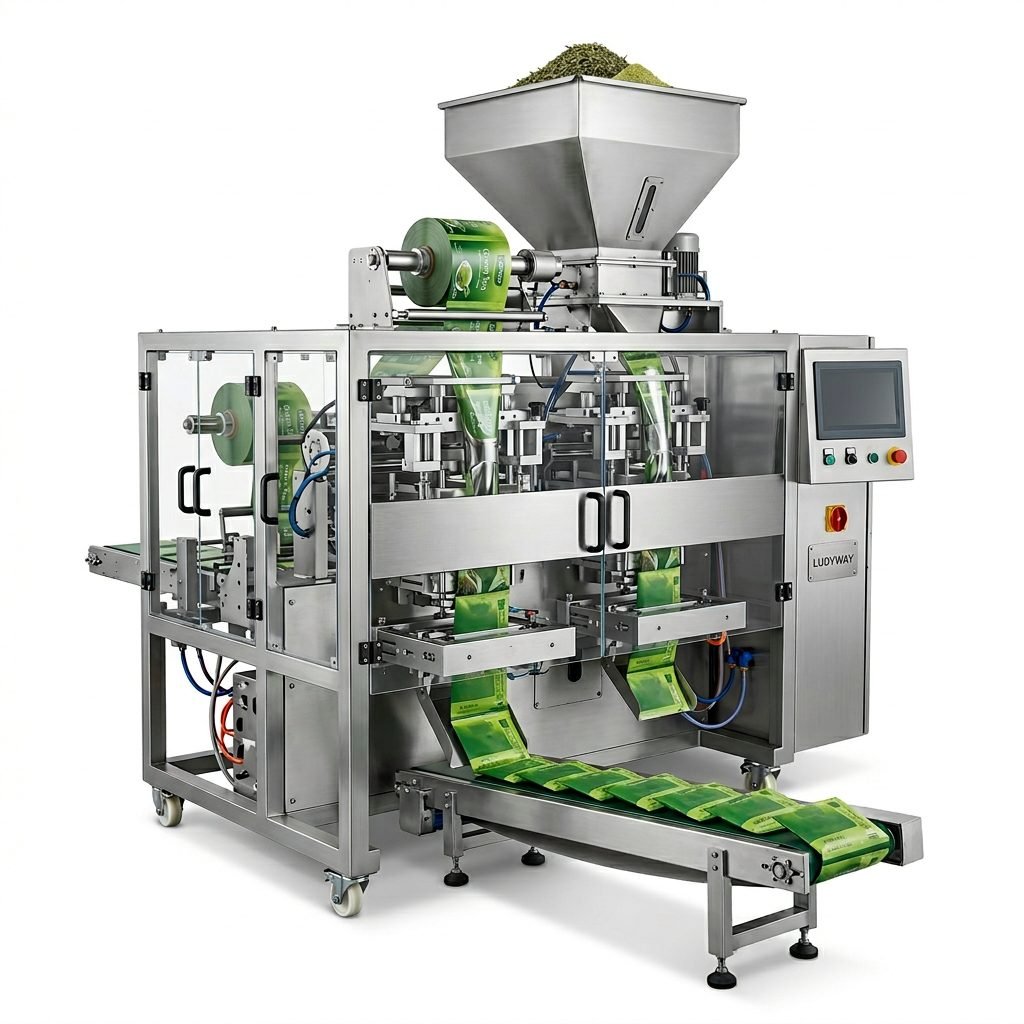
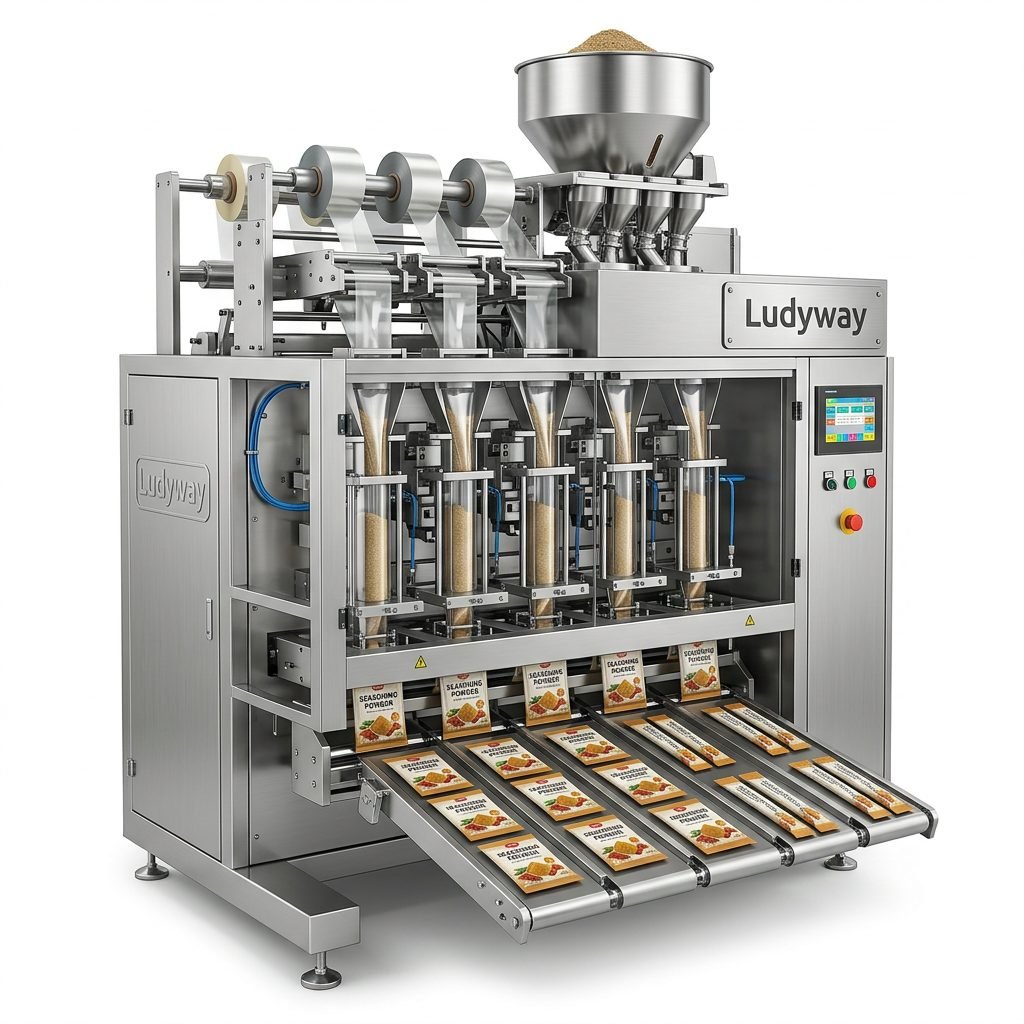
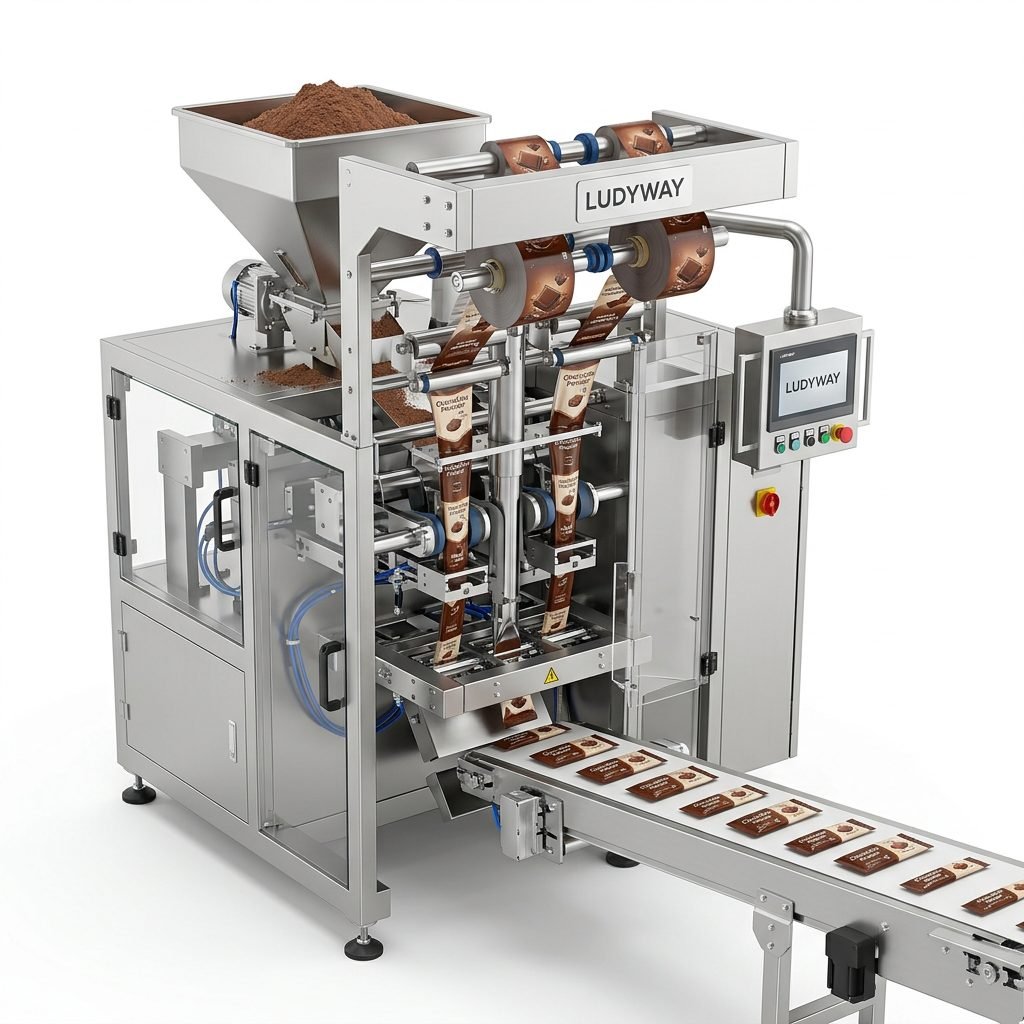
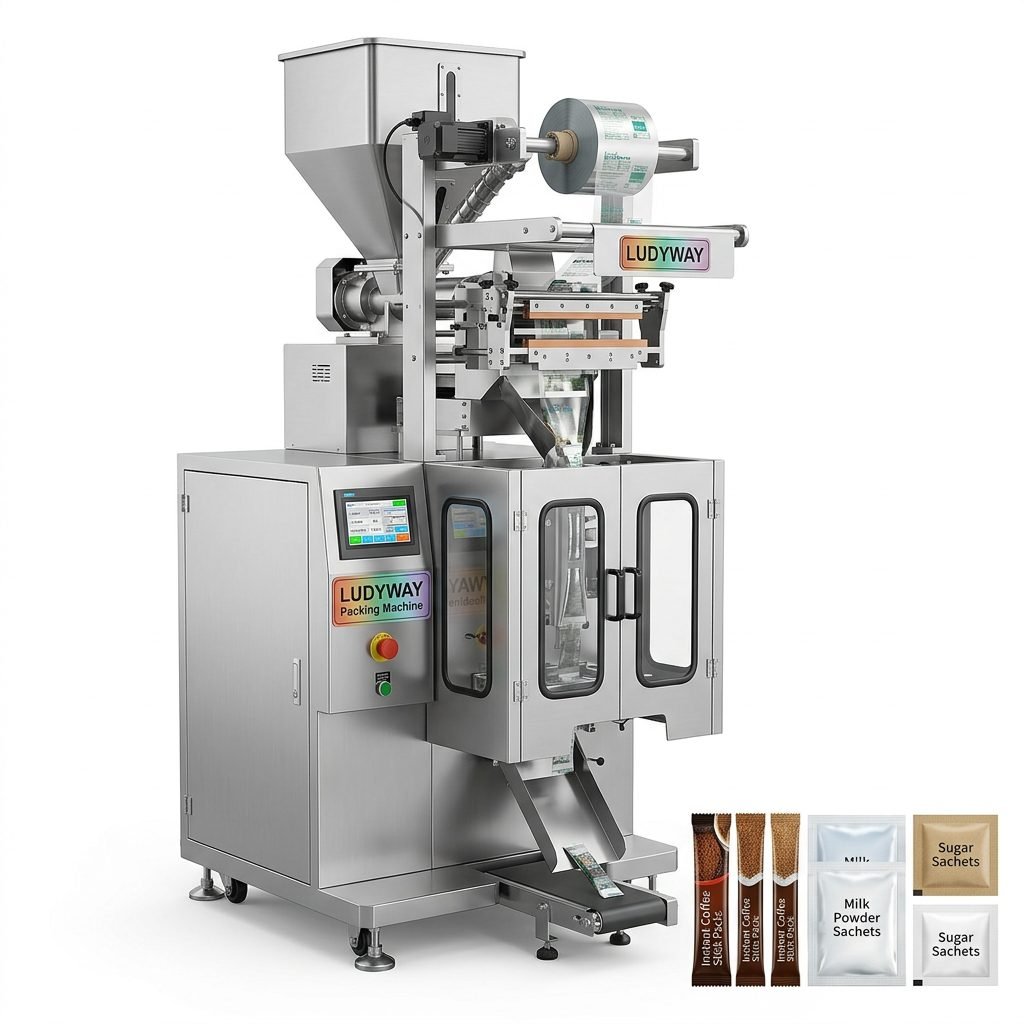
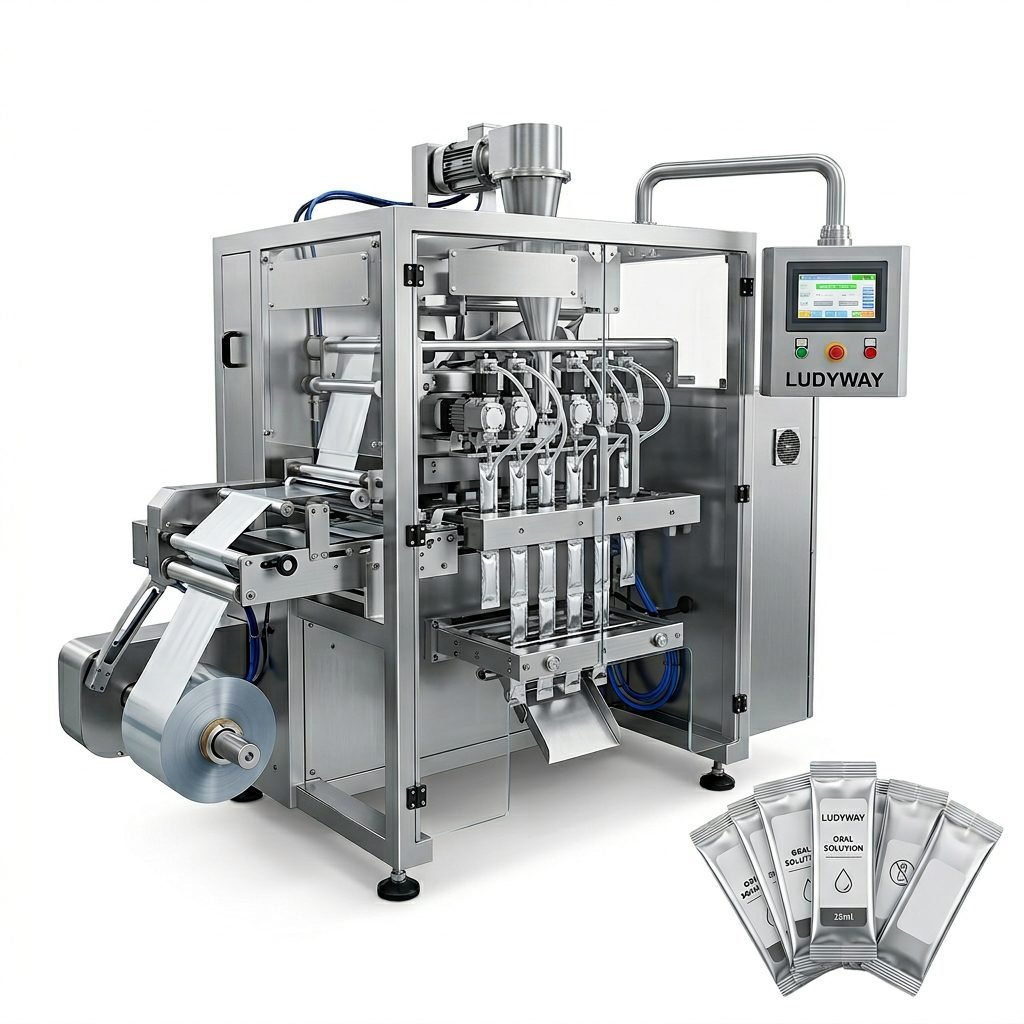
When sourcing a small vacuum packaging machine, prioritize manufacturers with established track records in the Indian market. Look for suppliers offering on-site installation support, operator training, and comprehensive warranty coverage. Leading international packaging equipment manufacturers such as Ludyway provide advanced vacuum packaging solutions with global service networks, ensuring reliable performance and technical support across India and over 100 countries worldwide. Domestic Indian manufacturers also offer competitive options, but verify their after-sales infrastructure and spare parts availability before committing.
Regulatory and Industry Resources
Staying informed about packaging regulations and industry standards is essential for compliance and competitiveness. We recommend consulting the following authoritative resources:
- PMMI Packaging Industry Resources – Comprehensive guides and market intelligence from the Association for Packaging and Processing Technologies.
- Flexible Packaging Association Knowledge Hub – Data and insights on flexible packaging trends and sustainability.
- ISO Packaging Standards – International standards covering packaging materials, testing, and distribution.
- European Commission Packaging Regulations – Guidelines on packaging waste and sustainability for export-focused businesses.
Frequently Asked Questions
Can a small vacuum packaging machine handle liquids and oily products?
Yes, but only chamber-type vacuum machines are suitable for liquids, sauces, and oily foods. External nozzle sealers cannot handle moisture effectively and may damage the pump. For liquid packaging in India, ensure the machine has a liquid control function and a tilted chamber design that prevents spillage into the pump.
What is the typical lifespan of a vacuum pump in Indian conditions?
With proper maintenance and regular oil changes, a quality rotary vane vacuum pump can last 5 to 8 years under normal commercial use. Oil-free pumps typically have a shorter operational life of 3 to 5 years but require less routine care. Dusty environments common in Indian manufacturing units may accelerate wear, so consider installing air filtration if operating in such conditions.
Is it better to buy Indian-made or imported vacuum packaging machines?
Indian-made machines offer advantages in terms of lower upfront cost, easier spare parts access, and local service support. Imported machines, particularly from established Chinese and European manufacturers, often provide superior pump technology, tighter vacuum levels, and longer durability. For businesses scaling toward export markets, imported equipment with international certifications may provide a competitive edge.
How important is the sealing bar material?
Very important. Teflon-coated sealing bars prevent film sticking and ensure clean, consistent seals. Budget machines often use bare metal bars that can cause uneven sealing and require more frequent cleaning. For food applications, insist on food-grade, non-toxic sealing bar materials that comply with FSSAI standards.
Choosing the right small vacuum packaging machine in India is a decision that impacts product quality, operational efficiency, and brand reputation. By carefully evaluating pump type, chamber configuration, material compatibility, and after-sales support, Indian businesses can secure equipment that delivers consistent performance and strong return on investment for years to come.