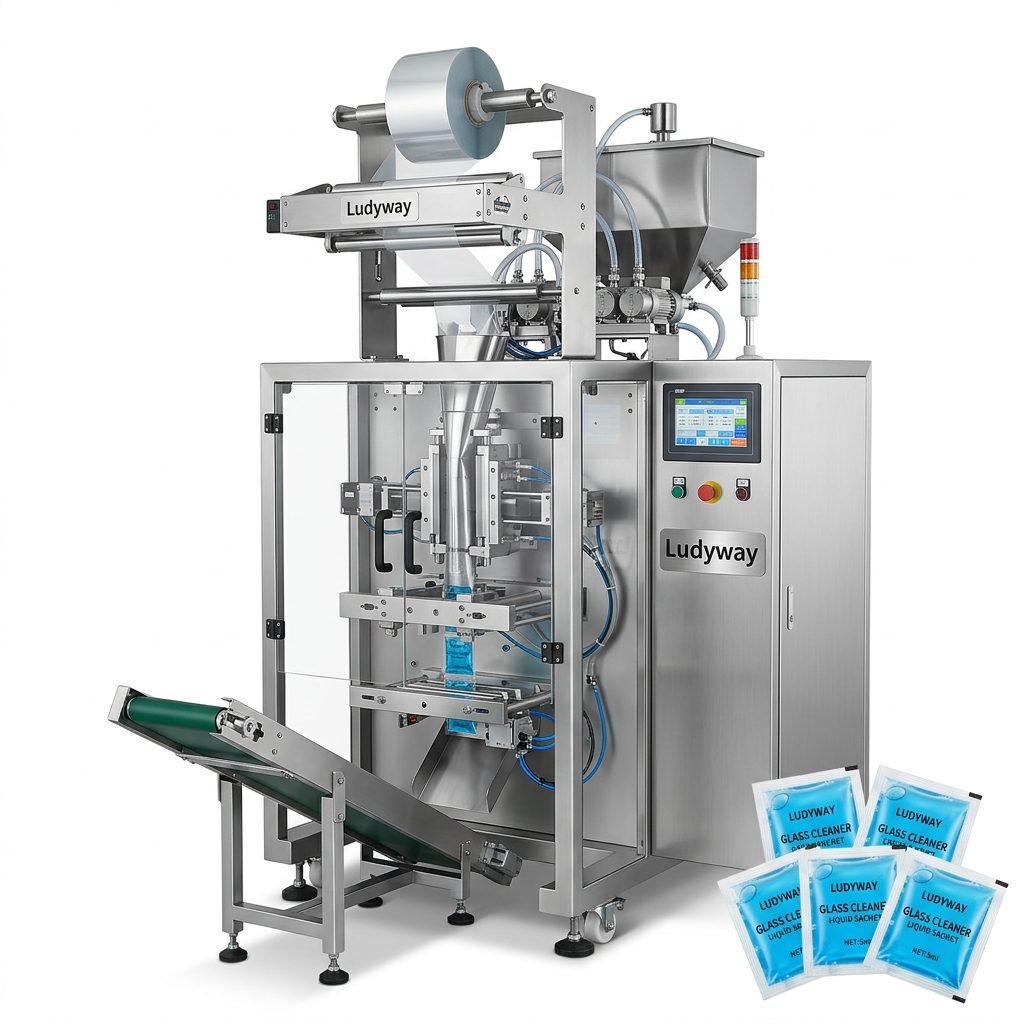
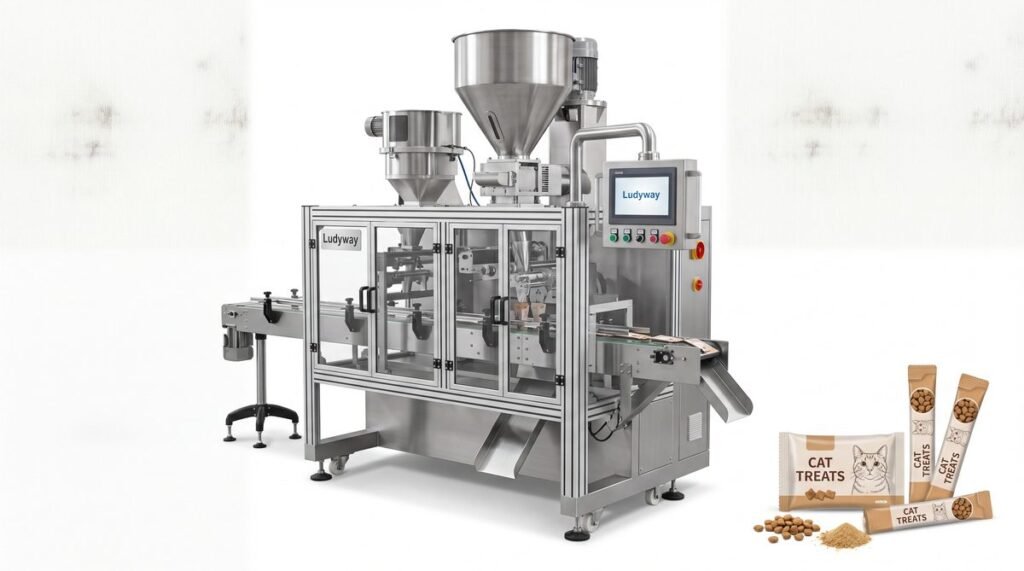
Automating a packaging factory is no longer just a long-term ambition for large manufacturers. It has become a practical strategy for companies that want to increase output, reduce labor pressure, improve consistency, and control operating costs. Whether you produce food, pharmaceuticals, health supplements, cosmetics, chemicals, or pouch-based consumer goods, the right automation plan can transform your packaging operation from a bottleneck into a competitive advantage.
The best part is that automation does not have to happen all at once. Many factories improve performance step by step by upgrading individual machines, adding conveyors, improving inspection systems, and then moving toward fully integrated lines.
Why Packaging Automation Matters
Manual and semi-automatic packaging processes often create hidden costs. These costs appear in the form of inconsistent filling accuracy, lower output, higher rework rates, unplanned downtime, and dependence on skilled operators. Automation helps solve these issues by creating a more stable, measurable, and scalable production process.
- Increase packaging speed and throughput
- Reduce labor dependency and repetitive manual work
- Improve sealing quality and package consistency
- Lower product giveaway through precise dosing
- Improve traceability, coding, and quality control
- Reduce contamination risk in sensitive industries
- Support future growth without major process disruption
Start with a Factory Audit Before Buying Equipment
Before investing in packaging machinery, review your current workflow. Many factories buy faster machines but fail to address upstream feeding, downstream boxing, or quality inspection. That creates a new bottleneck instead of a better line.
Key areas to evaluate
- Current output per shift
- Labor used in each packaging stage
- Product loss and rework percentage
- Downtime causes and maintenance history
- Packaging format changes and SKU complexity
- Space available for line upgrades
- Compliance requirements for your industry
This audit helps you identify whether your first investment should be in filling, sealing, conveying, checkweighing, coding, cartoning, palletizing, or full-line integration.
The Most Effective Ways to Automate a Packaging Factory
1. Upgrade from Semi-Automatic to Automatic Packaging Machines
If operators still manually feed packs, control dosage, or handle sealing, upgrading to automatic packaging machines can deliver immediate gains. Automatic systems improve repeatability and reduce production variability across shifts.
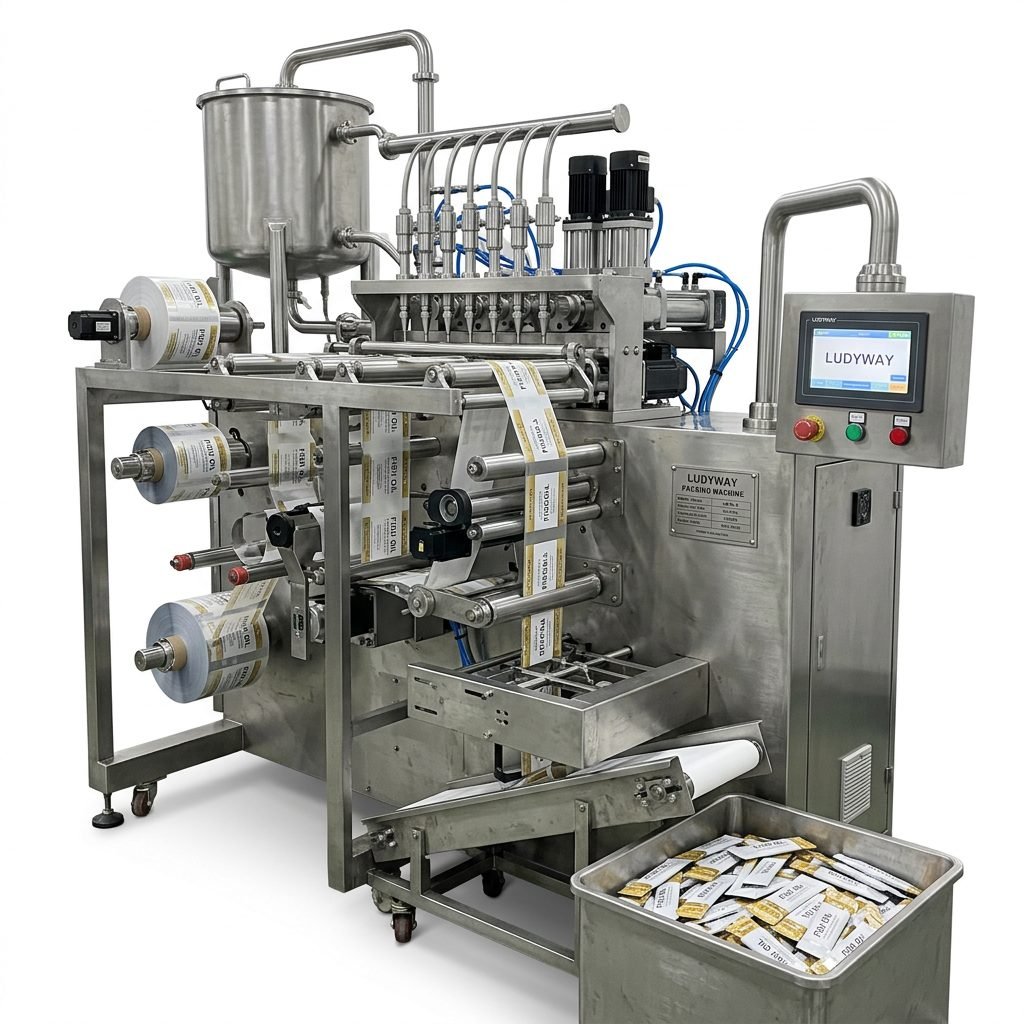
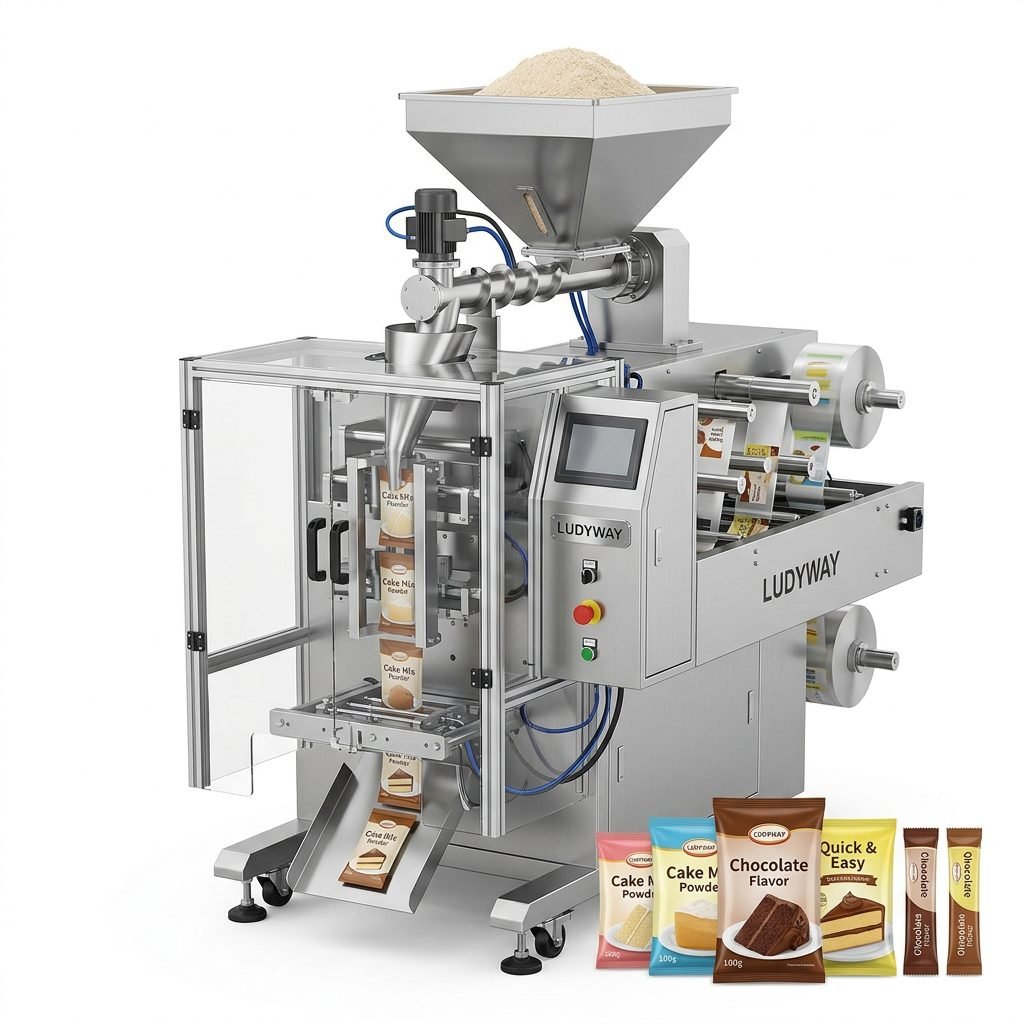
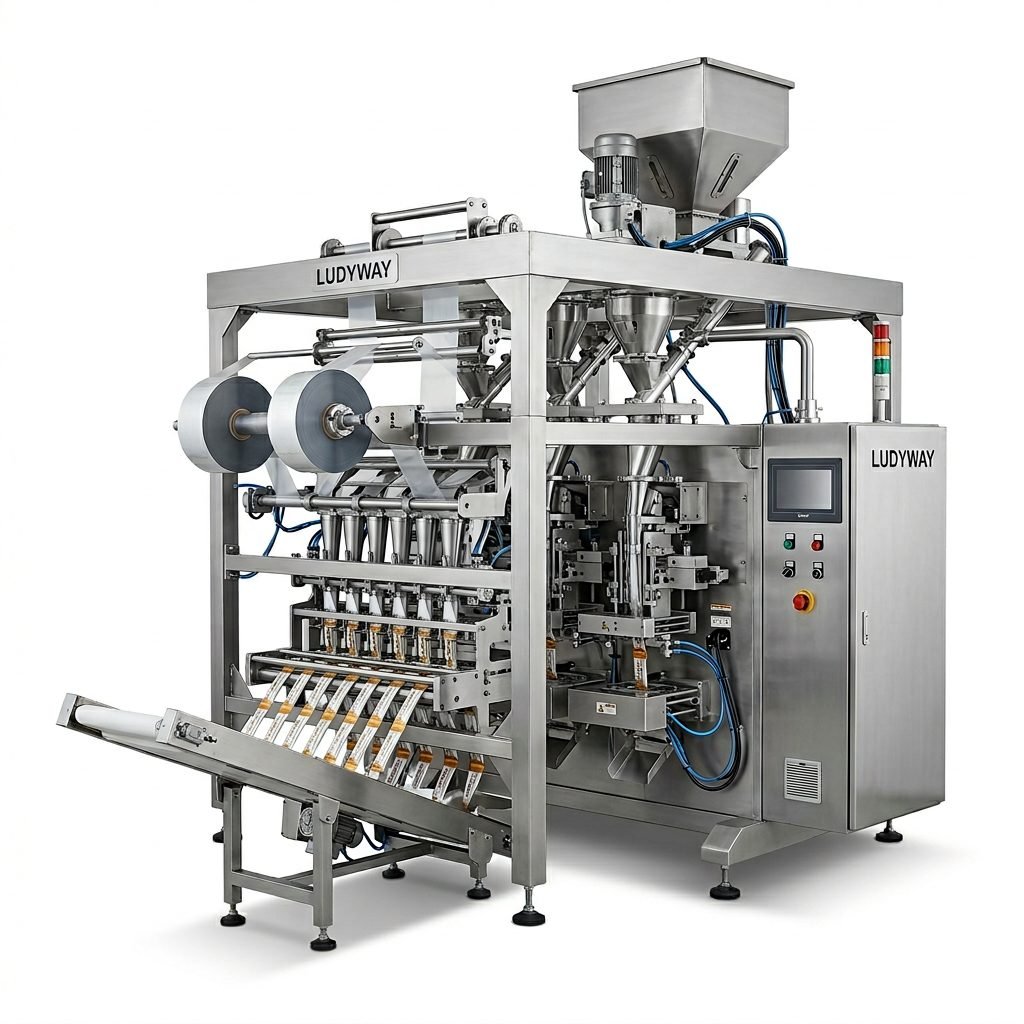
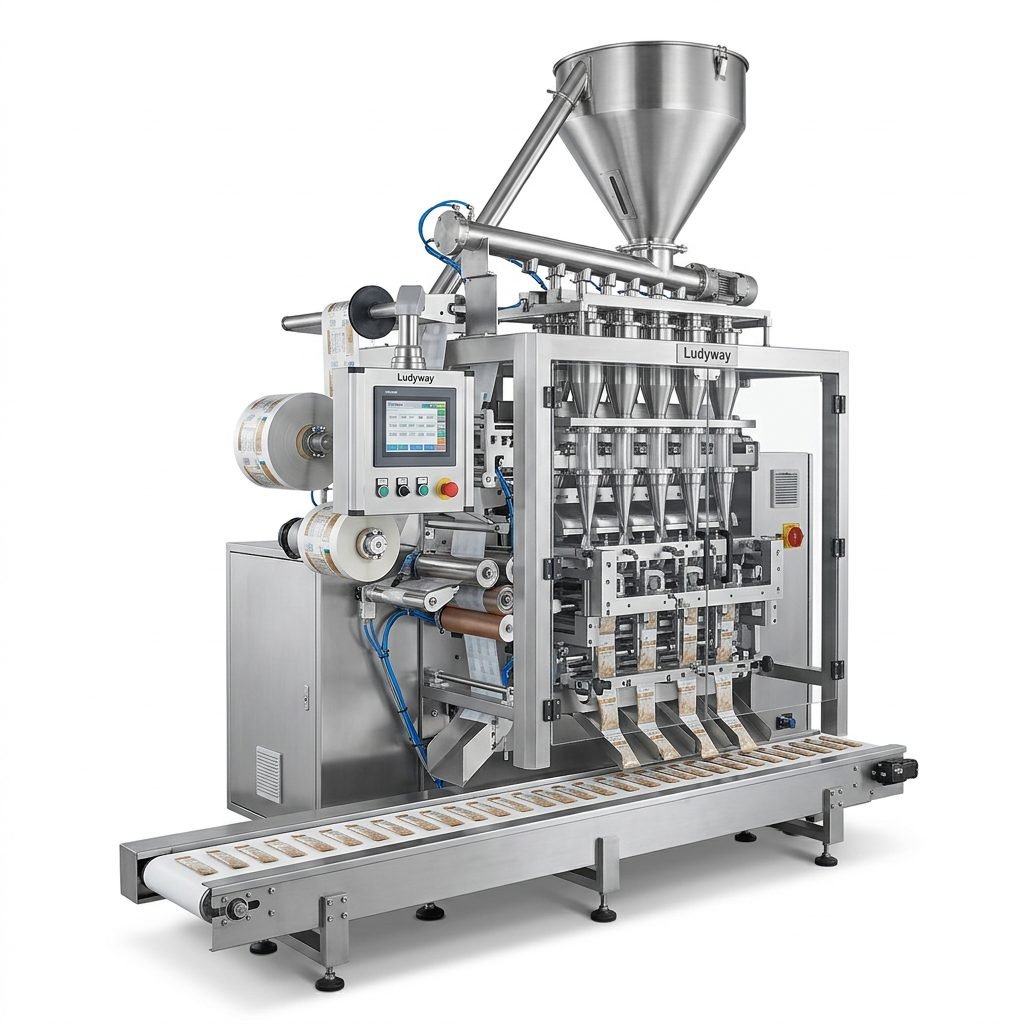
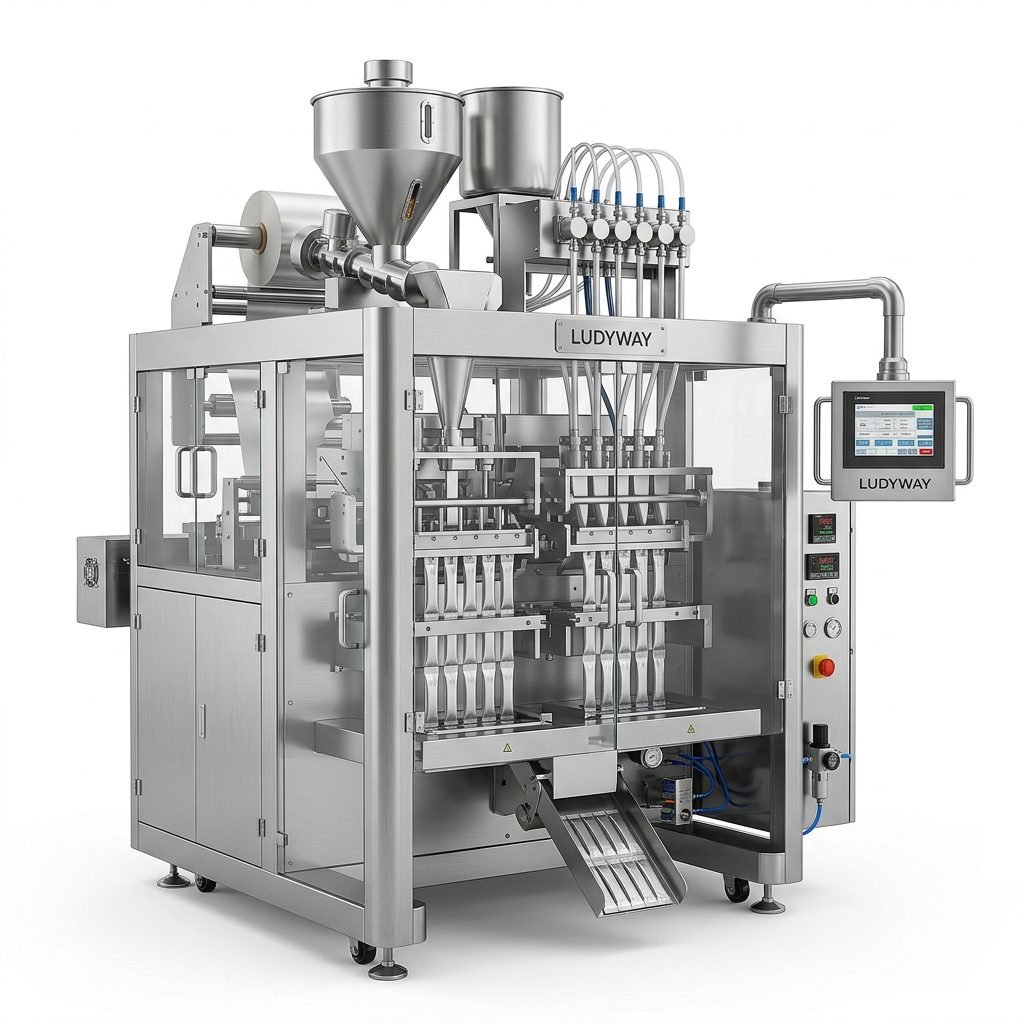
For example, factories packaging powders, granules, liquids, and pastes can benefit from automatic sachet machines, stick pack systems, vertical form fill seal equipment, and automatic filling and sealing machines.
2. Integrate Material Feeding and Conveying Systems
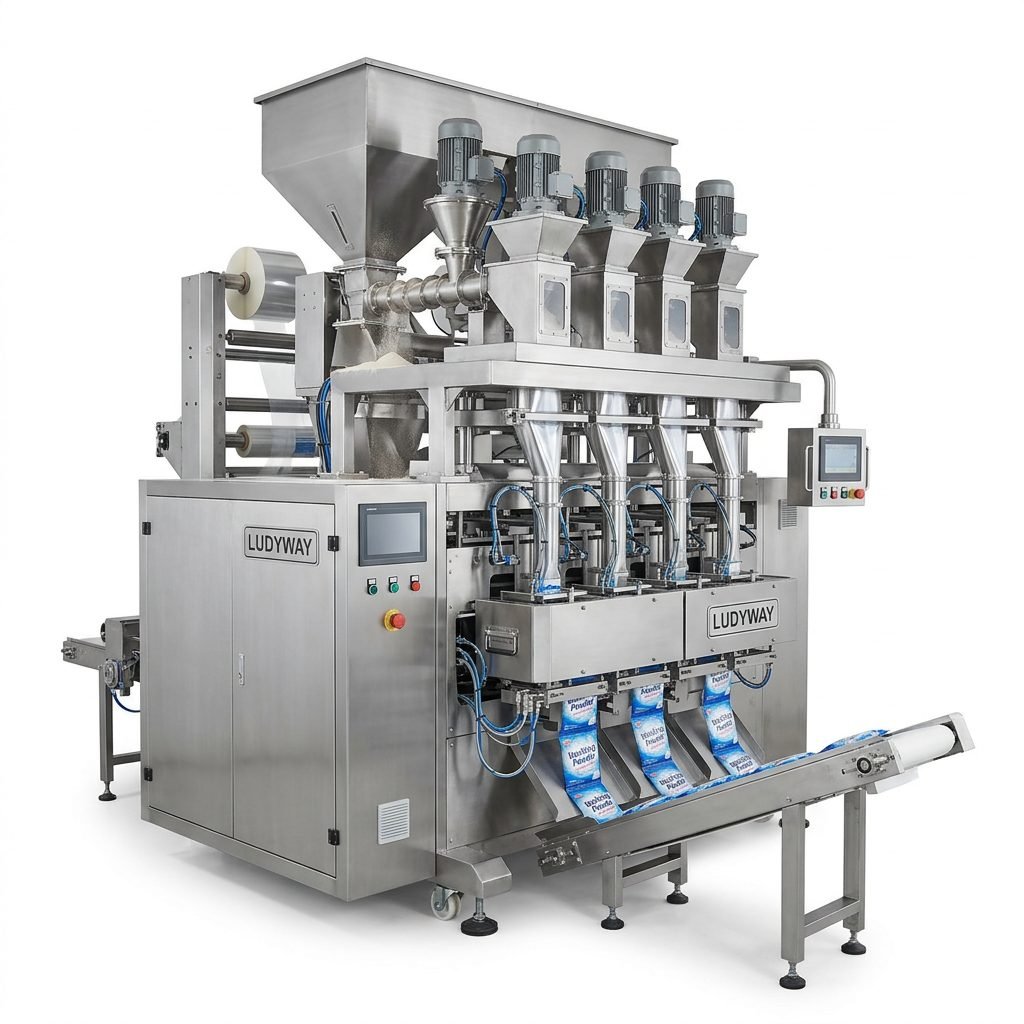
A fast packaging machine is only effective when product supply remains stable. Feeders, bucket elevators, vacuum conveyors, screw feeders, and transfer conveyors help create a smooth and continuous flow of material.
- Reduce manual product loading
- Improve line rhythm and machine utilization
- Minimize contamination from open handling
- Support higher-speed continuous production
3. Add In-Line Inspection and Quality Control
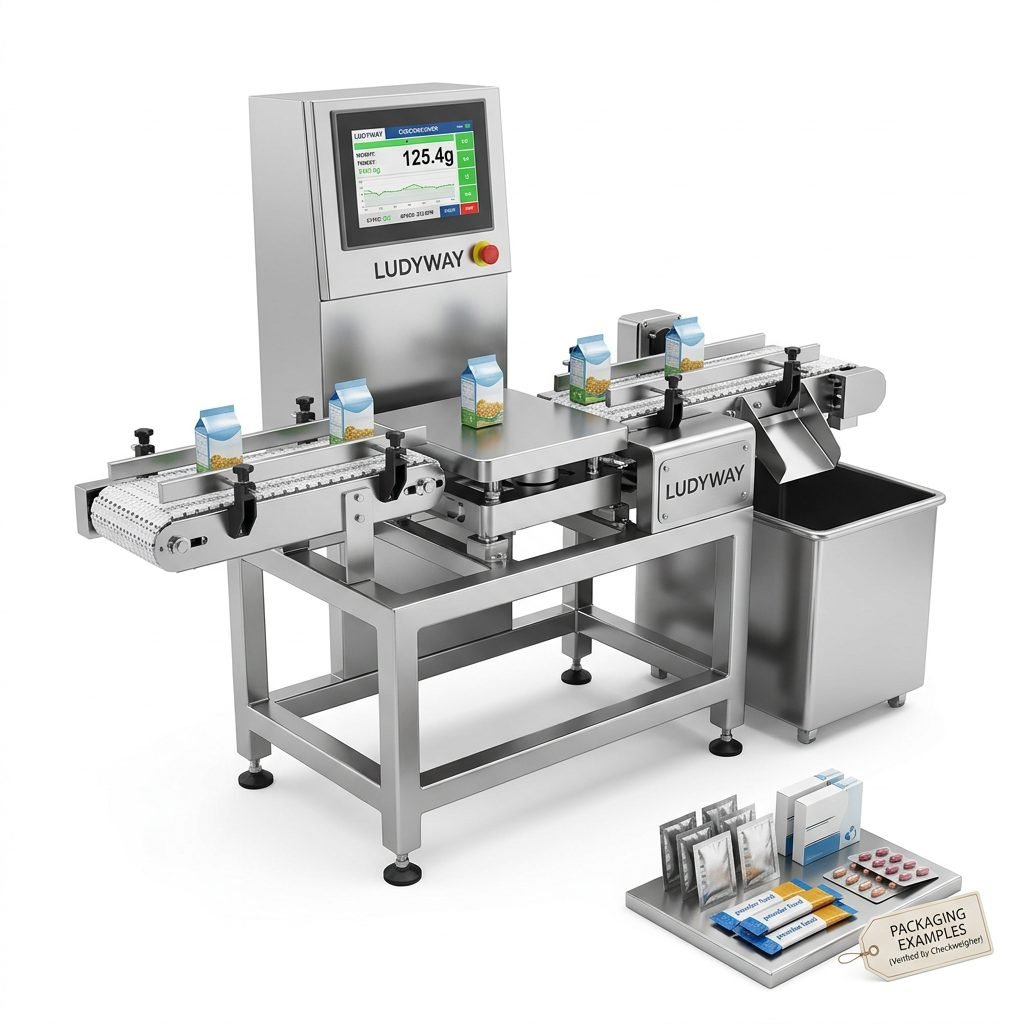
Automation is not only about speed. It is also about control. Checkweighers, metal detectors, vision inspection, reject systems, and coding verification help reduce defective output and protect brand reputation.
Factories that automate inspection often see lower customer complaints and reduced waste from late-stage quality failures.
4. Automate Secondary and End-of-Line Packaging
Many factories focus only on primary packaging, but labor costs often remain high because operators still manually carton, case pack, seal, label, and palletize products. End-of-line automation can remove a major source of inefficiency.
- Automatic cartoning machines
- Case erectors and case sealers
- Labeling and coding systems
- Robotic pick-and-place units
- Palletizing and stretch wrapping systems
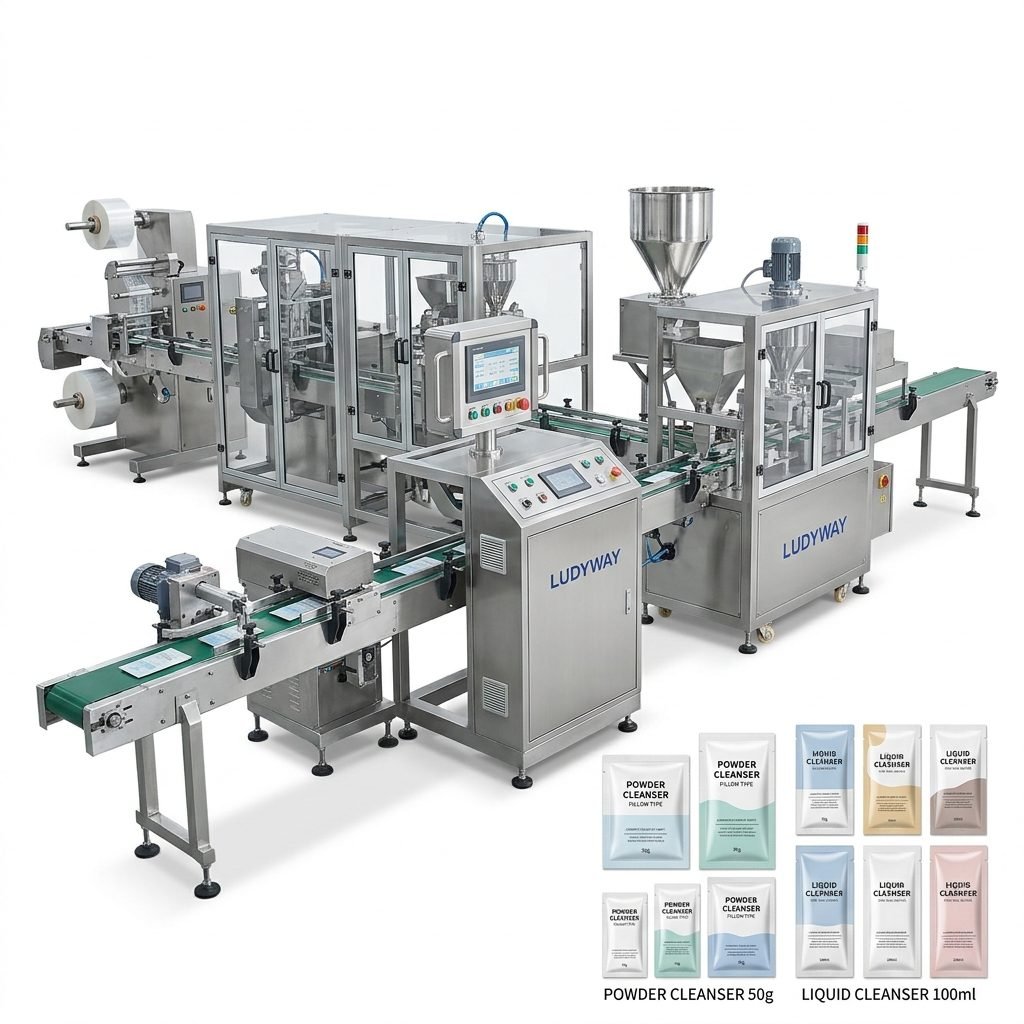
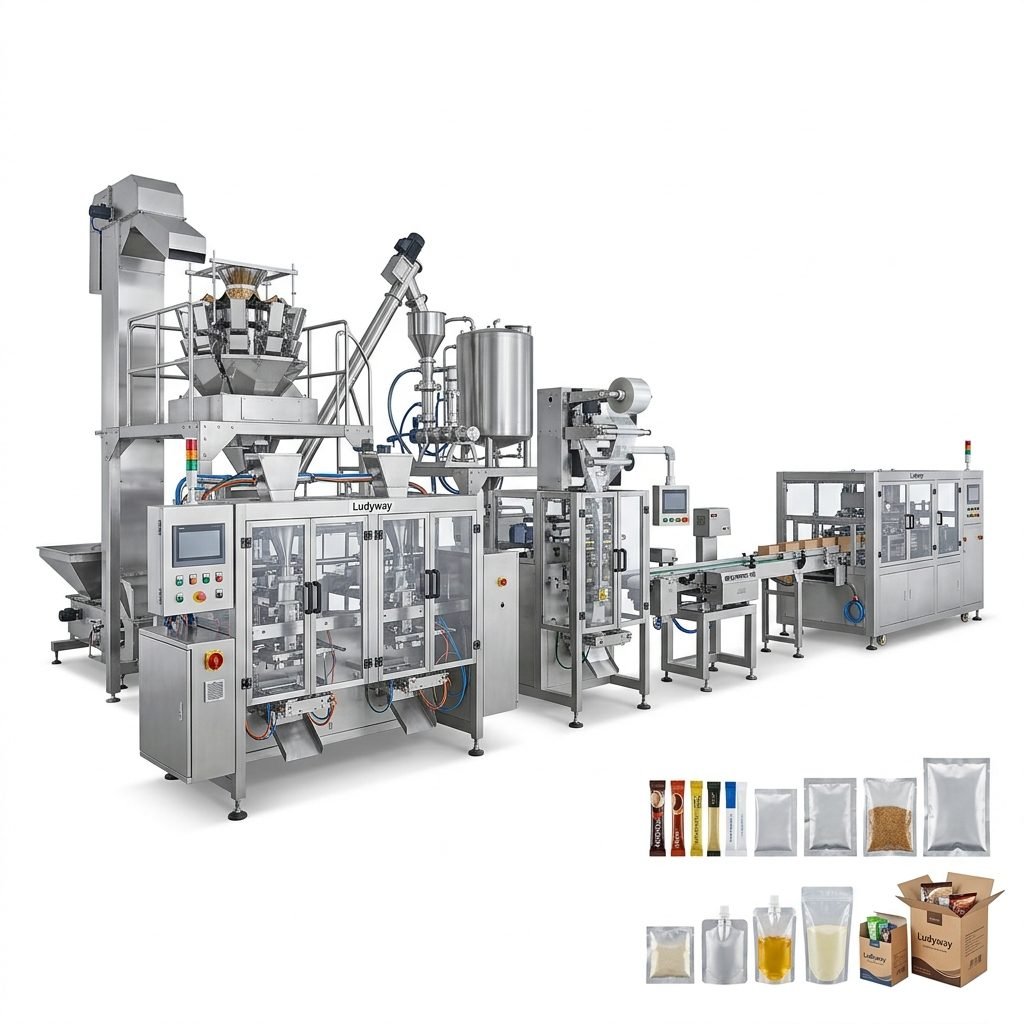
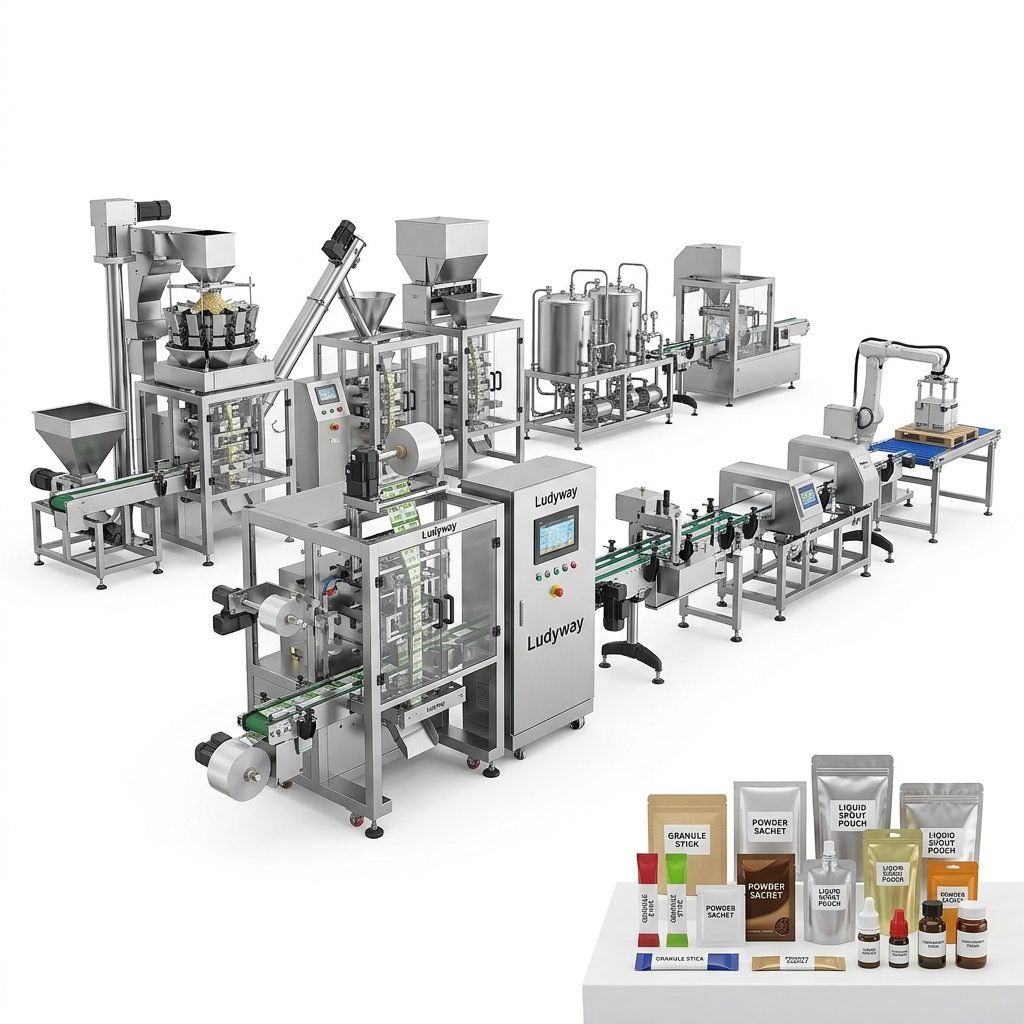
5. Use Turnkey Packaging Lines Instead of Isolated Machines
A connected packaging line usually performs better than multiple standalone machines from different sources. Integrated systems improve communication, synchronization, changeover management, and fault diagnosis.
For manufacturers that want coordinated automation from feeding to final packing, working with an experienced supplier such as Ludyway packaging machine manufacturer can simplify implementation, especially for turnkey packaging line projects.
Signs Your Packaging Factory Needs Automation Now
| Challenge | What It Usually Means | Recommended Automation Direction |
|---|---|---|
| Frequent labor shortages | Production depends too much on manual handling | Automatic filling, sealing, conveying, and packing |
| Inconsistent pack weights | Poor dosing accuracy and weak process control | Precision dosing systems and checkweighers |
| Slow output growth | Current equipment has reached performance limits | High-speed multi-lane or integrated packaging lines |
| High reject or rework rate | Sealing, coding, or inspection is unstable | Vision systems, sealing control, reject devices |
| Too much manual cartoning | End-of-line operations remain labor intensive | Cartoning, case packing, palletizing automation |
How Automation Lowers Packaging Costs
Some manufacturers focus only on machine purchase cost. A better approach is to calculate the total cost per packaged unit. This often reveals why automation pays off faster than expected.
Main cost-saving areas
- Labor savings: fewer operators per line and less overtime
- Material savings: reduced overfilling, leakage, and damaged packaging
- Downtime reduction: more stable production with less manual interruption
- Energy and maintenance optimization: modern equipment can operate more efficiently
- Higher output: more sellable products from the same floor space
In many packaging environments, cost reduction comes less from replacing workers and more from improving line efficiency, reducing giveaway, and avoiding production loss.
Best Automation Technologies for Different Packaging Products
| Product Type | Recommended Equipment | Main Benefit |
|---|---|---|
| Powders | Auger fillers, stick pack machines, sachet lines | Accurate dosing and reduced dust issues |
| Granules | Multi-head weighers, VFFS systems, bucket conveyors | Higher speed and precise weight control |
| Liquids | Liquid filling and sealing machines, pouch systems | Leak prevention and consistent filling |
| Pastes and creams | Servo piston fillers, sachet and tube filling lines | Stable portioning and clean sealing |
| Pouches and sachets | Multi-lane packaging systems, cartoners, counters | High-volume production with efficient downstream handling |
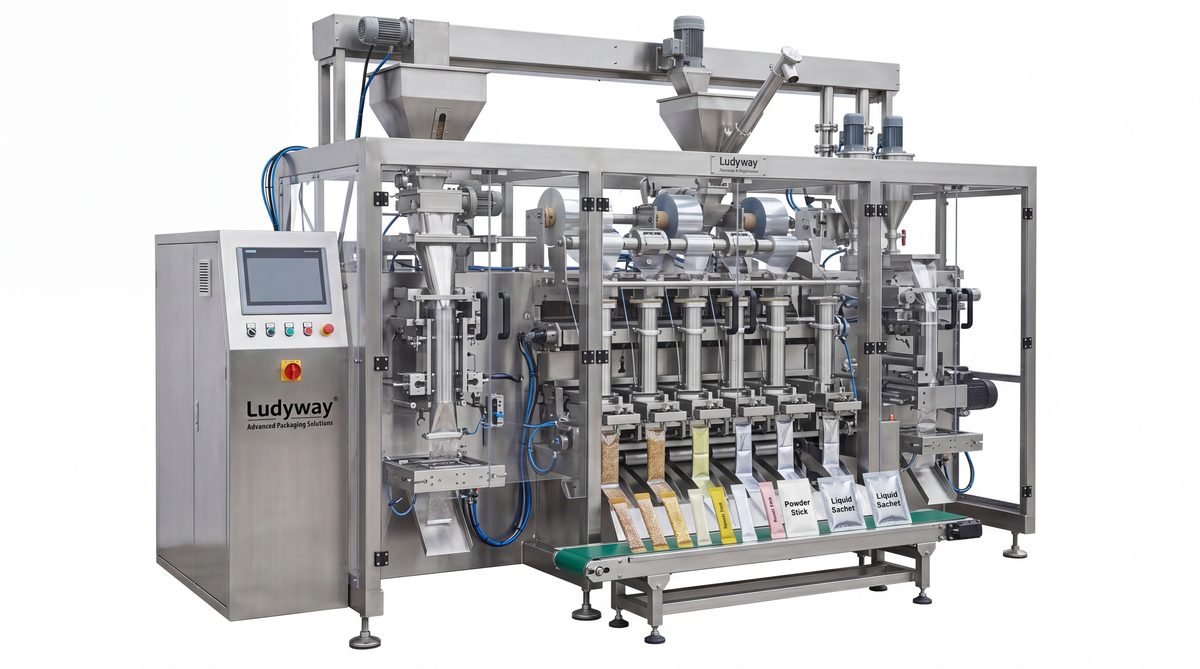
Step-by-Step Automation Plan for Packaging Factories
Phase 1: Fix the biggest bottleneck
Replace the slowest or most labor-intensive process first. This might be filling, sealing, feeding, or inspection.
Phase 2: Connect upstream and downstream flow
Add conveyors, feeders, and discharge systems so machines work as one continuous process.
Phase 3: Digitize quality control
Install checkweighing, coding, traceability, and reject systems for measurable quality assurance.
Phase 4: Automate end-of-line packaging
Introduce cartoning, case sealing, labeling, and palletizing to reduce manual handling after primary packaging.
Phase 5: Build a scalable smart packaging line
Use machine communication, production monitoring, and recipe management to support more SKUs and future expansion.
Common Mistakes to Avoid
- Buying high-speed machines without planning line balance
- Ignoring changeover time for multiple package sizes
- Choosing equipment without considering cleaning and maintenance
- Underestimating space for conveyors and operator access
- Skipping operator training after installation
- Focusing only on purchase price instead of lifecycle value
What to Look for in an Automation Partner
The right supplier should offer more than a machine catalog. They should understand your product properties, packaging materials, output targets, compliance needs, and long-term expansion plans.
Important selection criteria
- Experience in your industry segment
- Ability to supply standalone machines and turnkey lines
- Customization capability for different package formats
- After-sales support and spare parts availability
- Clear testing, commissioning, and training process
- Strong export and project delivery experience
A good automation partner helps you reduce risk, not just buy equipment.
Final Thoughts on Packaging Factory Automation
If your factory is facing rising labor costs, inconsistent package quality, or limited production capacity, automation is one of the most effective ways to improve performance. The key is to automate with a clear plan: analyze bottlenecks, choose scalable equipment, integrate the full line, and measure real cost per unit.
When done correctly, packaging automation can deliver stronger efficiency, better product consistency, lower operating costs, and a production system that is ready for future growth.