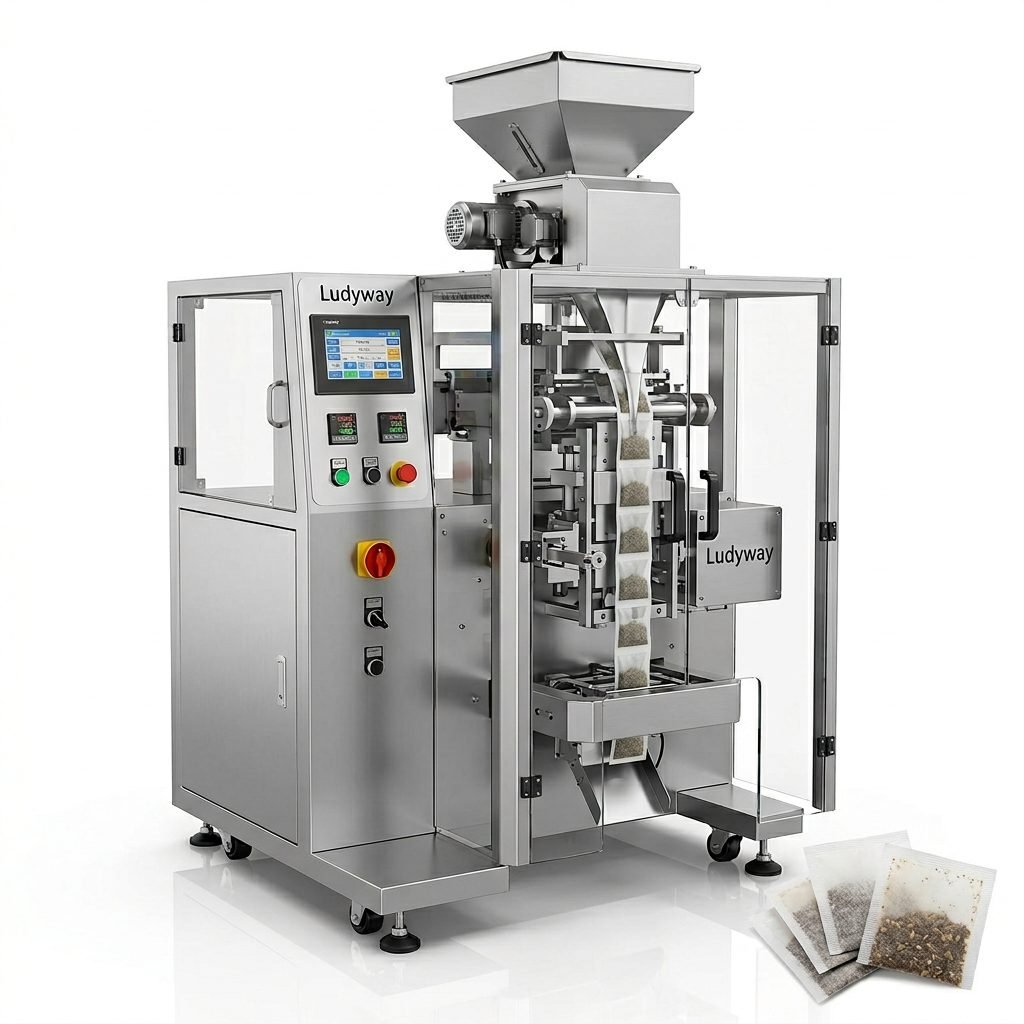
Selecting the right sunflower seed packing machine is a critical decision that directly impacts your production efficiency, product quality, and long-term profitability. Sunflower seeds present unique packaging challenges — their shape, density, and susceptibility to breakage require specialized equipment configured for gentle handling, precise weighing, and reliable sealing. This comprehensive buyer’s guide walks you through the essential factors to consider before investing in a sunflower seed packaging solution.
Understanding Sunflower Seed Packaging Requirements
Before evaluating specific machines, it’s essential to understand the unique characteristics of sunflower seeds that affect packaging. Sunflower seeds are typically classified as granules with a relatively uniform shape but can vary in size depending on the variety. Key packaging considerations include:
- Product fragility — Sunflower seeds can crack or break under excessive mechanical force, requiring gentle feeding and filling mechanisms.
- Density and flowability — The seeds have moderate flow characteristics that influence dosing accuracy and speed.
- Moisture sensitivity — Proper sealing is critical to prevent moisture ingress and maintain freshness.
- Dust generation — Some seed varieties produce fine particles during handling, which can affect machine performance.
- Packaging format flexibility — Manufacturers may need to produce multiple bag sizes and styles from a single machine.
Types of Sunflower Seed Packing Machines
The packaging machinery market offers several machine configurations suitable for sunflower seed applications. Understanding the differences helps narrow your options to the most appropriate solution. According to packaging machinery market research from PMMI, selecting the right machine type is foundational to achieving operational goals.
Vertical Form Fill Seal (VFFS) Machines
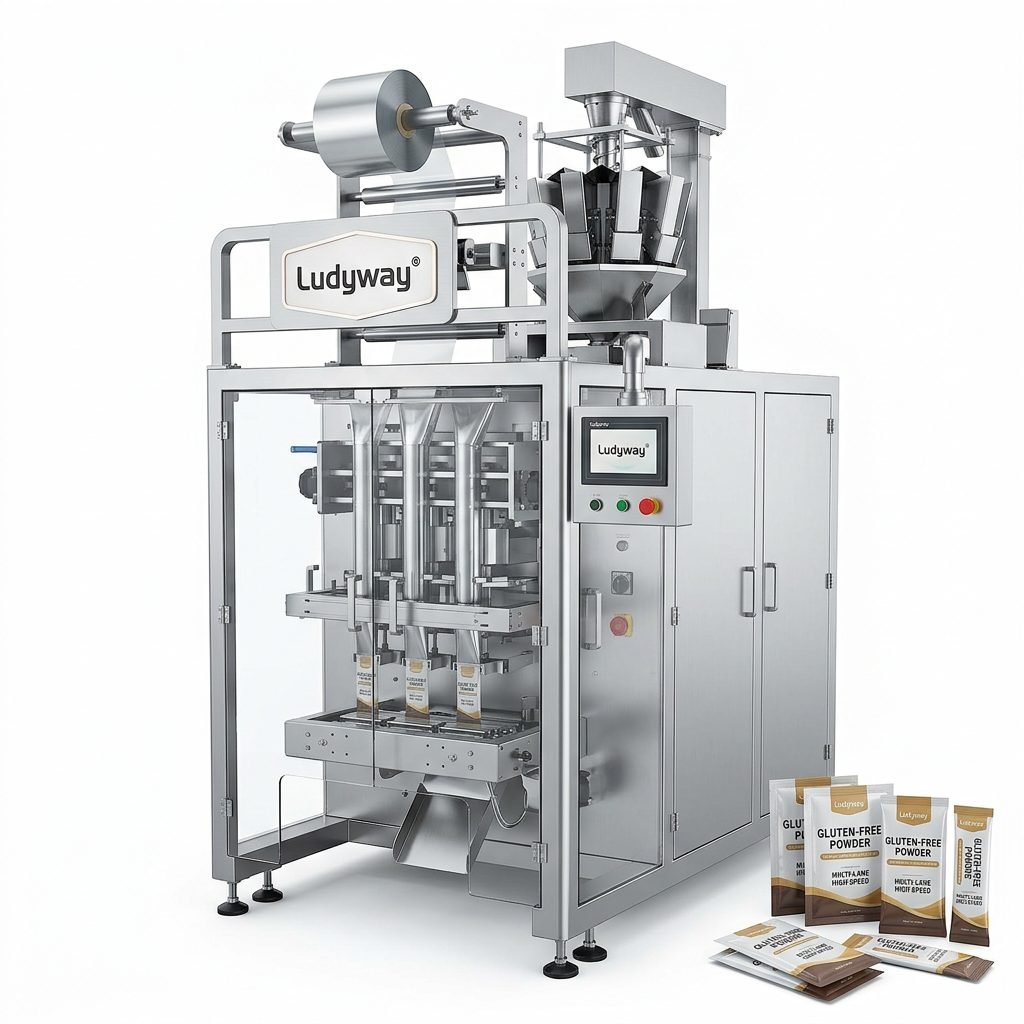
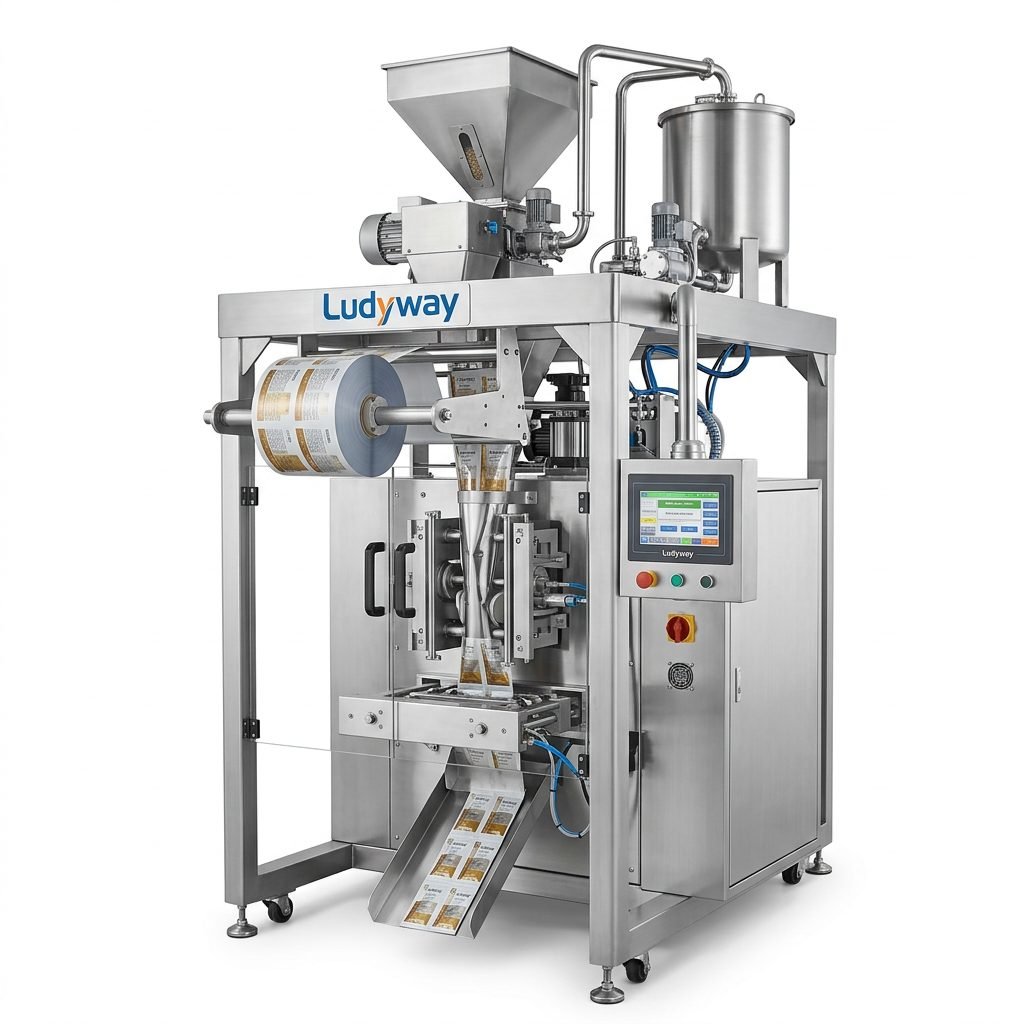
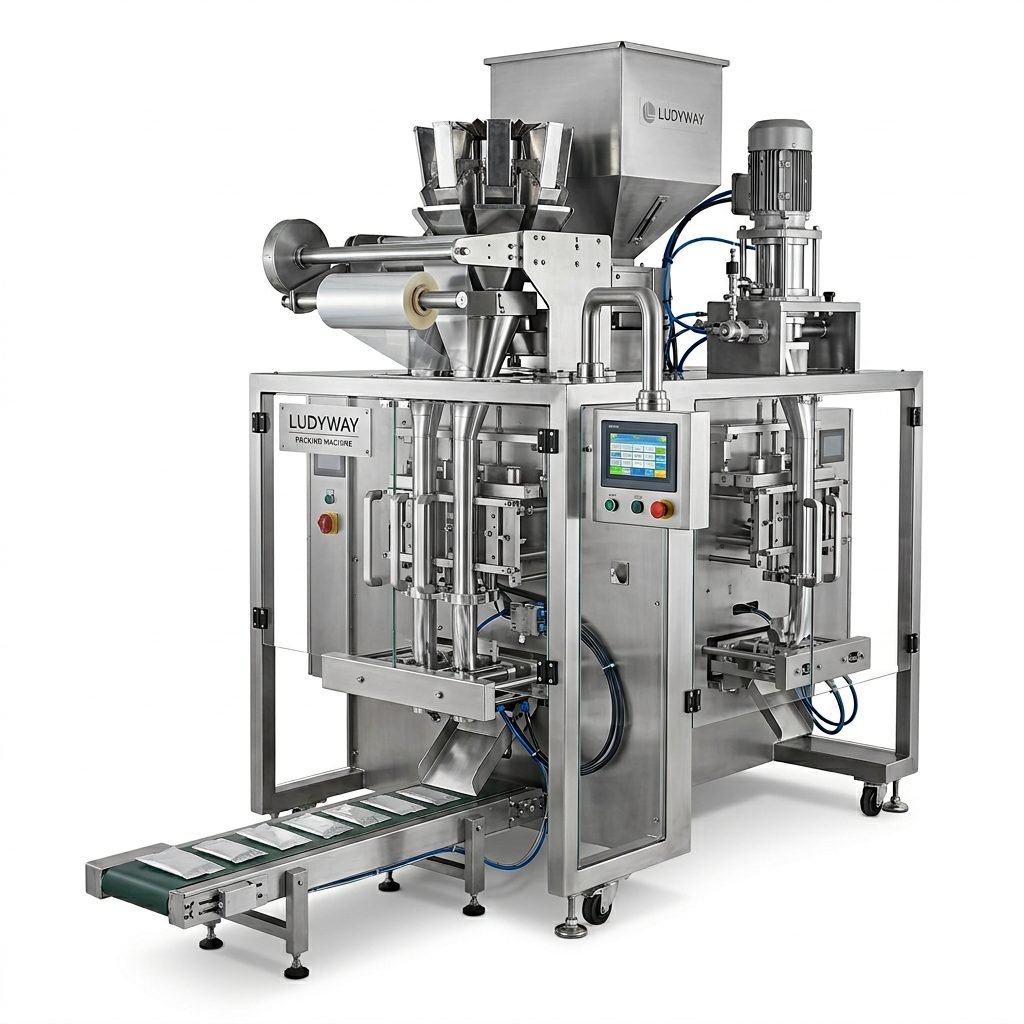
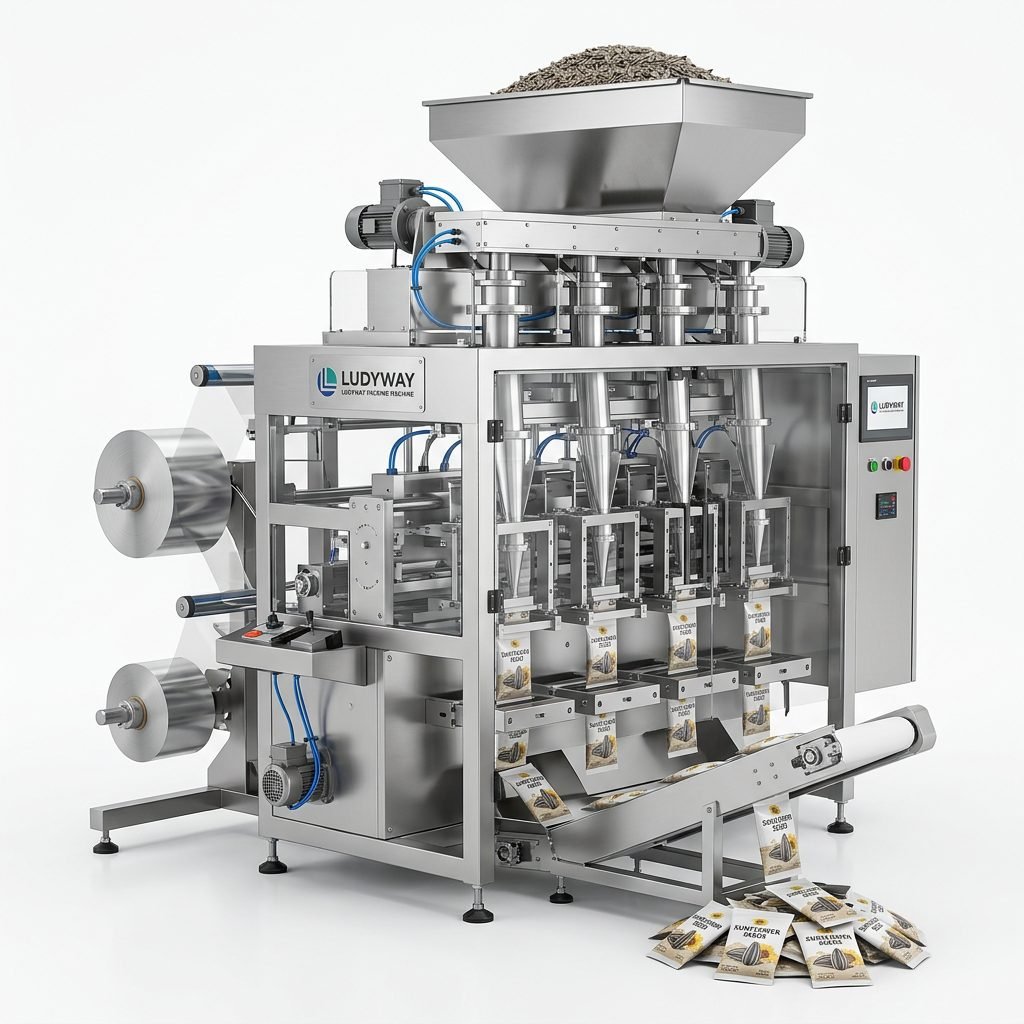
VFFS machines are among the most common choices for sunflower seed packaging. These systems form a bag from a roll of film, fill it with product, and seal it — all in a continuous vertical motion. They offer excellent speed-to-cost ratios and are ideal for pillow bags, gusseted bags, and block-bottom formats.
Multi-Lane Stick Pack Machines
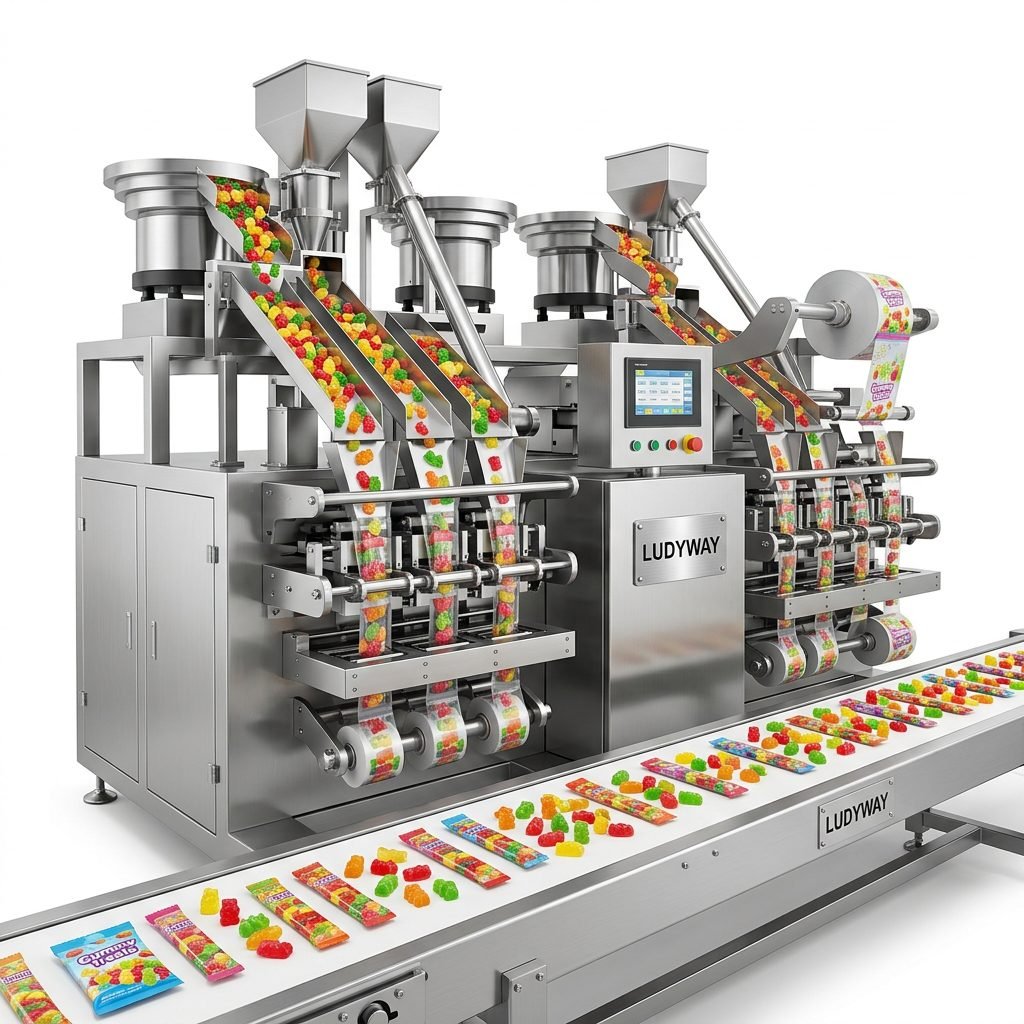
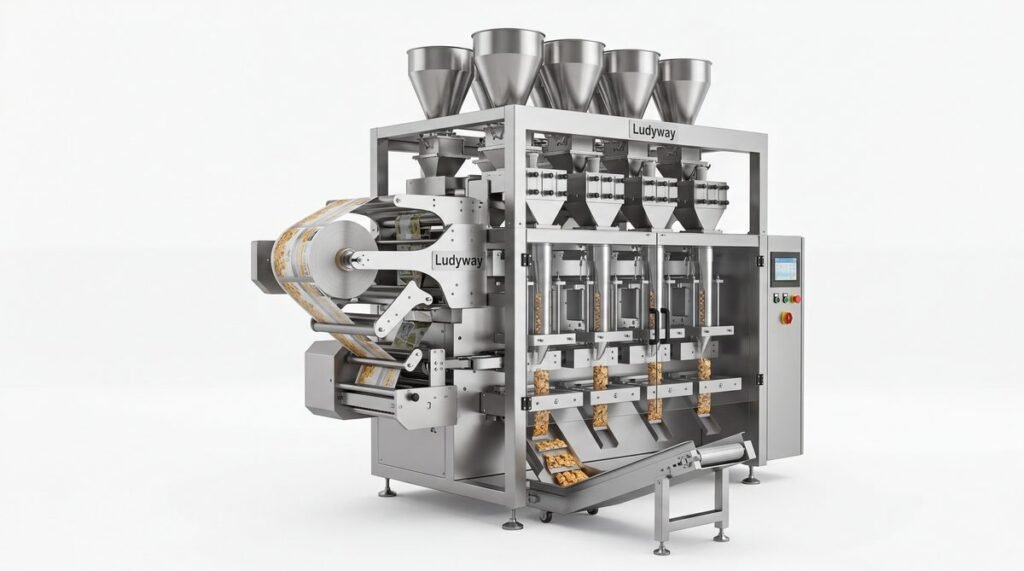
For single-serve or portion-controlled sunflower seed packages, multi-lane stick pack machines deliver exceptional throughput by running multiple lanes simultaneously. These machines can produce 4, 6, 8, or more lanes of narrow sachet-style packages, making them highly efficient for small-format packaging.
Premade Pouch Filling and Sealing Machines
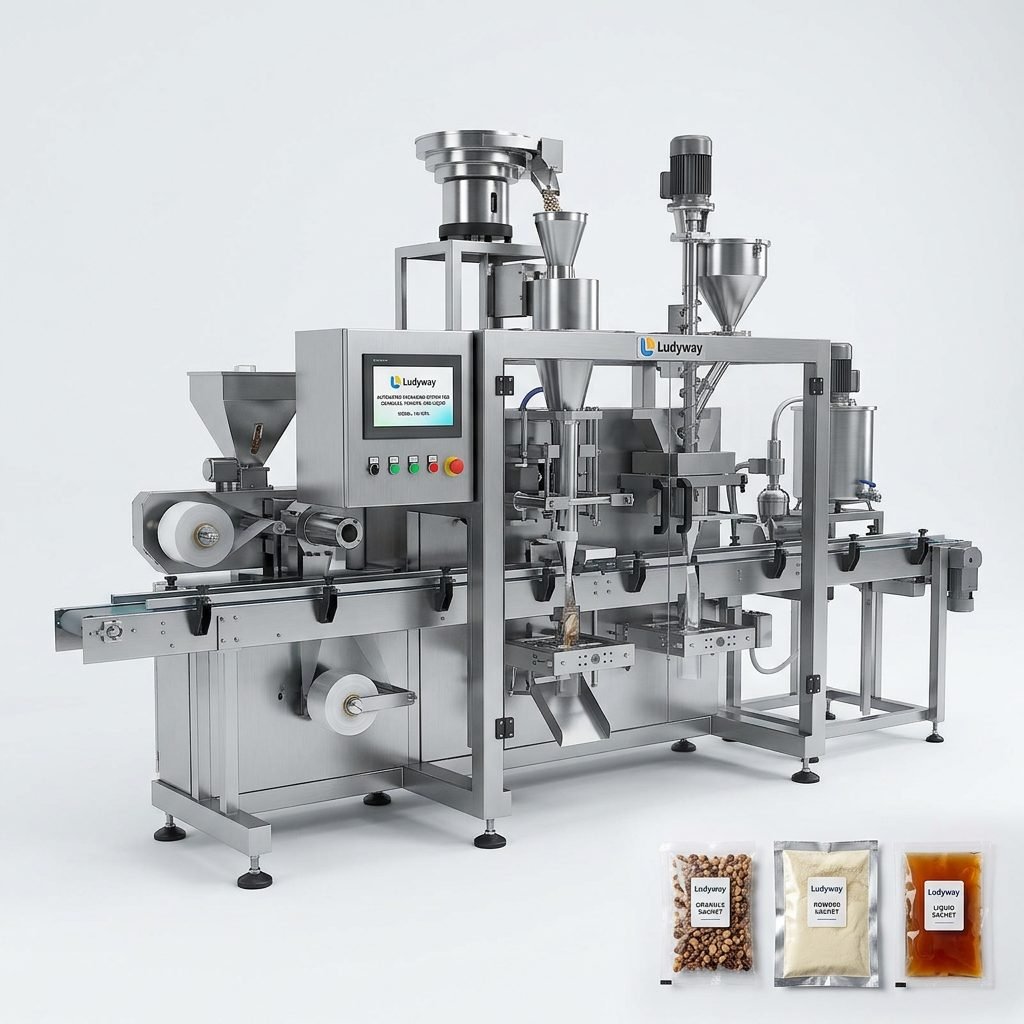
When your packaging strategy requires stand-up pouches, zipper bags, or shaped pouches, premade pouch machines offer greater packaging format versatility. These systems take pre-manufactured pouches, open them, fill with sunflower seeds, and seal — supporting a wide range of pouch styles and materials.
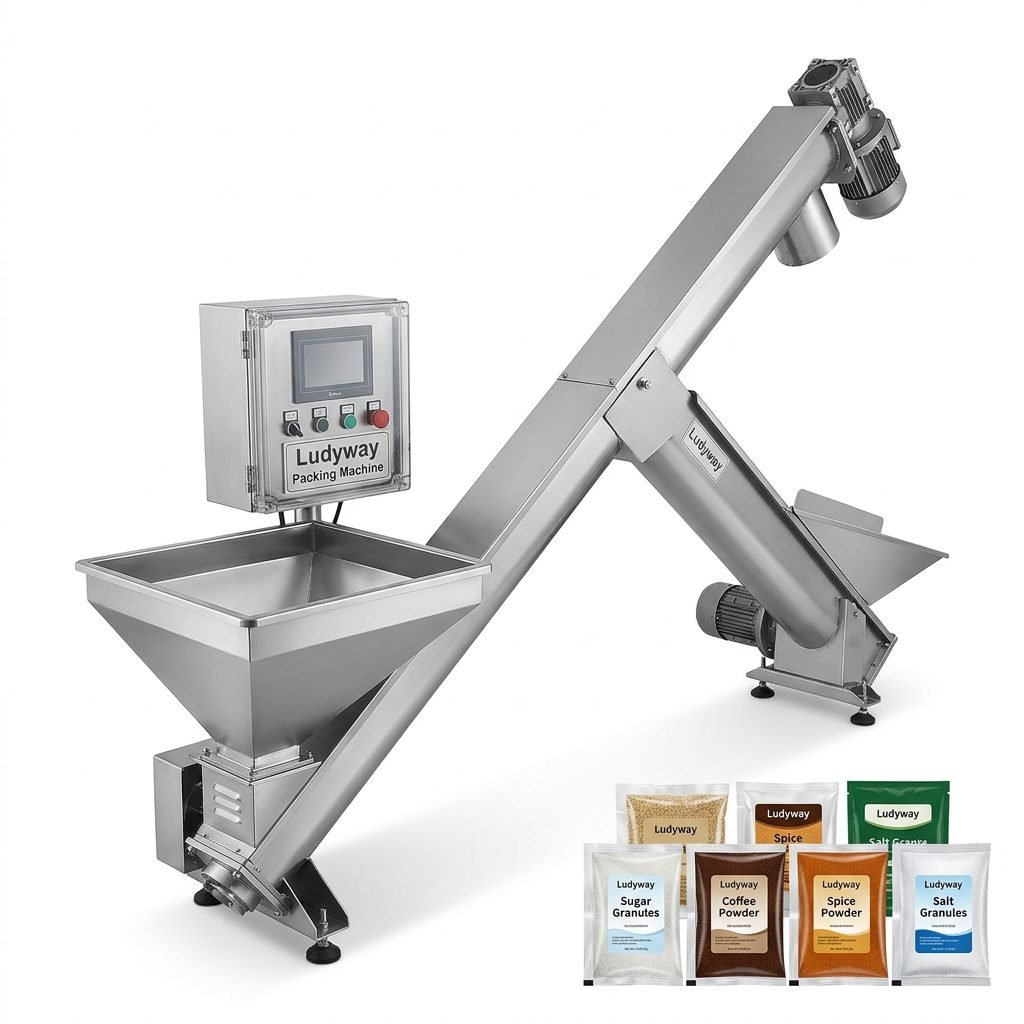
Weighing and Bagging Systems for Bulk Packaging
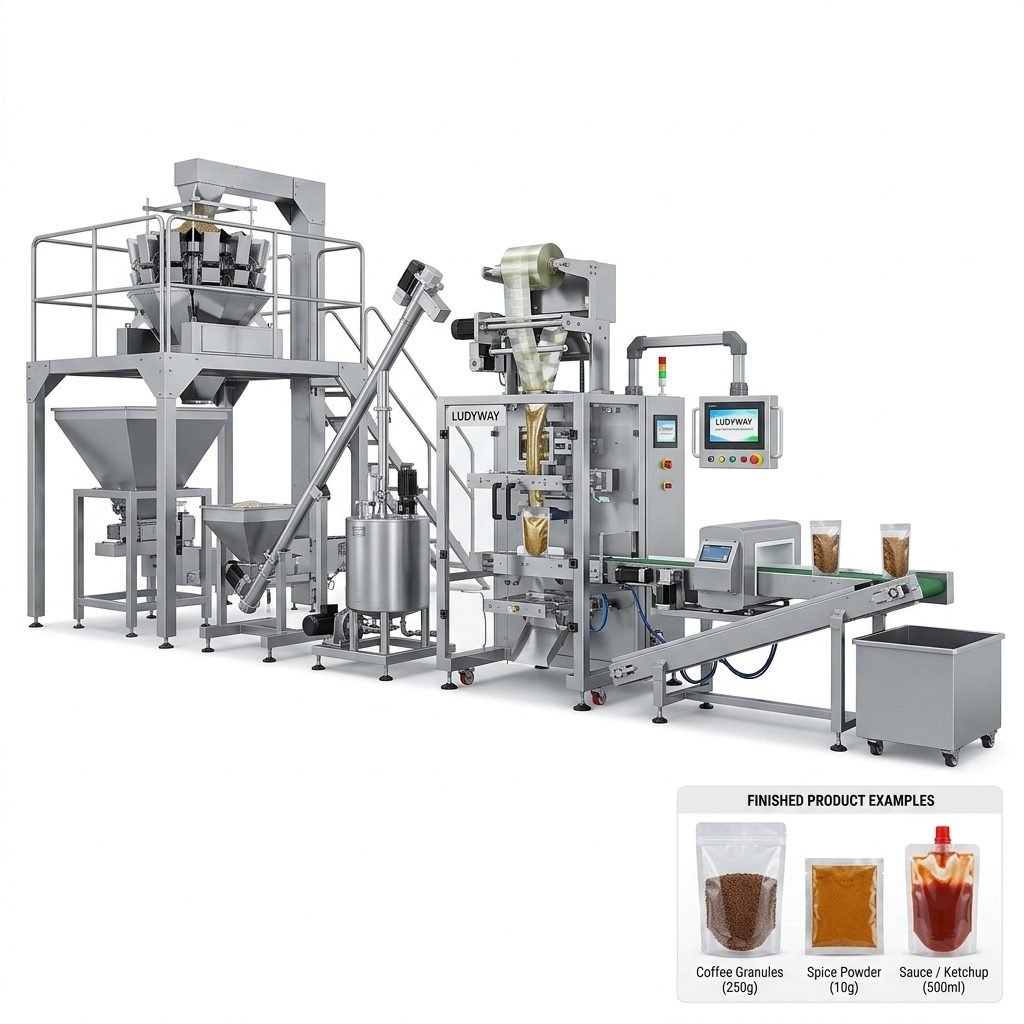
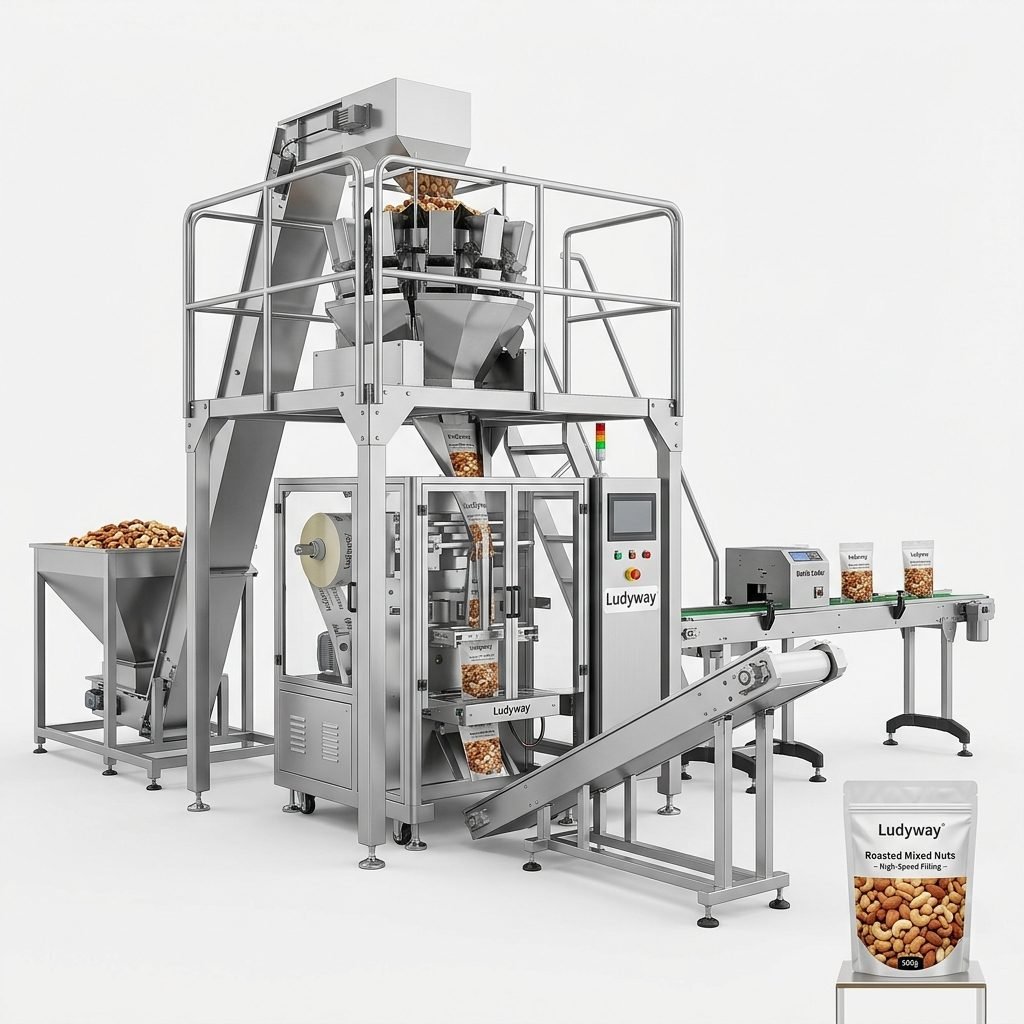
For larger quantity packages such as 1kg, 5kg, or even 25kg bags, integrated weighing and bagging systems provide the accuracy and speed needed for bulk sunflower seed packaging. These often incorporate multi-head weighers for high-precision dosing.
Key Factors to Consider When Choosing a Sunflower Seed Packing Machine
Evaluating machines requires a systematic approach that accounts for your production environment, business goals, and product characteristics. Below is a comparative overview of critical selection criteria:
| Selection Factor | What to Evaluate | Why It Matters |
|---|---|---|
| Production Speed | Bags per minute, lanes, cycle rate | Determines throughput and ability to meet demand |
| Weighing Accuracy | Target weight tolerance, giveaway percentage | Directly impacts material costs and regulatory compliance |
| Bag Size Range | Minimum and maximum dimensions supported | Ensures compatibility with your product portfolio |
| Film Compatibility | Material types, thickness range, barrier properties | Affects shelf life, appearance, and sustainability goals |
| Changeover Time | Time to switch between formats or products | Impacts overall equipment effectiveness (OEE) |
| Automation Level | Manual, semi-automatic, or fully automatic | Determines labor requirements and consistency |
| Footprint | Floor space required for installation | Critical for facilities with space constraints |
Weighing and Dosing Technology for Sunflower Seeds
The dosing system is arguably the most critical component of any sunflower seed packing machine. Several technologies are available, each with distinct advantages:
- Multi-head weighers — Provide the highest accuracy and speed for free-flowing granules like sunflower seeds. Modern multi-head weighers can achieve accuracy within ±0.5g at high speeds.
- Volumetric cup fillers — A cost-effective option for consistent-density products, though less precise than gravimetric systems.
- Auger fillers — Suitable for smaller portion sizes and when handling seeds with higher dust content.
- Linear weighers — A budget-friendly alternative to multi-head systems for moderate-speed applications.
Automation Levels and Production Capacity
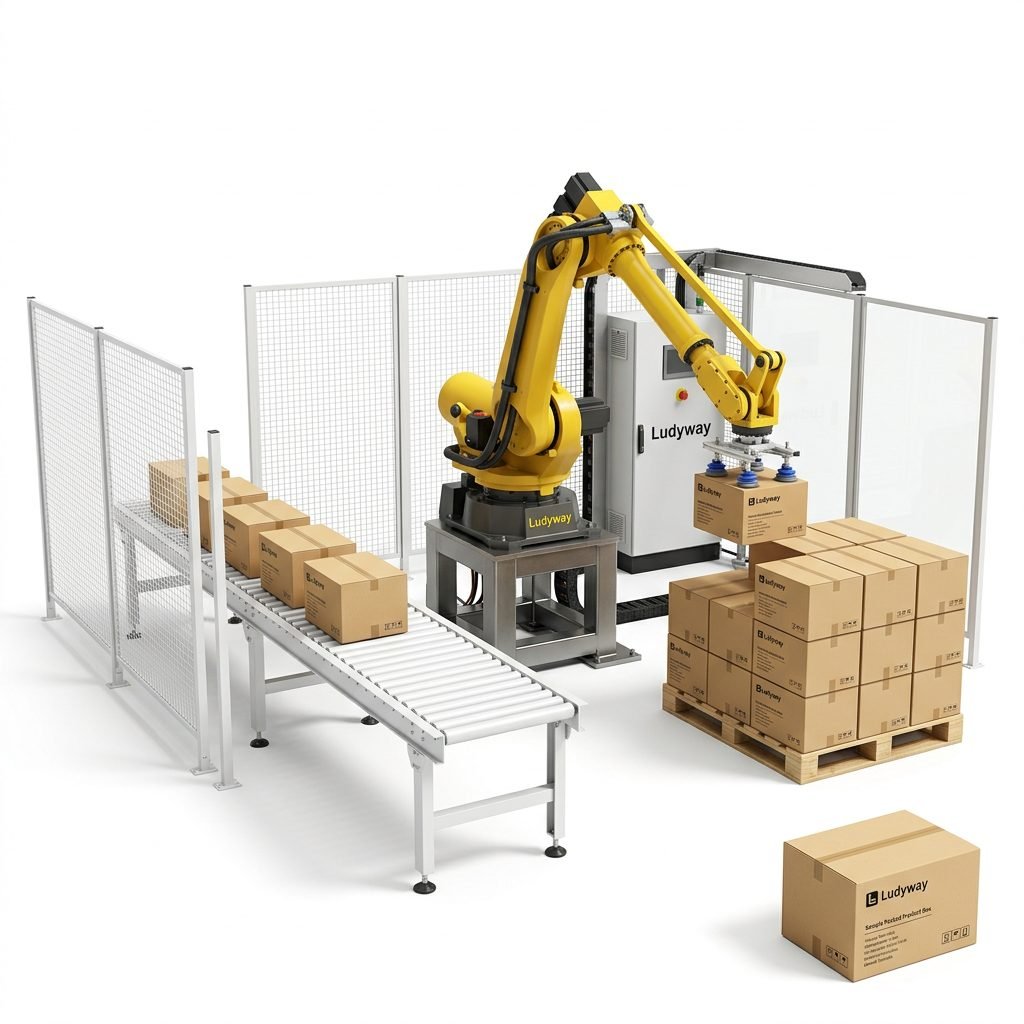
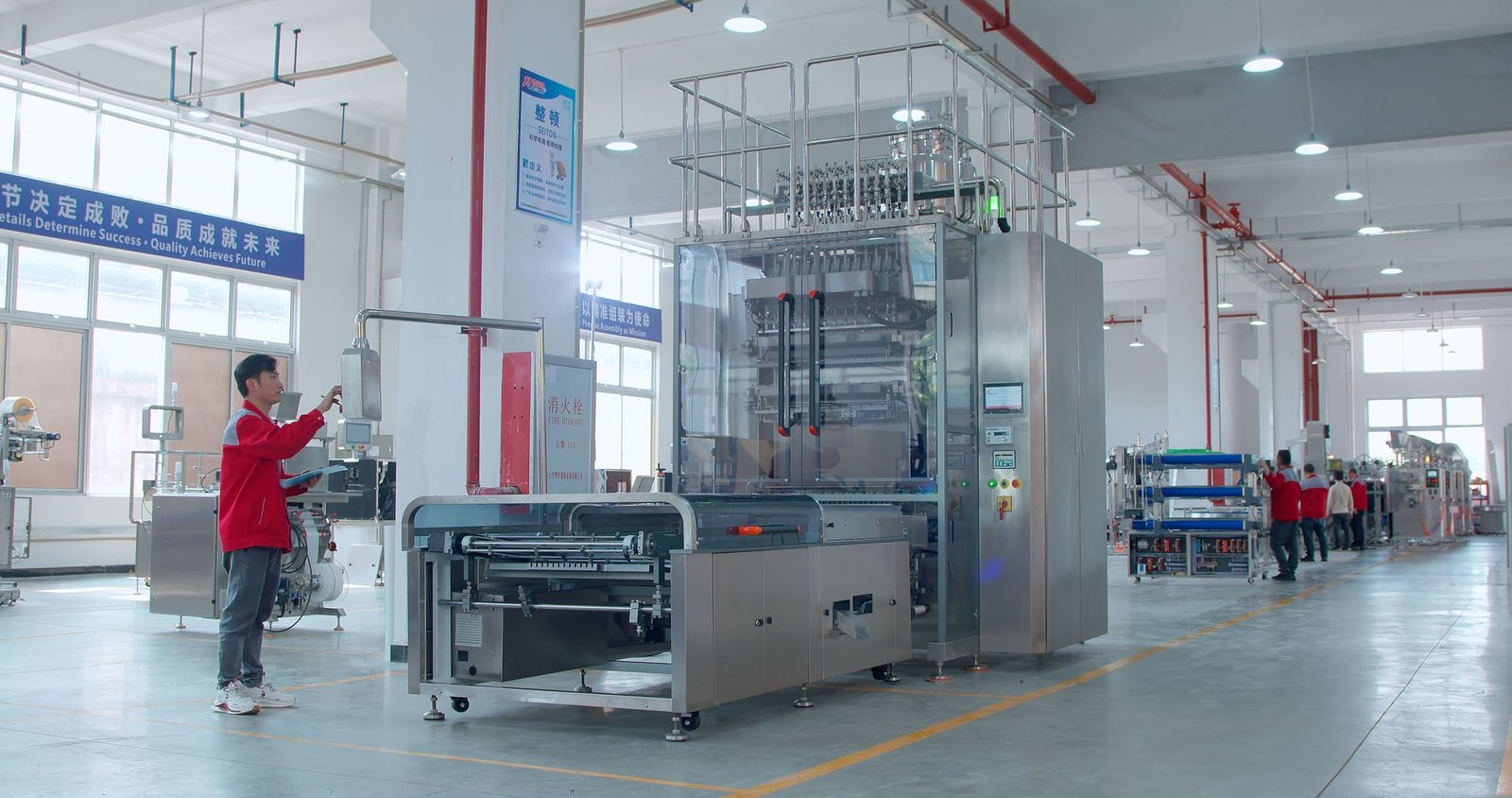
The degree of automation you choose should align with your production volume targets and labor cost structure. Entry-level semi-automatic machines may require manual bag placement and product feeding, while fully automatic systems handle everything from film unwinding to finished bag discharge. For high-volume sunflower seed producers, integrated packaging lines that connect filling, sealing, coding, inspection, and cartoning into a single automated workflow can significantly reduce per-unit costs.
Semi-Automatic vs. Fully Automatic Systems
Semi-automatic machines typically have lower upfront costs but require more operator involvement. Fully automatic sunflower seed packing machines offer higher throughput, better consistency, and lower long-term labor costs. According to PMMI’s 2026 State of the Industry report, automation adoption continues to accelerate across the packaging sector as manufacturers seek to address labor challenges and improve operational efficiency.
Packaging Material and Seal Integrity
Sunflower seeds require packaging materials that provide adequate barrier protection against moisture, oxygen, and light. Common material structures include laminated films combining polyethylene, polypropylene, aluminum foil, and PET layers. The flexible packaging industry continues to develop new material options that balance performance with sustainability objectives. Your machine’s sealing system must be compatible with your chosen film structure and capable of producing consistent, hermetic seals at production speed.
Machine Build Quality and Reliability
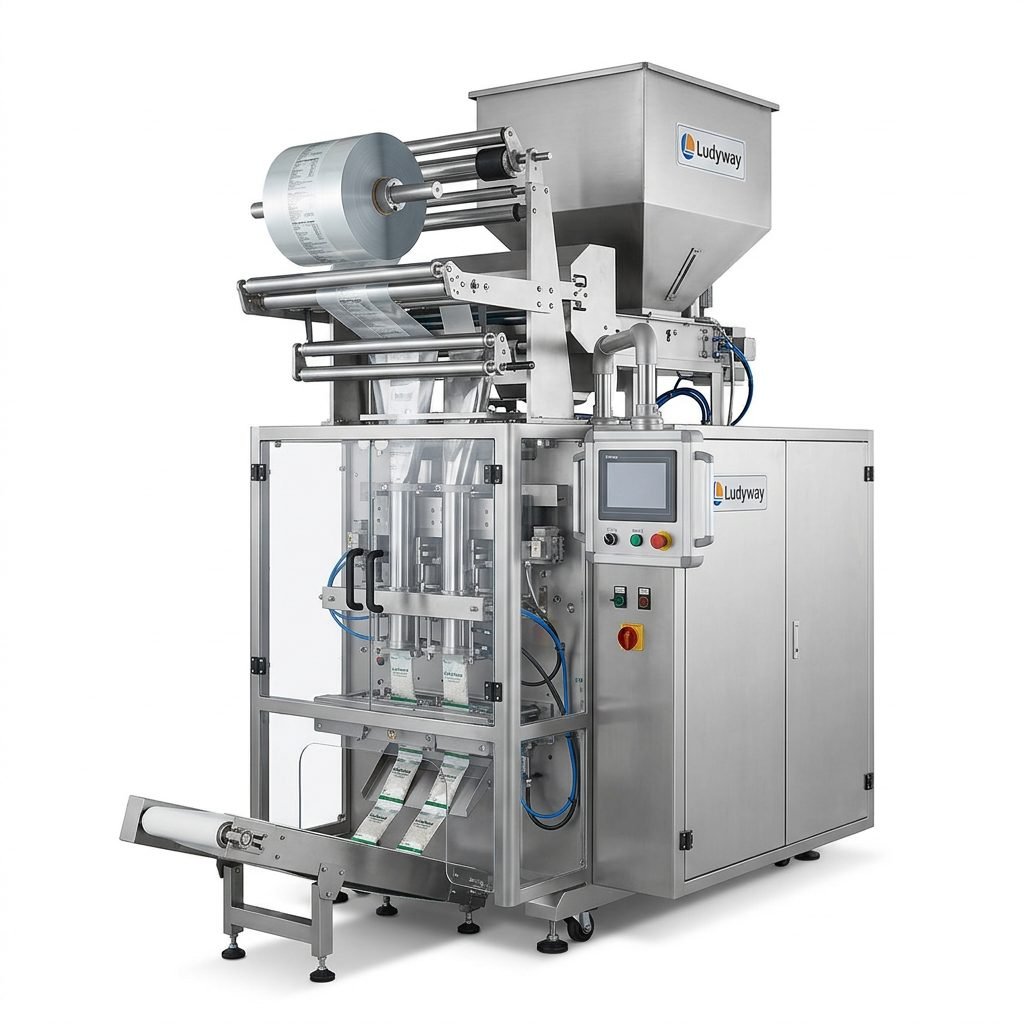
When evaluating sunflower seed packing equipment, pay close attention to construction quality and component selection. Machines built with stainless steel frames, food-grade contact parts, and internationally recognized pneumatic and electrical components tend to offer longer service life and reduced maintenance requirements. Ludyway Machinery, a China-based packaging machinery manufacturer with more than 30 years of experience and a 20,000-square-meter manufacturing facility, provides automated packaging equipment and integrated solutions for manufacturers across food, pharmaceutical, chemical, and other industries worldwide.
After-Sales Support and Spare Parts Availability
A packaging machine is a long-term investment, and the quality of after-sales support can significantly affect your total cost of ownership. Before purchasing, evaluate:
- Availability of spare parts in your region
- Response time for technical support inquiries
- Installation and commissioning services offered
- Operator training programs available
- Warranty terms and extended service agreements
- Remote diagnostic and troubleshooting capabilities
Regulatory Compliance and Certifications
Depending on your target market, your sunflower seed packing machine may need to comply with specific food safety and electrical standards. Key certifications to look for include CE marking for European markets, FDA compliance for food contact surfaces in the U.S. market, and ISO standards relevant to packaging equipment. The FDA’s food packaging regulations provide guidance on materials and equipment suitable for food contact applications.
Total Cost of Ownership Considerations
Beyond the initial purchase price, factor in ongoing operational costs when comparing machines. These include:
- Film and packaging material consumption rates
- Energy consumption per unit produced
- Preventive maintenance and spare parts costs
- Labor requirements for operation and changeover
- Product giveaway from weighing inaccuracy
- Downtime costs from reliability issues
Future-Proofing Your Investment
Select a sunflower seed packing machine that can adapt to evolving business needs. Modular designs that allow for future upgrades — such as adding gas flushing for modified atmosphere packaging, integrating coding and marking systems, or connecting to upstream and downstream equipment — provide greater long-term value. The Flexible Packaging Association highlights that packaging equipment flexibility is increasingly important as brands respond to changing consumer preferences and sustainability requirements.
Making the Final Decision
Choosing the right sunflower seed packing machine requires balancing multiple factors — speed, accuracy, flexibility, build quality, and total cost of ownership. Begin by clearly defining your production requirements, then evaluate machines against those specifications. Request product trials or sample runs whenever possible to verify machine performance with your specific sunflower seed variety and packaging materials. A methodical selection process helps ensure your investment delivers reliable, efficient packaging performance for years to come.
Key Takeaways
- Match the machine type (VFFS, multi-lane stick pack, premade pouch, or bulk weighing) to your packaging format and volume requirements.
- Prioritize weighing accuracy — even small overfills compound into significant material costs over time.
- Verify film compatibility and seal integrity for your specific sunflower seed product characteristics.
- Consider total cost of ownership rather than focusing solely on the initial purchase price.
- Evaluate the manufacturer’s after-sales support, spare parts availability, and technical service capabilities.
- Look for modular, upgradeable designs that can accommodate future packaging needs.