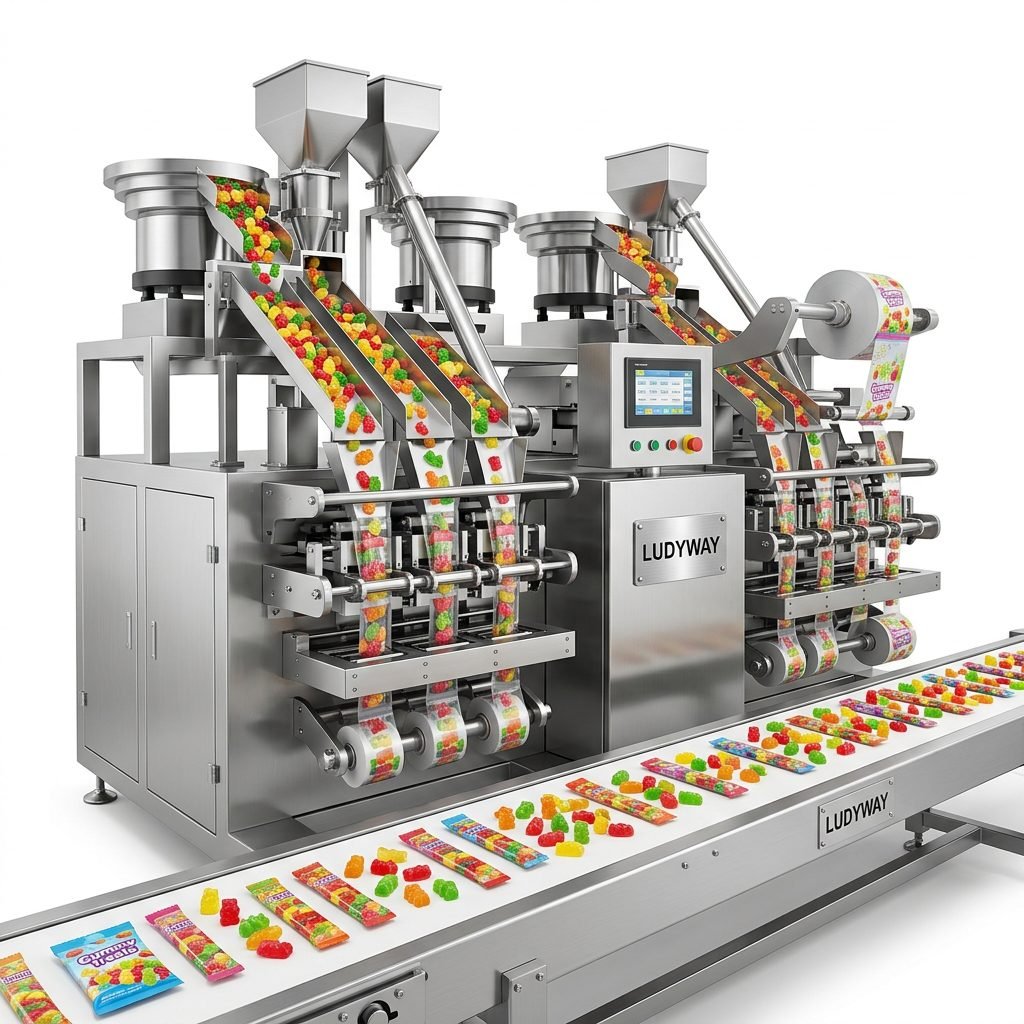
Establishing a sauce packaging machine production line in France requires careful planning, strict adherence to EU regulations, and a deep understanding of local market demands. Whether you are packaging ketchup, mayonnaise, BBQ sauce, or specialty condiments, the efficiency of your operation hinges on selecting the right automated equipment and integrating it seamlessly into your facility. This guide outlines the essential steps, technical considerations, and regulatory frameworks for deploying a successful sauce packaging line in the French market.
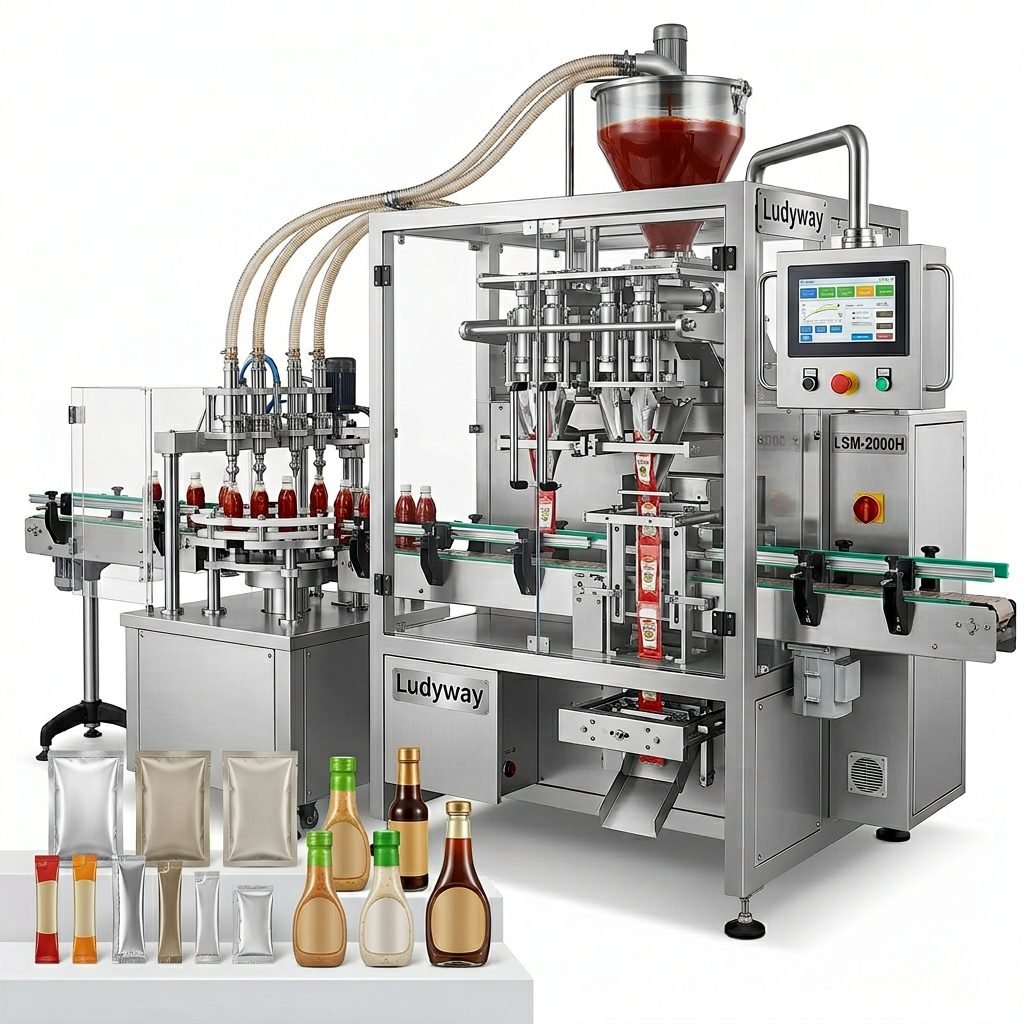
Key Considerations for the French Food Packaging Market
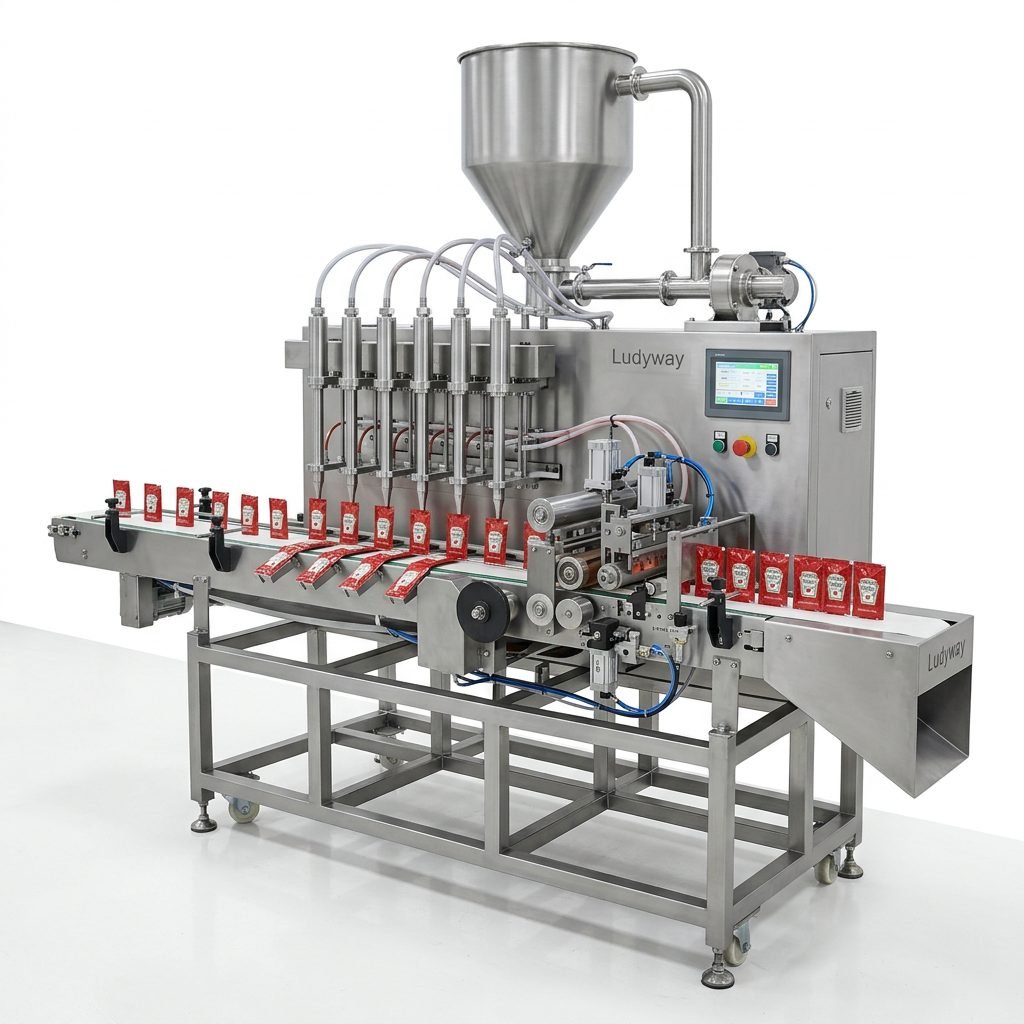
France is one of Europe’s largest consumers of sauces and condiments. The market demands high-speed precision, hygienic design, and flexible packaging formats. Before ordering machinery, you must define your target product range. Are you filling liquid sauces, viscous pastes, or chunky salsas? The viscosity dictates the packaging machine configuration—specifically the type of filling system (piston, pump, or gravity-based).
1. Defining Packaging Formats
Sauces in France are commonly sold in multiple formats. Your line must be versatile enough to handle the shift between B2B bulk and B2C retail packaging. The most prevalent options include:
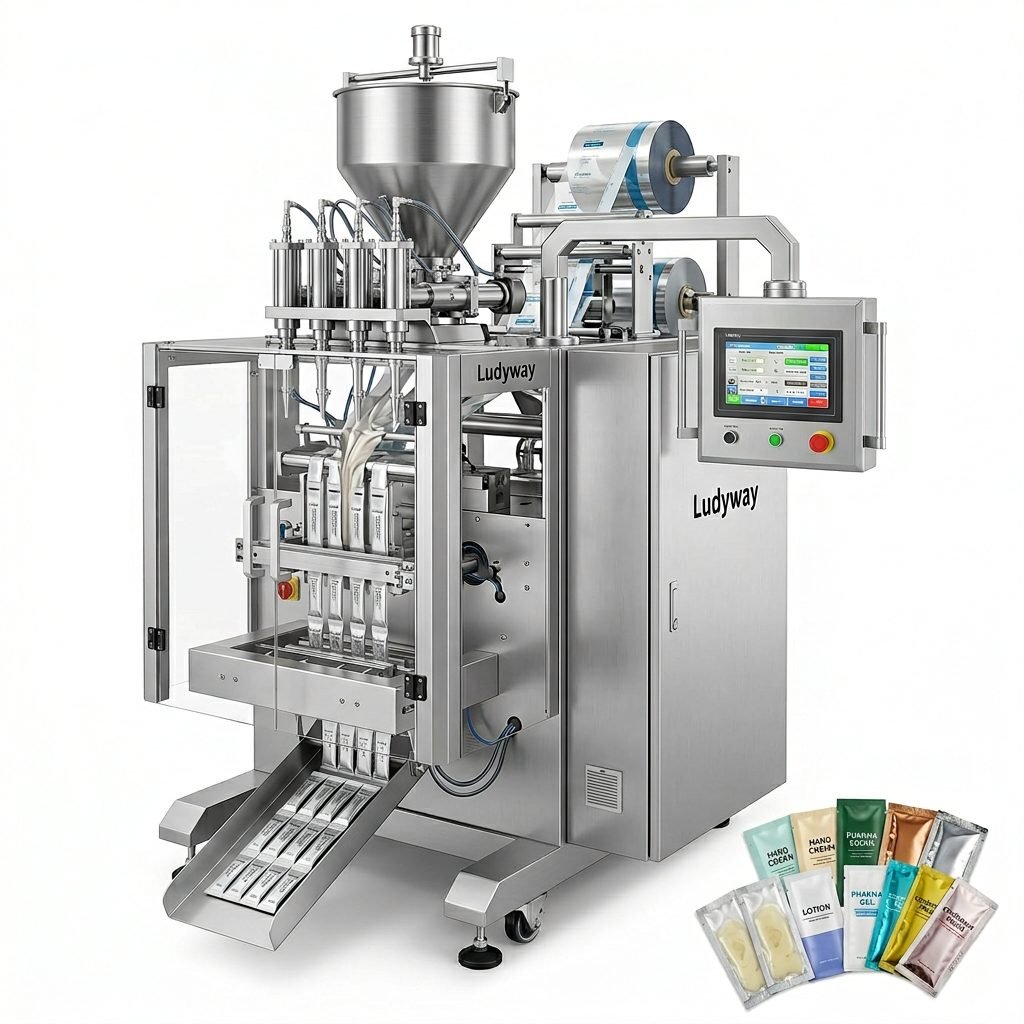
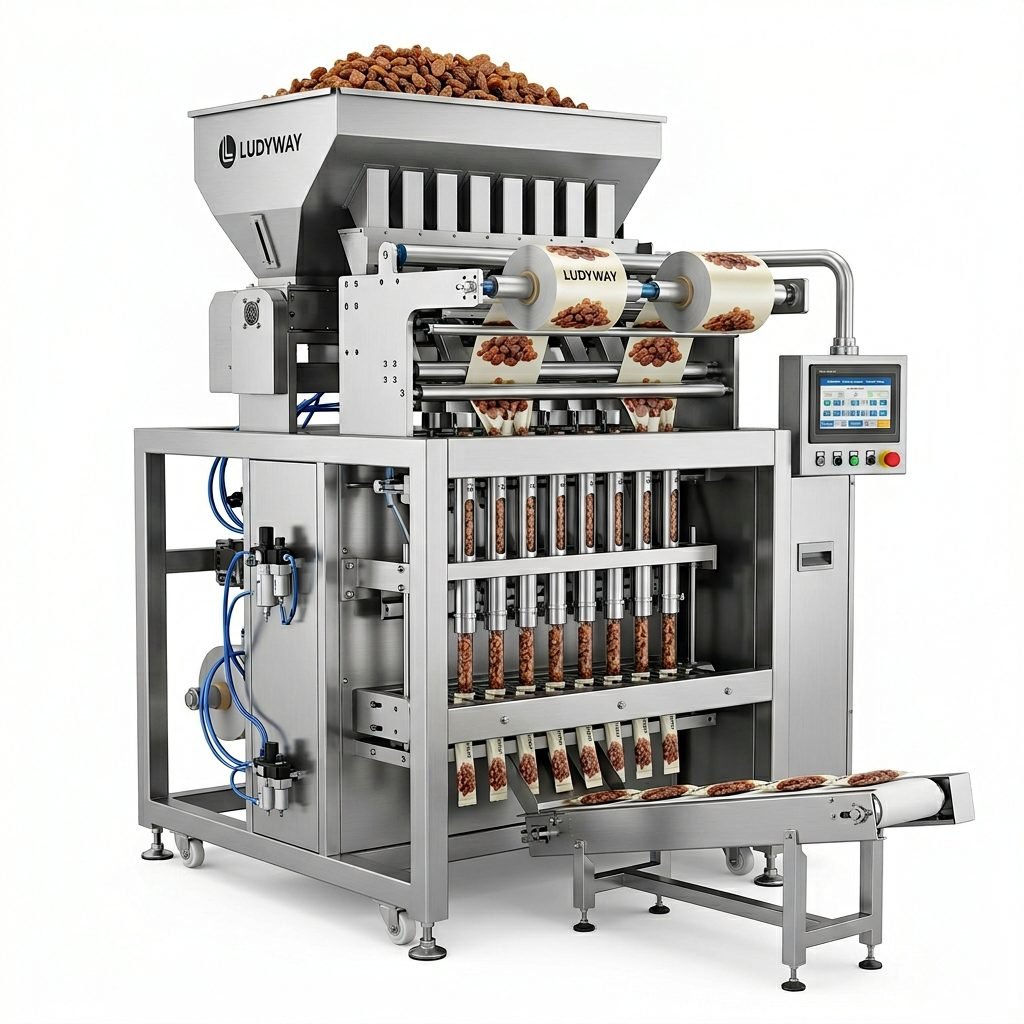
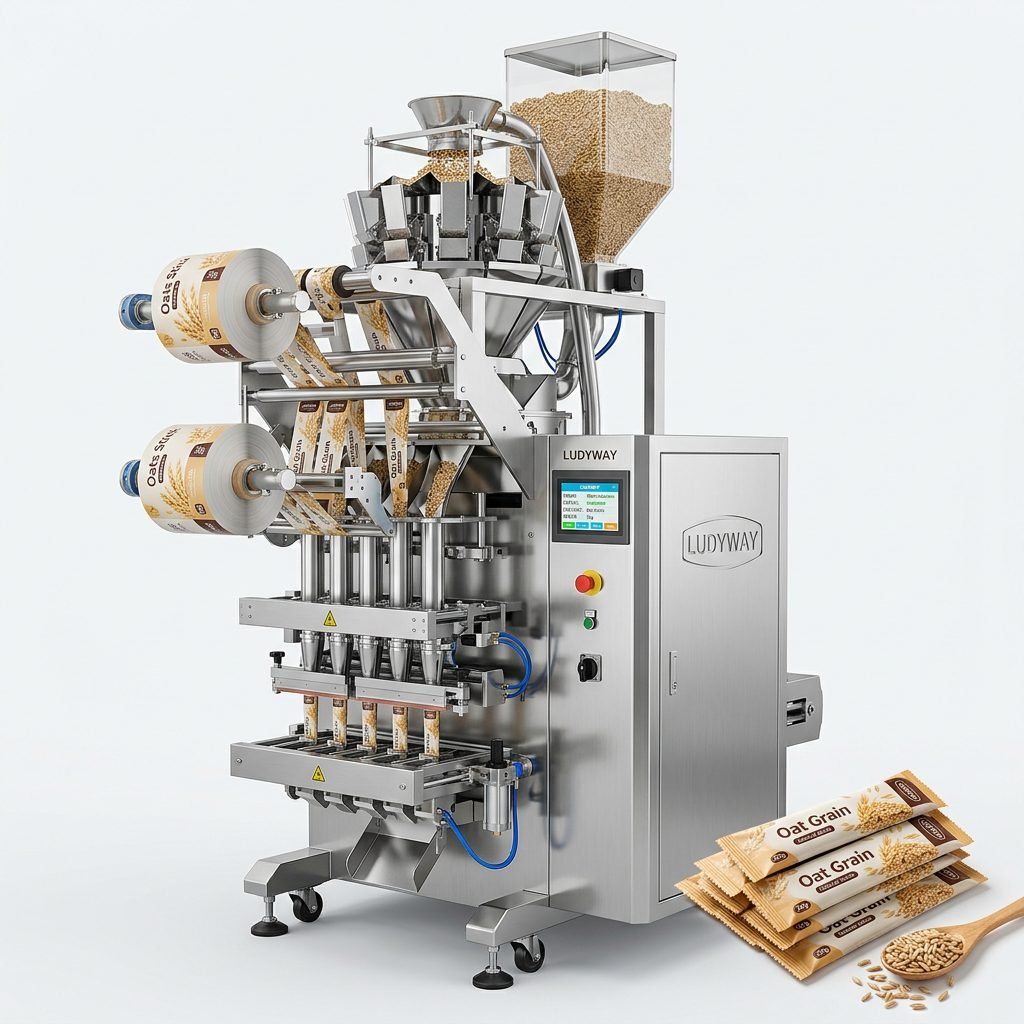
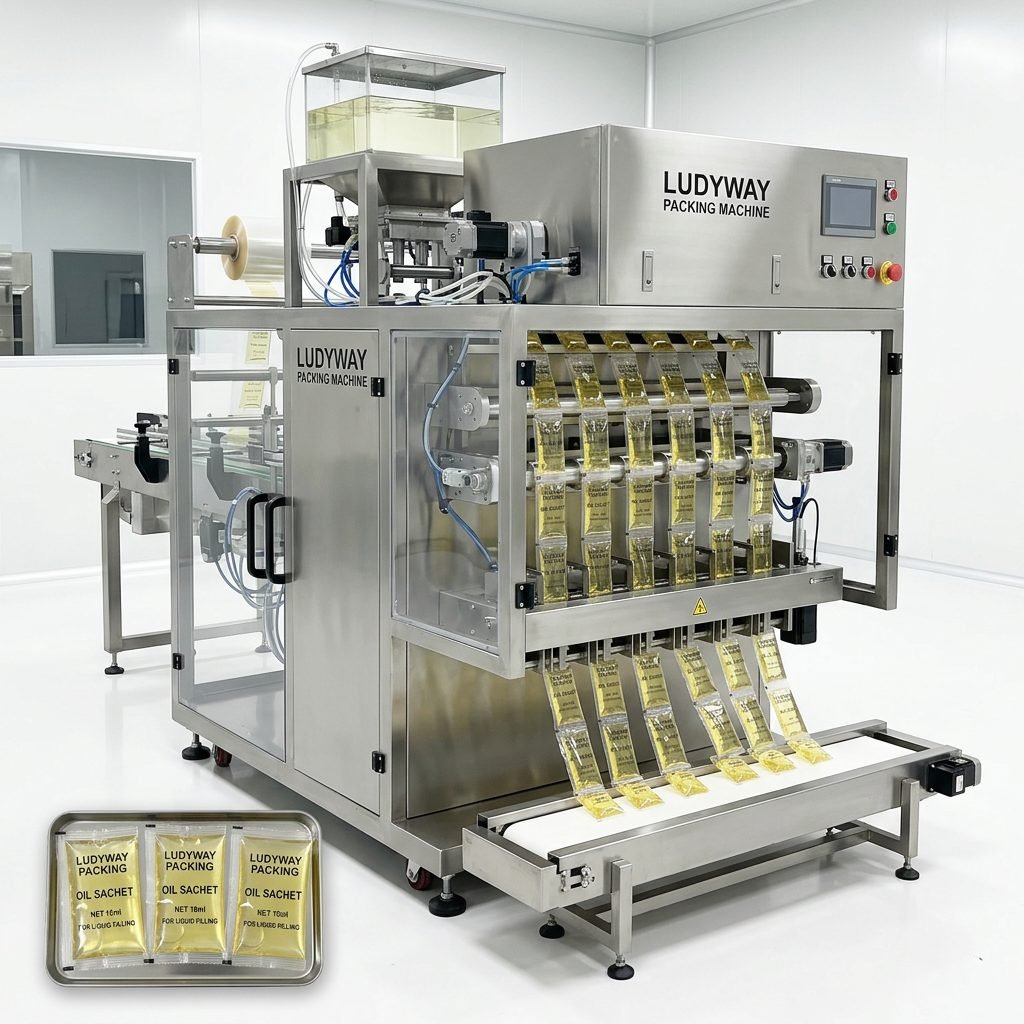
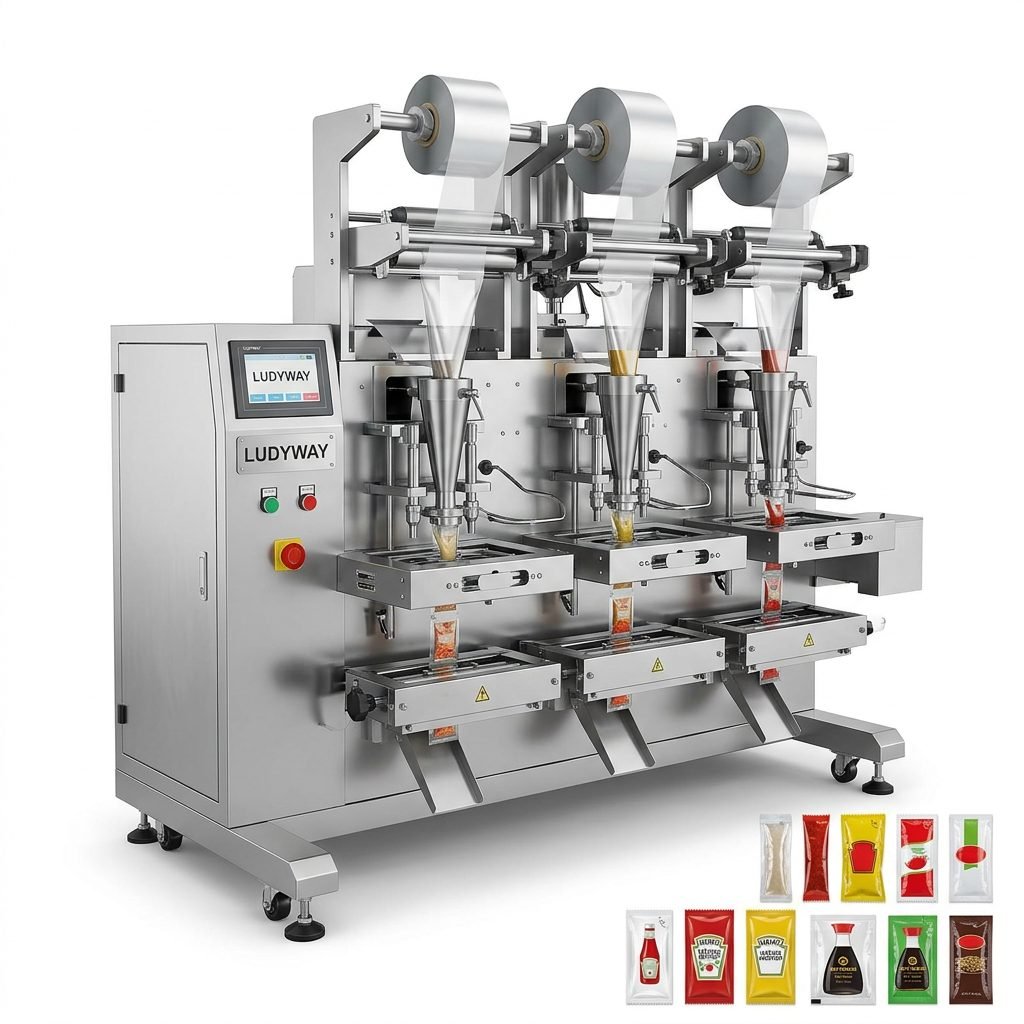
- Stick packs: Ideal for single-serve ketchup and mayonnaise sachets.
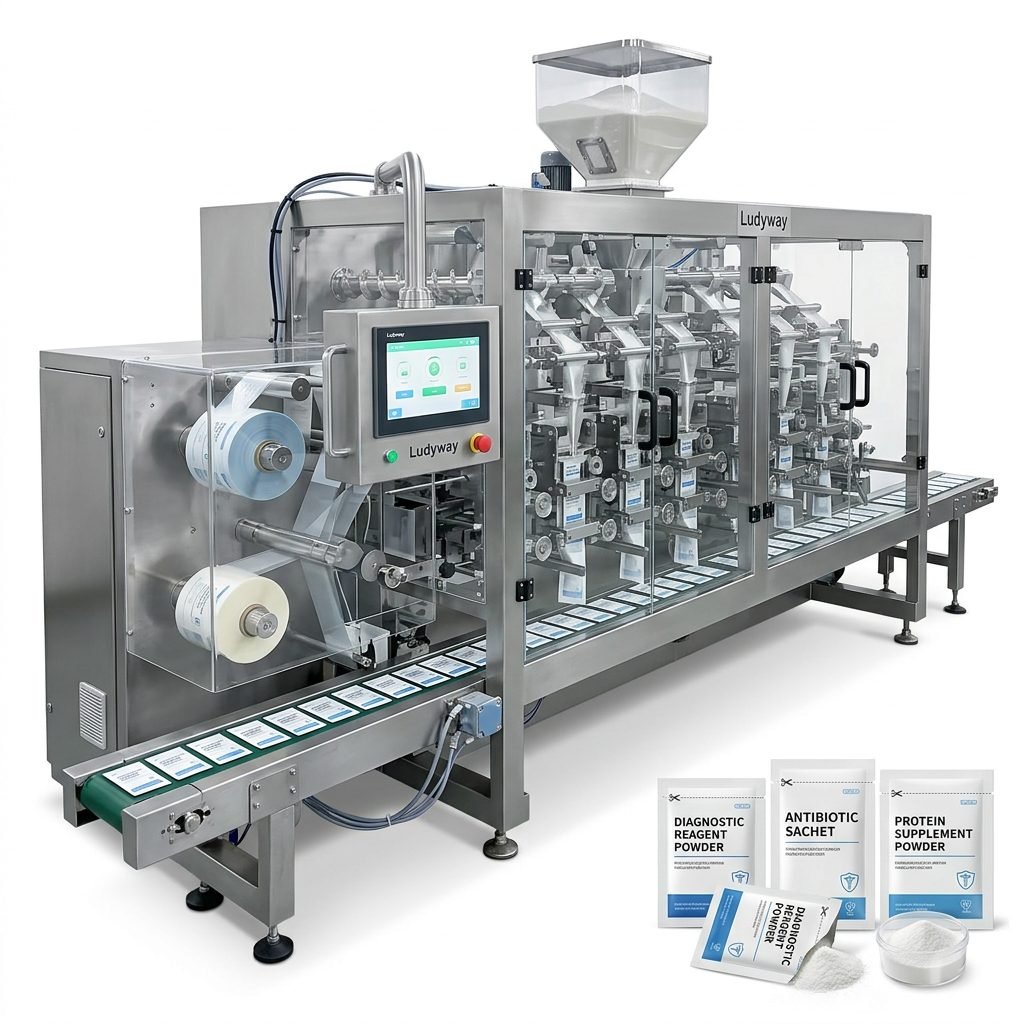
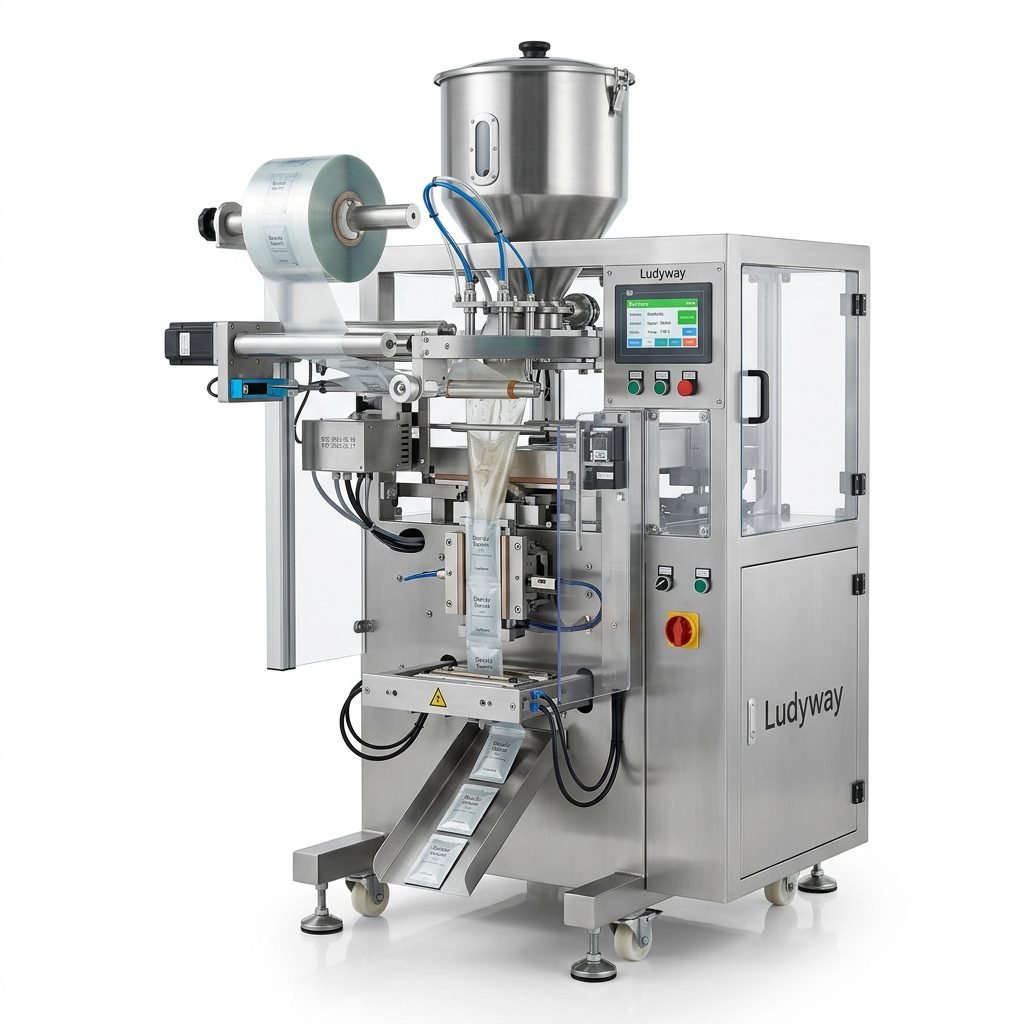
- Sachets: Flat 3-side or 4-side seal pouches for sample sizes or takeaway.
- Bottles: Glass and PET bottles ranging from 250ml to 1L for retail shelves.
- Pouches: Stand-up spouted pouches increasingly popular for organic and gourmet sauces.
Selecting Core Equipment and Machine Layout
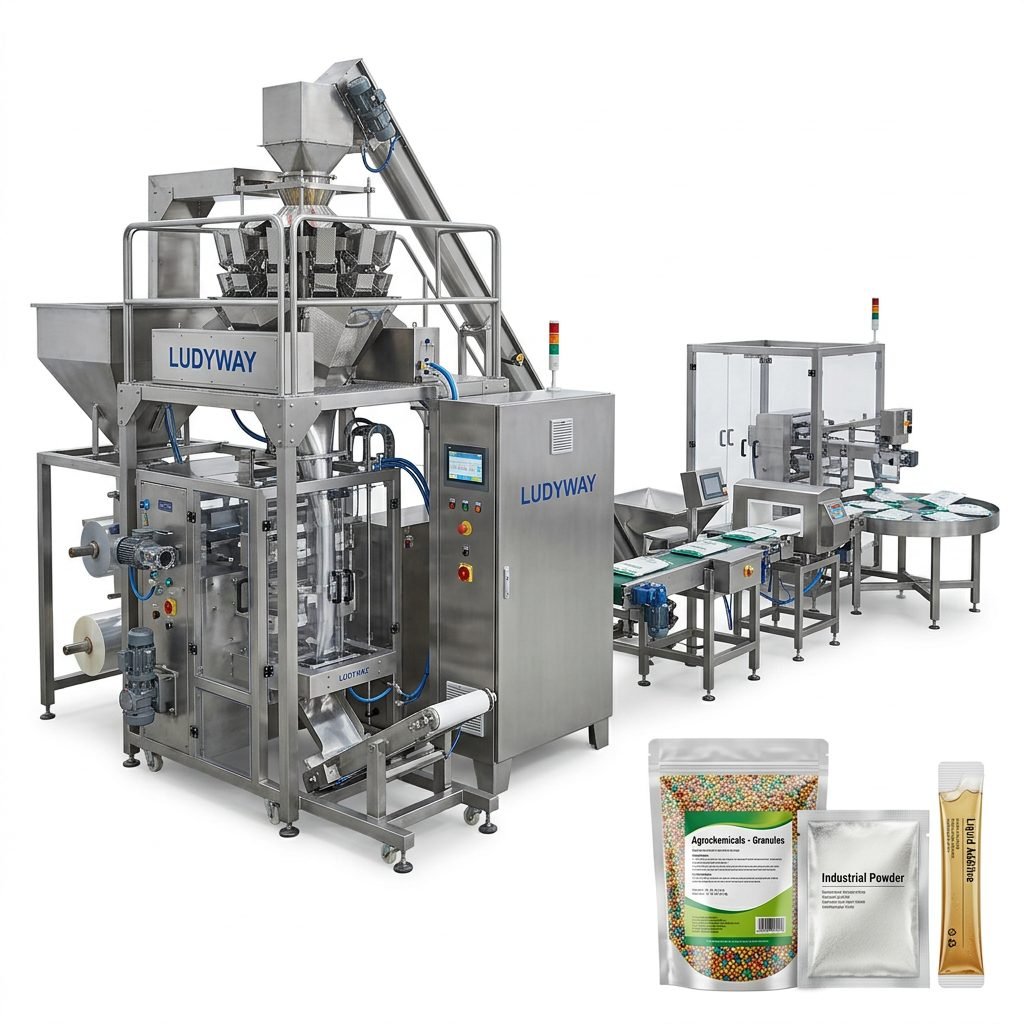
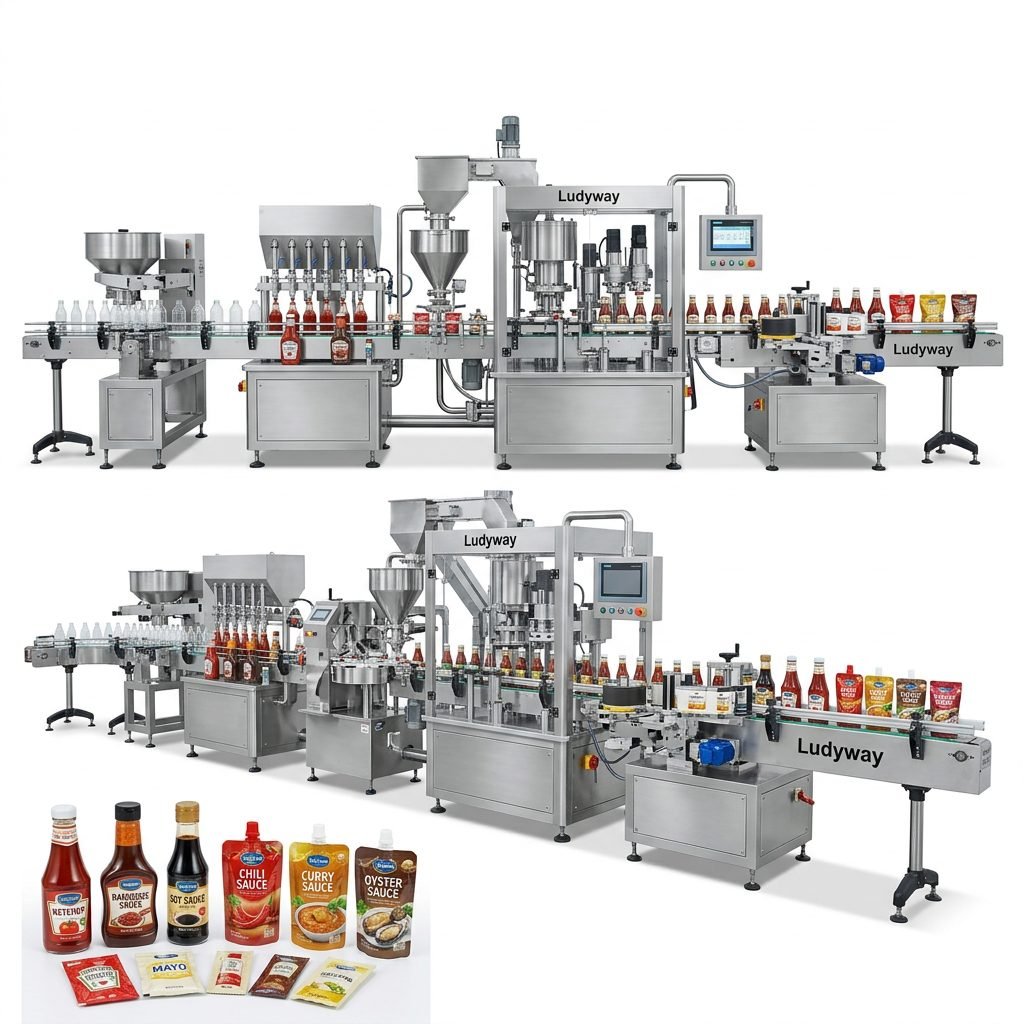
An automated sauce production line is more than just a filling machine. It integrates multiple subsystems that must communicate flawlessly. A typical high-capacity line for the French market includes the following machinery sequence:
| Stage | Equipment | Key Function |
|---|---|---|
| 1 | Bottle Unscrambler | Automated orientation and feeding of containers |
| 2 | Sauce Filling Machine | Volumetric or piston filling with anti-drip nozzles |
| 3 | Capping Machine | Torque-controlled screw or press-on capping |
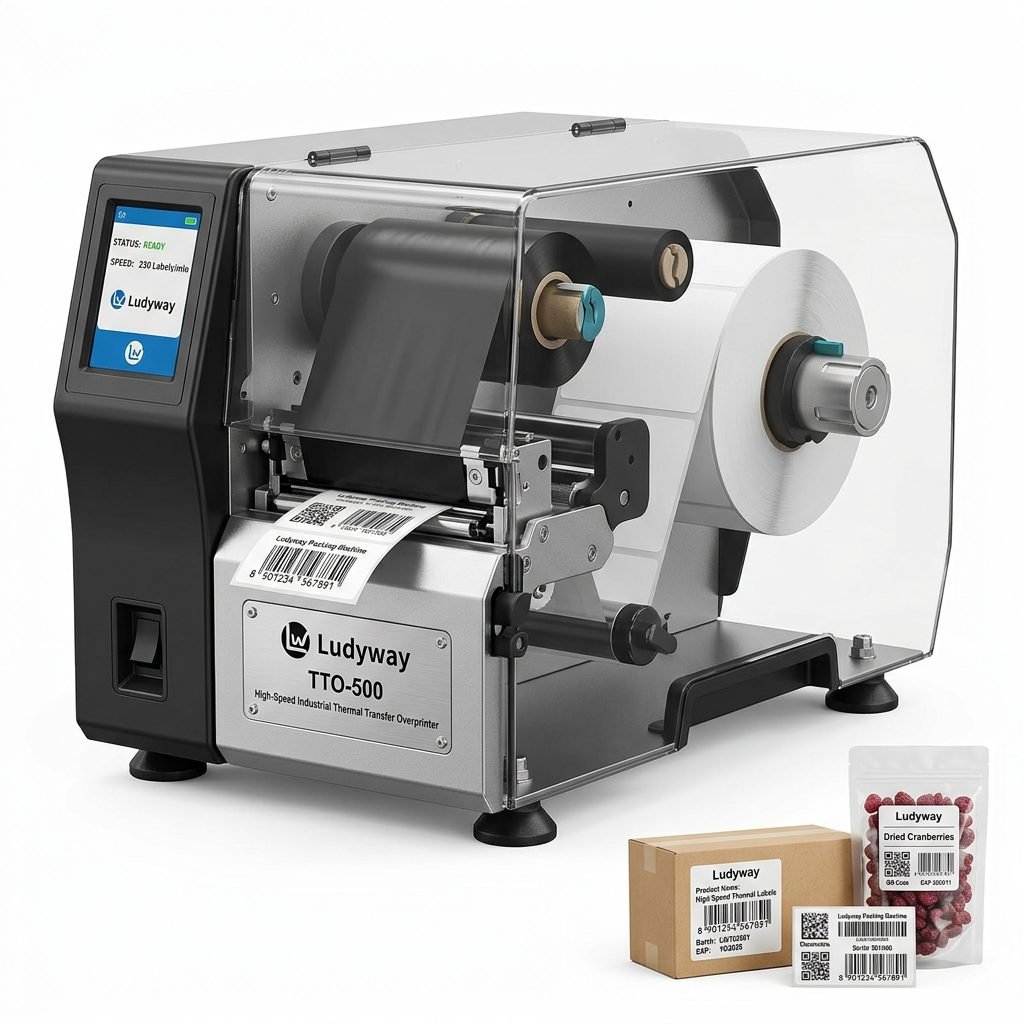
| 4 | Labeling Machine | High-speed wrap-around or front/back labeling for French compliance |
| 5 | Cartoning/Case Packing | End-load cartoning for secondary packaging |
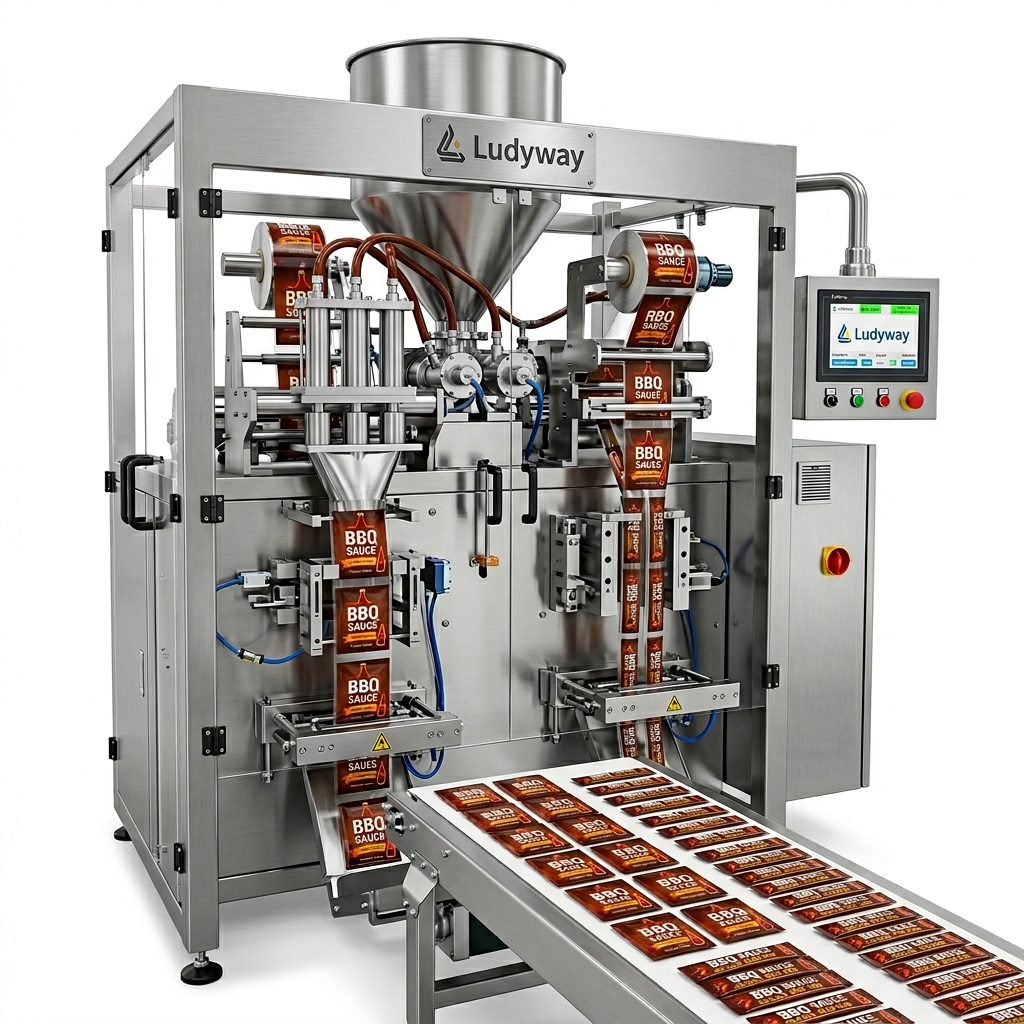
For smaller single-serve sachets, you would opt for a multi-lane stick pack or sachet machine. These machines form, fill, and seal in a continuous vertical motion, often reaching speeds of 400-600 packs per minute per lane. When setting up a line in France, ensure the machine frames are stainless steel and rated for IP65 washdown environments to meet strict food contact safety standards.
Navigating French and EU Regulatory Compliance
Compliance is non-negotiable. France enforces rigorous EU directives for food packaging machinery. Your production line must adhere to:
- EC 1935/2004: Materials in contact with food must not transfer constituents to the sauce in quantities that endanger human health.
- EU 10/2011: Specific rules for plastic materials and articles intended to come into contact with food.
- CE Certification: All machinery imported into France must carry CE marking, confirming compliance with the Machinery Directive 2006/42/EC.
- HACCP Integration: The line hardware must facilitate Hazard Analysis Critical Control Point protocols, specifically regarding temperature control during hot-filling processes.
2. Electrical and Utility Standards
France operates on a 400V three-phase electrical standard at 50Hz. When sourcing a line, verify that the main control cabinet is fully compatible with French grid specifications. Furthermore, pneumatic requirements typically require a consistent 6-8 bar pressure with dry, filtered air. If your facility is in an industrial zone in regions like Auvergne-Rhône-Alpes or Hauts-de-France, you must book a comprehensive site acceptance test to validate these connections before full commissioning.
Step-by-Step Production Line Setup
Once your equipment has arrived at your French facility, the physical setup phase begins. Following a structured installation plan minimizes downtime and ensures the line passes qualification protocols quickly.
- Floor Plan Execution: Mark the layout precisely according to the 3D CAD drawings. Leave adequate space for operator walkways and raw material staging.
- Mechanical Assembly: Level all conveyors and fillers using precision laser levels. Even a slight tilt in a piston filler can cause inaccurate fill volumes for viscous sauces.
- Integration Check: Establish handshakes between the filler, capper, and labeler. Synchronization of the servo motors is critical to prevent bottle jams and product spillage.
- Dry Run Testing: Run the line empty to verify safety circuits, emergency stops, and sensor alignment.
- Wet Product Trial: Use a proxy food-grade liquid (often water with food coloring) to fine-tune fill volumes, seal integrity, and cap torque.
Optimizing for High-Viscosity and Particulate-Rich Sauces
The French market loves textured sauces (e.g., Bolognese, Provençal). Packaging machinery for chunky sauces requires distinct features. A standard gravity filler is unsuitable; instead, you need a positive displacement piston filler with large-diameter valves (typically 1.5 inches or larger) to allow particulates to flow without shear damage. Hot-filling is often used for shelf-stable jarred sauces. The filling system must be capable of handling product temperatures up to 90°C without compromising seal integrity.
Essential Features for Challenging Sauces:
- Bottom-up filling nozzles to prevent air entrapment and splashing.
- Agitated hoppers to keep particulates suspended.
- Steam sterilization tunnels for long-shelf-life products.
Post-filling, you often require a nitrogen flush system before capping if your packaging format does not use a retort process. This extends shelf life and prevents oxidation in premium organic sauces distributed through French retailers like Carrefour or Leclerc.
After-Sales Support and Technical Service in France
The reliability of your production line depends heavily on the manufacturer’s support network. Downtime in the food industry is costly; a line stopped for half a day results in significant raw material waste. When evaluating equipment manufacturers, confirm they offer remote diagnostic support, readily available spare parts within the EU, and French-speaking engineers or local service partners. Investing in an annual maintenance contract with a local technician ensures your machinery remains in peak condition and aligned with evolving FSSC 22000 standards popular among French food processors.
3. Training Your French Production Staff
Even the most advanced automated line requires skilled operators. Essential training modules should strictly cover cleaning procedures, format changeover, and basic troubleshooting of the touchscreen HMI. Ensure documentation is available in French to comply with local labor laws and reduce operator error. With proper training, a single operator can often manage a fully integrated bottling monobloc if it features automatic fault detection and rejection systems.
About Ludyway
Ludyway is one of the largest packaging machine manufacturers in China, specializing in advanced packaging equipment and turnkey production solutions for the food, pharmaceutical, and health industries. With over 30 years of industry expertise, we provide reliable and efficient packaging solutions for granule, powder, liquid, and pouch packaging applications. Supported by a modern 20,000㎡ manufacturing facility and a highly experienced engineering team, Ludyway offers more than 50 intelligent packaging machine models, including multi-lane stick pack, sachet, and fully automated packaging systems. Serving customers in over 100 countries and regions, we are committed to delivering innovative, high-performance, and cost-effective packaging solutions that help businesses improve productivity, product quality, and operational efficiency.
5. Final Validation and Scaling
After setup, commissioning, and operator training, the final step is to validate the line with official weights and measures calibration if your packages are sold by volume. French DGCCRF regulations enforce strict tolerances on pre-packaged goods. By systematically following these guidelines, you will establish a robust, compliant, and highly efficient sauce packaging machine production line in France that stands ready to meet the demands of the European retail sector.